
Start: 2nd April 2027 | End: 12th April 2027 | Meeting location: Hat Yai | Spaces available: 7
Explore Herpetology's legendary Expedition Yala returns for its one-time run in 2027, featuring 10 action-packed nights in the most concentrated area for reptile diversity in the entire world - perfect for those who are keen to see a broad diversity of herpetofauna. First and foremost, Yala is sensational for snakes, with our species lists averaging between 37-42 snakes per trip. It is also ideal if you love amphibians, regularly producing several world-famous species of frogs, amongst many other lesser-known frogs and caecilians (Ichthyophis). Additionally, Yala has had the best rate of sightings of mainland Southeast Asia's two rarest monitor lizard species, the roughneck monitor (Varanus rudicollis) and Dumeril's monitor (Varanus dumerilii).
We will stay in 3 accommodations, starting with 4 nights in Than To district, 5 nights in Betong, and 1 final night in Hat Yai City. Through these locations, we will visit many different trails across varied habitats, including limestone karst valleys, waterfalls, primary rainforest rivers, quiet forest roads, cool highlands and agricultural uplands. Yala was one of our earliest group herping trips, and it helped establish us as the premier herping tour operator in Southeast Asia. Come find out why!
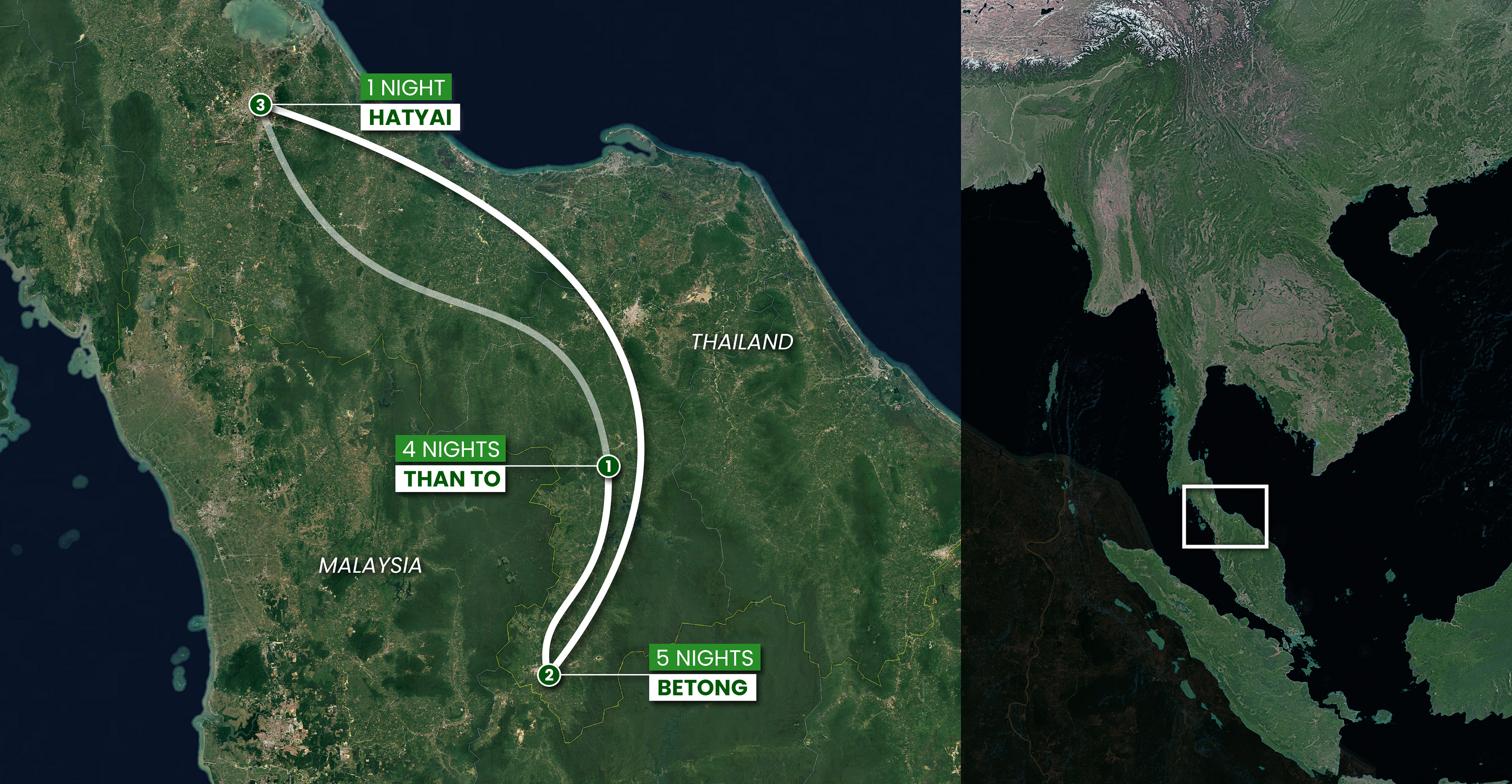
Nights 1- 4: THAN TO
Than To district is defined by its towering limestone karst formations and rolling hills which form an unforgettable landscape, perfect for an adventure into remote and undisturbed rainforests. This area can challenge any location in the world for its density of herpetofauna, and has consistently been one of our most productive areas for herping since we first started running expeditions here in 2022.
Recently, this area has produced multiple red-headed kraits (Bungarus flaviceps), golden morph Sumatran cobras (Naja sumatrana), blue coral snakes (Calliophis bivirgata), blood pythons (Python brongersmai), and even a 4.2 metre Sunda king cobra (Ophiophagus bungarus) in 2023. The forest around Than To is packed with arboreal snakes and stunning lizards, with cat snakes (Boiga sp.), large agamid lizards (Gonocephalus sp.) and impressive frogs showing up every night. Than To is one of the few sites in Southern Thailand where Hagen's pit viper (Trimeresurus hageni) is still very common, and the country's only record of the royal tree snake (Gonyosoma margaritatum) is from here - an indicator of high quality habitat. For our 4 nights here, we will be staying in air-conditioned accommodation situated at the base of limestone karst formations. The garden of the resort has multiple trails where we have seen blue coral snake (Calliophis bivirgata), Kopstein's bronzeback (Dendrelaphis kopsteini) and roughneck monitor (Varanus rudicollis) in the past.
Recently, this area has produced multiple red-headed kraits (Bungarus flaviceps), golden morph Sumatran cobras (Naja sumatrana), blue coral snakes (Calliophis bivirgata), blood pythons (Python brongersmai), and even a 4.2 metre Sunda king cobra (Ophiophagus bungarus) in 2023. The forest around Than To is packed with arboreal snakes and stunning lizards, with cat snakes (Boiga sp.), large agamid lizards (Gonocephalus sp.) and impressive frogs showing up every night. Than To is one of the few sites in Southern Thailand where Hagen's pit viper (Trimeresurus hageni) is still very common, and the country's only record of the royal tree snake (Gonyosoma margaritatum) is from here - an indicator of high quality habitat. For our 4 nights here, we will be staying in air-conditioned accommodation situated at the base of limestone karst formations. The garden of the resort has multiple trails where we have seen blue coral snake (Calliophis bivirgata), Kopstein's bronzeback (Dendrelaphis kopsteini) and roughneck monitor (Varanus rudicollis) in the past.
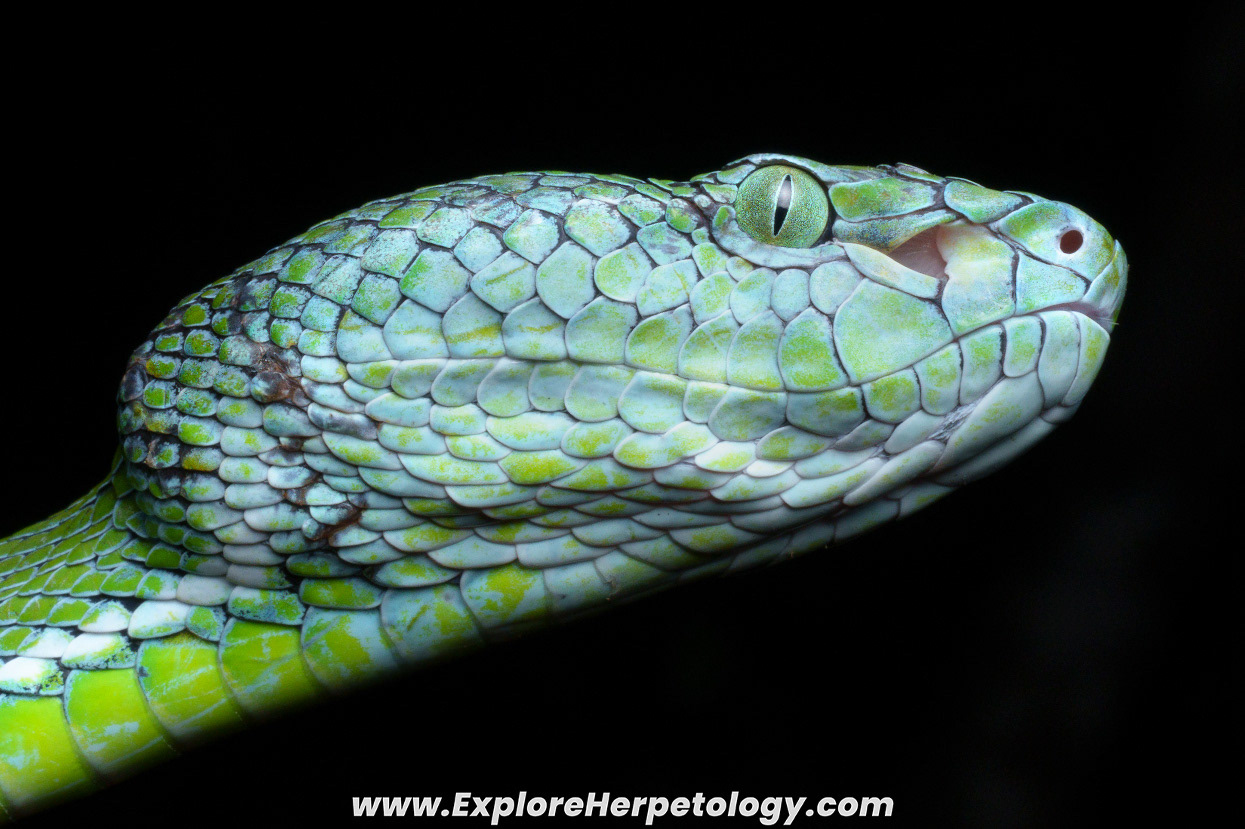
Hagen's pit viper (Trimeresurus hageni).
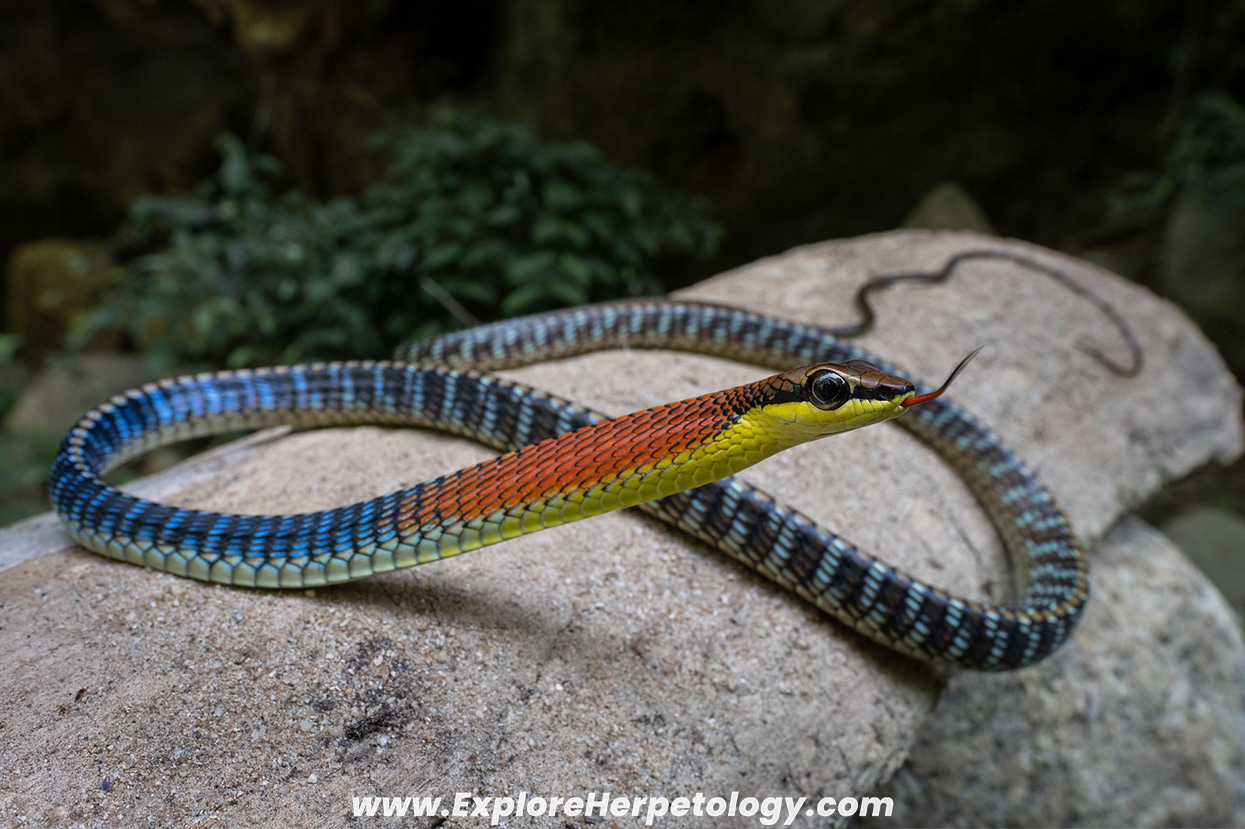
Kopstein's bronzeback (Dendrelaphis kopsteini).
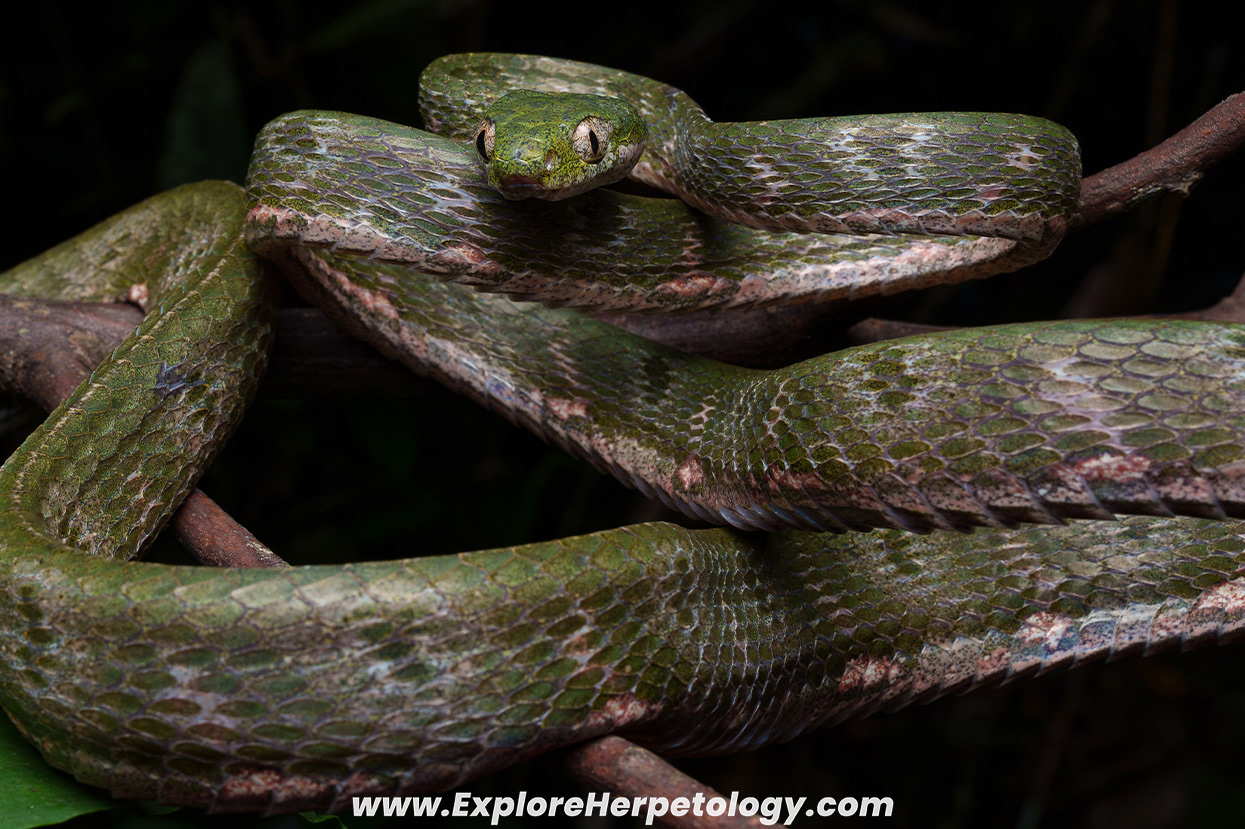
Bengkulu cat snake (Boiga bengkuluensis).
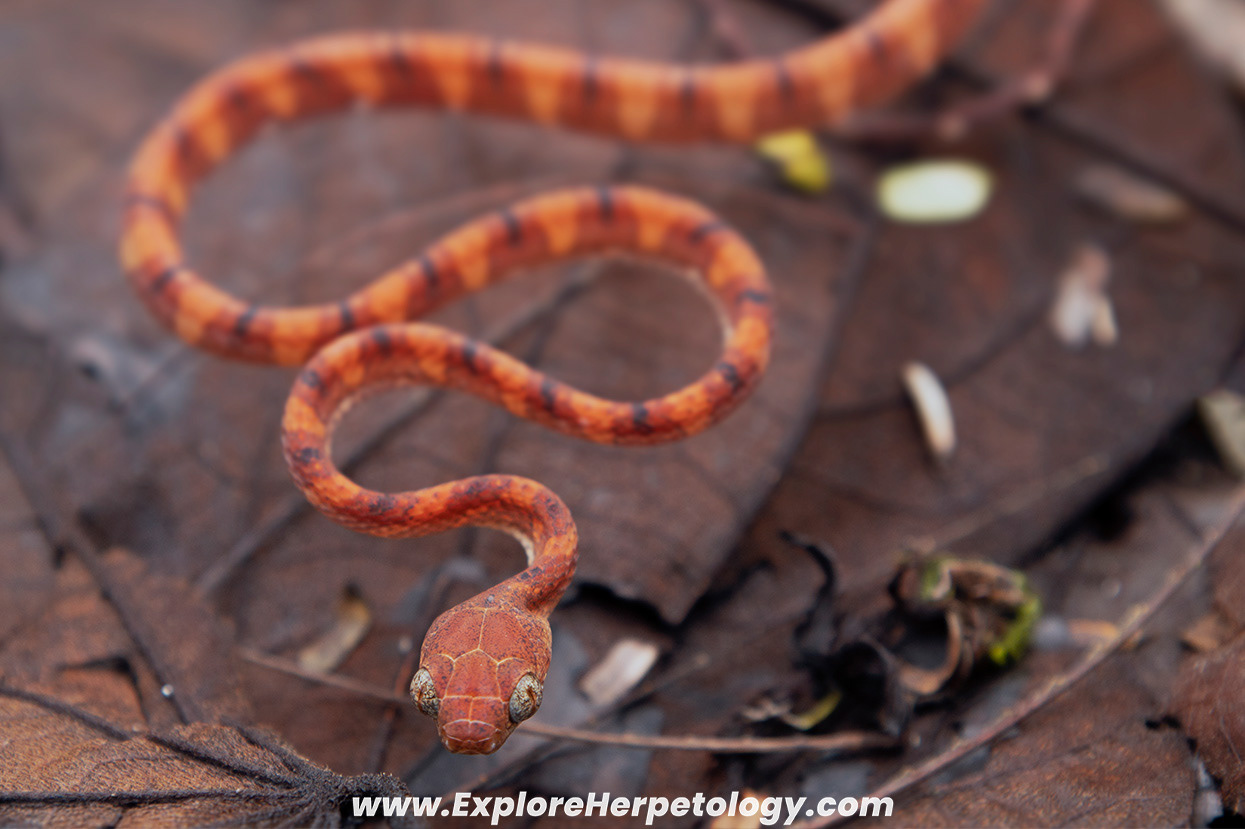
White-spotted cat snake (Boiga drapiezii).
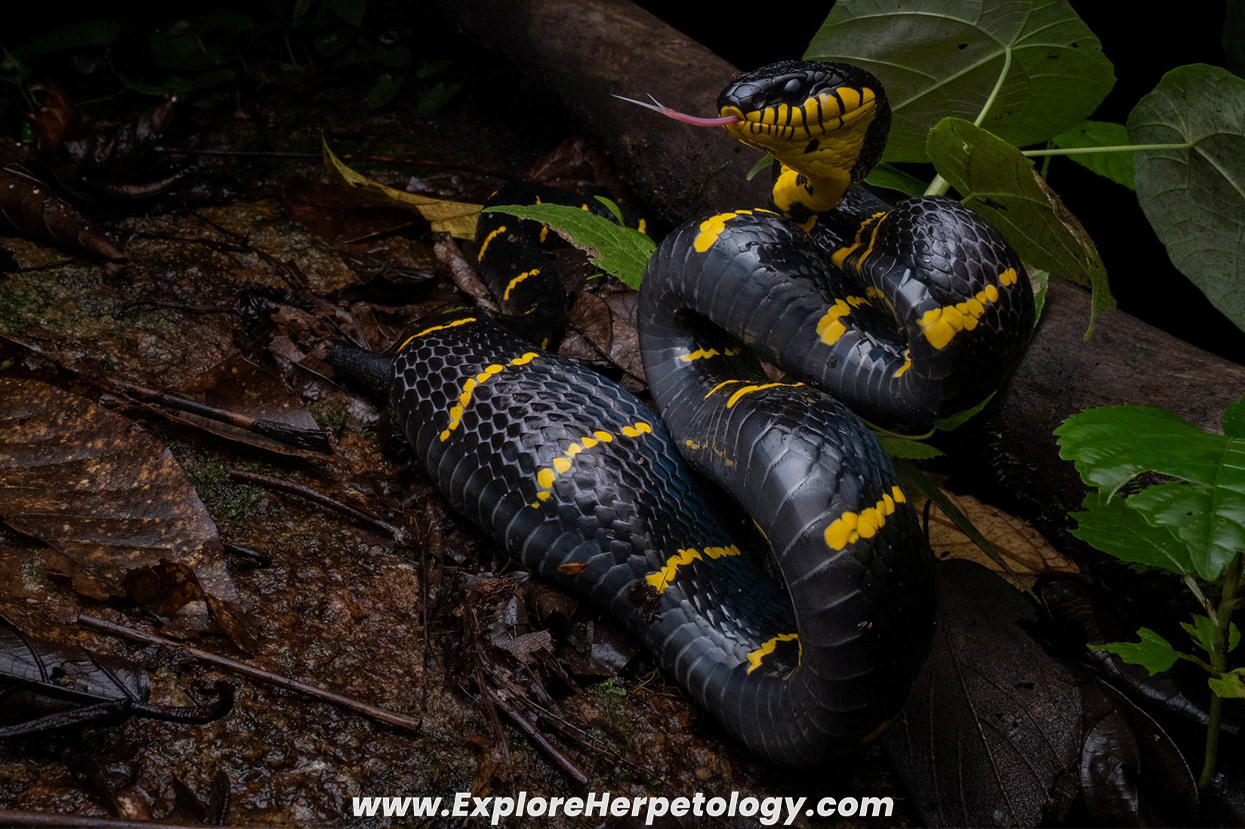
Mangrove cat snake (Boiga dendrophila).
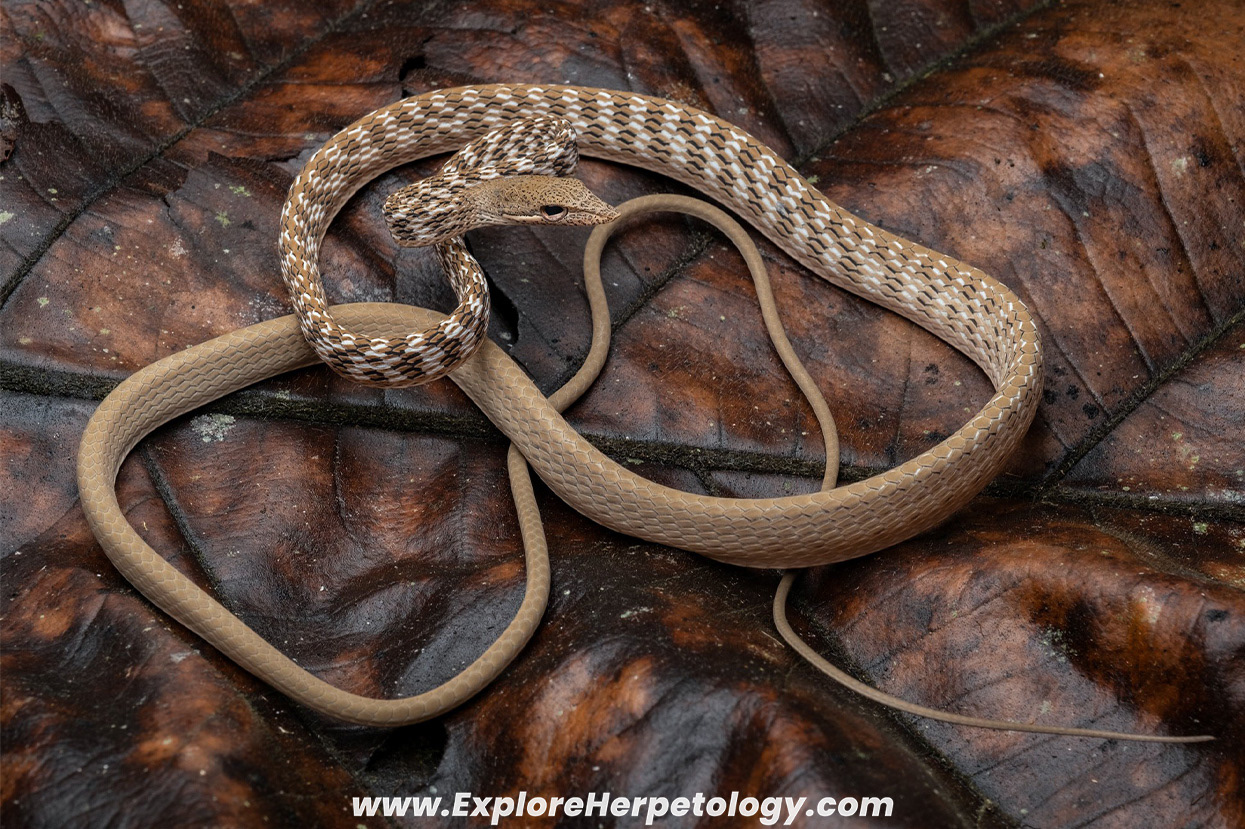
Speckle-headed vine snake (Ahaetulla fasciolata).
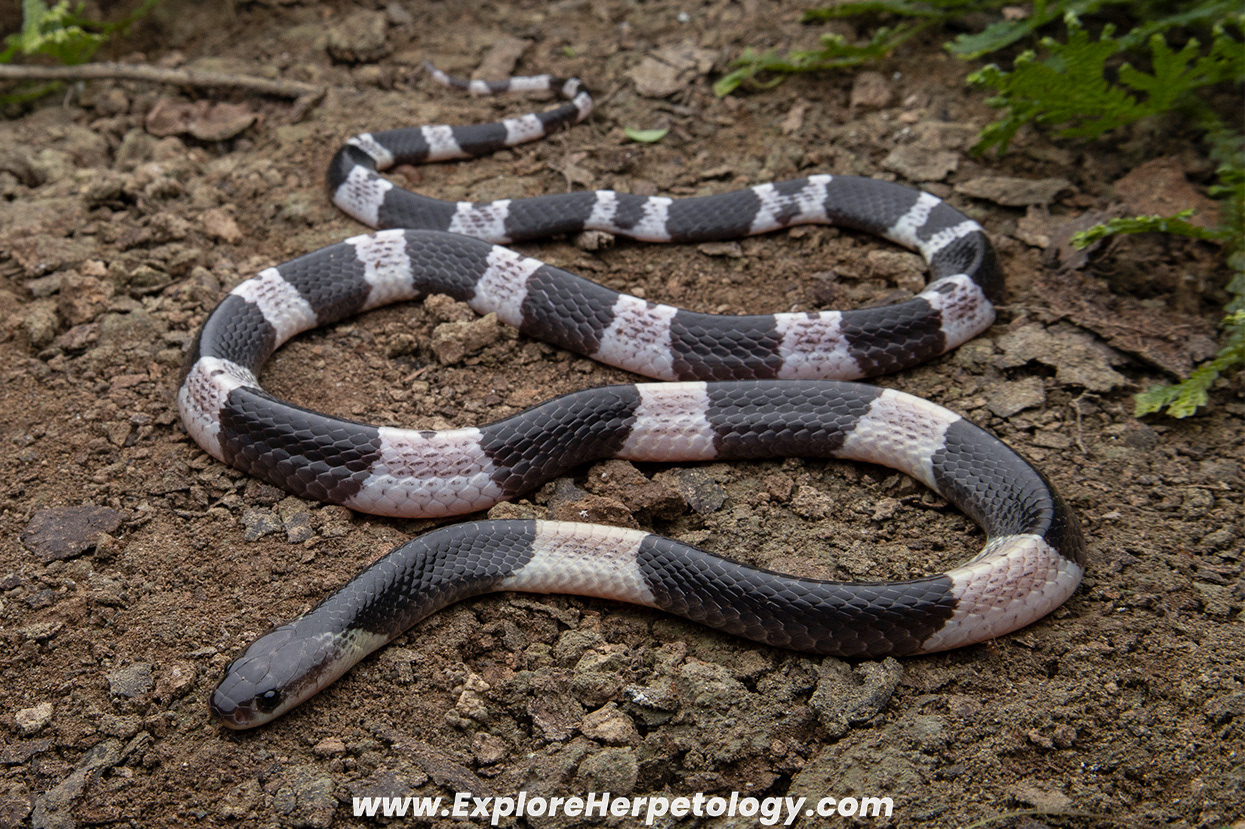
Malayan krait (Bungarus candidus).
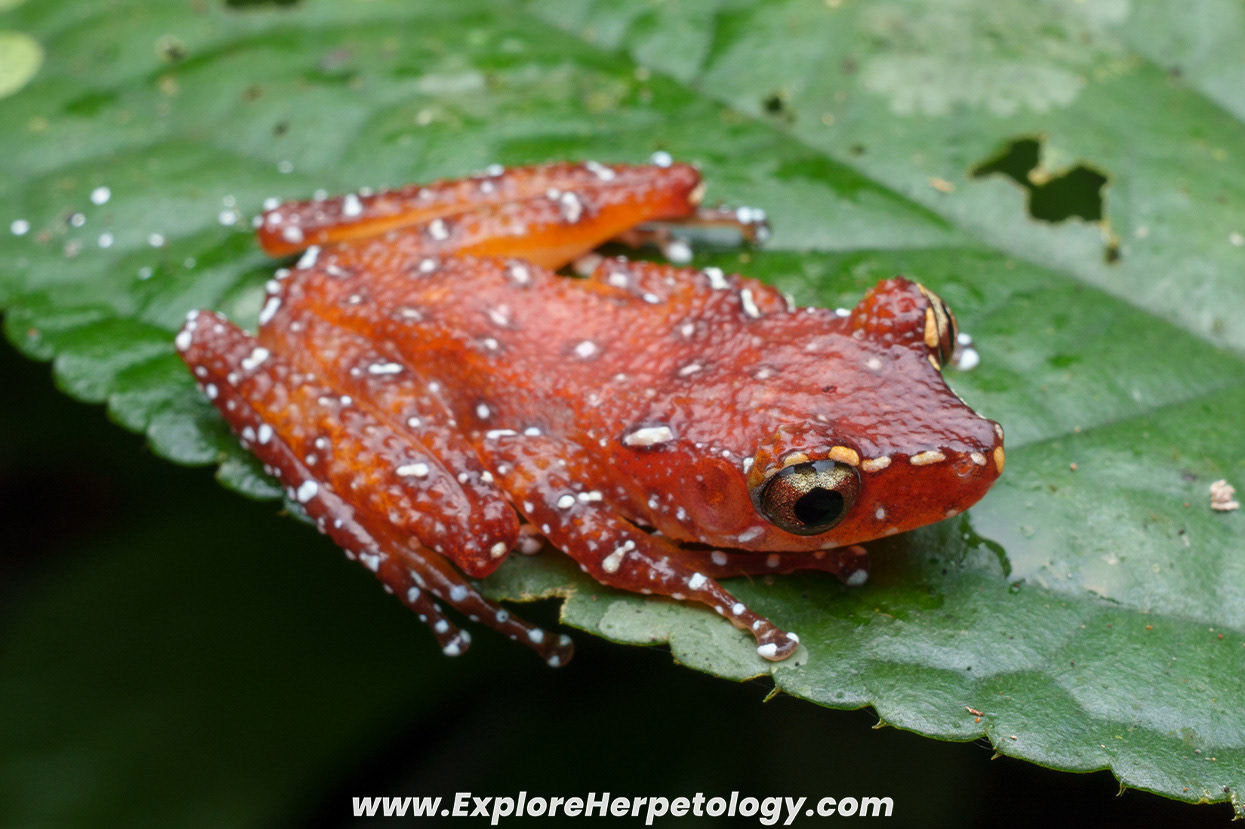
Peninsula cinnamon frog (Nyctixalus pictus).
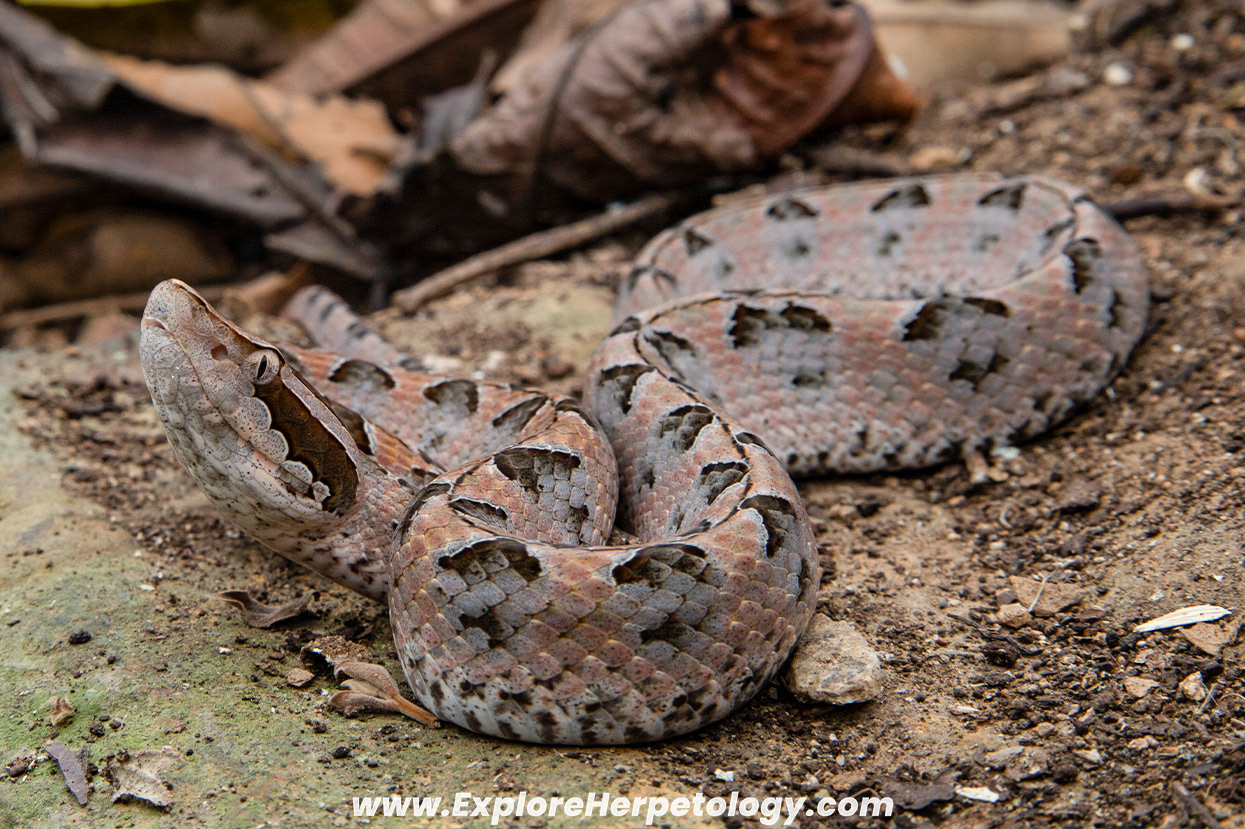
Malayan pit viper (Calloselasma rhodostoma).
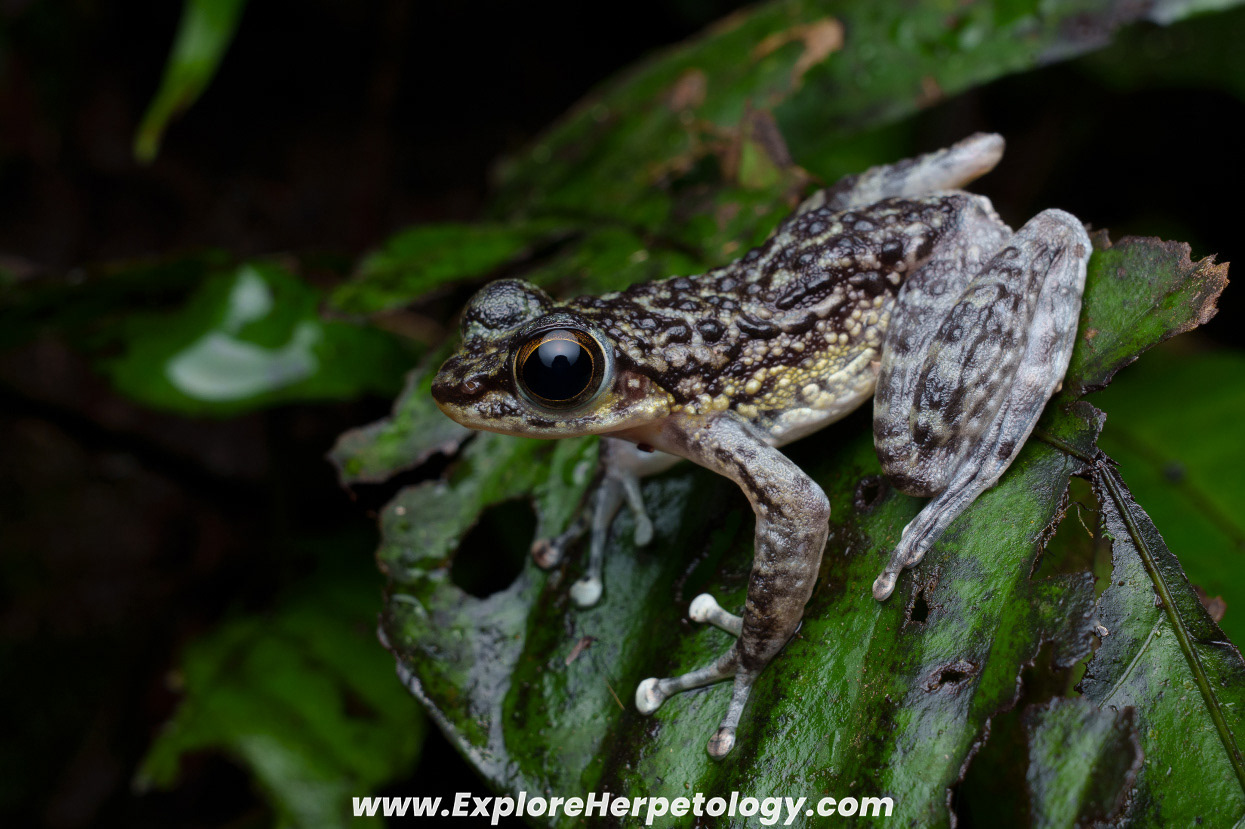
Larut torrent frog (Amolops larutensis).
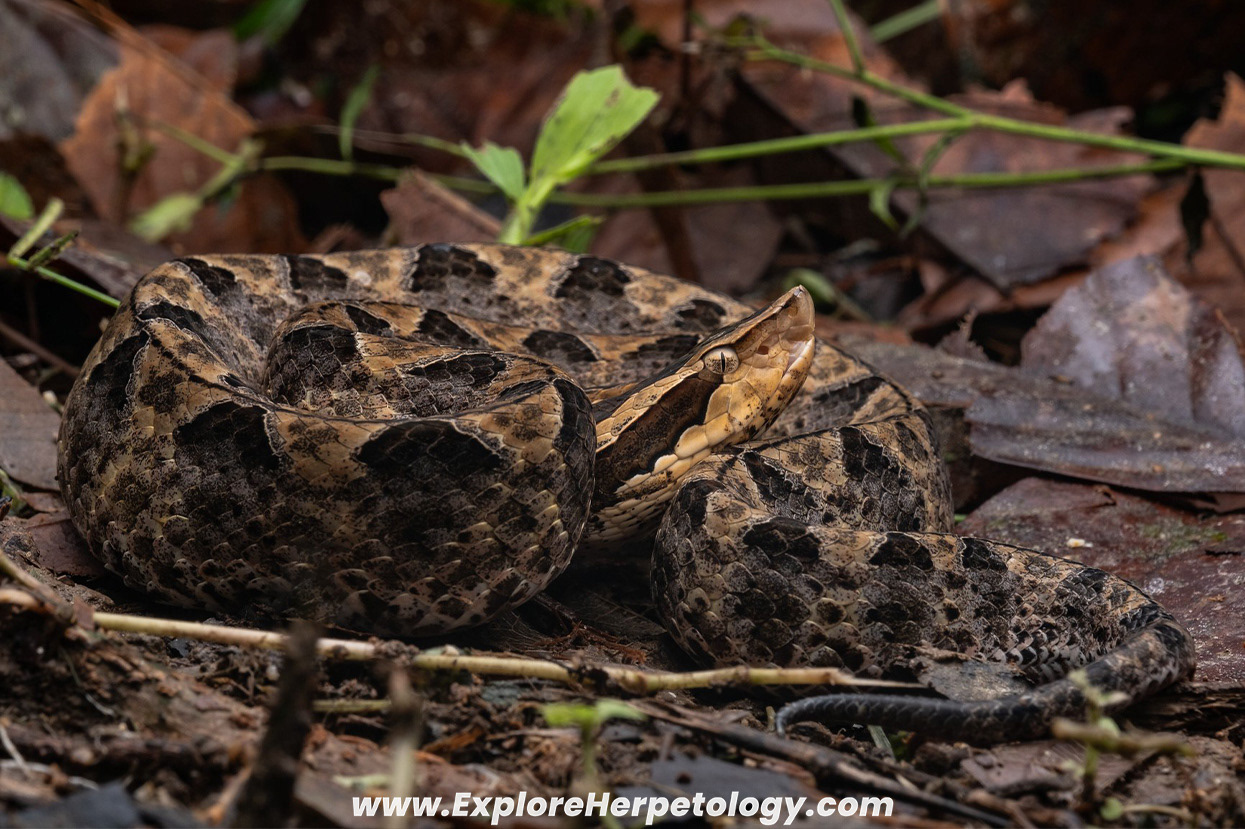
Malayan pit viper (Calloselasma rhodostoma).
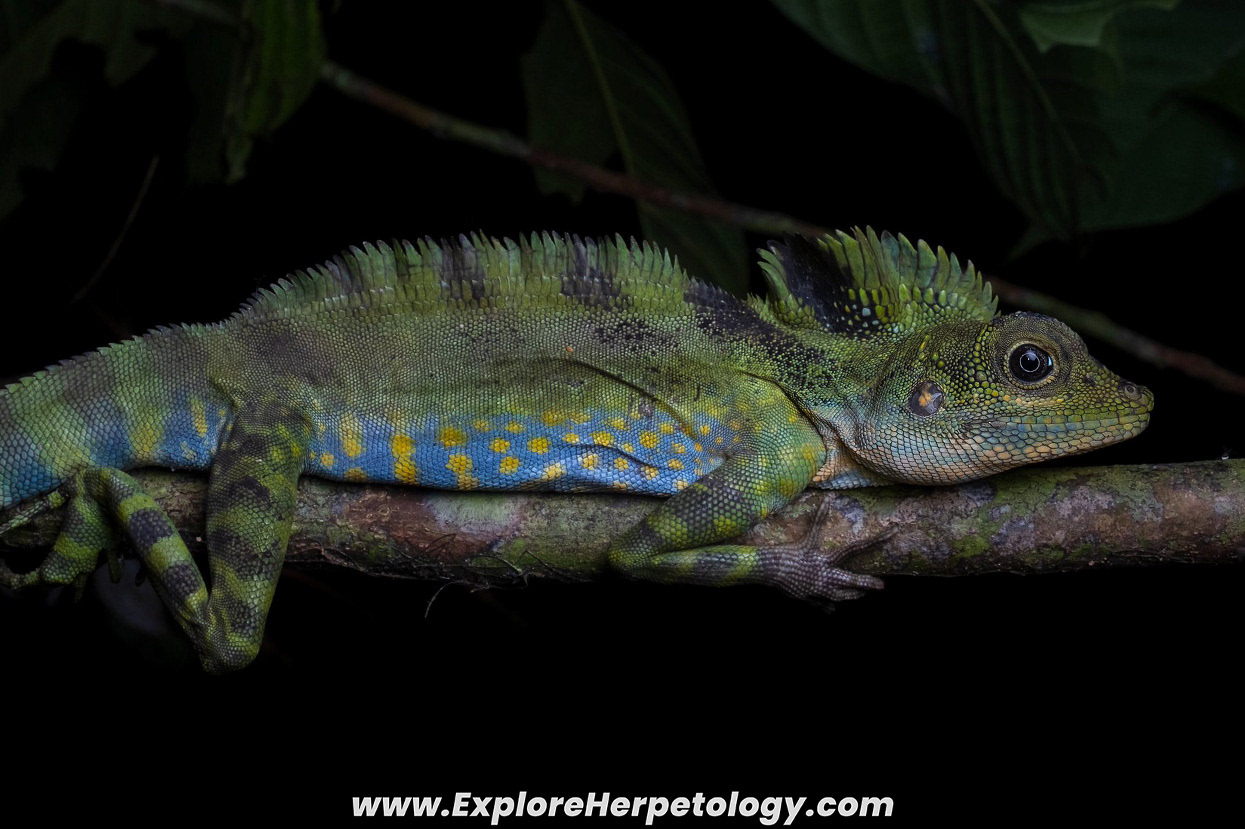
Great angle-headed lizard (Gonocephalus grandis).
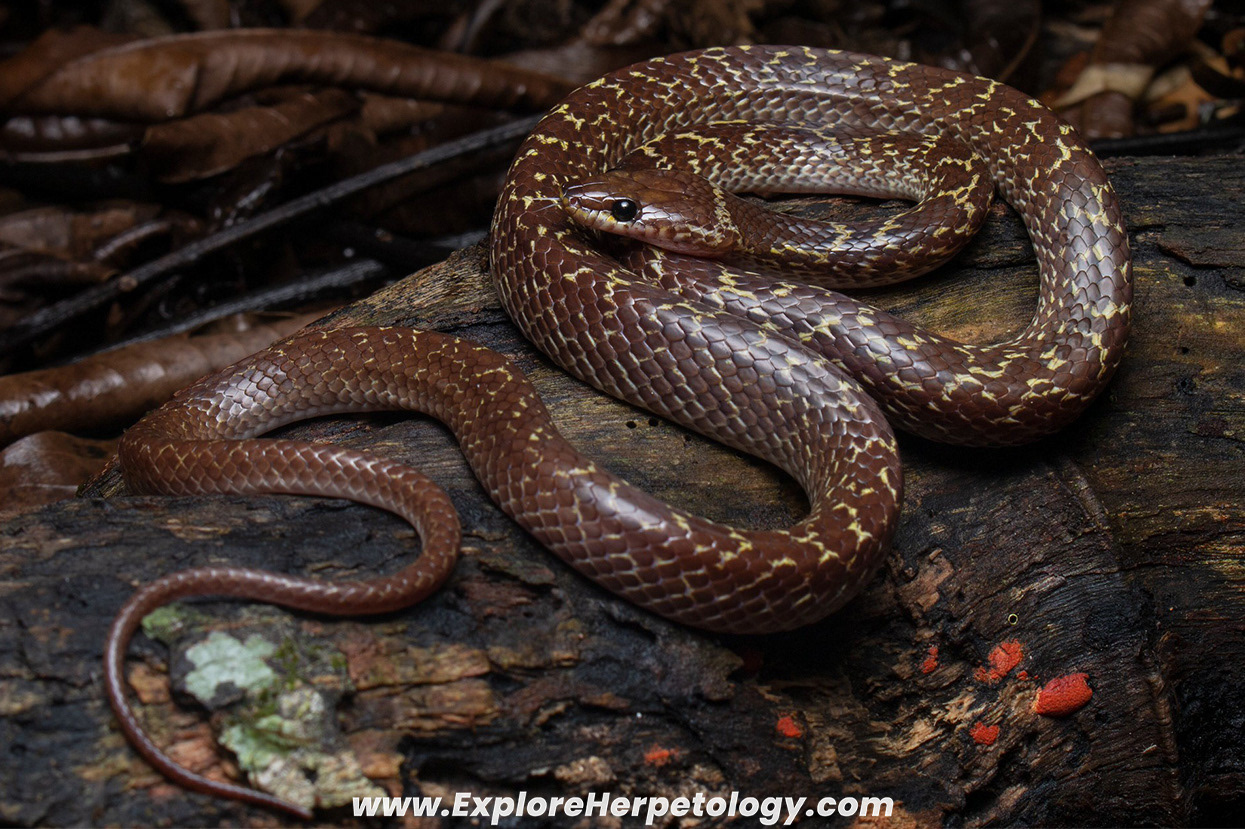
Common wolf snake (Lycodon capucinus).
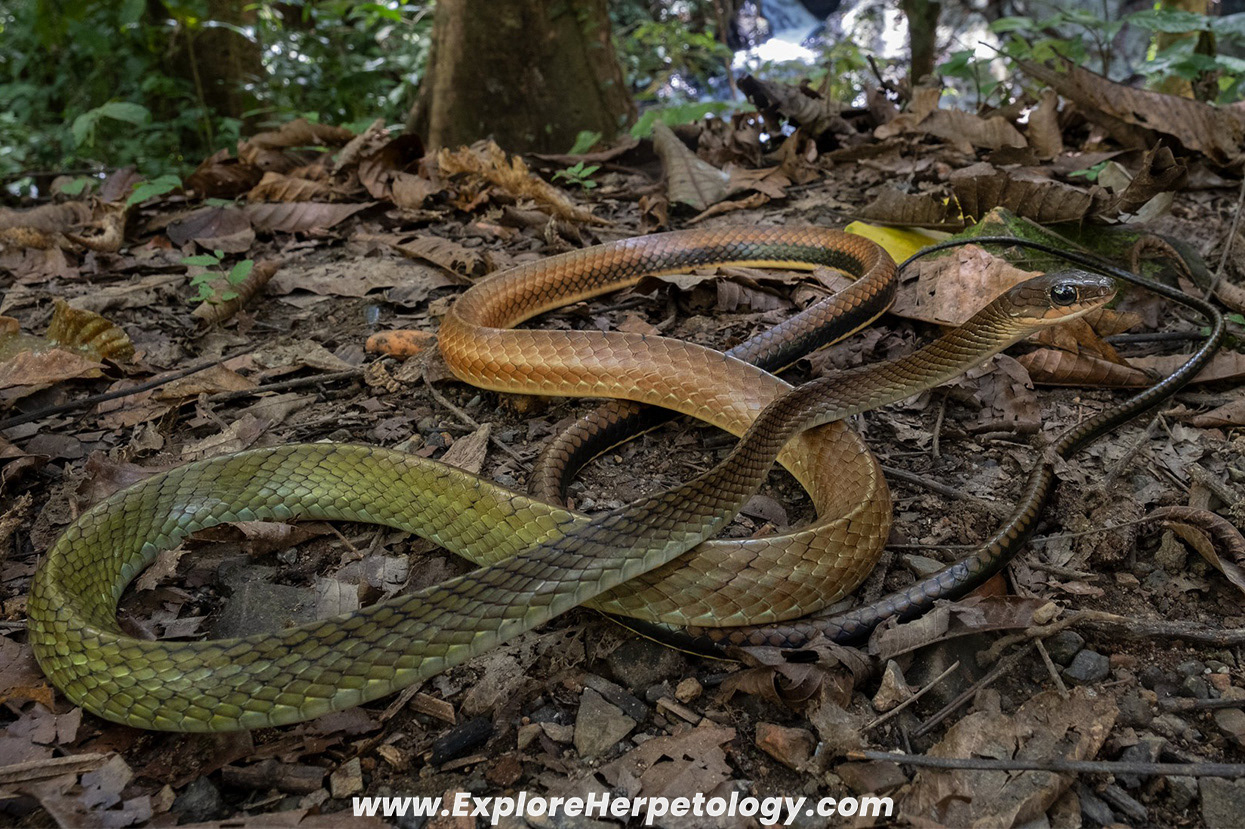
White-bellied rat snake (Ptyas fusca).
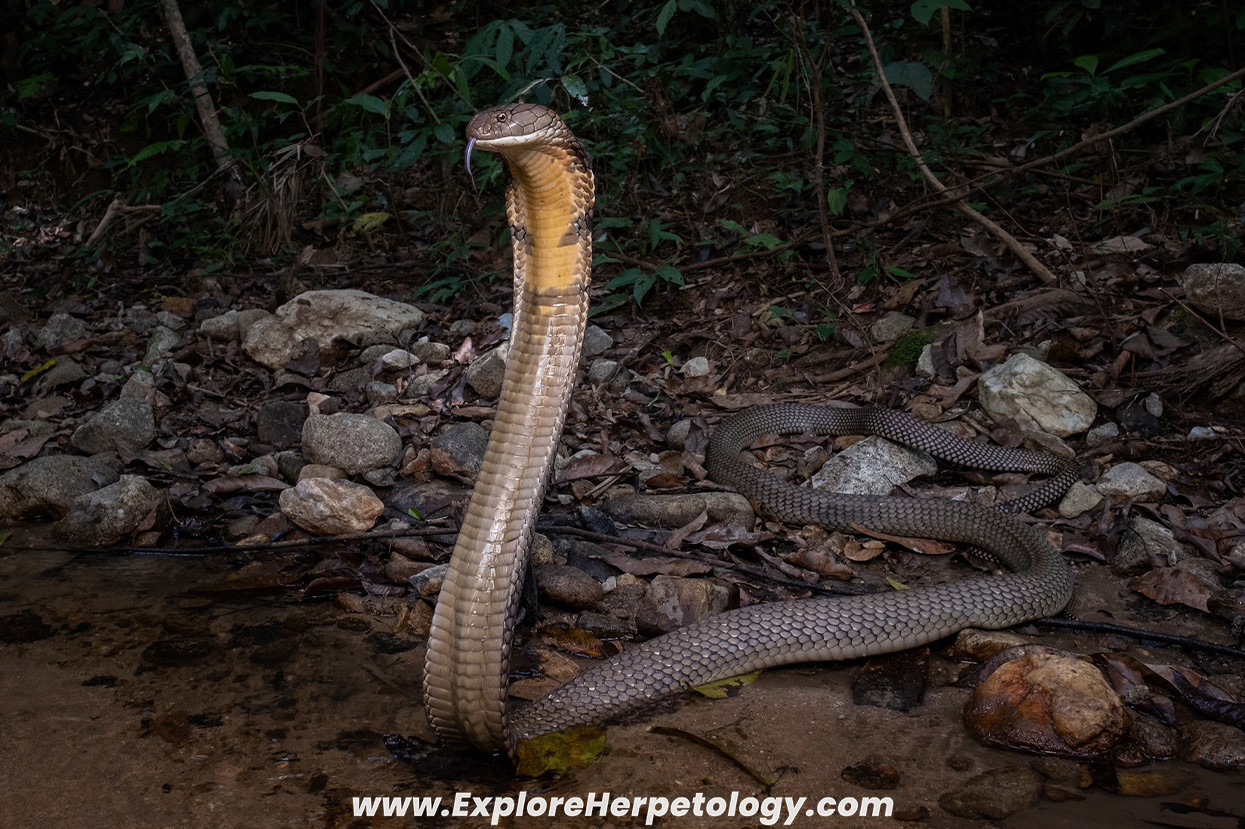
Sunda king cobra (Ophiophagus bungarus).
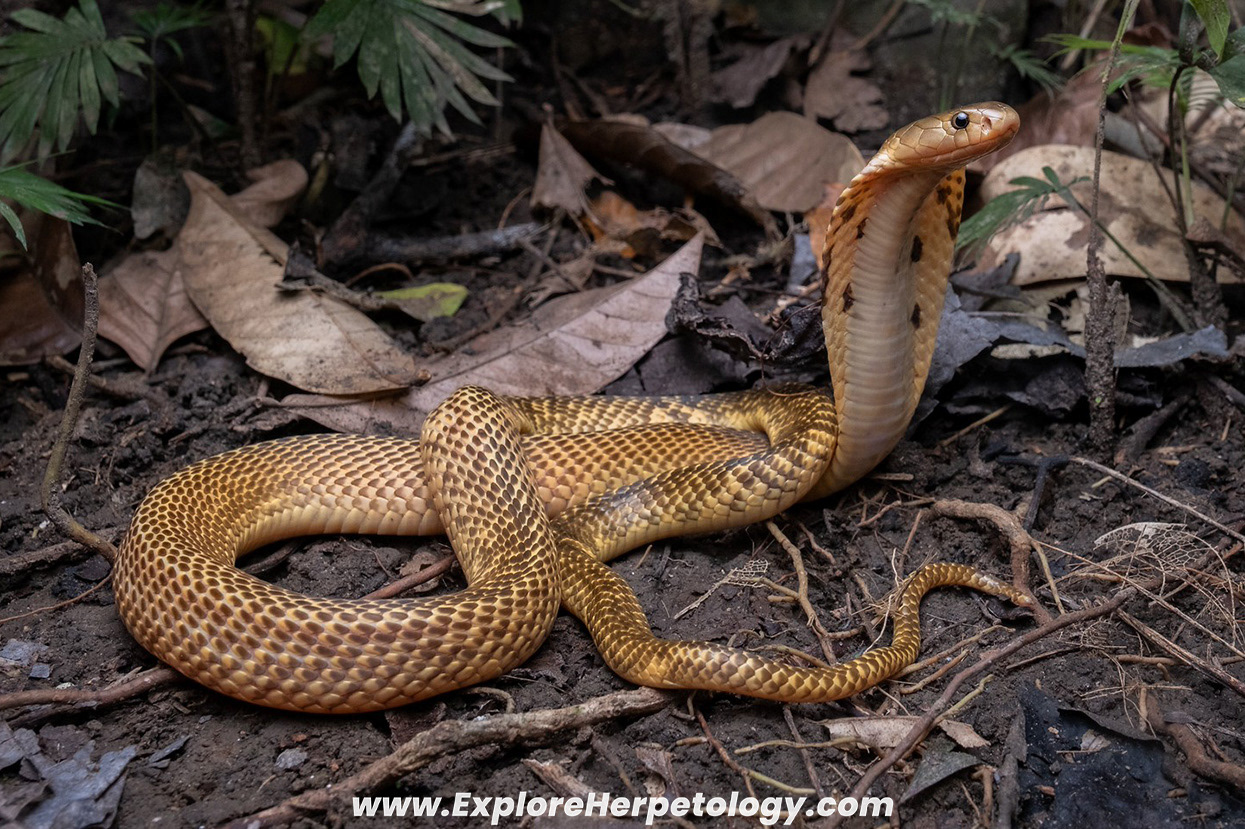
Sumatran spitting cobra (Naja sumatrana).
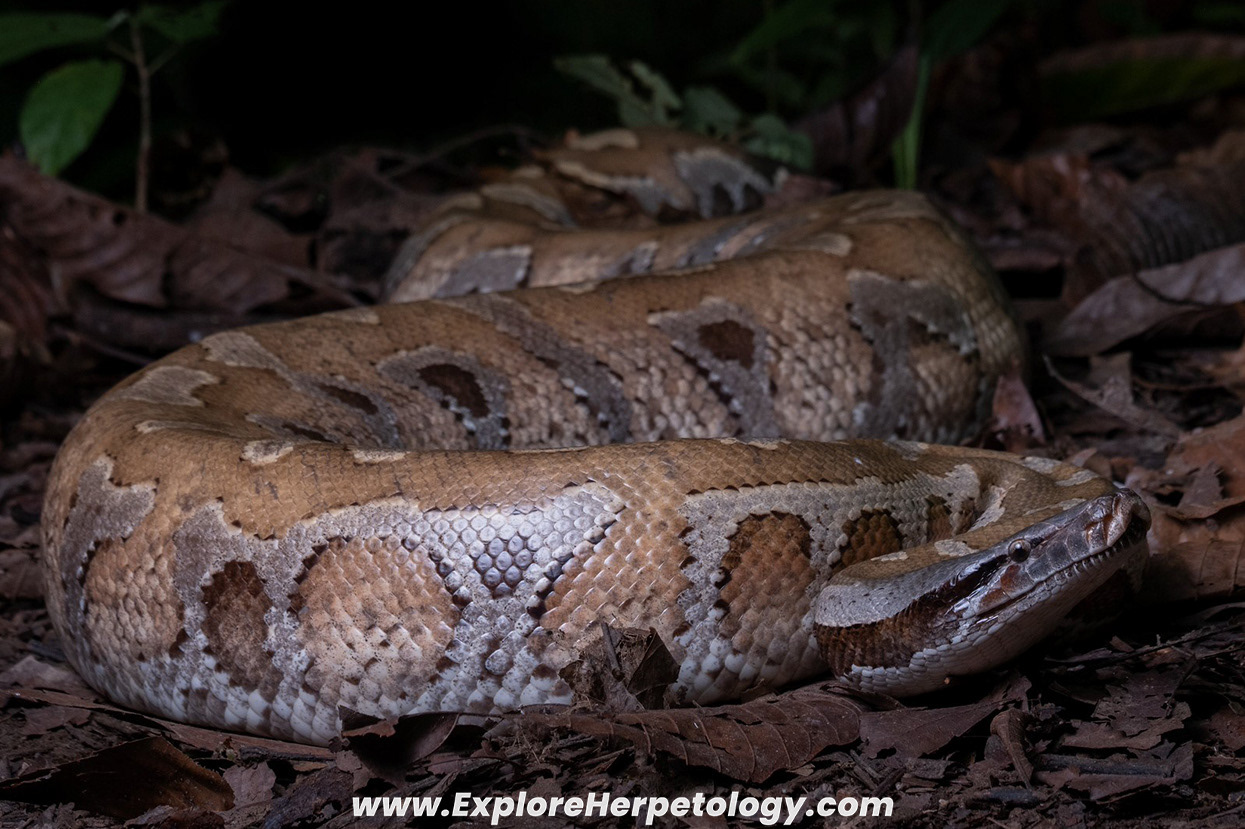
Blood python (Python brongersmai).
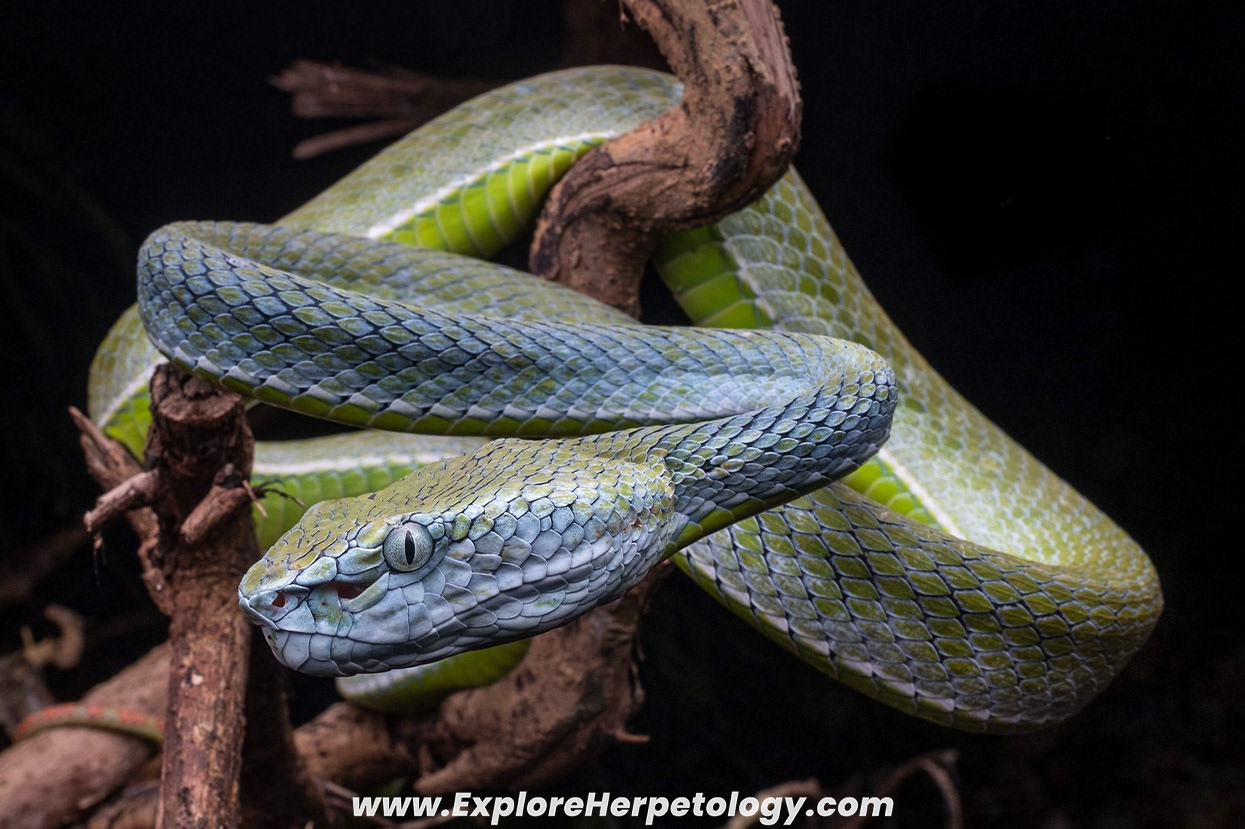
Hagen's pit viper (Trimeresurus hageni).
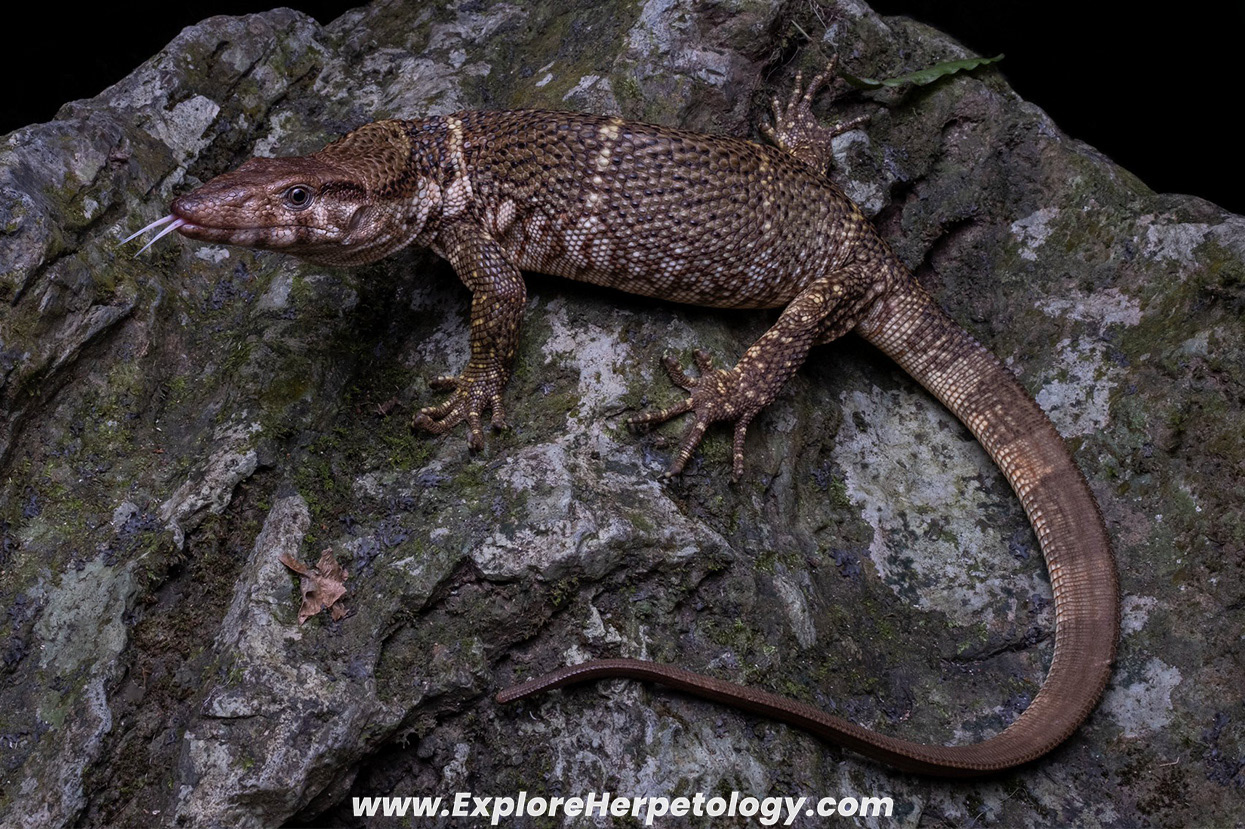
Dumeril's monitor (Varanus dumerilii).
Nights 5 - 9: BETONG
The following 5 nights will be spent in Betong district, exploring upland forests from 500 - 1,000 metres above sea level. The mature mid-hill rainforest of Bang Lang National Park is home to ridiculously high diversity of herpetofauna, along with elephants, tigers, leopards, hornbills, pangolins and more. For snakes, Betong is one of the best locations to see female Wagler's pit vipers (Tropidolaemus wagleri), which are particularly large and colourful in this area. We can find Sabah pit viper (Trimeresurus sabahi ssp. fucatus) in the higher elevations, while the extremely rare Wirot's pit viper (Craspedocephalus wiroti) has been found on one previous expedition. Road cruising in this area can be very productive on certain nights, regularly producing reticulated pythons (Malayopython reticulatus), Malaysian blue coral snake (Calliophis bivirgata flaviceps) and other remarkable species.
This is the best locality to observe the ultra-cute cat gecko (Aeluroscalabotes felinus) while hiking in the jungle, along with the roughneck monitor lizard (Varanus rudicollis). Bell's angle-headed lizard (Gonocephalus belli) and Smith's green-eyed gecko (Gekko smithi) are both very abundant. Huge long-nosed horned frogs (Pelobatrachus nasuta) call around every stream in this area, while rare species such as the Sunda beautiful frog (Pulchrana sundabarat) and the world-famous Wallace's flying frog (Rhacophorus nigropalmatus) have consistent breeding pools. Keep a sharp eye on every herp you see here, as this forest has huge potential for new records of reptiles and amphibians in Thailand. We will be staying in a quaint little village surrounded by rainforest for the full duration of our stay in Betong, with unrestricted access to numerous primary rainforest trails. The village has a restaurant and shop within a 2 minute walk of our rooms, although we will drive to Betong city for dinner on most evenings. Snakes can be found directly outside (or even inside) the rooms here, helping make Betong one of the best herping destinations in the world.
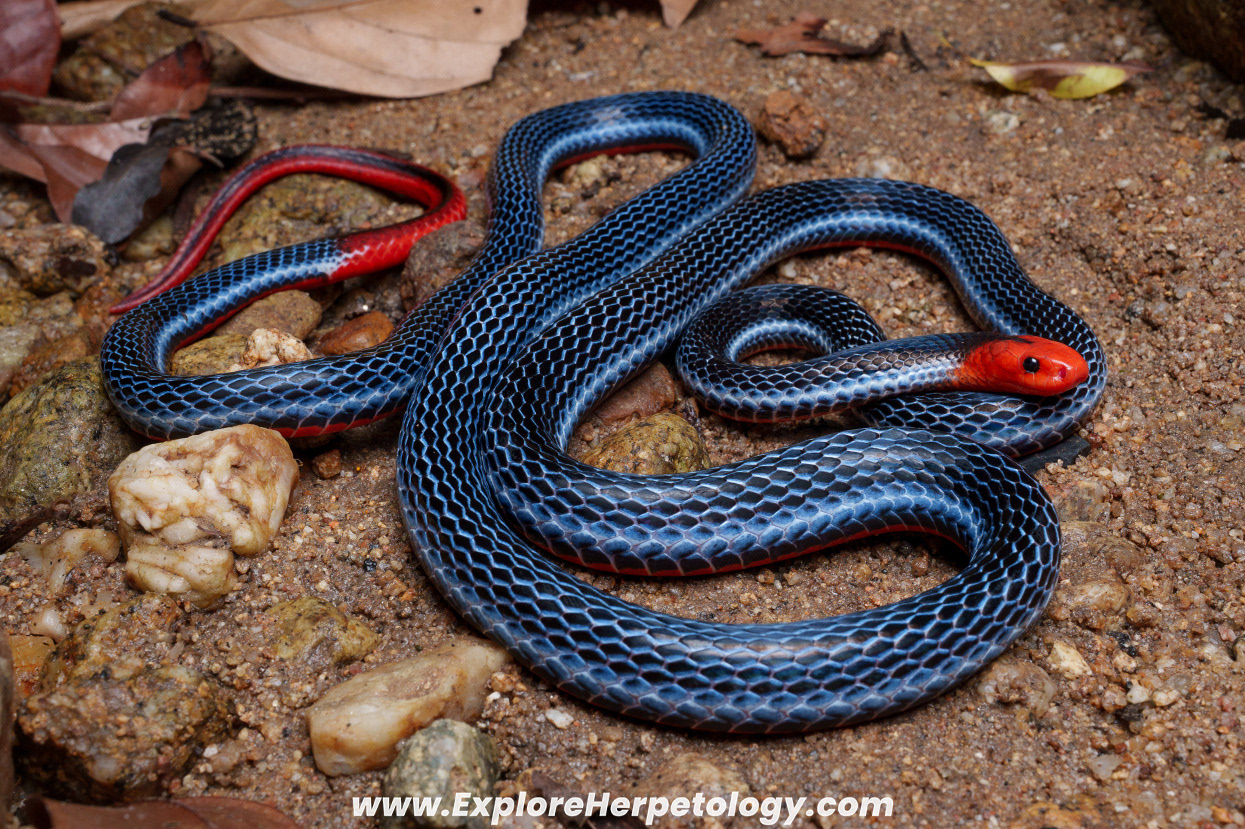
Malaysian blue coral snake (Calliophis bivirgata flaviceps).
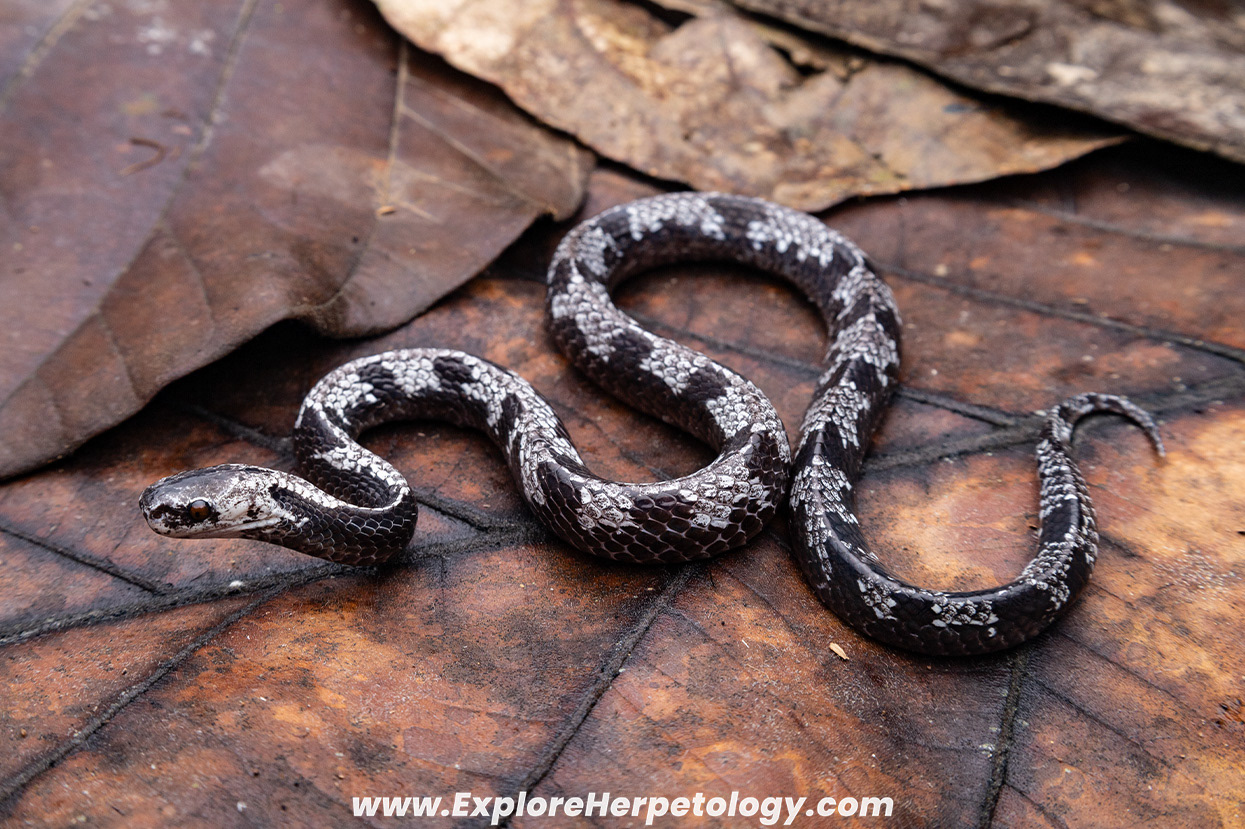
Malaccan slug snake (Asthenodipsas malaccanus).
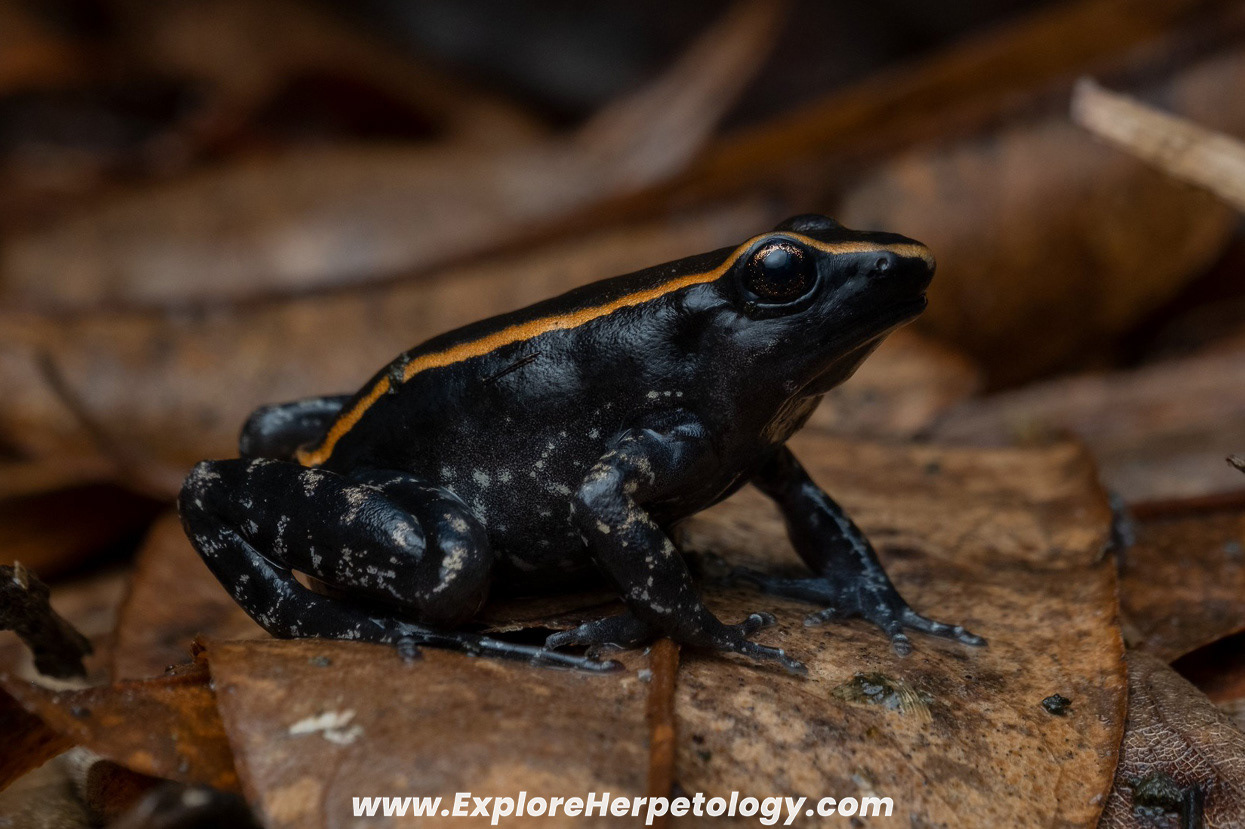
Nazgul's frog (Abavorana nazgul).
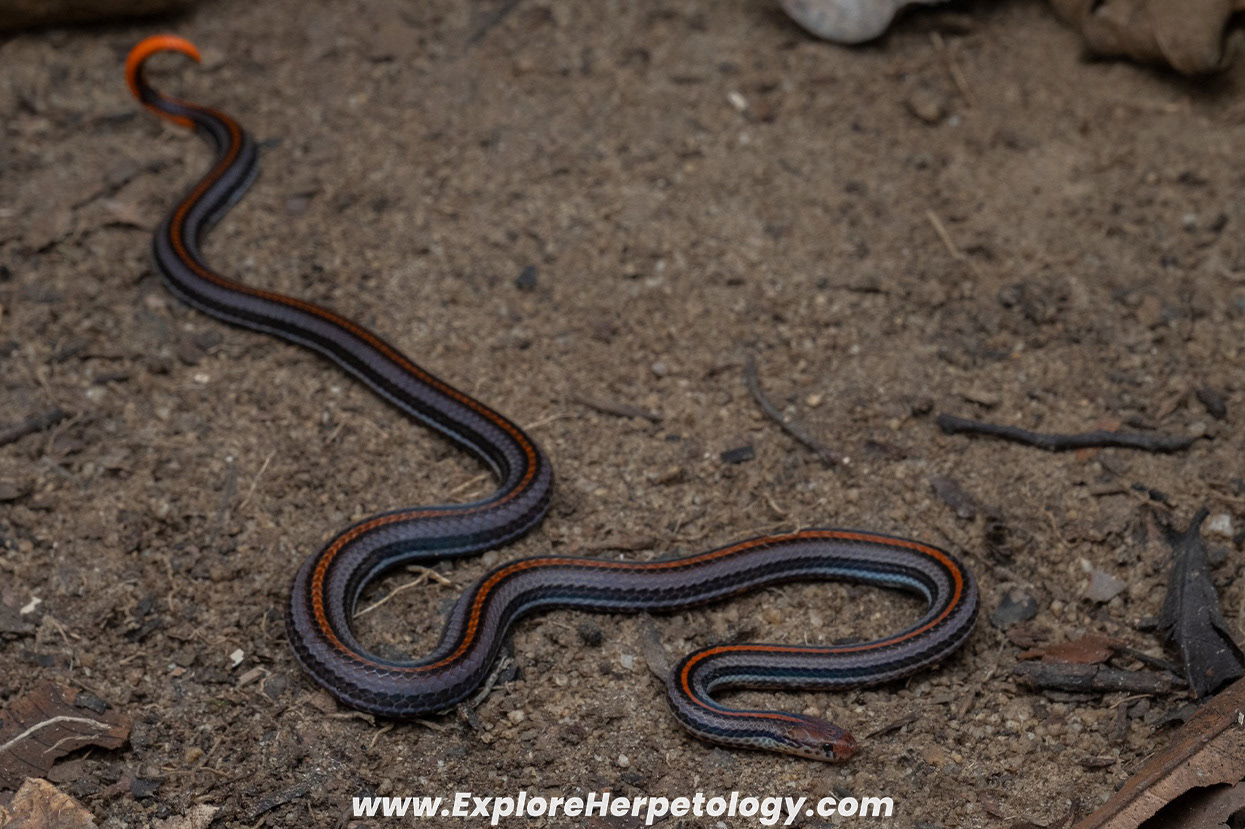
Malayan banded coral snake (Calliophis intestinalis).
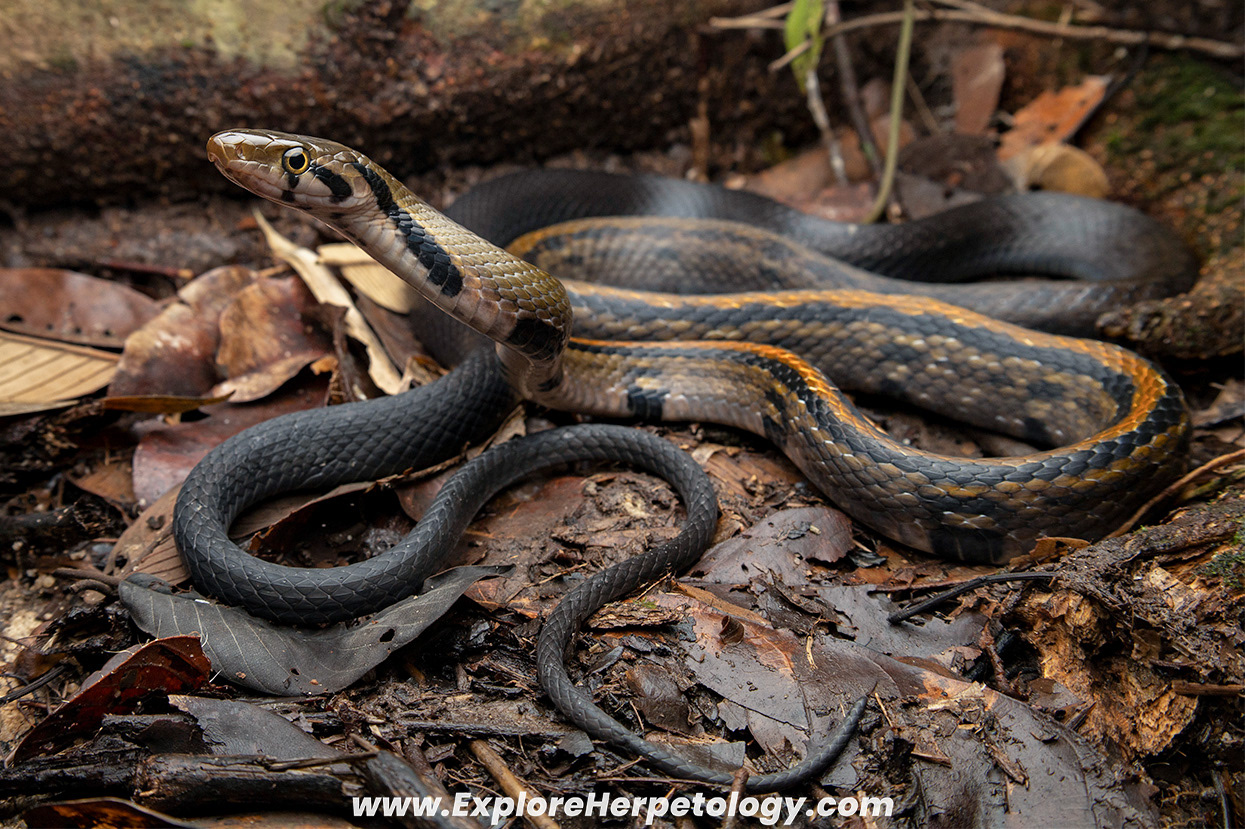
Malayan racer (Coelognathus flavolineatus).
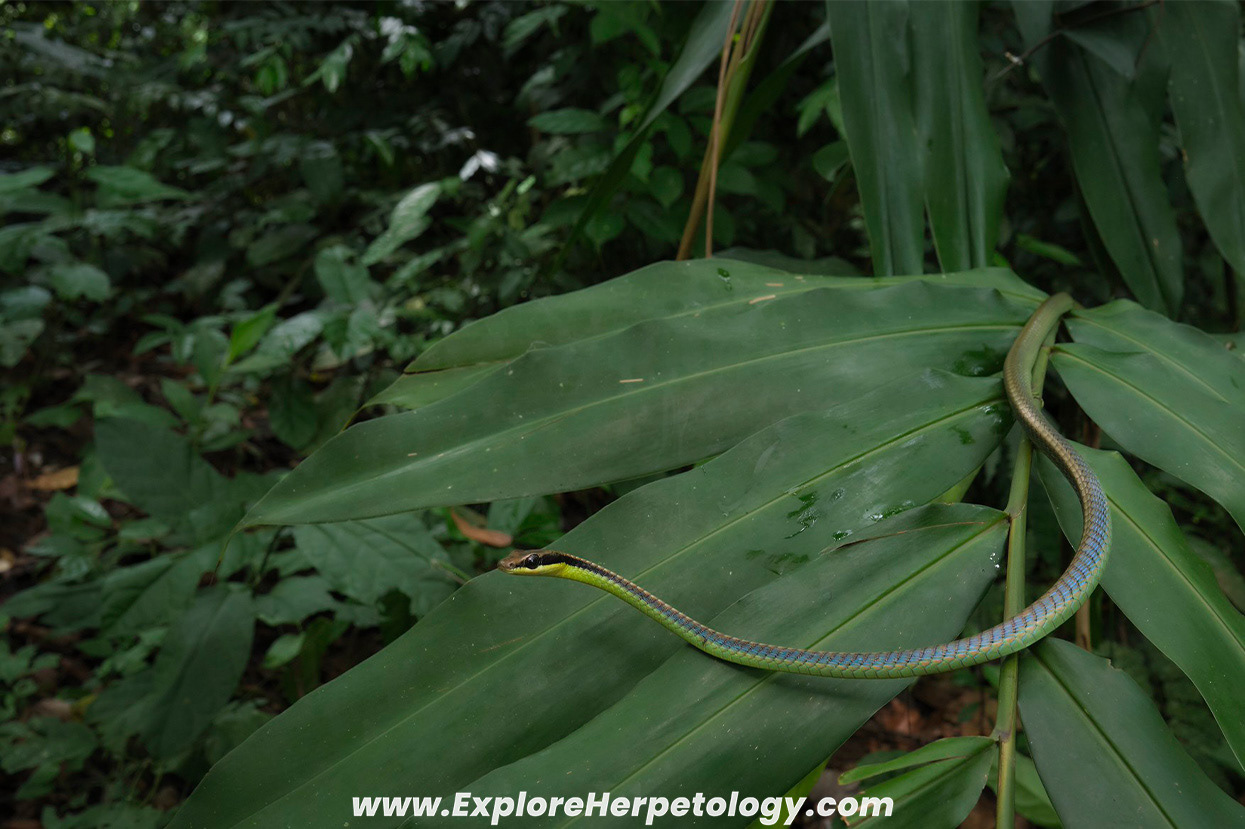
Blue bronzeback (Dendrelaphis cyanochloris).
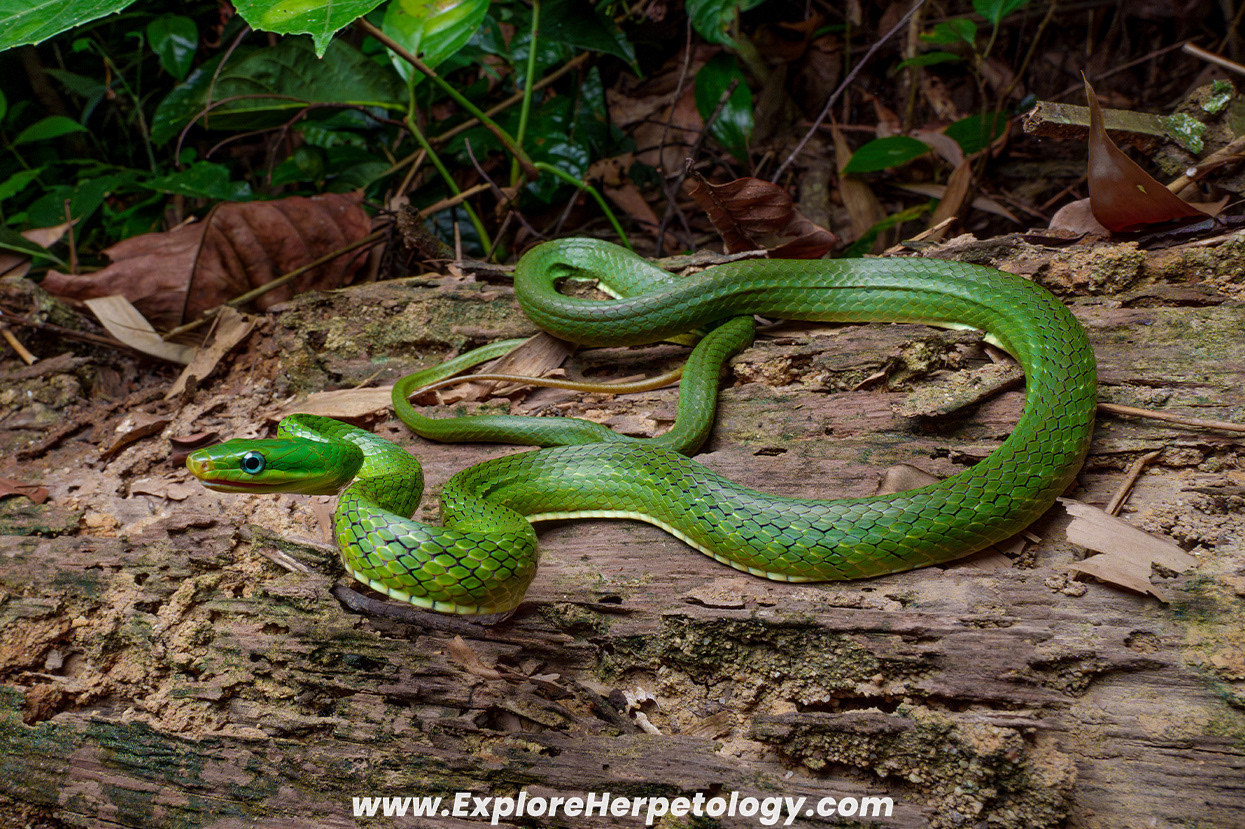
Blue-eyed bamboo ratsnake (Gonyosoma coeruleum).
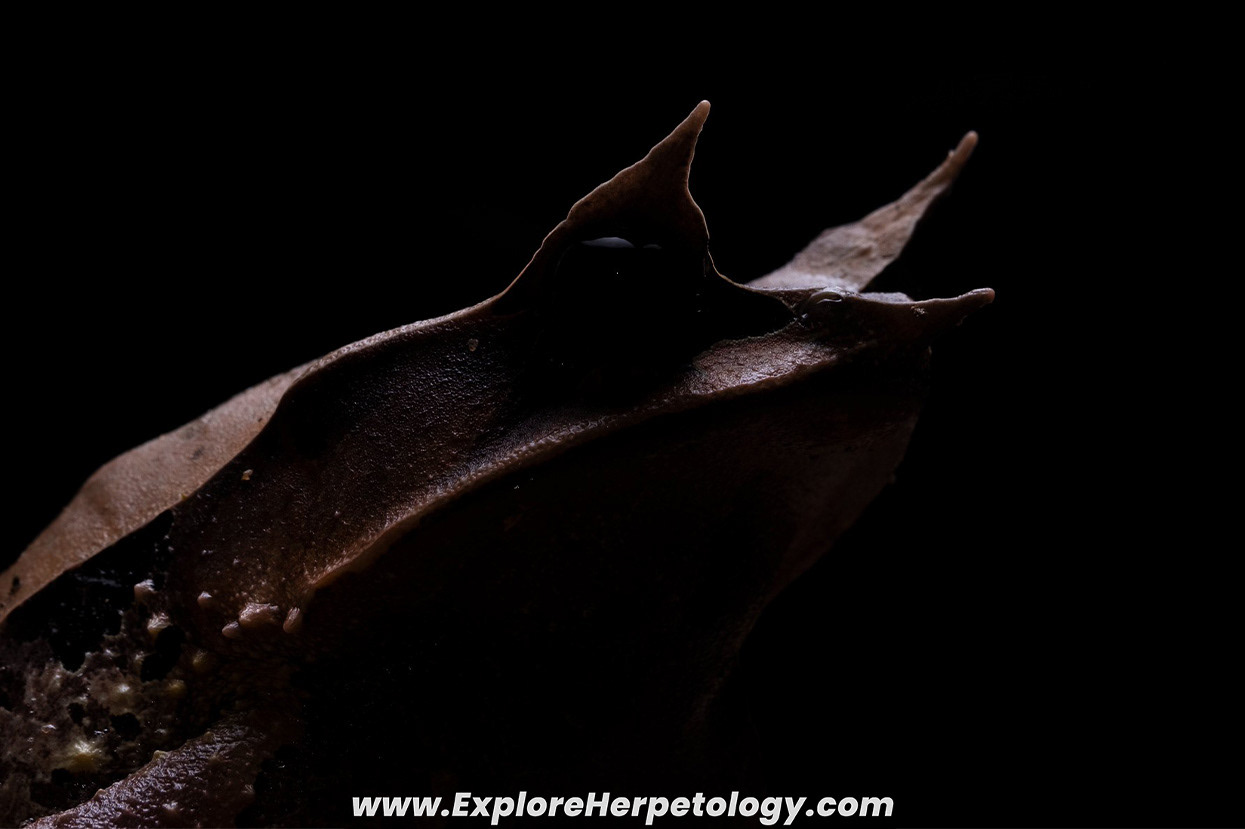
Long-nosed horned frog (Pelobatrachus nasuta).
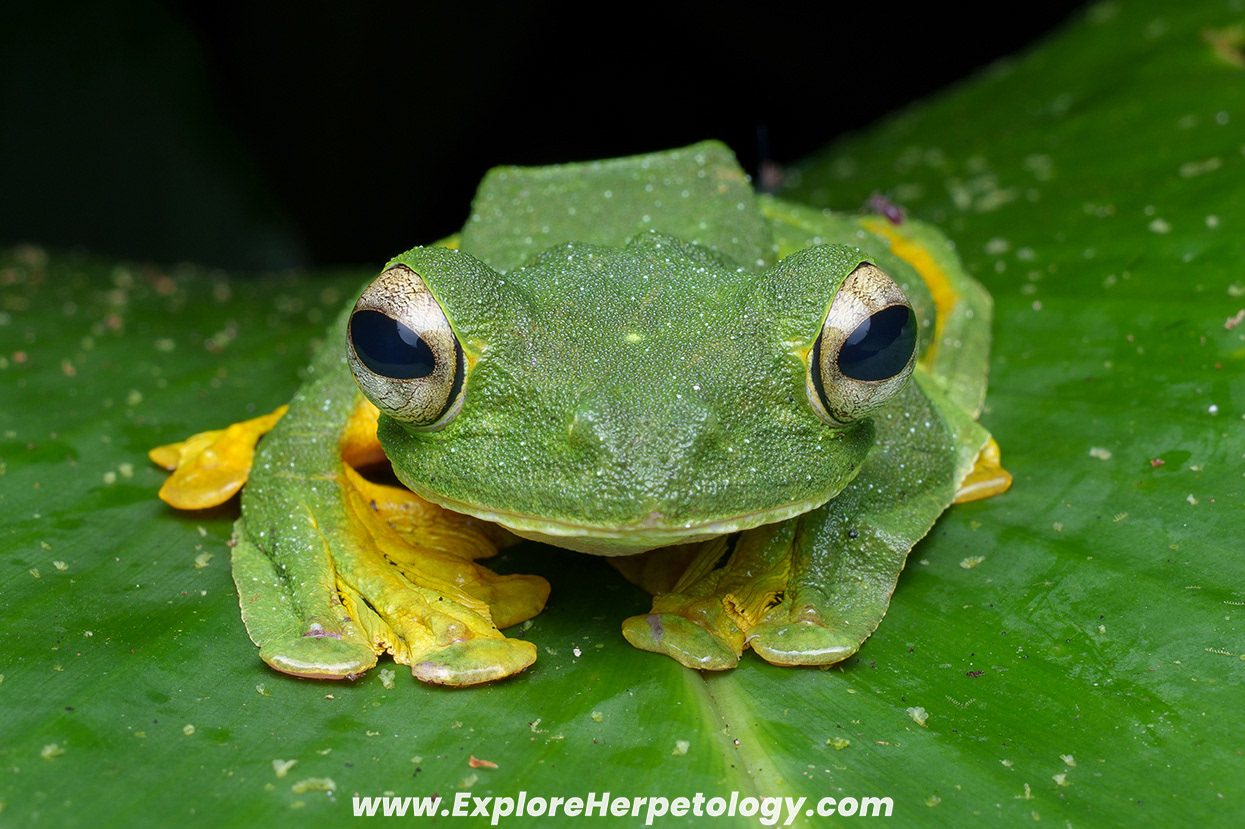
Wallace's flying frog (Rhacophorus nigropalmatus).
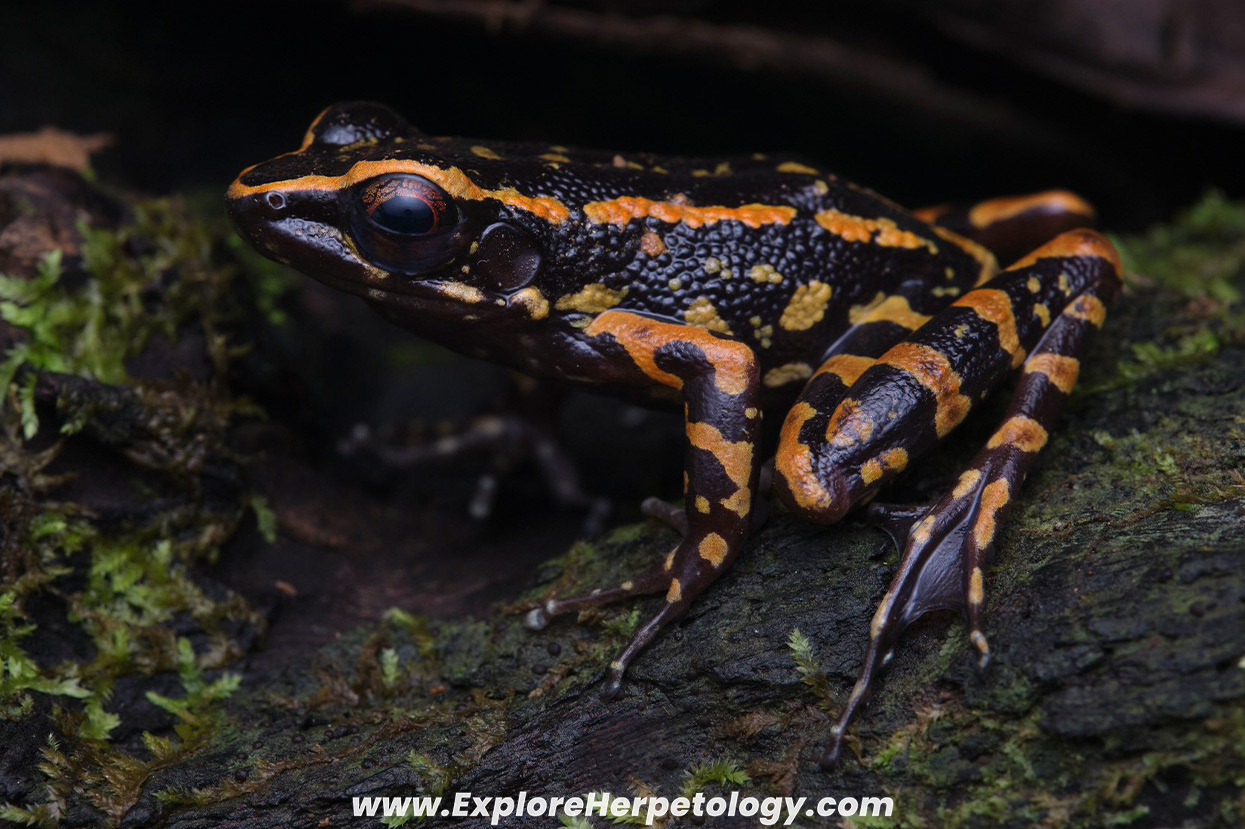
Sunda beautiful frog (Pulchrana sundabarat).
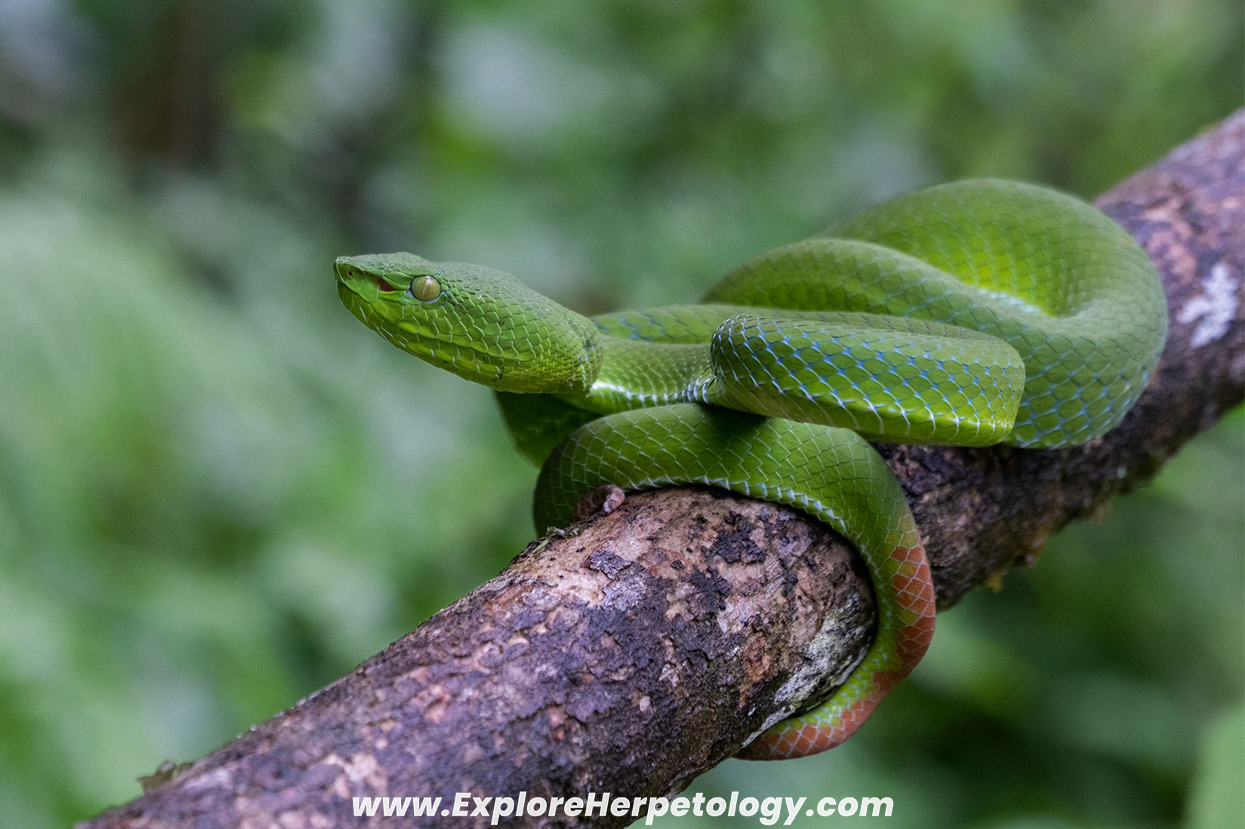
Thai peninsula pit viper (Trimeresurus sabahi fucatus).
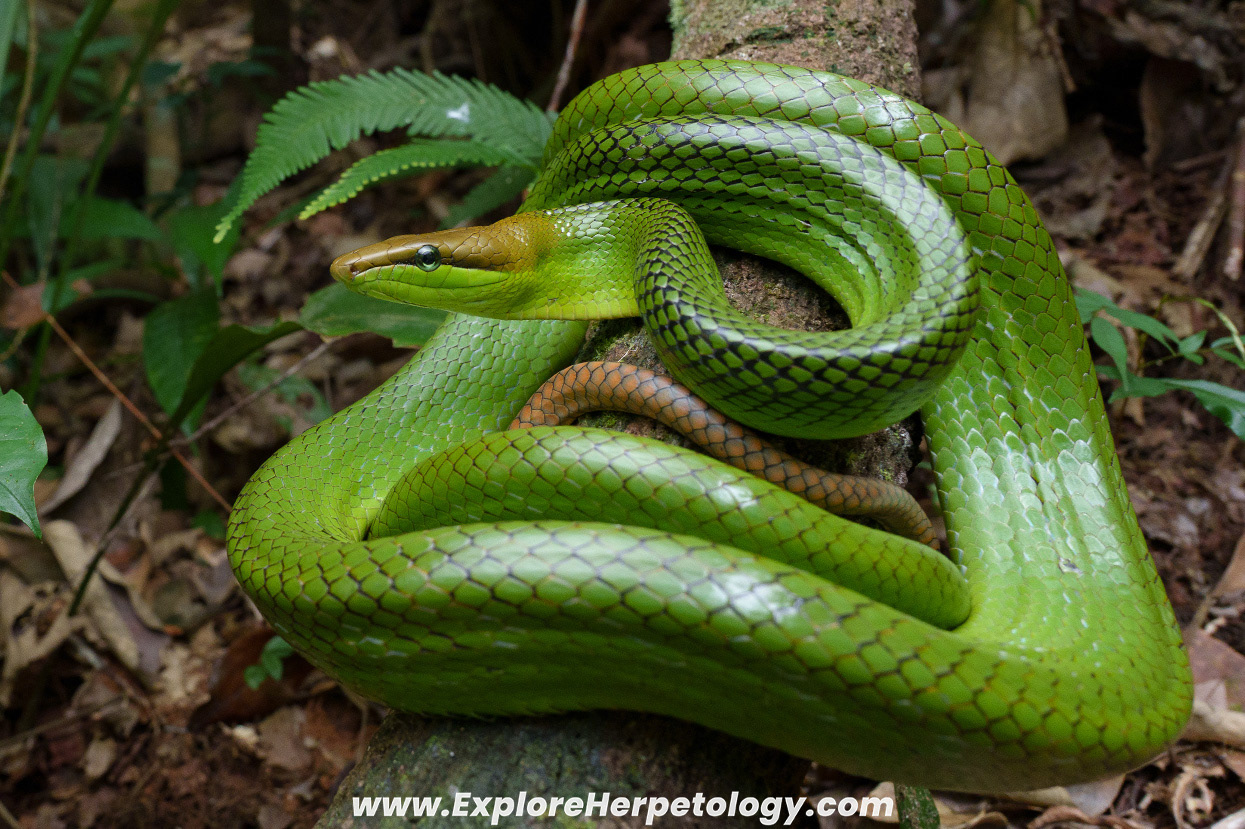
Red-tailed ratsnake (Gonyosoma oxycephalum).
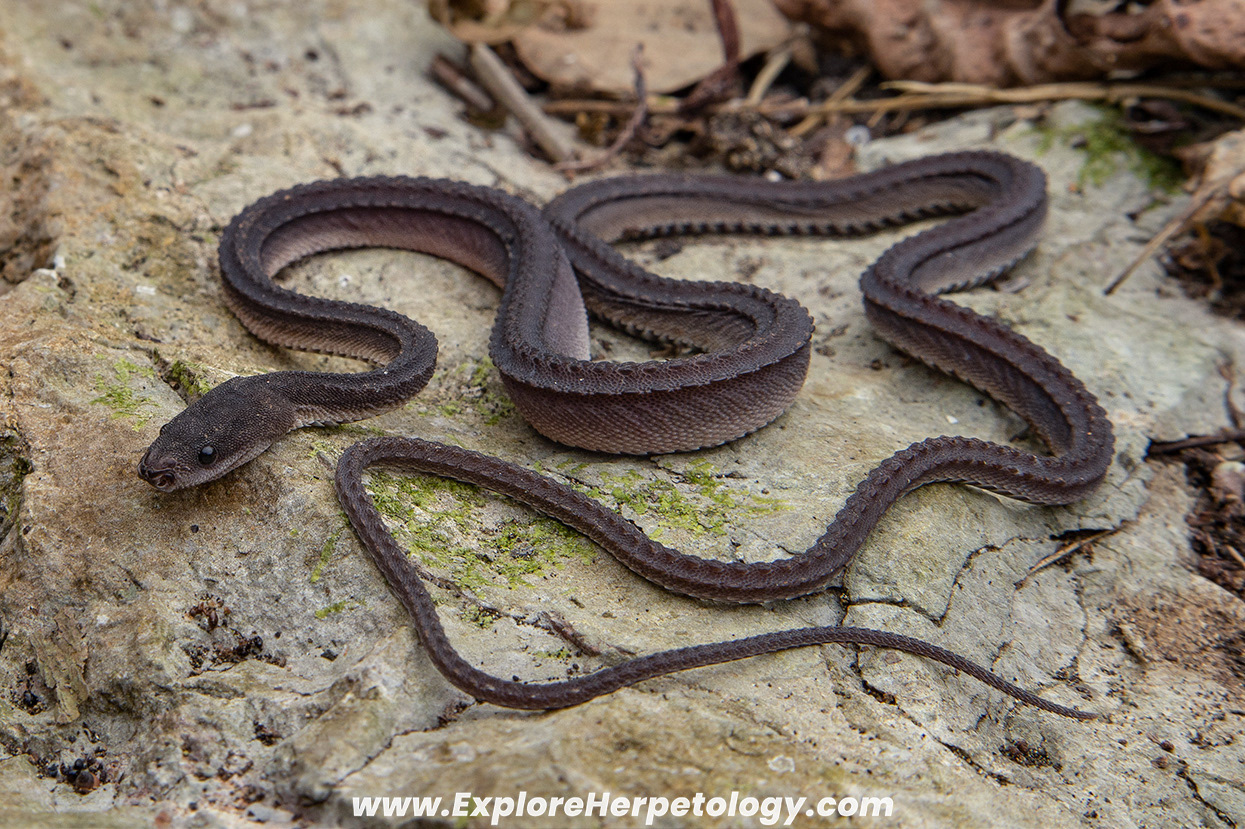
Dragon snake (Xenodermus javanicus).
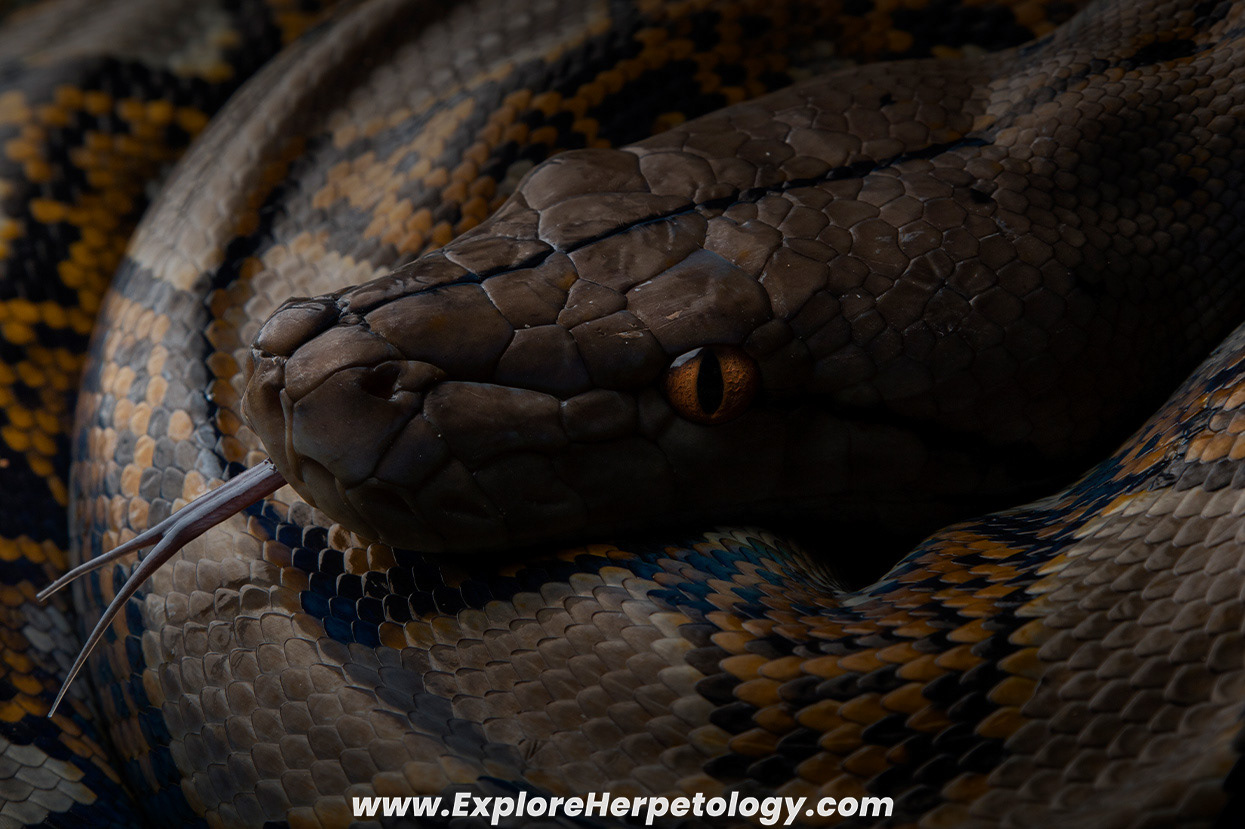
Reticulated python (Malayopython reticulatus).
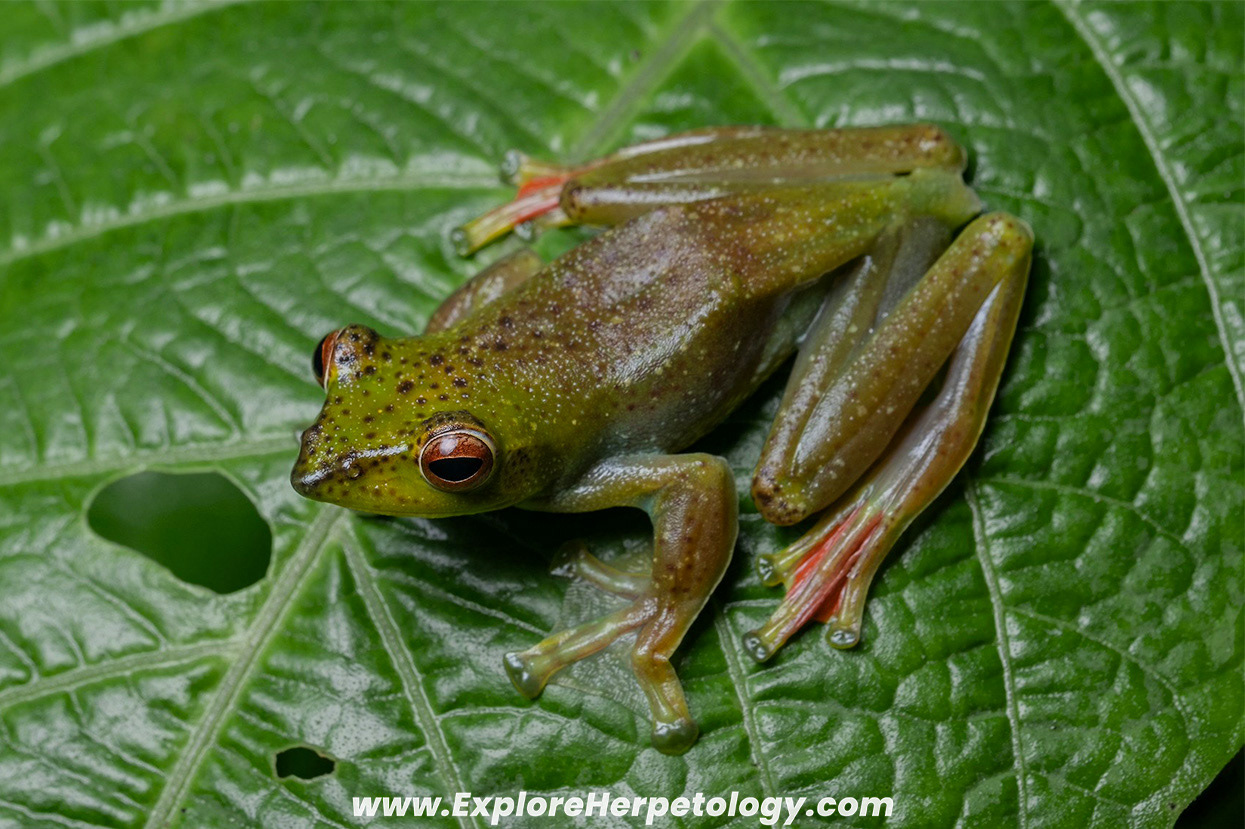
Jade flying frog (Zhangixalus prominanus).
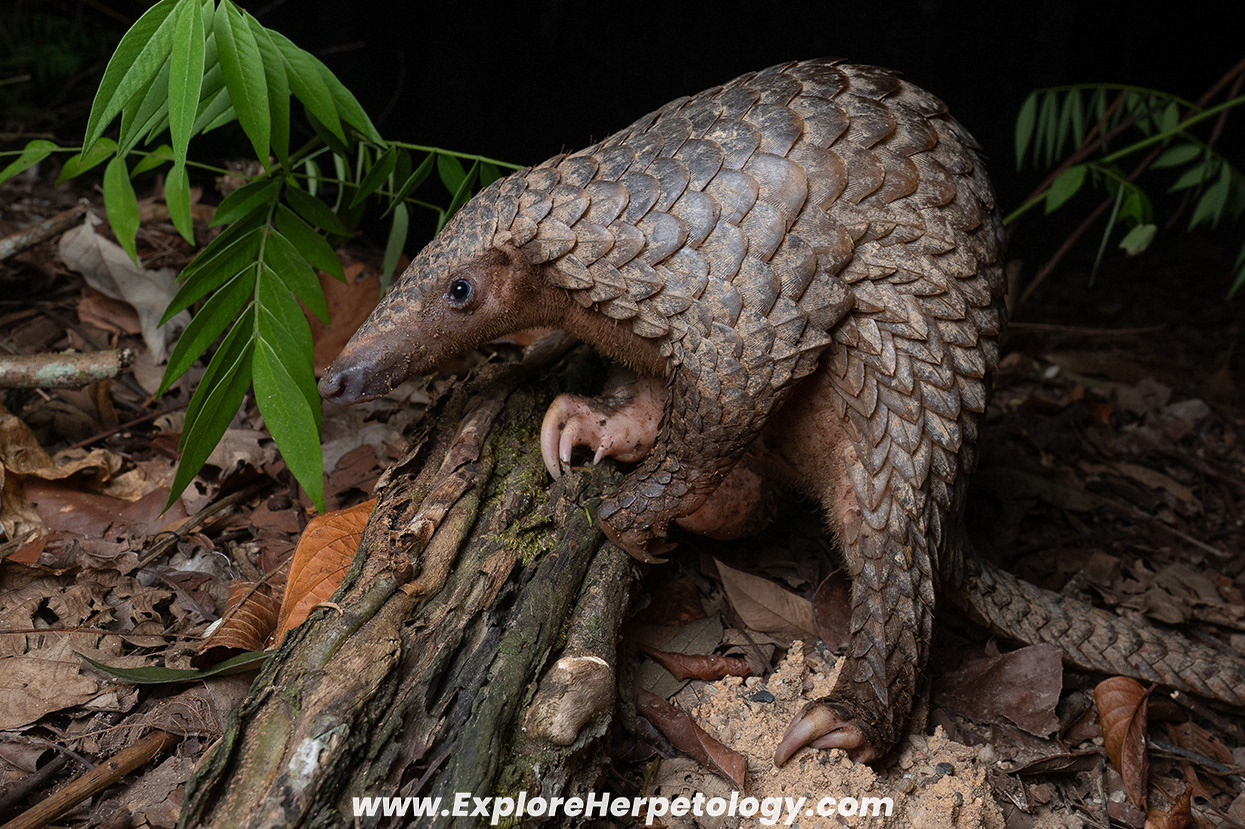
Sunda pangolin (Manis javanica).
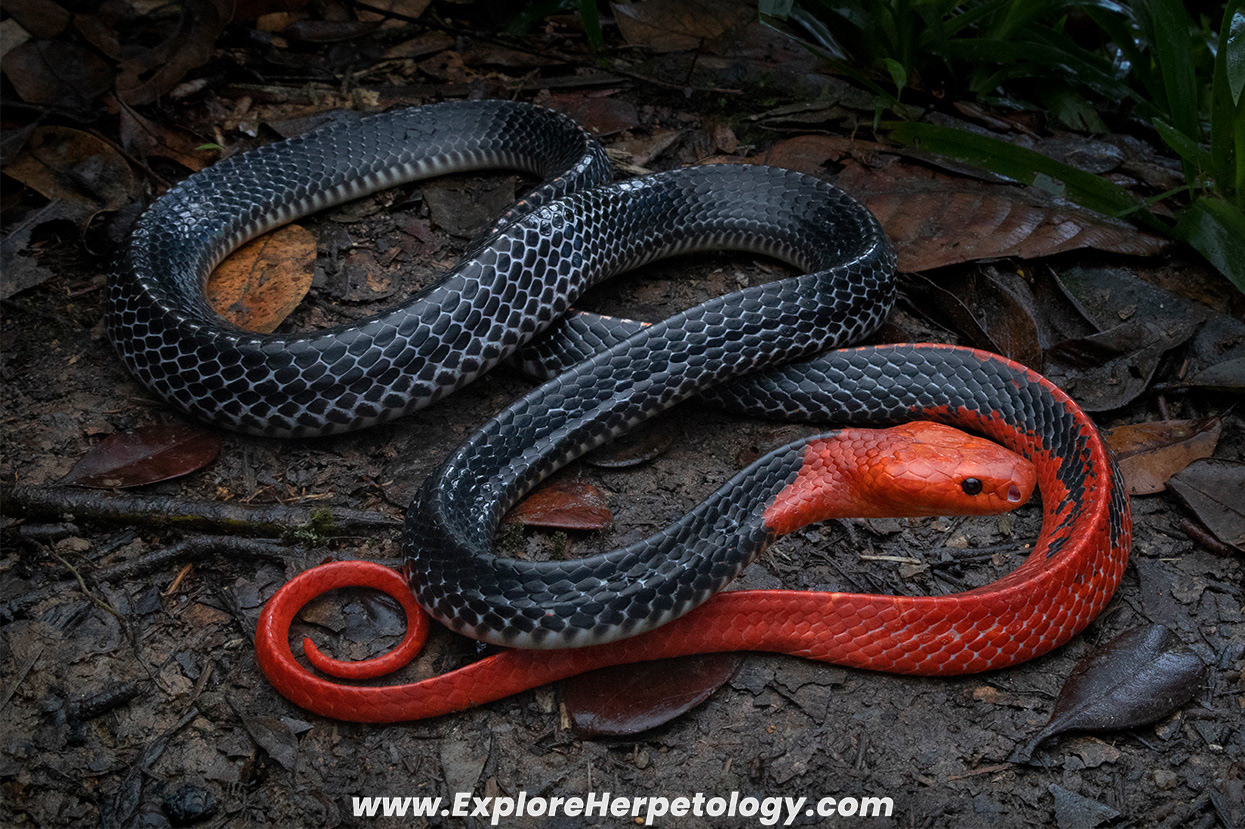
Red-headed krait (Bungarus flaviceps).
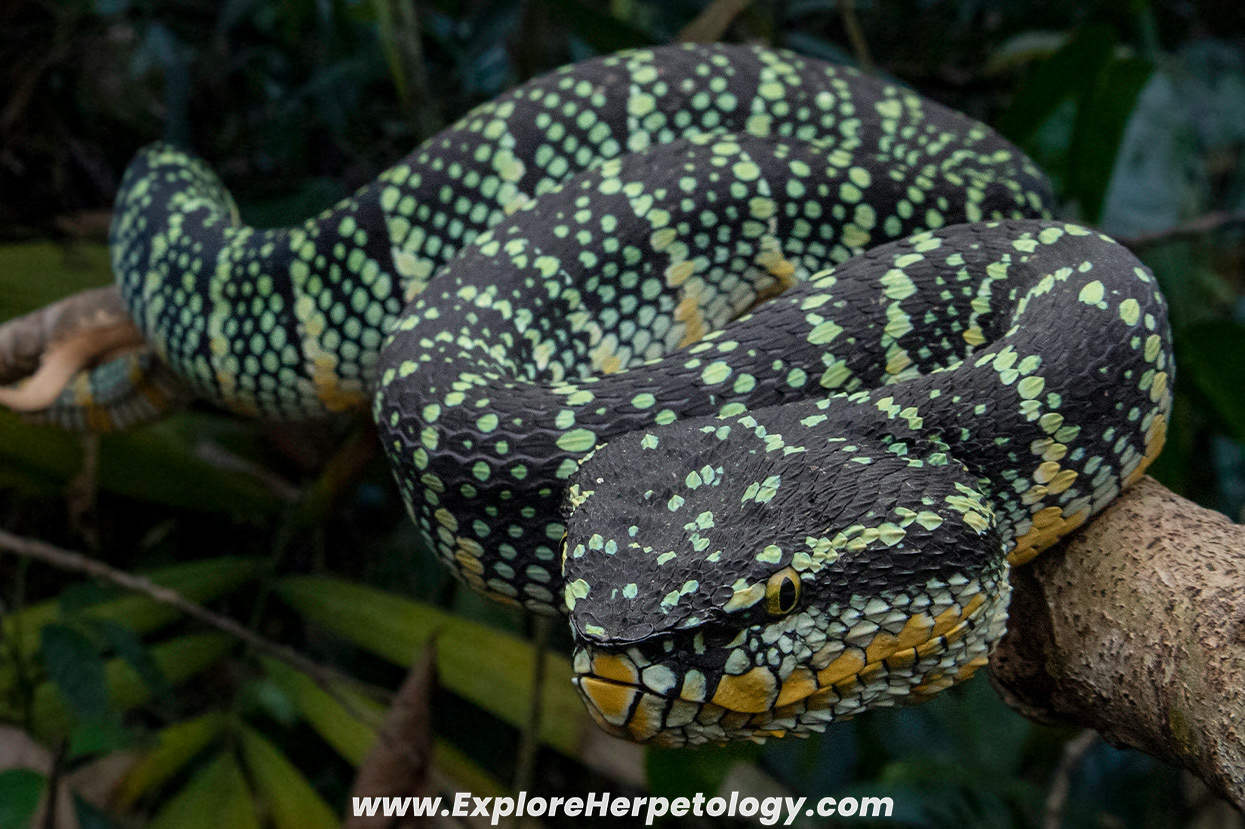
Wagler's pit viper (Tropidolaemus wagleri).
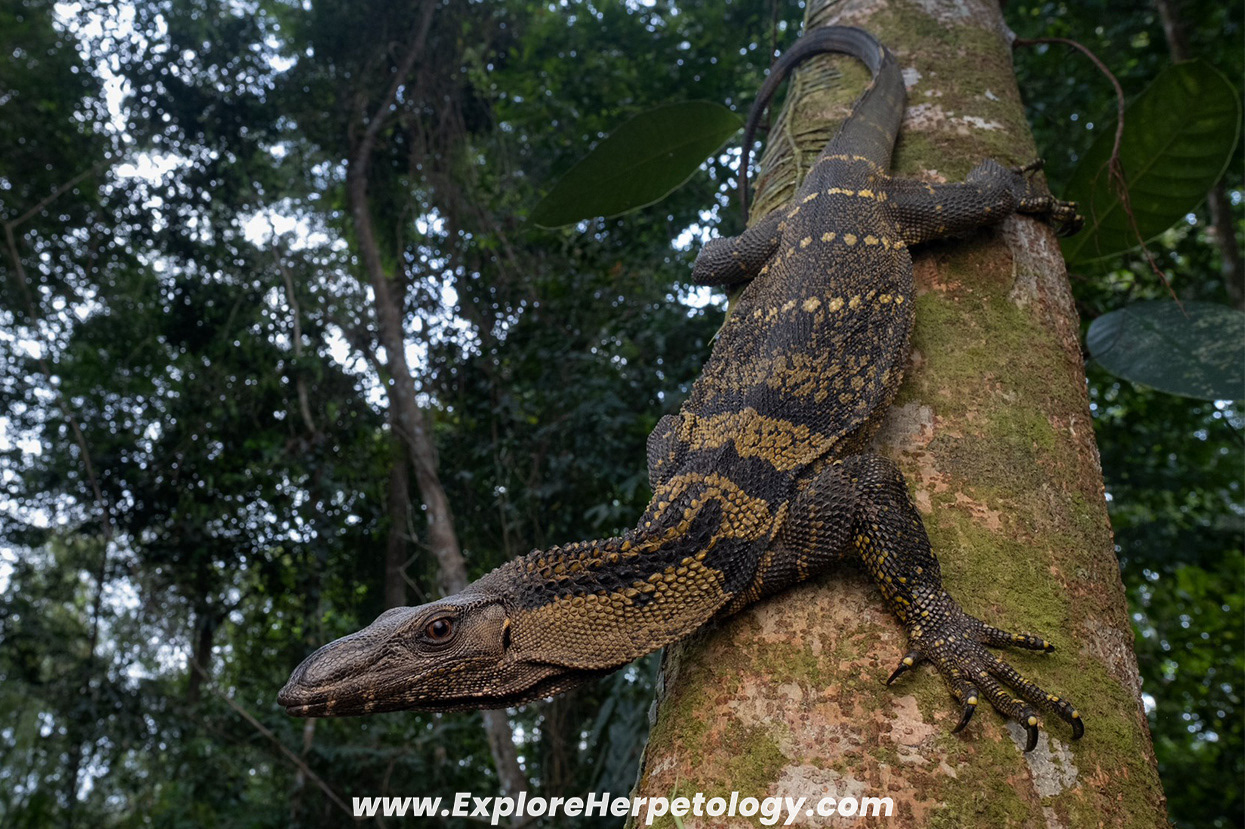
Roughneck monitor (Varanus rudicollis).
Night 10: HAT YAI
The final night of the trip will be spent near Hat Yai City, in Songkhla province. We have a variety of herping locations within driving distance of the city and will decide which one to visit depending on the weather conditions and general mood of the group. The potential sites include a forested stream valley, a limestone karst area and a road through secondary forest. Thhis is the only location on this tour where we can see the small-spotted coral snake (Calliophis maculiceps), painted bronzeback (Dendrelaphis pictus), puff-faced water snake (Homalopsis buccata) and several other snake species. Asian vine snake (Ahaetulla prasina) is extremely common in the hills near Hat Yai, but we have also seen much rarer species, such as Kopstein's bronzeback (Dendrelaphis kopsteini) and the southern clade of the collared reed snake (Calamaria pavimentata). We will stay in a hotel in Hat Yai City and eat dinner in town.
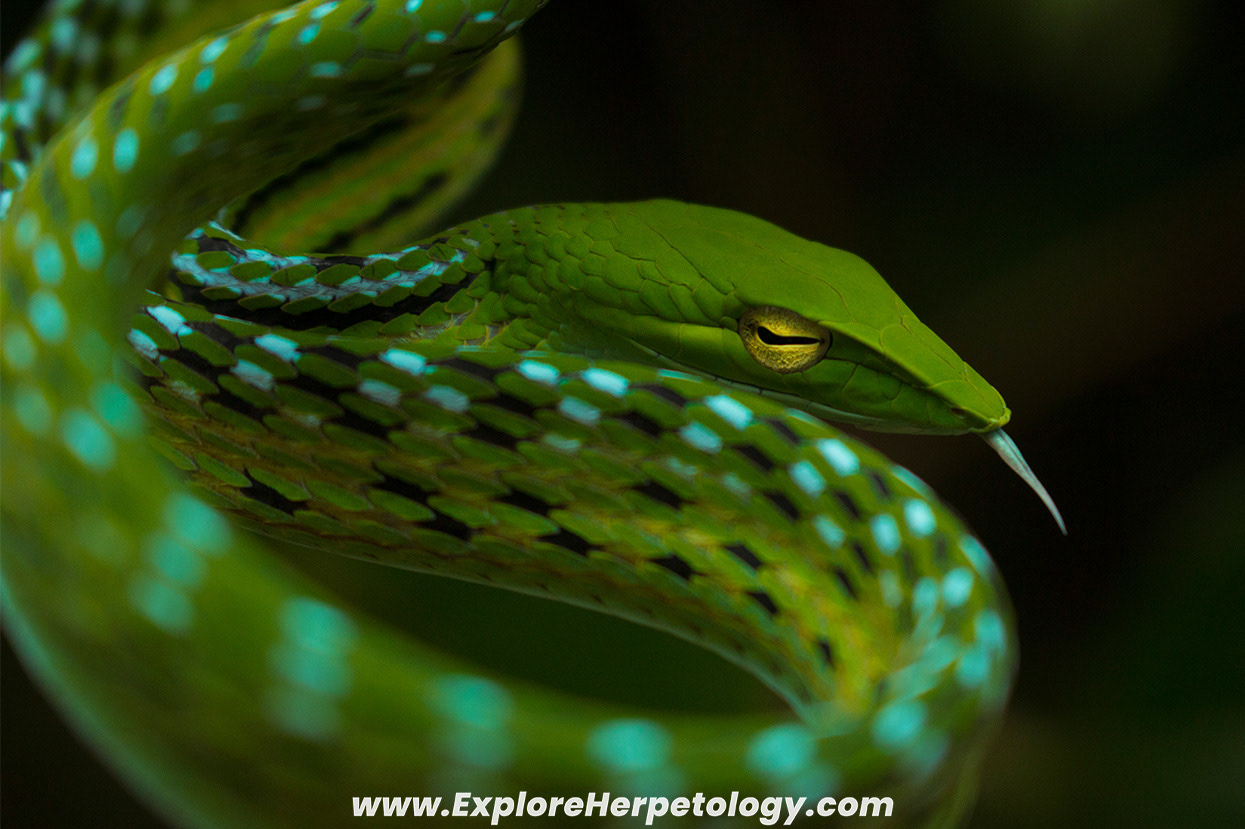
Oriental vine snake (Ahaetulla prasina).
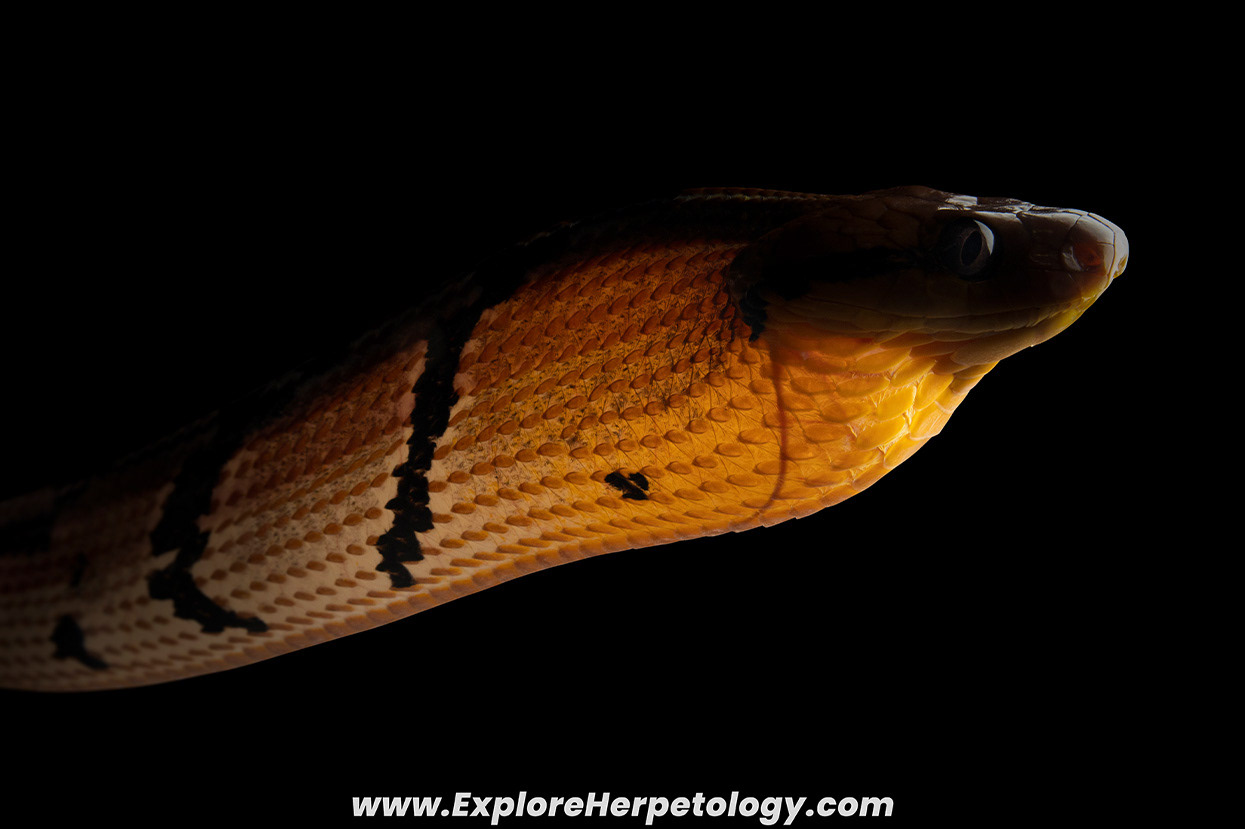
Dog-toothed cat snake (Boiga cynodon).
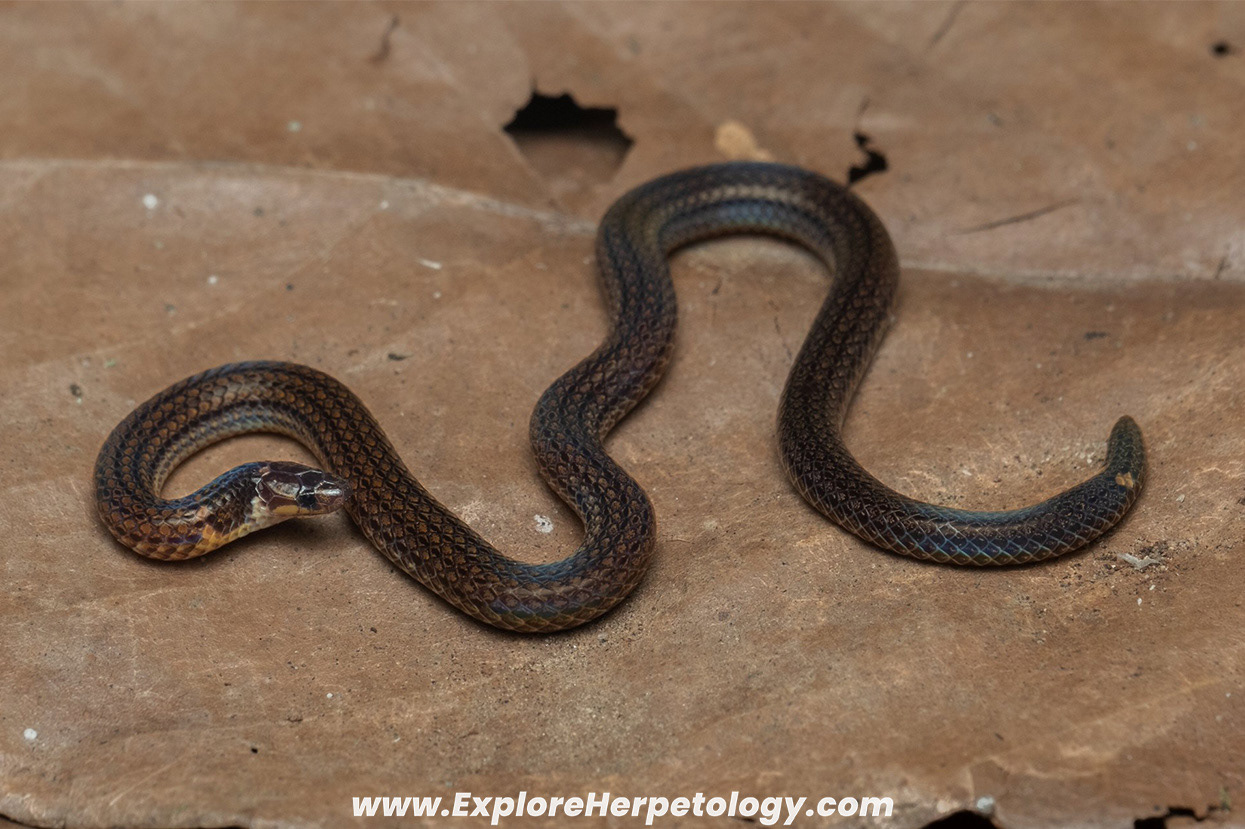
Collared reed snake (Calamaria pavimentata).
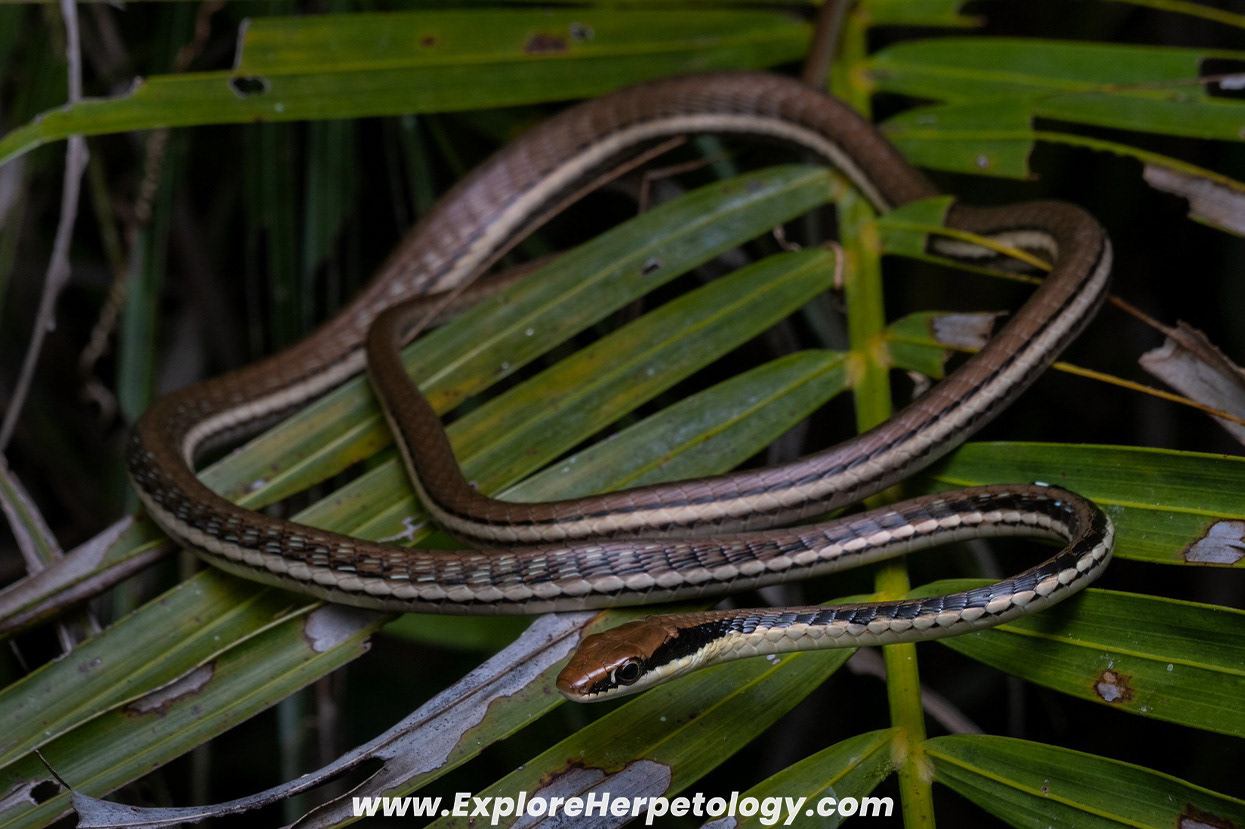
Painted bronzeback (Dendrelaphis pictus).
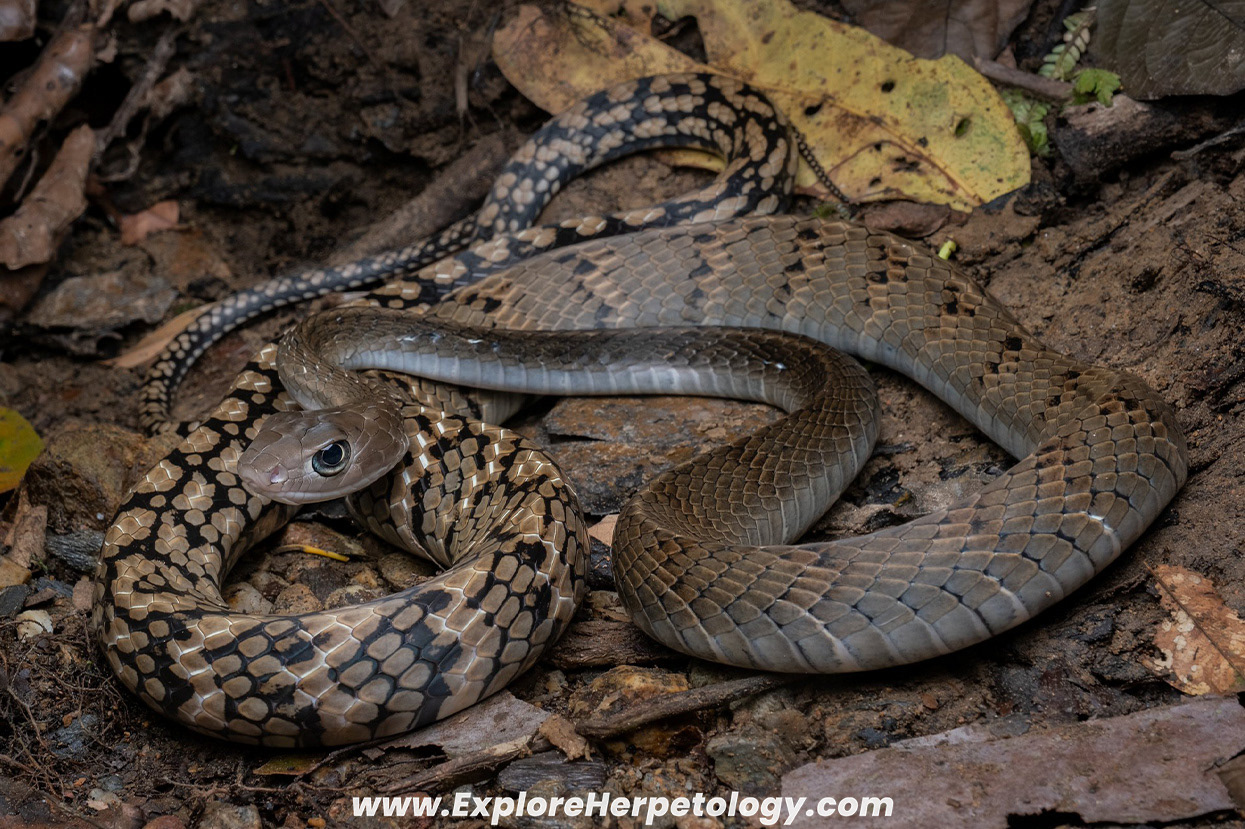
Keeled rat snake (Ptyas carinata).
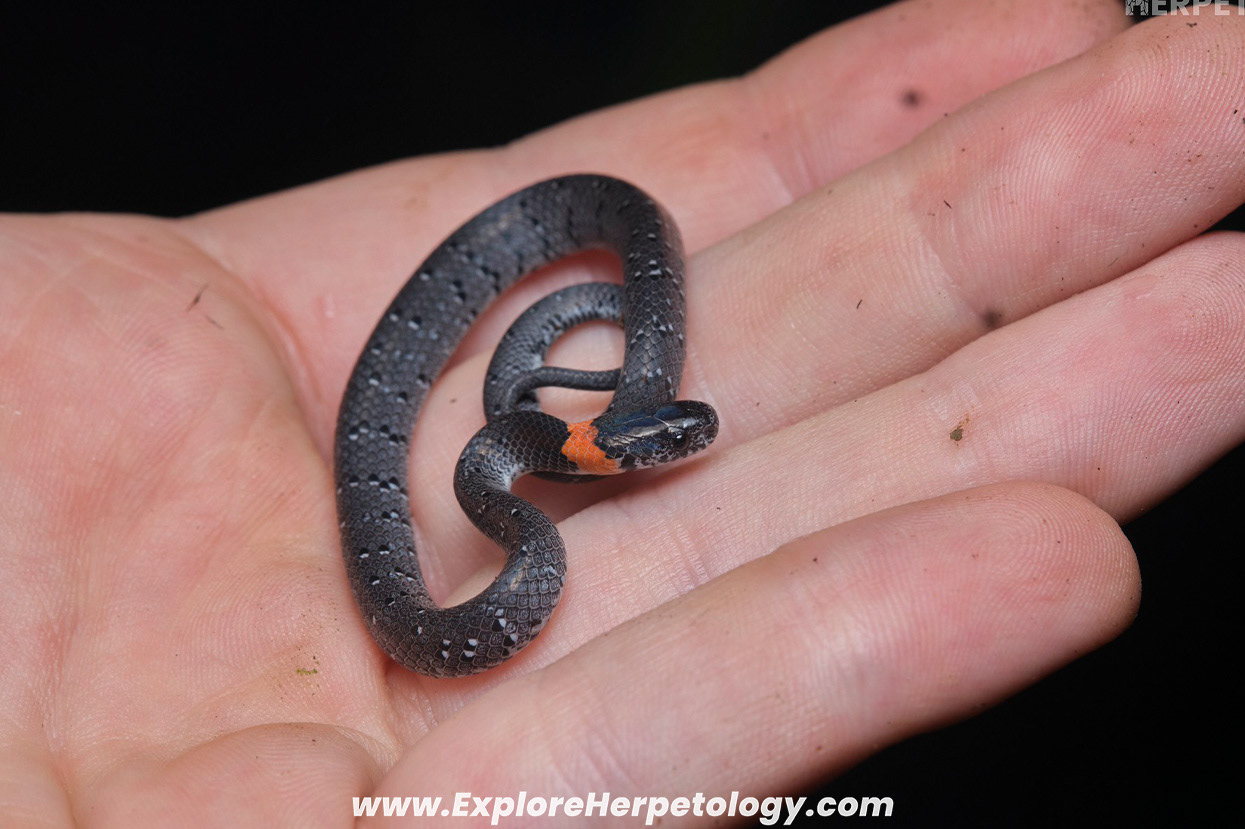
White-spotted slug snake (Pareas margaritophorus).
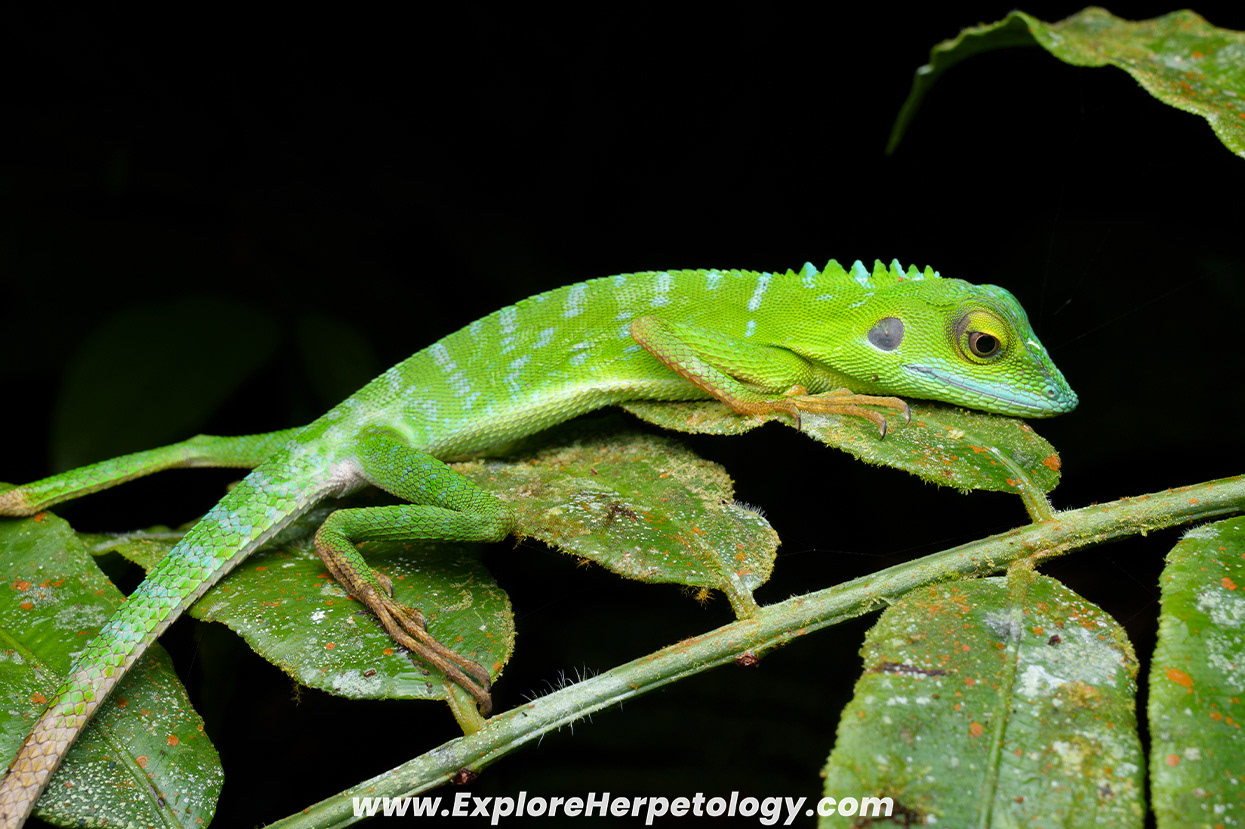
Green crested lizard (Bronchocela octospinosa).
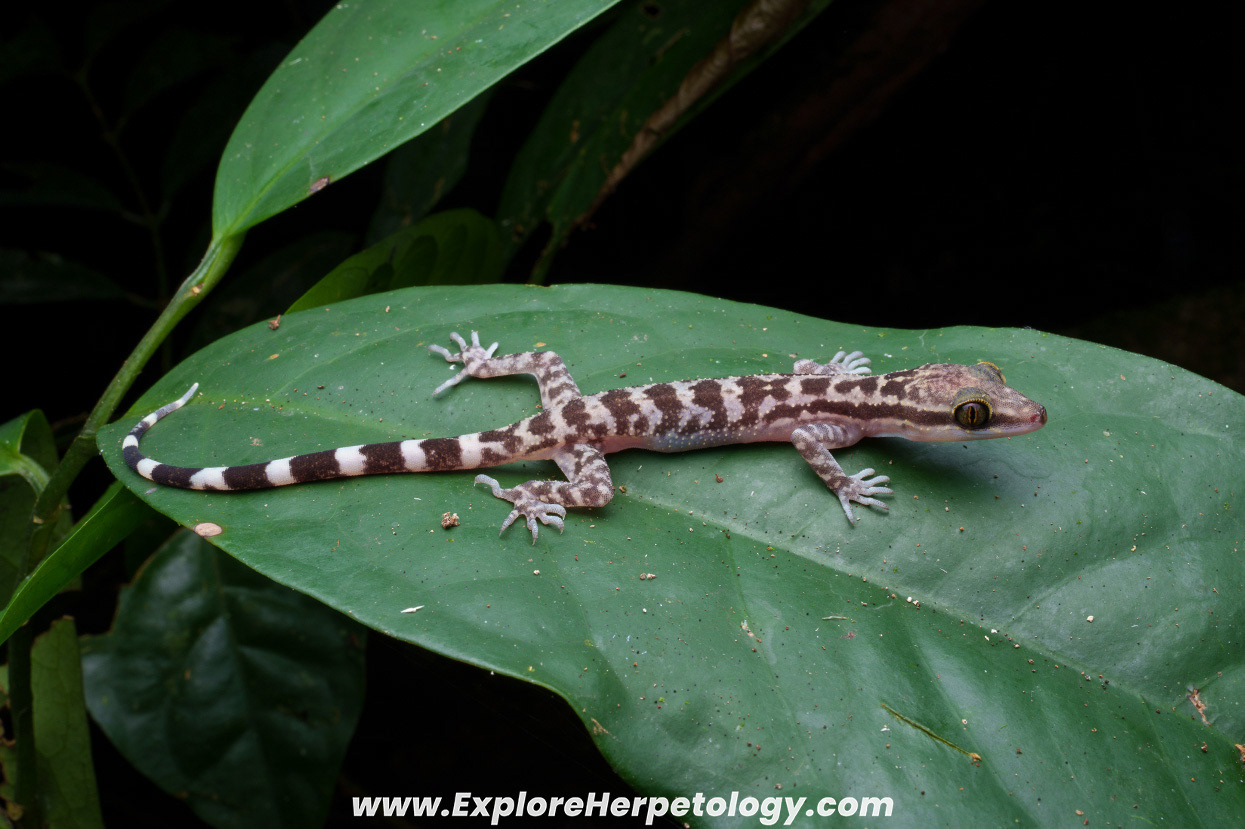
Four-striped gecko (Cyrtodactylus quadrivirgatus).
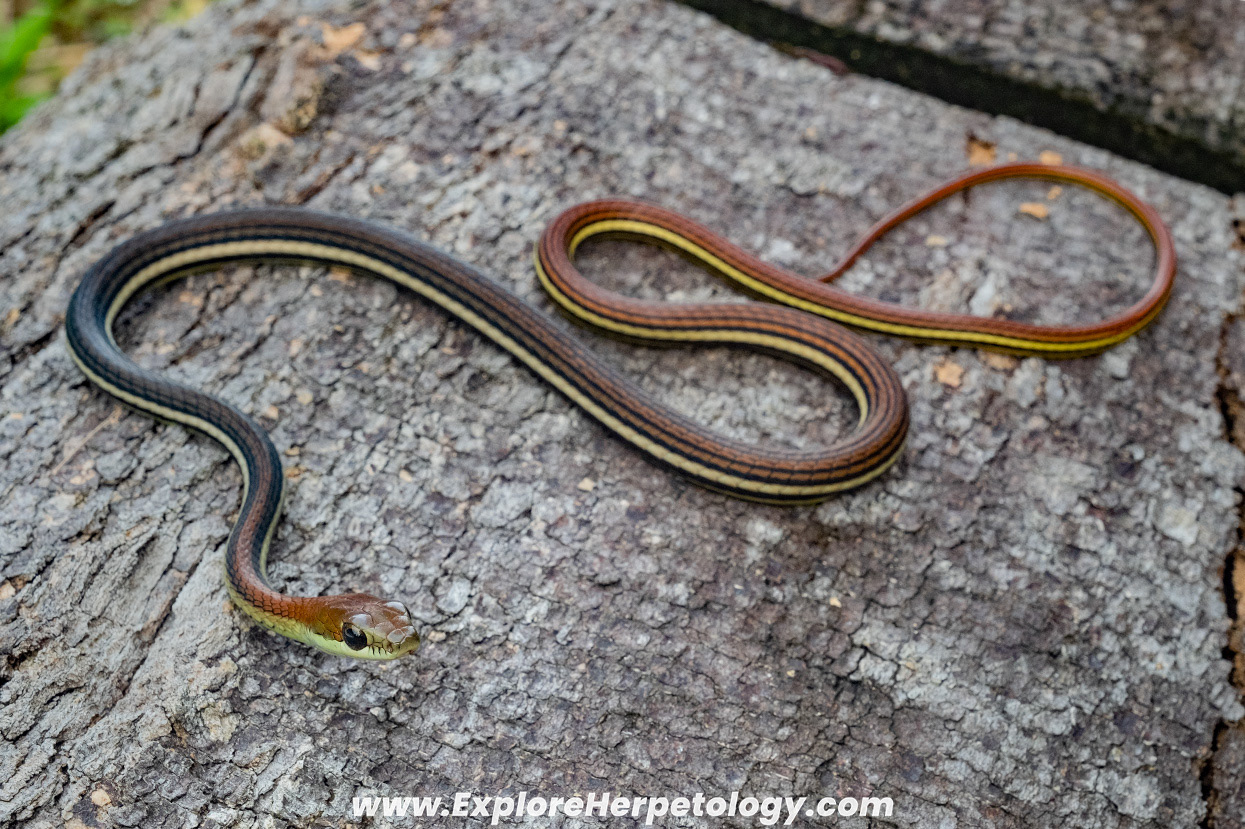
Striped bronzeback (Dendrelaphis caudolineatus).
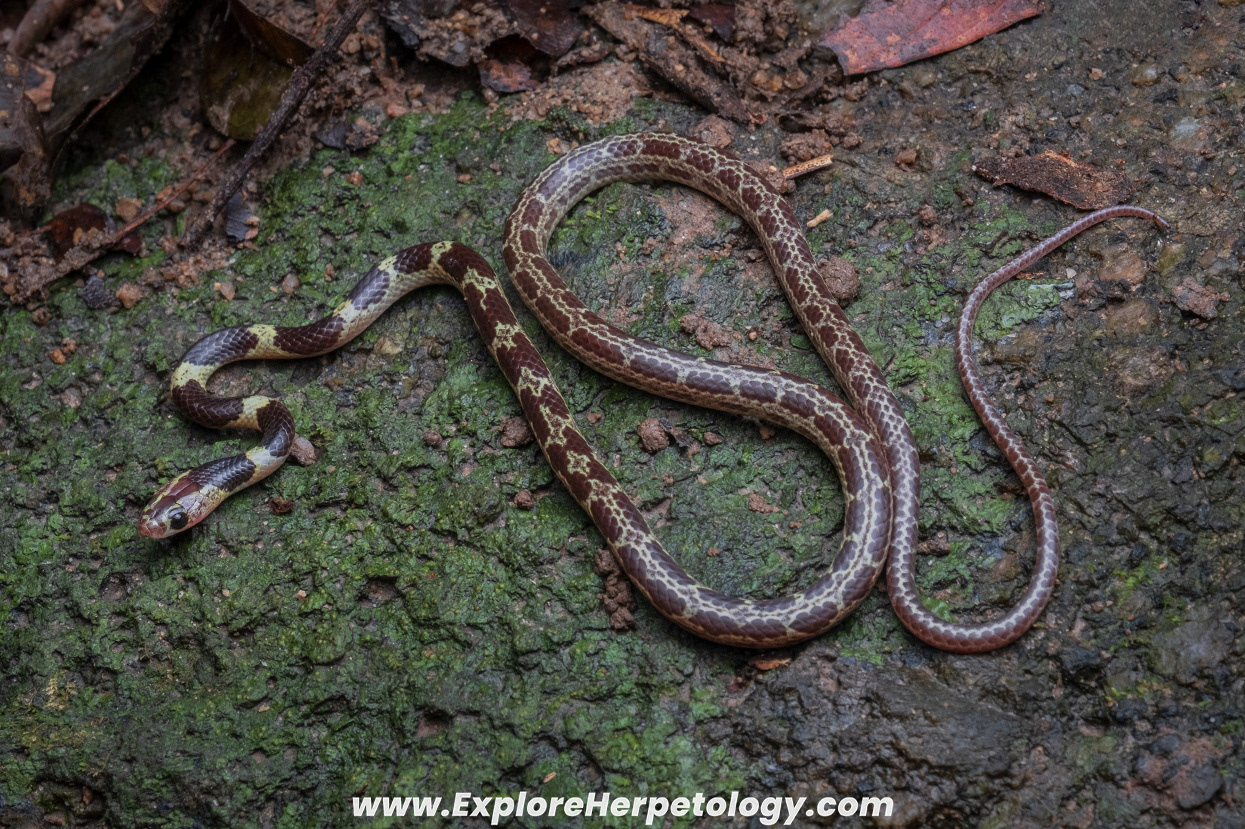
Malayan bridle snake (Dryocalamus subannulatus).
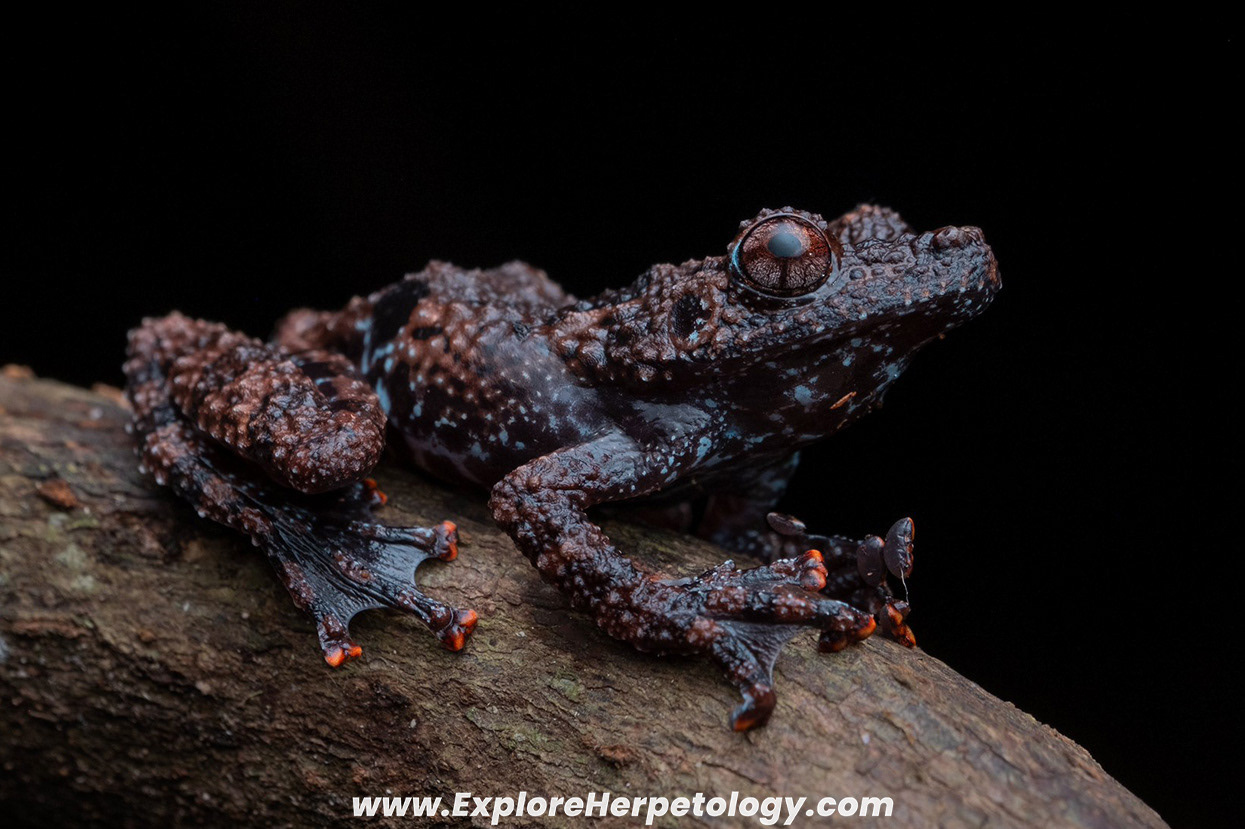
Thai bug-eyed frog (Theloderma horridum).
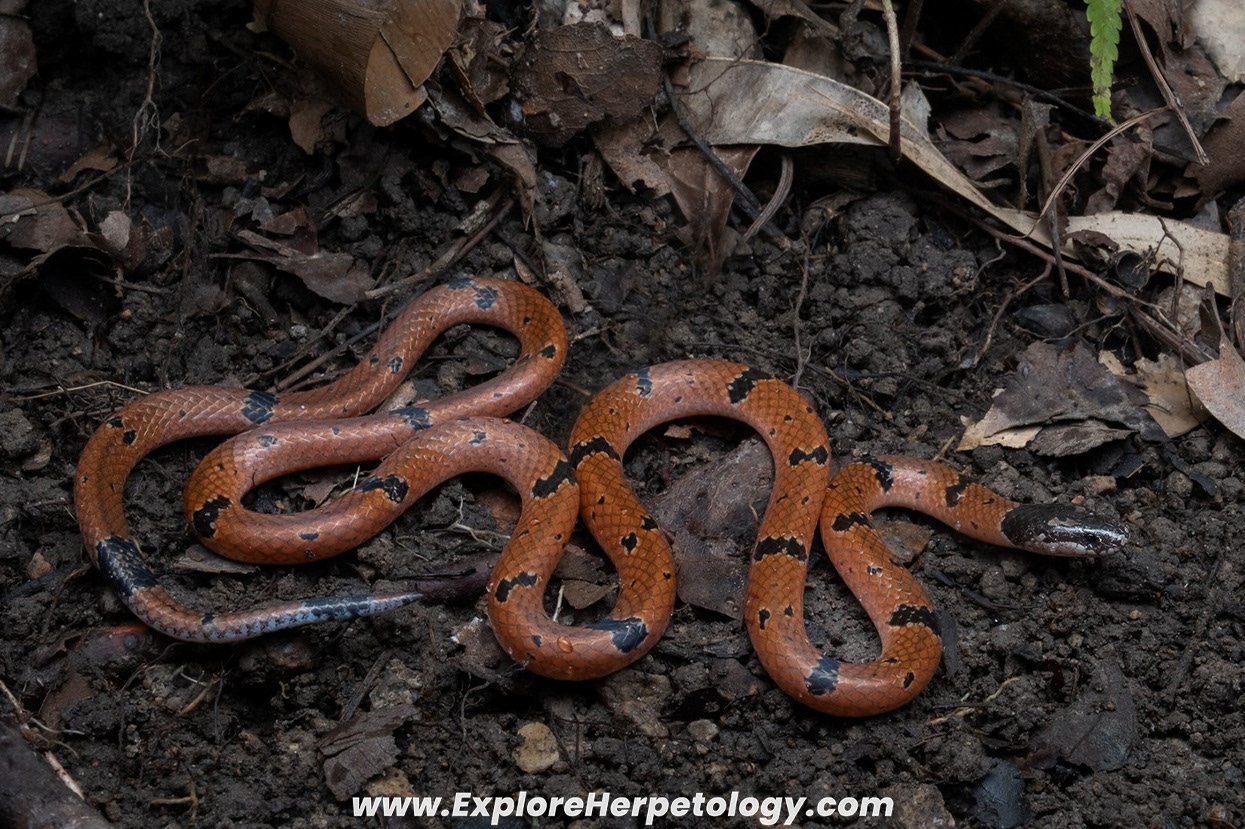
Small-spotted coral snake (Calliophis maculiceps).
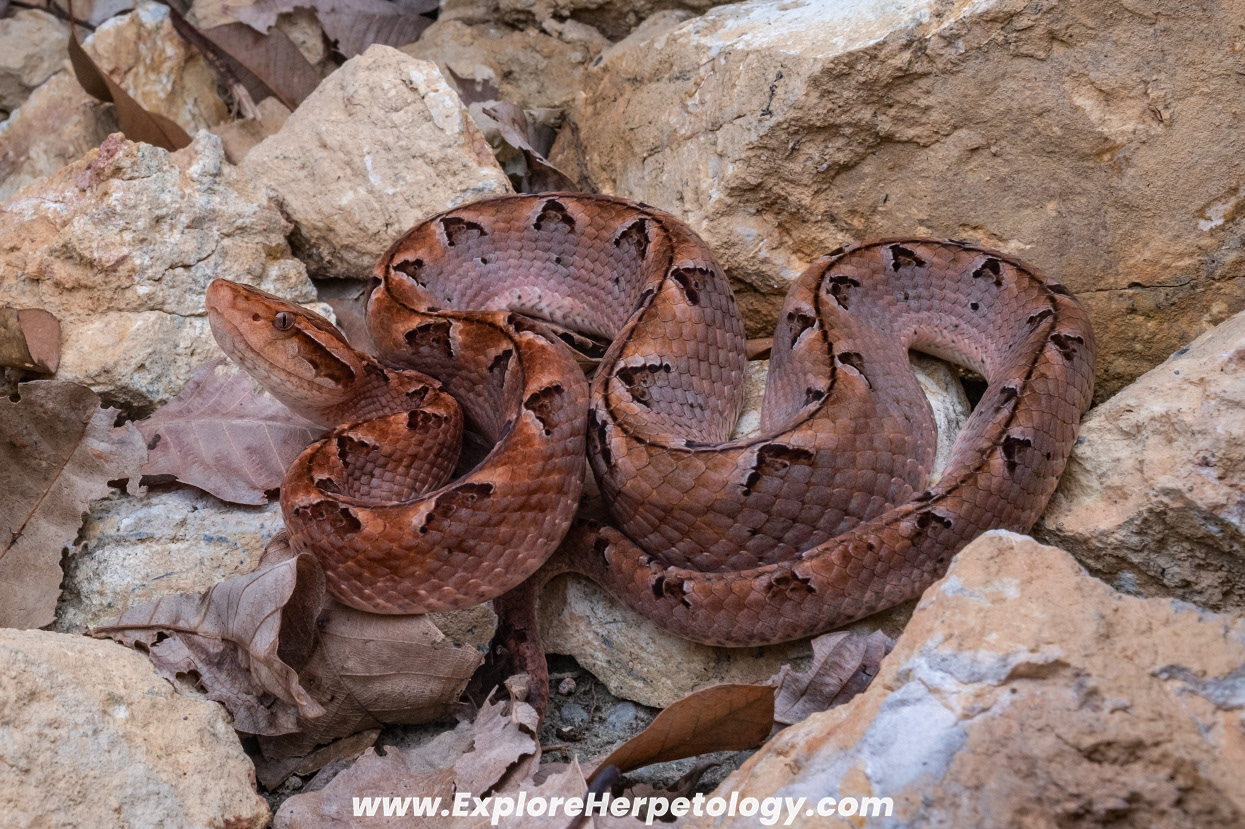
Malayan pit viper (Calloselasma rhodstoma).
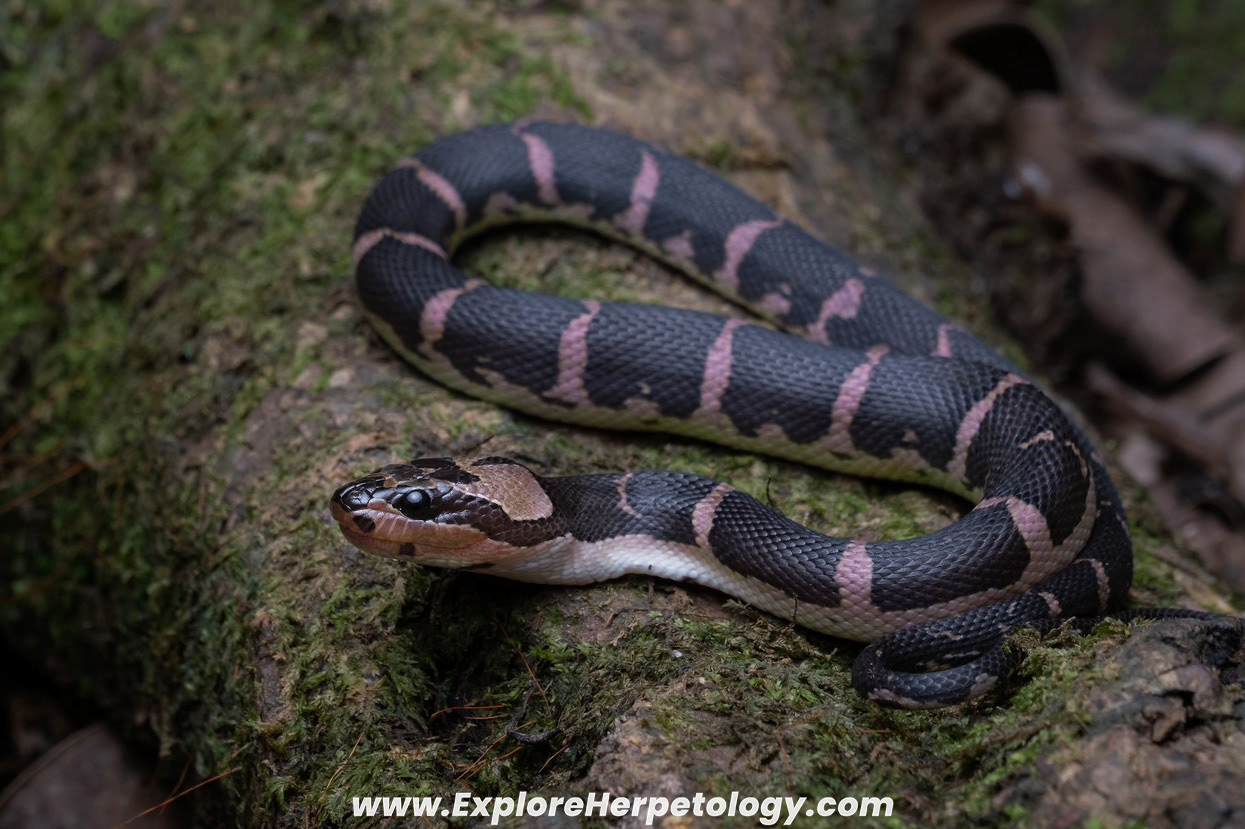
Puff-faced water snake (Homalopsis buccata).
Accommodation & washing:
The accommodation on this trip is predominantly bungalows situated beside the forest, with one night in a city hotel in Hat Yai. You will always have access to air conditioning, electricity and a western bathroom as a minimum. All hotels are supposed to have hot water, but it can be unreliable. There is wifi and great phone service (5G) at all accommodations throughout this tour. There will be an opportunity to wash dirty clothes at a laundrette on day 5 or 6 of the expedition.
Food:
Over the course of this tour you will have the opportunity to try a wide variety of traditional Thai cuisine as well as western classics, not to forget Thailand’s herpers favourite; 7 Eleven.
Environmental conditions & fitness:
Southern Thailand’s tropical climate is hot and humid all year round. The temperature rarely drops below 20C at night, and usually climbs to 30C or more during the day. Thailand’s deep south is subjected to almost daily rain, so prepare to get wet at any time. During times of substantial rain and cloud cover, it can get relatively cool at night. We will not be scaling any mountains but a minimum level of fitness must be met, we advise an ability to walk 10km per day on uneven terrain. Mosquitoes, leeches and other biting/stinging invertebrates are part of jungle life.
Travel information:
All participants must arrive in Hat Yai before midday (12:00pm) on the 2nd April 2027 at the latest, but we advise you to arrive the day before and get a good night of sleep. The tour ends in Hat Yai at midday on the 12th April 2027. Regular flights to/from Hat Yai International Airport are available from Bangkok, Phuket, Kuala Lumpur and Singapore.
It is the guests’ responsibility to meet all entry requirements needed to enter Thailand, including visa procedures. Explore Herpetology can help advise entry requirements. Guests travelling from most countries do not require a visa to visit Thailand for less than 60 days. Make sure to check the entry requirements for your country before booking. There are no mandatory vaccines to visit Thailand.
Important note on safety and insurance:
Thailand’s southern provinces of Pattani, Narathiwat and Yala have long been subject to scattered ethnic and religious insurgency. Westerners have never been targeted in the history of this conflict, and it is far safer to travel here than most highly touristic localities around the world. Our team have spent extensive time in Thailand’s most southern provinces and have had nothing but good experiences with both the local people and police, especially in Yala. Than To & Betong districs are two of the most historically safe districts in Thailand's Deep South. Friendly faces and good food are just as common as elsewhere in rural Thailand, with better forest quality and herpetofauna biodiversity than anywhere else. Moreover, our time in Yala will be spent exploring remote rainforests in two of the most peaceful districts in the region, where tourism is becoming more popular every year. Betong and much of Yala are popular tourist destinations for Thai and Malaysian people, yet foreign governments still advise against all but essential travel to the region. Henceforth, many western insurance companies do not offer coverage in Yala province.