
Start: 1st March 2027 | End: 9th March 2027 | Meeting location: Puerto Princesa, Palawan | Spaces available: 2
Included in the tour:
- Highly experienced herpetologist guides.
- Accommodation (private or shared room).
- Transportation (includes domestic flights).
- Meals & drinks.
- Permit/National Park fees.
INTRODUCTION
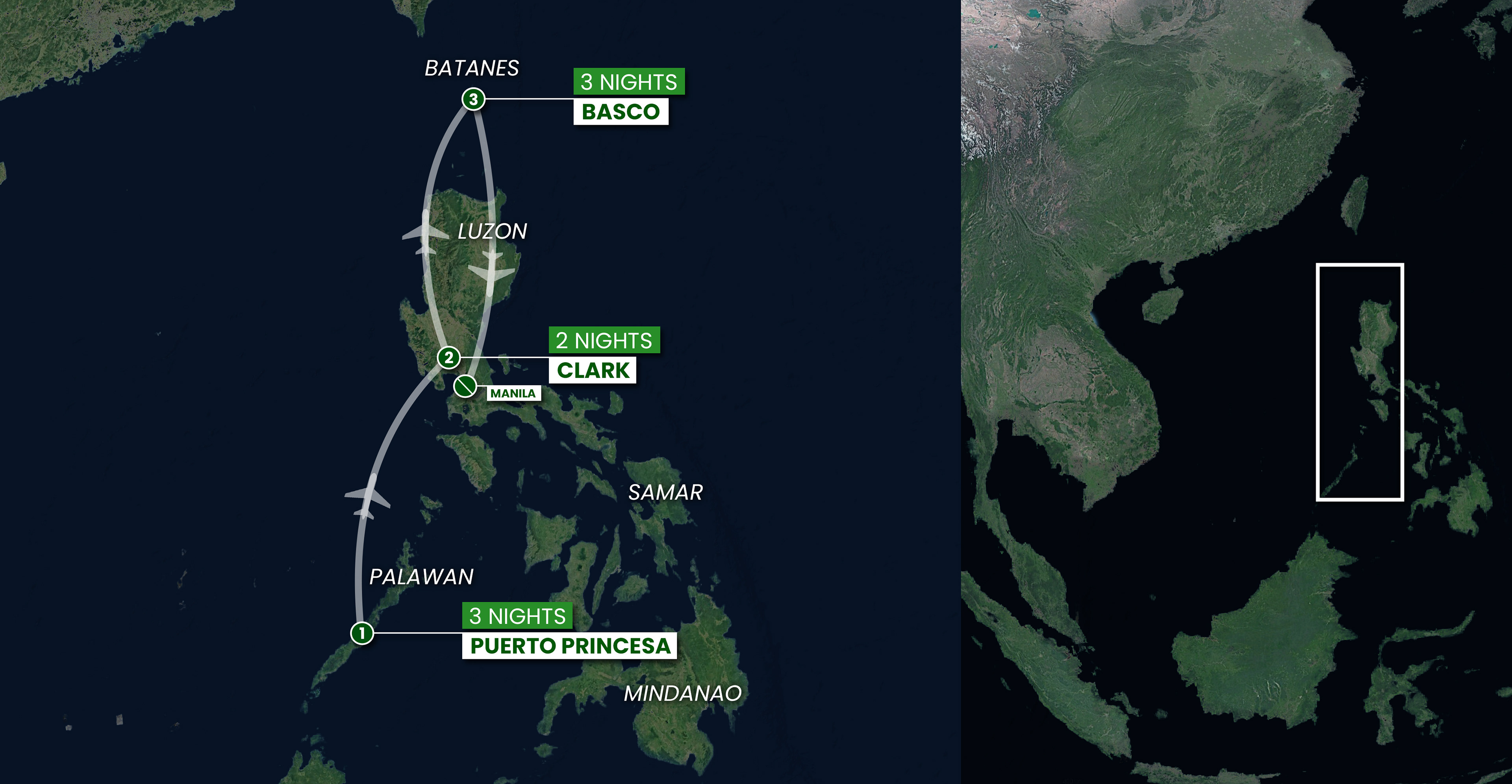
The Philippines archipelago is made up of thousands of islands, separated from mainland Southeast Asia for millions of years. Multiple larger 'island groups' formed distinct faunal regions, with more isolated islands forming their own sub-faunal regions. This, combined with a tropical climate, limestone karst systems and drastic elevation gradients, makes the Philippines one of the world's most important hotspots of reptile endemism. Through this eight night herping expedition, we will visit three different faunal regions, starting in the rich lowland rainforests of Palawan, then flying to north-central Luzon island, then visiting the northernmost point in the country, Batanes, before returning to Manila (Luzon), where the tour ends. Our key targets for this tour are the three endemic pit vipers present on each island, but we will work as hard as possible to find the maximum number of herpetofauna possible during this unique Explore Herpetology exclusive expedition.
Nights 1 - 3: PALAWAN
The expedition begins at Puerto Princesa City, Palawan, where our number one target will be the incredible Schultze's pit viper (Trimeresurus schultzei). To find this species, we will need to drive out to remote lowland rainforest streams, where we will hike trails and rocky streams in search of this mature rainforest specialist. Our team has had exceptional success targeting this spectacular species across our many herping trips and short-tours we have operated to this region, but we will be hoping for a rare encounter with a truly massive adult female Trimeresurus schultzei - which can grow to 140 centimetres/4.6 feet!
As we have three nights of non-stop herping on this beautiful forested island, we expect encounters with many other herpetofauna species, especially during our night hikes and road cruising. The Palawan clade of the North Philippine temple viper (Tropidolaemus cf. subannulatus) is common here, while the Sumatran spitting cobra (Naja sumatrana miolepis), two-striped coral snake (Calliophis bilineatus), and Palawan kukri snake (Oligodon notospilus) are three of our favourite encounters. The Palawan mangrove cat snake (Boiga dendrophila multicinctus) and very rare Schultze's cat snake (Boiga schultzei) also occur in our survey area. Finding a king cobra is extremely rare in The Philippines, but there is always an outside chance at a lucky encounter with Ophiophagus bungarus while herping in Palawan.
In addition to the sumptuous selection of snakes on Palawan, we will target the "living fossil" Philippine flat-headed frog (Barbourula busuangensis), an ancient and primitive lineage of frog, as well as reminder of Palawan's geographical connection to Borneo - where the only other member of the family occurs. Common leaf turtle (Cyclemys dentata) and Philippine pond turtle (Siebenrockiella leytensis) can both be found along the streams, as well as the Palawan water monitor (Varanus palawanensis). We will stay at a mid-range hotel on the edge of Puerto Princesa City, close to restaurants and other amenities but reasonable driving distance from our key sites in Palawan's central mountain range.
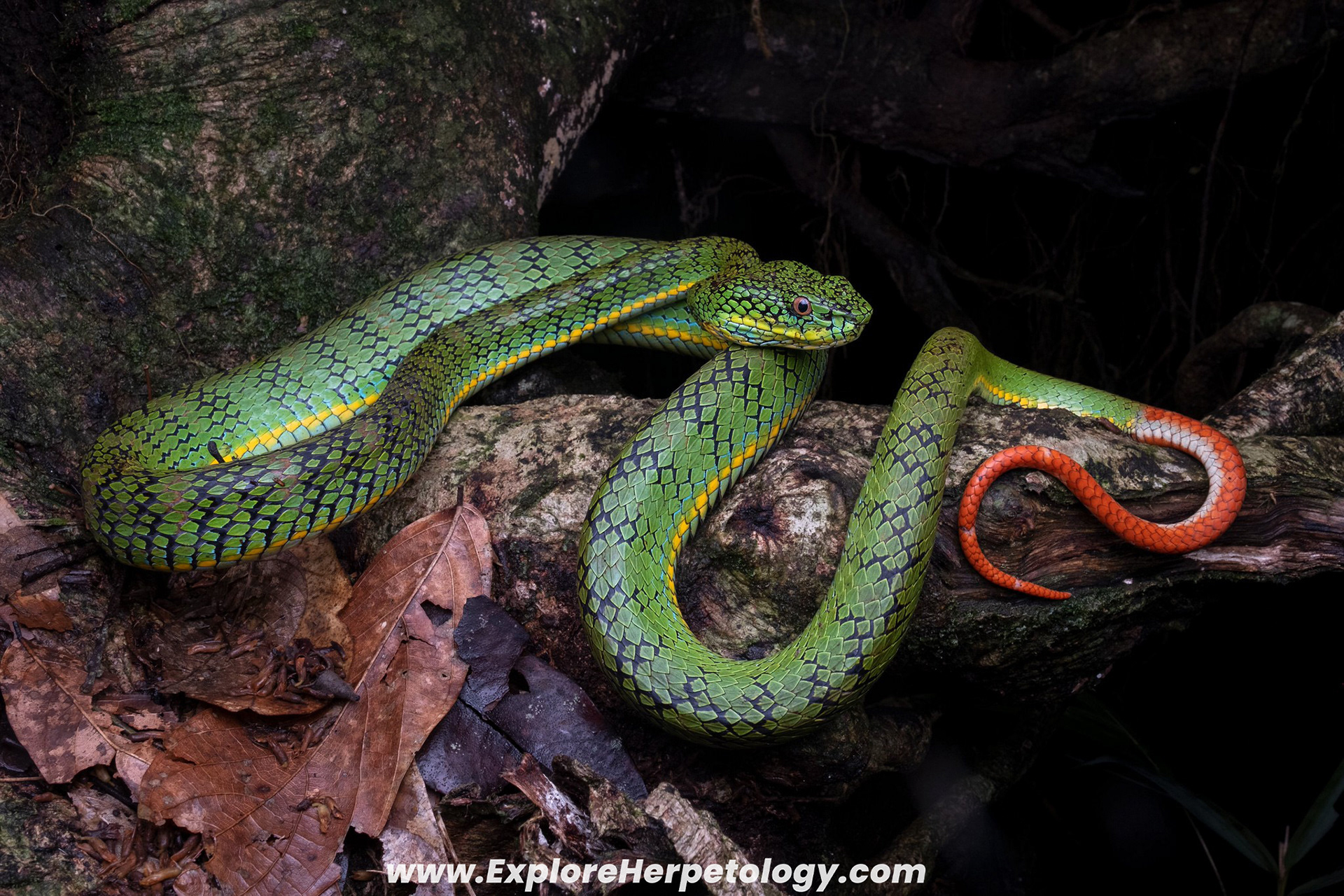
Adult female Schultze's pit viper (Trimeresurus schultzei).
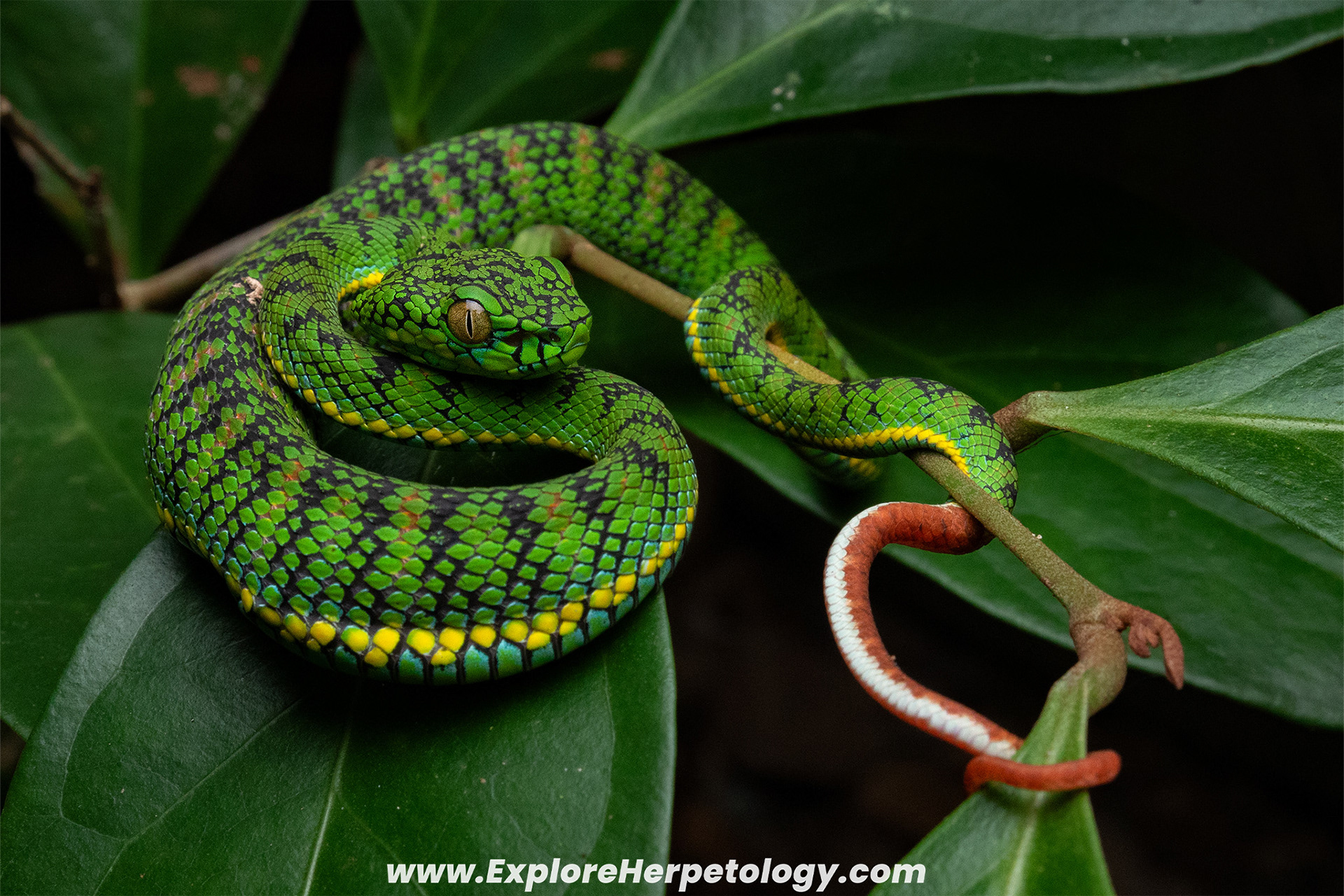
Juvenile Schultze's pit viper (Trimeresurus schultzei).
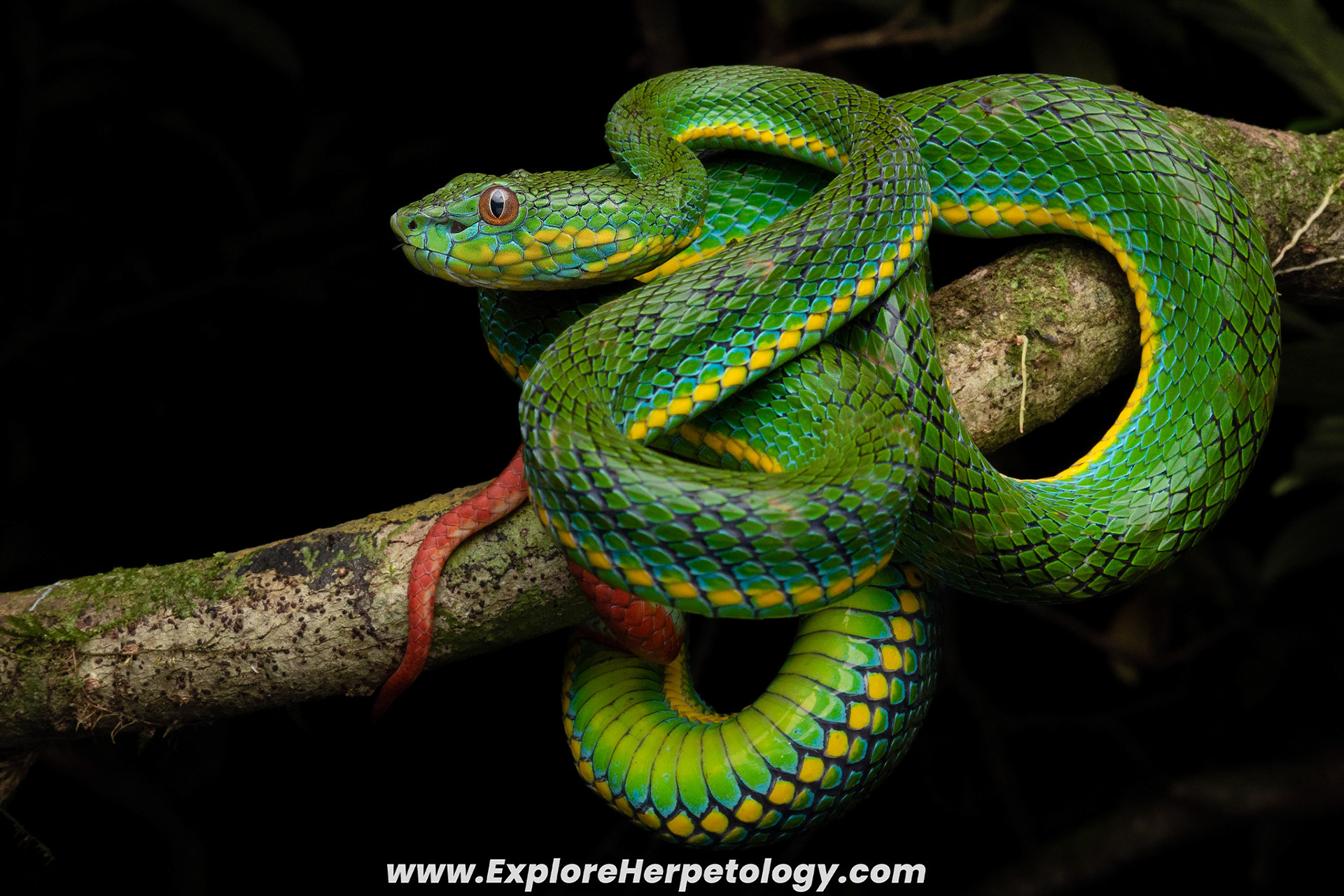
Adult male Schultze's pit viper (Trimeresurus schultzei).
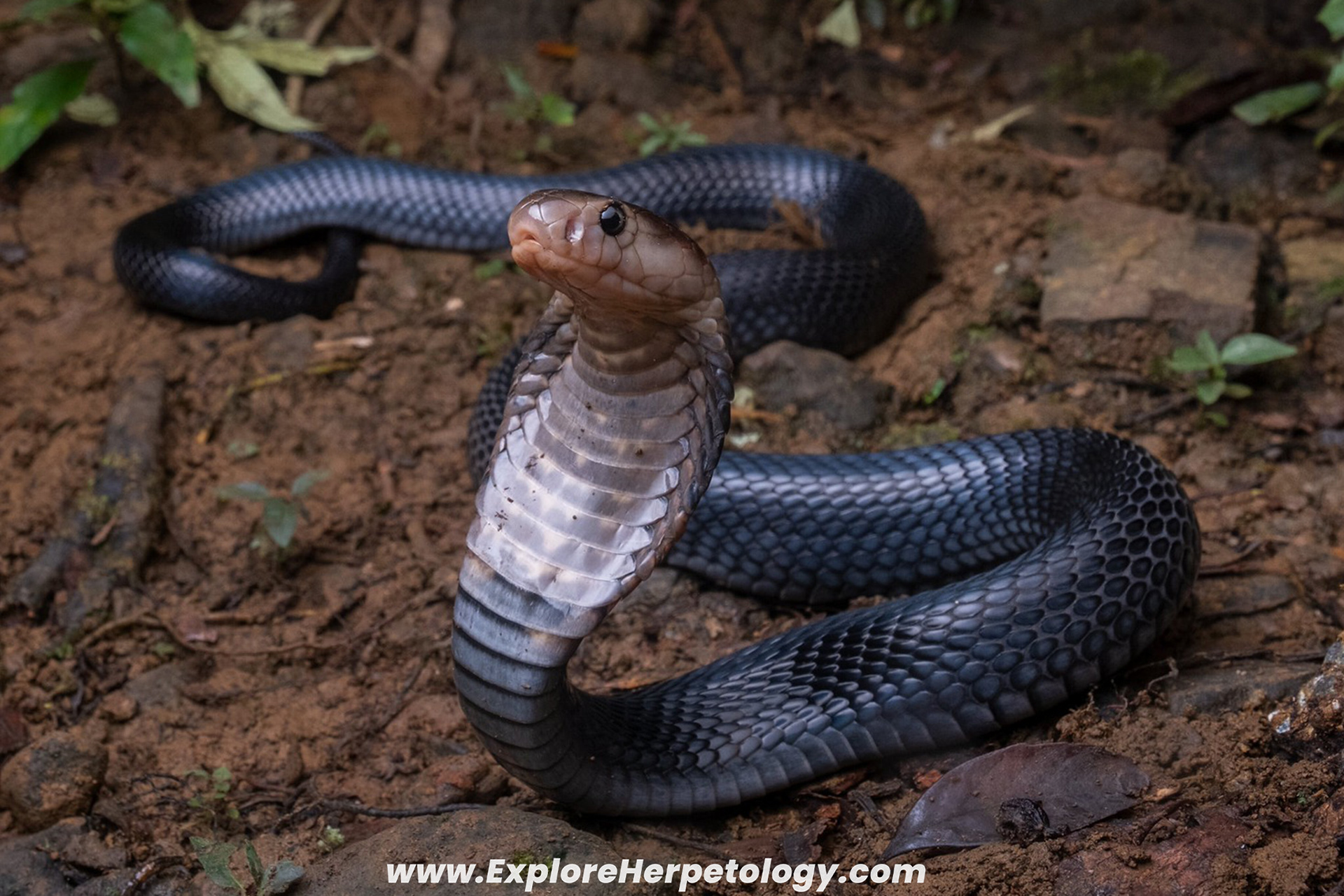
Sumatran cobra (Naja sumatrana miolepis)
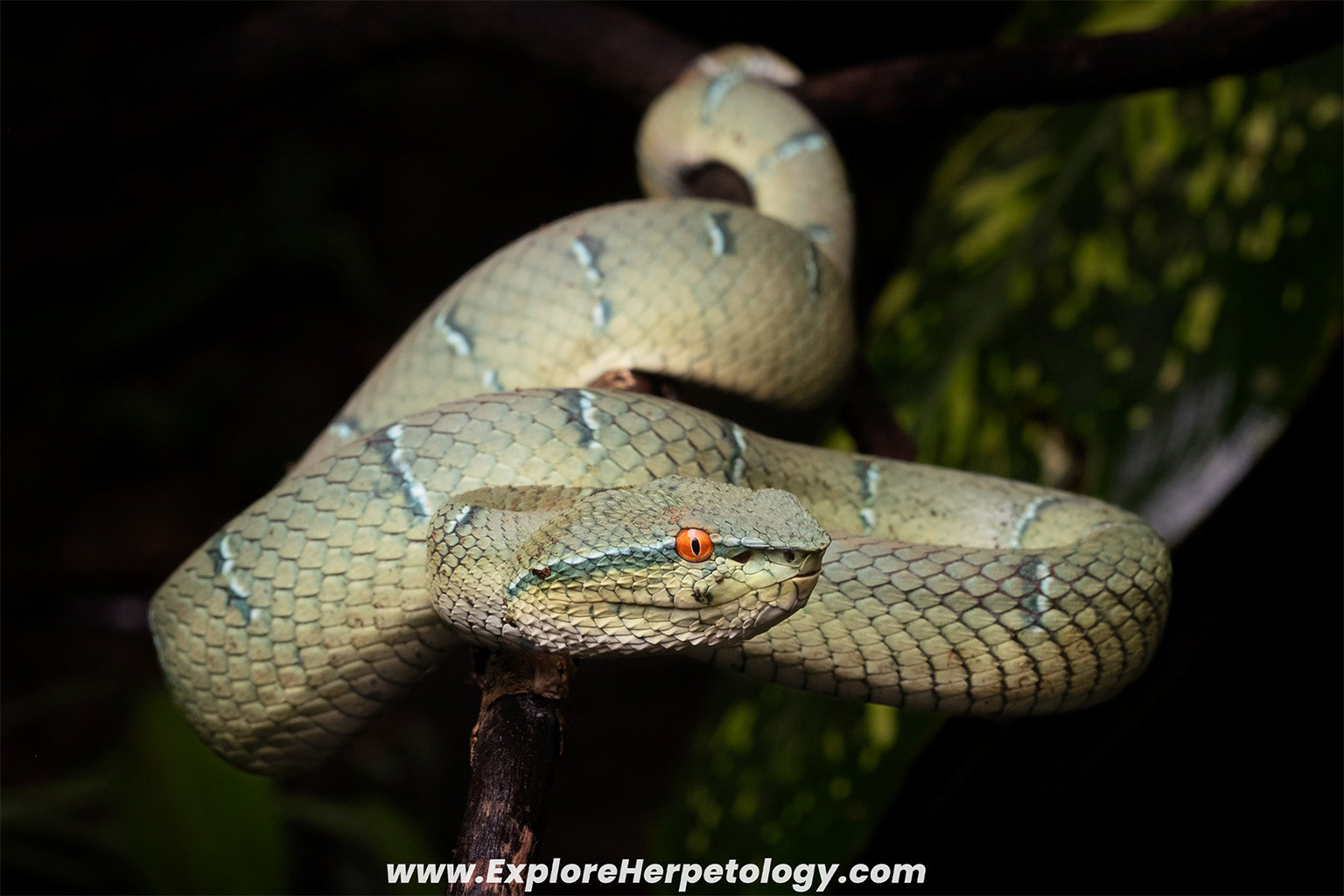
North-Philippine temple viper (Tropidolaemus subannulatus).
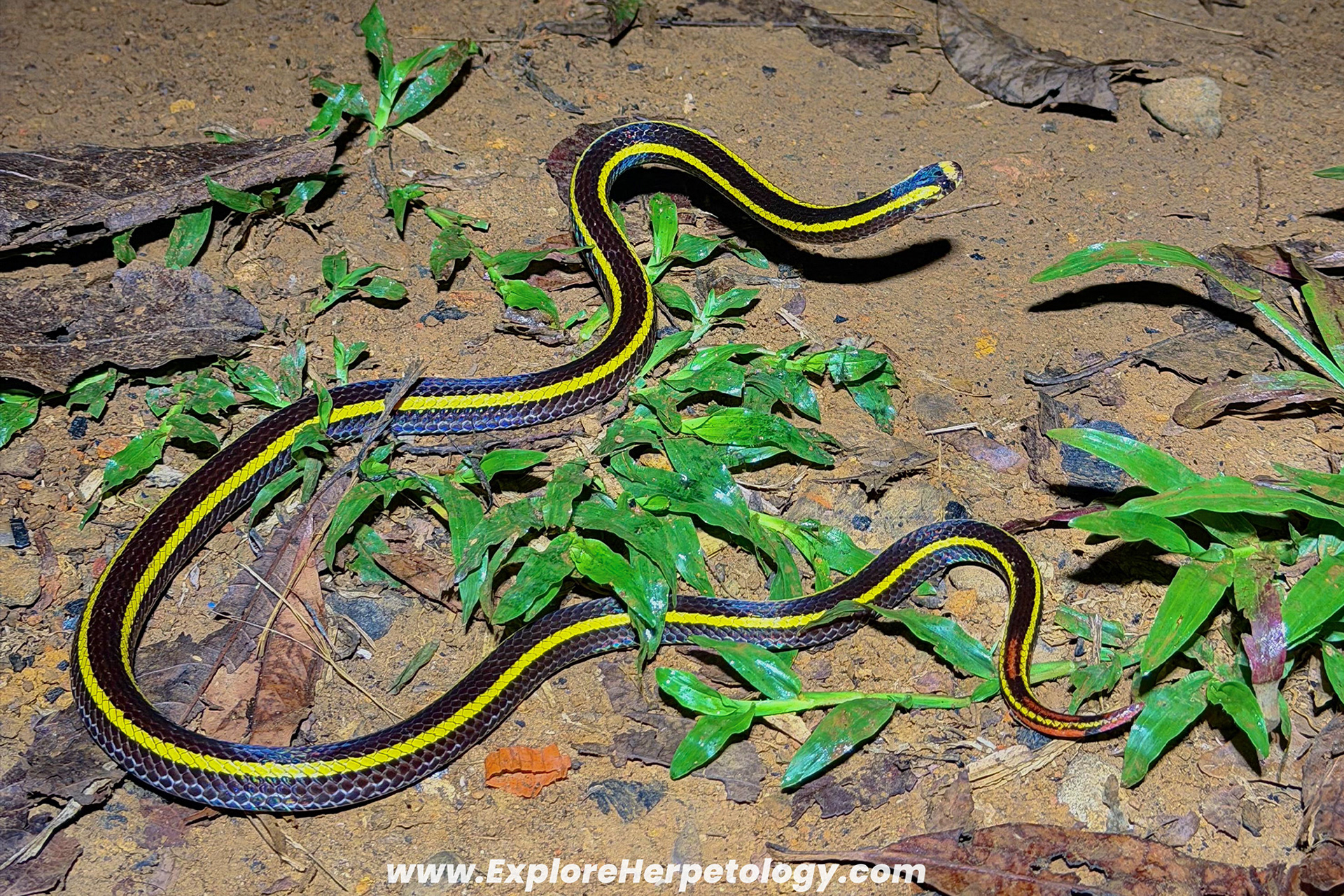
Two-striped coral snake (Calliophis bilineatus).
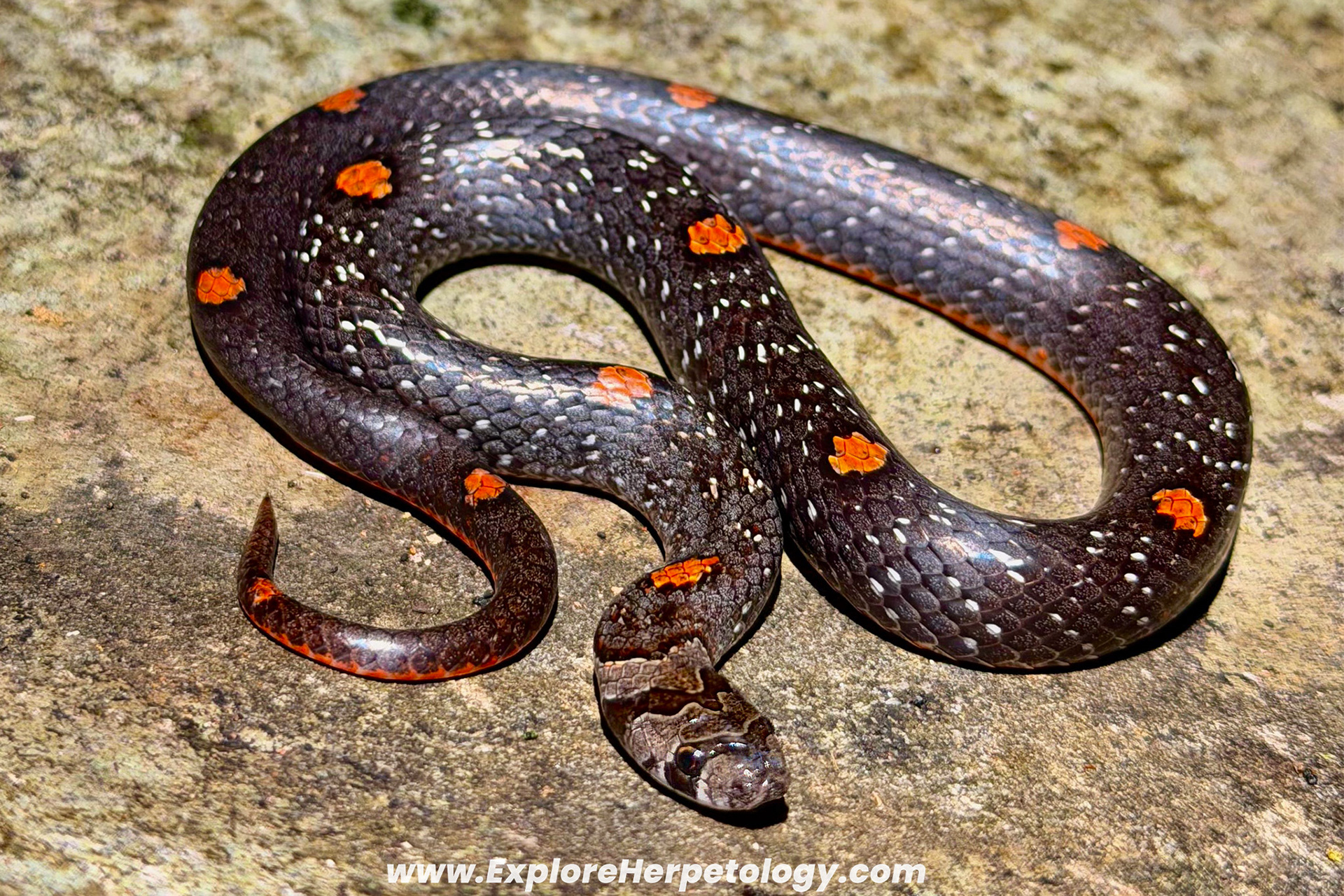
Palawan kukri snake (Oligodon notospilus).
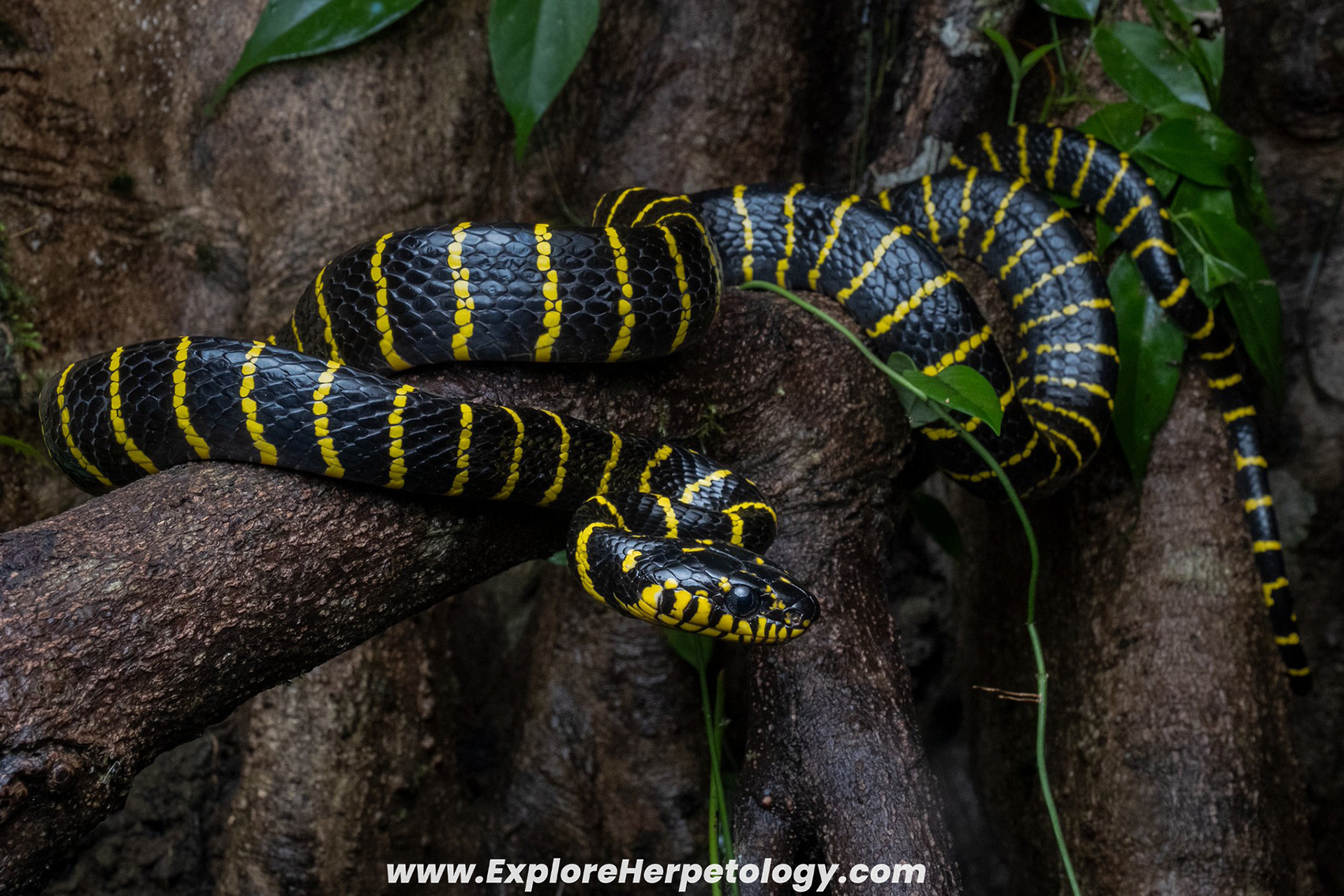
Palawan mangrove cat snake (Boiga dendrophila multicinctus).
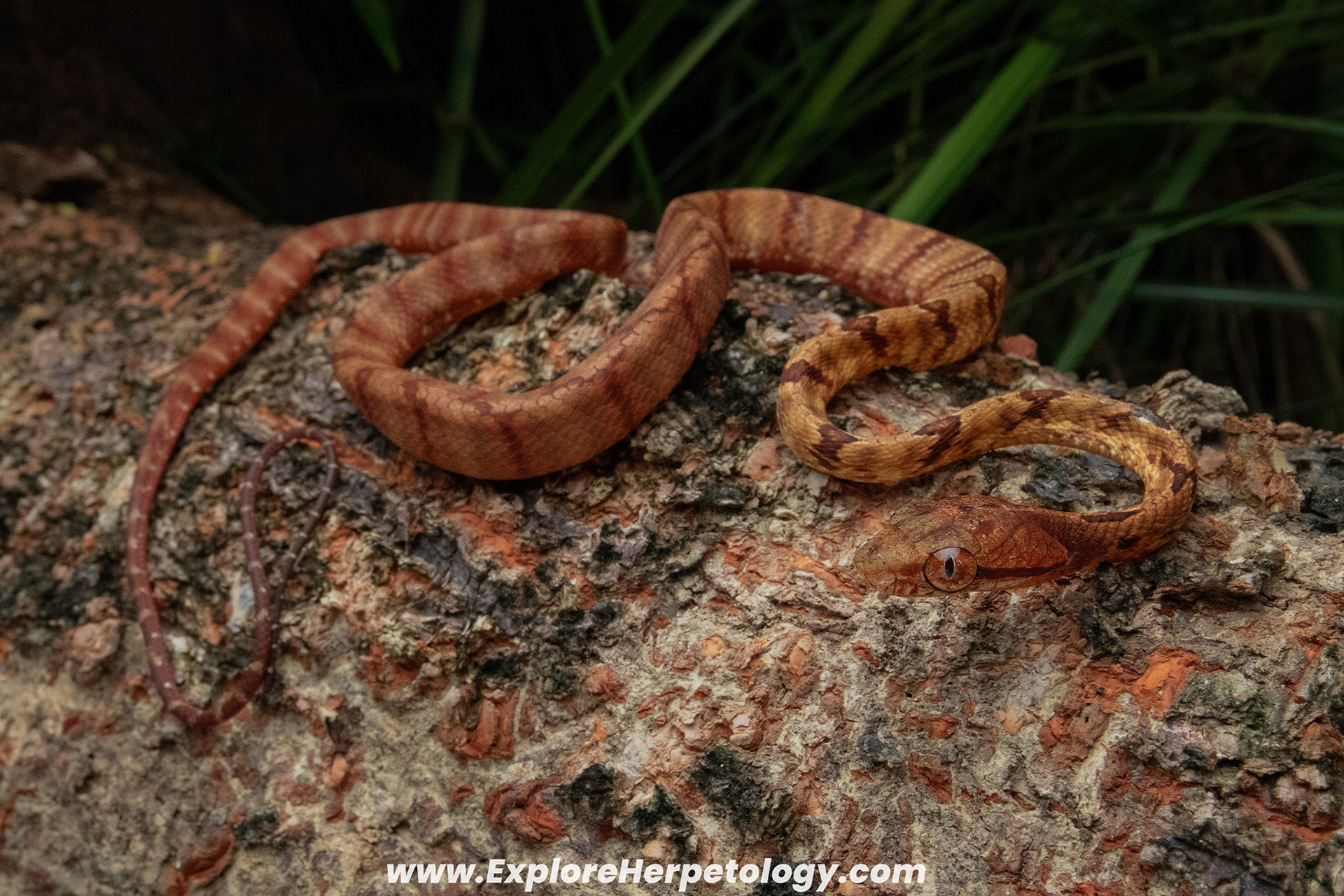
Dog-toothed cat snake (Boiga cynodon).
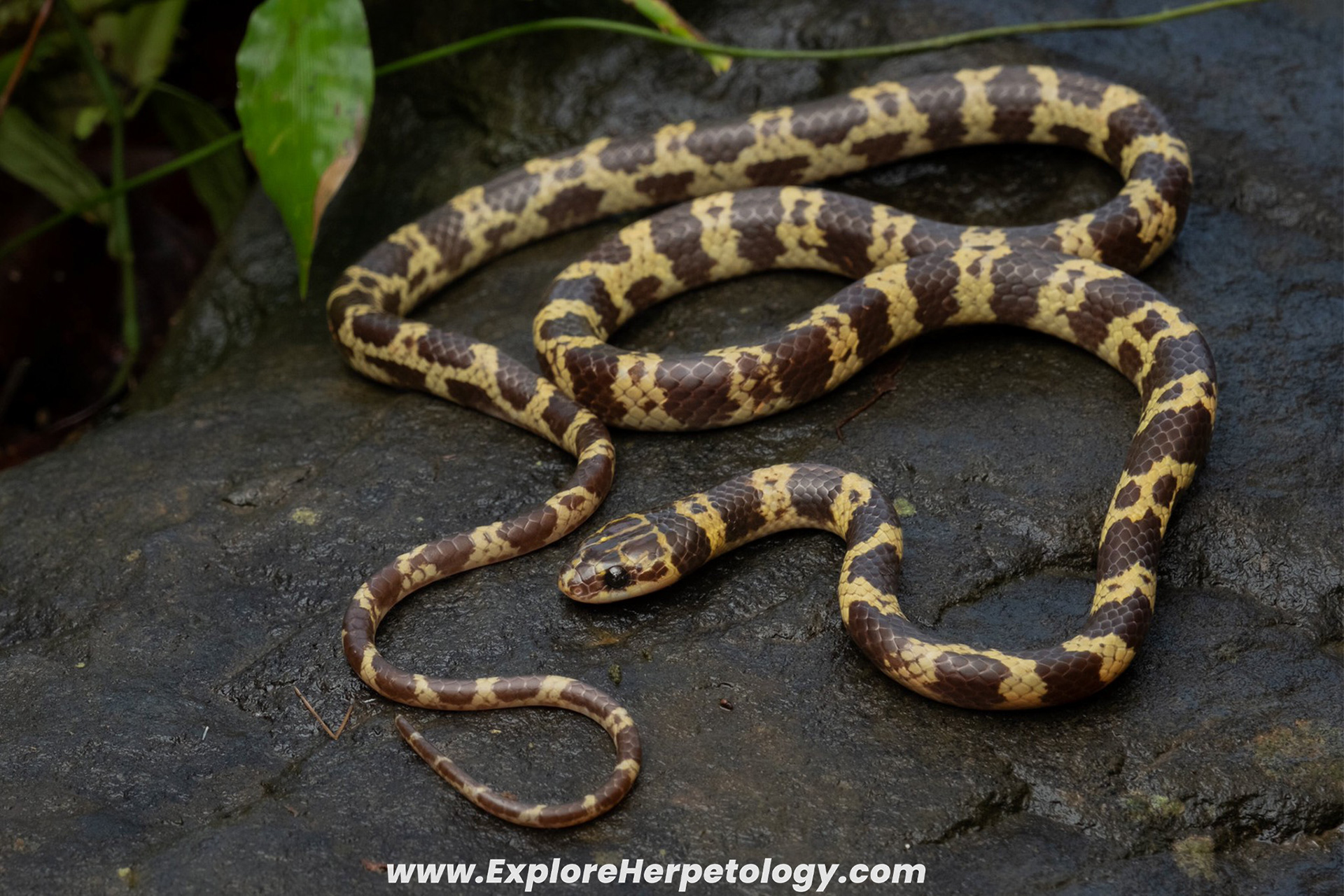
Philippine bridle snake (Dryocalamus philippinus).
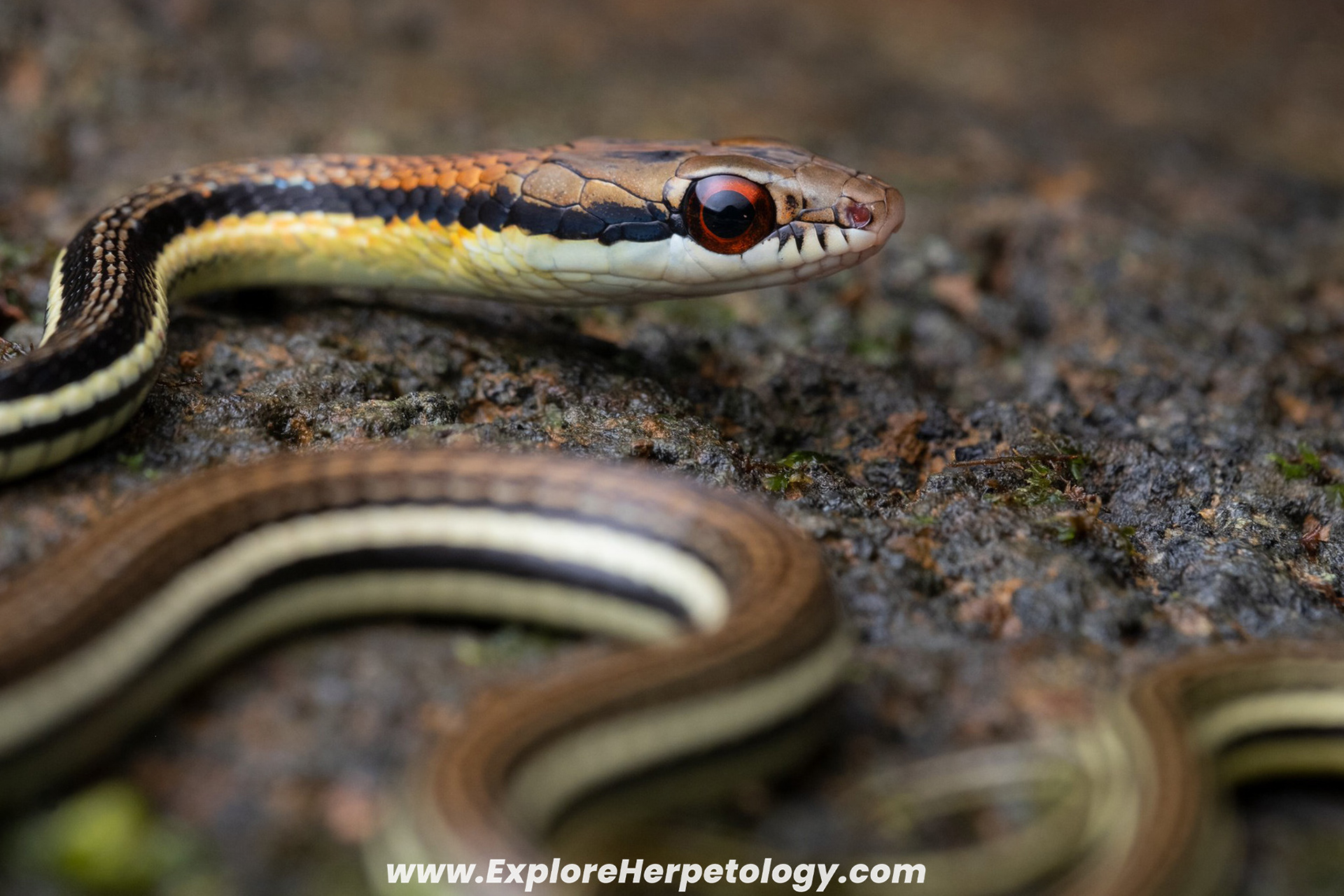
Leviton's bronzeback (Dendrelaphis levitoni).
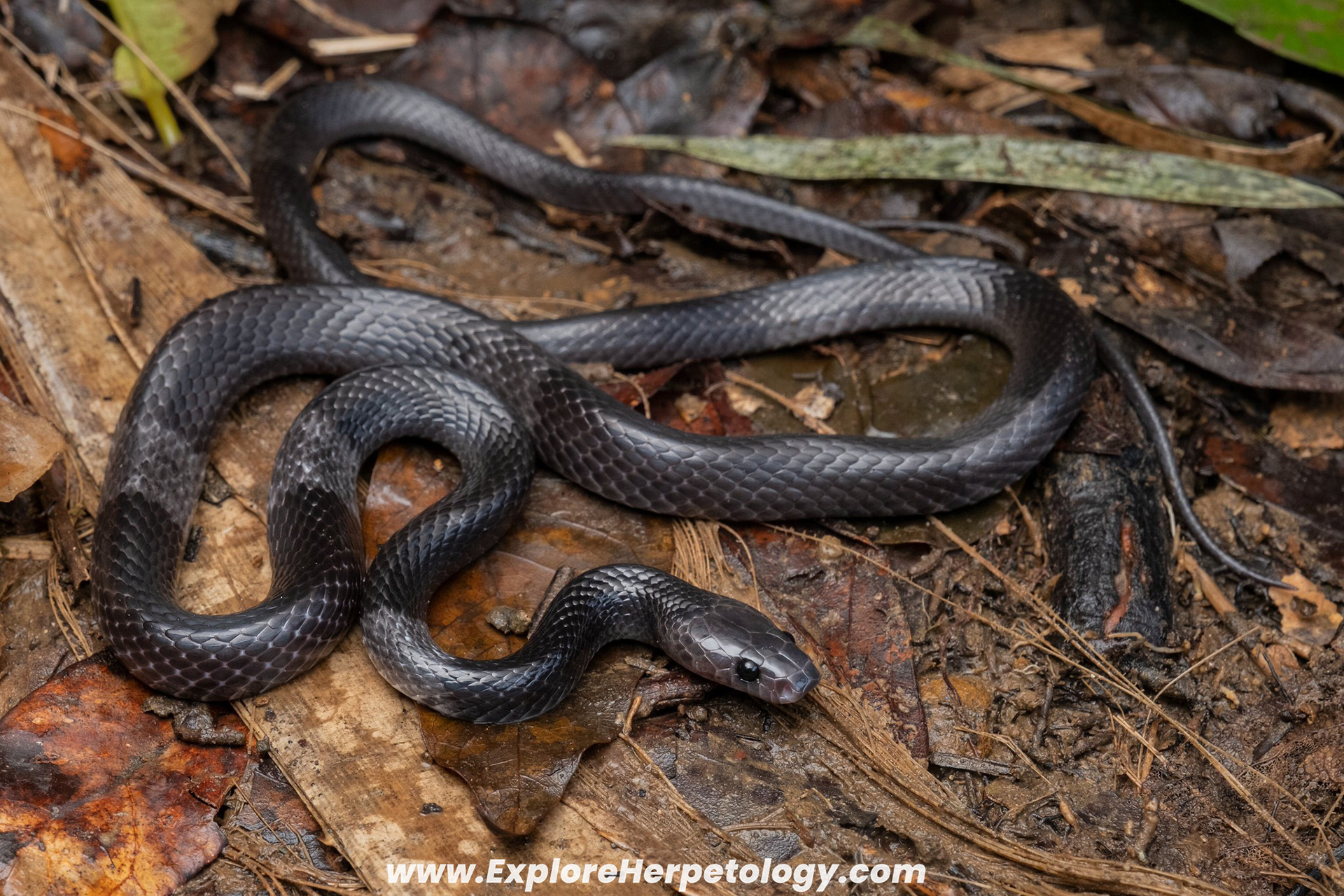
Seale's wolf snake (Lycodon sealei).
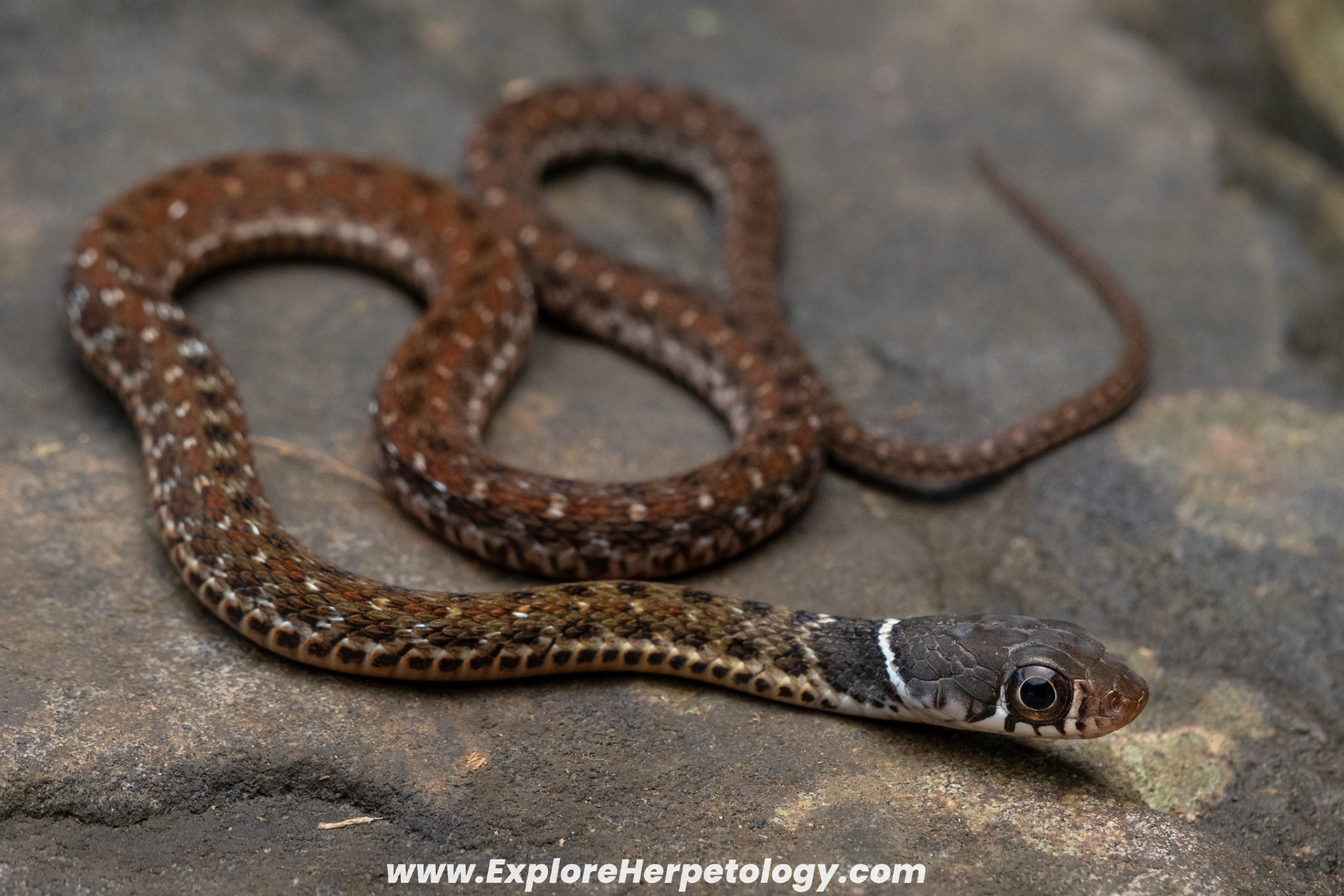
Speckle-bellied keelback (Rhabdophis chrysargos).
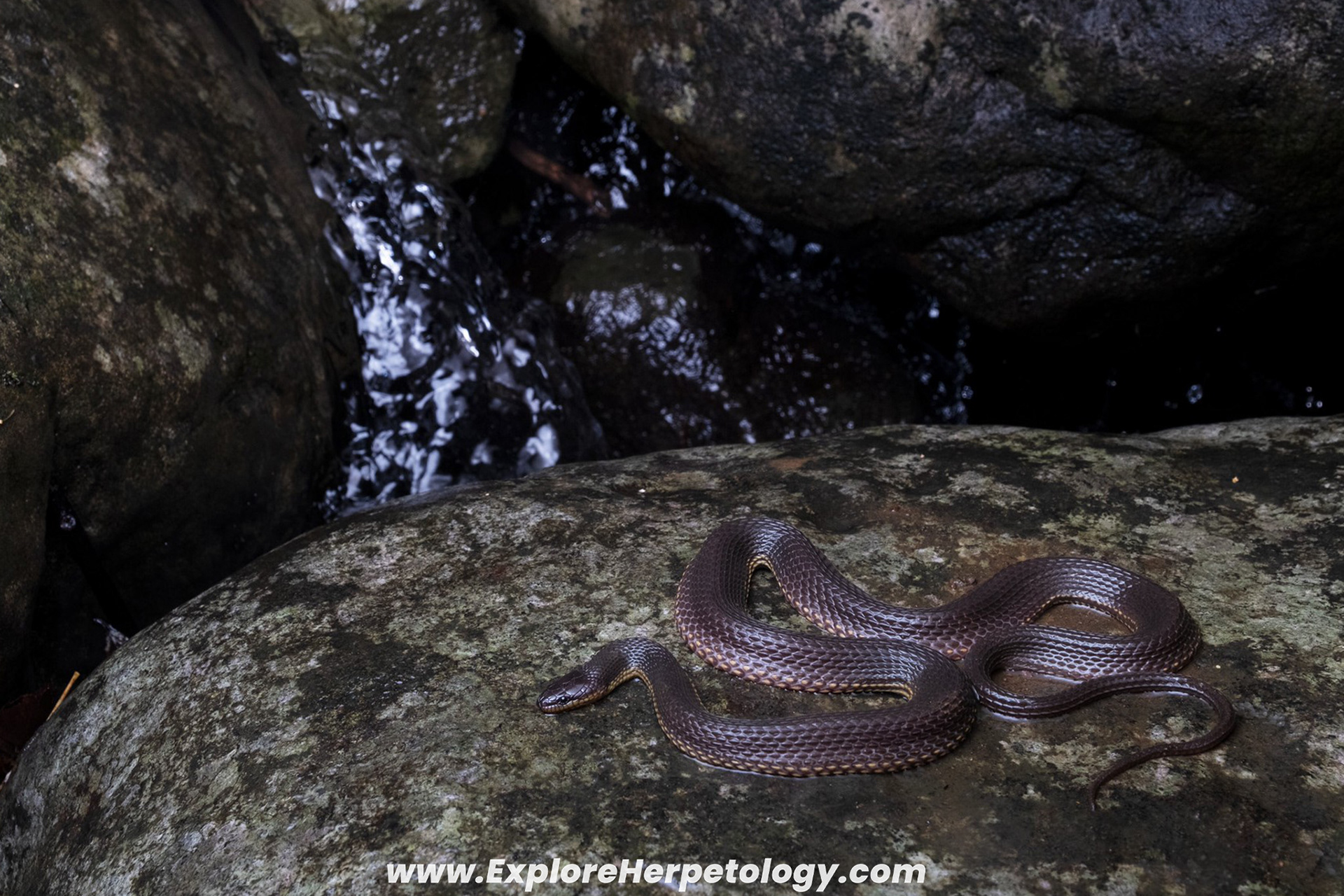
Olive stream snake (Opisthotropis typica).
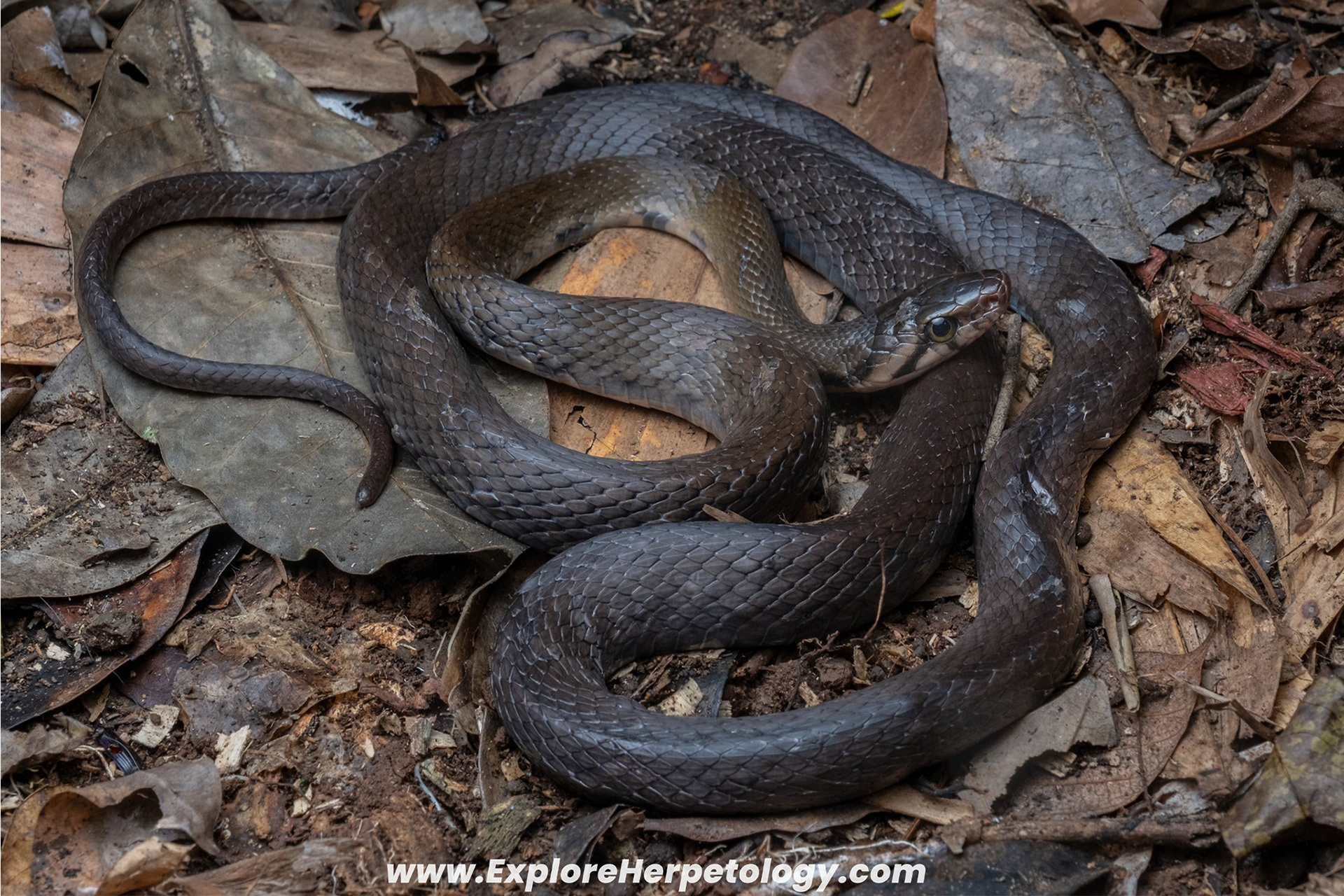
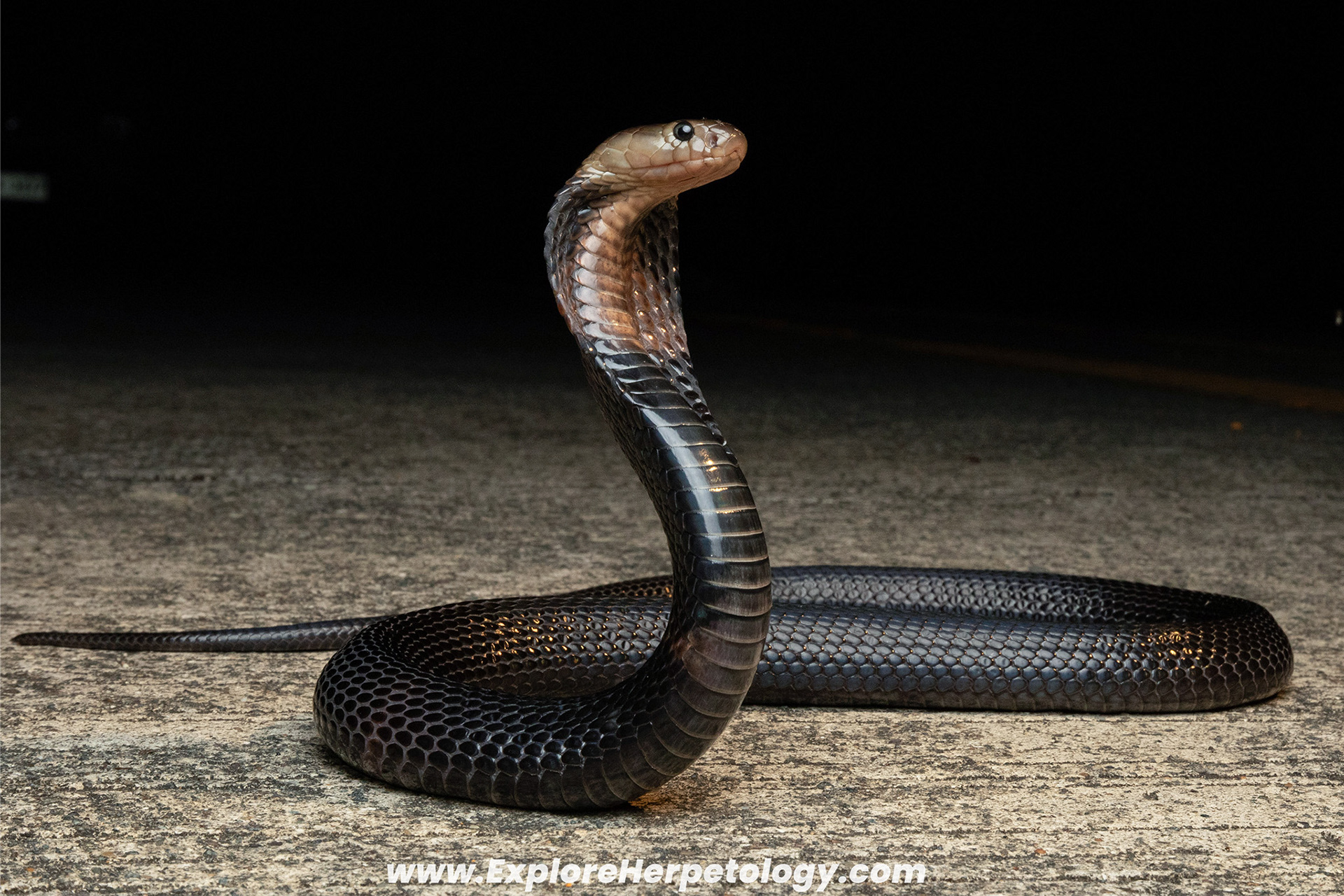
Sumatran cobra (Naja sumatrana miolepis)
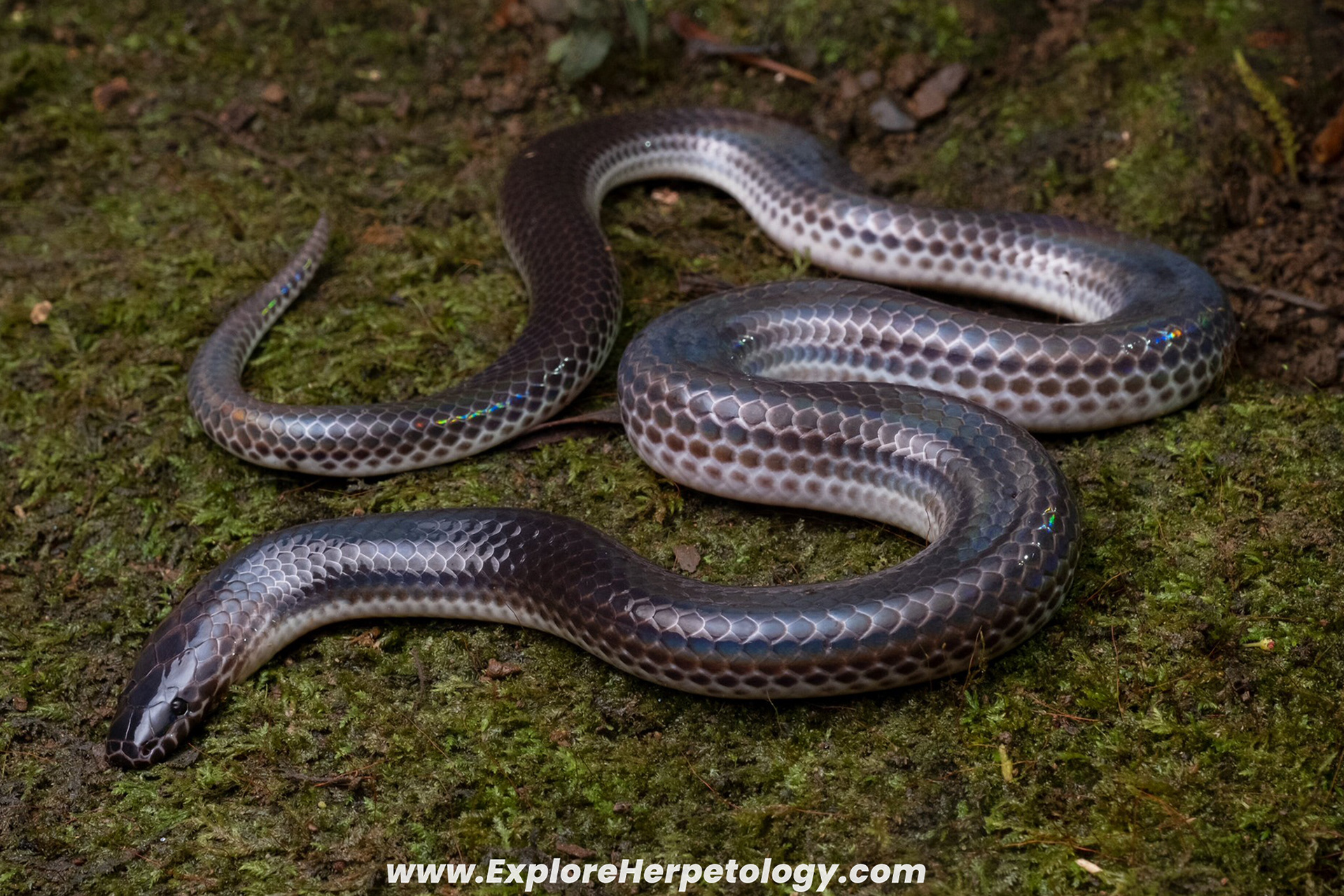
Sunbeam snake (Xenopeltis unicolor).
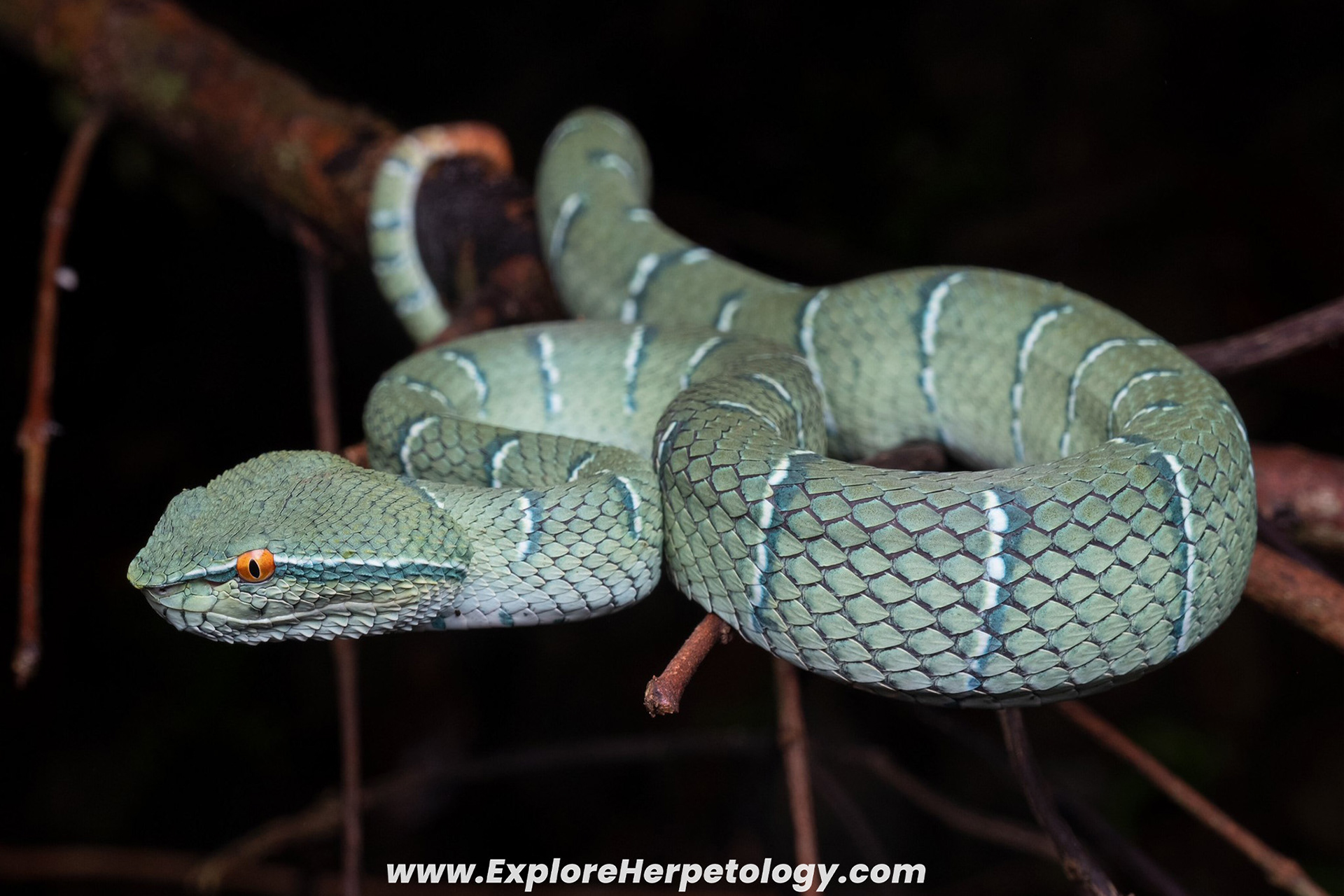
North-Philippine temple viper (Tropidolaemus subannulatus).
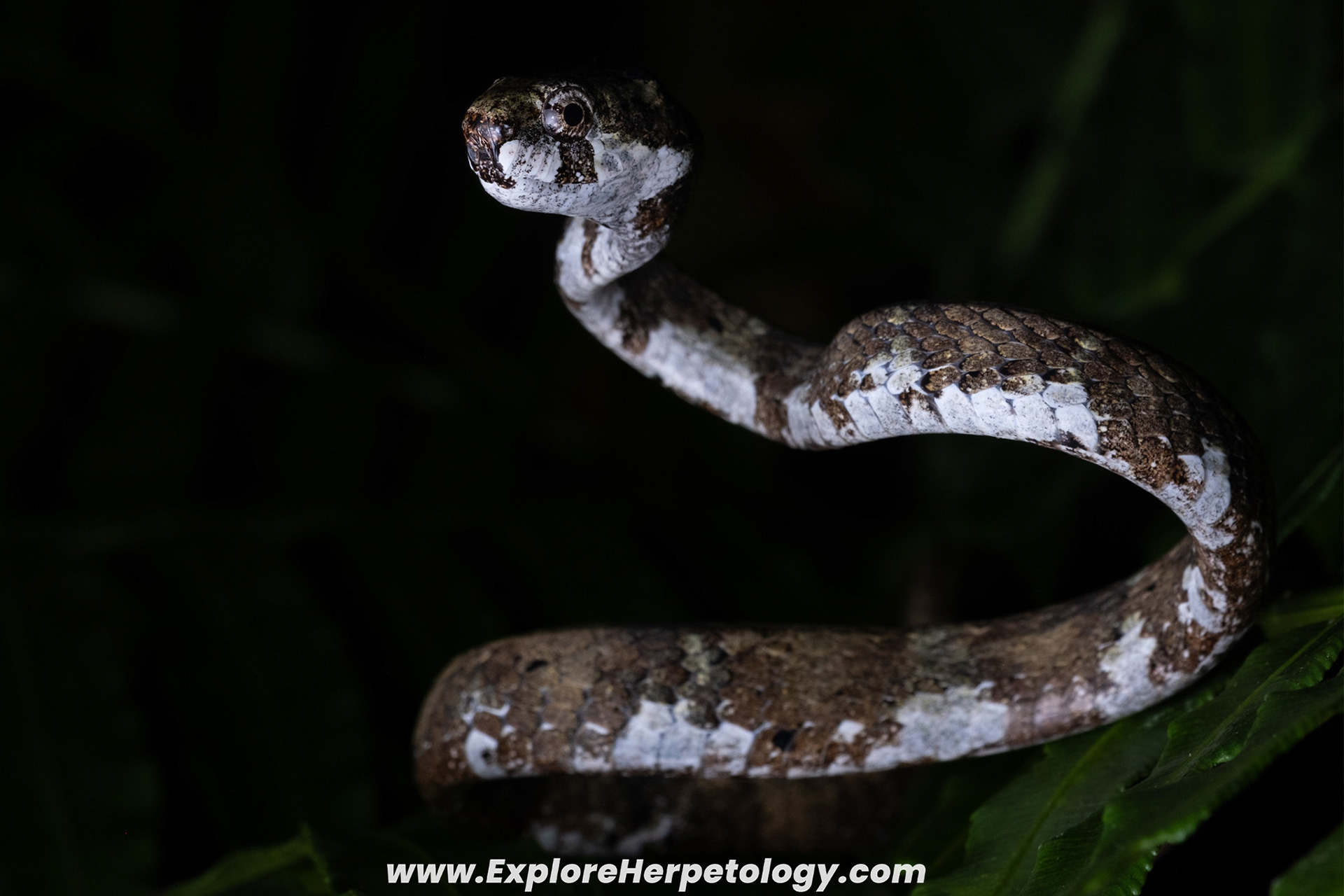
Blunt-headed slug snake (Aplopeltura boa).
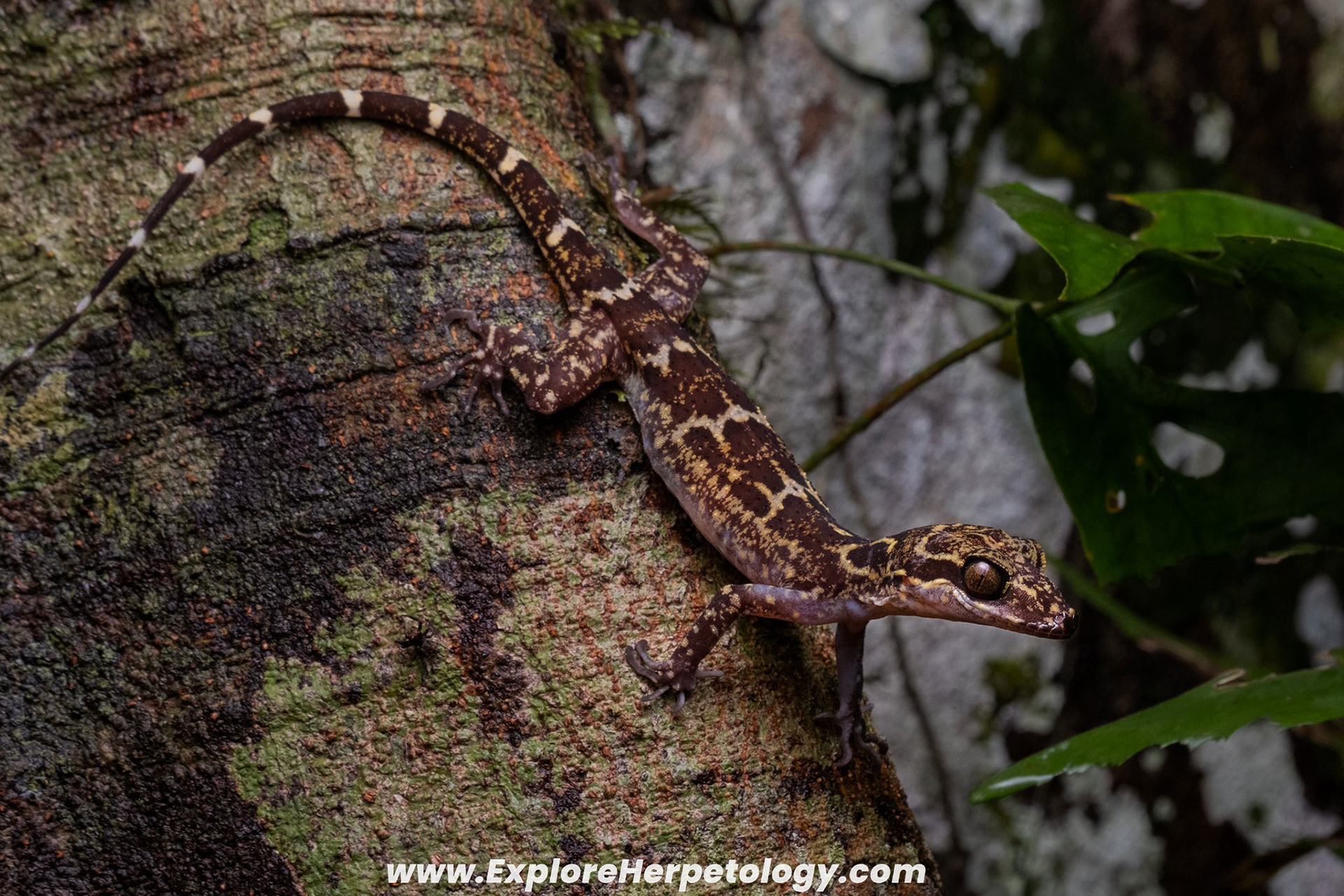
Palawan bent-toed gecko (Cyrtodactylus redimiculus)
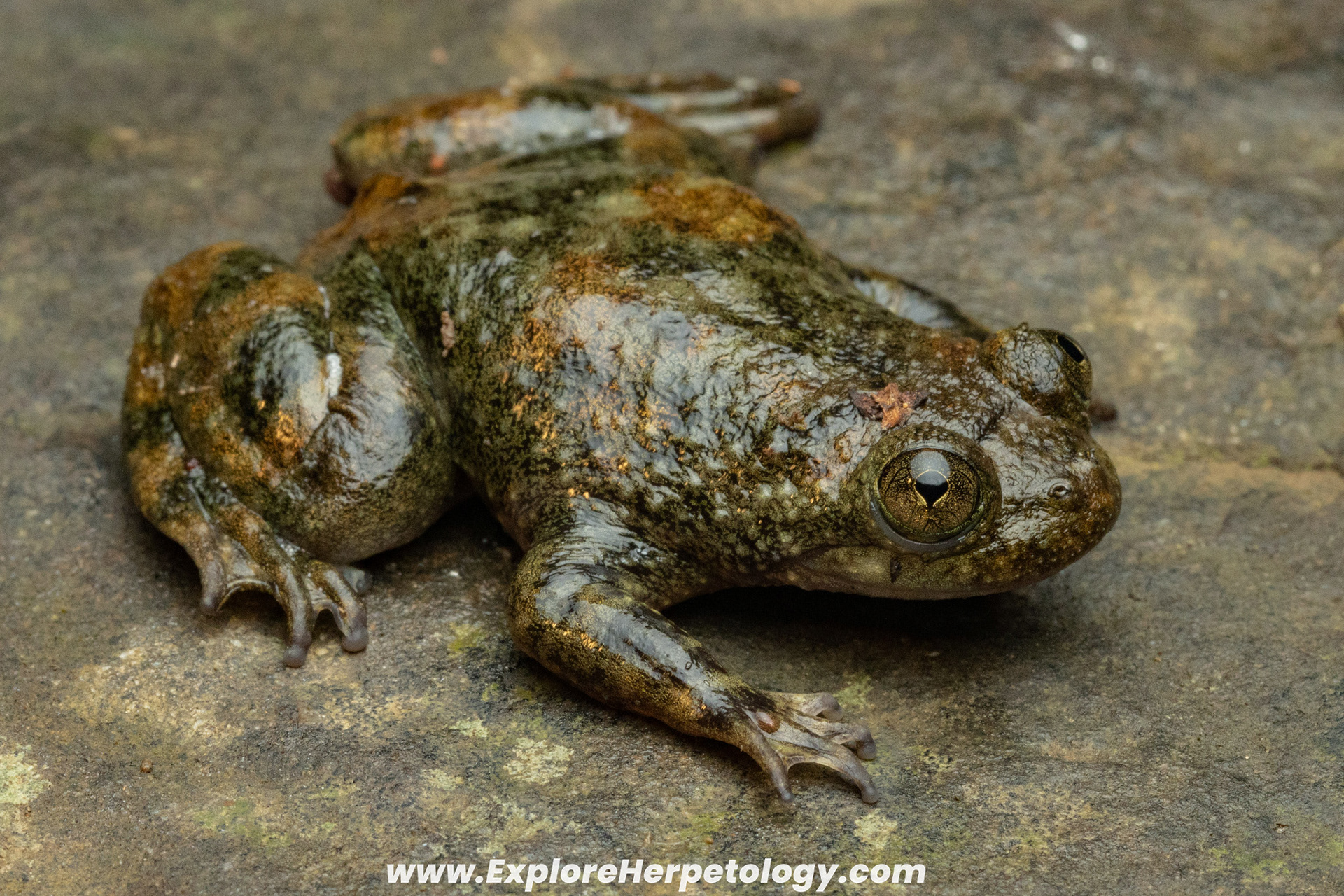
Philippine flat-headed frog (Barbourula busuangensis)
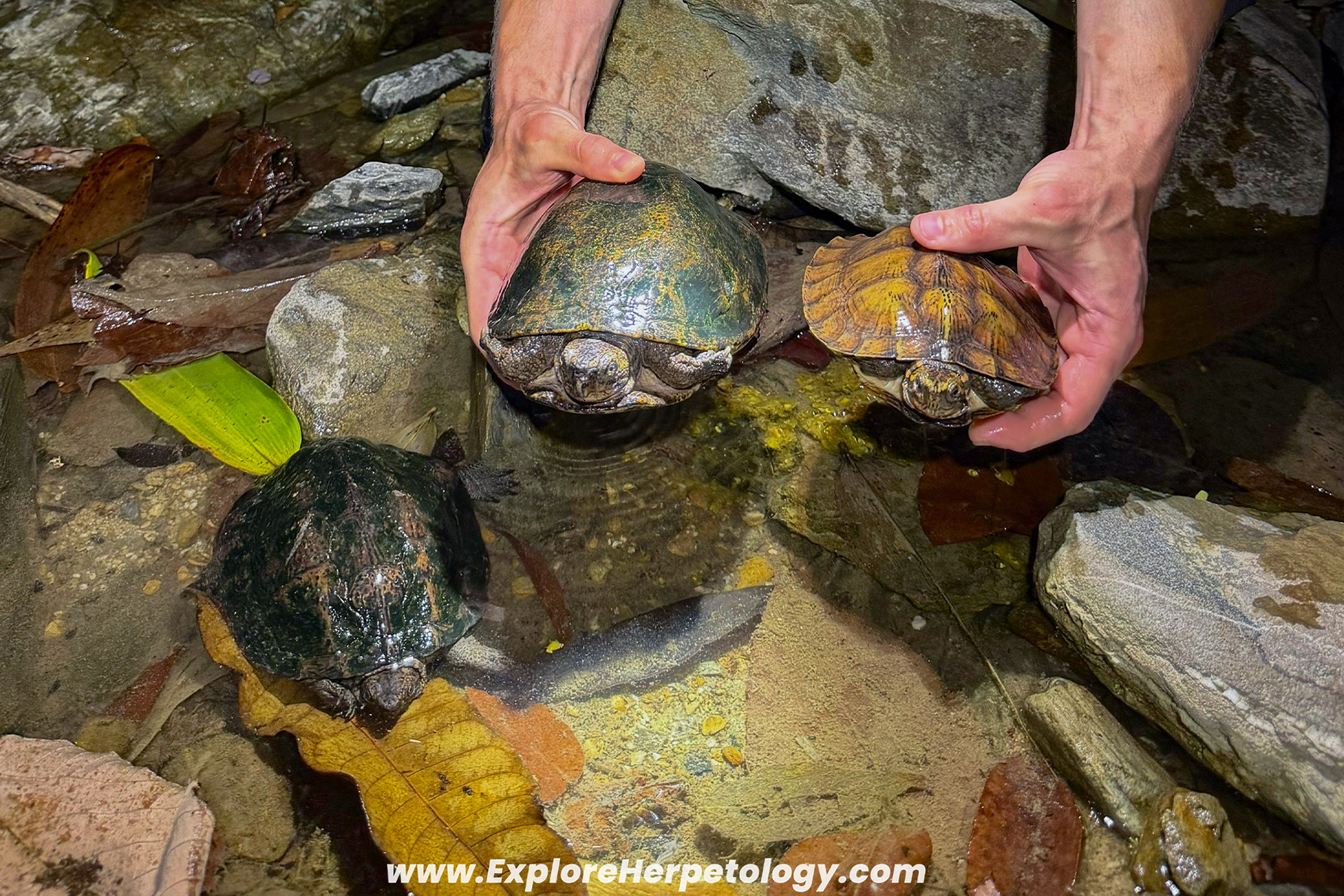
Common leaf turtle (Cyclemys dentata) and Philippine pond turtle (Siebenrockiella leytensis).
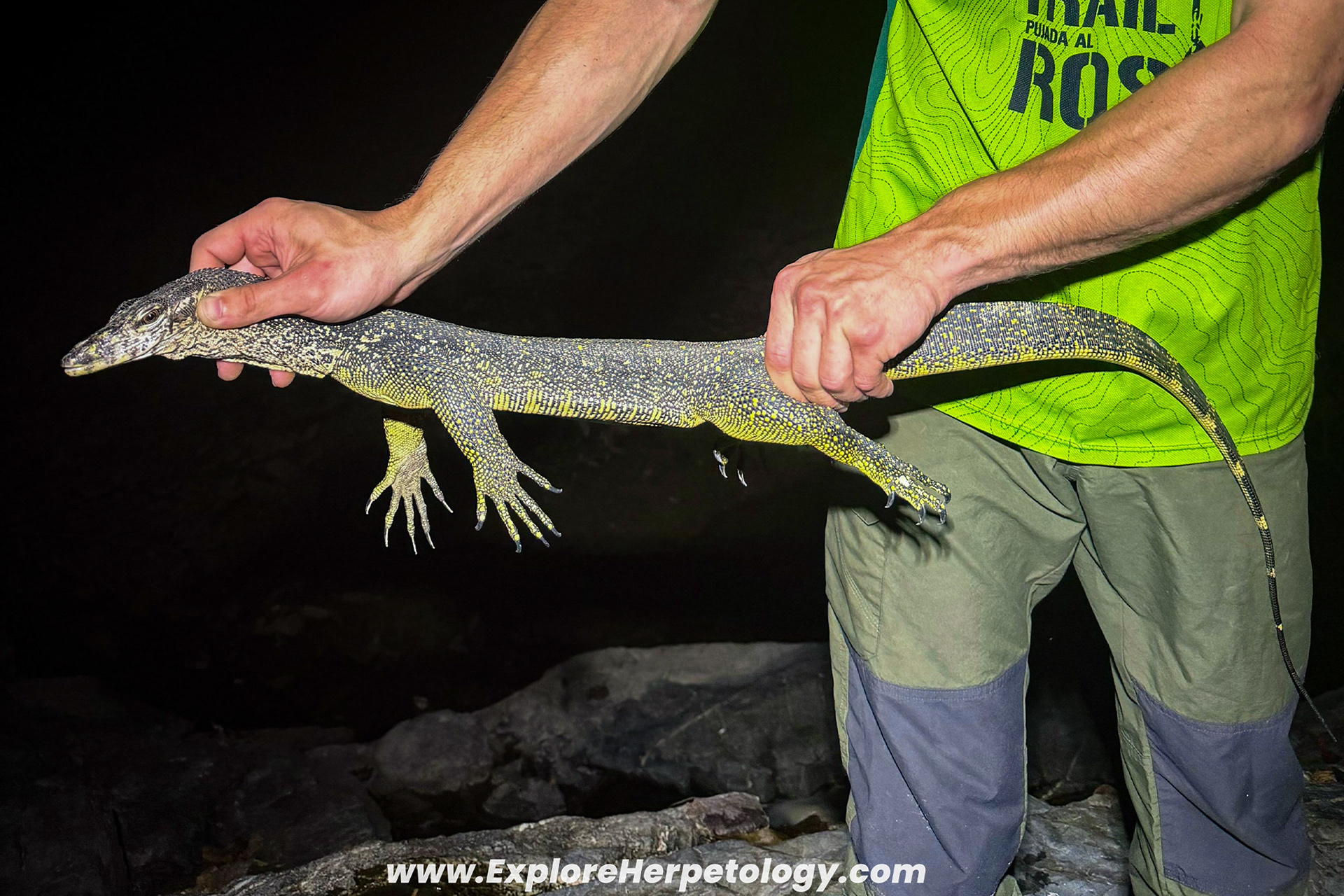
Palawan water monitor (Varanus palawanensis).
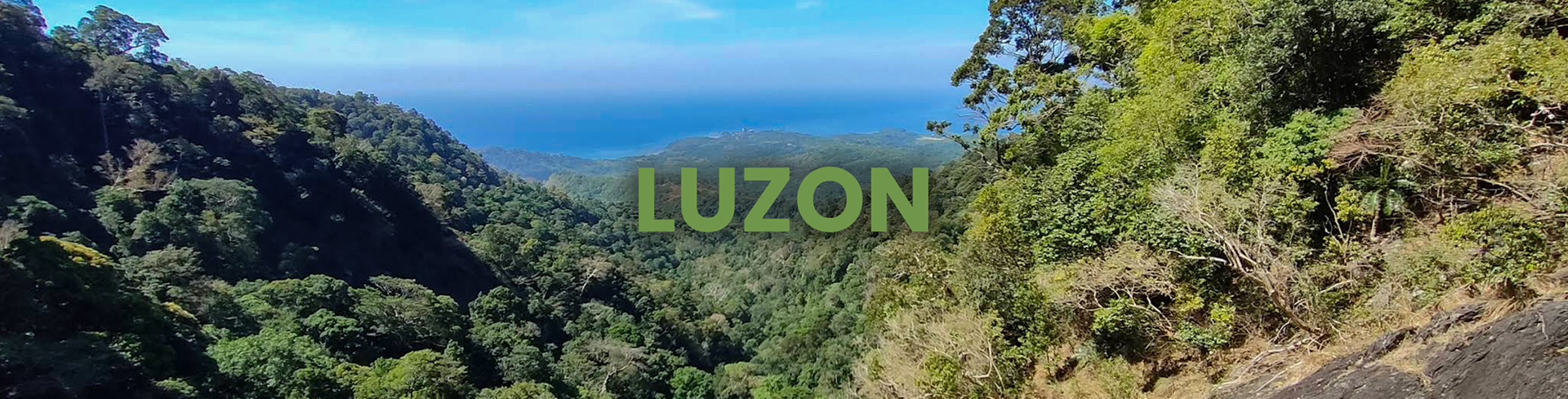
Nights 4 & 5: LUZON
After our initial three nights exploring Palawan's central mountain range, we will fly northwards to Manila, before driving west to our most consistently productive herping site on Luzon island for two further nights. Dedicated hiking in this area will almost certainly produce multiple individuals of the Philippine pit viper (Trimeresurus flavomaculatus) - our main target for the area. The smooth-scaled mountain ratsnake (Ptyas luzonensis), which regularly grows to around 2 metres/6.5 feet, is a common sight while night hiking, as well as the Philippine cat snake (Boiga philippina), which is also a Luzon endemic. We can try road cruising during the day and night for some of Luzon's more secretive snake species, such as the Luzon ratsnake (Coelognathus erythrurus manillensis), barred coral snake (Hemibungarus calligaster) and northern short-headed/kukri snake (Oligodon ancorus). Mueller's wolf snake (Lycodon muelleri), Luzon bronzeback (Dendrelaphis luzonensis) and dog-toothed cat snake (Boiga cynodon) are three species we commonly encounter here, which are not featured in the photo grid.
Crucially, our team know a river with a thriving population of Philippine sailfin dragons (Hydrosaurus pustulatus), and we will make sure we dedicate one entire night to searching along the water for a good individual. Due to over-hunting and resting habits, large adults are extremely rare to see at night, but we can also try to see adults in-situ during the daytime as they bask near the water. We will stay in the nearby town, dining close to the hotel and maximising our time in the field during the late afternoon and evening.
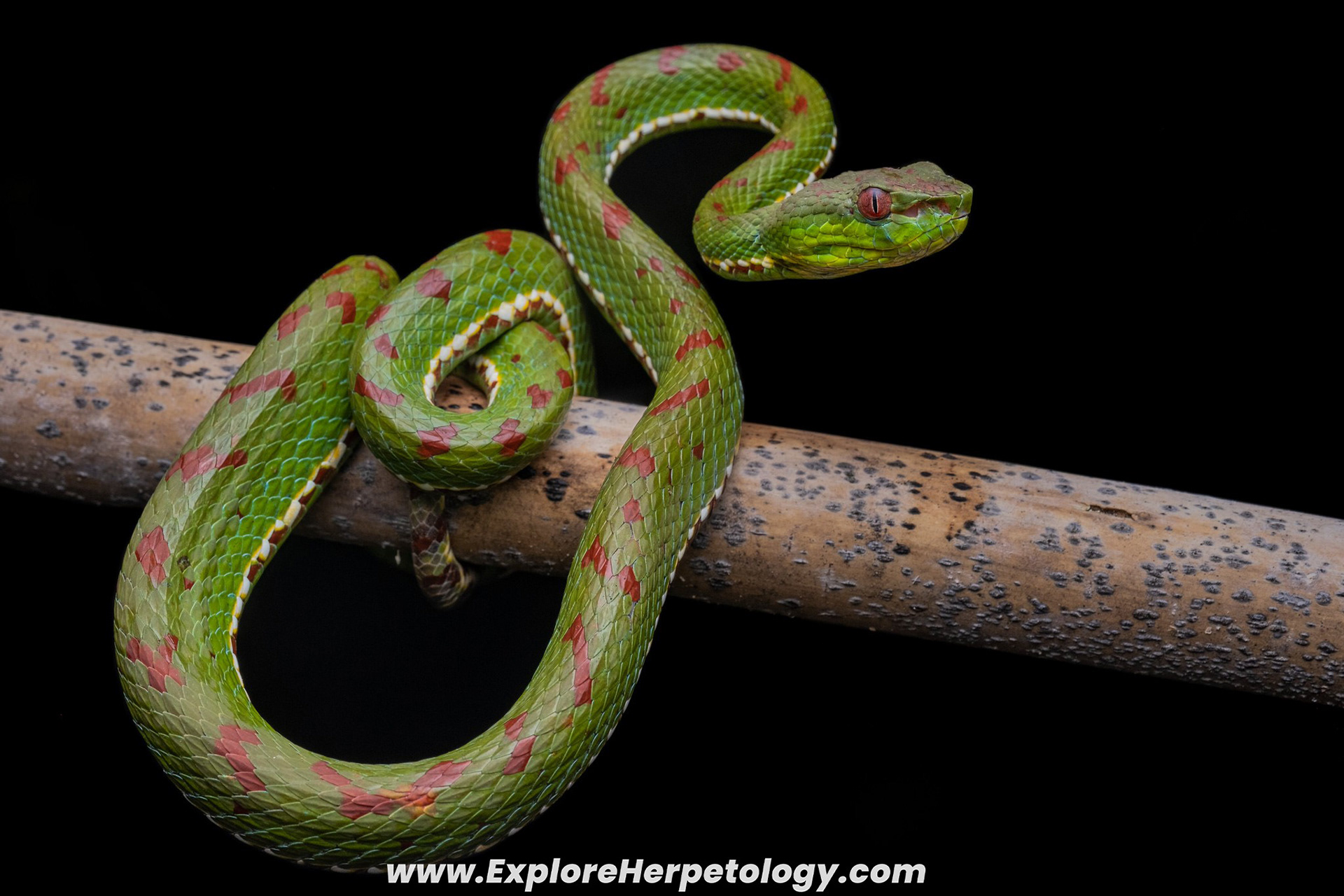
Adult male Philippine pit viper (Trimeresurus flavomaculatus).
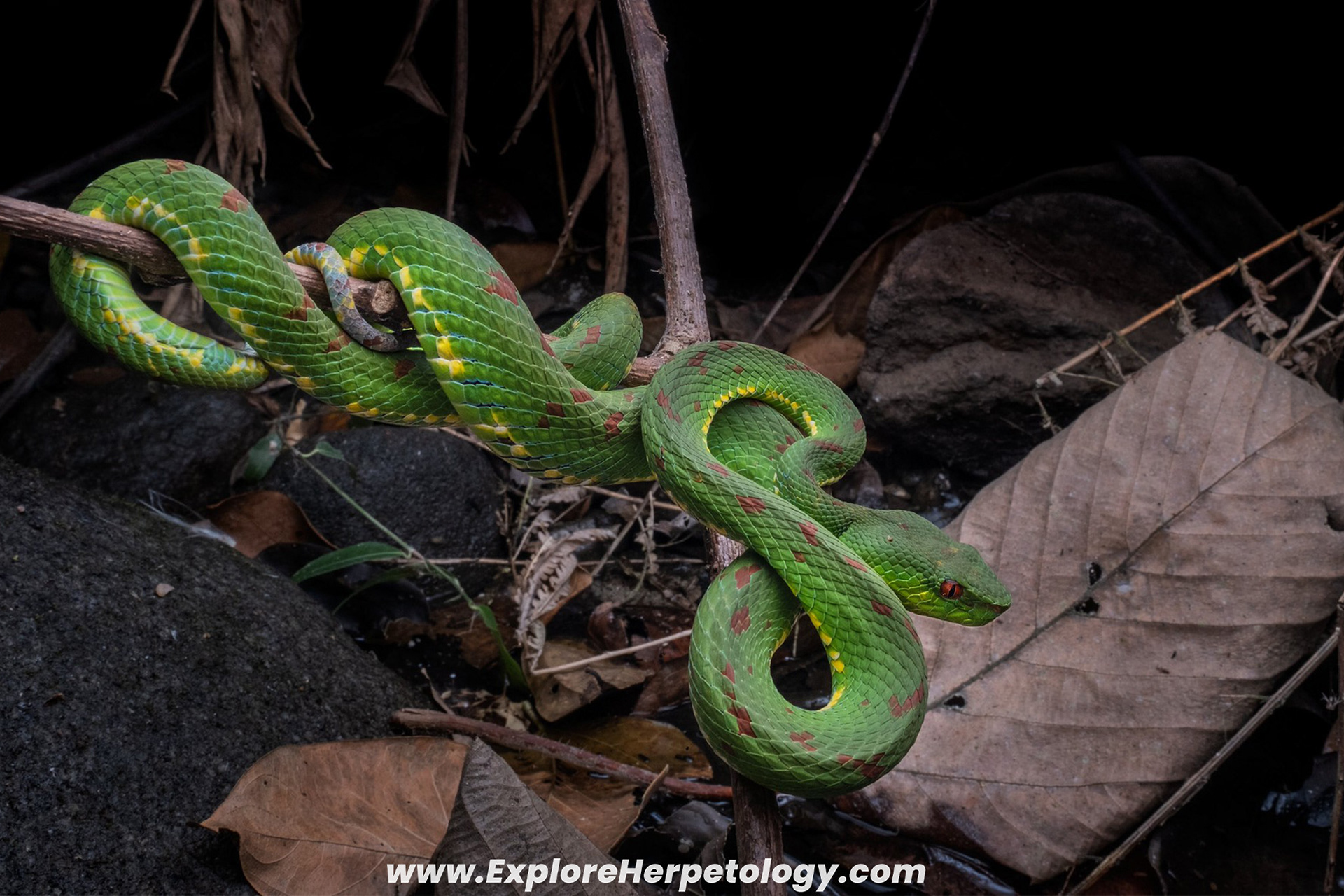
Adult female Philippine pit viper (Trimeresurus flavomaculatus).
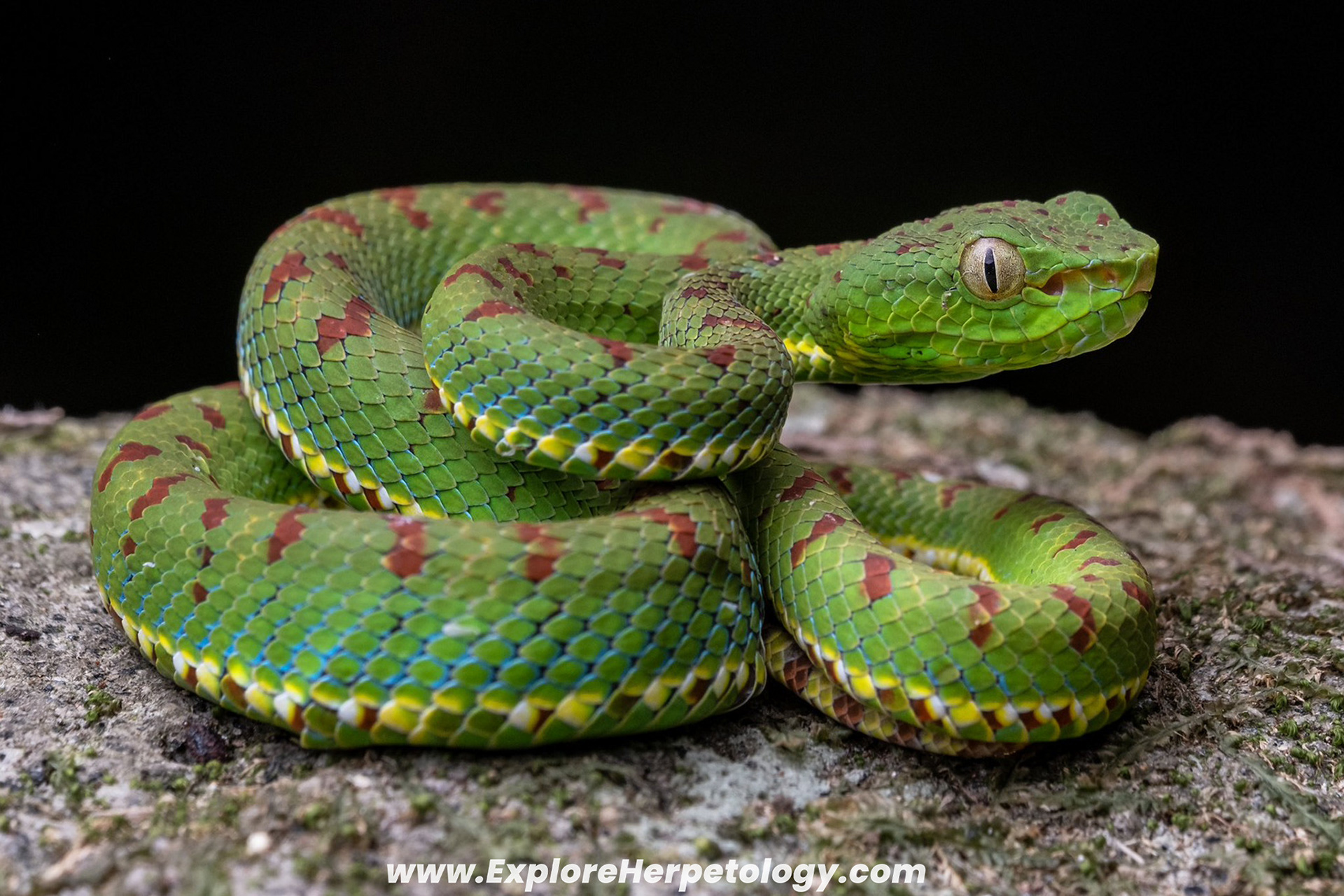
Juvenile Philippine pit viper (Trimeresurus flavomaculatus).
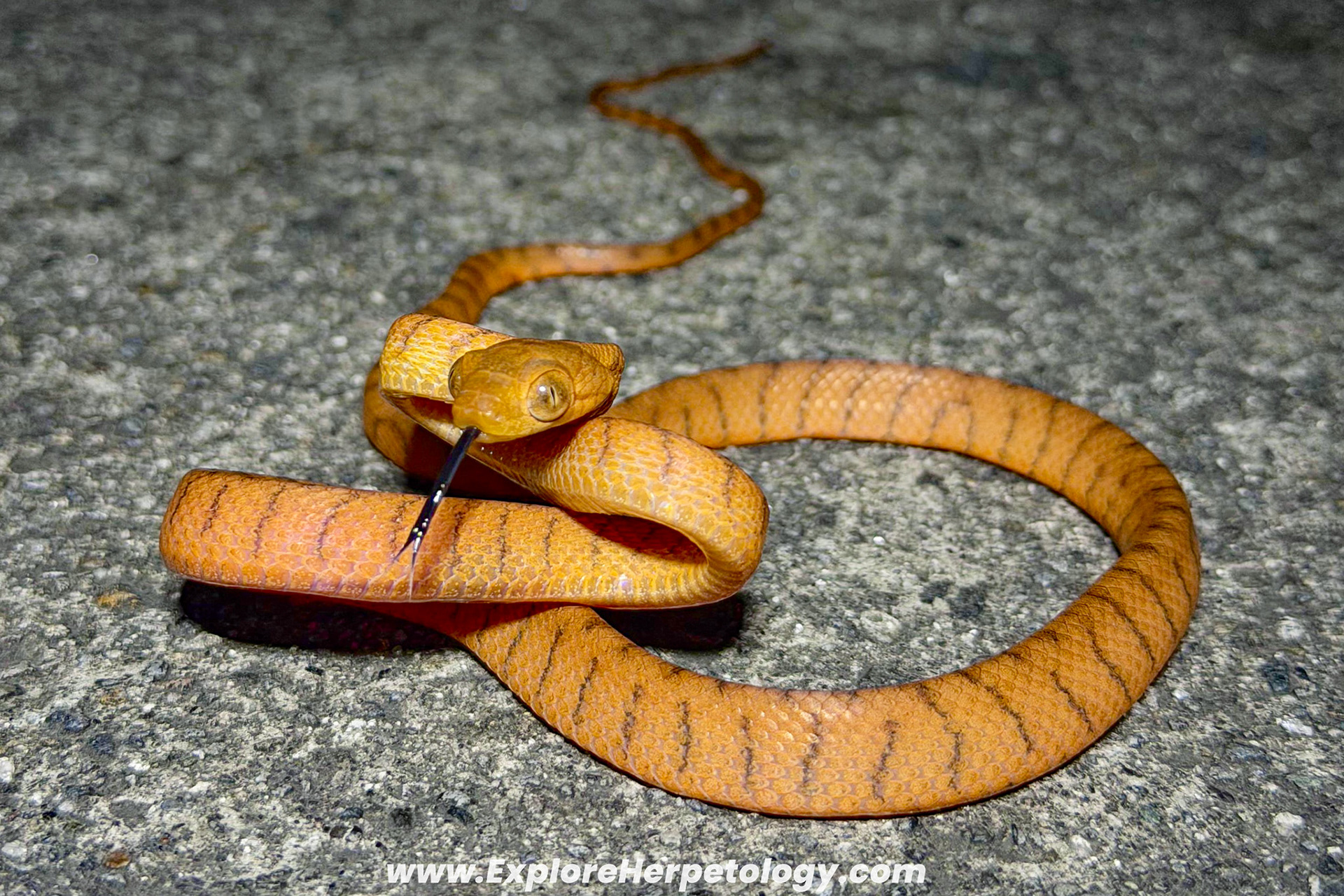
Philippine cat snake (Boiga philippina).
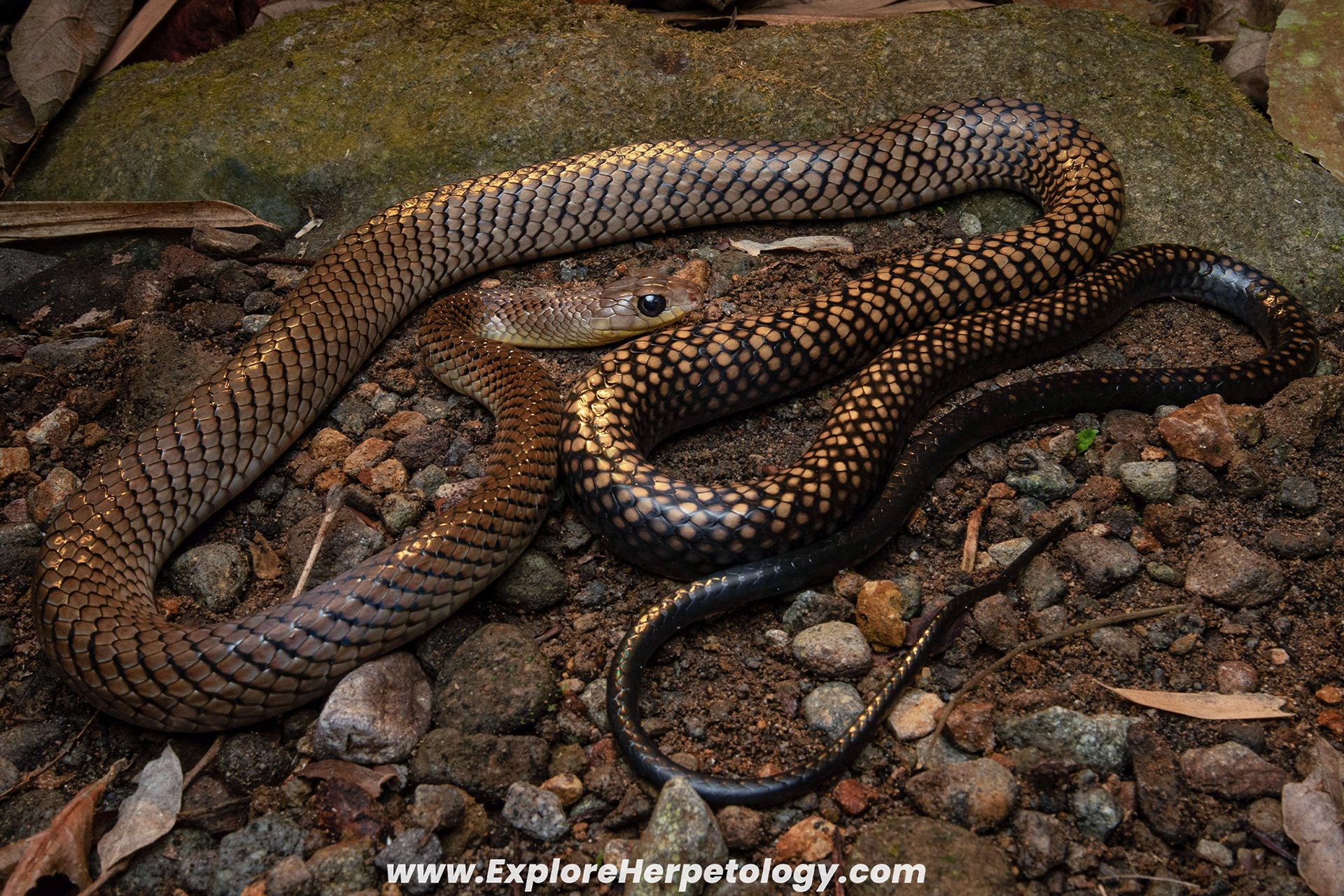
Smooth-scaled mountain ratsnake (Ptyas luzonensis).
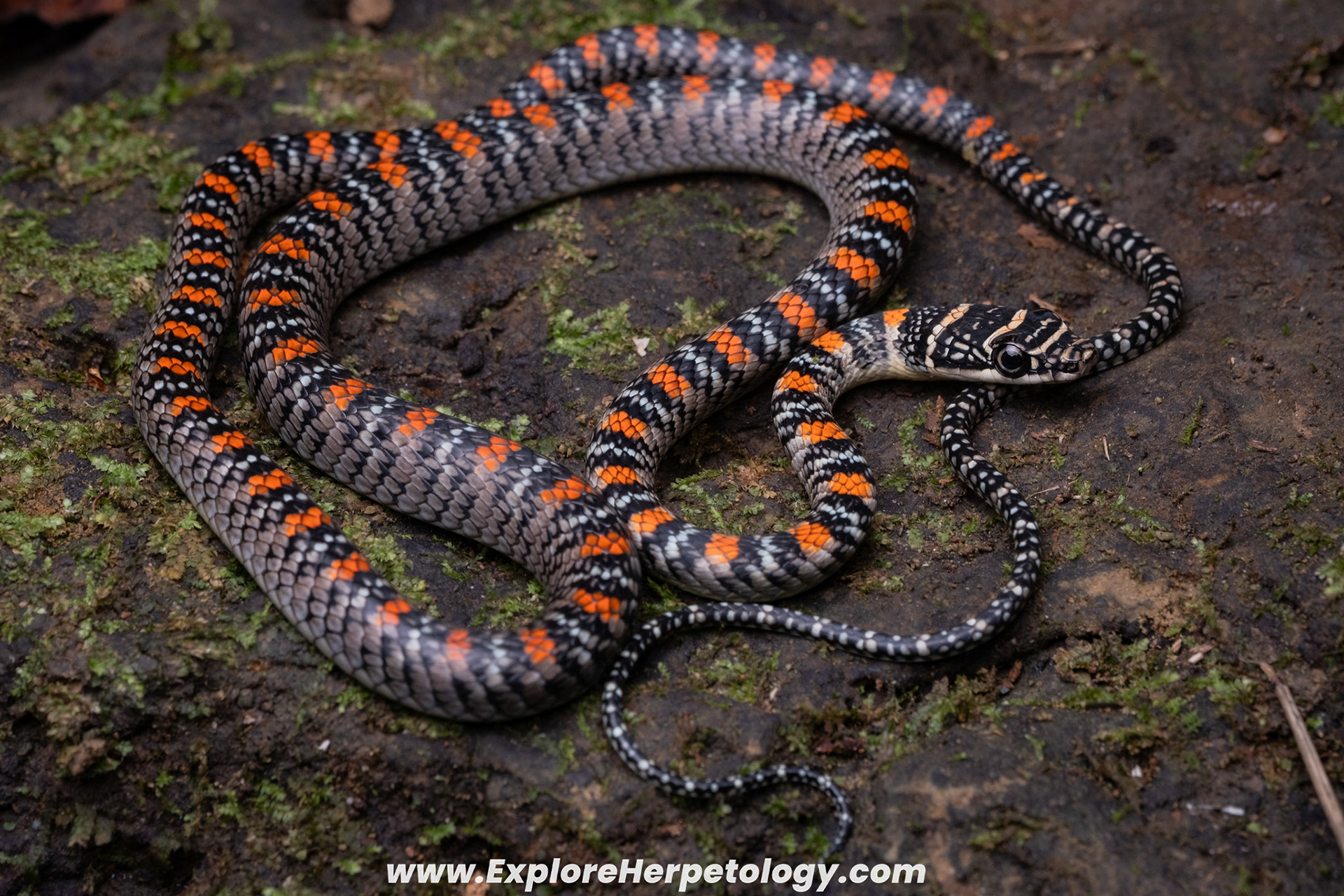
Philippine paradise flying snake (Chrysopelea p. variabilis).
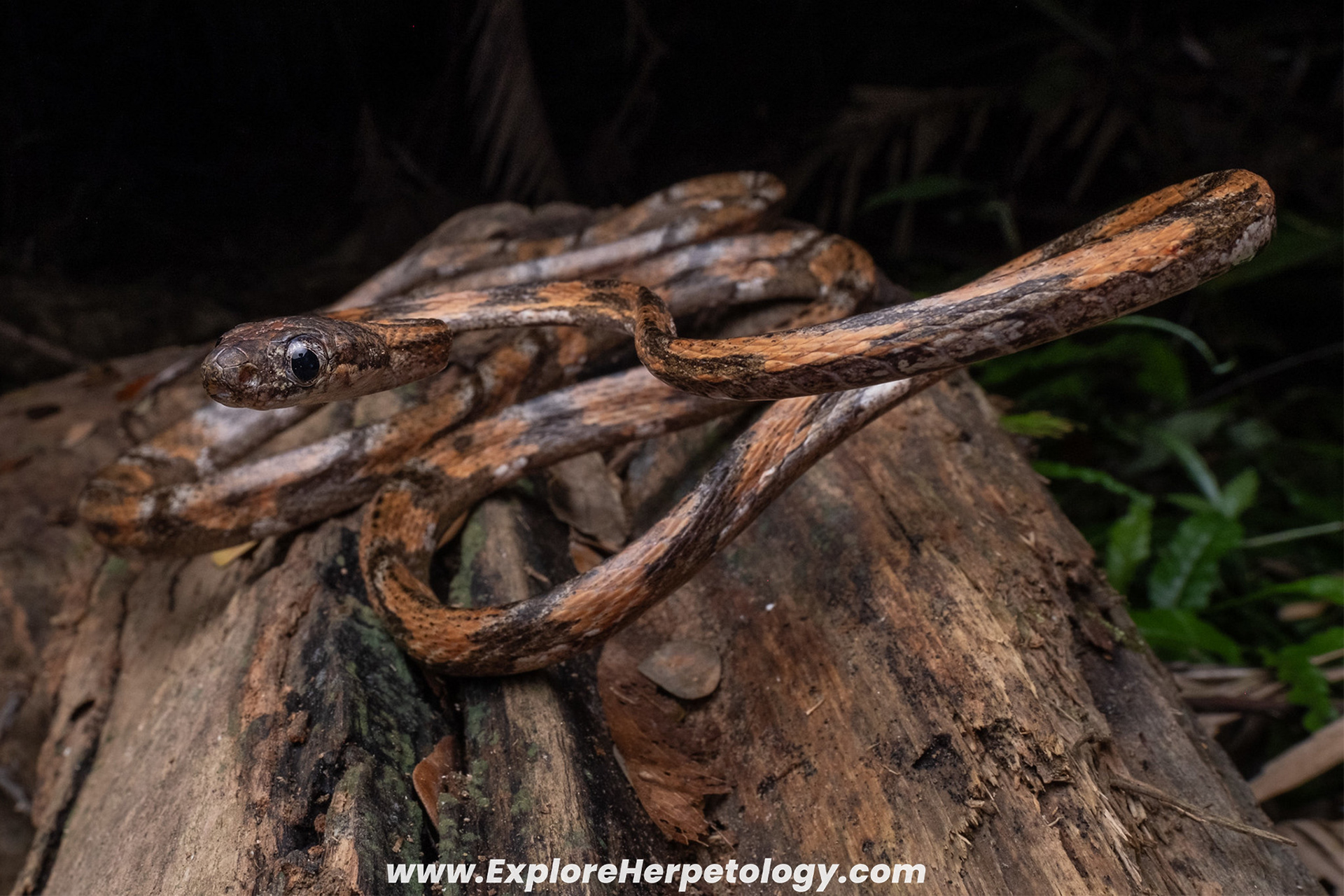
Leyte cat snake (Boiga angulata).
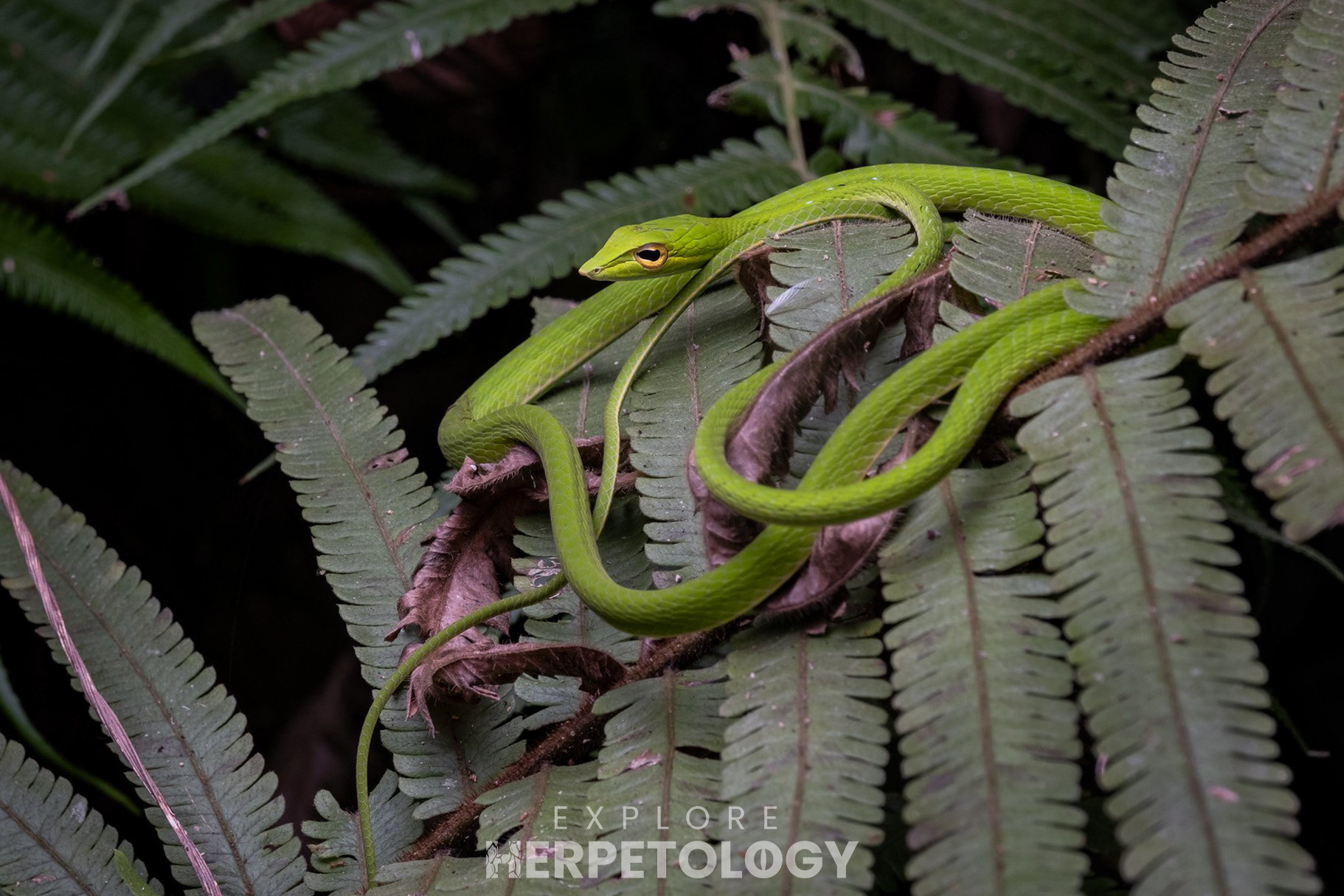
Philippine vine snake (Ahaetulla p. preocularis).
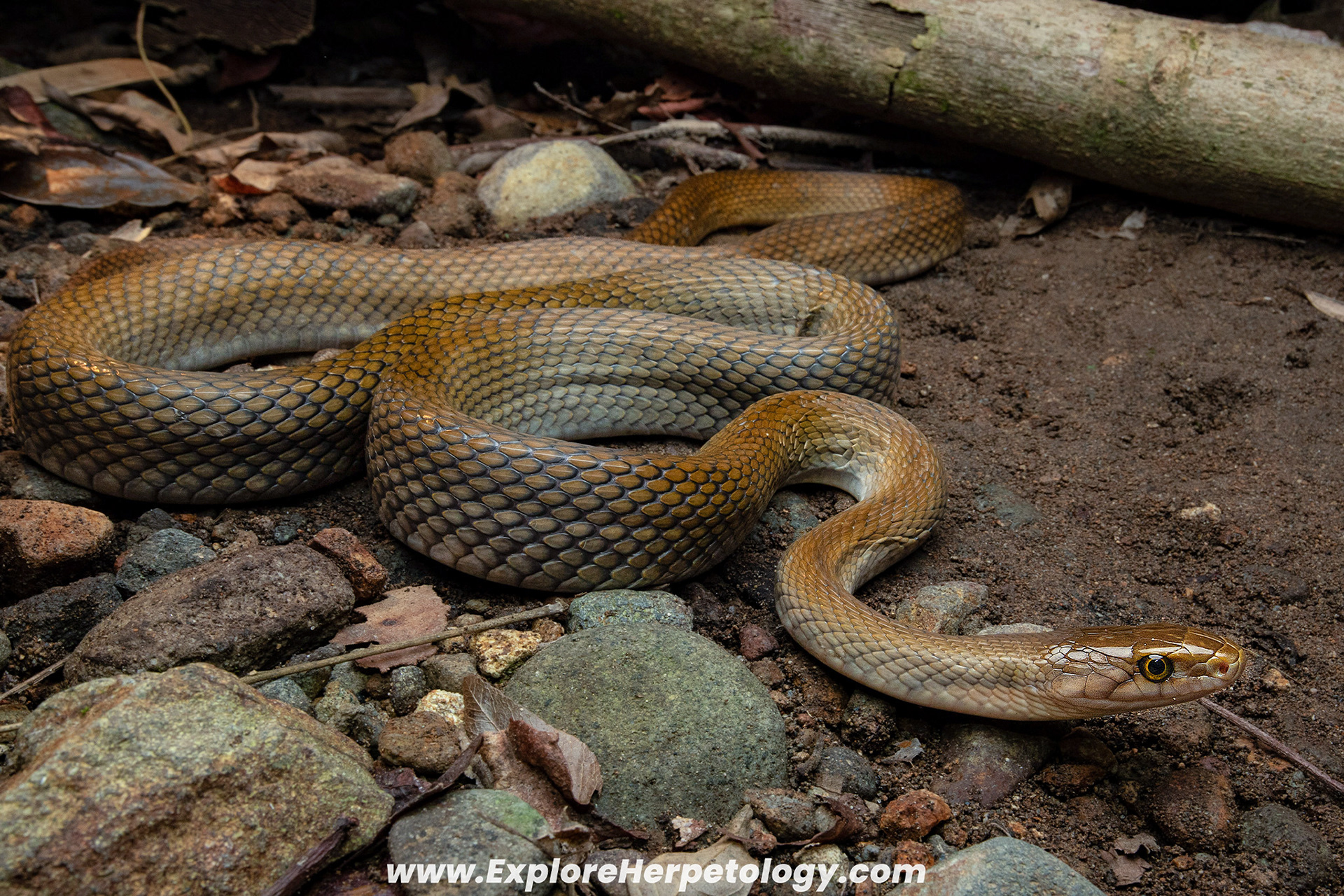
Luzon ratsnake (Coelognathus e. manillensis).
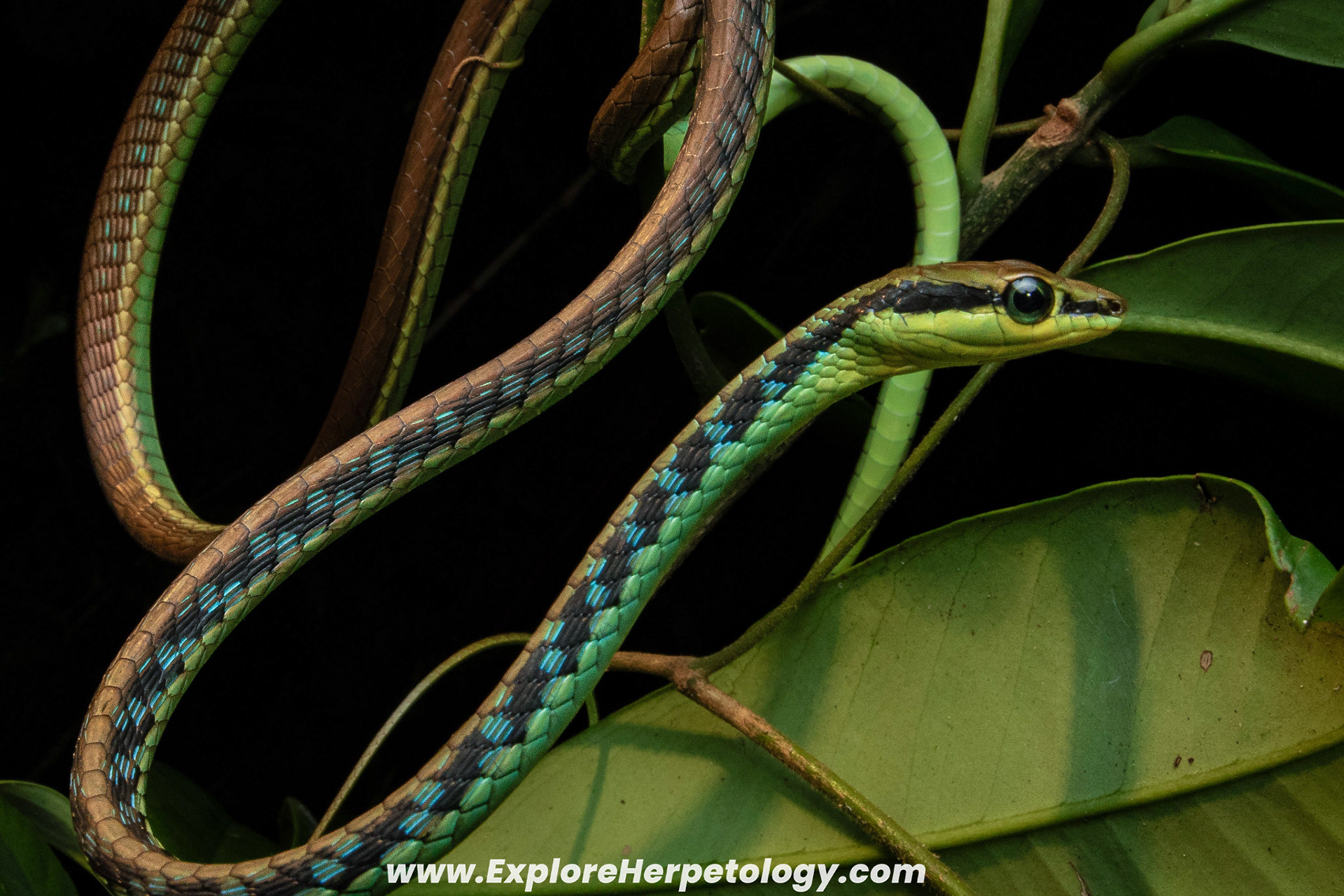
Maren's bronzeback (Dendrelaphis marenae).
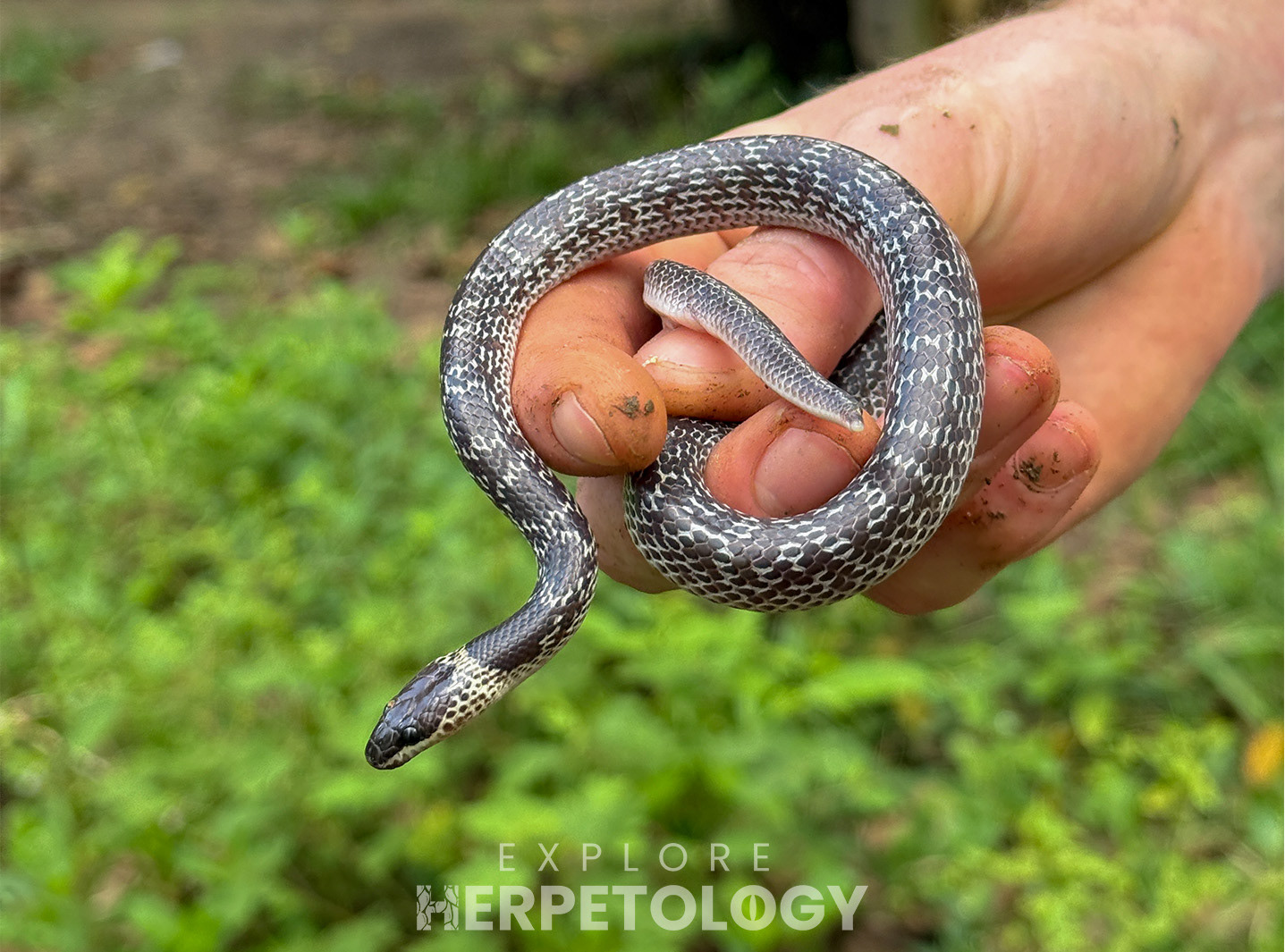
Common wolf snake (Lycodon capucinus).
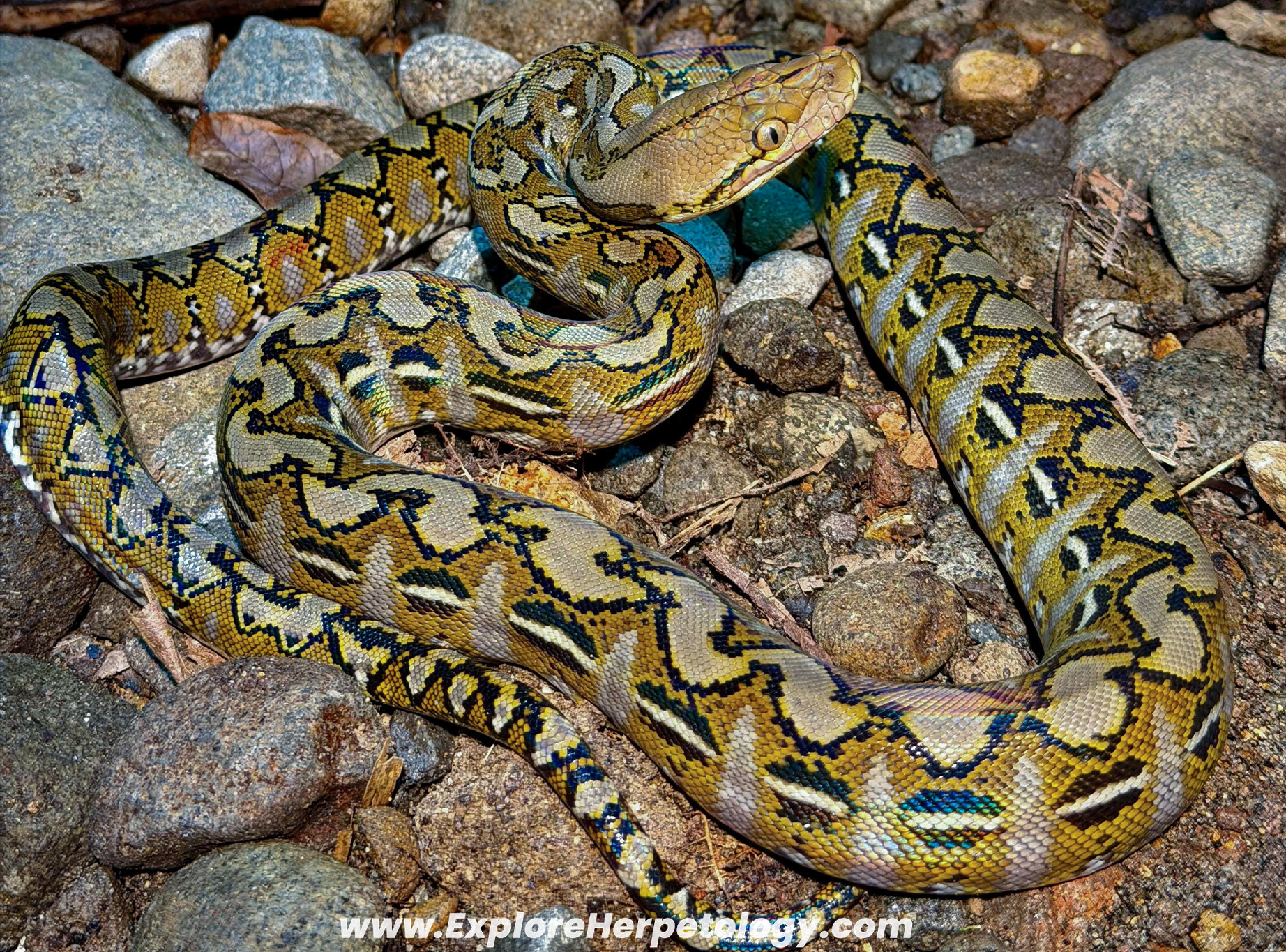
Reticulated python (Malayopython reticulatus).
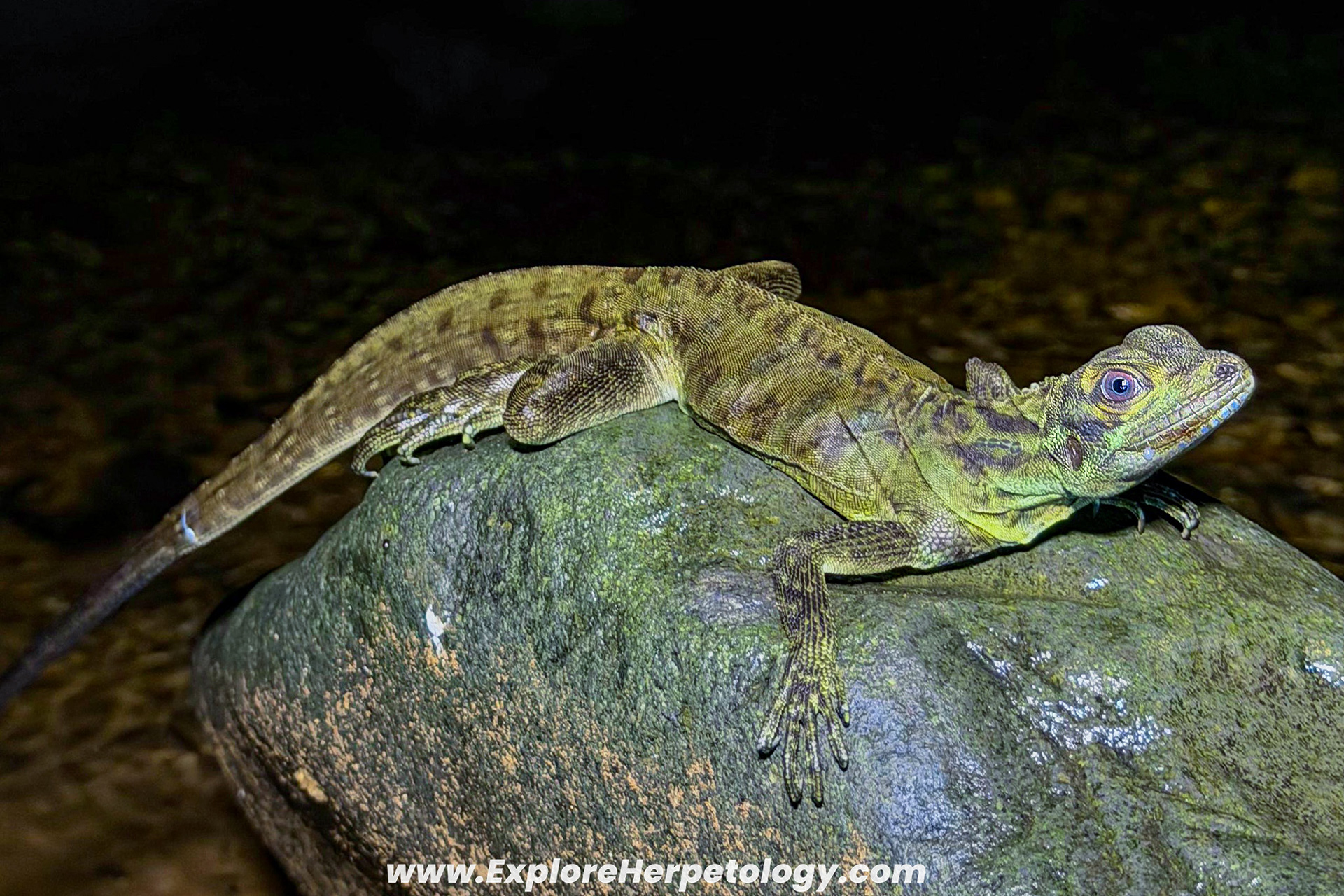
Philippine sailfin dragon (Hydrosaurus pustulatus)
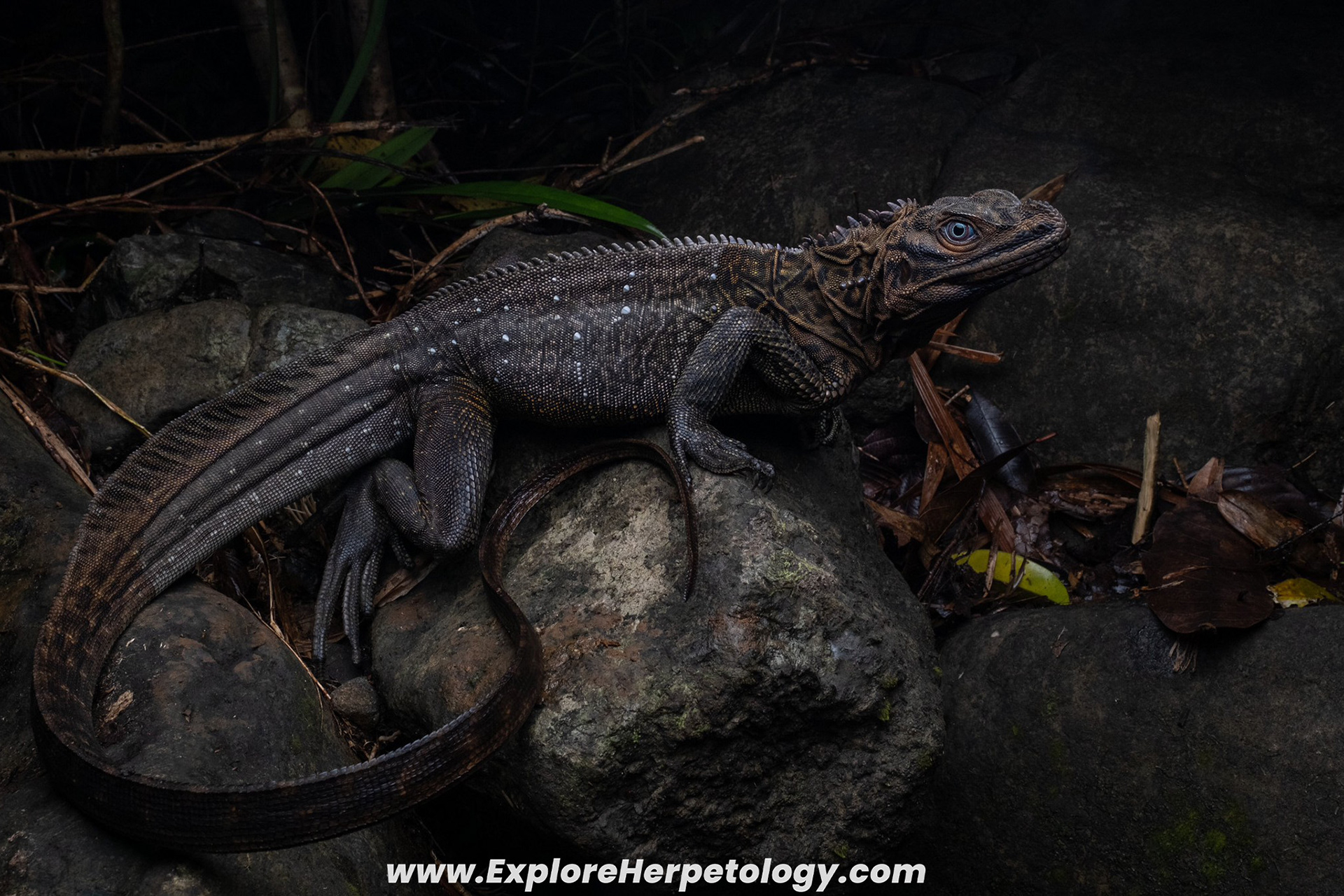
Philippine sailfin dragon (Hydrosaurus pustulatus)
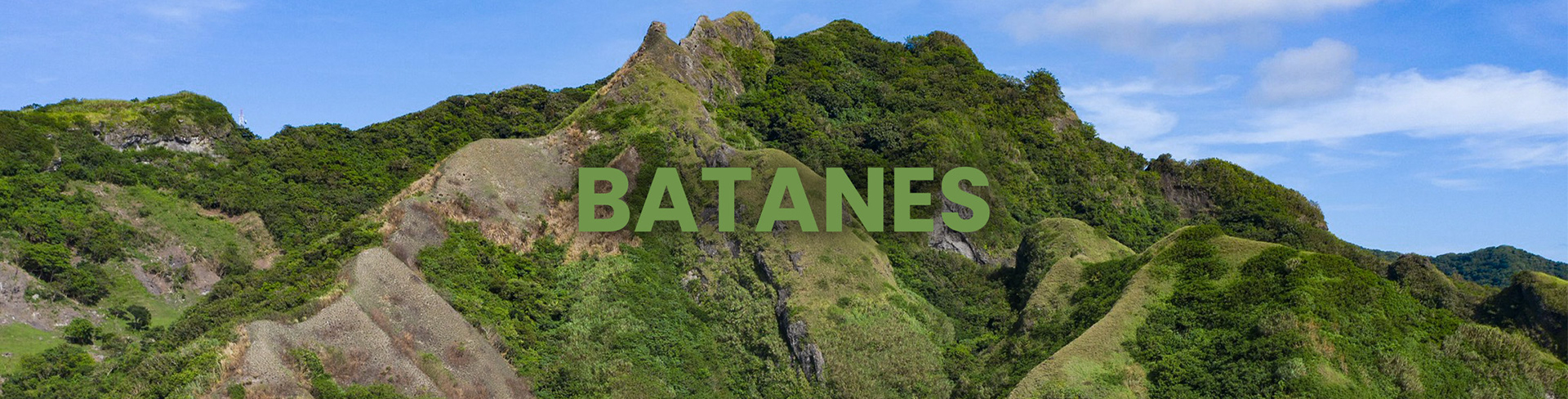
Nights 6 - 8: BATANES
We will drive to Clark on the 6th day of the expedition and fly north to the island of Basco, in the Batanes Archipelago. This island group is situated far off the mainland, halfway to Taiwan. The reason we are travelling so far out is for the unbelievable McGregor's pit viper (Trimeresurus mcgregori), a ridiculously polymorphic pit viper which can occur in almost every phenotype imaginable. The most commonly seen colour morphs are brown, yellow, grey, and orange, while the famous jet-black and powder white morphs involve much more luck to encounter. This species inhabits almost every microhabitat on the island, so we will search forest streams, roadsides, coastal vegetation and even the edges of the city in search of as many phenotypes as possible.
Another herping highlight on this beautiful island is the many sea kraits (both Laticauda laticaudata and Laticauda colubrina) which come to shore every night, and can even be sighted while snorkelling in the crystal clear waters during the daytime. We will ensure that we visit the beach on at least one night to experience the magic of nighttime rock-pooling alongside sea krait encounters. There are several other species of snake present on the island, with the most common being the micro-endemic Batanes wolf snake (Lycodon alcalai), the widespread red-tailed ratsnake (Gonyosoma oxycephalum) and ubiquitous reticulated python (Malayopython reticulatus).
Batanes is a truly spectacular island with scenery that is a far cry from the typical tropical forest landscapes in South-East Asia. It also has several nice restaurants within walking distance of our hotel in the island's small town. This is the best possible place to spend the final three days of the tour, providing opportunities for exciting herping as well as sightseeing and relaxing.
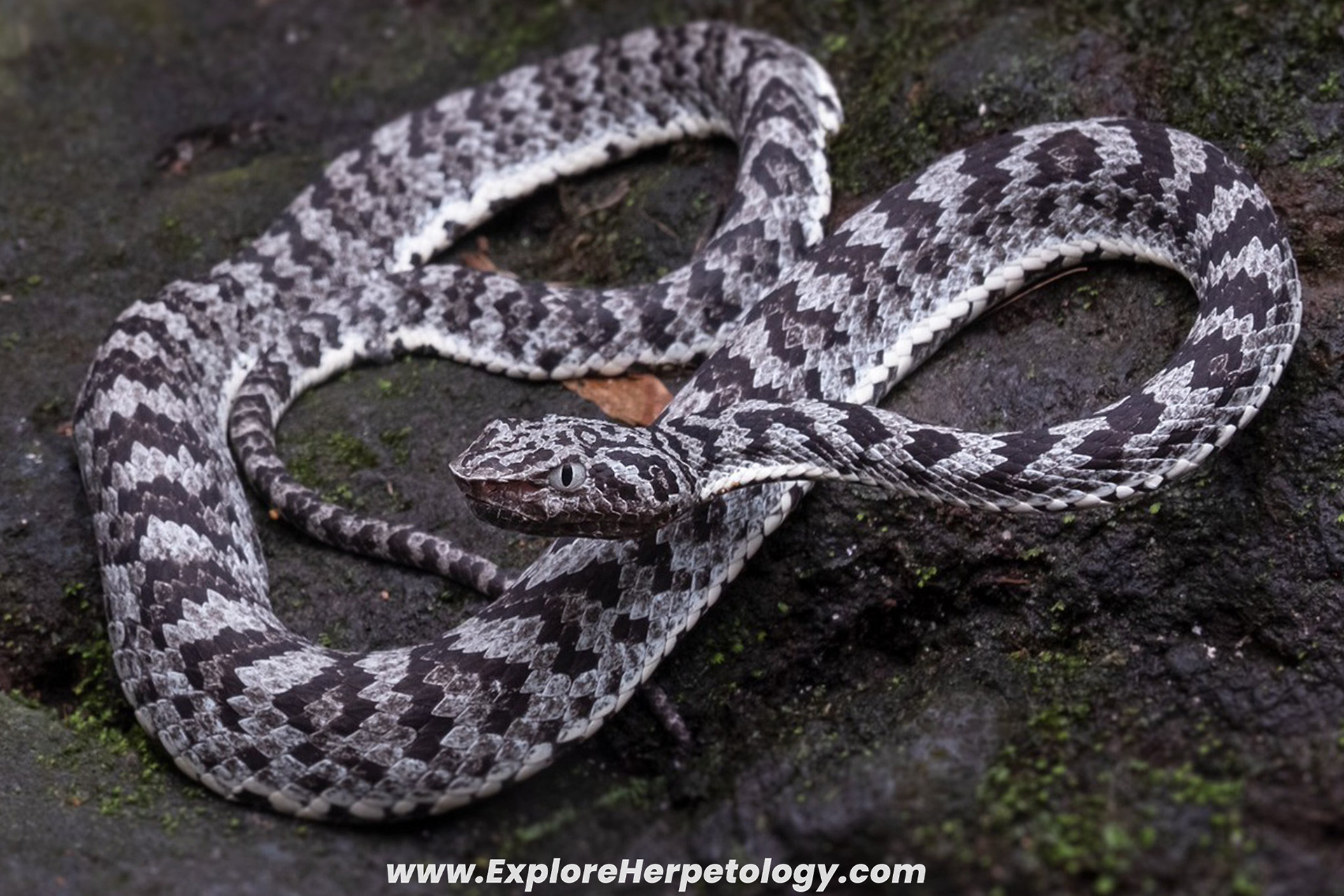
Mcgregor's pit viper (Trimeresurus mcgregori).
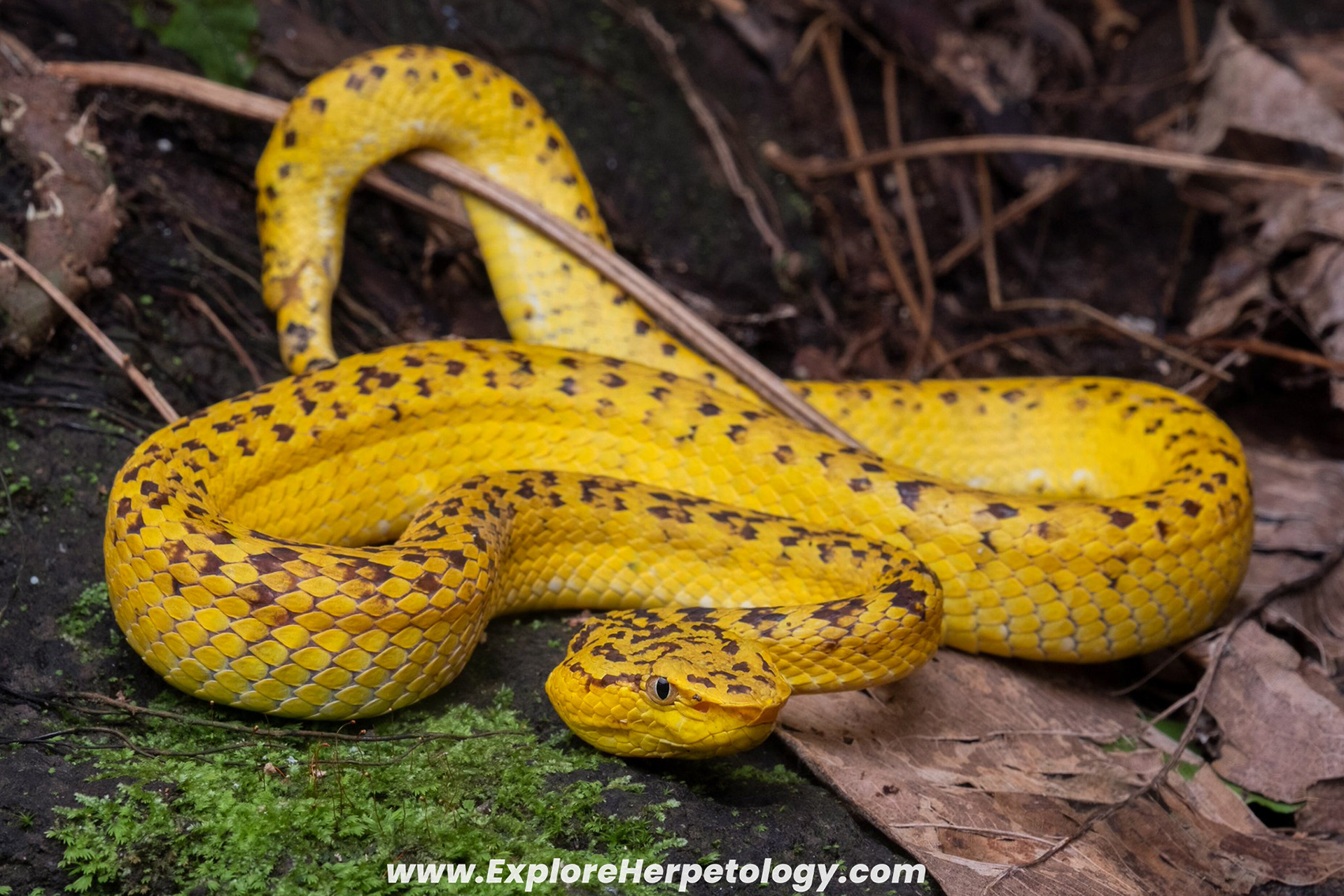
Mcgregor's pit viper (Trimeresurus mcgregori).
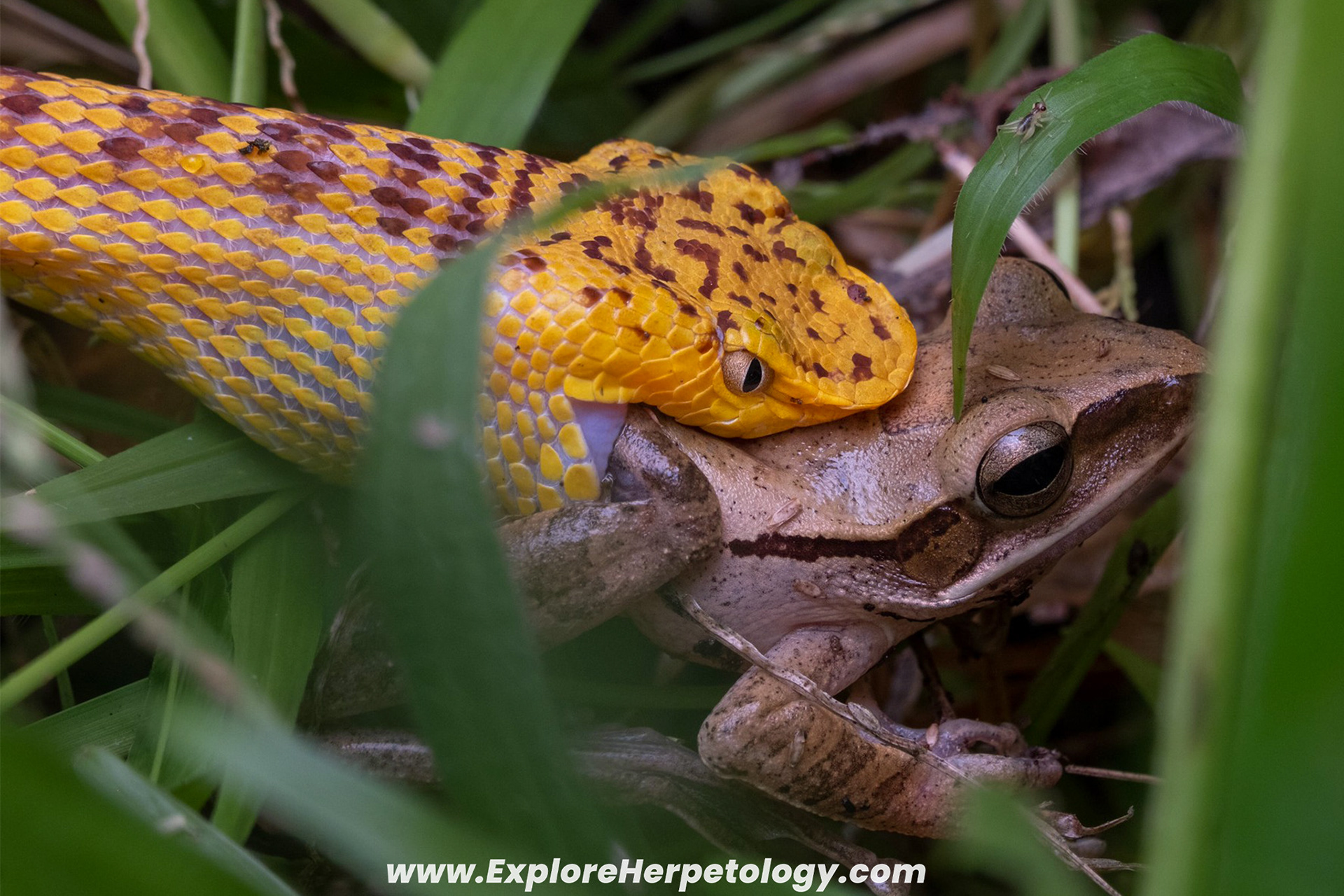
Mcgregor's pit viper (Trimeresurus mcgregori).
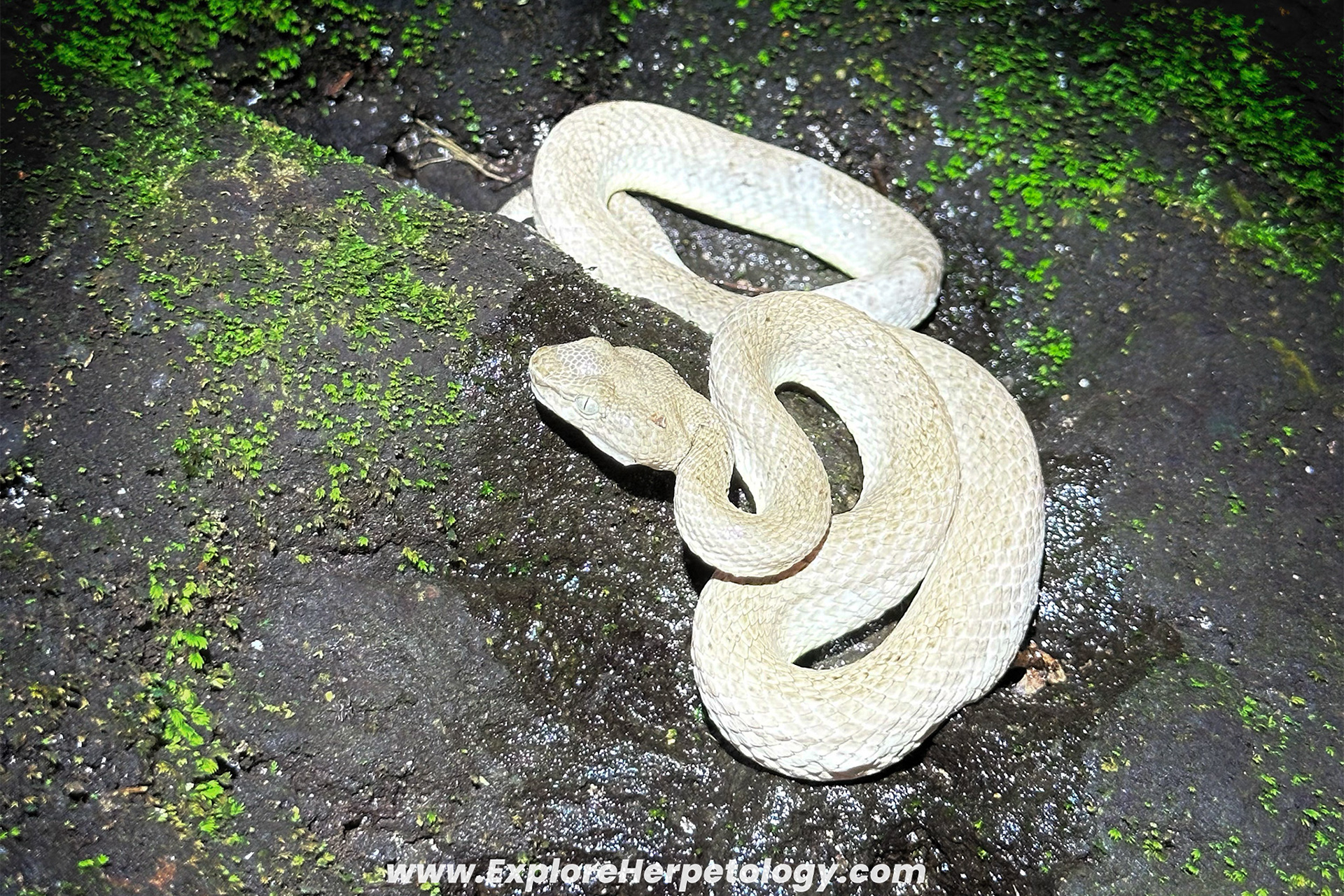
Mcgregor's pit viper (Trimeresurus mcgregori).
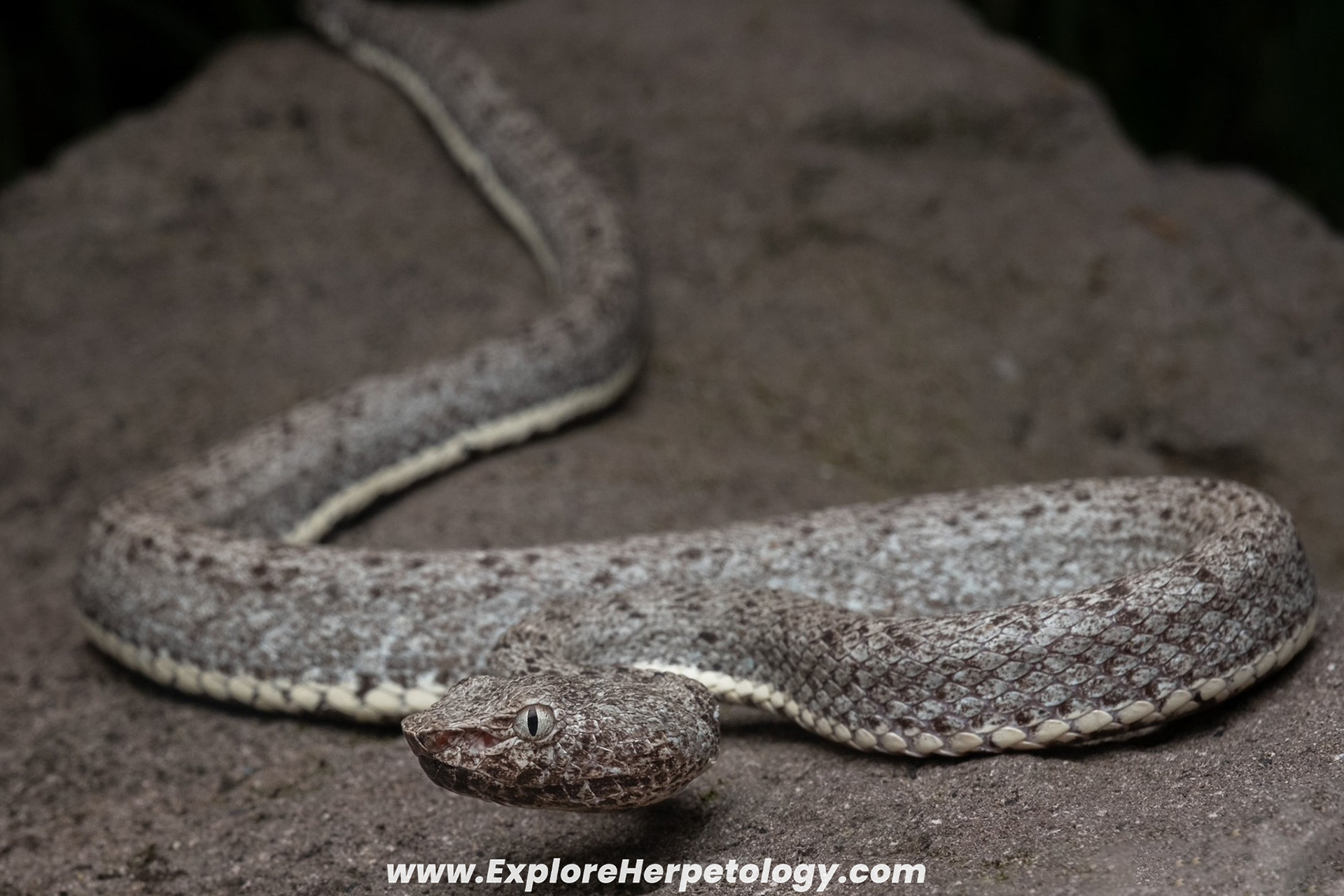
Mcgregor's pit viper (Trimeresurus mcgregori).
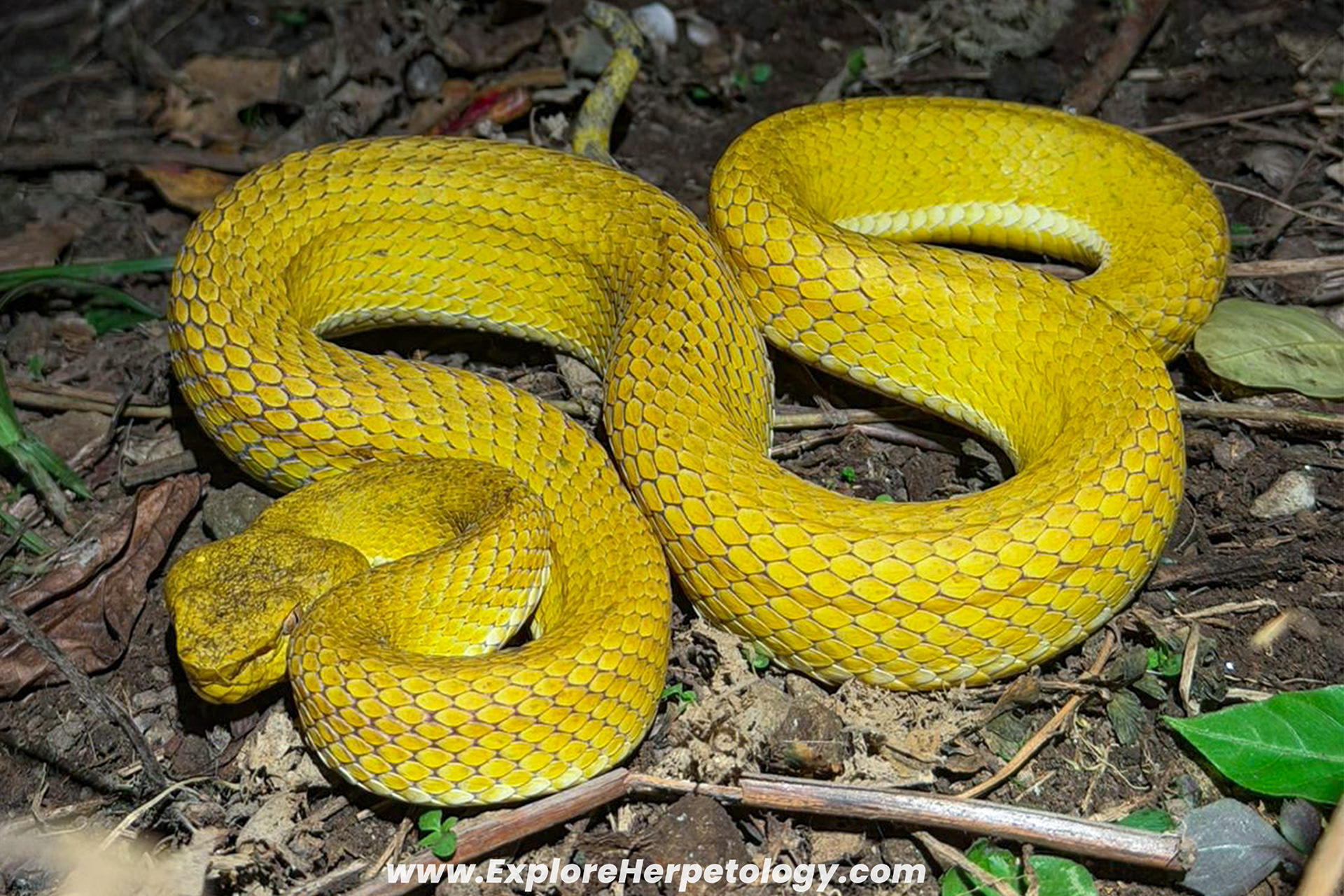
Mcgregor's pit viper (Trimeresurus mcgregori).
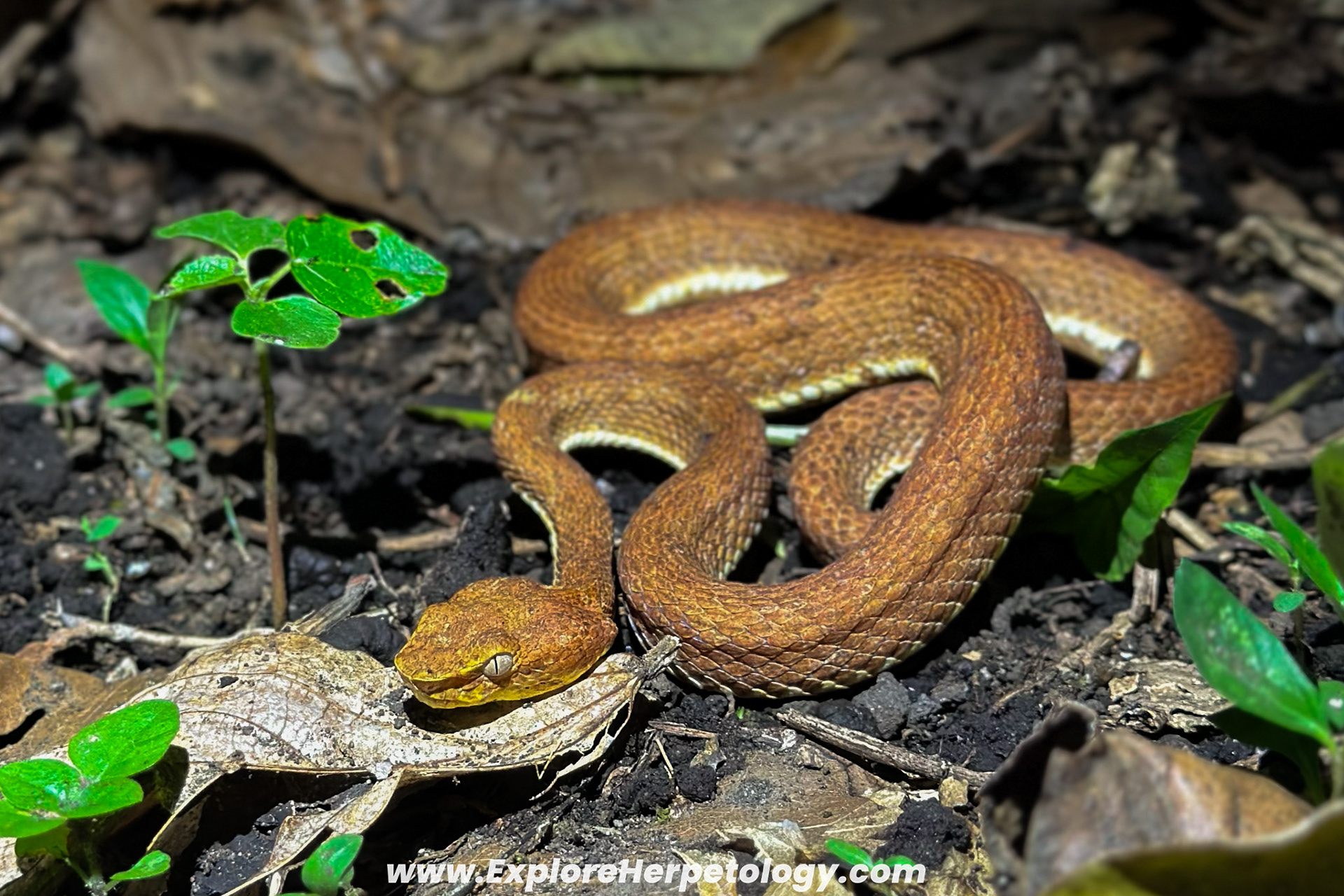
Mcgregor's pit viper (Trimeresurus mcgregori).
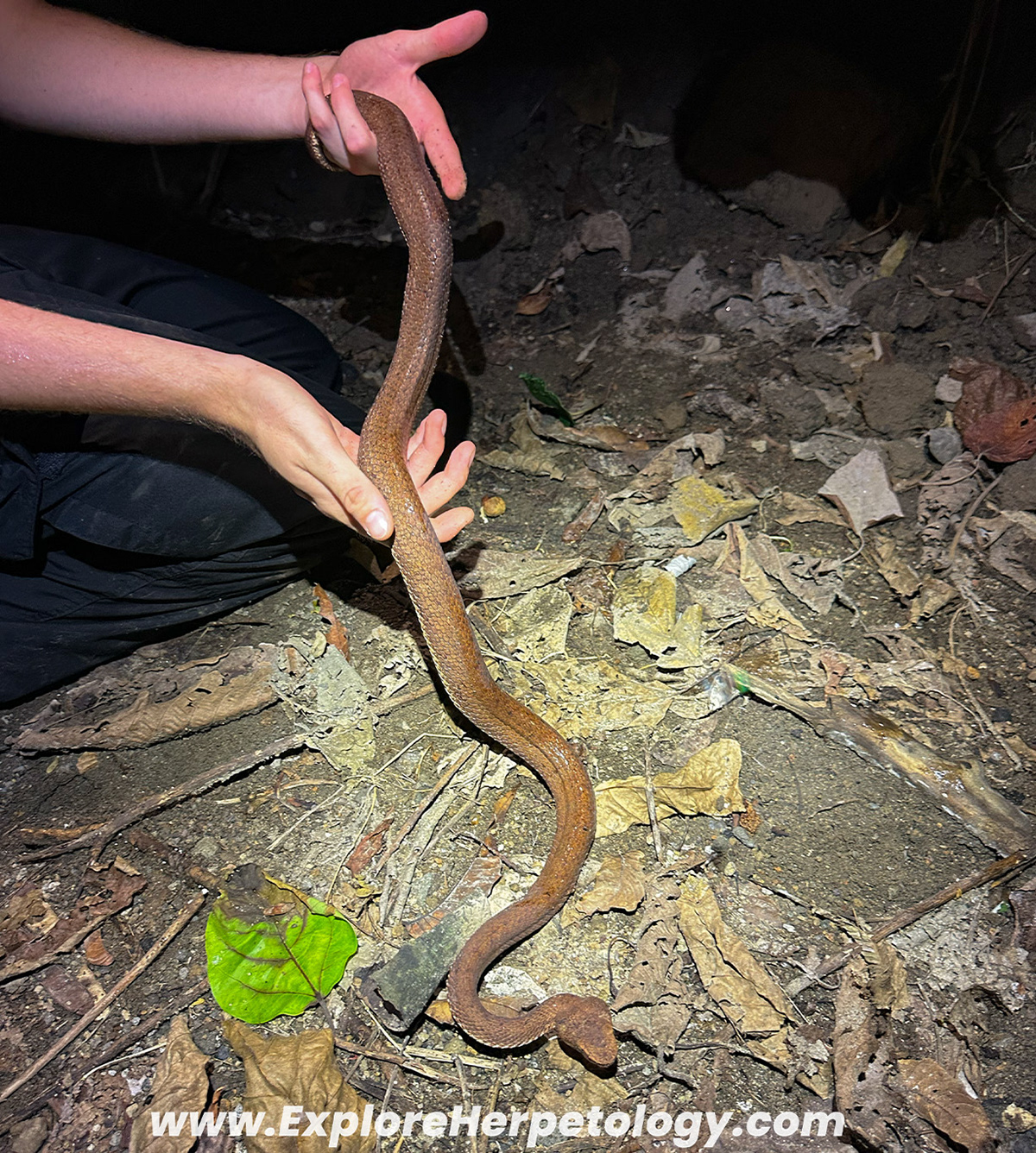
Mcgregor's pit viper (Trimeresurus mcgregori).
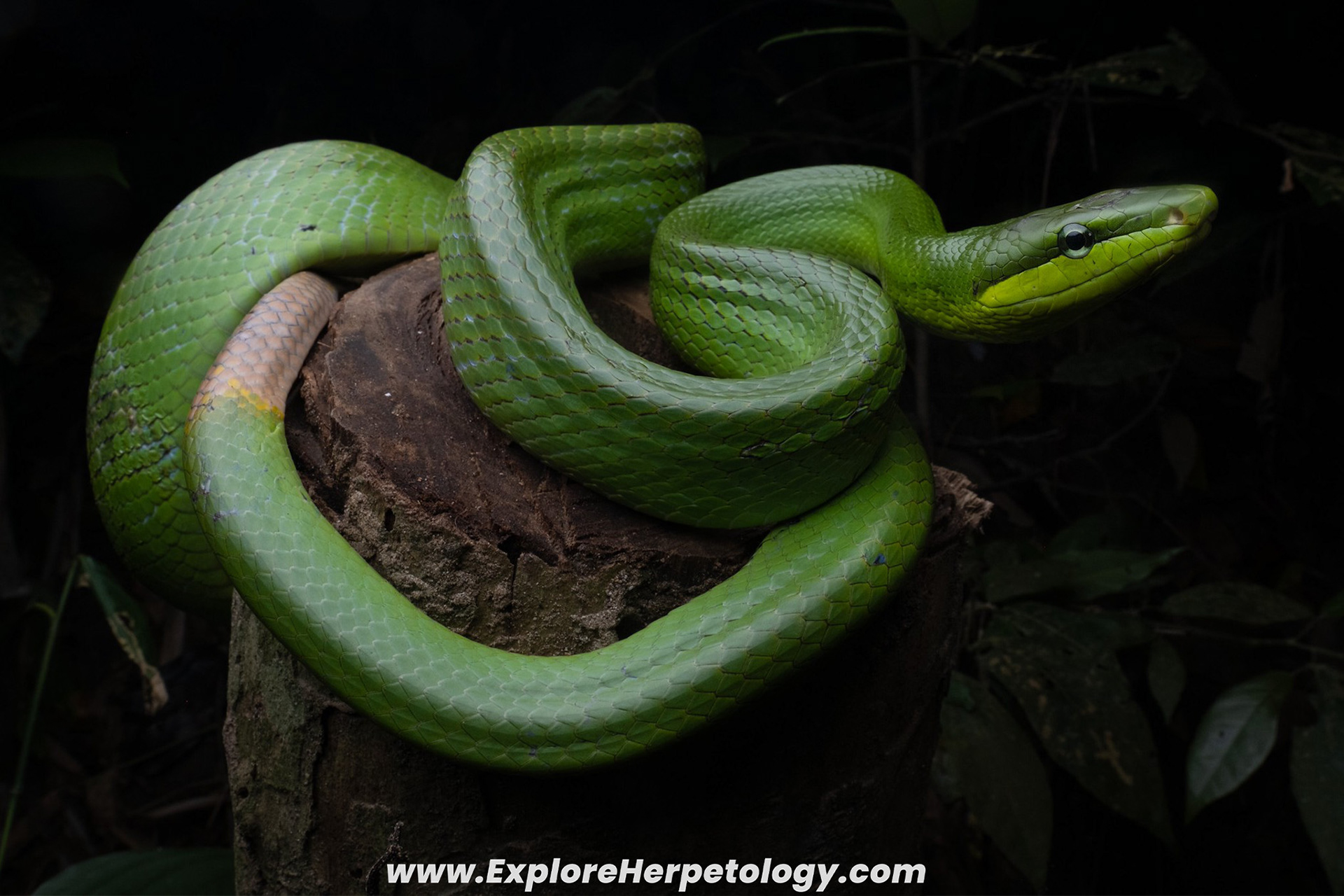
Red-tailed ratsnake (Gonyosoma oxycephalum).
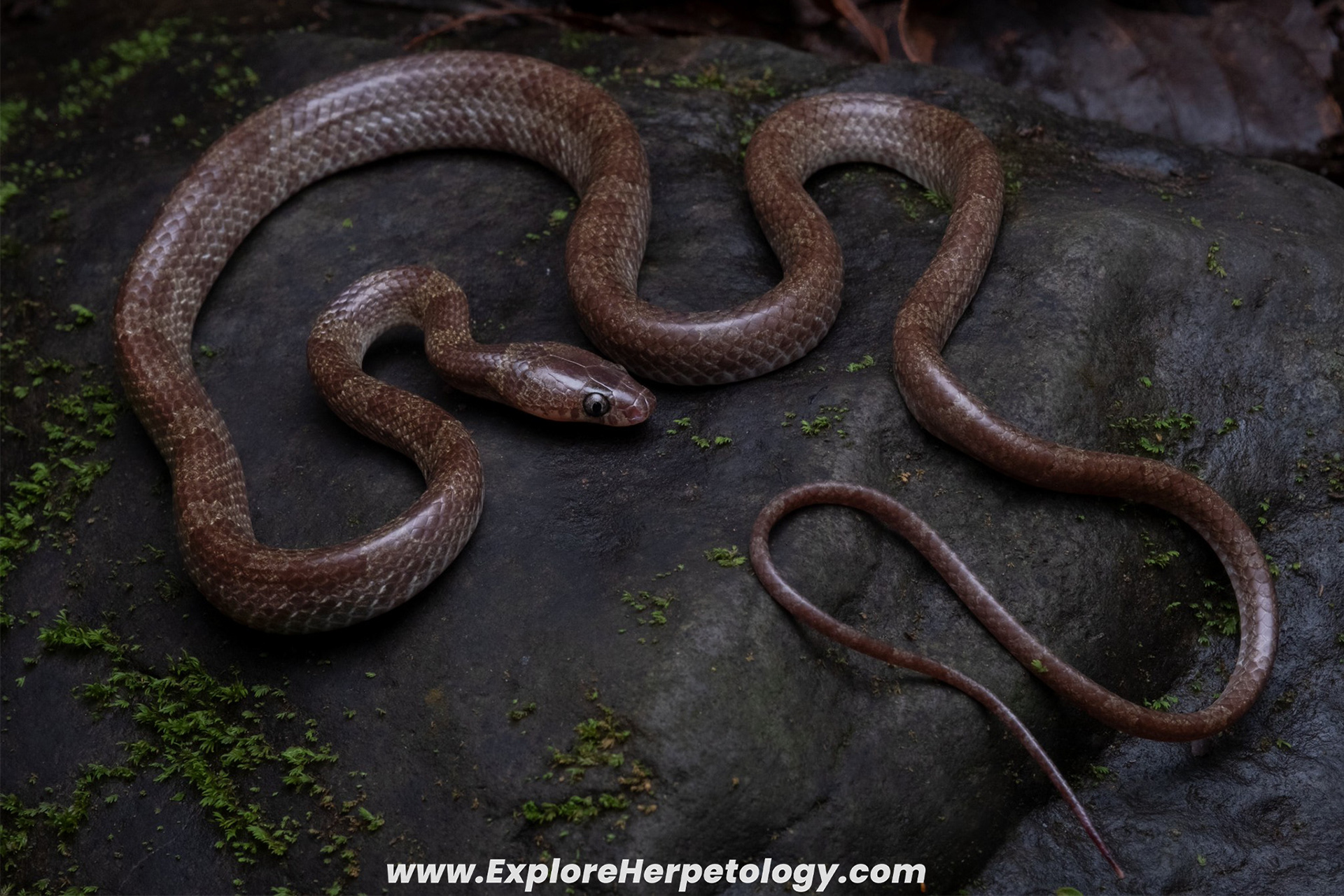
Batanes wolf snake (Lycodon alcalai).
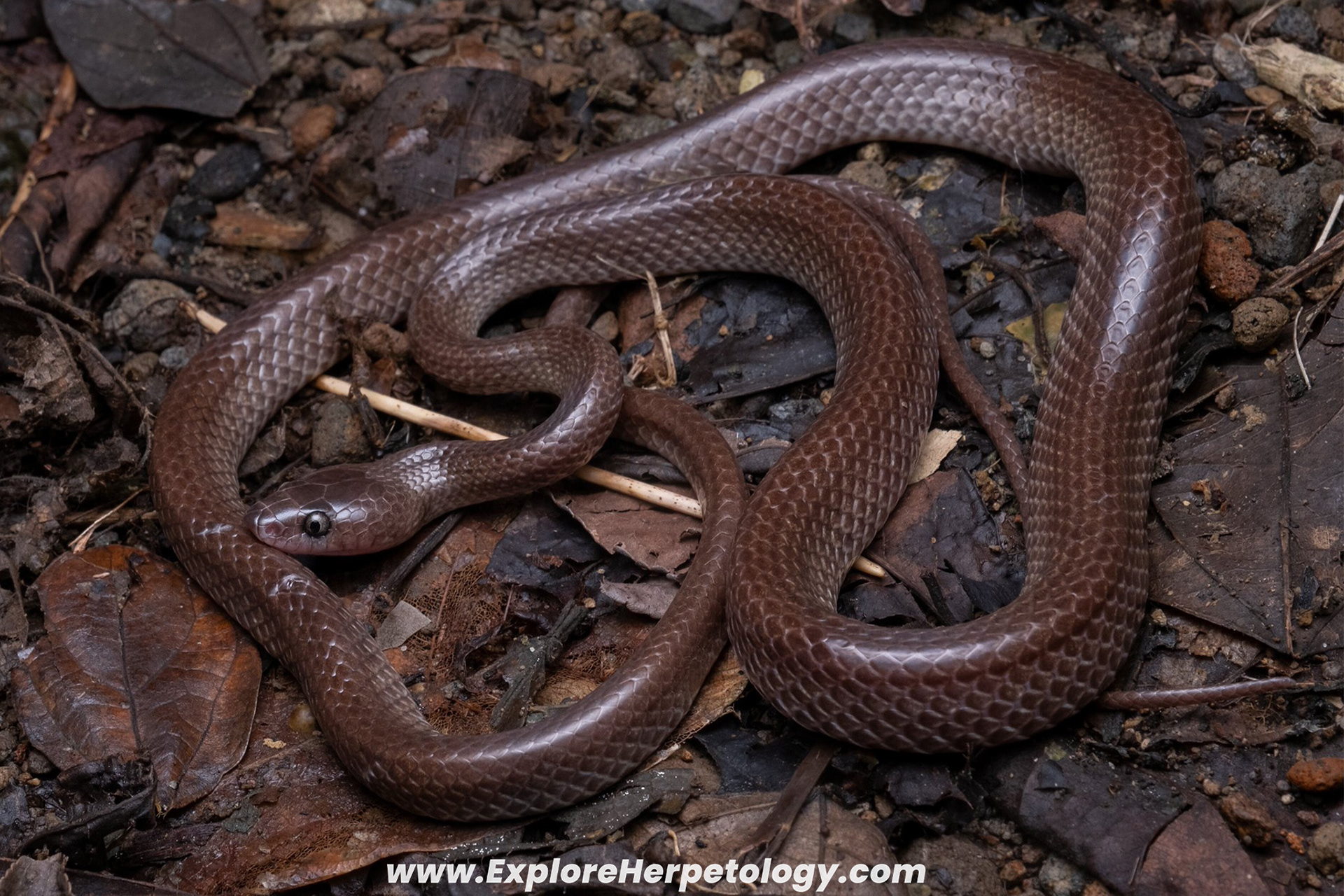
Batanes wolf snake (Lycodon alcalai).
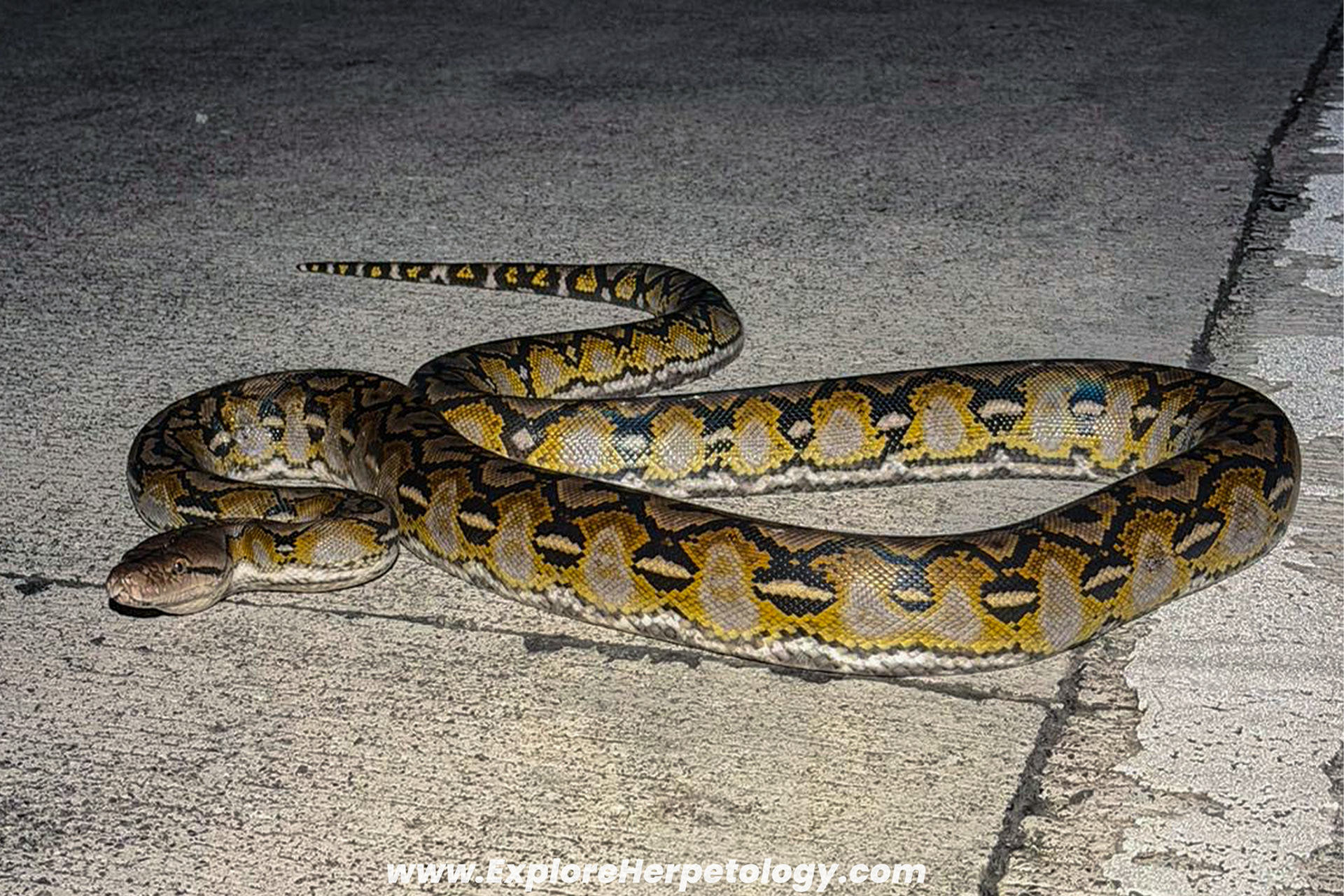
Reticulated python (Malayopython reticulatus).
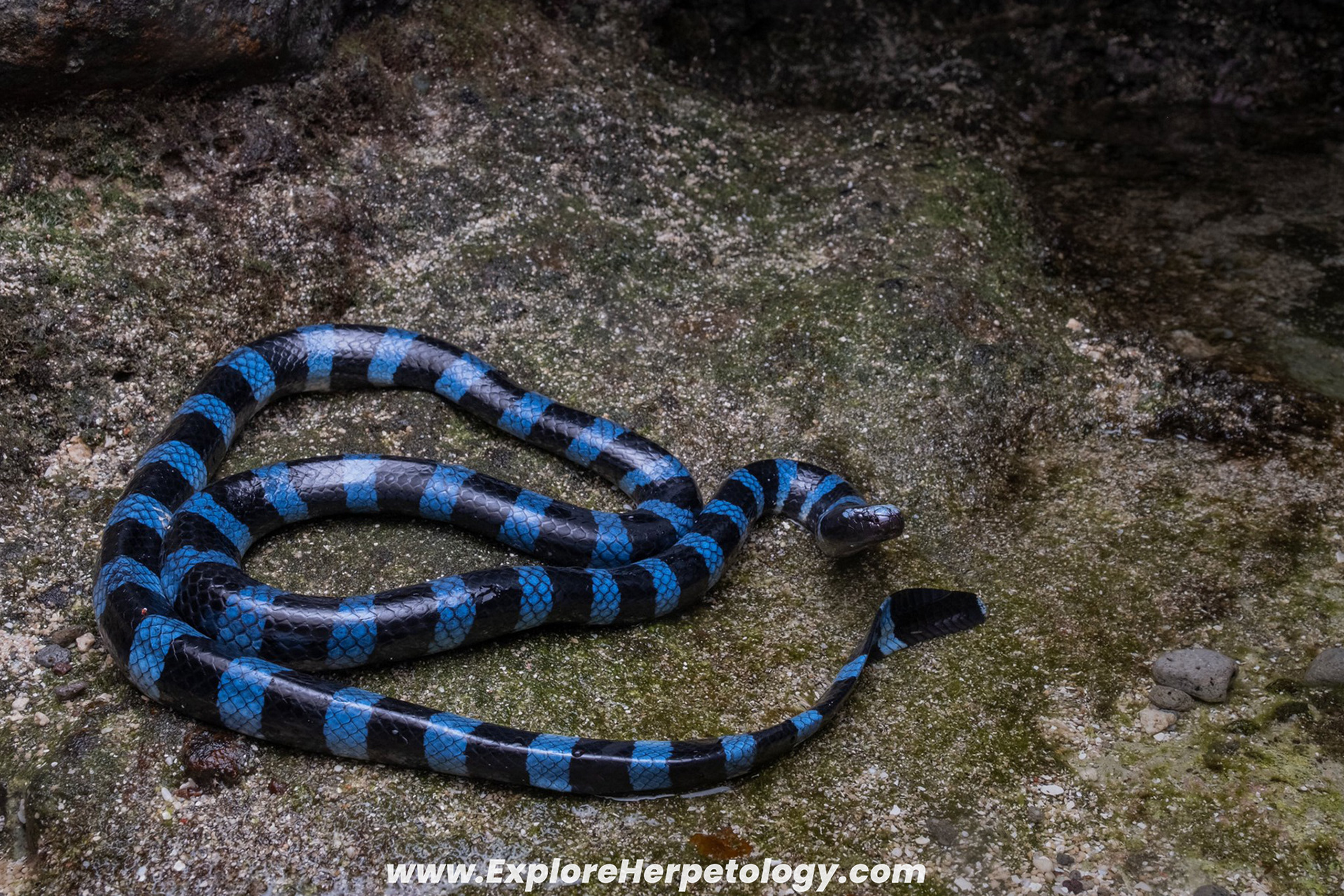
Blue-lipped sea krait (Laticauda laticaudata).
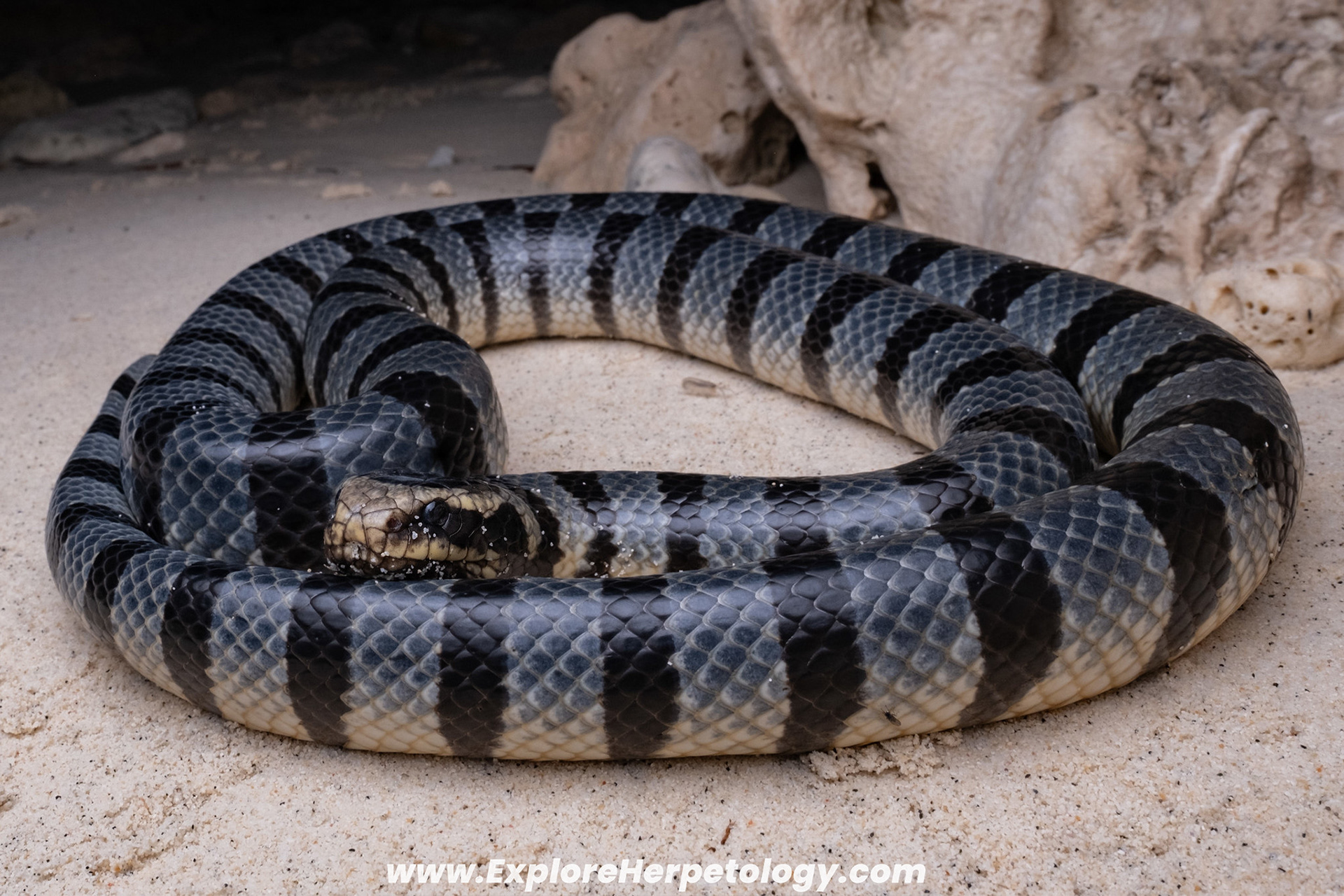
Yellow-lipped sea krait (Laticauda colubrina).
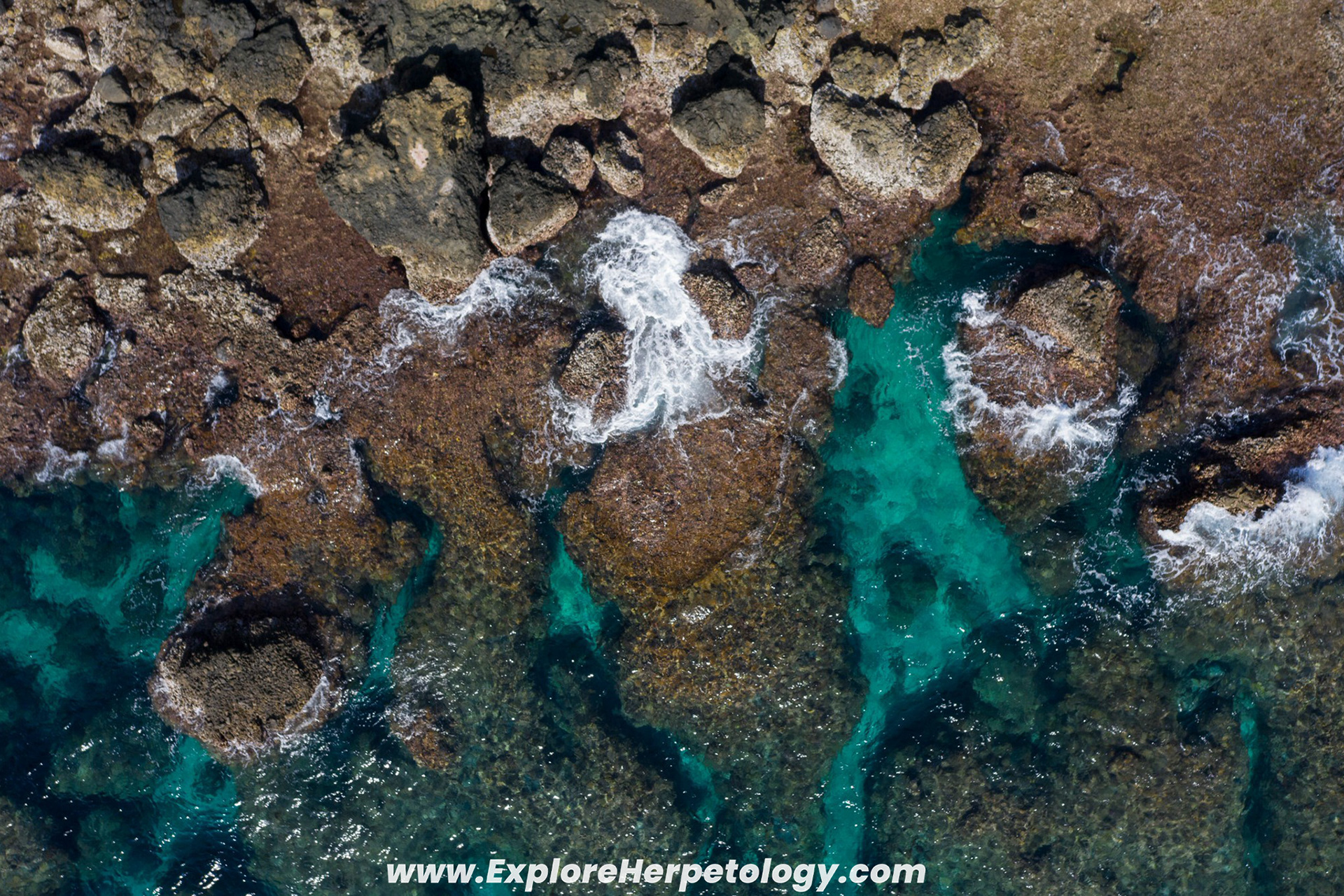
Coastal Basco.
Accommodation:
The accommodation on this expedition is standard quality hotels. The base package is a shared room (2 single beds), but one can upgrade to a private room for an additional fee. You will always have access to electricity and a western bathroom, as well as air-conditioning/fan. We will have an opportunity for laundry on day 4 of the expedition.
Food:
We will mainly eat at western-catering restaurants during this trip, but may also partake in some fast food and local food when we are low on time or have limited options.
Environmental conditions & fitness:
This expedition involves a lot of hiking, primarily at night, so you must self-assess yourself to ensure you are capable of this endeavour. The terrain in the stream valleys can be uneven and slippery, so the chances of falling over or getting wet are relatively high. Of course, not every hike is mandatory, and we will have optional road cruising/road walking for those who want a break from hiking. The temperatures in The Philippines are often very high, so hydration is important. We expect little to no rain at this time of year.
Travel information:
All participants must arrive in Puerto Princesa at the designated meeting location (close to the airport) by 14:00 on the 1st March 2027. The exact meeting location will be communicated in private around 1 month before the start of the expedition. The best means to access Palawan is by plane, either via Manila. The tour will end in Manila by 14:00 on the 9th March 2027, after we return to Clark Airport and drive one hour back to Manila.
It is the guests’ responsibility to meet all entry requirements needed to enter The Philippines, including visa procedures. Most countries are visa-free when entering The Philippines, but make sure to check the entry requirements for your country before booking.