
Start: 10th October 2026 | End: 23rd October 2026 | Meeting location: Bangkok | Availability: 3 Spaces
Included in the tour:
- Expert herpetologist guides.
- Transport throughout the tour.
- Accommodation.
- Meals & Drinks.
- Permit fees.
- Drinking water.
Introduction:
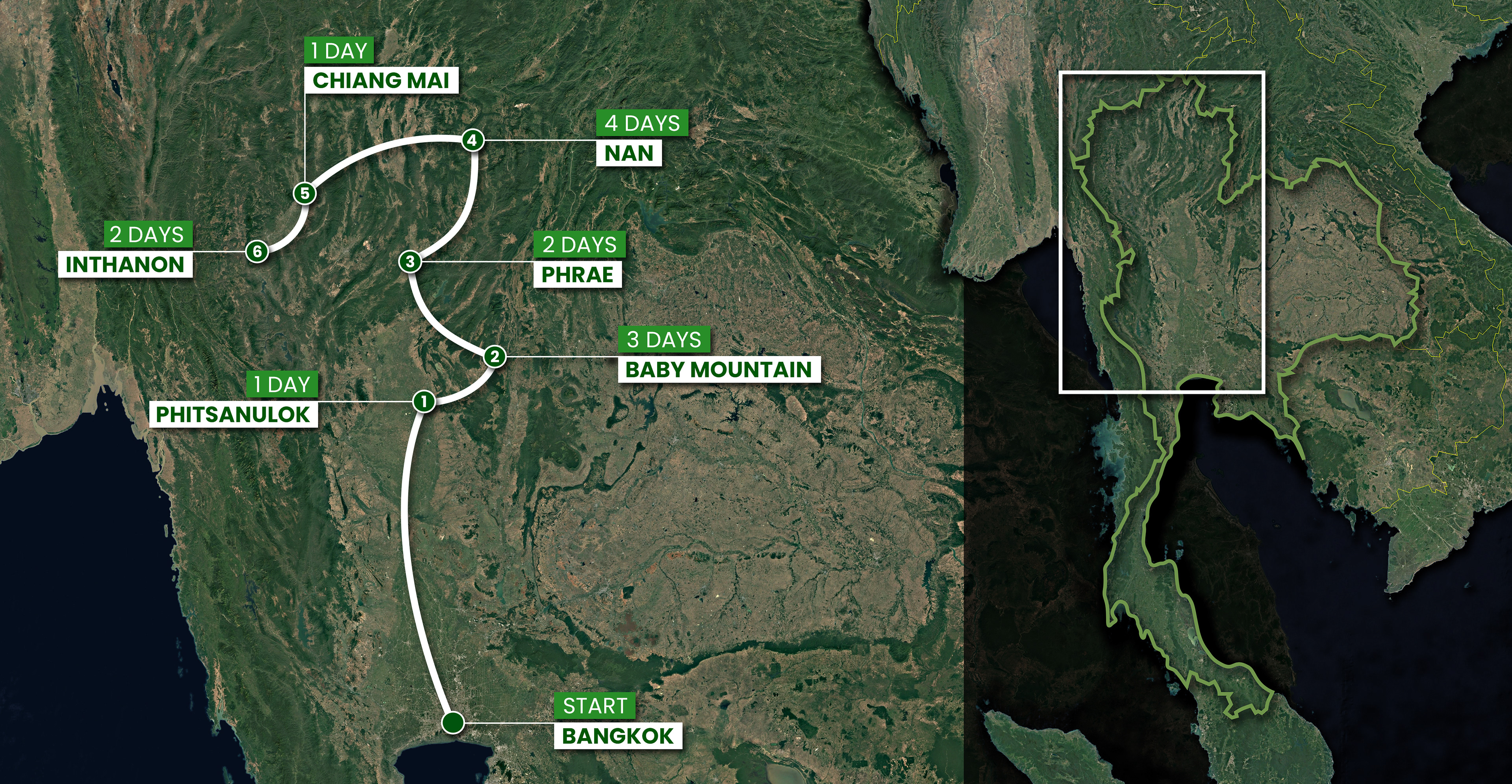
Explore Herpetology's BIG Expedition Northern Thailand follows a totally unique itinerary, featuring several completely novel locations - never featured on any herping tour itineraries. The expedition begins when we meet at a specific location in Bangkok, before driving 4 hours to Phitsanulok province. Here, we will explore limestone karst formations and caves for a single night. The following day, we will travel a short distance to "Baby Mountain" in North-West Isaan, where we will spend 3 nights searching for local endemics in high elevation rainforest. On day 4, we will drive to Phrae province, and spend 2 nights exploring dry forests and evergreen mid-hills. On day 7, we will journey to Nan province, and spend 4 days in our most productive herping location in Northern Thailand. From here, we will drive across the north to Chiang Mai City, where we will have a relaxed night with easy herping close to town. The final two nights of the tour will be spent at Doi Inthanon, before we return to Chiang Mai on the 23rd and the expedition ends.
Throughout this trip, there will be countless opportunities to find the iconic northern Thai species which we targeted on previous expeditions, with the addition of many micro-endemics and very special snakes which were not possible on any previous expeditions. This includes the magnificent Cox's bamboo ratsnake (Oreocryptophis porphyracea coxi), newly described Cryptic green pit viper (Trimeresurus cryptographicus), Boonsong's mountain keelback (Isanophis boonsongi) and so much more. There are three different species of crocodile salamander (Tylototriton sp.) which we will target on this expedition, as well as a great chance to encounter widespread yet high quality species such as the banded krait (Bungarus fasciatus/annularis), Northern king cobra (Ophiophagus hannah), large-eyed false cobra (Pseudoxenodon macrops), and 9 different species of pit viper.
As this is a longer trip which involves a lot of driving (to road cruise for snakes and between locations), we are limiting the spaces to an absolute maximum of 6 guests. The accommodations will mostly comprise of pleasant homestays and guesthouses surrounded by nature, but will also include higher-quality resorts and a one night stay in a city hotel. The herping will be split quite evenly between road cruising and hiking, with a focus on road cruising in the early hours of the evening, with hikes taking place during the daytime and along roadsides and trails at night.
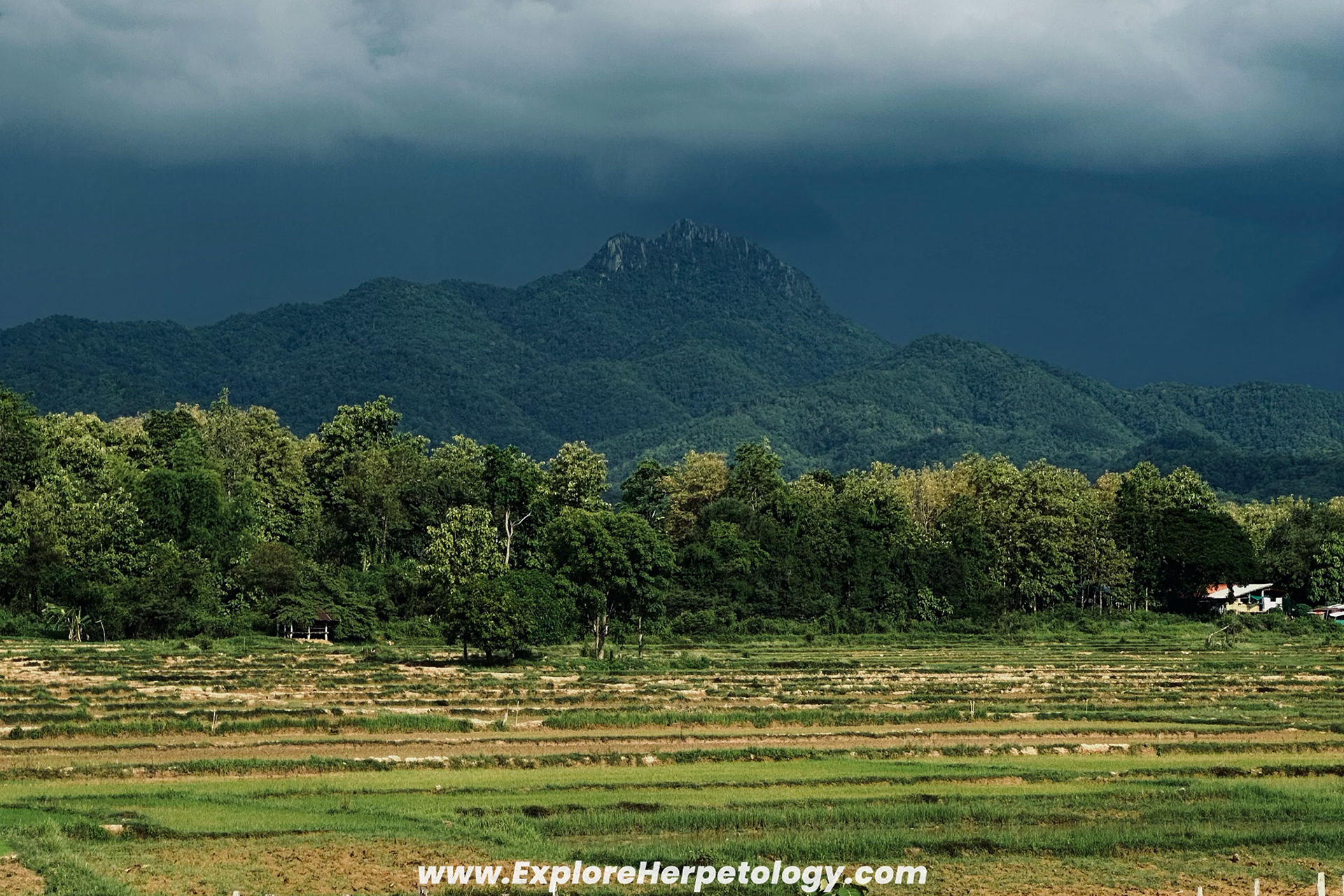
Habitat in Phrae province.
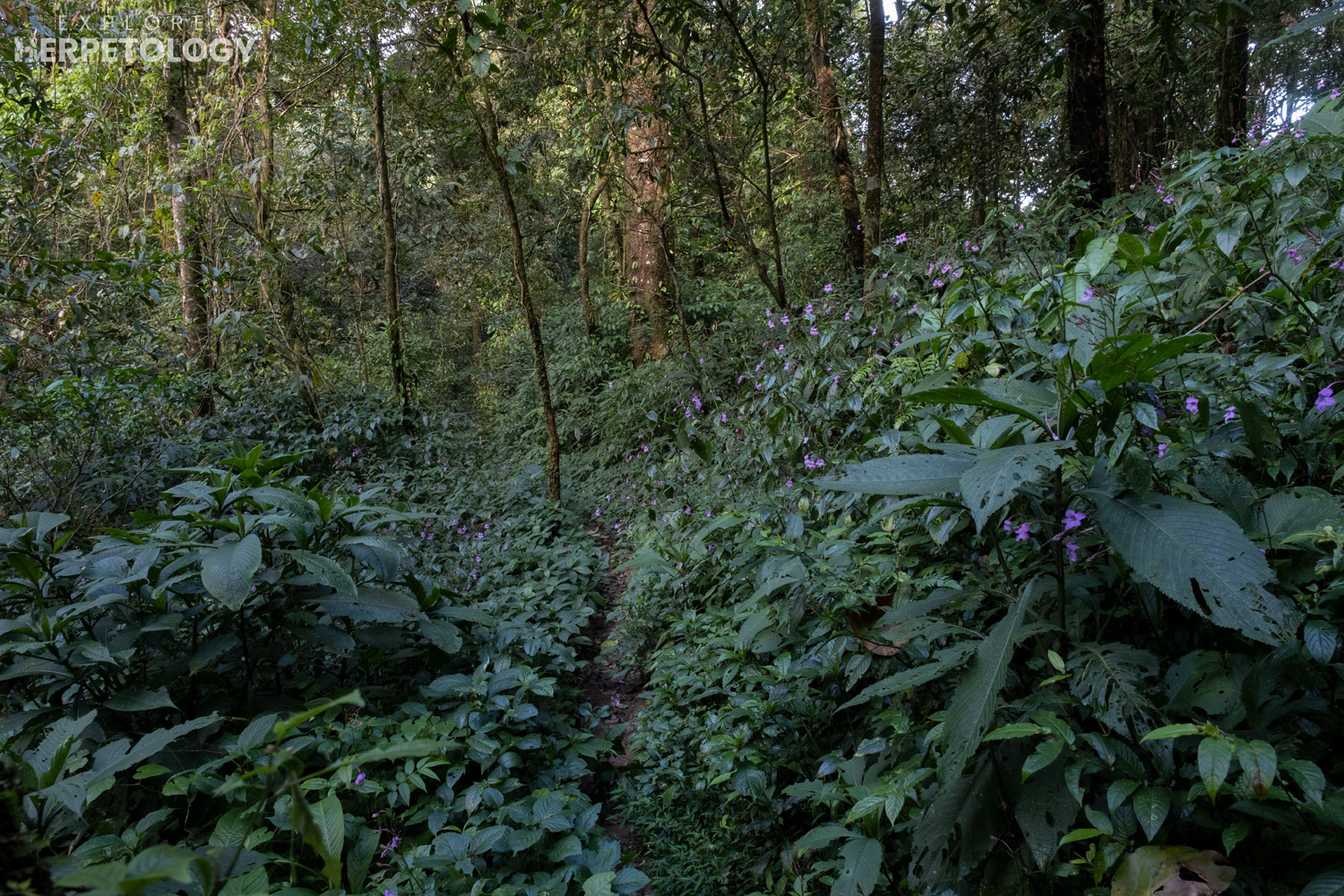
Montane forest trail.
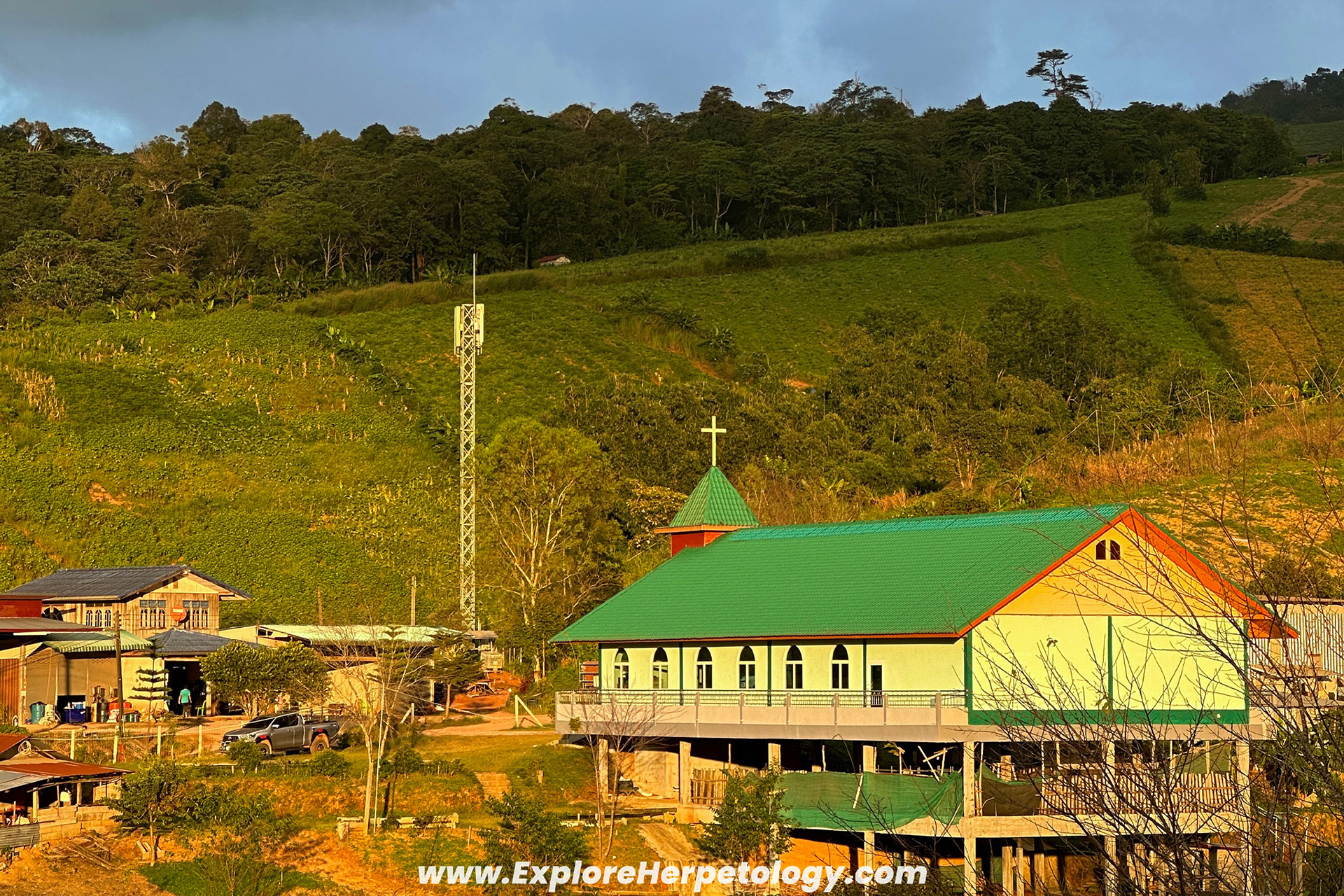
Baby Mountain.
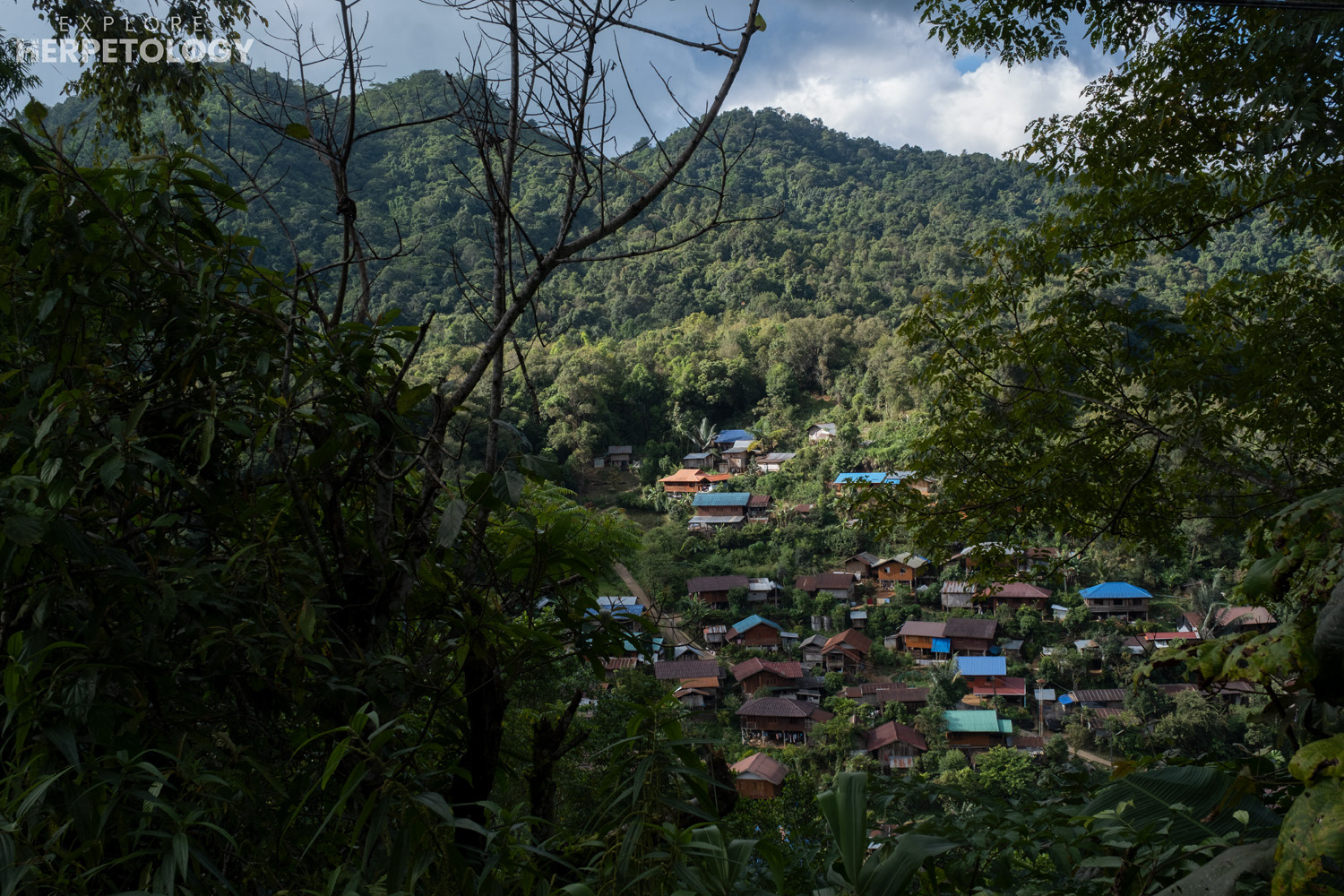
Hmong tribal village in the mountains.
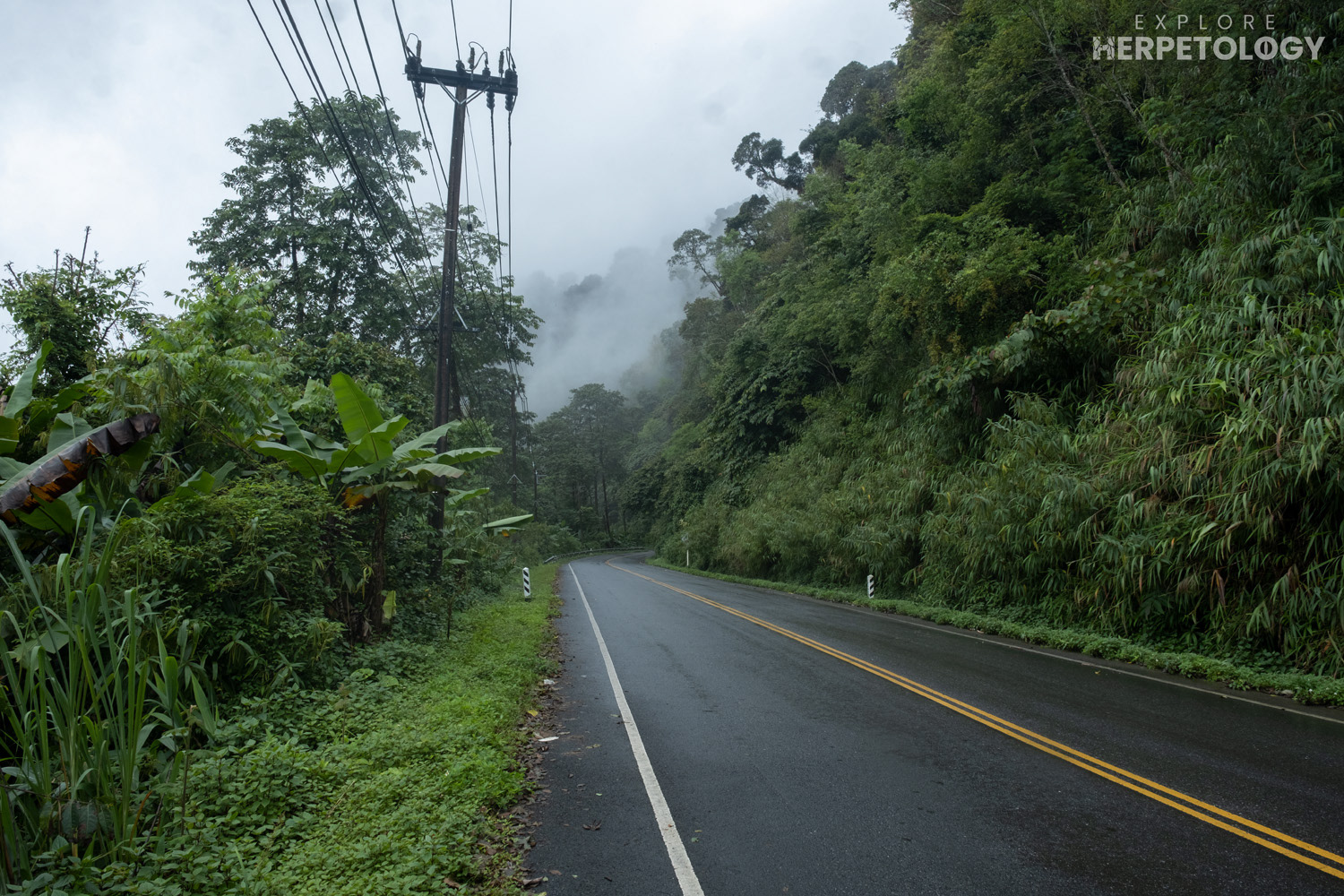
Prime herping.
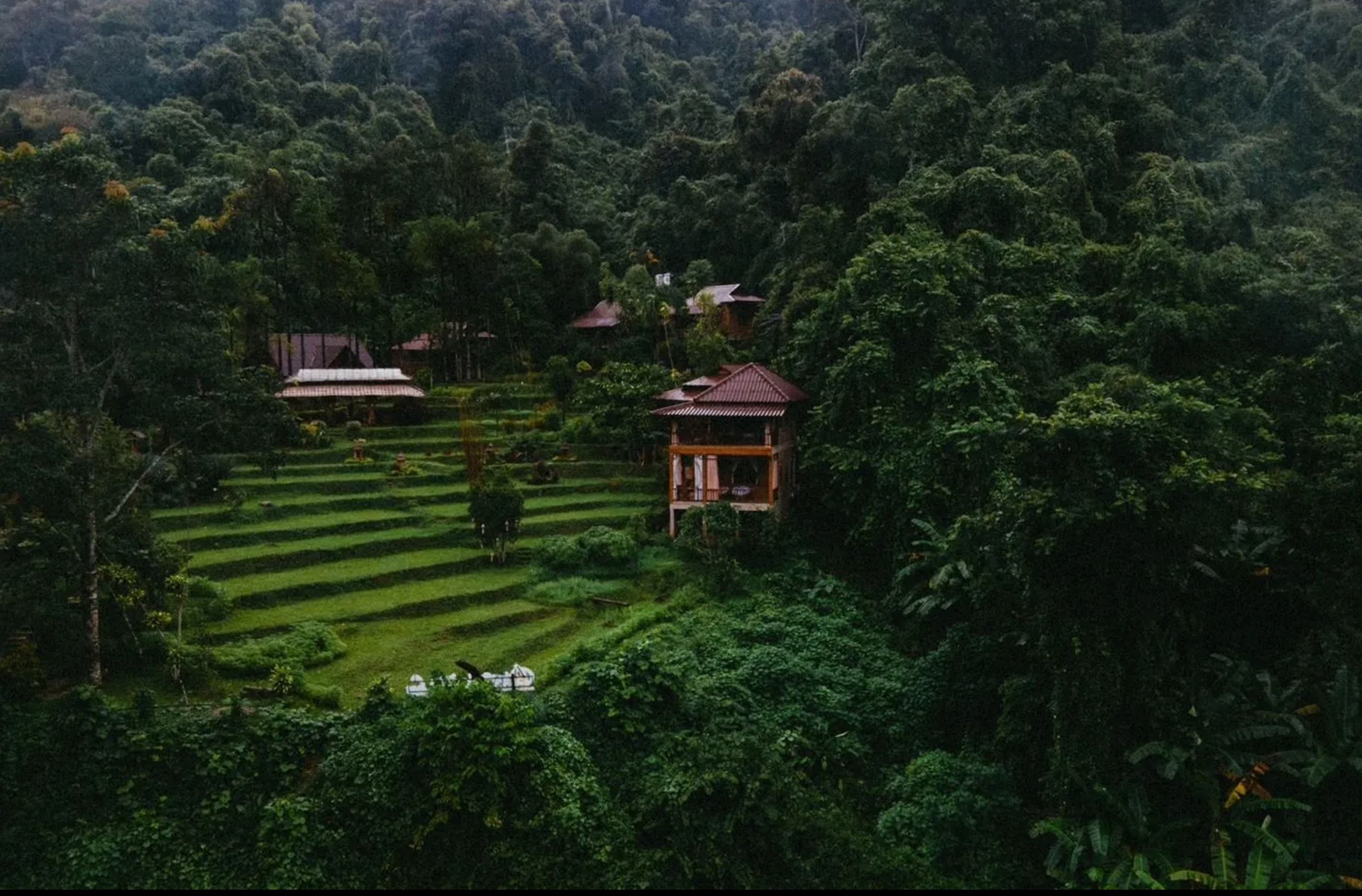
Our resort in Nan province.
Phitsanulok (10th Oct):
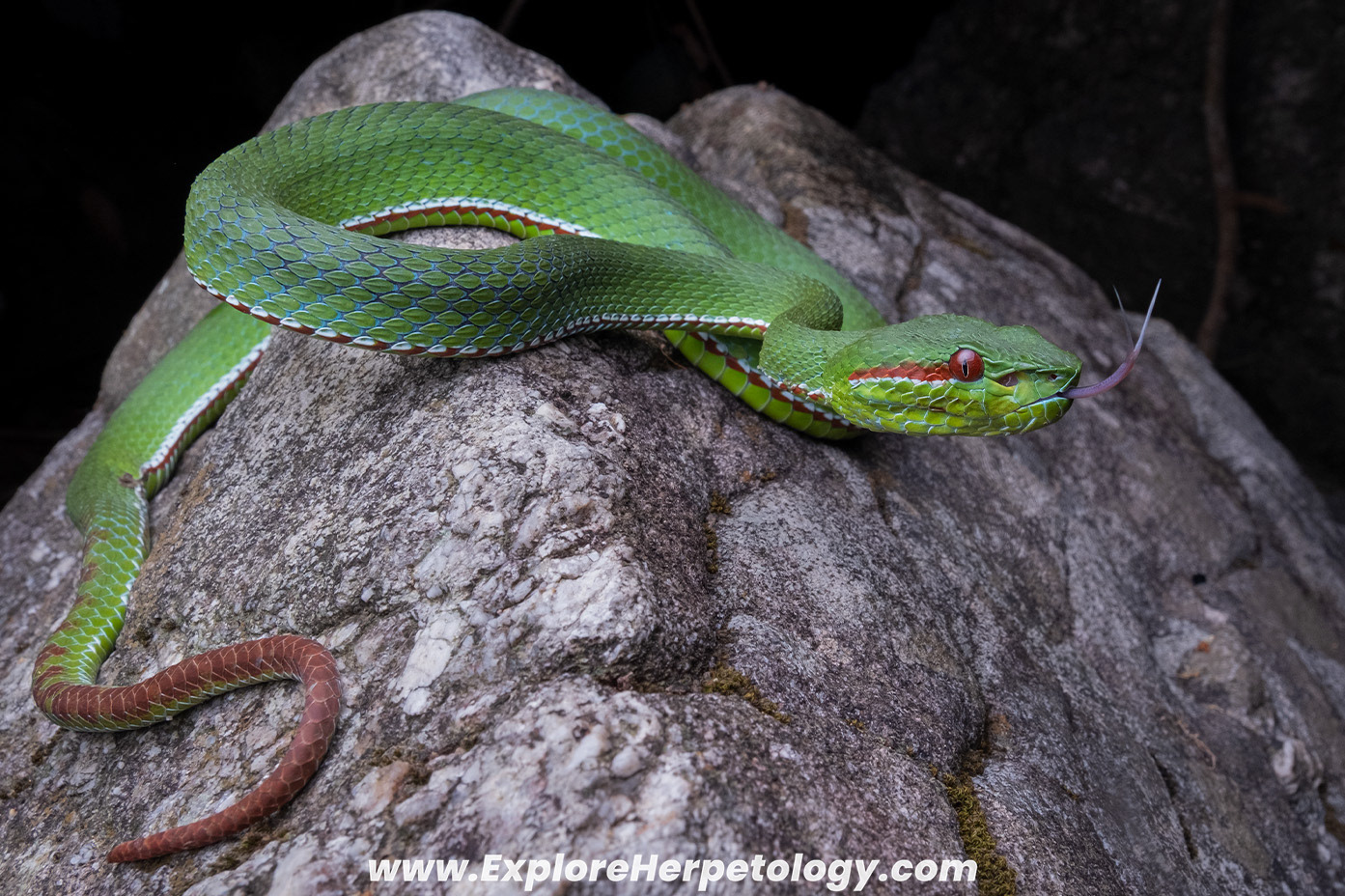
The expedition begins with a single night herping in the lowland karst massif in eastern Phitsanulok province. This not only breaks up the drive to our first montane location, but provides the opportunity to see the newly described and micro-endemic Cryptic green pit viper (Trimeresurus cryptographicus). This species superficially resembles Trimeresurus macrops, but some individuals (especially juveniles) can have distinctive banding, while it has the highest prevalence of of axanthic (blue) individuals of any viper in Thailand. In the same area, there are accessible caves where we have a high chance to encounter Helfenberger's beauty ratsnake (Elaphe taeniura helfenbergeri) and reticulated python (Malayopython reticulatus).
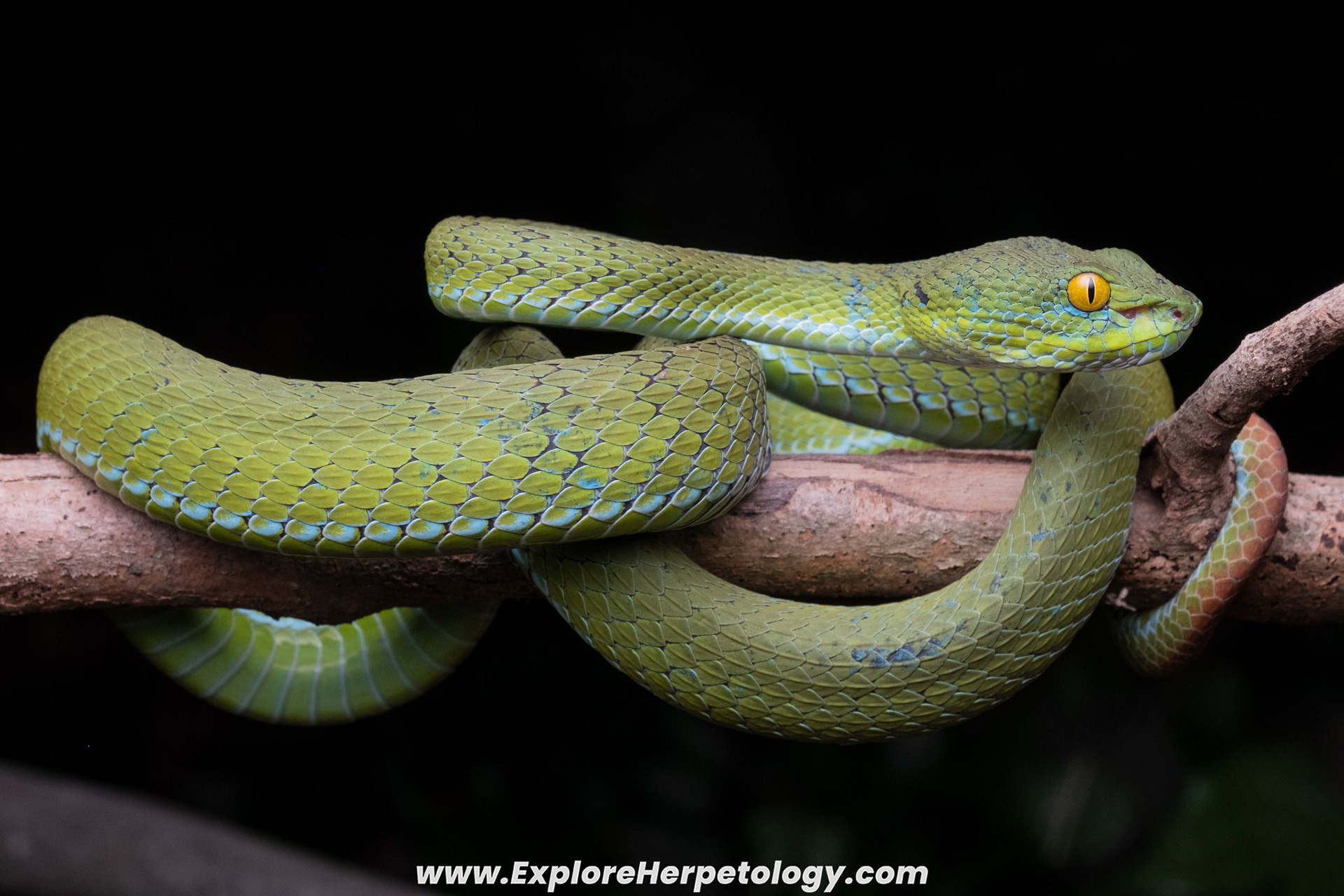
Cryptic green pit viper (Trimeresurus cryptographicus).
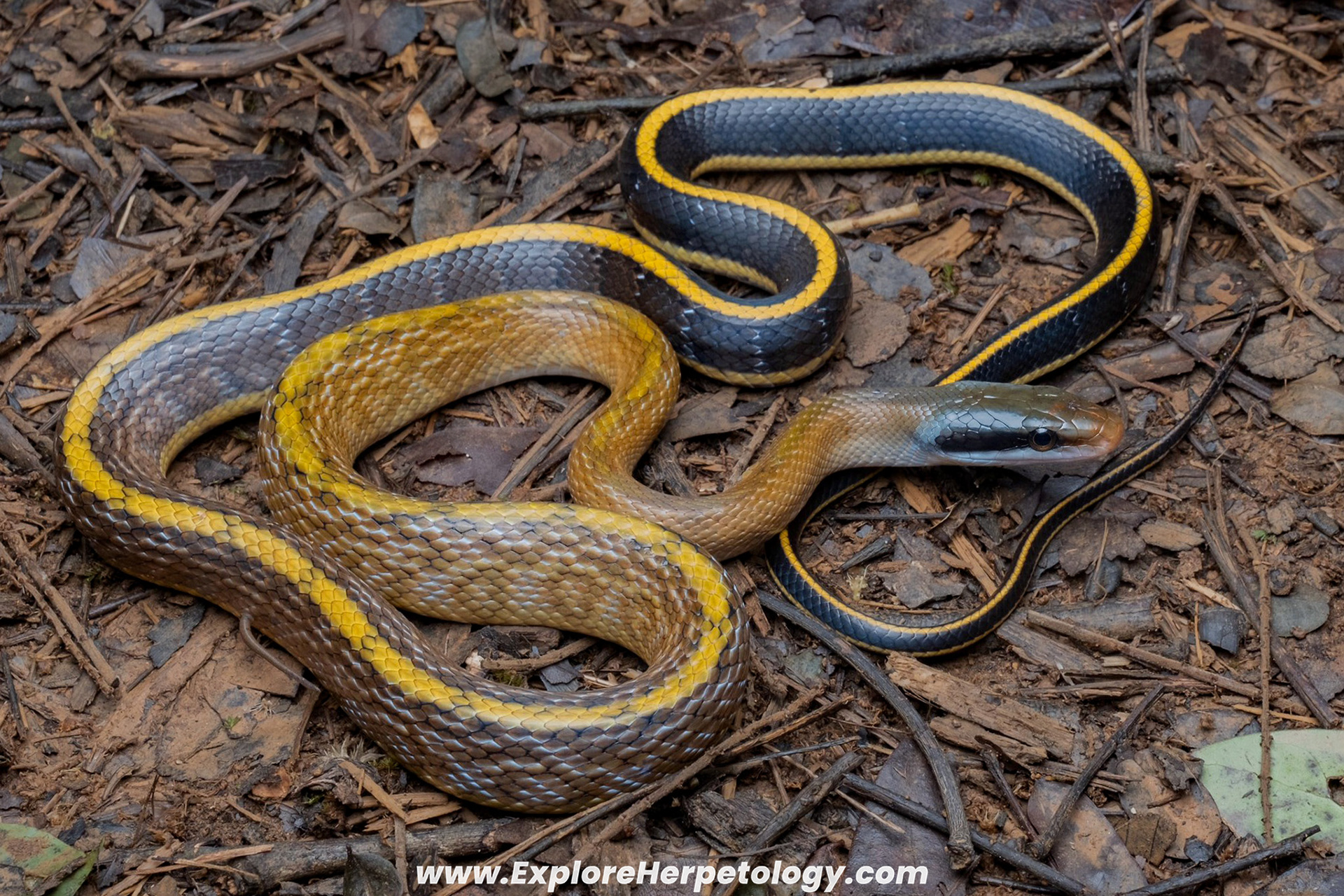
Helfenberger's beauty ratsnake (Elaphe taeniura helfenbergeri).
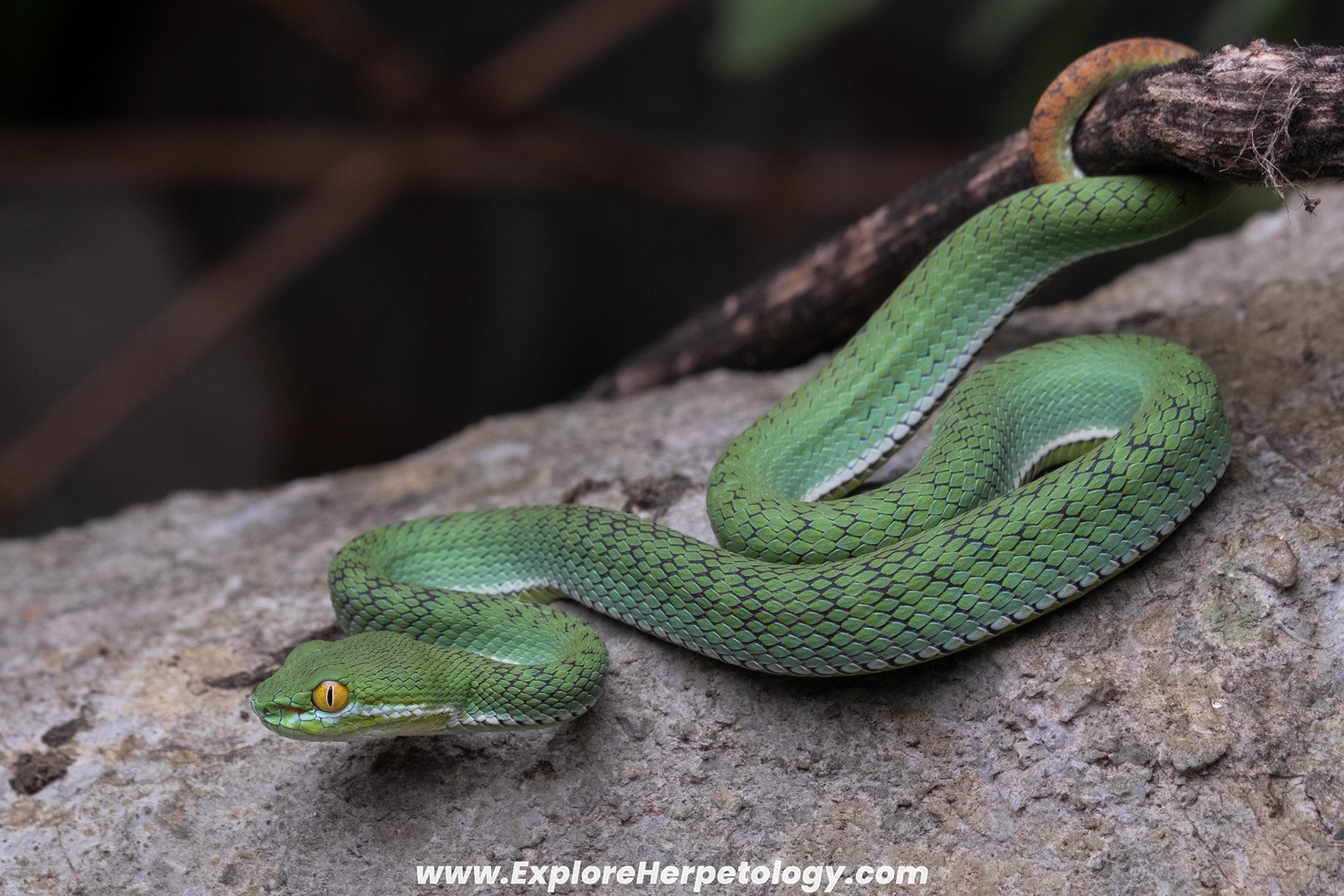
Cryptic green pit viper (Trimeresurus cryptographicus)
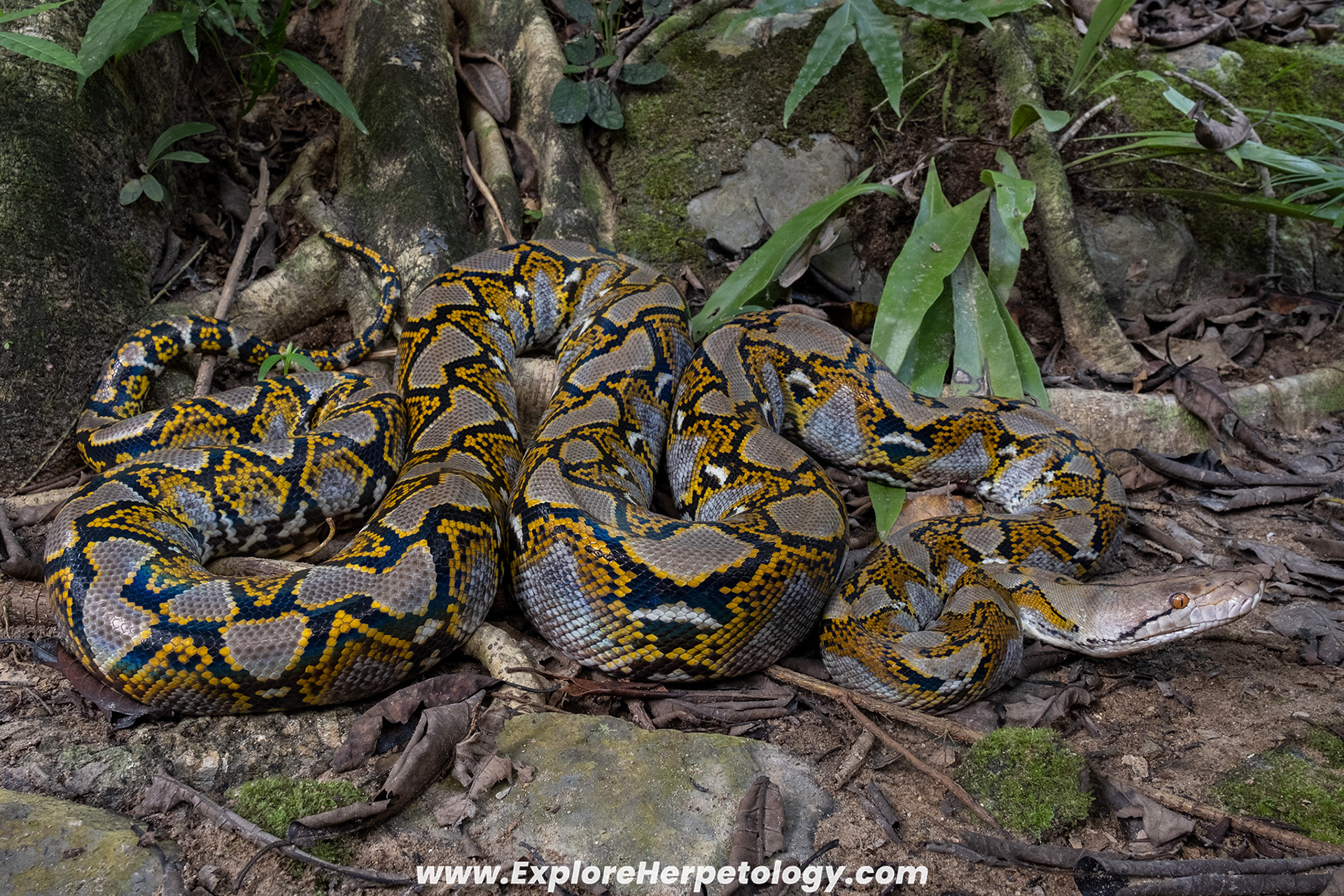
Reticulated python (Malayopython reticulatus).
BABY MOUNTAIN (11th - 14th Oct):
"Baby Mountain" is our nickname for a highly productive herping location in the mountains of north-west Isaan, and the first highland herping location on this tour. The primary target here is the Thai-endemic Cox's bamboo ratsnake (Oreocryptophis porphyracea coxi), a very common species in the pet trade but seldom seen in the wild. Mid to late October is the best time for activity of Oreocryptophis in Thailand, so we will spend 3 days road cruising for this species. This area also has the highest density of large-eyed false cobra (Pseudoxenodon macrops) of any location in Thailand, so the chances of us finding at least one individual is high. The same applies for the blue-eyed bamboo ratsnake (Gonyosoma coeruleum). Baby mountain is also home to Somsak's crocodile salamander (Tylototriton panhai), boonsong's mountain keelback (Isanophis boonsongi) and Flower's false-bloodsucker (Pseudocalotes cf. floweri), all species we cannot see at any other location on this trip, as well as many other species which are possible throughout the trip. We have even seen Burmese python (Python bivittatus) in the highland forest here.
We will stay in a quaint Hmong mountain village, surrounded by pristine sub-montane rainforest. We will eat at local restaurants in the village and a nearby town. The best method of herping at this location is road cruising and stream walking, which can each deliver different species of interest. The temperatures can drop quite low at night, so make sure you bring a jumper or hoodie.
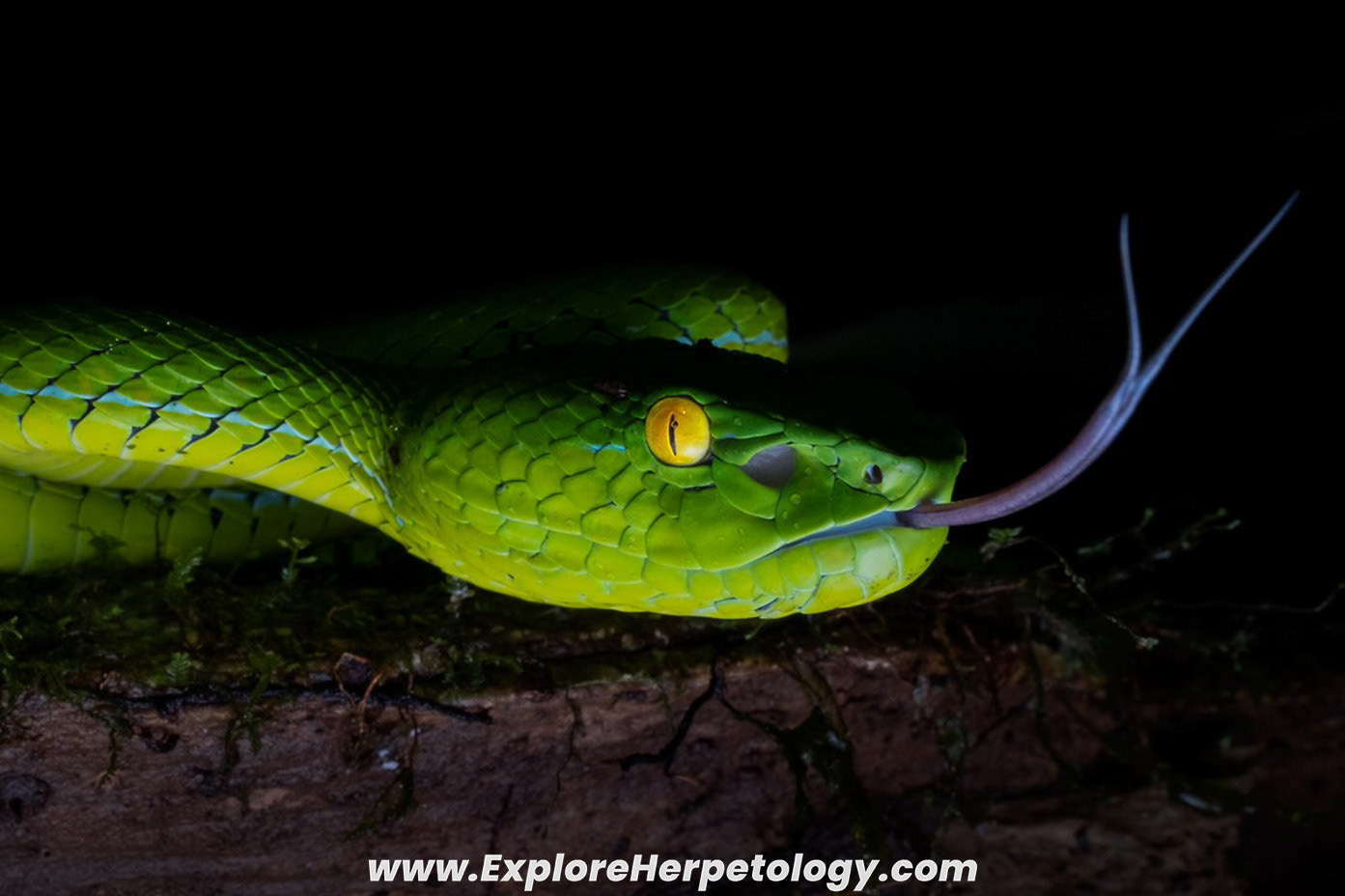
Gumprecht's pit viper (Trimeresurus gumprechti).
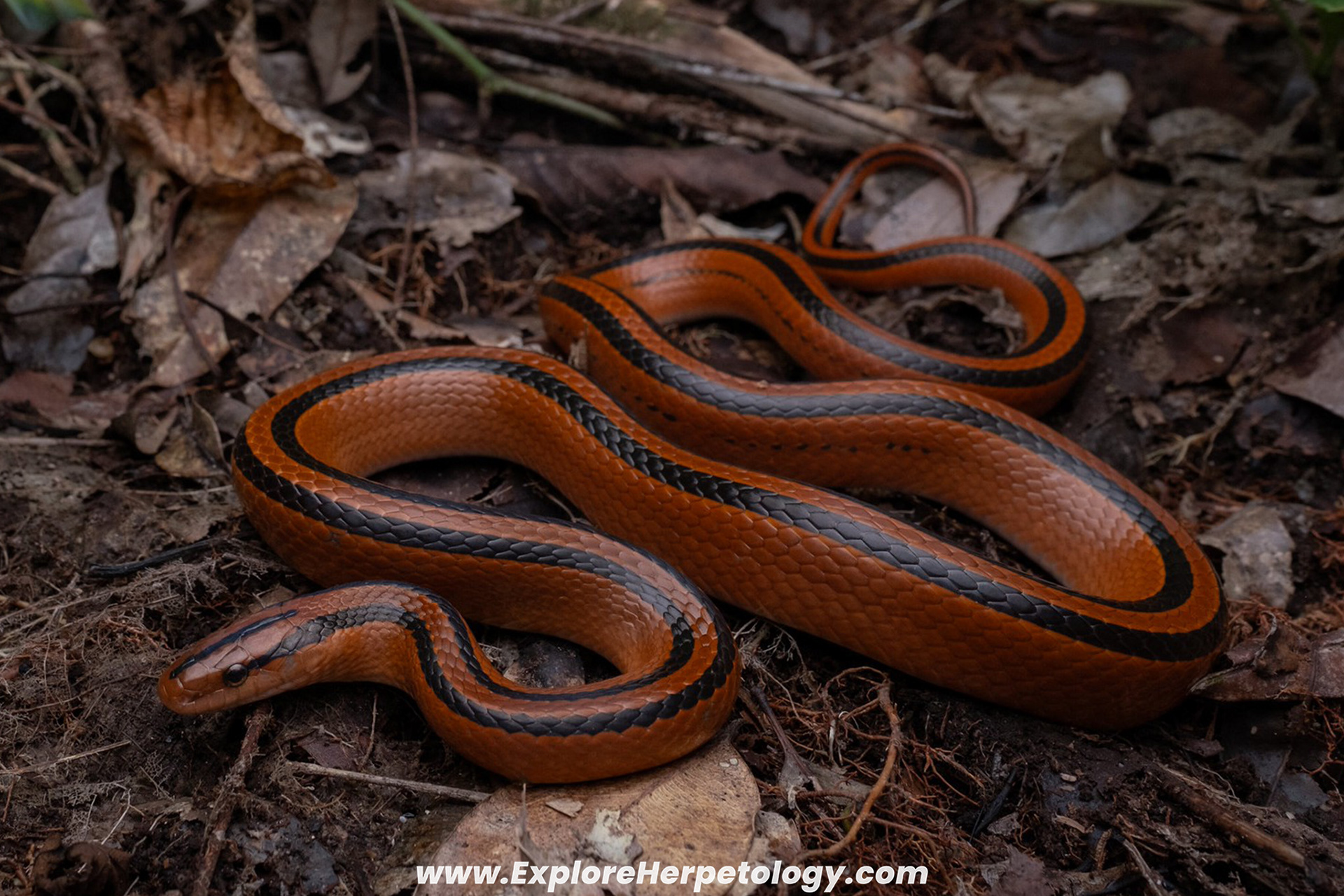
Cox's bamboo ratsnake (Oreocryptophis p. coxi).
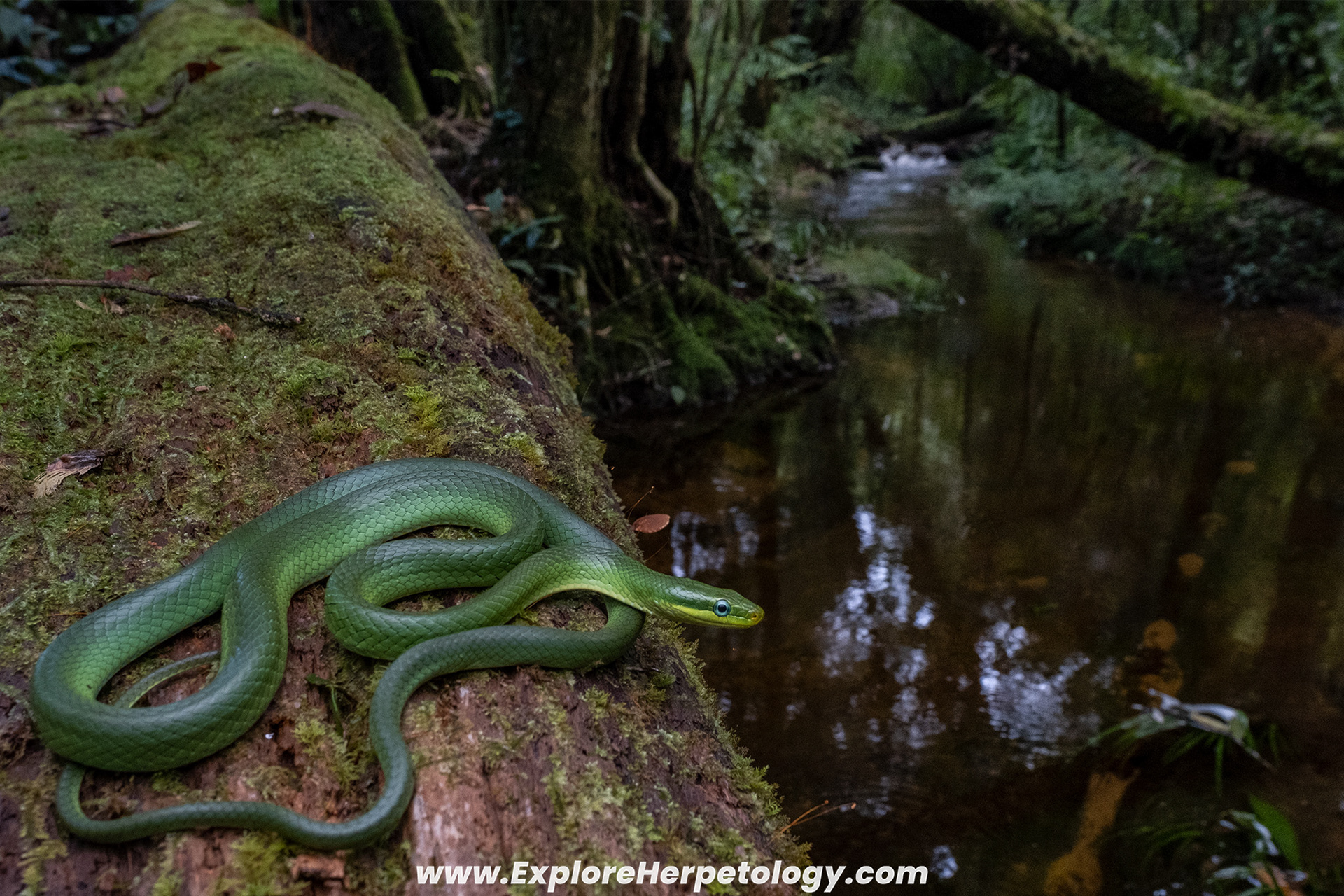
Blue-eyed beauty ratsnake (Gonyosoma coeruleum).
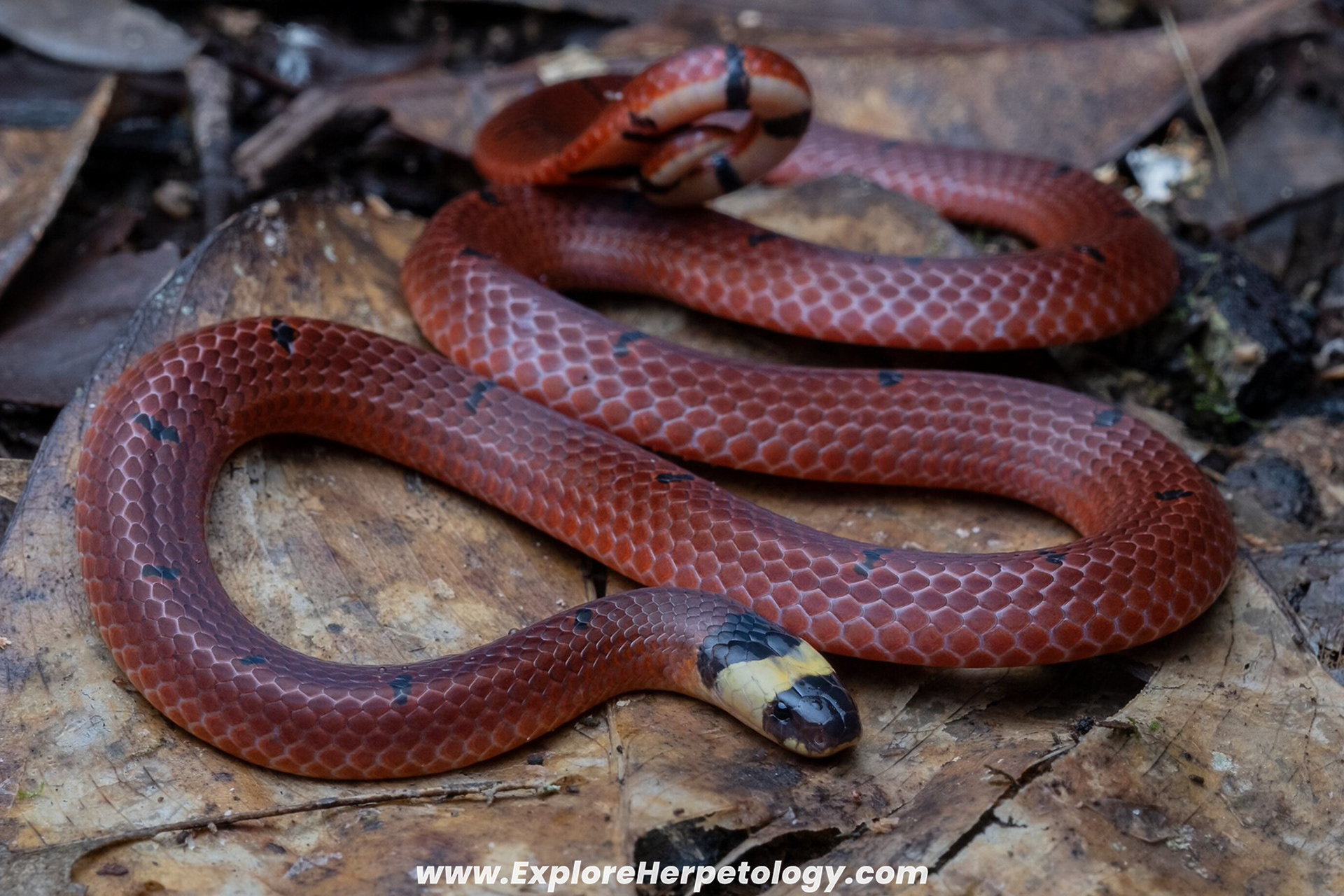
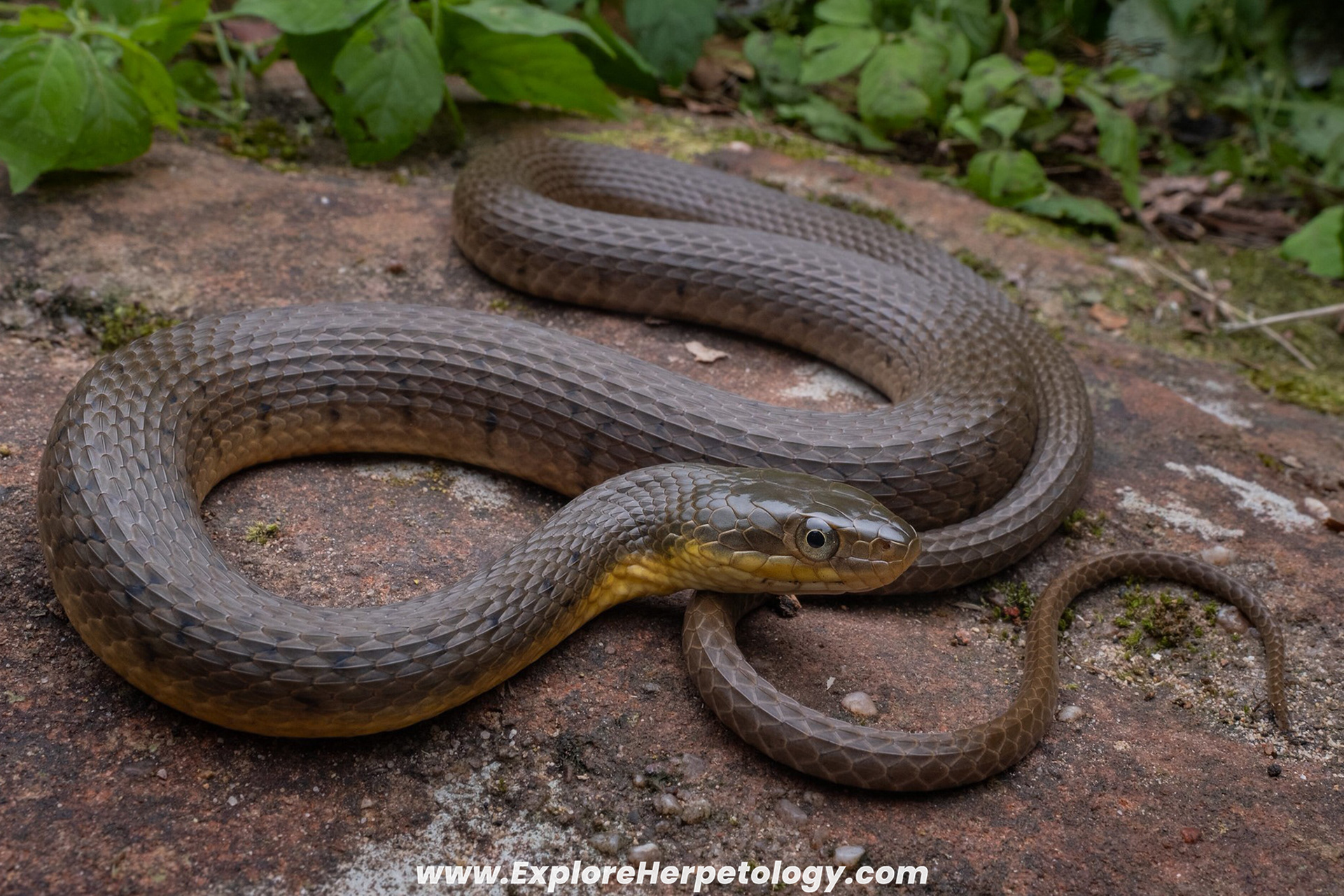
Boongsong's mountain keelback (Isanophis boonsongi).
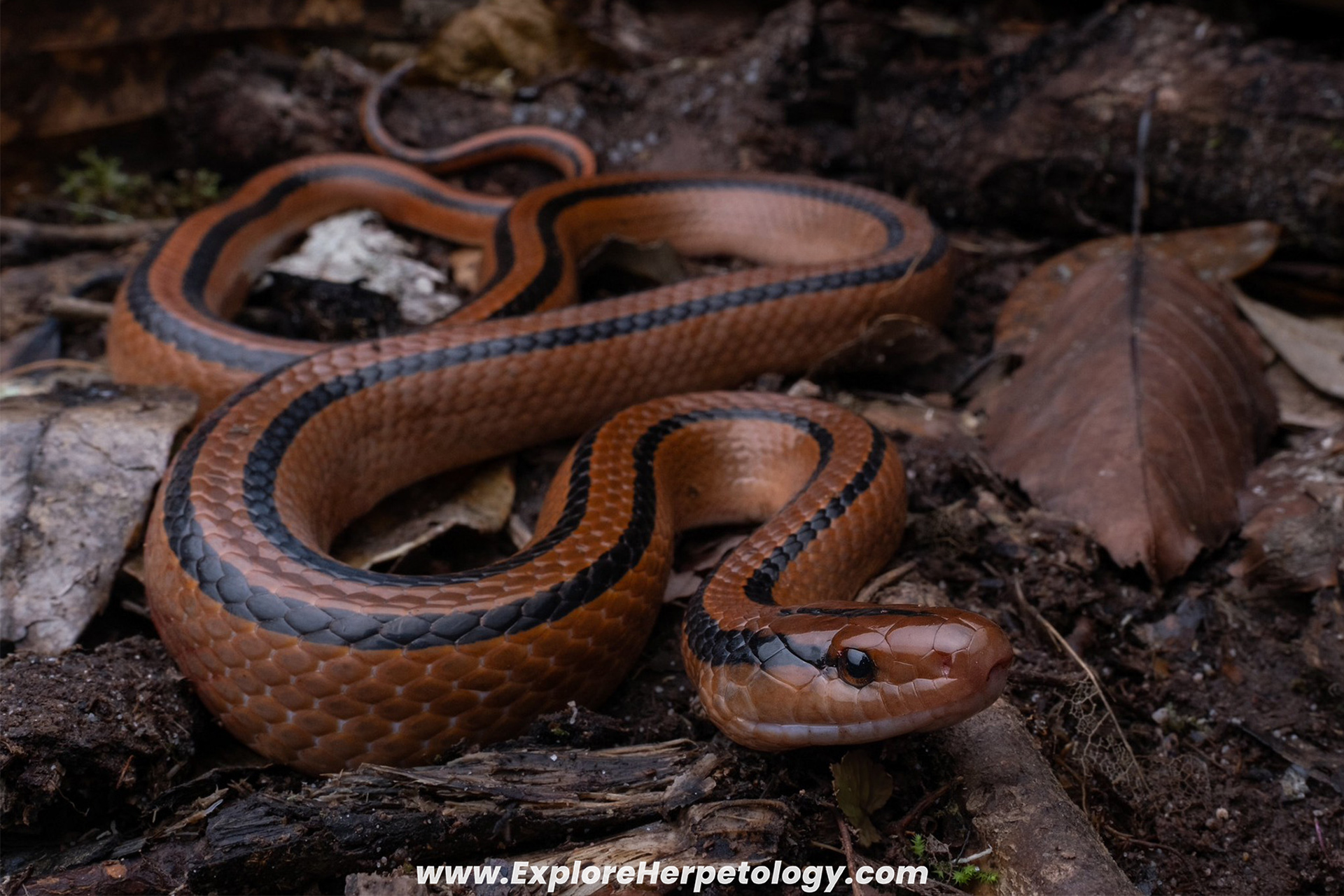
Cox's bamboo ratsnake (Oreocryptophis p. coxi).
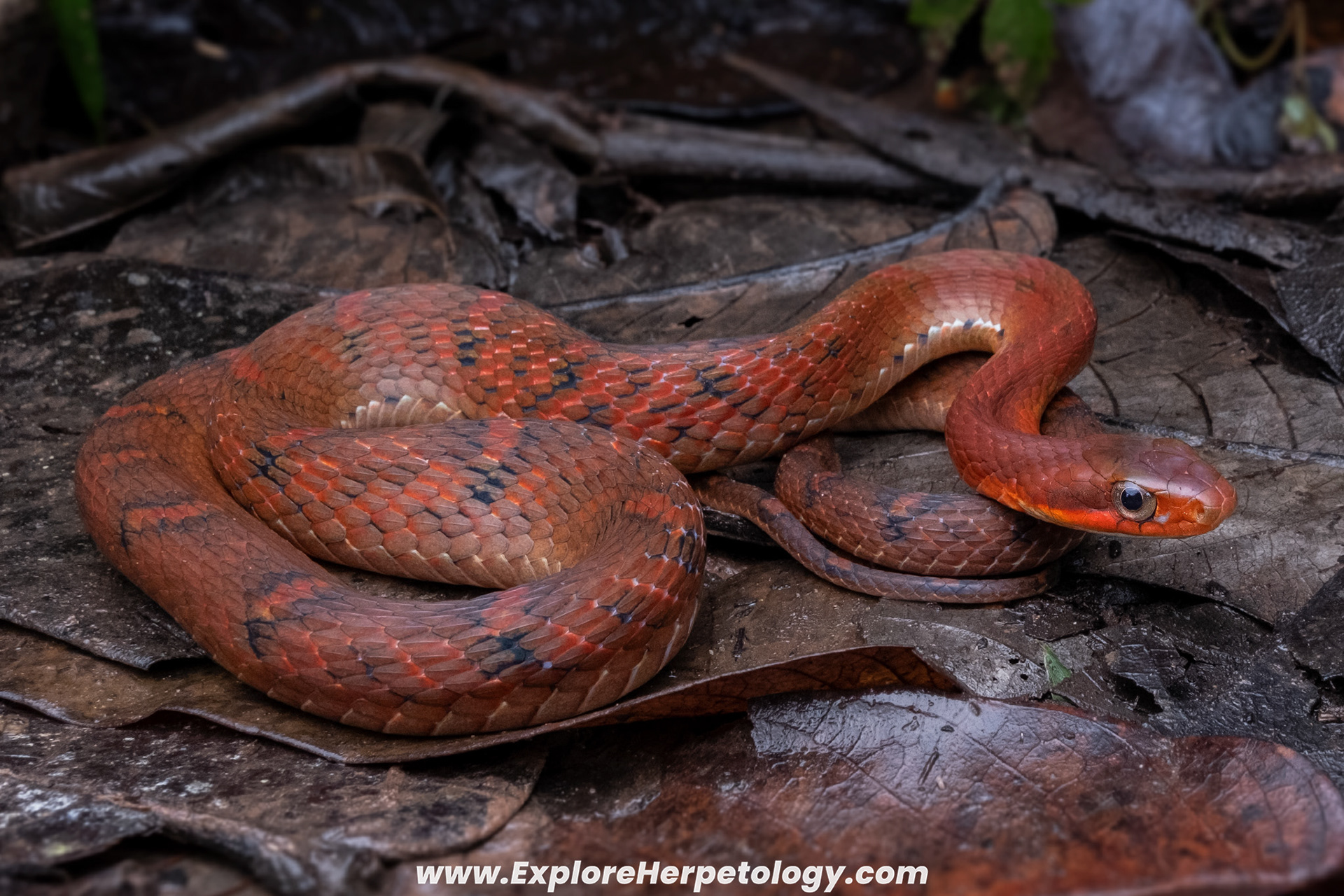
Large-eyed false cobra (Pseudoxenodon macrops).
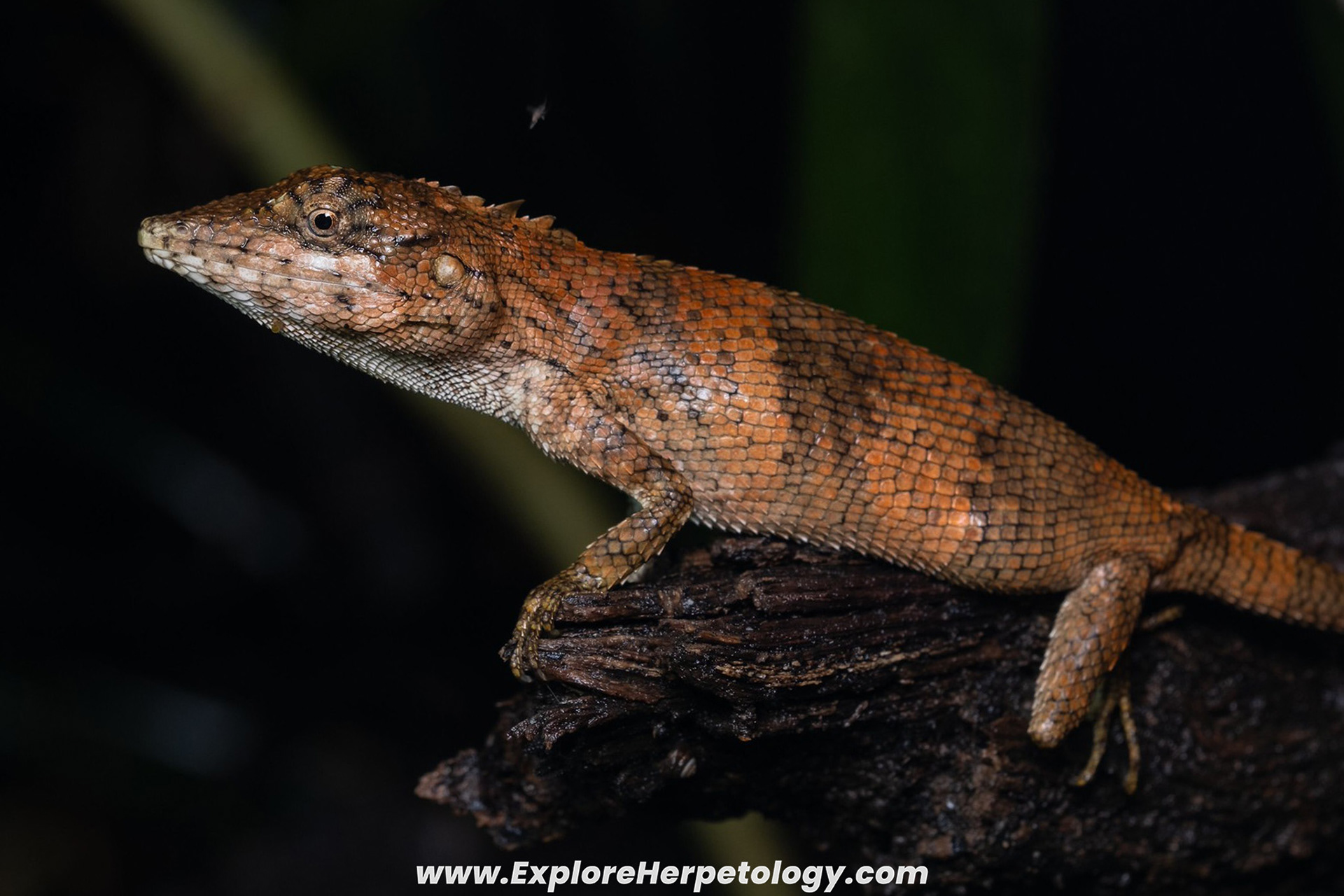
Flower's false-bloodsucker (Pseudocalotes floweri).
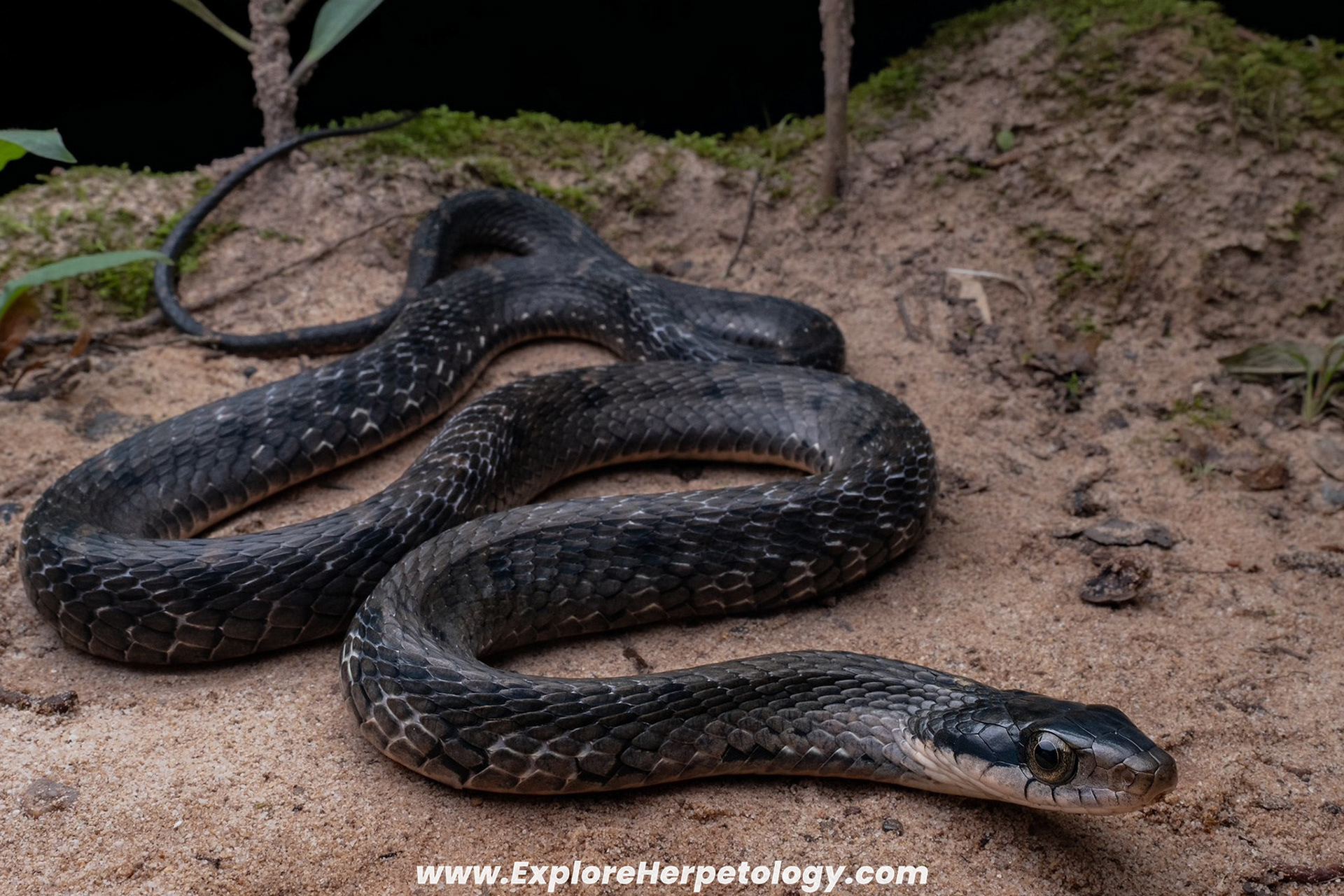
Large-eyed false cobra (Pseudoxenodon macrops).
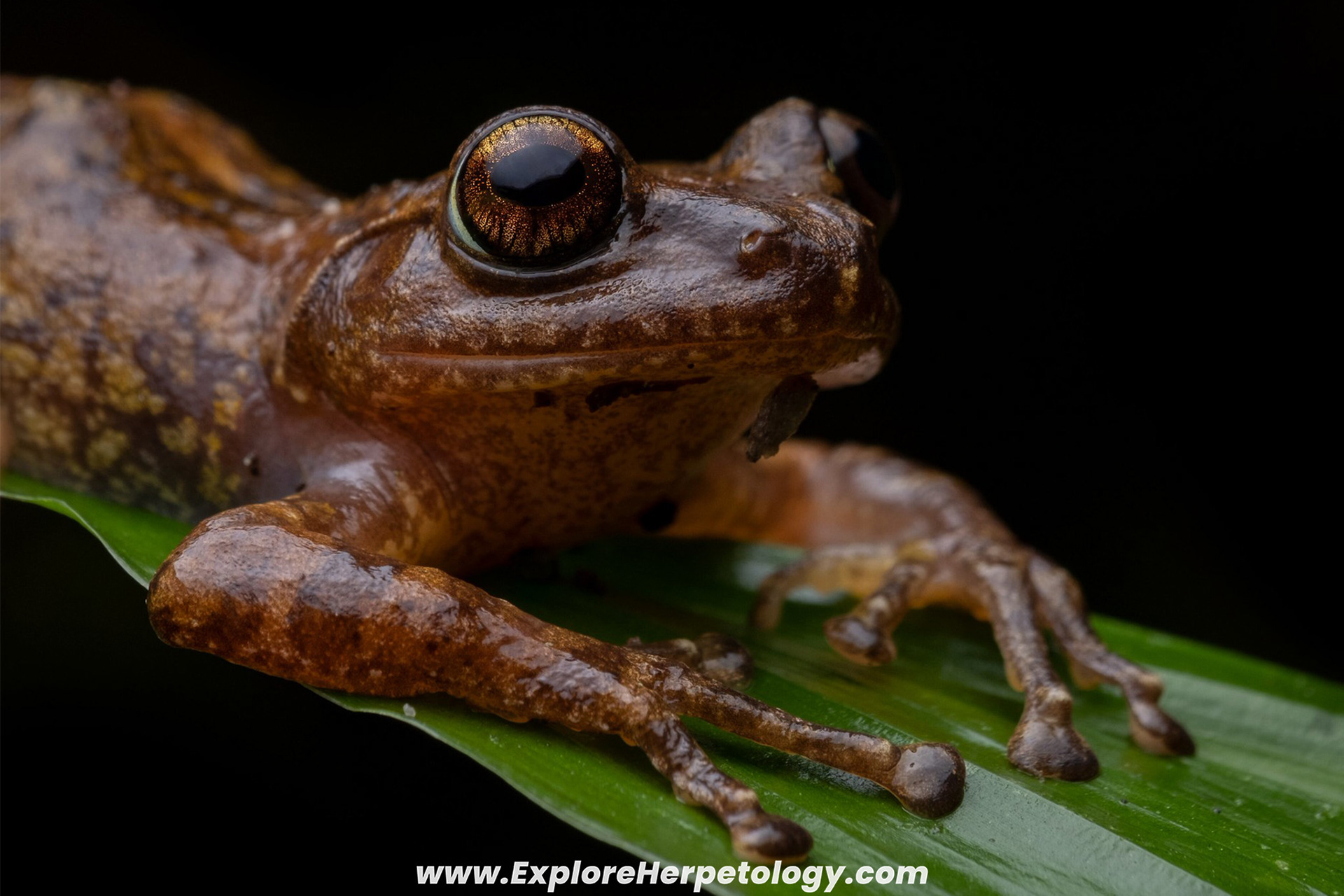
Yunnan shrub frog (Gracixalus yunnanensis).
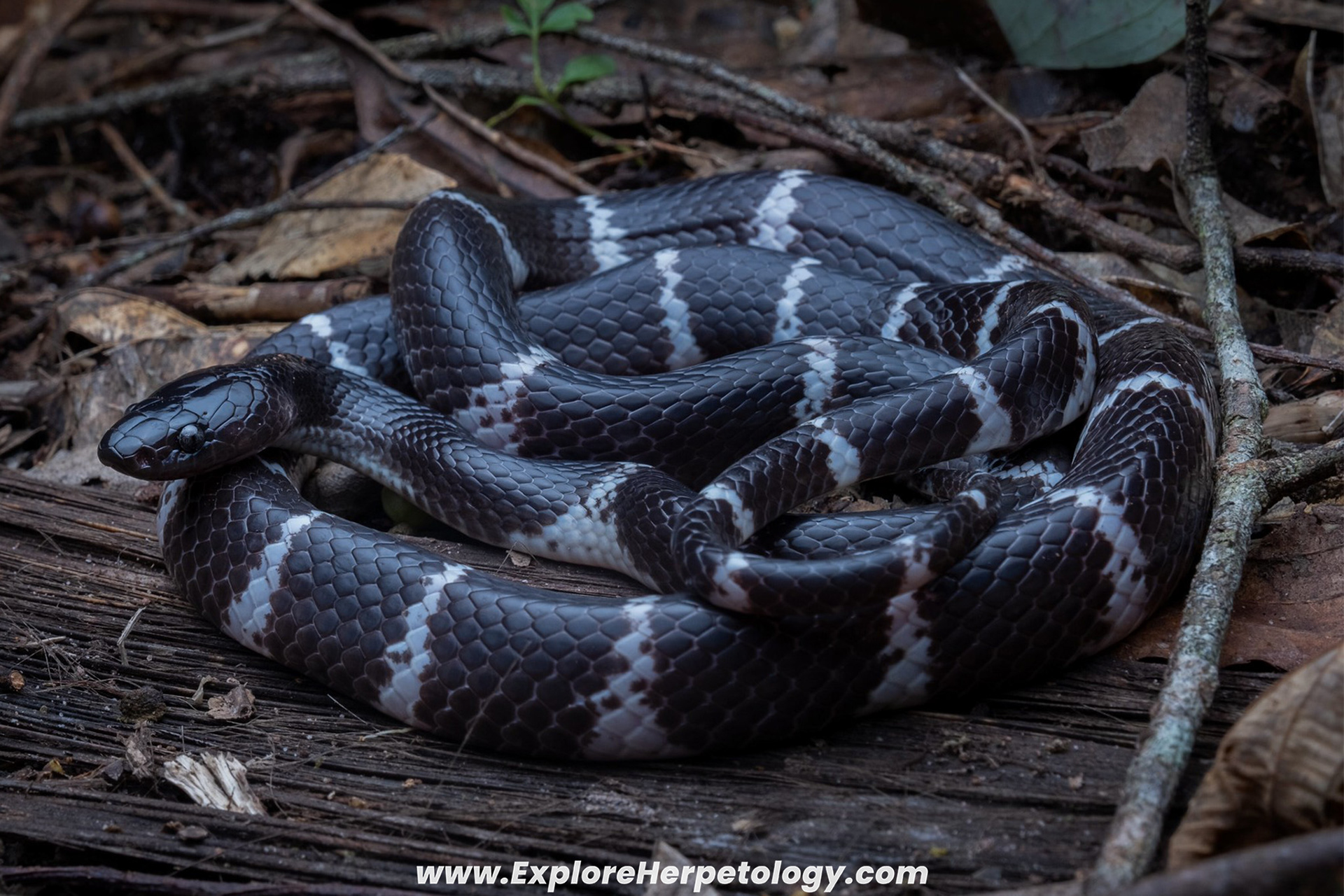
Chapa wolf snake (Lycodon chapaensis).
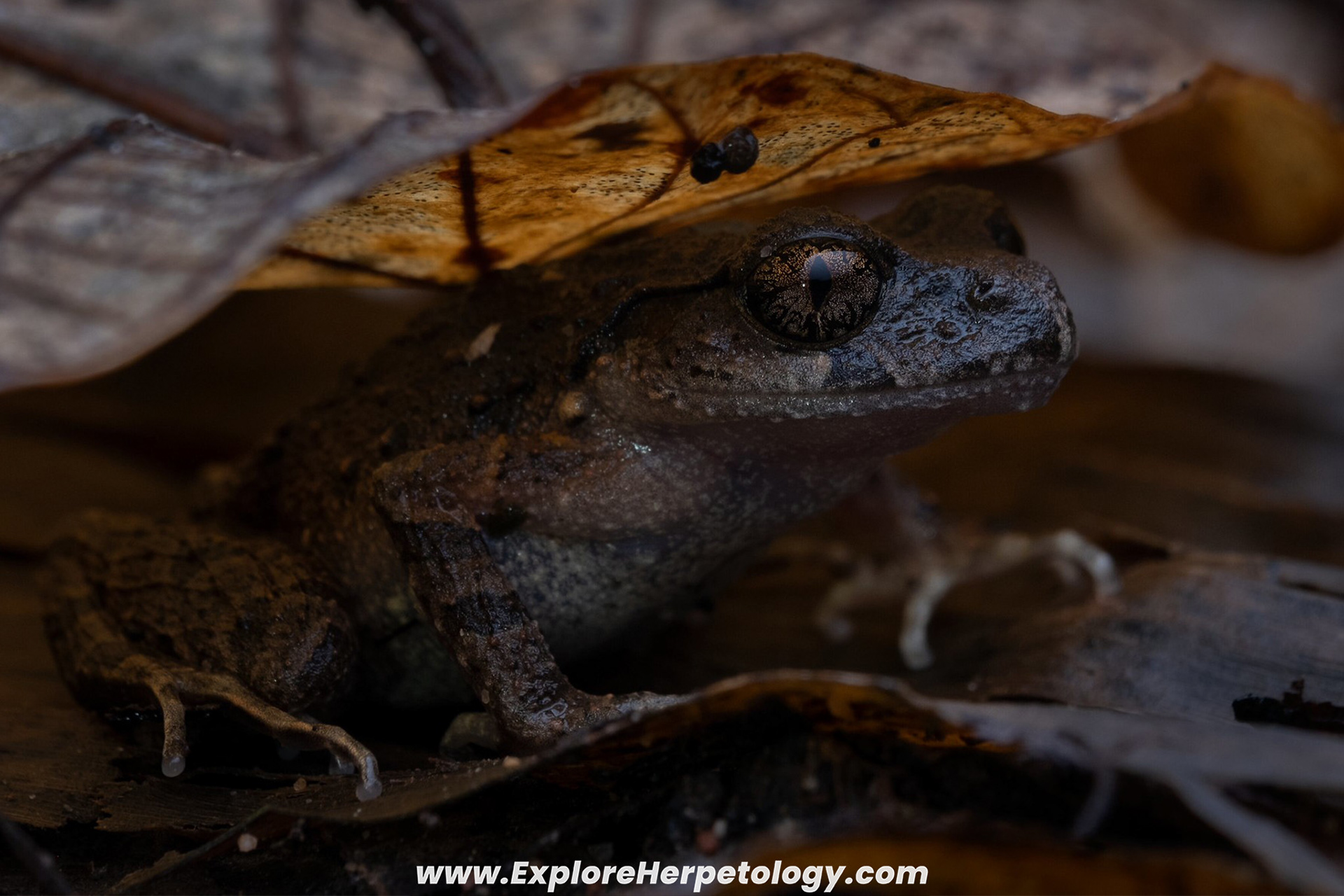
Small litter frog (Leptobrachium minima).
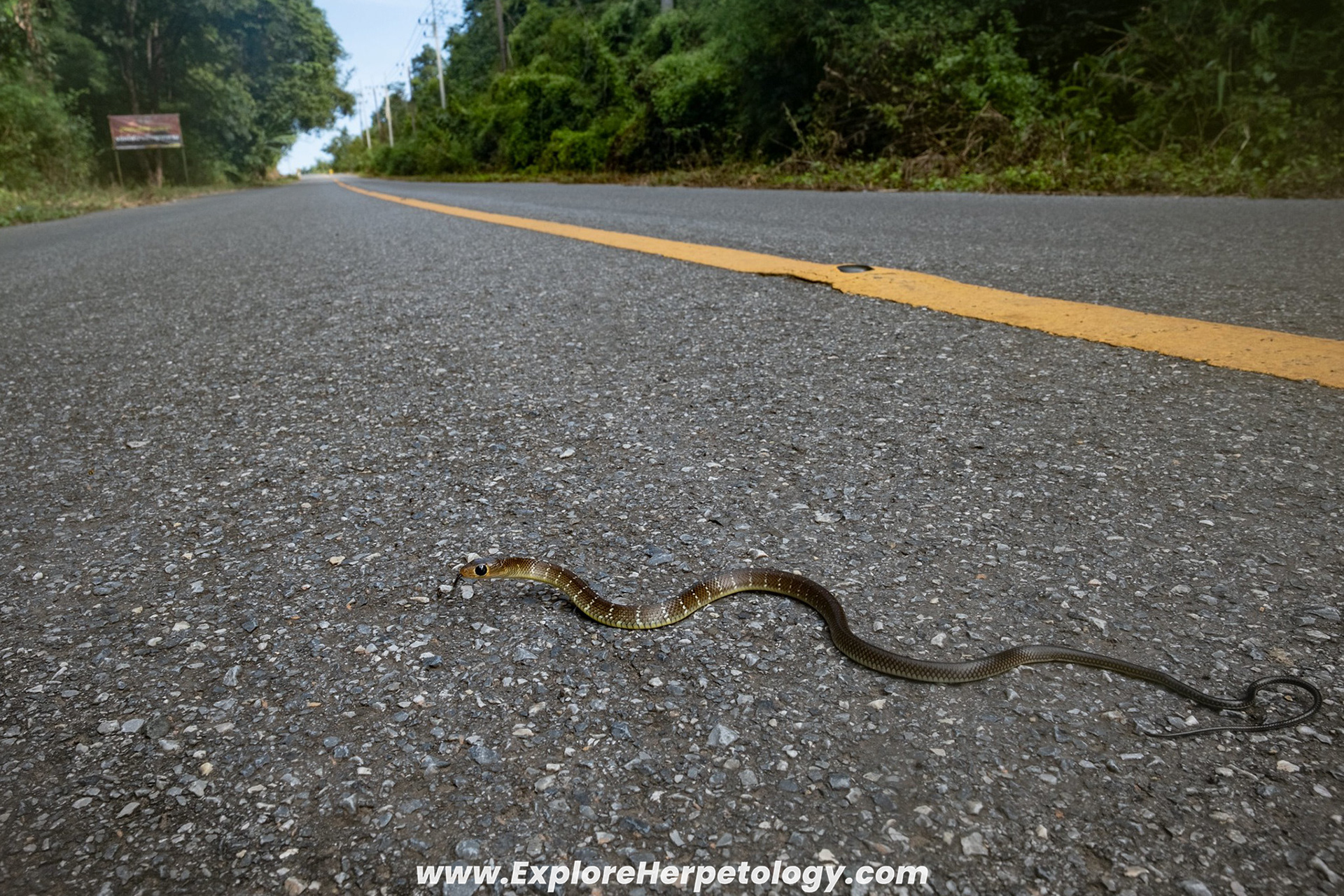
Indo-chinese ratsnake (Ptyas korros).
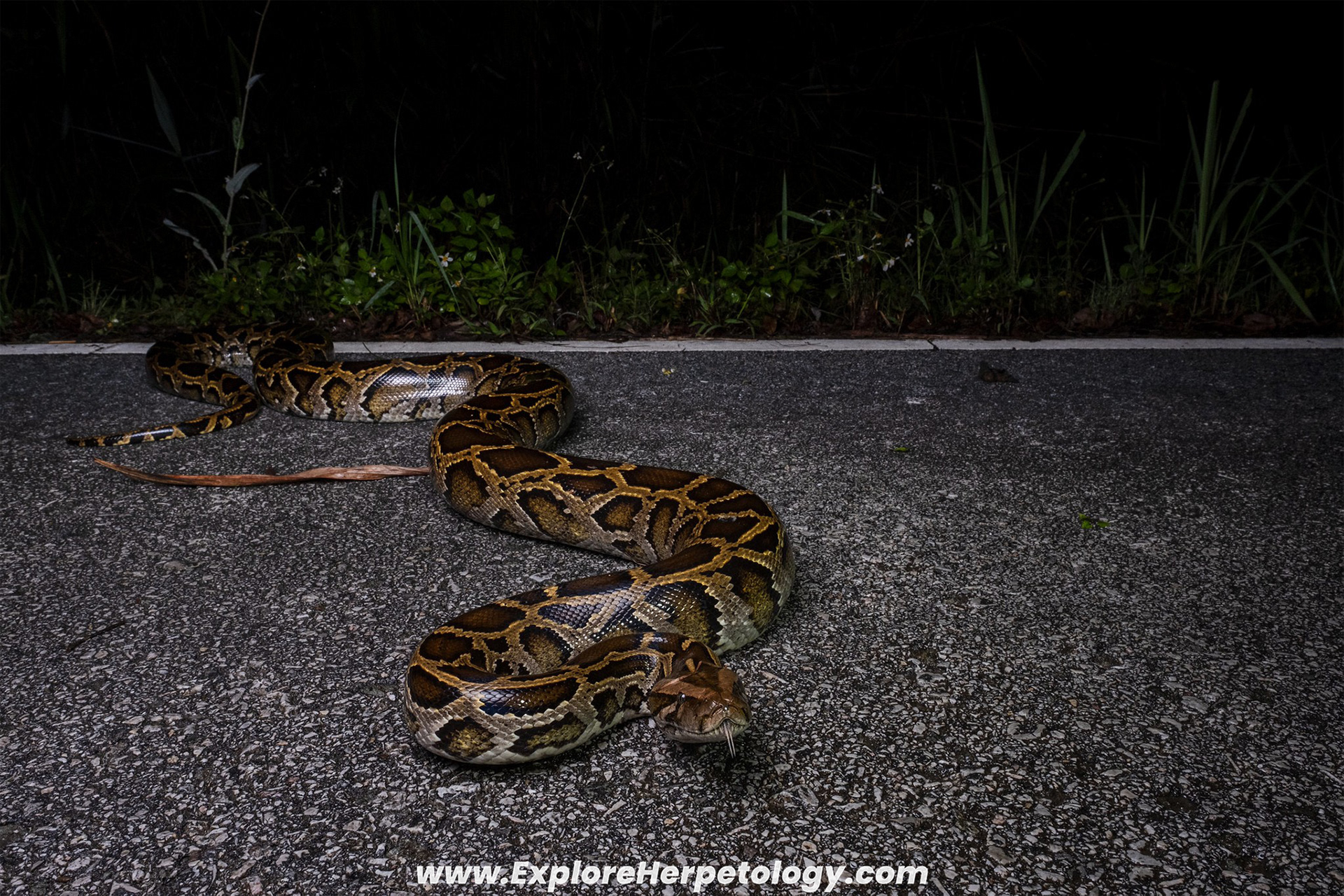
Burmese python (Python bivittatus).
Phrae (14th - 16th Oct):
The next location is Phrae, one of the least-travelled provinces in Northern Thailand. However, Phrae has large areas of forested hills with high-quality road systems leading through them, with very little traffic, along with forest waterfall trails and limestone karst formations. Here, we will focus our efforts on the lower elevations of the mountains, searching for Northern Thailand's diversity of lower-elevation preferring species. Some of the best species we have recorded here include the magnificent banded krait (Bungarus fasciatus/annularis), Malayan pit viper (Calloselasma rhodostoma), small-spotted coral snake (Calliophis maculiceps), and the very rare Stoliczka's smooth snake (Liopeltis stoliczkae). We also have the chance to see both large-eyed pit viper (Trimeresurus cf. macrops) and white-lipped pit viper (Trimeresurus albolabris), two vipers we are unlikely to encounter elsewhere on the tour, along with many other species.
We will stay at a very nice guesthouse surrounded by rice-fields on the outskirts of town, with the possibility to find common species of herpetofauna in the garden, such as Murphy's mud snake (Hypsiscopus murphyi) and Painted bronzeback (Dendrelaphis pictus). If we are extremely lucky, Siamese spitting cobra (Naja siamensis) can also be found. We will eat at our accommodation.
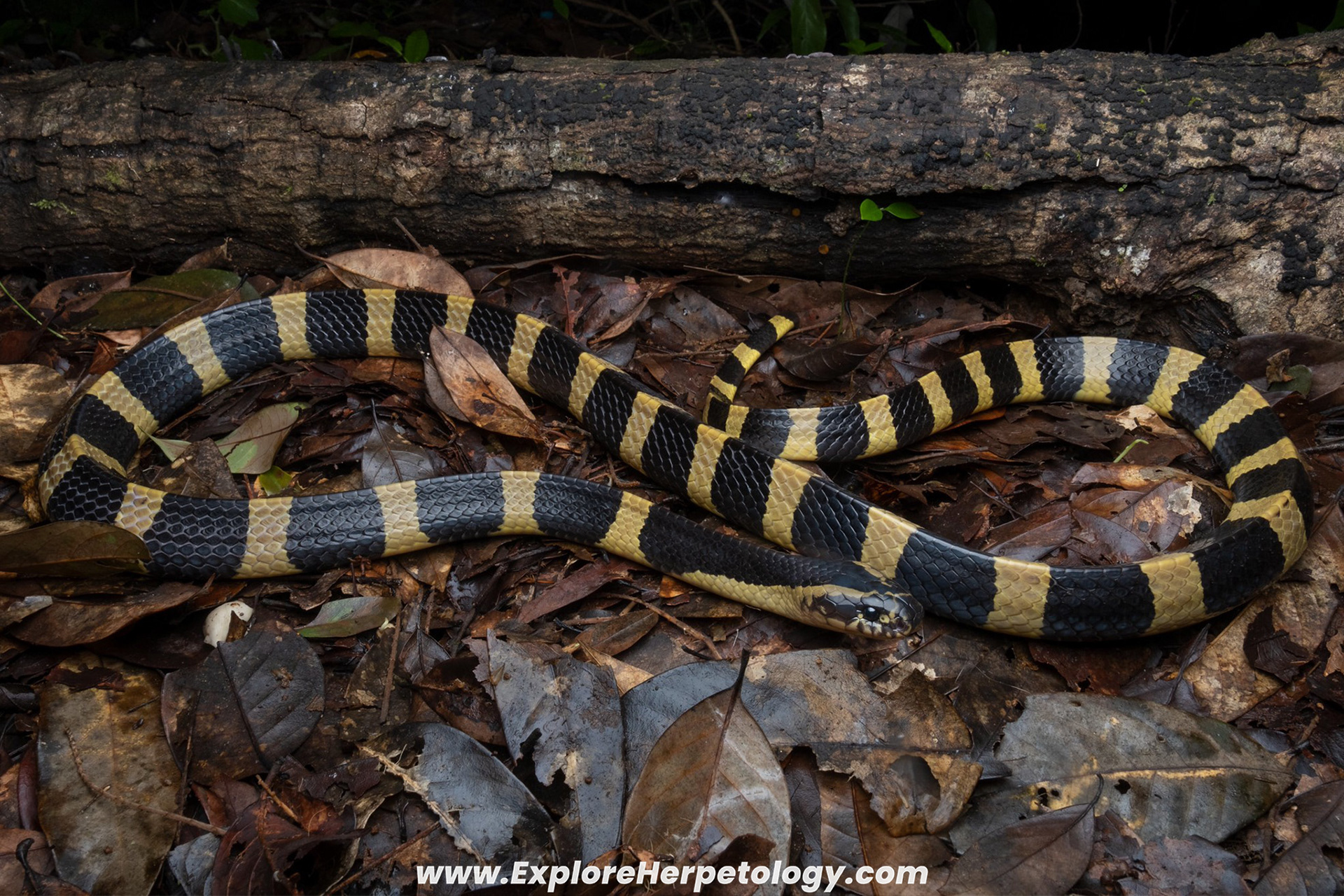
Banded krait (Bungarus annularis).
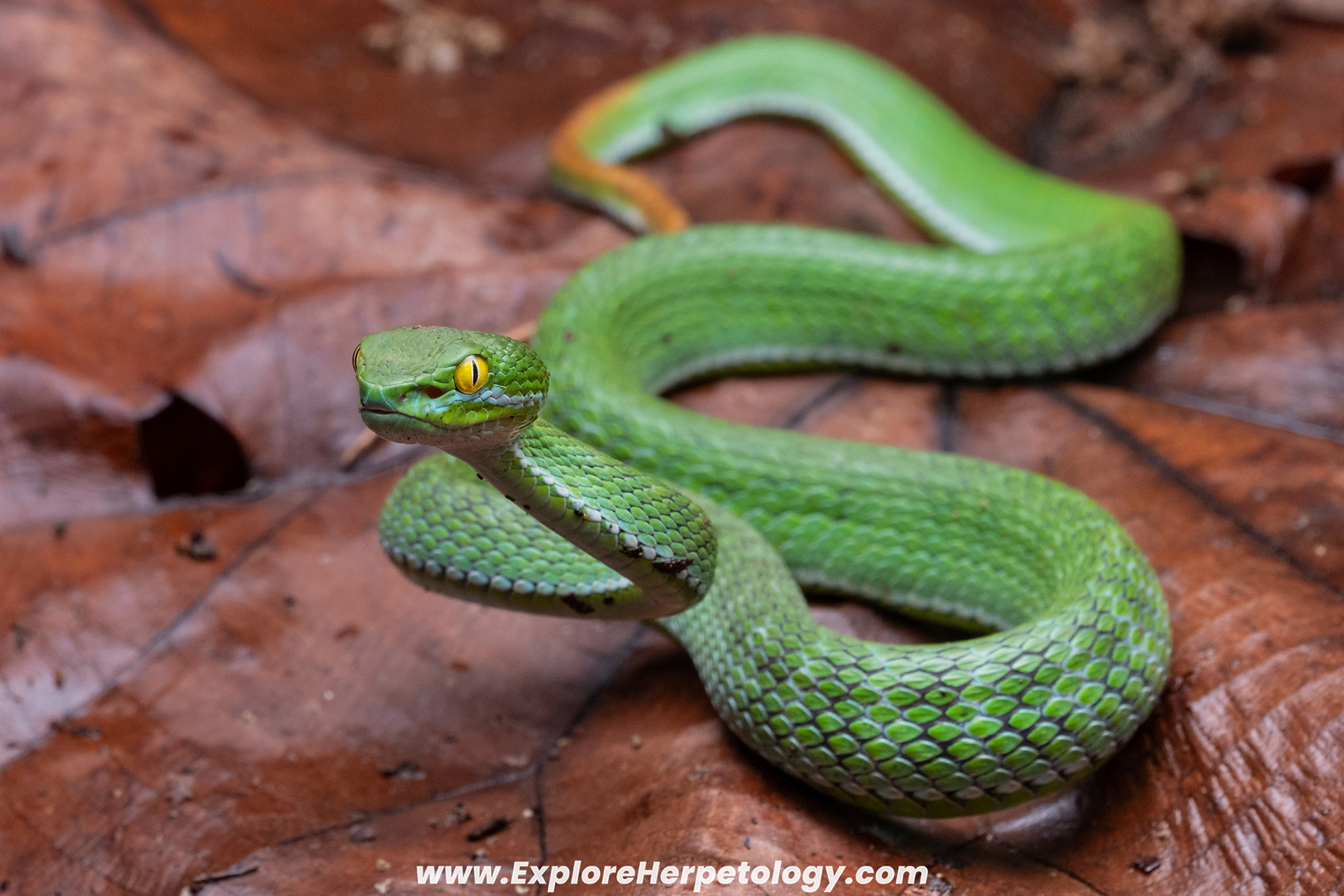
Large-eyed pit viper (Trimeresurus cf. macrops).
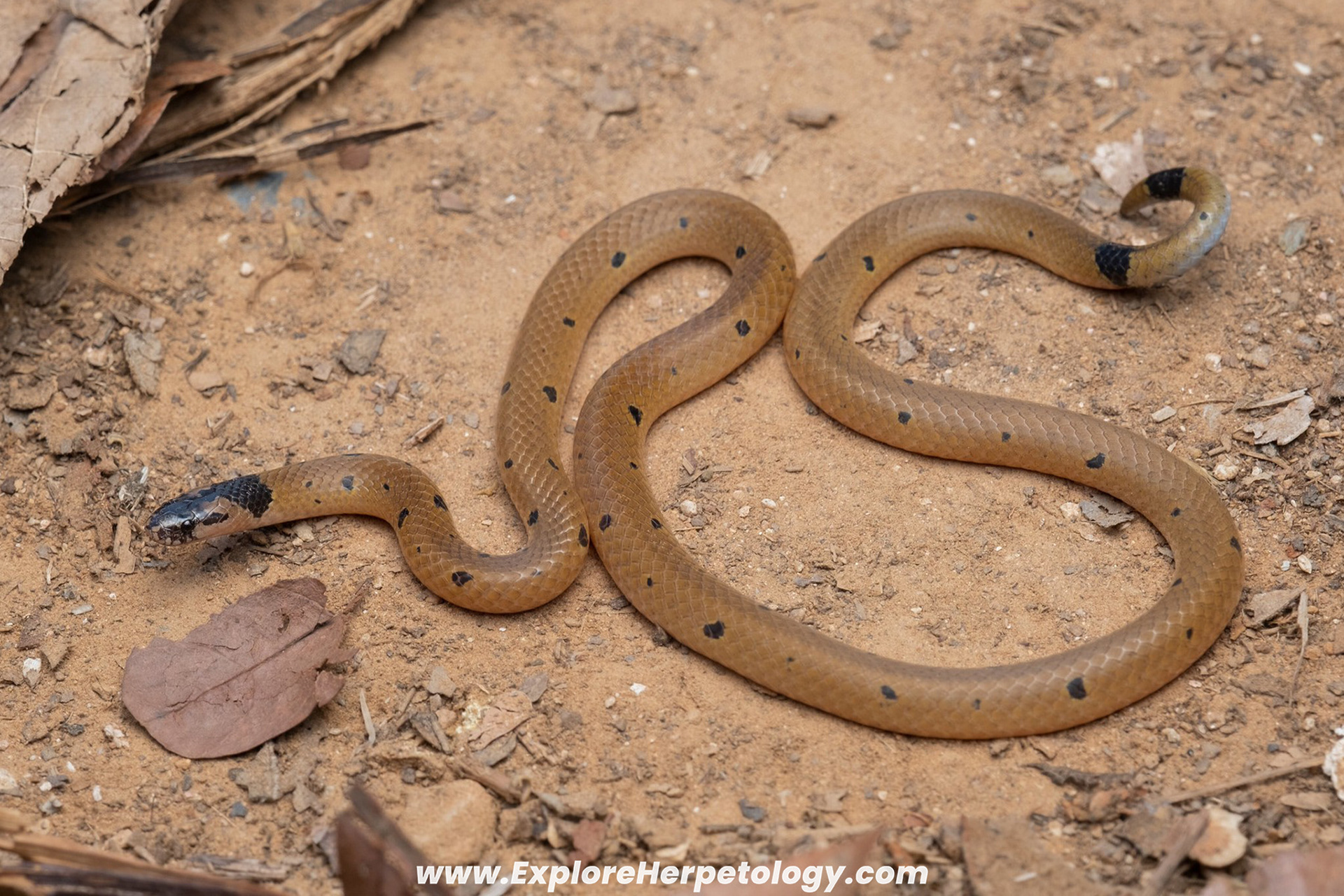
Small-spotted coral snake (Calliophis maculiceps).
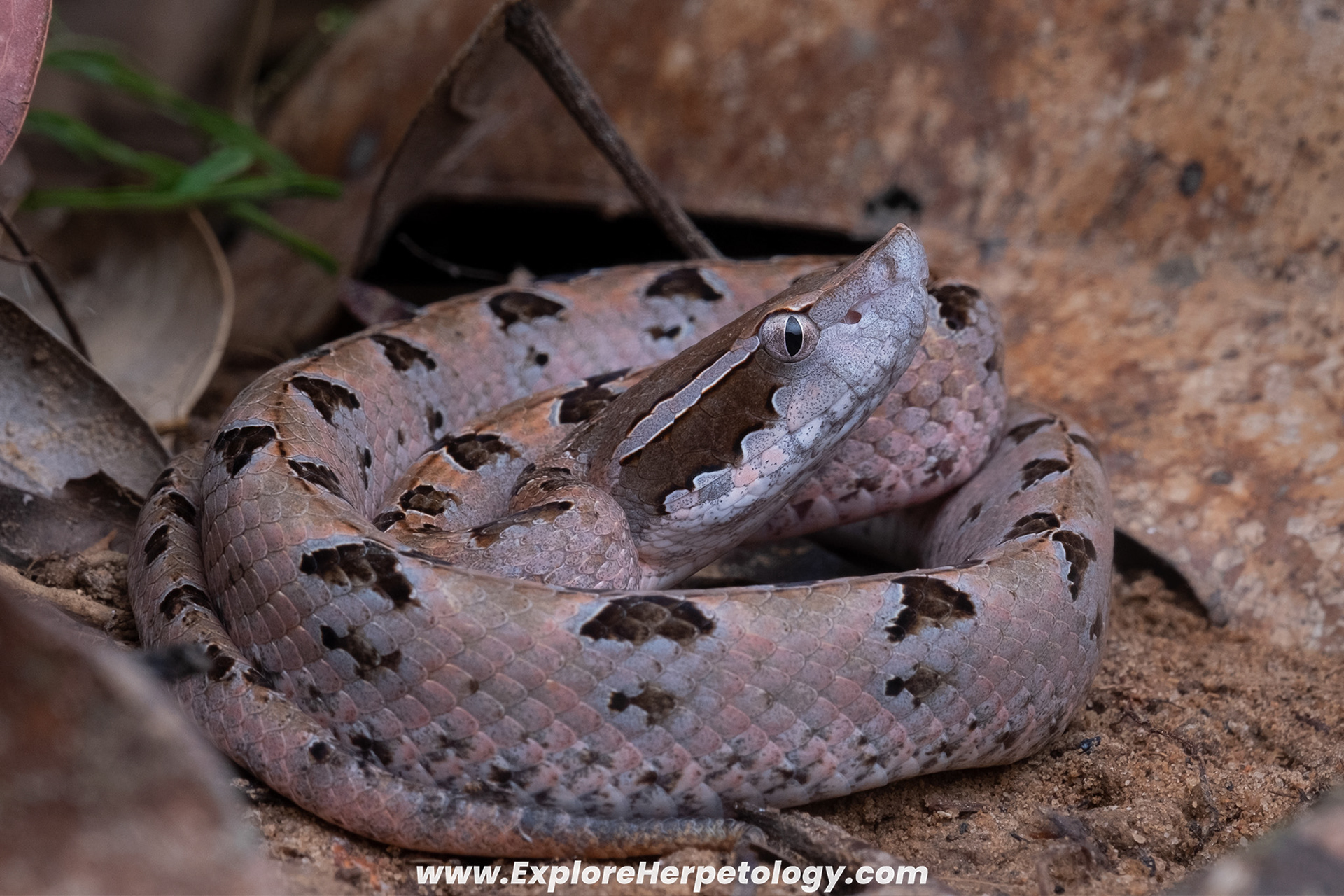
Malayan pit viper (Calloselasma rhodostoma).
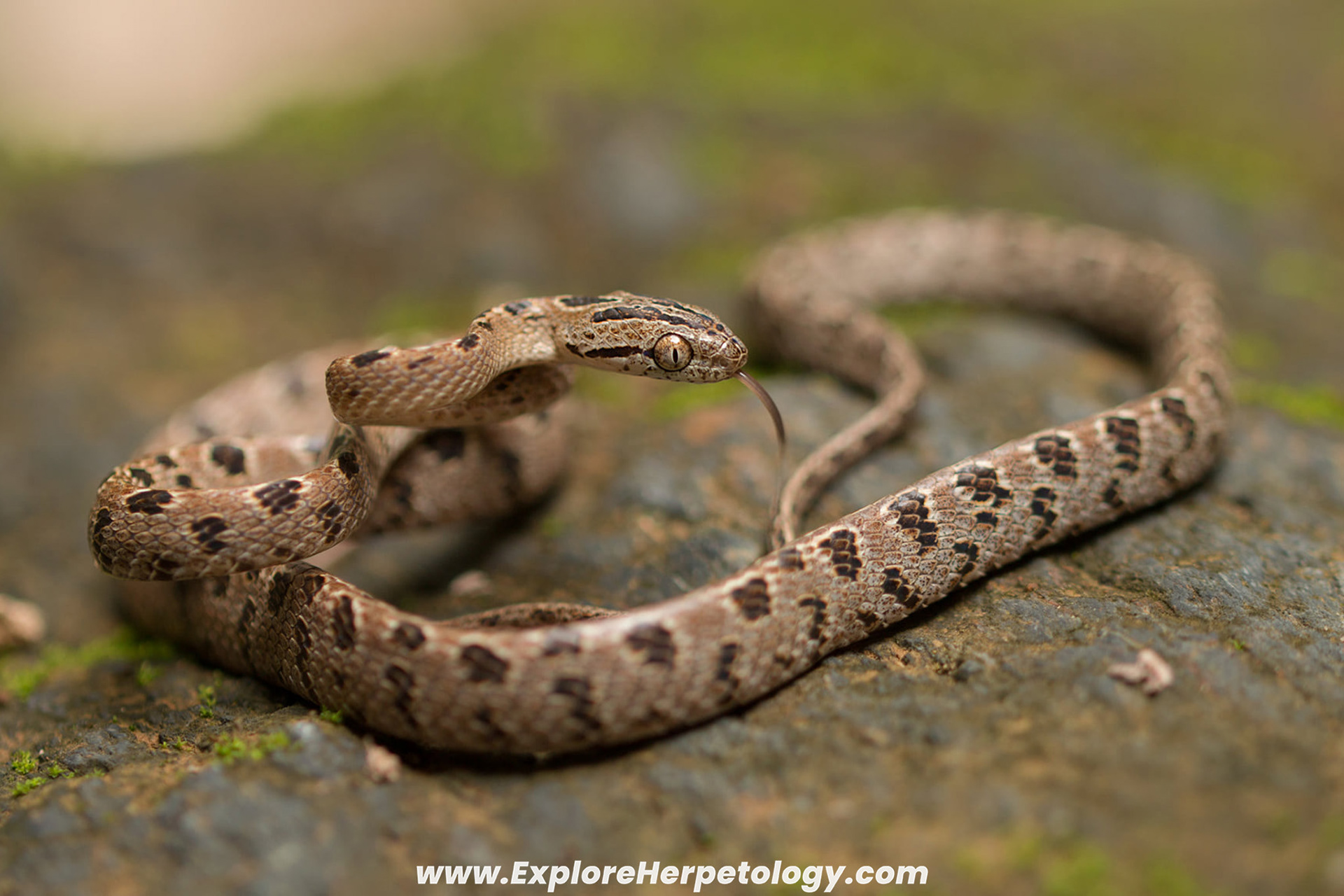
Many-spotted cat snake (Boiga multomaculata).
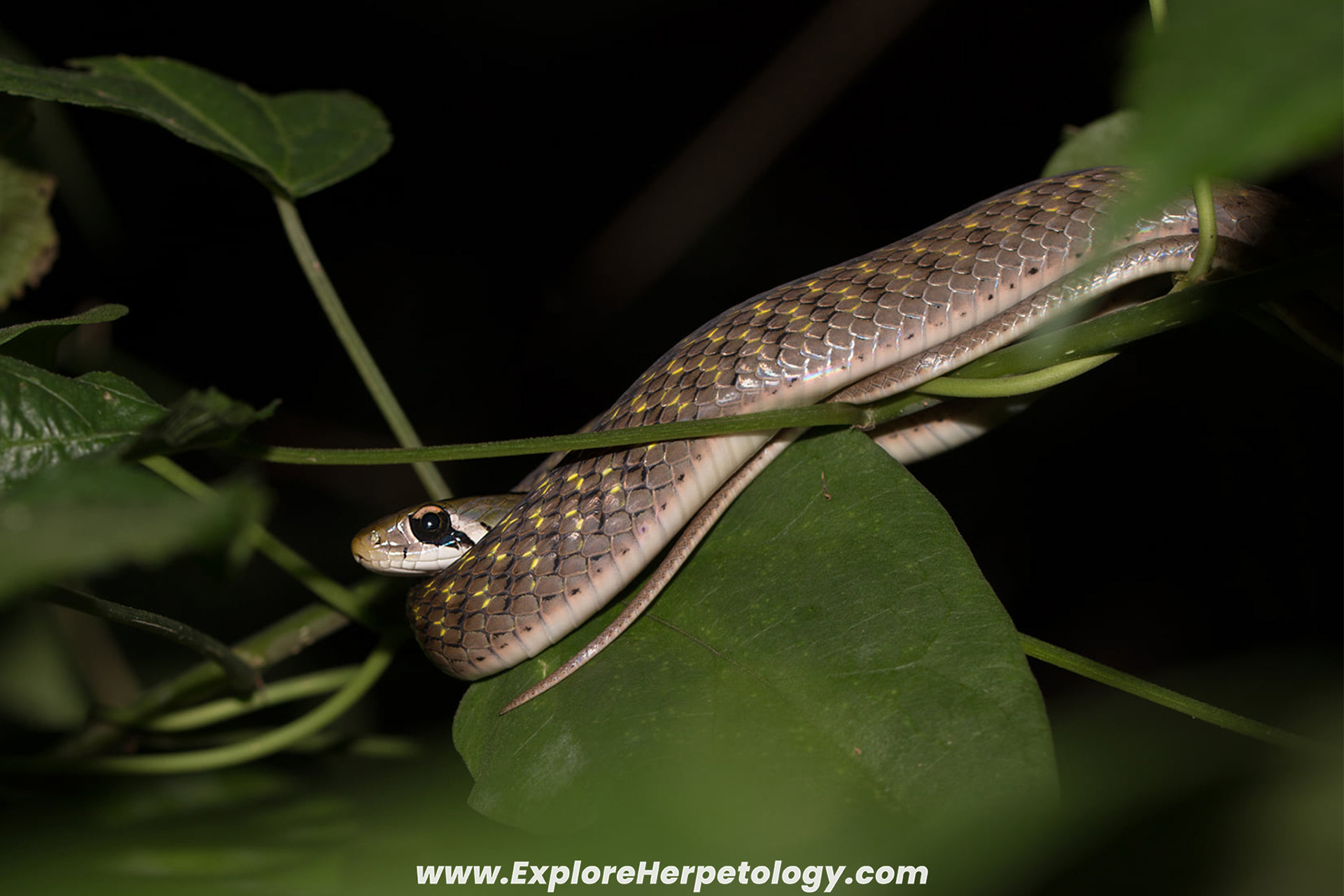
Siamese red-necked keelback (Rhabdophis siamensis).
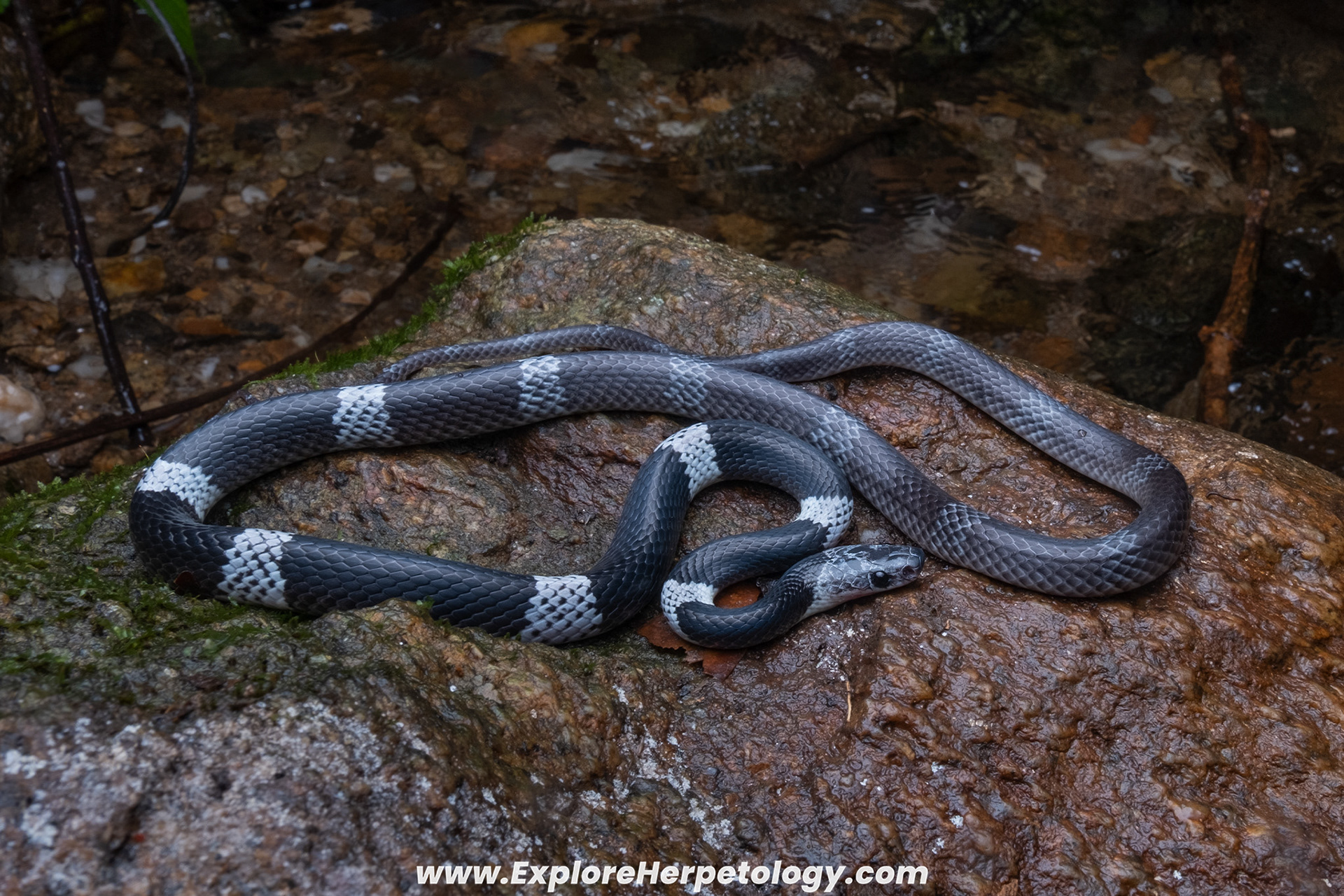
Indo-chinese banded wolf snake (Lycodon neomaculatus).
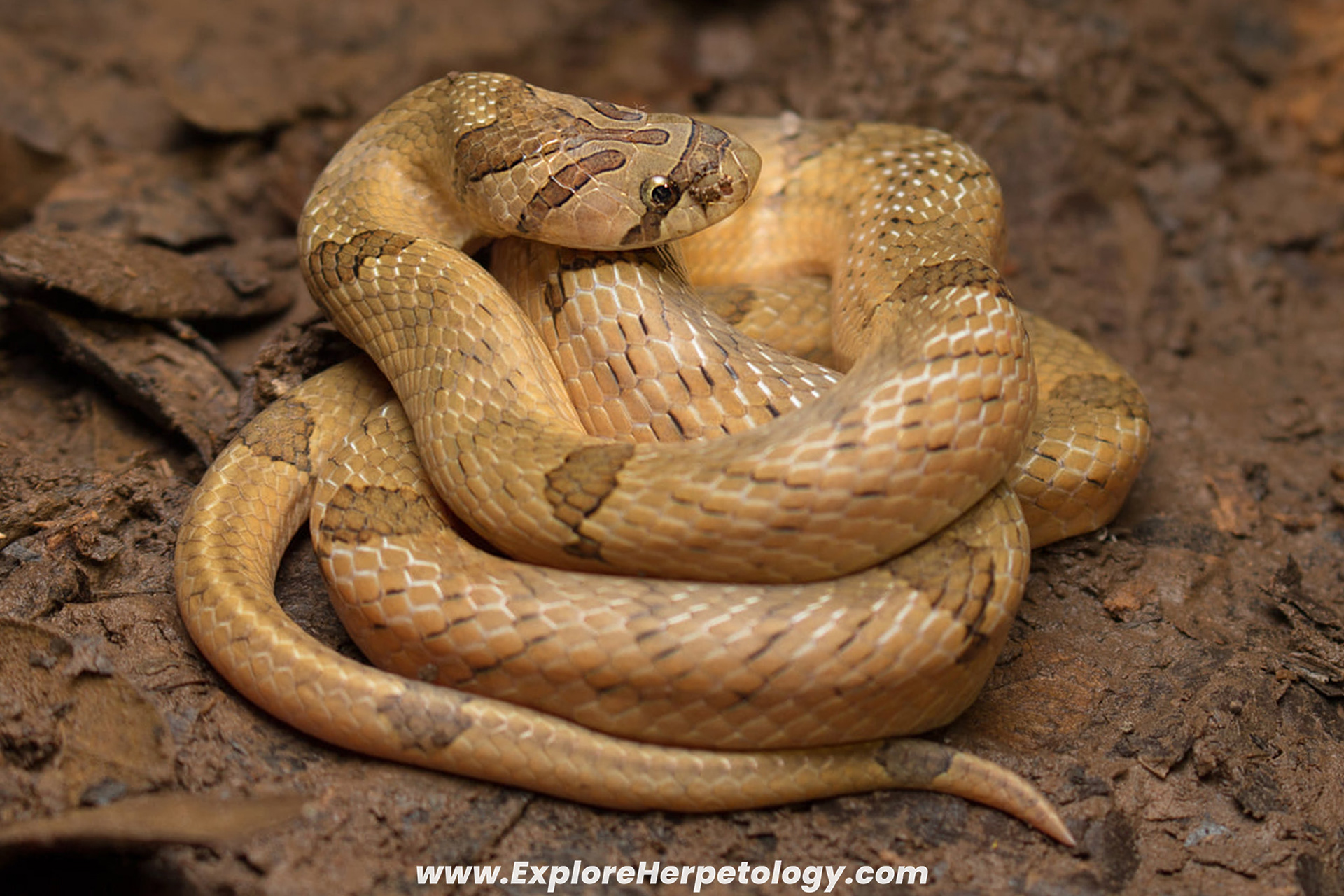
Small-banded kukri snake (Oligodon fasciolatus).
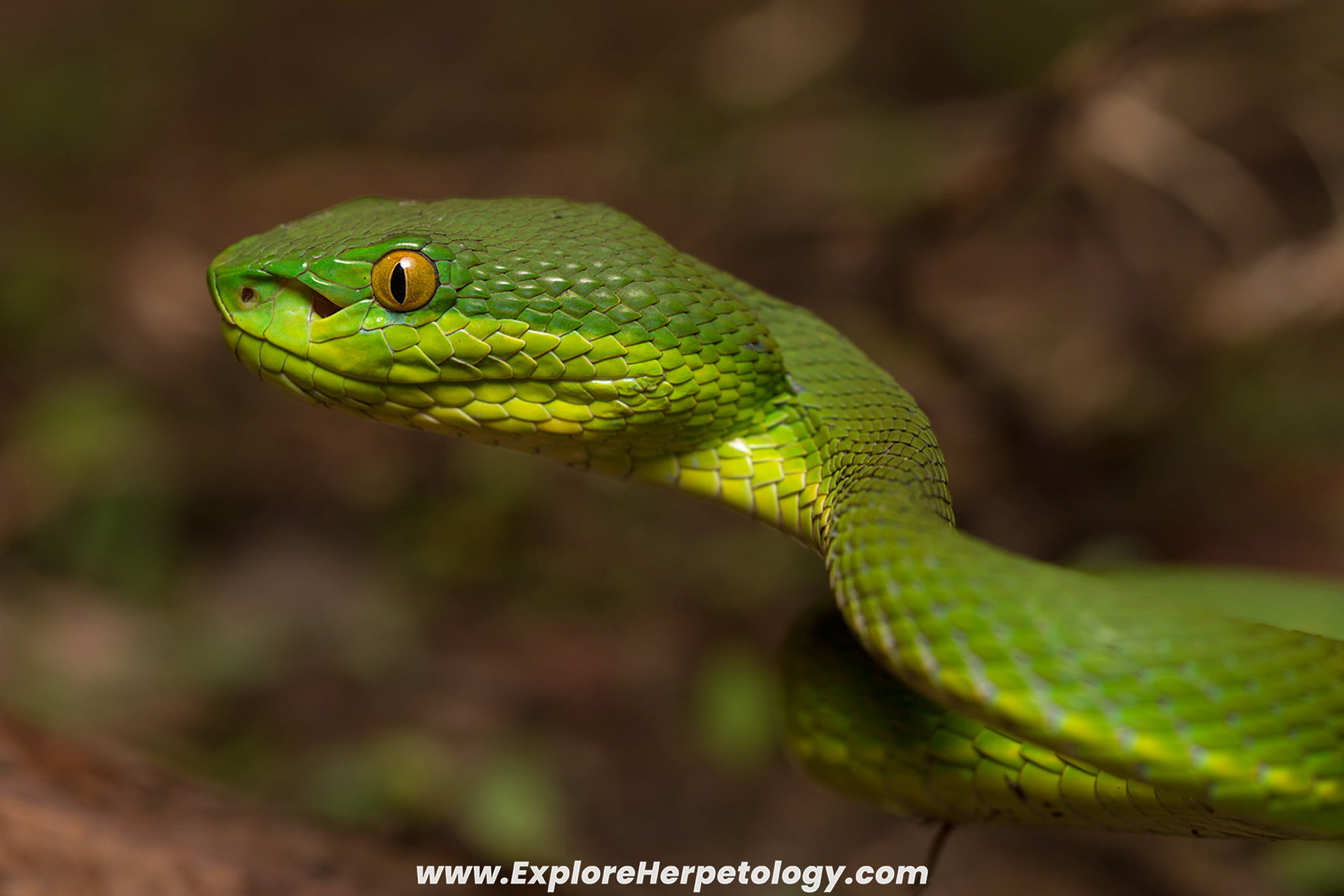
White-lipped pit viper (Trimeresurus albolabris).
Nan (16th - 20th Oct):
Next, we spend 4 nights in Nan province, at our all-time favourite and most productive location in Northern Thailand. We will focus our efforts searching for this area's extremely special species which cannot be seen elsewhere on the expedition. The key targets will be Red River krait (Bungarus slowinskii), Black-striped green rat snake (Ptyas nigromarginata) and Laotian bearded snake (Parafimbrios laos), while we will also put in work for the Yunnan bamboo ratsnake (Oreocryptophis porphyracea pulchra), Eastern mountain pit viper (Ovophis cf. monticola) and many other species of snake. This area has an extremely high density of snakes, and good weather during the daytime and night can result in days with very high density and diversity.
We will also try our best to encounter many other herpetofauna in the area, especially the endemic Phu Kha crocodile salamander (Tylototriton phukhaensis), which we can find if we embark on a moderate-difficulty hike to a nearby mountain summit. We will hope that we will get lucky and encounter Harold Young's supple skink (Lygosoma haroldyoungi) crossing the road, undoubtedly one of the most remarkable lizards in the world. Spending time herping in this area is addictive, with a seemingly limitless list of incredible species to be found at the various elevations. We will stay at our favourite resort in the area, surrounded by forest with streams flowing through the garden. The resort will accommodate us with breakfast and dinner each day.
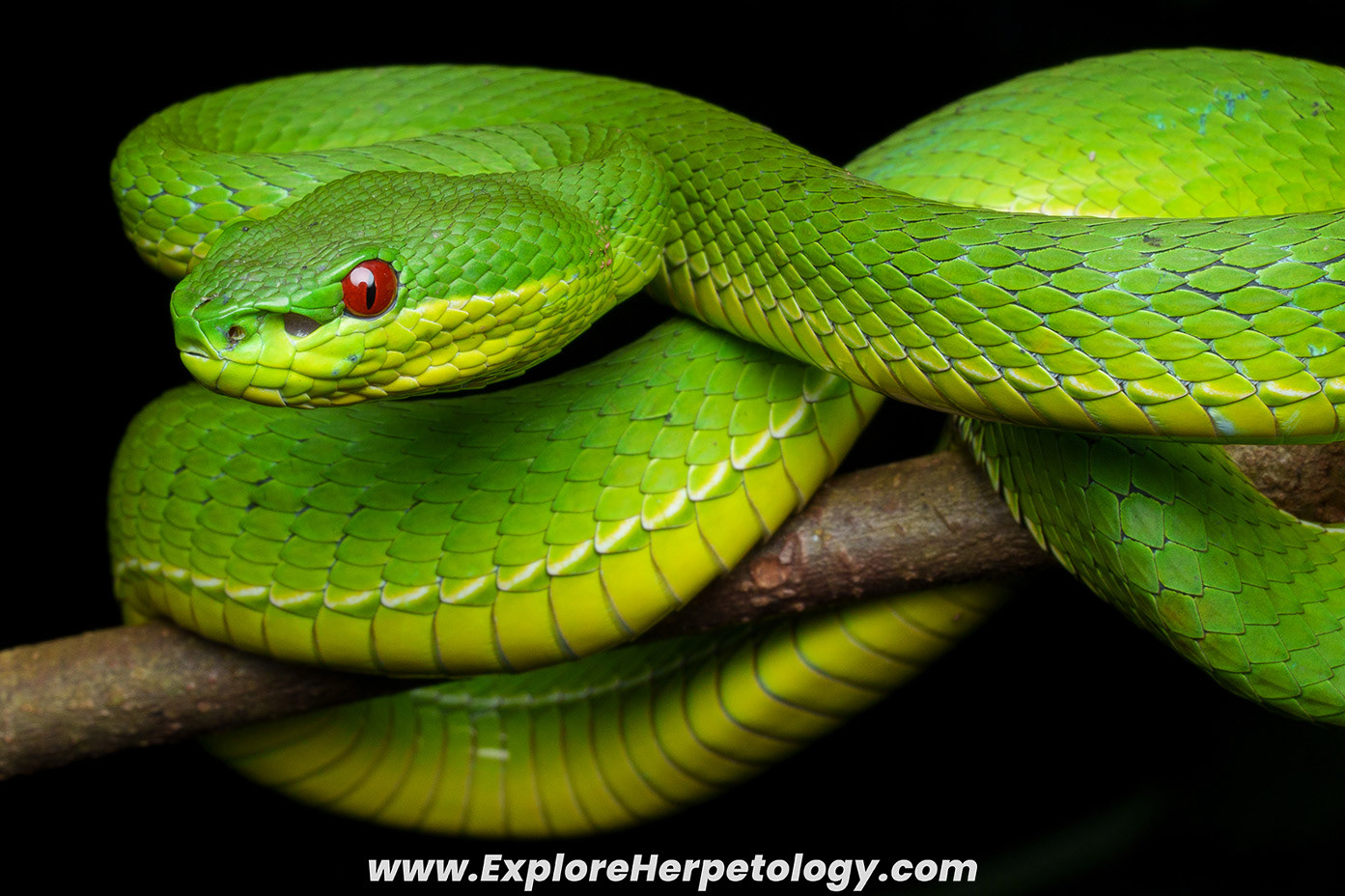
Guoi's pit viper (trimeresurus a. guoi).
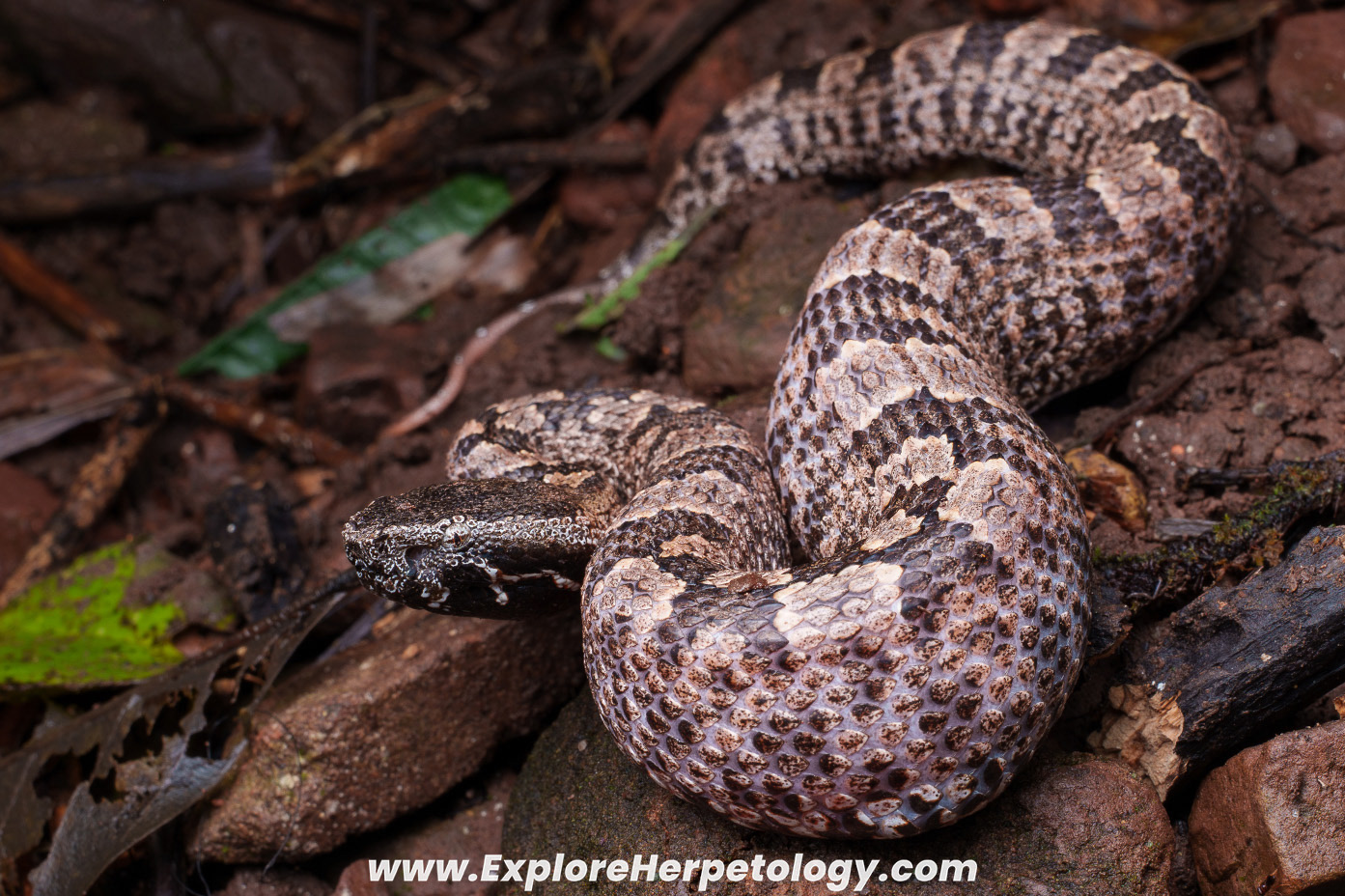
Mountain pit viper (Ovophis cf. monticola).
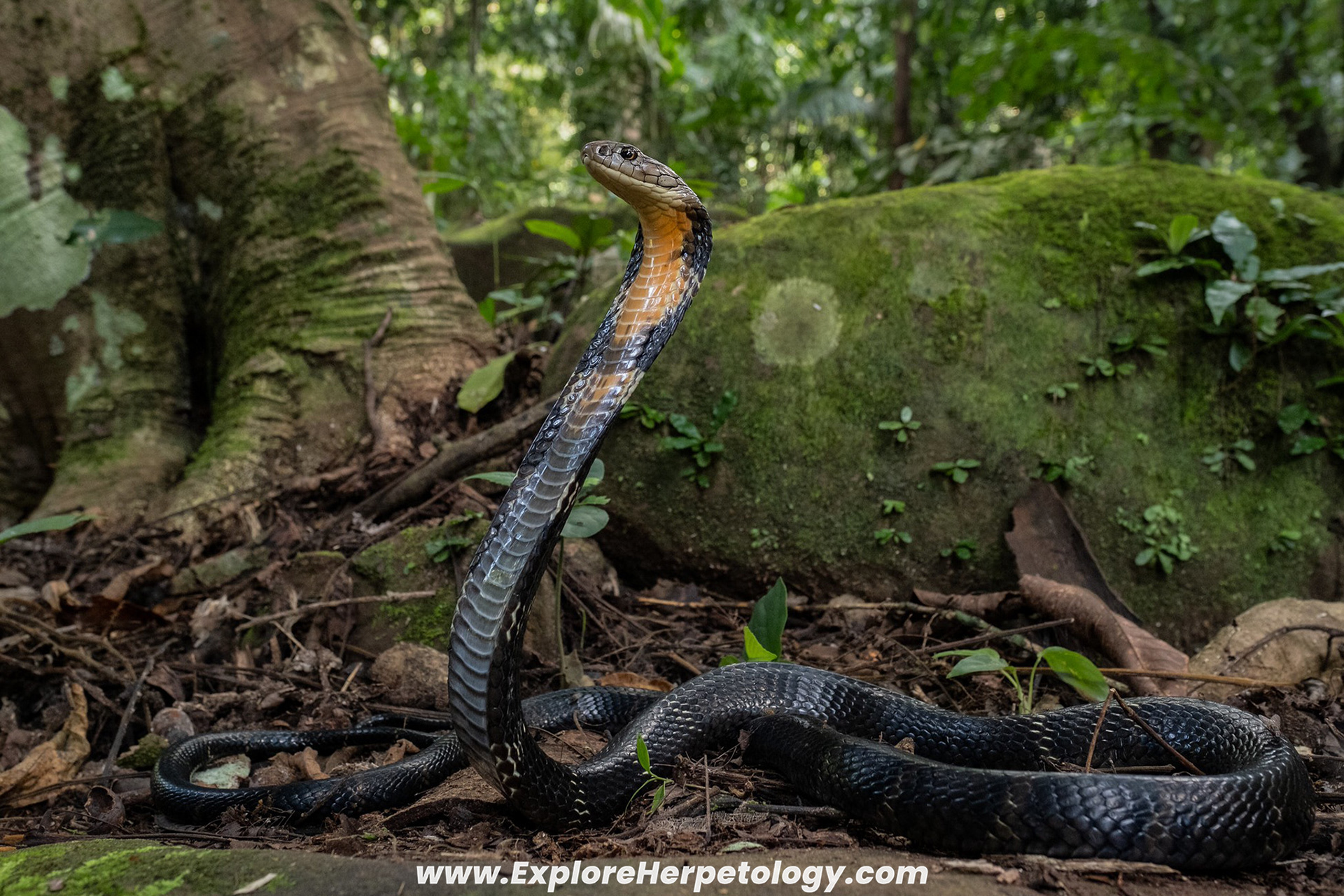
Northern king cobra (Ophiophagus hannah).
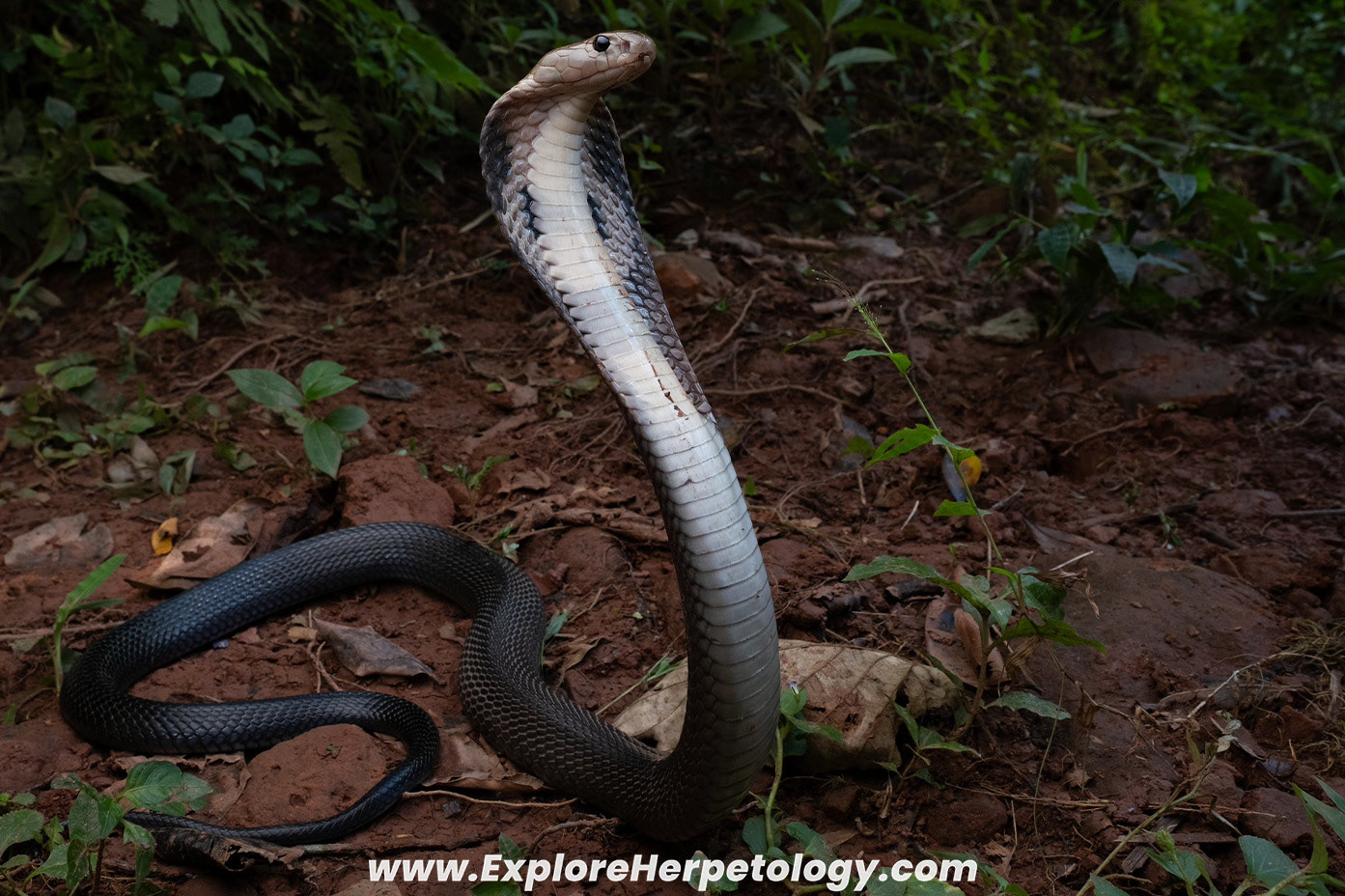
Brown-banded mountain cobra (Naja fuxi).
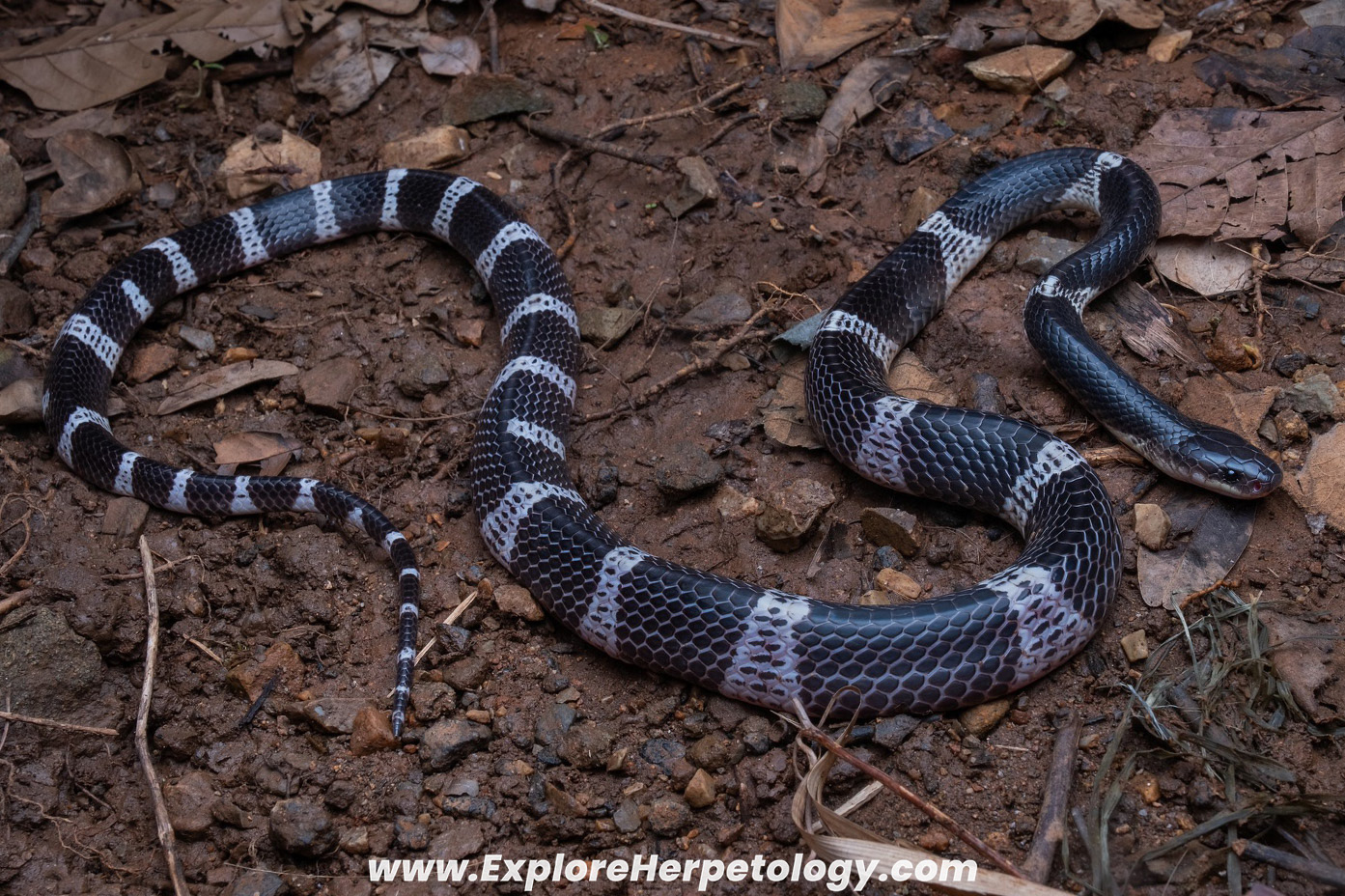
Wanghaoting's krait (Bungarus multicinctus wanghaotingi).
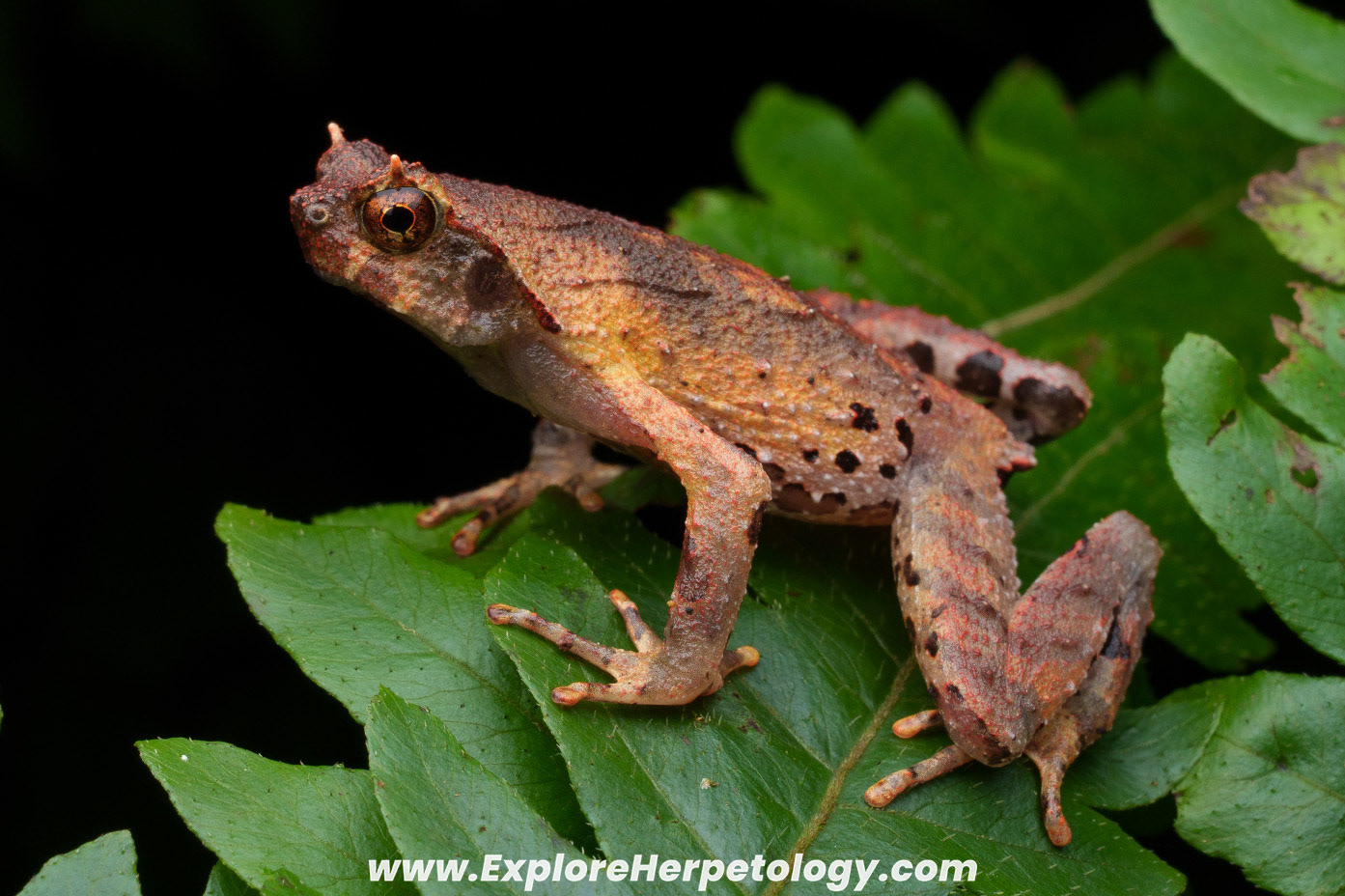
Orphryophryne pachyproctus
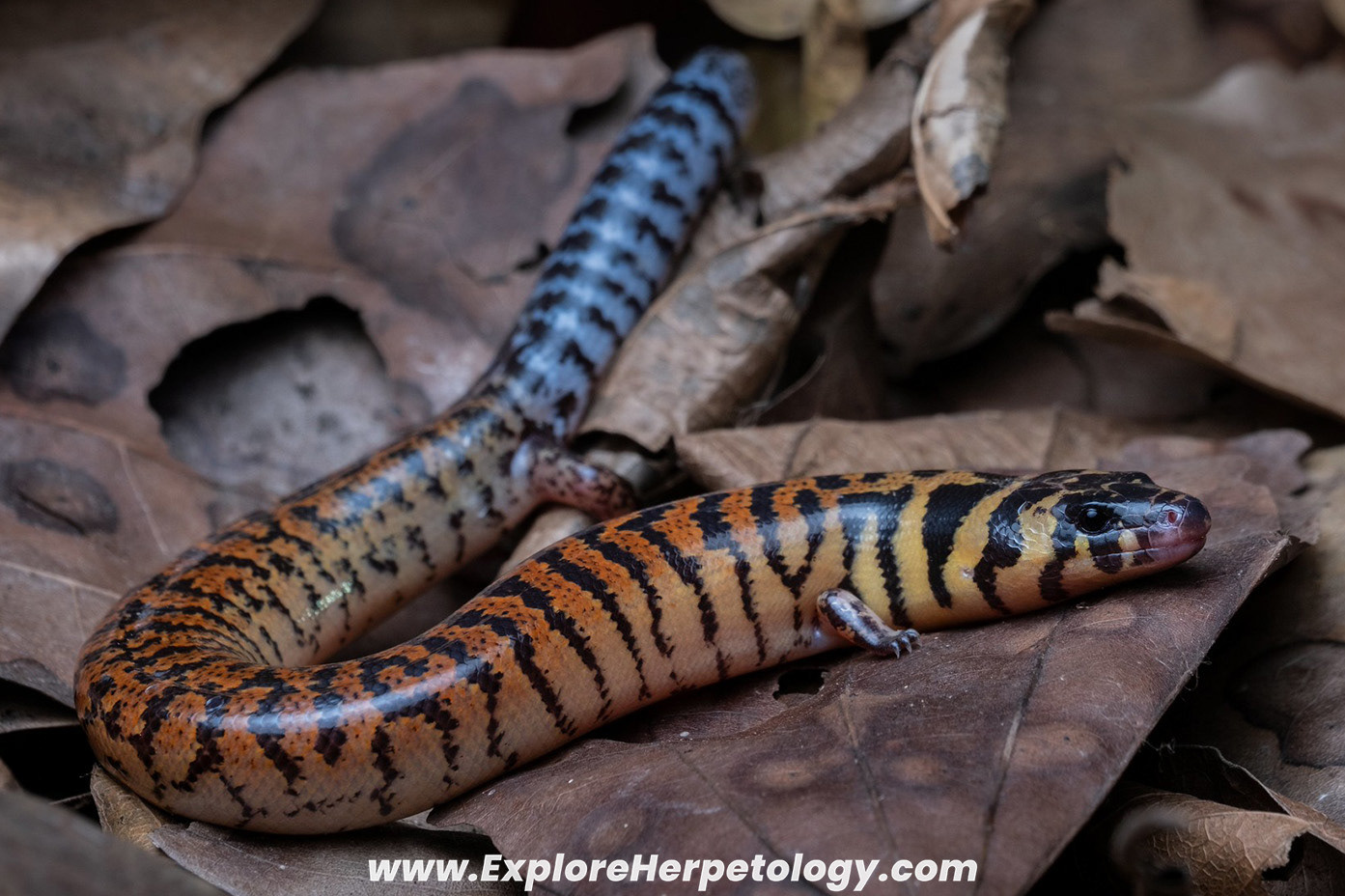
Harold Young's supple skink (Lygosoma haroldyoungi).
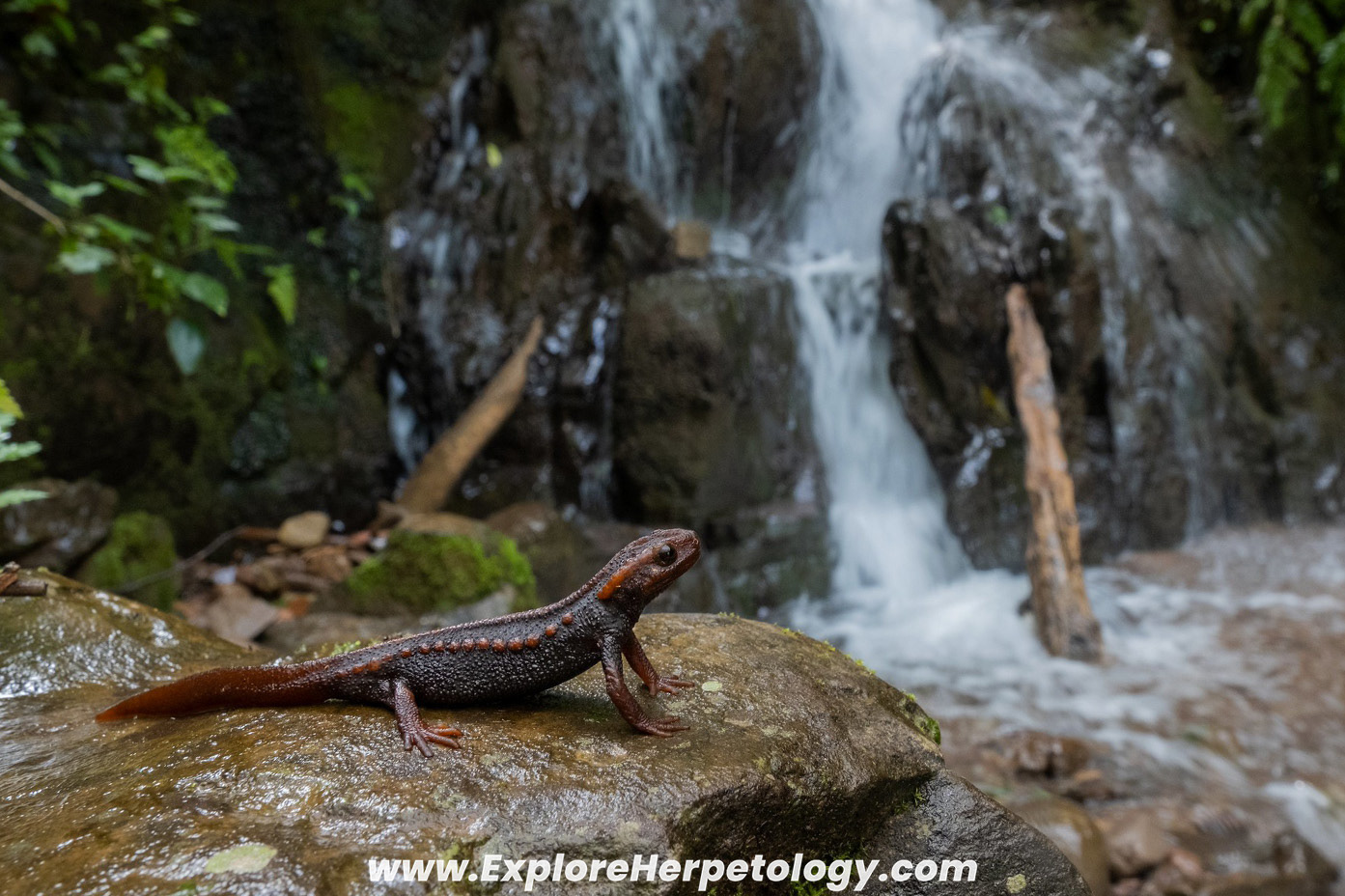
Phu Kha crocodile salamander (Tylototriton phukhaensis).
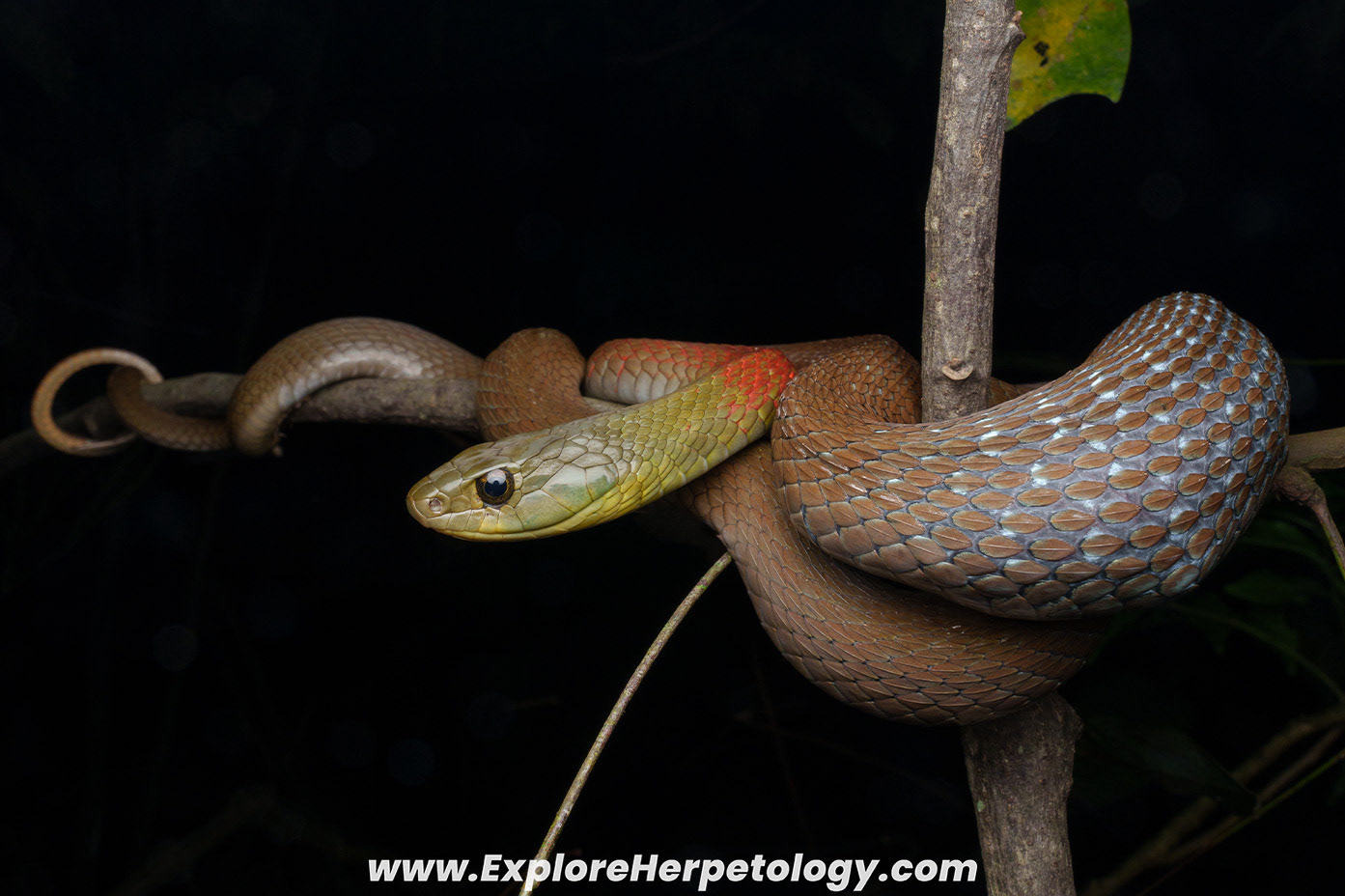
Heller's red-necked keelback (Rhabdophis helleri).
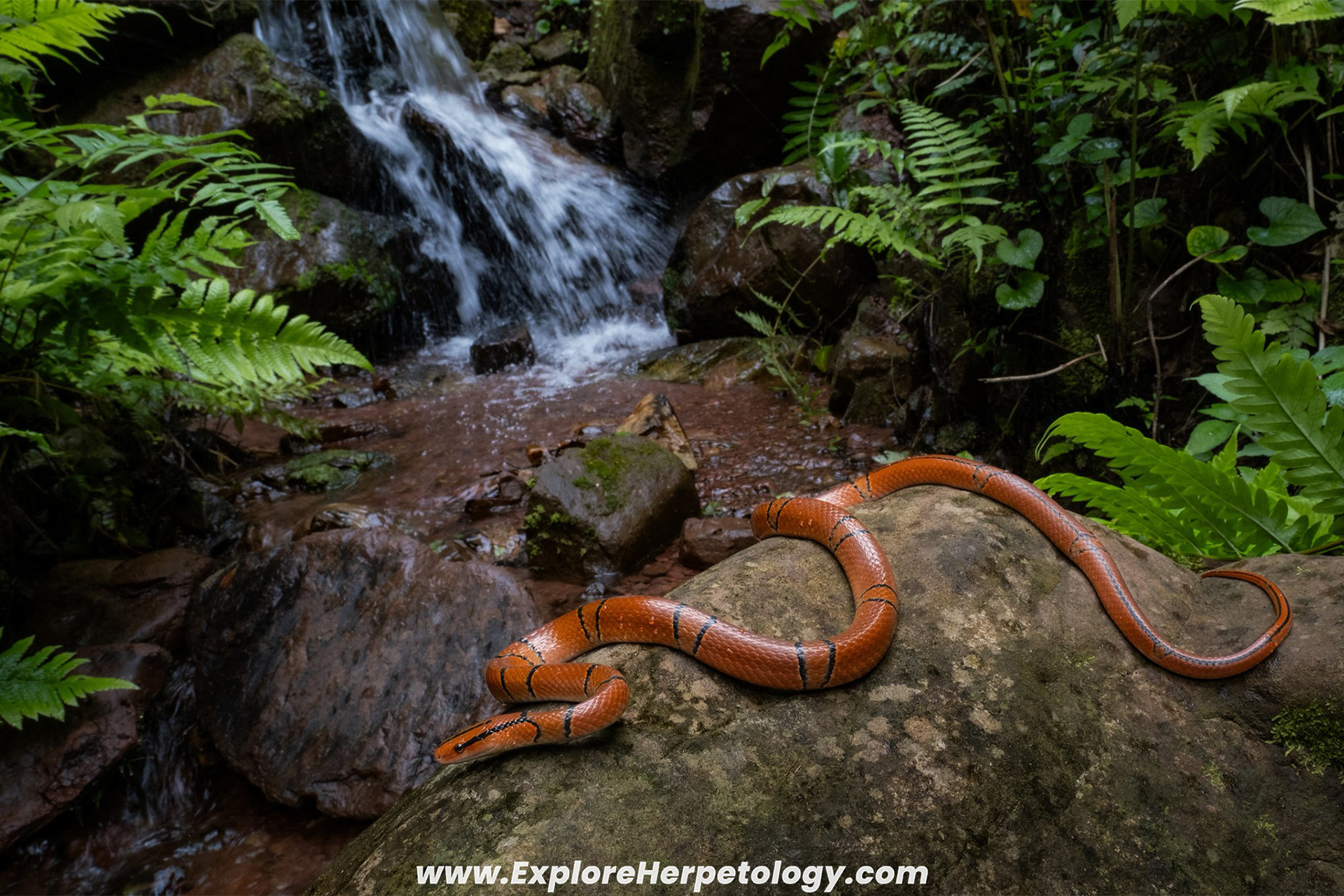
Yunnan red bamboo ratsnake (Oreocryptophis p. pulchra).
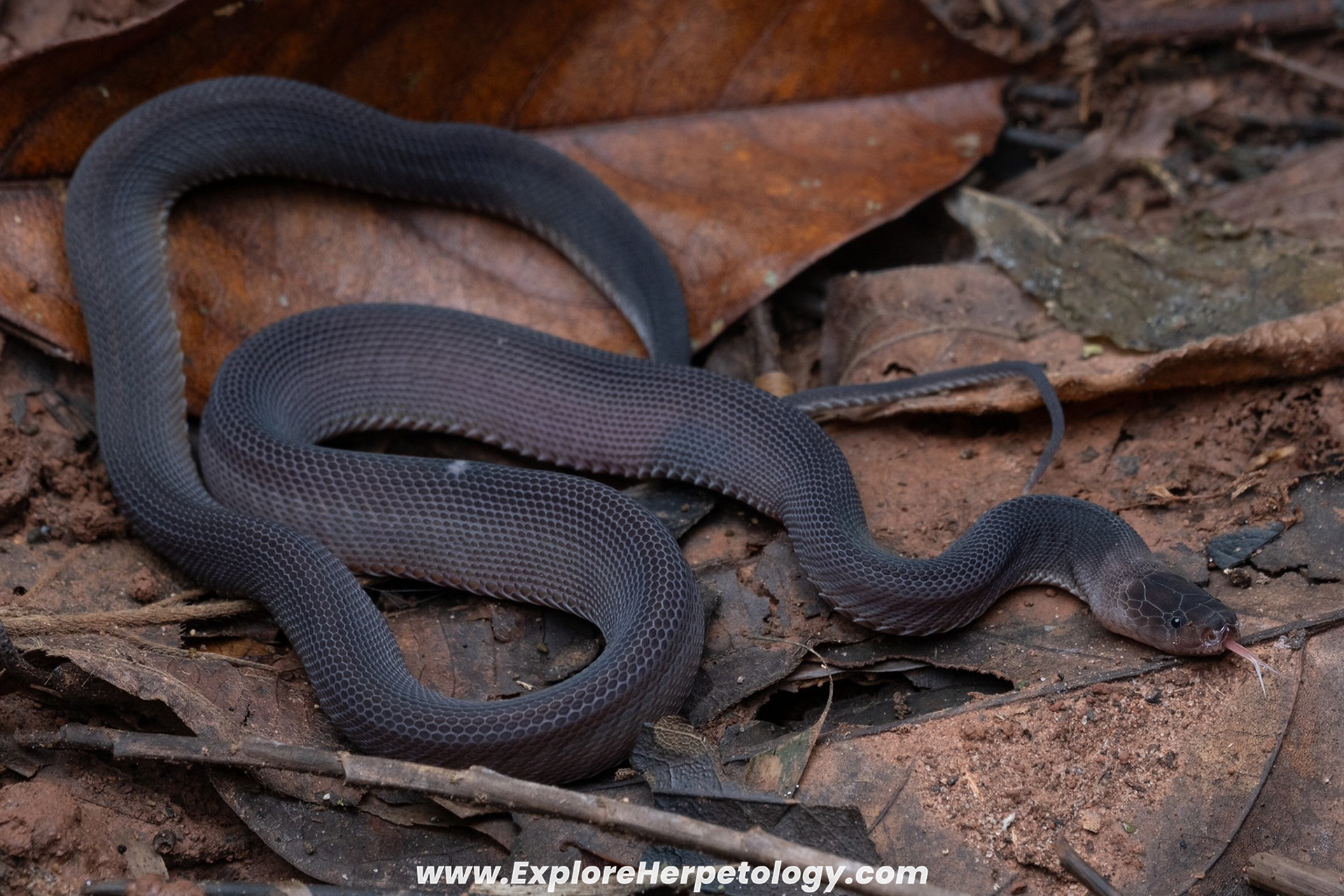
Laotian bearded snake (Parafimbrios lao).
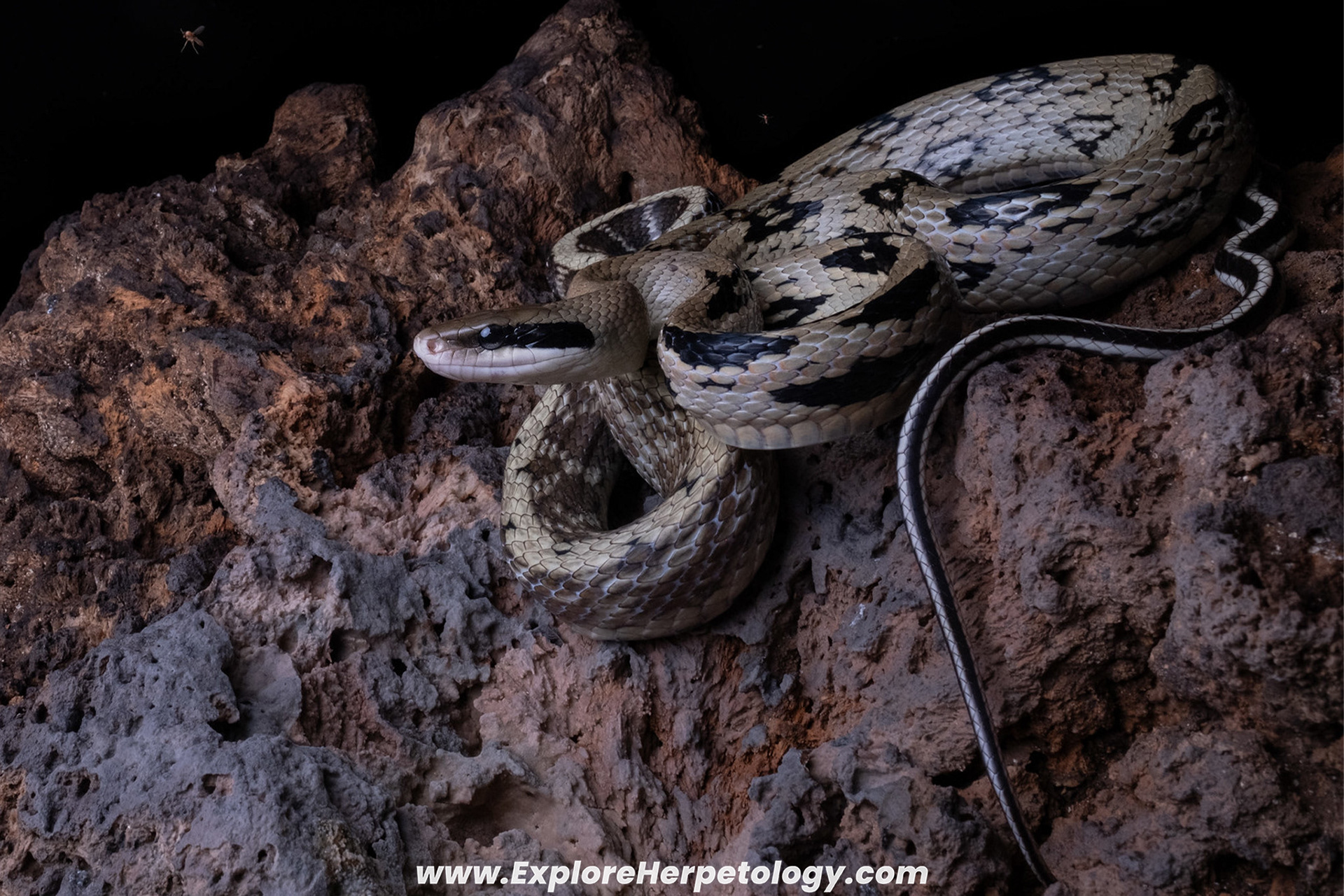
Yunnan beauty ratsnake (Elaphe taeniura yunnanensis).
Chiang Mai & Doi Inthanon:
After an intense 10 days of traveling and herping, we will arrive in Chiang Mai and enjoy a more relaxed evening. We will have dinner in town, and those who are keen can join us herping around near Chiang Mai city. The following day, we will drive a short distance to Doi Inthanon, the tallest mountain in Thailand, and set up for the final 2 days of the trip. Although there are no snakes at the summit, we will visit Thailand's highest peak and experience some very cold weather and low oxygen for a few minutes, before focusing our efforts on the submontane forest slopes for the remainder of our stay.
As we are now on the western side of Northern Thailand, there are several new targets in this area: We will try our best to find the third and final subspecies of red bamboo ratsnake, this time the nominate Oreocryptophis porphyracea porphyracea. Beyond this, the very rare Kutkai keelback (Hebius bitaeniatum) can be found here, along with Deschauensee's keelback (Hebius deschauenseei) and the Western mountain pit viper (Ovophis monticola). There are many ponds where we can search for the Chiang Mai crocodile salamander (Tylototriton uyenoi) and the giant flying frog (Zhangixalus feae) regularly breeds, while some of the upper-elevation trails give us the chance to see both canopy-dwelling false-bloodsucker species, Pseudocalotes khakhienensis and Pseudocalotes microlepis.
We will stay in bungalows situated in cool-weather highland rainforest, and do both hiking and road-cruising to search for our targets. There are many waterfalls, trails and quiet roads to explore, making Doi Inthanon a beautiful and very fun area for some laid-back yet highly productive herping on our last 2 days. We will return to Chiang Mai on the 23rd October.
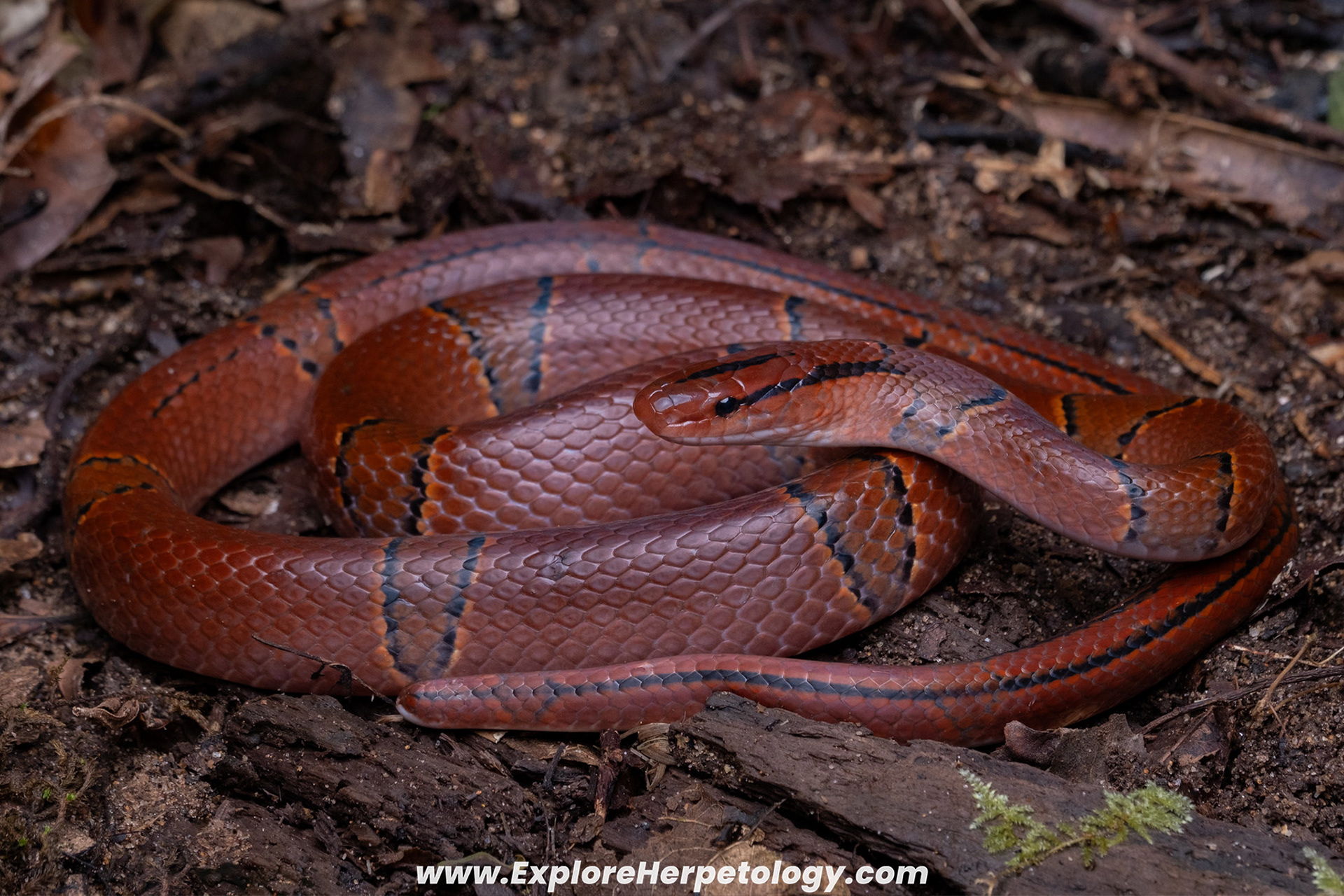
Red bamboo ratsnake (Oreocryptophis porphyracea).
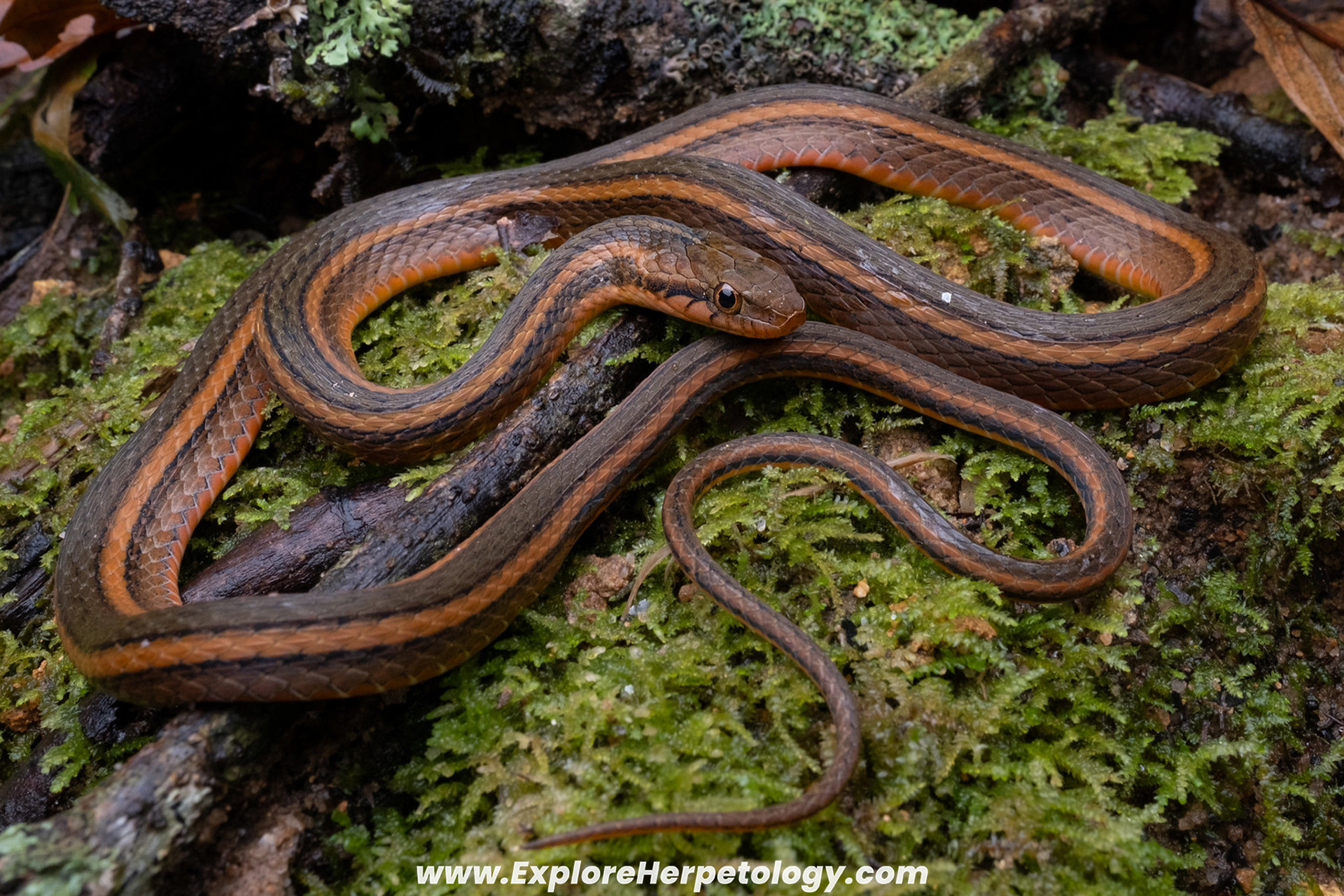
Kutkai keelback (Hebius bitaeniatum).
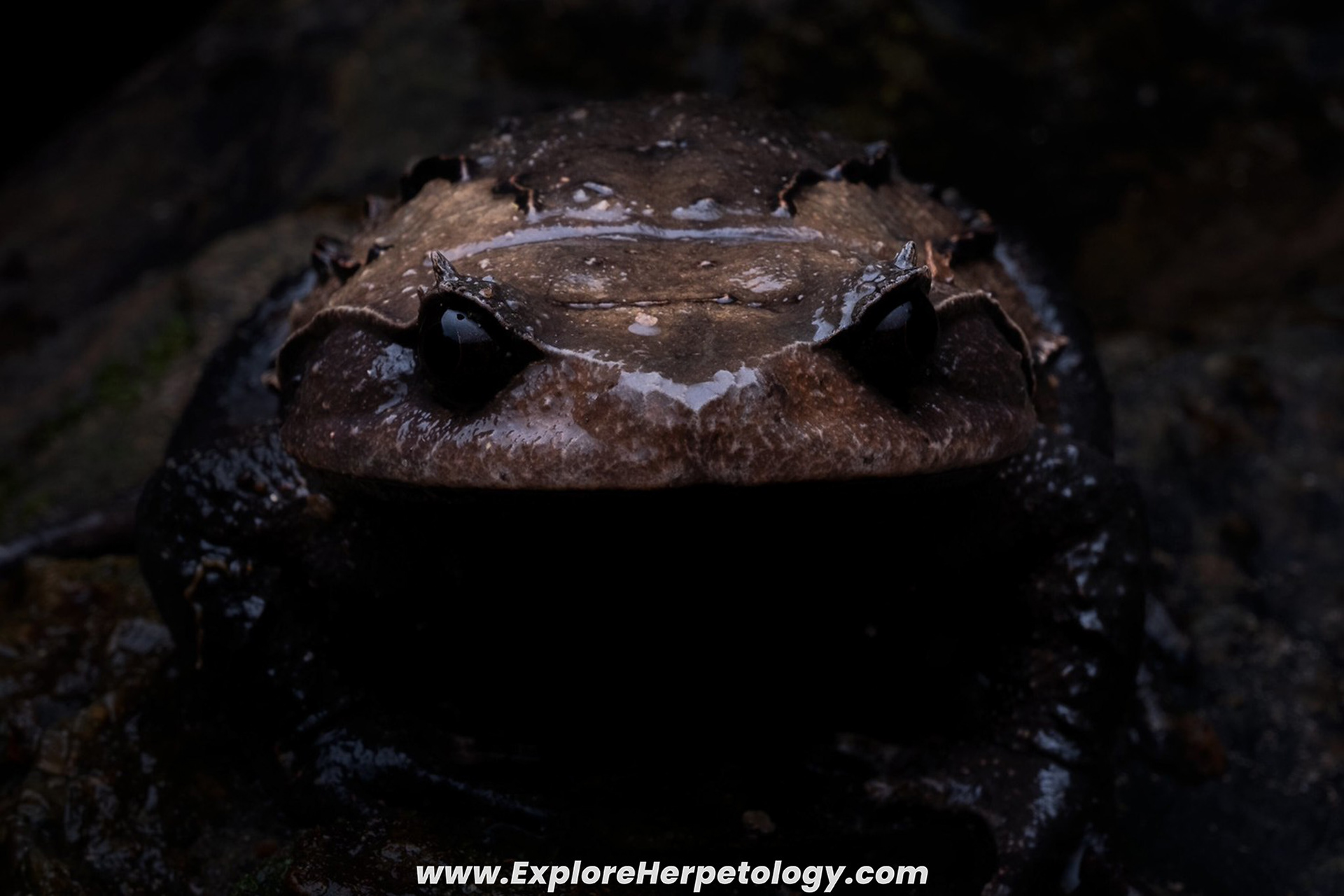
Feae's horned toad(Brachytarsophrys feae).
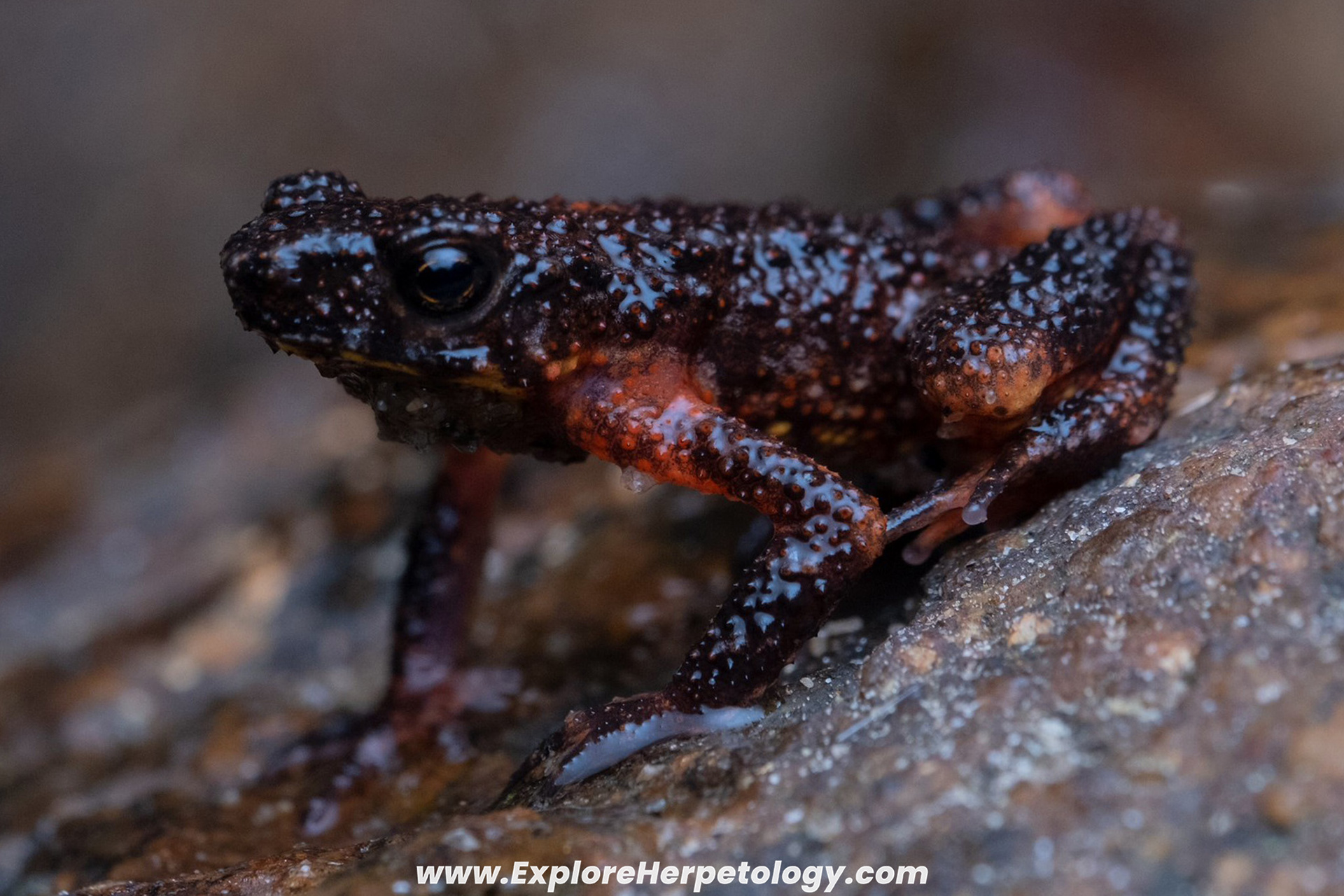
Inthanon stream toad (Ansonia inthanon).
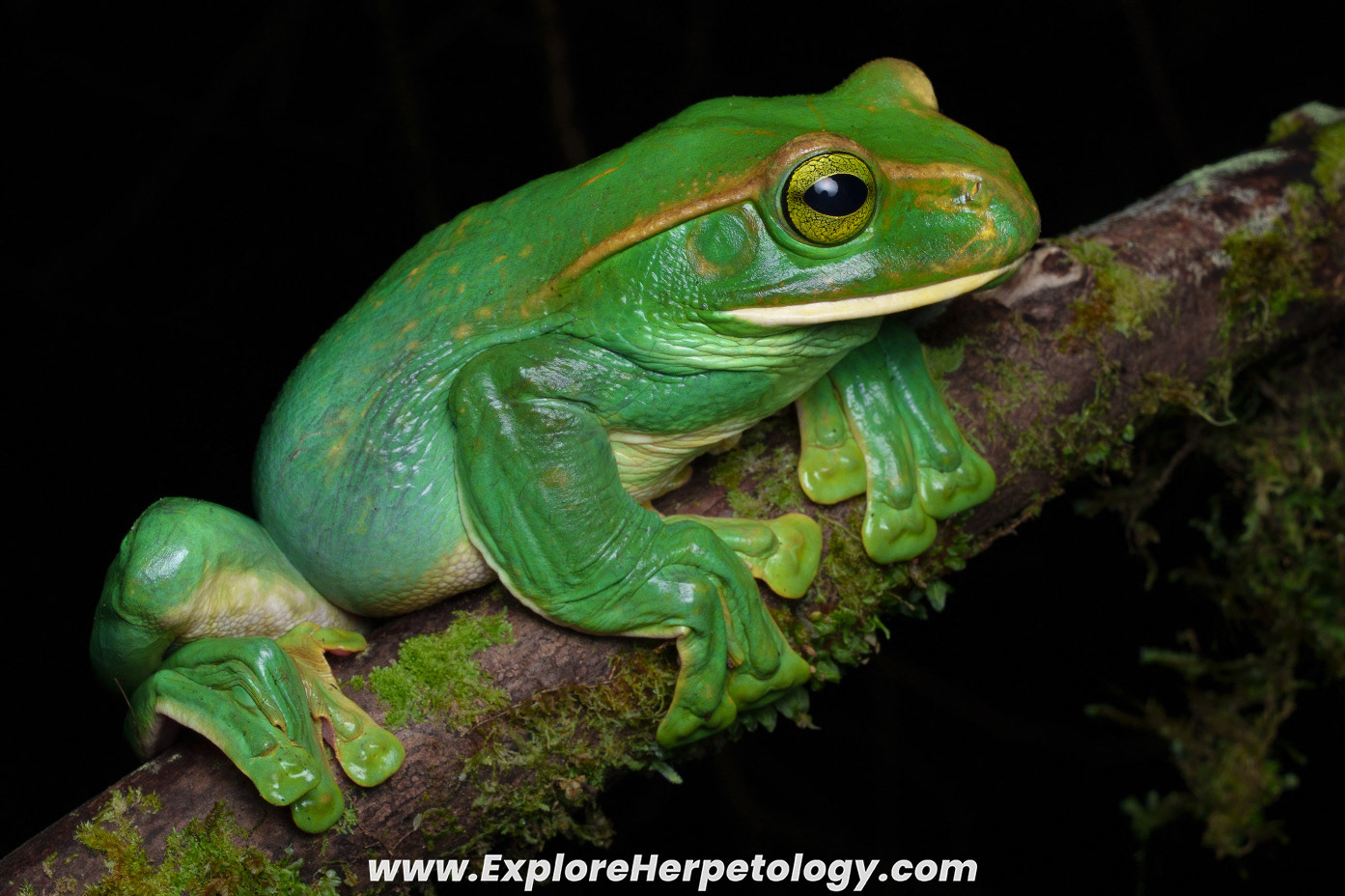
Giant flying frog (Zhangixalus feae)
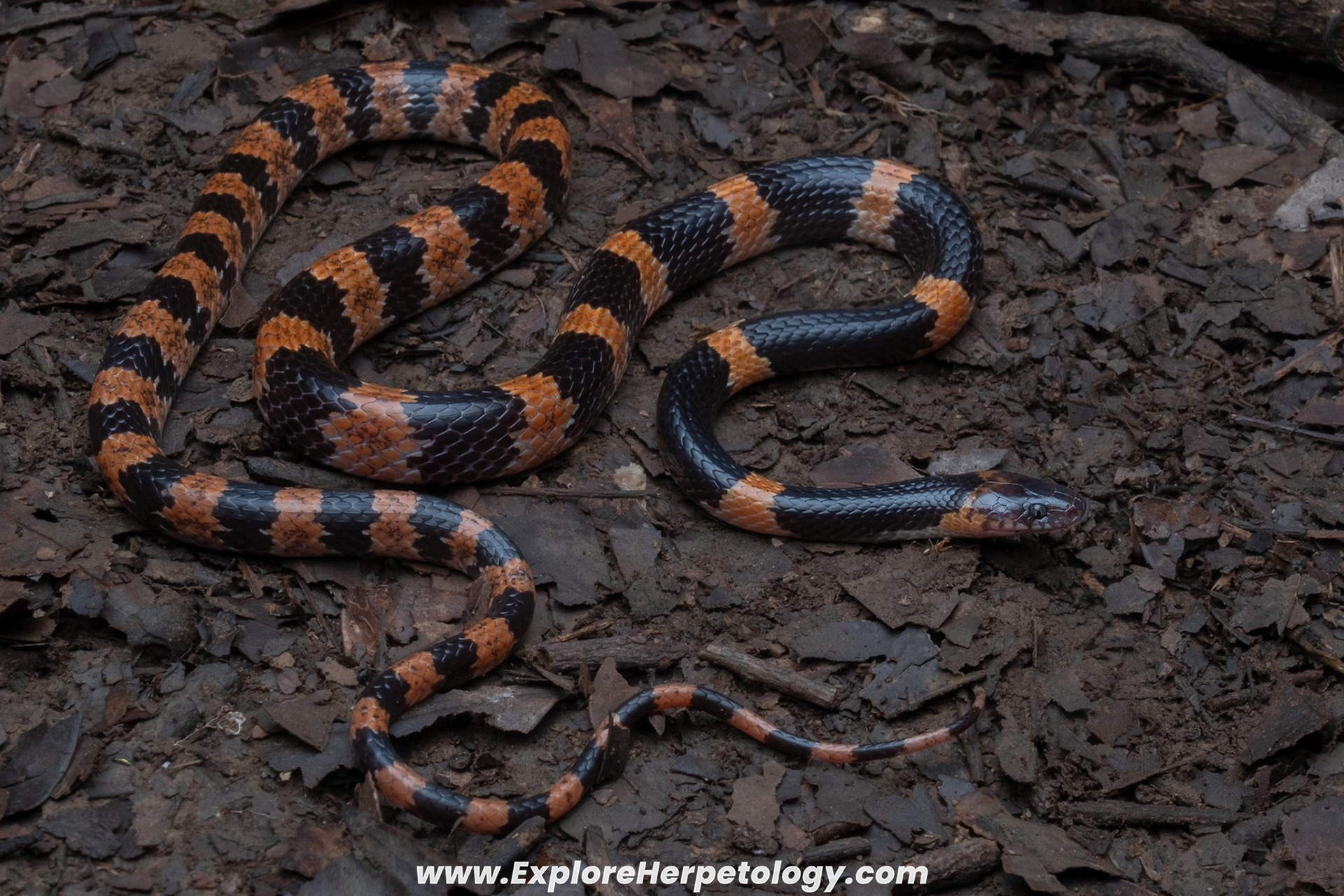
Banded wolf snake (Lycodon fasciatus).
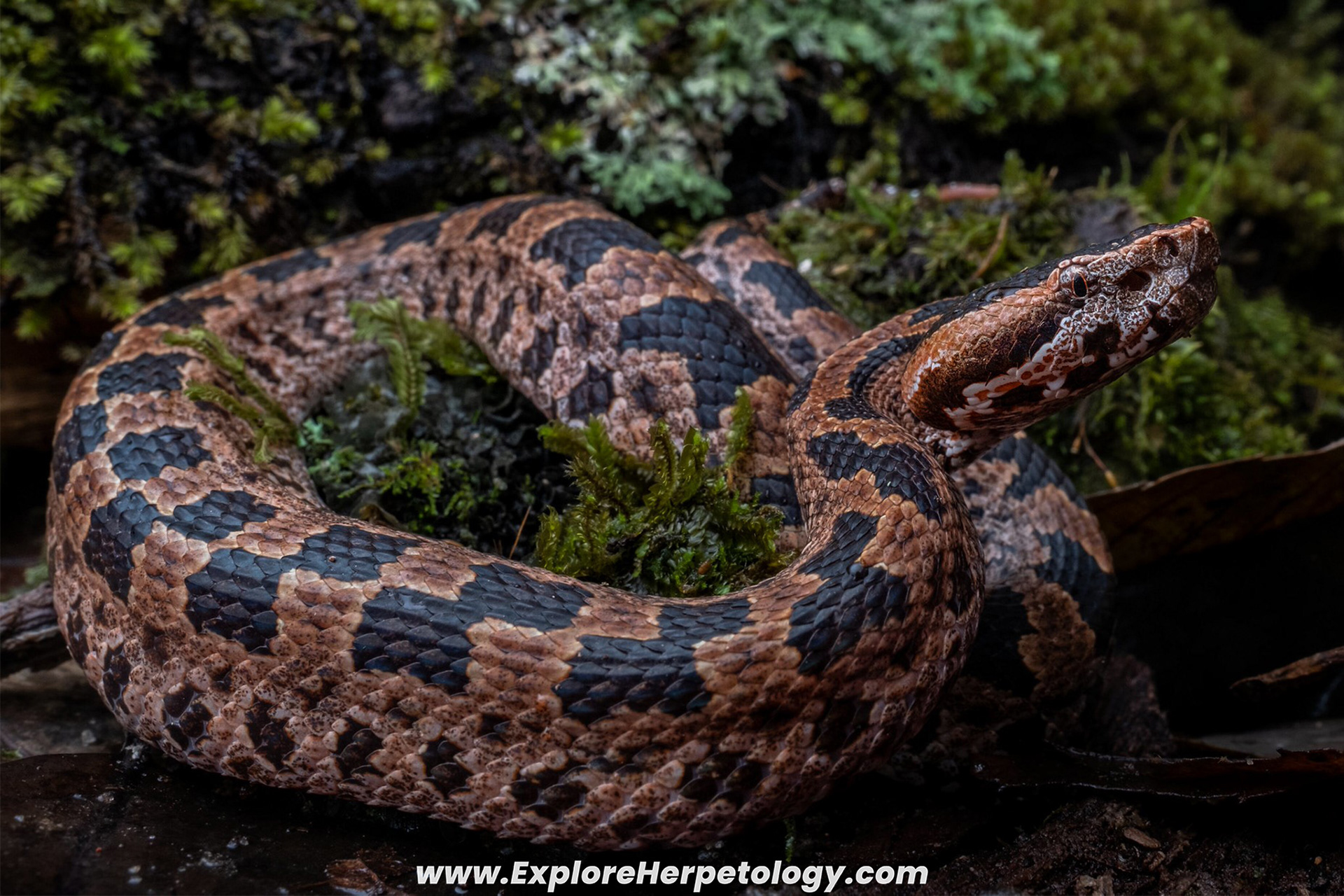
Mountain pit viper (Ovophis monticola).
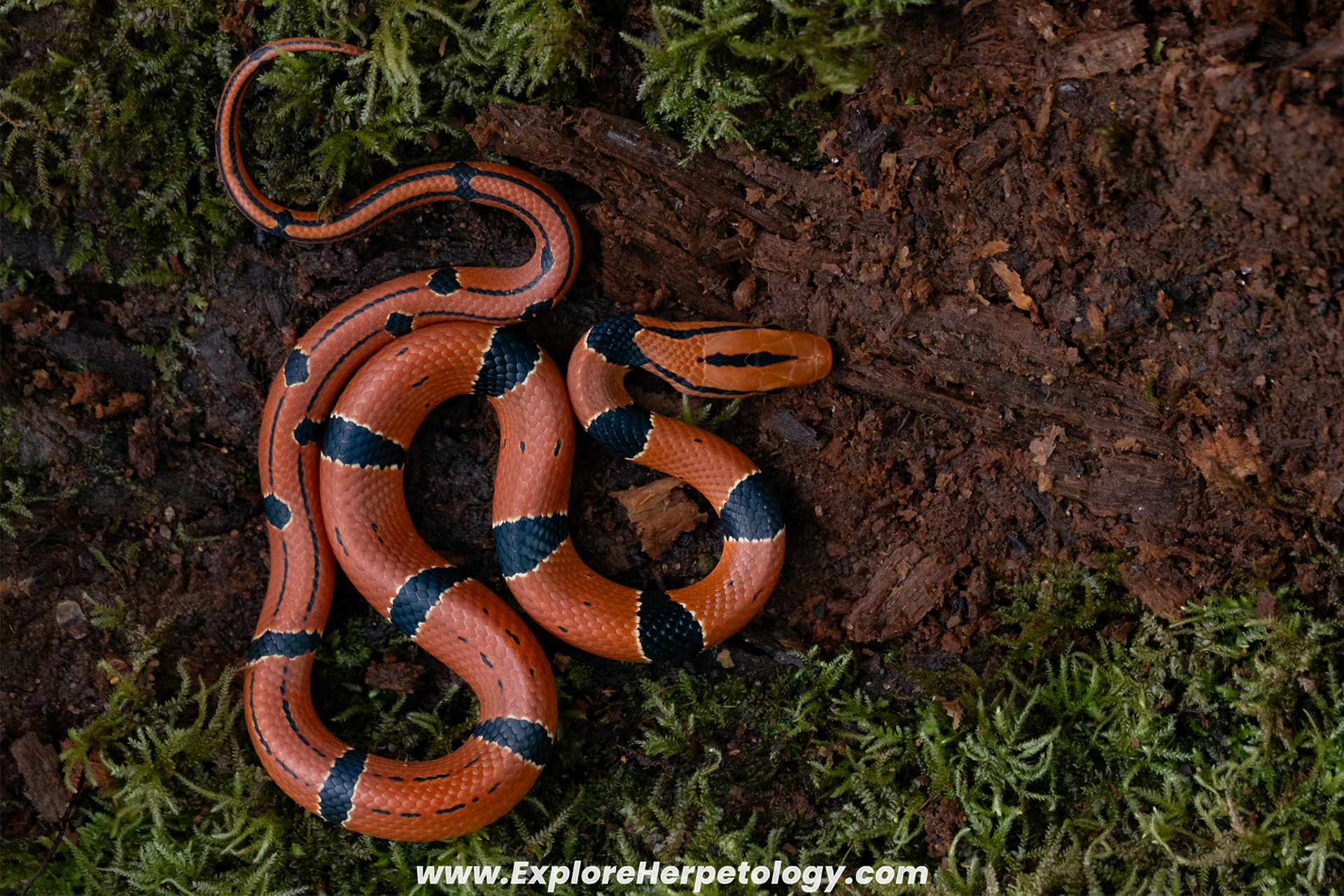
Juvenile red bamboo ratsnake (Oreocryptophis porphyracea).
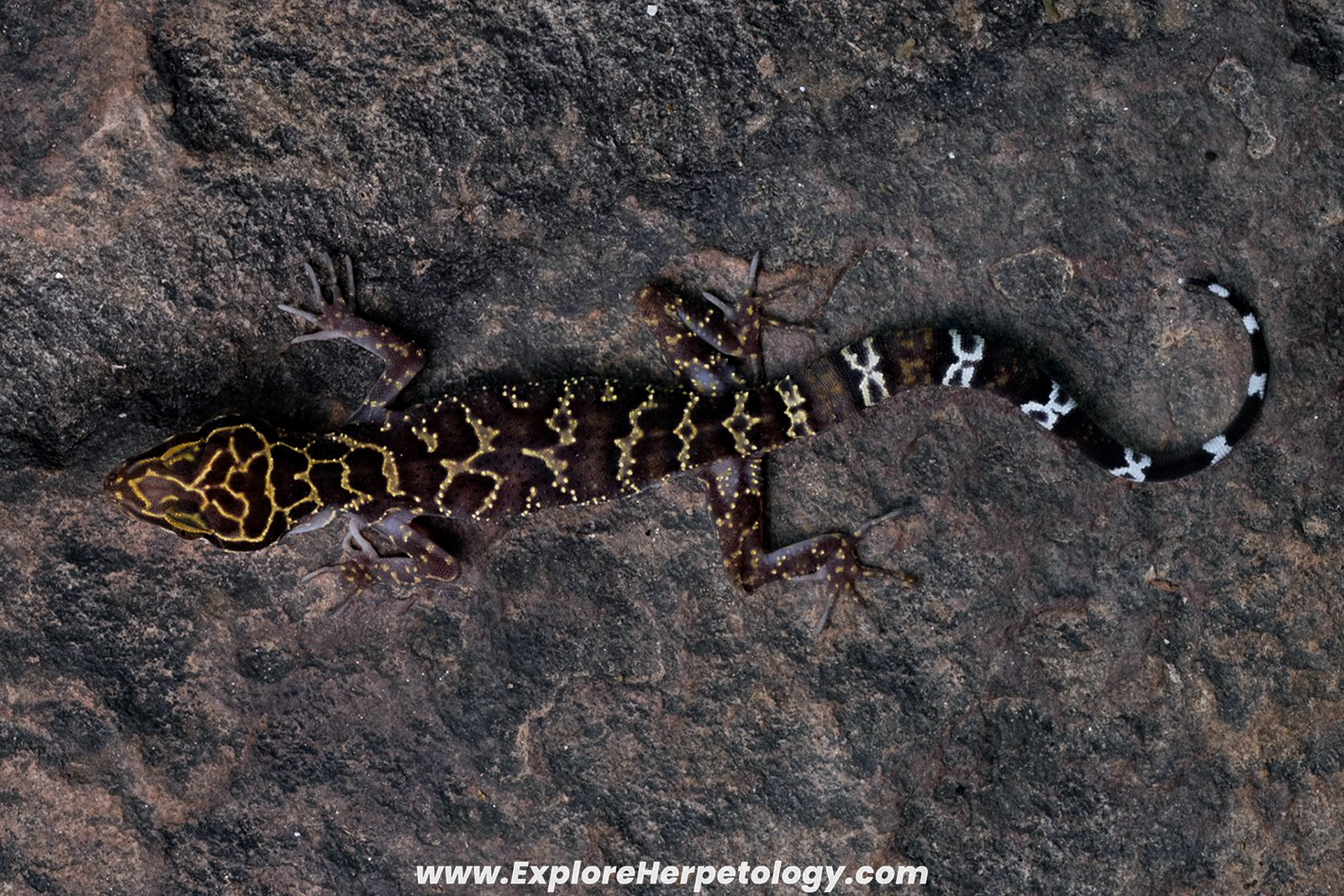
Doi Inthanon bent-toed gecko (Cyrtodactylus inthanon).
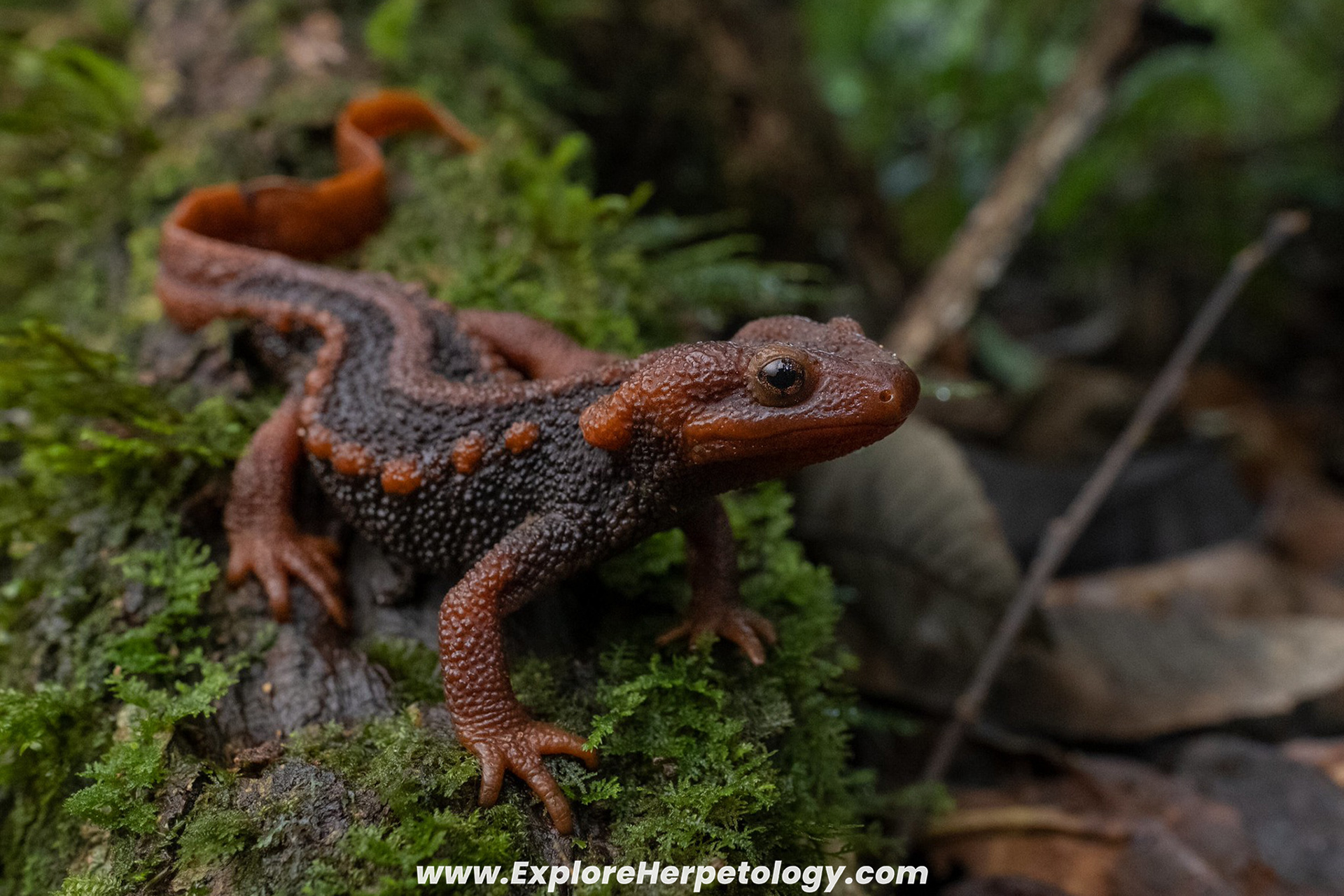
Chiang Mai crocodile salamander (Tylototriton uyenoi).
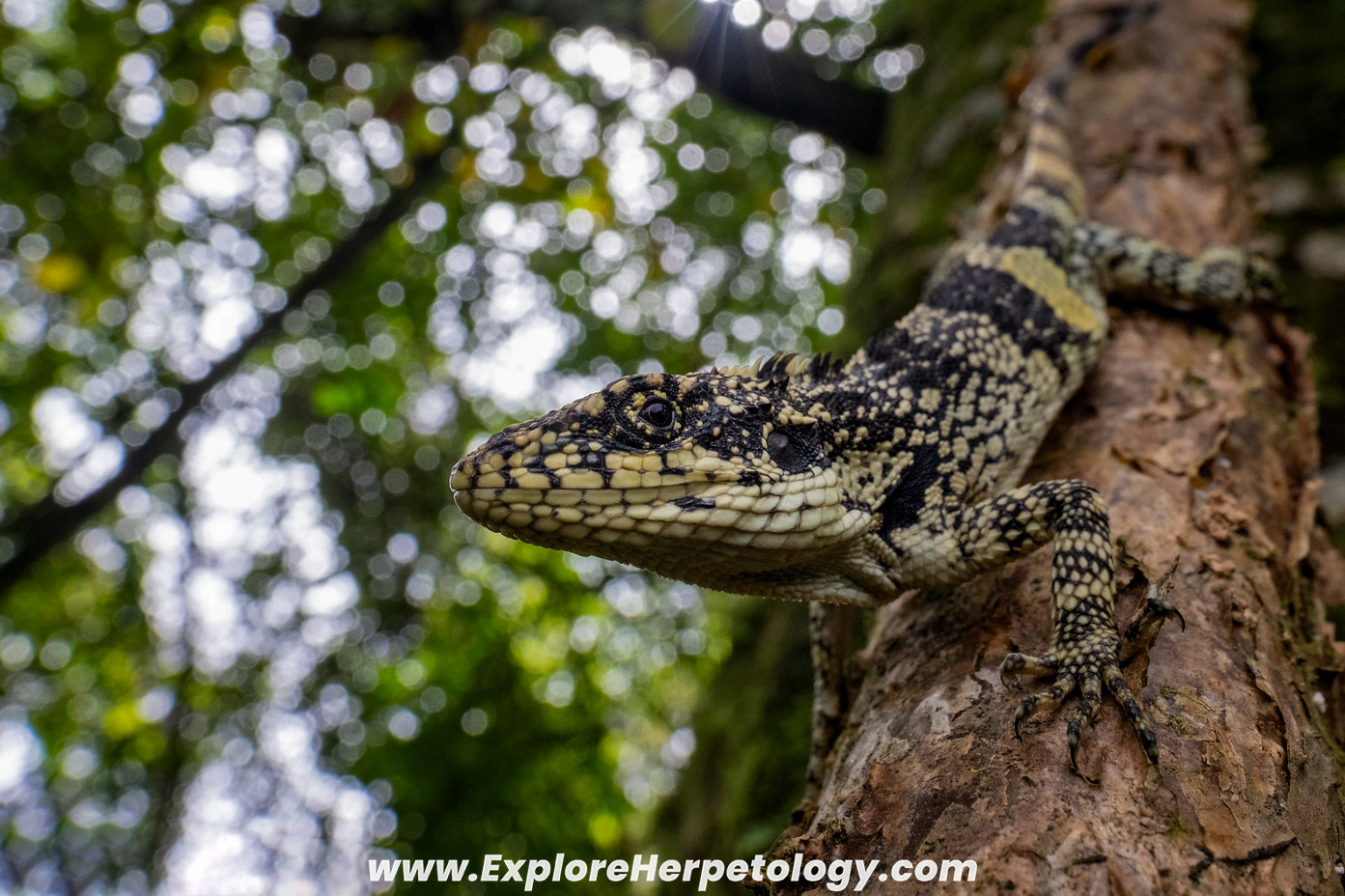
Khakhien hills false-bloodsucker (Pseudocalotes khakienensis).
Important details:
We are offering different options with this expedition.
Option 1: Join the full expedition from day 1 to day 13.
Option 2: Join the first 6 days of the expedition.
Option 3: Join the final 7 days of the expedition.
We offer this for guests who may have joined our Expedition Northern Thailand in previous years, who may want to do the first leg of the trip to all-new locations rather than repeat the same locations as before. It also allows people with limited time off to join portions of the trip which may appeal to them directly. However, we encourage you to join the full trip so as to get the maximum value from the experience, and partake in our vision for the perfect Northern Thailand herping trip.
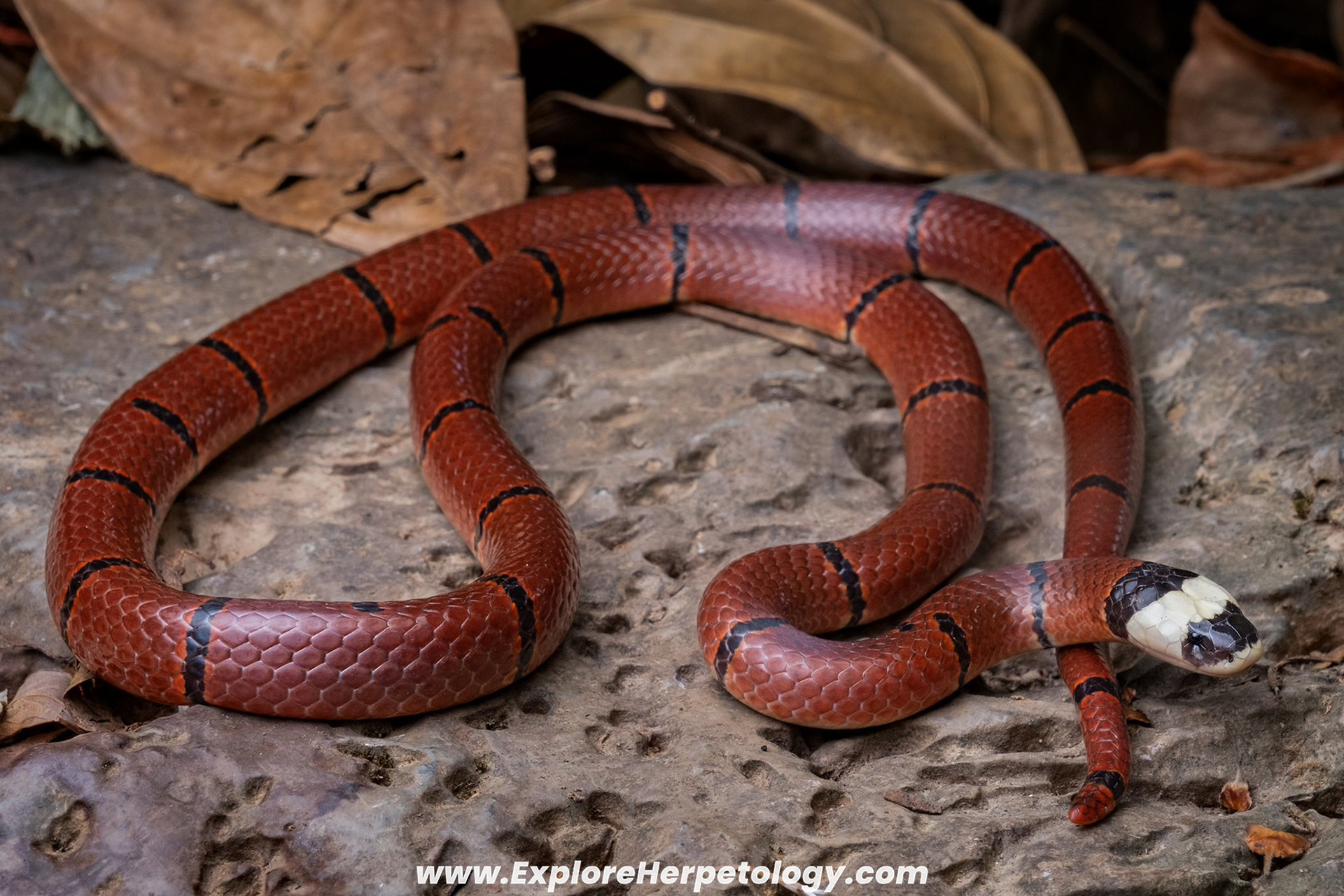
Macclelland's coral snake (Calliophis macclellandi).
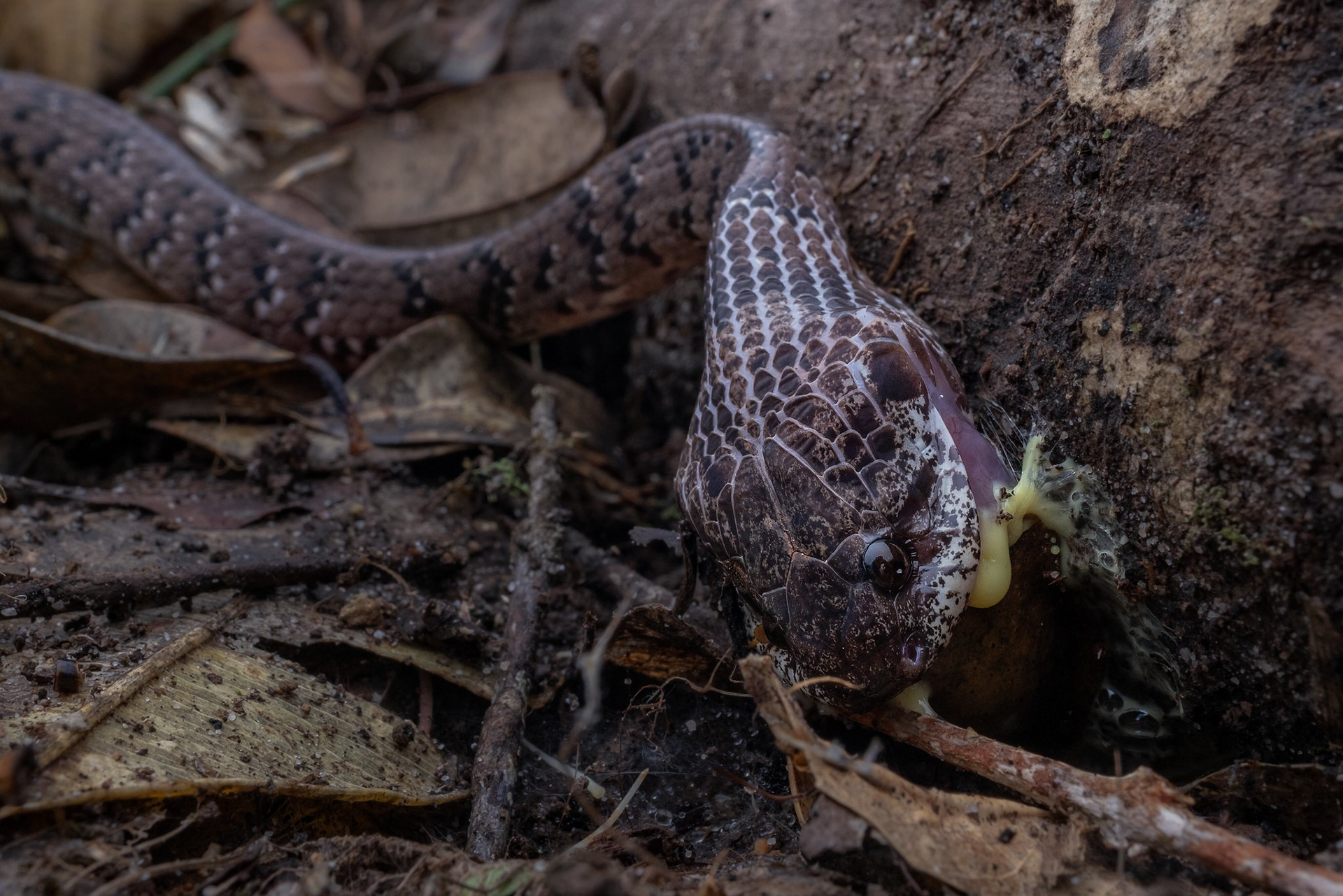
Mountain slug snake (Pareas macularius)
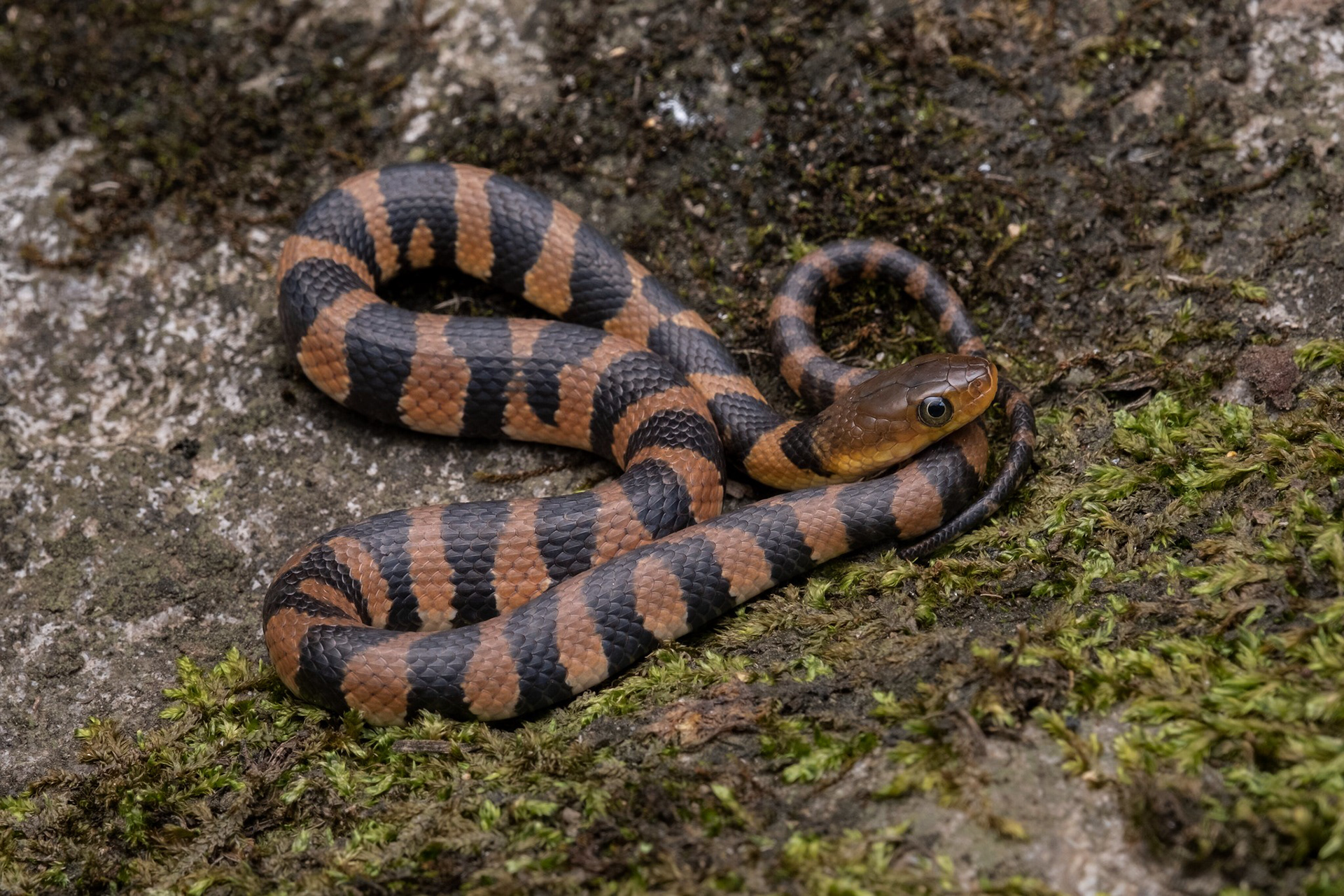
Yunnan mountain keelback (Trimerodytes yunnanensis)
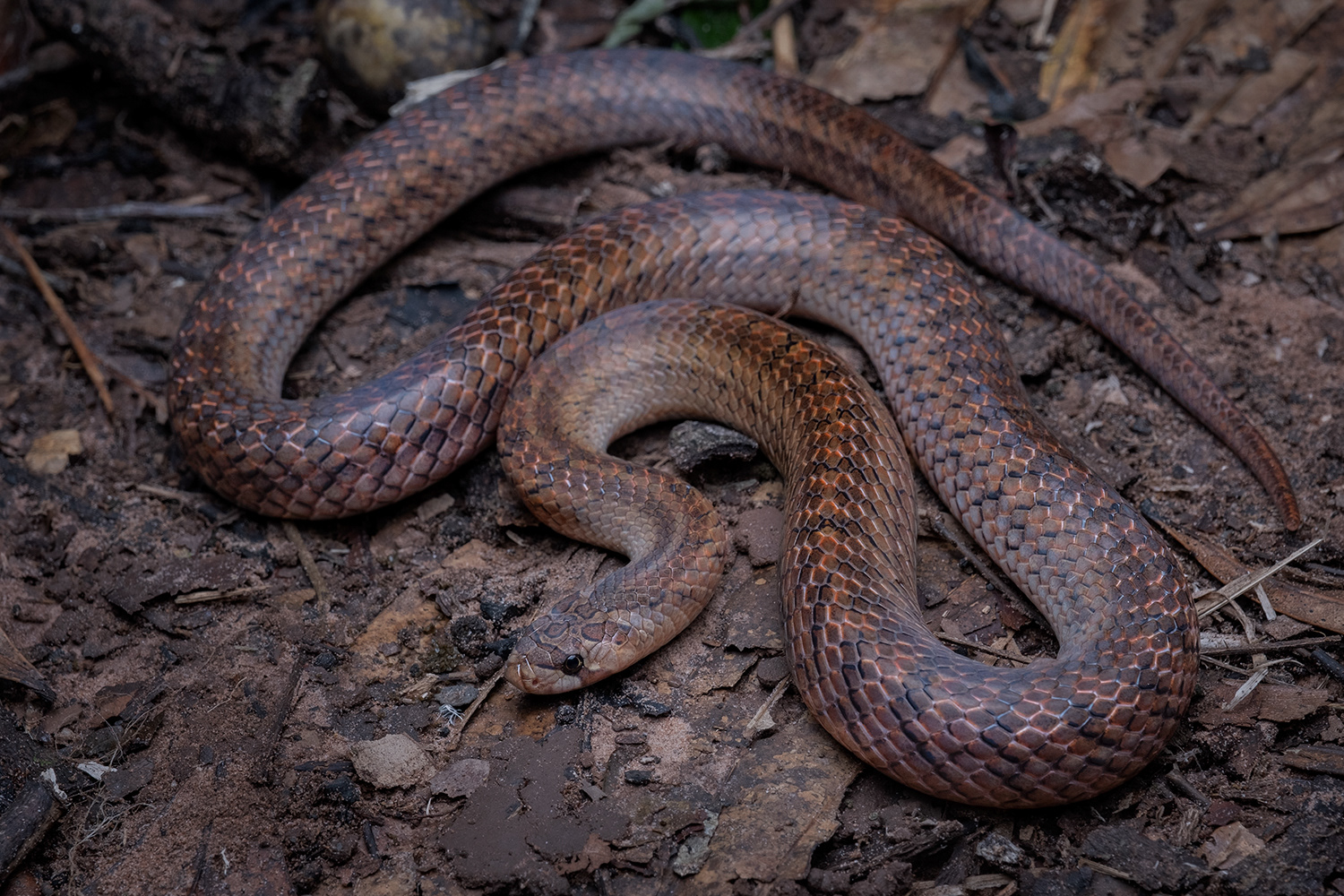
Joynson's kukri snake (Oligodon joynsoni).
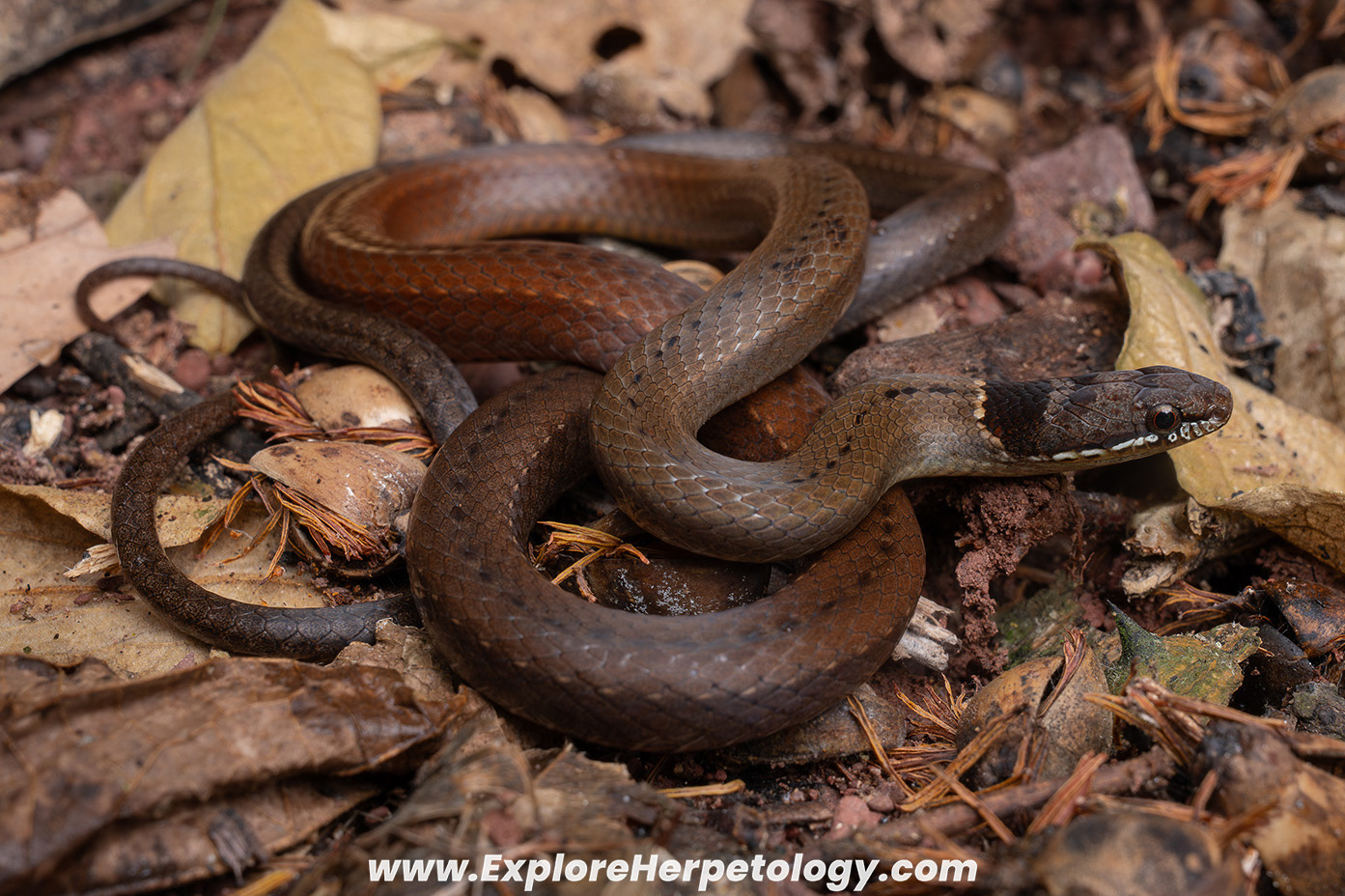
Collared black-headed snake (Sibynophis collaris).
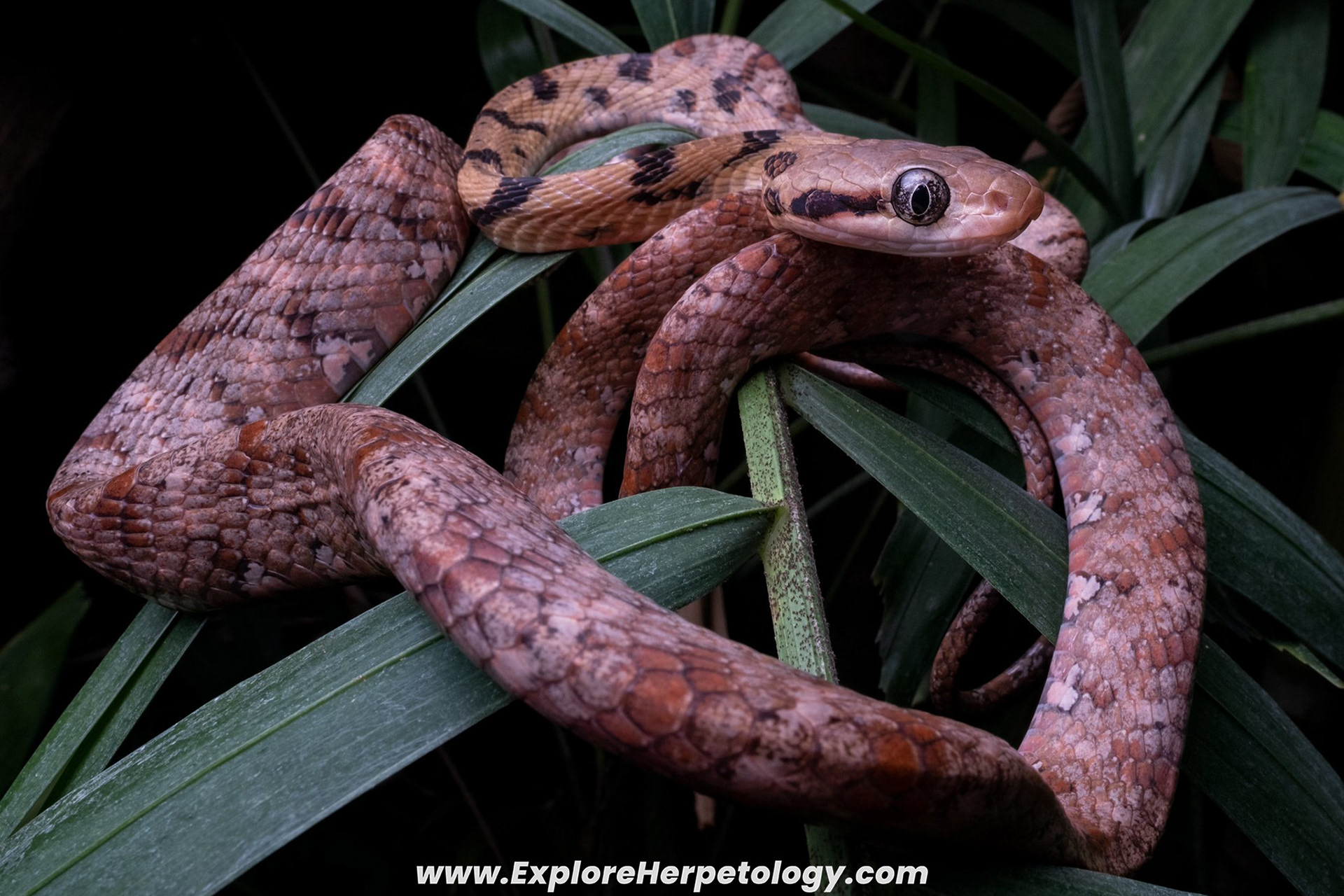
Siamese cat snake (Boiga siamensis).
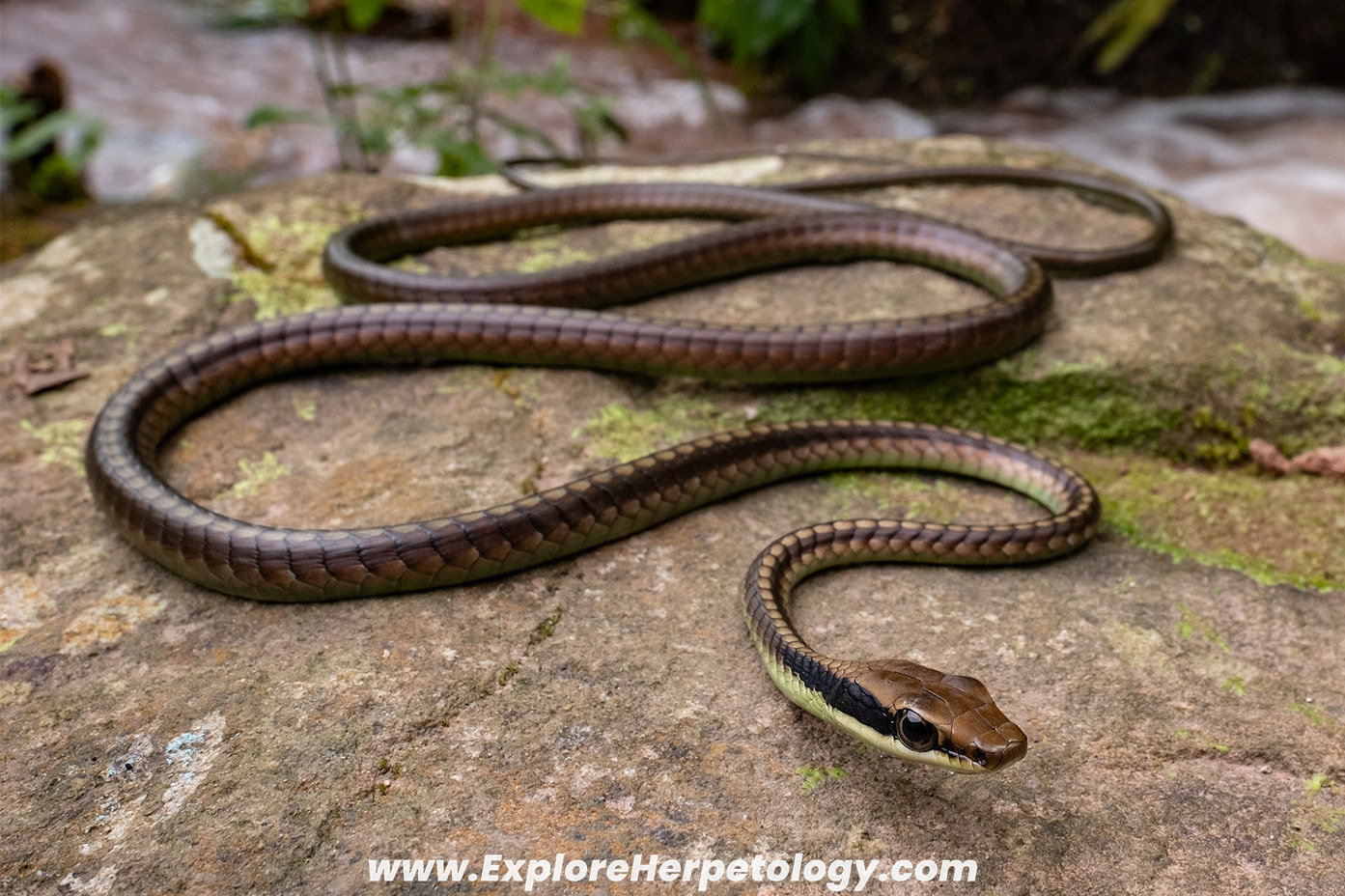
Vogel's bronzeback (Dendrelaphis vogeli).
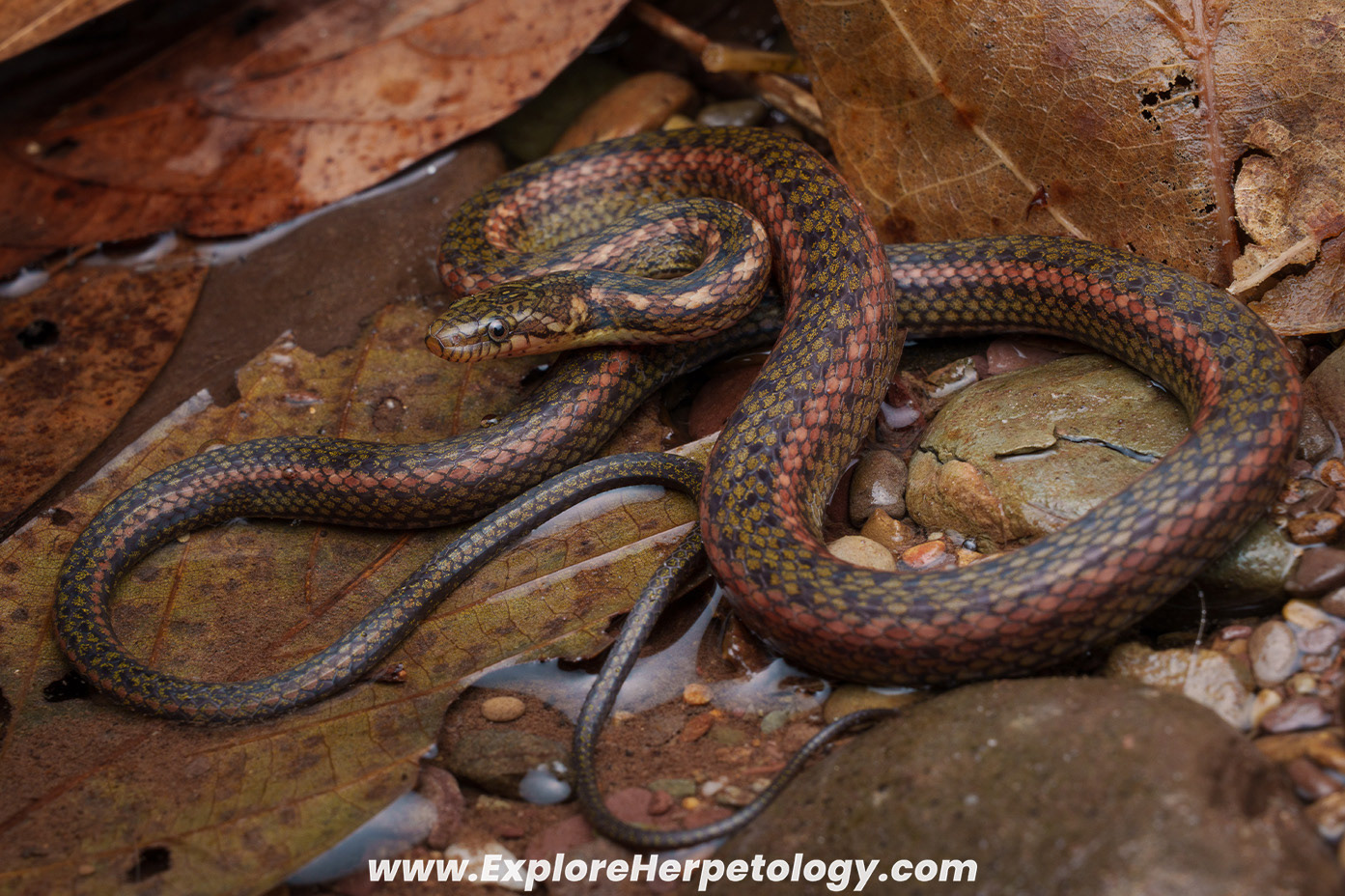
Fire-backed keelback (Hebius igneus).
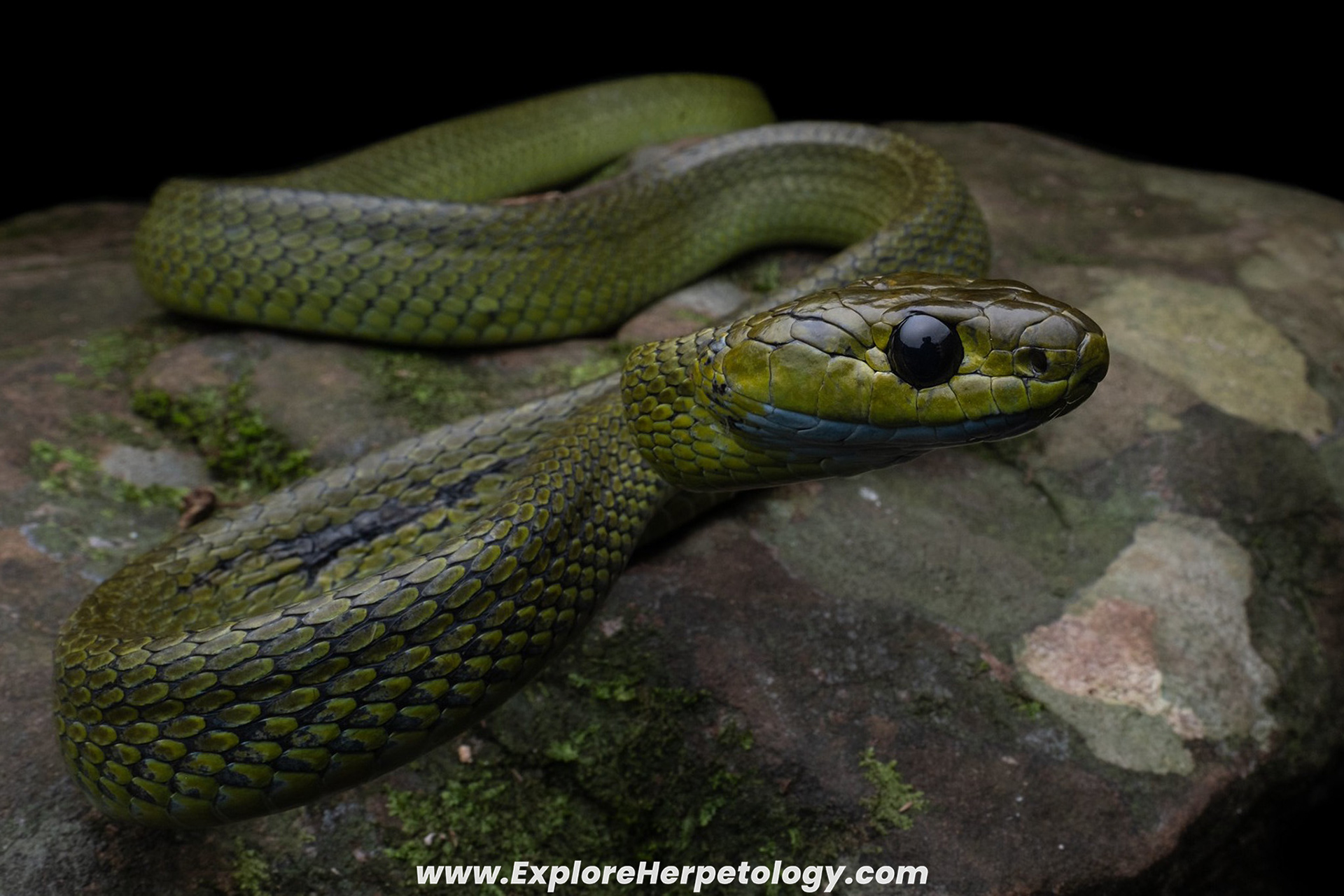
Yunnan cat snake (Boiga cf. cyanea).
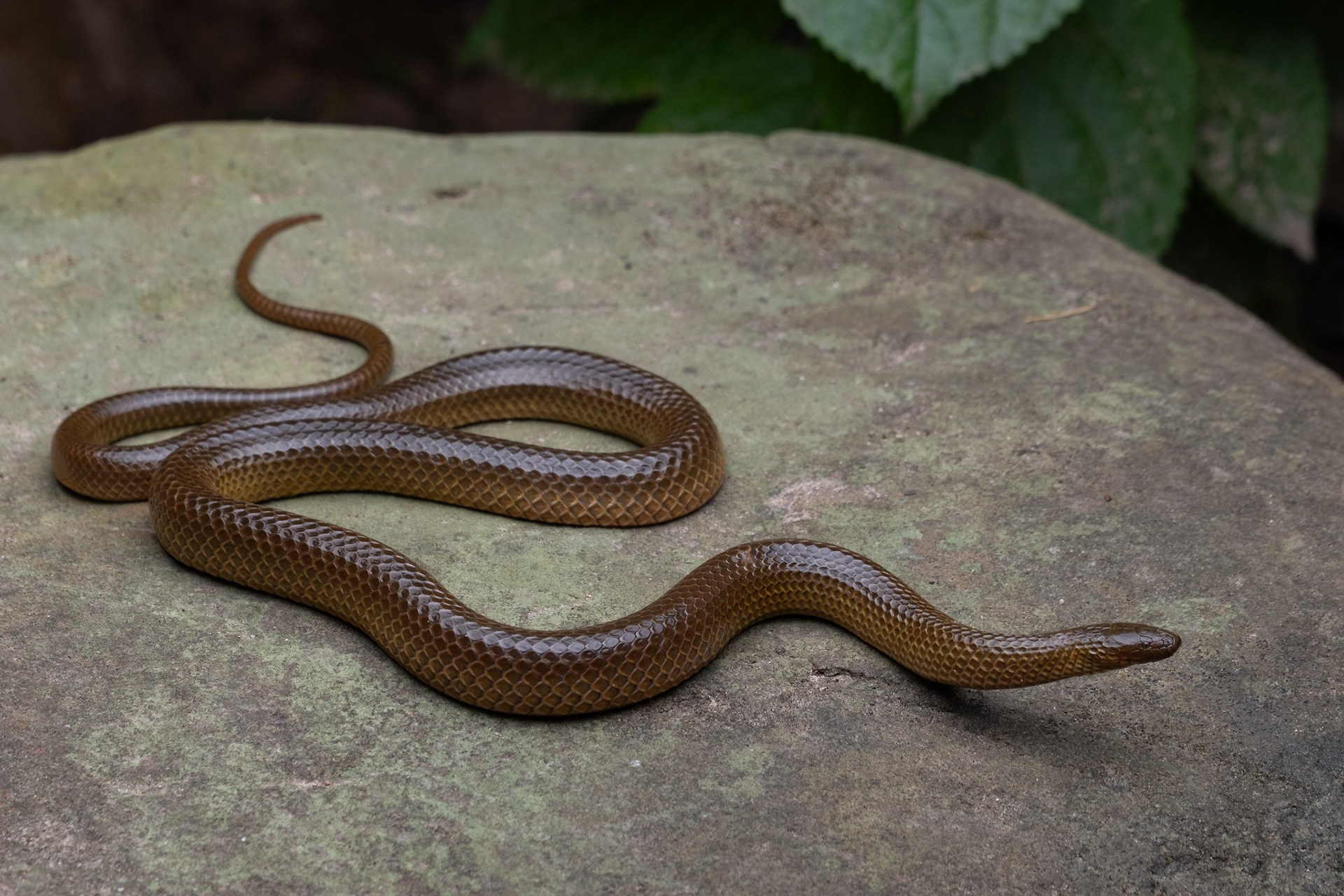
Spencer's stream snake (Opisthotropis spenceri)
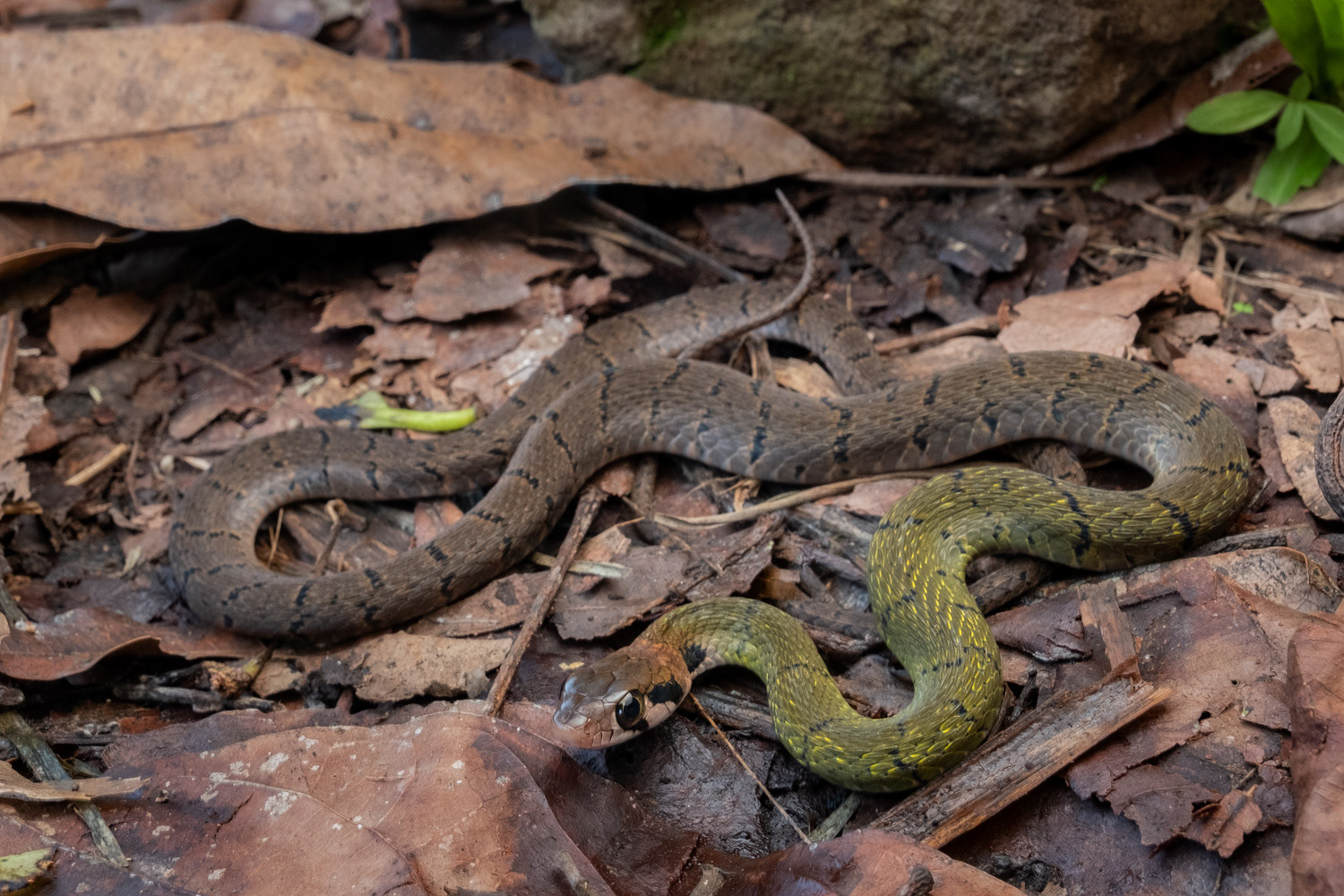
Black-barred keelback (Rhabdophis nigrocinctus).
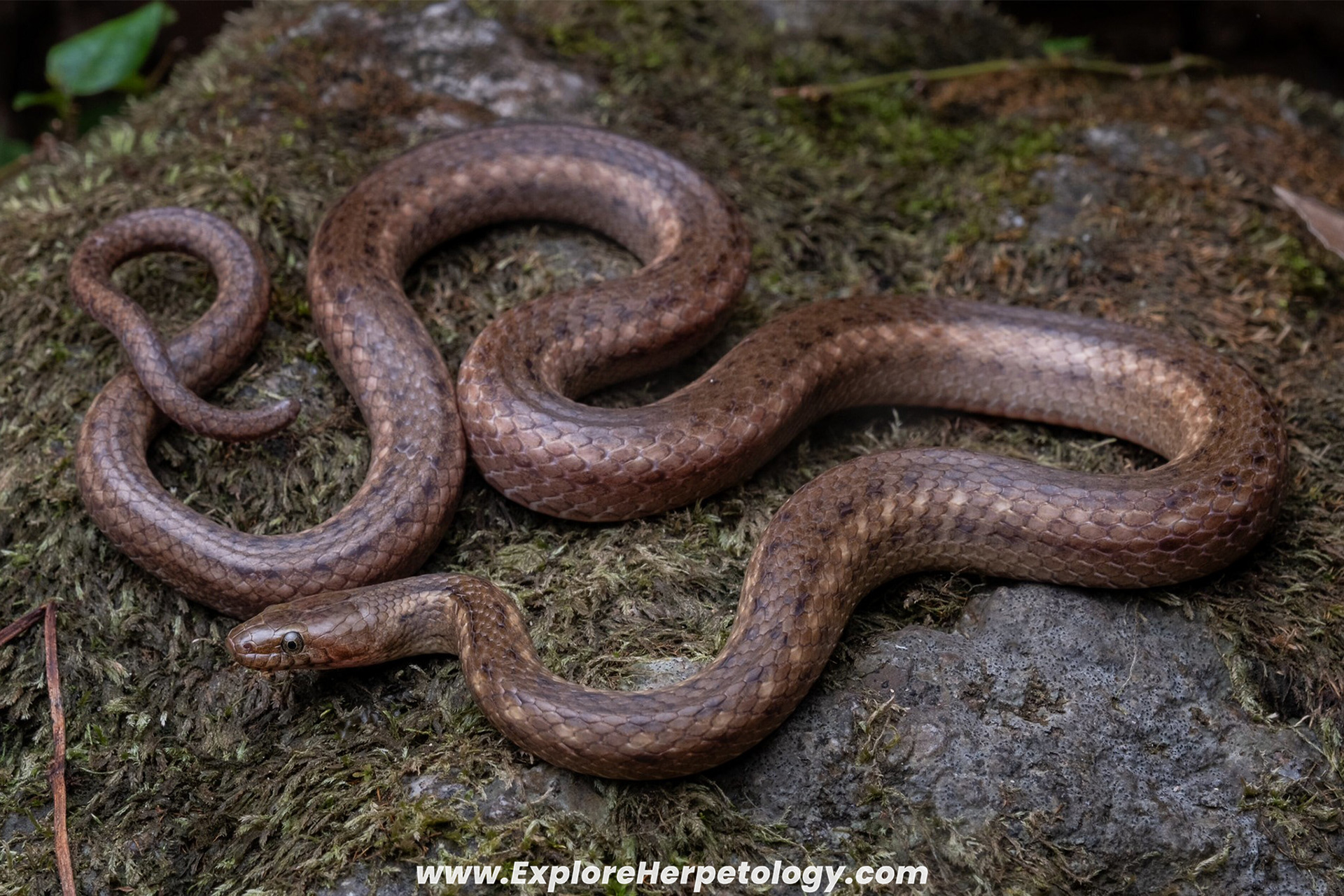
Deschauensee's keelback (Hebius deschauenseei).
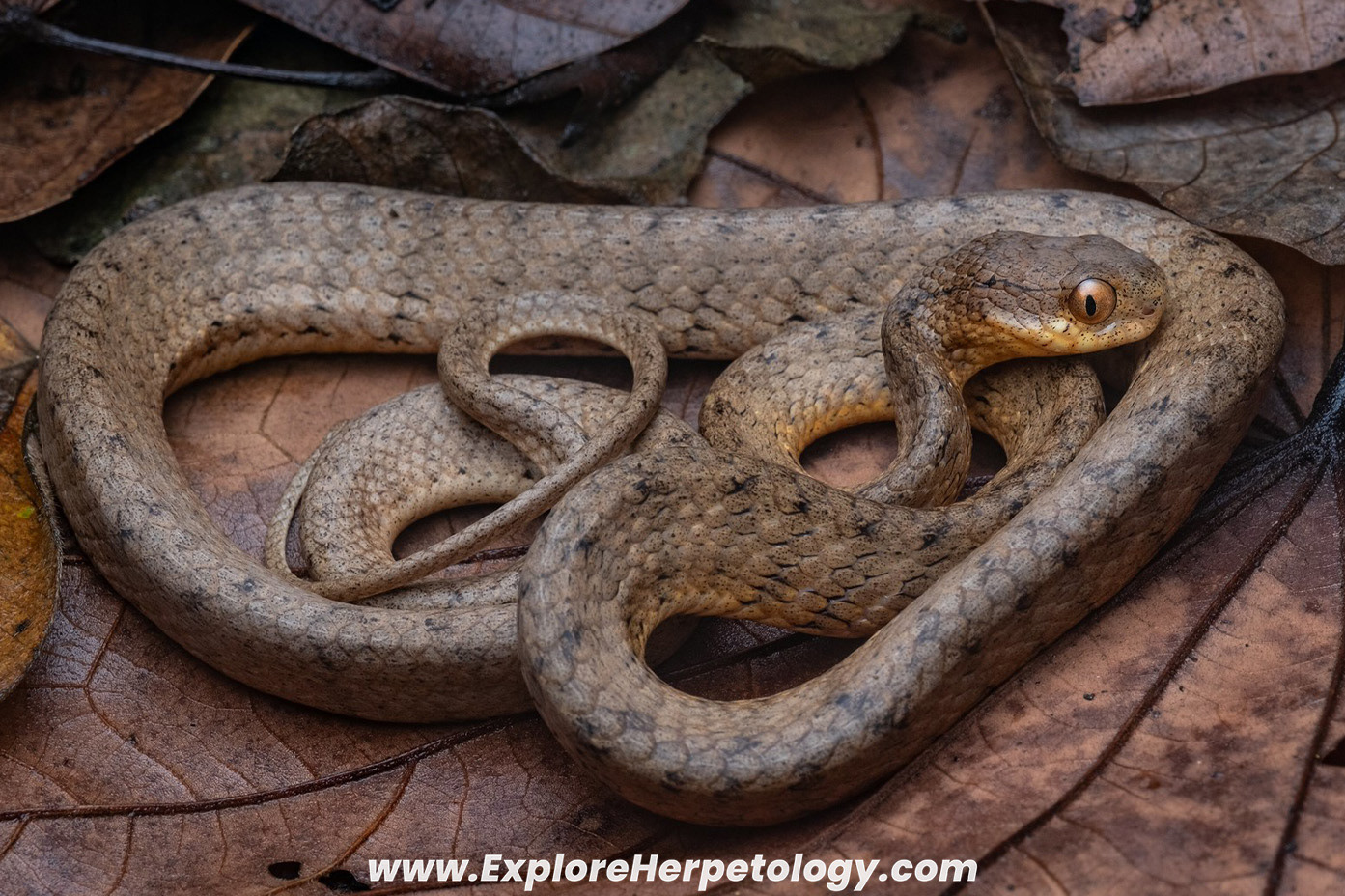
Berdmore's slug snake (Pareas berdmorei).
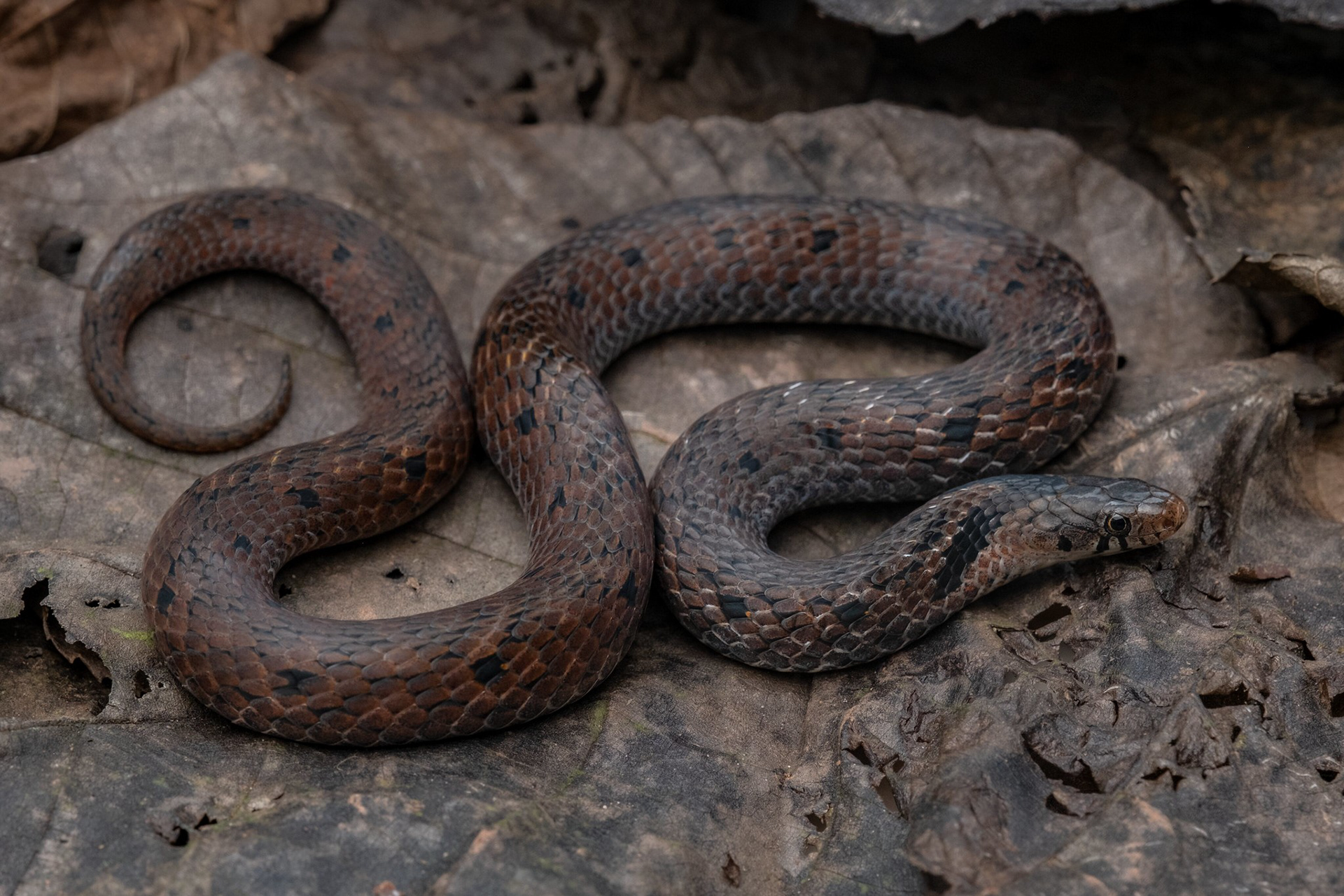
Assamese mountain snake (Plagiopholis nuchalis)
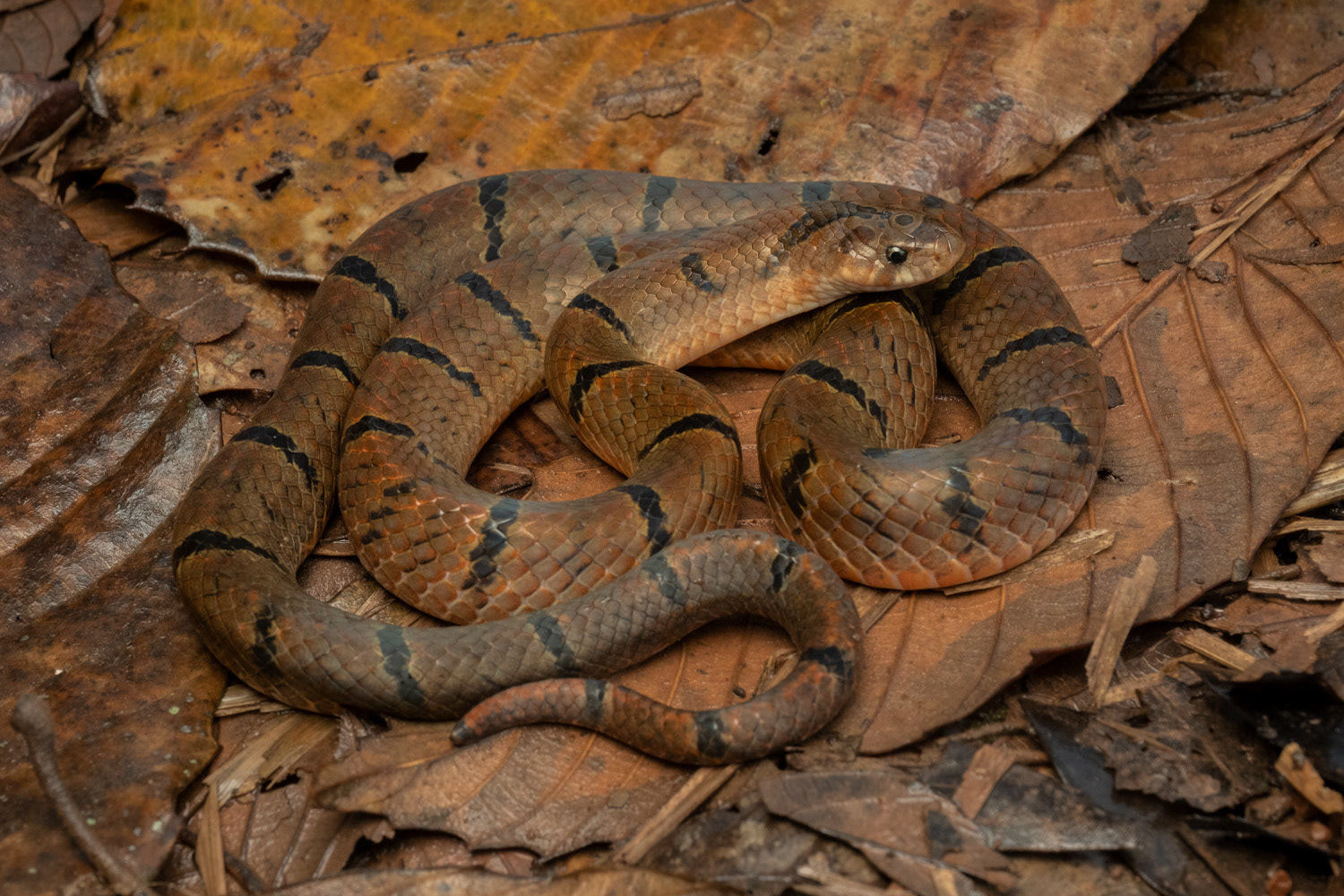
Tam Dao kukri snake (Oligodon cinereus tamdaoensis).
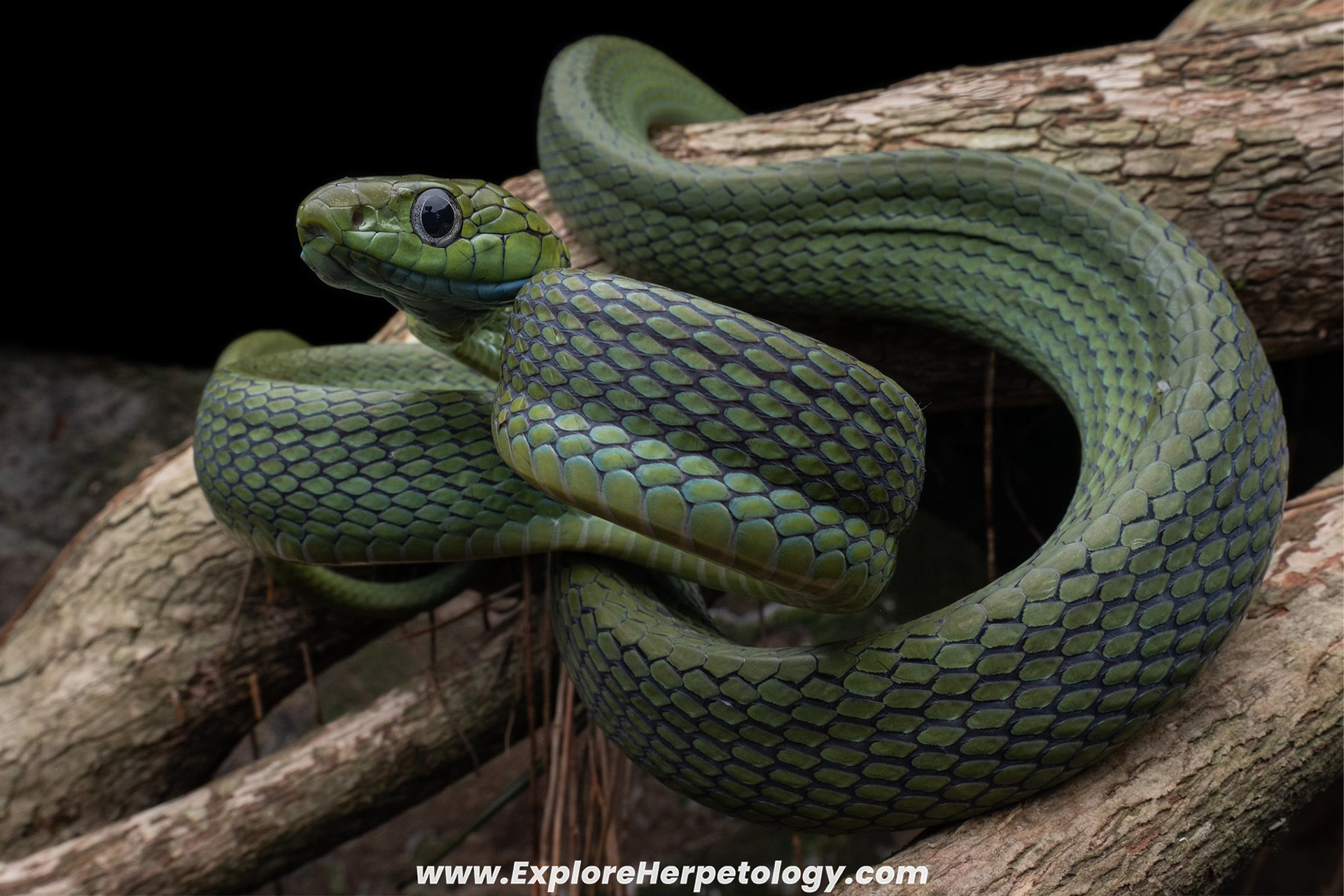
Green cat snake (Boiga cyanea).
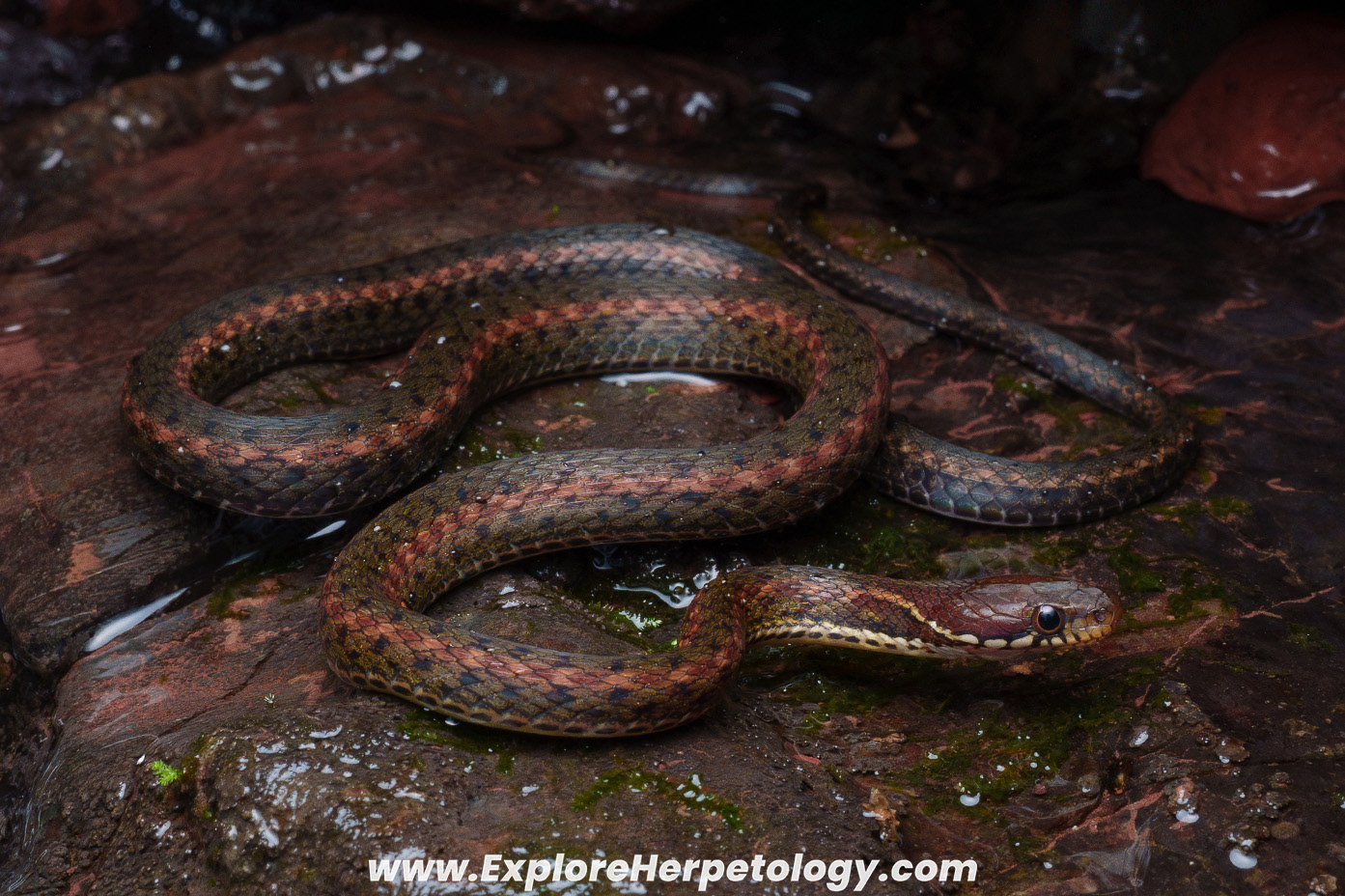
Khasi keelback (Hebius khasiensis).
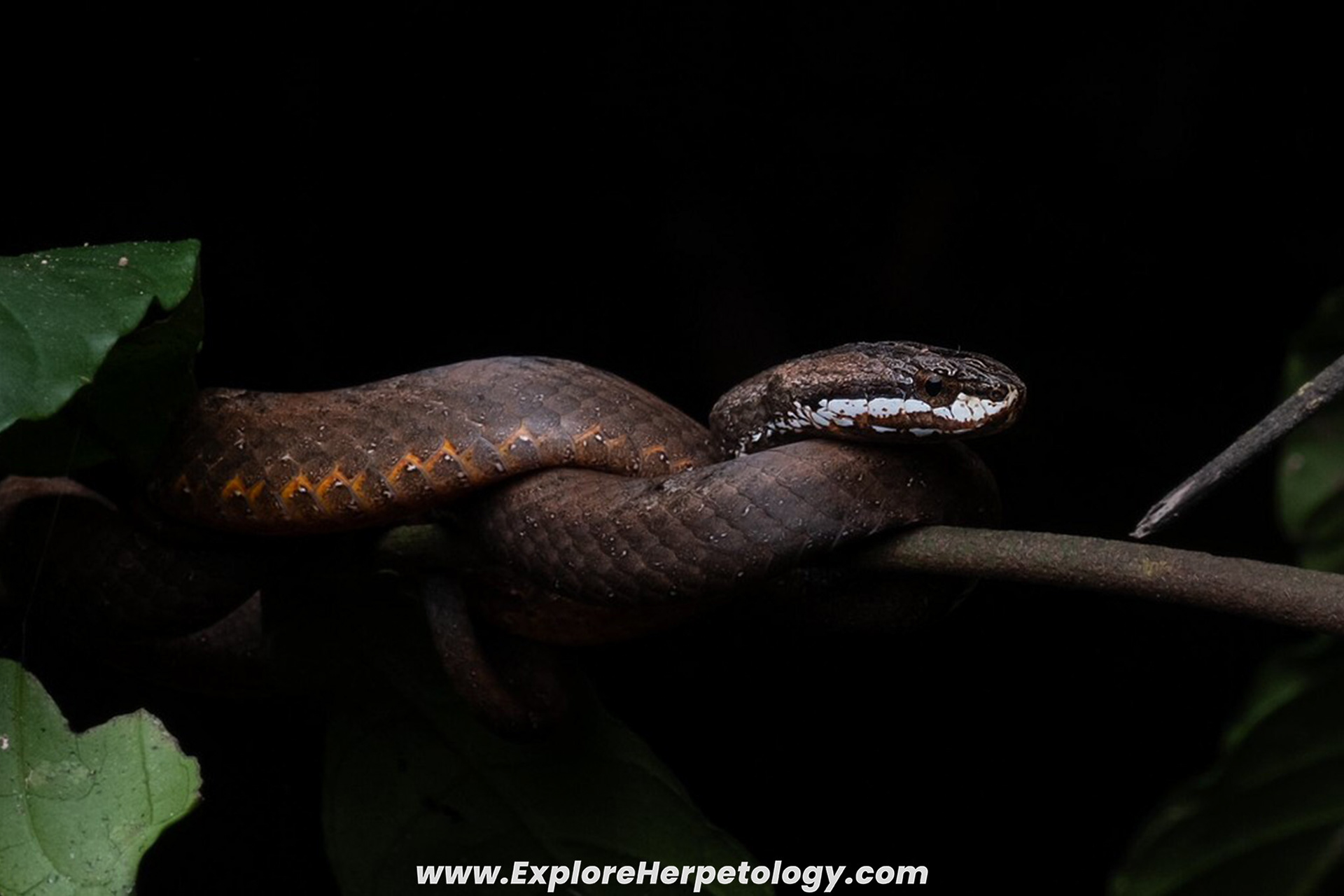
Mock viper (Psammodynastes pulverulentus).
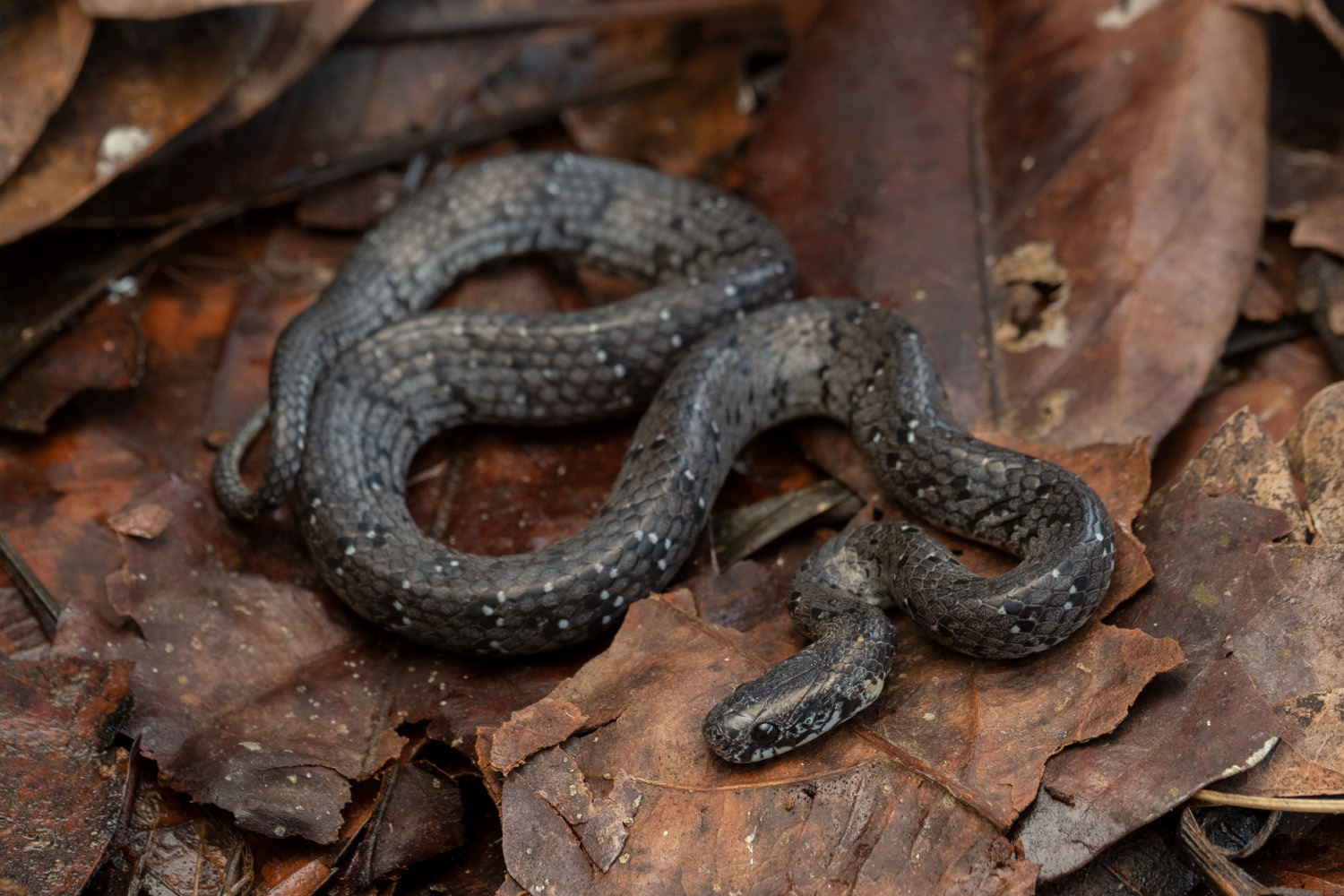
White-spotted slug snake (Pareas margaritophorus).
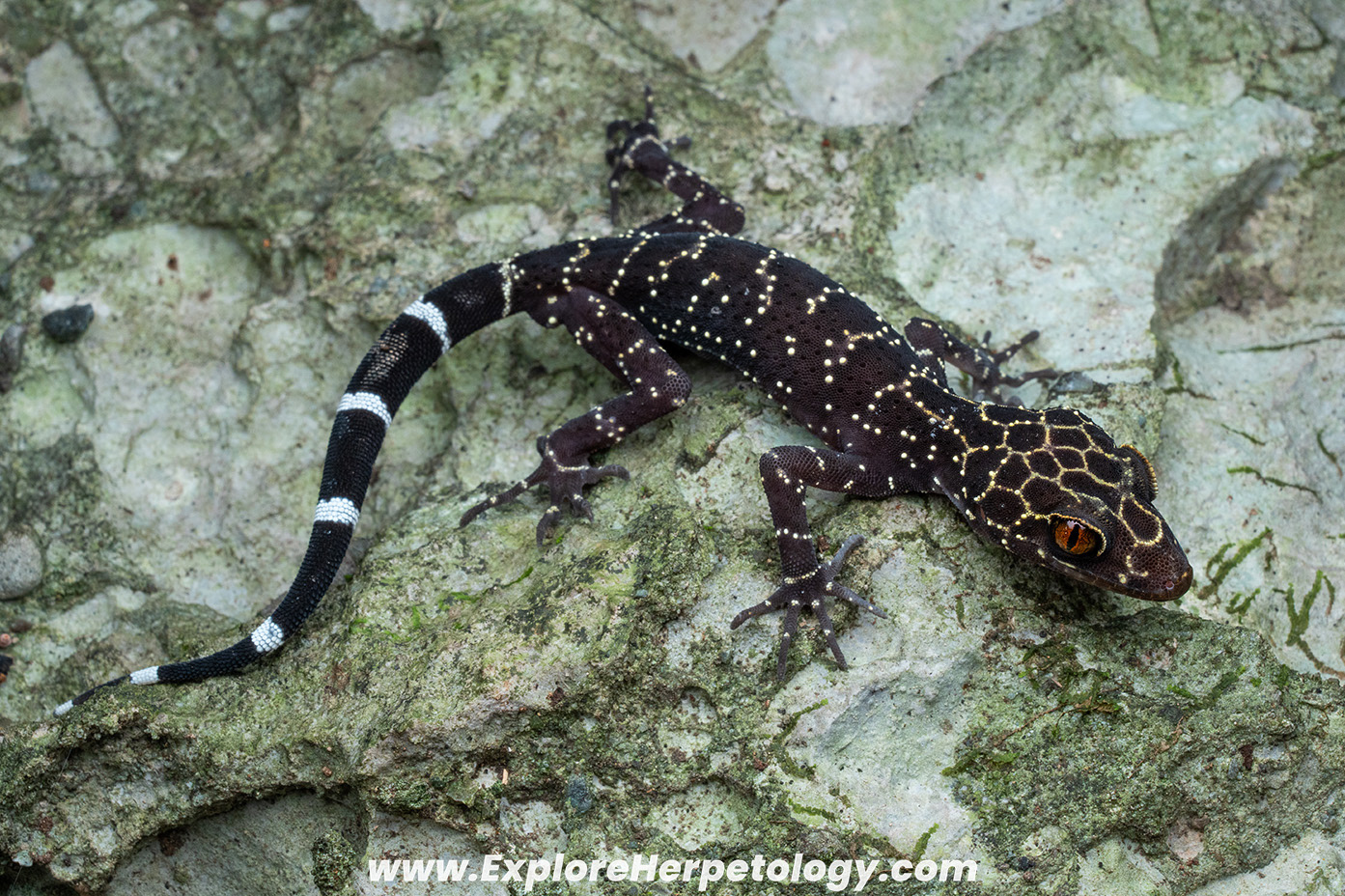
Phu Kha bent-toed gecko (Cyrtodactylus phukhaensis).
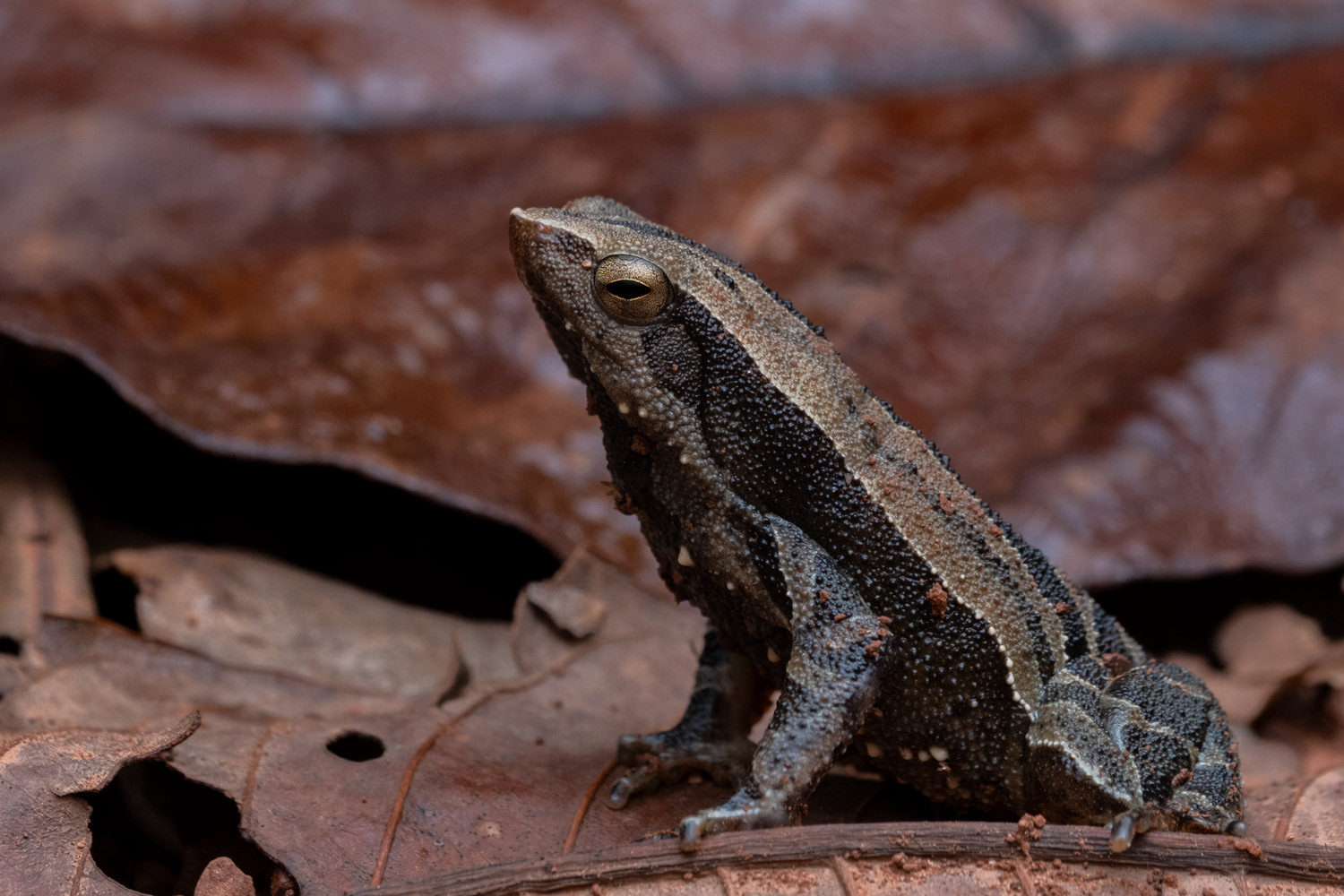
Striped sticky frog (Kalophrynus interlineatus).
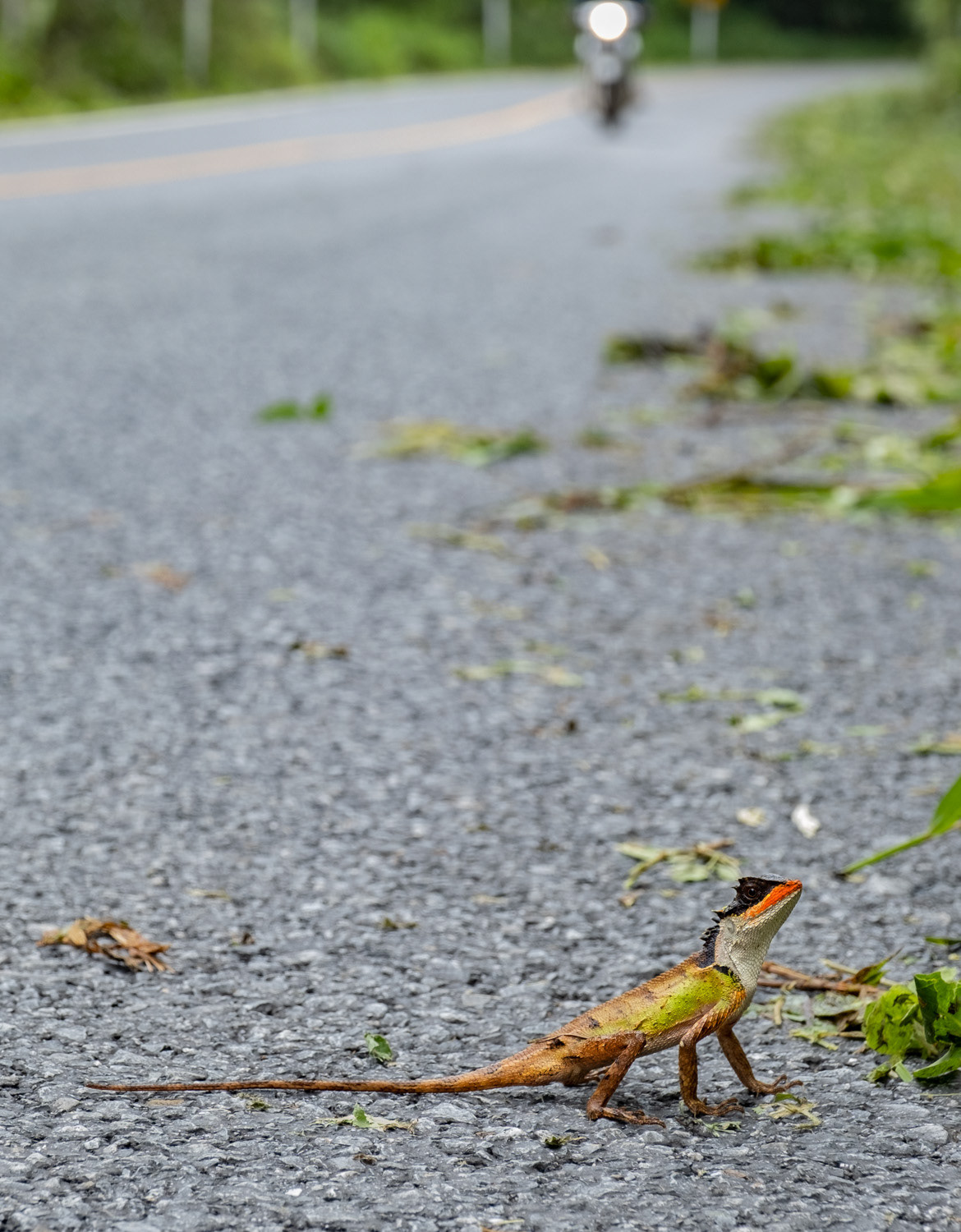
Scale-bellied horned dragon (Acanthosaura lepidogaster).
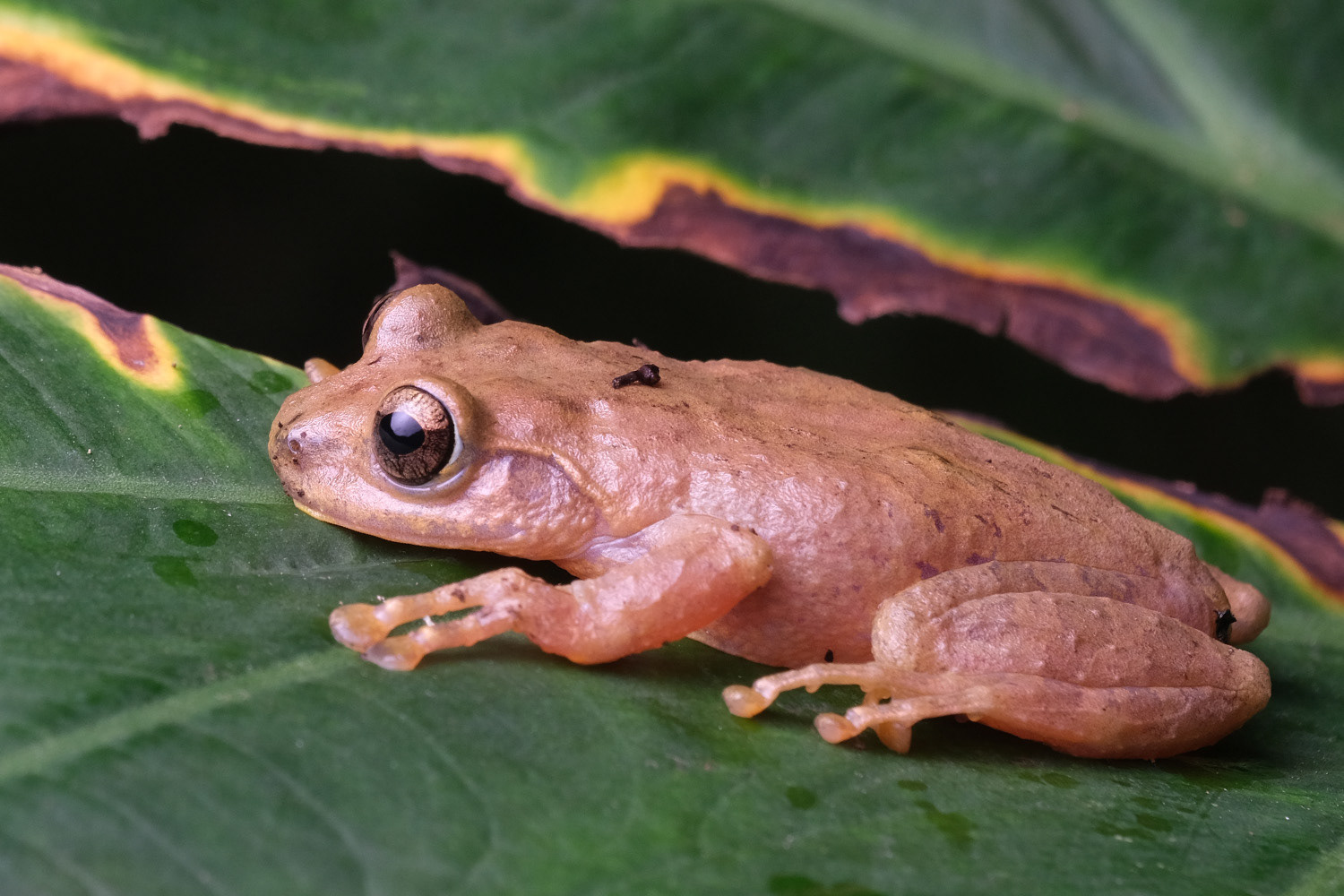
Yunnan bush frog (Gracixalus yunnanensis).
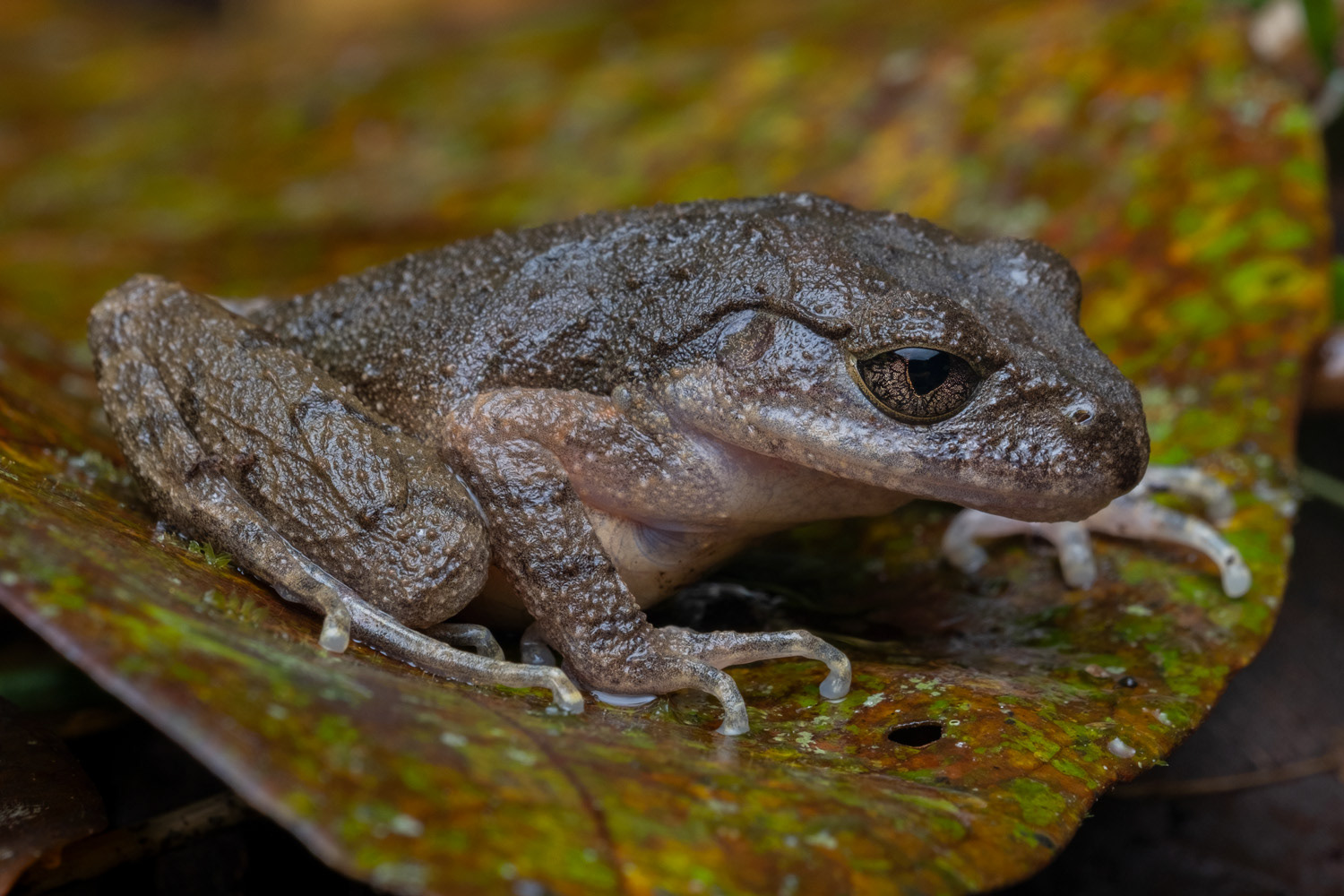
Rosy litter frog (Leptobrachella eos).
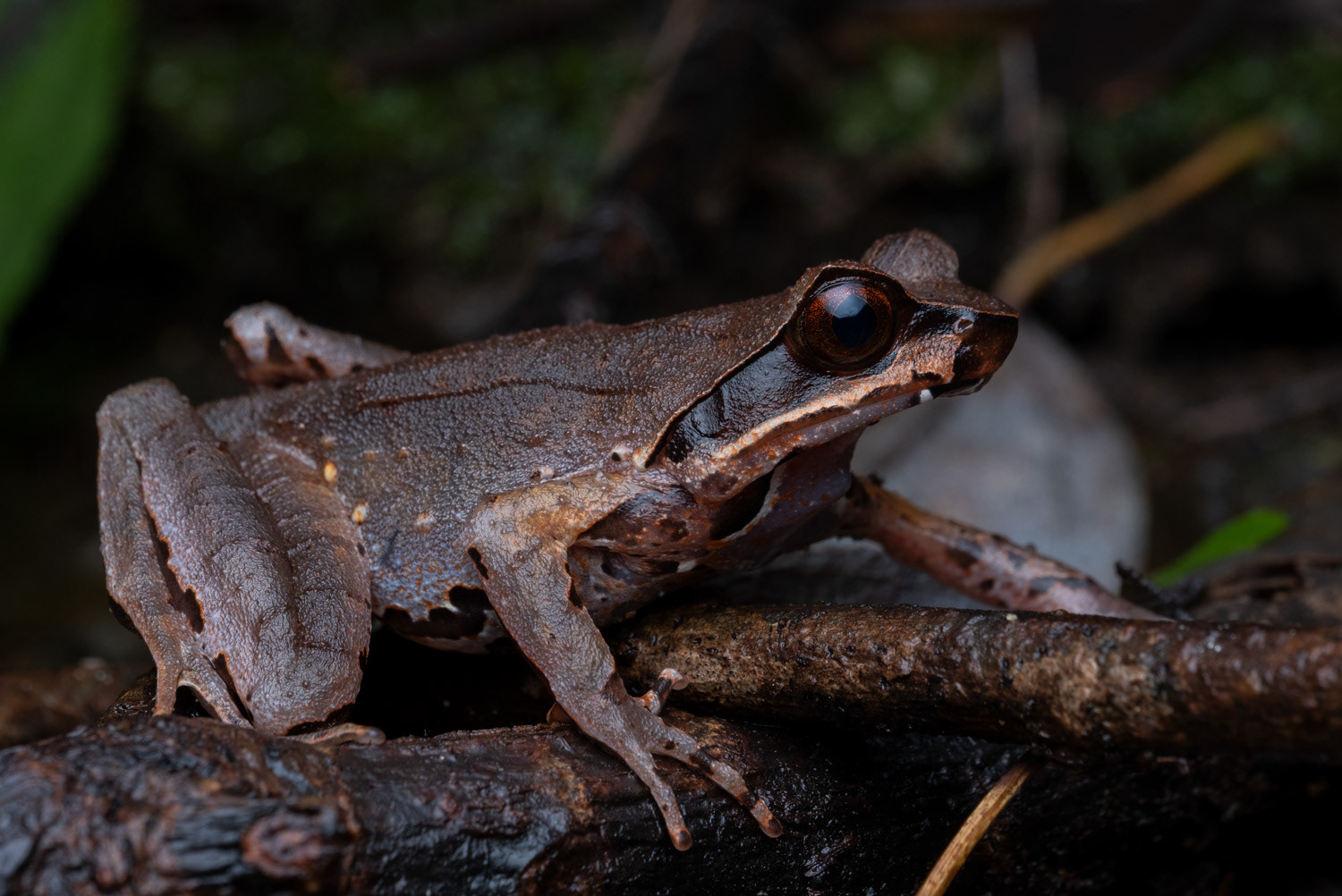
White-lipped horned frog (Megophrys major).
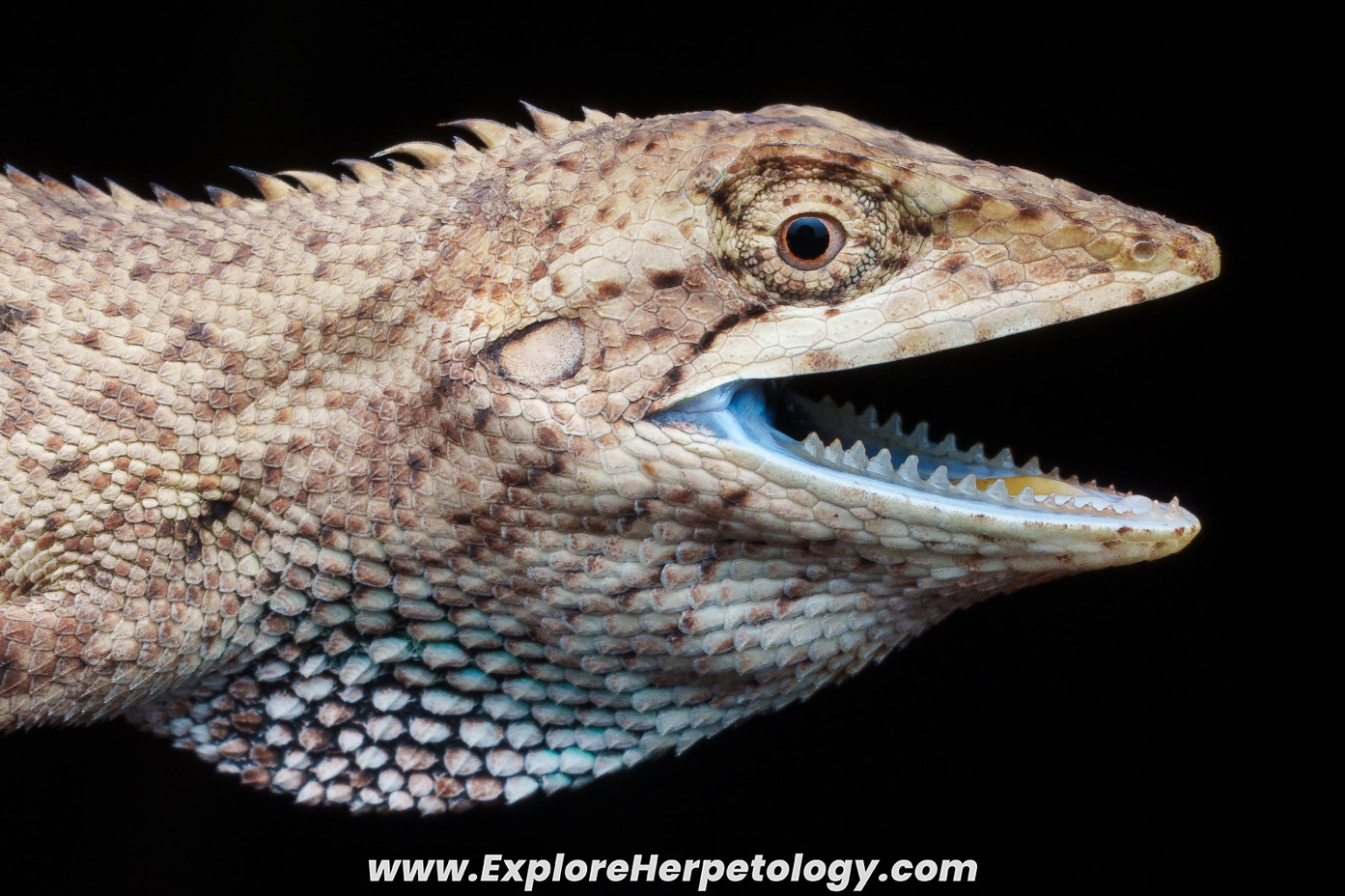
Pseudocalotes microlepis.
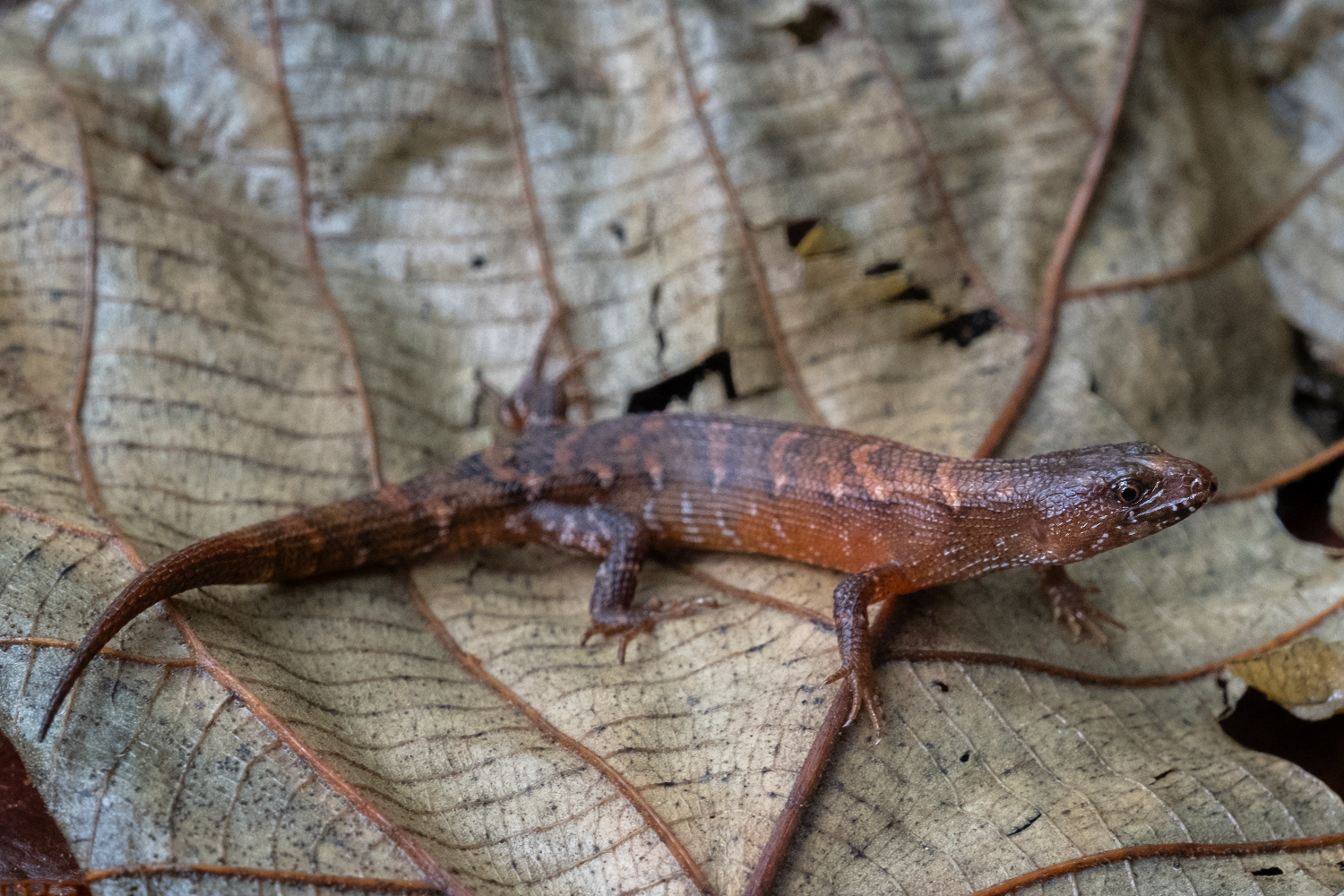
Thai stream skink (Tropidophorus thai).
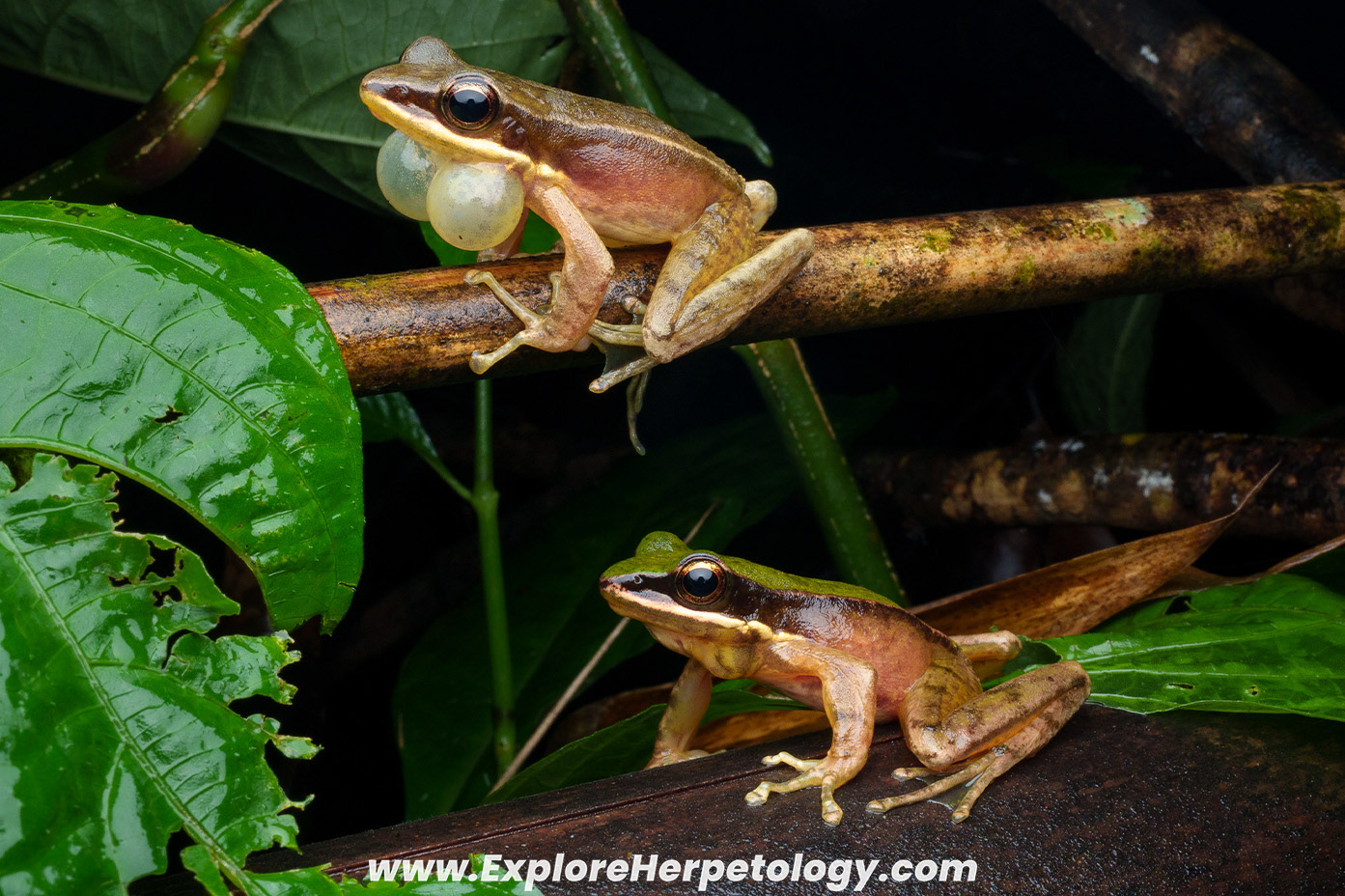
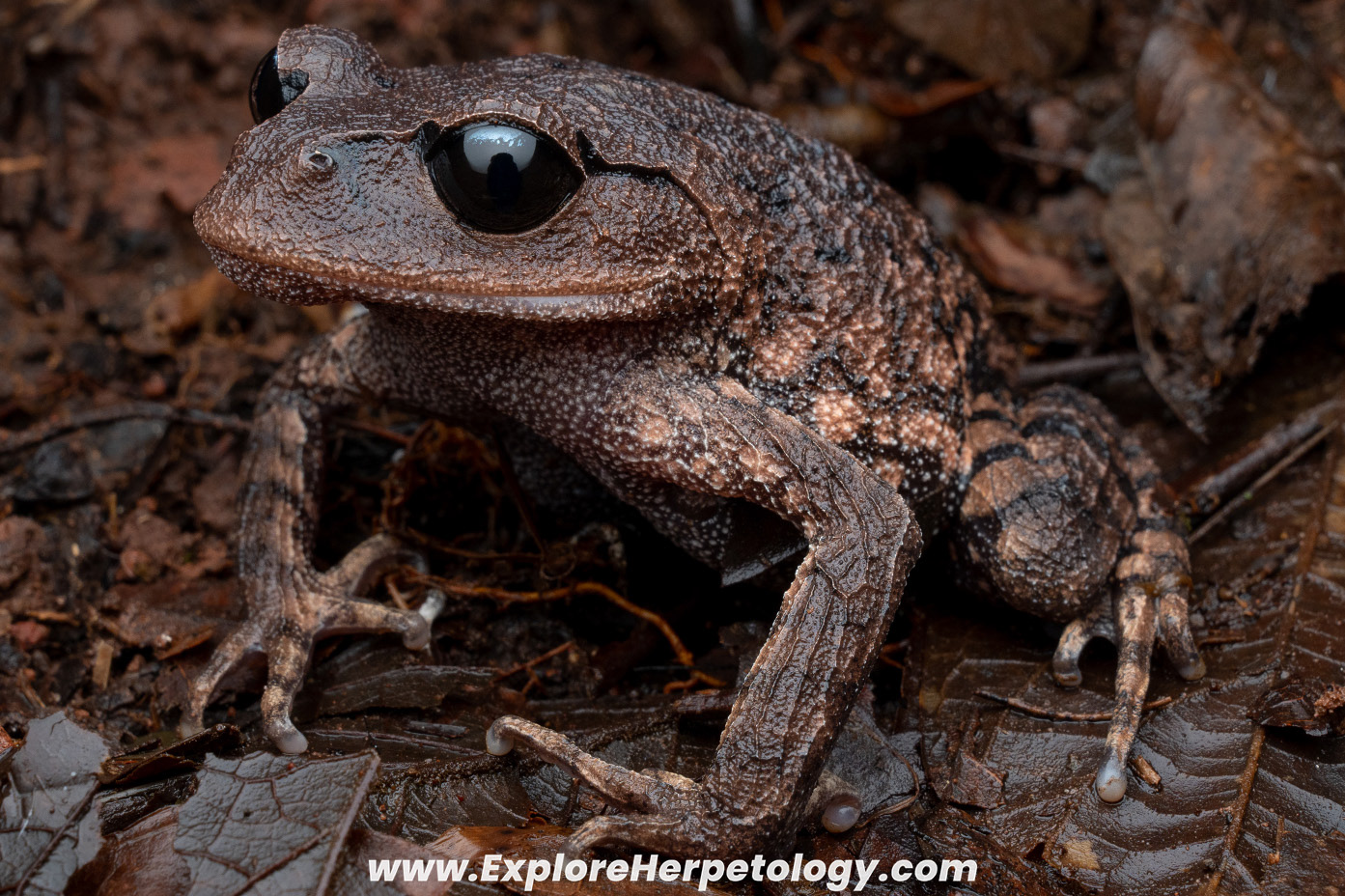
Leptobrachium huashen.
Accommodation:
We will be staying at good quality accommodation throughout the trip, mostly comprised of comfortable guesthouses and resorts, some short stays in conventional hotels. The standard package for this expedition is a shared twin-bed bungalow, but we offer a single supplement package and for those who want a private room.
Food:
We will eat at a large variety of restaurants across the trip, from local village shops to resorts. The food will range from simple Thai dishes to high-quality western food. We will always have access to 7-Eleven or small convenience stores within walking distance of our hotel, where one can stock up on snacks for while we are in the field.
Environmental conditions & fitness:
We will experience all kinds of weather conditions across this extremely diverse tour, ranging from scorching hot limestone karst lowlands to cold mountain summits. This trip takes place at the end of the rainy season, so we expect occasional thunderstorms and showers.
We will do a lot of road cruising on this trips, but some days will feature considerably more hiking. There are optional hikes to mountaintops and other more challenging terrain during the trip, for those who want to get out on foot as much as possible. Mosquitos, leeches and other biting/stinging animals are part of jungle life, so long trousers/pants, long sleeved shirts and long socks are strongly advised. We specifically recommend rubber boots and hiking boots as both will come in handy on this expedition.
Travel information:
All participants must arrive at the designated meeting point in Bangkok, Thailand, by midday (12:00) on the 10th October 2026. We advise all guests to arrive the night before and get a good night’s sleep before the expedition begins. At the end of the tour, we will drop everyone off at Chiang Mai International Airport on the 23rd September by 2pm (14:00).
It is the guests’ responsibility to meet all entry requirements needed to enter Thailand, including visa procedures. Explore Herpetology can help advise entry requirements. Guests travelling from most countries do not require a visa to visit Thailand for less than 30 days. Make sure to check the entry requirements for your country before booking. There are no mandatory vaccinations or COVID restrictions in place for travellers entering Thailand or joining our expeditions.
Habitats and scenery: