
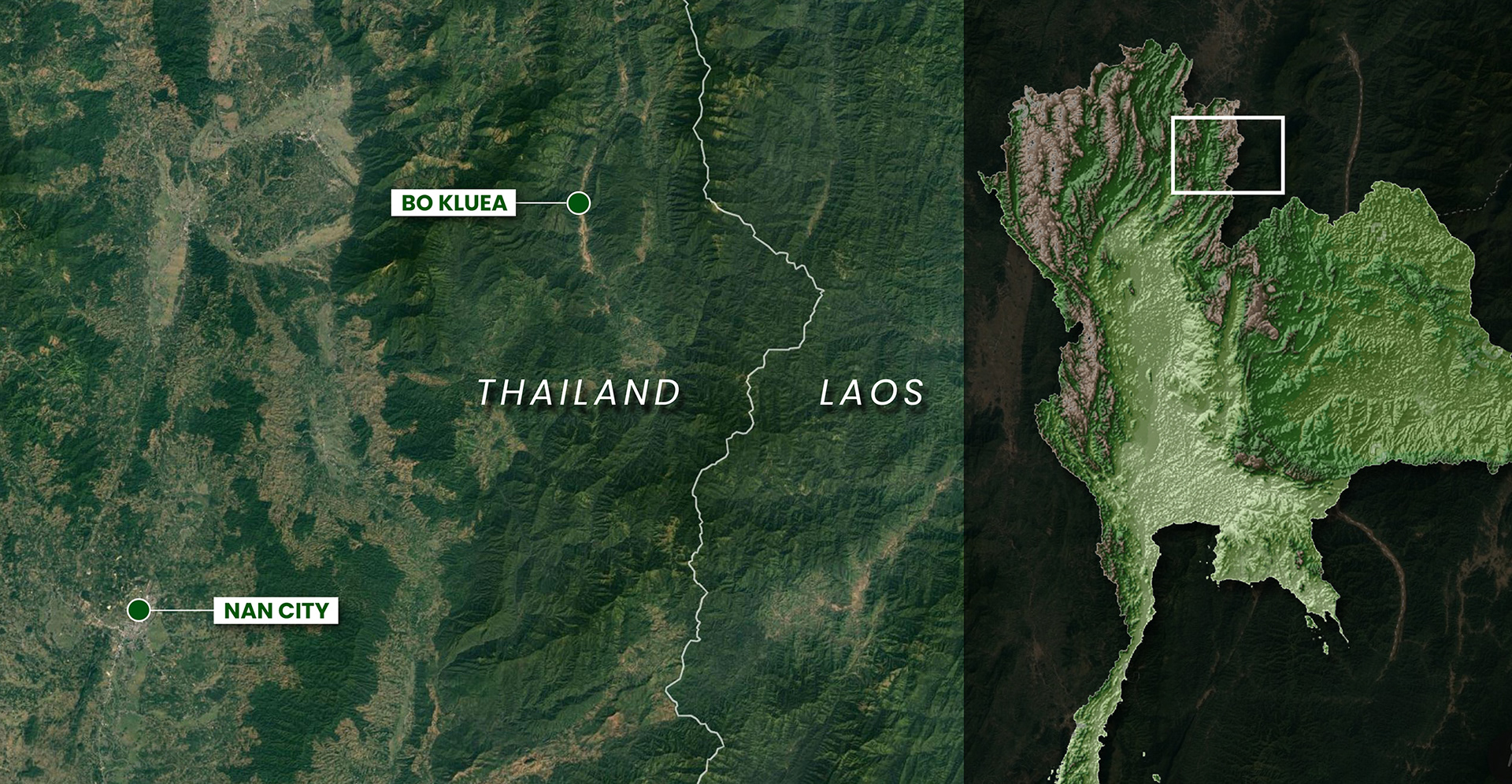
Start: 13th September 2026 | End: 21st September 2026 | Meeting location: Nan City | Availability: 2 Spaces
Included in the tour:
- Expert herpetologist guides.
- Transport throughout the tour.
- Accommodation.
- Meals & Drinks.
- Permit fees.
- Drinking water.
Introduction:
Expedition Northern Thailand is an Explore Herpetology exclusive, and one of the most unique experiences we offer. Unlike our other expeditions, we spend the entire duration of the tour in one place, staying at one very comfortable jungle resort. This gives us 8 full days to explore the ultra-diverse mountains of Nan province and find as much of its incredible herpetofauna as possible. We will spend every day and night out in the field, road cruising, stream walking and trail hiking in search of countless incredible species, making the most of different weather conditions and elevations. The quality of accommodation and catering is higher than all our other available group expeditions, with different set menus of delicious local/western food every night, as well as a mandatory pizza night and occasional ventures to scenic mountain coffee shops. This has been our team's favourite herping destination for years - come and find out why!
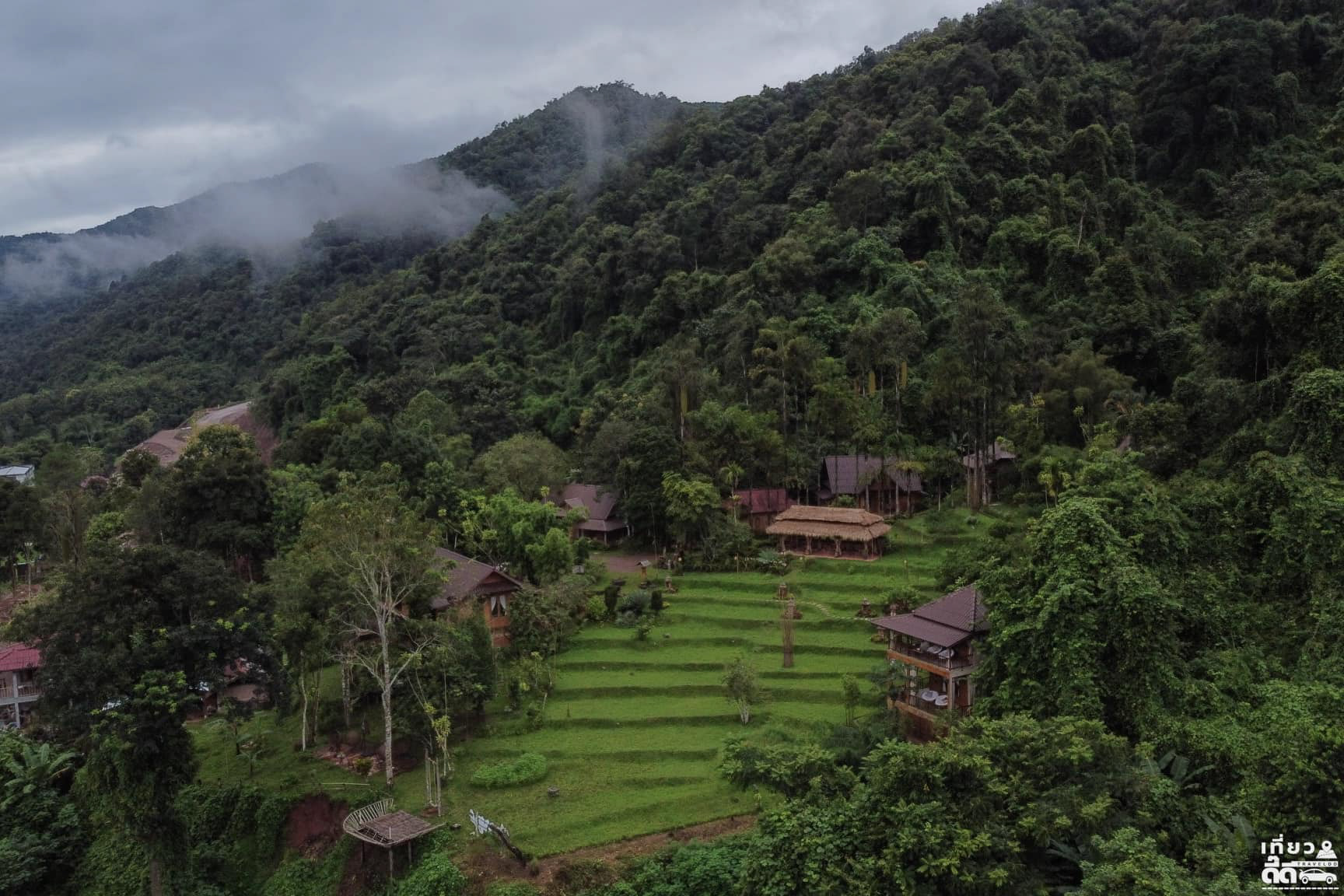
Drone view of our resort.
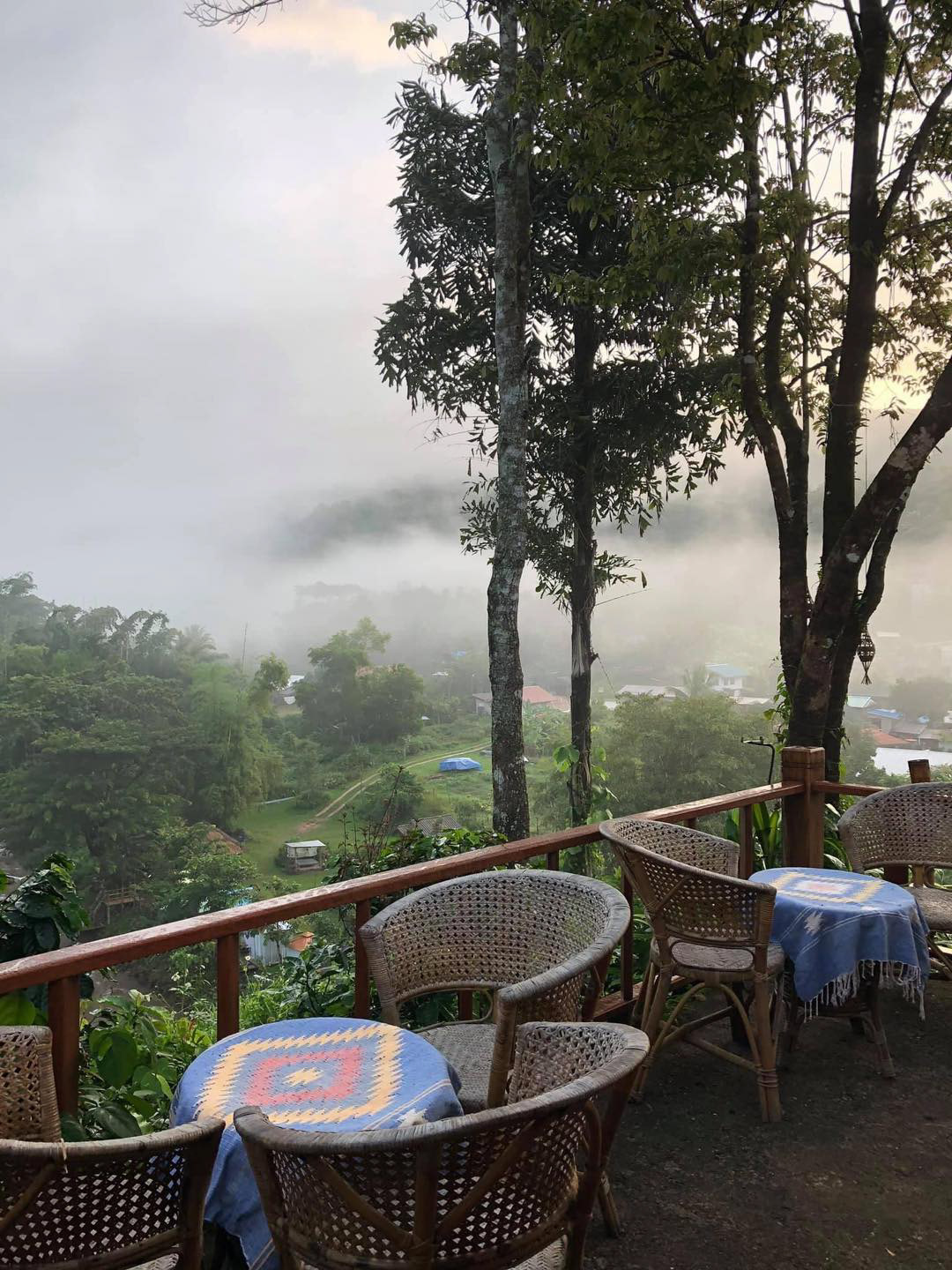
View from the restaurant.
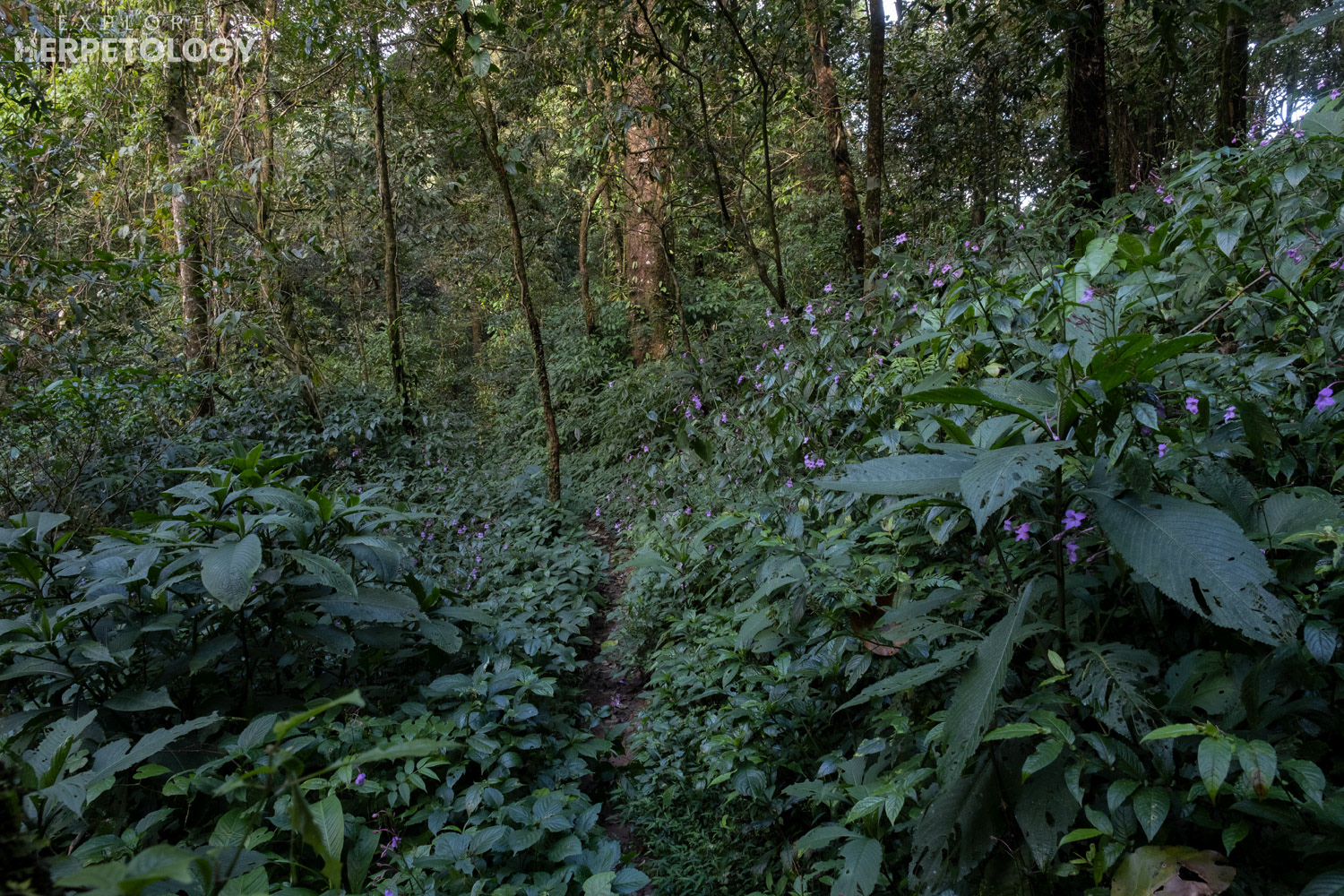
Montane forest trail.
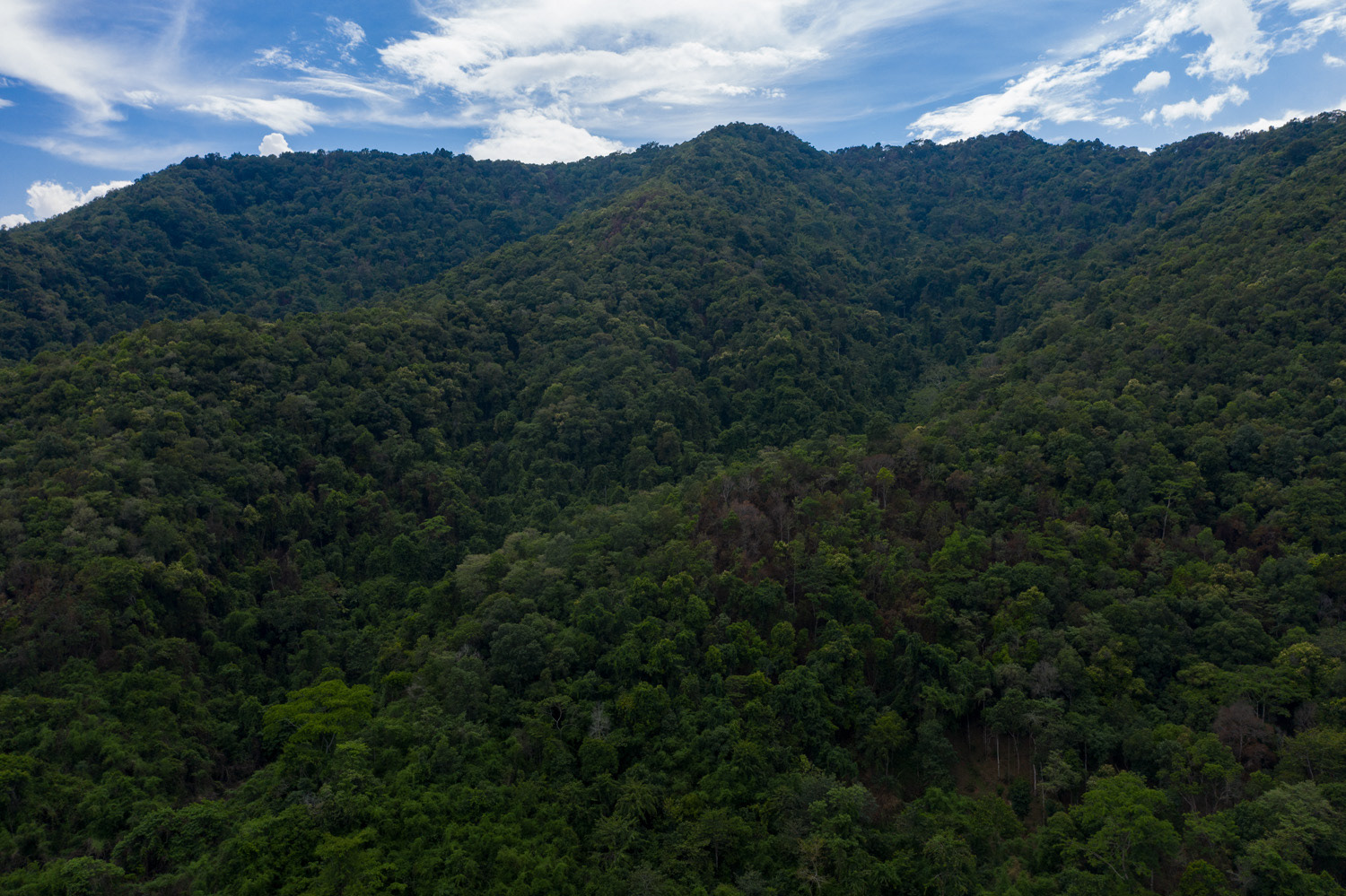
Mid-elevation evergreen forest.
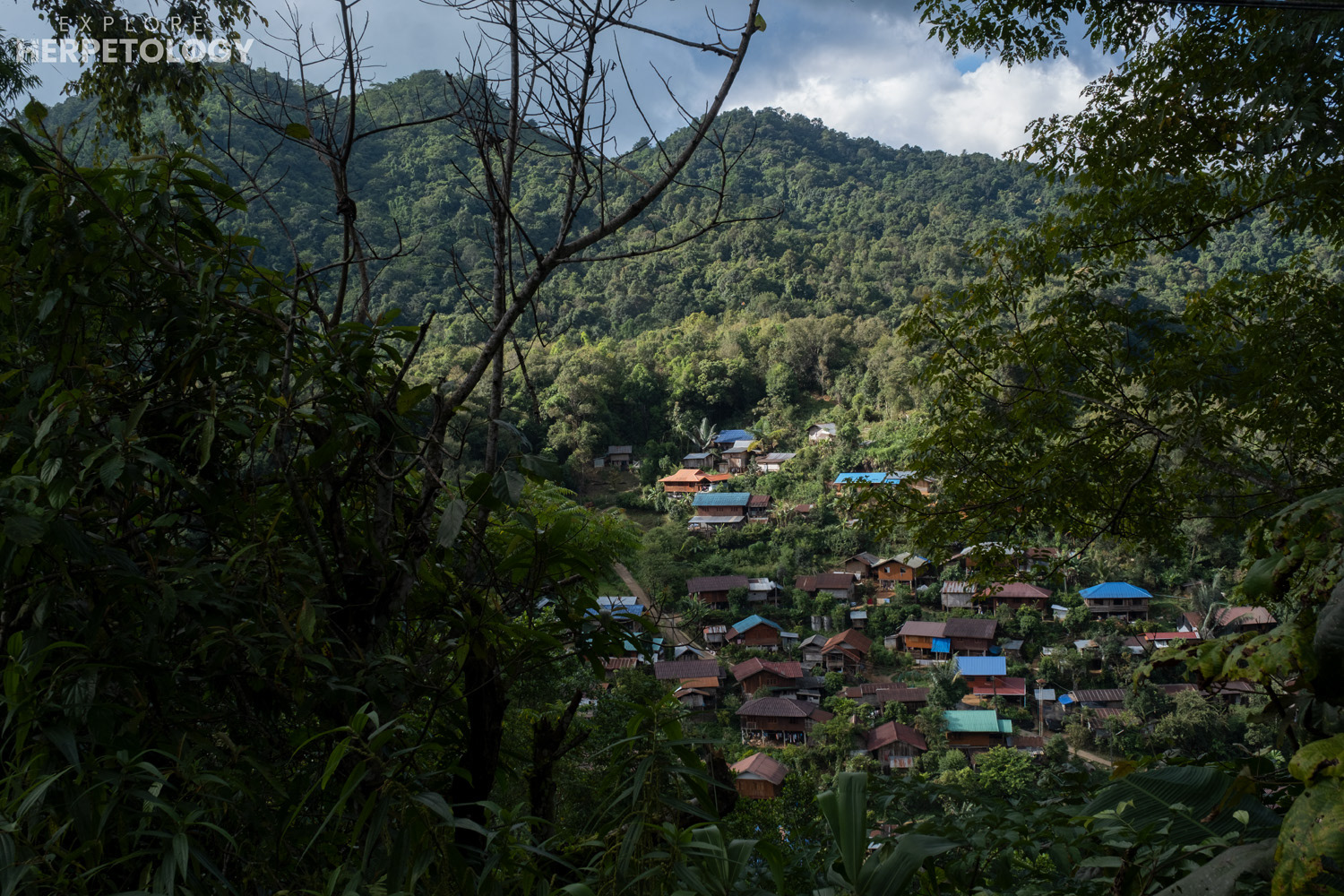
Hmong tribal village in the mountains.
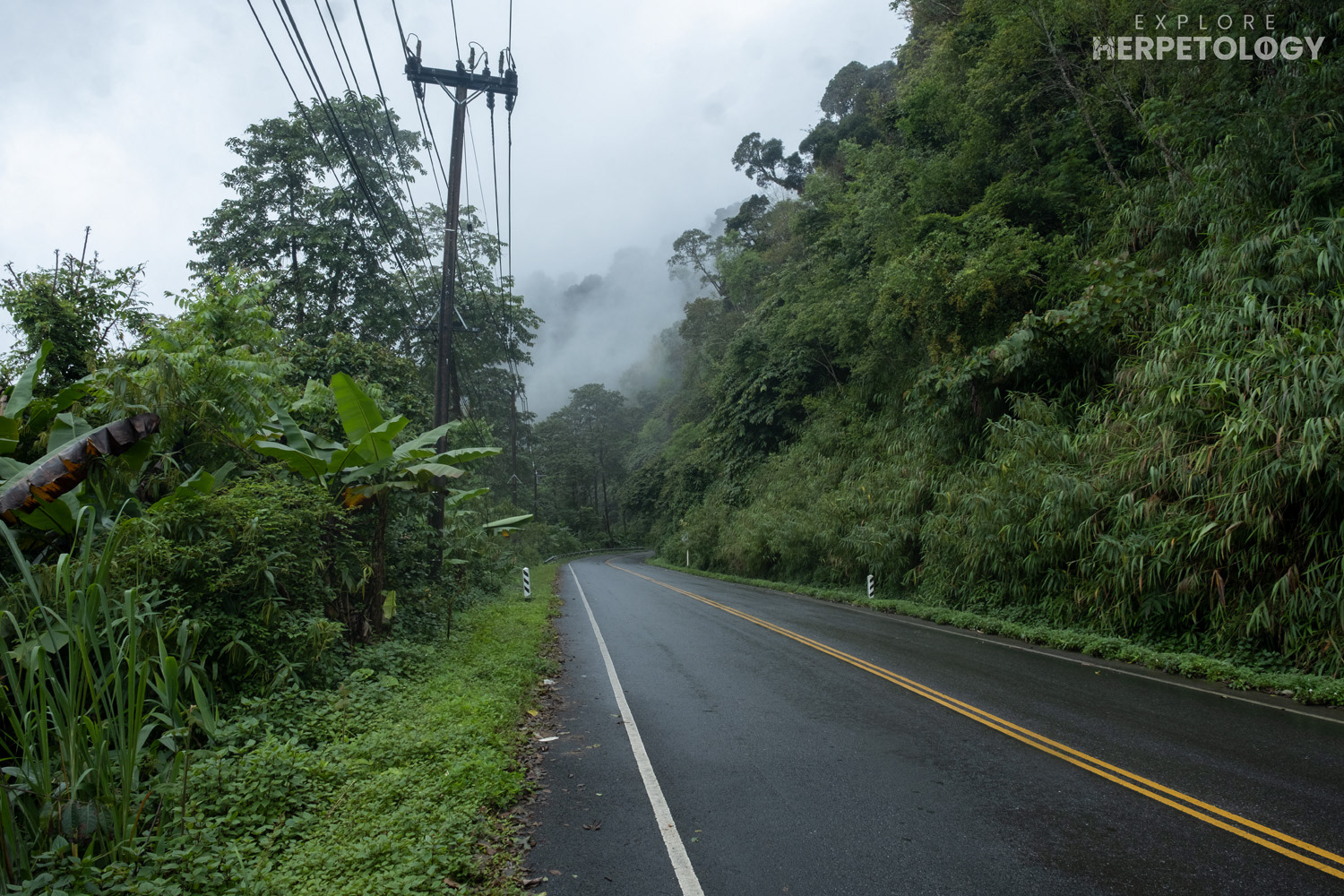
Prime herping.
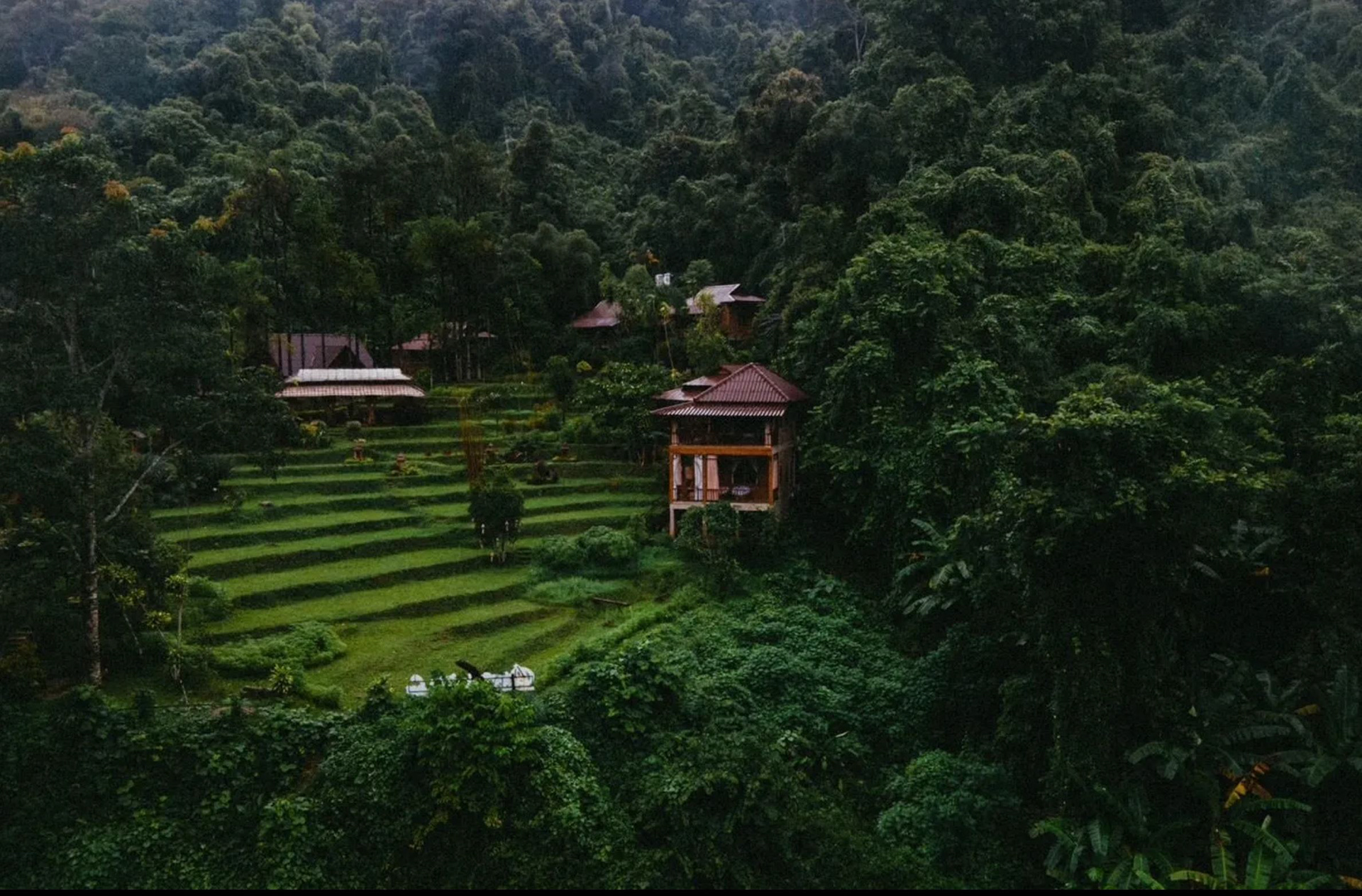
Another view of our resort.
The Holy Grail Species:
Our accommodation is at 600 meters above sea level (henceforth "asl."), but we will focus the majority of our search effort on upper elevations of the mountain (1200 - 1715 meters asl.), where the majority of the showstopper snake species occur. Of the three 'holy grail' species on this mountain, two are restricted only to the highest elevations of the mountain. The Red River krait (Bungarus slowinskii) was first discovered in Thailand in 2018, and has since only been recorded from a few individuals - most of which were found by the Explore Herpetology team. While highly-venomous, this species is very slow moving and reluctant to bite, usually found crossing roads or hunting in drainage ditches. We were very lucky to see large adults of this magnificent species on both our 2024 and 2025 editions of this expedition.
Unlike the Red River krait, the second 'holy grail' species from montane elevations is the fast-moving and diurnal black-striped green rat snake (Ptyas nigromarginata). This is arguably one of the most beautiful snakes in the world, with the unique clade occurring in Northern Thailand and Laos being the absolute best of them all. This regional form of the species can grow to over 3 meters in length, and has by far the most vibrant colouration in both juvenile and adult form. Mid to late September is the best time of year to look for this species, as juveniles emerge in September and the roads have significantly less traffic in the daytime than October.
The final species which we consider to be part of the 'holy grail' trinity of Nan province endemics is the bamboo false cobra (Pseudoxenodon bambusicola). This species is typically found below 1,200m, and is active both day and night alongside small mountain streams. It is surprisingly large and very thick-bodied, and comes in both a bluish-grey and yellow phenotype - capable of spreading broad hood with a 'monocle' marking. This ridiculously rare snake is one of the only species in the area our team has not yet found, although we have seen individuals captured by local hunters. It is primarily active from late November to February, but can also be found throughout the year.
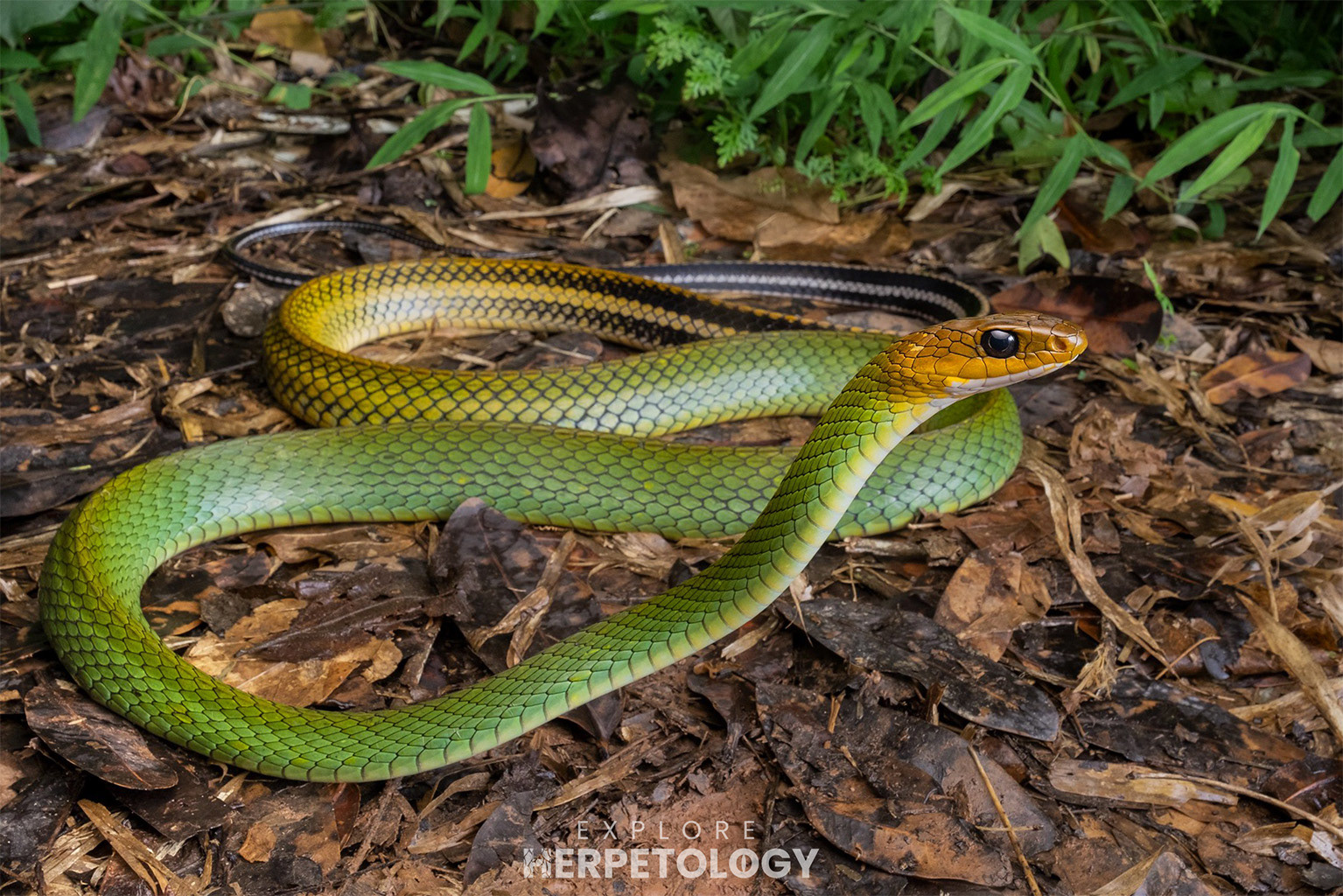
Black-striped green rat snake (Ptyas nigromarginata) - adult
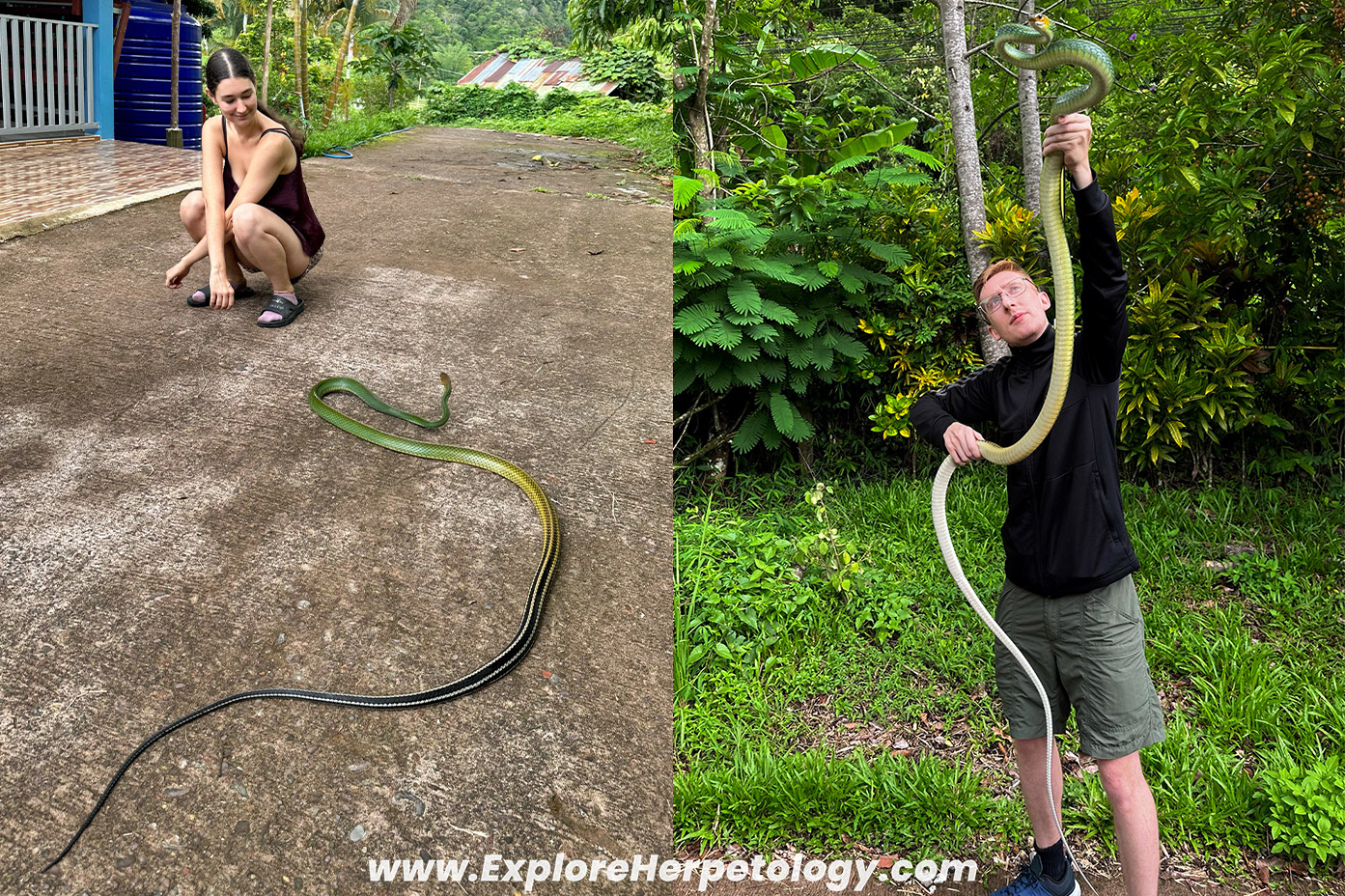
Black-striped green rat snake (Ptyas nigromarginata) - adult
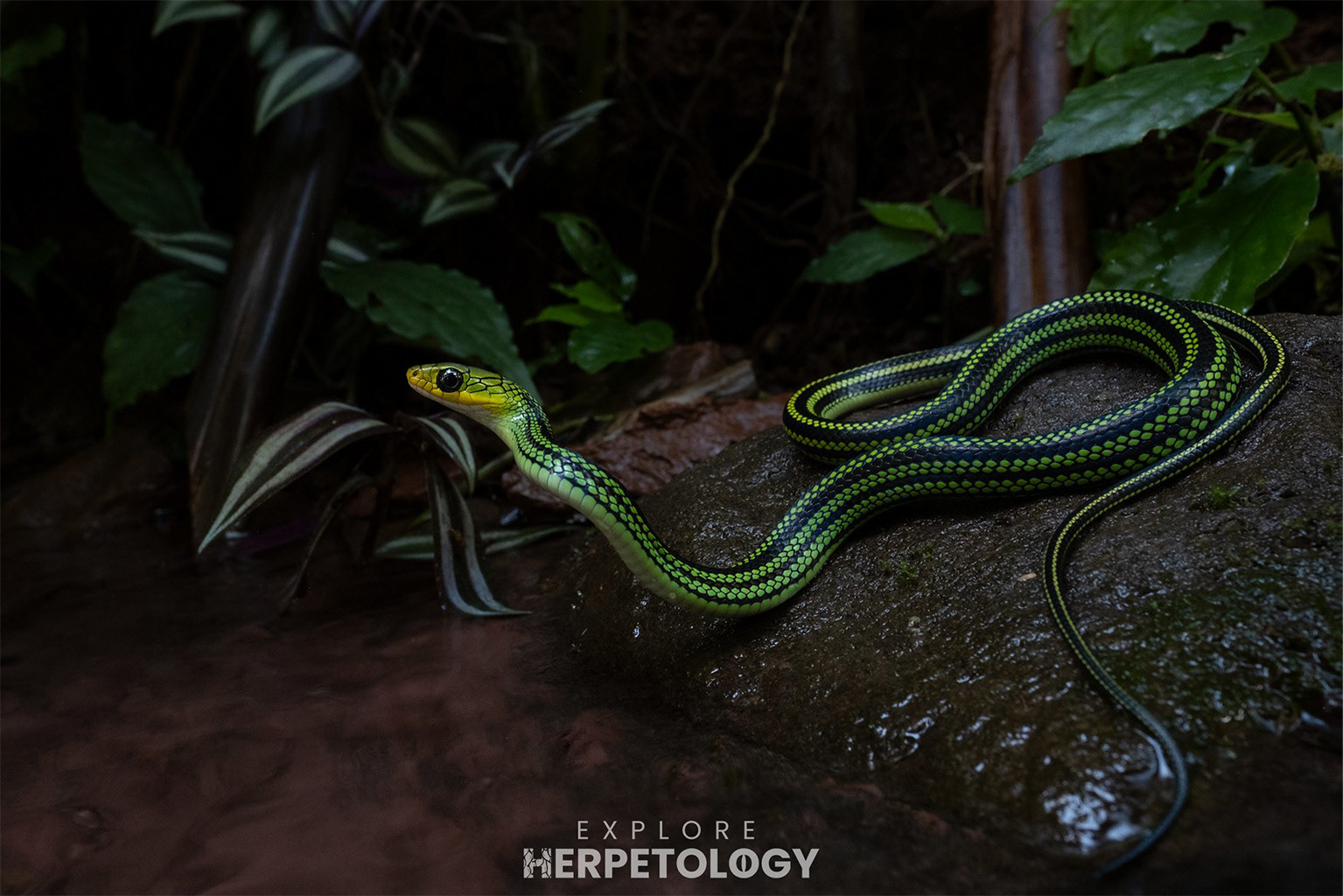
Black-striped green rat snake (Ptyas nigromarginata) - juvenile
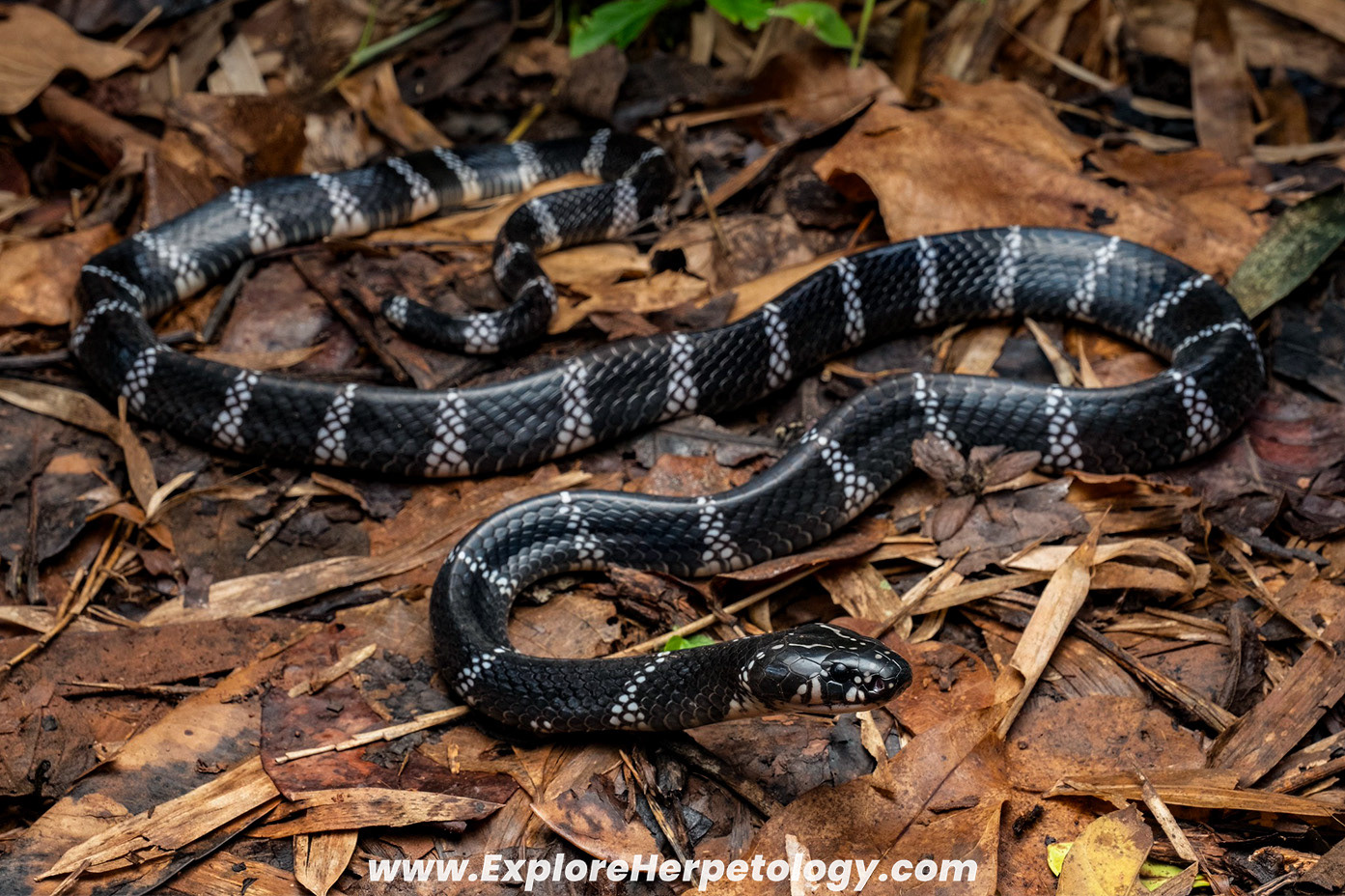
Red River krait (Bungarus slowinskii).
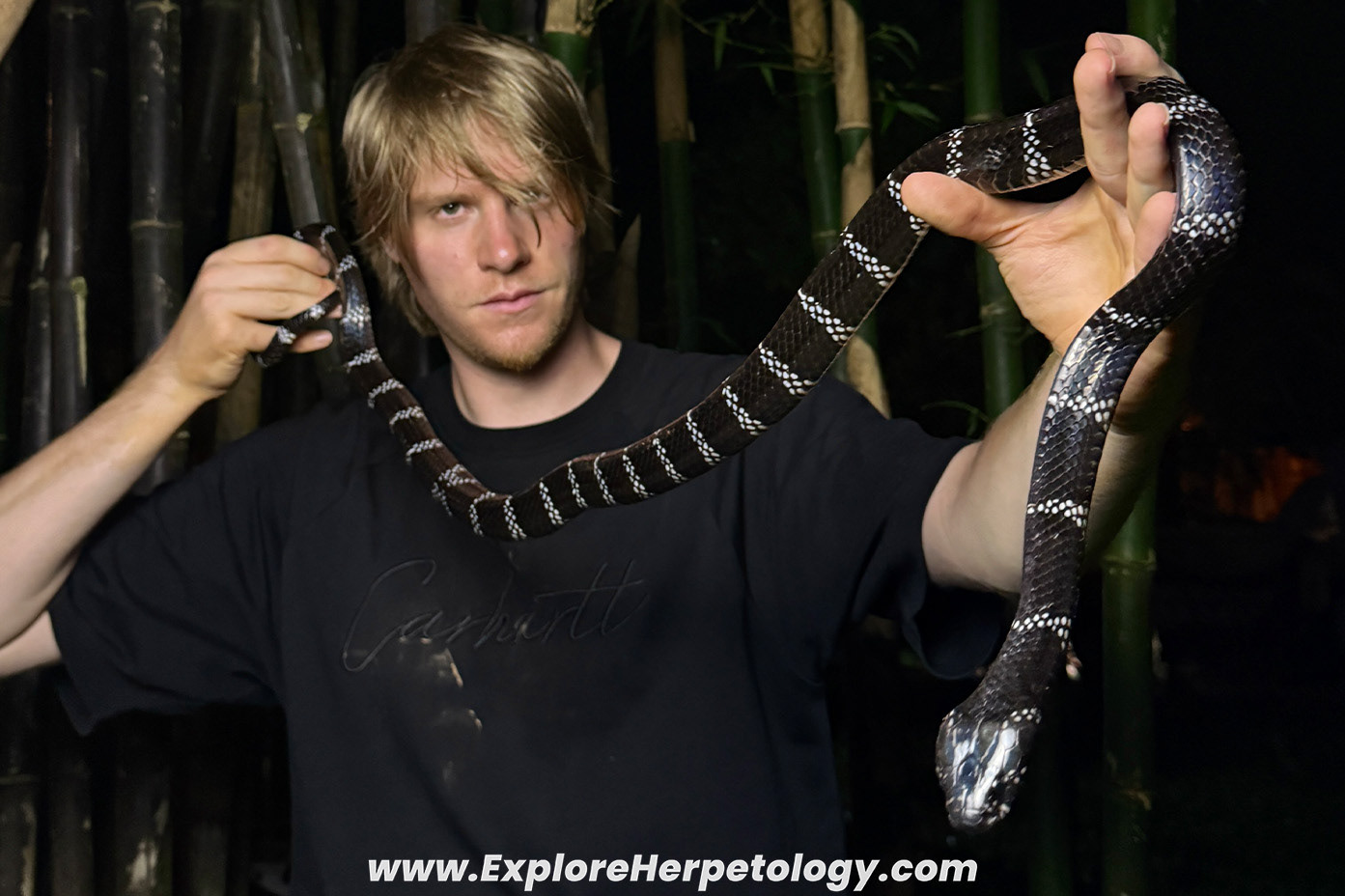
Red River krait (Bungarus slowinskii).
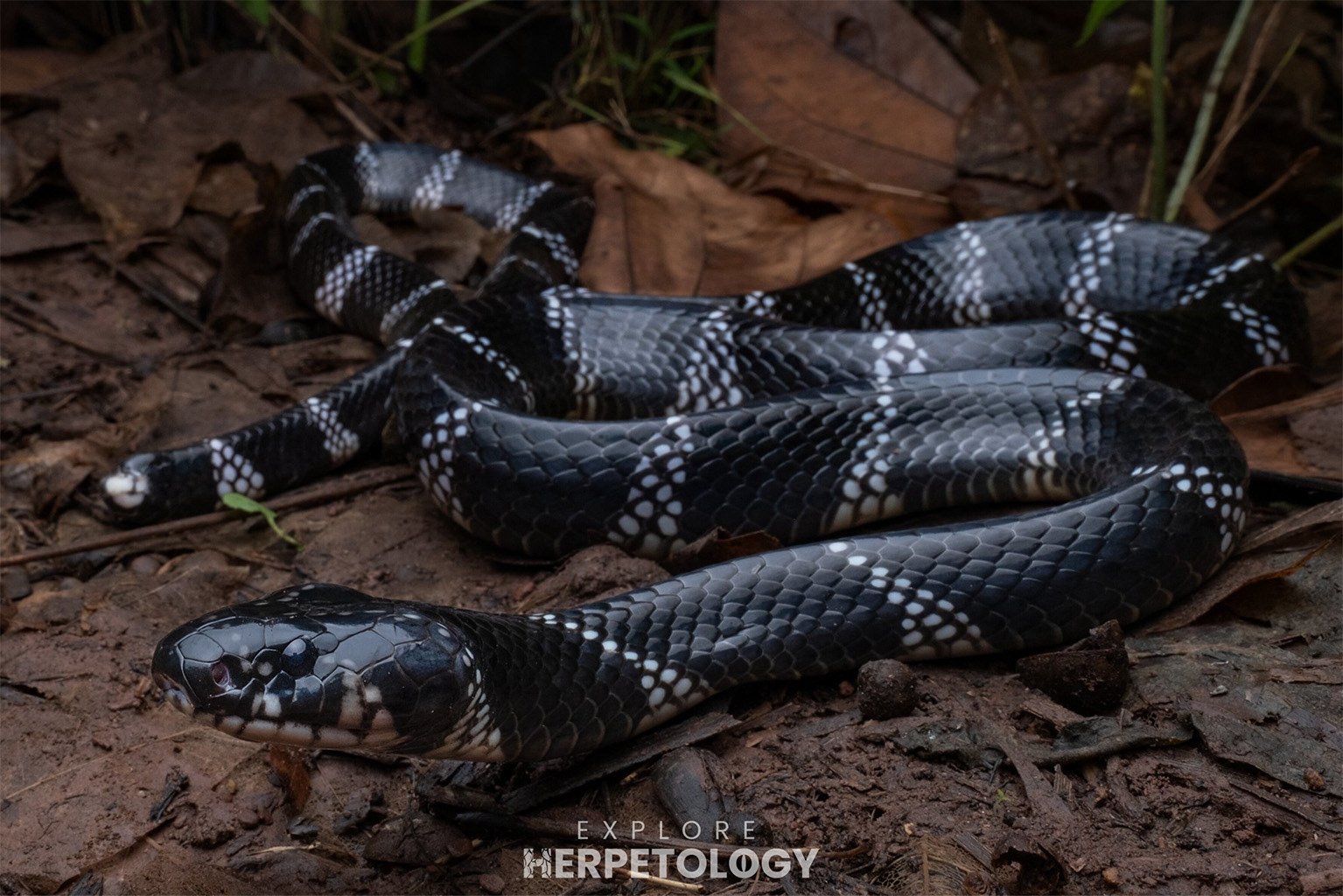
Red River krait (Bungarus slowinskii).
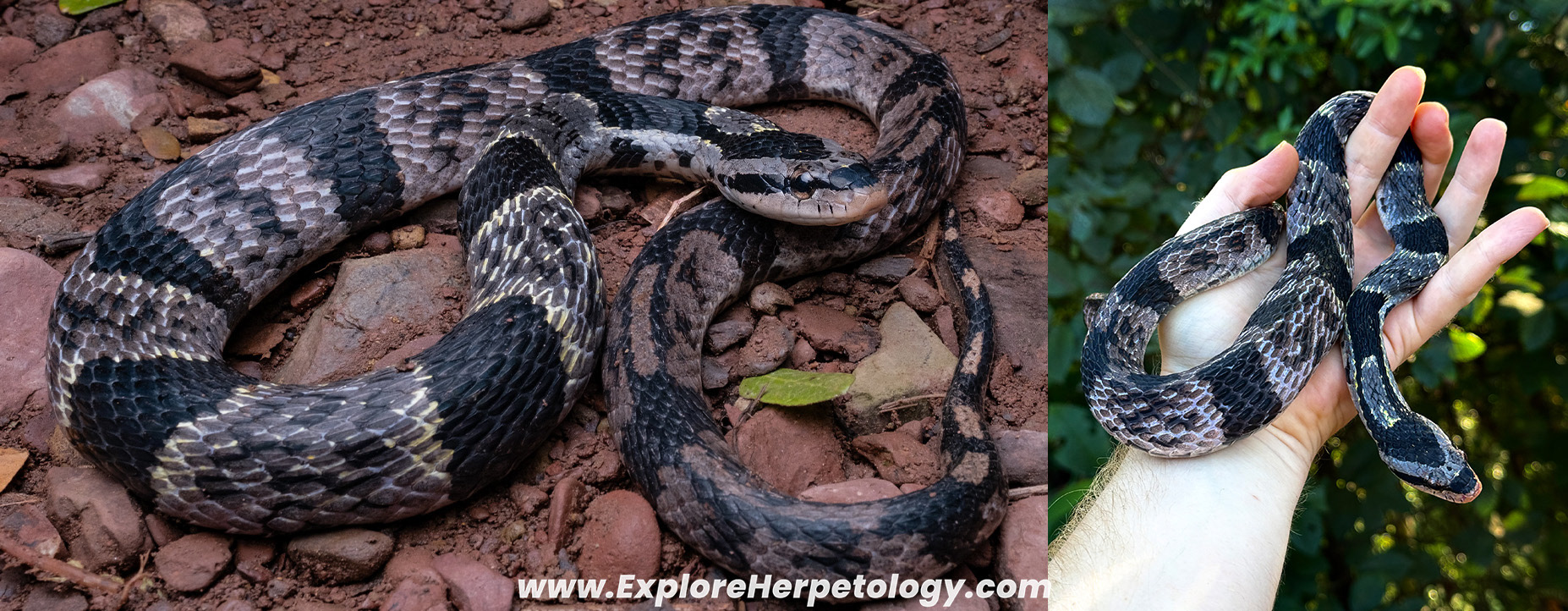
Bamboo false cobra (Pseudoxenodon bambusicola).
Venomous Snakes:
Including the Red River krait (Bungarus slowinskii), these mountains are home to minimum of 10 venomous snake species. This includes four additional elapids and five species of pit viper. On our most recent Northern Thailand expedition, we were treated to an encounter with an incredible >3 meter Northern king cobra (Ophiophagus hannah) while road cruising during the daytime. Although rare, daytime and sunset road cruising occasionally produces the brown-banded mountain cobra (Naja fuxi), while Wanghaoting's krait (Bungarus multicinctus wanghaotingi) and the brightly coloured annulated coral snake (Sinomicrurus annularis) are both active at night.
Those who enjoy green vipers are in luck, as there are three different species of "green bean" occurring at the different elevations of the mountain - and can often all be found in one singular (usually rainy) night. Guo's pit viper (Trimeresurus albolabris guoi) is common in disturbed areas below 1,000 meters asl., the Yunnan pit viper (Trimeresurus yunnanensis) is common at the very top of the mountain, while the Lanna pit viper (Trimeresurus lanna) is abundant in all forested areas between. Certain nights with particularly good conditions and activity levels can produce upwards of 20 of these green vipers.
Our favourite pit viper present in this area is the secretive mountain pit viper (Ovophis cf. monticola), which emerges after very heavy rains. We usually find this viper by flipping through decaying leaf litter or fallen logs, but sometimes it is just crossing the road. September is one of the best times of year to find the mountain pit viper. The Malayan pit viper also occurs in this area, at the lowest elevations on the west side of the mountain - but we rarely ever venture down to search for this species, as this expedition focuses on finding the highland endemics present on the upper slopes and upland valleys.
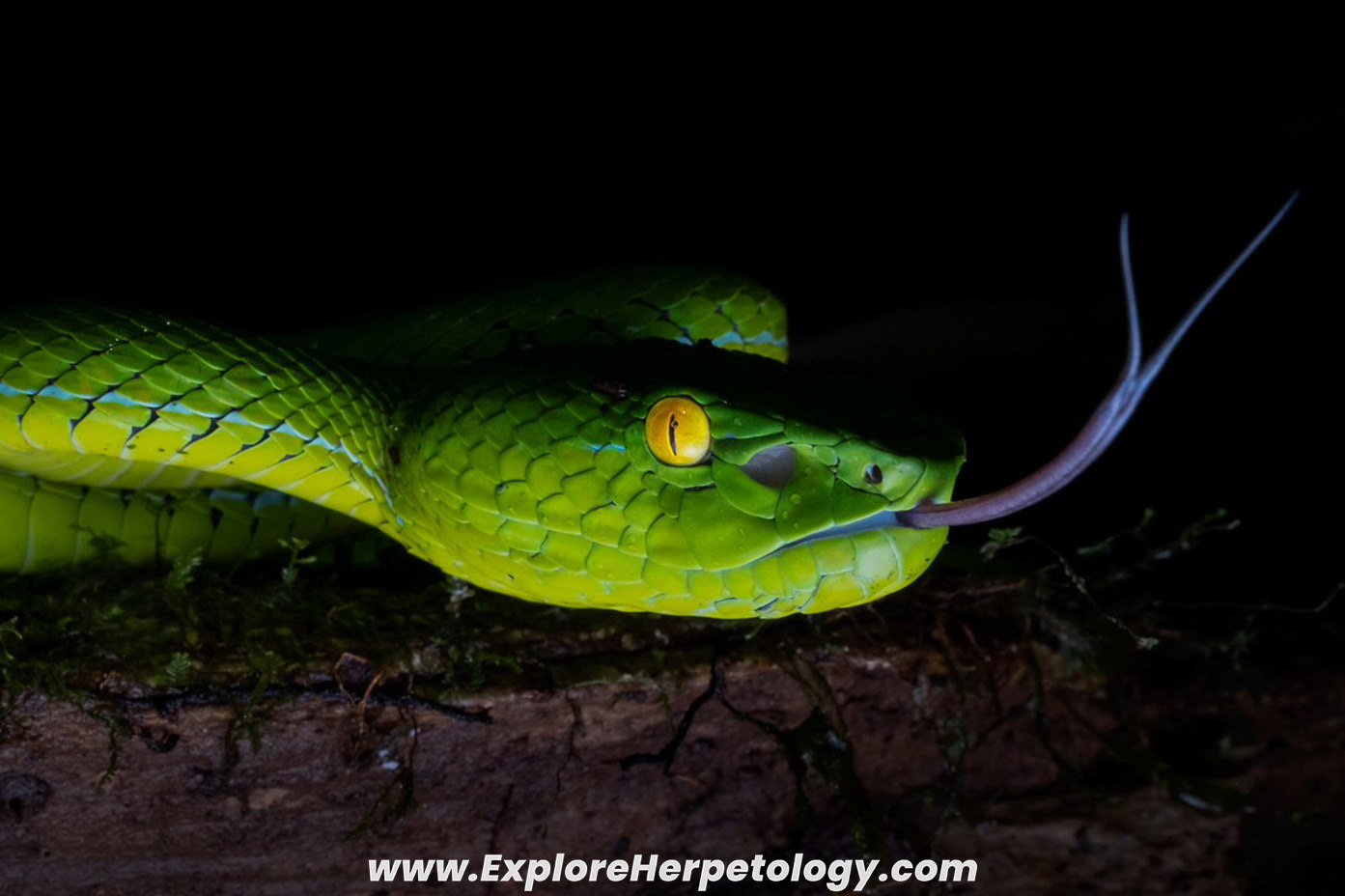
Yunnan pit viper (Trimeresurus yunnanensis).
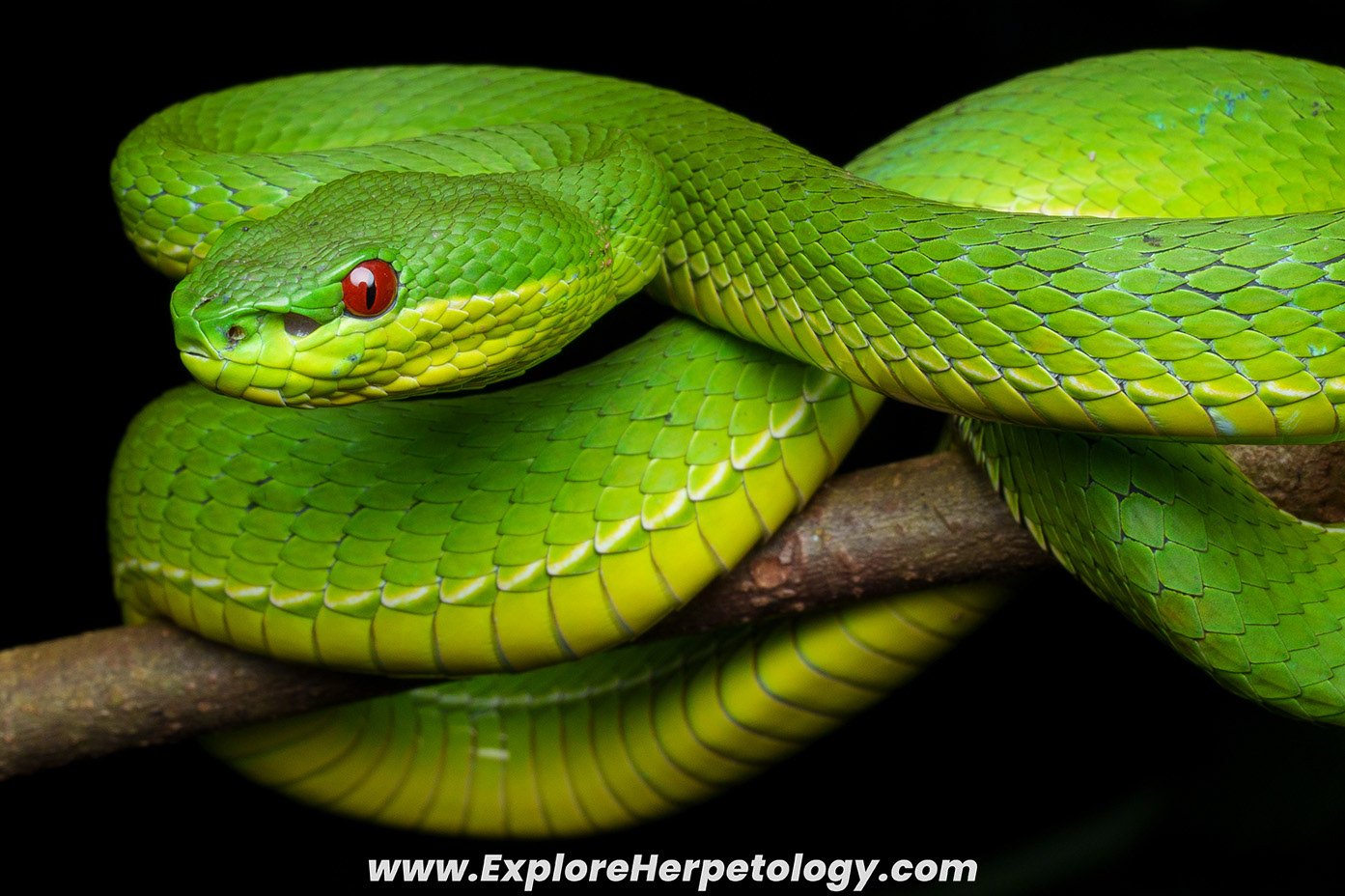
Guoi's pit viper (trimeresurus albolabris guoi).
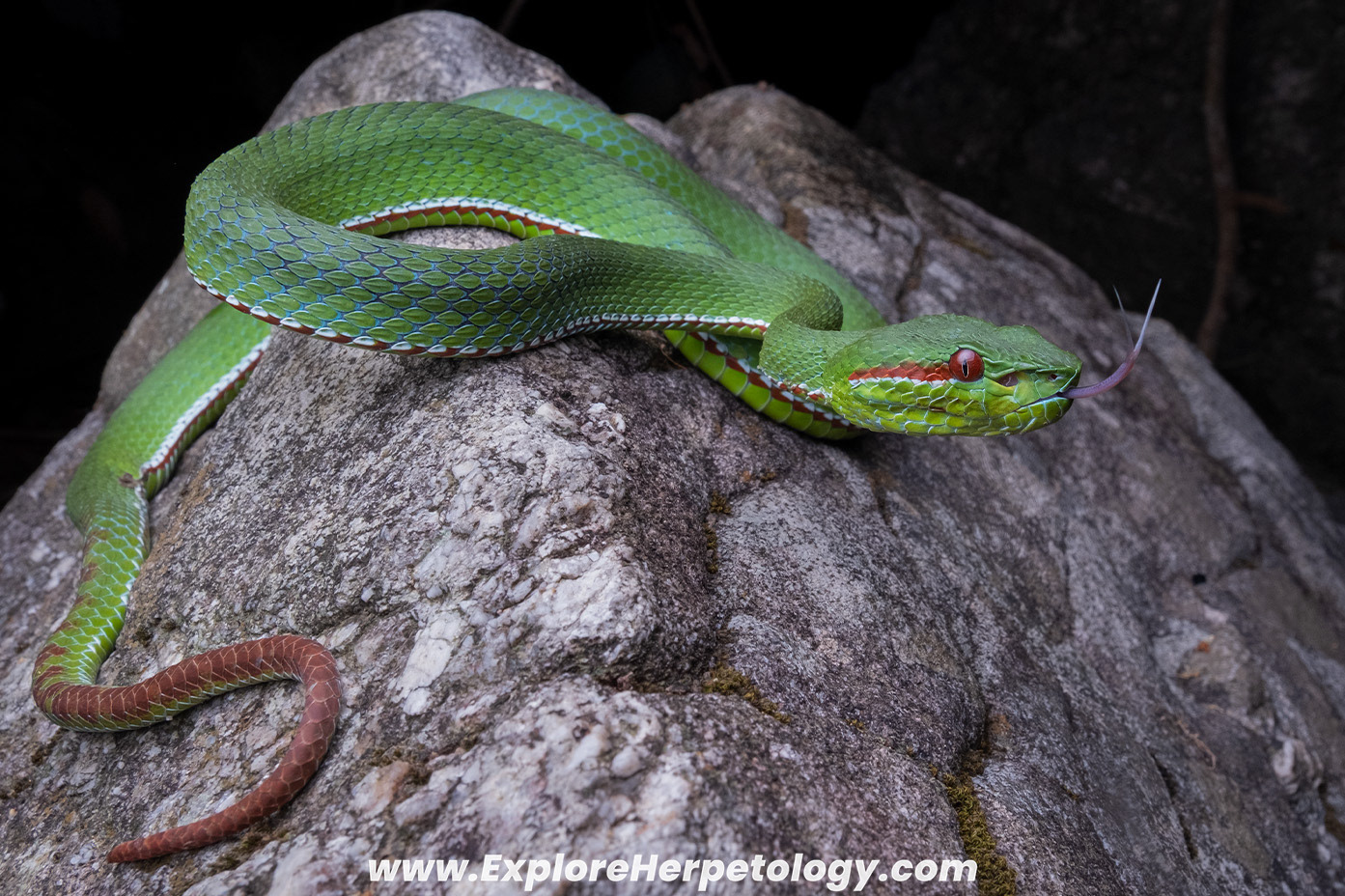
Lanna pit viper (Trimeresurus lanna).
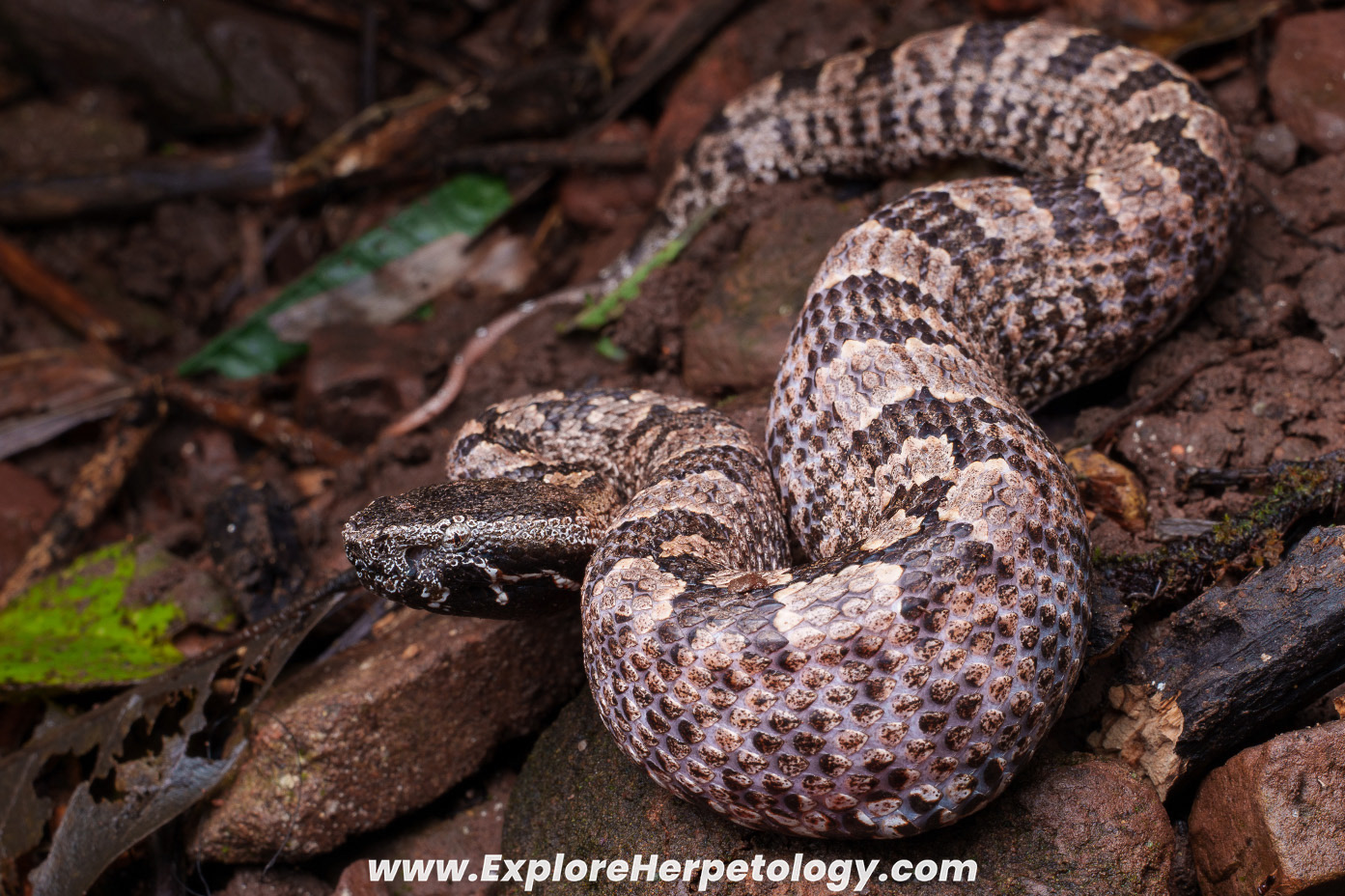
Mountain pit viper (Ovophis cf. monticola).
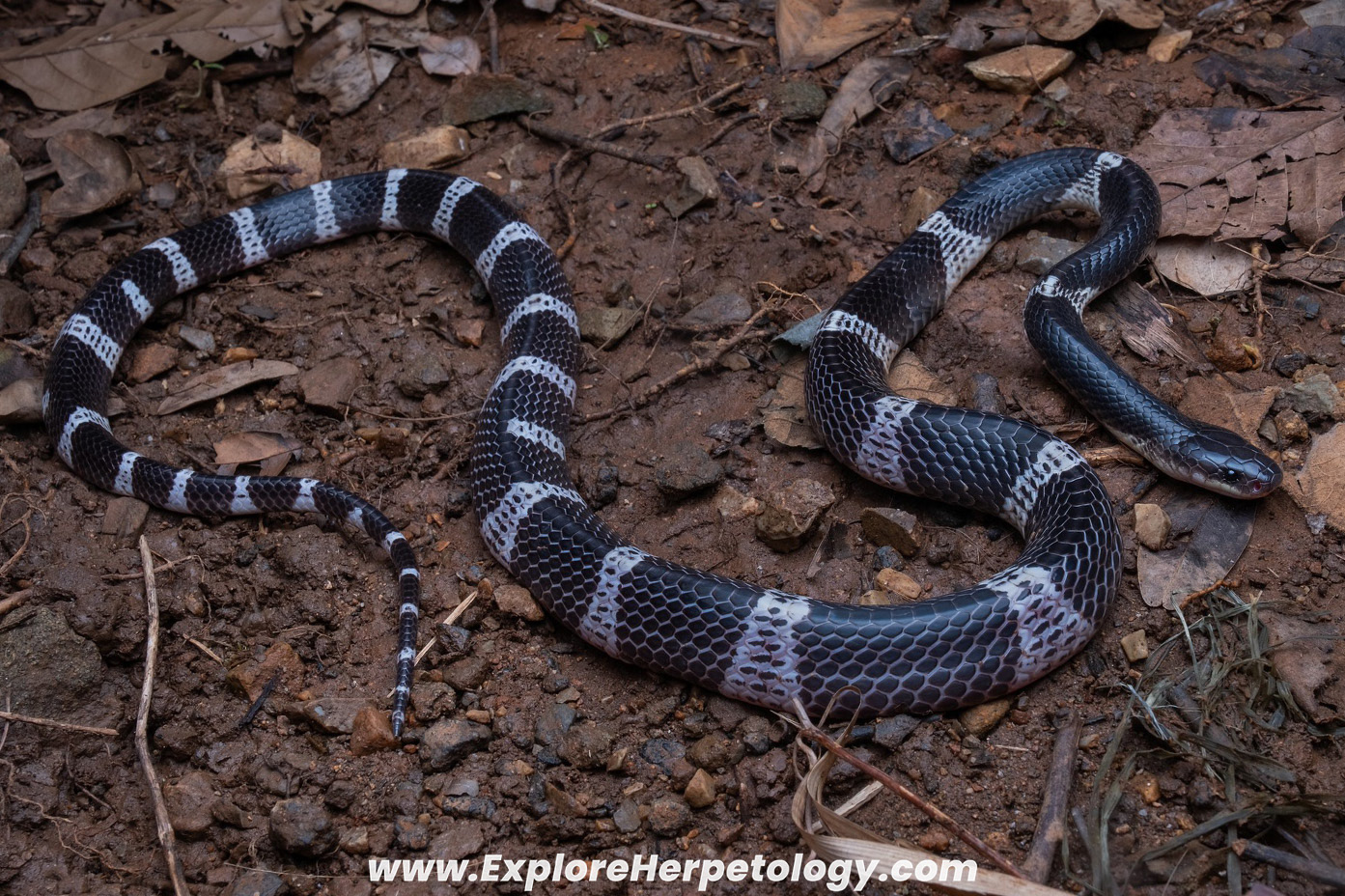
Wanghaoting's krait (Bungarus wanghaotingi).
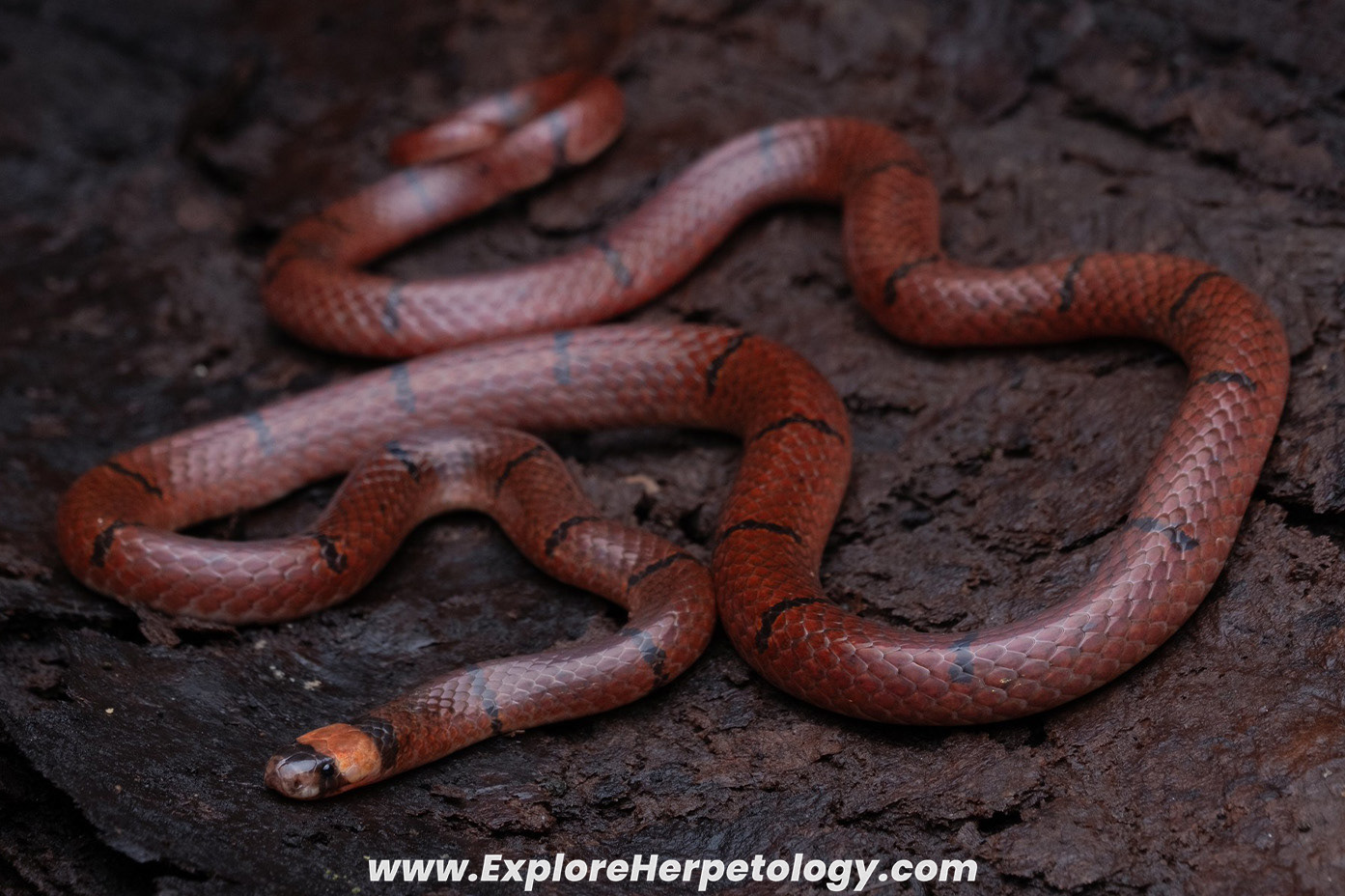
Annulated coral snake (Sinomicrurus annularis).
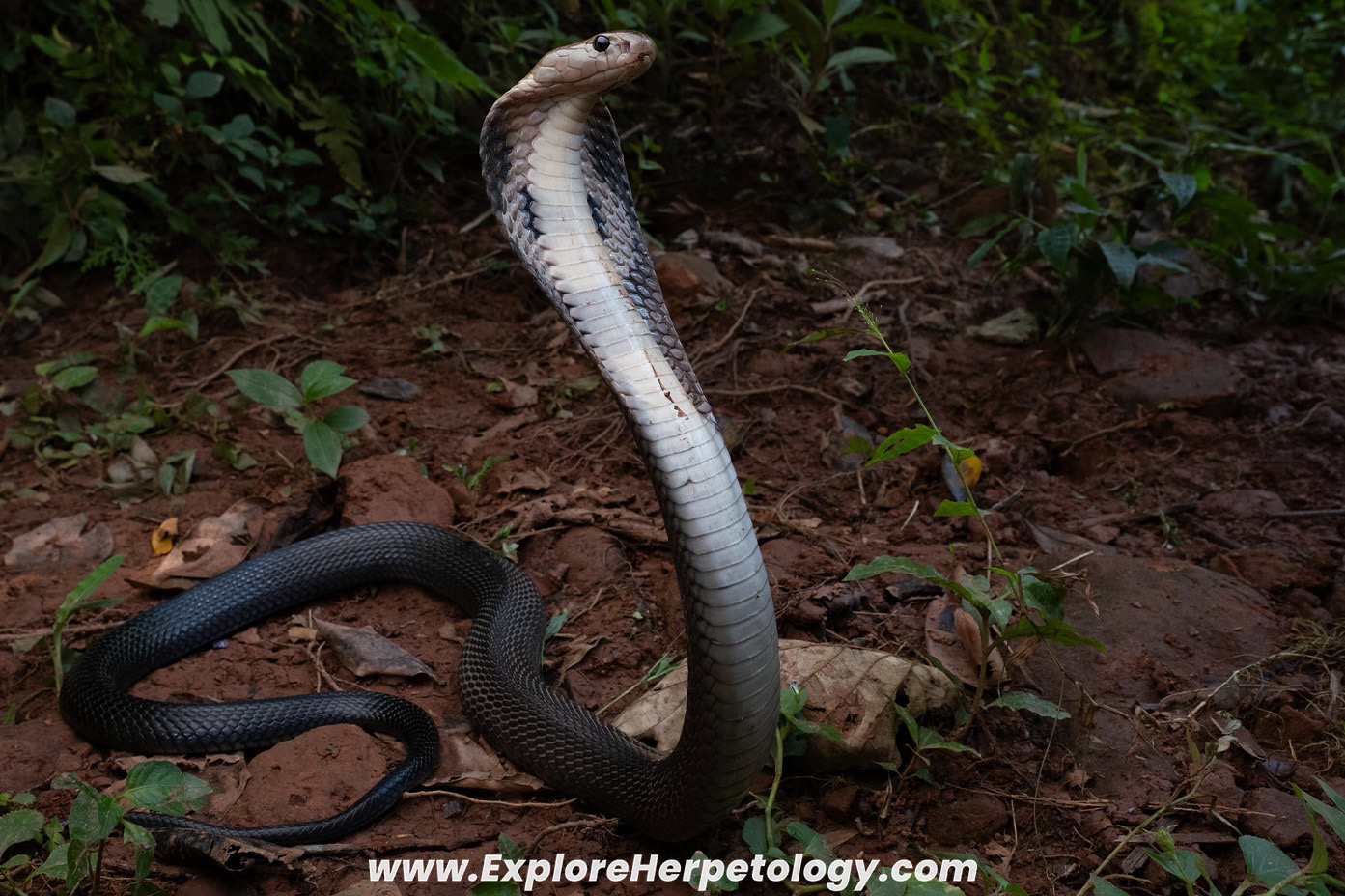
Brown-banded mountain cobra (Naja fuxi).
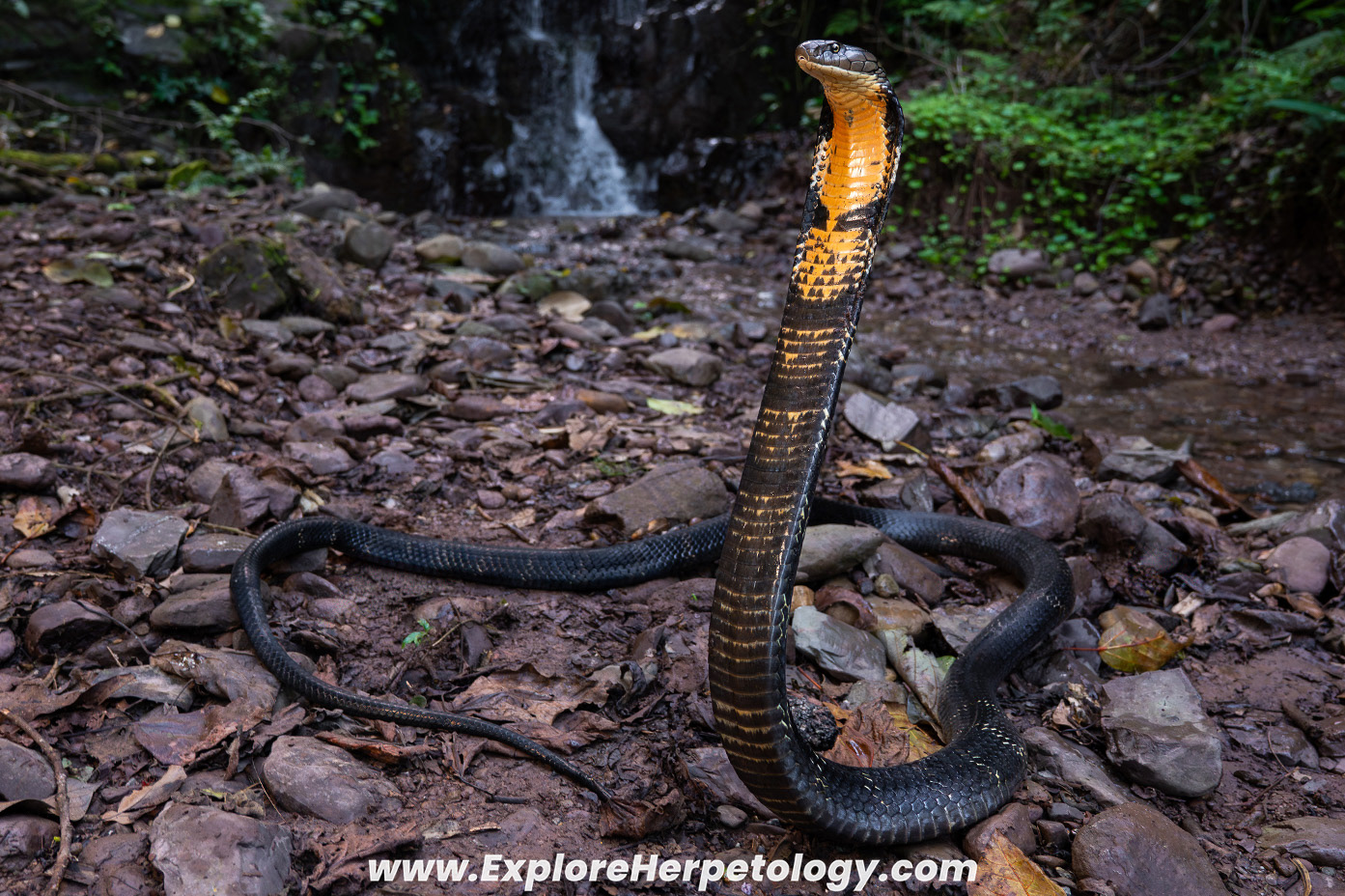
Northern king cobra (Ophiophagus hannah).
Other Special Animals:
If you enjoy more than just snakes, this expedition offers the chance to see some of the rarest amphibians and lizards in Thailand. The best amphibian is the micro-endemic Phu Kha crocodile salamander (Tylototriton phukhaensis), which we will hike to the very summit of a mountain to observe in the wild. Around the same pond as the salamander, we will also see the giant flying frog (Zhangixalus feae) - a truly fantastic animal. It is also possible to see Gordon's bug-eyed frog (Theloderma gordoni) which sometimes venture from their tree holes during very rainy nights, which would be a huge target for our team. We also have a reliable site for Orphryophryne pachyproctus - another very rare frog.
The most special lizard present in the area is, of course, Harold Young's supple skink (Lygosoma haroldyoungi). This borderline-unbelievable skink can be as long as your forearm, with one of the most striking patterns of any animal in the area. They can be found crossing the road (by day or night) or under leaf litter in mid to high elevation forest trails, but are extremely scarce. The Khakhien hills false-bloodsucker (Pseudocalotes khakienensis) is a canopy dwelling lizard which is also rare to encounter. We typically find it sleeping lower down at night during stormy nights. If we are very lucky, we can encounter impressed tortoise (Manouria impressa) crossing the road. This threatened species is still hunted for food by locals, and therefore few and far between.
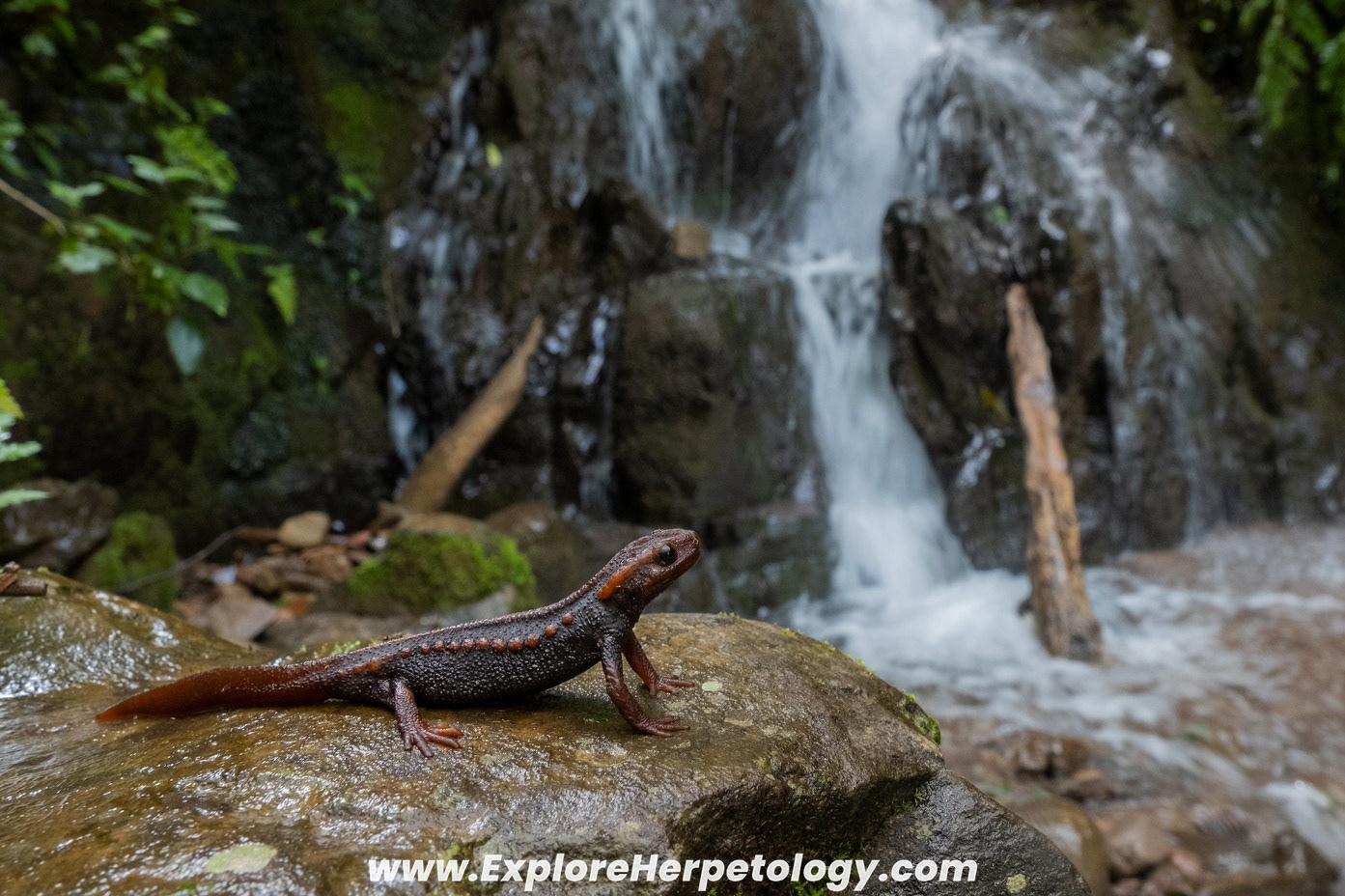
Phu Kha crocodile salandar (Tylototriton phukhaensis)
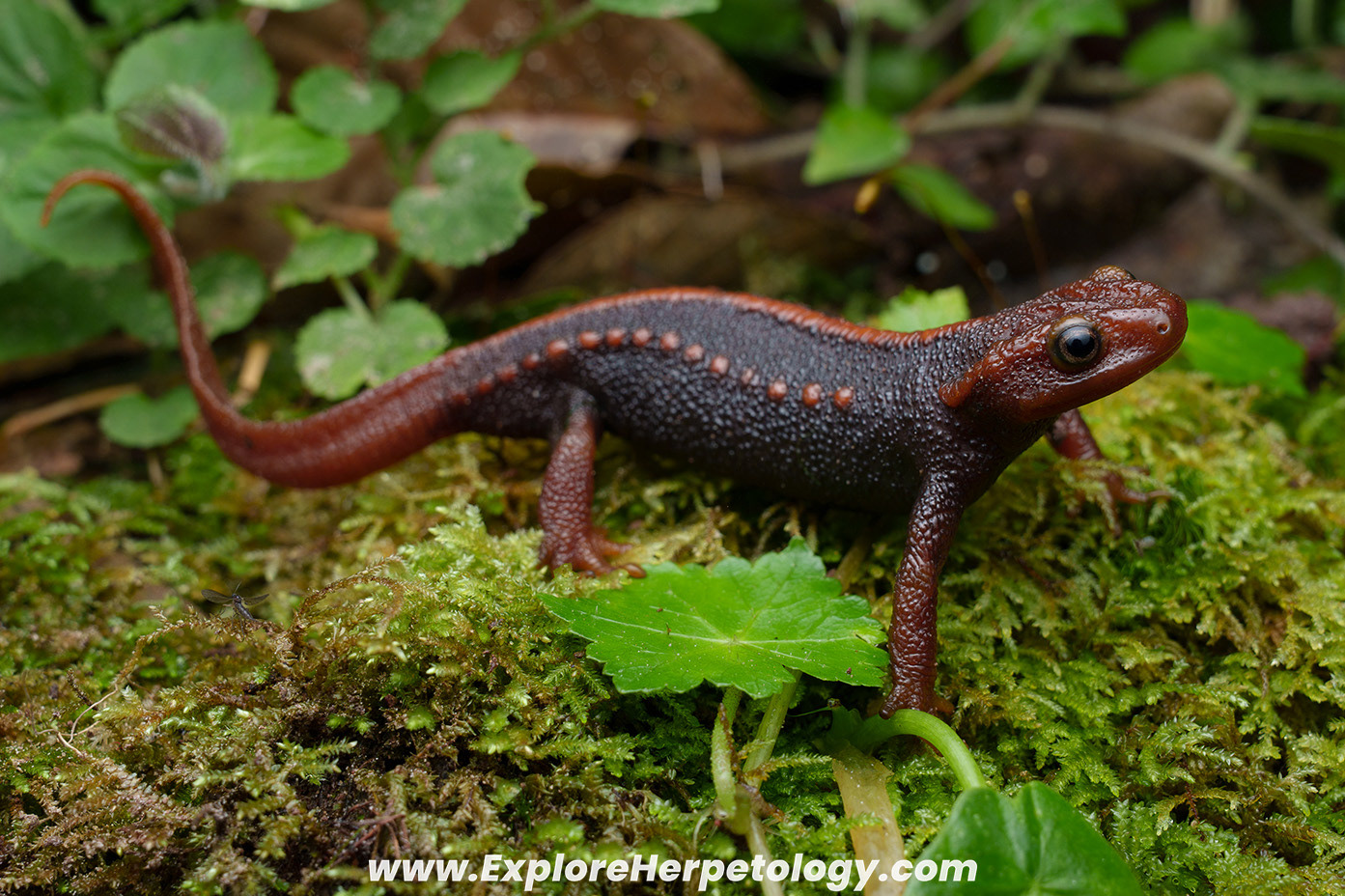
Phu Kha crocodile salandar (Tylototriton phukhaensis)
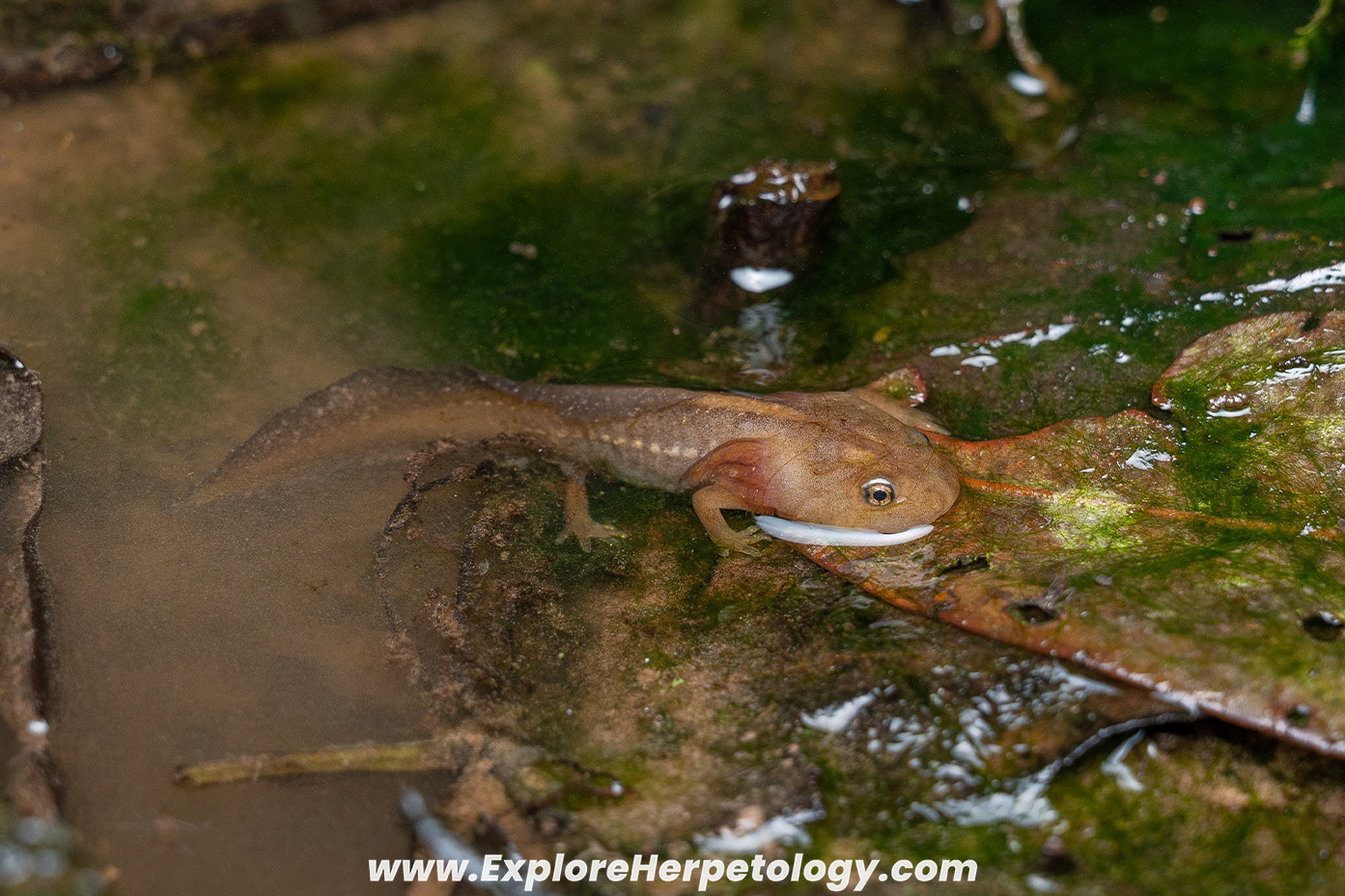
Phu Kha crocodile salandar (Tylototriton phukhaensis)
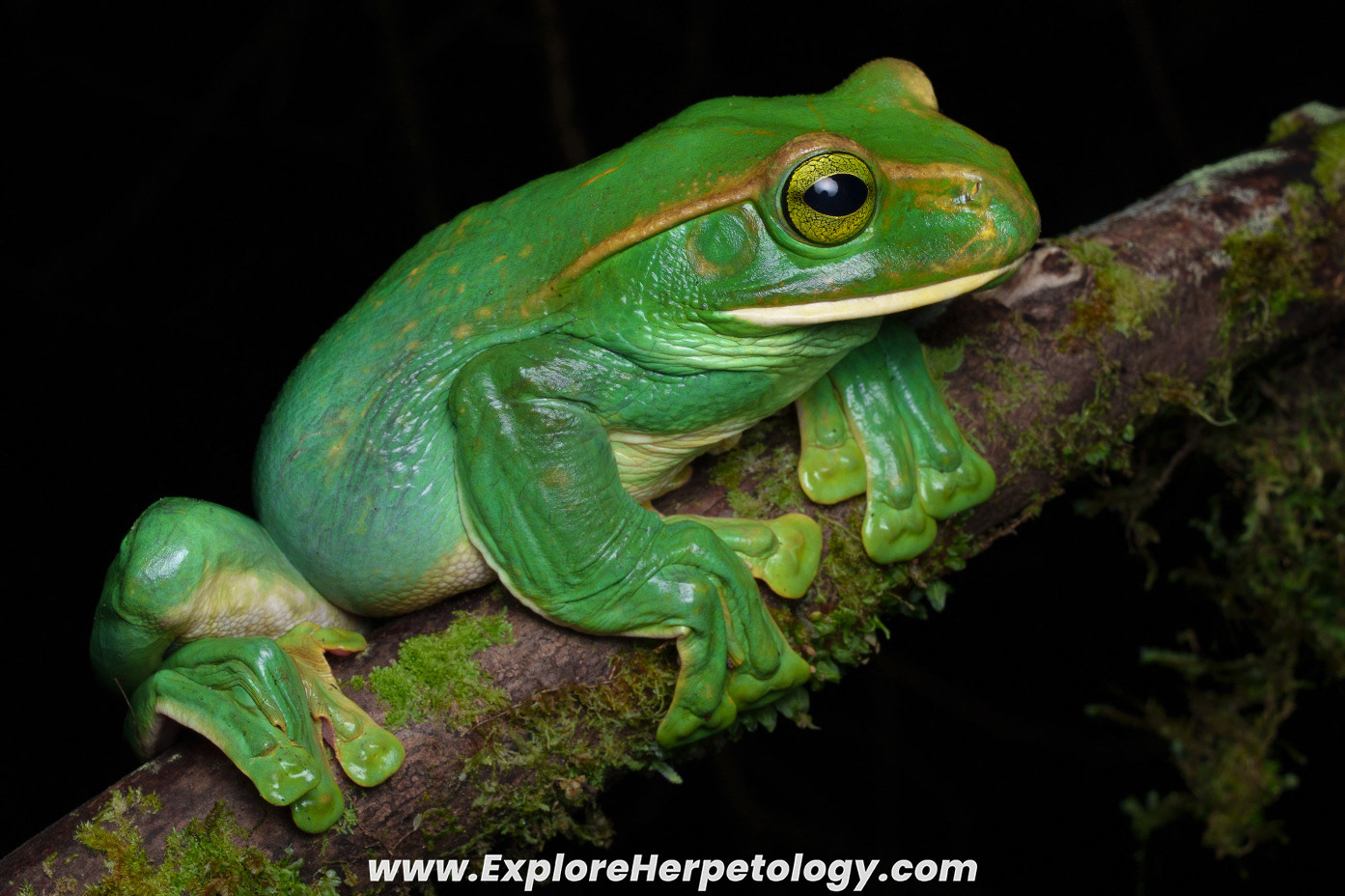
Giant flying frog (Zhangixalus feae)
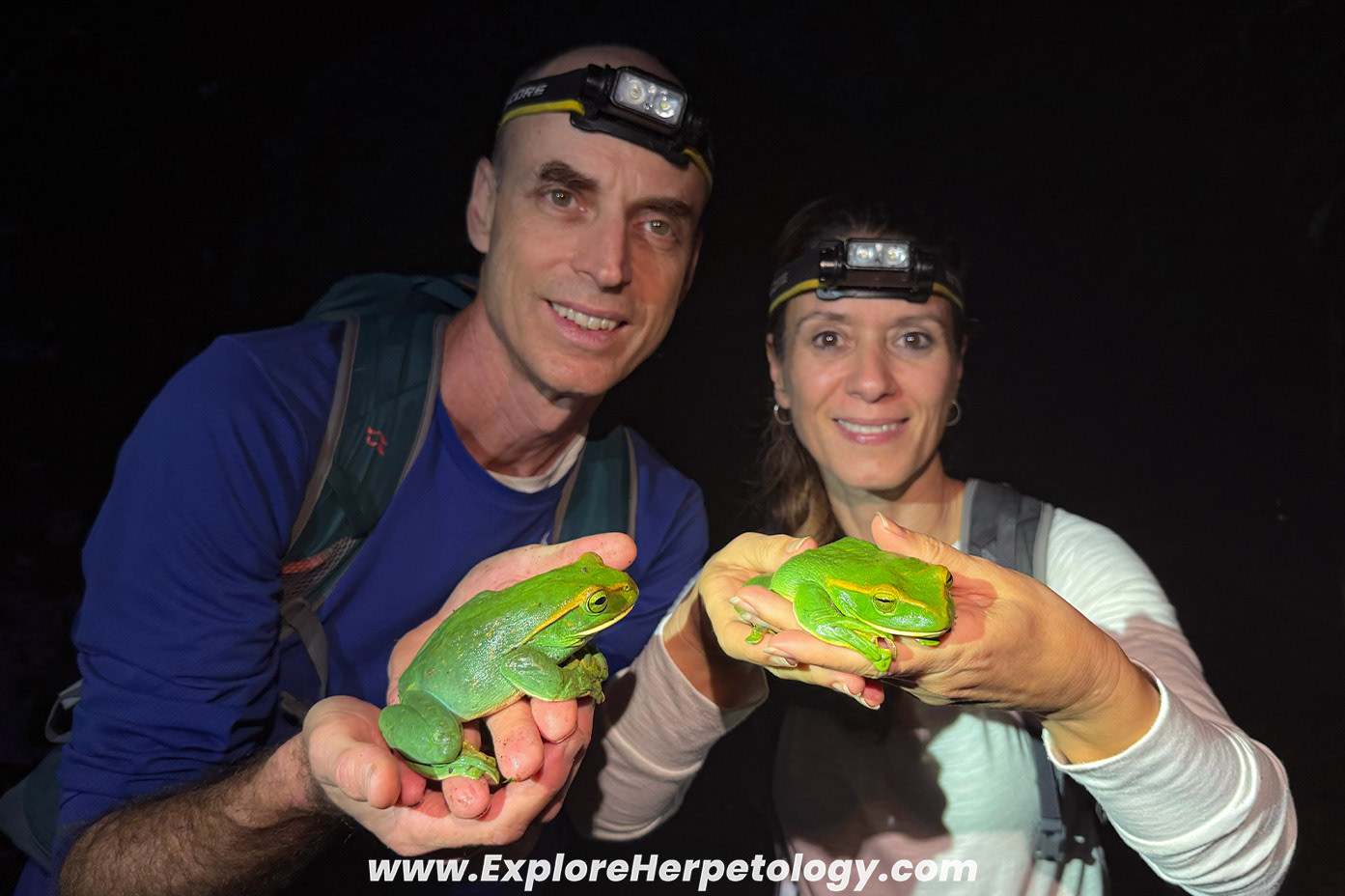
Giant flying frog (Zhangixalus feae)
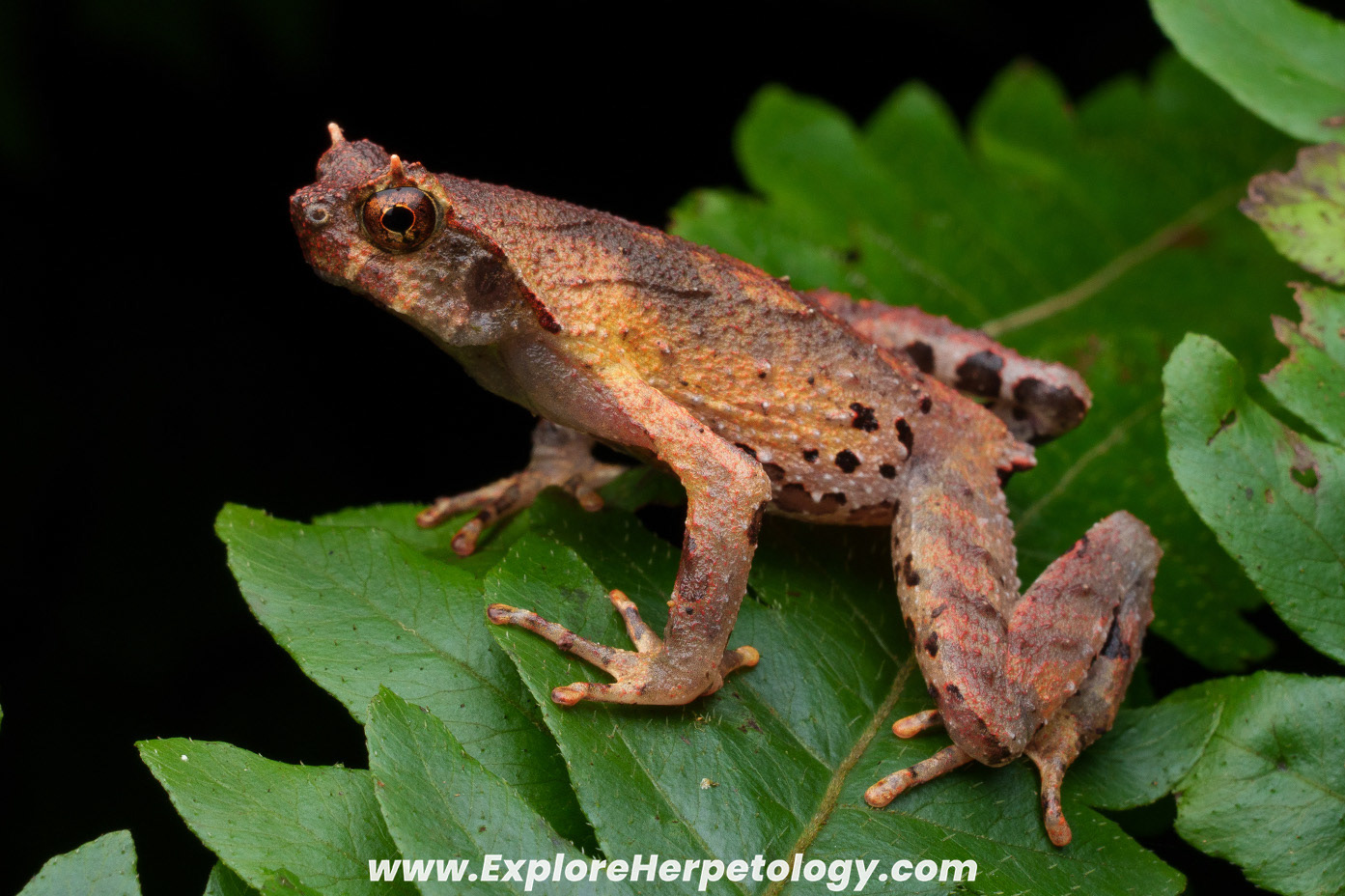
Orphryophryne pachyproctus
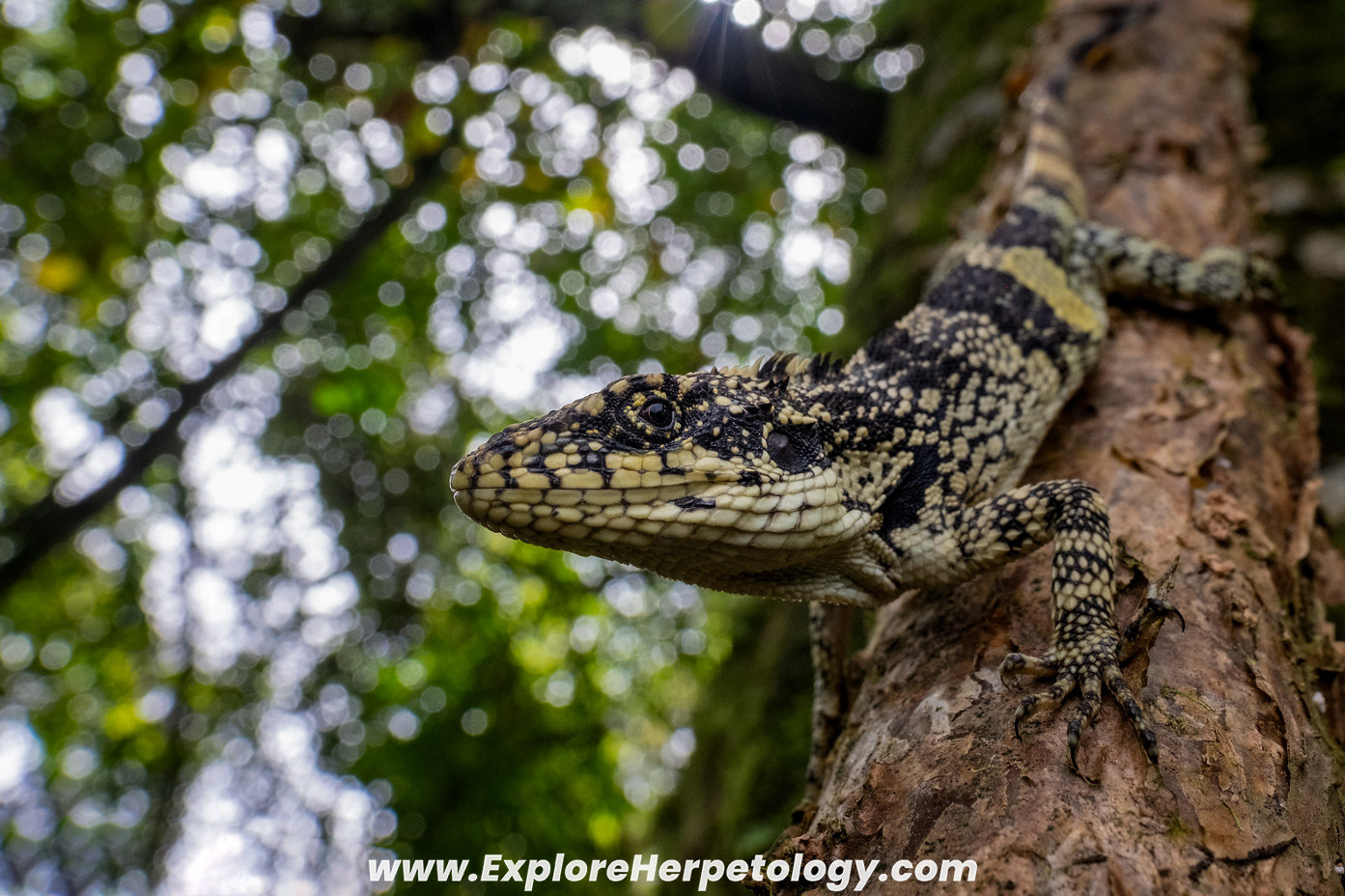
Khakhien hills false-bloodsucker (Pseudocalotes khakienensis).
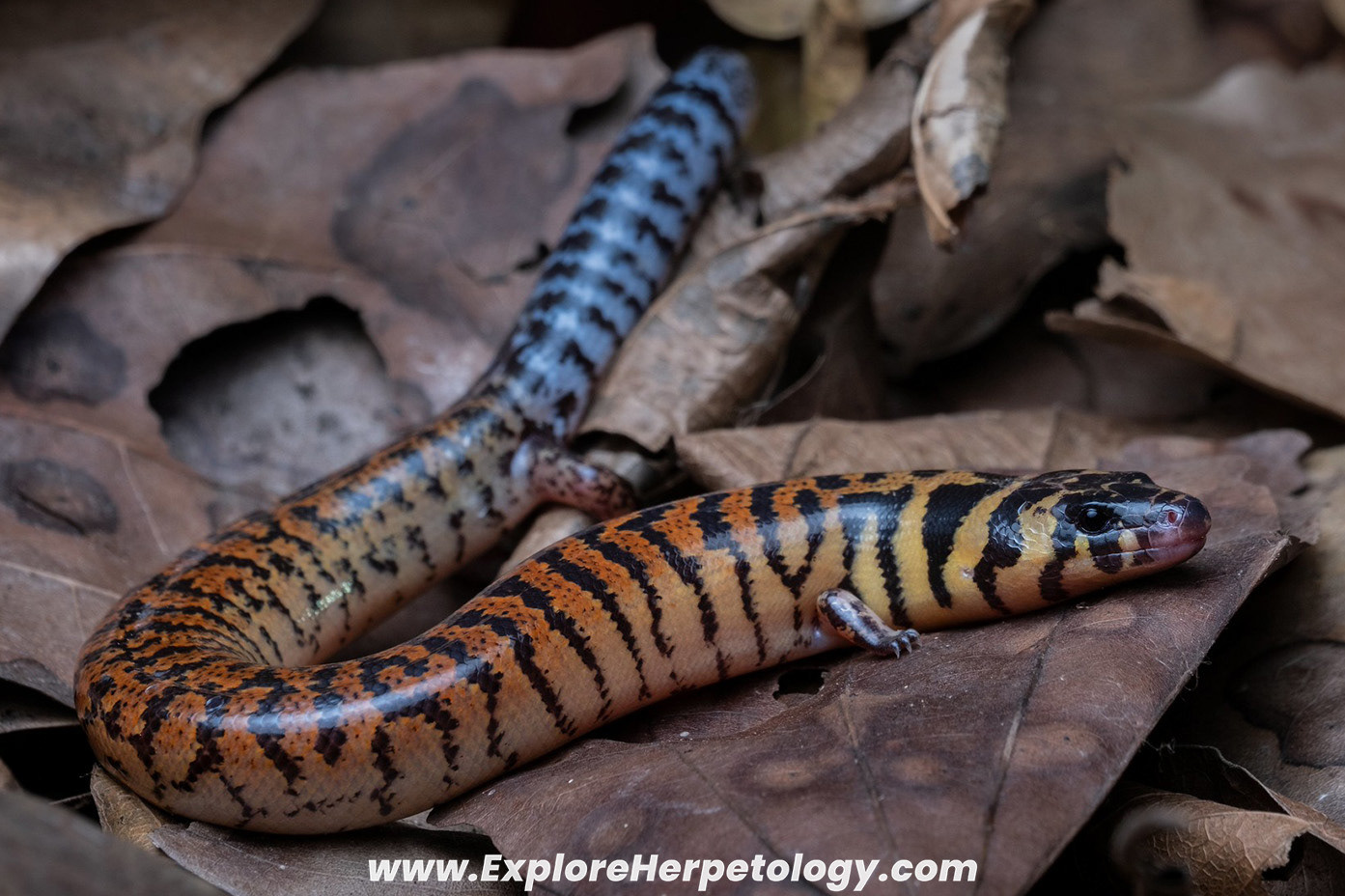
Harold Young's supple skink (Lygosoma haroldyoungi)

Harold Young's supple skink (Lygosoma haroldyoungi)
Snakes Galore:
While all herpetofauna present is important, this expedition is really about the snakes. In fact, this expedition has the highest daily turnover of snakes of any trip we offer. In Northern Thailand, less than 10 snakes per night would be considered very low numbers, with our best nights often exceeding 20 snakes and upwards of 7 species. Our primary method of searching is road cruising, which always turns up a higher diversity of snakes than any other method, but every night is broken up with road walks (where we shine trees and drainage ditches), trail walks and stream hikes - especially later at night when activity lessens.
There are several common species which we expect to see every single night, most notably the green vipers (Trimeresurus sp.) and the four locally occurring species of slug snake (Pareas sp.). Wolf snakes (Lycodon sp.) and the impressive Yunnan green cat snake (Boiga cf. cyanea) are also very common. There are a broader number of semi-common species which are sure to make at least one appearance, and then a myriad of special snakes which will induce high levels of excitement if they are encounter. Some of the most notable species we have not featured above includes the Yunnan red bamboo ratsnake (Oreocryptophis yunnanensis), Laotian bearded snake (Parafimbrios lao) and large-eyed false cobra (Pseudoxenodon macrops), but there are so many more snakes which may catch your eye or appear unexpectedly.
There are simply too many to possibly list, so featured in the huge photo grid below are a selection of species we have found and photographed here from 2022 - 2024. There are still several species of snake we have not yet seen in this area, so hopefully you can help us add something to this photo grid come September.
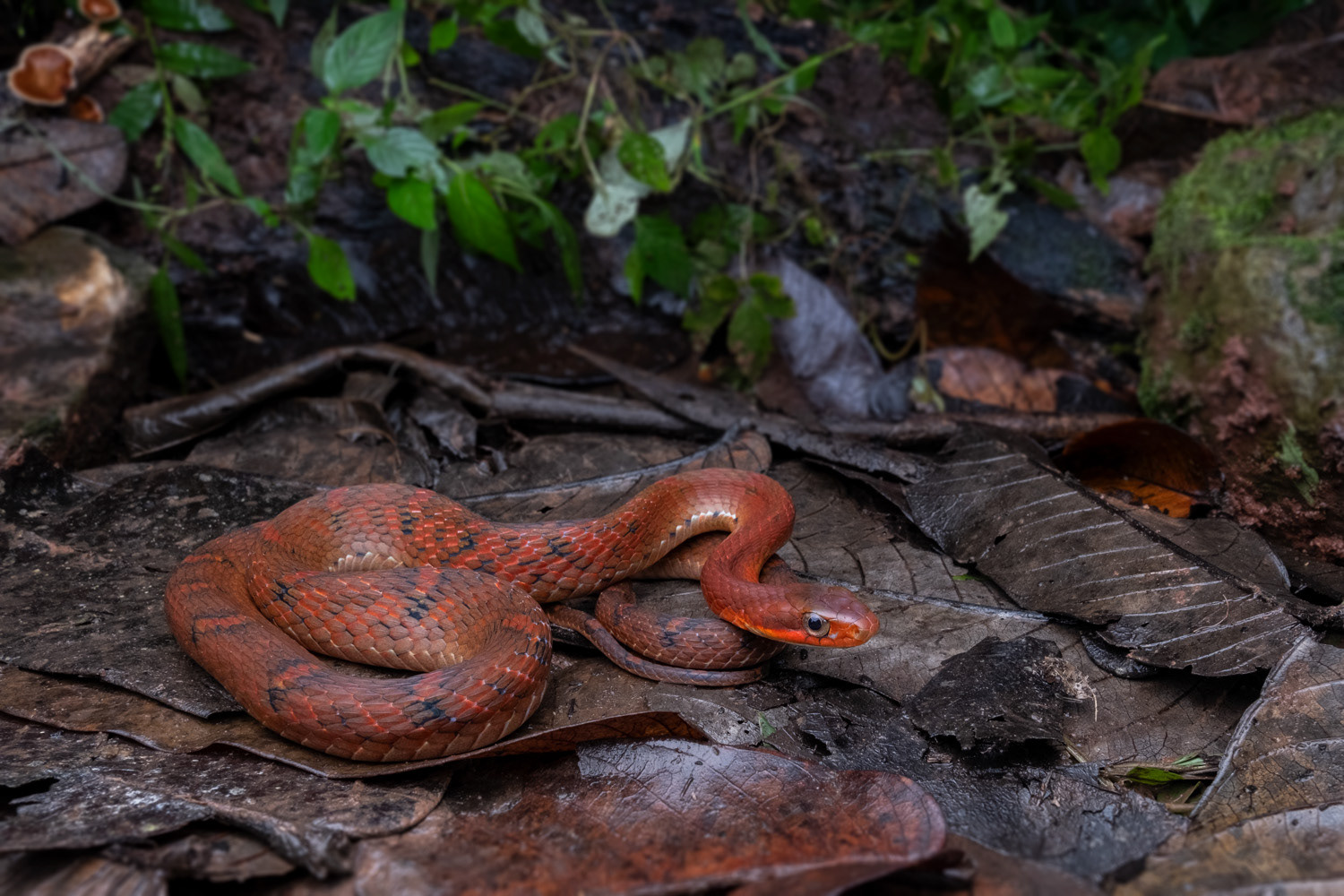
Large-eyed false cobra (Pseudoxenodon macrops).
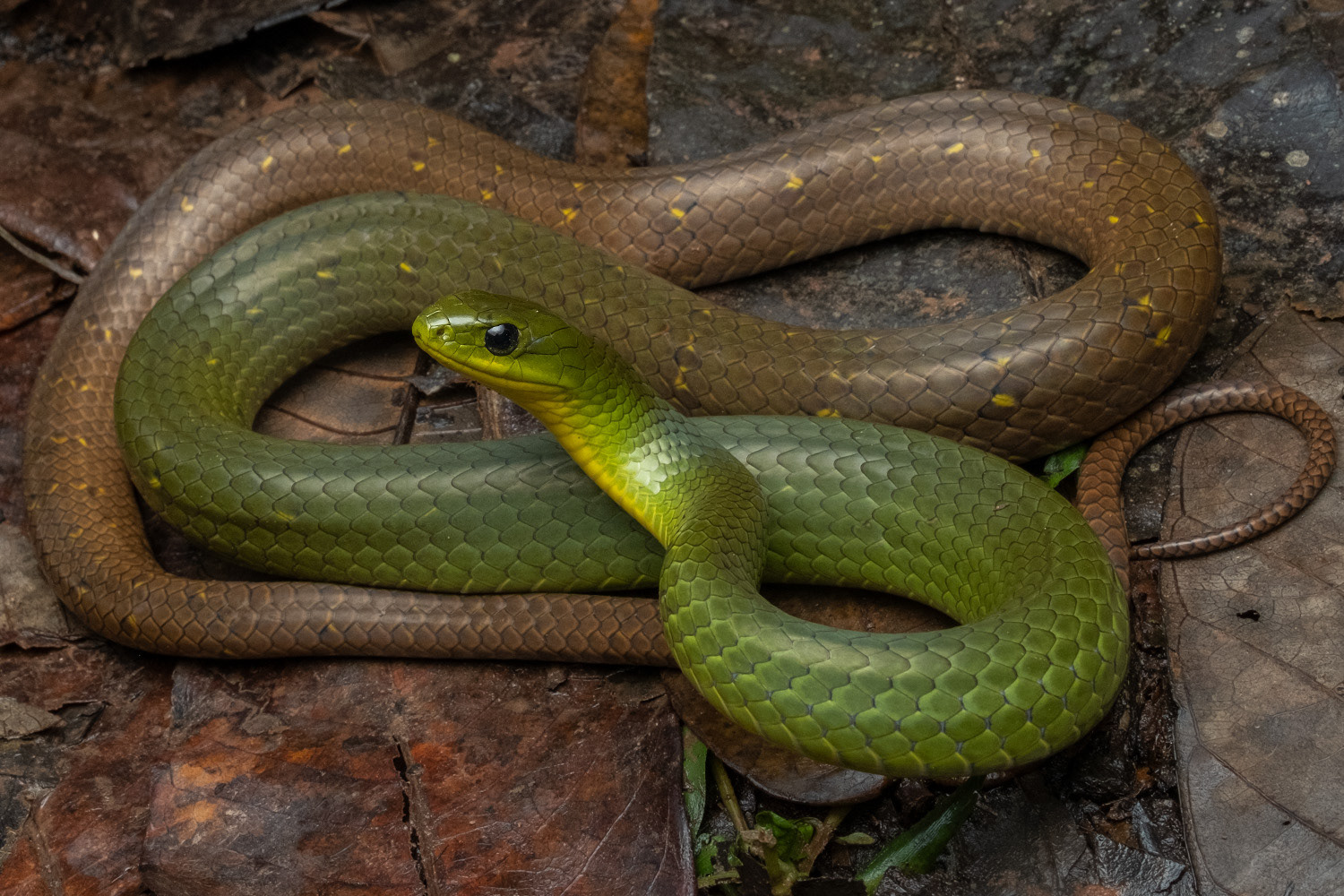
Many-banded green snake (Ptyas multicinctus).
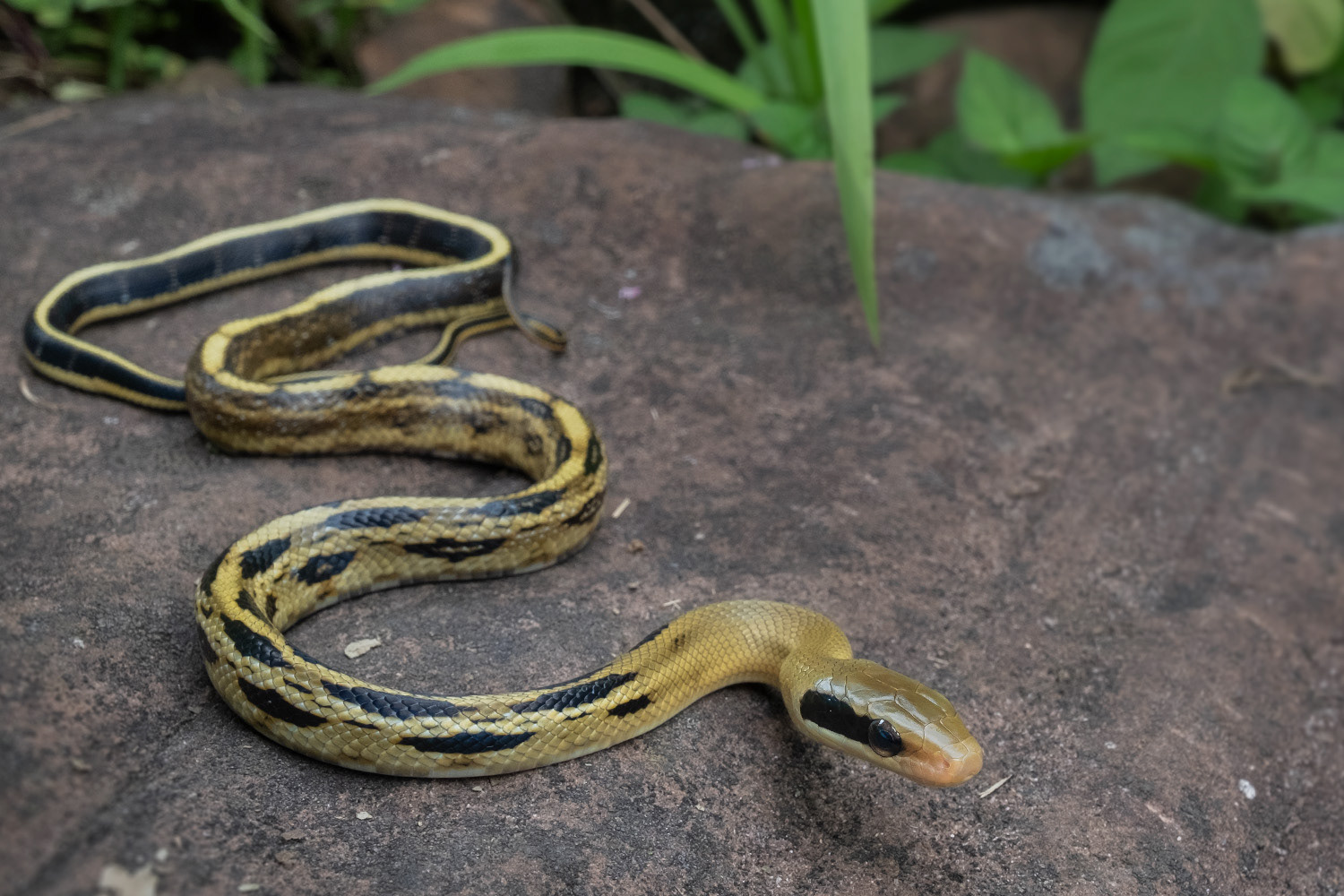
Yunnan beauty ratsnake (Elaphe taeniura yunnanensis).
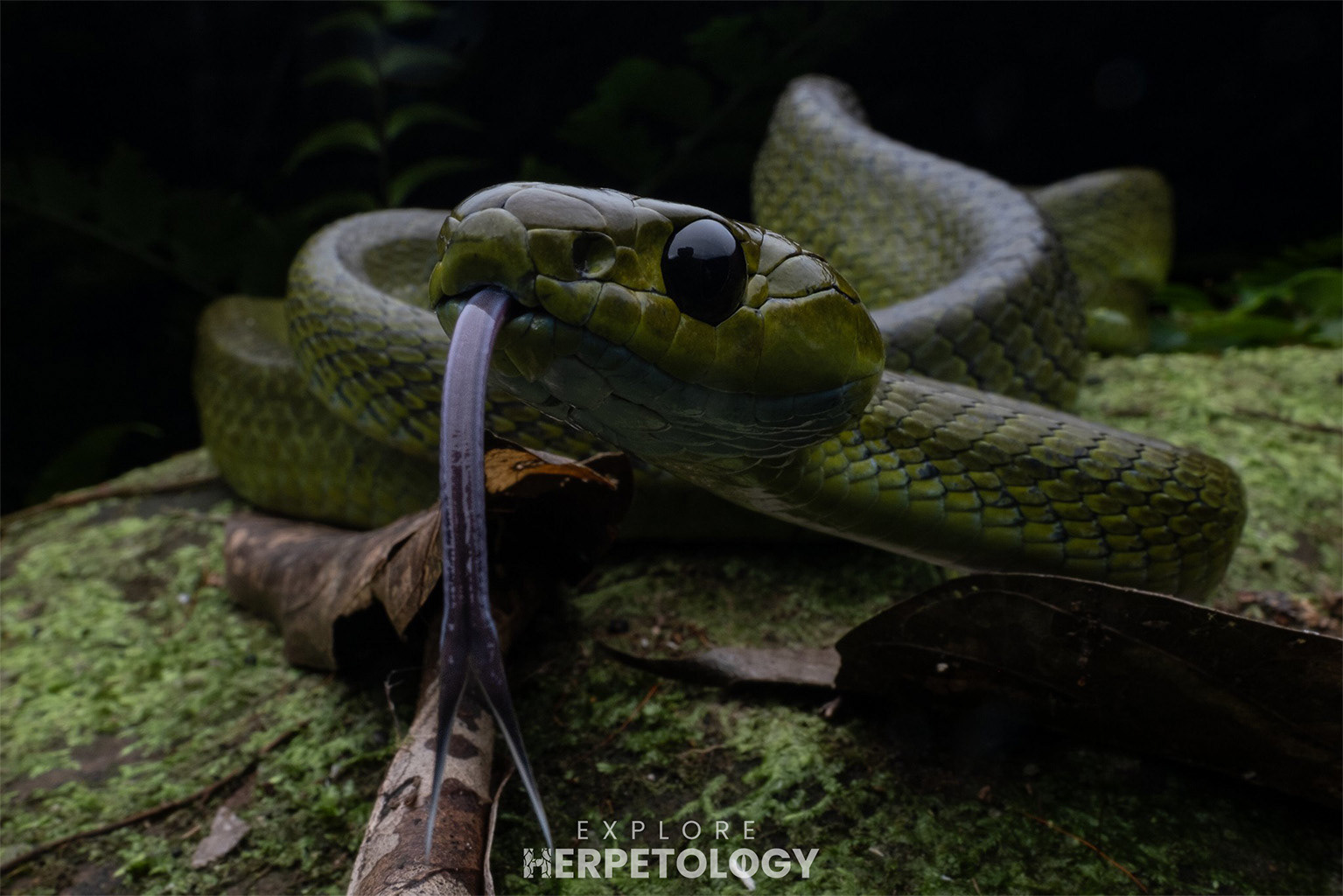
Yunnan green cat snake (Boiga cf. cyanea).
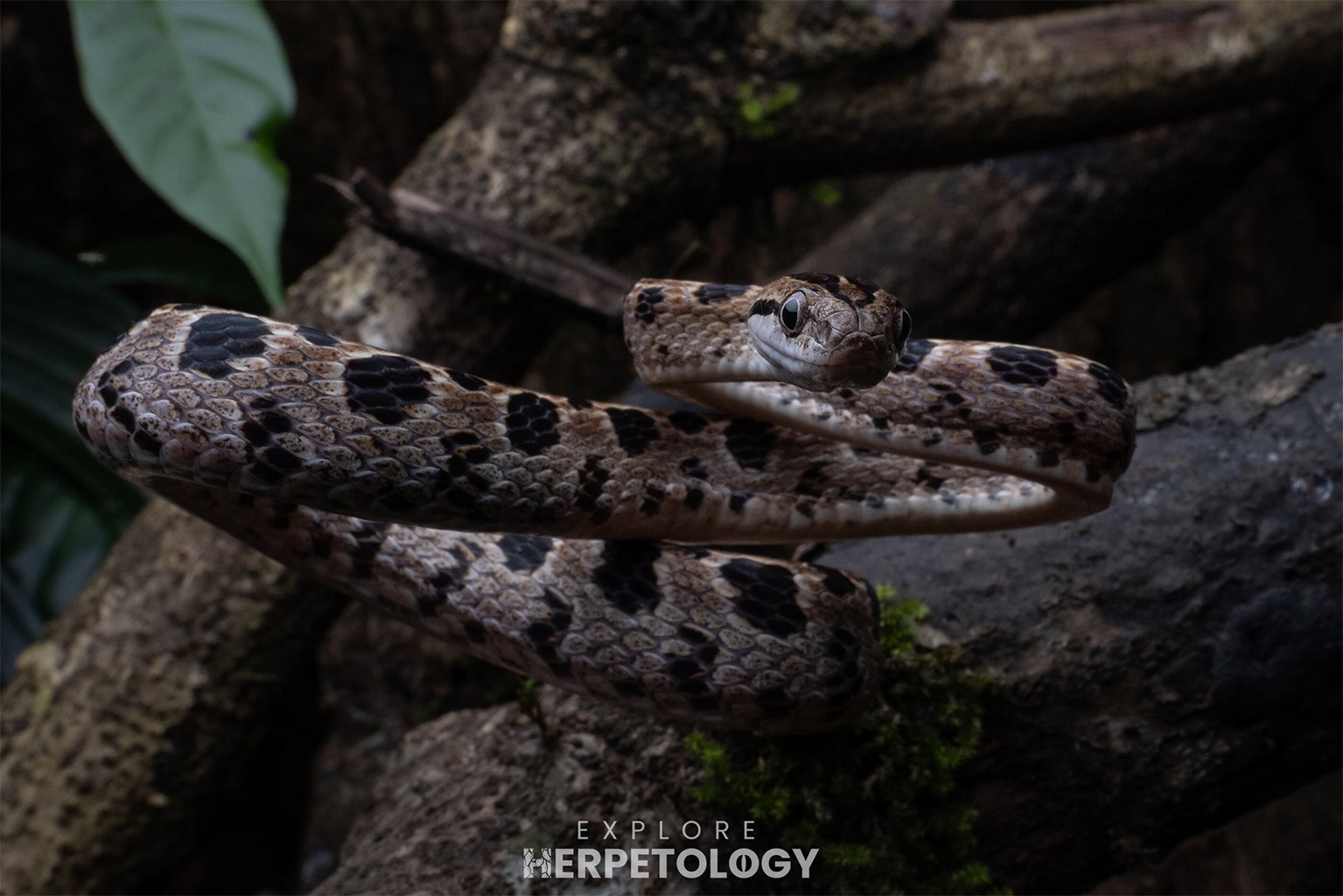
Many-spotted cat snake (Boiga multomaculata)
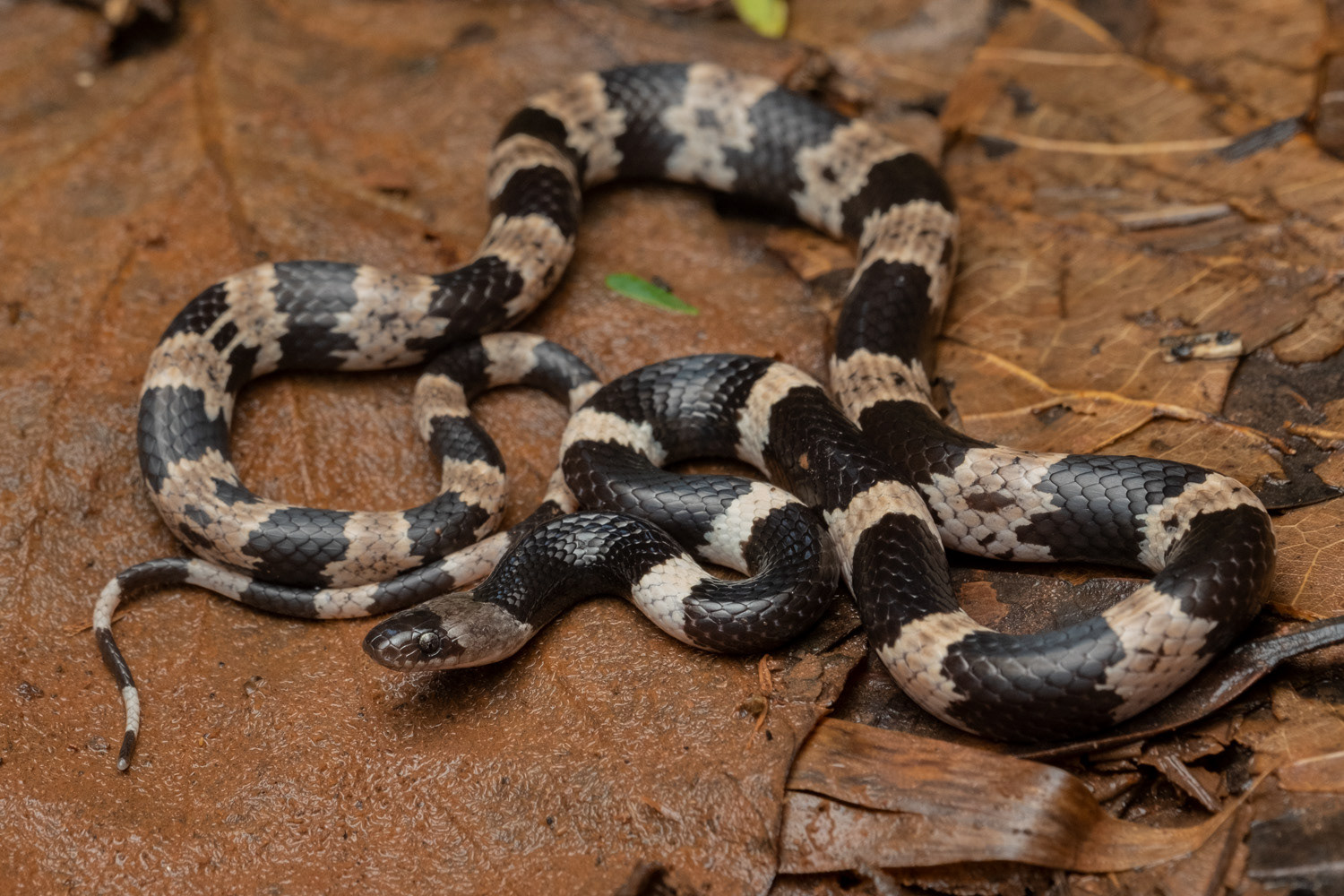
Banded wolf snake (Lycodon fasciatus).
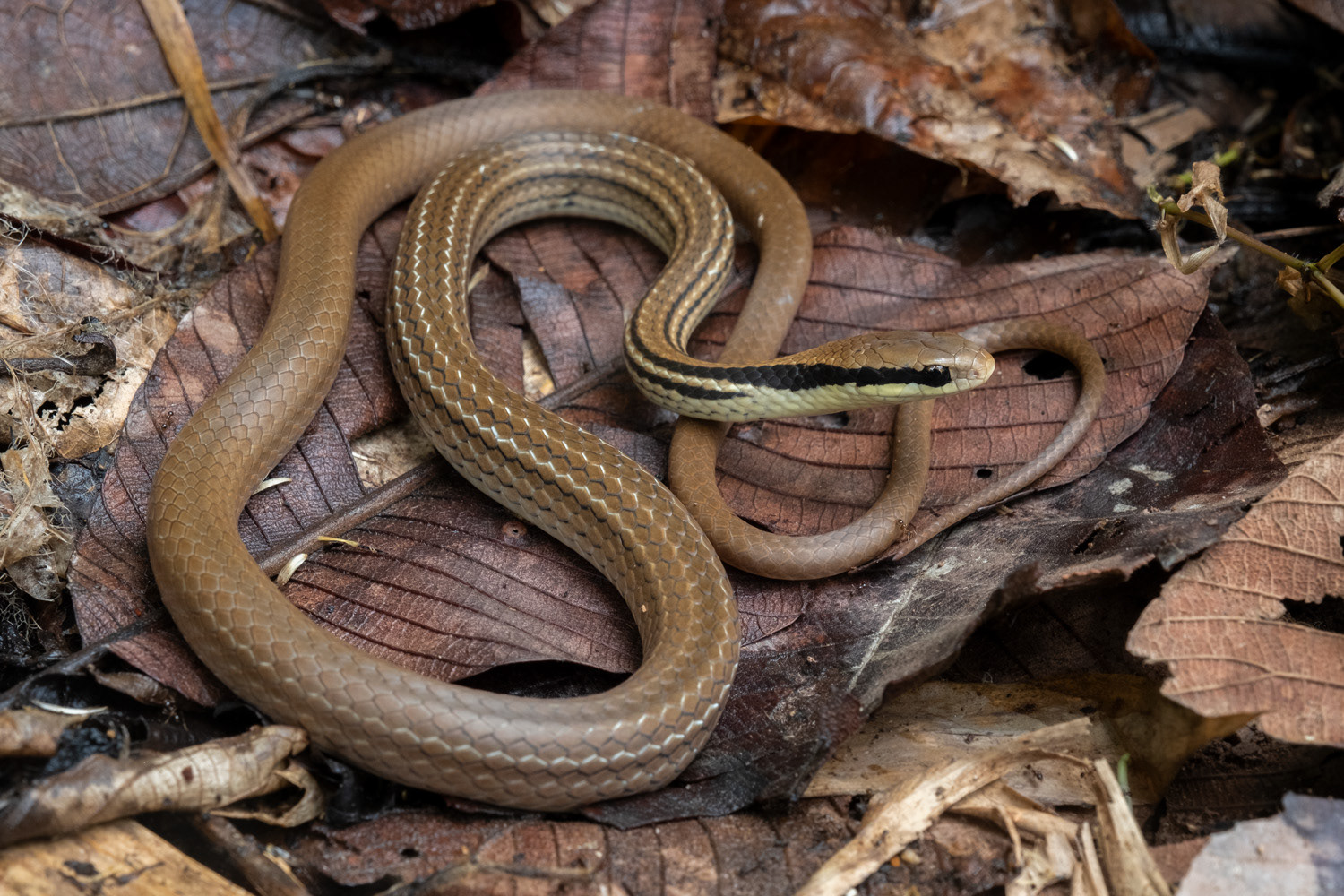
Gunther's smooth snake (Liopeltis frenata).
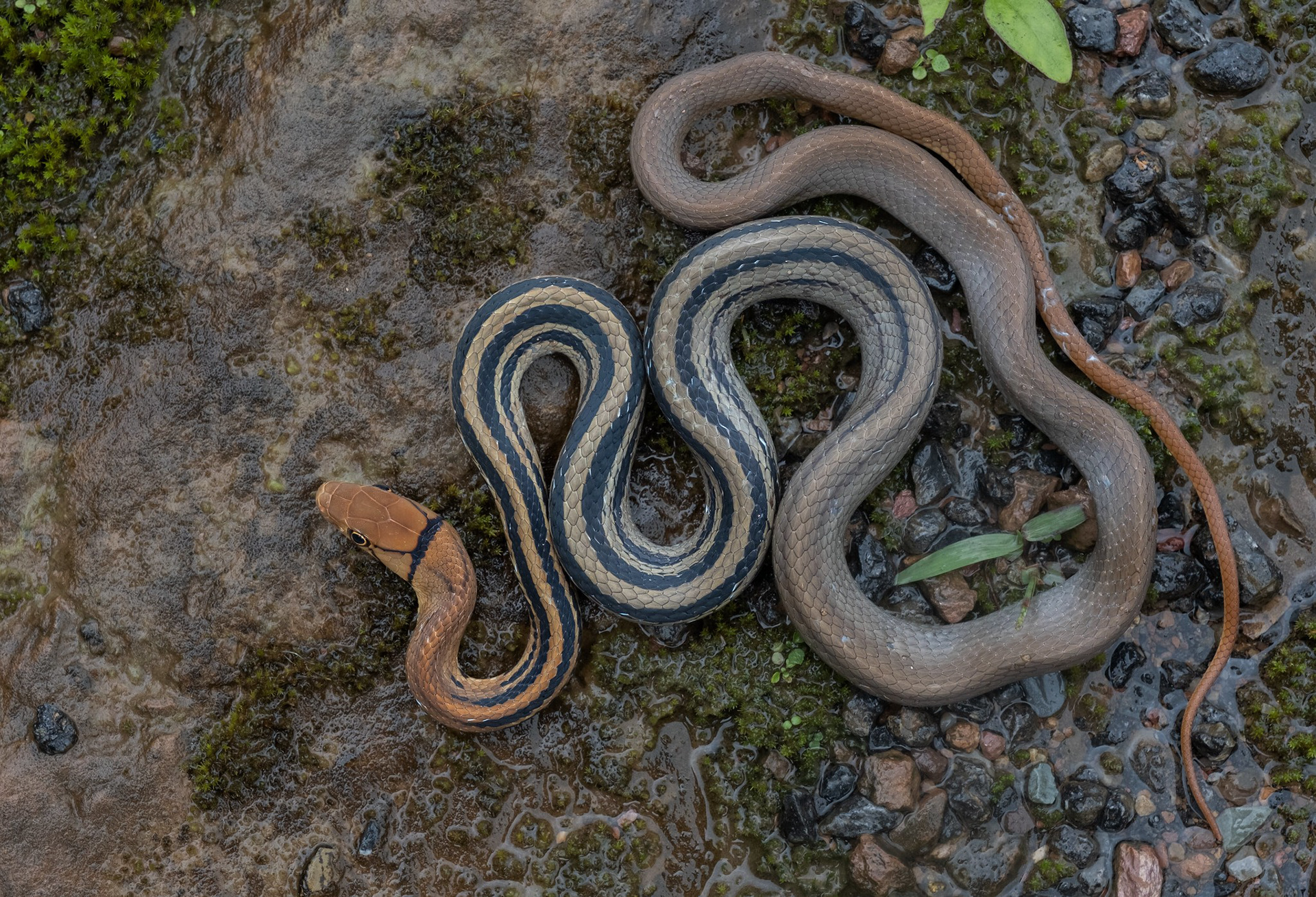
Radiated ratsnake (Coelognathus radiata)
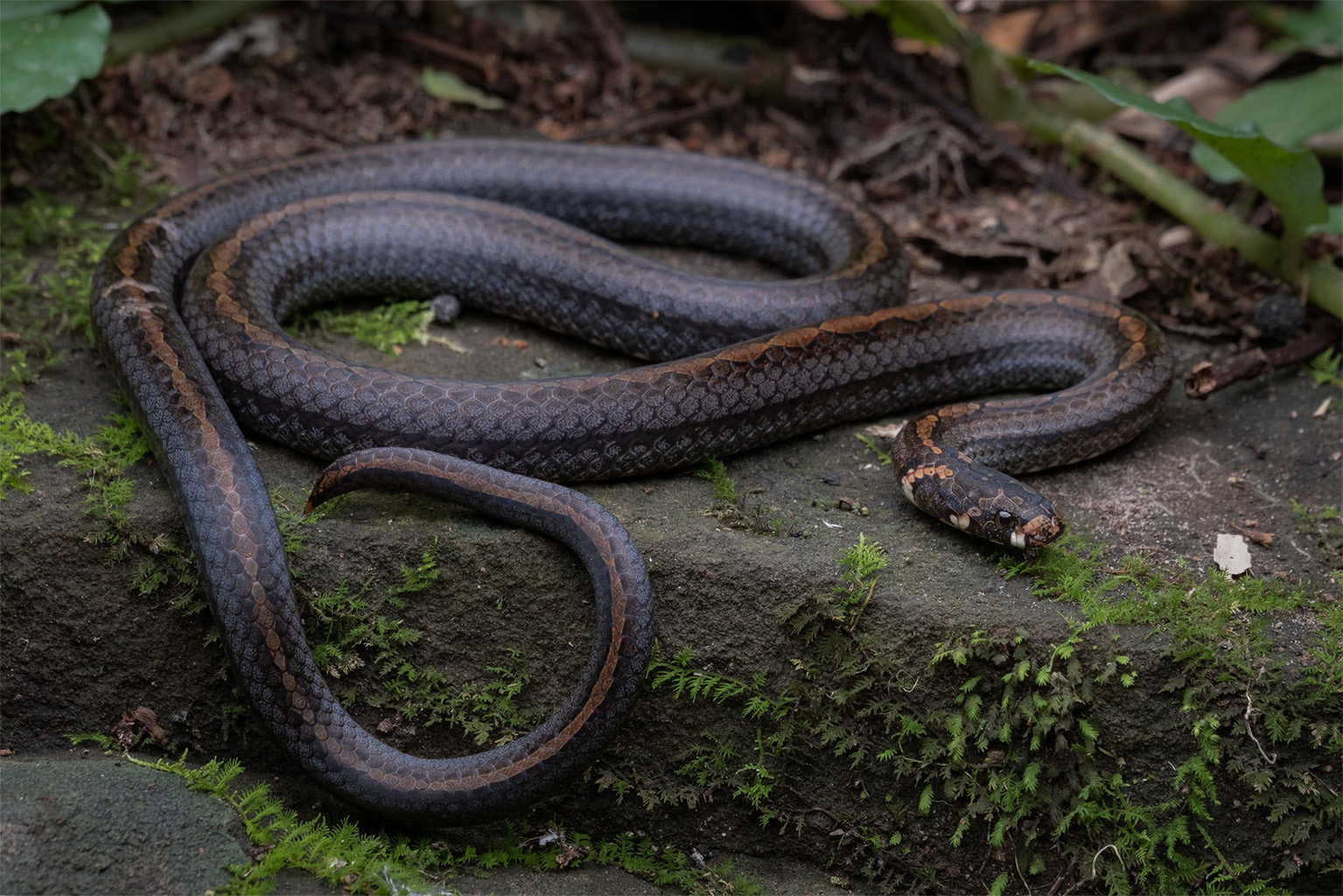
Eberhardt's kukri snake (Oligodon eberhardti)
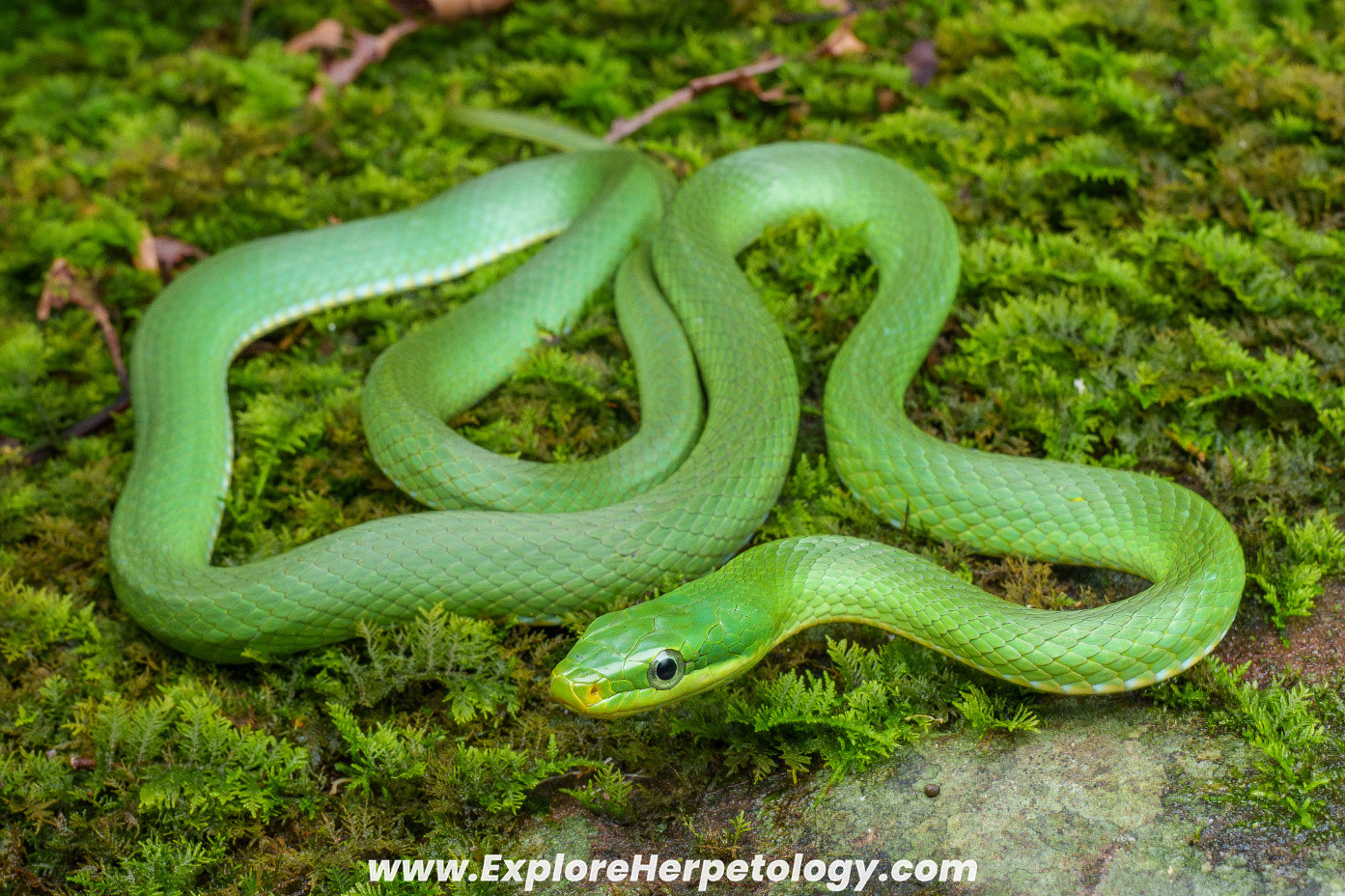
Blue-eyed bamboo ratsnake (Gonyosoma coeruleum).
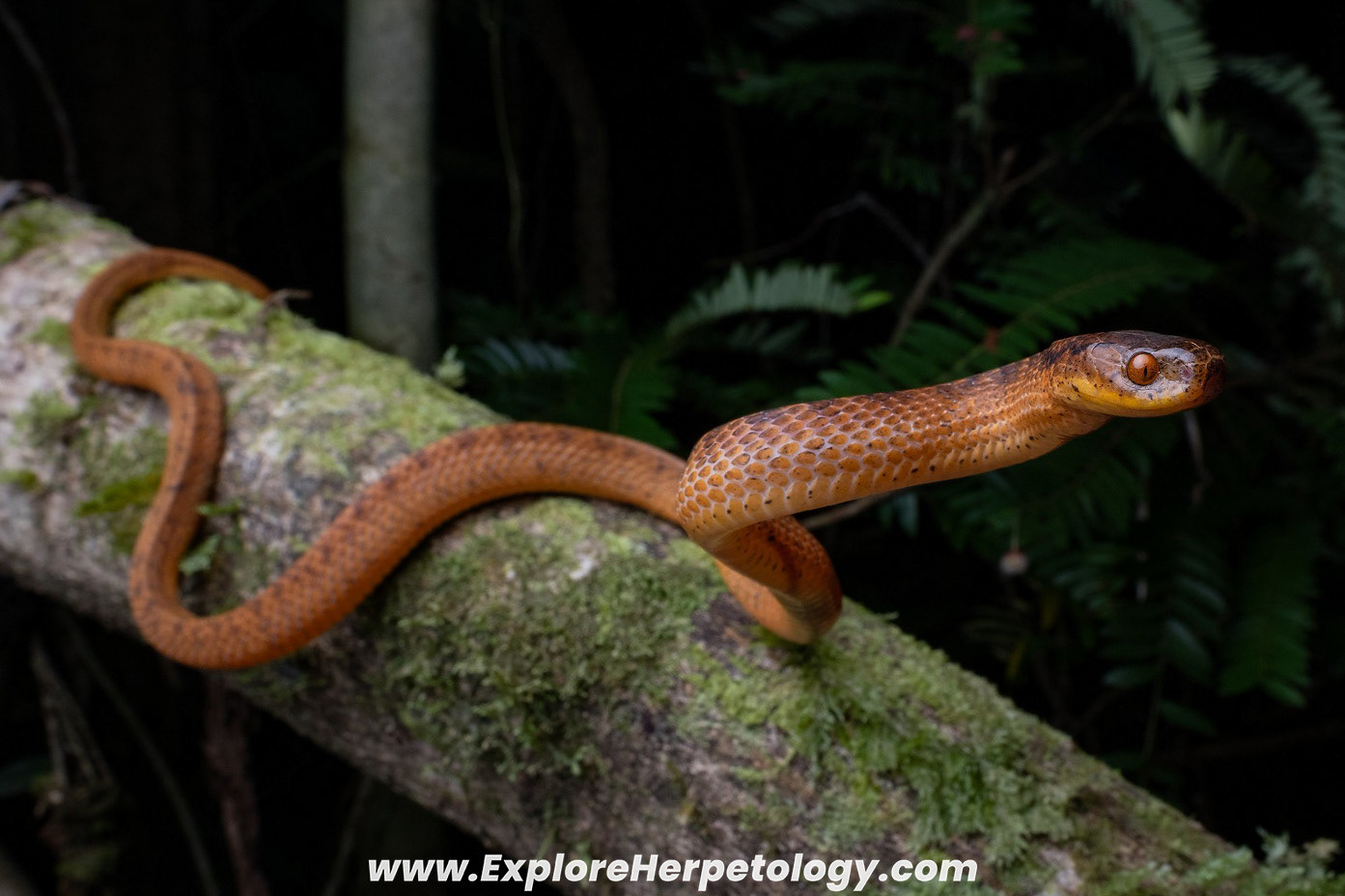
Yunnan slug snake (Pareas yunnanensis).
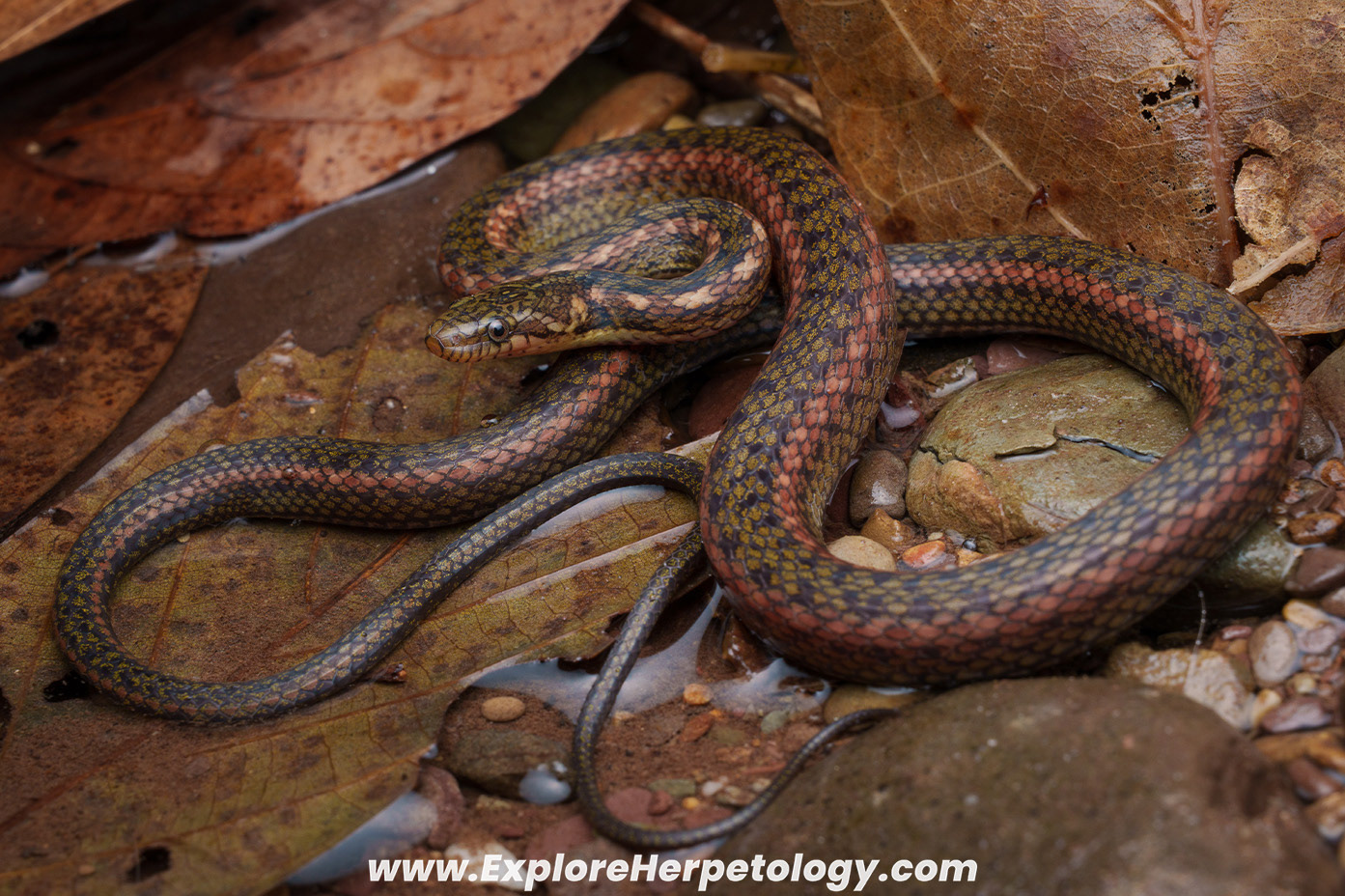
Fire-backed keelback (Hebius igneus).
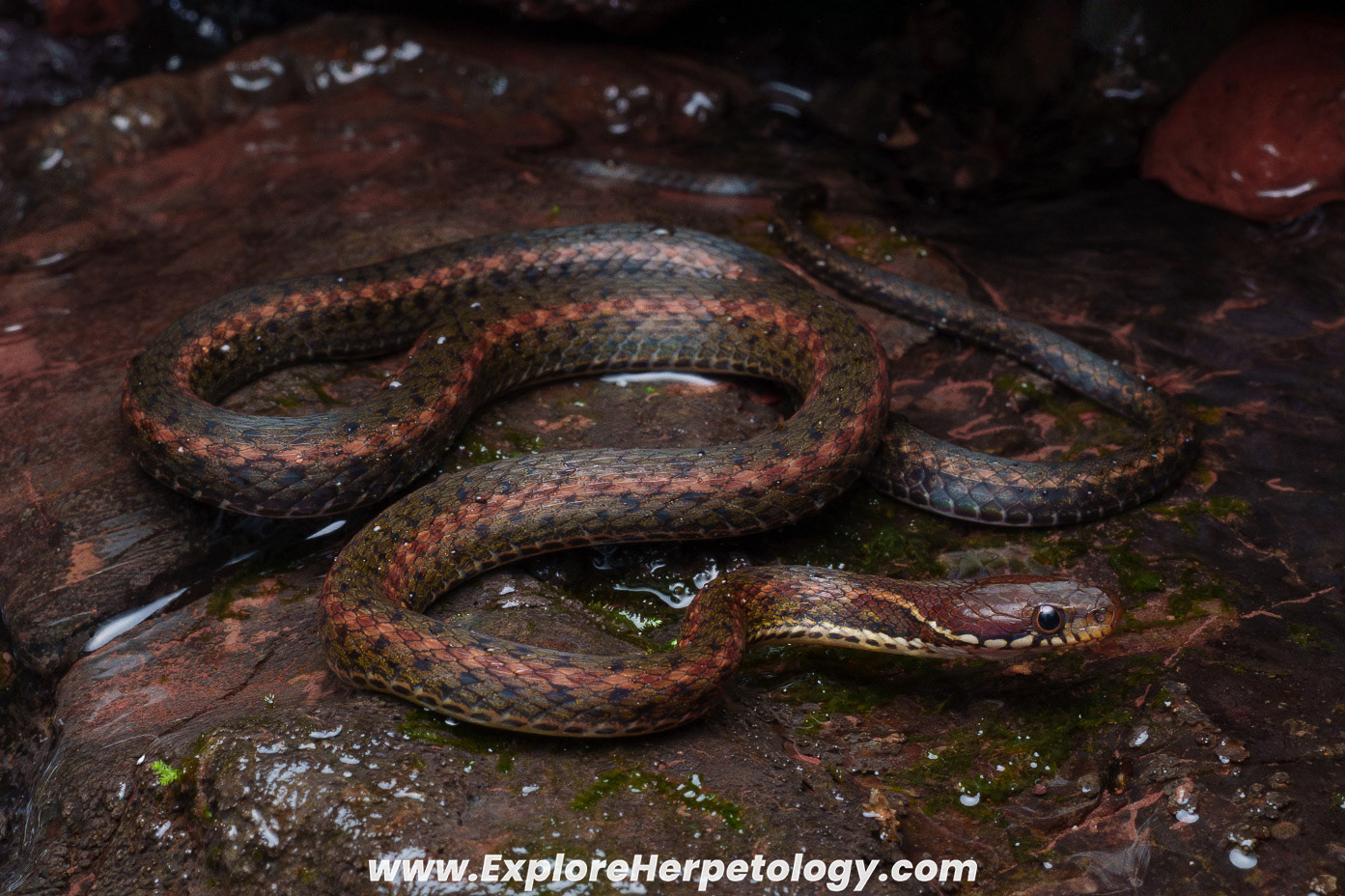
Khasi keelback (Hebius khasiensis).
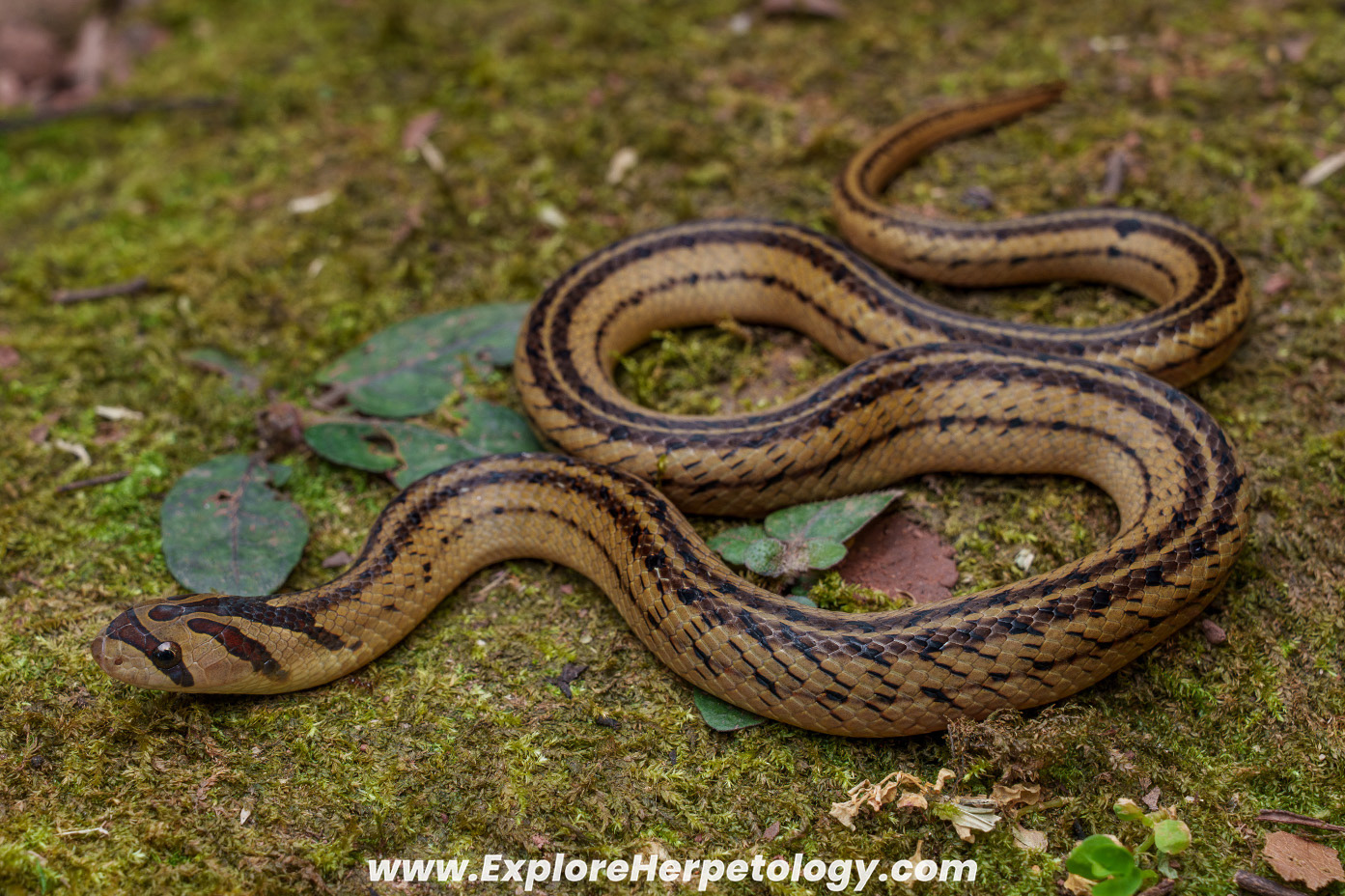
Small-banded kukri snake (Oligodon fasciolatus).
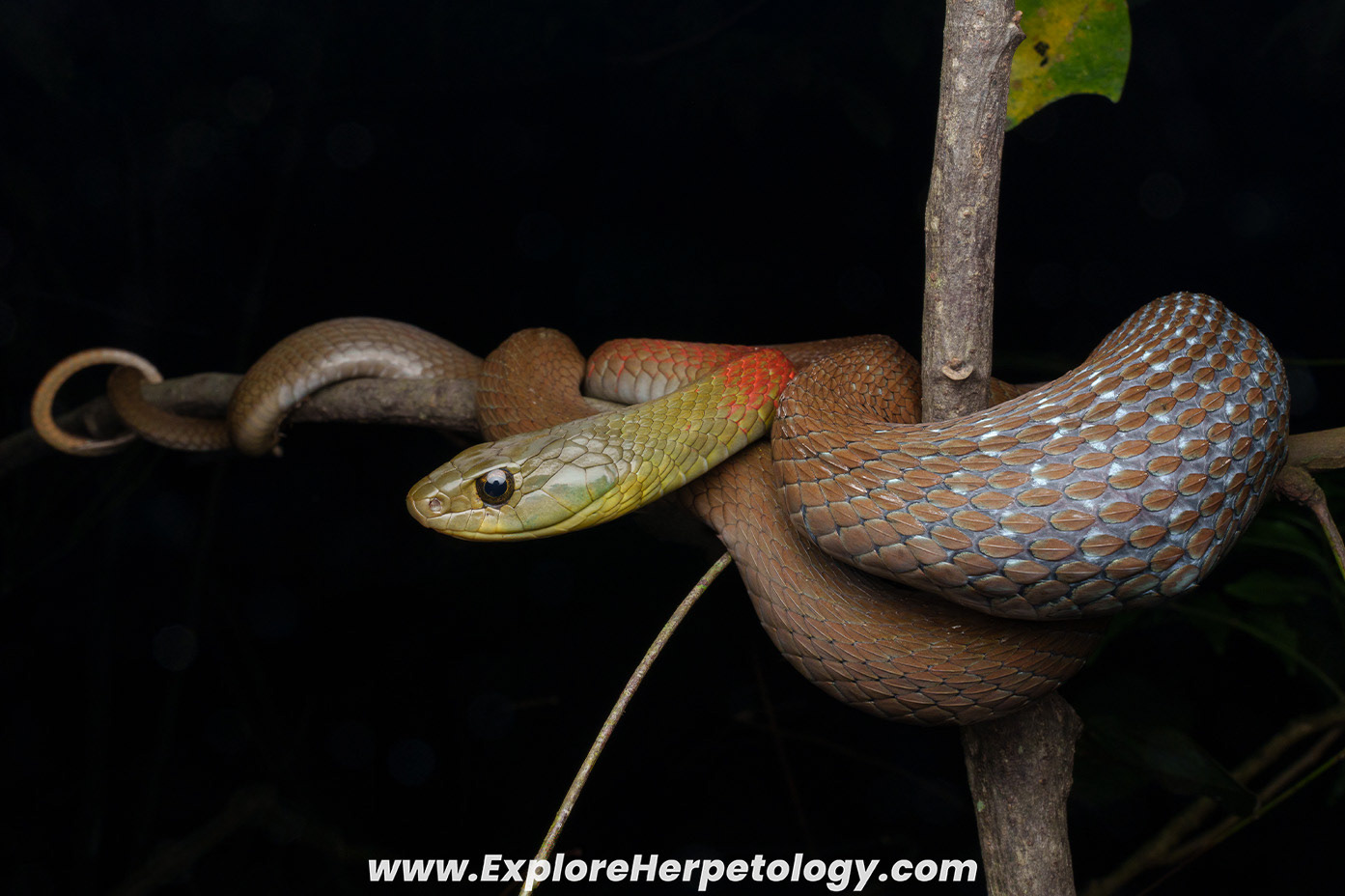
Herller's red-necked keelback (Rhabdophis helleri).
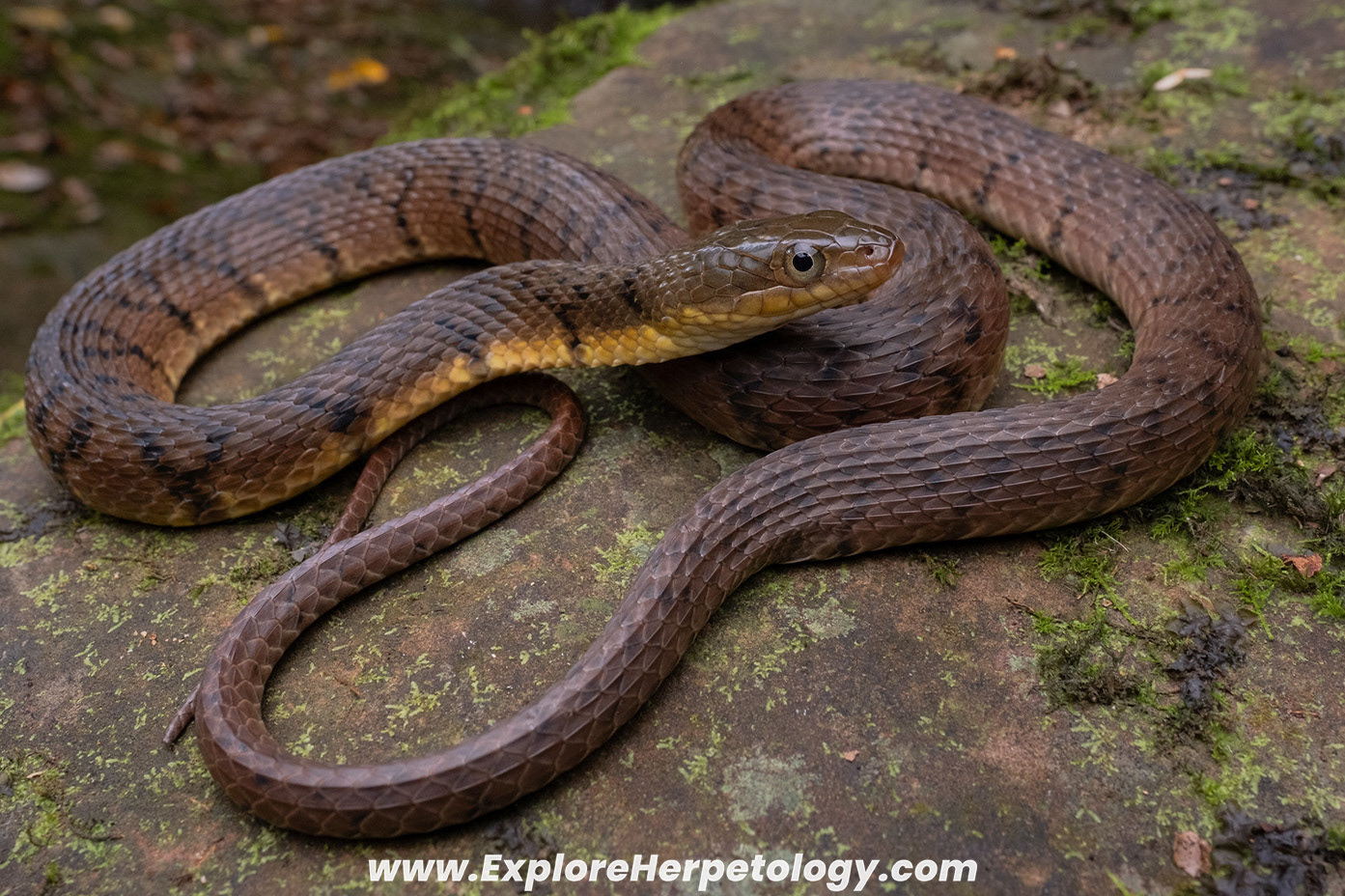
Eastern keelback (Trimerodytes cf. percarinatus).
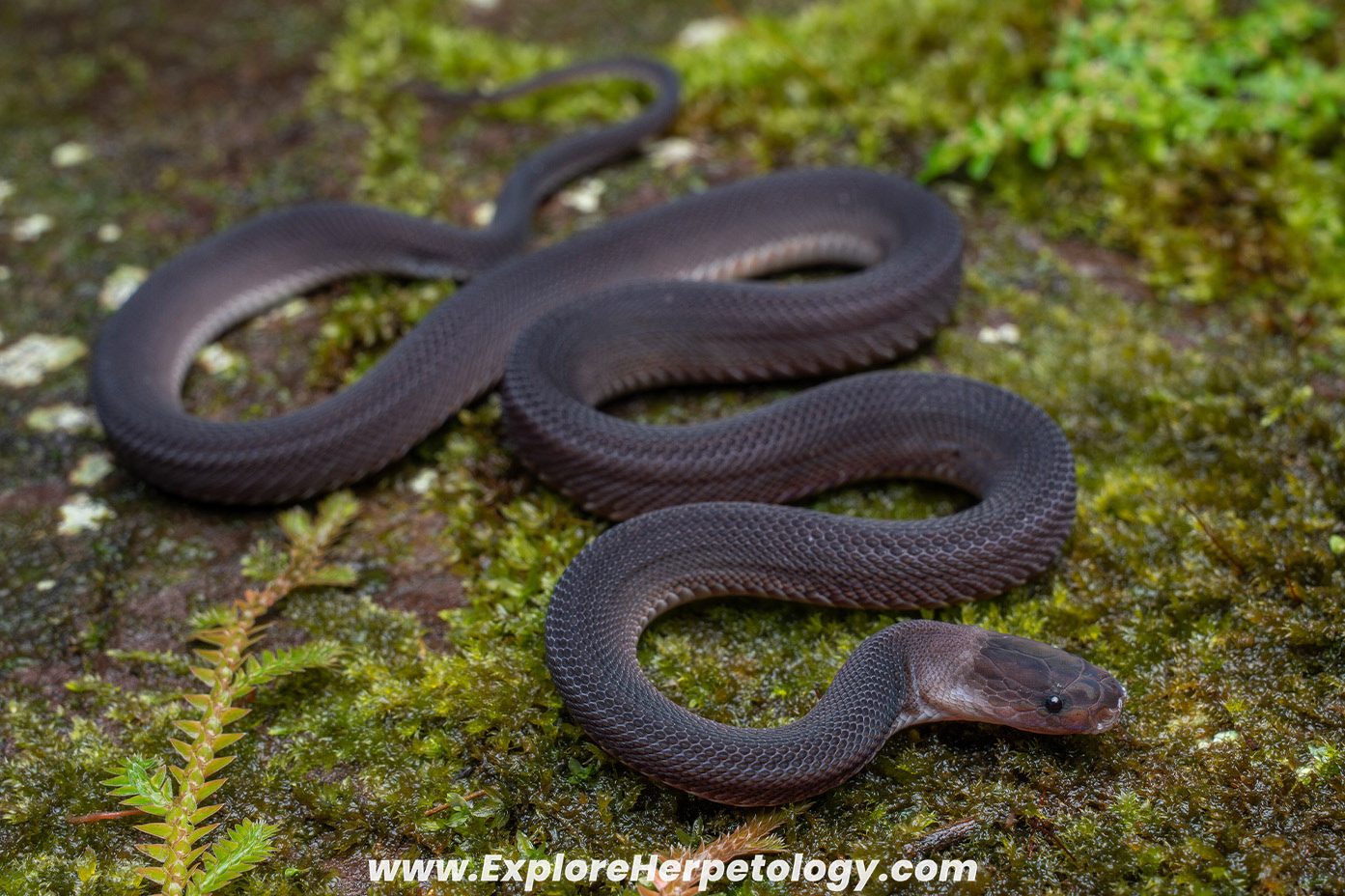
Laotian bearded snake (Parafimbrios lao).
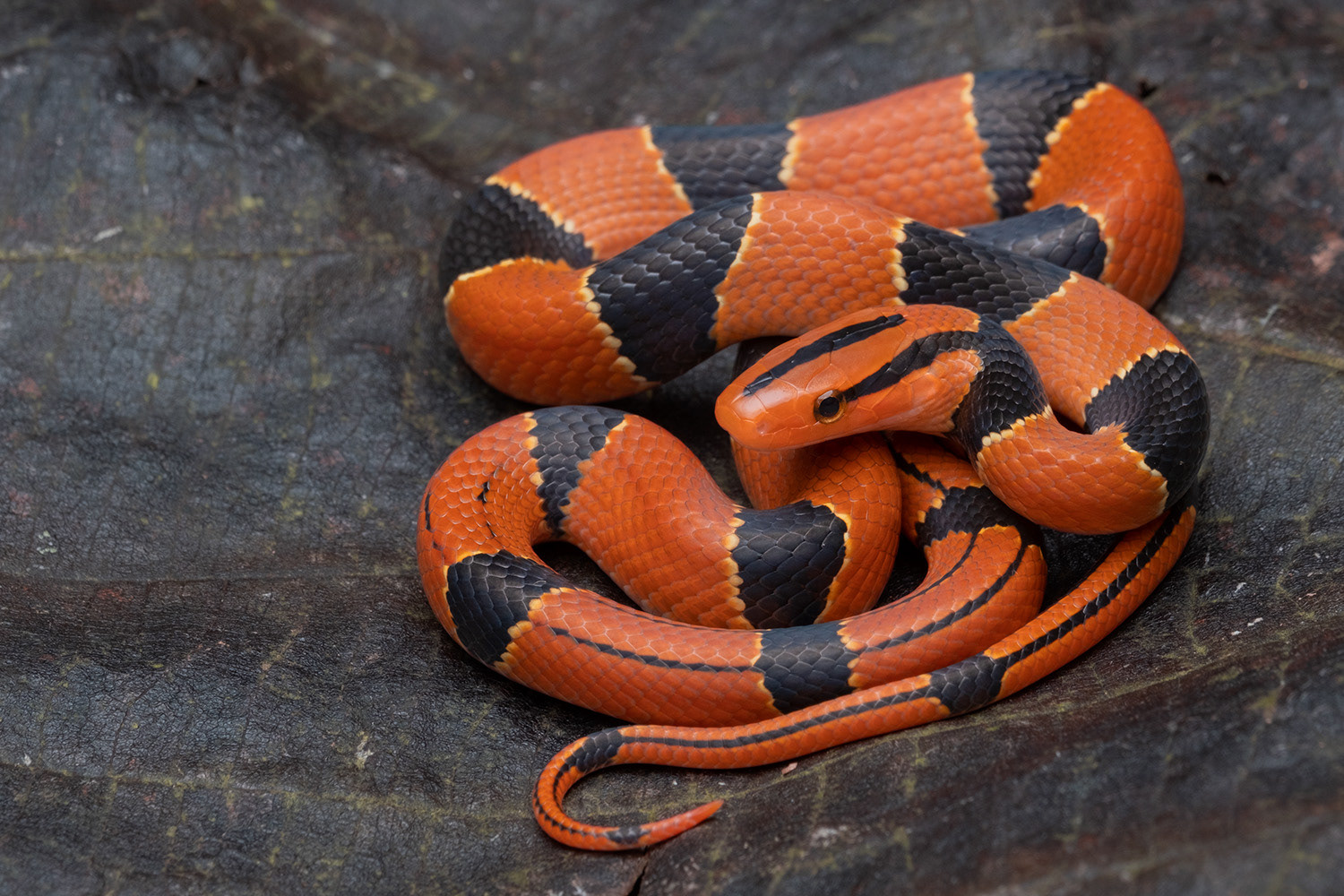
Yunnan red bamboo ratsnake (Oreocryptophis porphyracea pulchra).
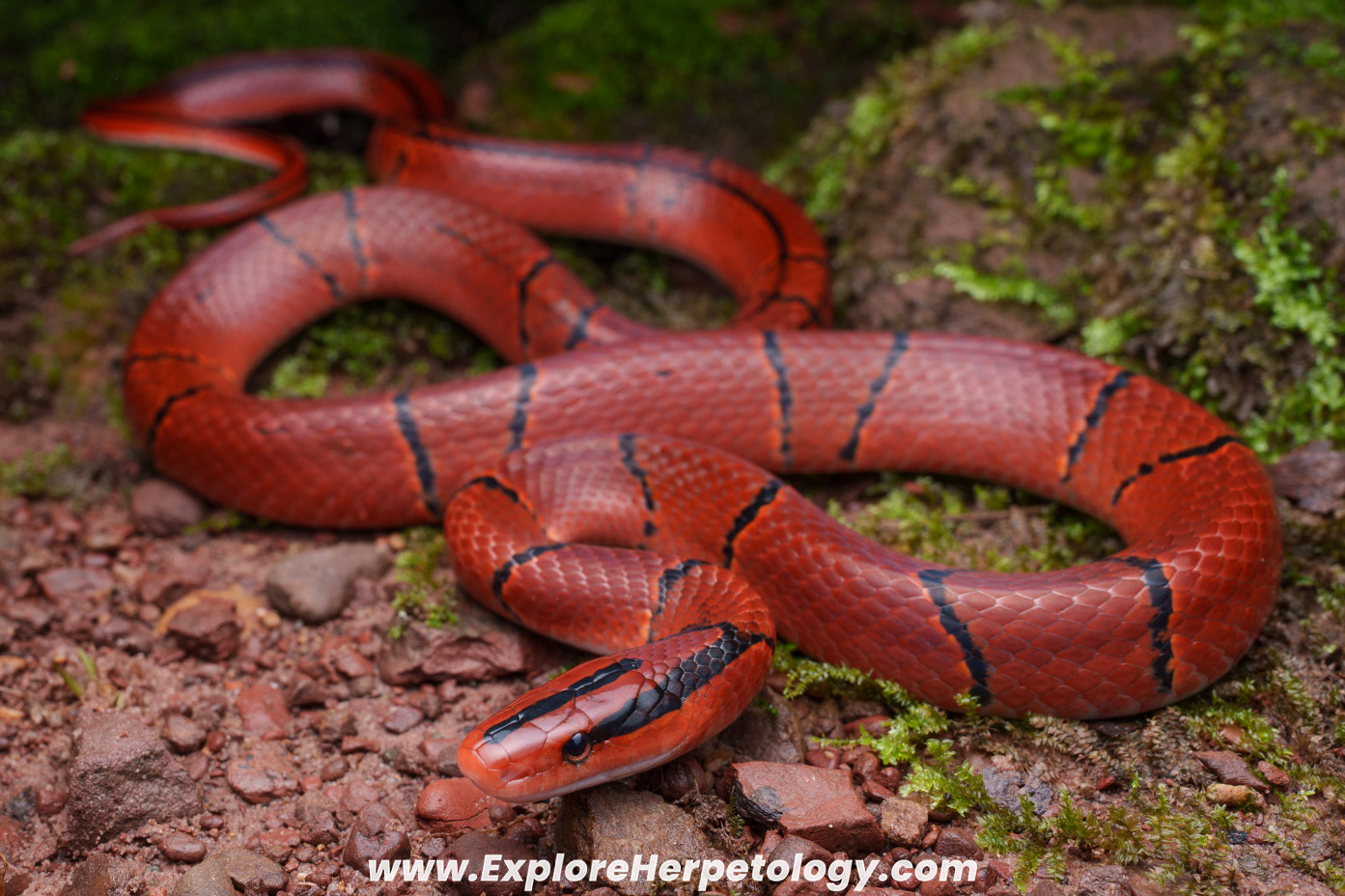
Yunnan red bamboo ratsnake (Oreocryptophis porphyracea pulchra).
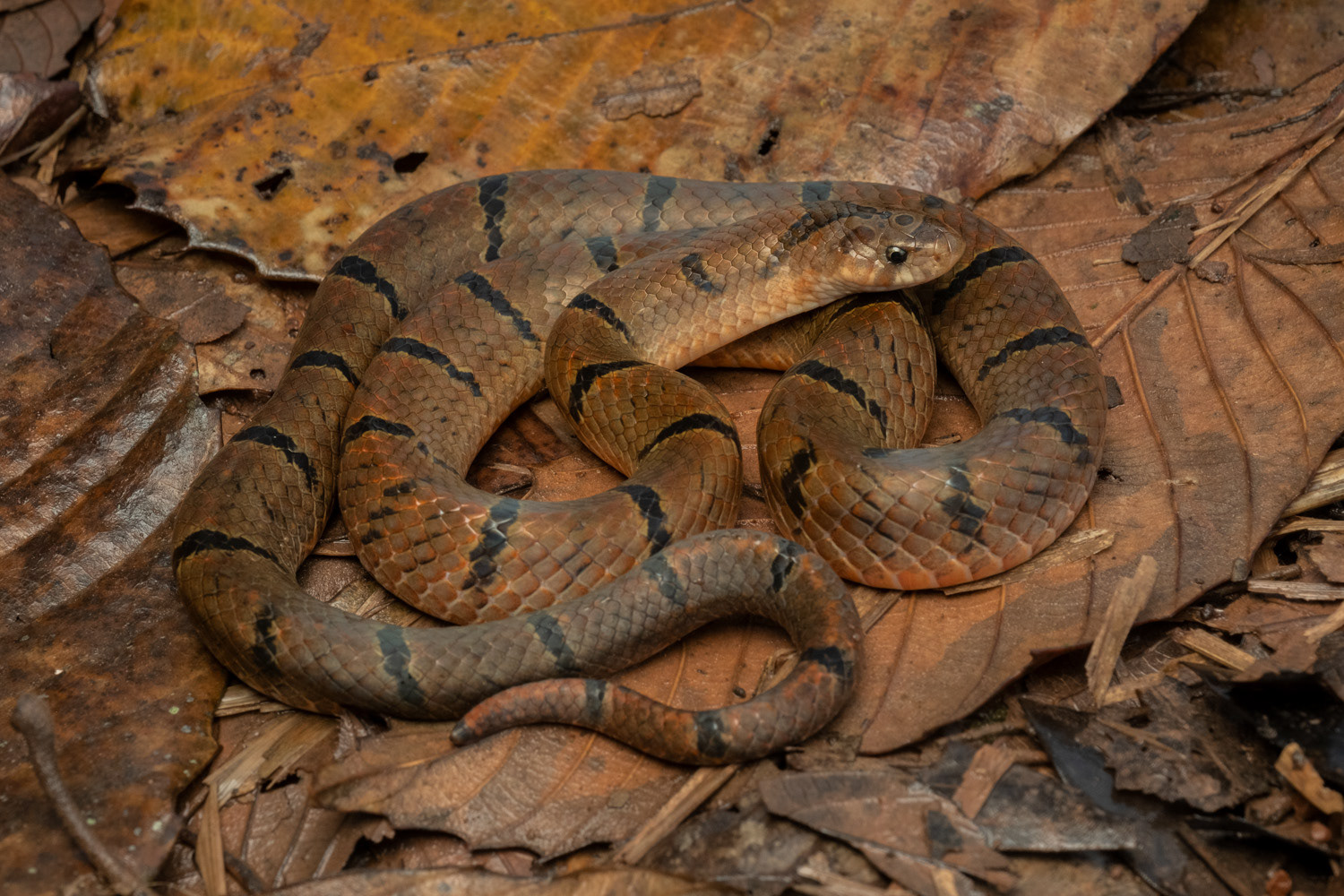
Tam Dao kukri snake (Oligodon cinereus tamdaoensis).
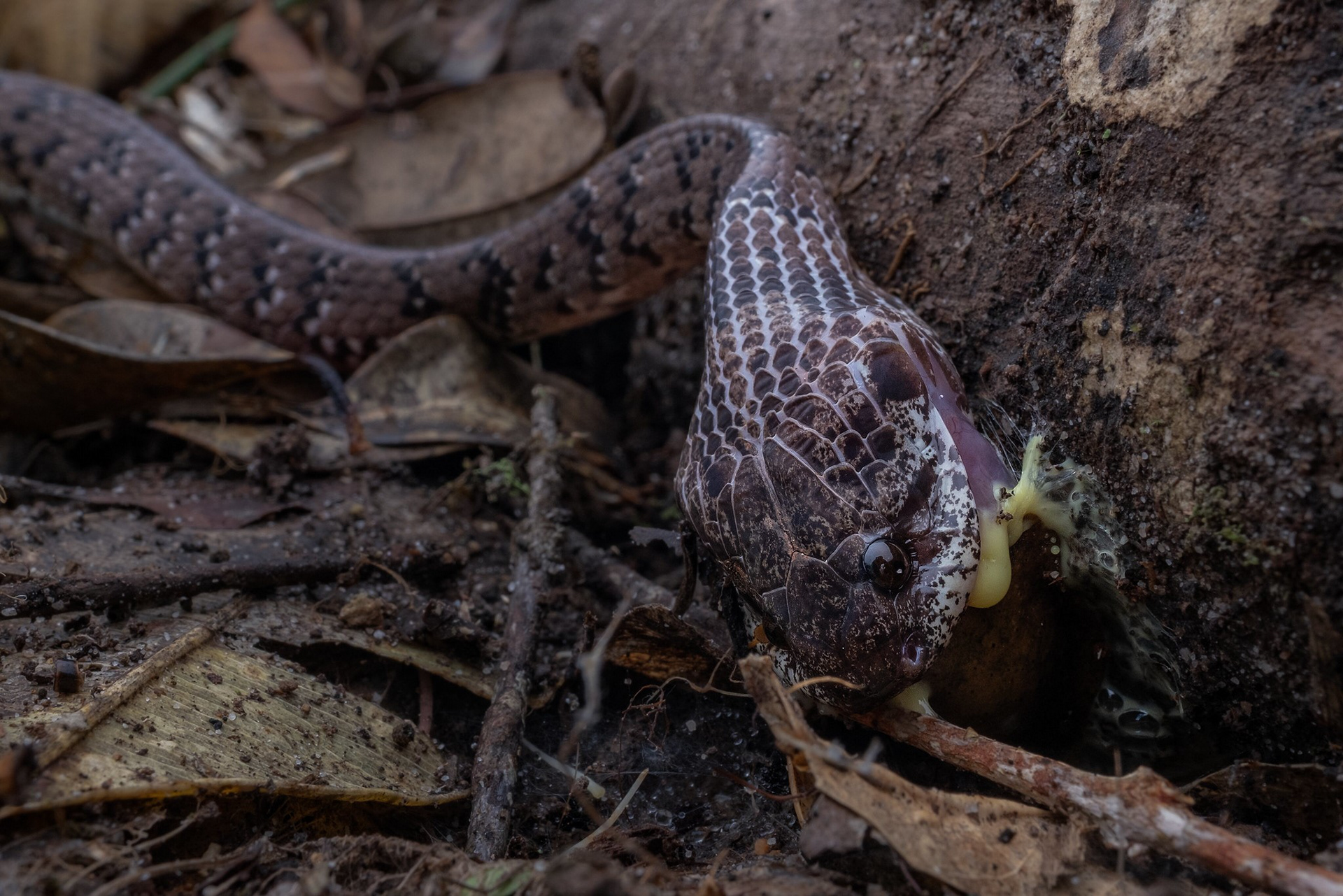
Mountain slug snake (Pareas macularius)
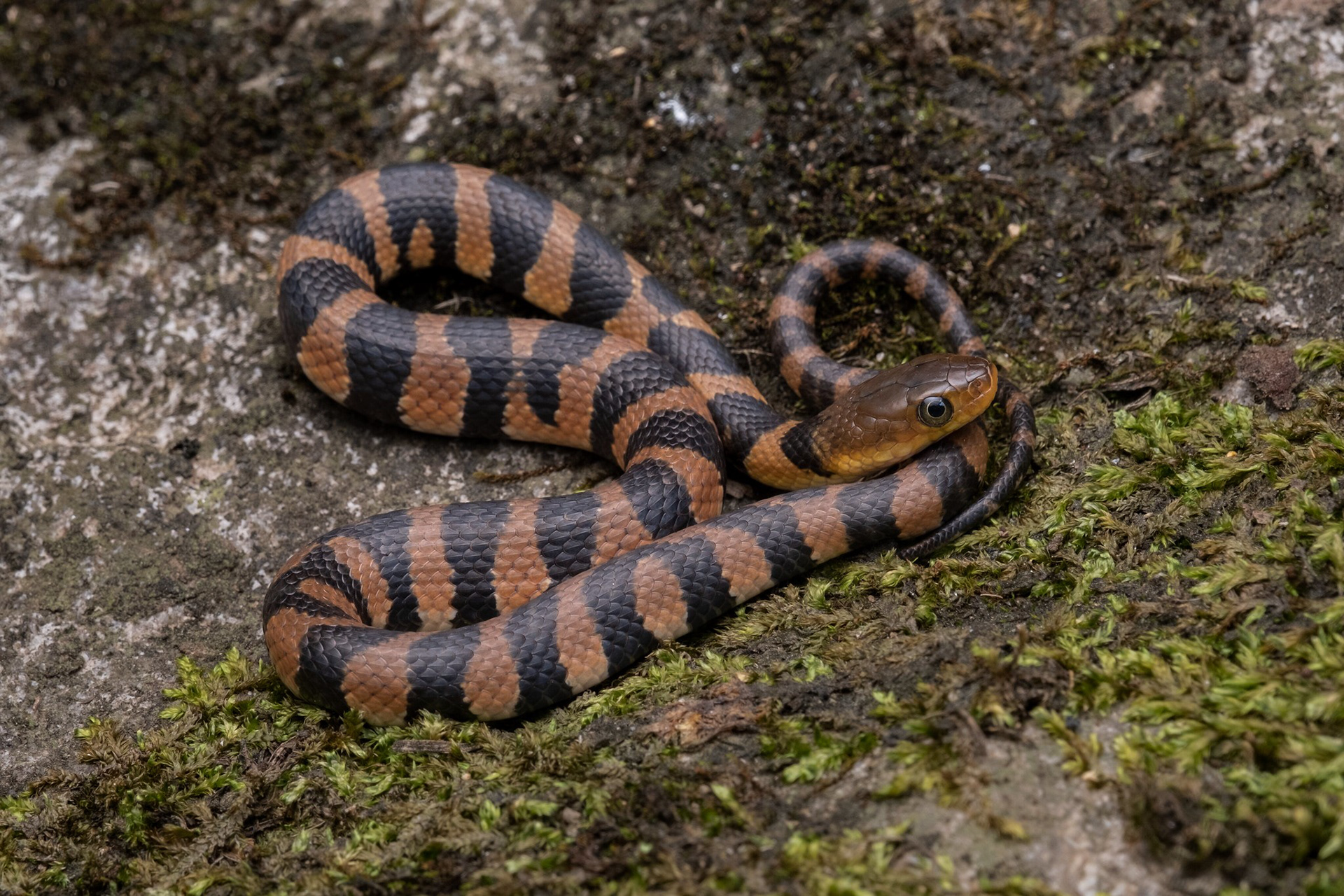
Yunnan mountain keelback (Trimerodytes yunnanensis)
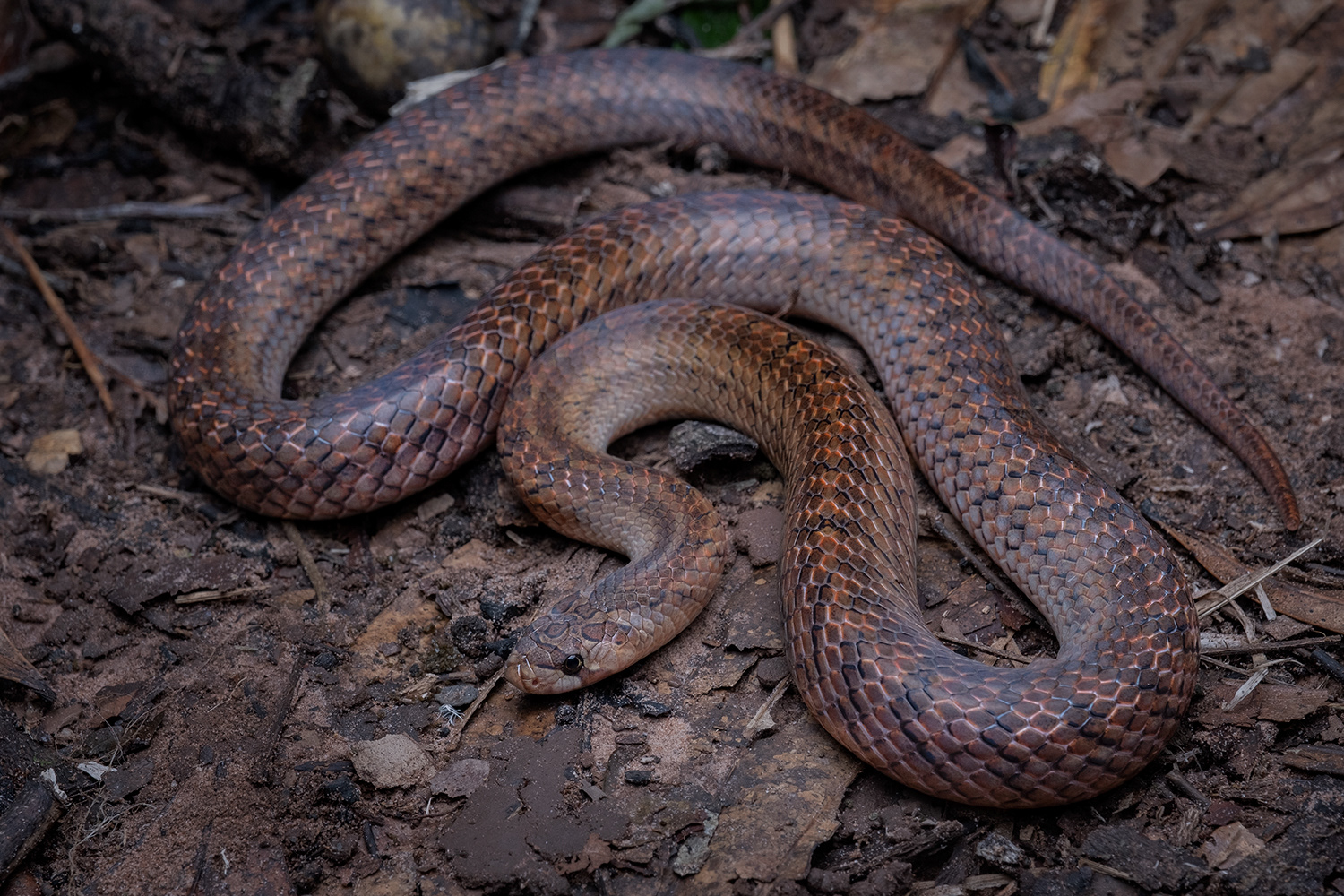
Joynson's kukri snake (Oligodon joynsoni).
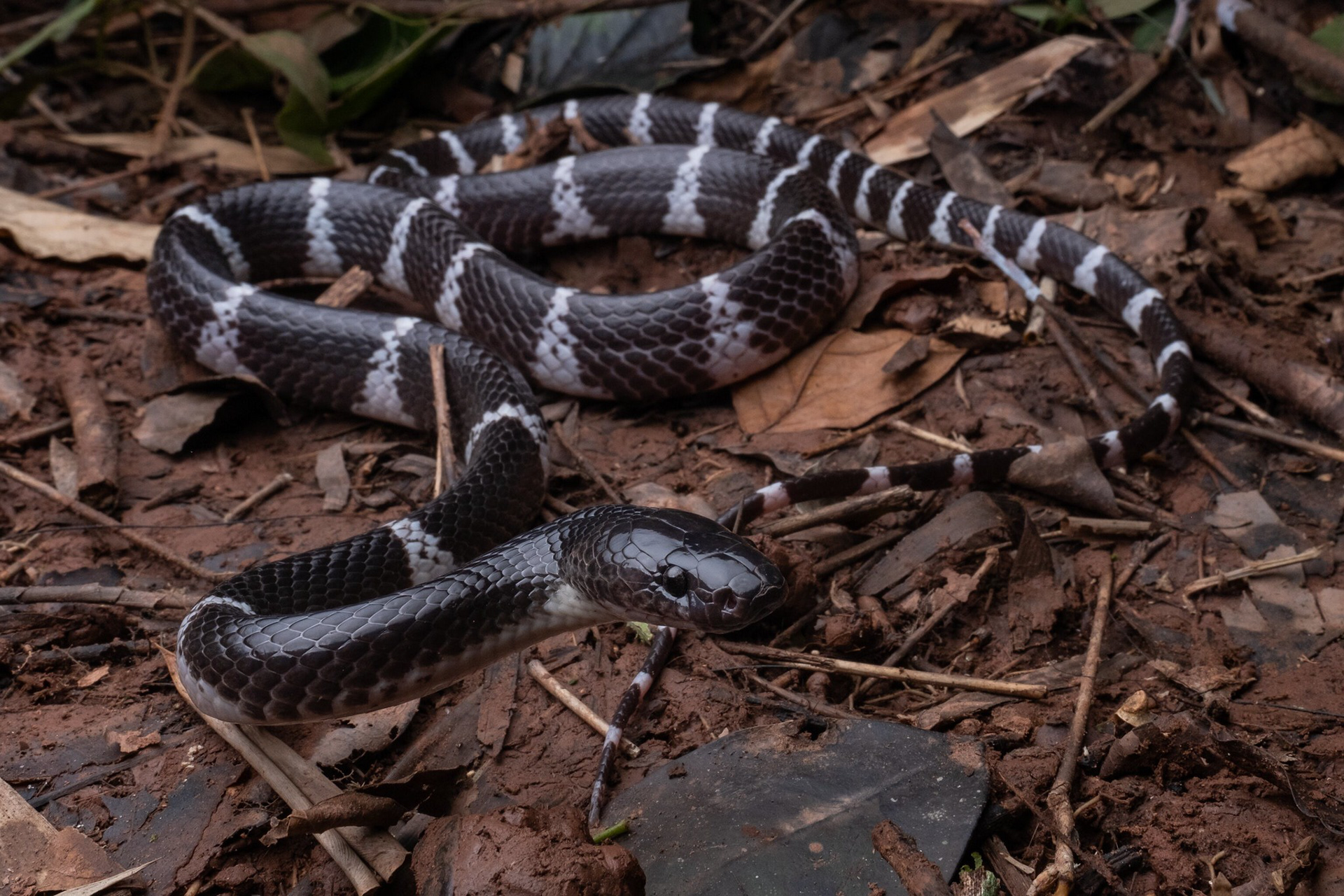
Chapa wolf snake (Lycodon chapaensis)
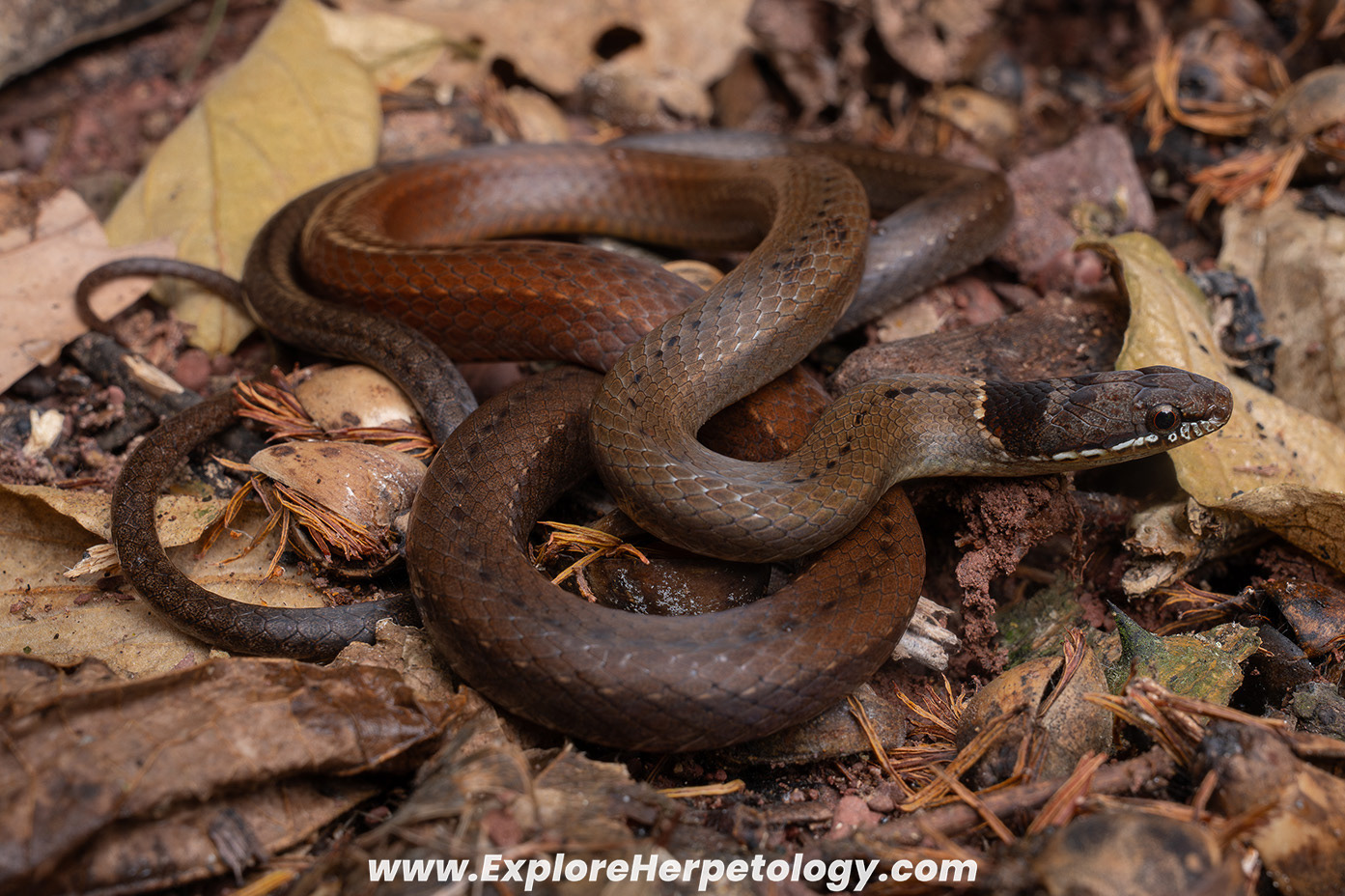
Collared black-headed snake (Sibynophis collaris).
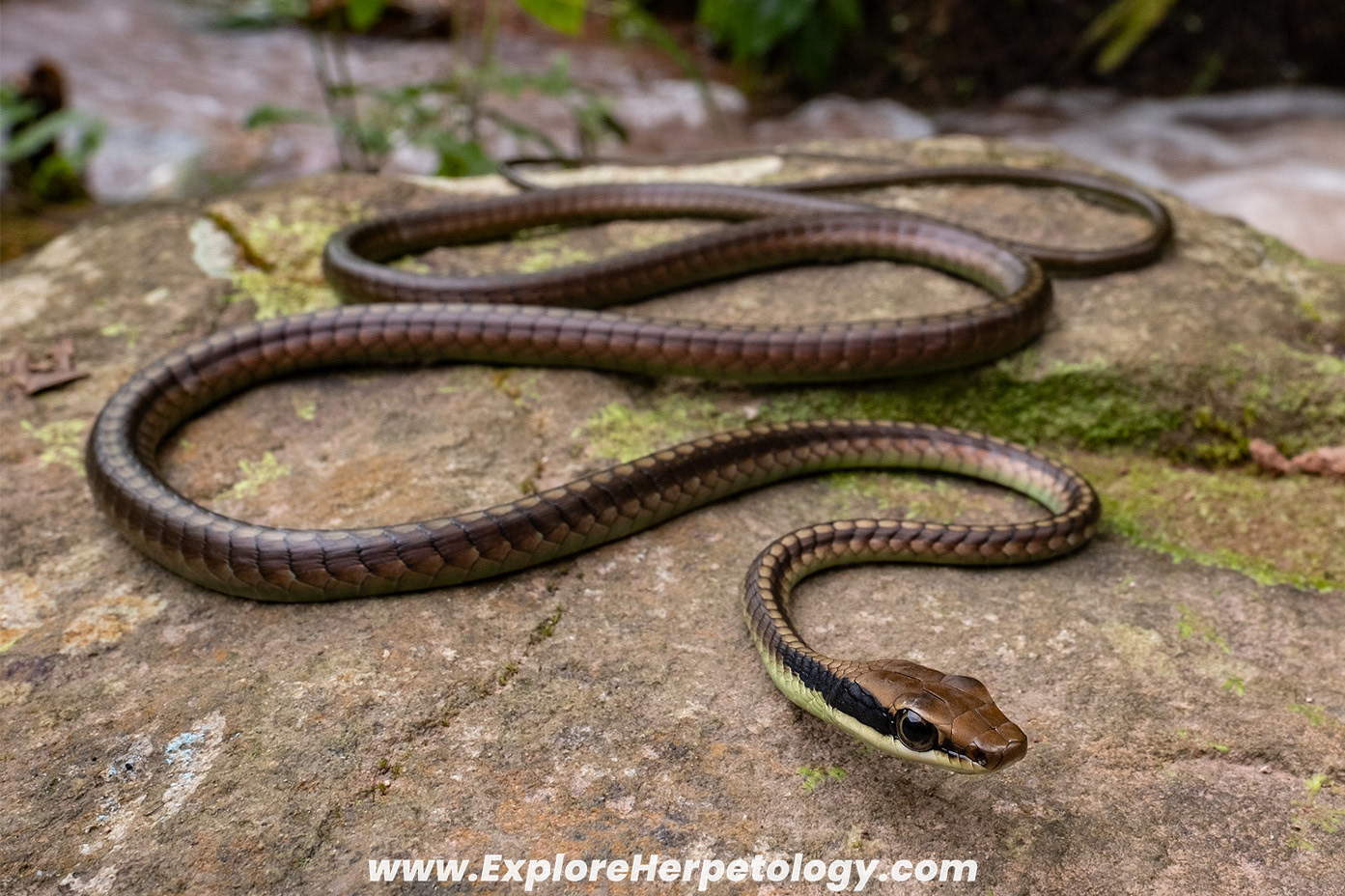
Vogel's bronzeback (Dendrelaphis vogeli).
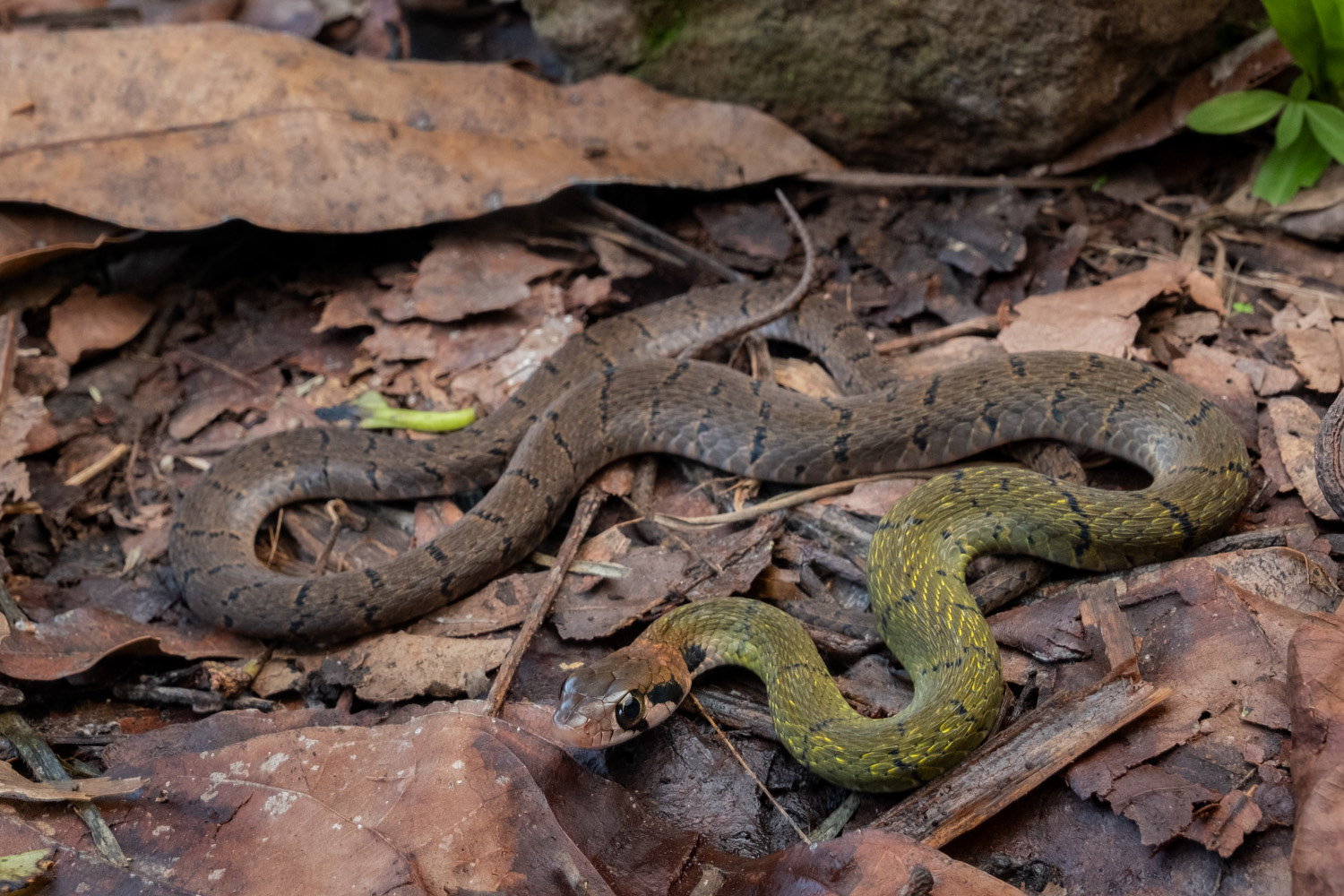
Black-barred keelback (Rhabdophis nigrocinctus).
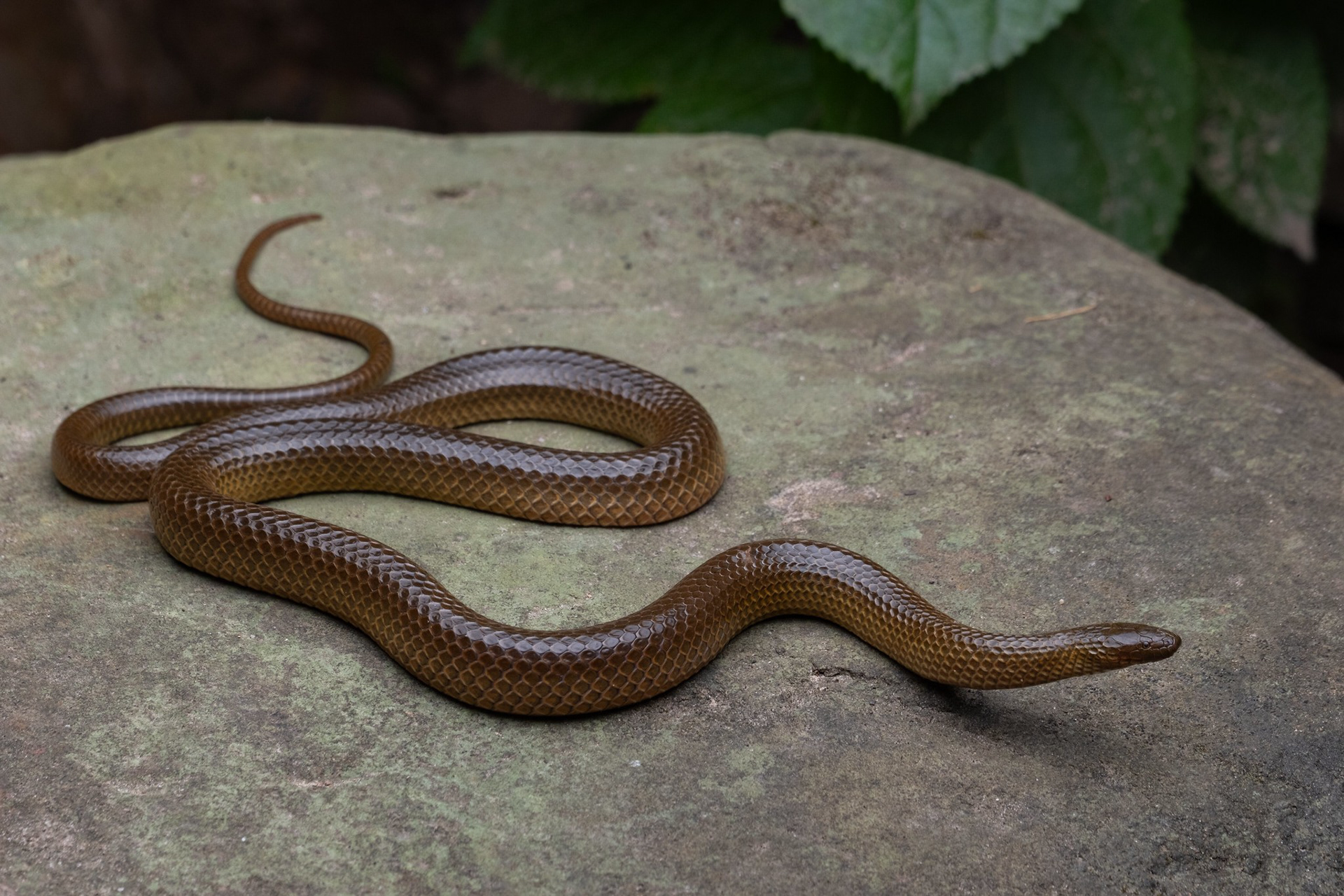
Spencer's stream snake (Opisthotropis spenceri)
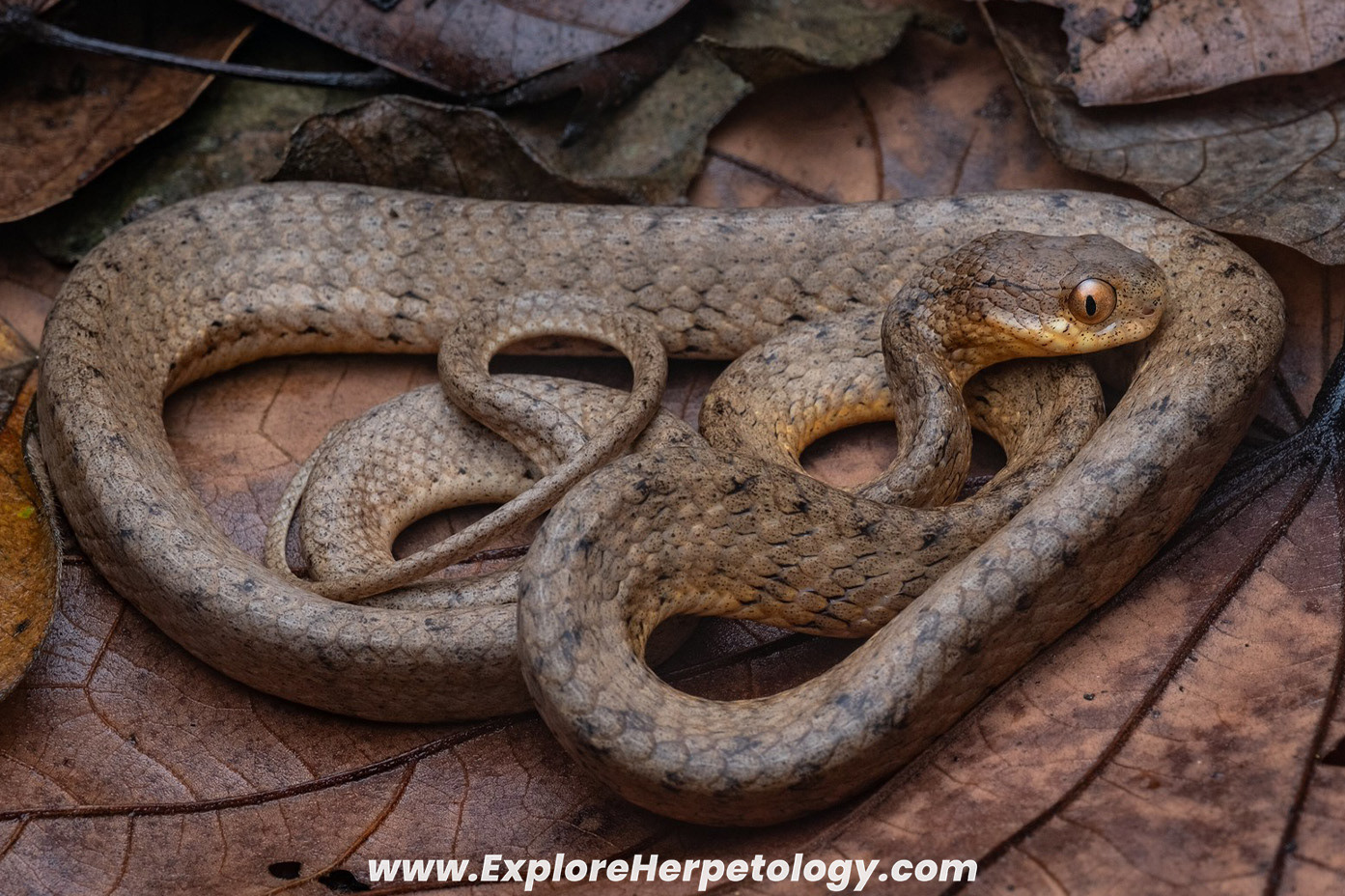
Berdmore's slug snake (Pareas berdmorei).
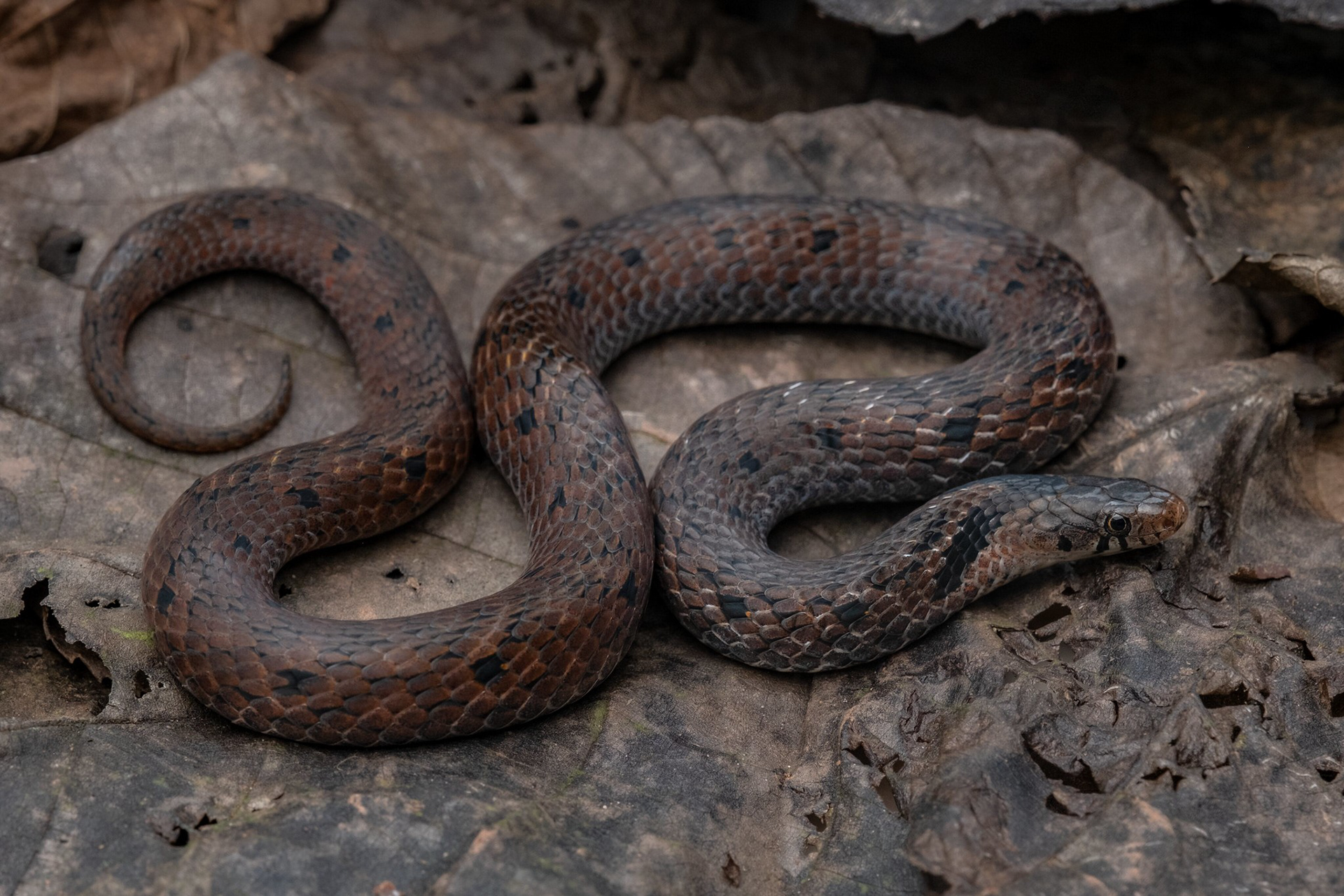
Assamese mountain snake (Plagiopholis nuchalis)
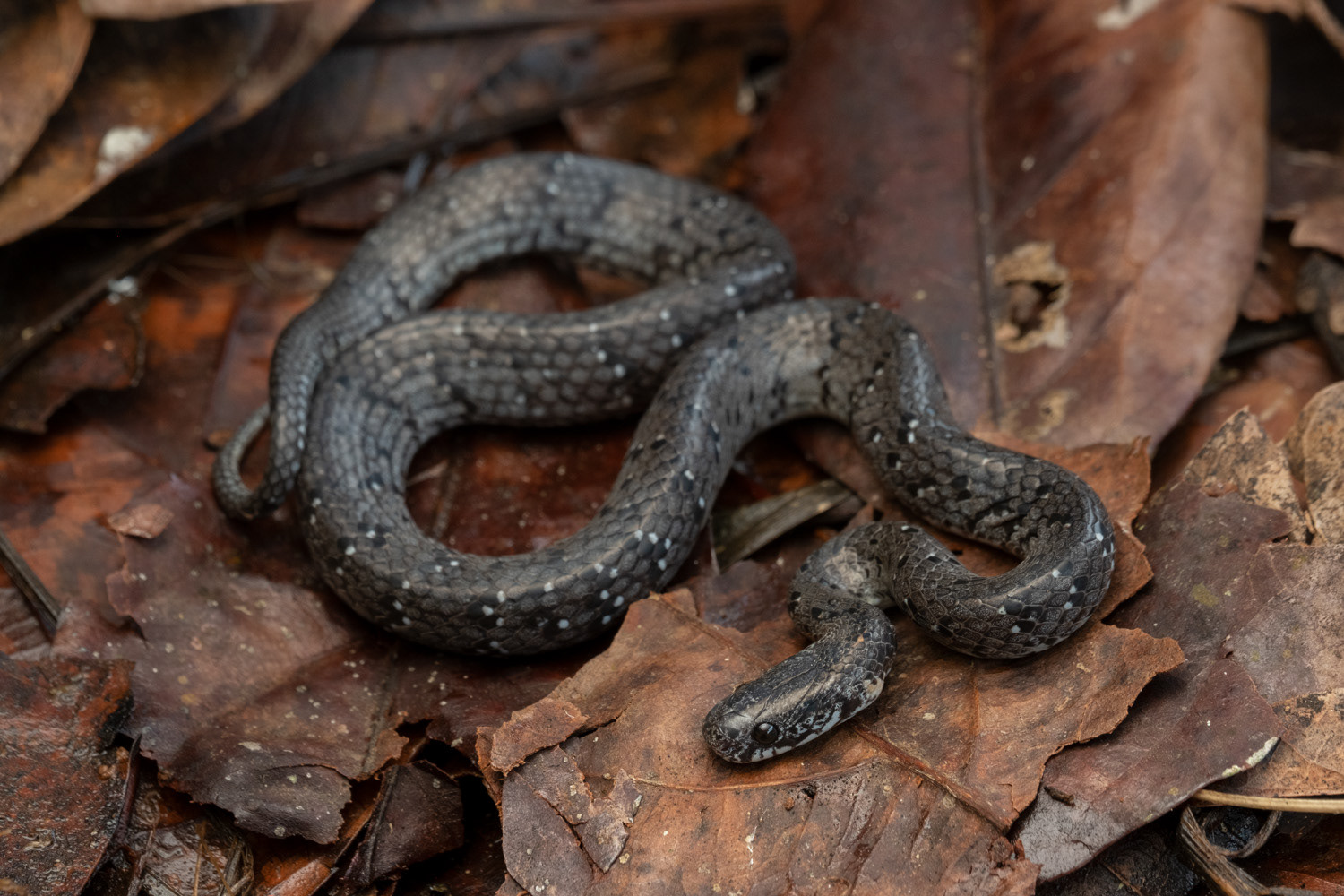
White-spotted slug snake (Pareas margaritophorus).
More details:
The typical daily agenda on this expedition is breakfast at 8-10am, followed by road cruising and trail walking during the daytime, usually starting around 9-10am in the morning, with breaks in the afternoon for photography, coffee and rest. Dinner is served at 5pm as we must be out at sunset to make the most of prime time. At night, we will road cruise during peak activity hours, supplementing the evening activities with stream walking, roadside shining and hiking on trails. Activity tends to slow down after 11pm, so we typically finish herping around midnight. We will be split into two or three separate groups on most days, and will share our best finds together. Covering as much ground as possible is essential for finding the most desirable species in this region.
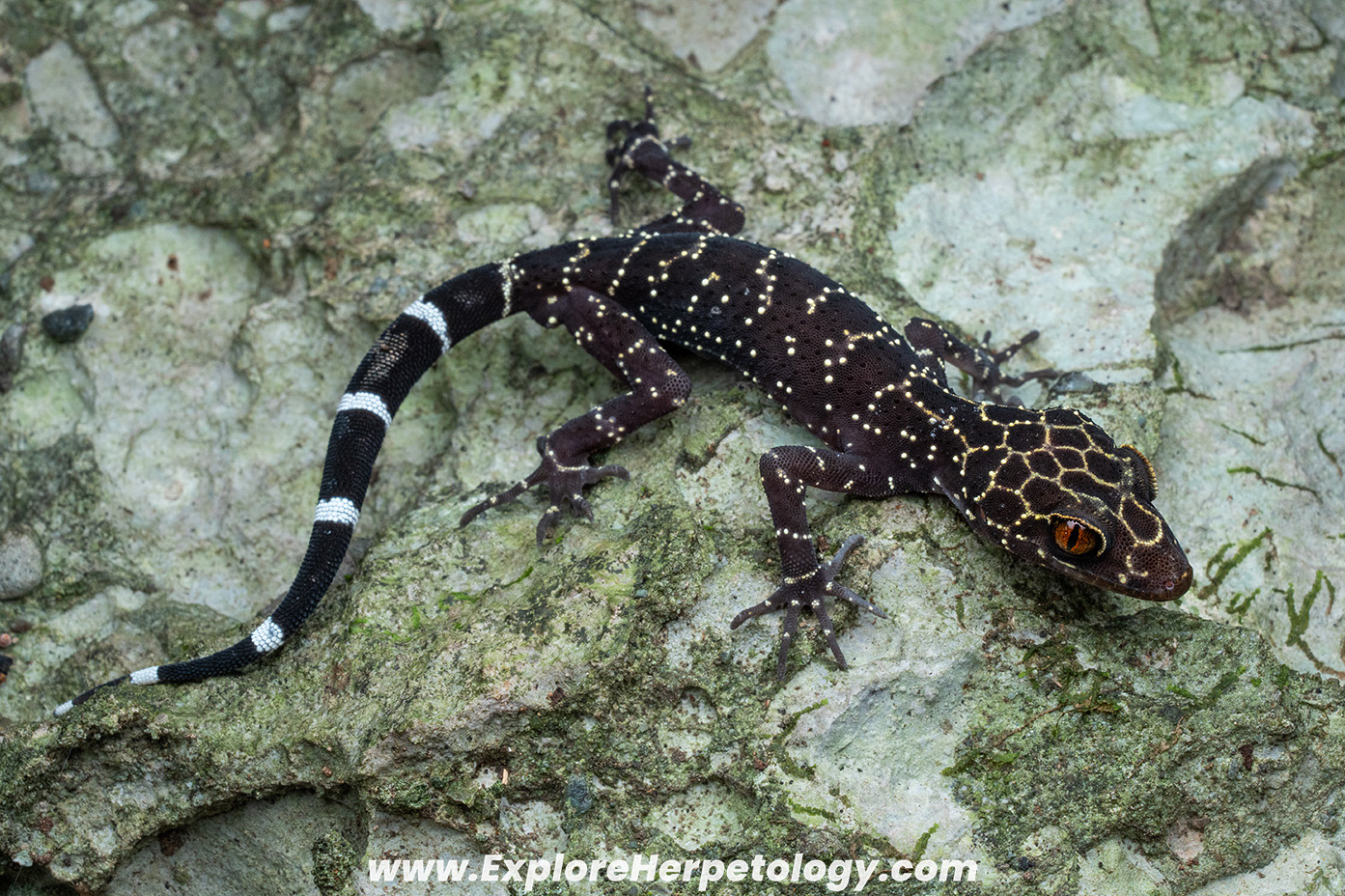
Phu Kha bent-toed gecko (Cyrtodactylus phukhaensis).
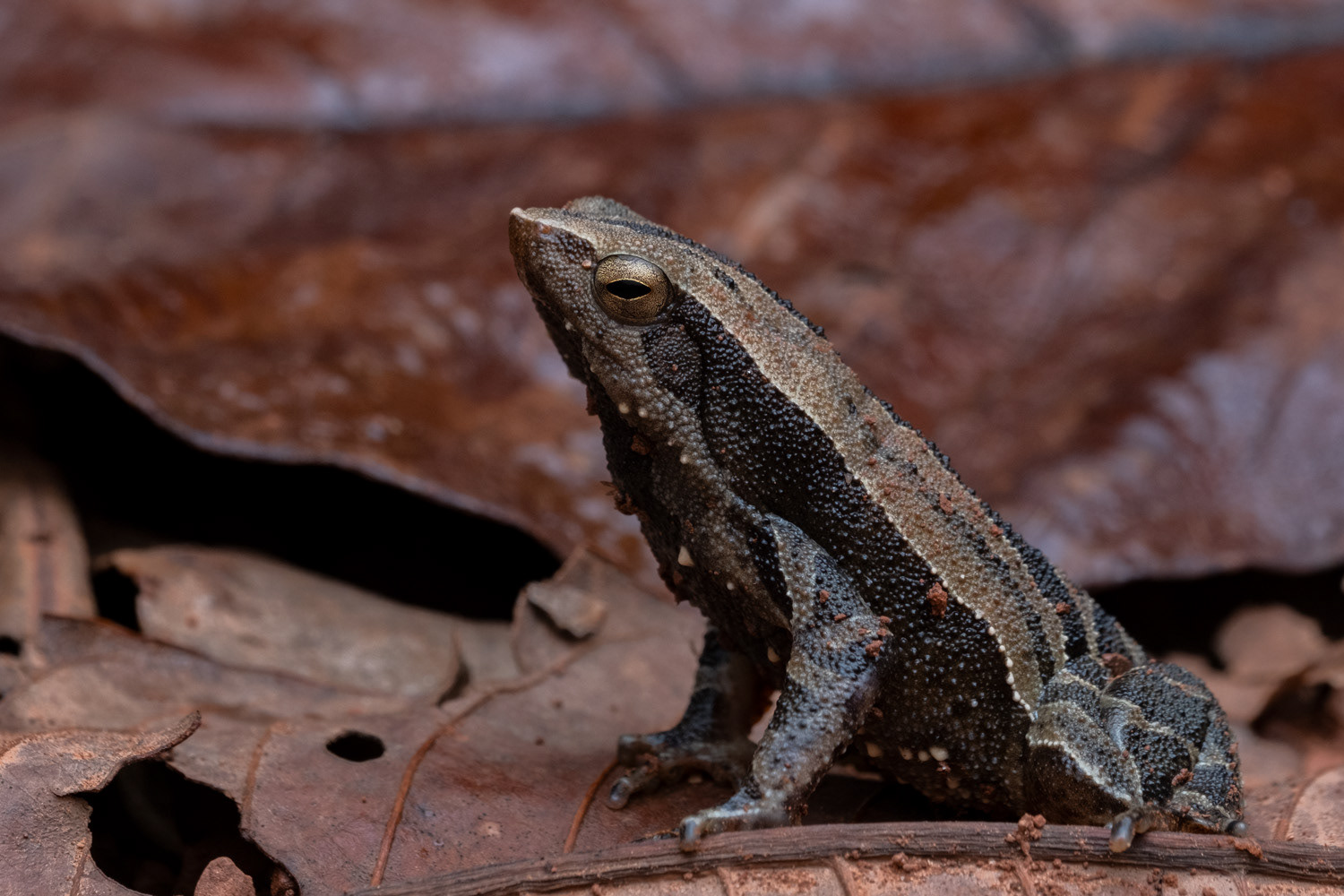
Striped sticky frog (Kalophrynus interlineatus).
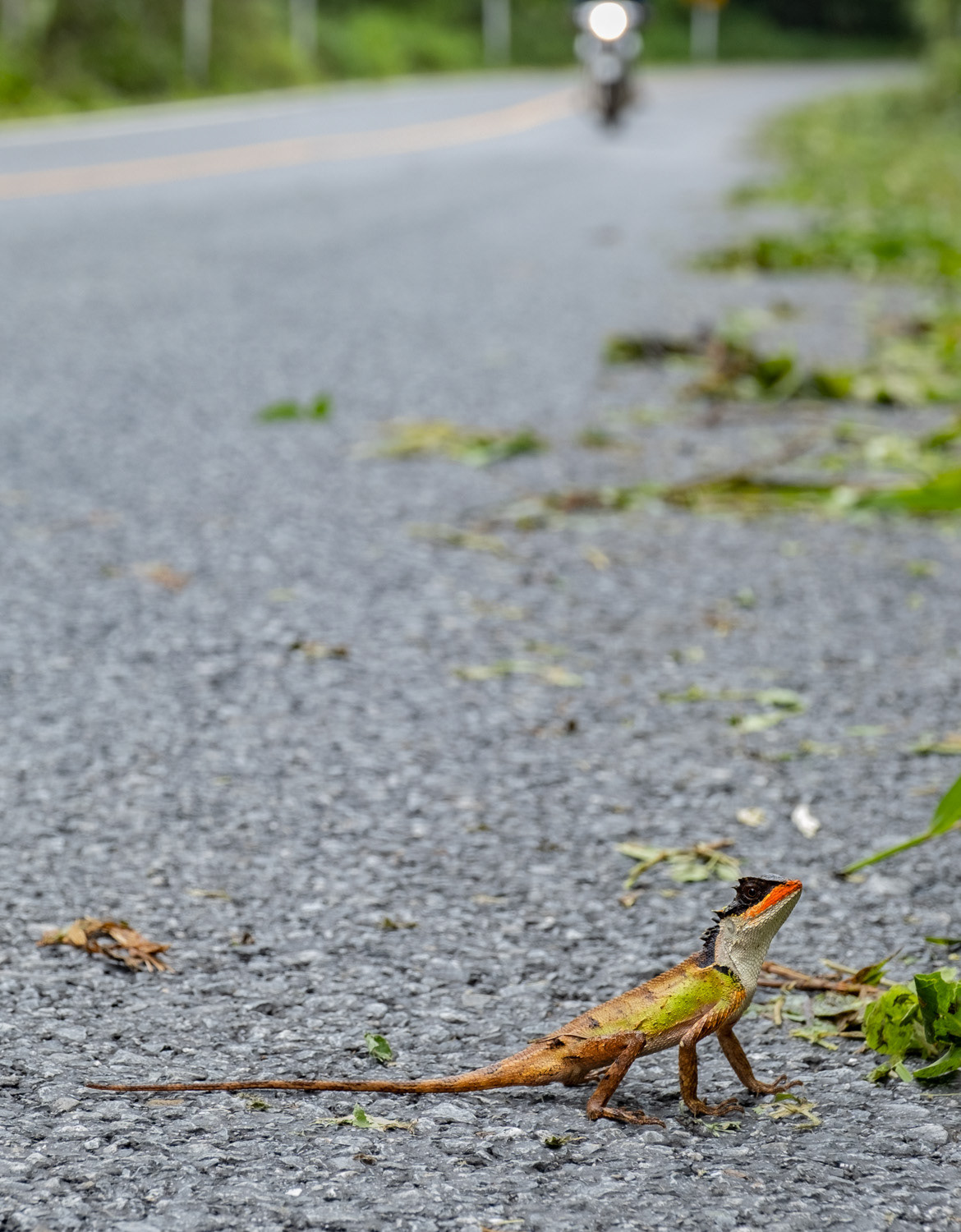
Scale-bellied horned dragon (Acanthosaura lepidogaster).
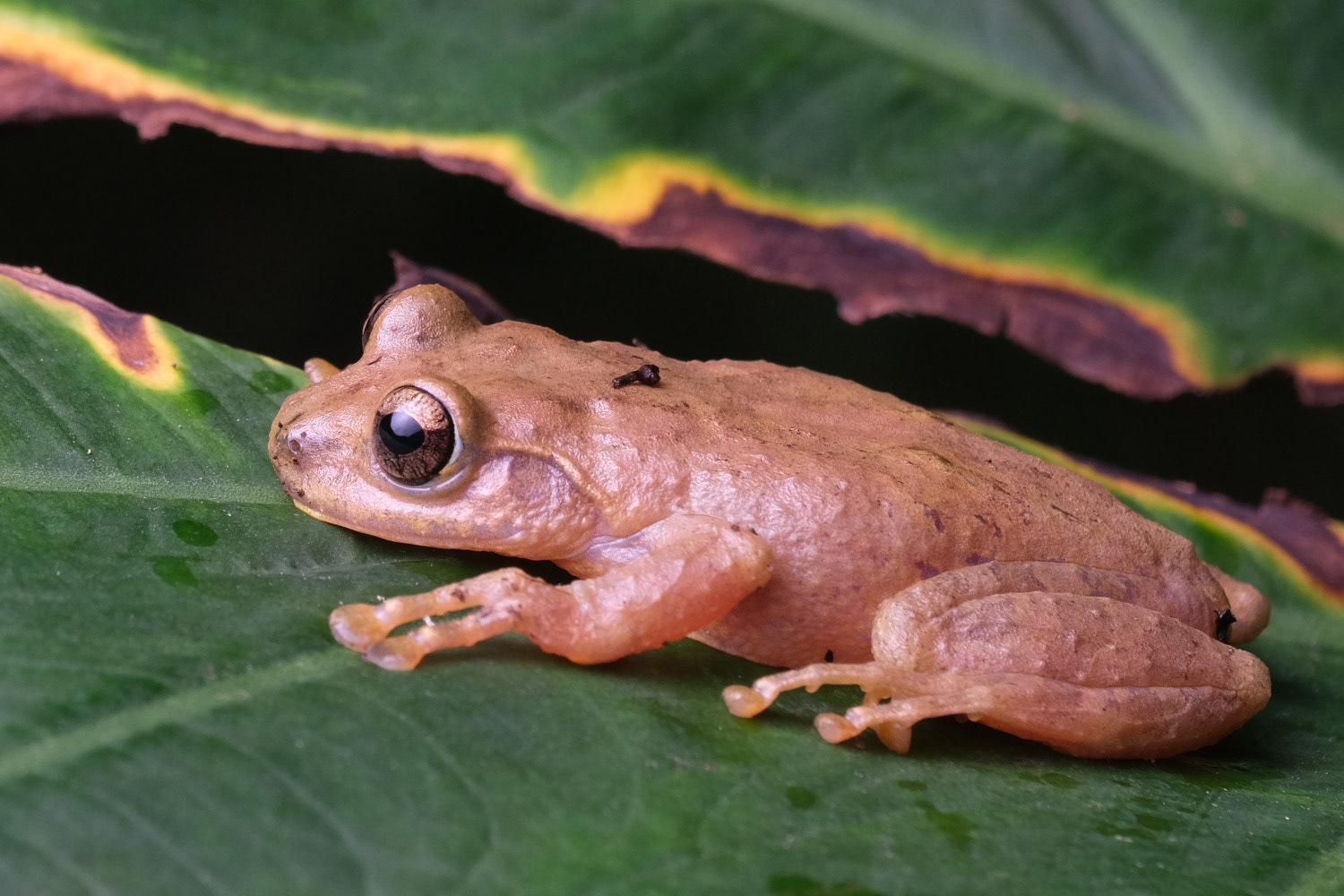
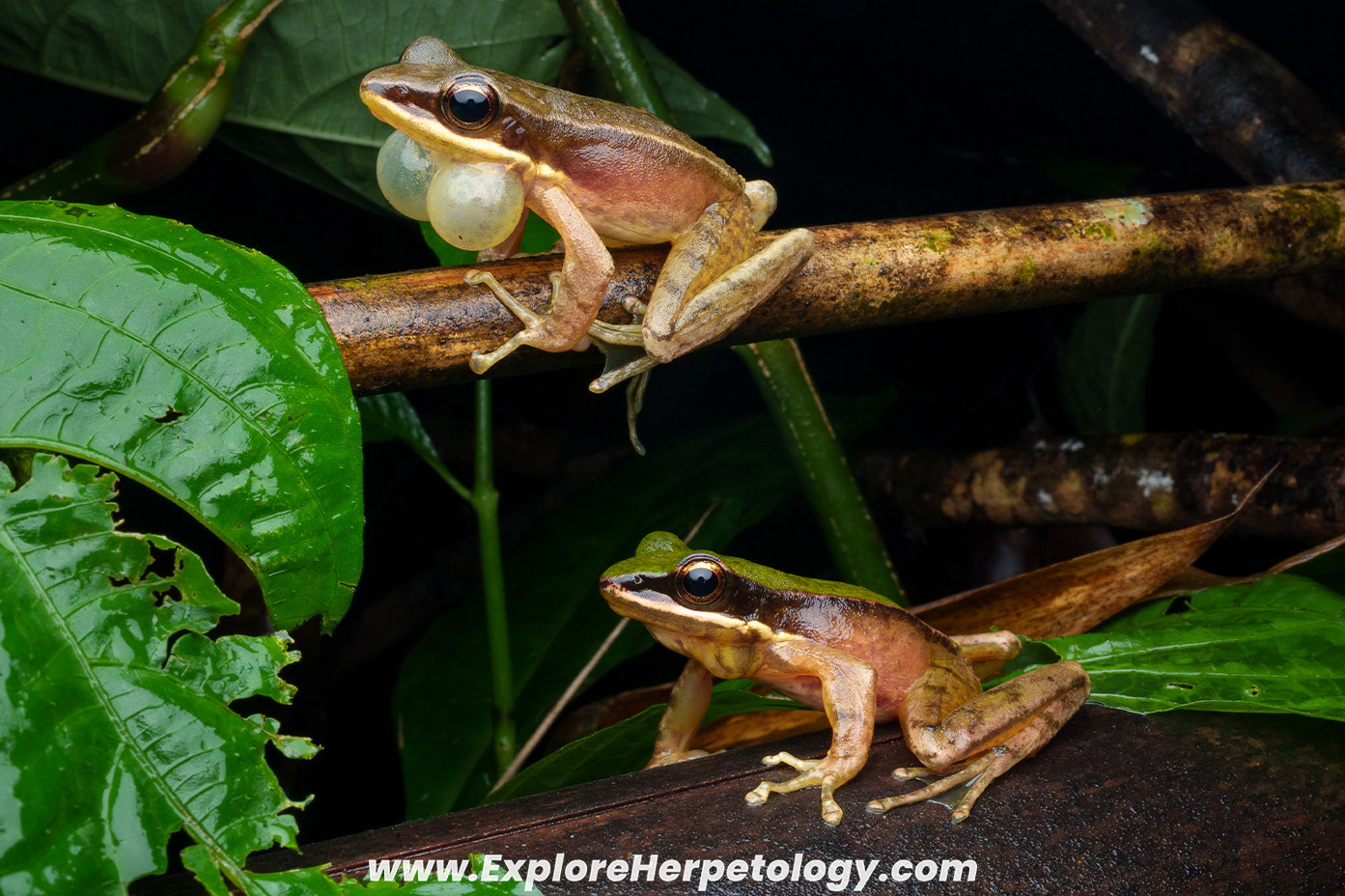
Yunnan bush frog (Gracixalus yunnanensis).
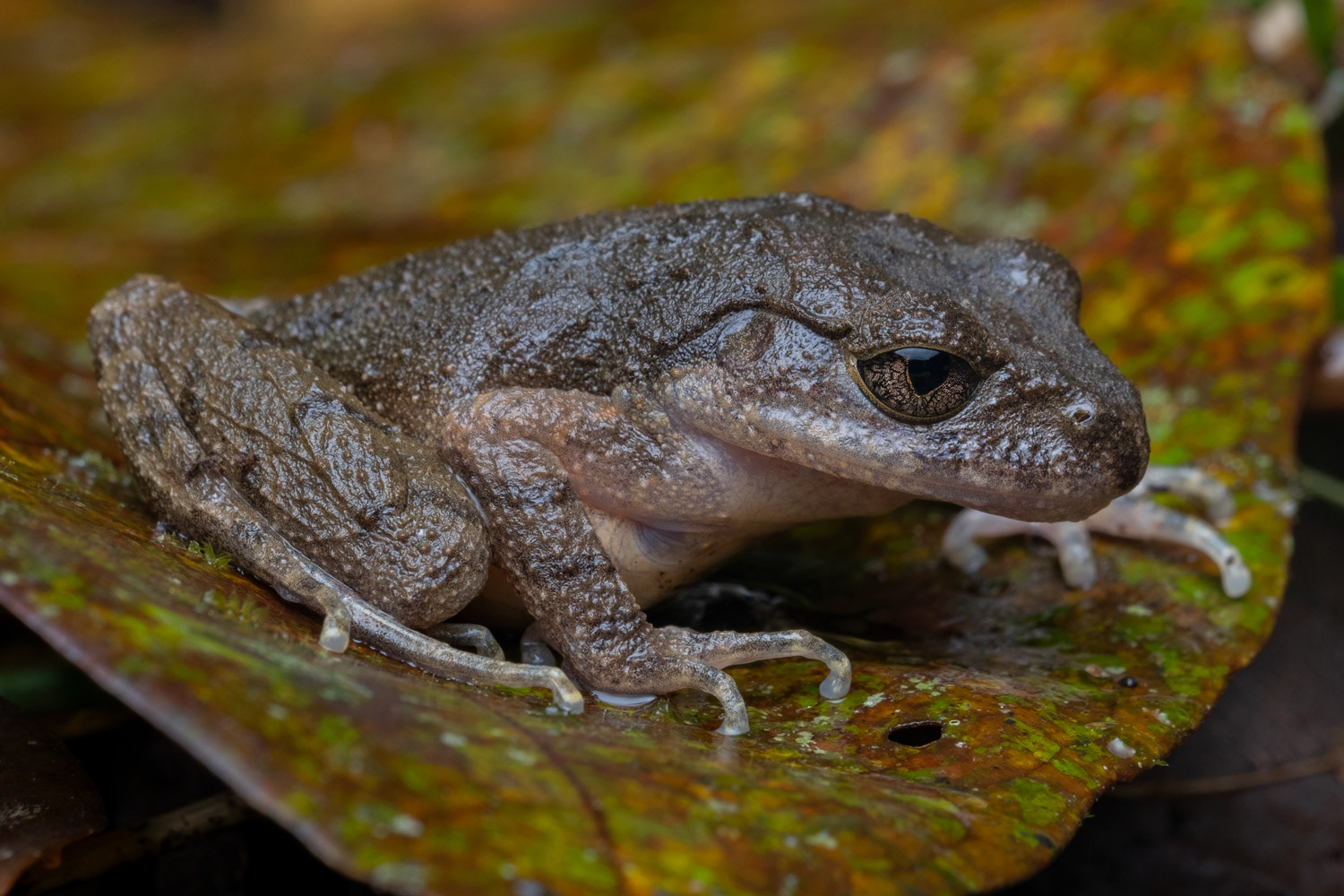
Rosy litter frog (Leptobrachella eos).
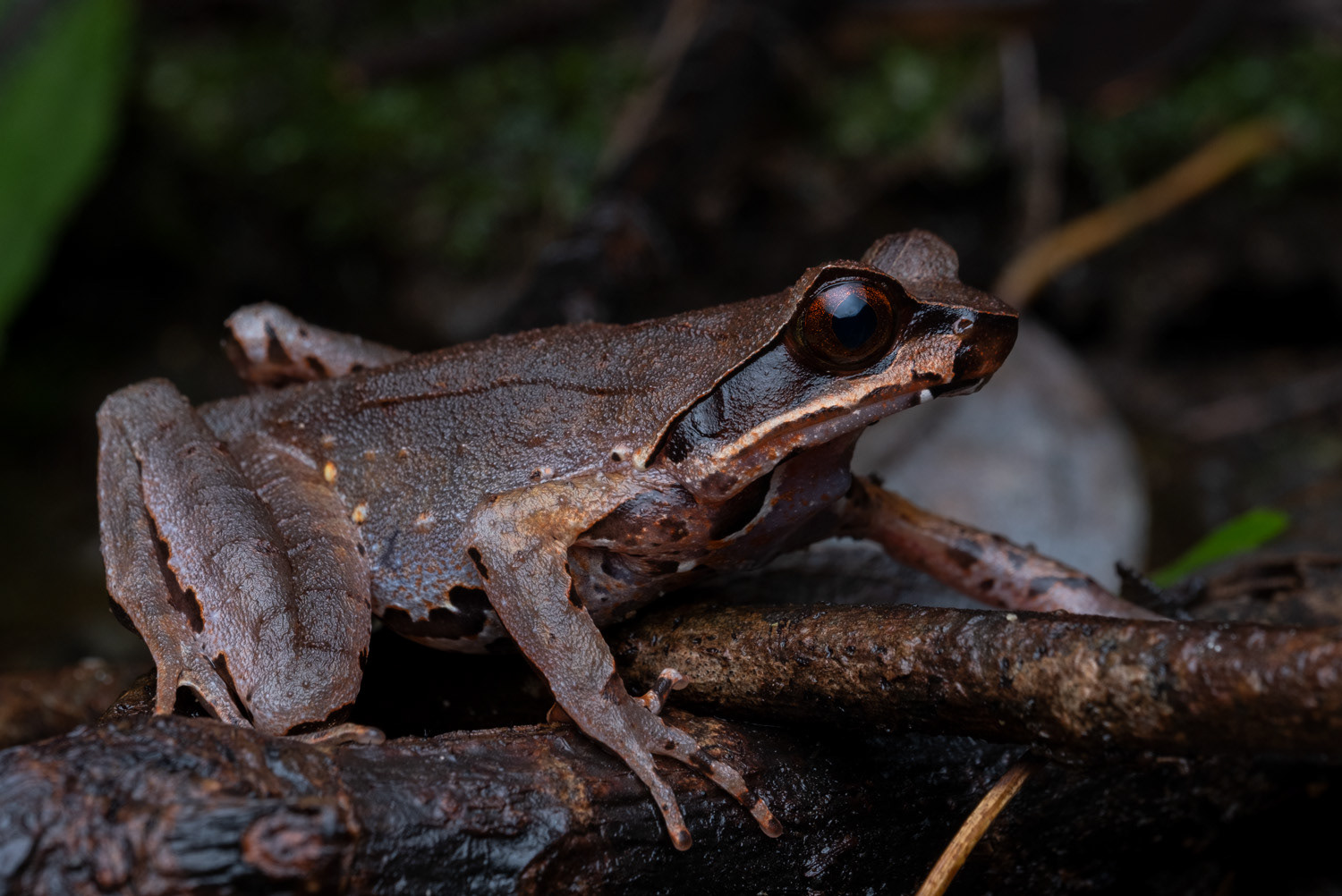
White-lipped horned frog (Megophrys major).
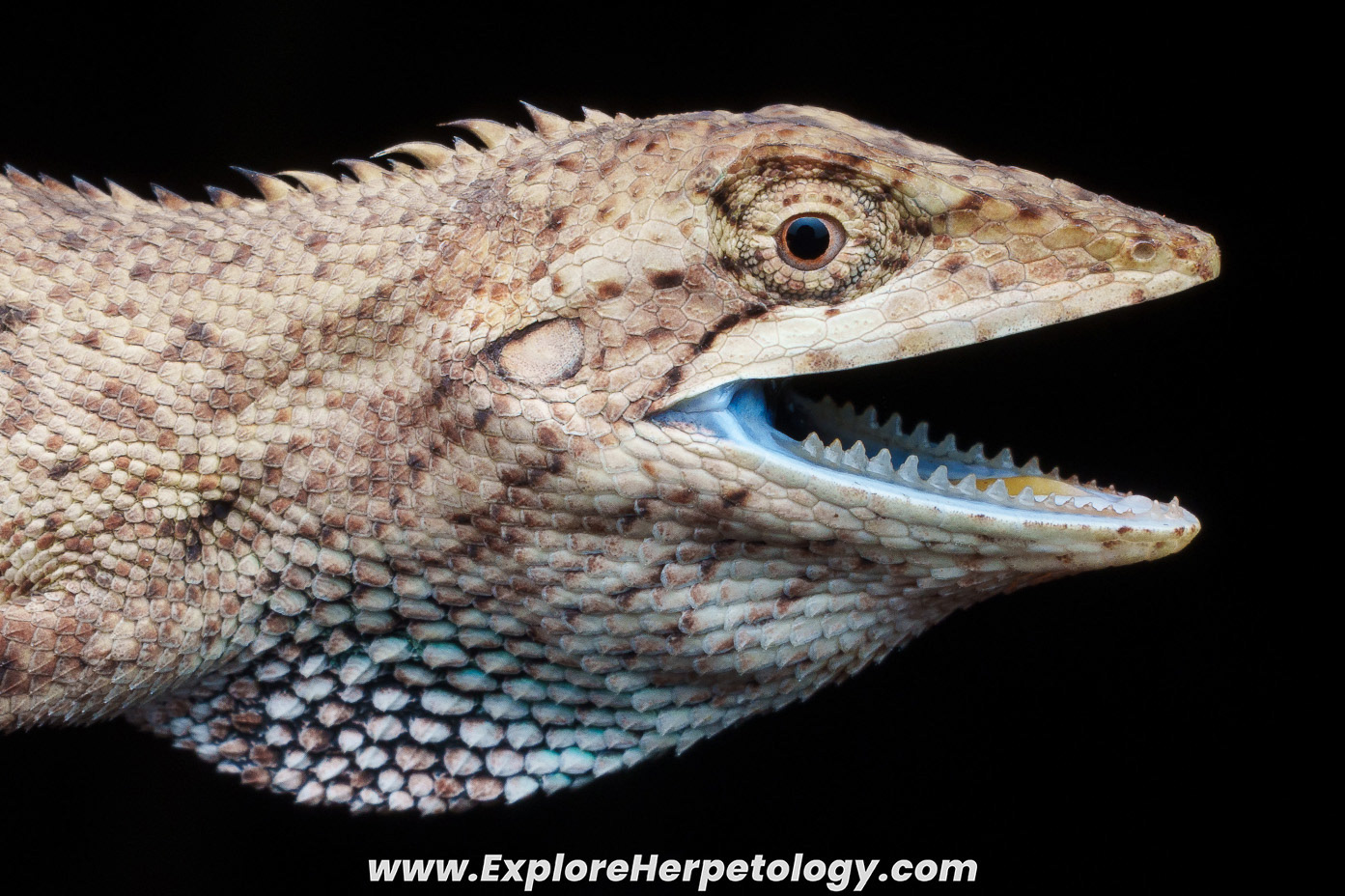
Pseudocalotes microlepis.
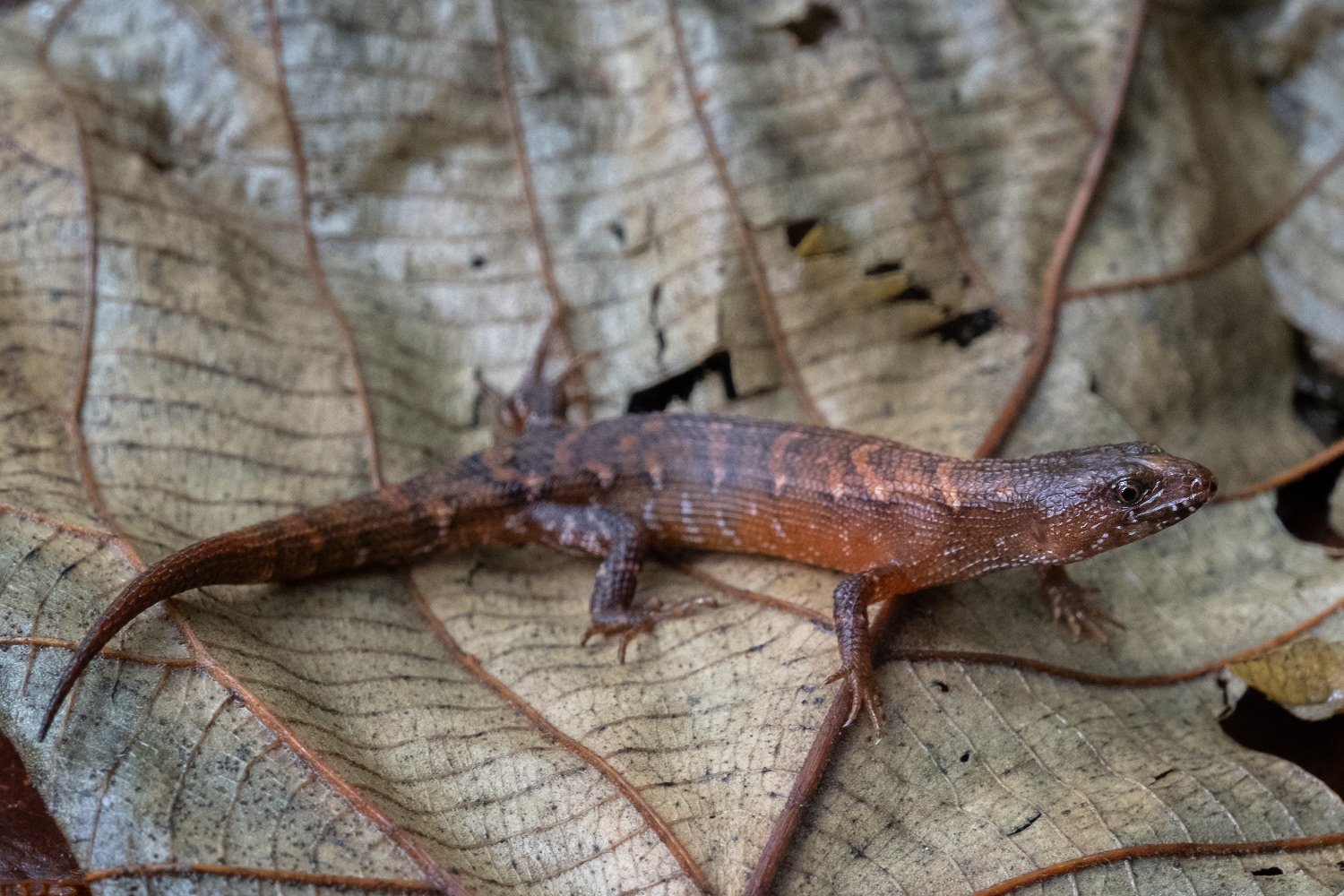
Thai stream skink (Tropidophorus thai).
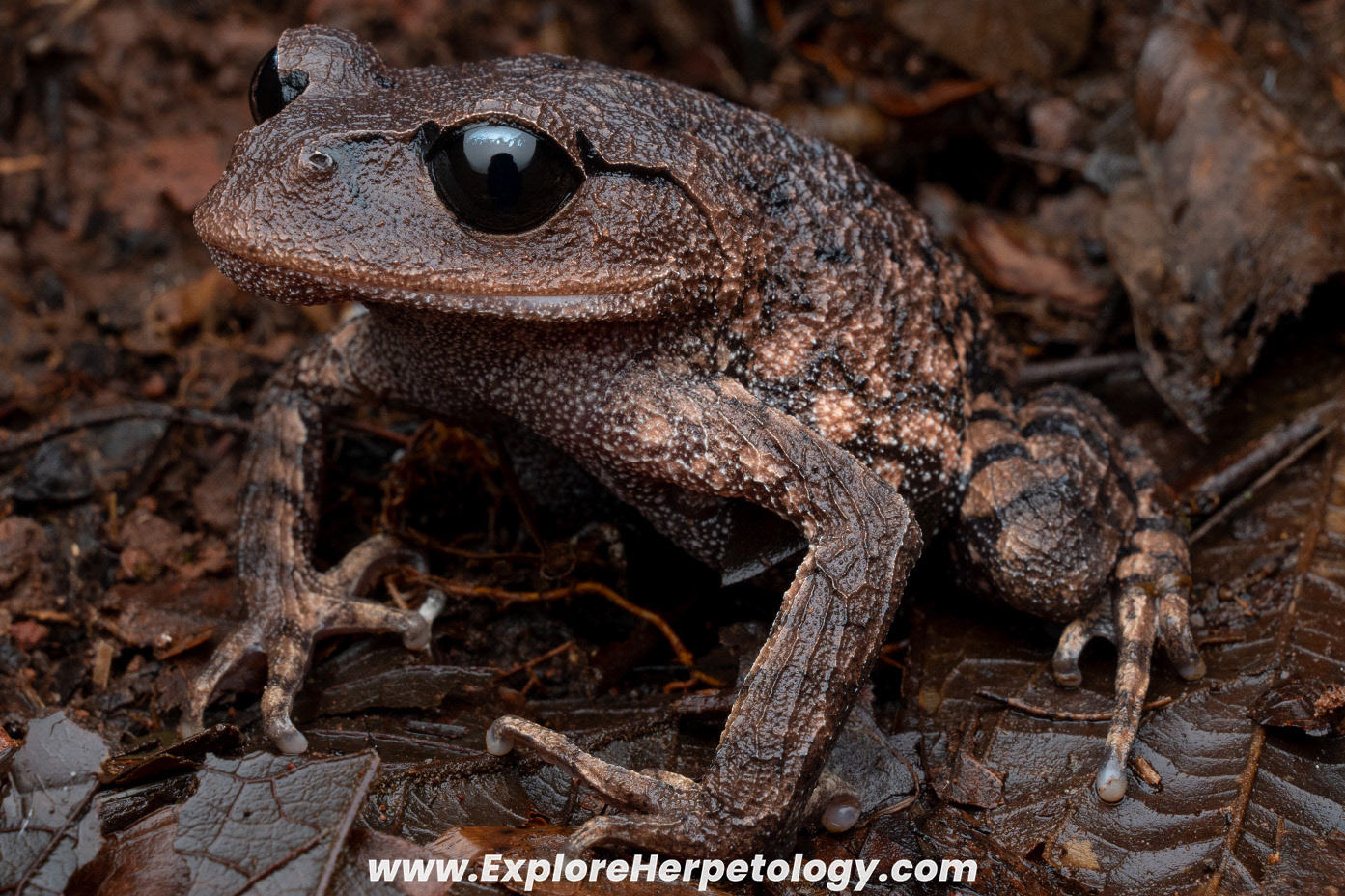
Leptobrachium huashen.
Accommodation:
We will be staying at a very comfortable resort for the entirety of our stay, overlooking the river and forested hills with the opportunity for herping right outside our private bungalows. The beds and facilities are high-quality and extremely comfortable, with WiFi and 5G available throughout the property. The standard package for this expedition is a shared twin-bed bungalow, but we offer a single supplement package and for those who want a private room, as well as luxury bungalows for those who really want to upgrade their stay.
Food:
We will eat both breakfast and dinner at the restaurant at our resort, with one visit to a pizza restaurant. The food at the resort is a set menu with a specific theme for each night, so let us know if you have any dietary restrictions. Food is plentiful and diverse on each night regardless of the theme. There is a 7-Eleven within walking distance of the resort, where we can stock up on snacks for while we are in the field.
Environmental conditions & fitness:
On sunny days, the temperature in the lower elevations can rise to around 28c with high humidity. However, at the higher elevations of the mountain, the temperature can drop as low as 14c at night. We highly recommend packing at least one sweater. This trip is scheduled during the later end of rainy season in Northern Thailand, so you must bring waterproof clothing.
The majority of herping during this trip is road cruising and road walks, which is generally very relaxing and accessible for everyone. However, we will host more challenging hikes for those who want to partake, including stream hikes and hikes to easily accessible mountain summits. Therefore, a minimum level of fitness must be met. Mosquitos, leeches and other biting/stinging animals are part of jungle life, so long trousers/pants, long sleeved shirts and long socks are strongly advised. We specifically recommend rubber boots and hiking boots as both will come in handy on this expedition.
Travel information:
All participants must arrive at the designated meeting point in Nan city by midday (12:00pm) on the 13th September 2026. We advise all guests to arrive the night before and get a good night’s sleep before the expedition begins, but morning flights from Bangkok are available on the 13th. Daily flights to/from Nan Nakhon Airport are available from Bangkok every day, but we recommend booking as far in advance as possible. At the end of the tour, we will drop everyone off at the airport or Nan City on the 21st September by midday (12:00pm).
It is the guests’ responsibility to meet all entry requirements needed to enter Thailand, including visa procedures. Explore Herpetology can help advise entry requirements. Guests travelling from most countries do not require a visa to visit Thailand for less than 30 days. Make sure to check the entry requirements for your country before booking. There are no mandatory vaccinations or COVID restrictions in place for travellers entering Thailand or joining our expeditions.
Habitats and scenery: