
Start: 1st October 2026 | End: 9th - 13th October 2026 | Meeting location: Hanoi | Spaces: 6 Guests
Included in the tour:
- Expert herpetologist guides.
- Transport throughout the tour.
- Accommodation.
- Meals & Drinks.
- National Park/Permit fees.
- Drinking water.
Introduction:
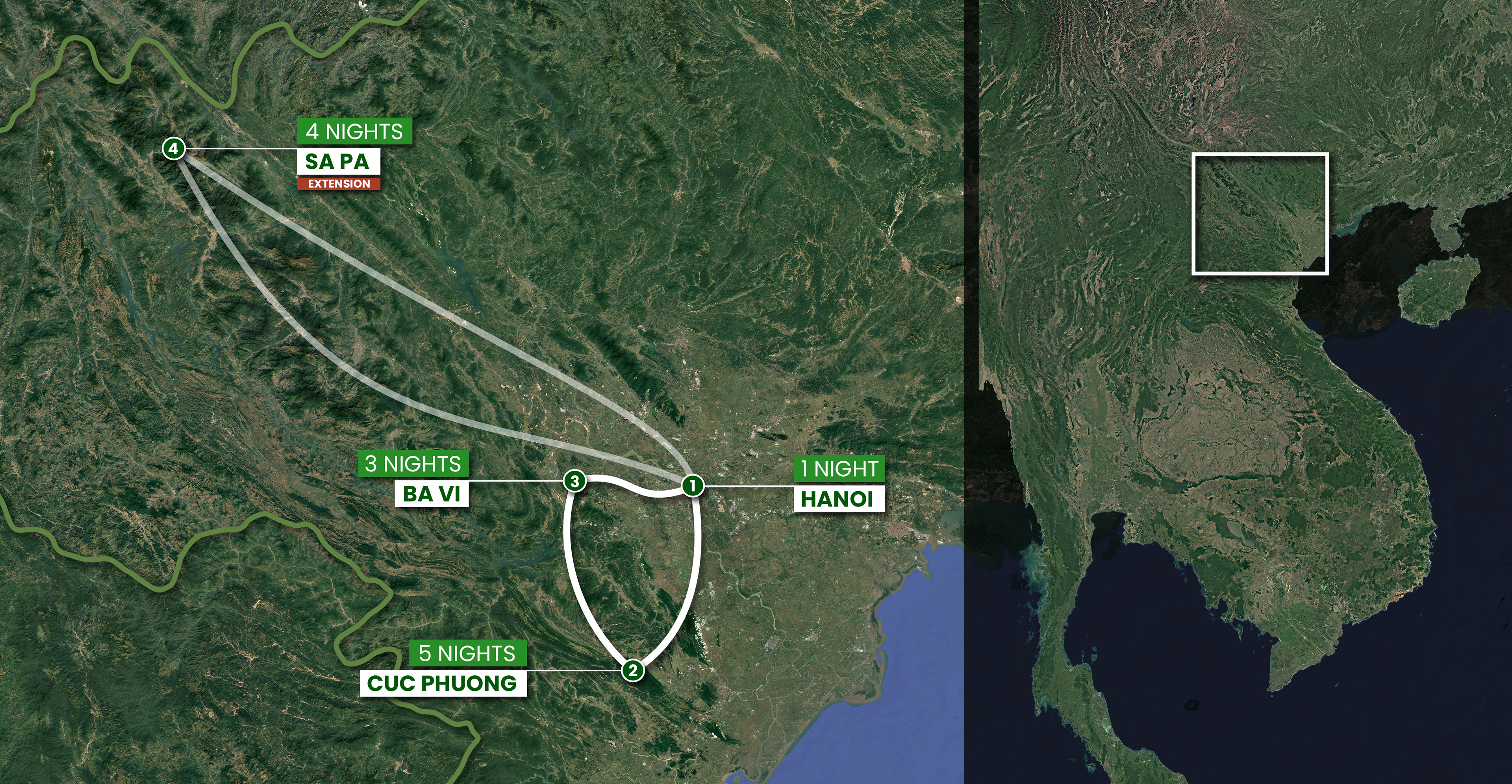
Expedition North Vietnam begins in Hanoi, where we will meet and take a short journey south-west to Cuc Phuong National Park. Cuc Phuong National Park is a limestone karst ecosystem with some of the highest quality primary rainforest remaining in Vietnam. As well as having access to long rainforest trails and shallow streams, there are several routes up limestone karst formations with stunning caves which we will explore for our key targets. We will spend 5 nights at this location, covering as much ground as possible during the day and night. After our time in Cuc Phuong, we will have 3 nights herping at the higher elevation forest in Ba Vi National Park, giving us a chance to observe several more remarkable species not common or present in Cuc Phuong. On the 9th day of the expedition, we will return back to Hanoi. The trip can end here, or you can opt to partake in our optional extension to Fan si Pan mountain in the very far north of Vietnam, where we will spend 3 nights targeting several other very special montane endemics.
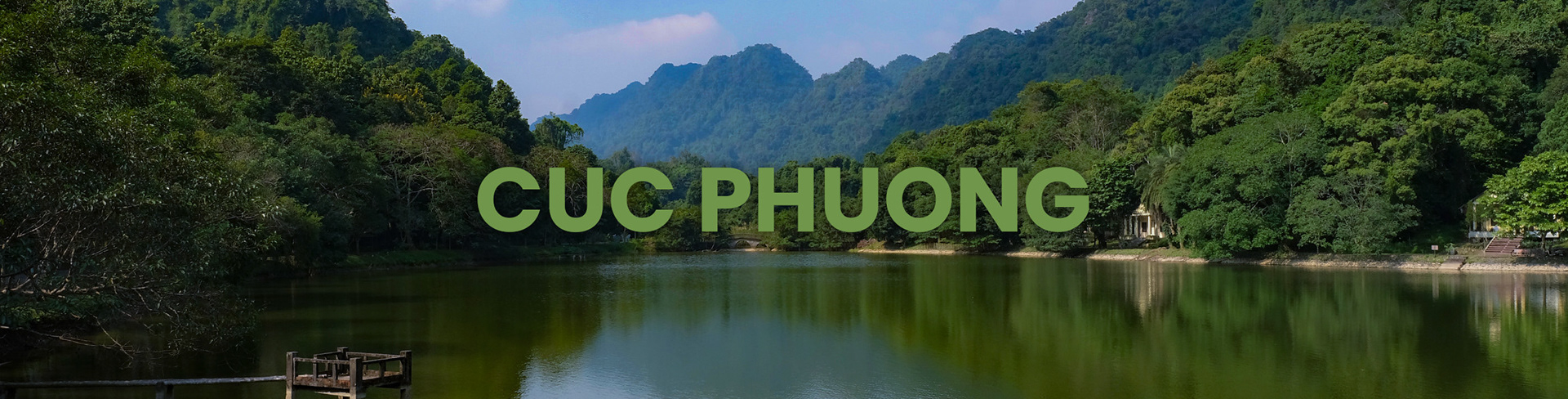
NIGHTS 1 - 5: CUC PHUONG NATIONAL PARK
The first location on the expedition is Cuc Phuong National Park, where we will spend the majority of the trip. However, we can assure you that 5 days will not feel like enough. Cuc Phuong is a huge area of pristine limestone karst ecosystem, harbouring an innumerable (and ever expanding) number of herpetofauna species. This includes some of the most remarkable animals in the entire world, such as the Vietnamese mossy frog (Theloderma corticale), rhino ratsnake (Gonyosoma boulengeri) and Moellendorff's cave ratsnake (Elaphe moellendorffi). These three species will be the focus of much of our survey effort while in this area, but we will always spend significant time searching for the very rare Fan si Pan horned pit viper (Protobothrops cornutus), Vietnamese blue beauty ratsnake (Elaphe taeniura callicyanous) and bamboo false cobra (Pseudoxenodon bambusicola).
As well as these North Vietnam specialties mentioned above, Cuc Phuong has a very strong population of Northern king cobra (Ophiophagus hannah), which we hope to encounter while herping in the daytime. At night, we can find both banded krait (Bungarus fasciatus) and Chinese cobra (Naja atra) around our accommodation. Cuc Phuong is home to many rare and even several newly described snakes, including the Duy Tan wolf snake (Lycodon duytan) (2025), Vogel's keelback (Hebius vogeli) (2025) and Bourret's keelback (Hebius sauteri bourreti) (rediscovered in 2025 by our team). There is a great chance for more discoveries like this from Cuc Phuong.
Cuc Phuong is also one of the best locations for frogs in all of South-East Asia, with the low-lying karst rainforest providing infinite ephemeral pools and water-filled tree holes for breeding. This area is home to at least 5 different species of Theloderma, as well as the truly giant Chinese flying (Zhangixalus dennysi) and the stunning Kio flying frog (Rhacophorus kio). The bony-headed toad (Ingerophrynus galeatus) is a remarkable species we will hope to encounter, along with the rare narrow-mouthed horned toad (Ophryophryne microstoma). For those frog fanatics joining to see the Vietnamese mossy frog, you are in for so many more incredible amphibian encounters at this location.
The accommodation in Cuc Phuong National Park is comprised of very comfortable bungalows with air conditioning and western bathroom, with good internet connection and a nearby restaurant where we will have both breakfast and dinner. You can walk straight from the accommodation into prime herping habitat, and return immediately when the night finishes without any long drives. Near the accommodation, there is also a turtle conservation centre with several species of critically endangered testudines, along with a primate sanctuary, pangolin rescue centre and other conservation projects.
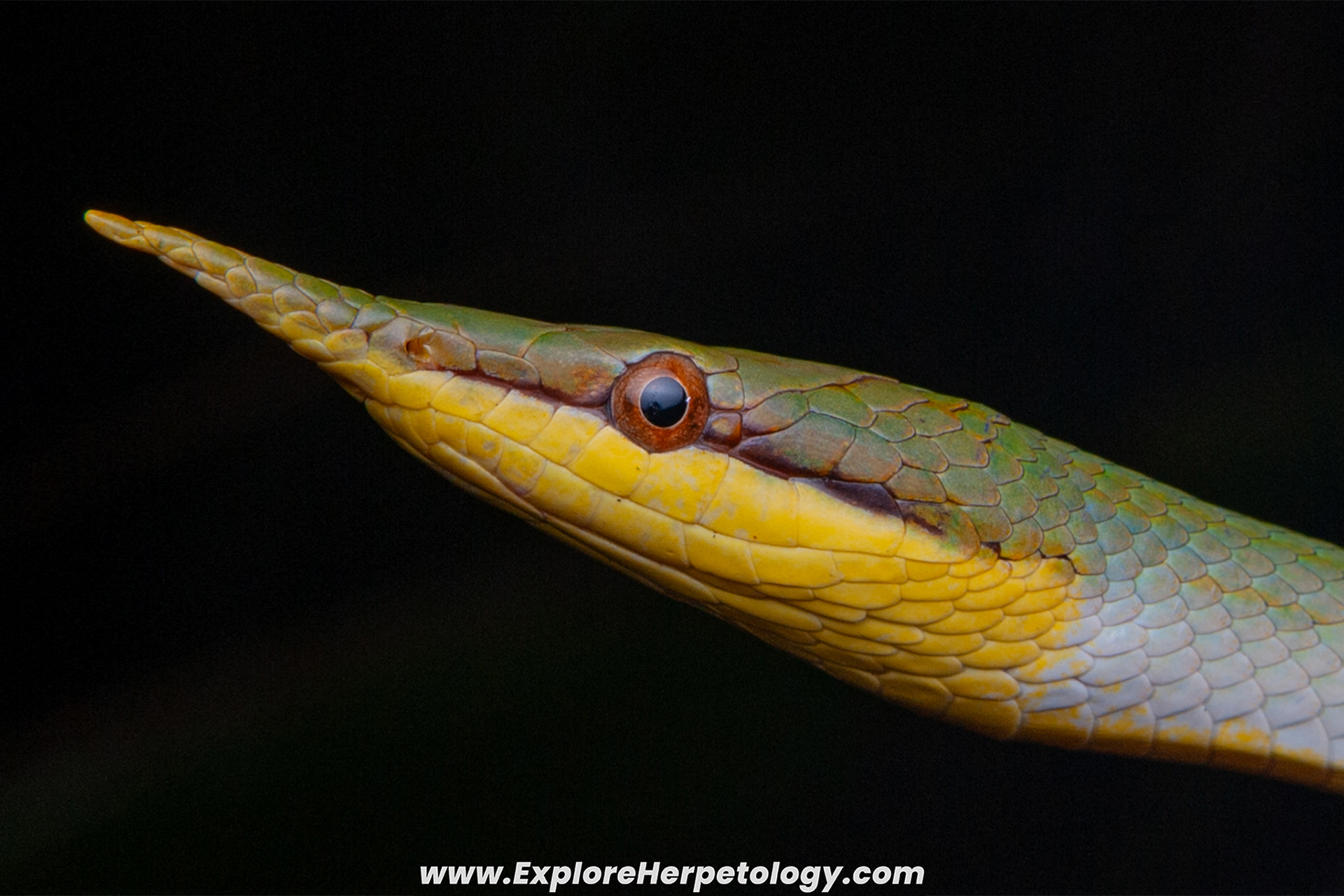
Rhino ratsnake (Gonyosoma boulengeri).
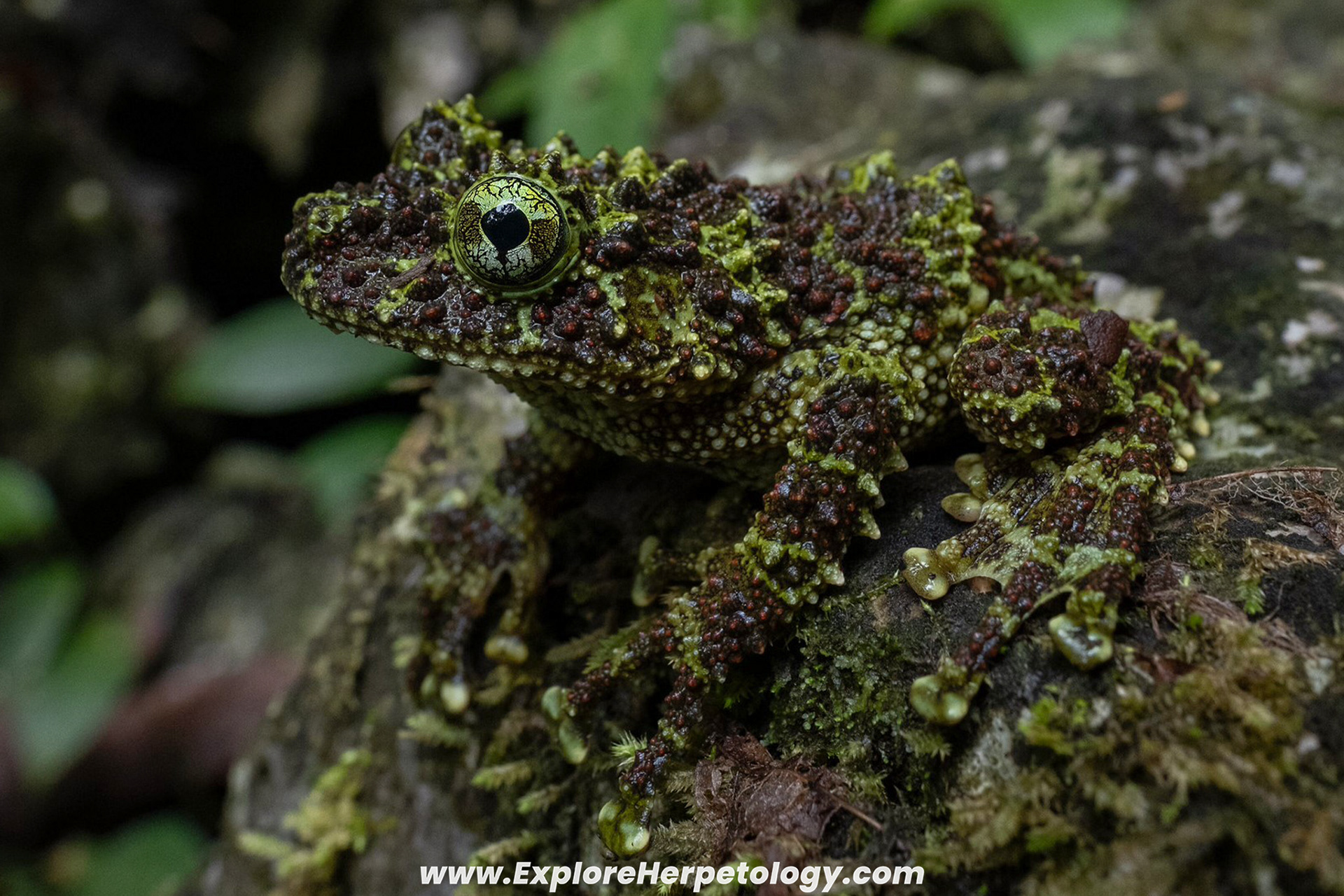
Vietnamese mossy frog (Theloderma corticale).
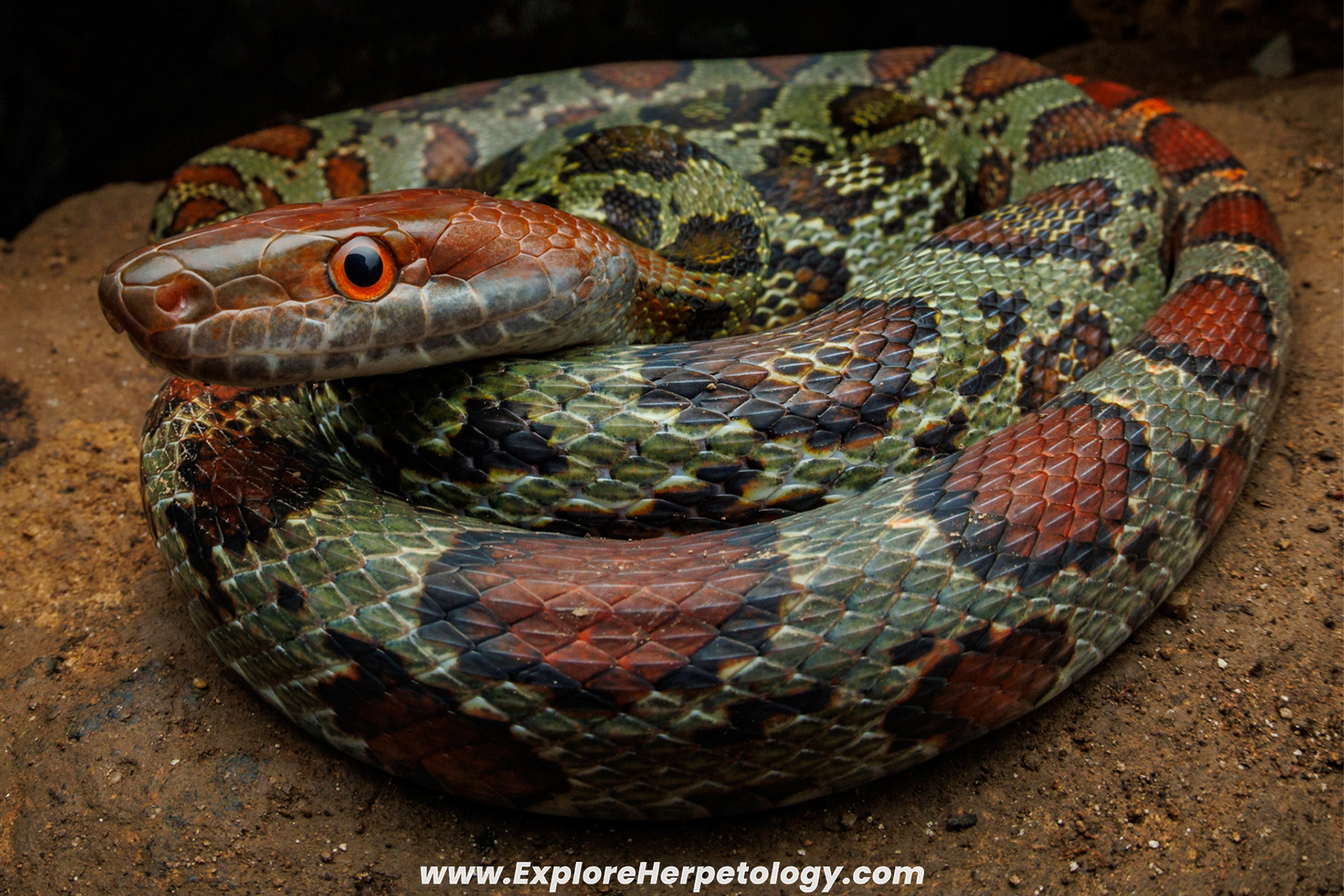
Moellendorff's cave ratsnake (Elaphe moellendorffi).
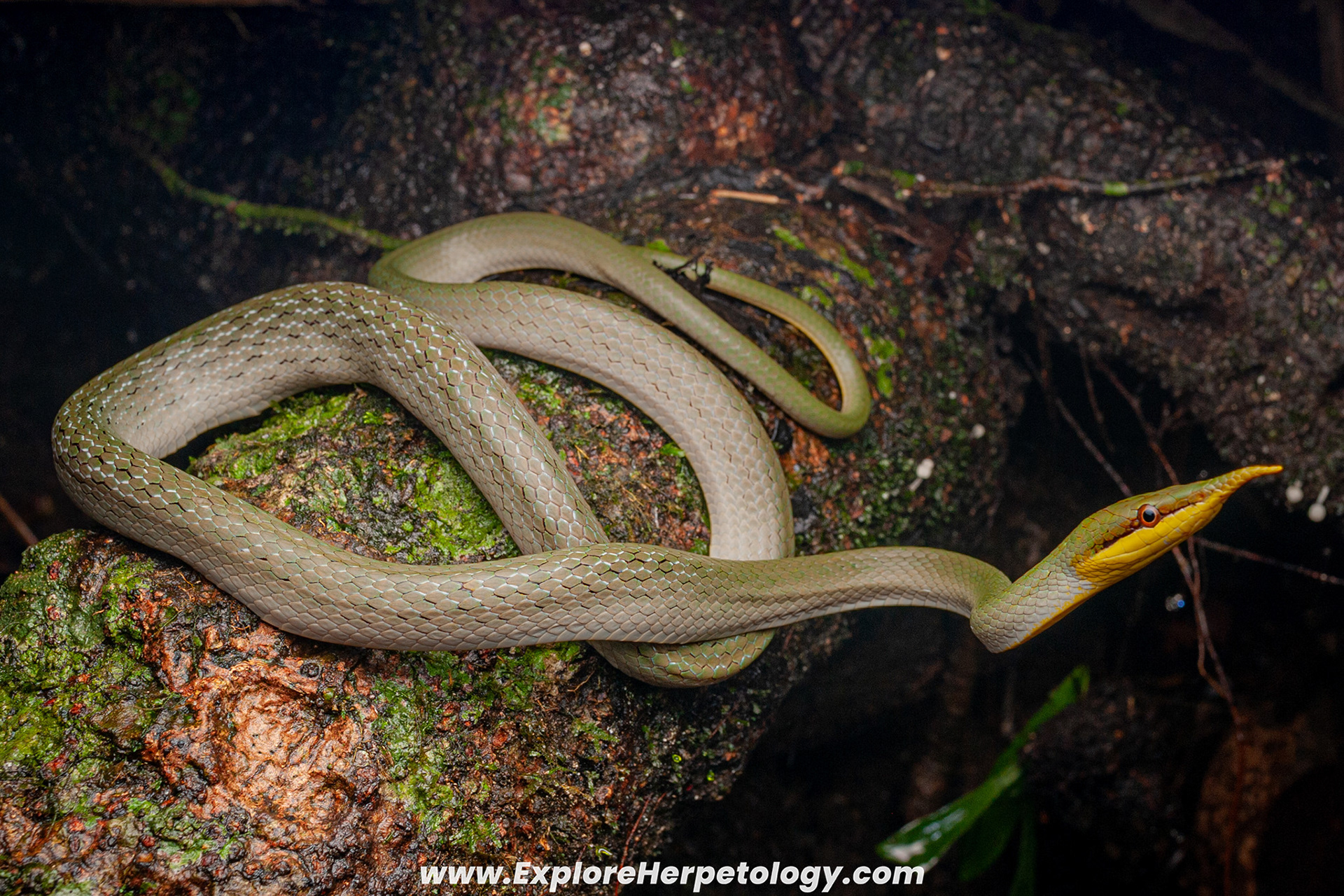
Rhino ratsnake (Gonyosoma boulengeri).
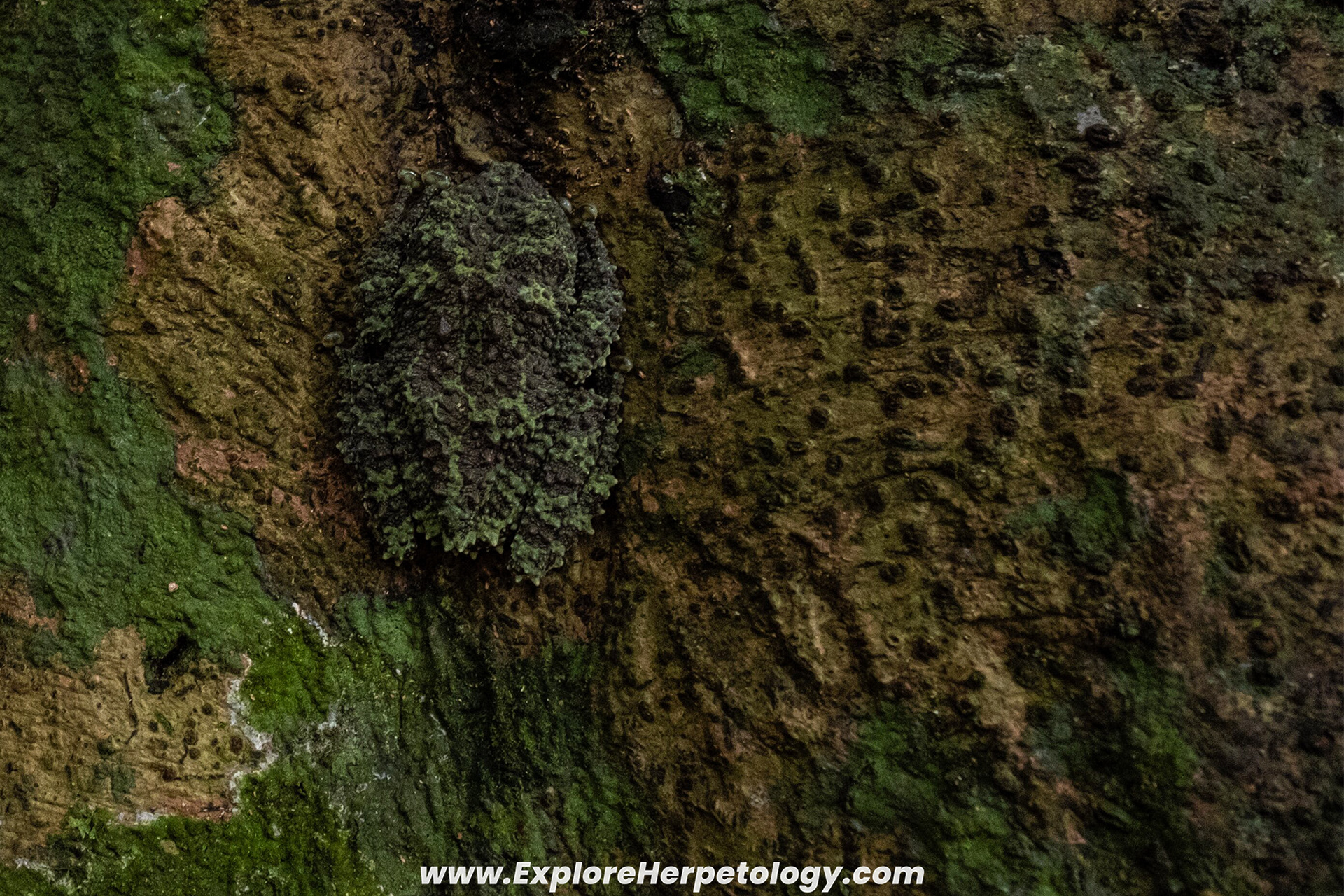
Vietnamese mossy frog (Theloderma corticale).
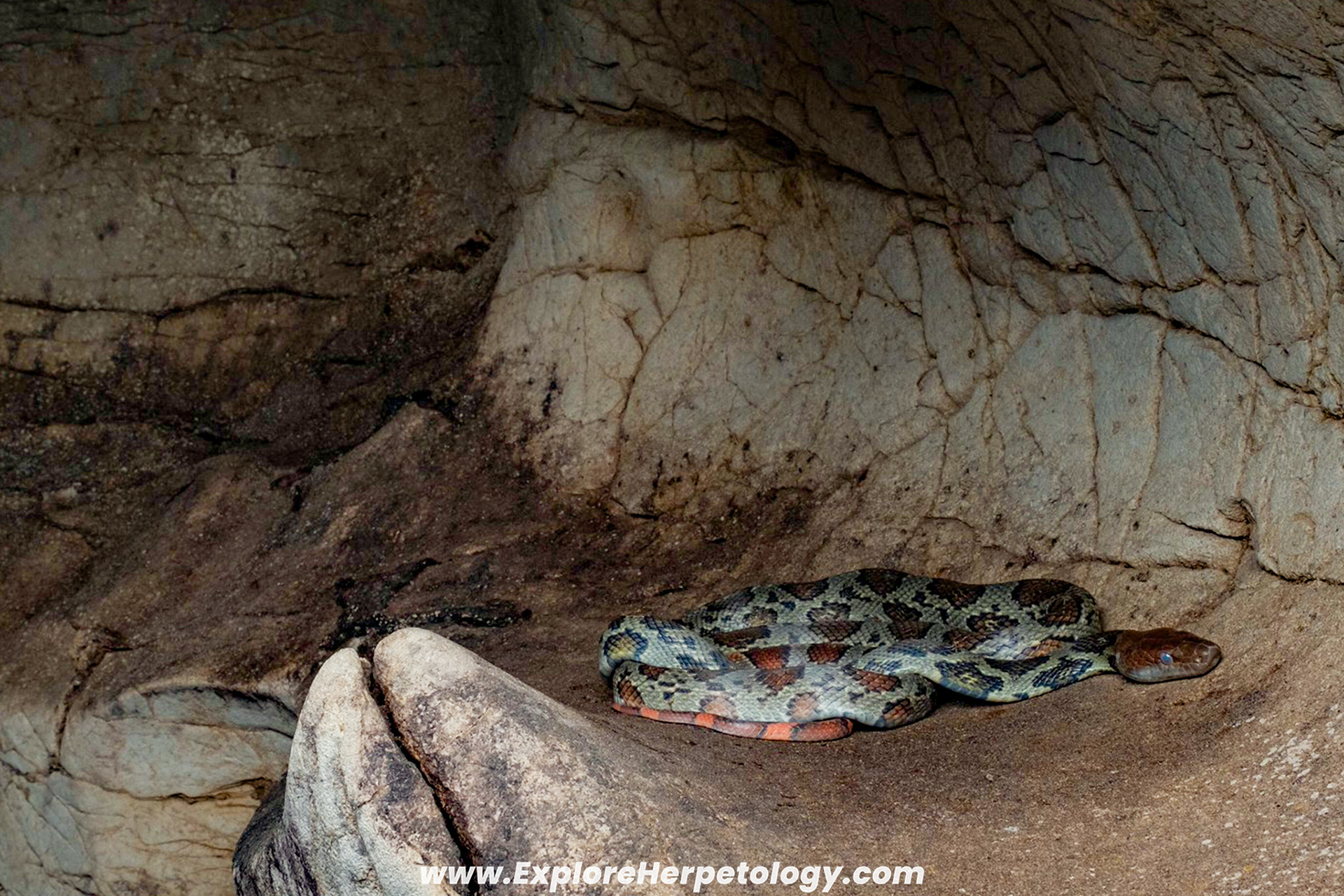
Moellendorff's cave ratsnake (Elaphe moellendorffi).
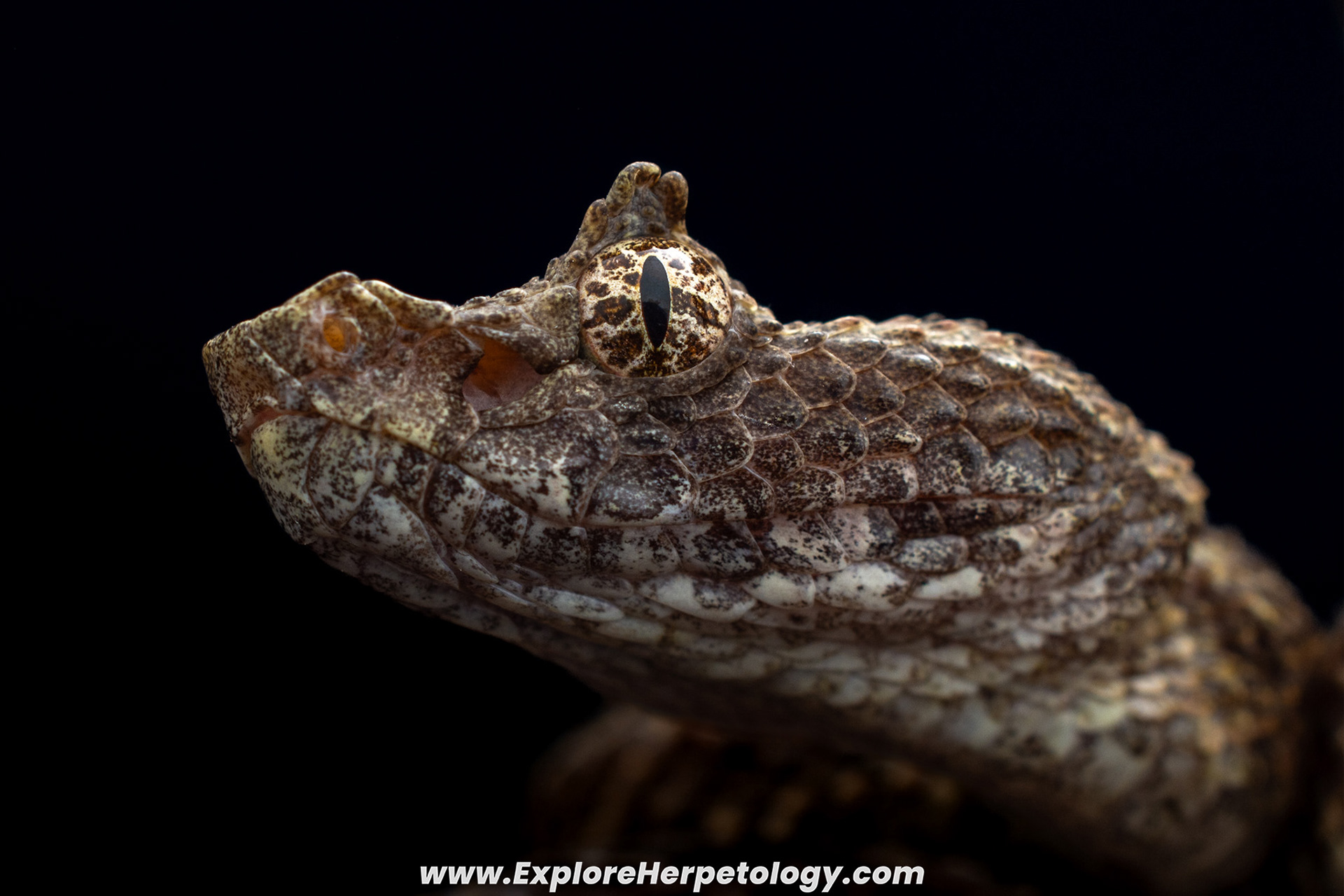
Fan si Pan horned pit viper (Protobothrops cornutus).
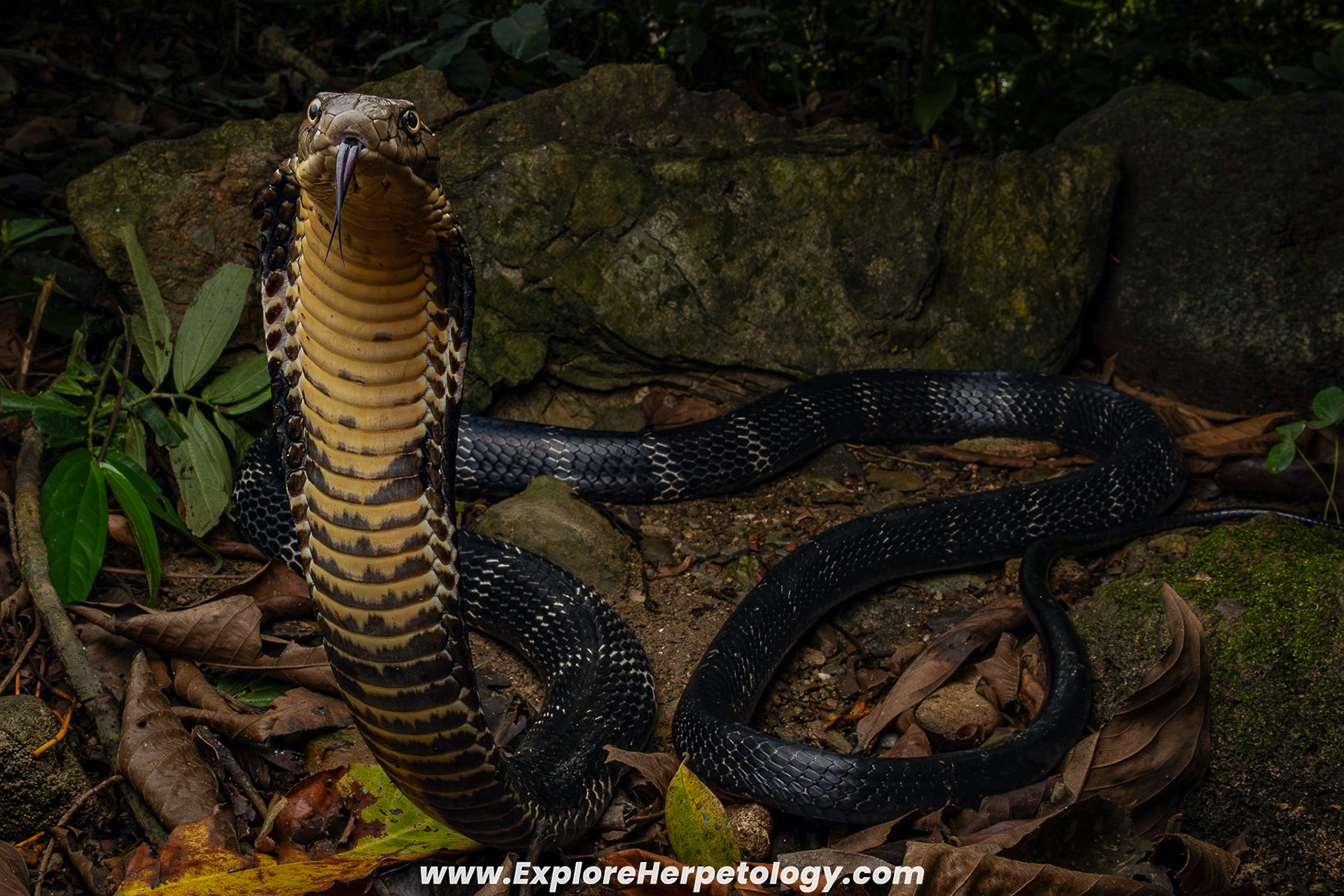
Northern king cobra (Ophiophagus hannah).
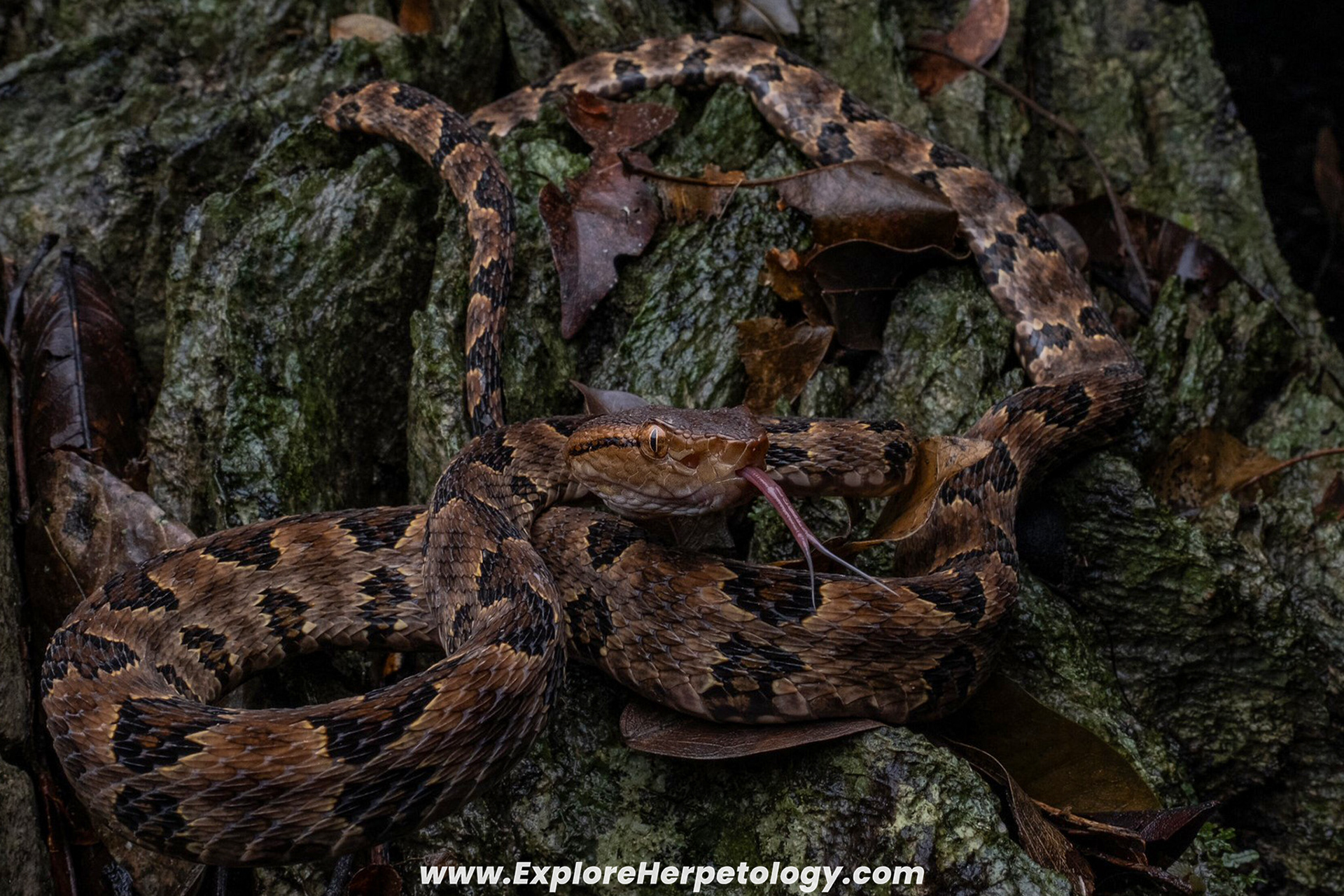
Brown-spotted lance-headed pit viper (Protobothrops mucrosquamatus).
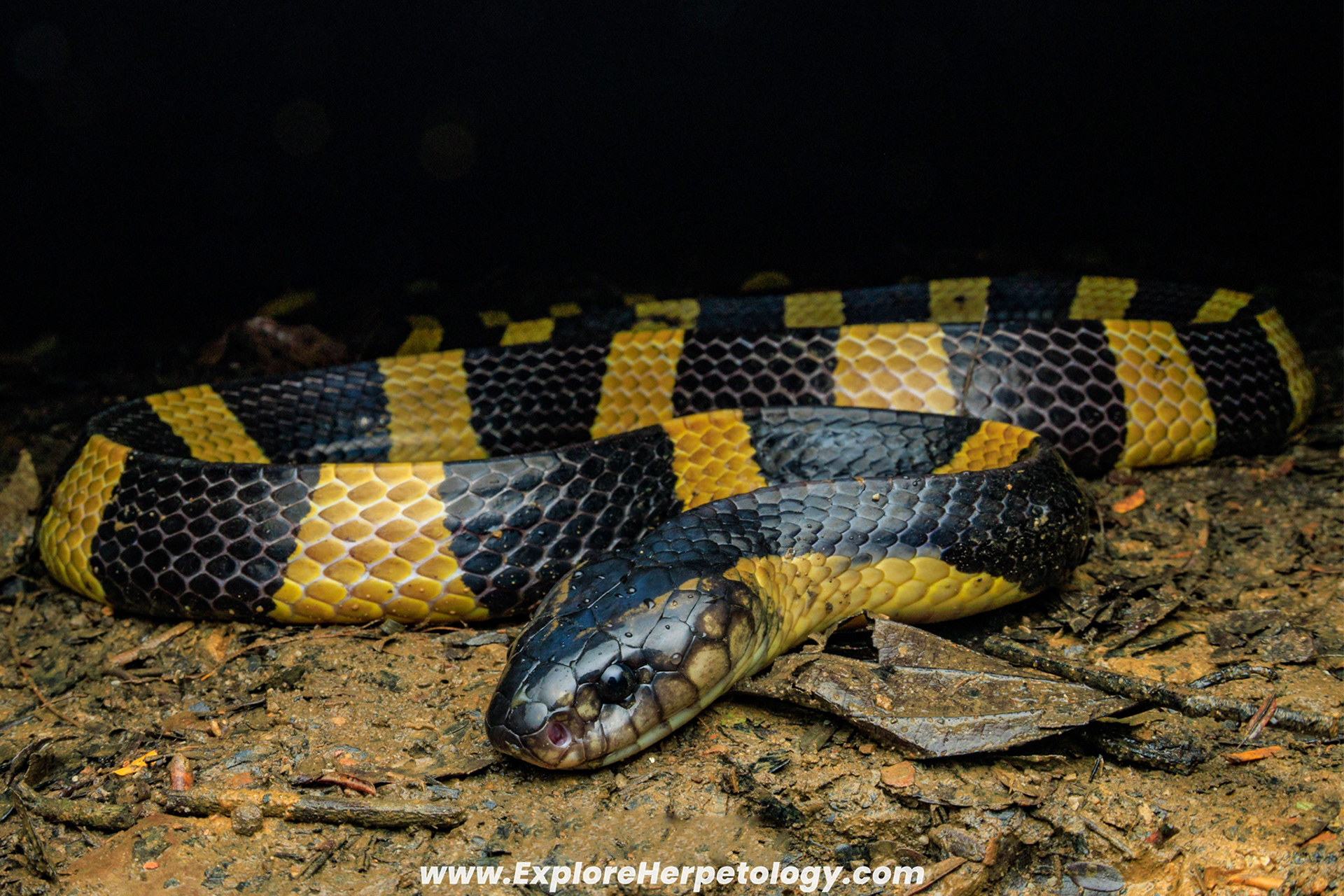
Banded krait (Bungarus fasciatus).
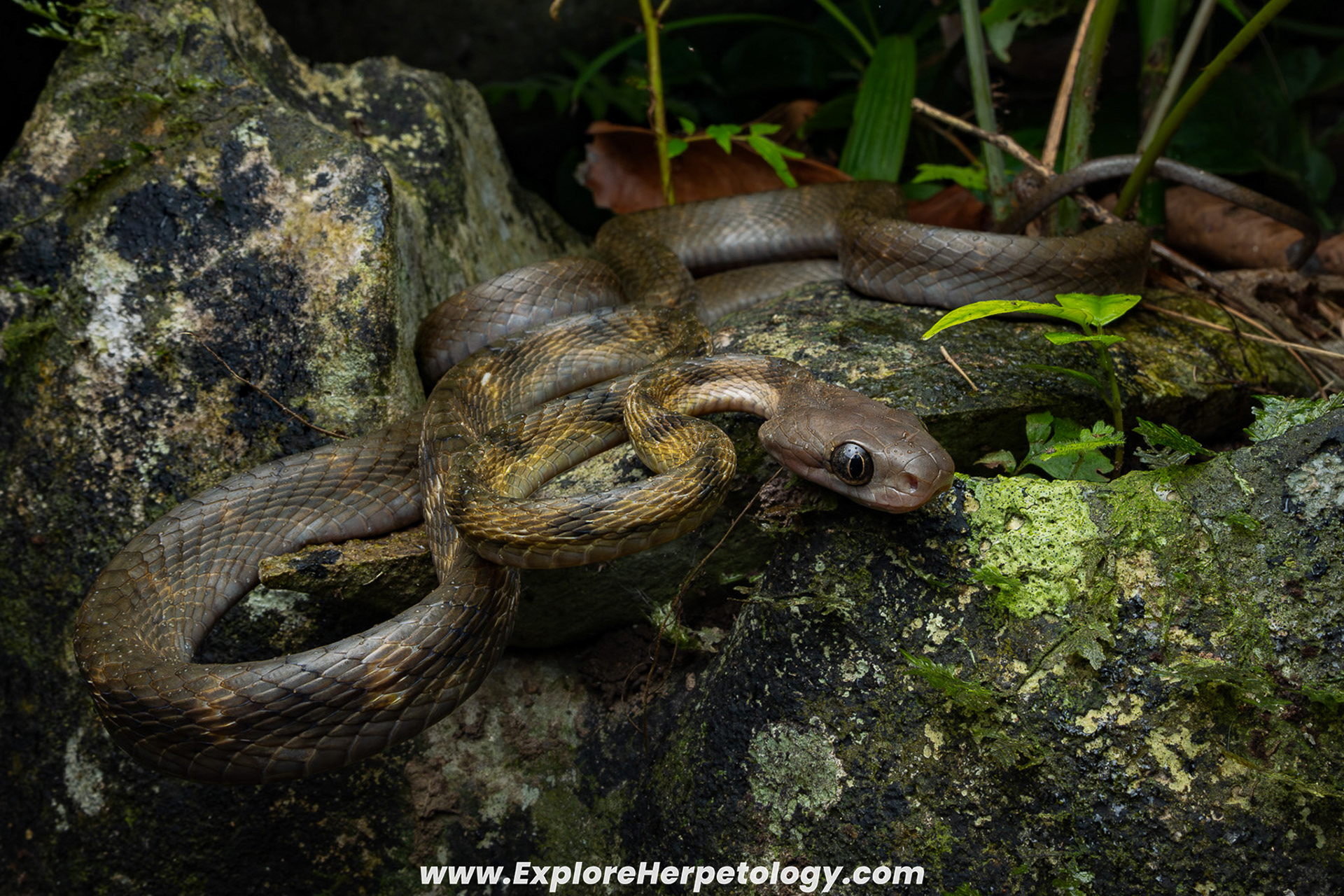
Guangxi cat snake (Boiga guangxiensis).
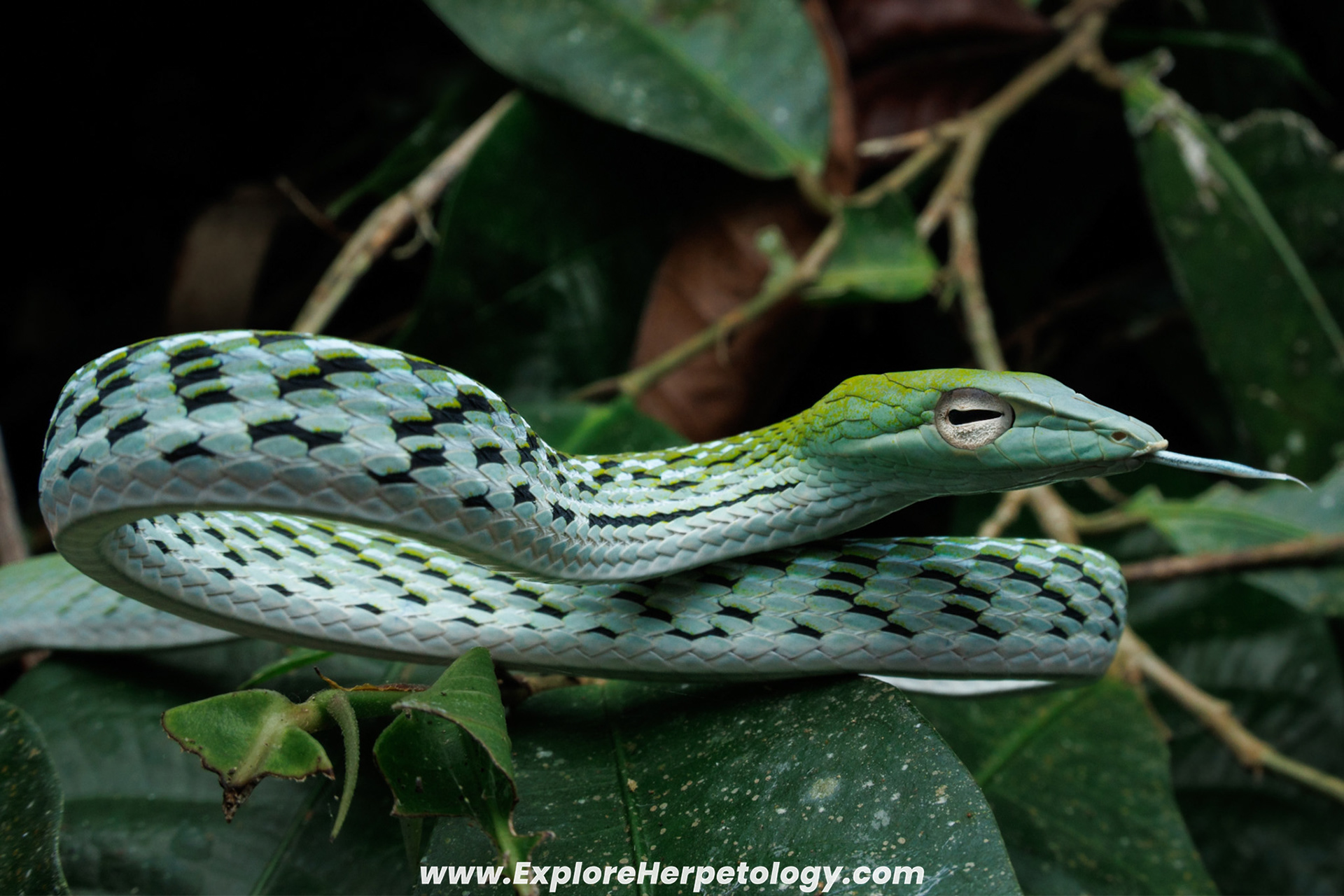
Oriental vine snake (Ahaetulla prasina).
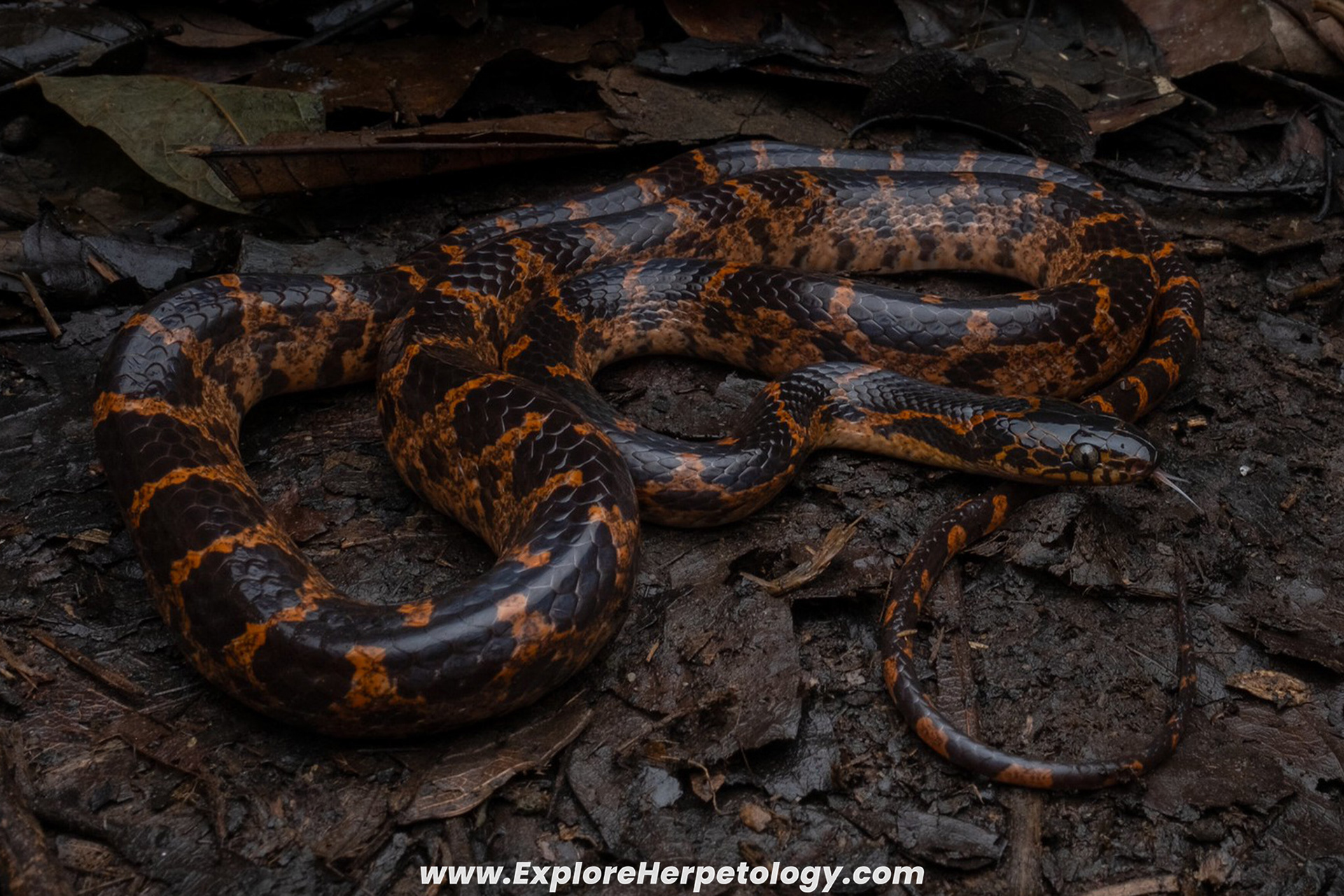
Duy Tan wolf snake (Lycodon duytan).
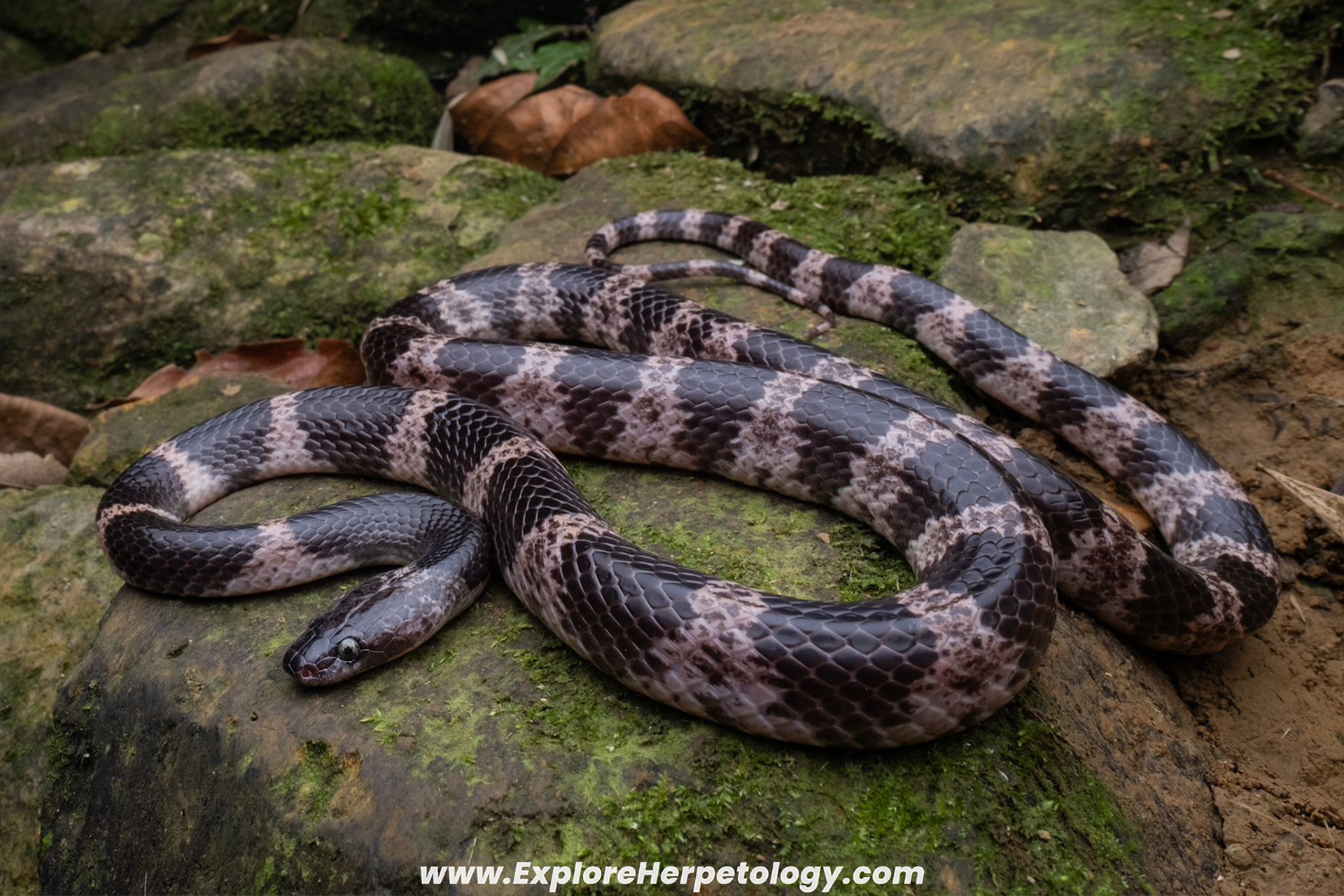
Futsing wolf snake (Lycodon futsingensis).
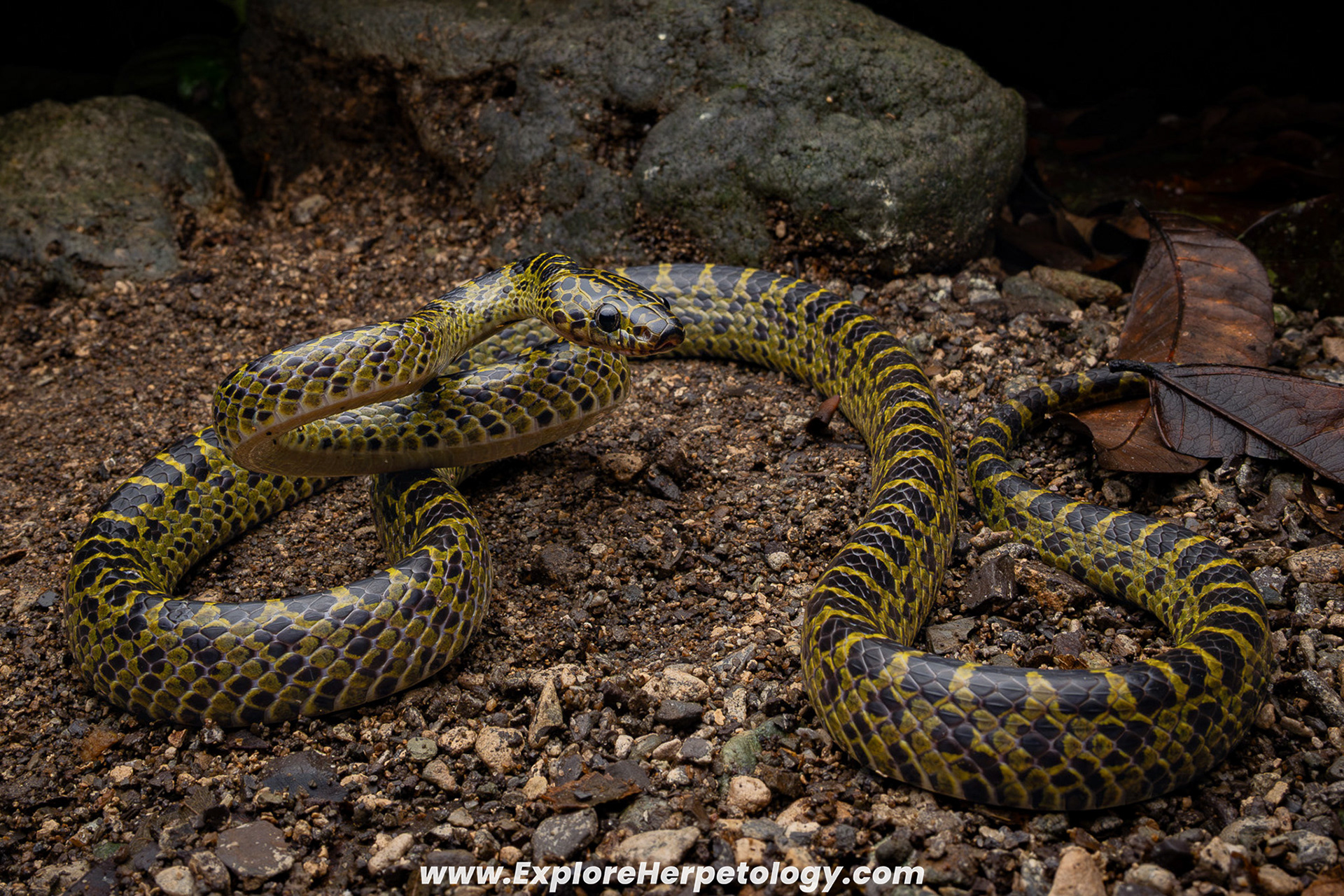
Vietnamese wolf snake (Lycodon meridionalis).
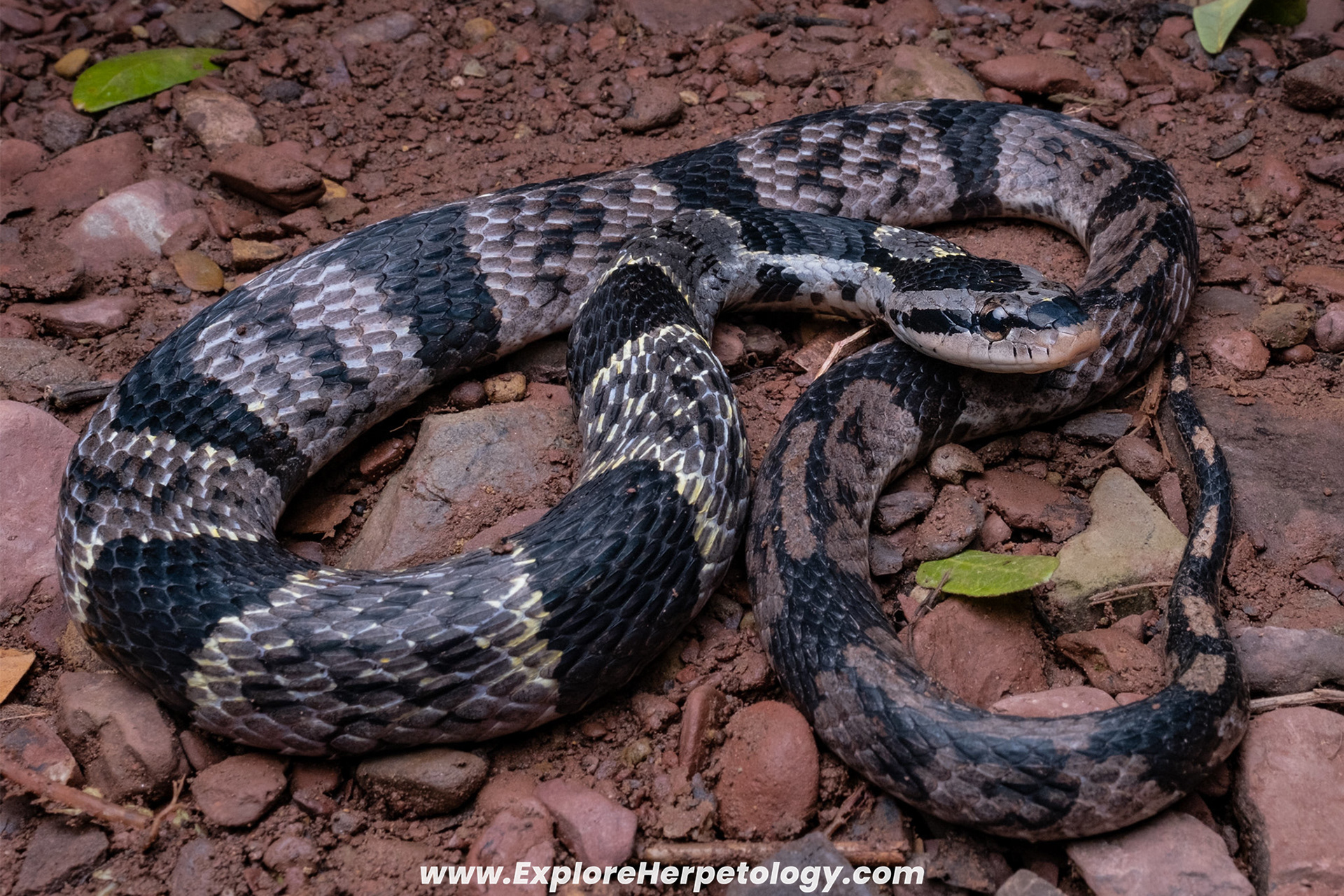
Bamboo false cobra (Pseudoxenodon bambusicola).
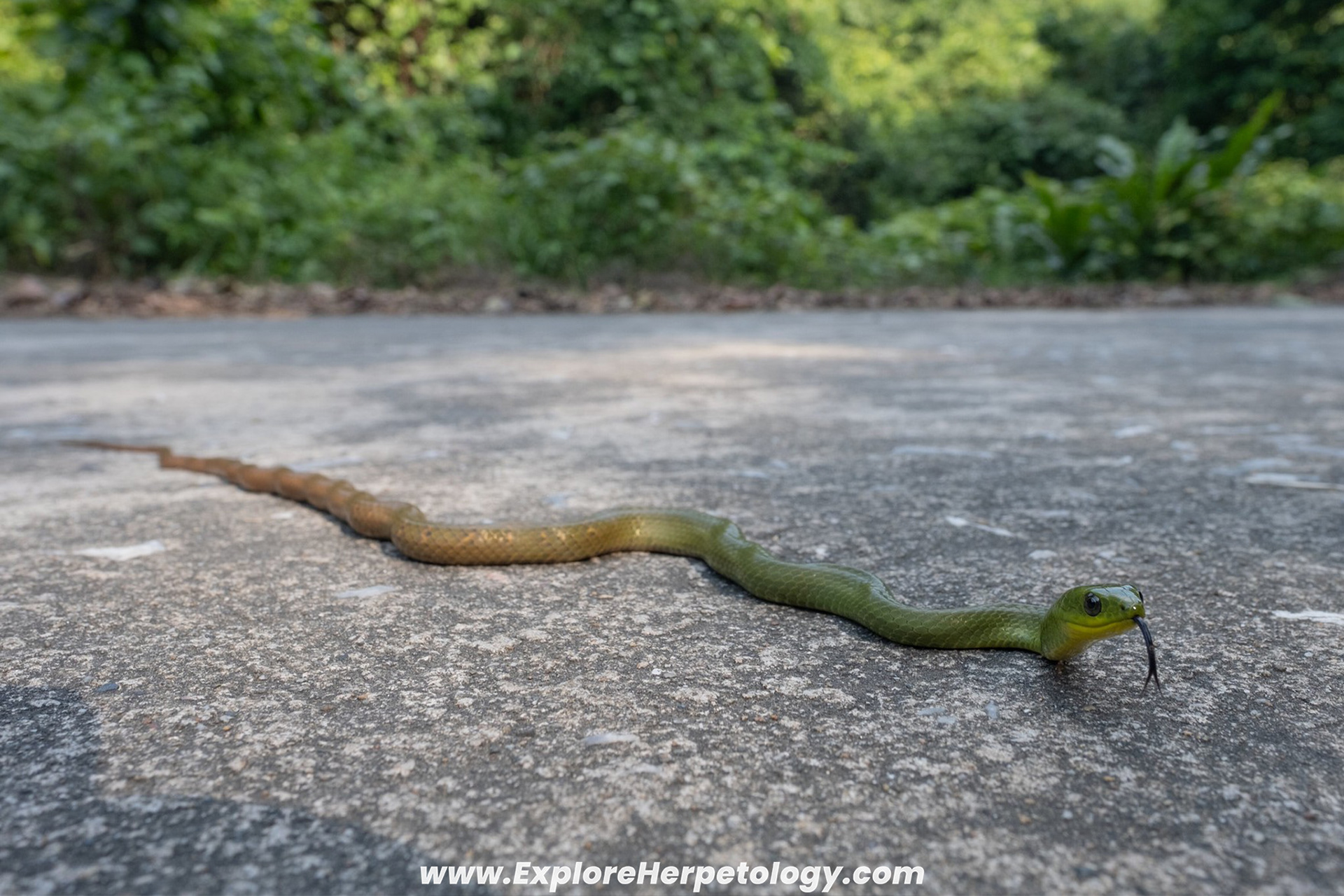
Many-banded green snake (Ptyas multicinctus).
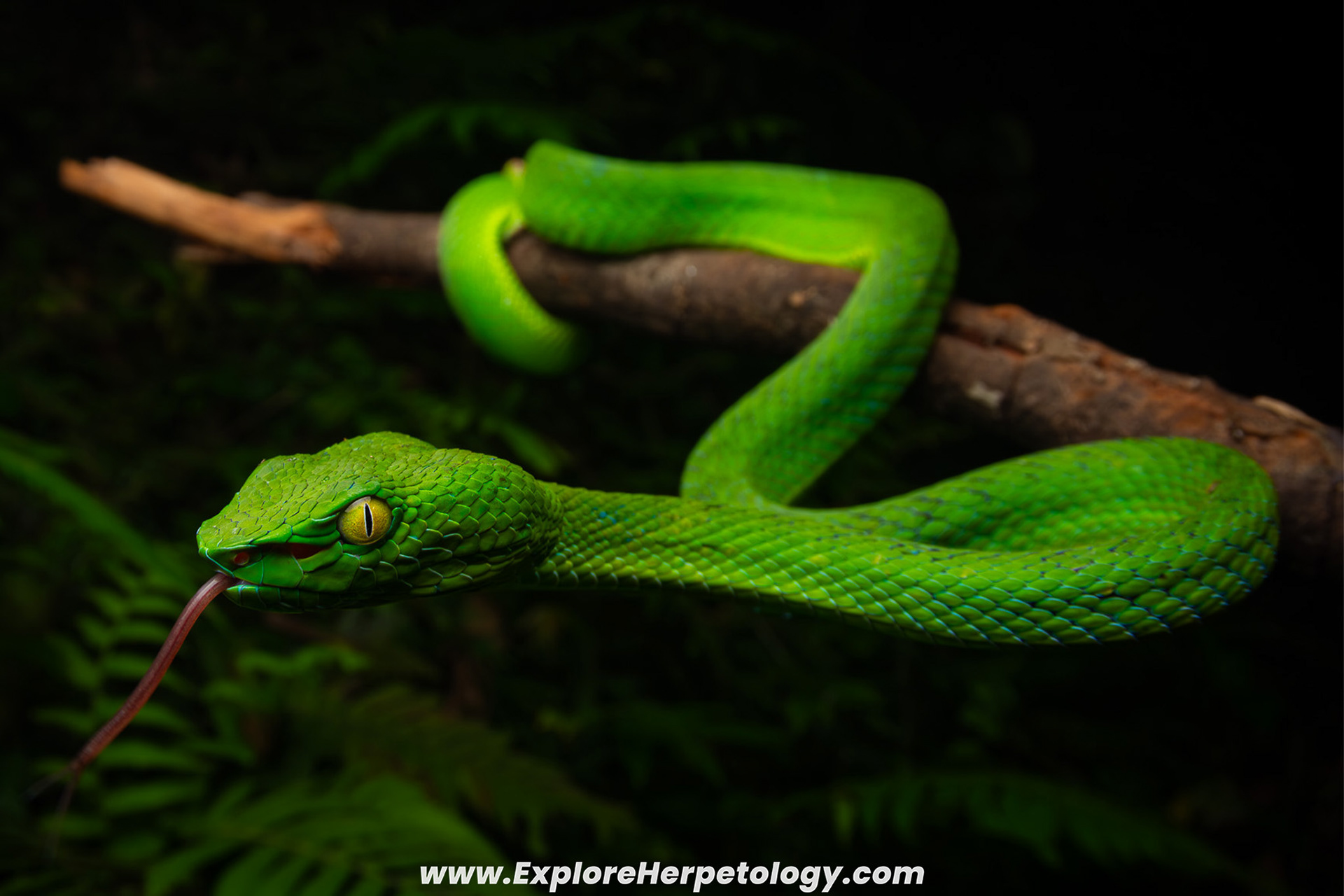
Stejneger's pit viper (Trimeresurus stejnegeri).
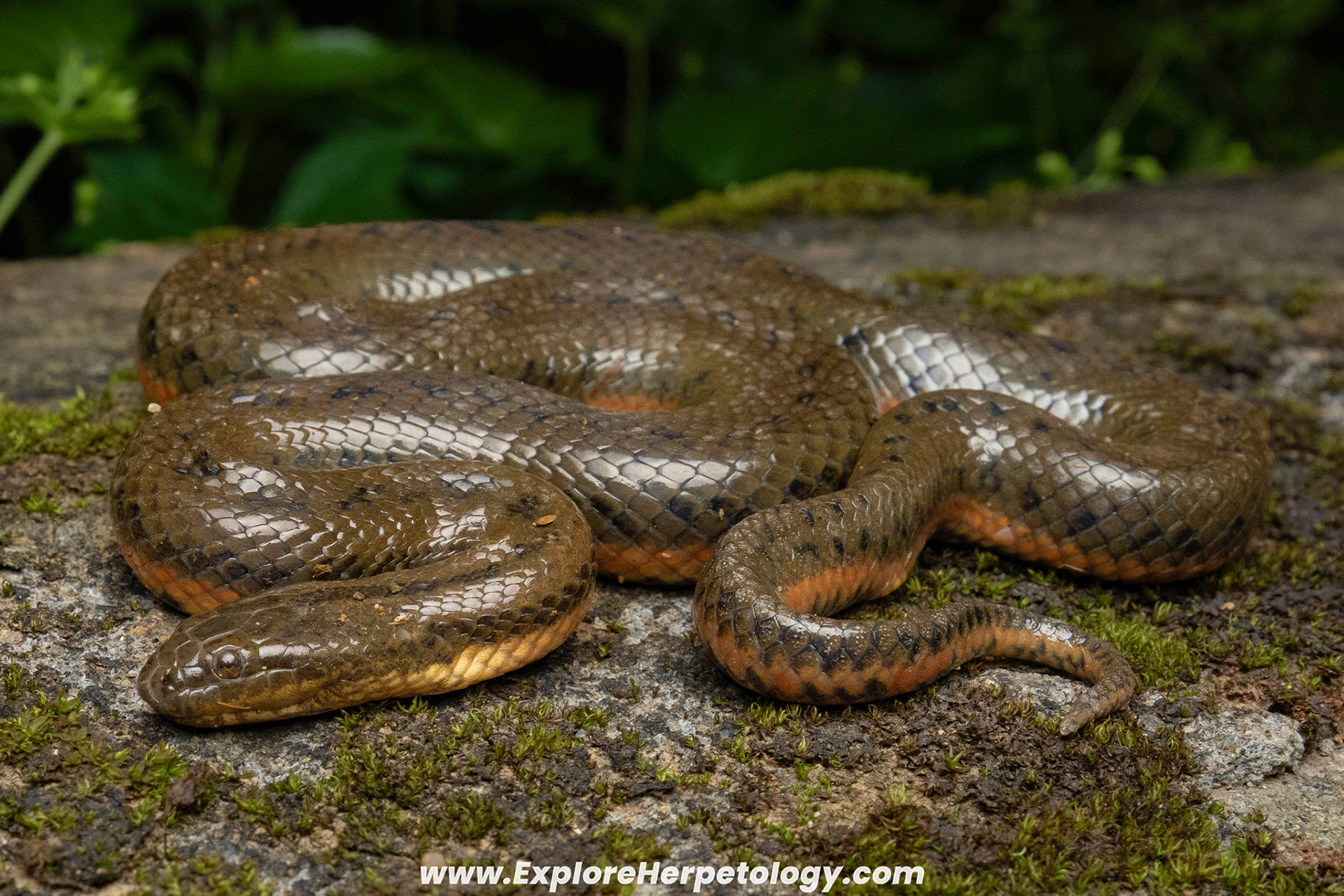
Chinese mud snake (Enhydris chinensis).
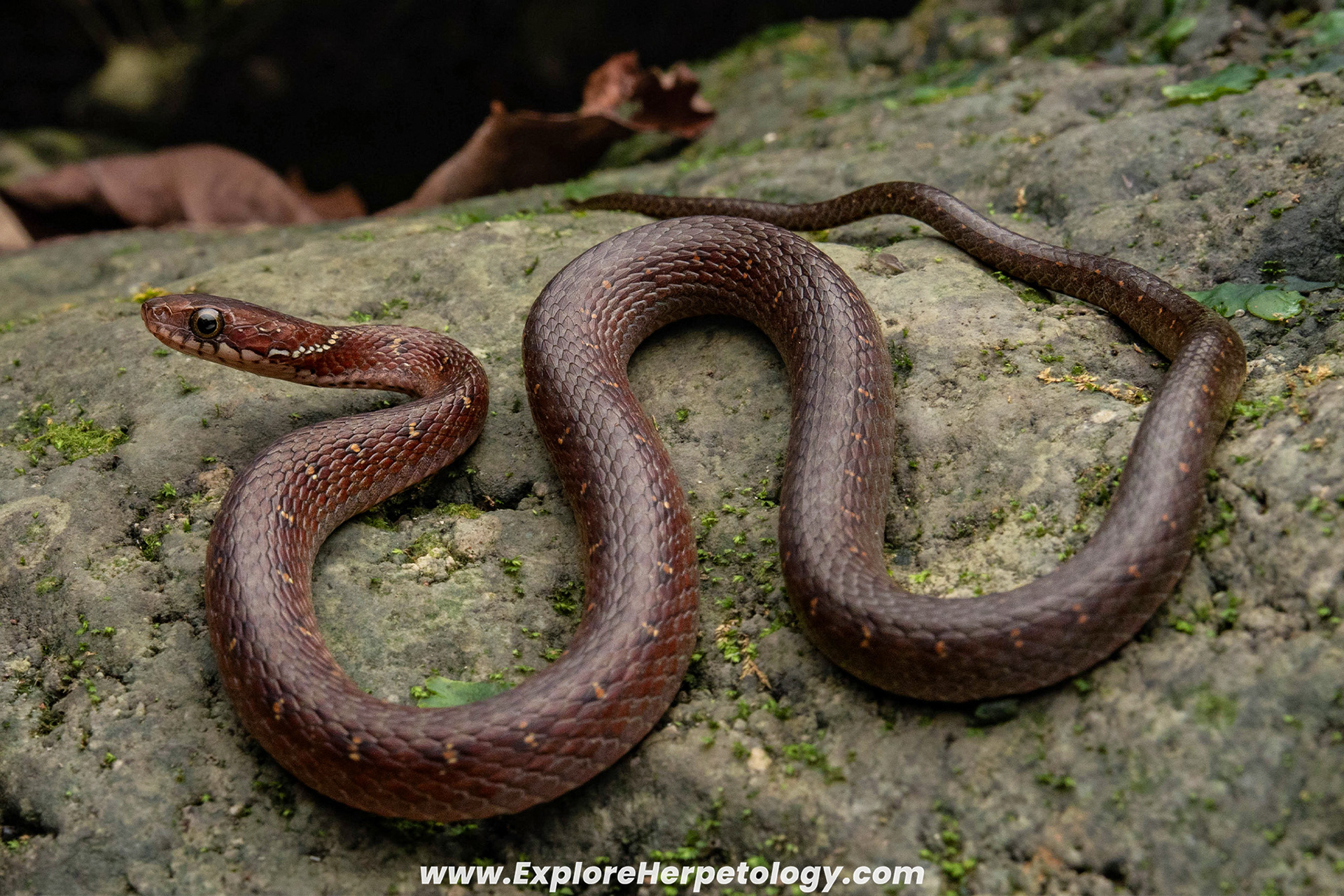
Bourret's keelback (Hebius sauteri bourreti).
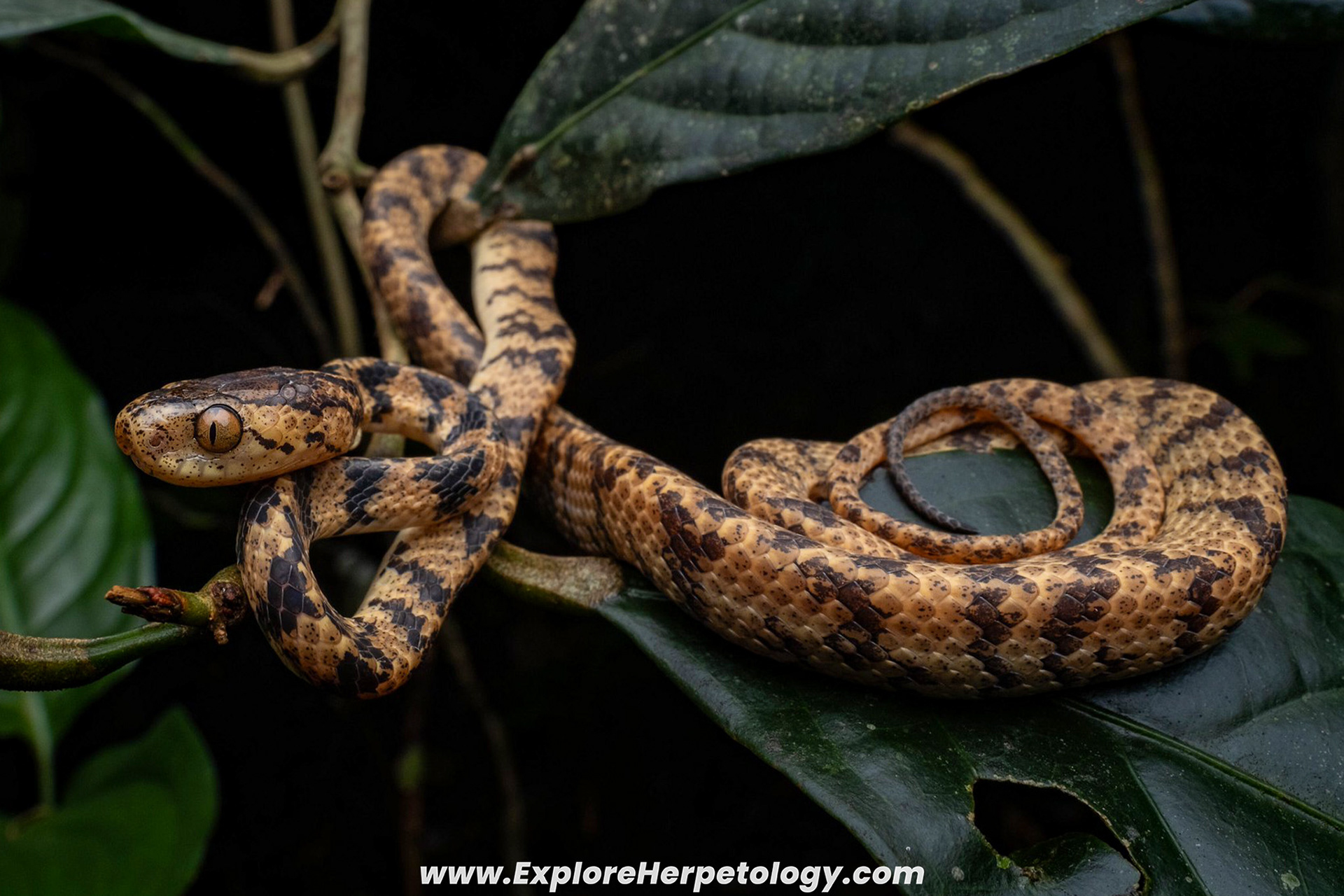
Taiwanese slug snake (Pareas cf. formosensis).
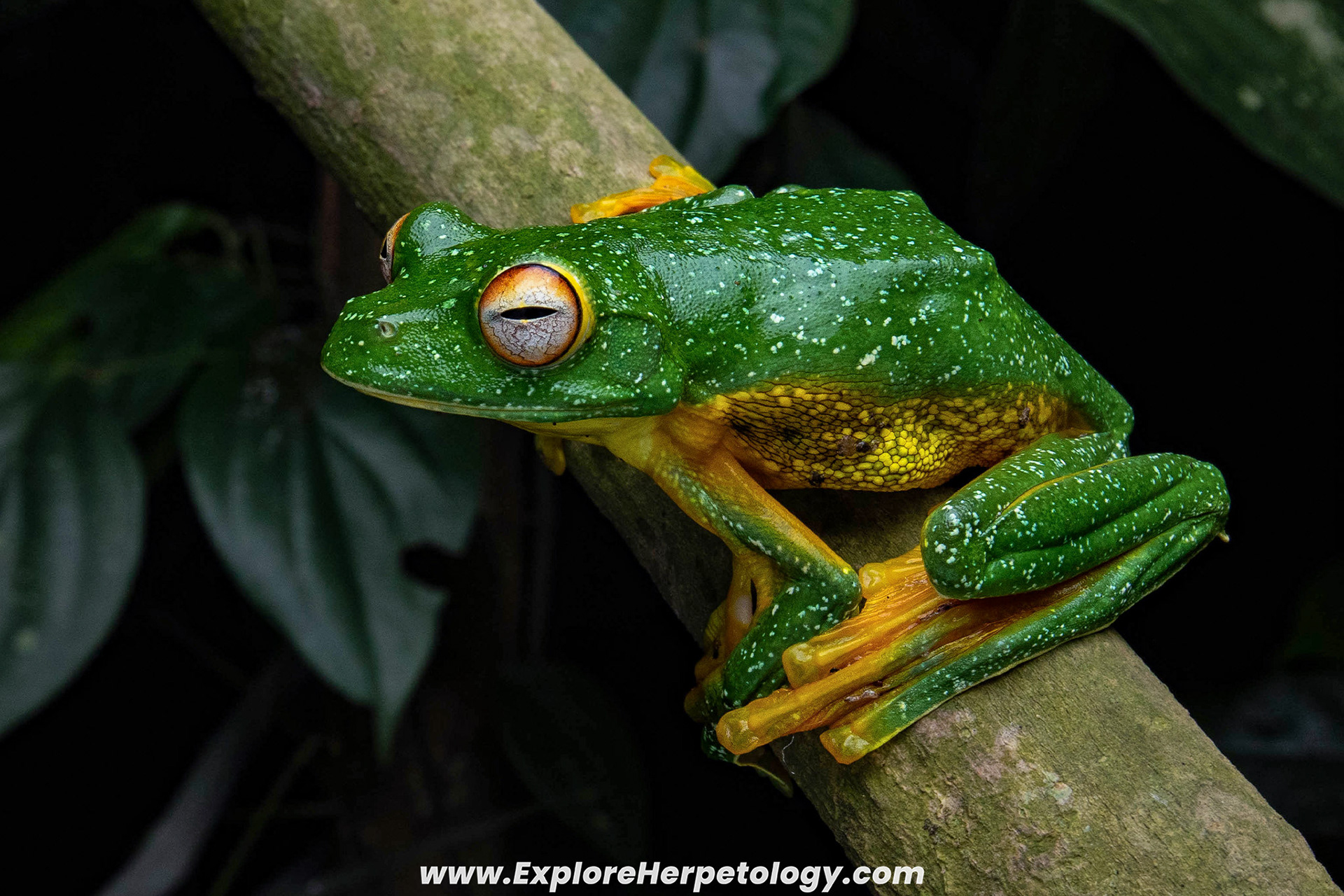
Kio flying frog (Rhacophorus kio).
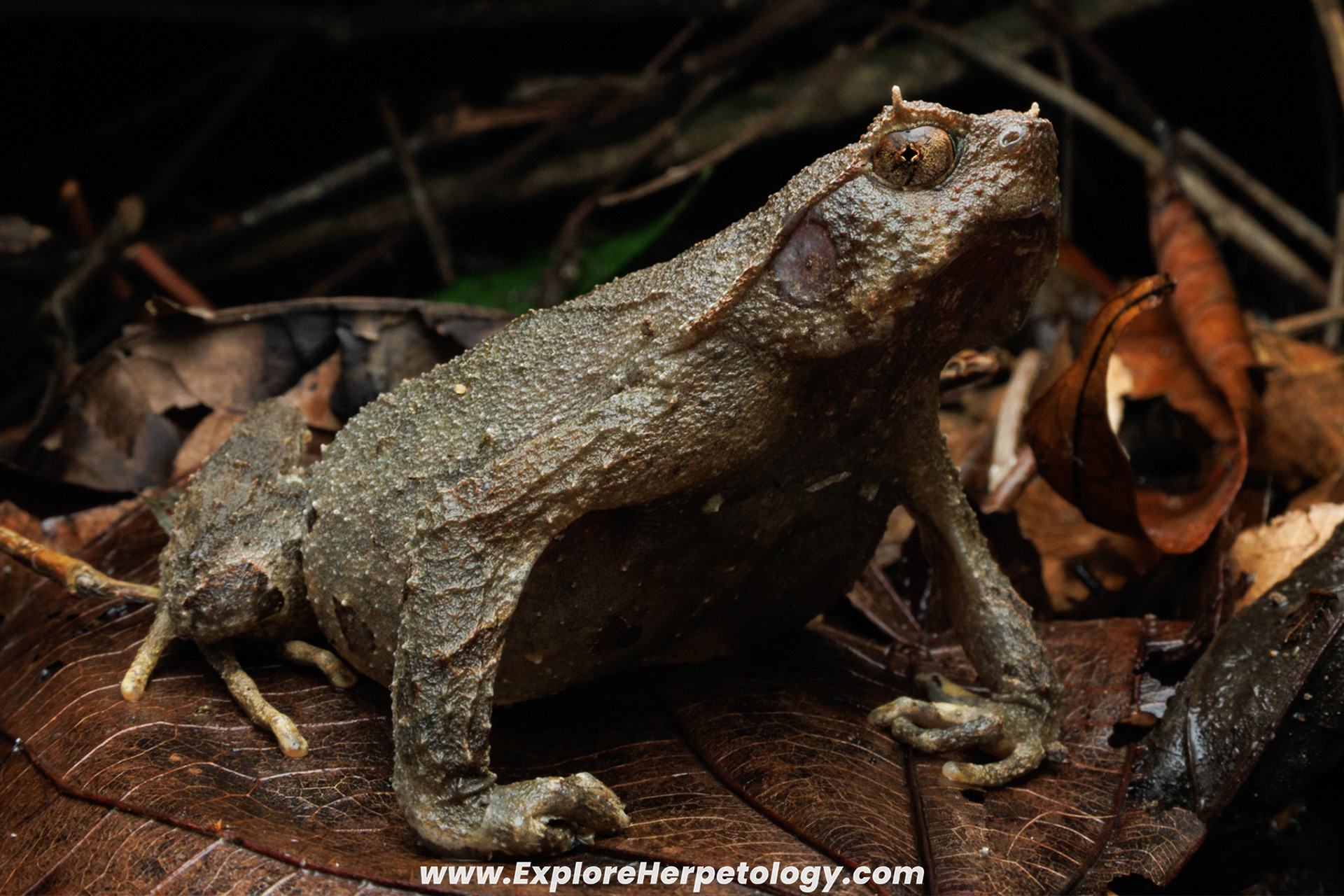
Narrow-headed horned frog (Ophryophryne microstoma).
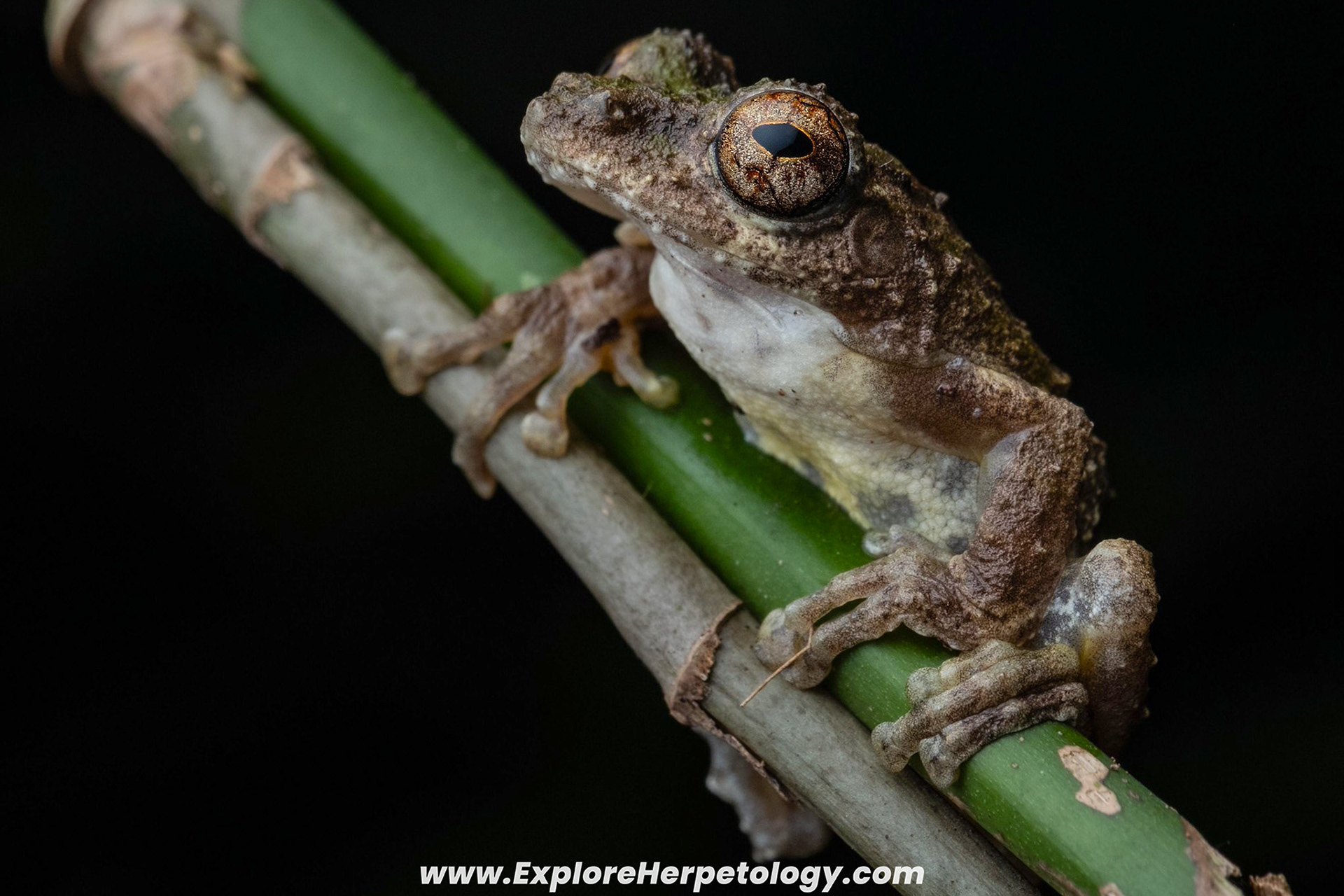
Frilled shrub frog (Kurixalus sp.).
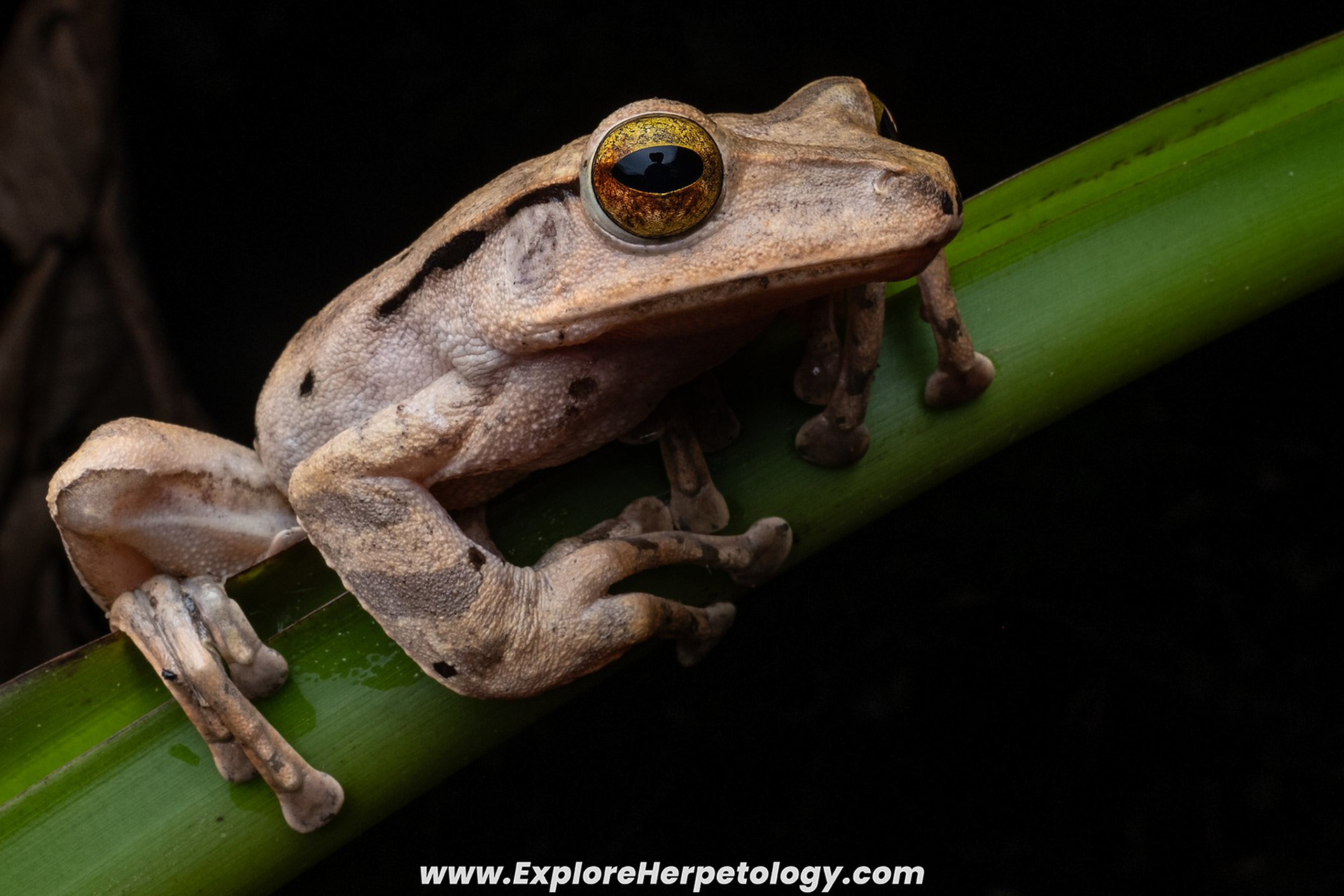
Burmese tree frog (Polypedates mutus).
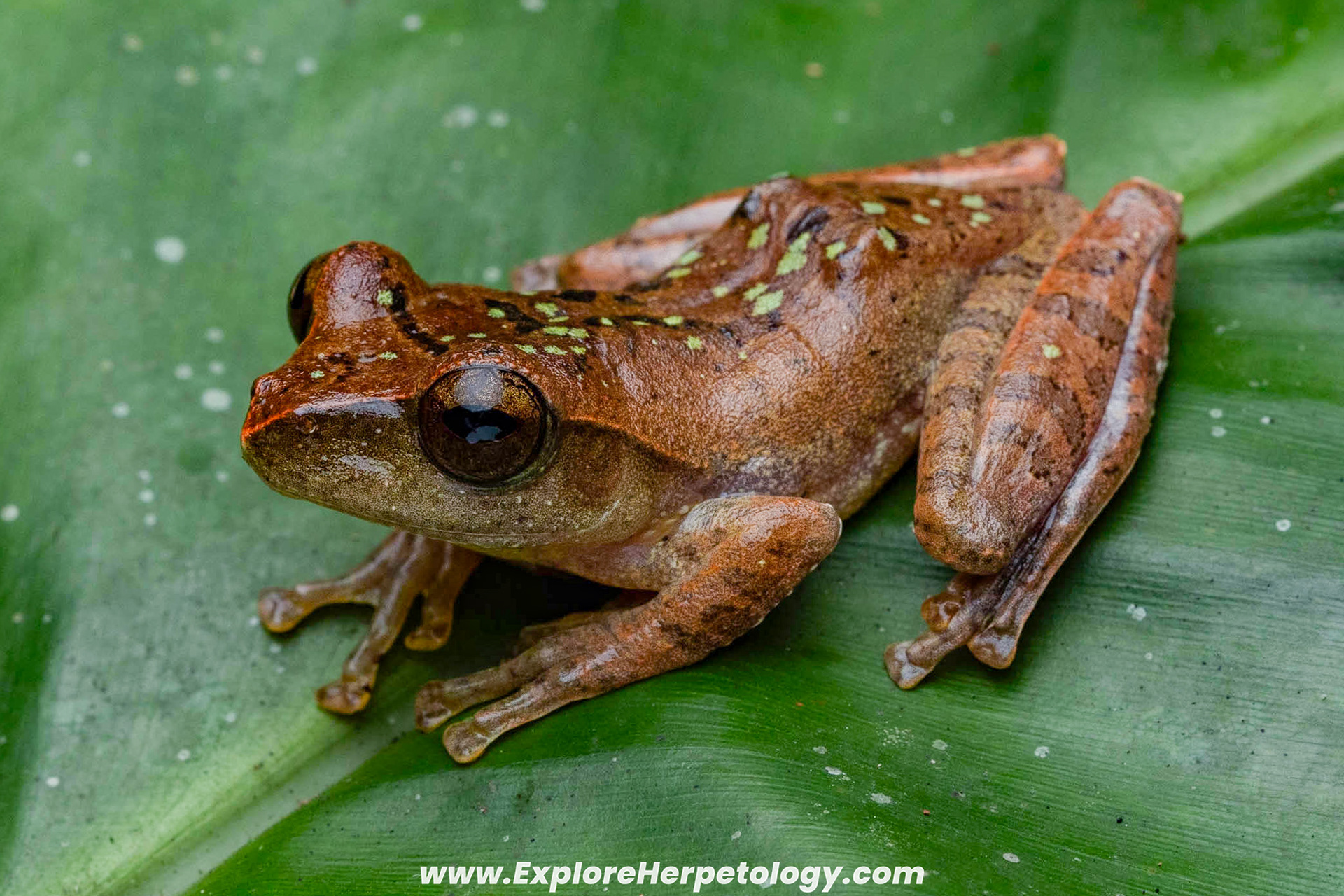
Orlov's tree frog (Rhacophorus orlovi).
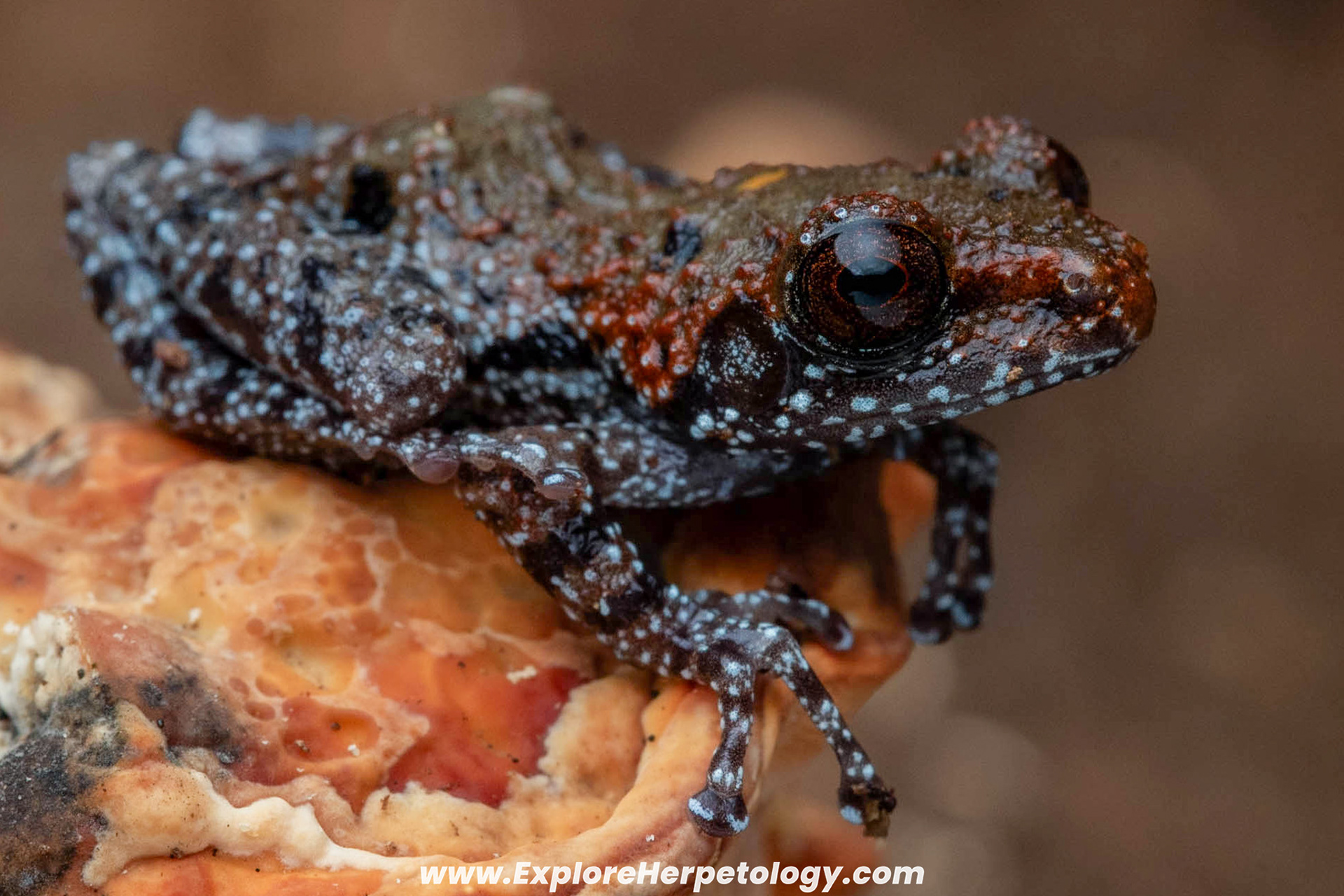
Brick-red bug-eyed frog (Theloderma lateriticum).
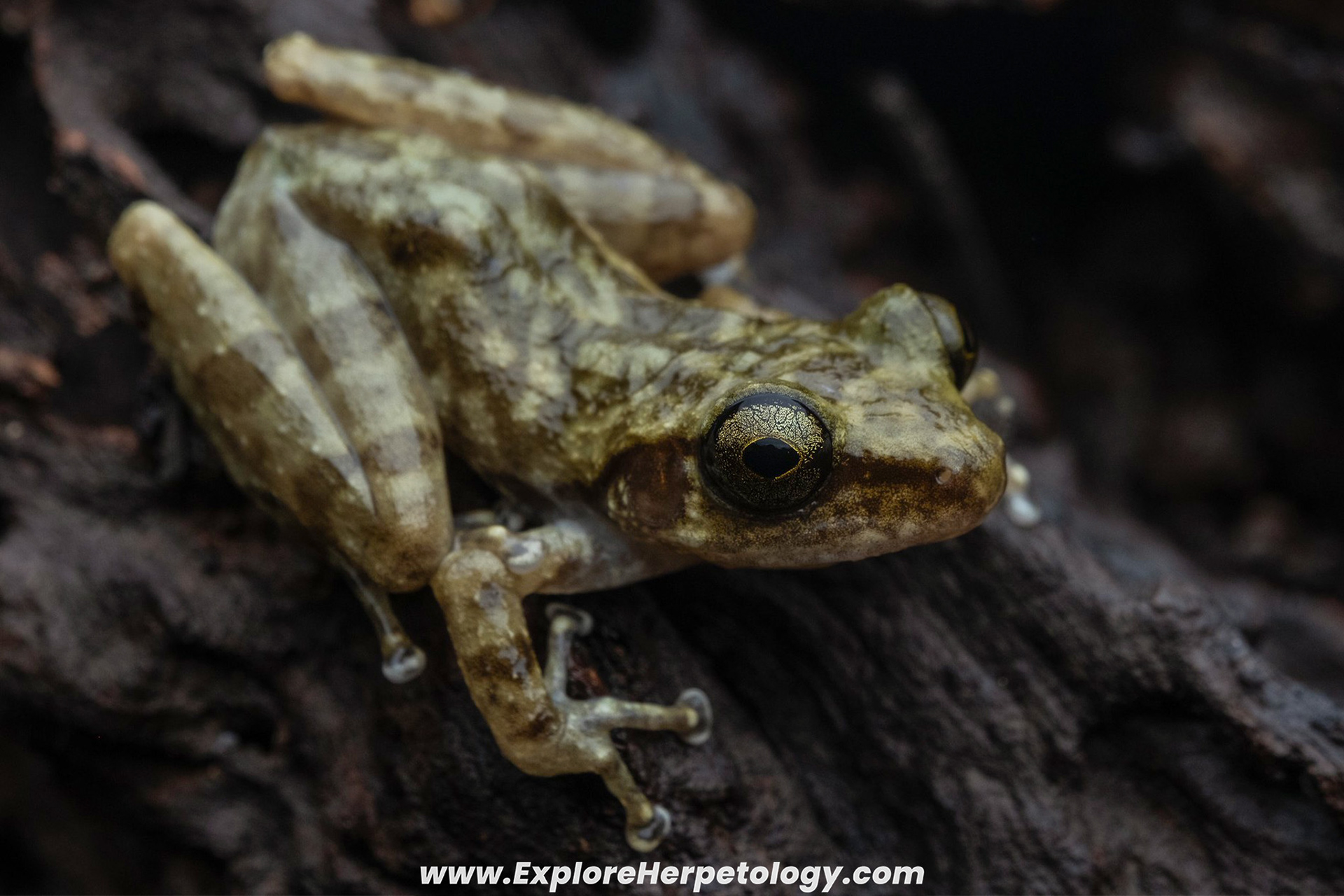
Anna's bug-eyed frog (Theloderma annae).
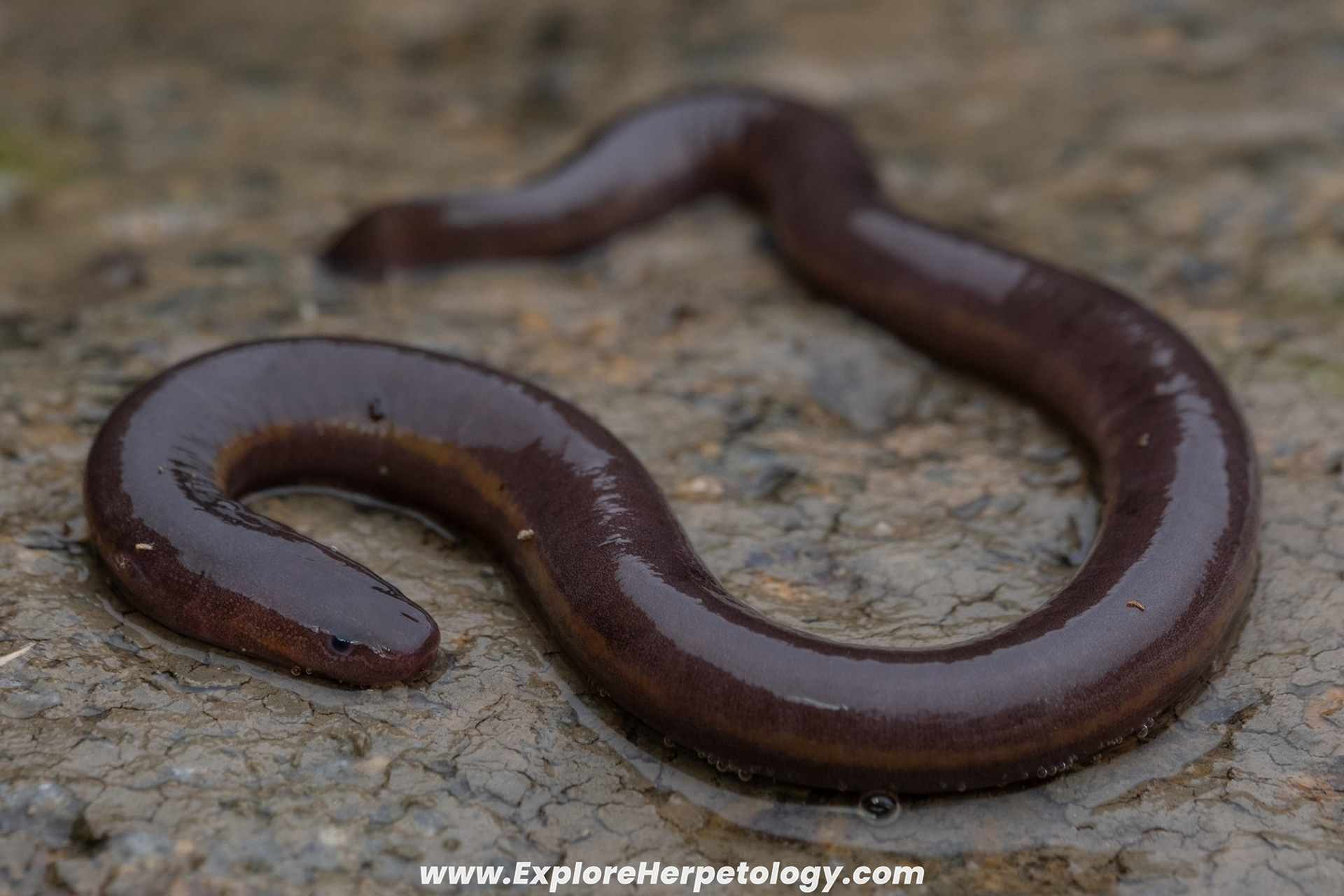
Banna caecilian (Ichthyophis bannanicus).
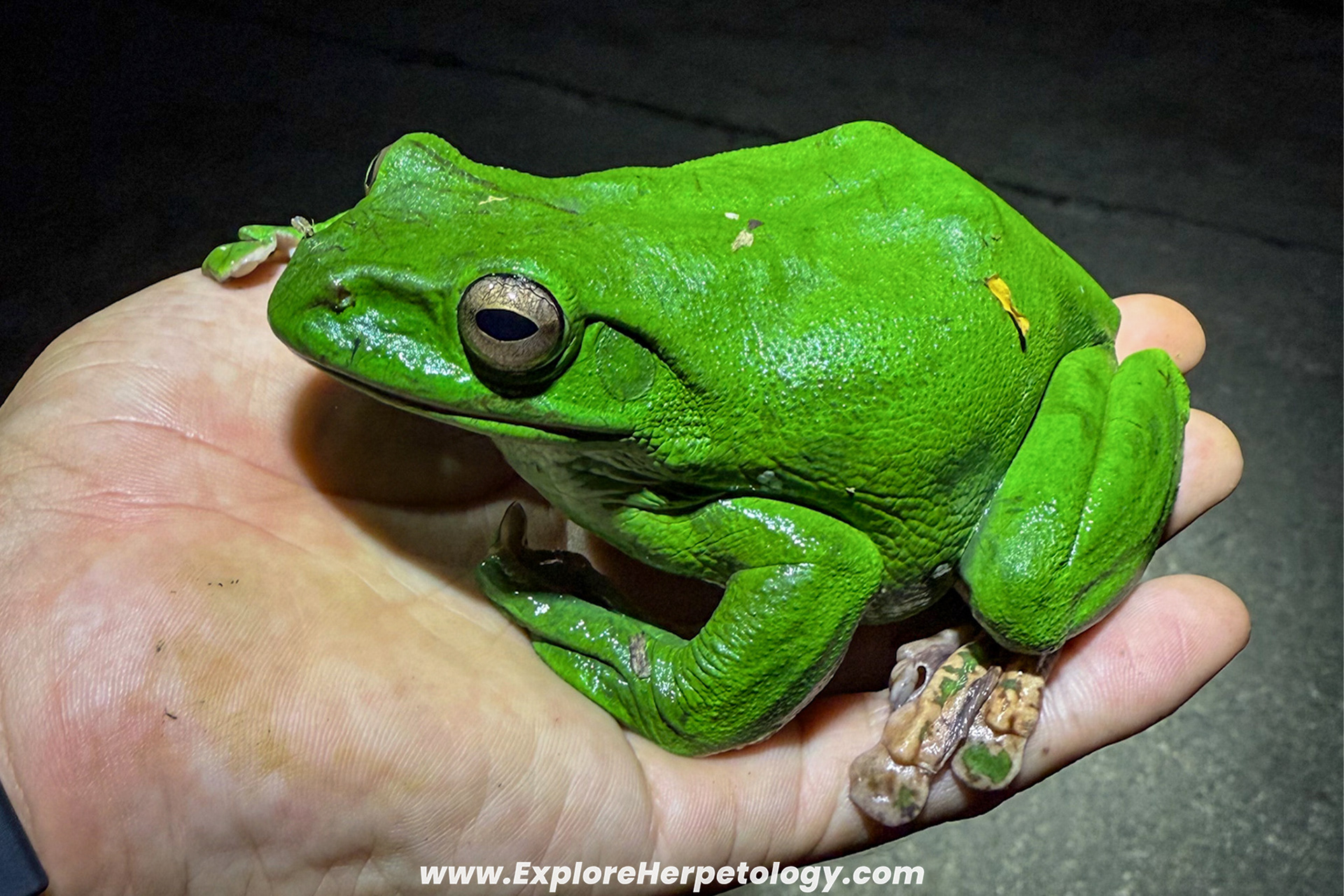
Chinese flying frog (Zhangixalus dennysi).
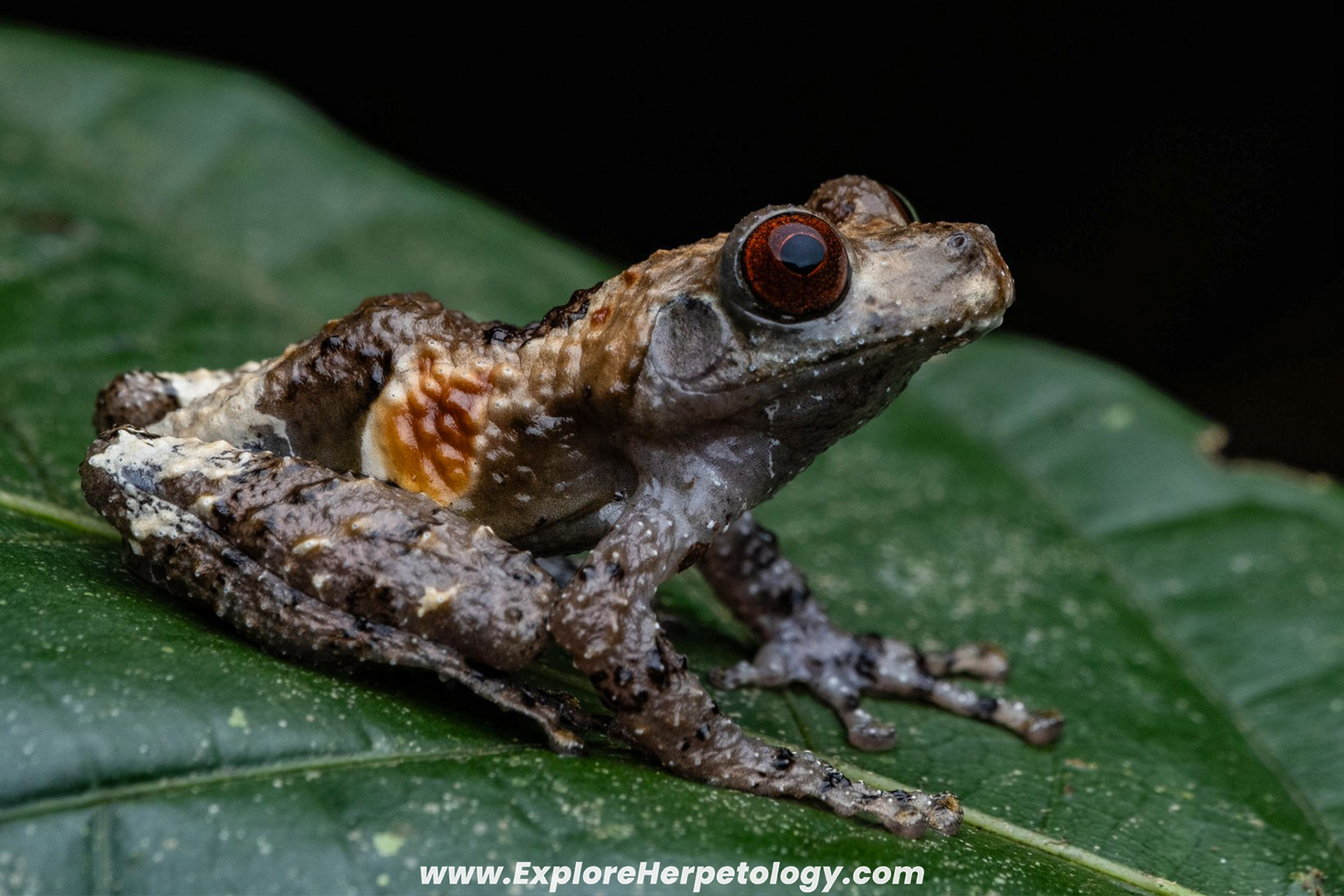
White-backed bug-eyed frog (Theloderma albopunctatum).
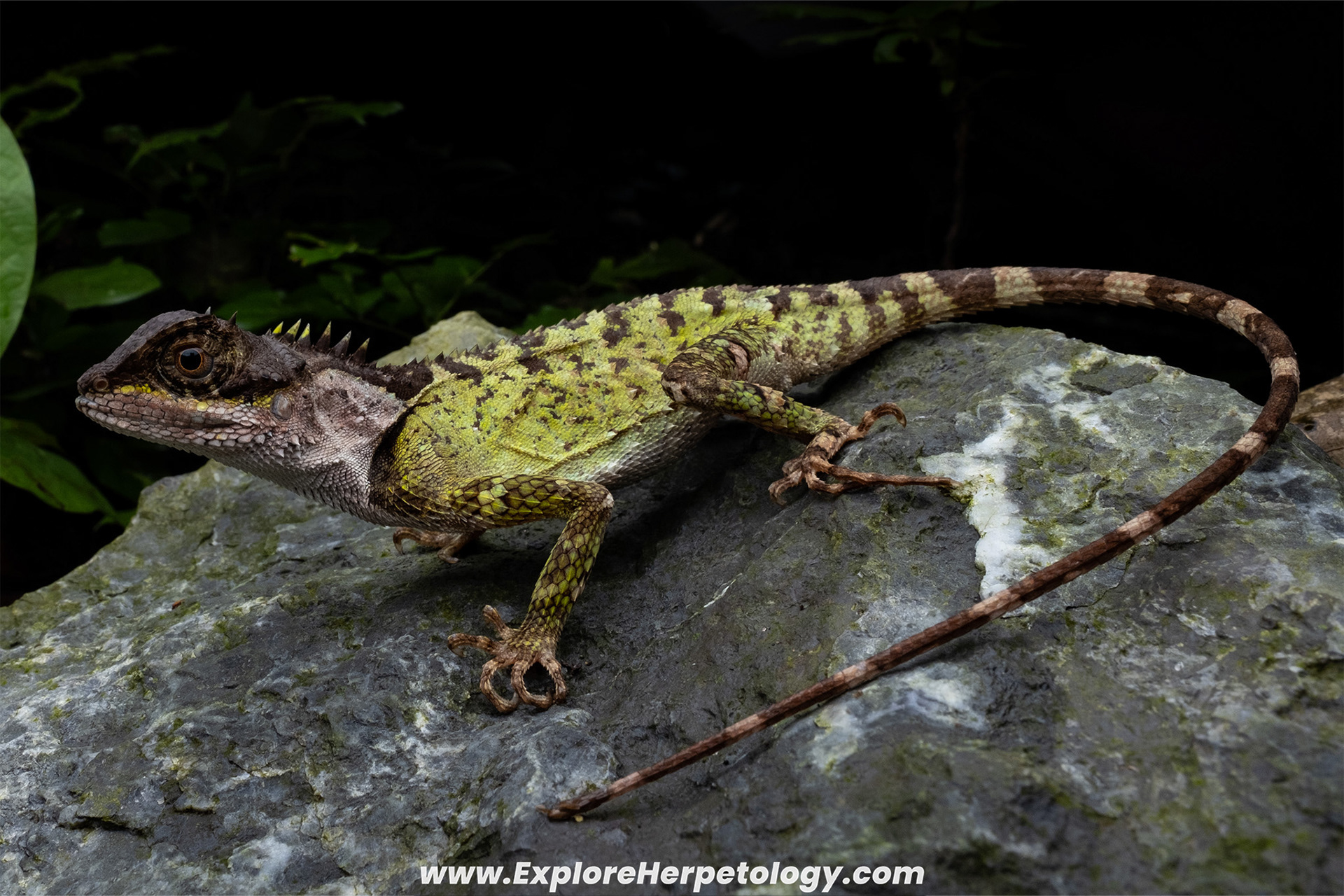
Scale-bellied horned dragon (Acanthosaura lepidogaster).
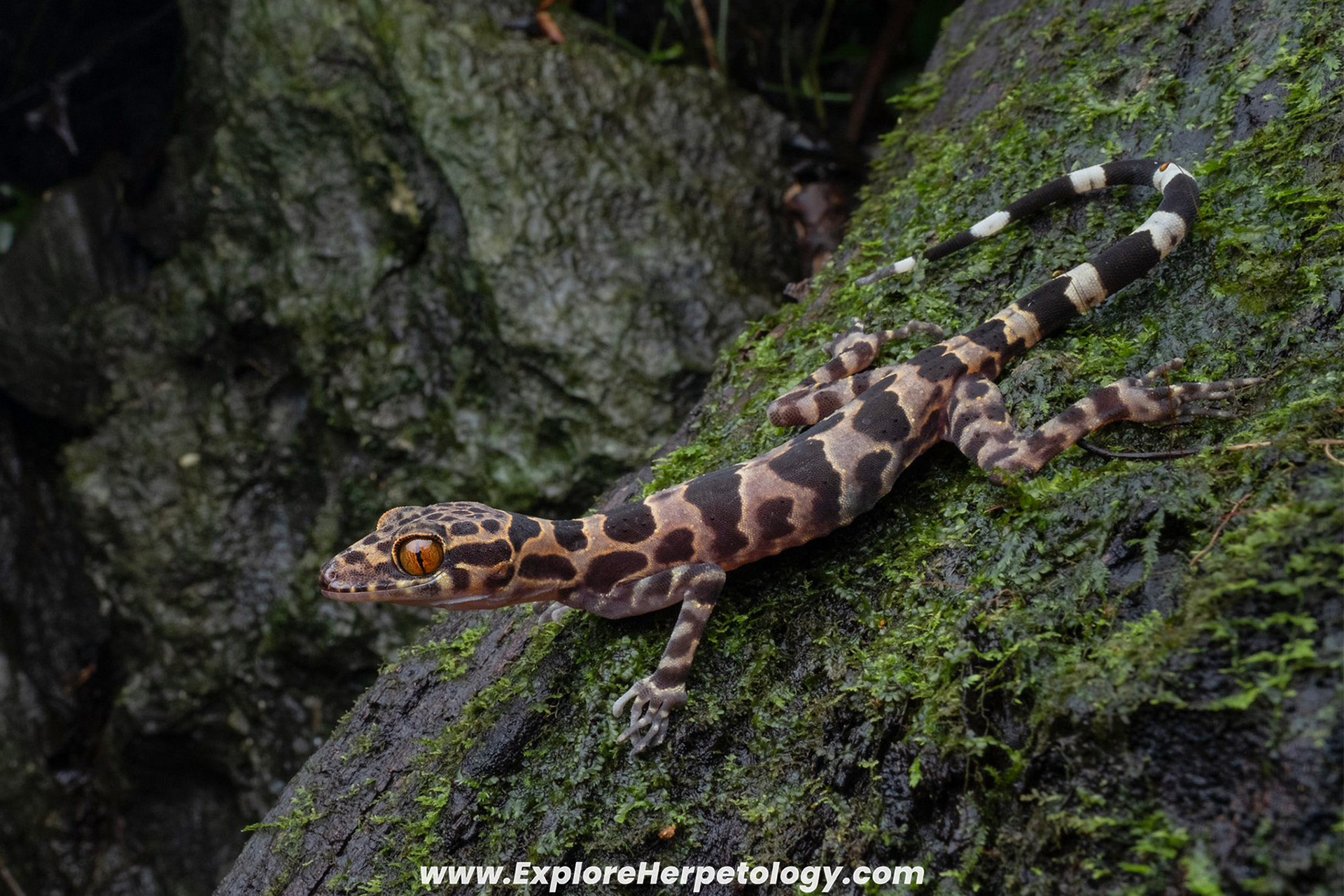
Cuc Phuong bent-toed gecko (Cyrtodactylus cucphuongensis).
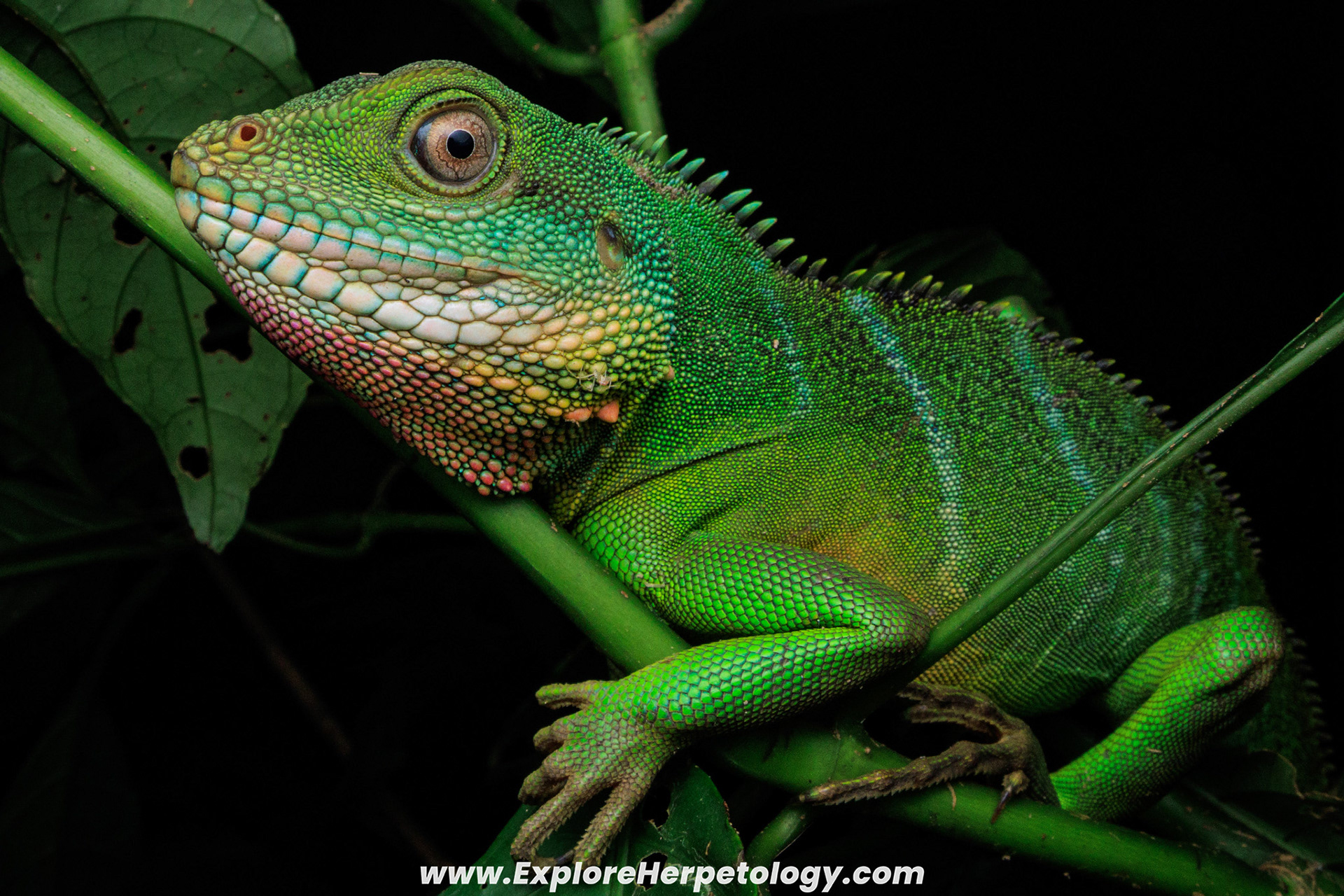
Chinese water dragon (Physignathus cocincinus).
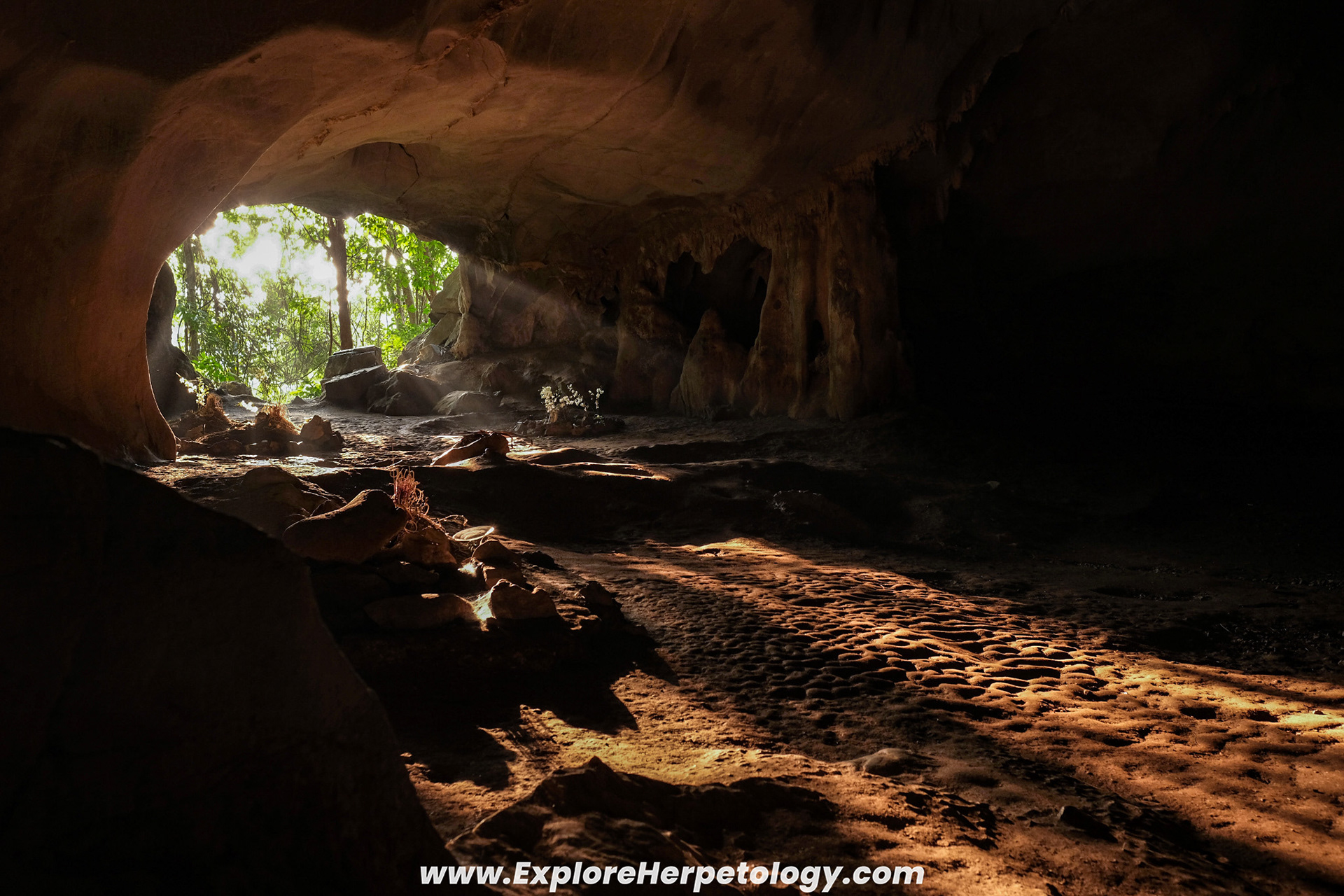
Cuc Phuong cave entrance.
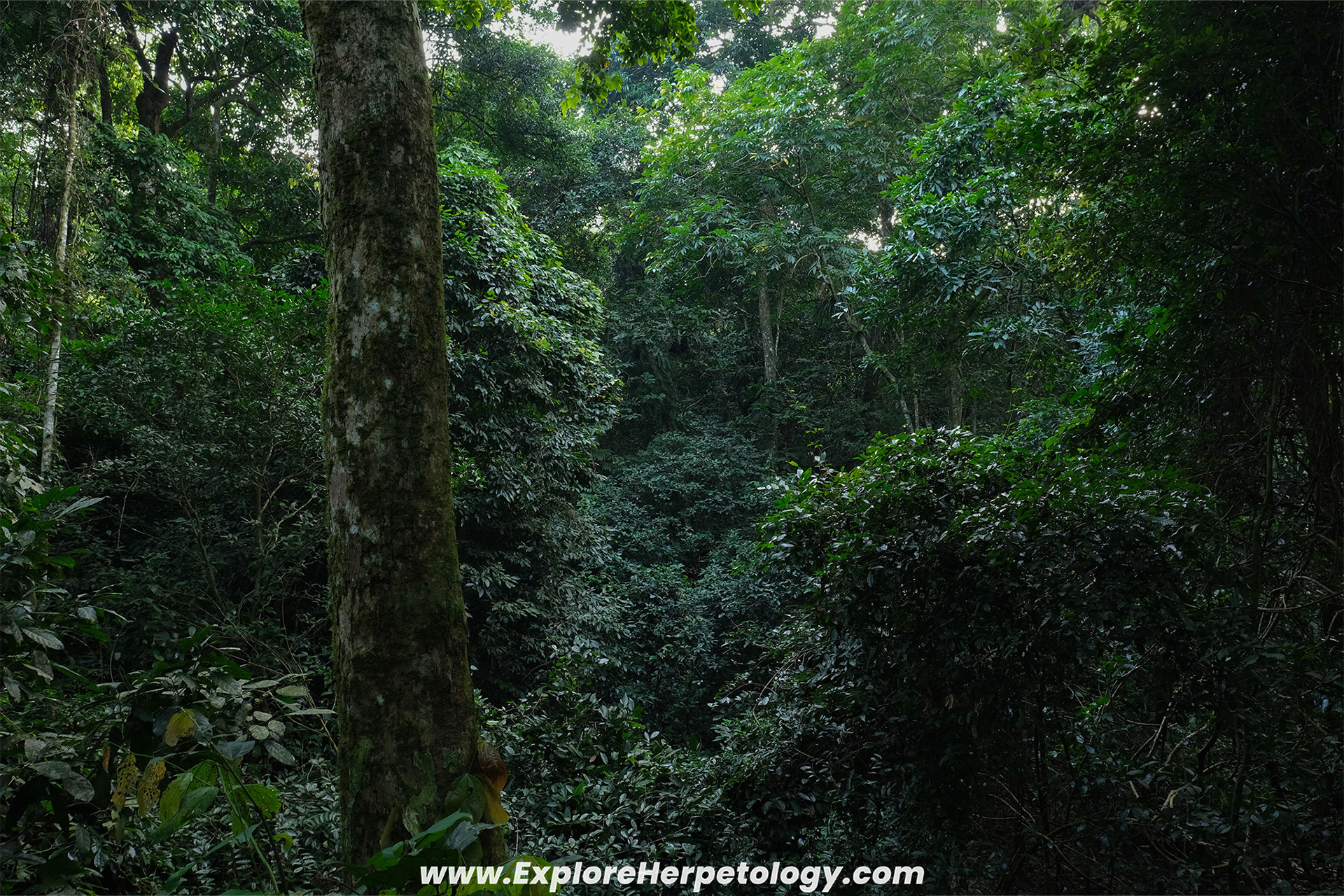
Cuc Phuong forest habitat.
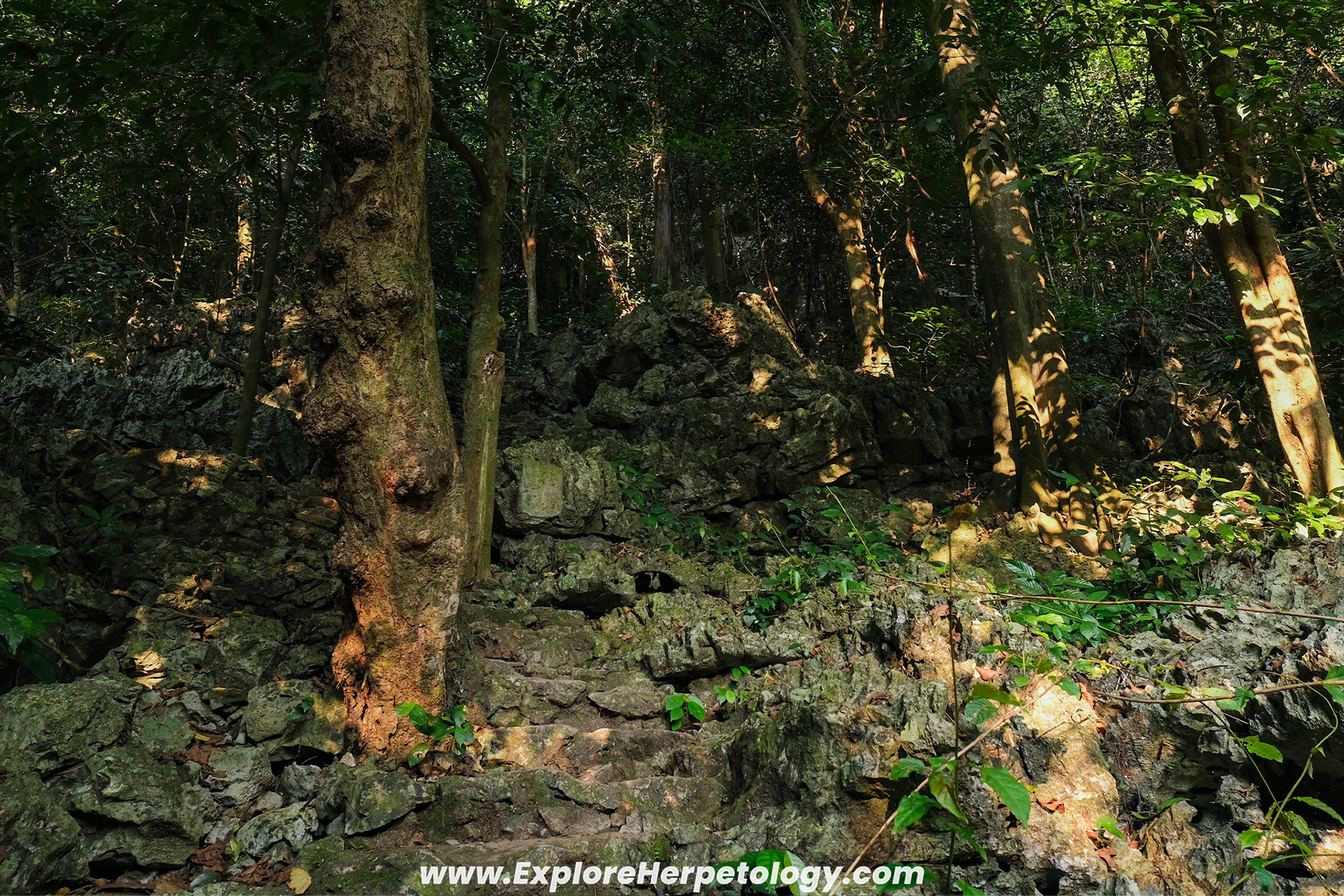
Cuc Phuong karst habitat.
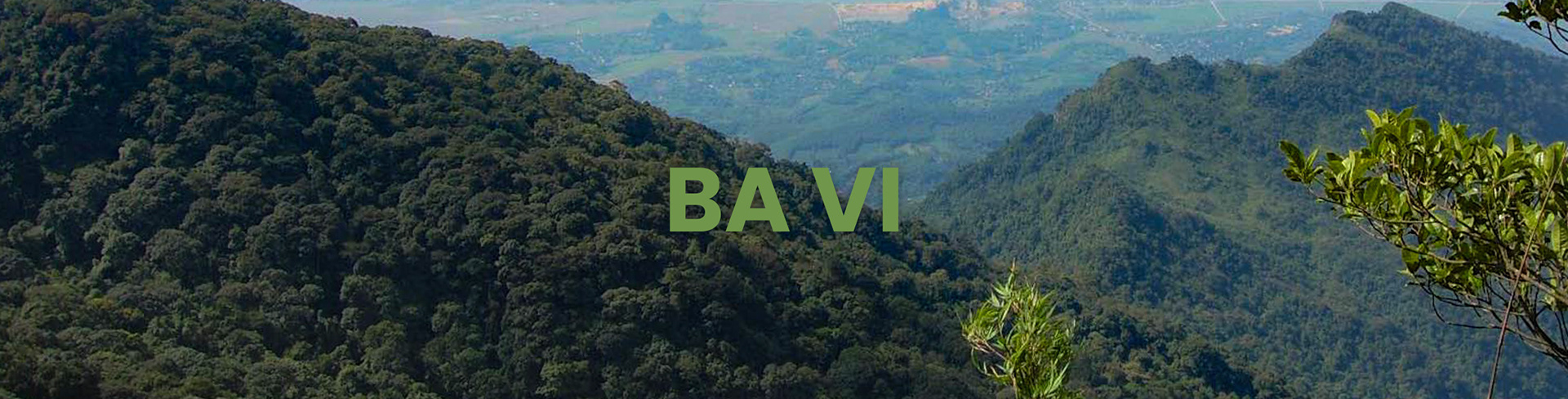
NIGHTS 6 - 8: BA VI NATIONAL PARK
The next stop on the tour is Ba Vi National Park, a short drive from Cuc Phuong. This area shares many of the same species with Cuc Phuong, but access to high elevations (800-1,100 meters above sea level) provides the chance to see several species we are unlikely to encounter in the lowland karst forests of Cuc Phuong. For example, heavy rains could bring out Tonkin pit viper (Ovophis tonkinensis), while red bamboo ratsnake (Oreocryptophis porphyracea vaillanti) and even white-headed fea's viper (Azemiops feae) are all possible if we are lucky. Ba Vi also has several large rivers where we can search for annulated keelback (Trimerodytes aequifasciatus), eastern keelback (Trimerodytes percarinatus), and bicoloured stream snake (Opisthotropis lateralis) - all species which are either absent or very rare in Cuc Phuong.
Ba Vi provides further opportunity to see several of the big targets from Cuc Phuong which we may have missed during the first 5 days, while enjoying a change of scenery and hitting new trails every night. Rhino ratsnake (Gonyosoma boulengeri), bamboo false cobra (Pseudoxenodon bambusicola) and Vietnamese blue beauty ratsnake (Elaphe taeniura callicyanous) are all recorded here, while Hart's glass lizard (Dopasia harti) are also recorded from the highest elevations. This is a very rarely explored area of North Vietnam, with lots of potential for unexpected encounters. We will stay at a hotel resort situated near the base of the mountain, with nearby food options and herping trails from the lowlands to the pinnacles of the mountain.
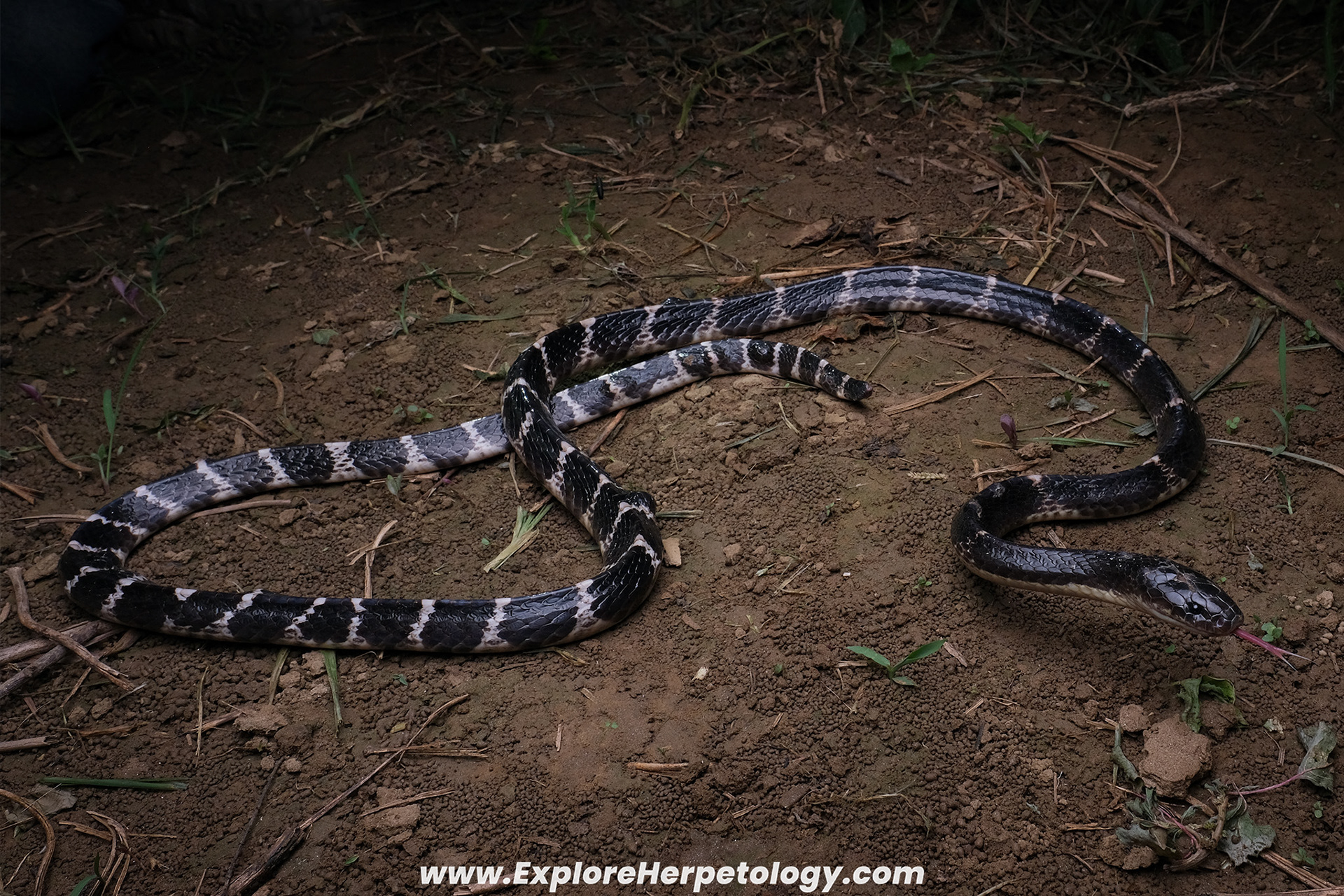
Many-banded krait (Bungarus multicinctus).
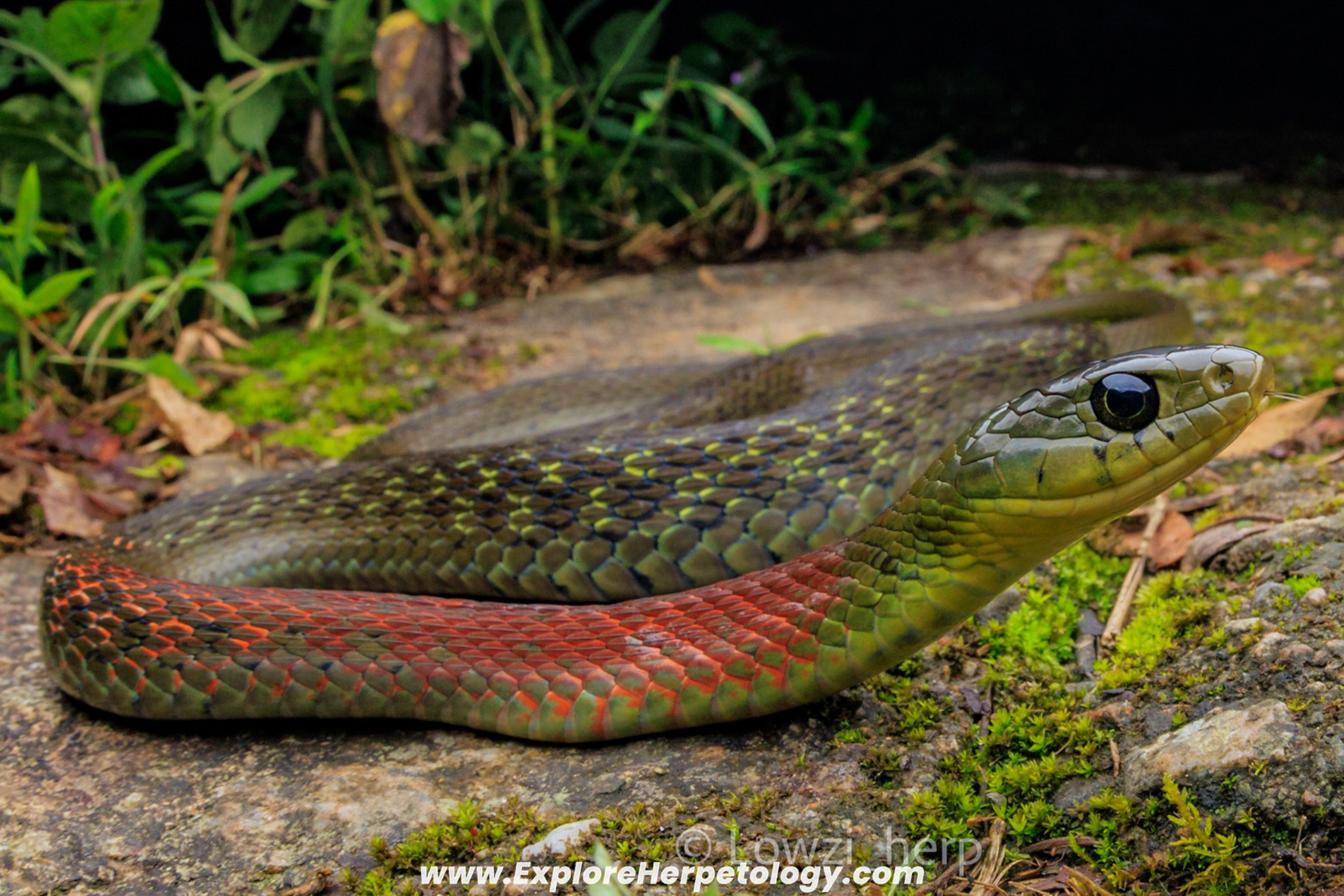
Heller's red-necked keelback (Rhabdophis helleri).
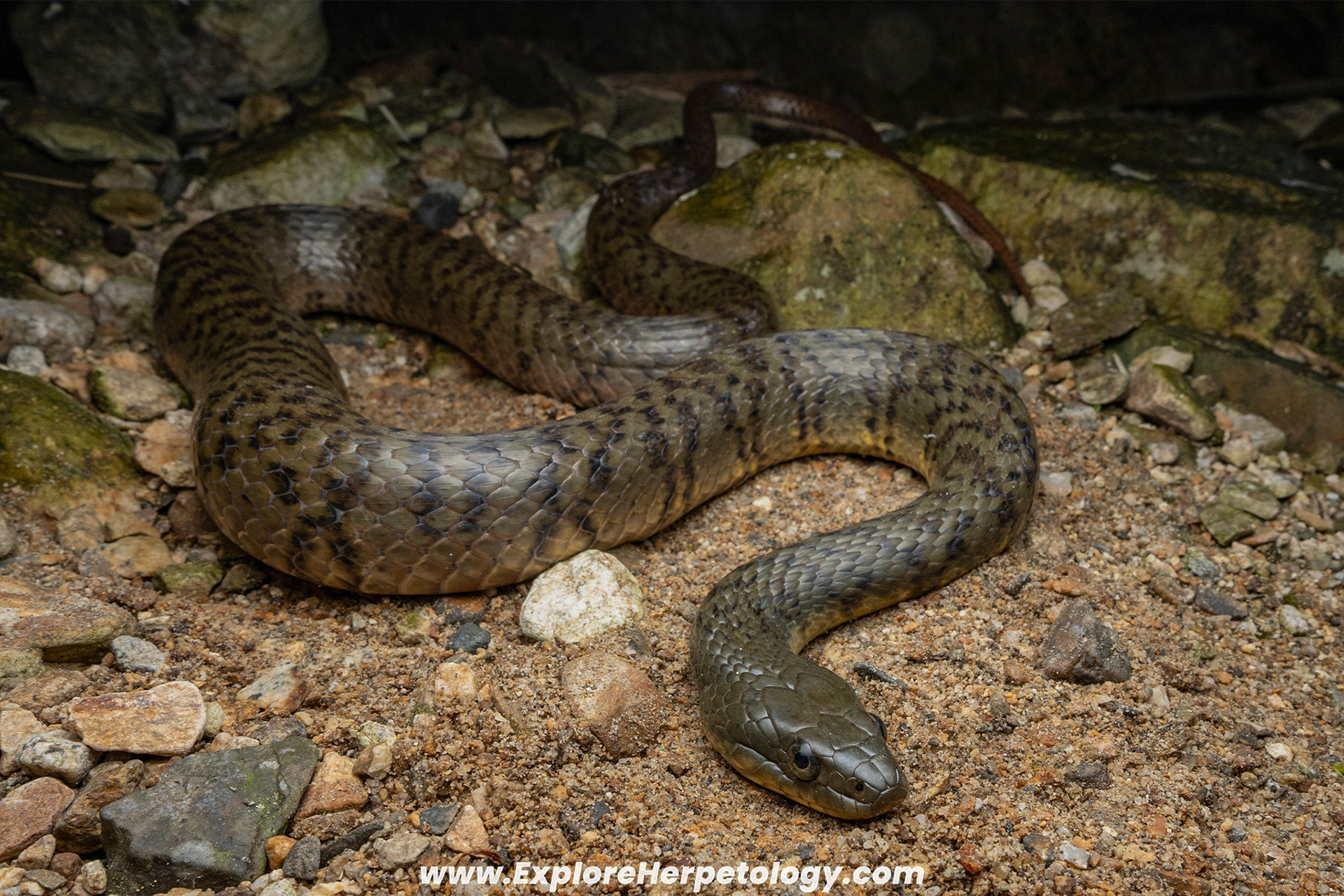
Eastern water snake (Trimerodytes percarinatus).
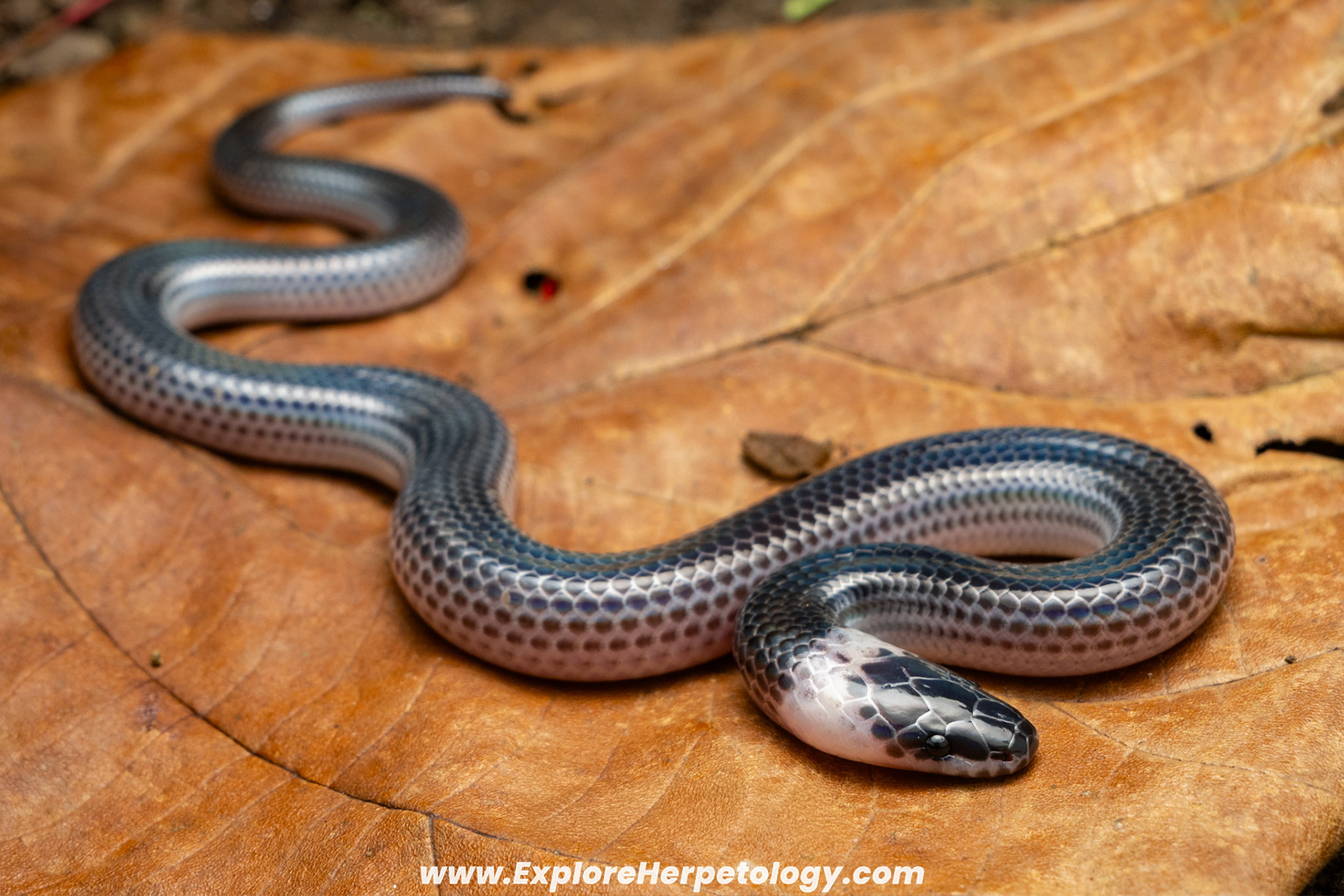
Sunbeam snake (Xenopeltis unicolor).
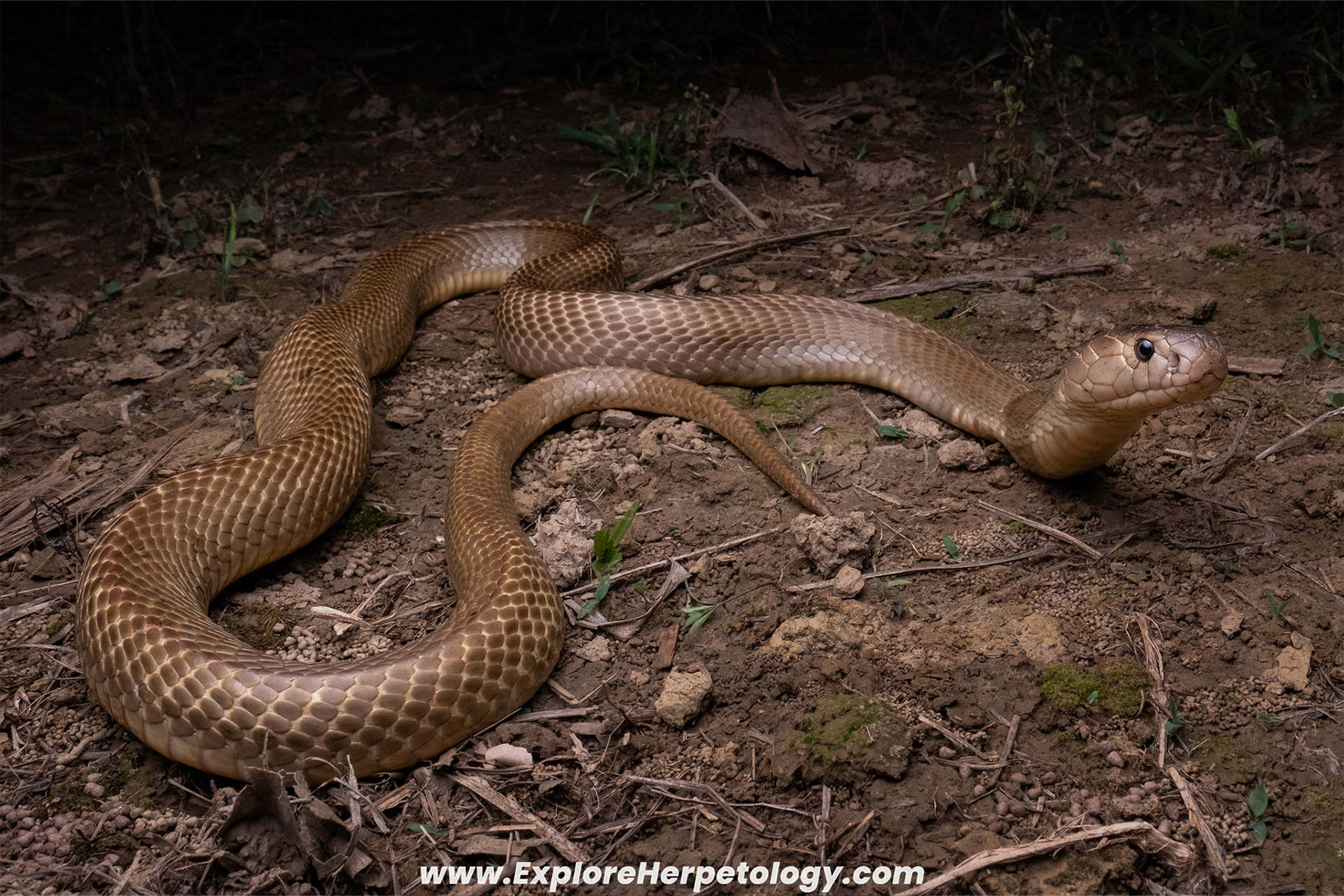
Chinese cobra (Naja atra).
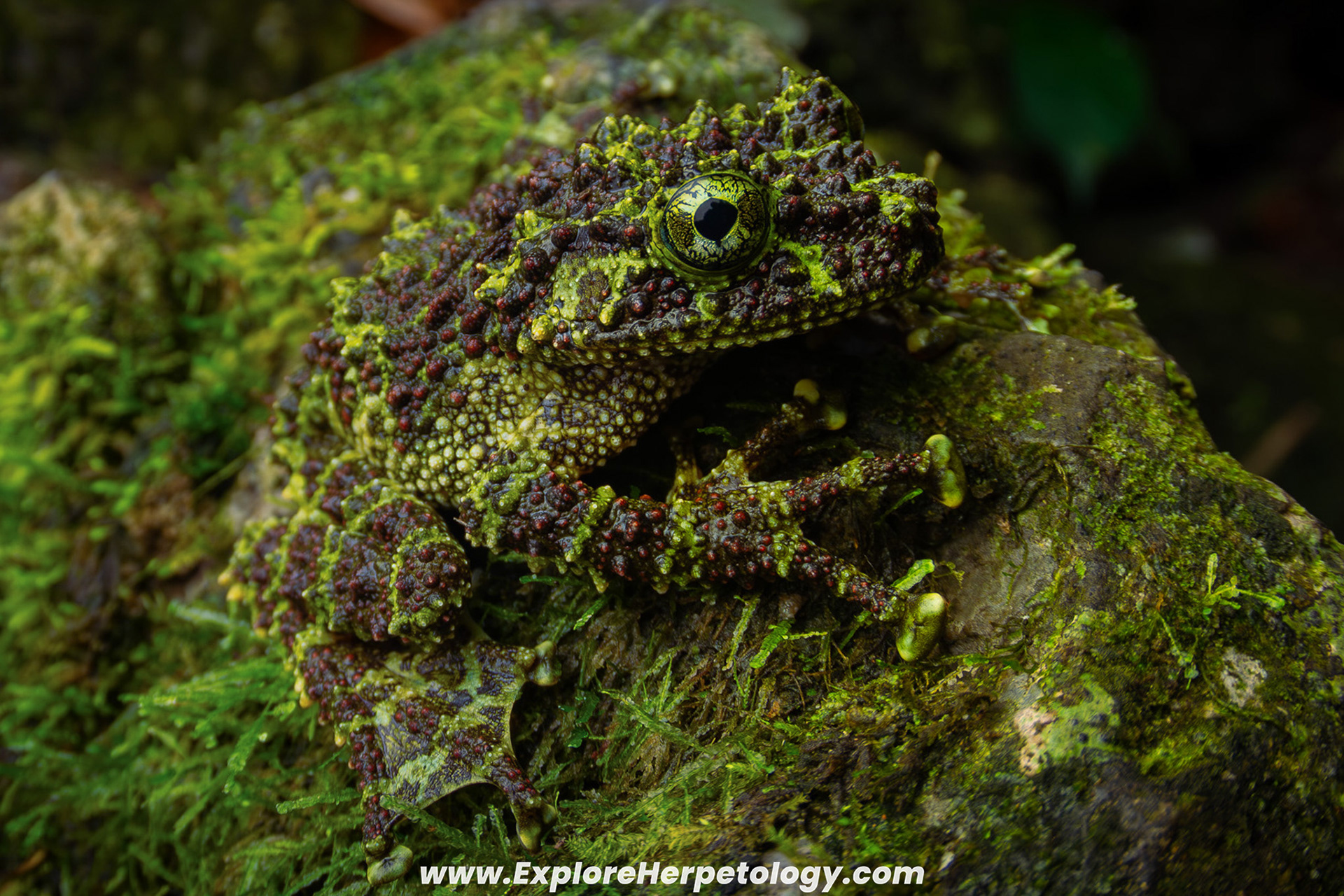
Vietnamese mossy frog (Theloderma corticale).
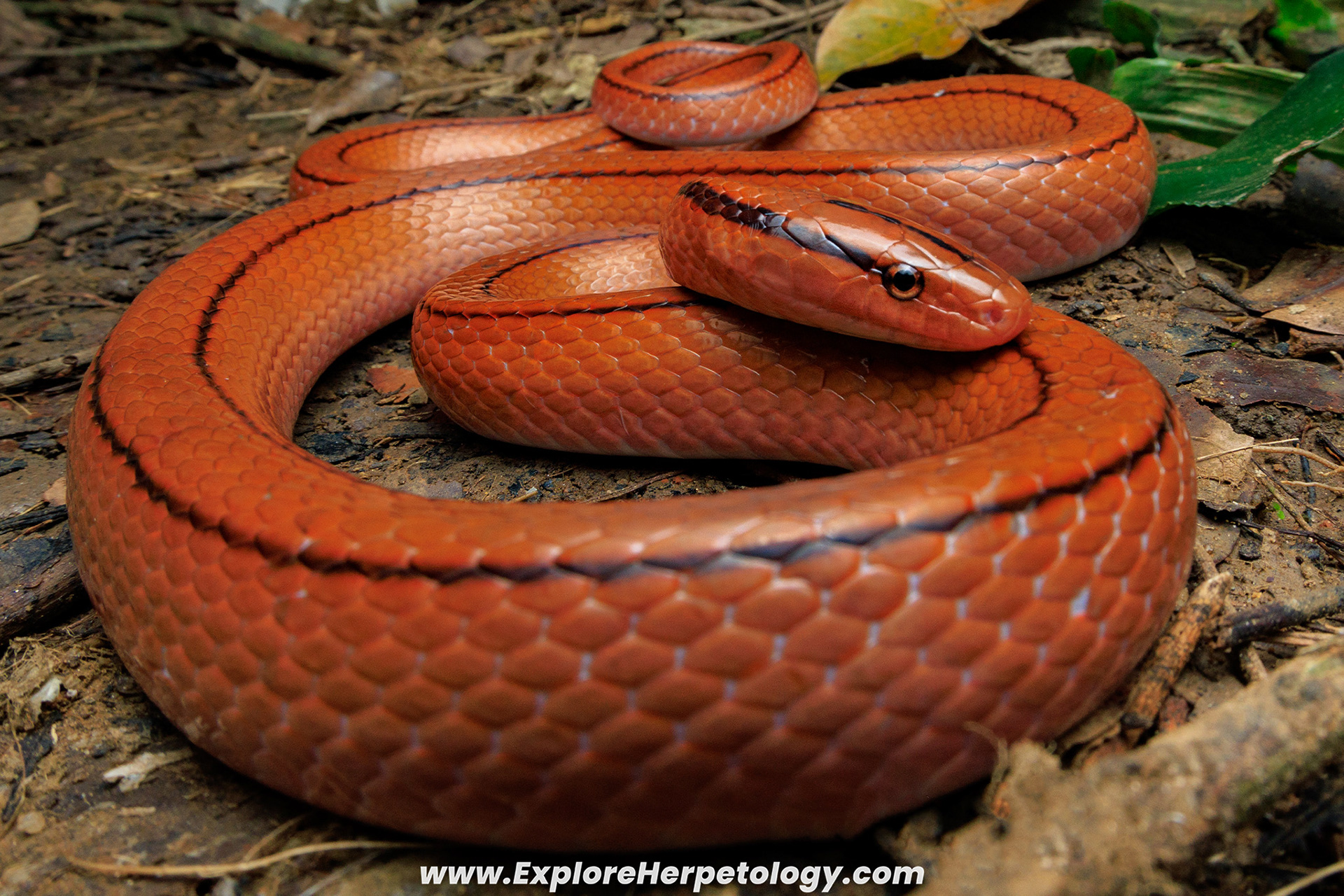
Red bamboo ratsnake (Oreocryptophis porphyracea vaillanti).
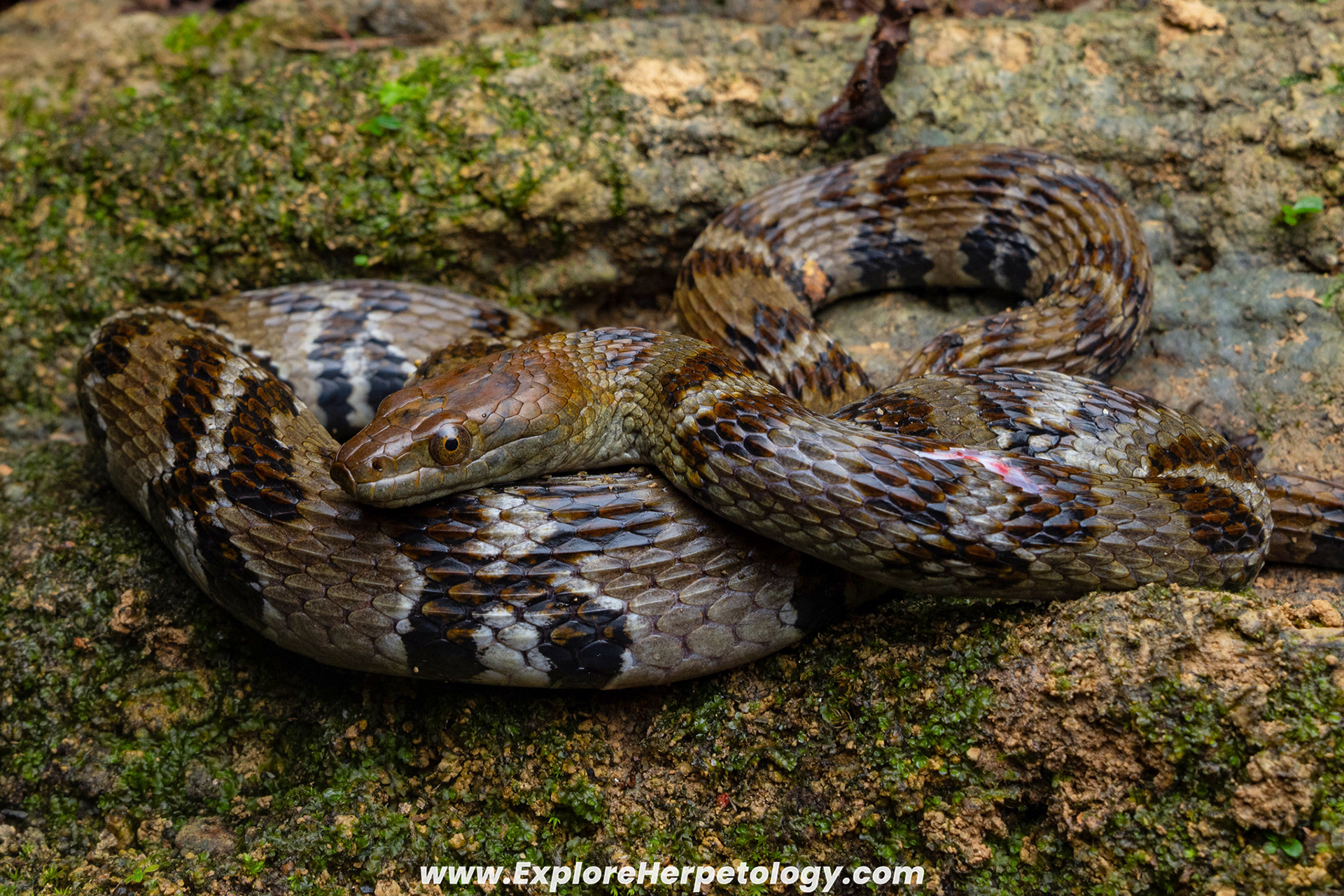
Annulated water snake (Trimerodytes aequifasciatus).
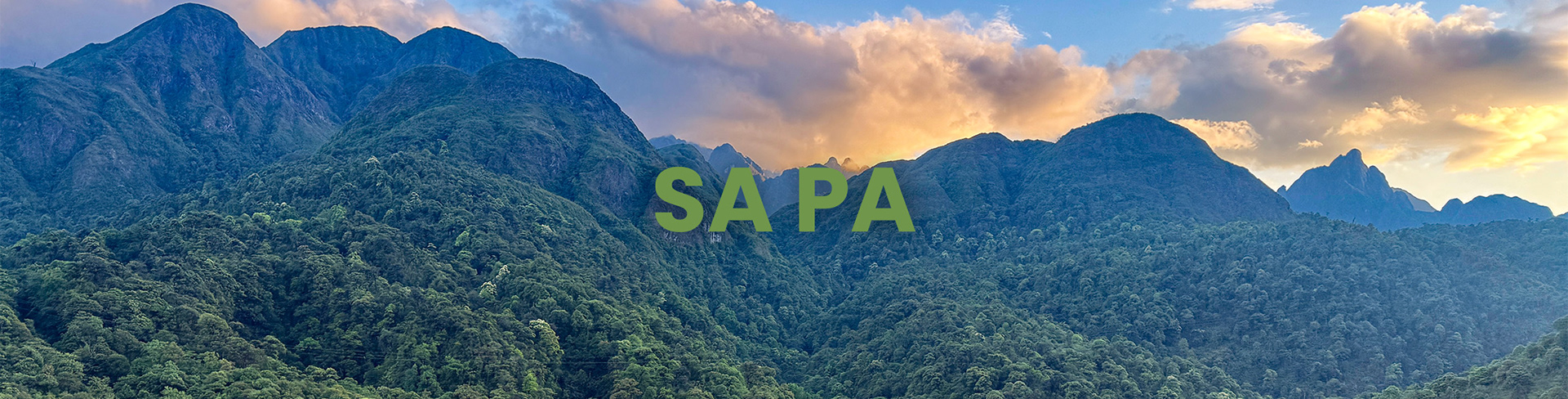
NIGHTS 9 - 13: SA PA (*OPTIONAL EXTENSION*)
For those of you craving to see more of Vietnam and what it has to offer, we are operating an optional 4-night extension to Sa Pa in the far north-west of Vietnam. If you choose to partake in this extension, we will return to Hanoi and immediately board an overnight sleeper-bus to Sa Pa town. We will arrive the following morning, drop off our big bags and prepare for the following 2 days. Later that afternoon, we will hike to an indoor-campsite at 2,200m above sea level (around 2 hours hike, not challenging) and set up camp for 2 days. We will have meals cooked for us multiple times per day, and stay inside rest-huts situated amongst remote highland forest teeming with montane-endemic herpetofauna.
Here, our primary target is the truly incredible Bourret's pit viper (Protobothrops jerdonii bourreti), which is active during both day and night, when the weather is warm enough. We also have great chance to see Zhao's mountain pit viper (Ovophis zhaoermii), while the resident "green bean", Gumprecht's pit viper (Trimeresurus cf. gumprechti), is active even in surprisingly cold temperatures. There are several remarkable amphibians here, most notably the Guangxi fire-bellied toad (Bombina microdeladigitora), Dubois' flying frog (Zhangixalus duboisi) and Ailao litter toad (Leptobrachium ailaonicum). Every trip here includes an unexpected encounter with something new.
After our 2 nights at this campsite, we will return to Sa Pa and spend our final night staying in a comfortable hotel, eating at one of the many western-catering restaurants in this popular tourist town. For our evening activity, we will visit a mid-montane stream which can be very productive for snakes in the right conditions. The endemic Sa Pa keelback (Hebius chapaensis) is frequently seen here, along with greater green snake (Ptyas major), Yunnan beauty ratsnake (Elaphe taeniura yunnanensis) and even Mandarin ratsnake (Euprepiophis mandarina). A great area to relax and enjoy productive herping on our final night. The tour can end here in Sa Pa, or we will organise you transport back to Hanoi.
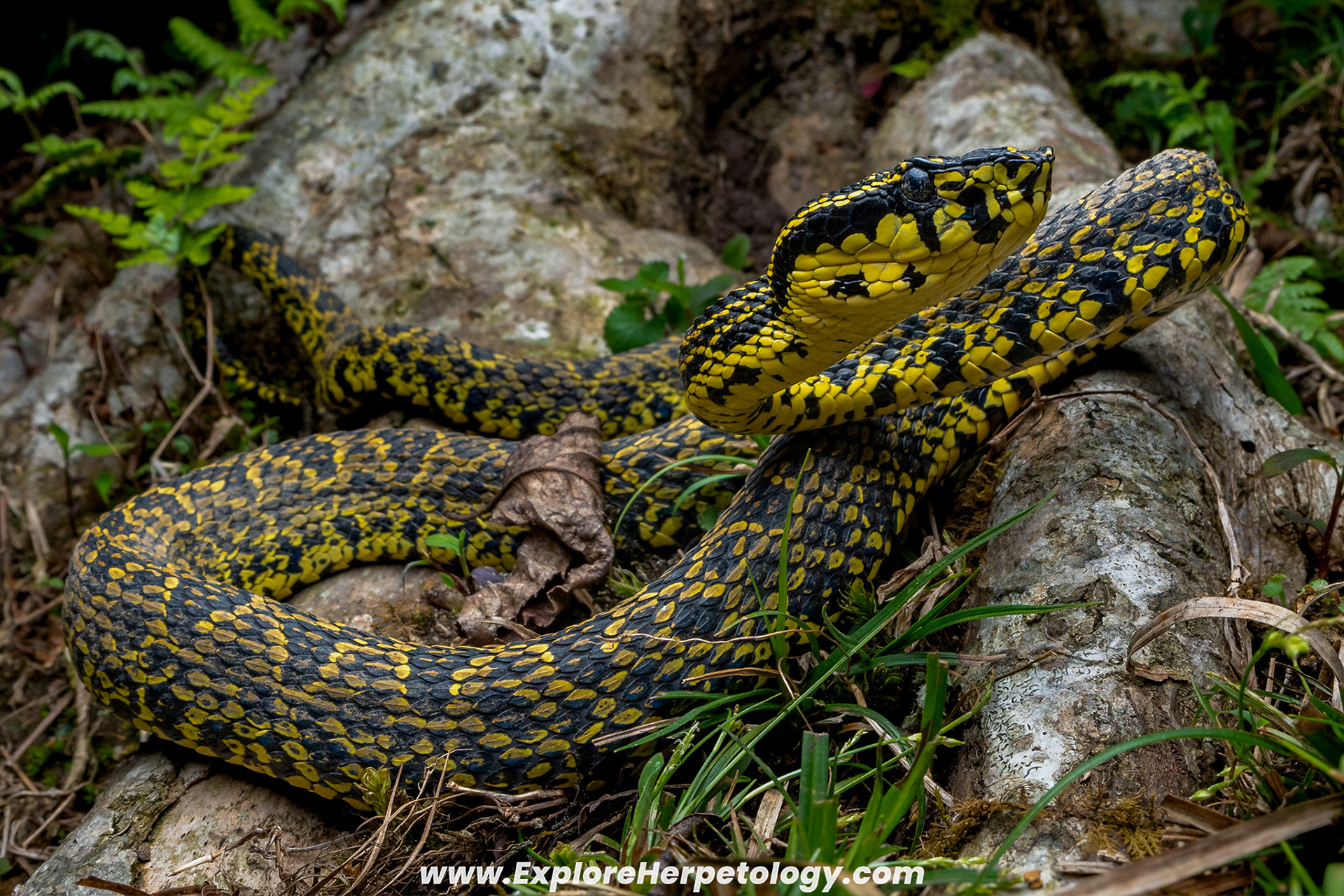
Bourret's pit viper (Protobothrops jerdonii bourreti).
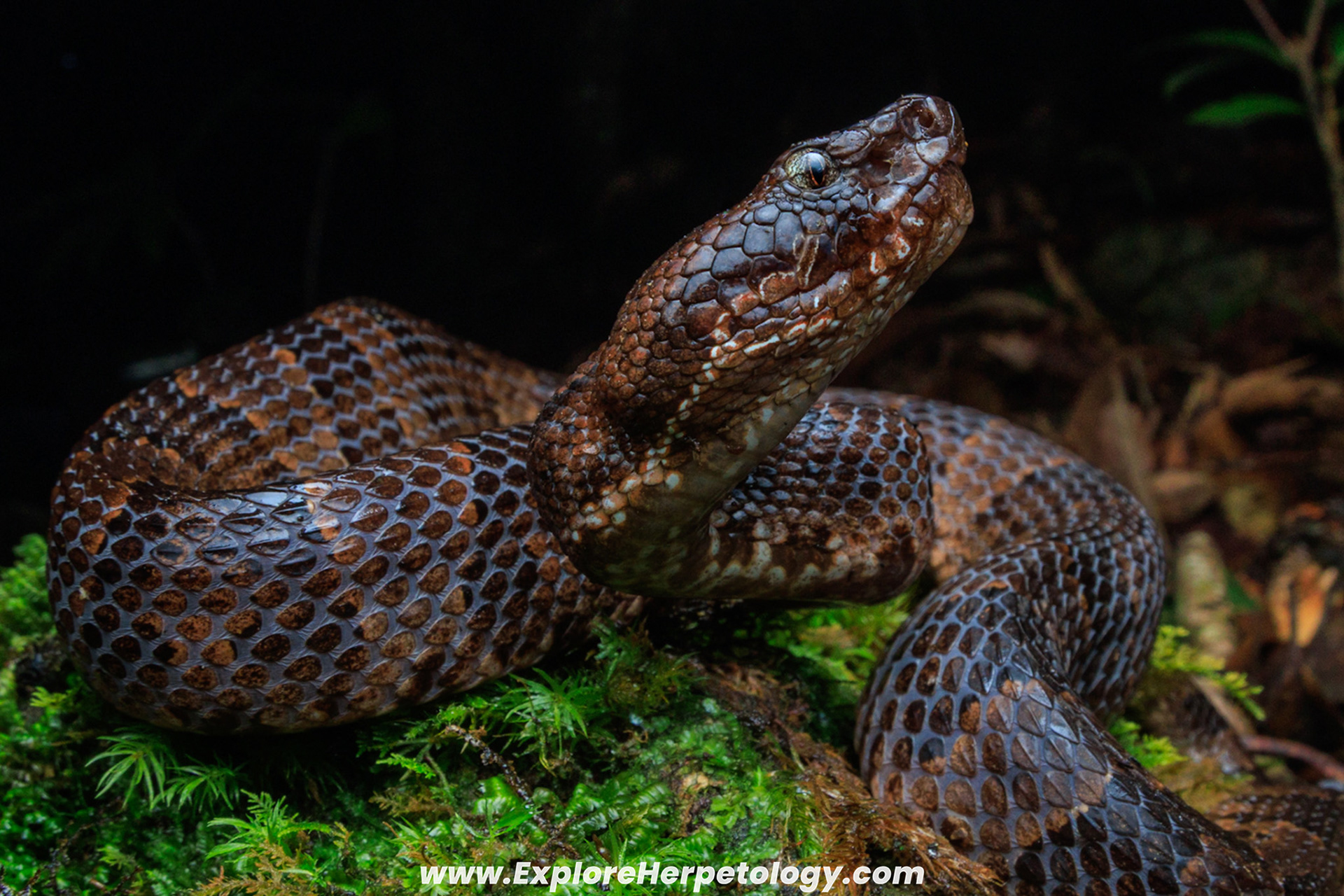
Zhao's mountain pit viper (Ovophis zhaoermii).
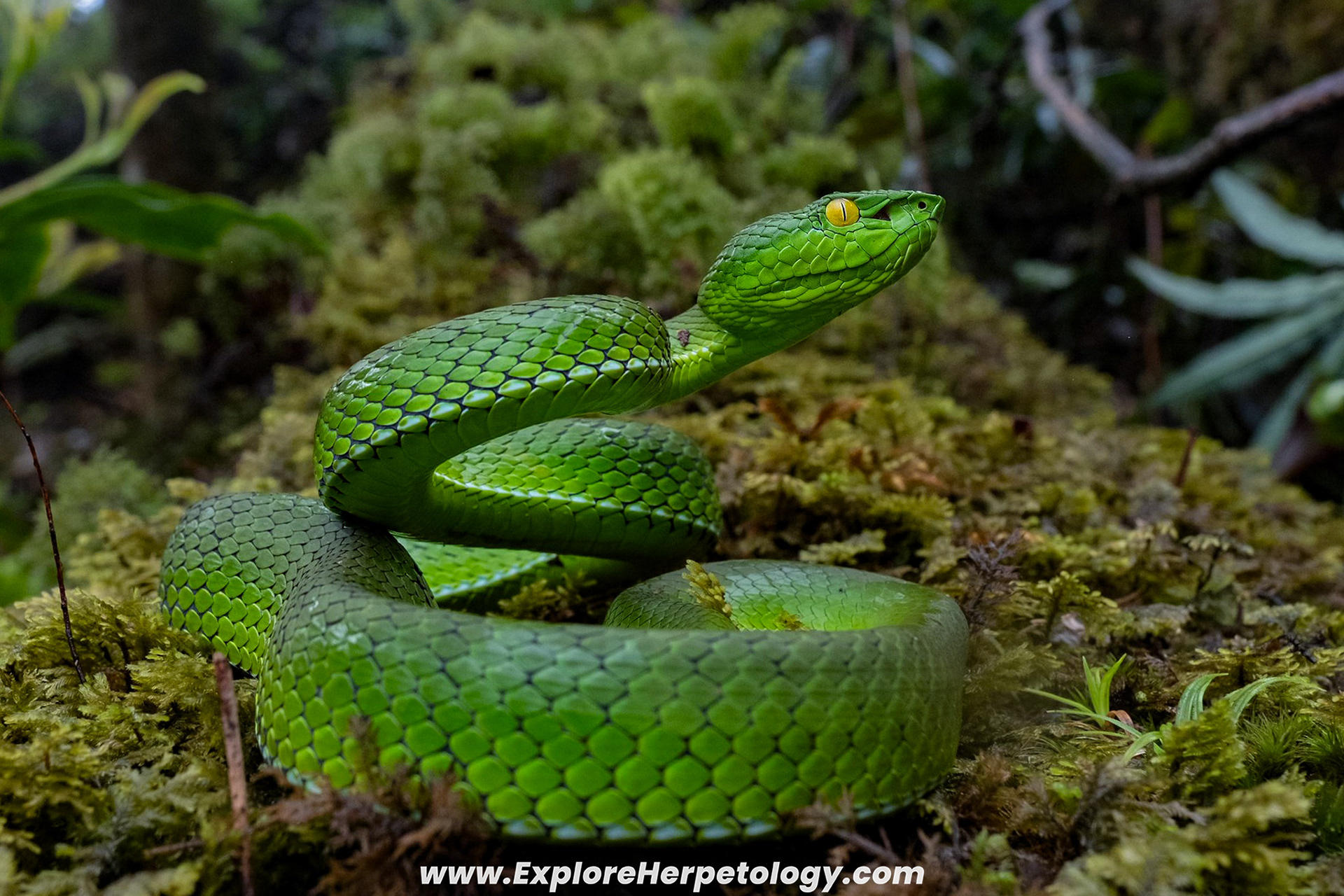
Gumprecht's pit viper (Trimeresurus gumprechti).
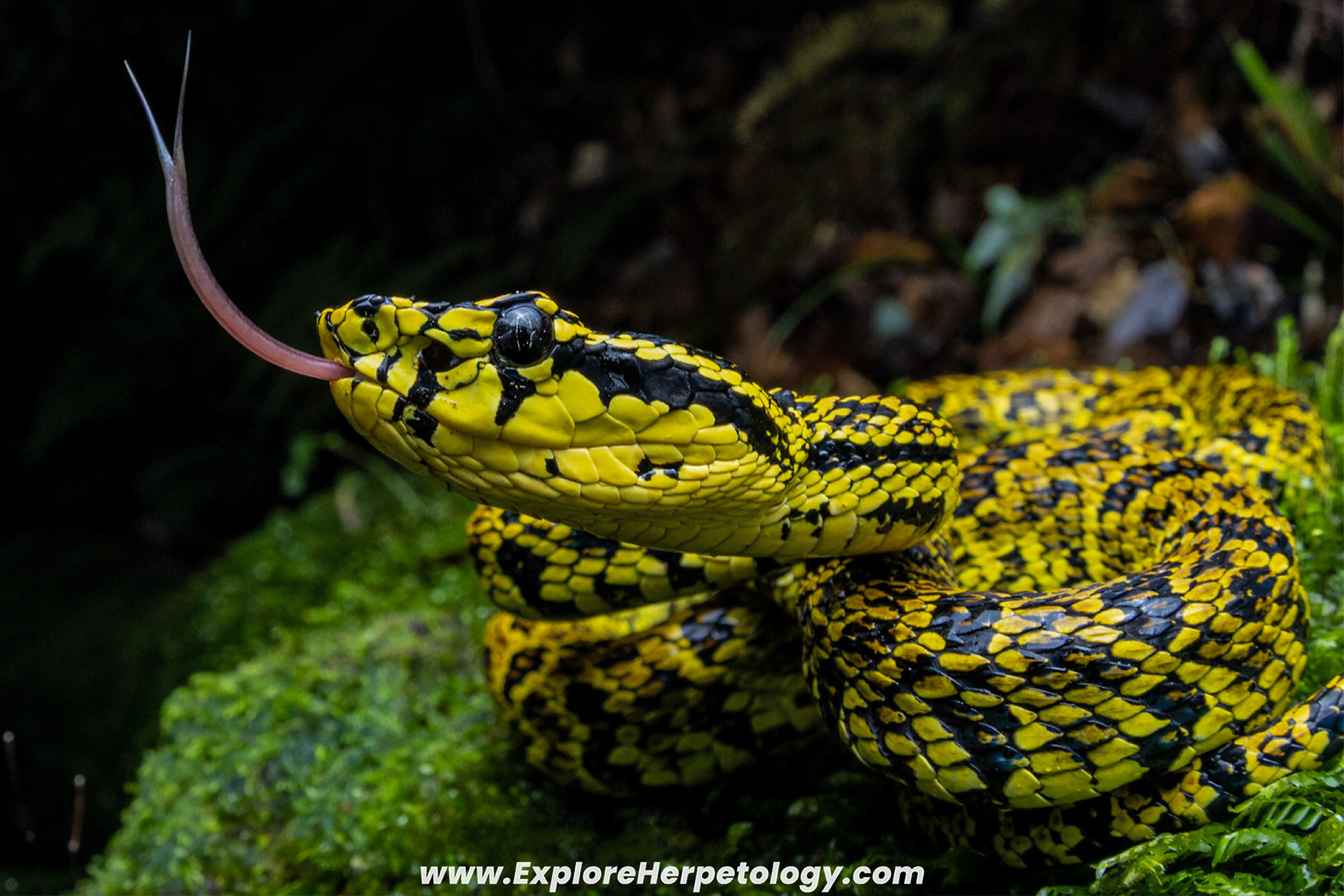
Bourret's pit viper (Protobothrops jerdonii bourreti).
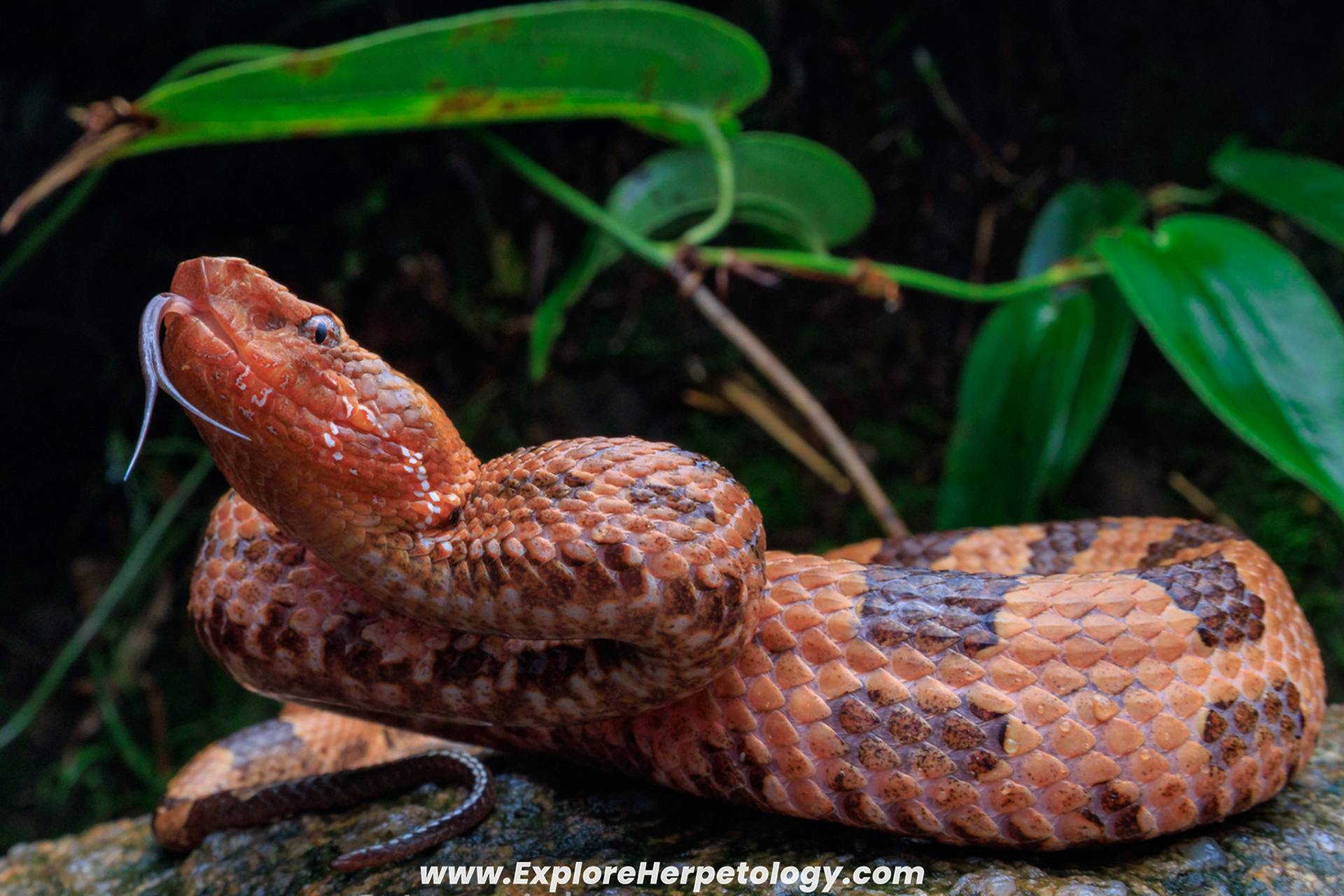
Zhao's mountain pit viper (Ovophis zhaoermii).
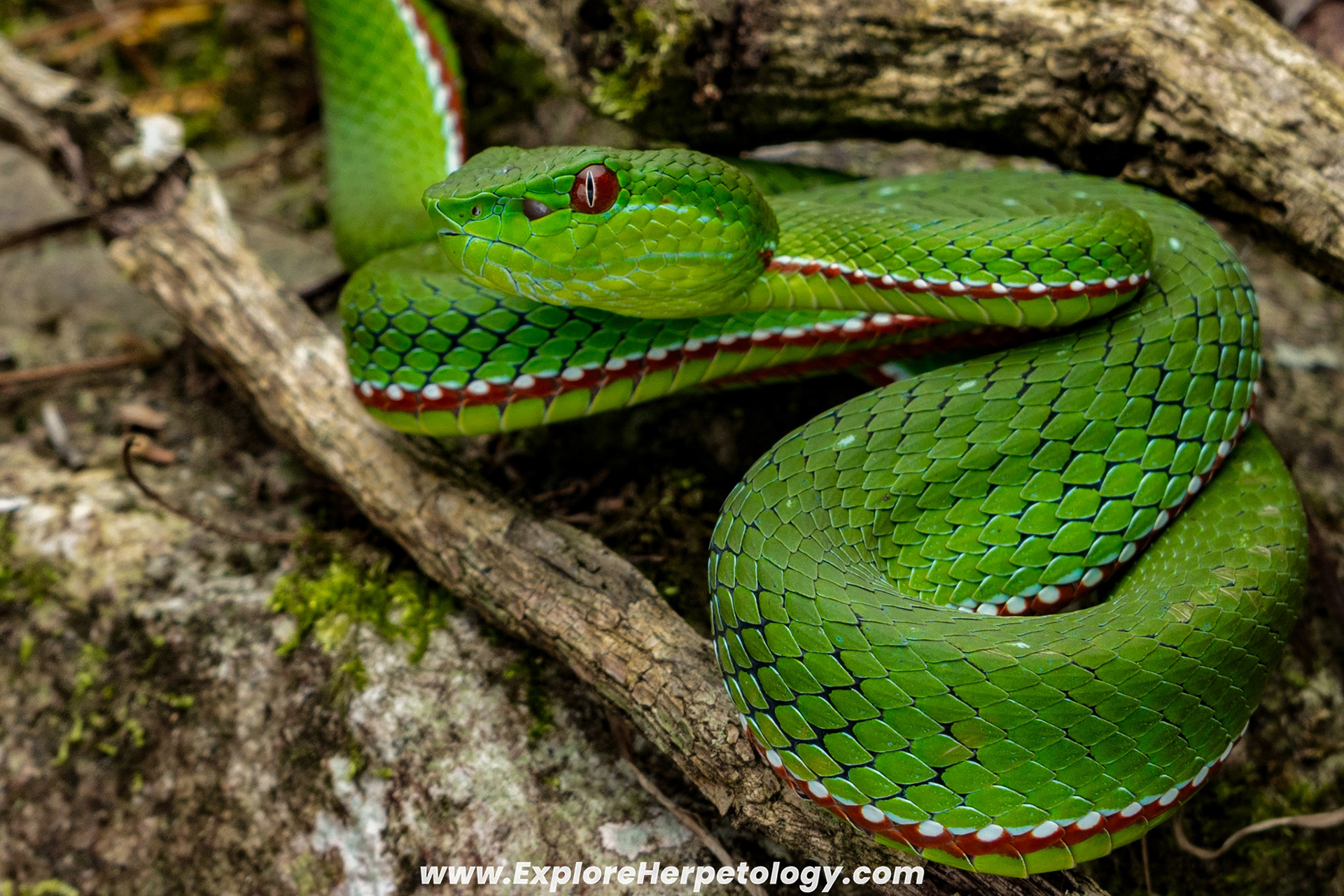
Gumprecht's pit viper (Trimeresurus gumprechti).
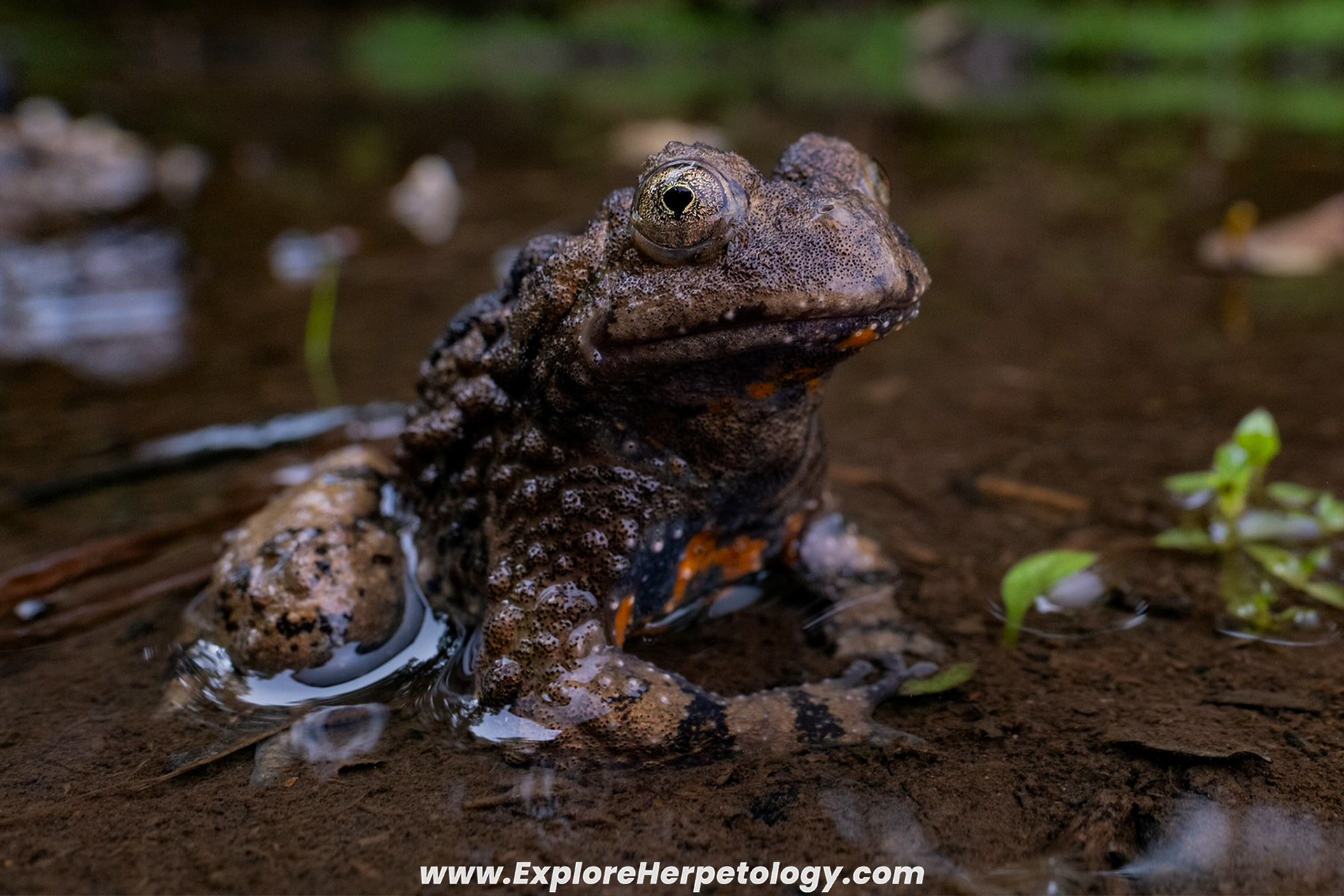
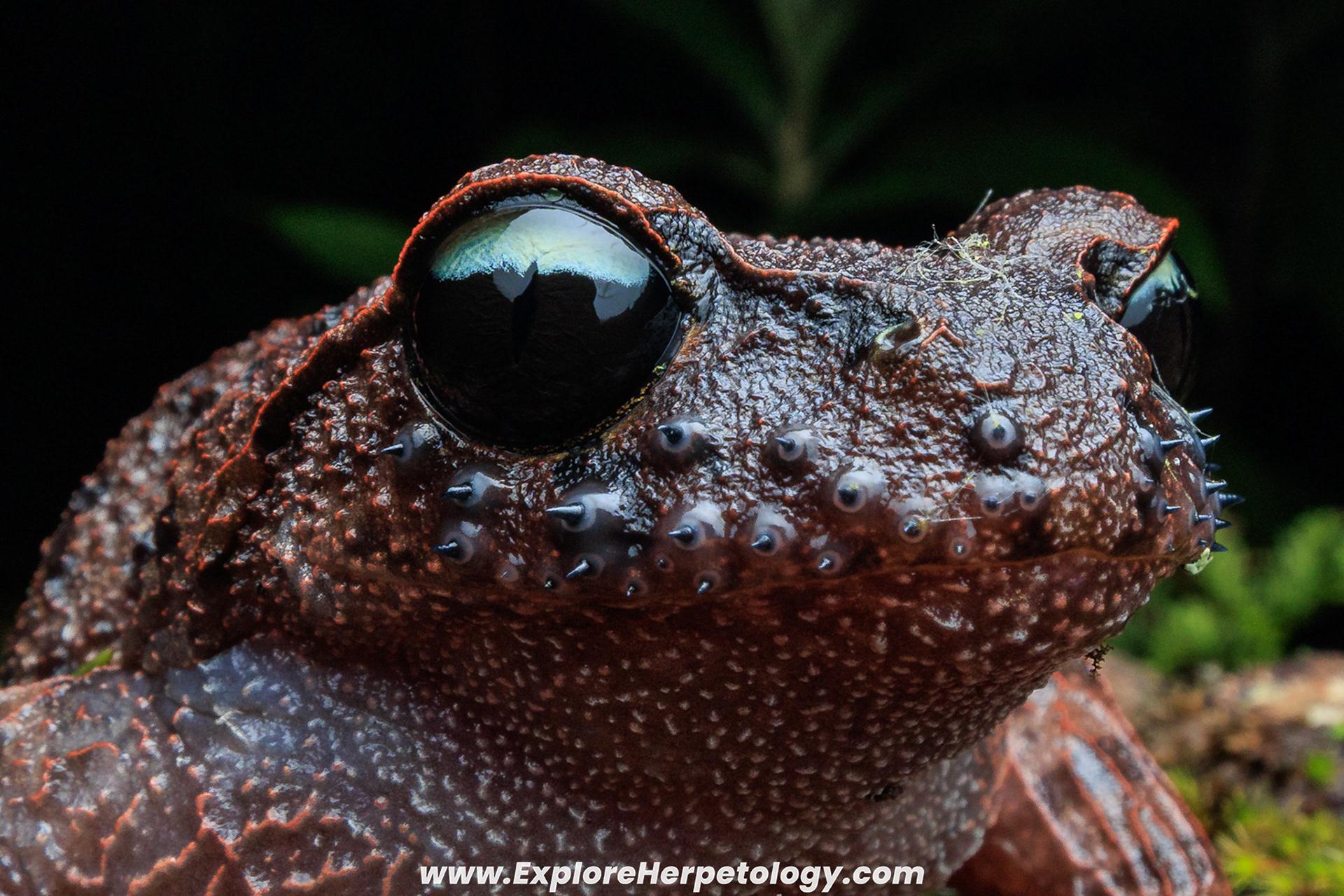
Guangxi fire-bellied toad (Bombina microdeladigitora)
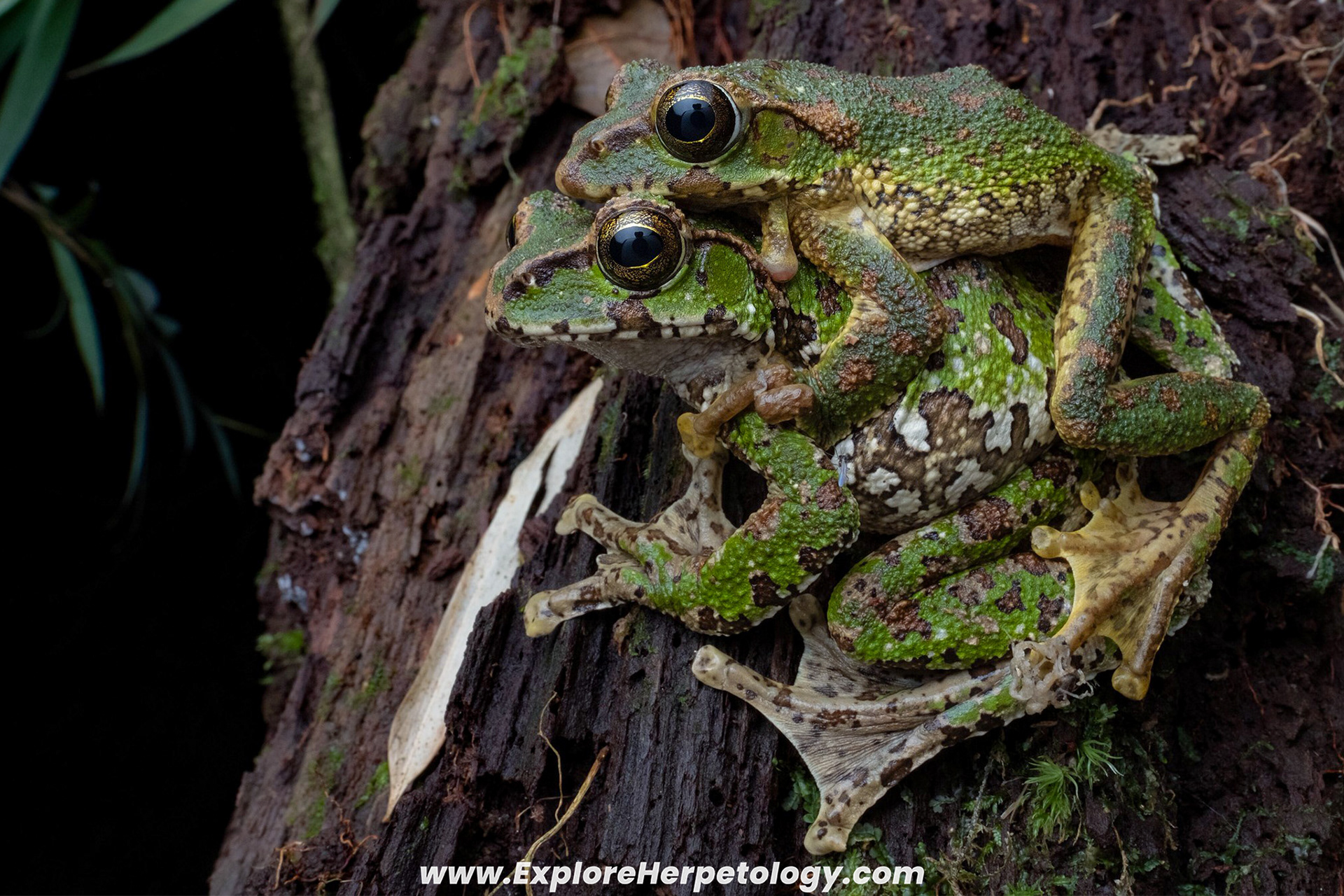
Ailao litter toad (Leptobrachium ailaonicum)
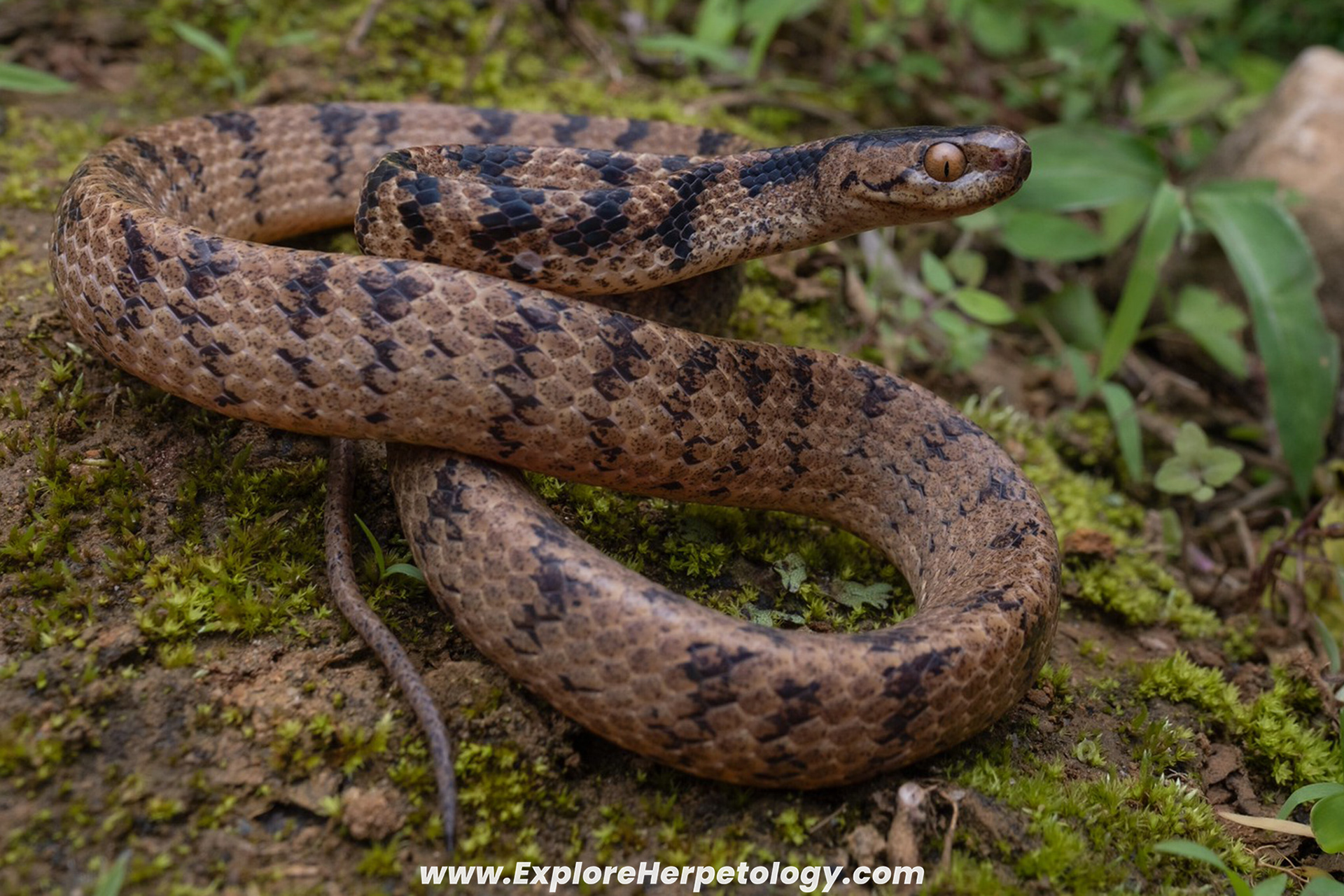
Dubois' flying frog (Zhangixalus duboisi).
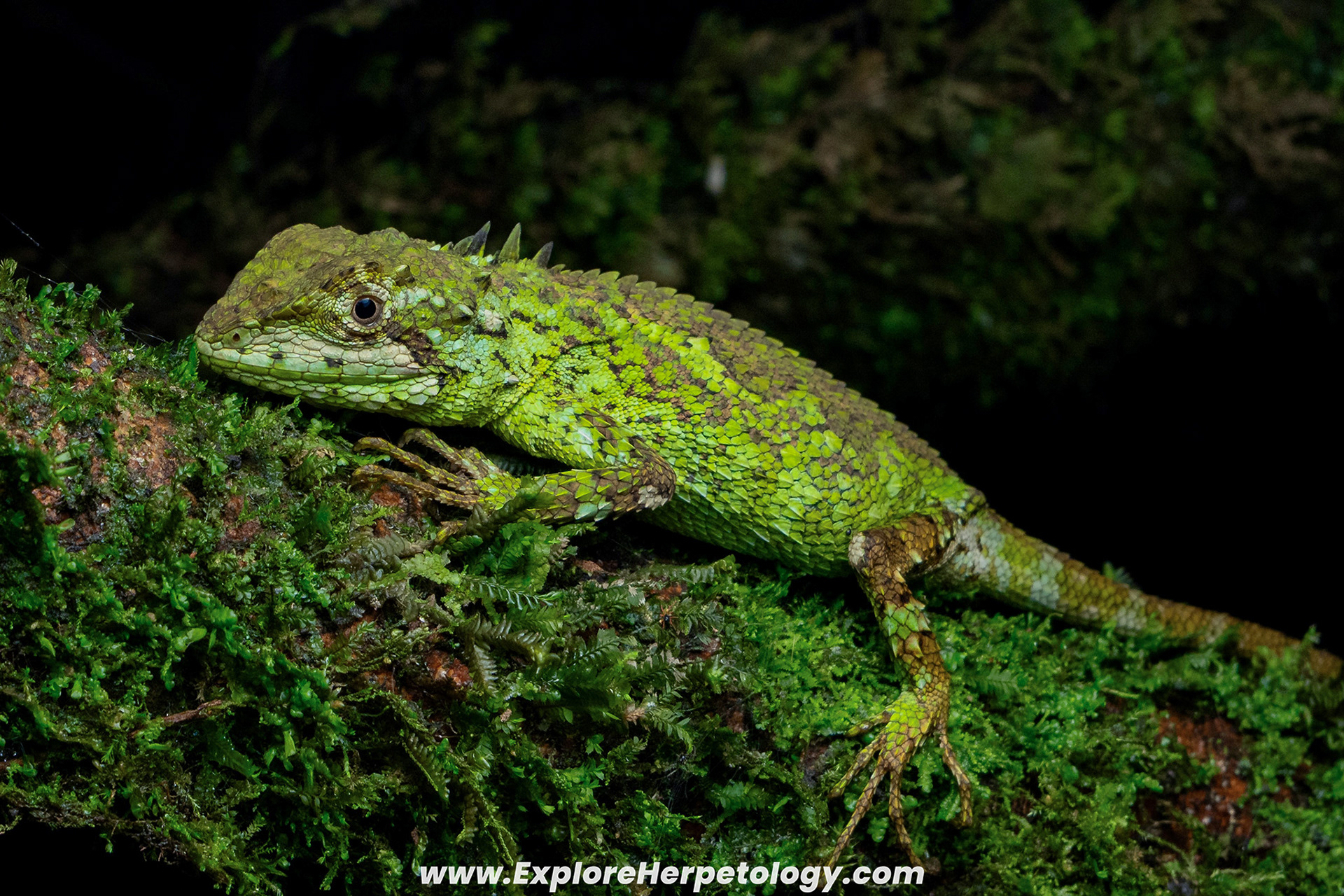
Hampton's slug snake (Pareas hamptoni).
Sa Pa japalure (Diploderma chapaense).
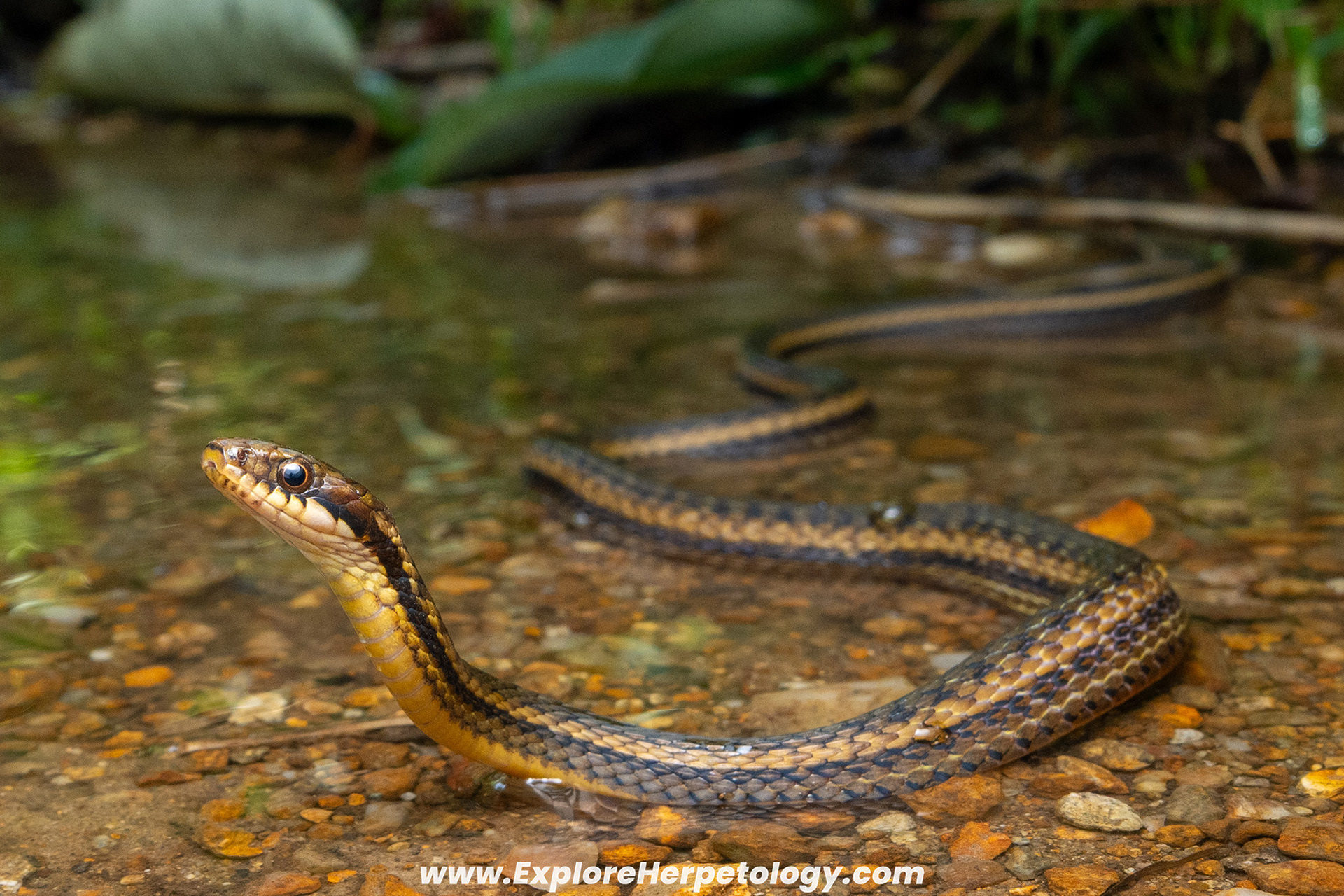
Jingdong keelback (Hebius jingdongensis).
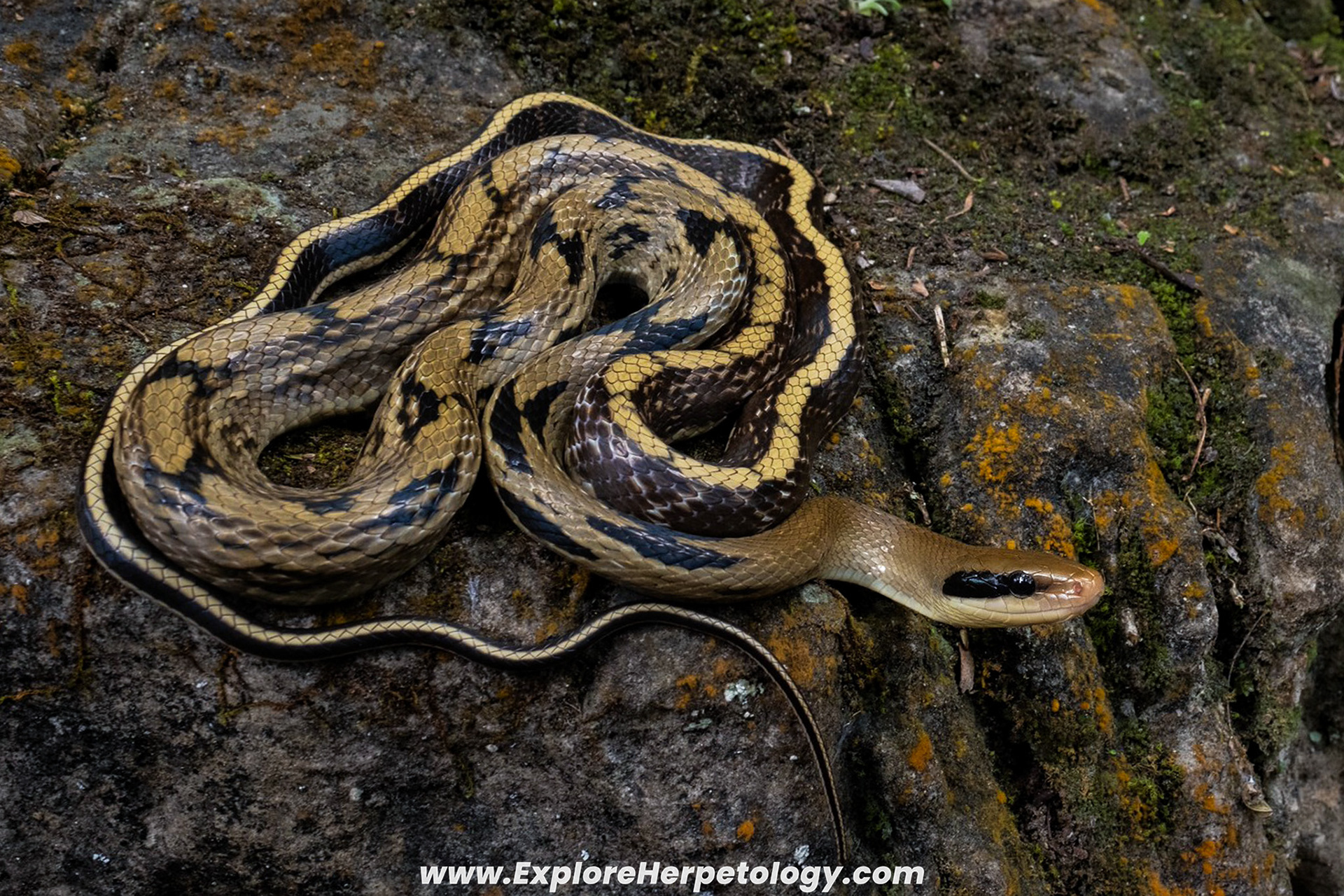
Yunnan beauty ratsnake (Elaphe taeniura yunnanensis).
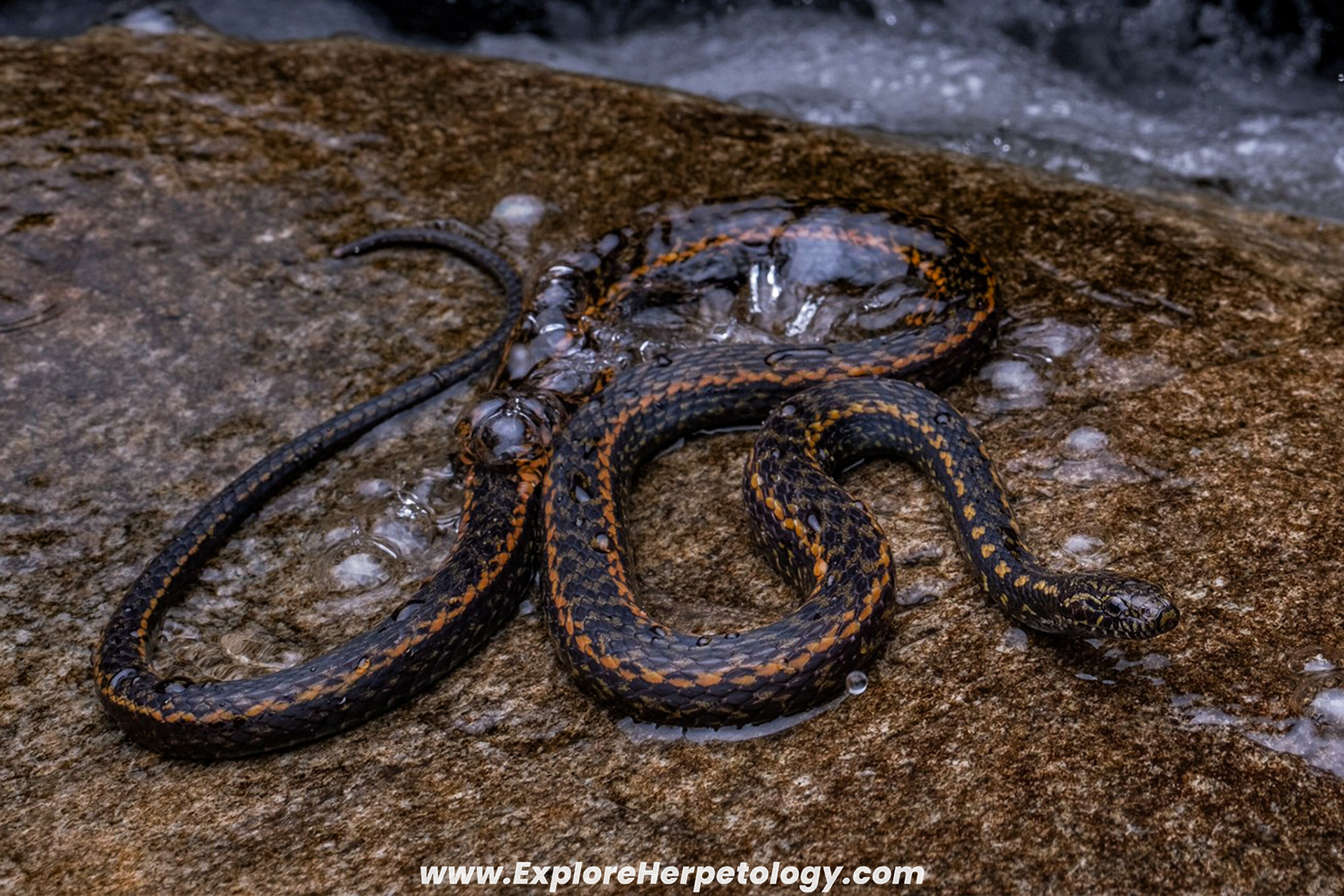
Chapa keelback (Hebius chapaensis).
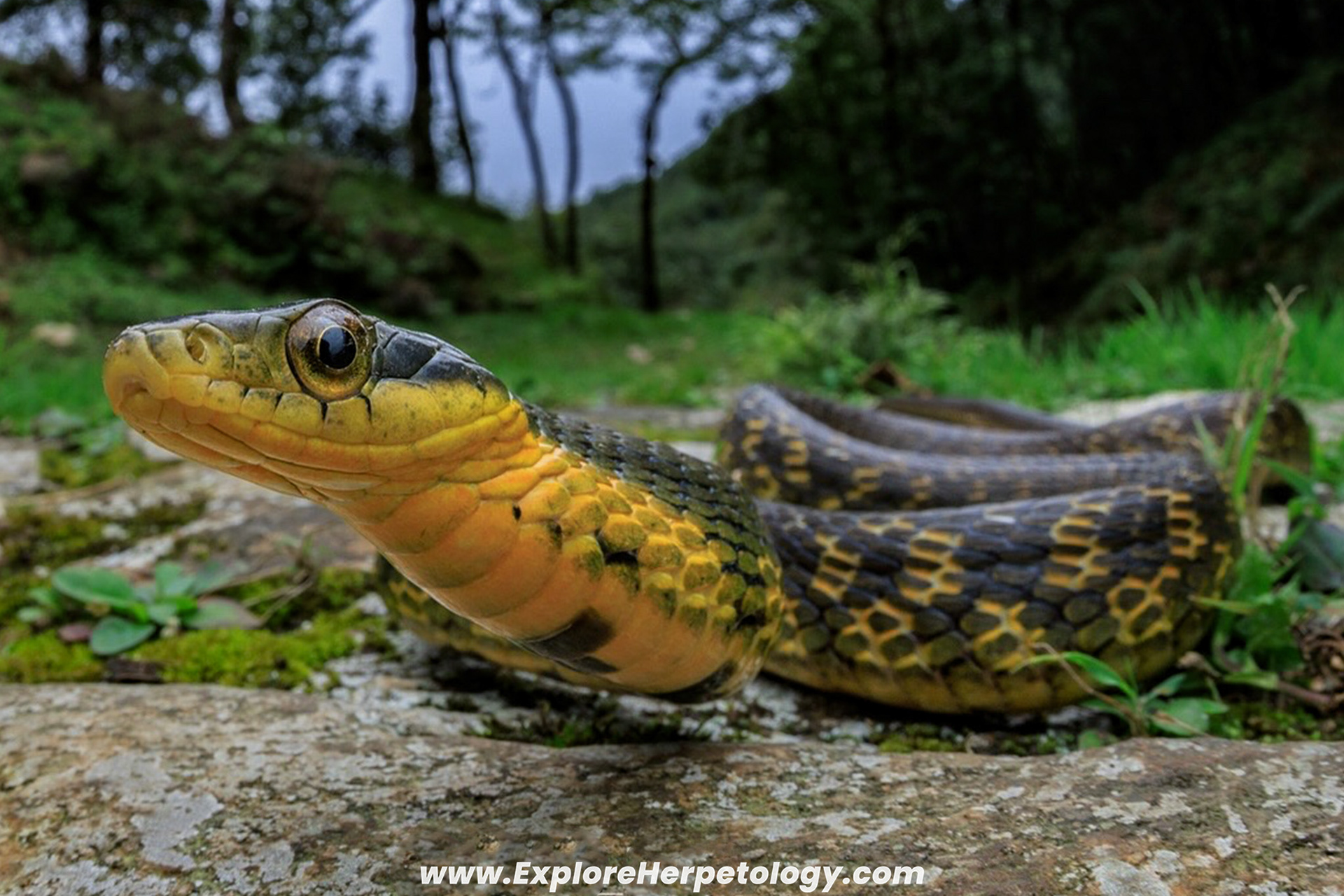
Chinese false cobra (Pseudoxenodon cf. karlschmidti).
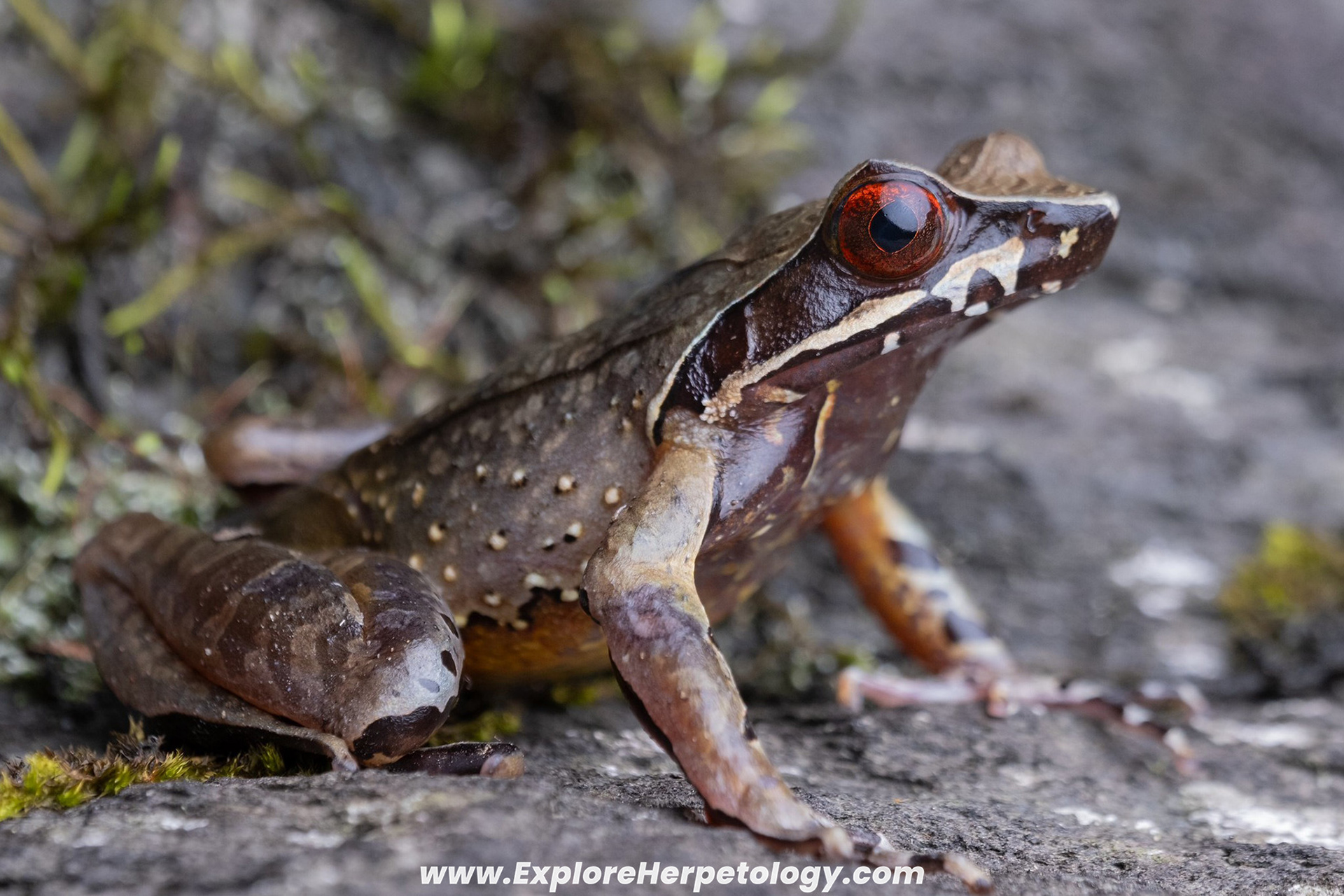
Langican horned frog (Megophrys langicana).
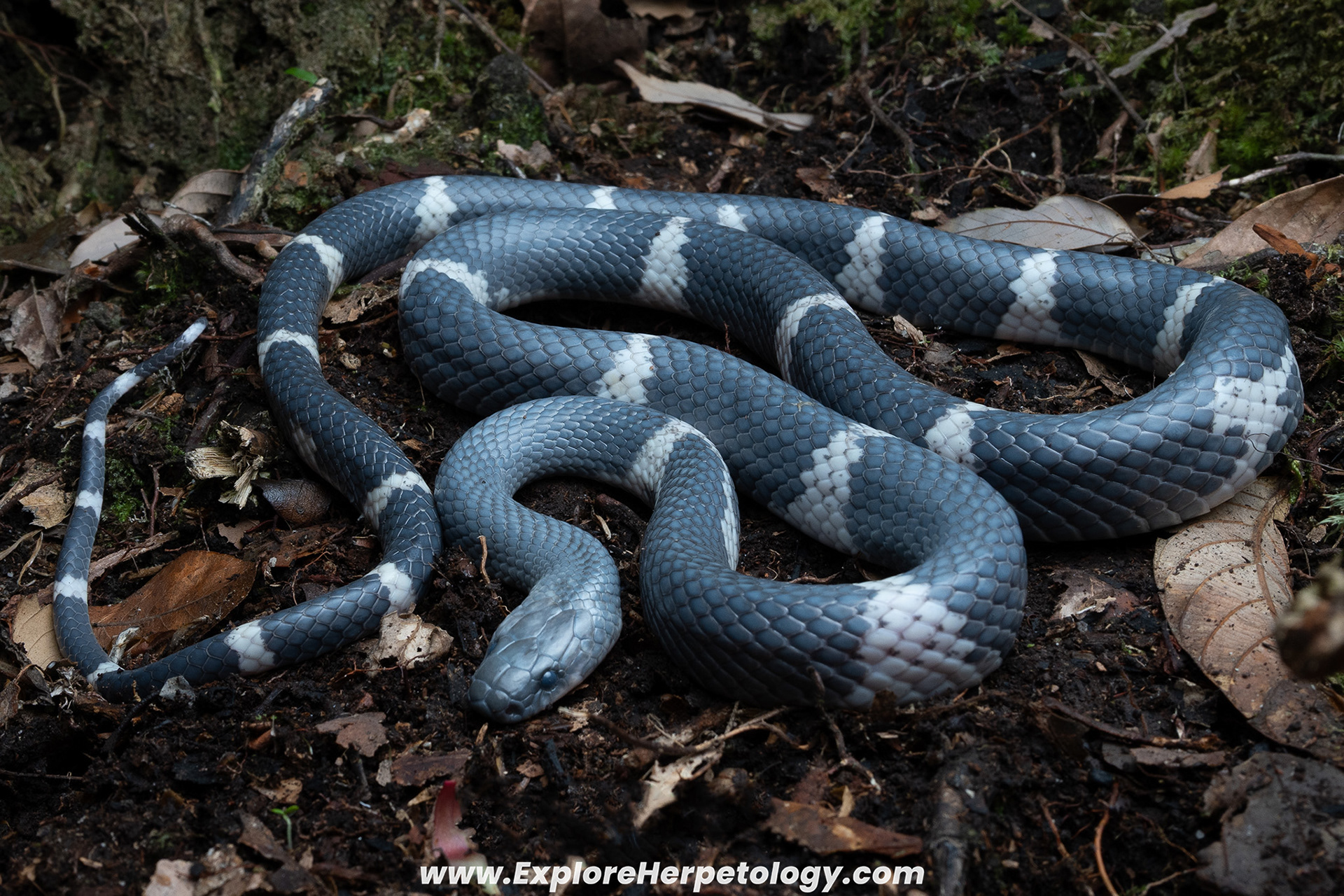
Chapa wolf snake (Lycodon chapaensis).
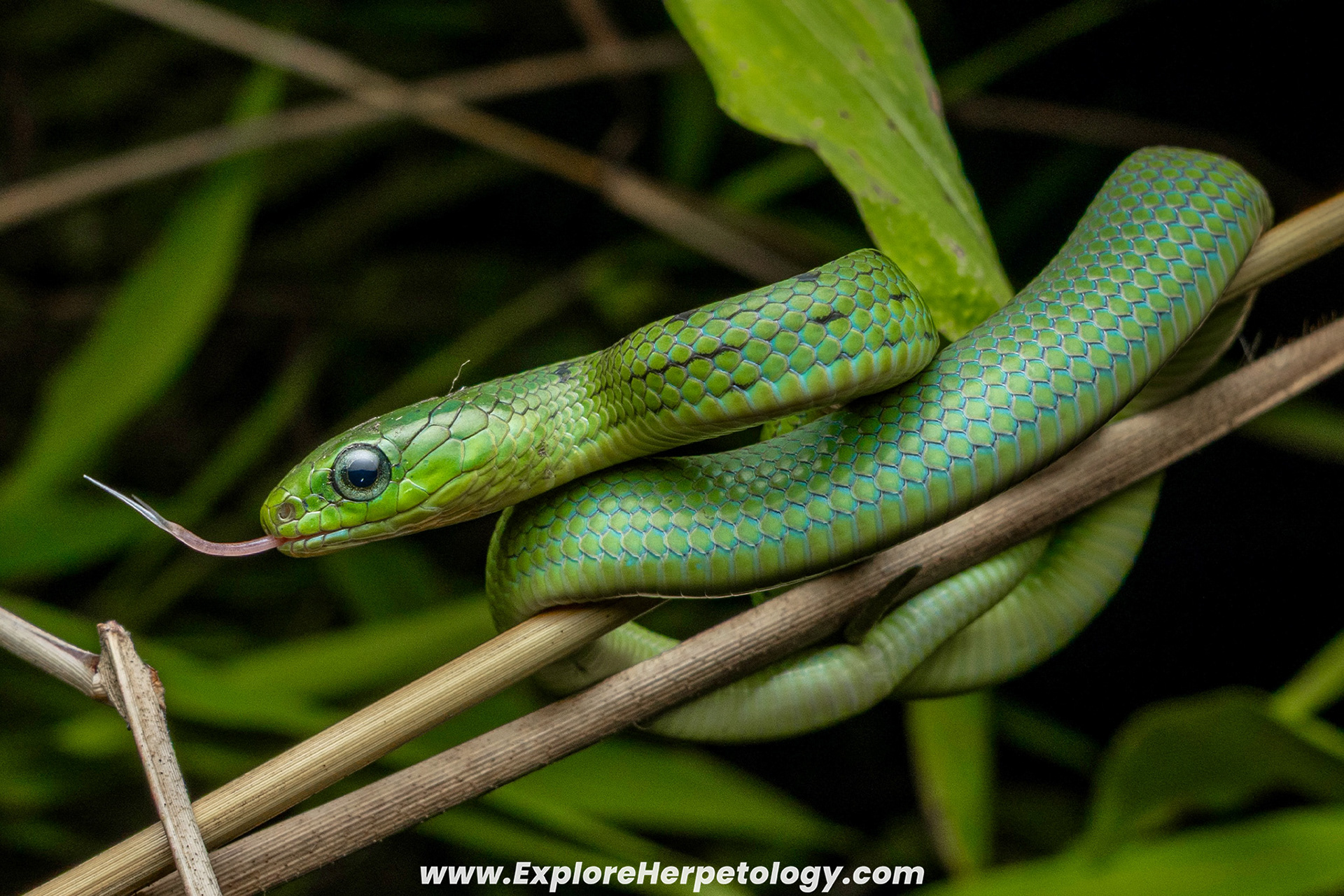
Greater green snake (Ptyas major).
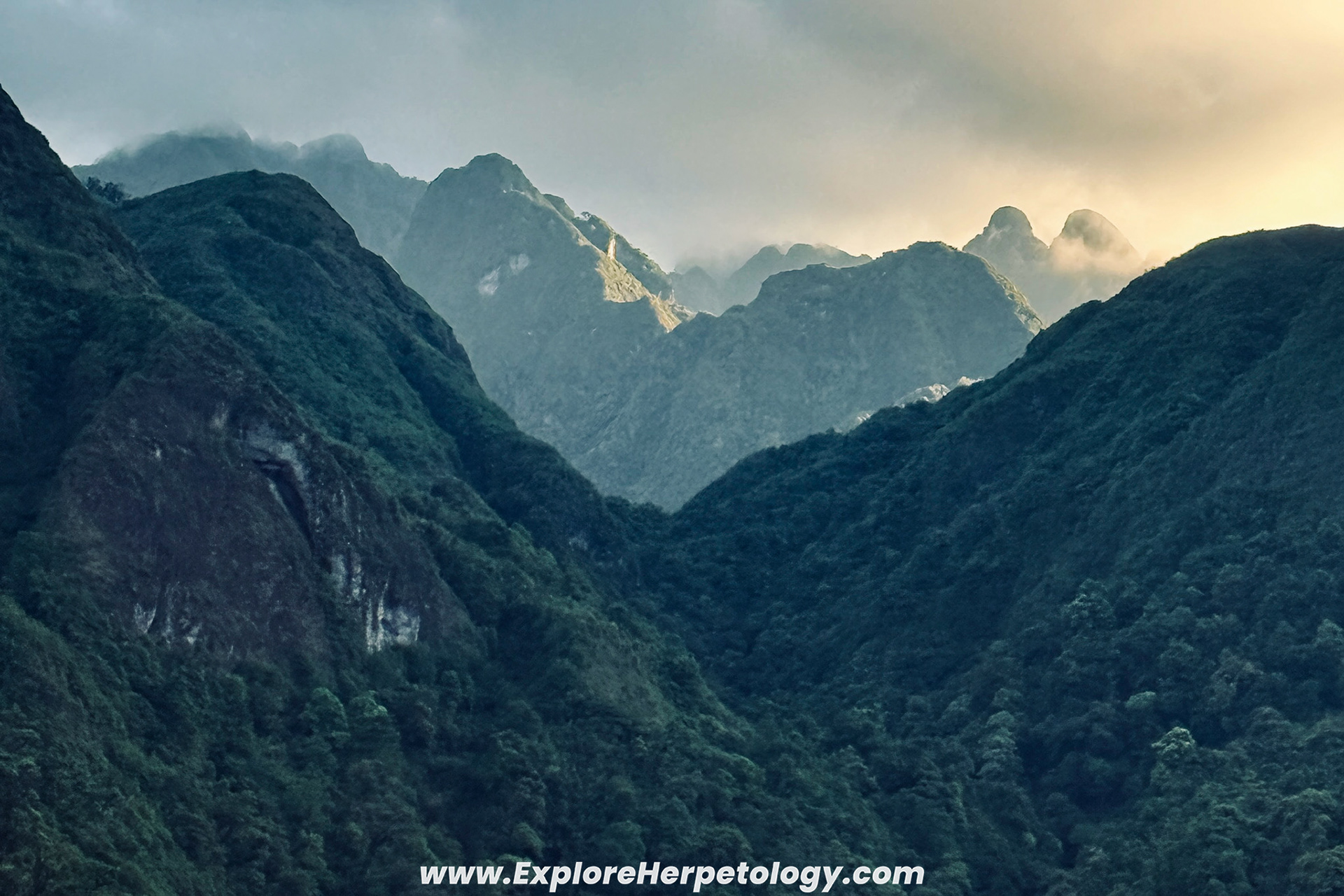
Hoang Lien Mountain Range
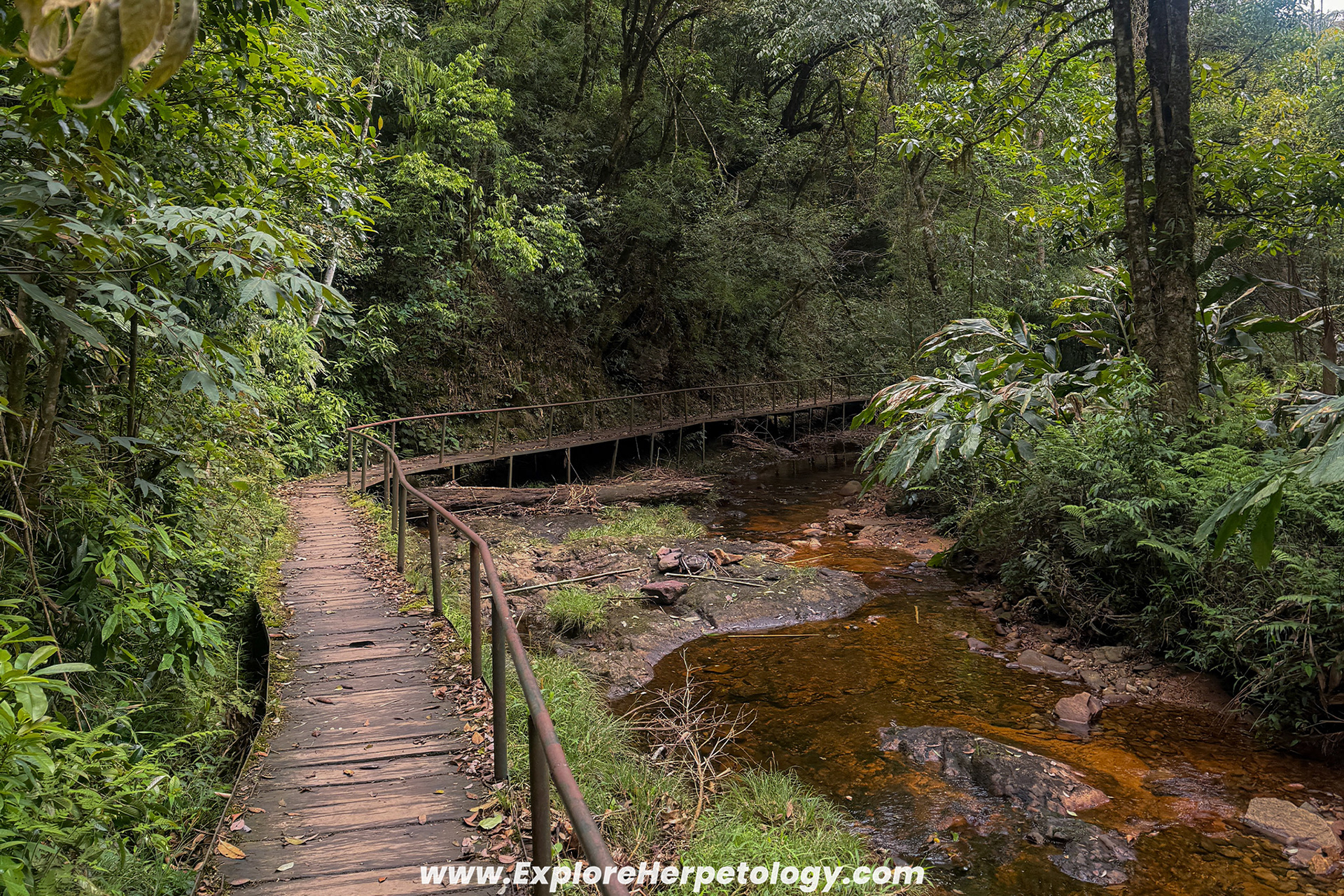
Part of the hiking trail to the campsite.
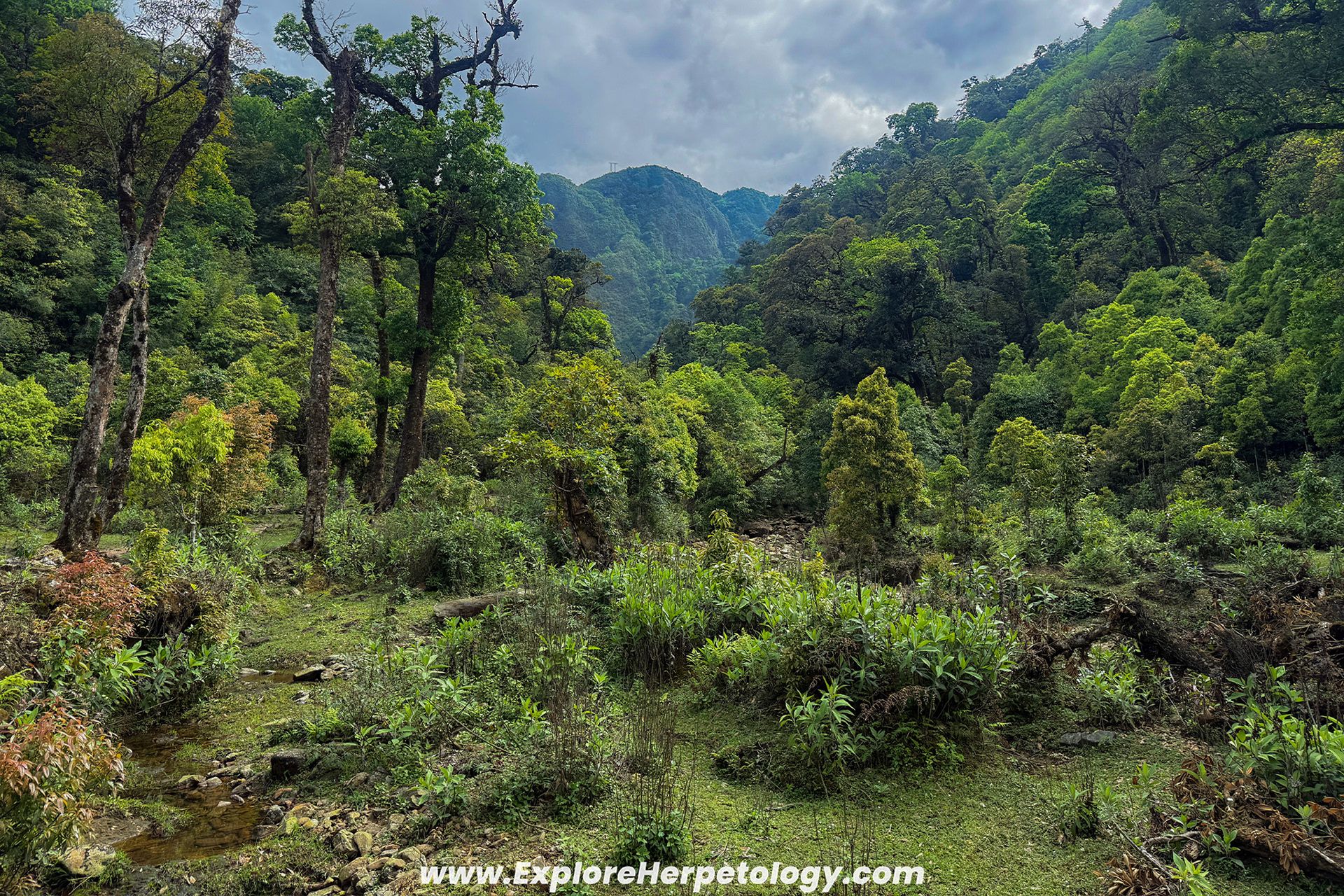
Montane swamp habitat.
More details:
The typical daily agenda on this expedition is breakfast at 9-10.30am, followed by daytime herping in the late morning and early afternoon. We will have dinner at 5pm, finishing by sunset so we can be out herping at 6pm. every evening. At night, we will road cruise during peak activity hours, supplementing the evening activities with stream walking, roadside shining and hiking on trails. In northern Indo-China, especially the highlands, activity tends to slow down after 11pm, so we typically finish herping around midnight-1am depending on how long we take photographing our finds. We will be split into two separate groups for much of our time herping, calling the other group to share our best finds together. Covering as much ground as possible is essential for finding the most desirable species in this region.
Accommodation:
We will be staying in comfortable national park accommodation for the first 8 nights of the trip, surrounded by subtropical rainforest with herping opportunities at your doorstep at any time. Night 9 will be spent in a sleeper-bus with your own private compartment (bed). Once we arrive in Sa Pa, 2 nights will be spent with a sleeping mat and sleeping bag inside a rest house on Fan si Pan Mountain, before 1 final night at a comfortable hotel in the town.
For the base 8 nights of the expedition, the standard package is a shared room (twin-bed accommodation) with a private room upgrade available on request. For the Sa Pa extension, the two nights camping in the rest-house on the mountain are shared room only, and we will provide a private room for everyone on the final night in Sa Pa.
Food:
We will primarily eat breakfast and dinner in the national park restaurants, but will have to option to try other restaurants on some days. In Sa Pa, we can make requests for specific food to be cooked for us on the mountain, and will eat in Sa Pa town restaurants on the final day. There are shops for snacks in all areas we will visit, aside from our 2 days on Fan si Pan Mountain.
Environmental conditions & fitness:
The temperature will be mild at this time of year. In the lowlands of Cuc Phuong, the temperature can rise to around 28c during sunny days, but will drop to as low as 18c at night. At the higher elevations, the temperature can drop as low as 16c at night. In Sa Pa, it is necessary to bring warm clothing as the temperature can drop below 14c at night. This trip is scheduled during the end of the rainy season, so we will expect rainstorms several times throughout the expedition.
This trip will primarily involve hiking trails and the edges of streams, with road walking and road cruising included on multiple occasions. We will explore rocky limestone karst formations, but these also have concrete trails to make access easier. The extension to Sa Pa includes a more challenging 2-3 hour hike to the mountain campsite, which will be the most intense hike of the trip for sure.
Travel information:
All participants must arrive at the designated meeting point in Hanoi City by midday (12:00) on the 1st October 2026. We advise all guests to arrive the night before and get a good night’s sleep before the expedition begins. At the end of the tour, we will drop people off at Hanoi City or the airport on the 9th October by 2pm (14:00). The extension ends in Sa Pa town, where you can stay or we can help organise your transport back to Hanoi.
It is the guests’ responsibility to meet all entry requirements needed to enter Vietnam, including visa procedures. Explore Herpetology can help advise entry requirements. Guests travelling from most countries do not require a visa to visit Vietnam for less than 30 days. Make sure to check the entry requirements for your country before booking.
Habitats and scenery: