
Start: 10th December 2026 | End: 20th December 2026 | Meeting location: Kuala Lumpur | Spaces available: 1
Included in the tour:
- Expert herpetologist guides.
- Accommodation.
- Transport.
- Food & drinks.
- National park fees.
- Permit fees.

Introduction:
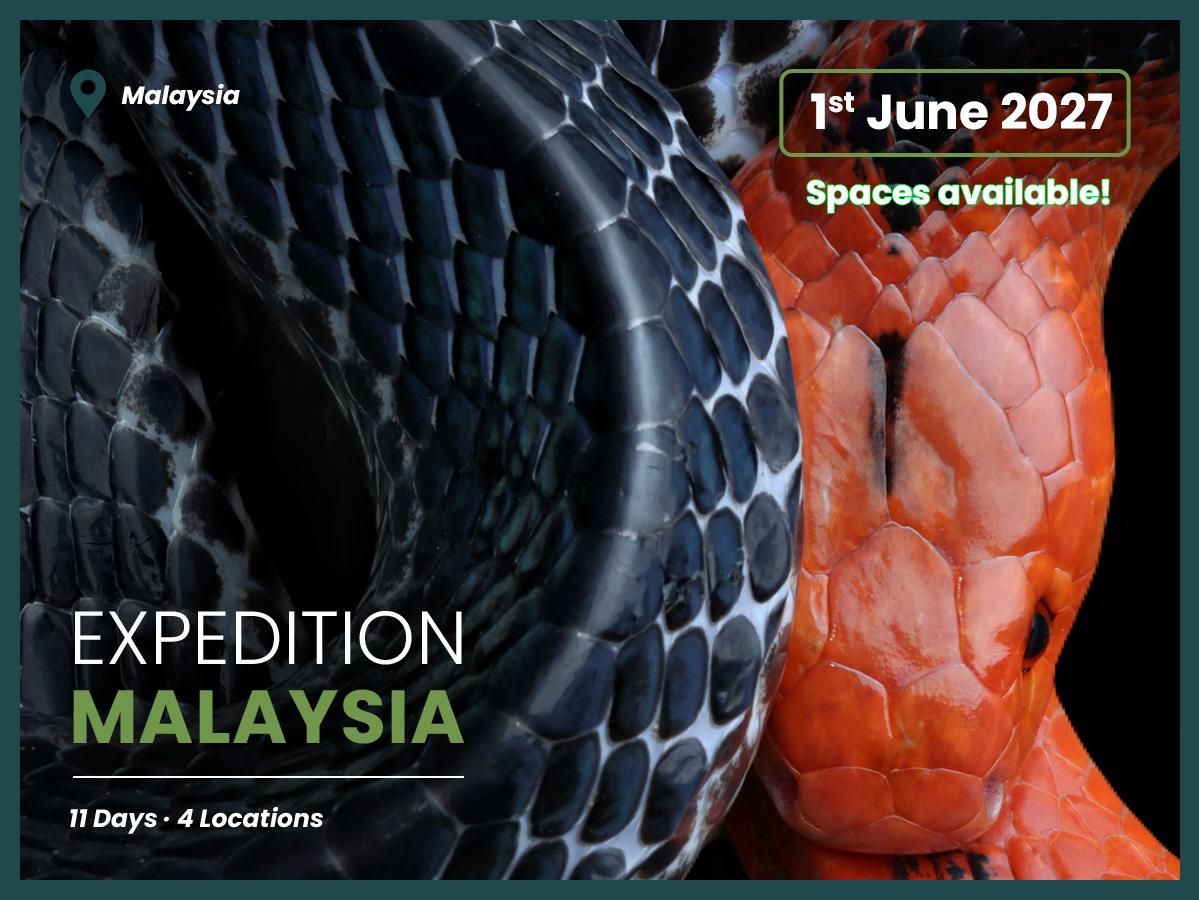
Expedition Malaysia has consistently been one of our most popular herping expeditions on our yearly calendar, and for good reason. This is without a doubt the best trip available anywhere for seeing the world-famous Malaysian blue coral snake (Calliophis bivirgata), while cobras, several species of pit viper, countless colubrids and all kinds of other tropical herpetofauna are likely encounters across these 10 days. We begin with 2 nights in the Cameron Highlands, targeting true montane species. Next, we hit the remote lowland rainforests of Kelantan, sharing the rainforest with tigers, elephants, tapir, hornbills and other wildlife on our quest for some very special reptiles. Lastly, we enjoy 3-4 days at Bukit Fraser, undoubtedly the most productive herping location in Peninsula Malaysia for Elapidae, with high numbers of snakes guaranteed every night.
Our team is comprised exclusively of regional herpetofauna experts with years of experience living and searching for herpetofauna in Peninsula Malaysia, who will give their all every single day to make the trip as productive as possible, and ensure your experience is both enjoyable and inspiring. You will meet the team at a designated location in Kuala Lumpur on the 10th December, leaving immediately to the first location.
Our team is comprised exclusively of regional herpetofauna experts with years of experience living and searching for herpetofauna in Peninsula Malaysia, who will give their all every single day to make the trip as productive as possible, and ensure your experience is both enjoyable and inspiring. You will meet the team at a designated location in Kuala Lumpur on the 10th December, leaving immediately to the first location.
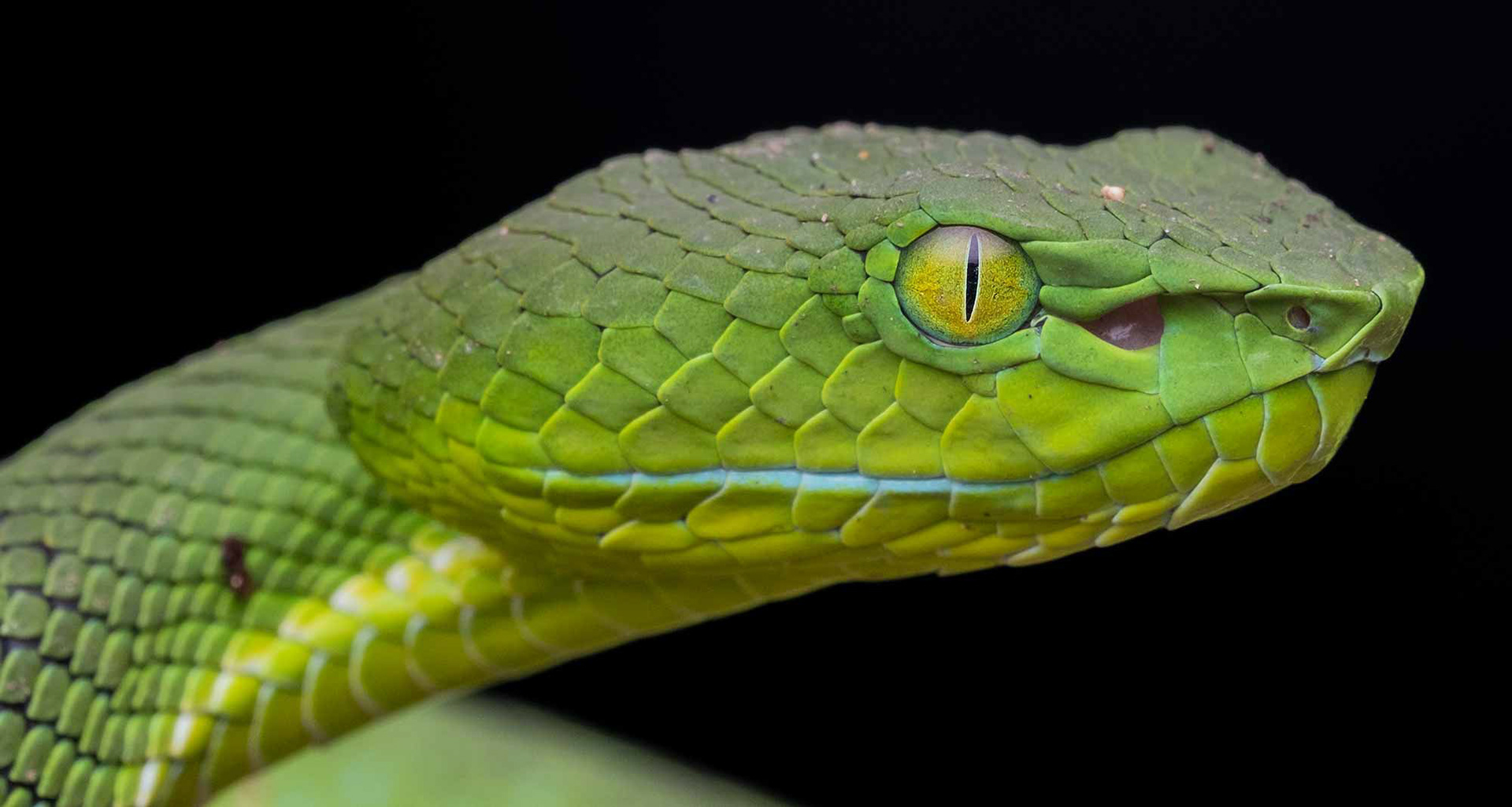
Cameron Highlands pit viper (Trimeresurus nebularis)
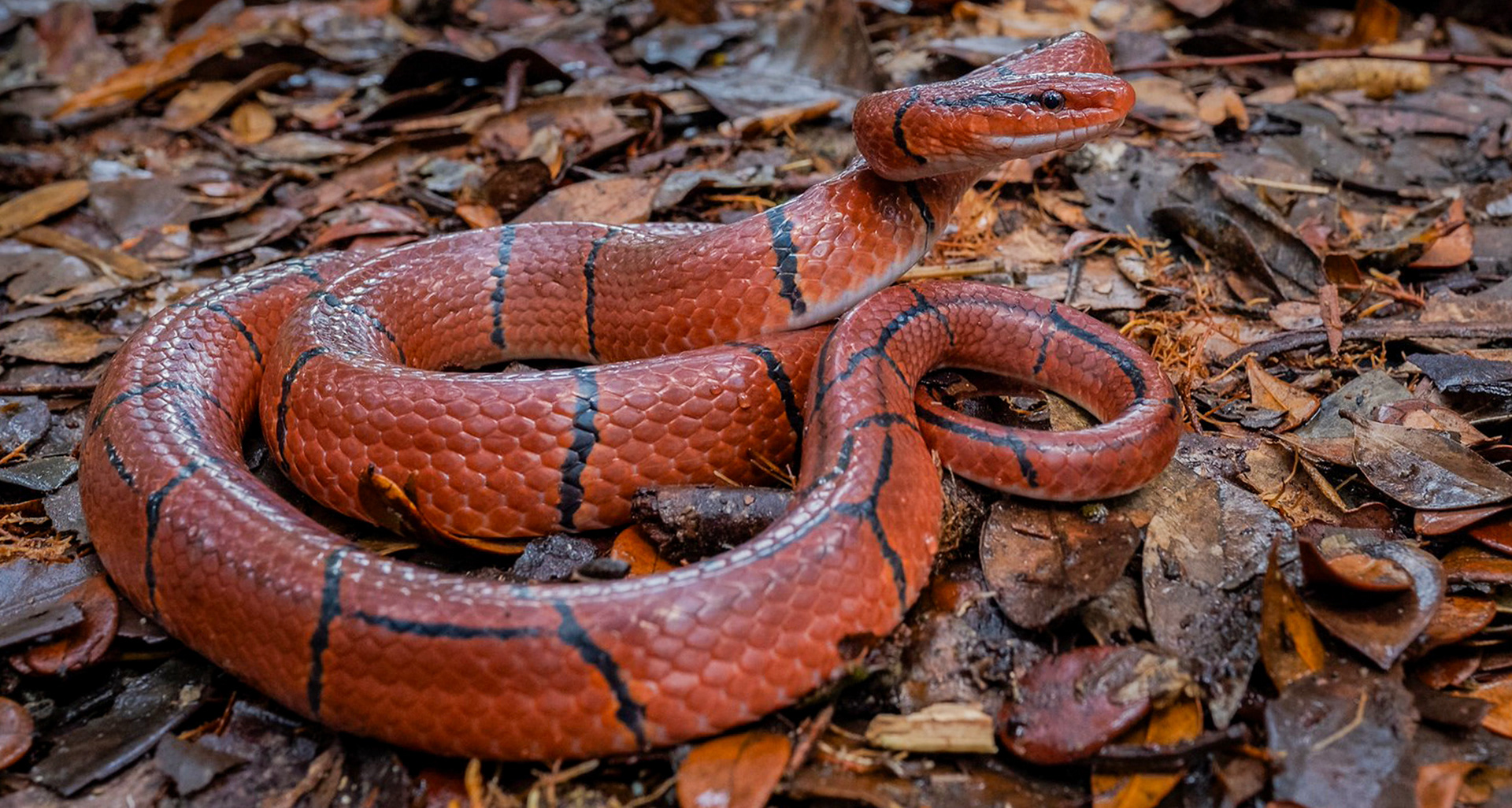
Broad-banded red bamboo ratsnake (Oreocryptophis porphyracea laticinctus)
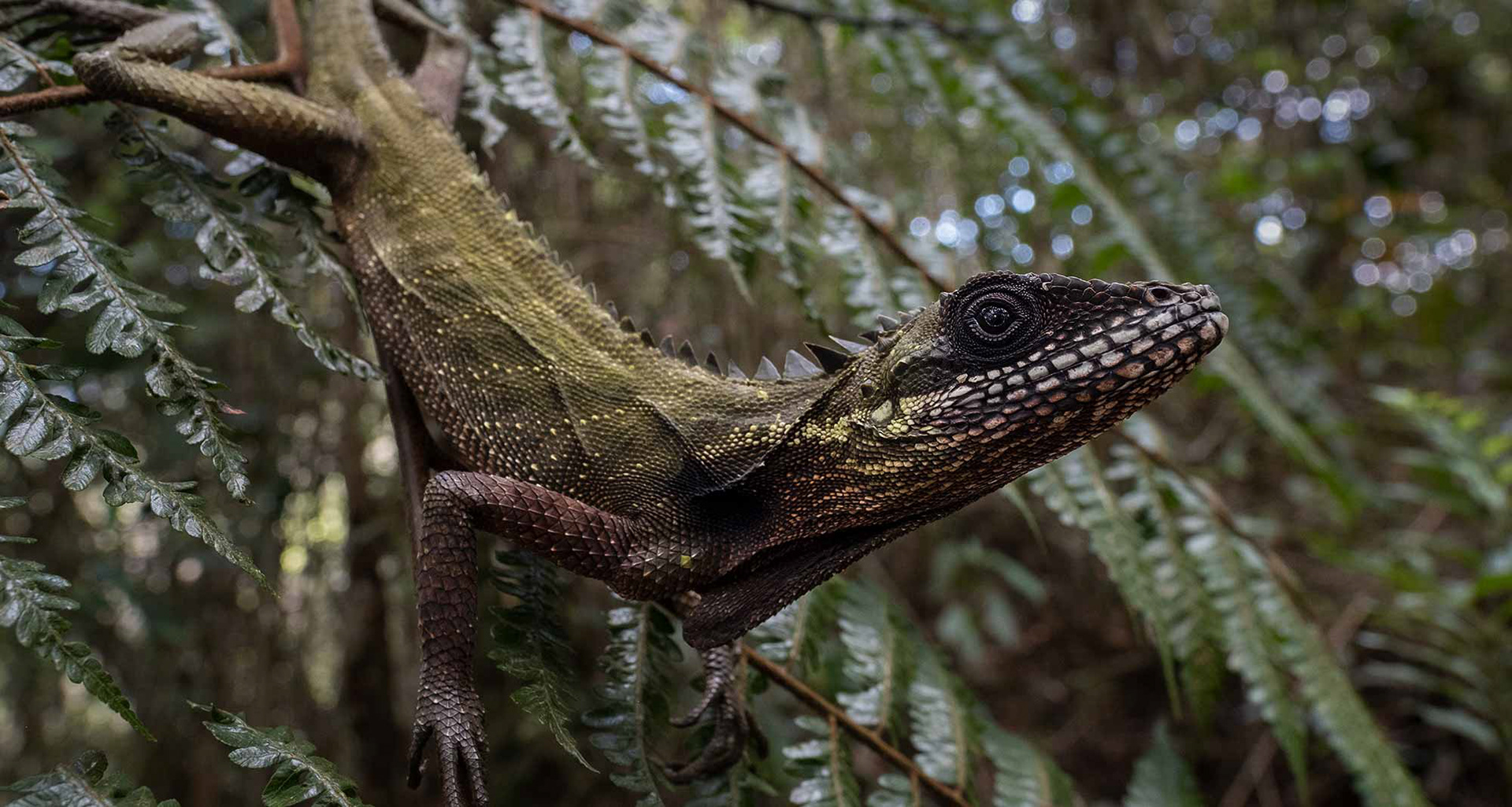
Malayan mountain dragon (Malayodracon robinsonii).
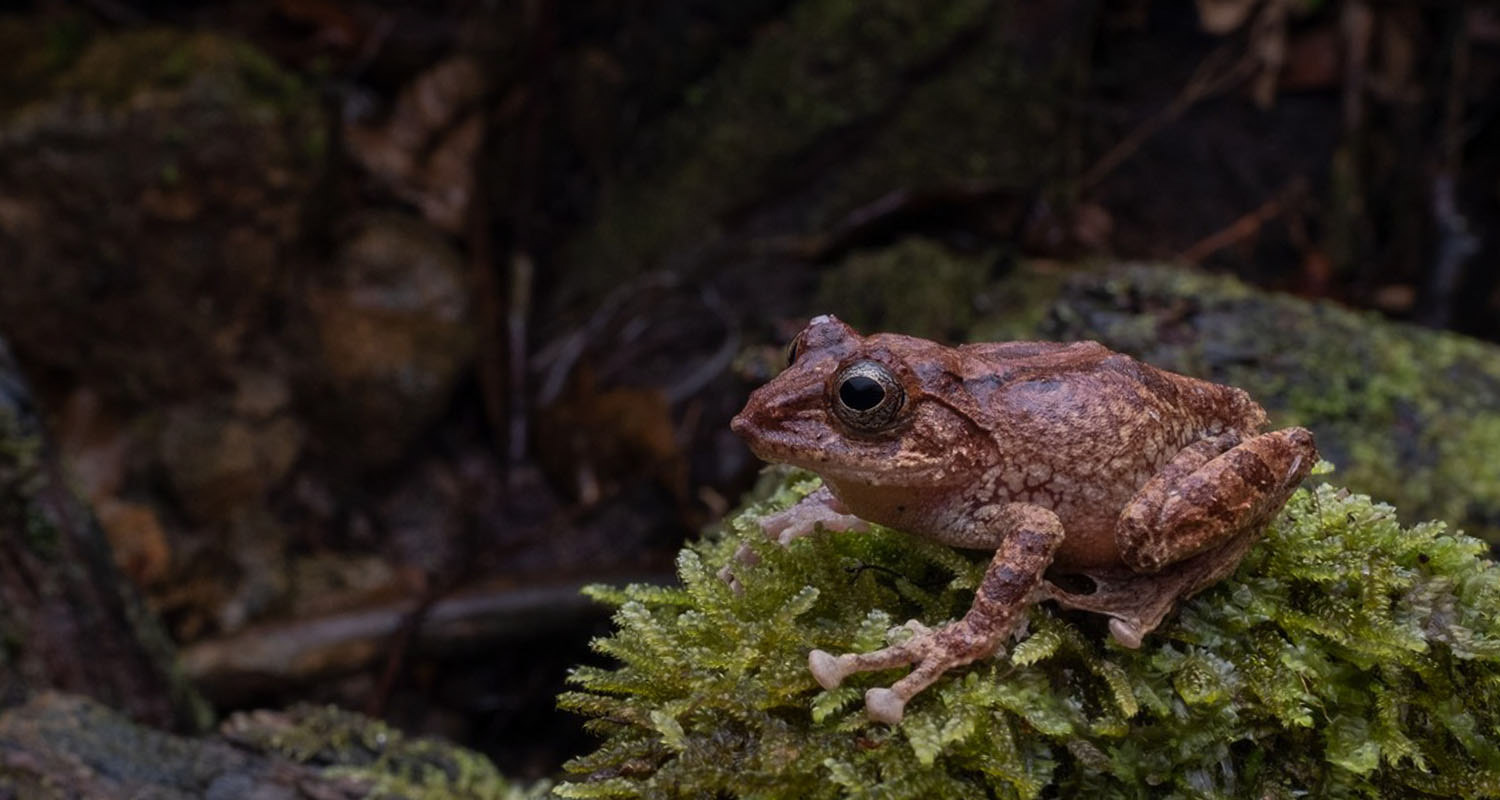
Larut shrub frog (Philautus larutensis).
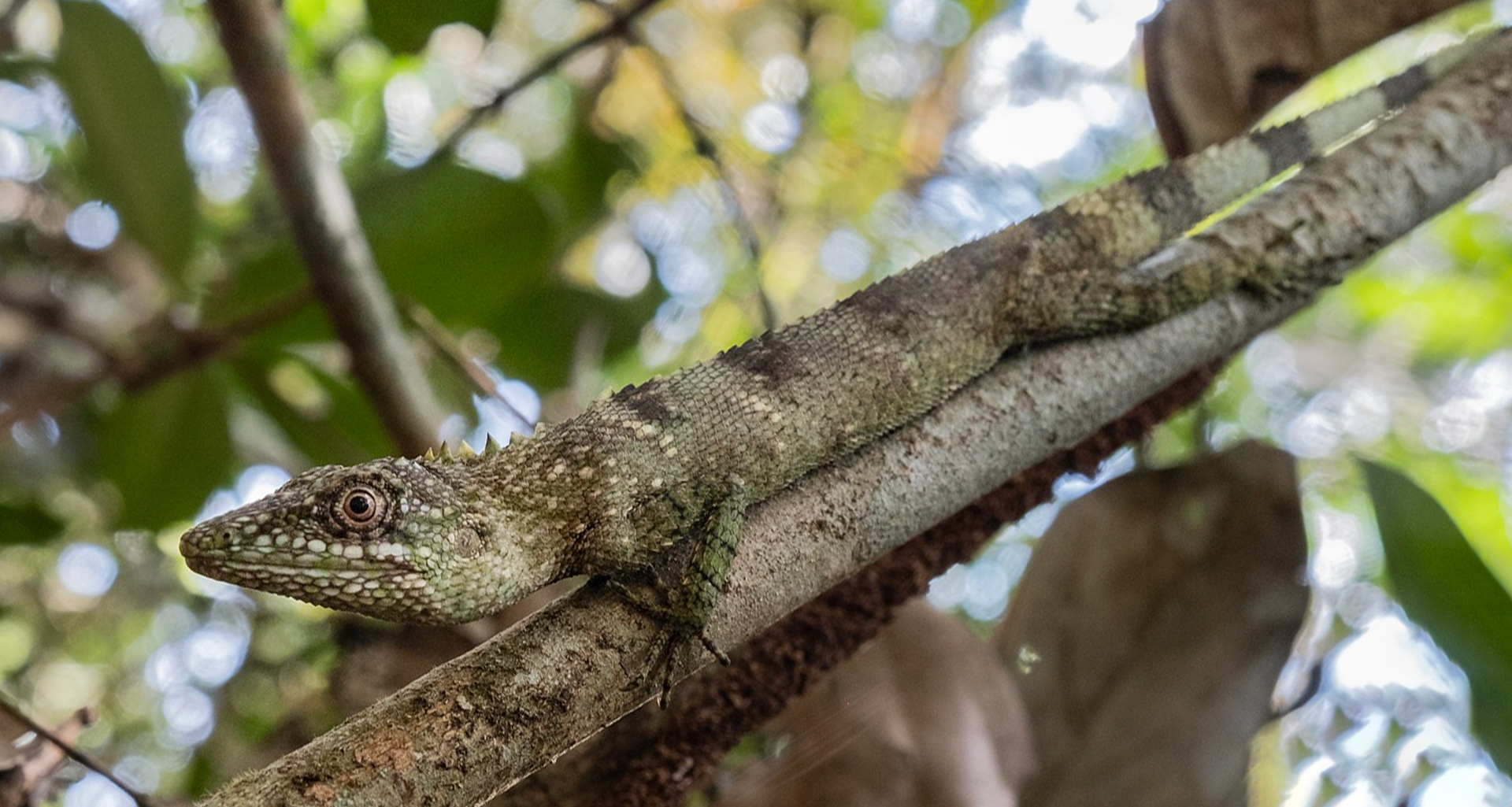
Rhaegal's false bloodsucker (Pseudocalotes rhaegal).
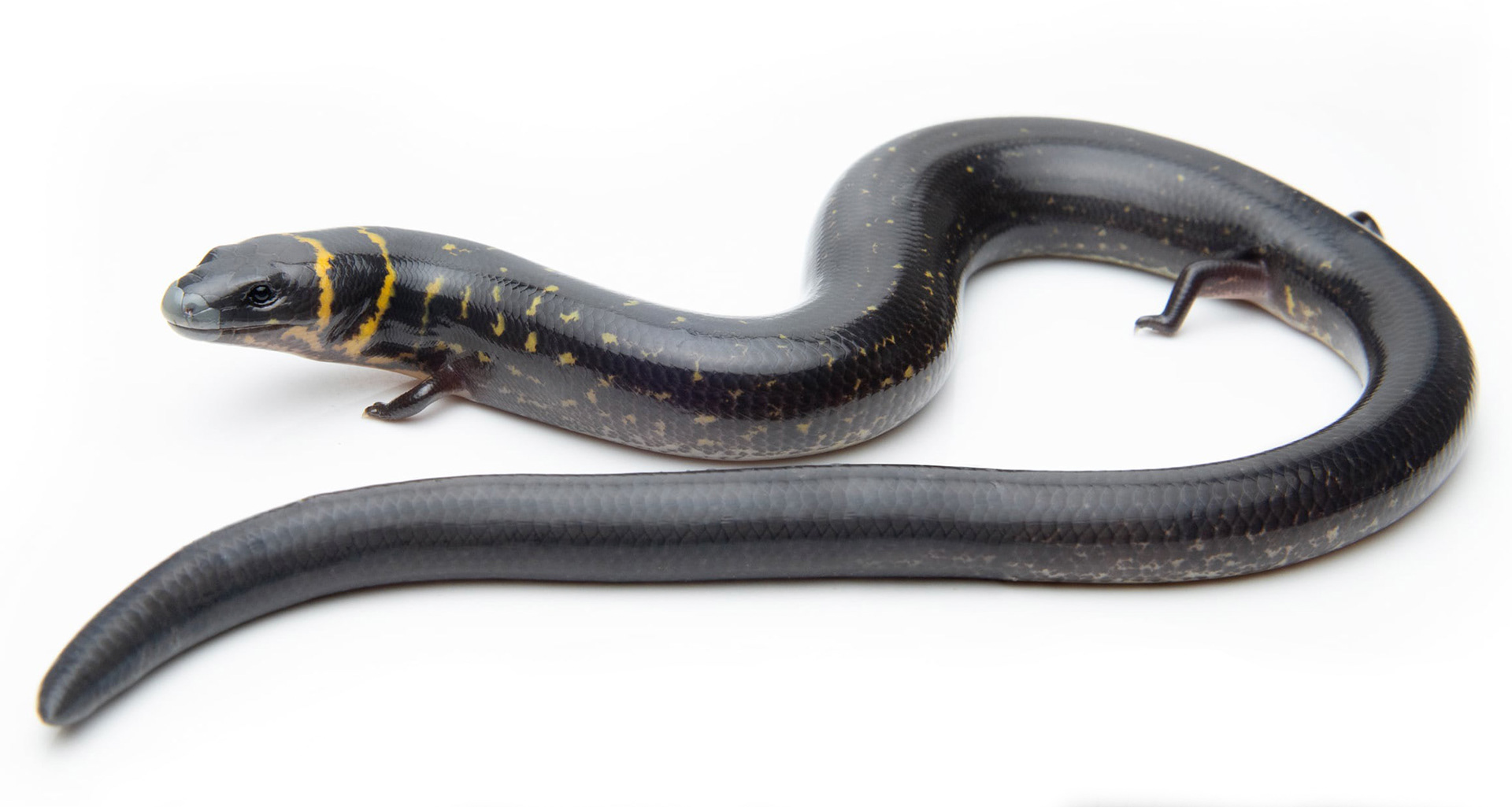
Three-lined short-limbed skink (Larutia trifasciata).
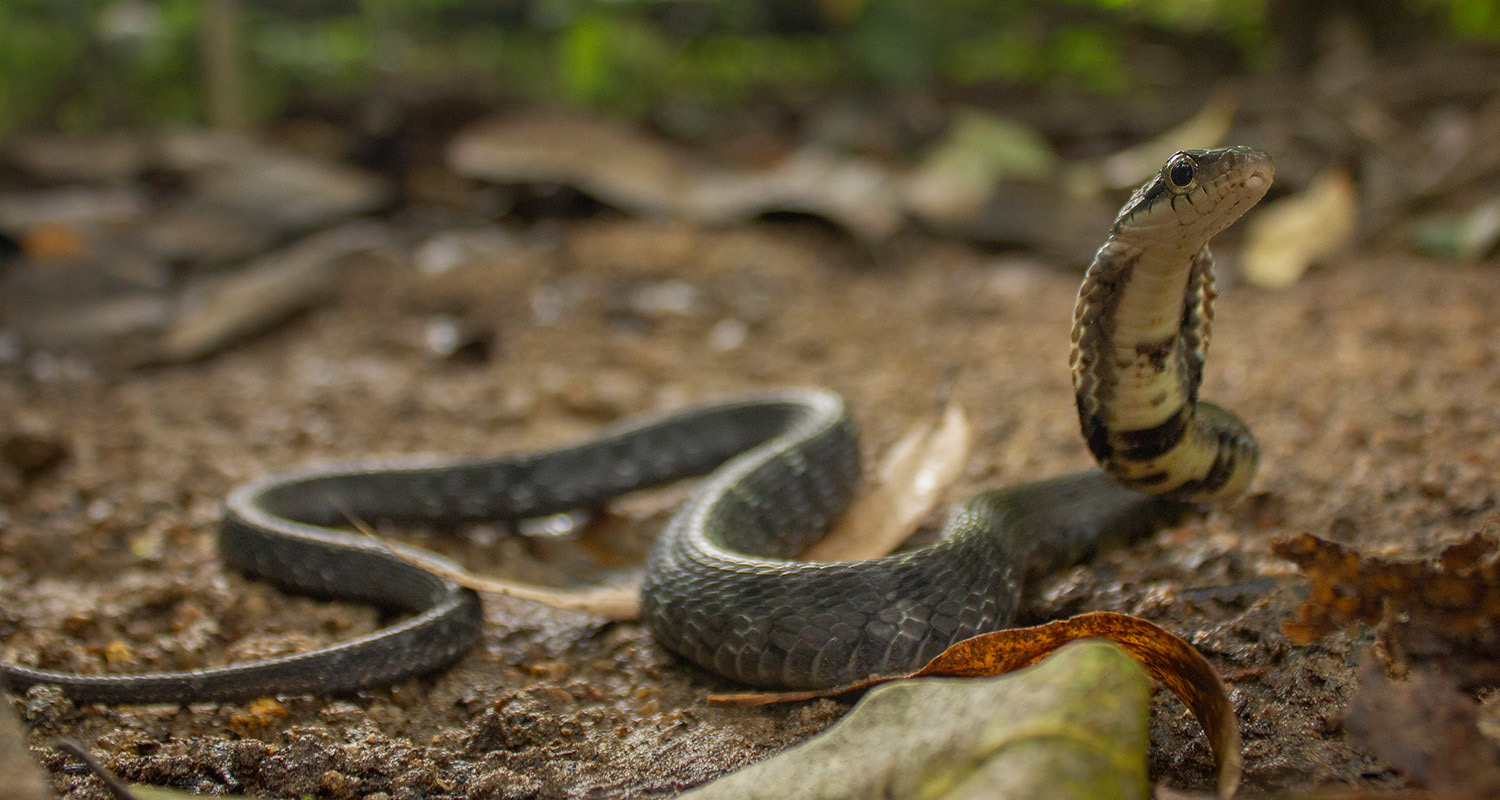
Large-eyed false cobra (Pseudoxenodon macrops).
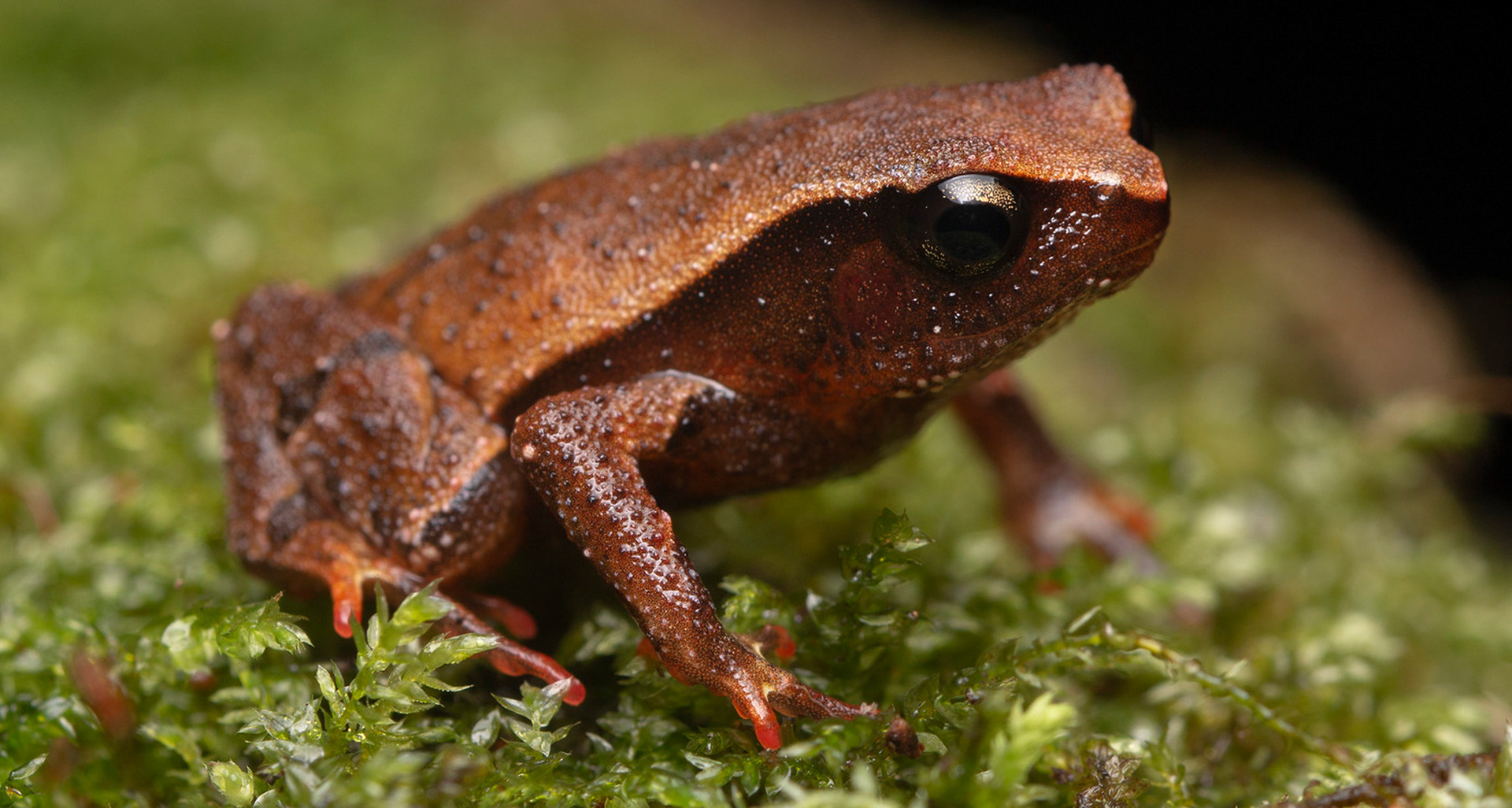
Yong's sticky frog (Kalophrynus yongi).
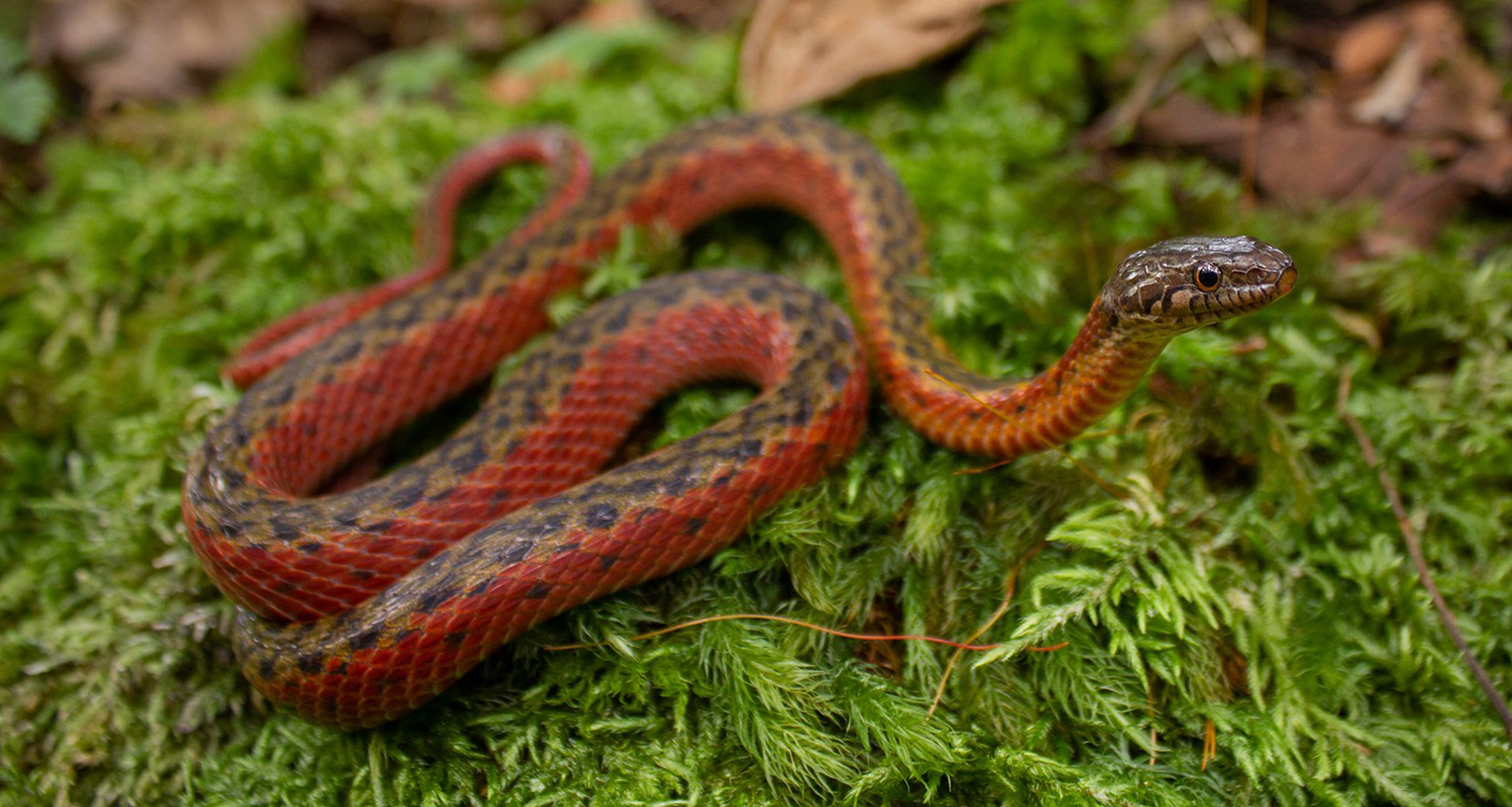
Red-mountain keelback (Hebius sanguineum).
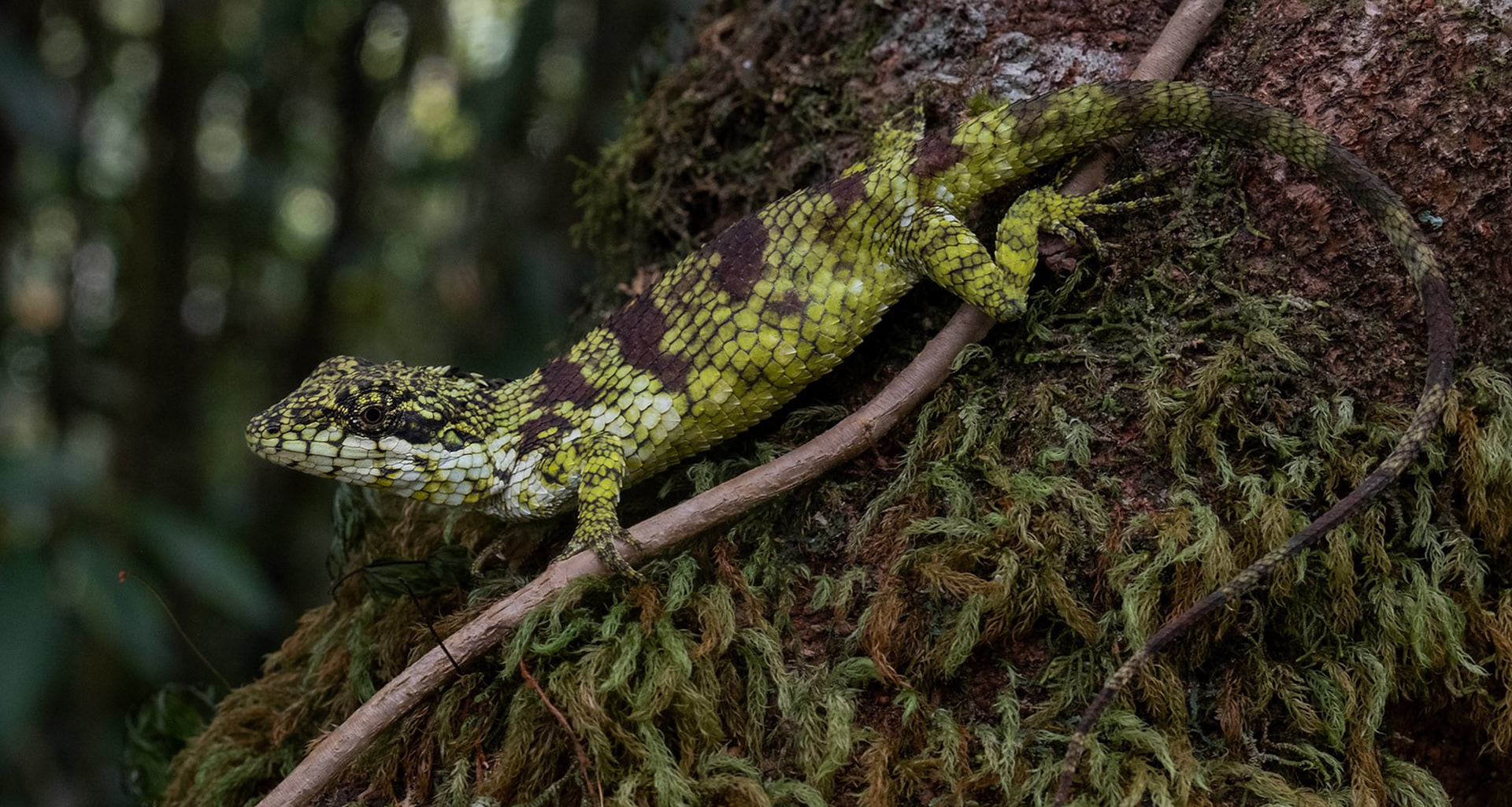
Yellow-throated false bloodsucker (Pseudocalotes flavigula).
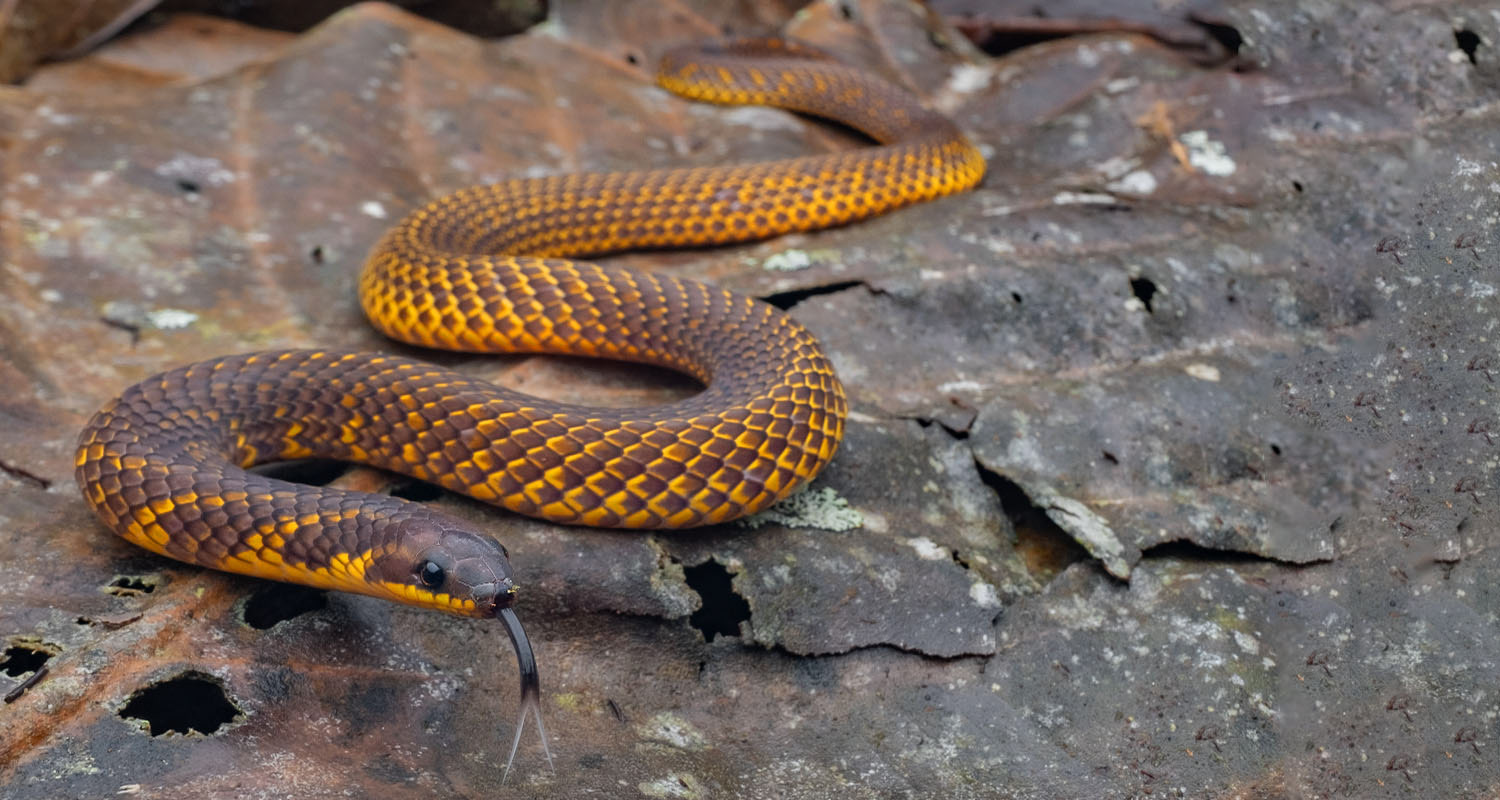
The beautiful Cameron Highlands endemic Schulz's reed snake (Macrocalamus schulzi).
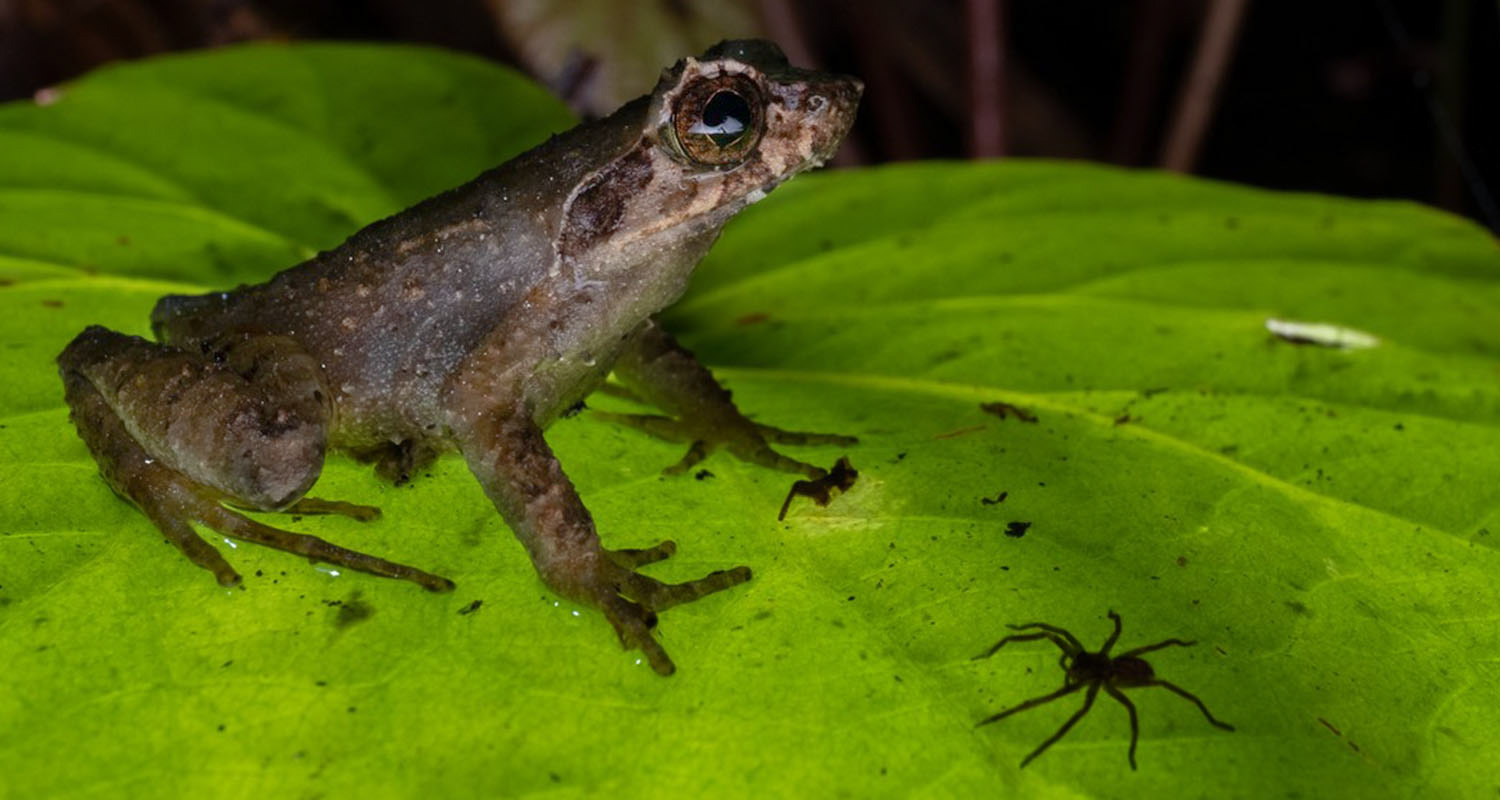
Long-legged horned frog (Megophrys longipes).
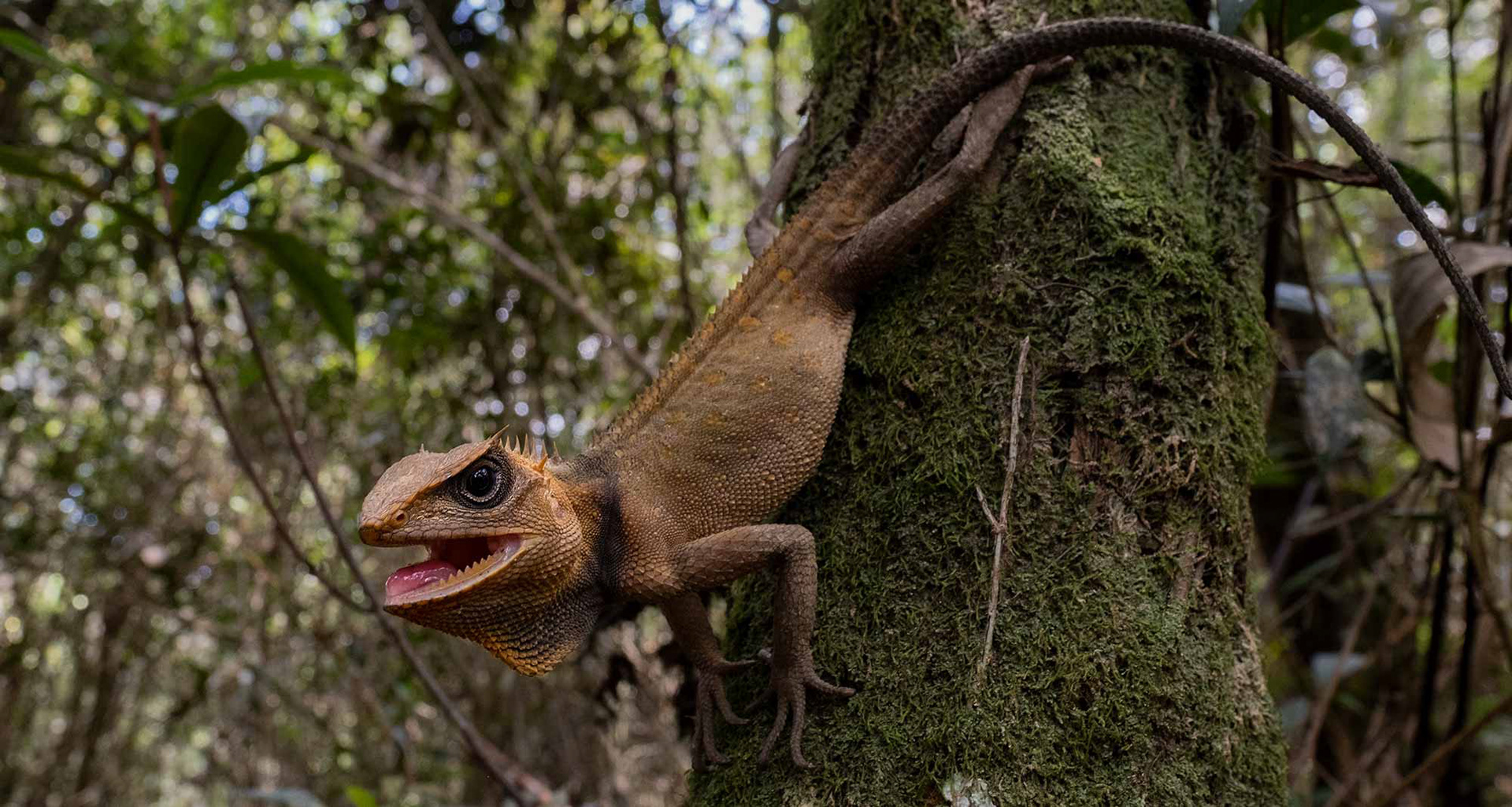
Titiwangsa horned lizard (Acanthosaura titiwangsaensis).
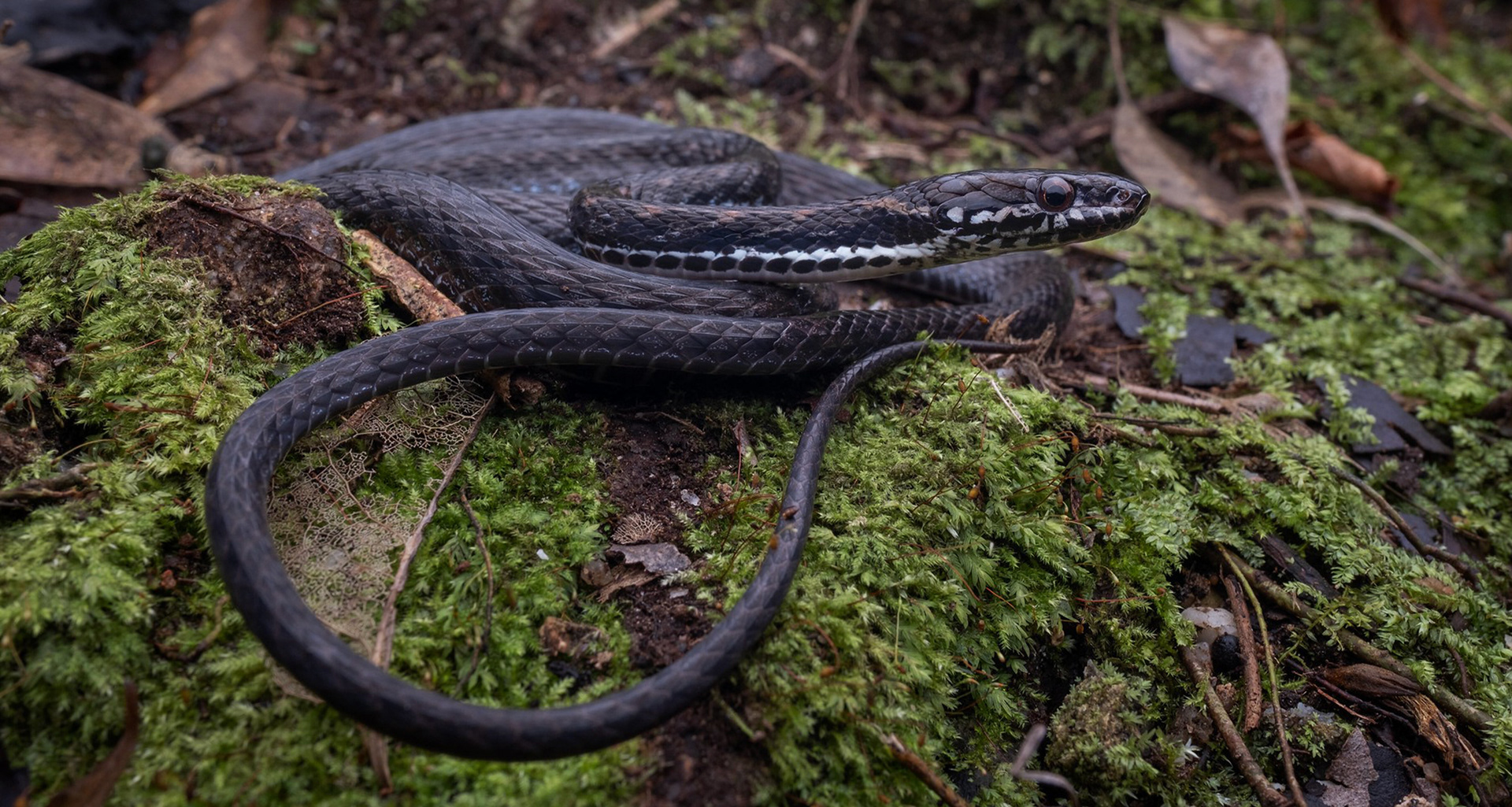
Gunung Inas keelback (Hebius inas)
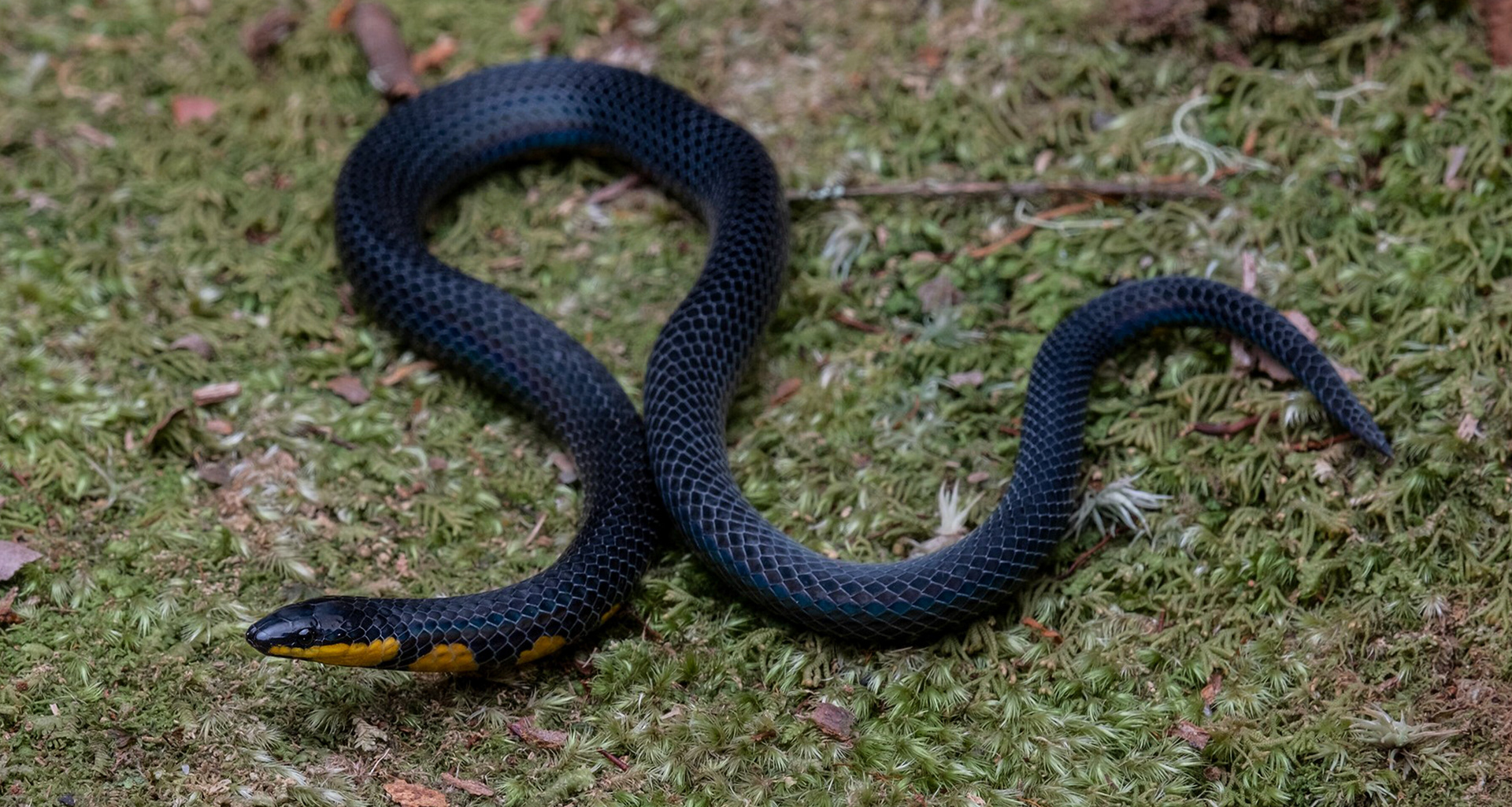
Tweedie's reed snake (Macrocalamus tweediei).
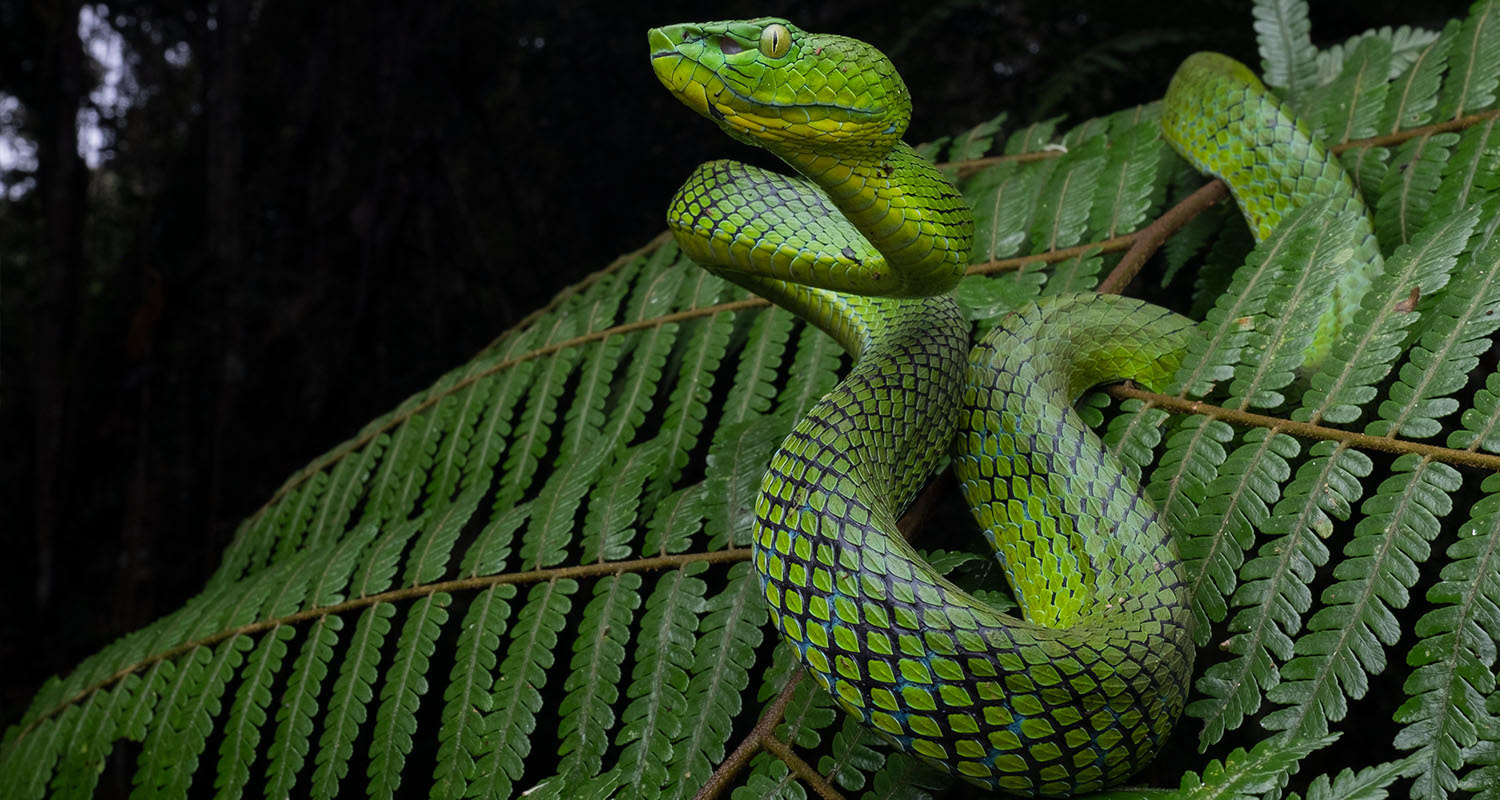
Cameron Highlands pit viper (Trimeresurus nebularis).
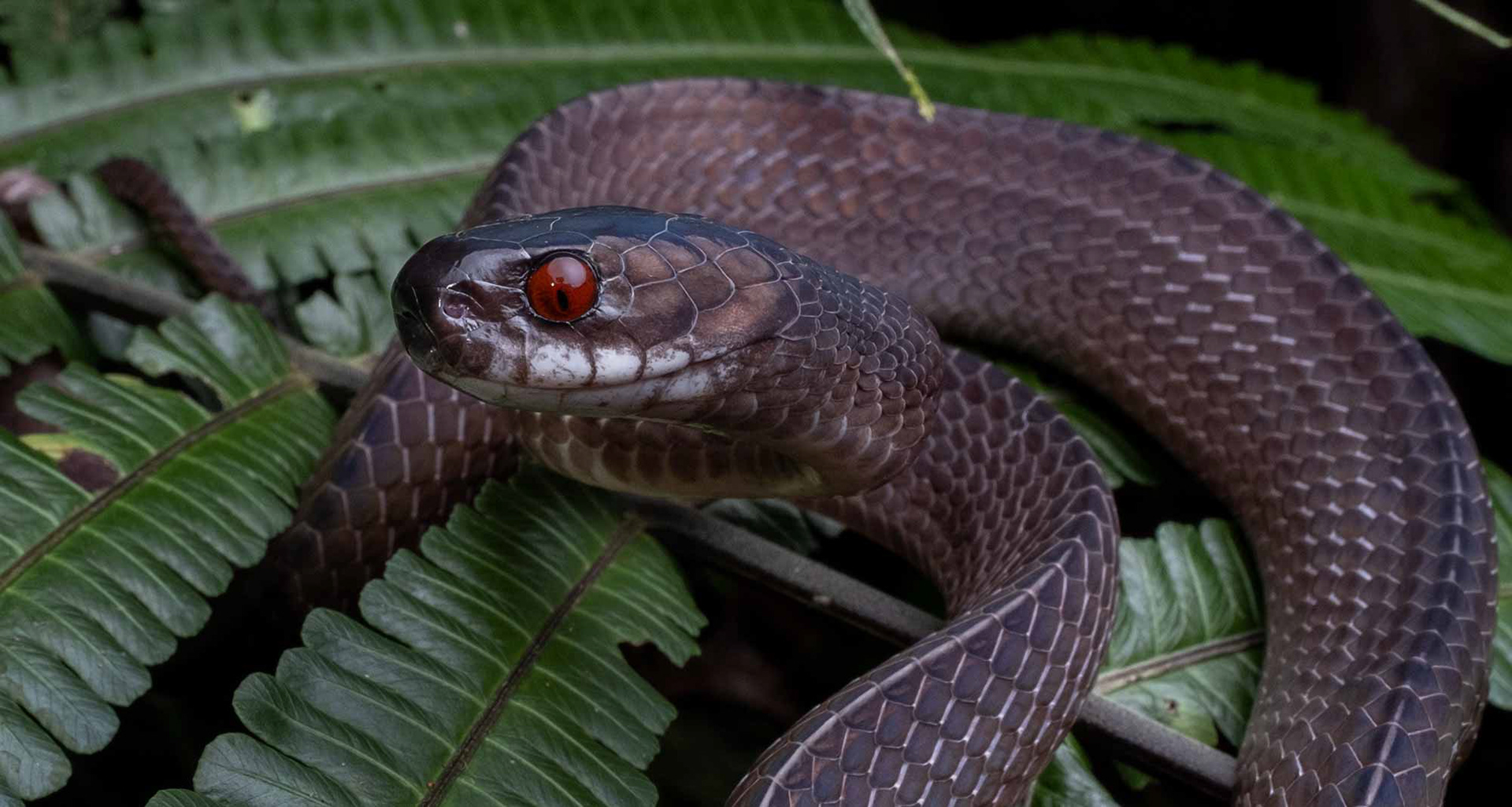
Mirkwood forest slug snake (Asthenodipsas lasgalenensis).
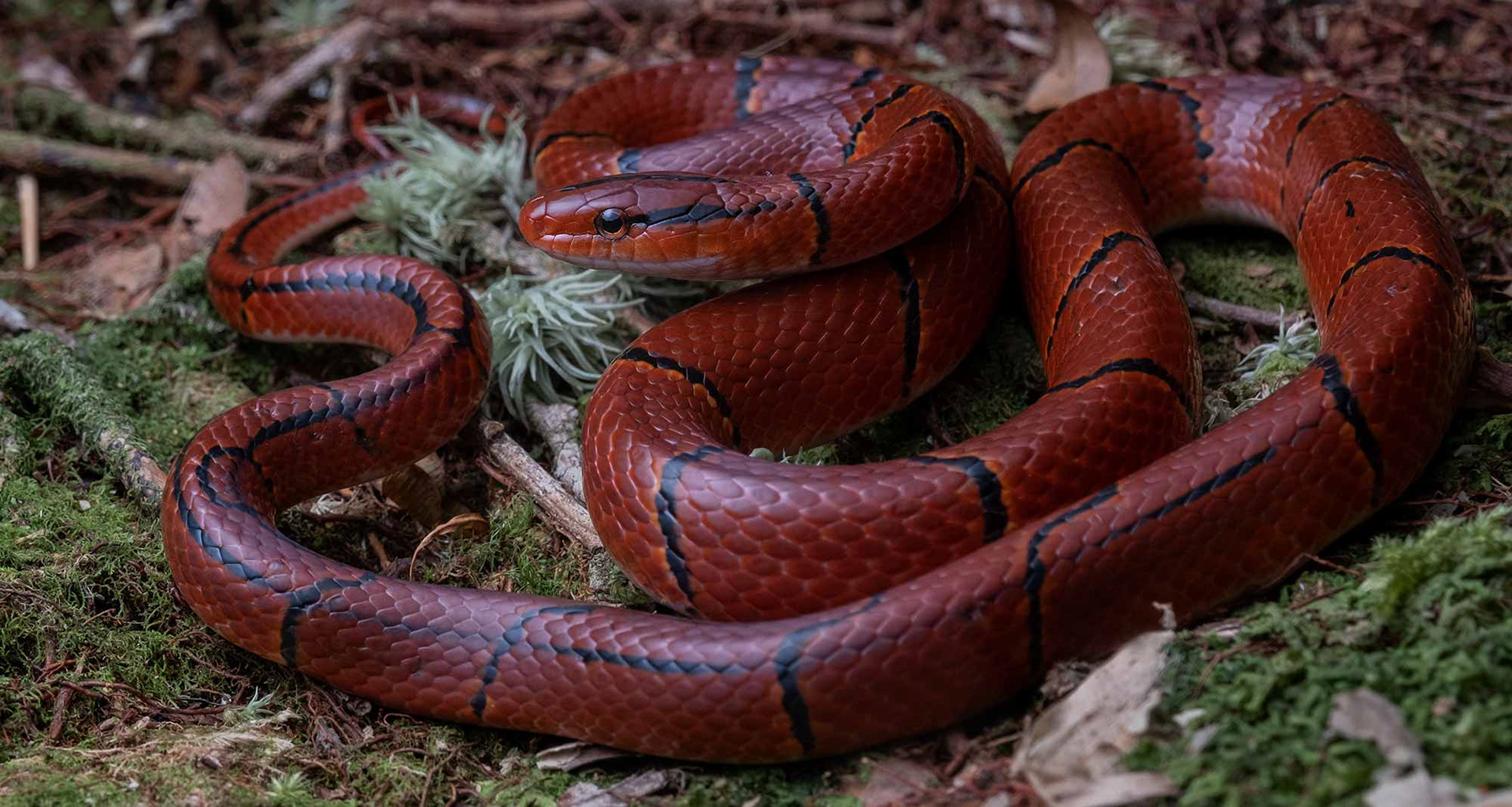
Red bamboo ratsnake (Oreocryptophis porphyracea)
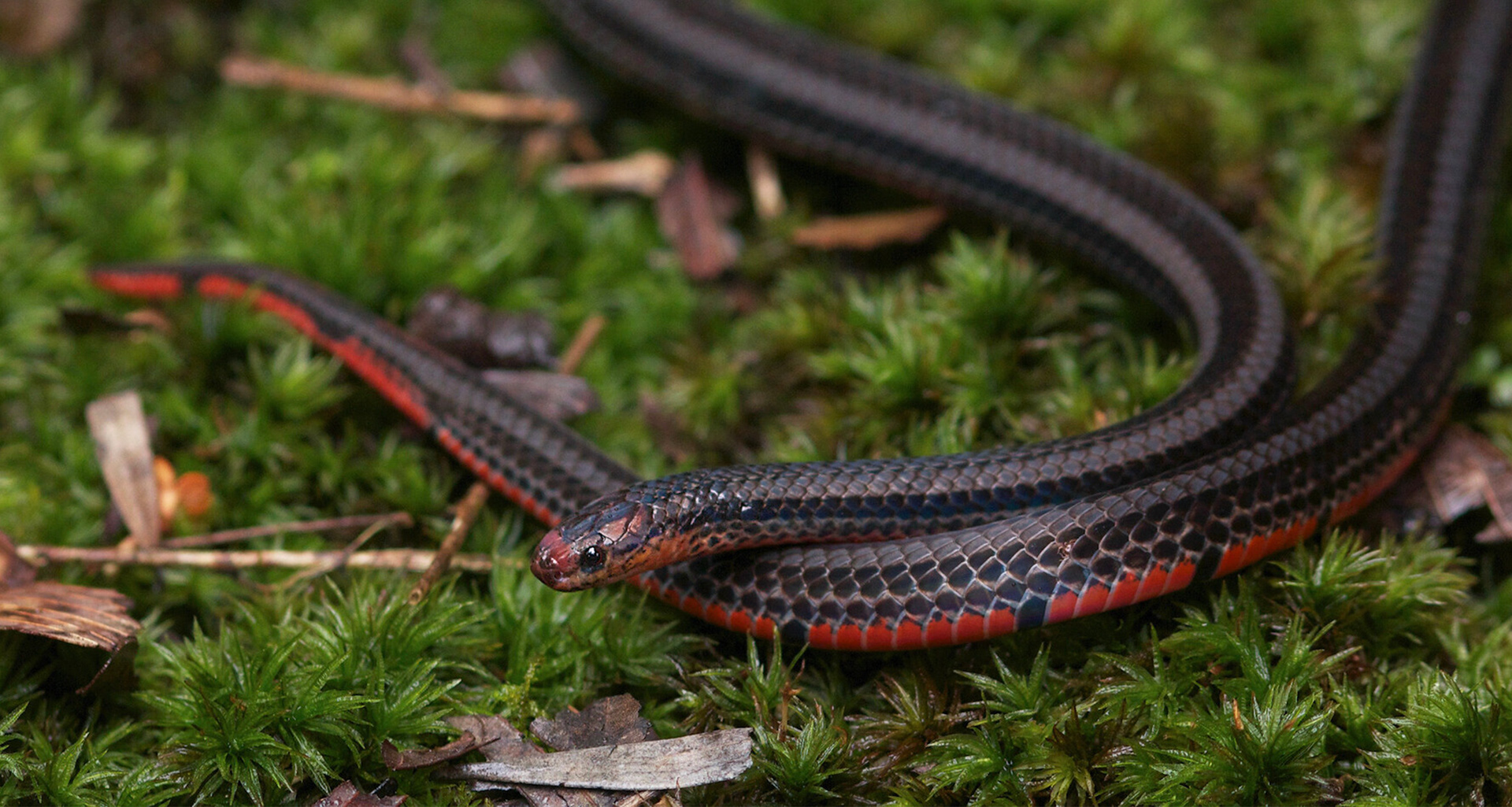
Black-striped coral snake (Calliophis nigrotaeniatus).
Nights 1 & 2: Cameron Highlands
The expedition kicks off with 2 nights in the montane forests of Peninsular Malaysia’s central mountain range. This cool-weather climate is home to a unique and fascinating array of highland-restricted species, including many localised endemics. Our biggest targets will be the species which cannot be observed elsewhere on this tour, such as the broad-banded red bamboo ratsnake (Oreocryptophis porphyracea laticinctus), Cameron Highlands pit viper (Trimeresurus nebularis) and black-striped coral snake (Calliophis nigrotaeniatus). There are many other very rare species occurring here, such as the Sunda form of the large-eyed false cobra (Pseudoxenodon cf. macrops), collared many-toothed snake (Sibynophis cf. collaris), and the impressive three-lined supple skink (Larutia trifasciata), all of which would be incredible encounters. The most abundant snakes in the mossy forests of the Cameron Highlands are colourful fossorial reed snakes (Macrocalamus sp.) and the red-eyed Mirkwood forest slug snake (Asthenodipsas lasgalenensis). There are also multiple critically endangered species of frog which are restricted to the mossy peaks, which are most active in rainy conditions.
At this location, we will stay in a comfortable hotel on the outskirts of Tanah Rata town, where we can eat delicious local food with easy access to the forest. Daytime activities will include hiking to waterfalls, visiting the famous Boh tea plantations, and flipping ground cover in the pleasant daytime temperatures, before leaving for the hot and humid lowlands.
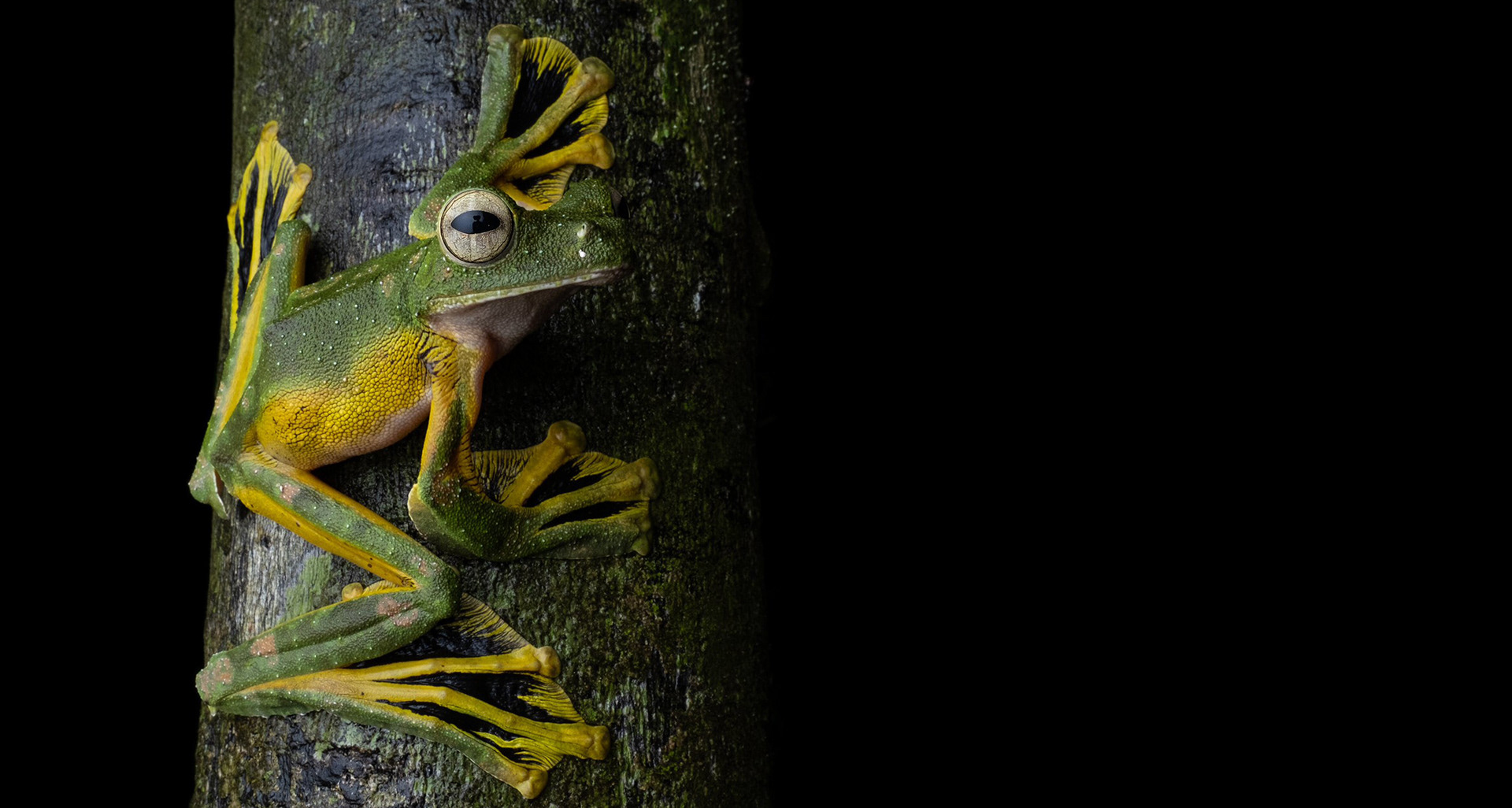
Wallace's flying frog (Rhacophorus nigropalmatus).
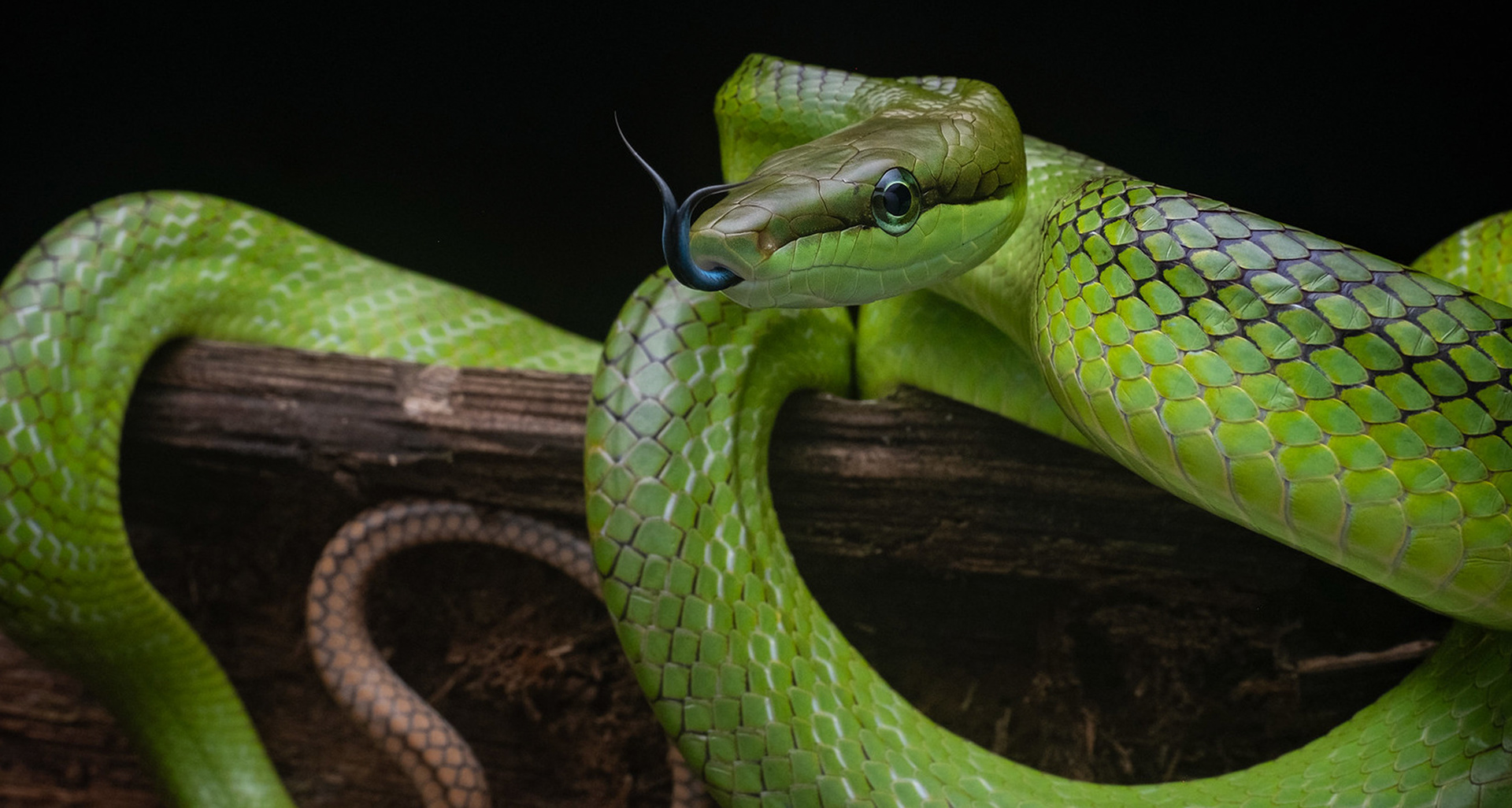
Red-tailed ratsnake (Gonyosoma oxycephalum).
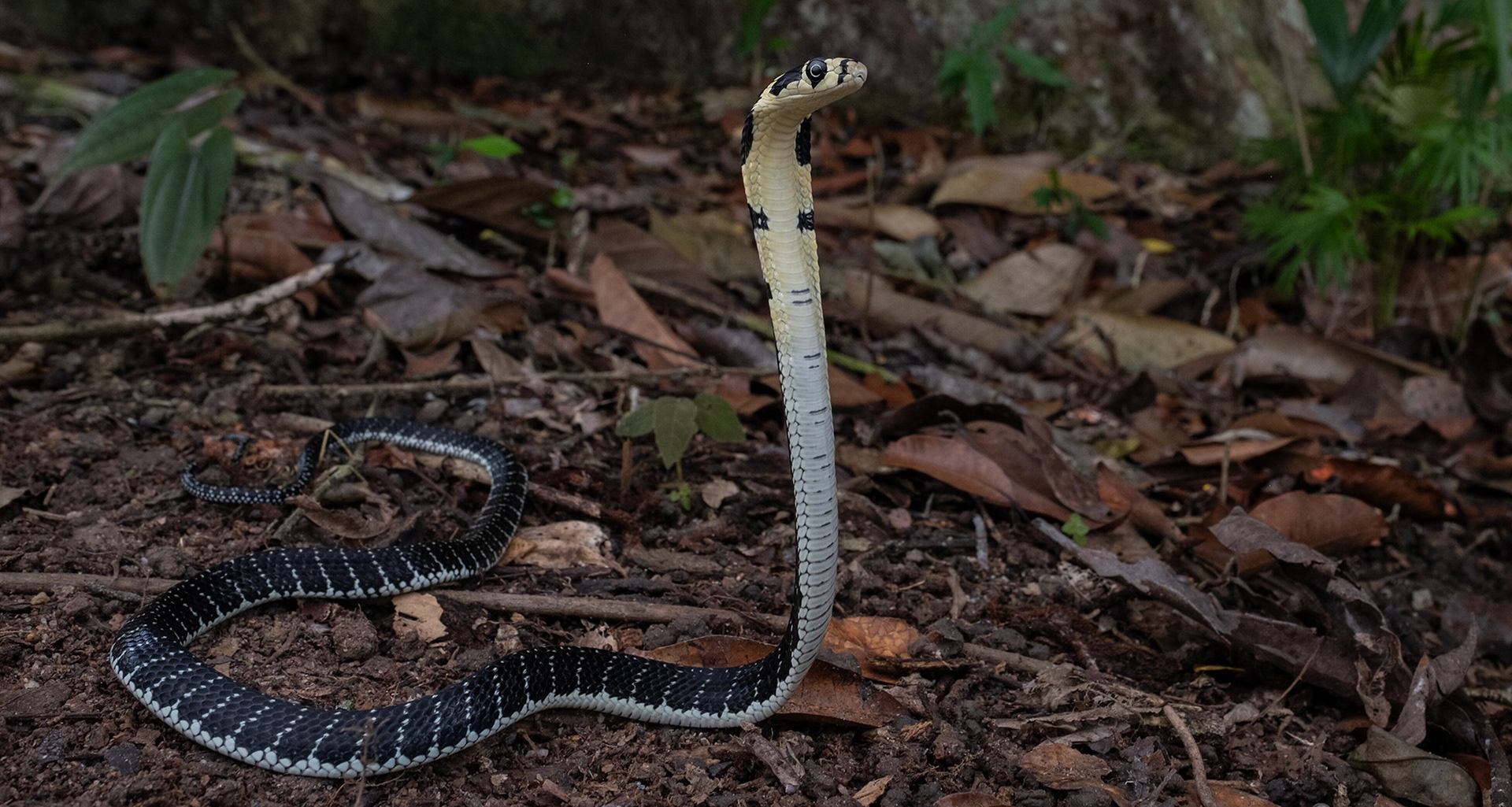
Sunda king cobra (Ophiophagus bungarus).
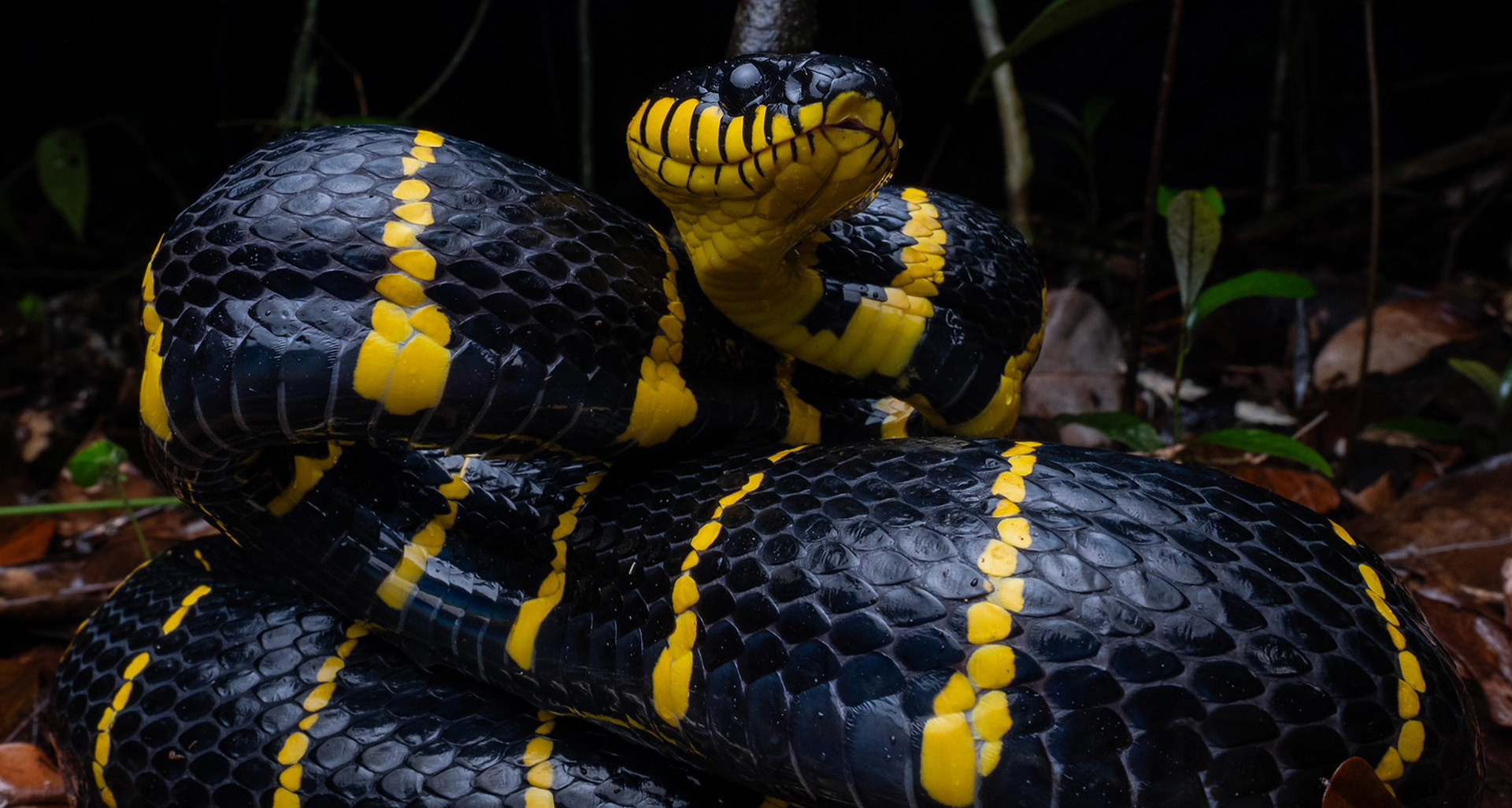
Mangrove cat snake (Boiga melanota).
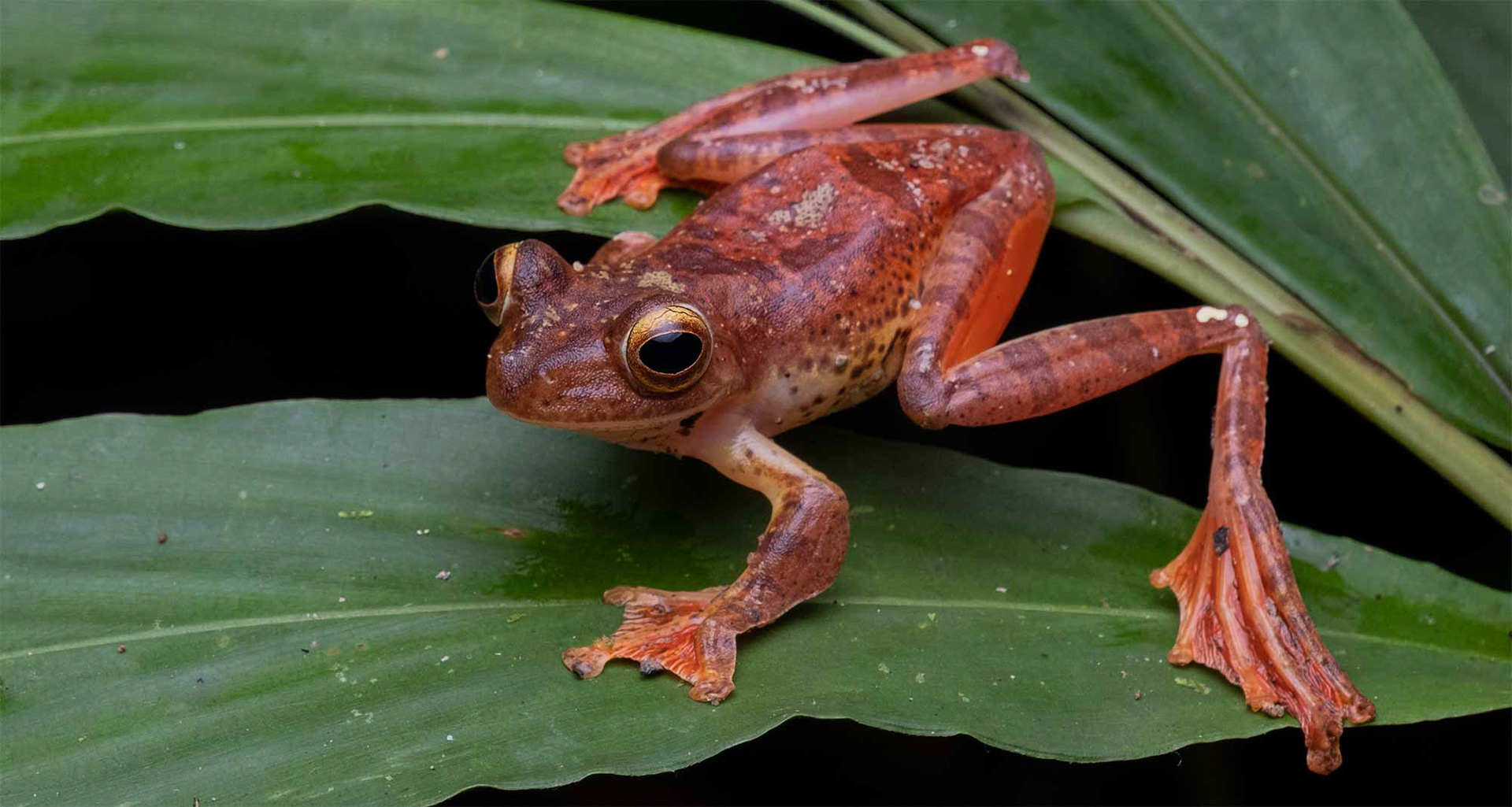
Harlequin flying frog (Rhacophorus pardalis)
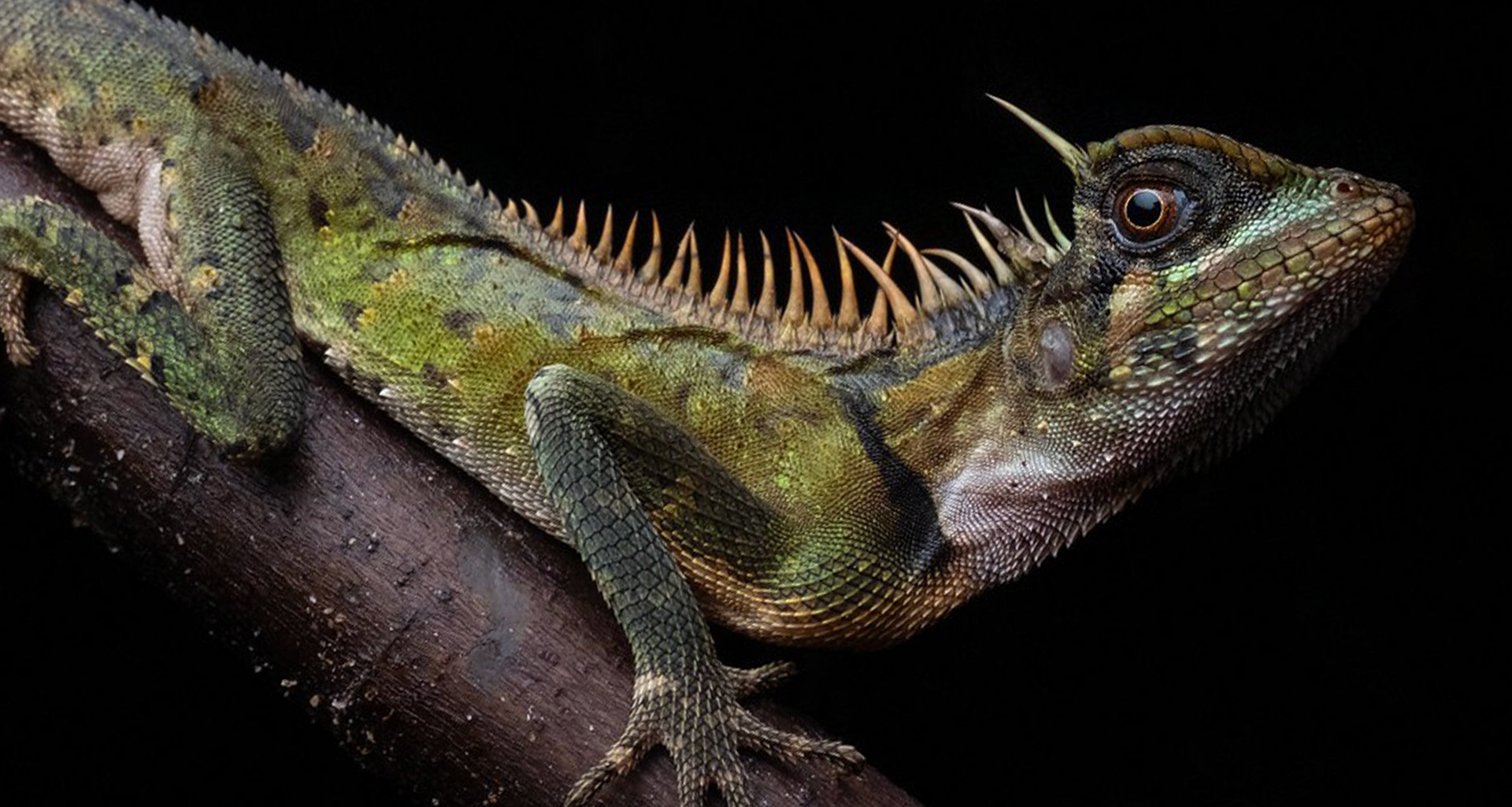
Armoured horned dragon (Acanthosaura armata).
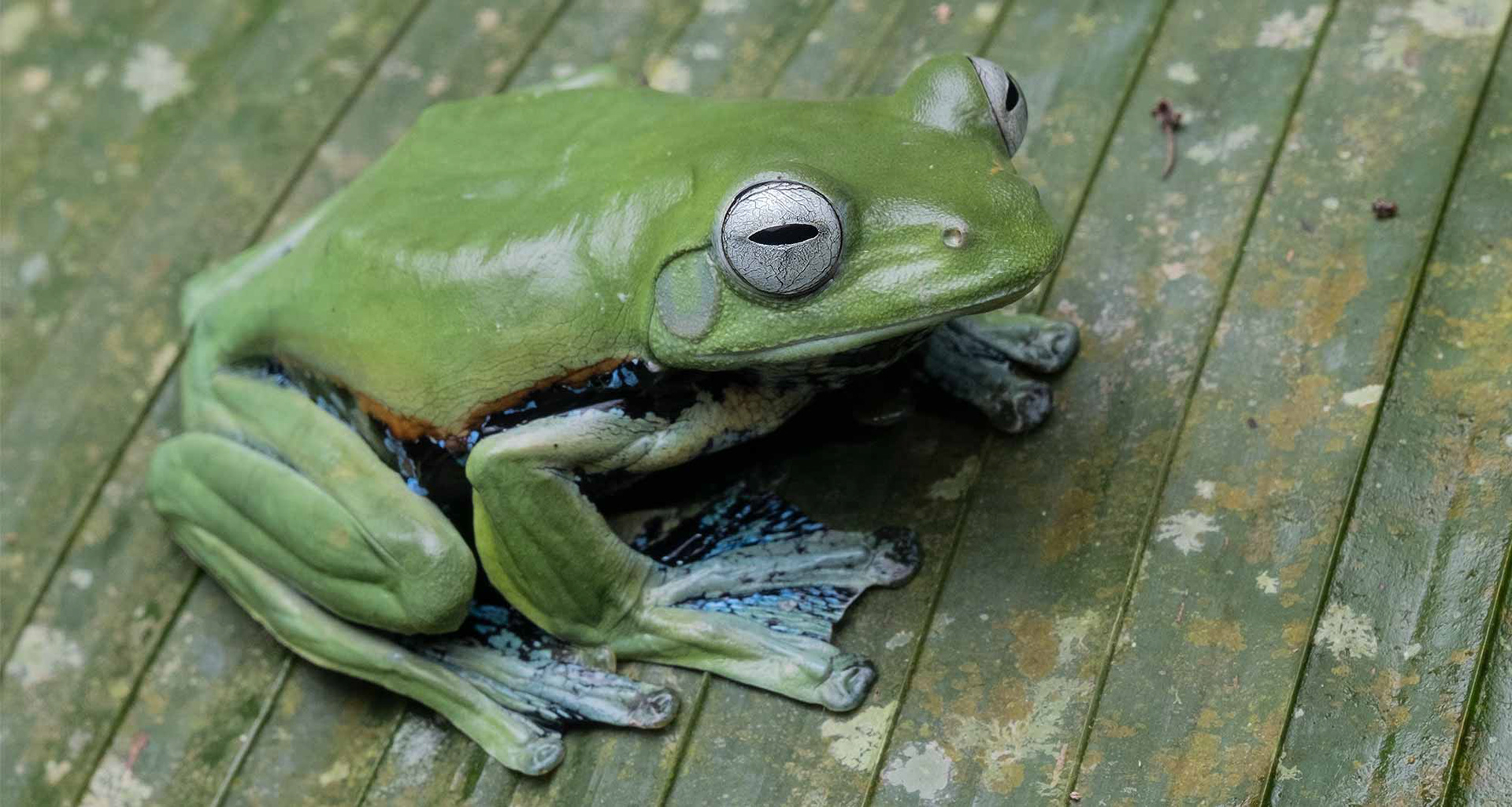
Norhayati's flying frog (Rhacophorus norhayatii)
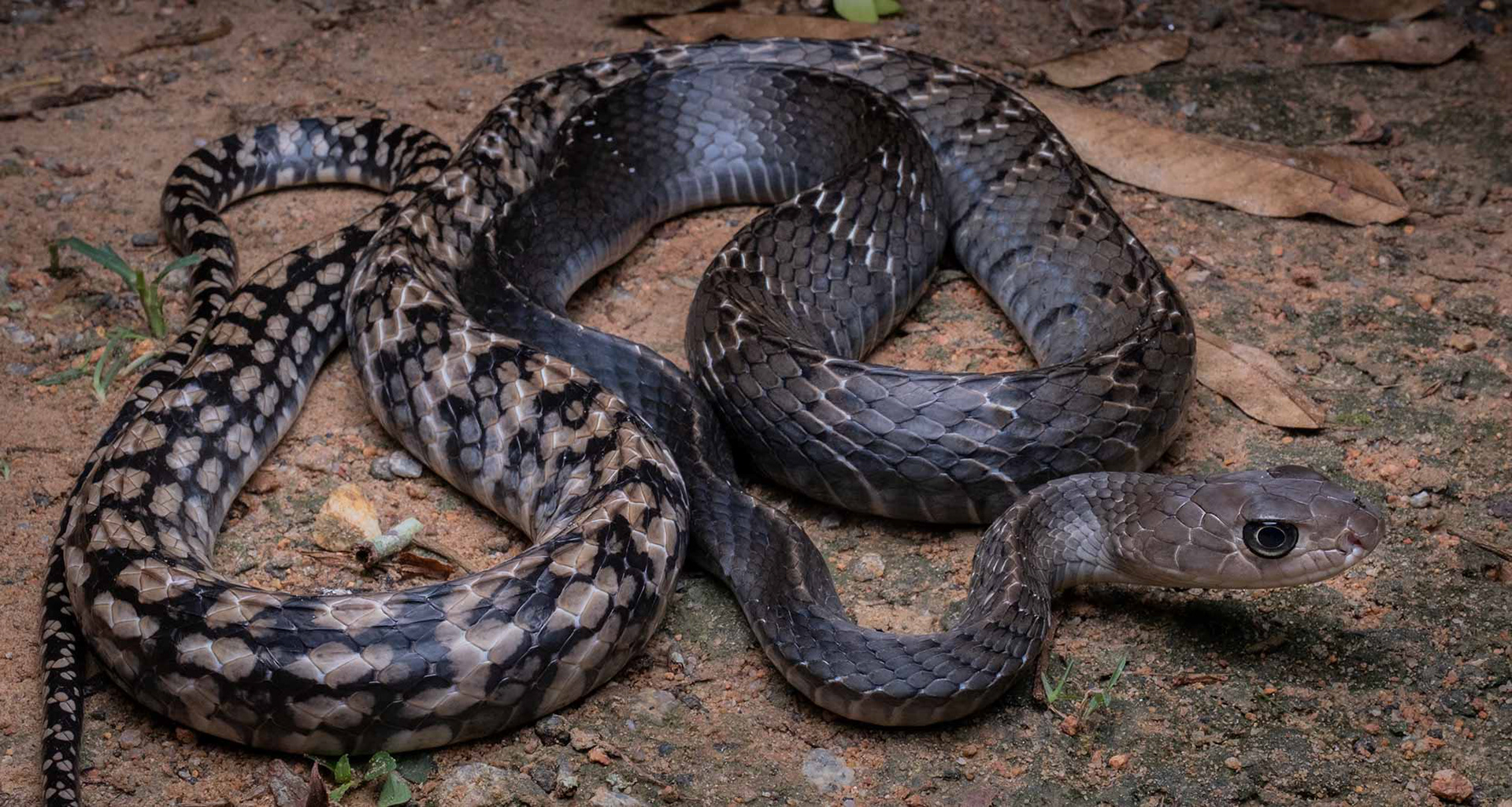
Keeled rat snake (Ptyas carinata)
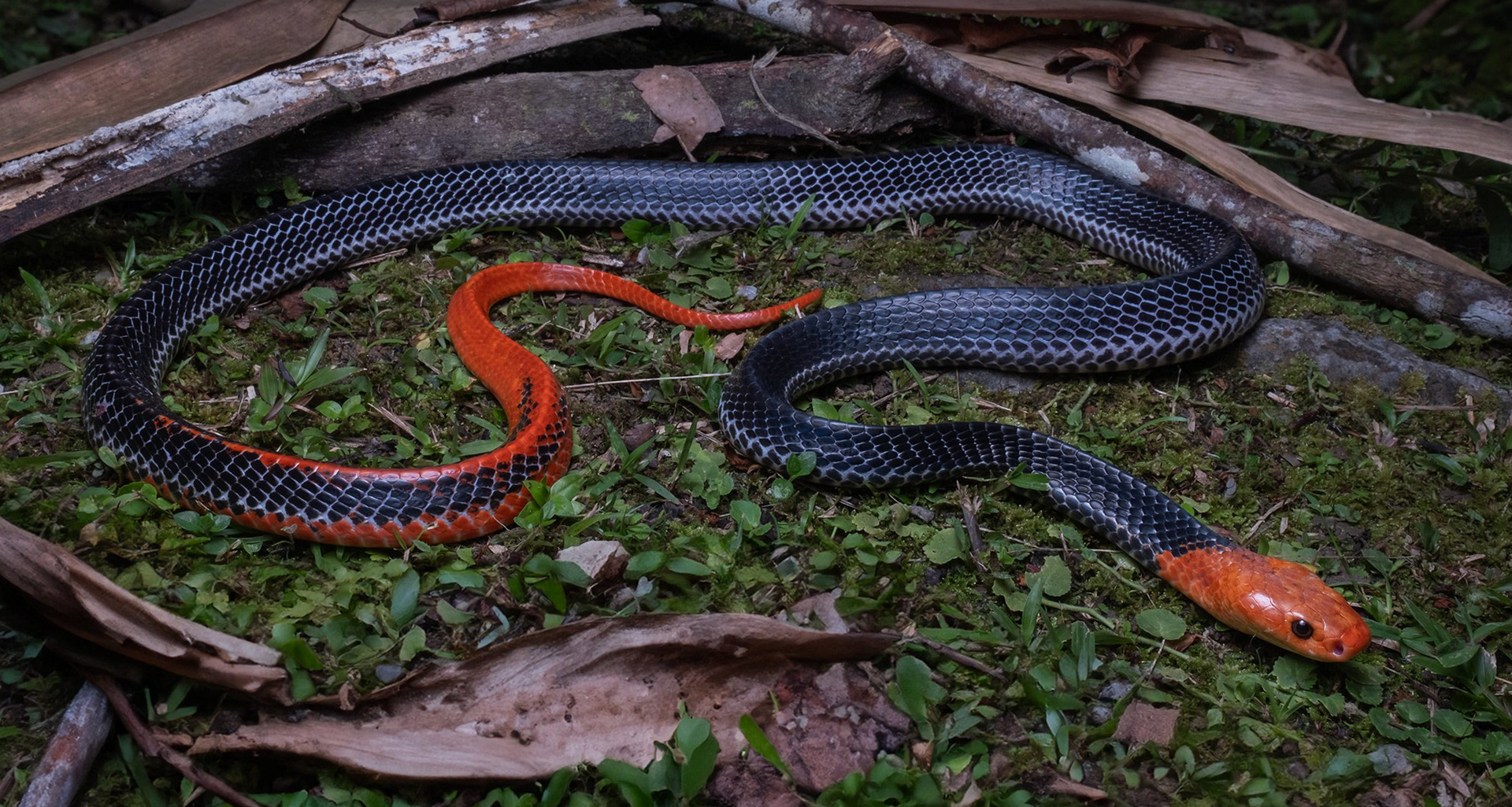
Red-headed krait (Bungarus flaviceps).
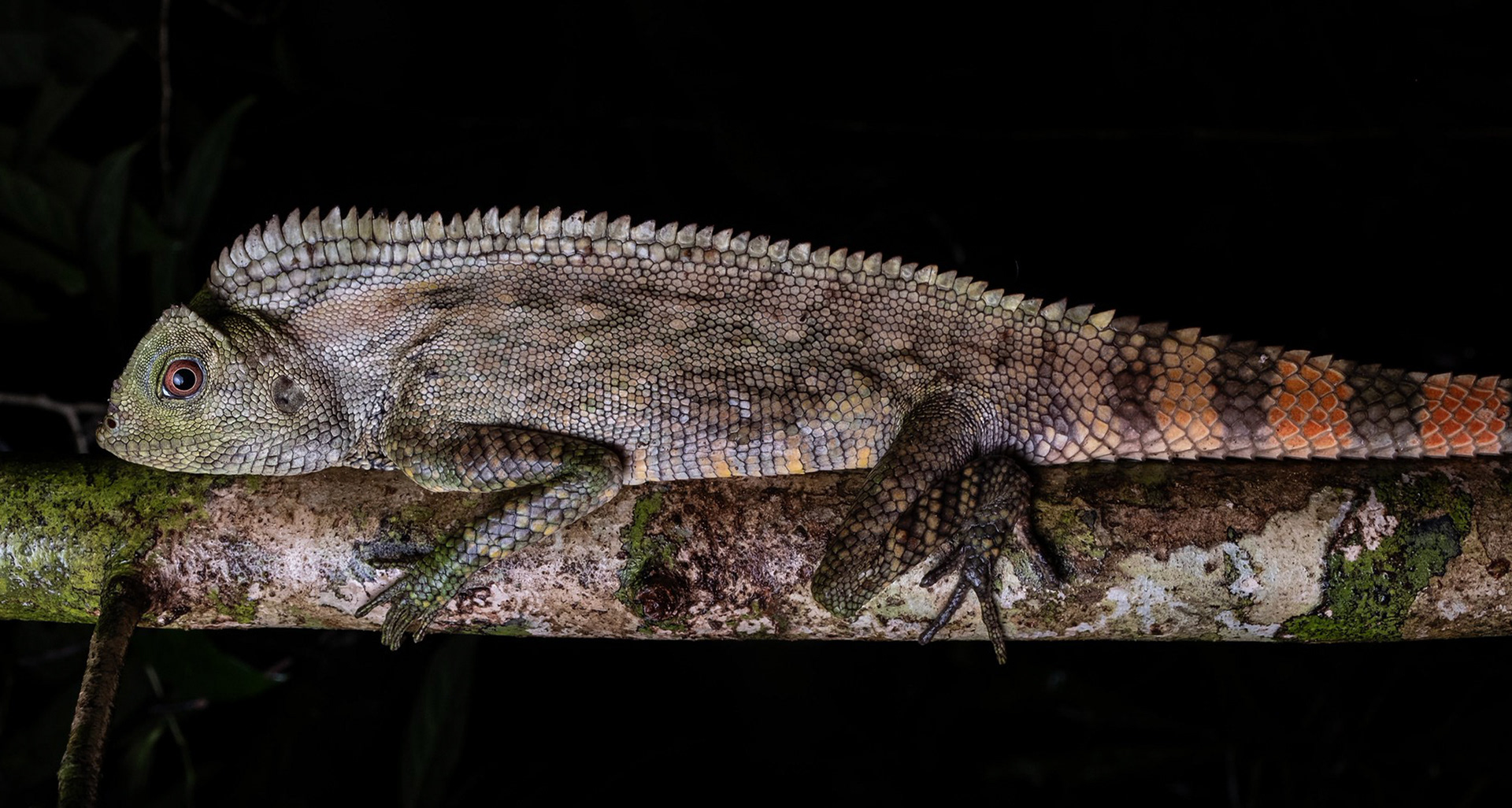
Abbott's angle-headed lizard (Gonocephalus abbotti).
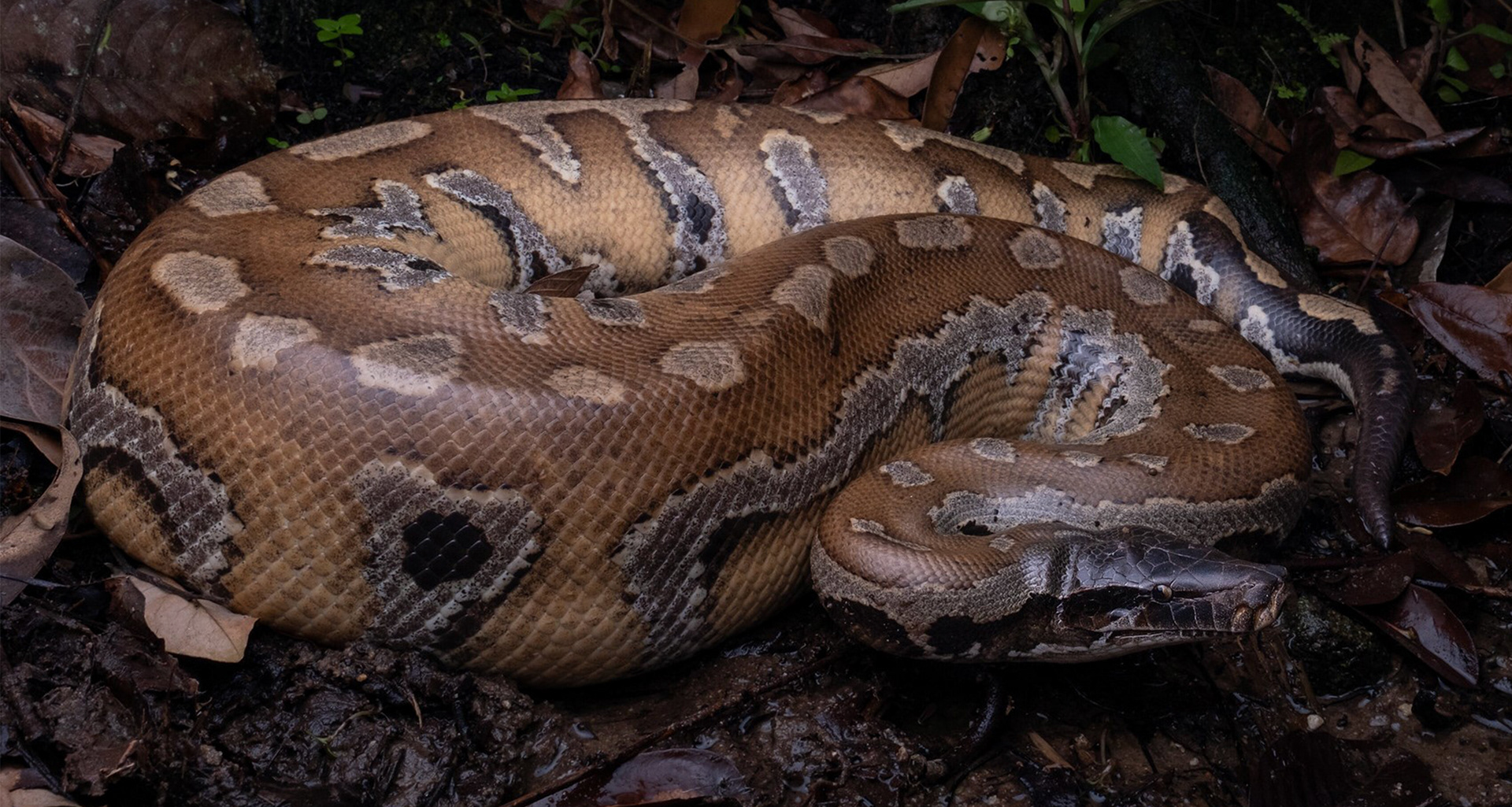
Blood python (Python brongersmai).
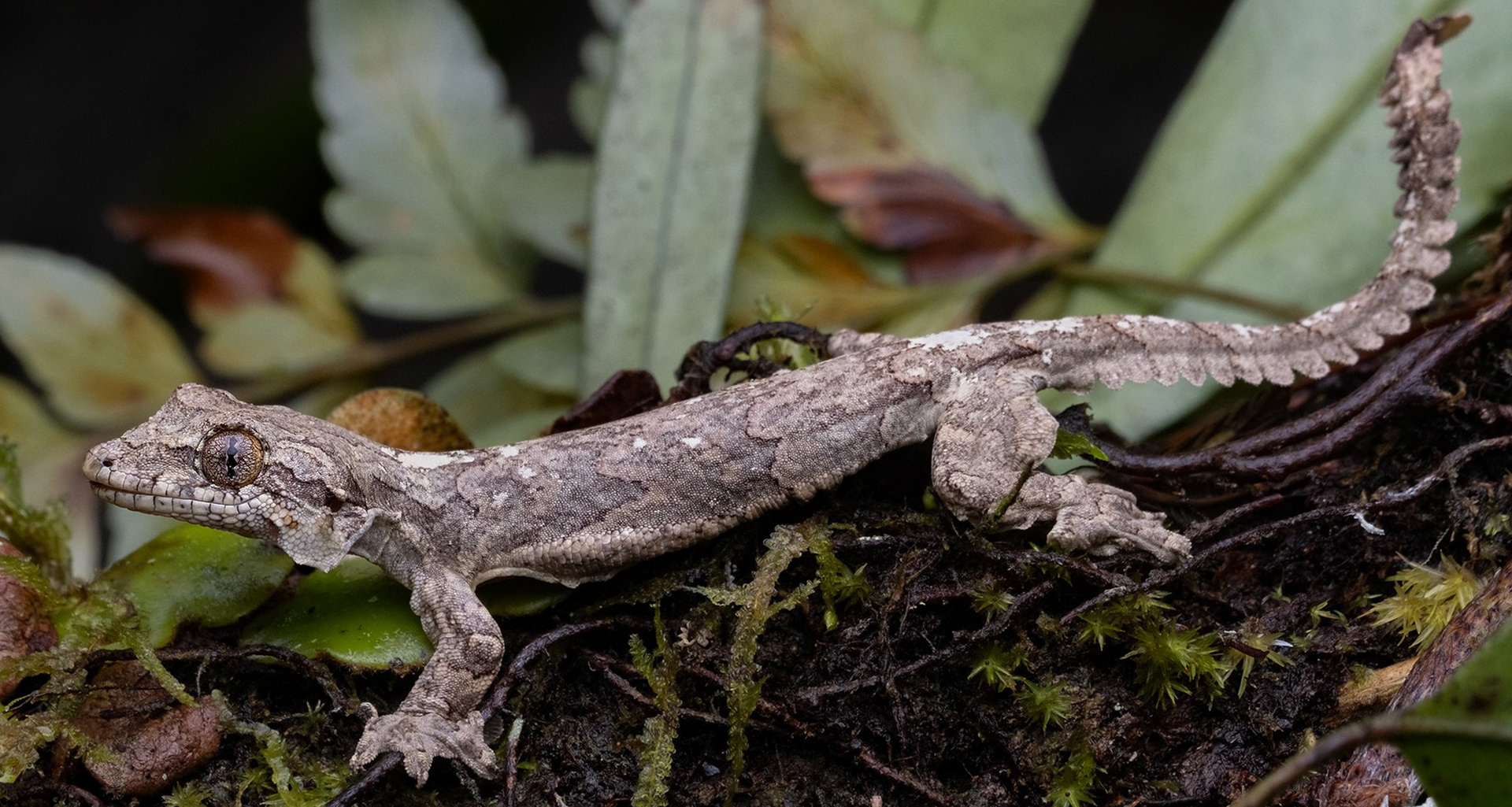
Malaysian parachute gecko (Gekko cicakterbang).
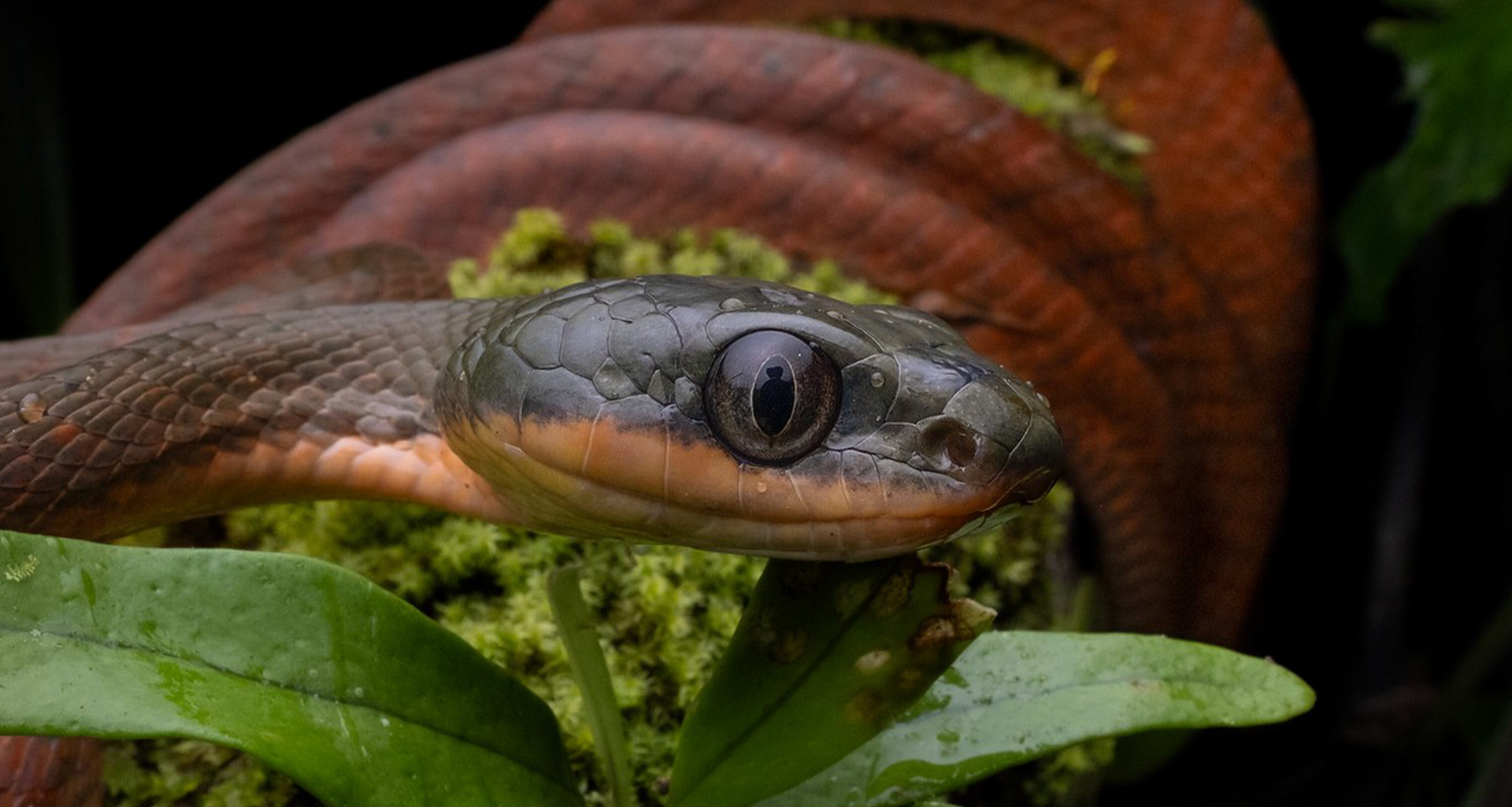
Dark-headed cat snake (Boiga nigriceps).
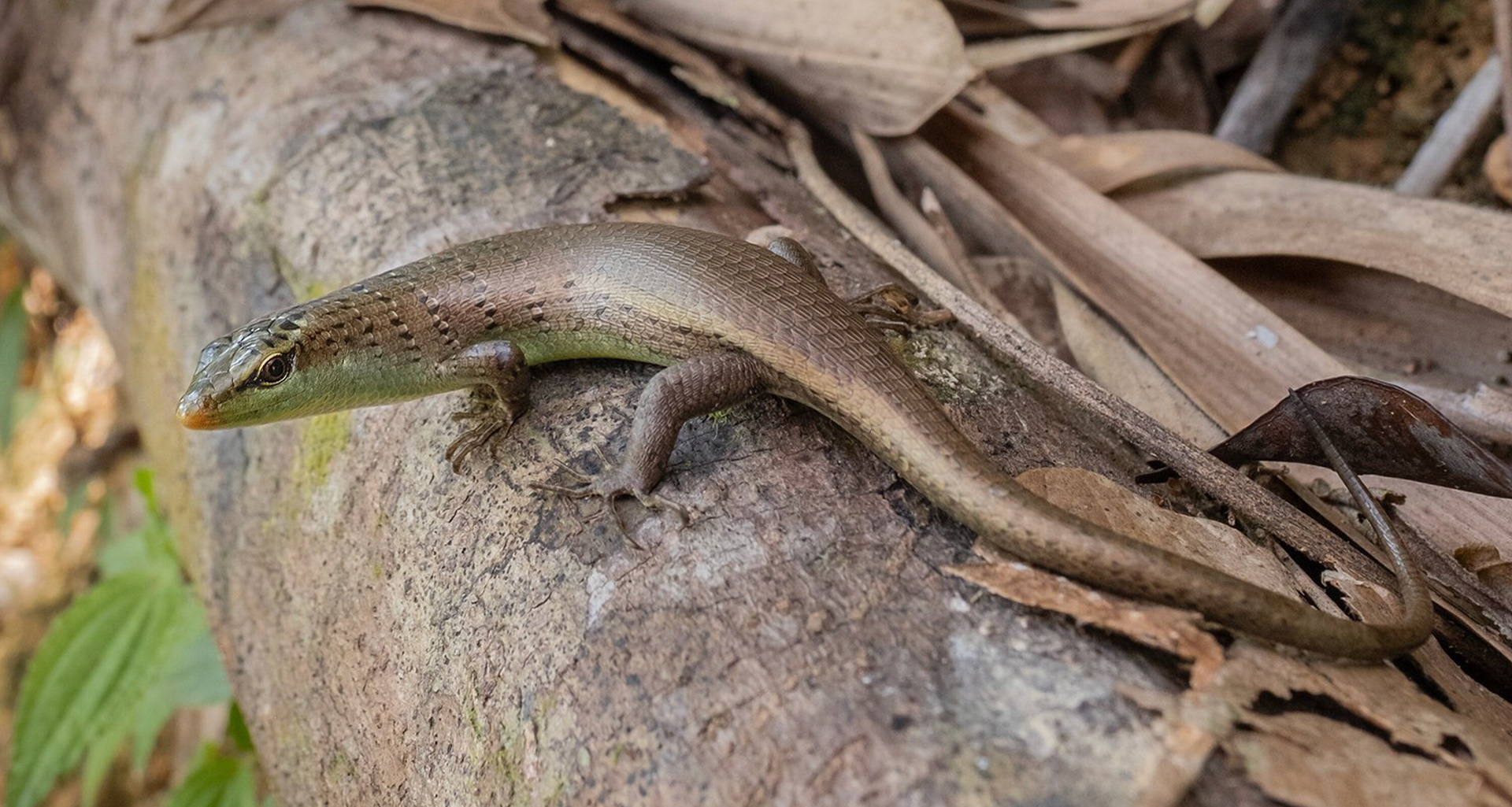
Olive tree skink (Dasia olivacea).
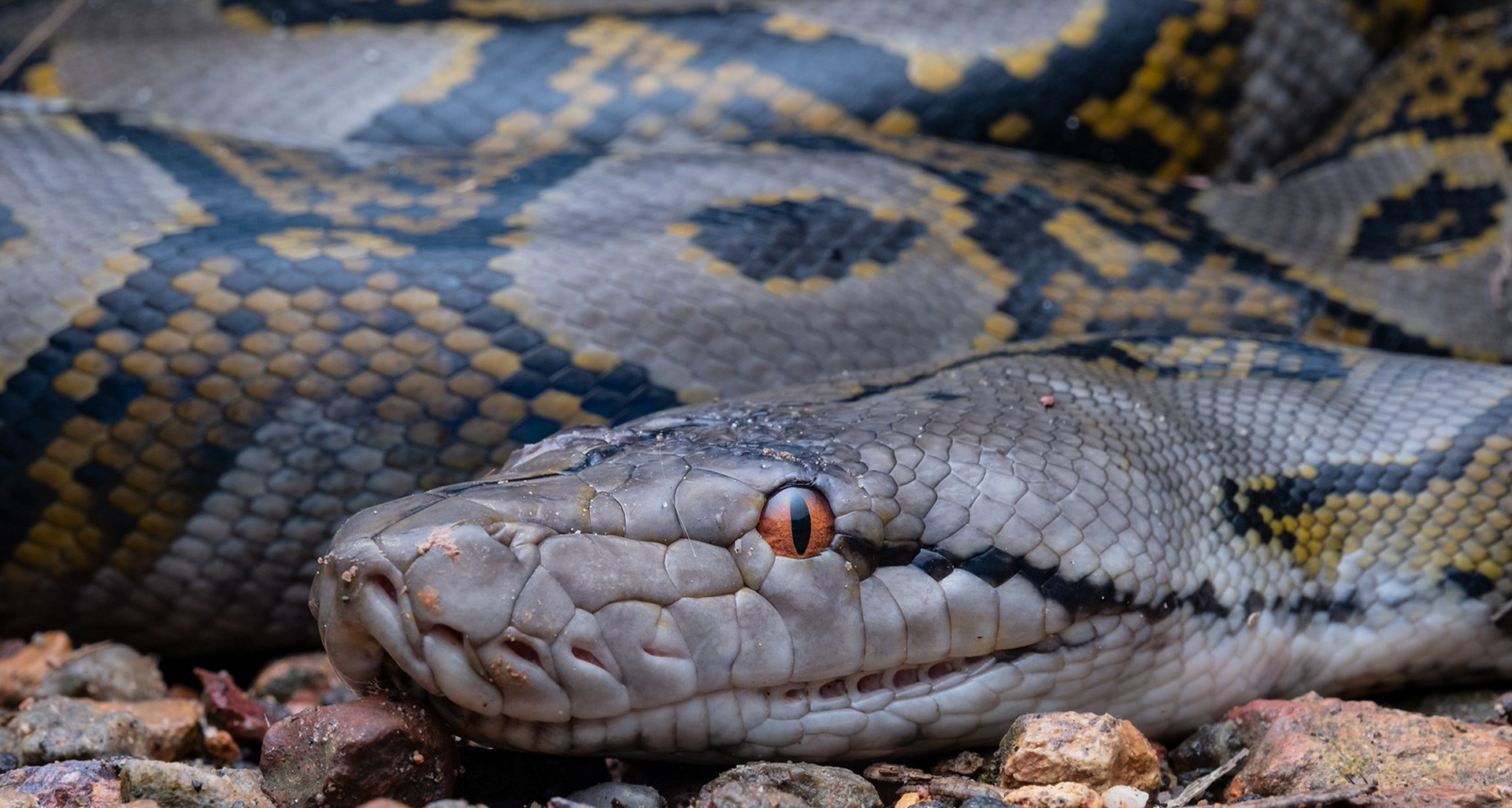
Reticulated python (Malayopython reticulatus).
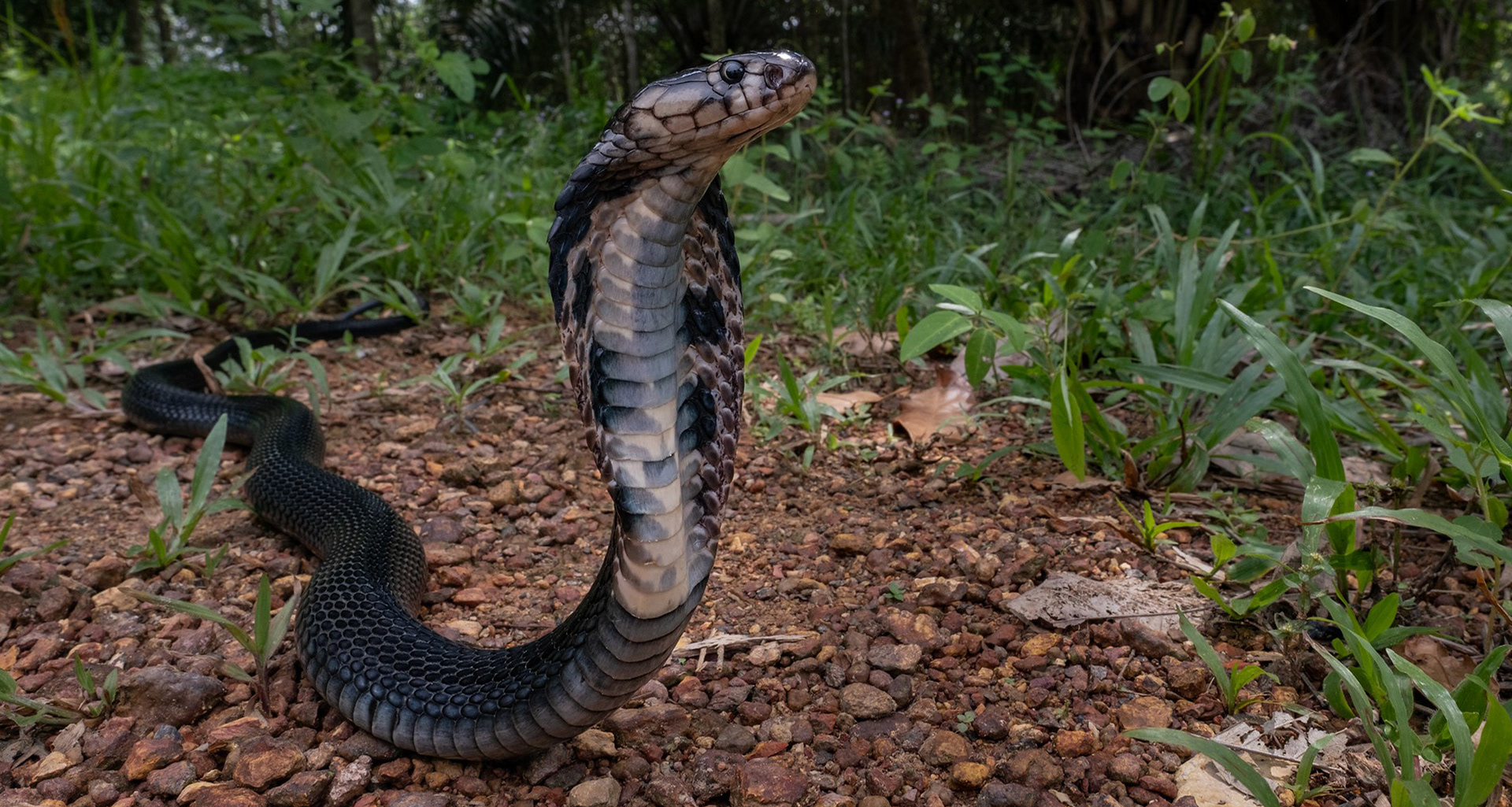
Sumatran cobra (Naja sumatrana).
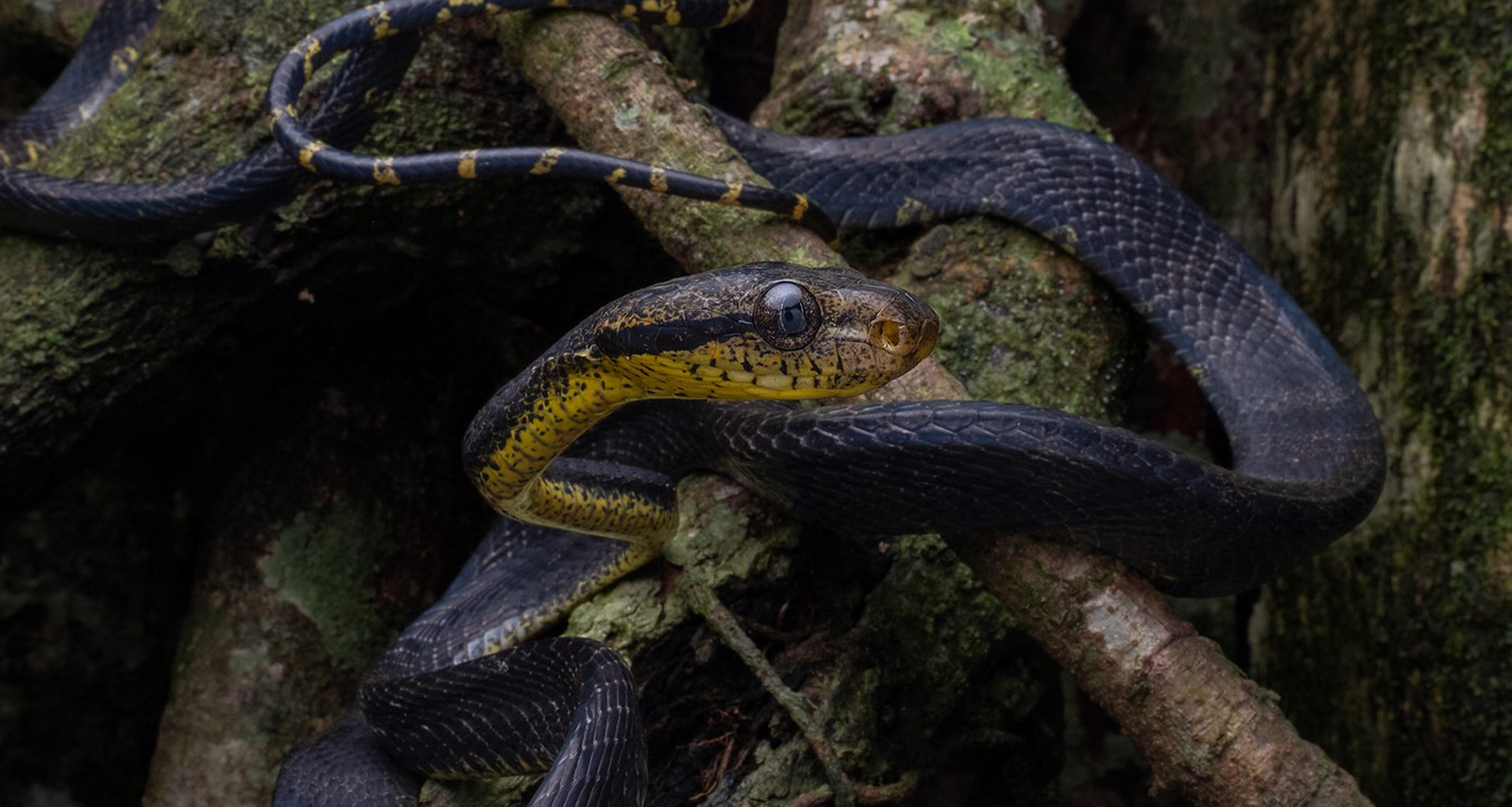
Dog-toothed cat snake (Boiga nigriceps).
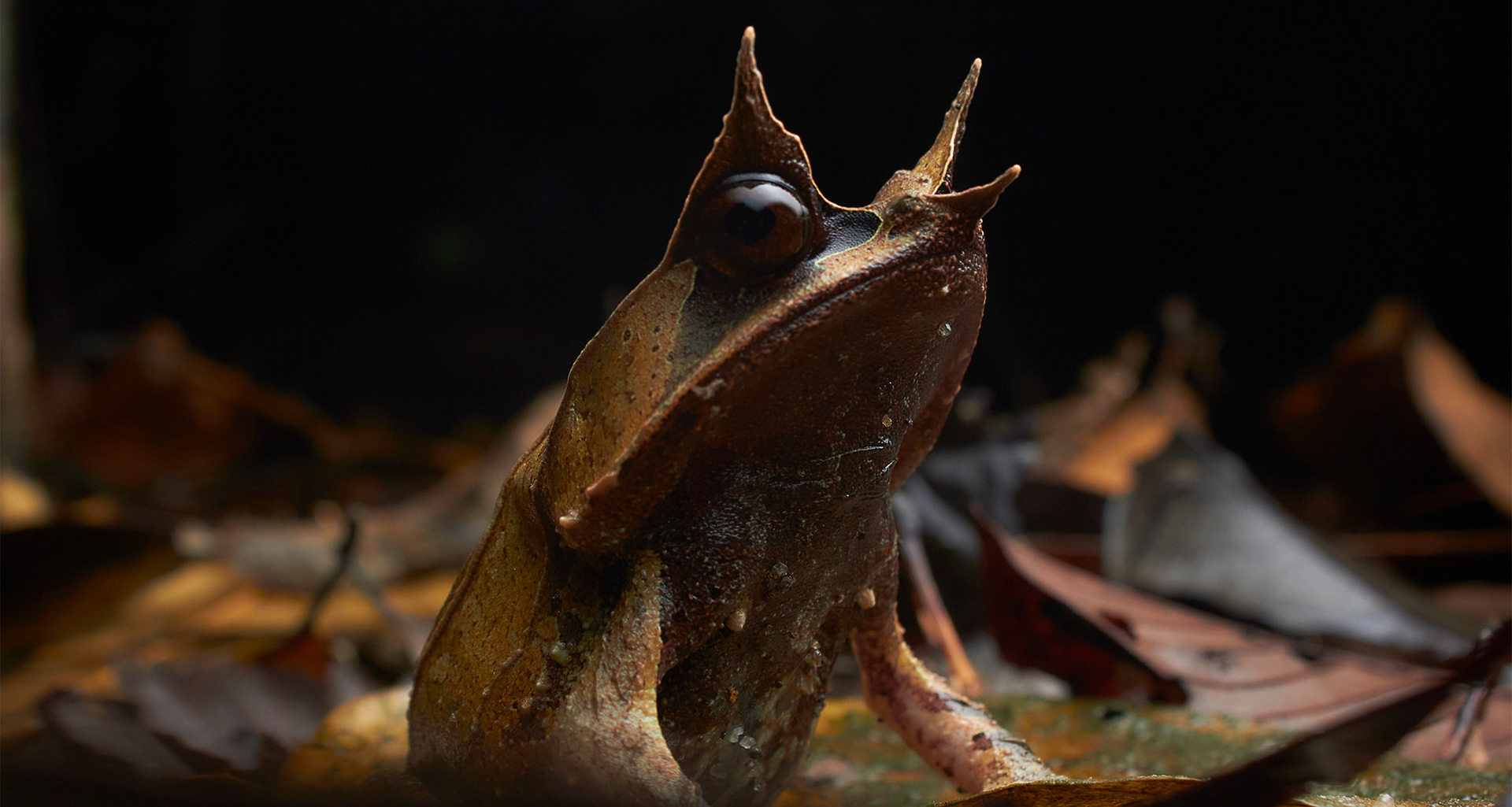
Long-nosed horned frog (Pelobatrachus nasuta).
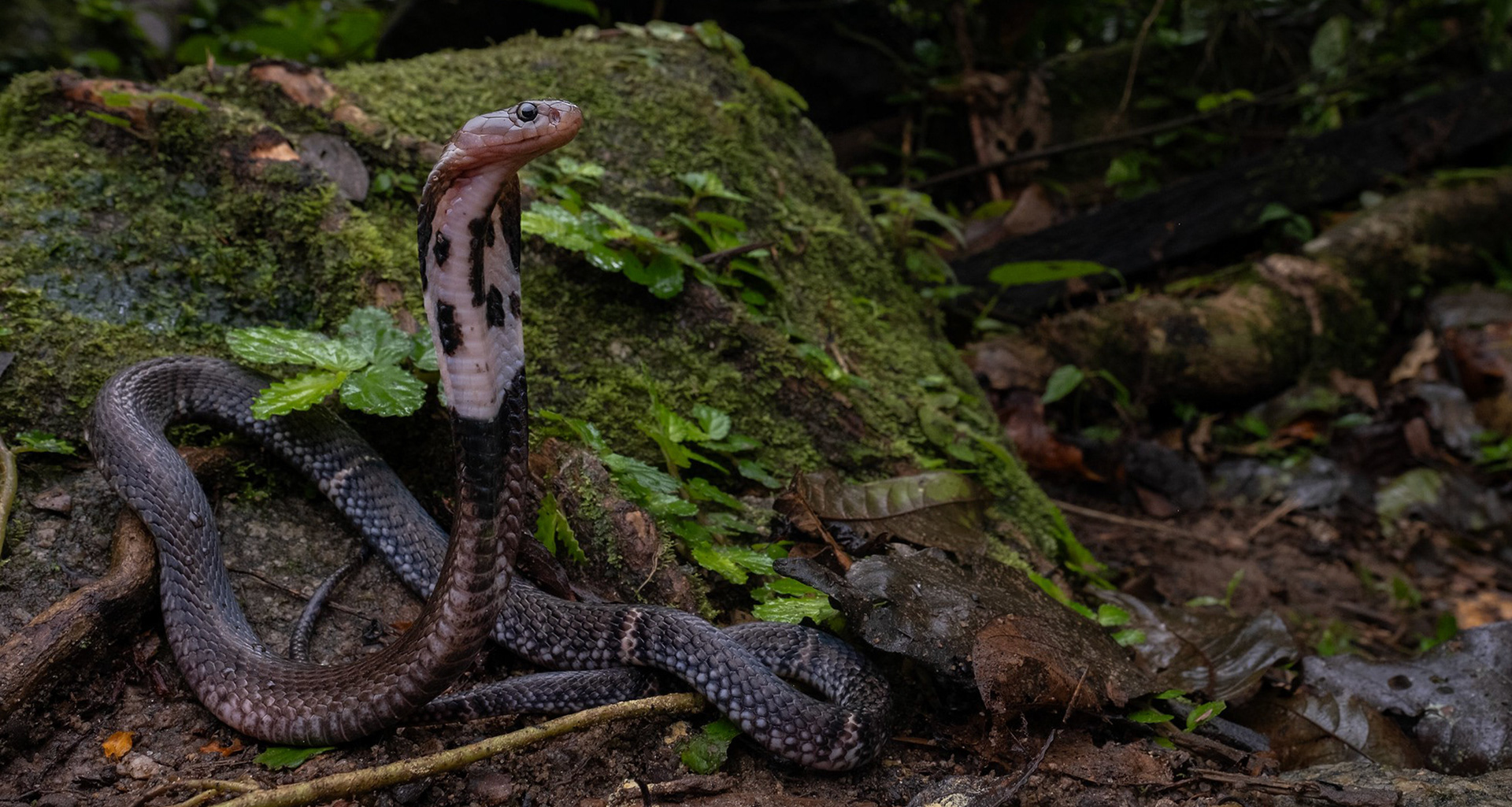
Sumatran cobra (Naja sumatrana).
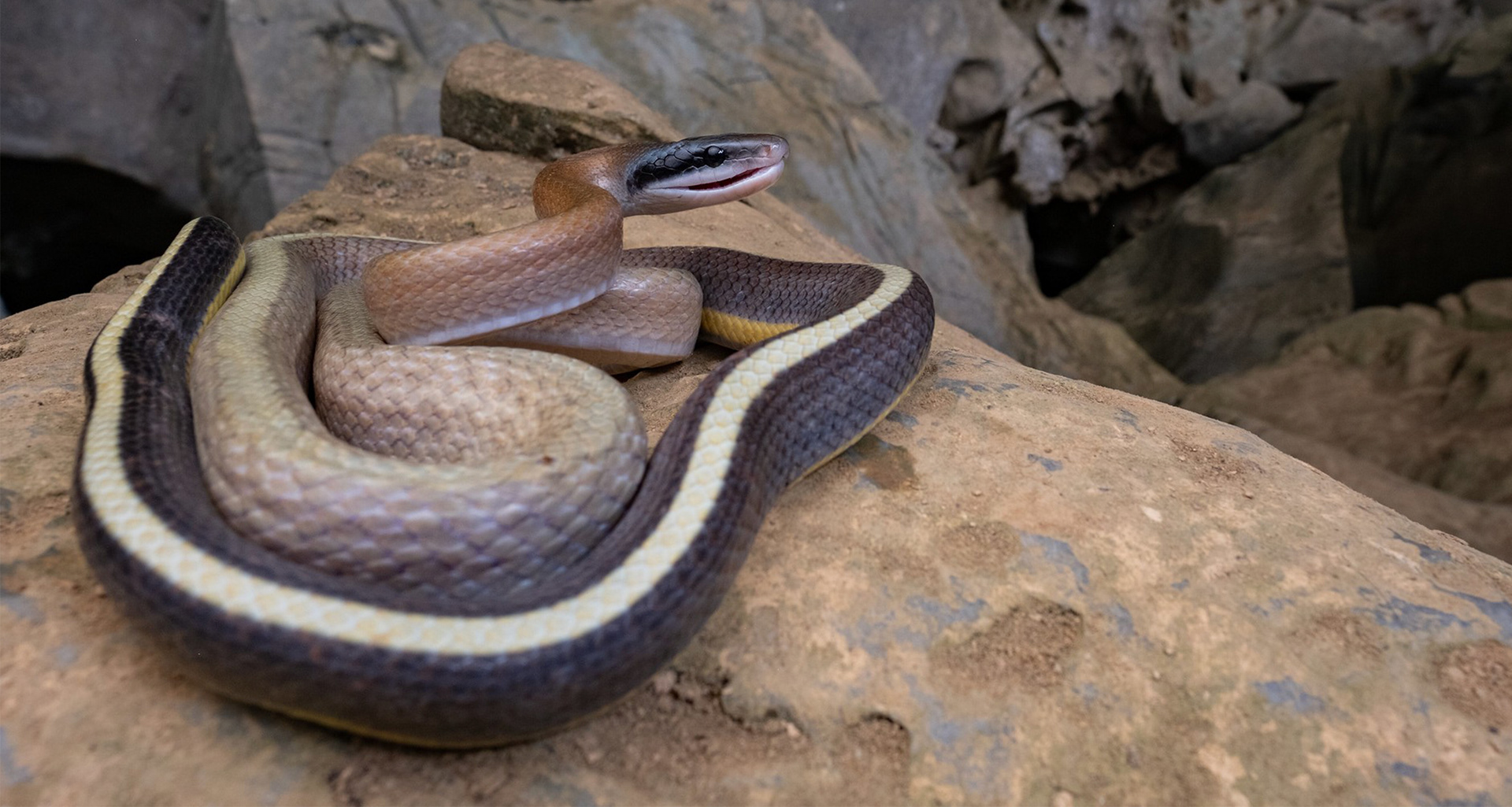
Ridley's cave racer (Elaphe taeniura ridleyi).
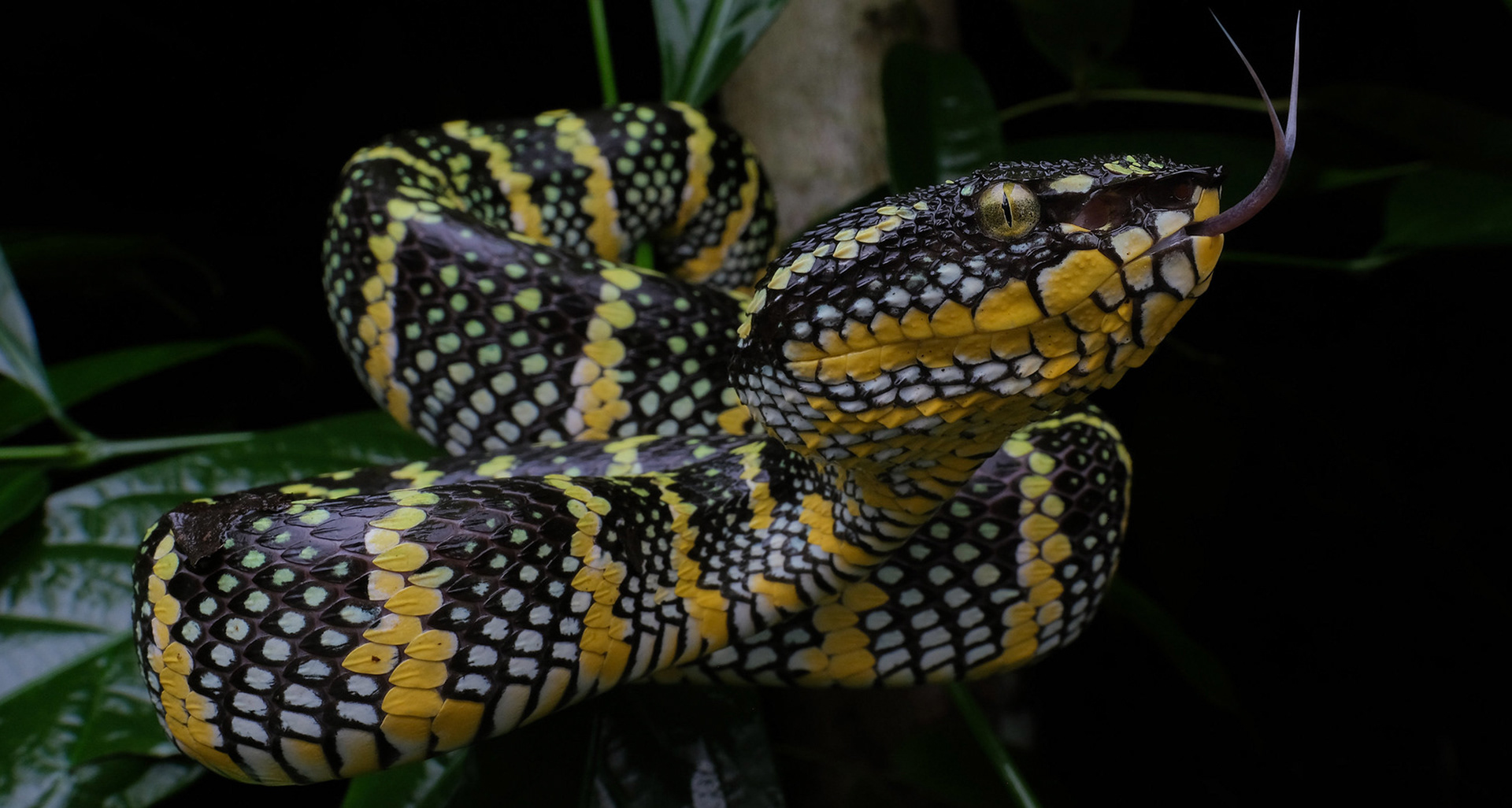
Wagler's pit viper (Tropidolaemus wagleri).
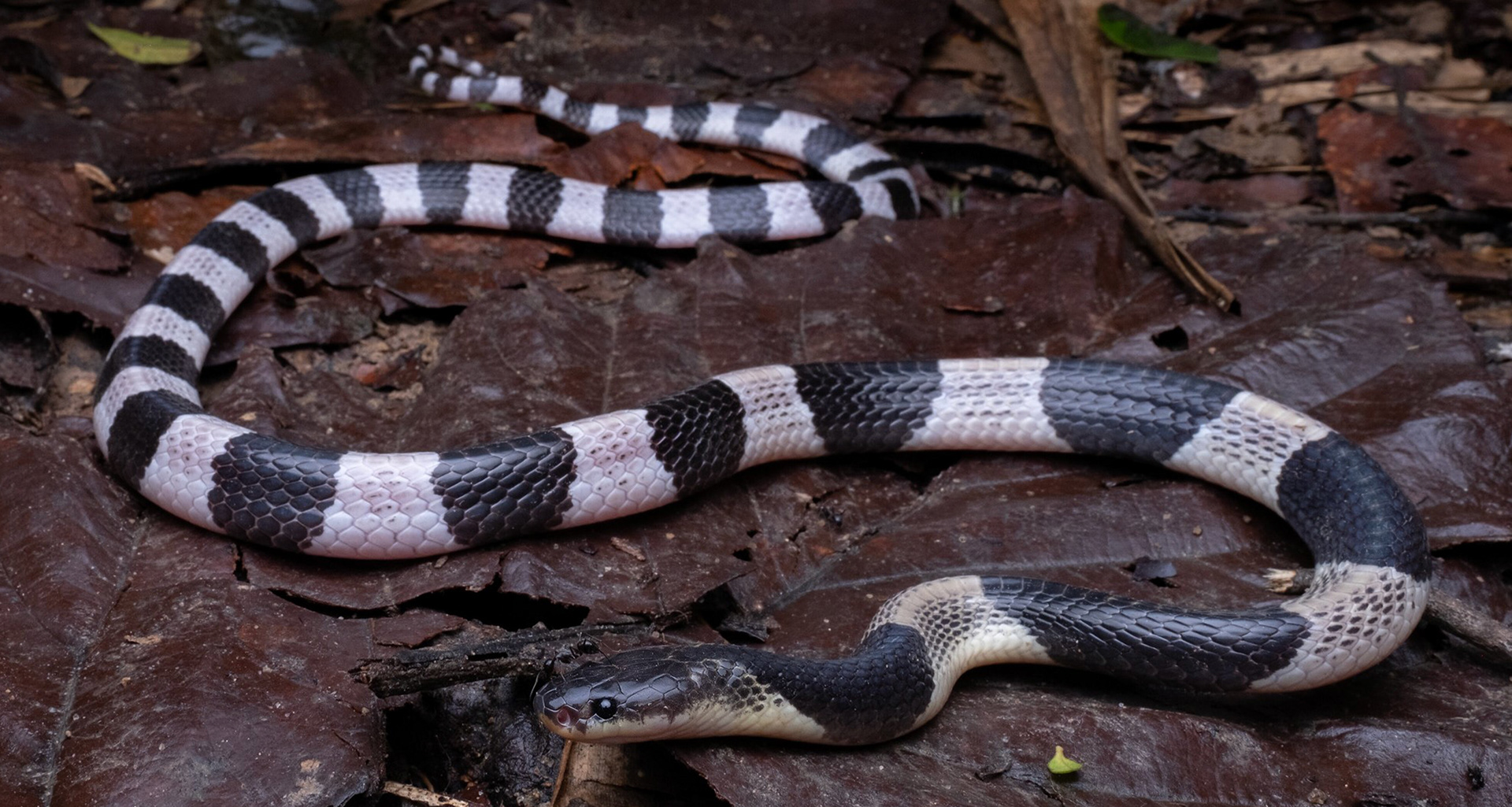
Malayan krait (Bungarus candidus).
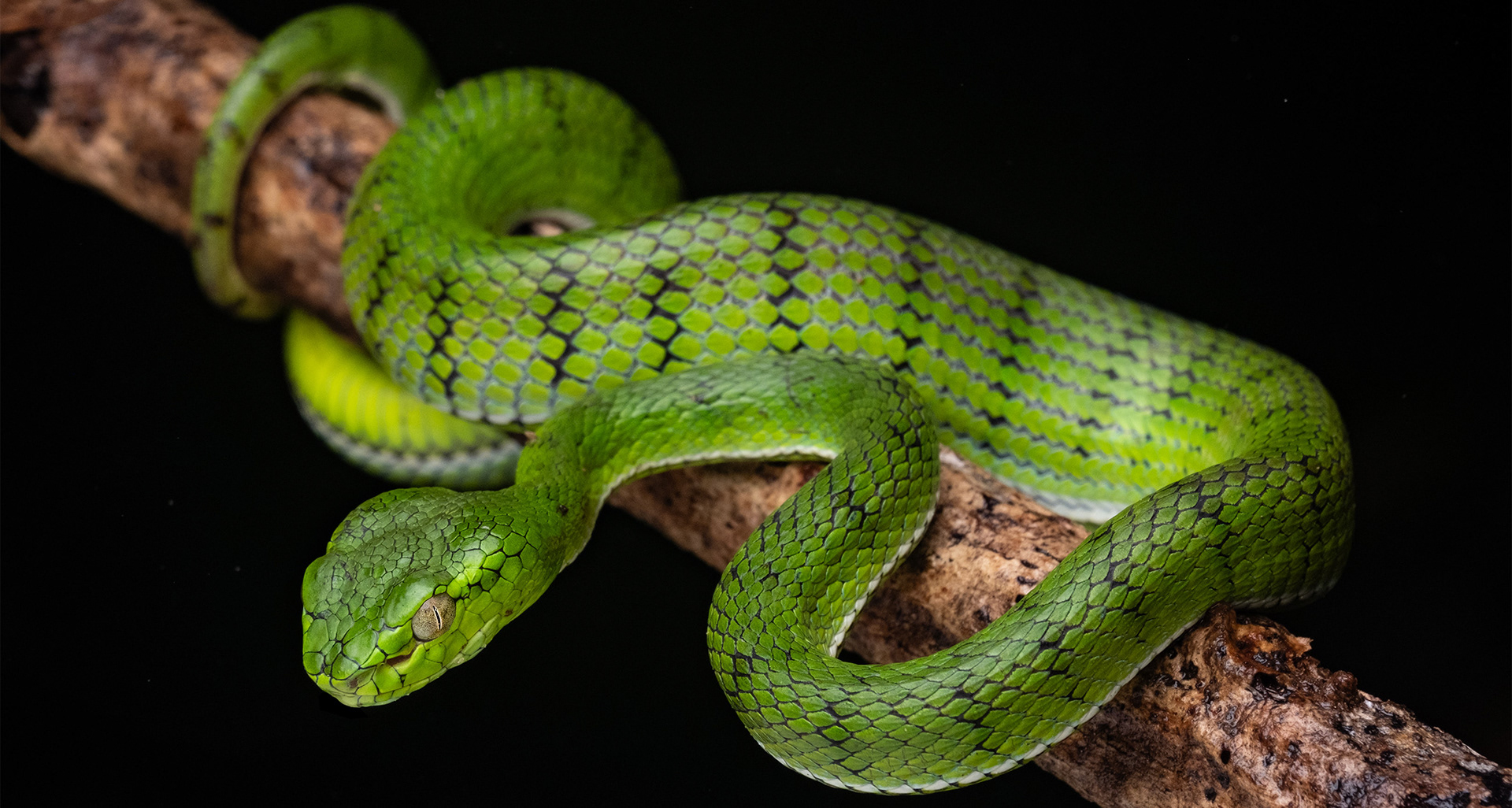
Juvenile Sumatran pit viper (Trimeresurus sumatranus)
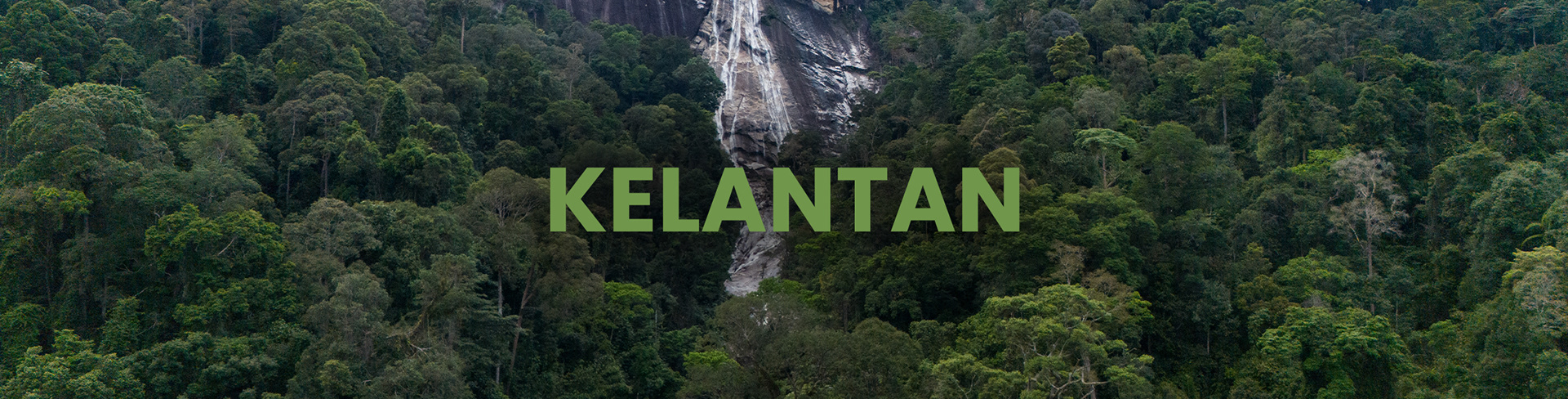
Nights 3-6: Kelantan
Our second destination is an Explore Herpetology exclusive location, nestled beside primary rainforest at the base of towering mountains in northern Kelantan province. We will spend 4 nights at this site, searching both day and night for the enormous variety of rare and exciting herpetofauna present in this mega-diverse area. We will have the opportunity to explore fragmented primary rainforest for the rarest (and most impressive) pit viper in the region, the Sumatran pit viper (Trimeresurus sumatranus), with December being one of the best months for encountering juveniles and adults of this species. This part of Kelantan is also the best place in Peninsula Malaysia for observing Sunda king cobra (Ophiophagus bungarus), which we will primarily road-cruise for during the daytime. There are also swamp forest and limestone karst ecosystems in this area, with the limestone caves providing the possibility to see Ridley's cave racer (Elaphe taeniura ridleyi). The sheer number of amphibian and reptile diversity is immense, with a seemingly endless number of species we can see on a daily basis, so best to look at the images above for some examples of what we have observed here in the past.
Our accommodation is jungle bungalows situated next to a waterfall. Snakes regularly show up in the guesthouse garden, along with rhinoceros hornbills and other interesting wildlife. On some of the roads in this area, we can regularly observe elephants, while many other rarer mammals and even Malayan tiger can be sighted here. We will eat in local restaurants, sometimes driving to the nearest town for fuel and western food options.
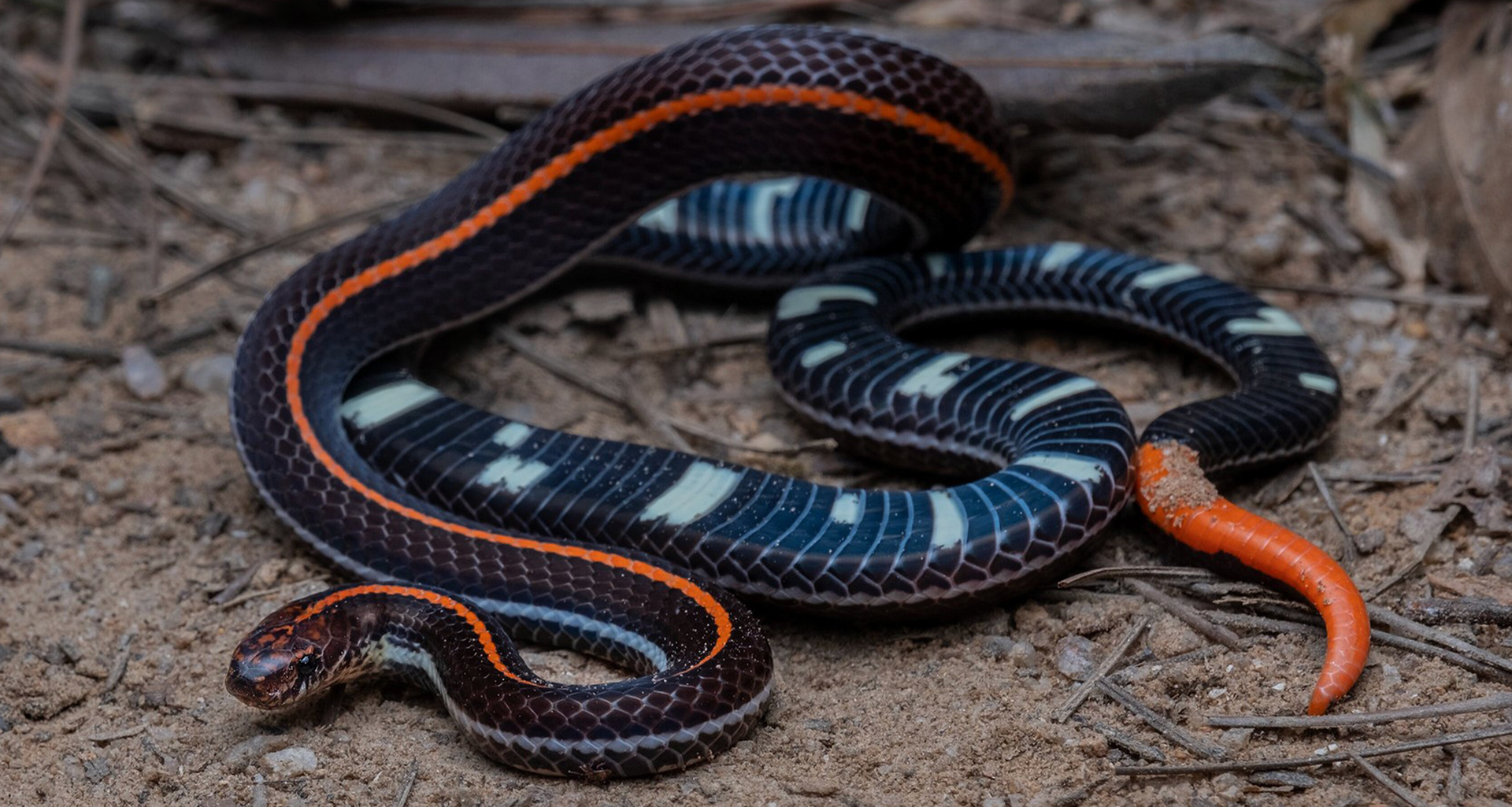
Malayan banded coral snake (Calliophis intestinalis).
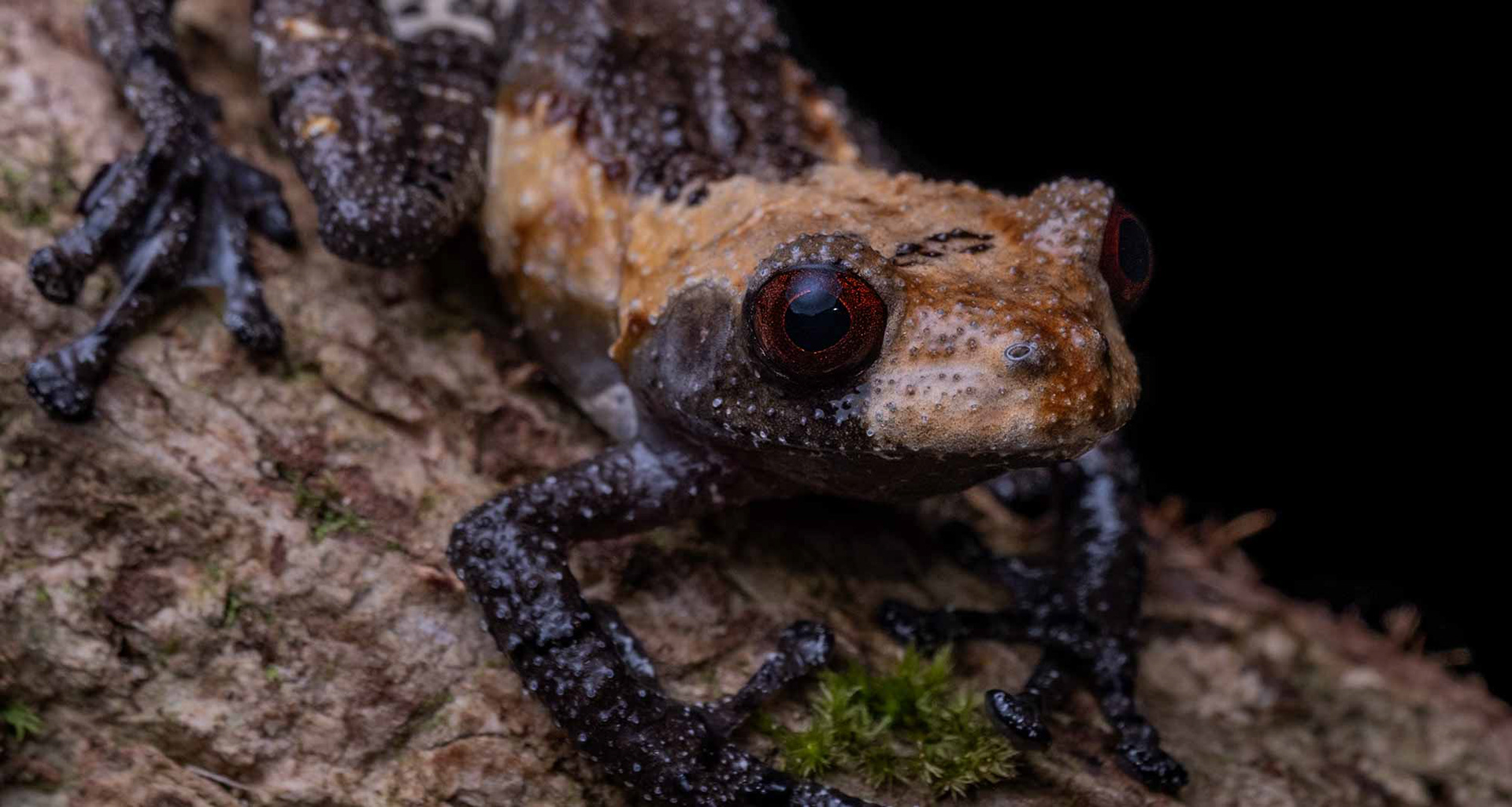
Pied warty frog (Theloderma asperum).
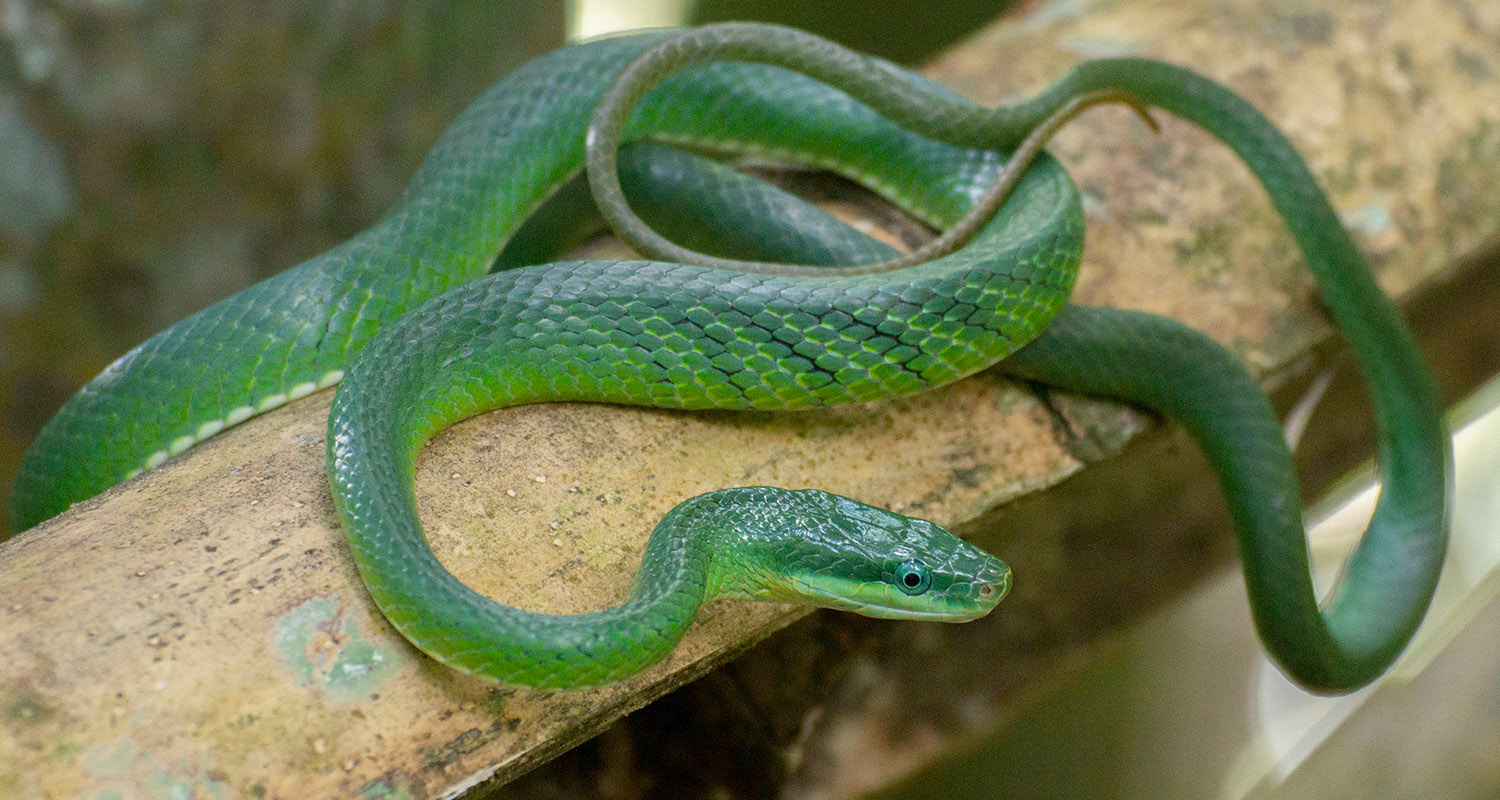
Blue-eyed bamboo ratsnake (Gonyosoma coeruleum).
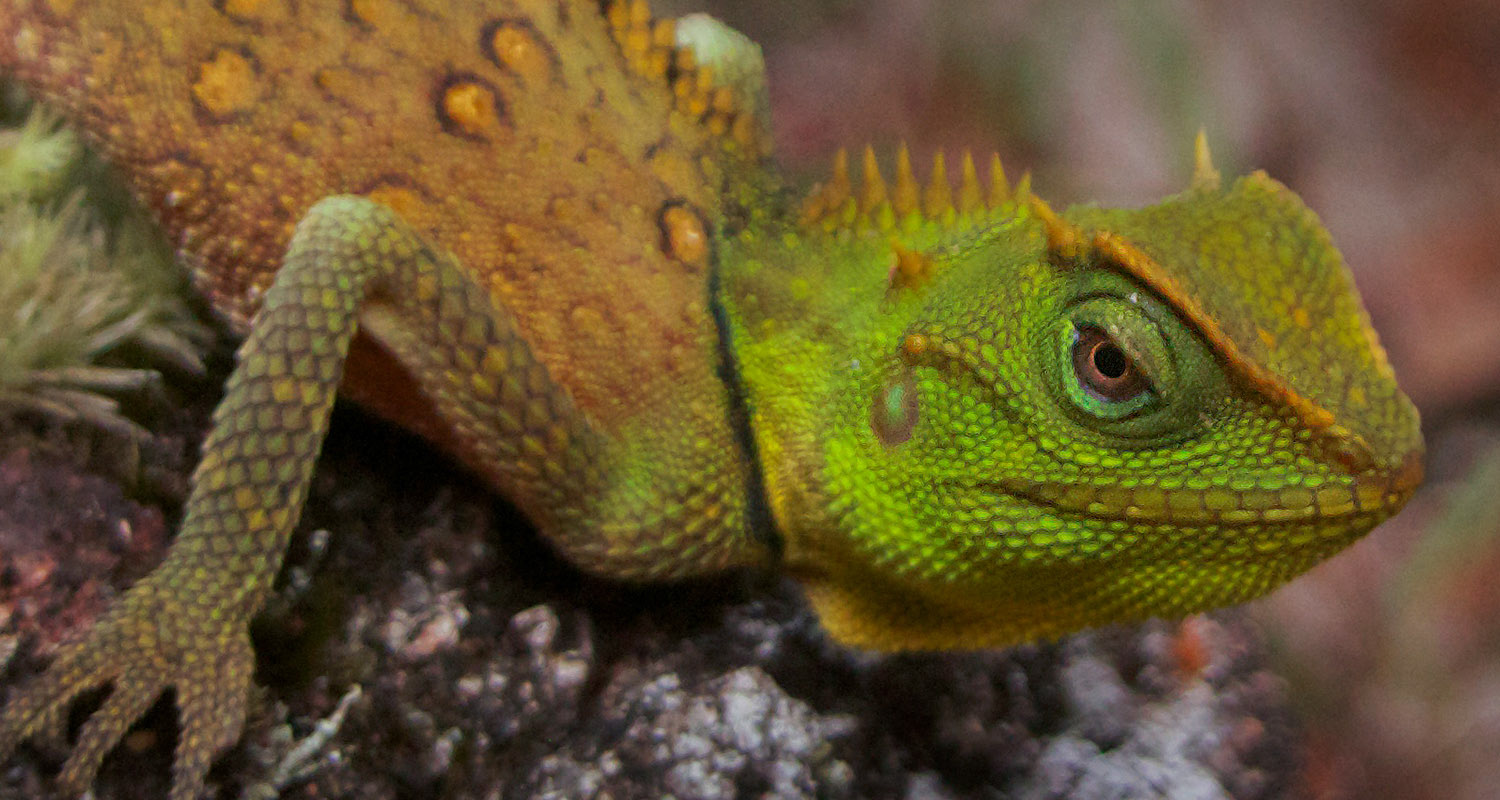
Endemic Titiwangsa horned dragon (Acanthosaura titiwangsaensis).
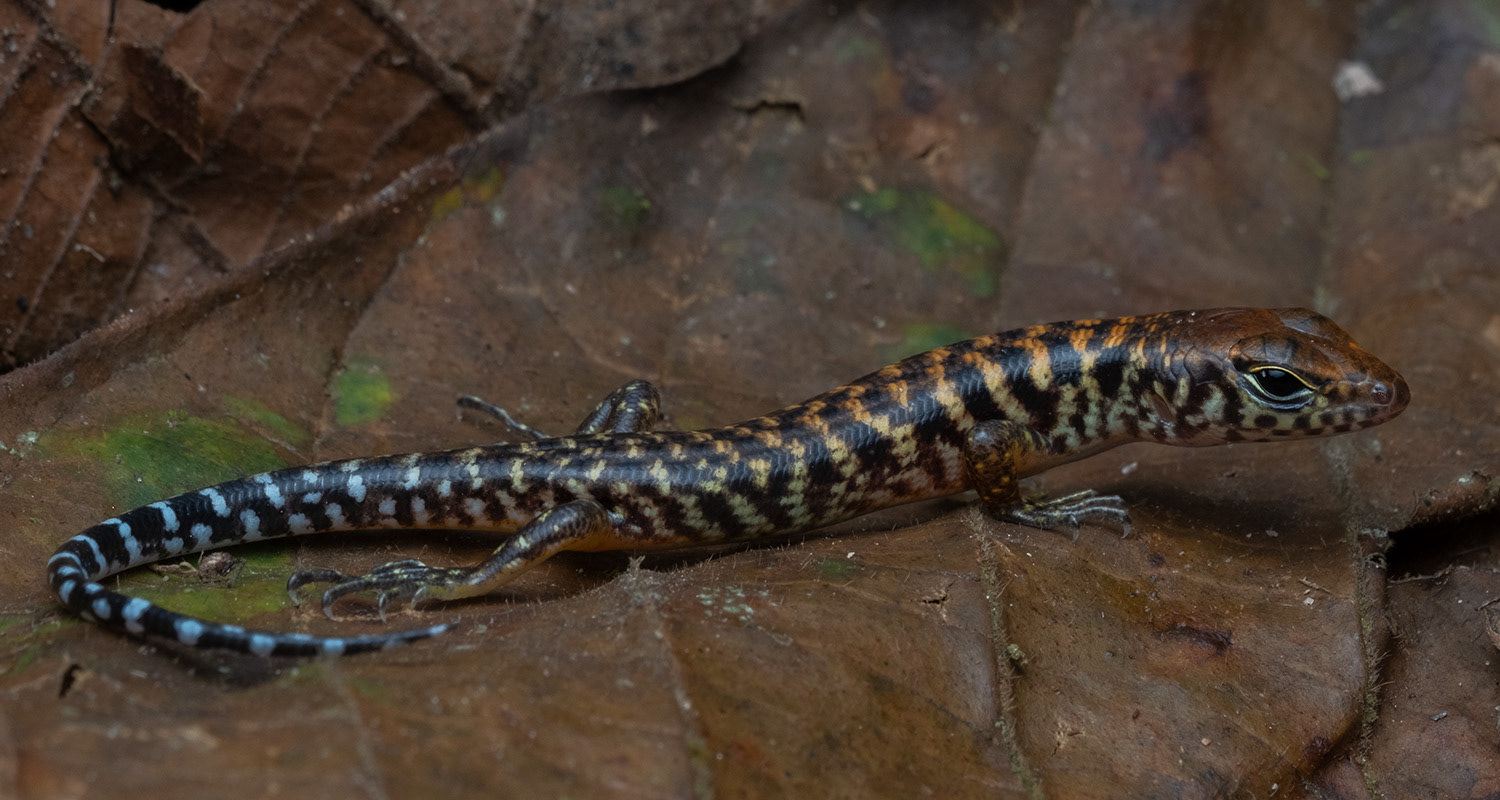
Blotched forest skink (Sphenomorphus praesignis) juvenile.
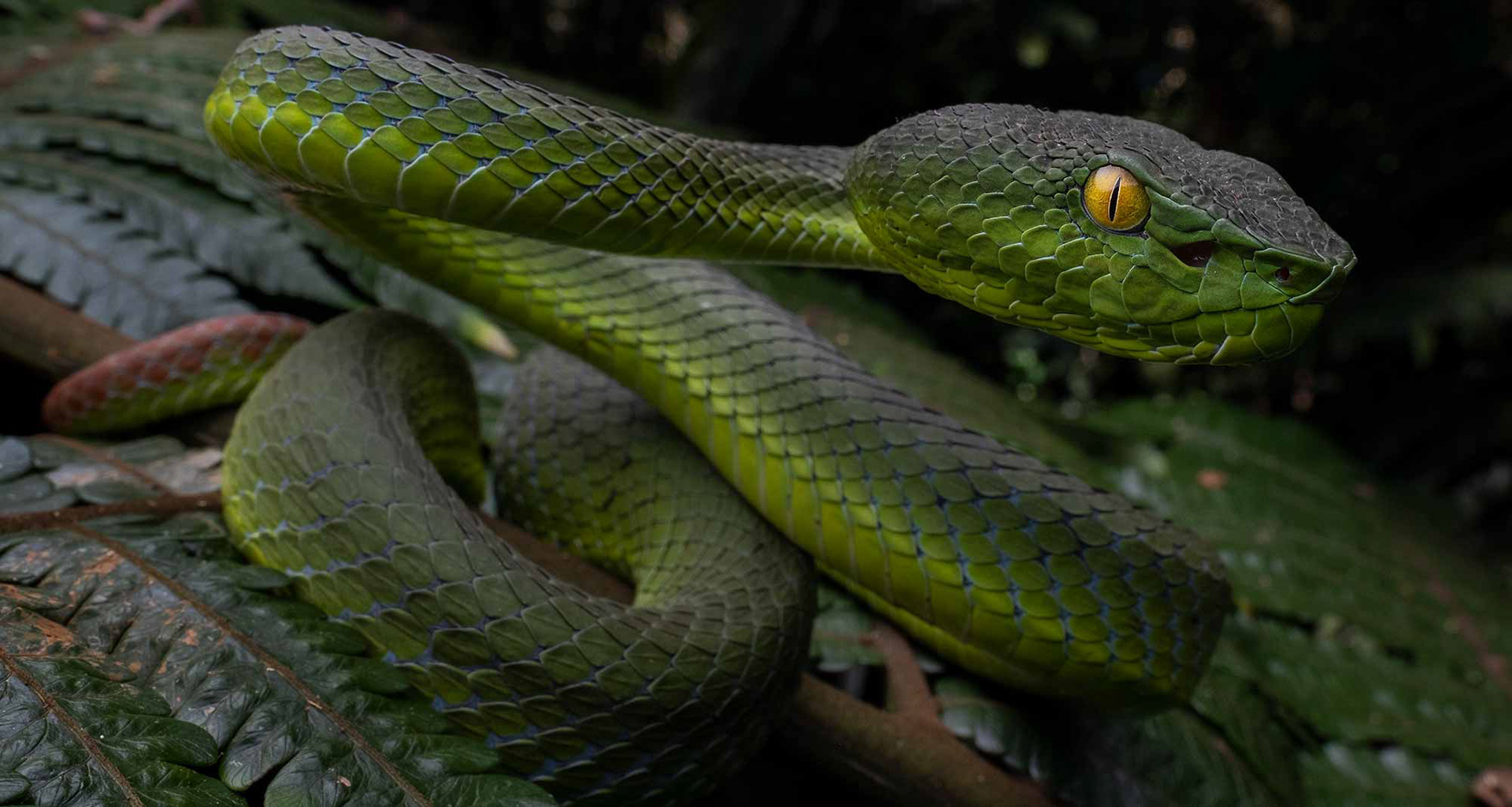
Sabah pit viper (Trimeresurus sabahi fucatus).
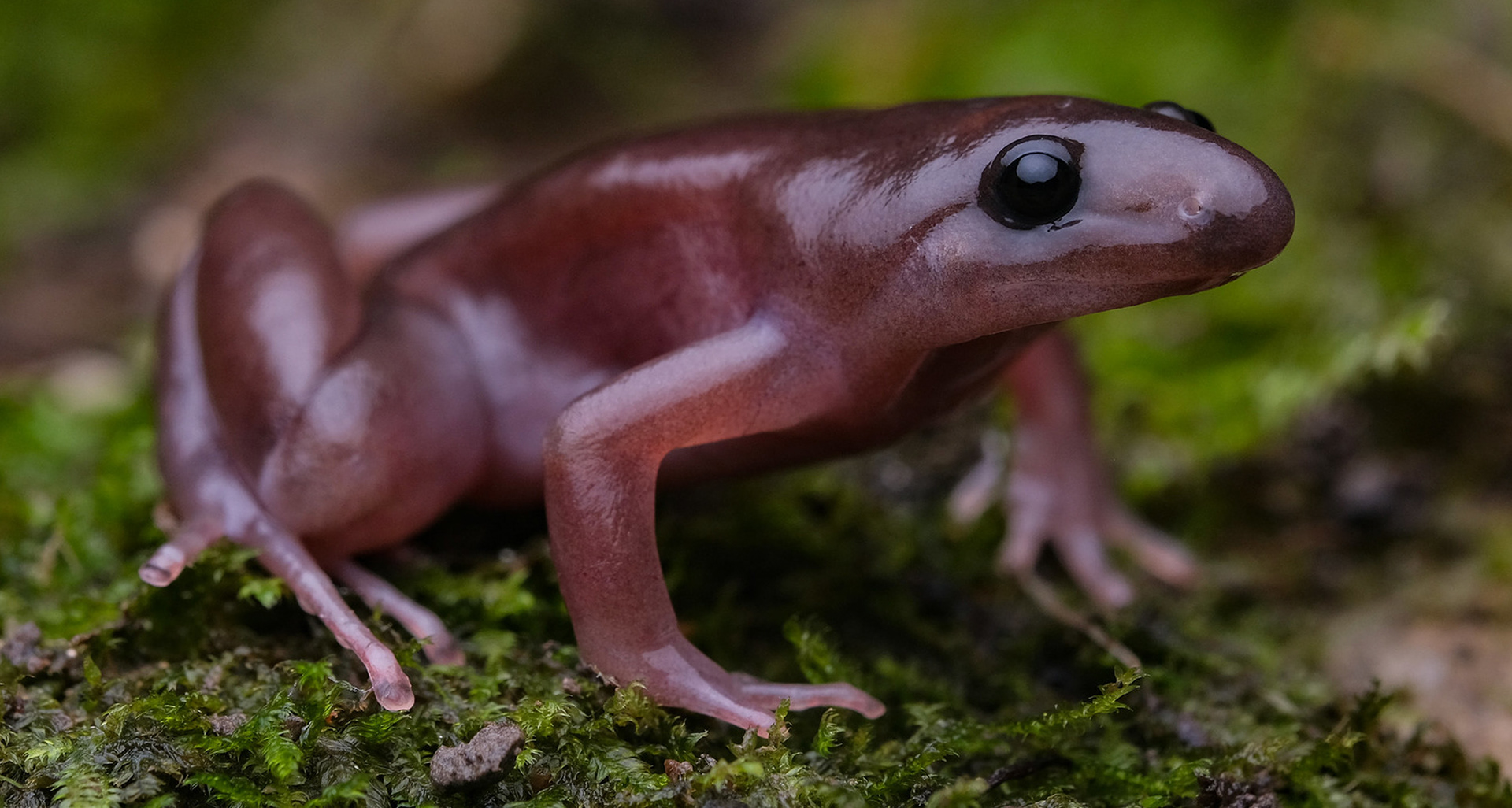
Ah Tung's frog (Gastrophrynoides immaculatus).
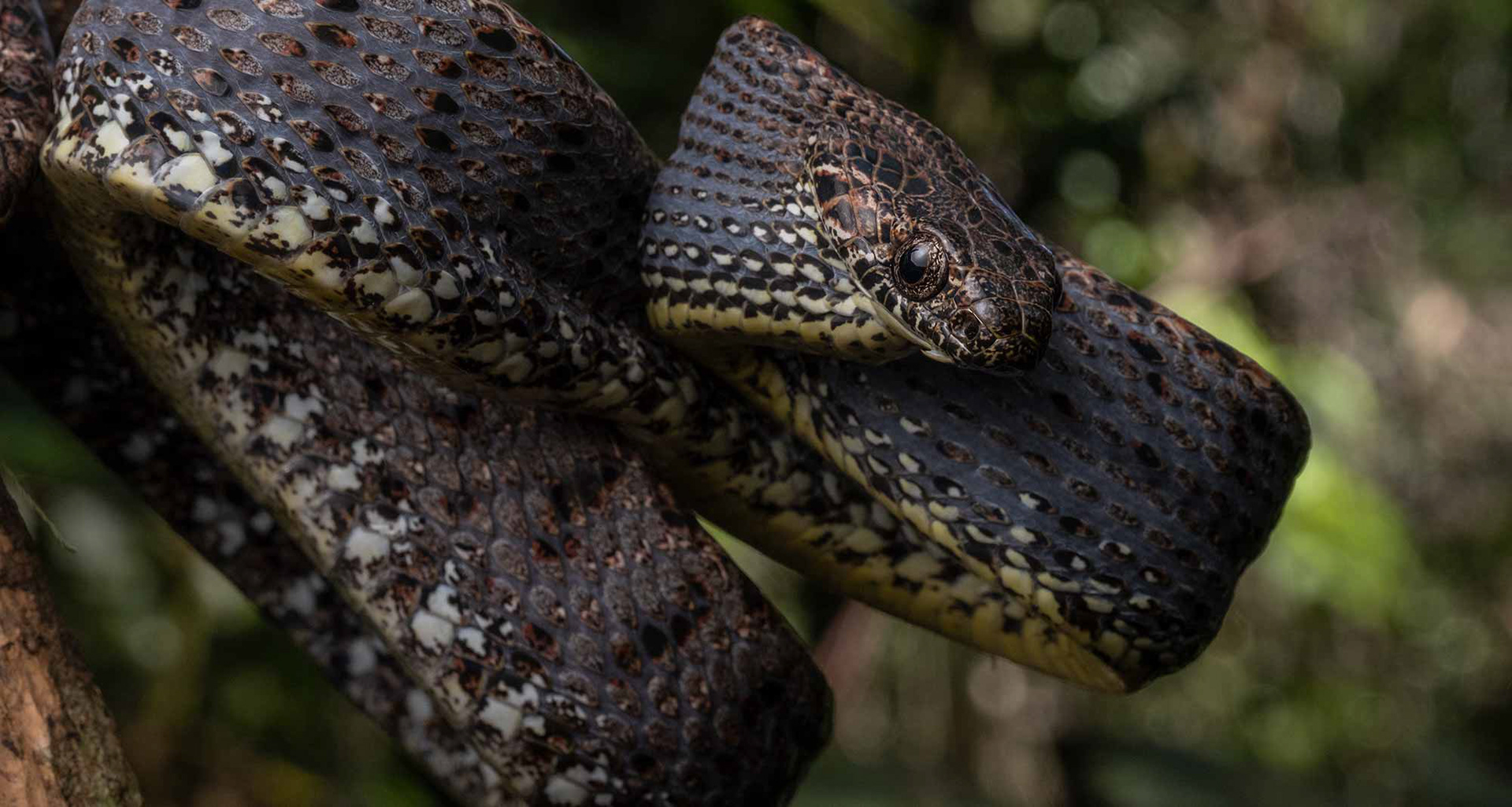
Jasper cat snake (Boiga jaspidea).
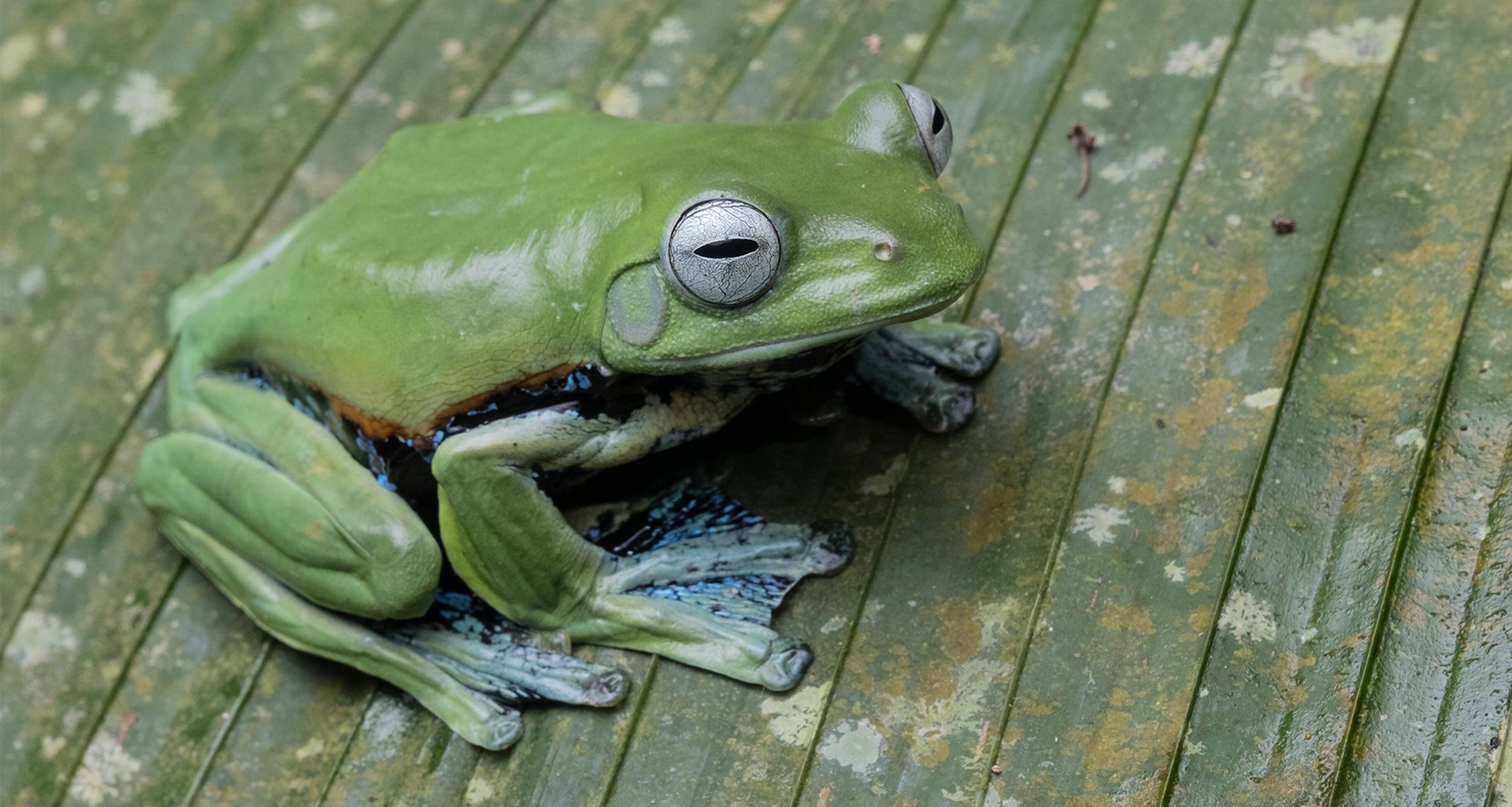
Norhayati's flying frog (Rhacophorus norhayatii).
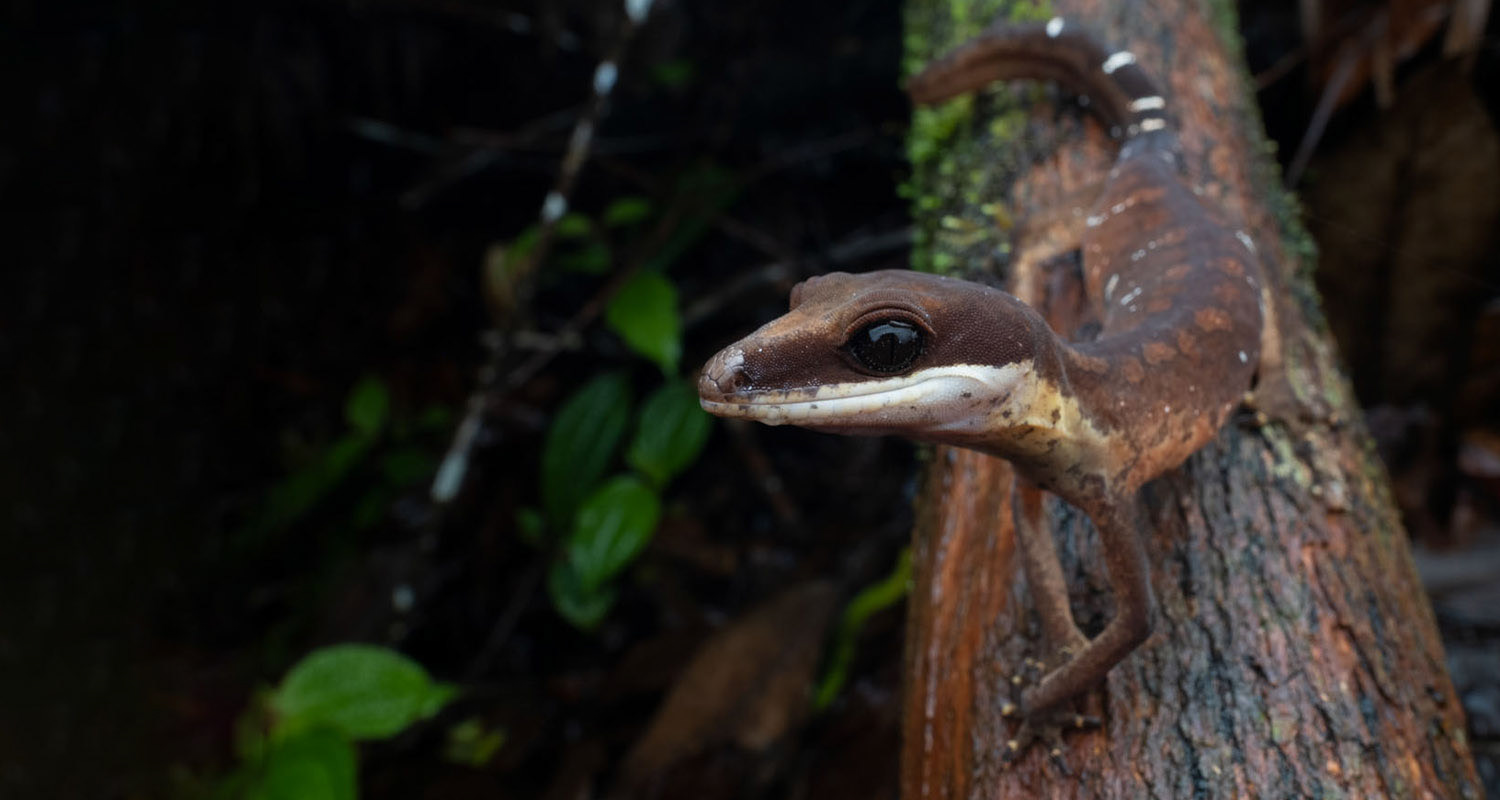
Cat gecko (Aleuroscalabotes felinus).
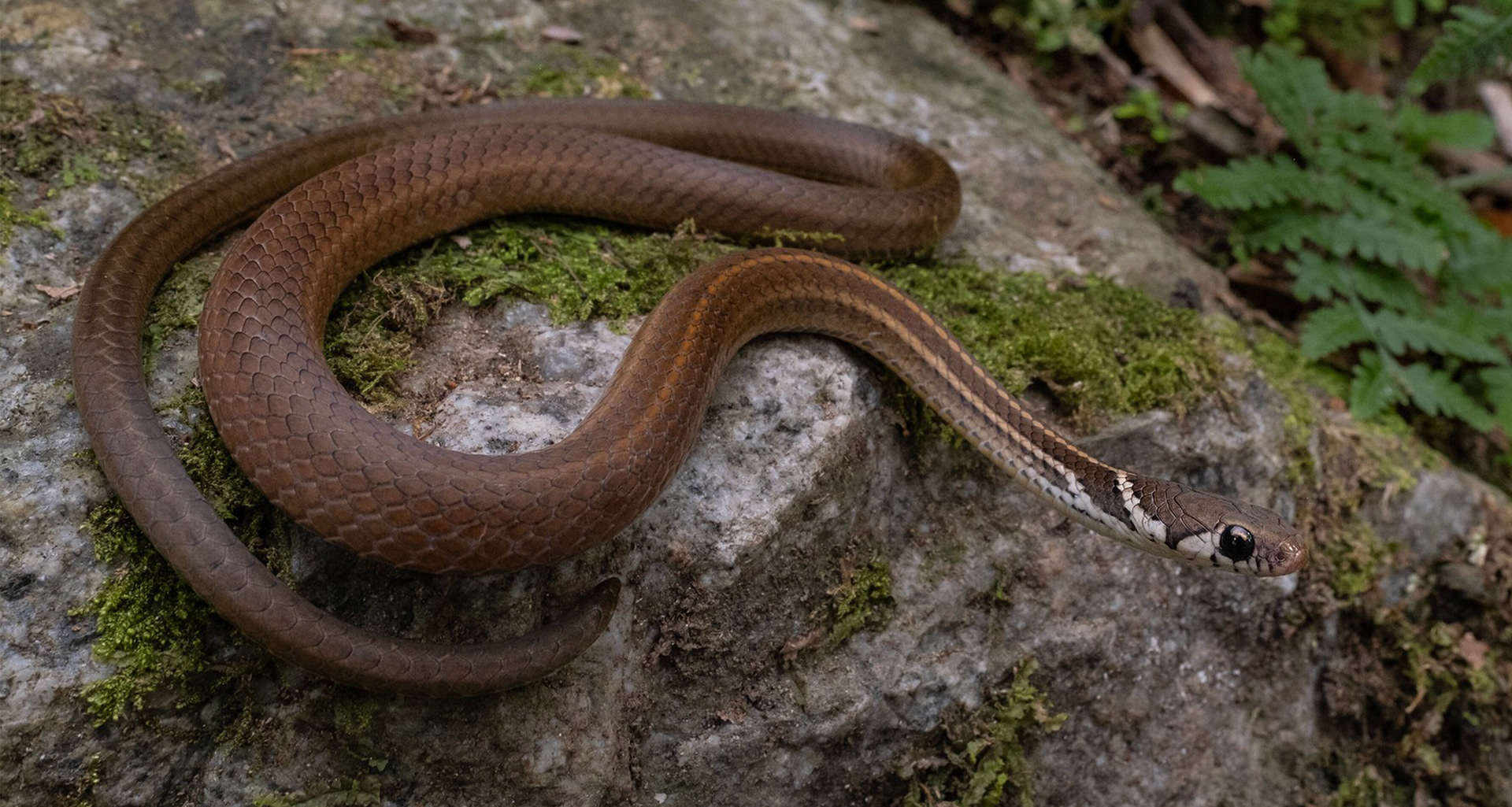
Long-tailed ground snake (Gongylosoma longicauda).
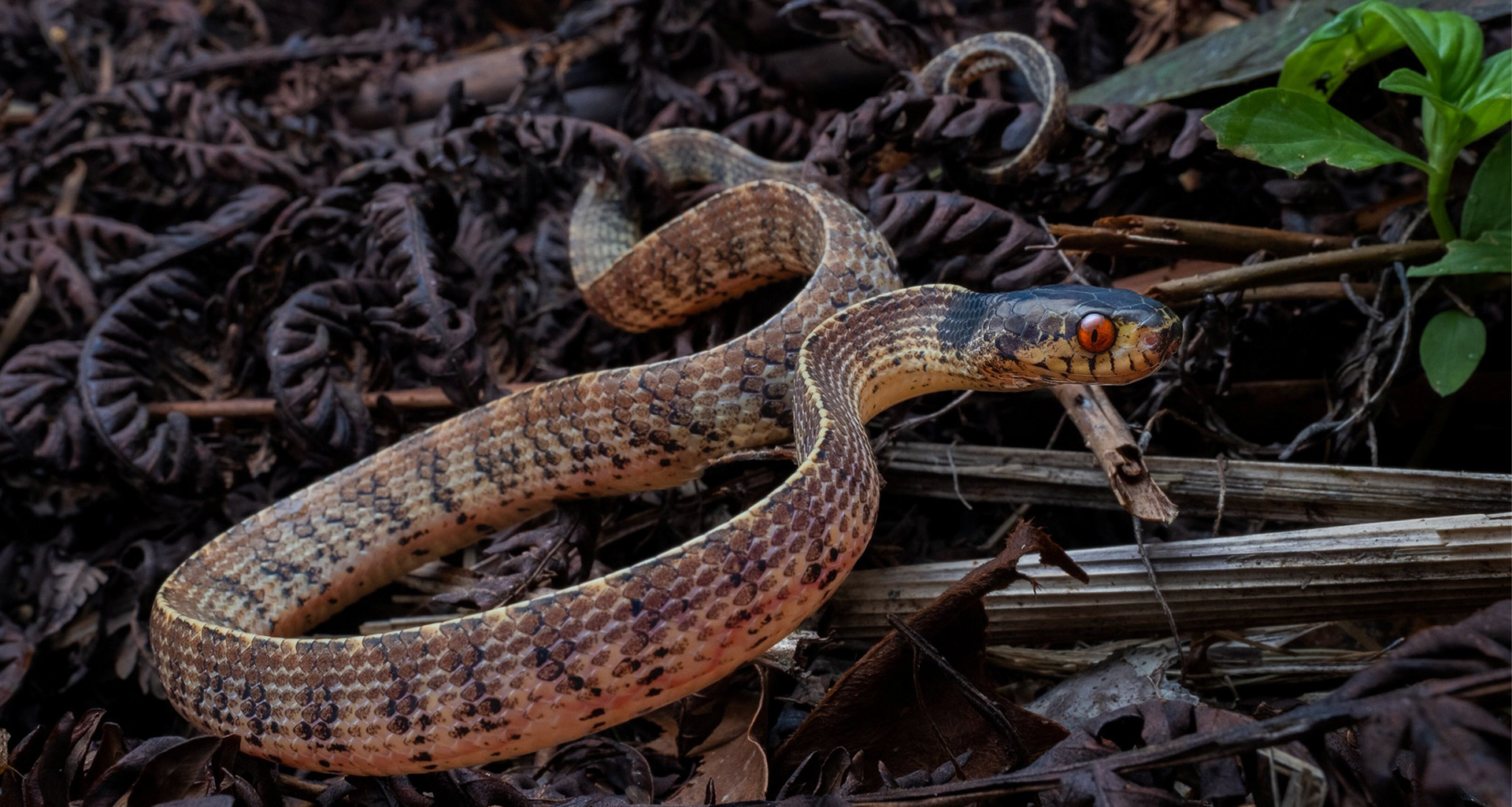
Vertebral slug snake (Asthenodipsas vertebralis).
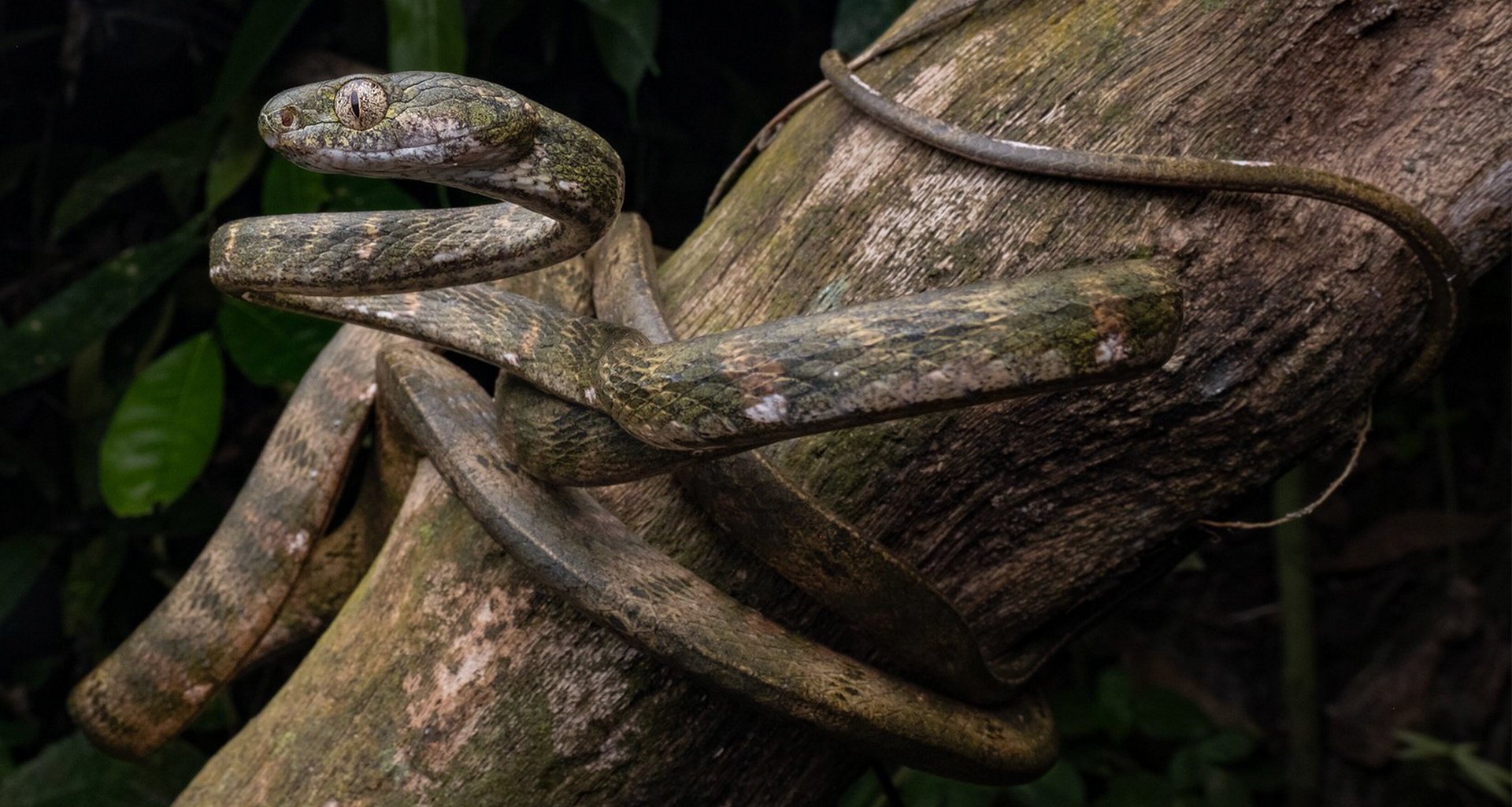
Bengkulu cat snake (Boiga bengkuluensis).
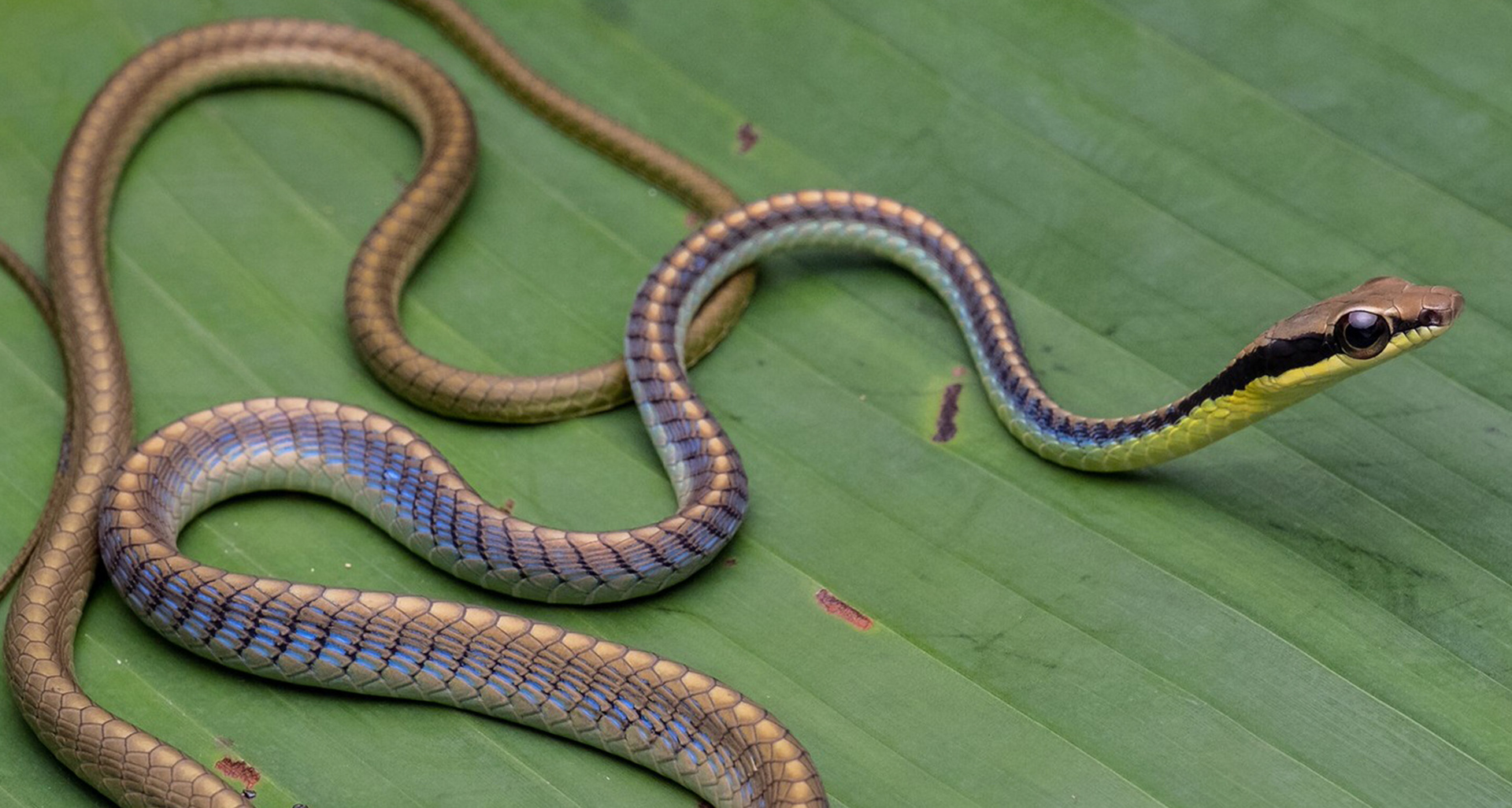
Blue bronzeback (Dendrelaphis cyanochloris).
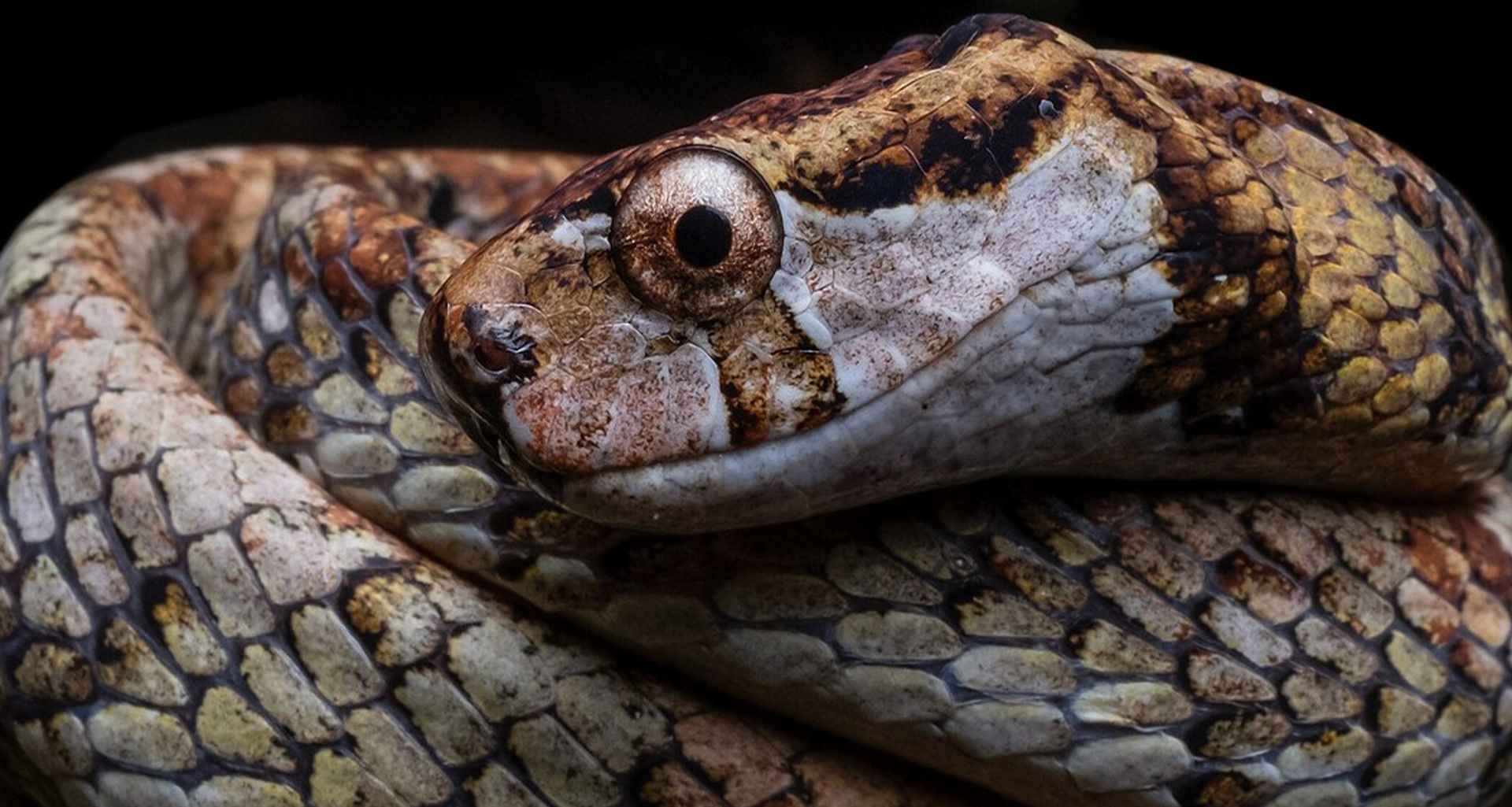
Blunt-headed slug snake (Aplopeltura boa).
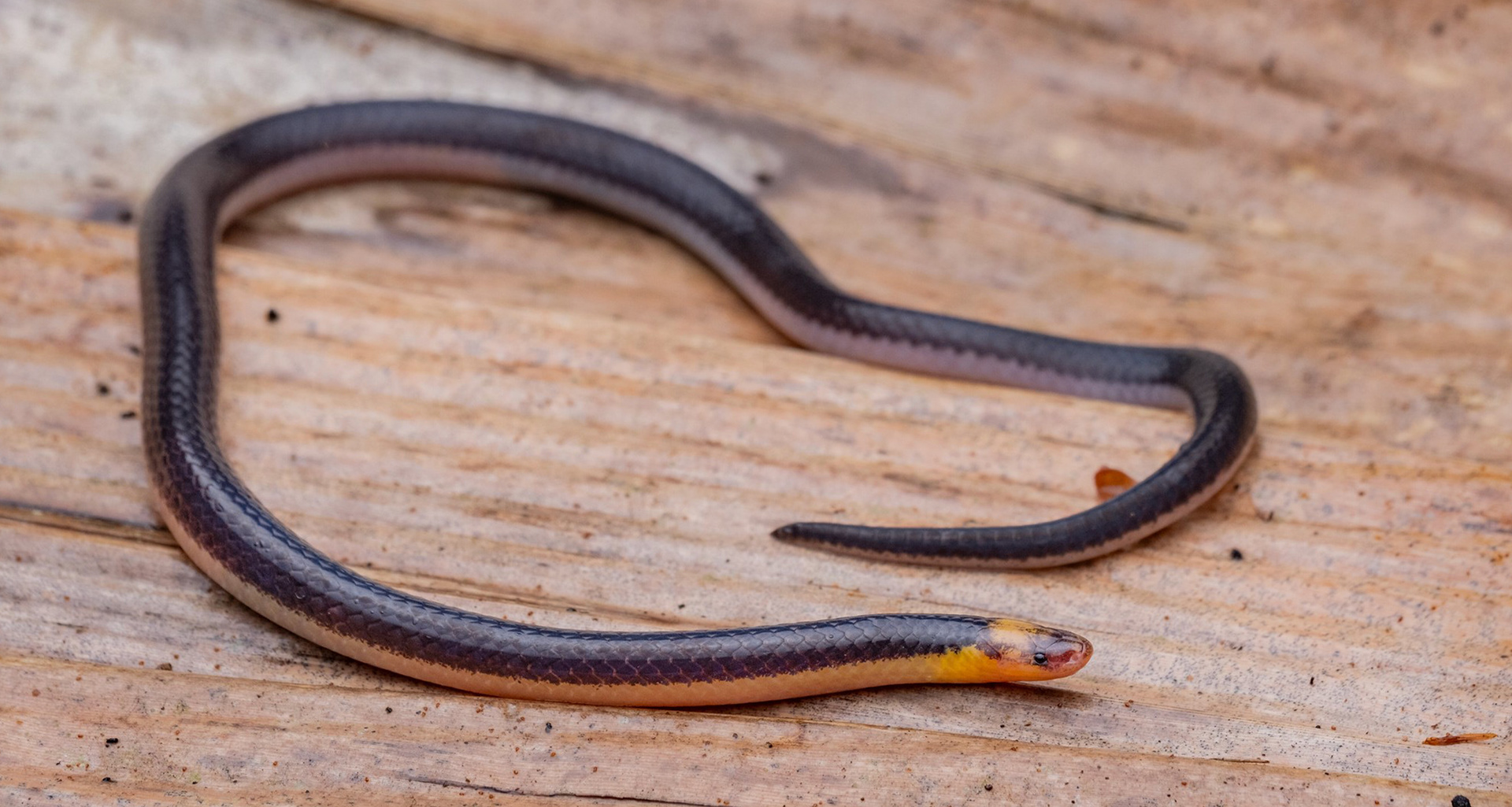
Schlegel's reed snake (Calamaria schlegeli).
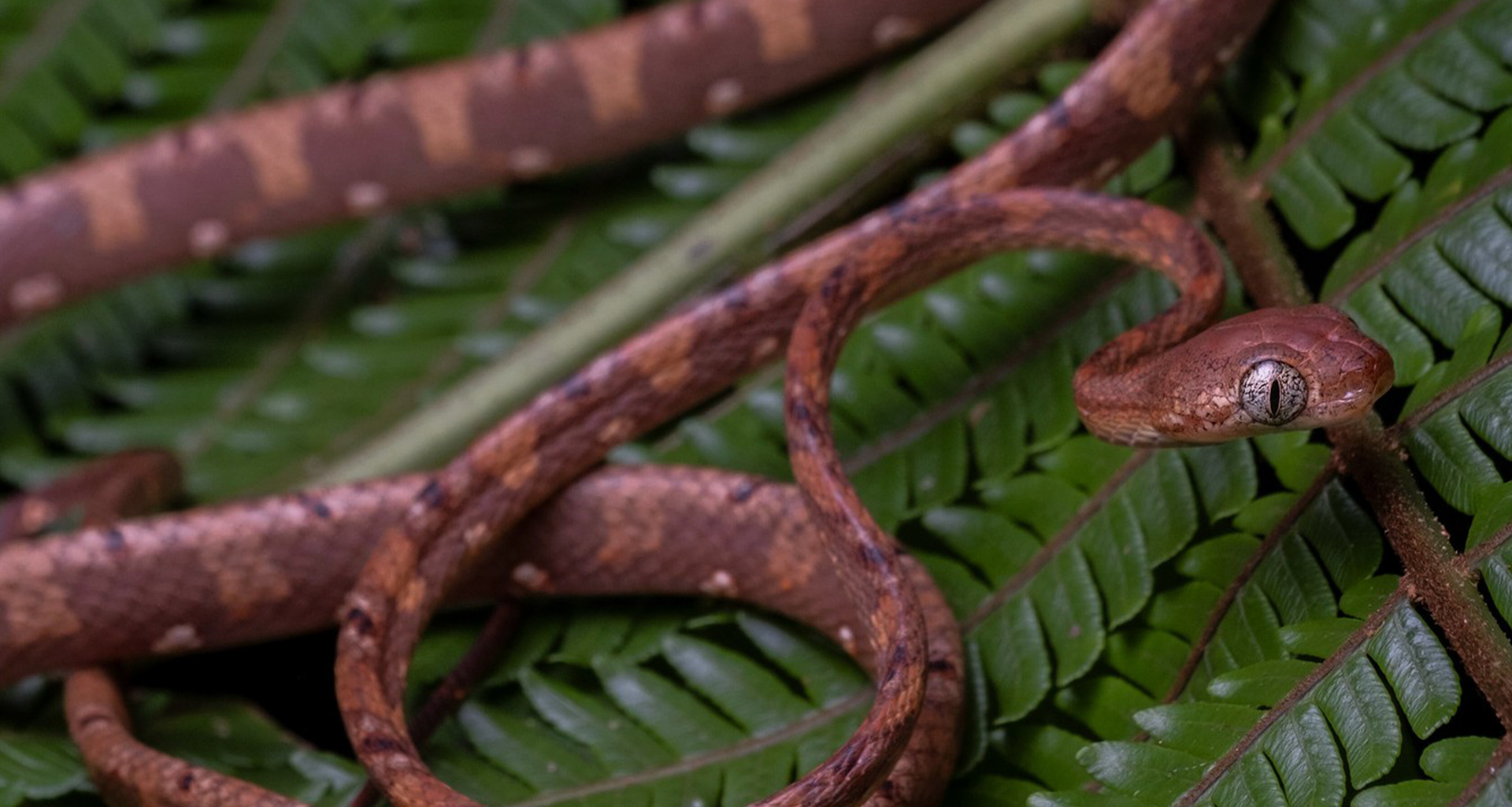
White-spotted cat snake (Boiga drapiezii).
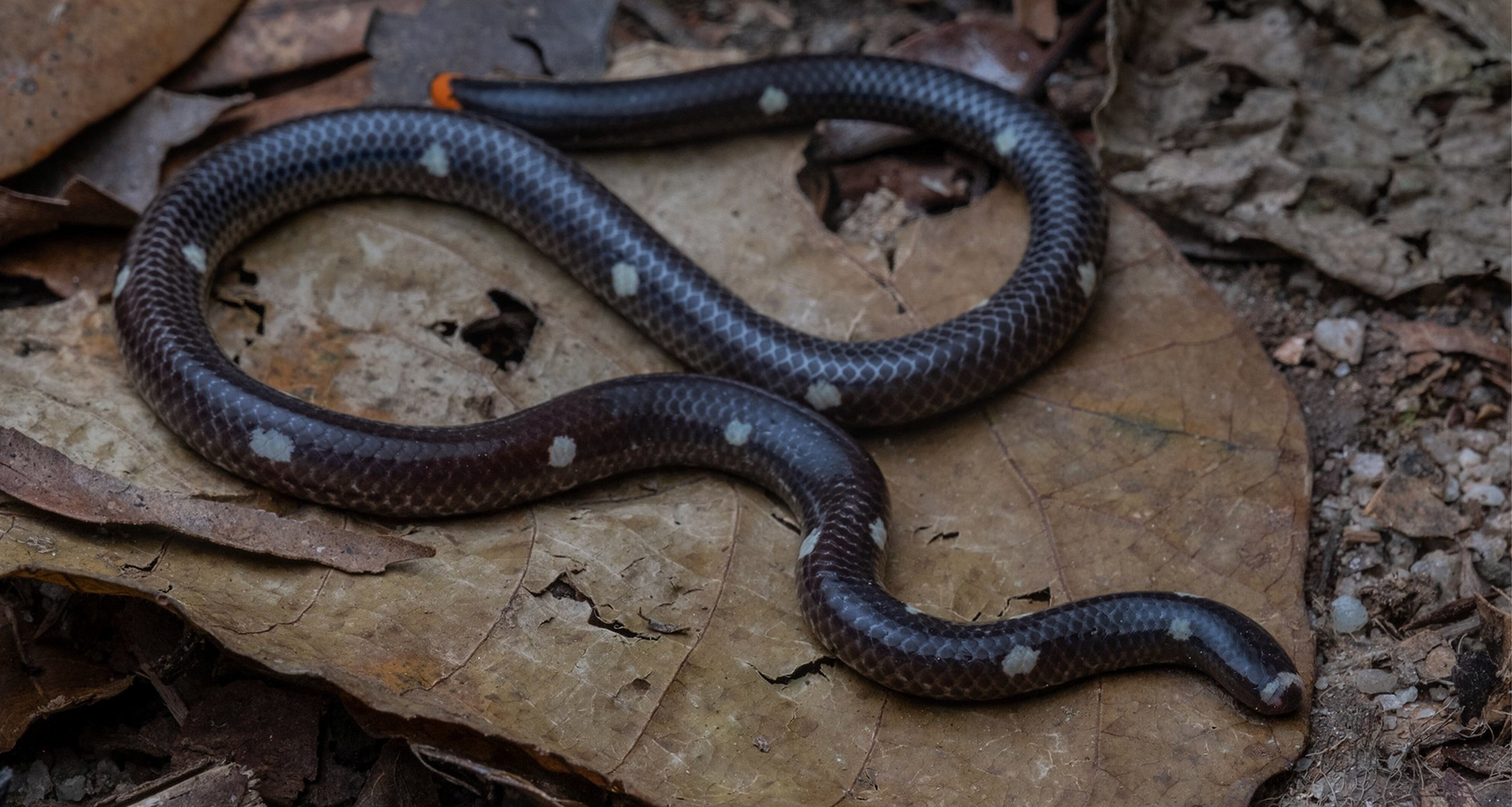
Leonard's pipe snake (Anomochilus leonardi).
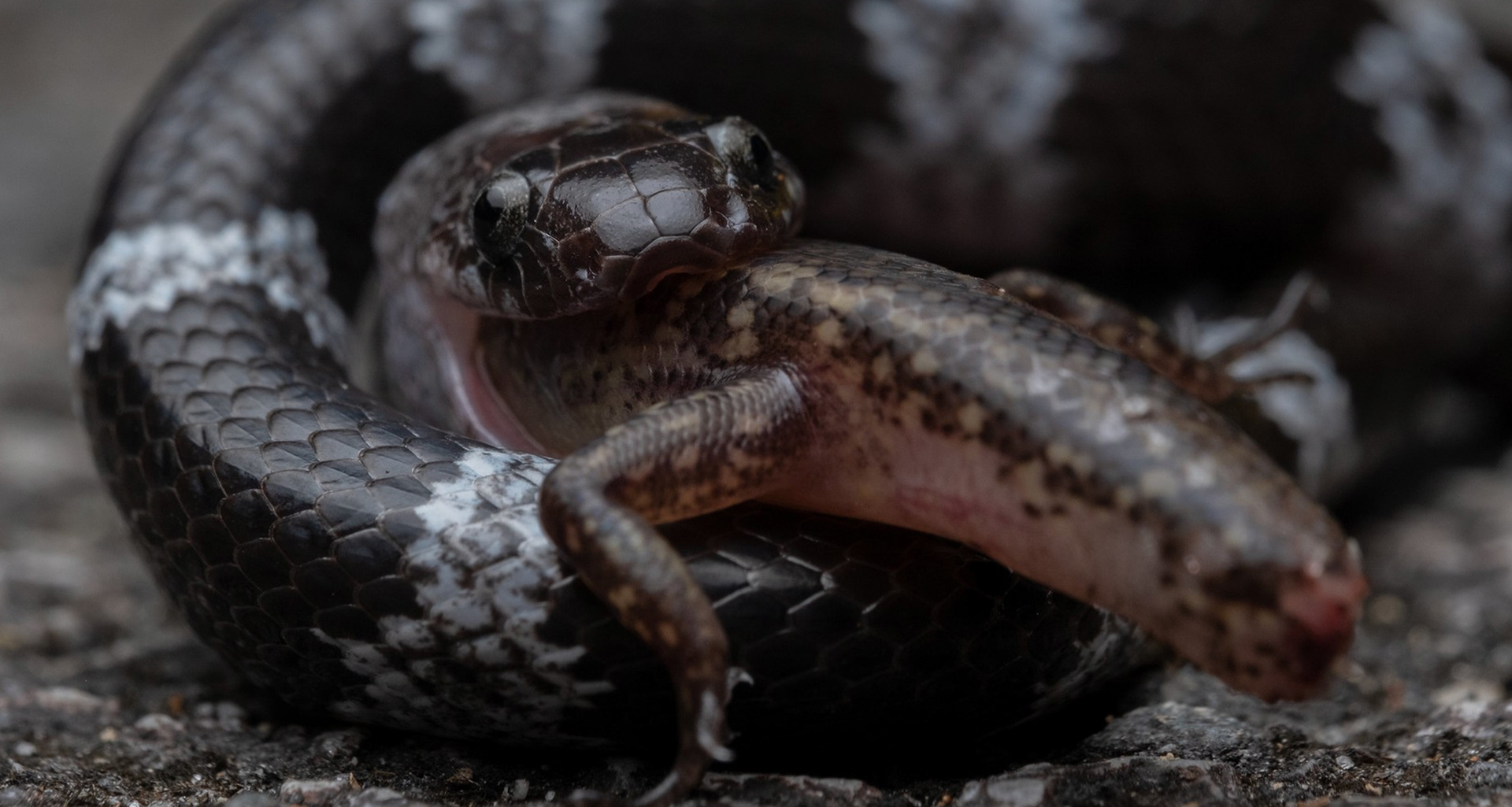
Butler's wolf snake (Lycodon butleri).
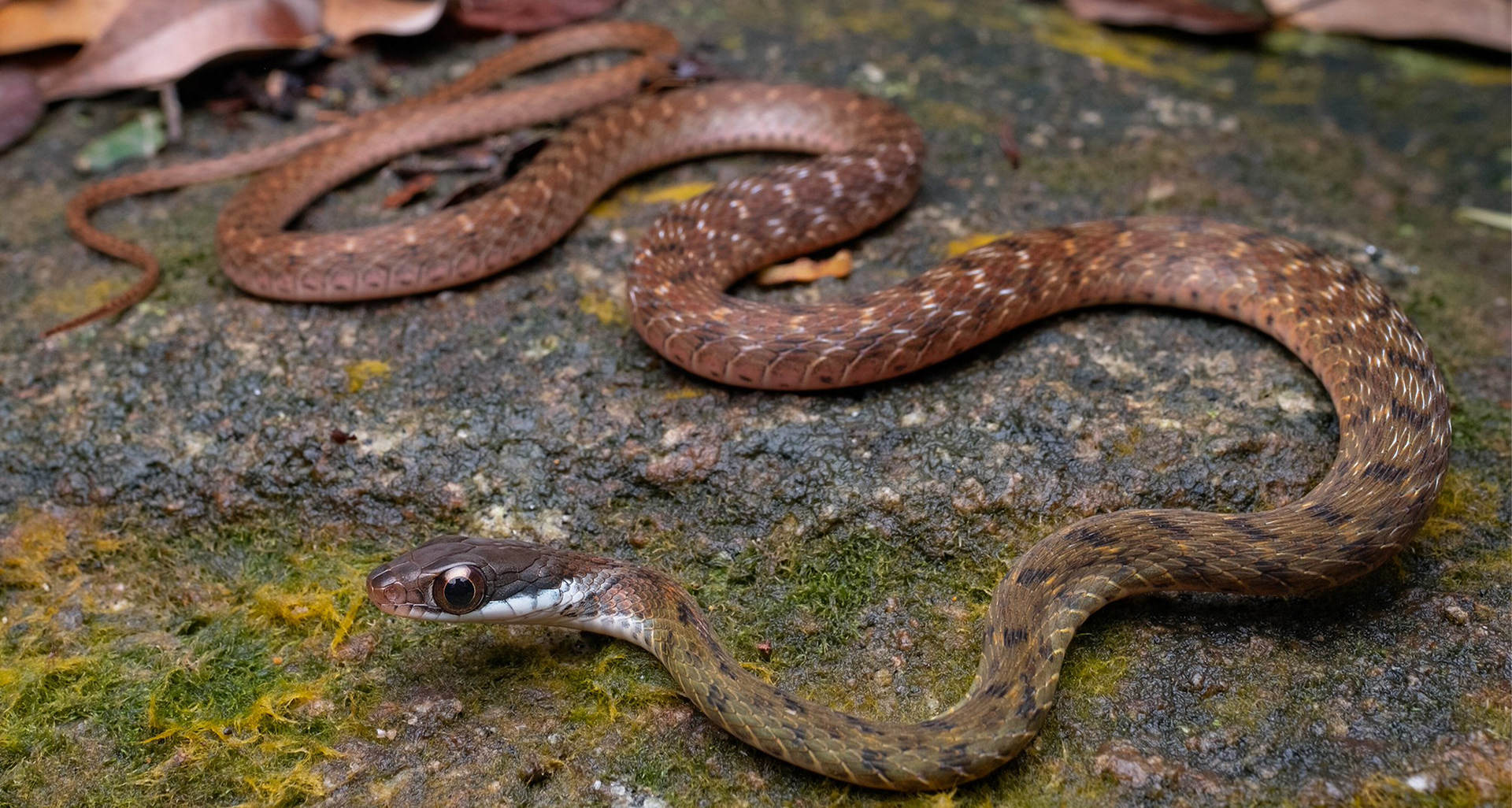
Speckle-bellied keelback (Rhabdophis chrysargos).
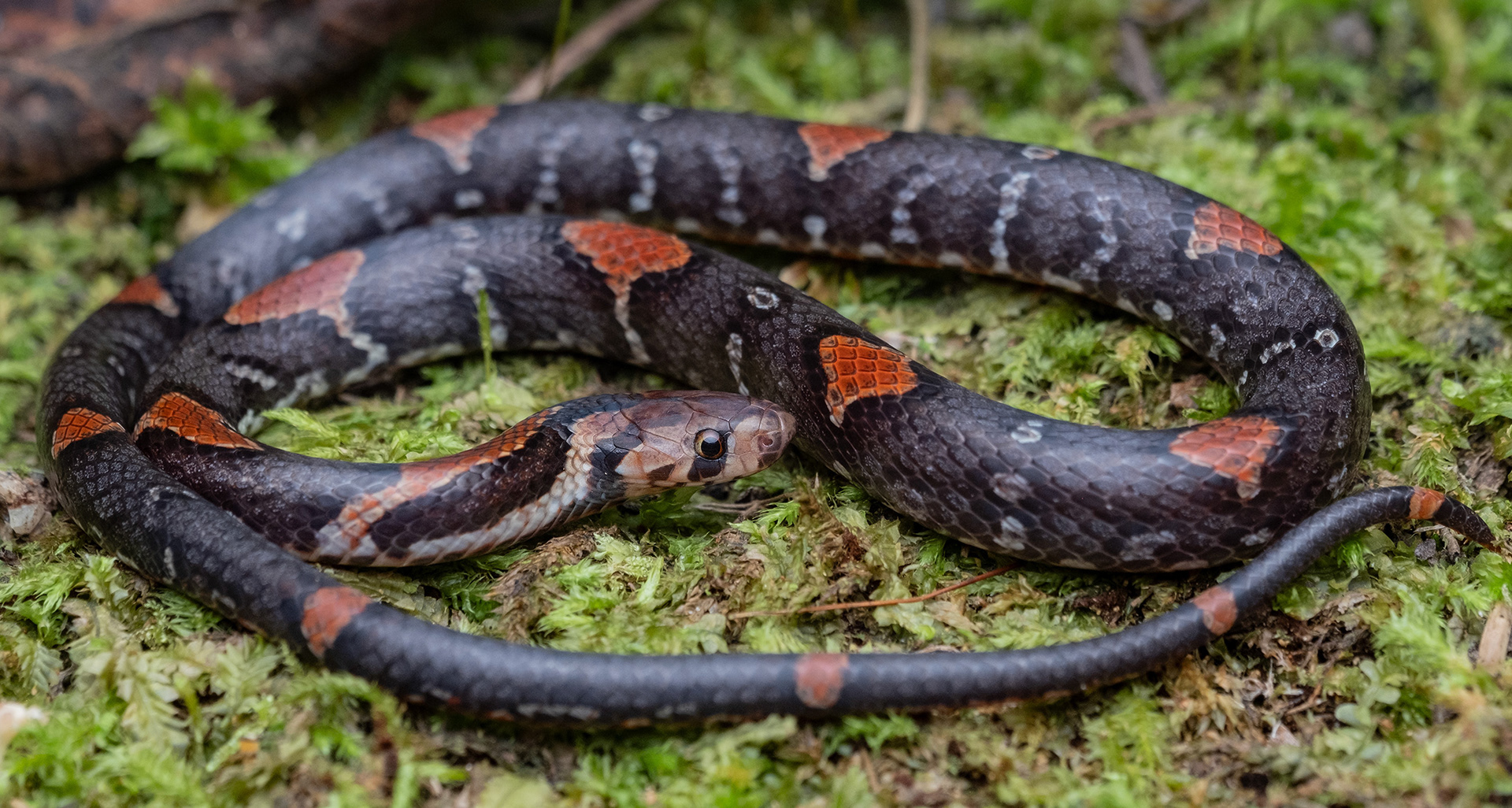
Rusty-barred kukri snake (Oligodon signatus).
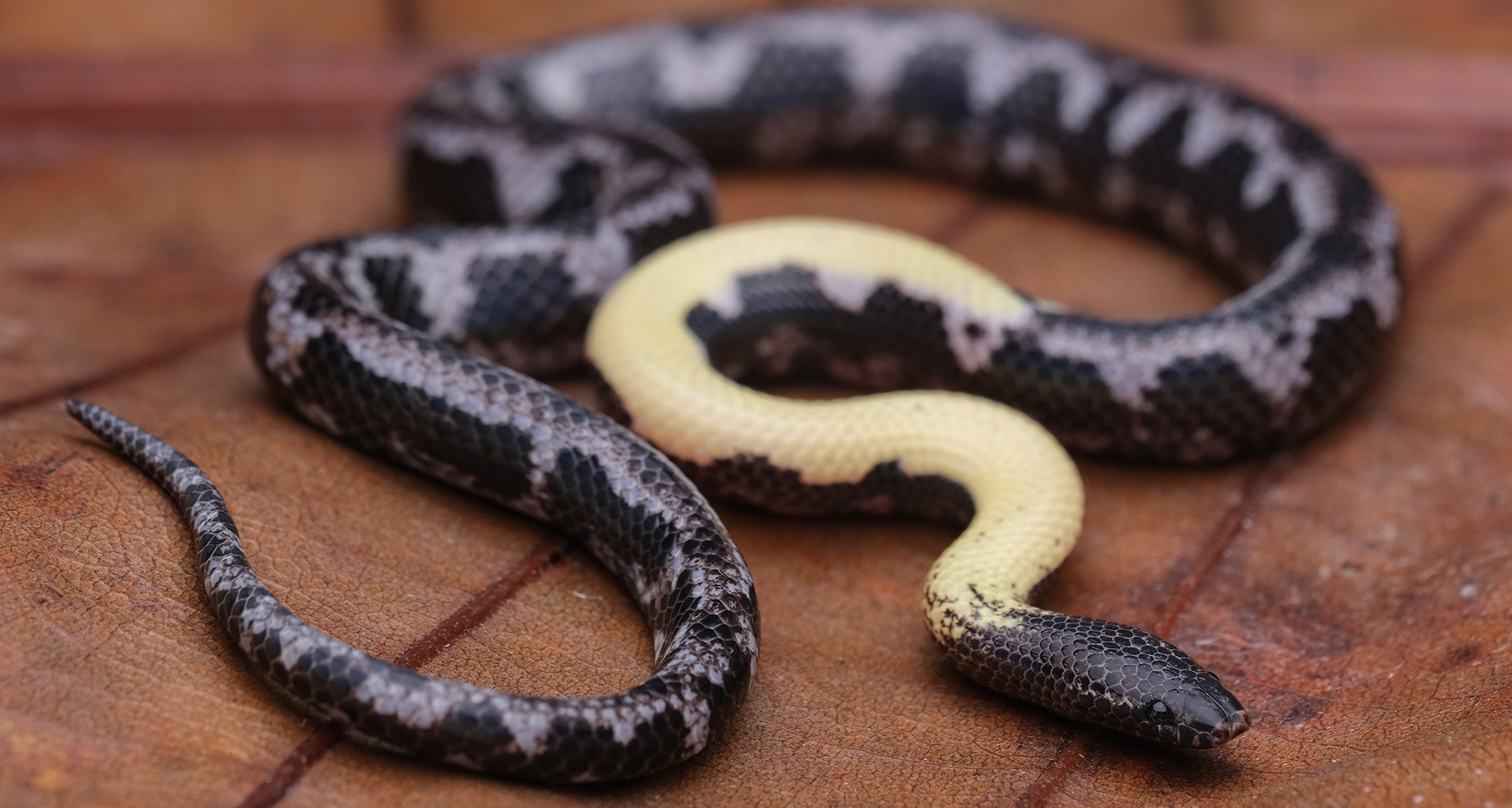
Schaefer's spiny-jawed snake (Xenophidion schaeferi).
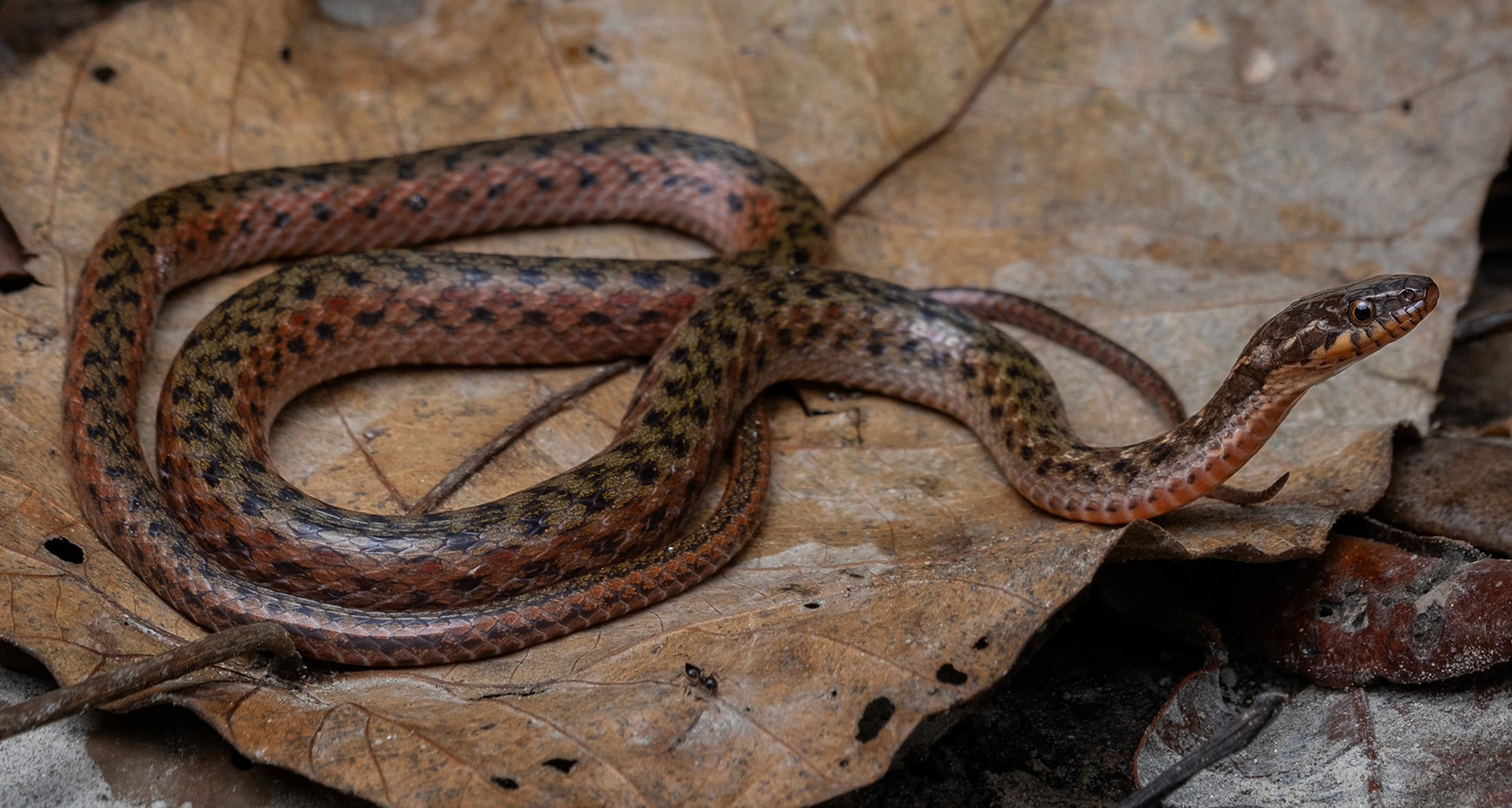
Red mountain keelback (Hebius sanguineum).
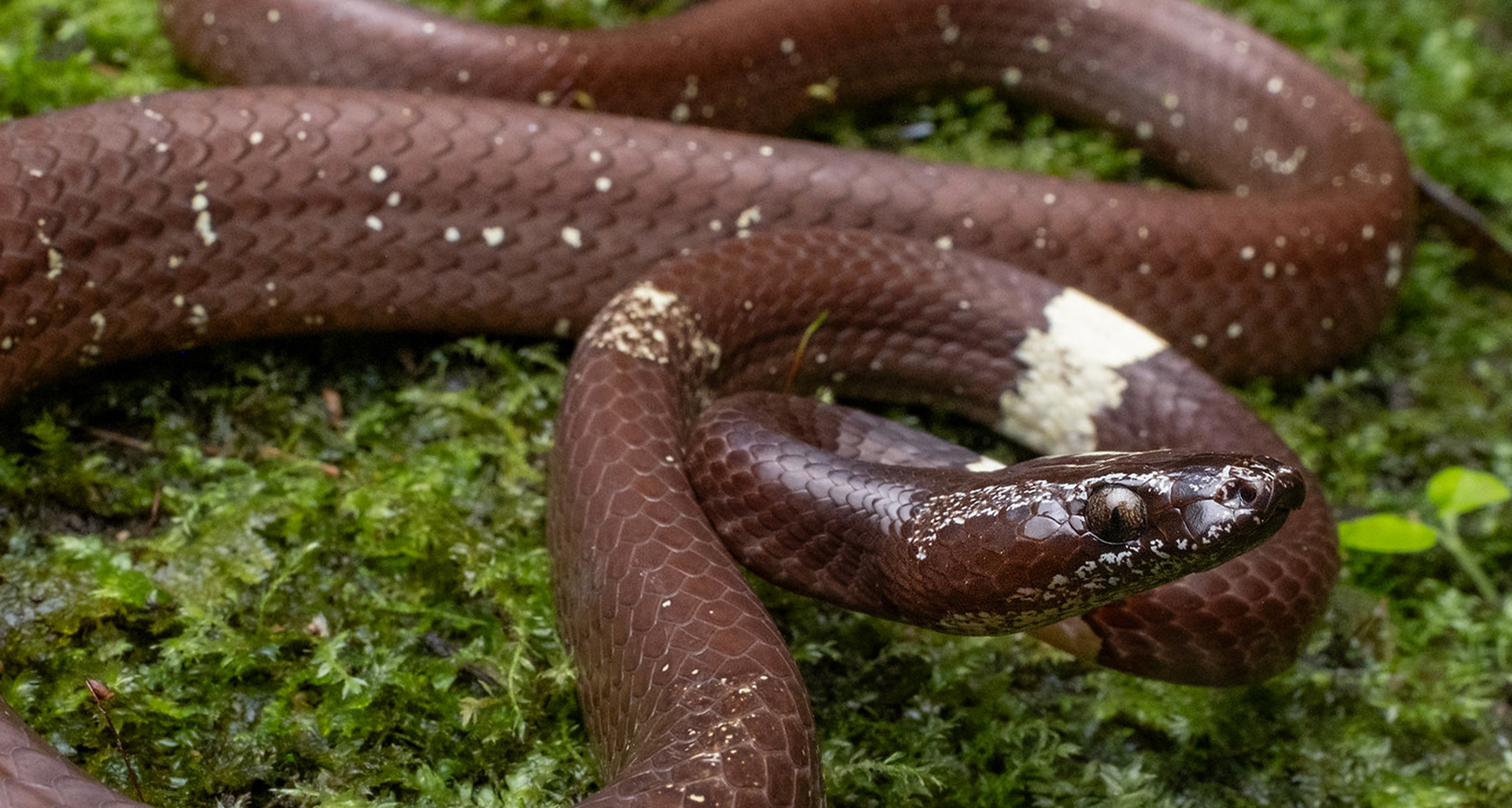
Scarce wolf snake (Lycodon effraenis).
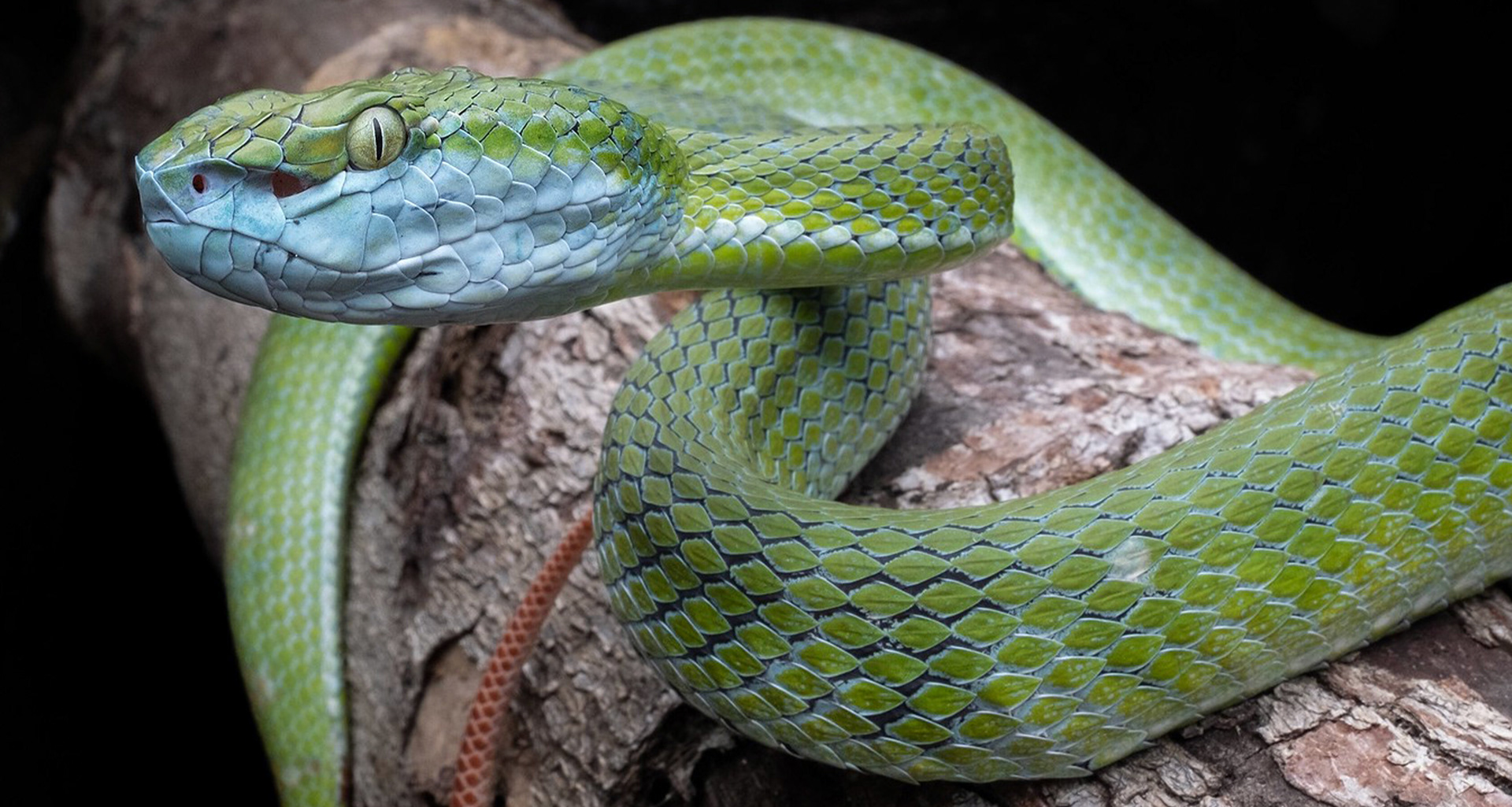
Hagen's pit viper (Trimeresurus hageni).
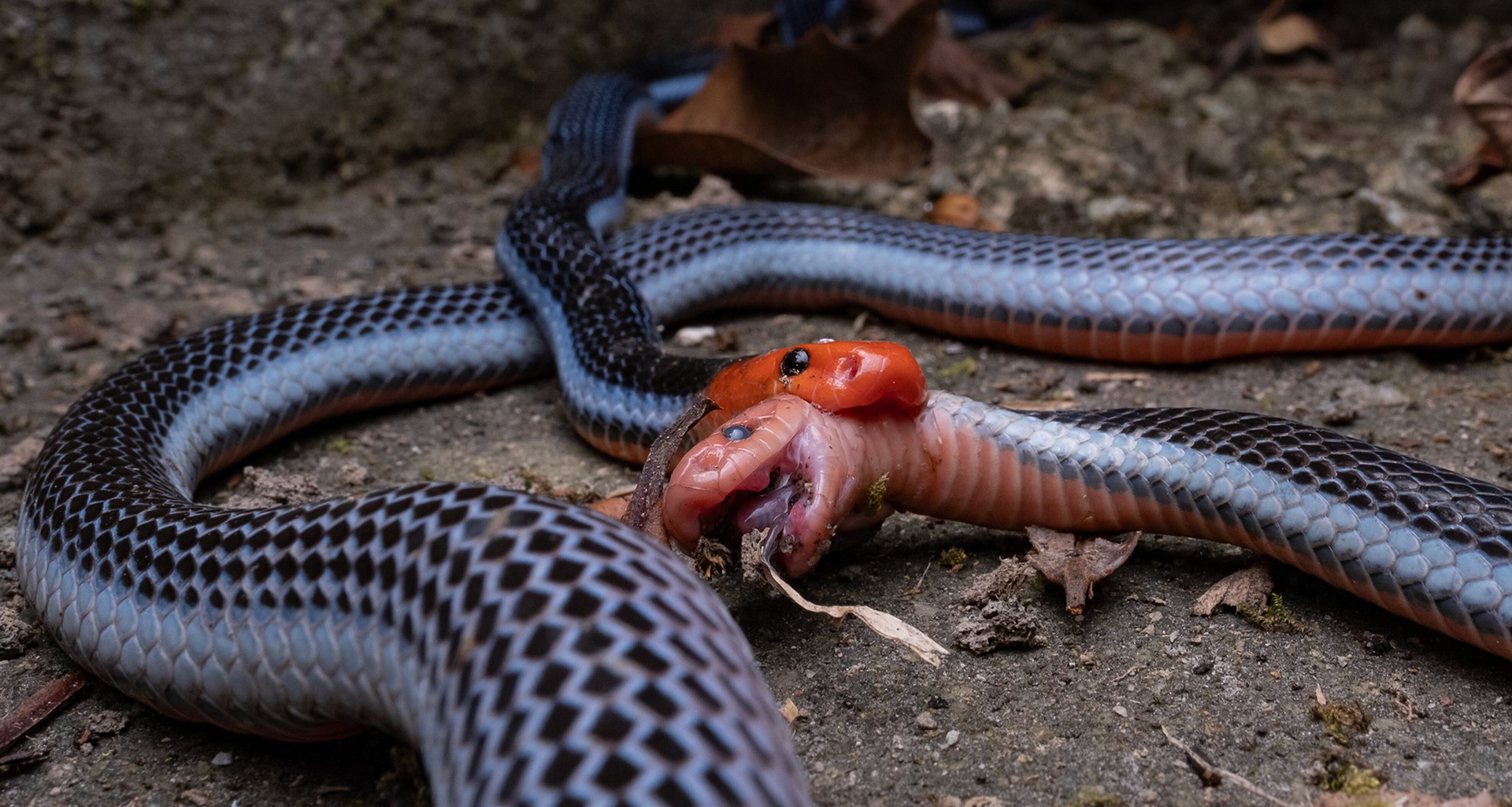
Blue coral snake (Calliophis bivirgata flaviceps).
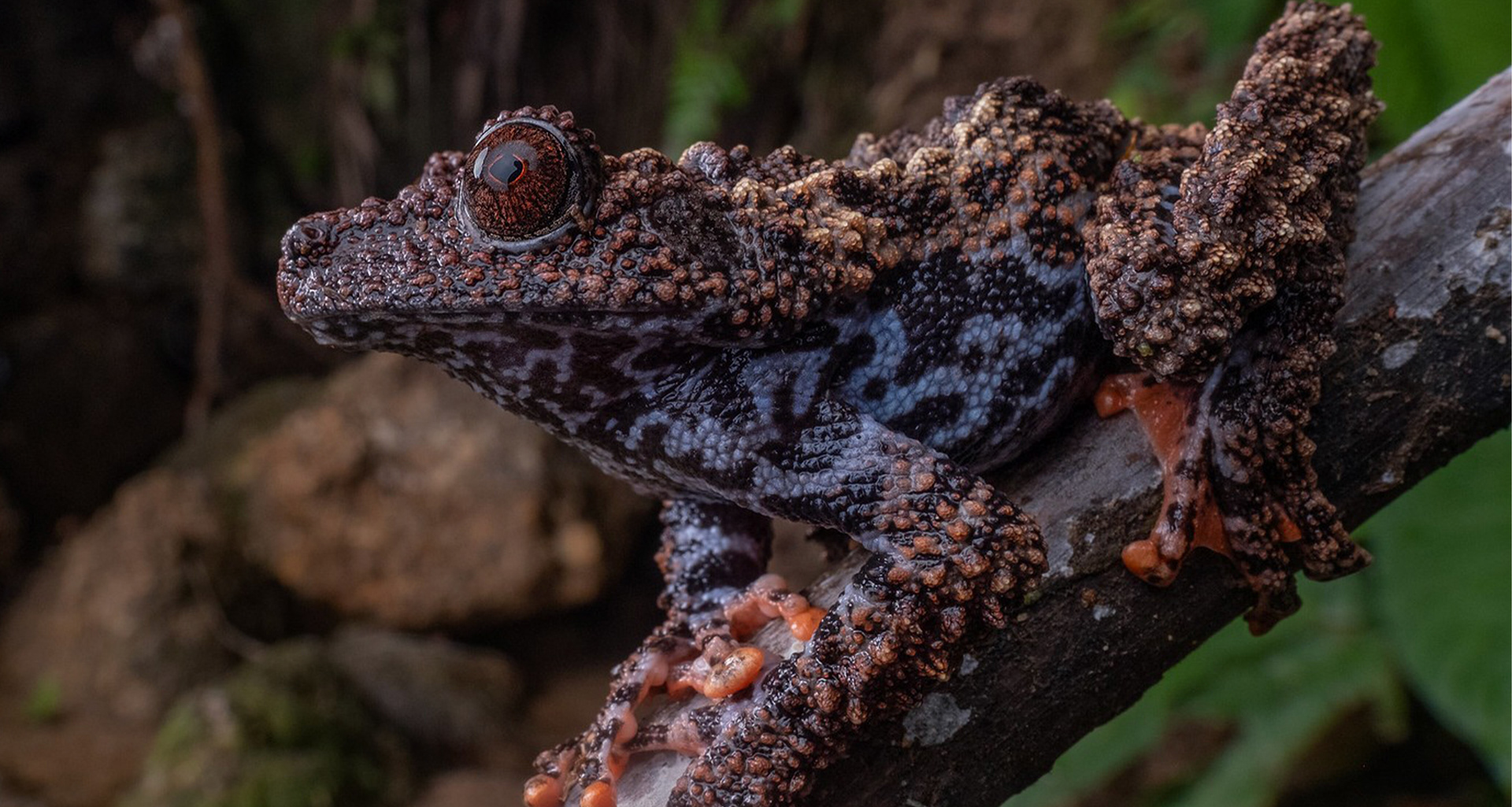
Malayan bug-eyed frog (Theloderma leprosum).
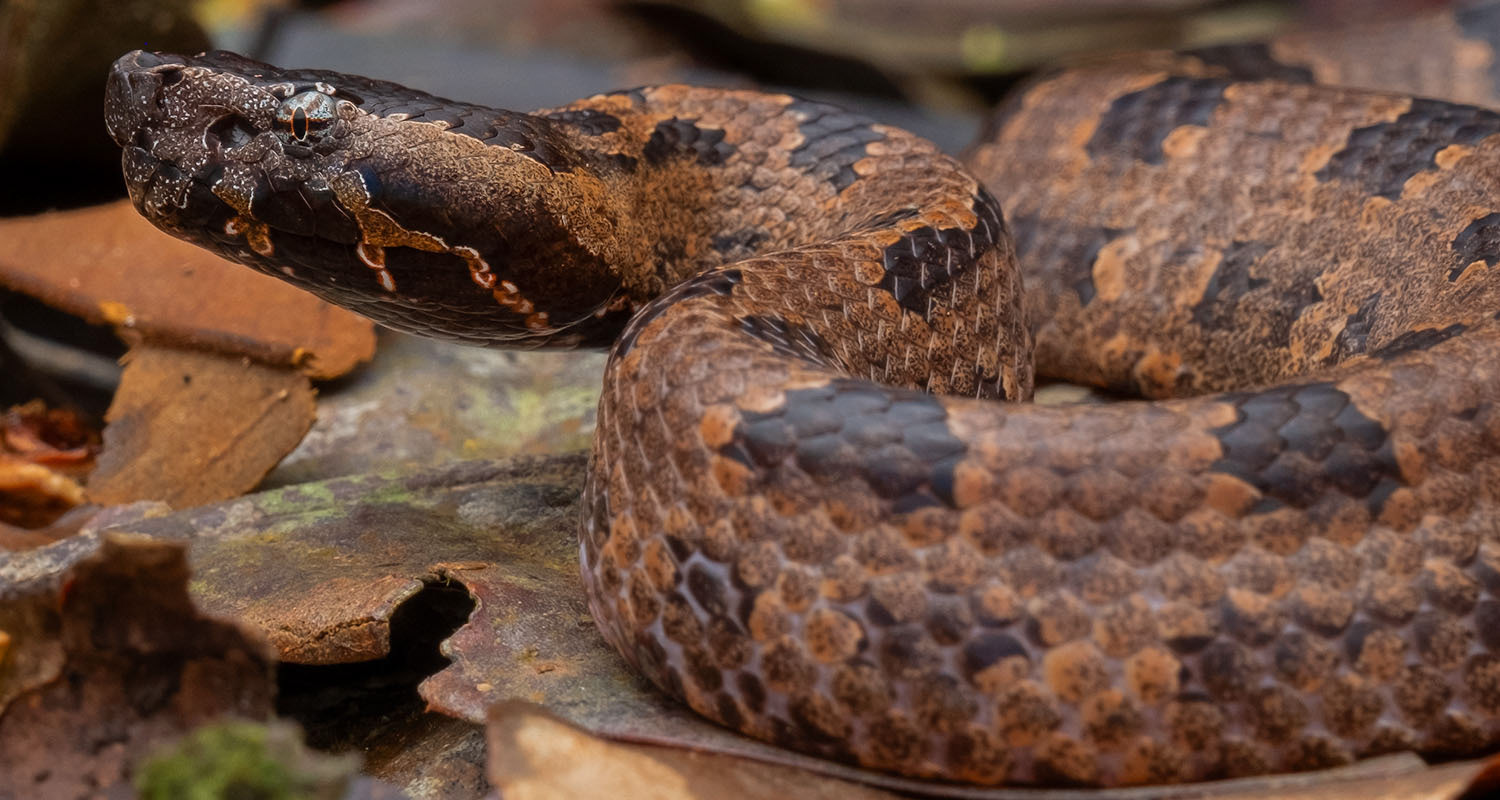
Mountain pit viper (Ovophis convictus).
Nights 7-10: Bukit Fraser
This expedition concludes with 4 nights at the famous highland resort of Bukit Fraser. This destination has been an all-time favourite for our experts for more than 10 years, with the consistent success with some of the most desirable herpetofauna in Peninsula Malaysia making it a necessity for every single trip. The unique positioning of this location between upper-dipterocarp and submontane forest provides a magnificent balance between lowland and highland herpetofauna, with the cooler highland climate making hiking an enjoyable experience both day and night. This area is the best place in the world to observe Malaysian blue coral snake (Calliophis bivirgata), if you know where to look, and provides a fantastic chance to see red-headed krait (Bungarus flaviceps) if we missed it in Kelantan. After heavy rainfall, we can encounter the rare Malayan mountain pit viper (ovophis convictus) and many interesting highlands frogs. Jade flying frog (Zhangixalus prominanus), twin-spotted flying frog (Rhacophorus bipunctatus) and bird-poop frog (Theloderma asperum) are regular sights along the upper part of the mountain, while the incredible and rare Malayan bug-eyed frog (Theloderma leprosum) has been sighted here several times too, along with Ah Tung's frog (Gastrophrynoides immaculatus). We will embark on many day and nighttime herping escapades to maximise our numbers across our final nights of the trip.
As well as spending time in the highlands, we can visit a lowland forest site where we sometimes see Hagen's pit viper (Trimeresurus hageni), along with cat gecko (Aleuroscalabotes felinus) and Norhayati's flying frog (Rhacophorus norhayatii). Road cruising in the area can produce lots of different snakes, especially different cat snakes (Boiga sp.) and rare diurnals during daytime cruising. Our accommodation is a comfortable hotel at the high elevations of the mountain, and we will eat at various restaurants dotted around the hill station for our meals.
Accommodation:
We stay in hotels and guesthouses adjacent to or within prime herping habitat at every location on this expedition. There will be phone service (4/5G) at all accommodations throughout the tour.
Food:
Malaysia is a multicultural country with a broad variety of cuisine. You will have the opportunity to try Malay, Chinese and Indian food, as well as western classics. Each location on the tour has easily accessible shops where snacks can be bought.
Environmental conditions & fitness:
The lowlands of Peninsula Malaysia are steaming hot and humid all year round, with daytime temperatures exceeding 30c on a daily basis. However, the climate at Bukit Fraser and the Cameron Highlands is significantly colder, and can drop as low as 15c at night at the latter, rarely exceeding 26c during the daytime at both locations. Cool weather clothing is important, as well as hiking clothes suitable for hot temperatures. A rain jacket is also absolutely essential, as one must be prepared for heavy rain at any time in Malaysia.
Travel information:
All participants must arrive in Kuala Lumpur at the designated meeting location before 12:00pm on the 10th December 2026. On the 20th December at 12:00pm (midday), we will leave Bukit Fraser and arrive back in KL by 15:00 (3pm), where the tour will end.
Kuala Lumpur has a huge international airport, and direct transport links to the city. It is the guests’ responsibility to meet all entry requirements needed to enter Malaysia, including visa procedures. Explore Herpetology can help advise entry requirements. Guests travelling from most countries do not require a visa to visit Malaysia for less than 30 days. Make sure to check the entry requirements for your country before booking.