
Start: 3rd July 2026 | End: 13th July 2026 | Meeting location: Amami Town | Group size: 4
Included in the tour:
- Expert guides.
- Accommodation.
- Private vehicles.
- Meals.
- Water & other drinks.
- Permits & park fees.
Introduction:
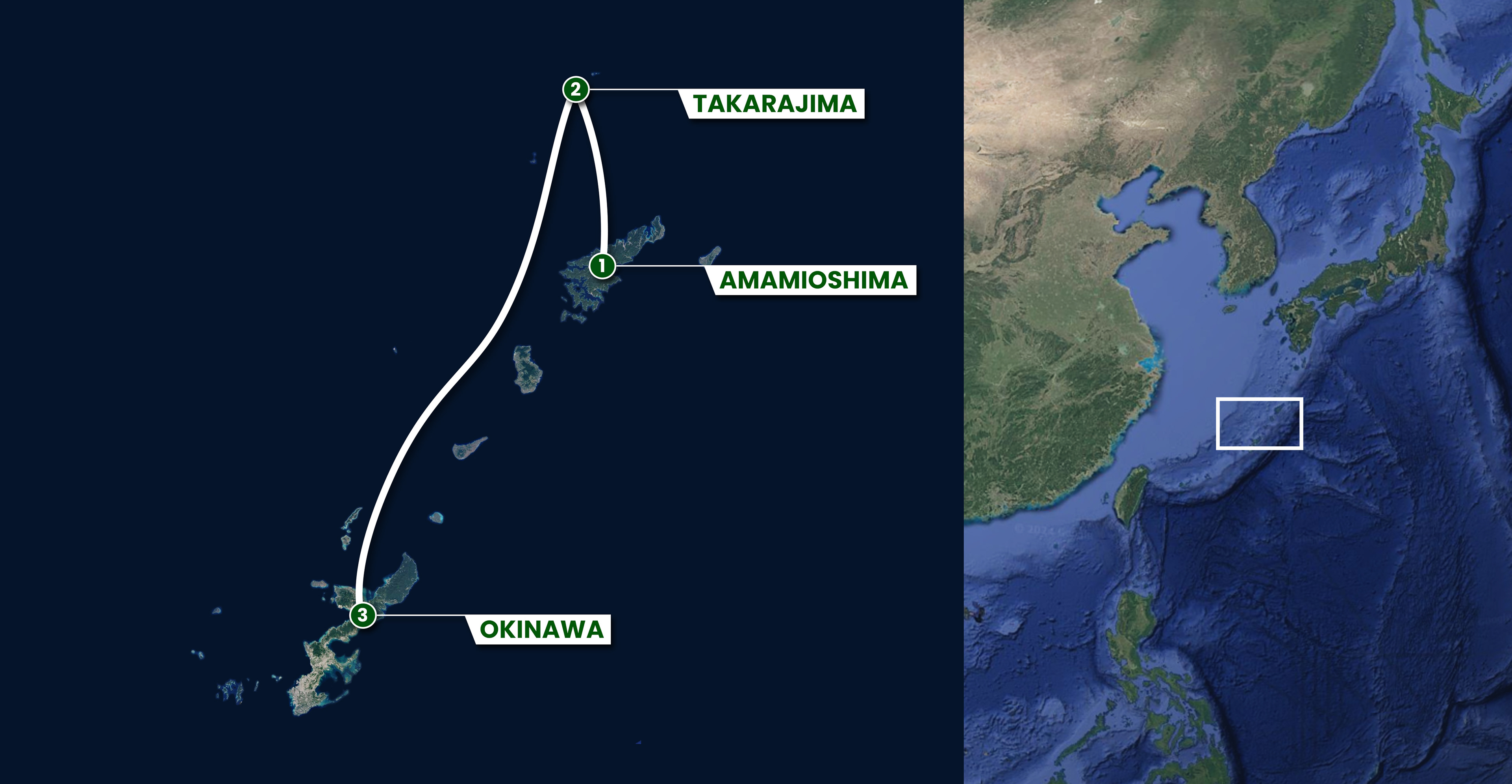
Unlike our other scheduled expeditions, which have a fixed itinerary, this trip may require a changeable schedule which is subject to spontaneous change. This is due to the unpredictable transport to Takarajima. Takarajima (or 'Takara Island') is situated within the Takara Straight, which is known for rough seas and strong winds. The ship which will transport us to and from the island is only scheduled to depart twice a week, and cancellations due to stormy conditions are common. Whether or not the ship will sail is only decided on the morning of or the night before scheduled departure. Therefore, there is no option to book this in advance online, but only through our contacts at the port in person. If it is impossible to take the boat, we will cancel our trip to Takara and only spend time herping on Amami and Okinawa.
If everything goes as planned, we will begin the trip with 1 - 4 days of herping in Amami Island, waiting for the earliest possible opportunity to book and board the boat to Takarajima. We will spend 3 nights herping in Takara Island before returning to Amamioshima, where the amount of nights herping depends on how many we spent before leaving for Takarajima. Once we are happy with our time on Amami, we will take another boat to Okinawa Island, which we will explore for the remaining nights of the expedition. In the case of Takarajima being impossible to access, we will spend 4 nights herping on Amami and the remaining 6 nights on Okinawa. These islands are both highly diverse, and we can put maximum effort into finding all herpetofauna species present on both islands.

Takarajima:
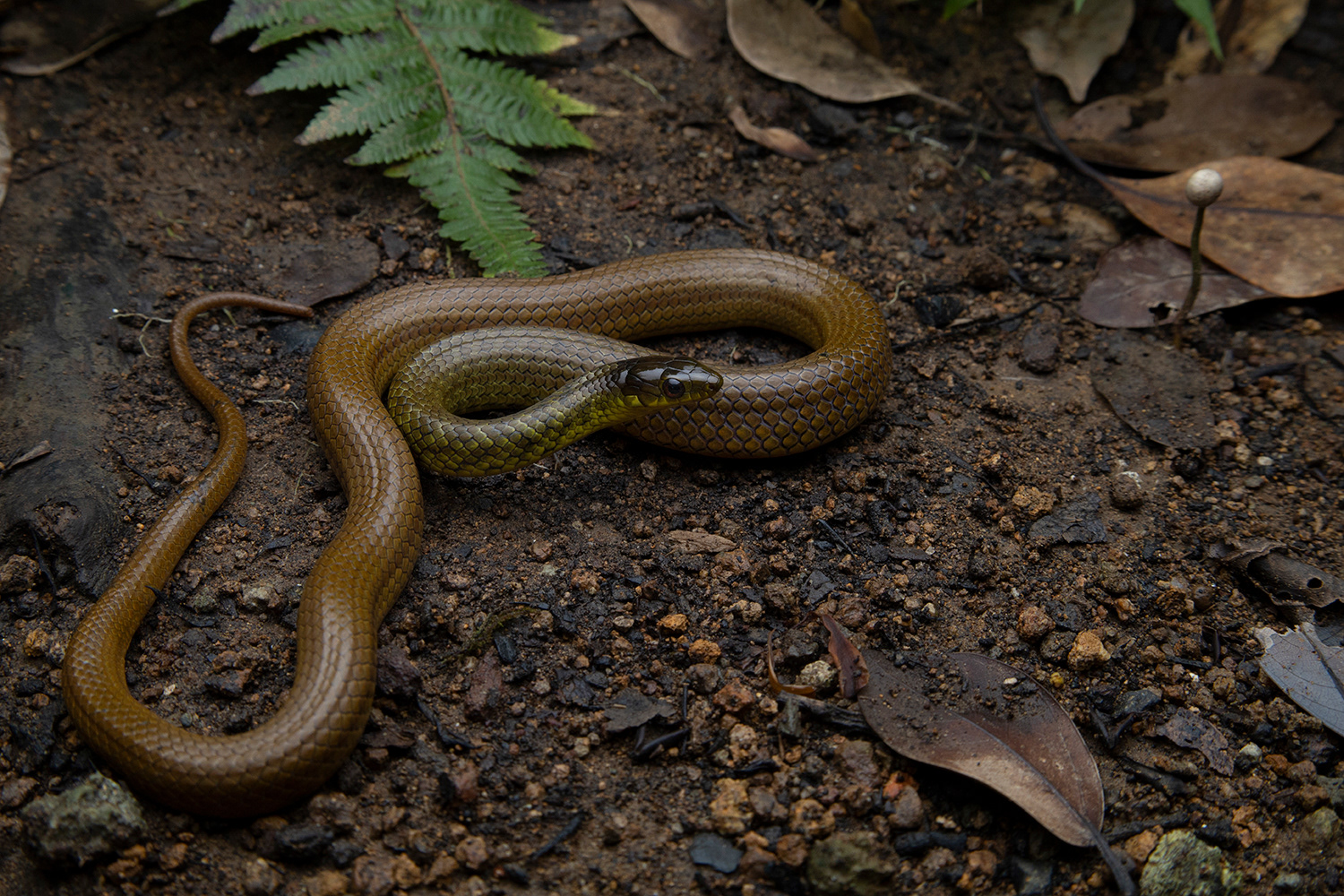
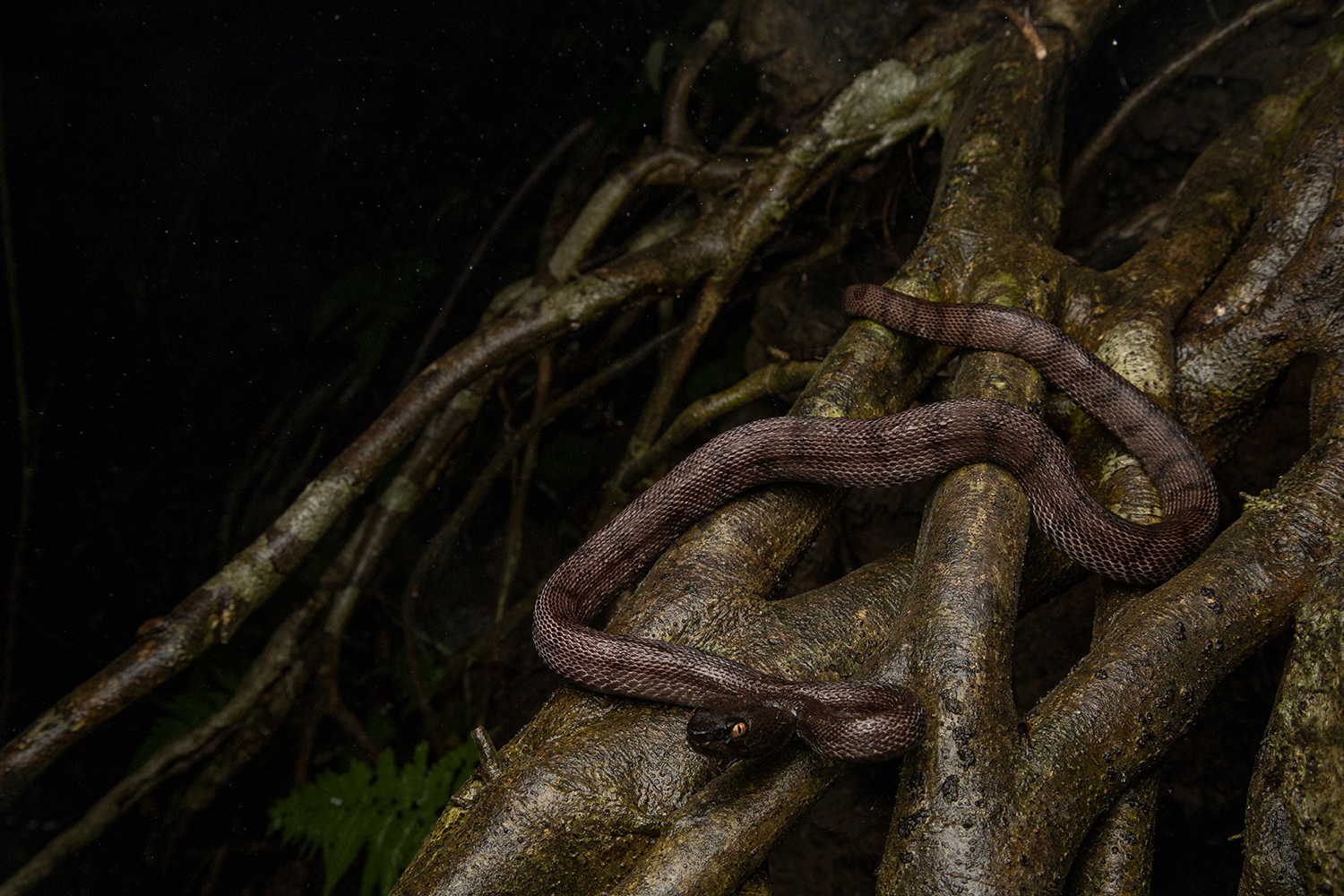
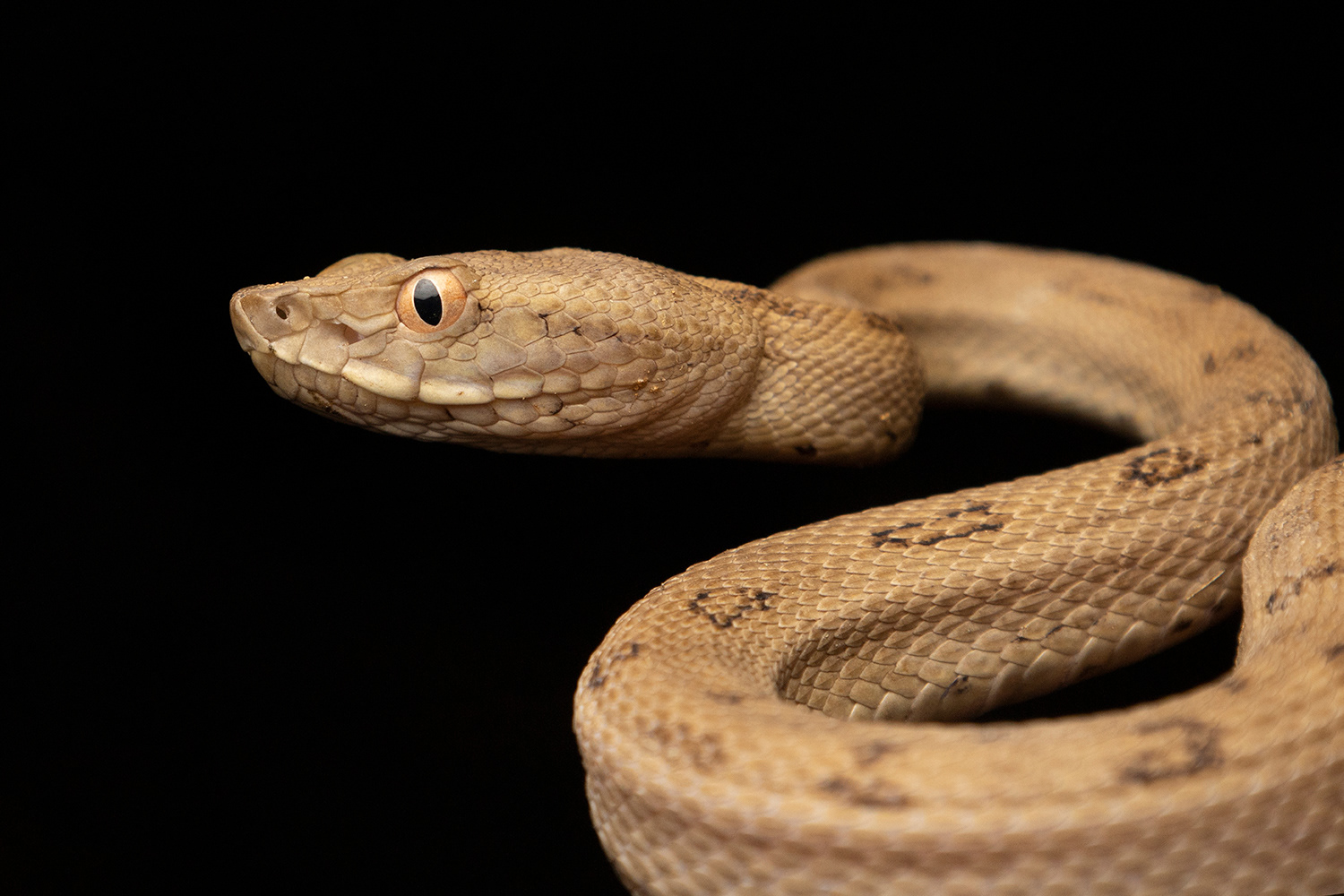
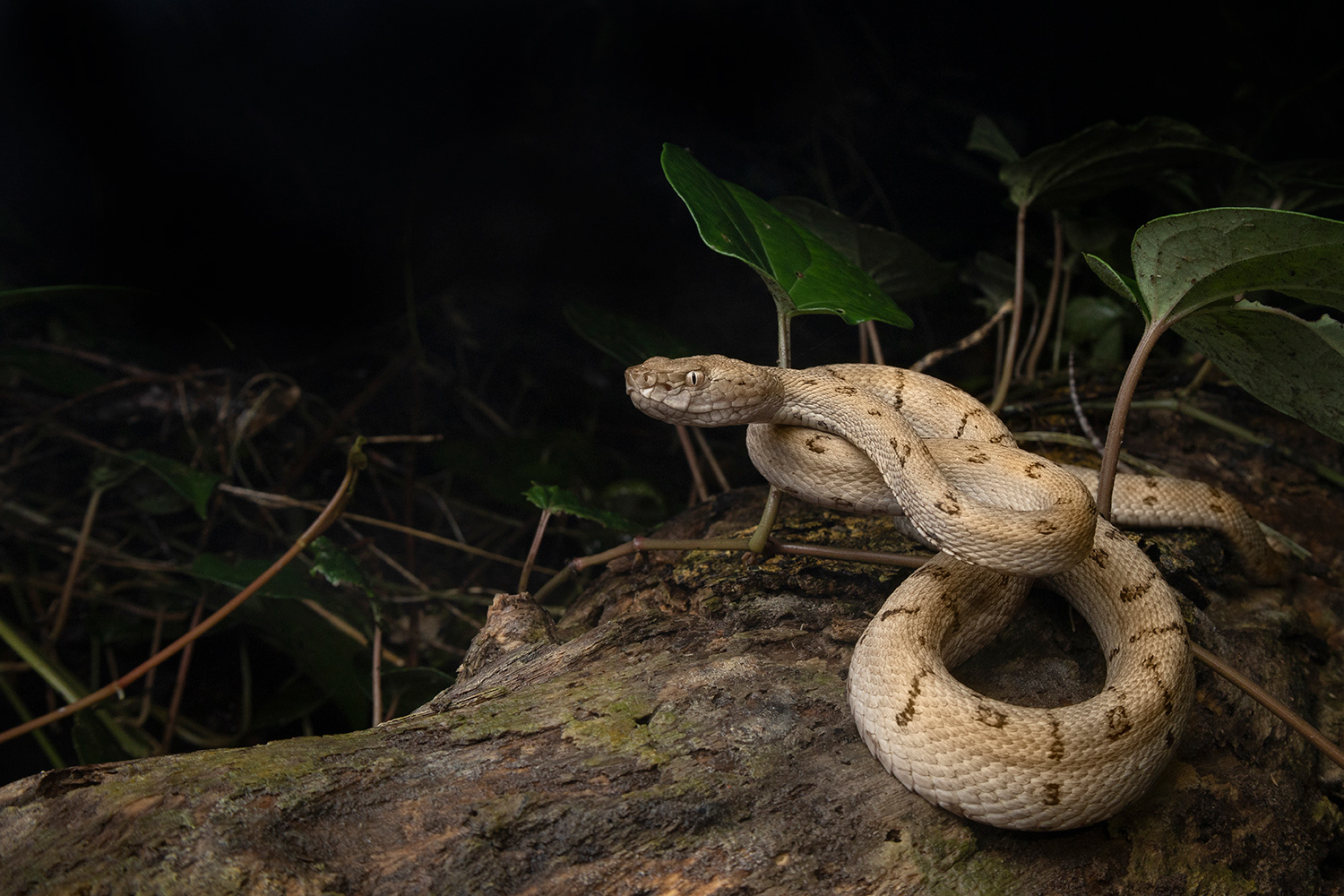
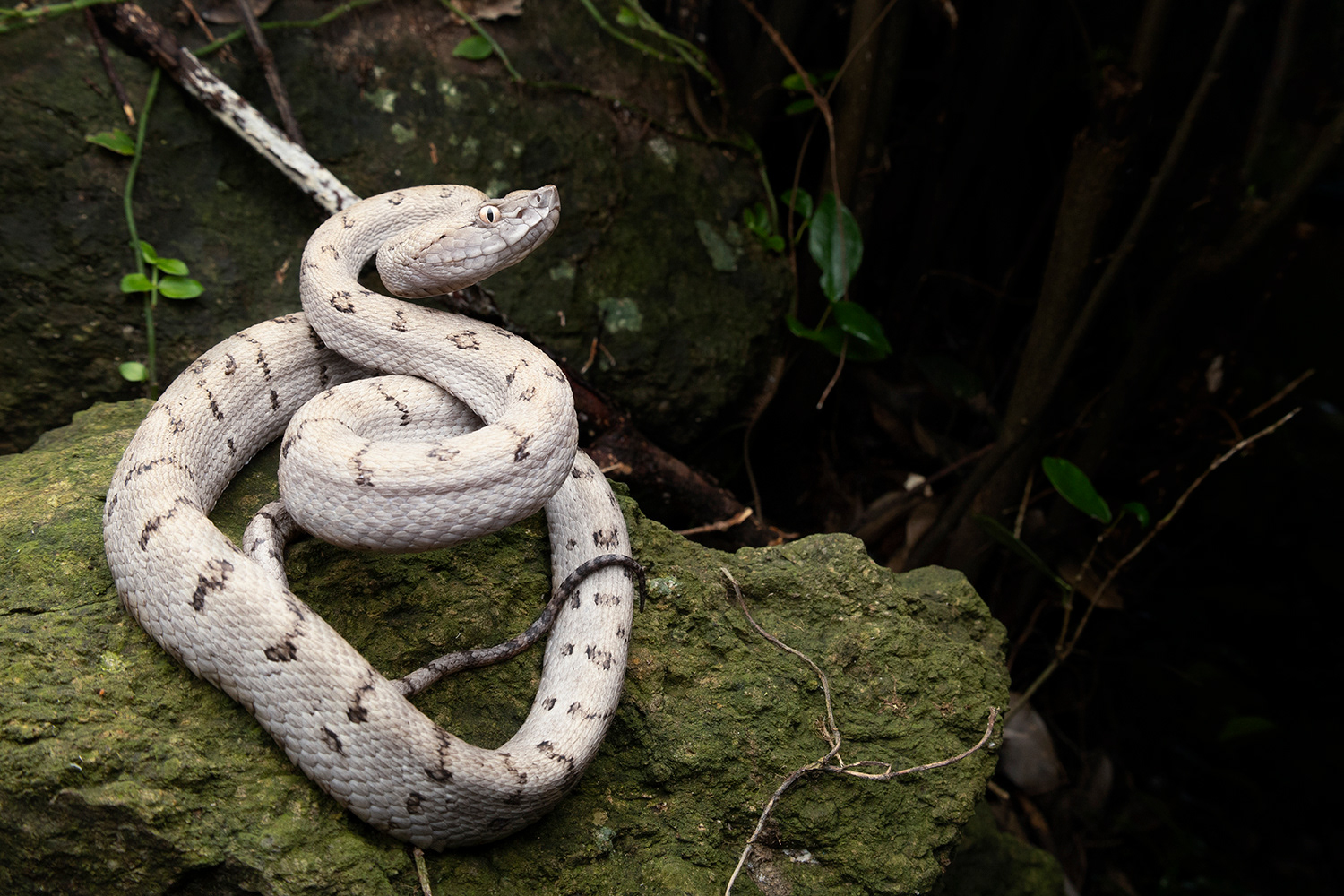
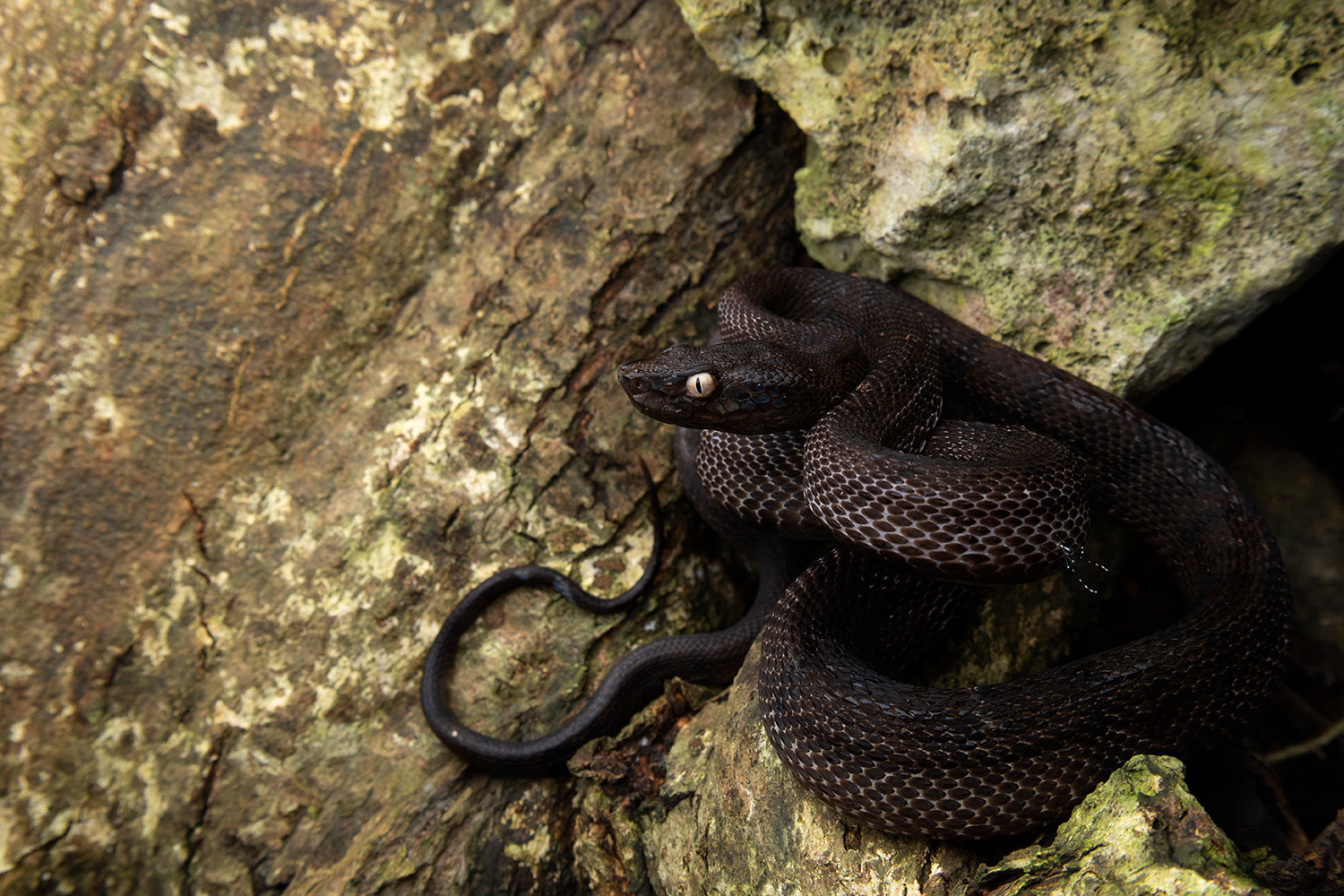
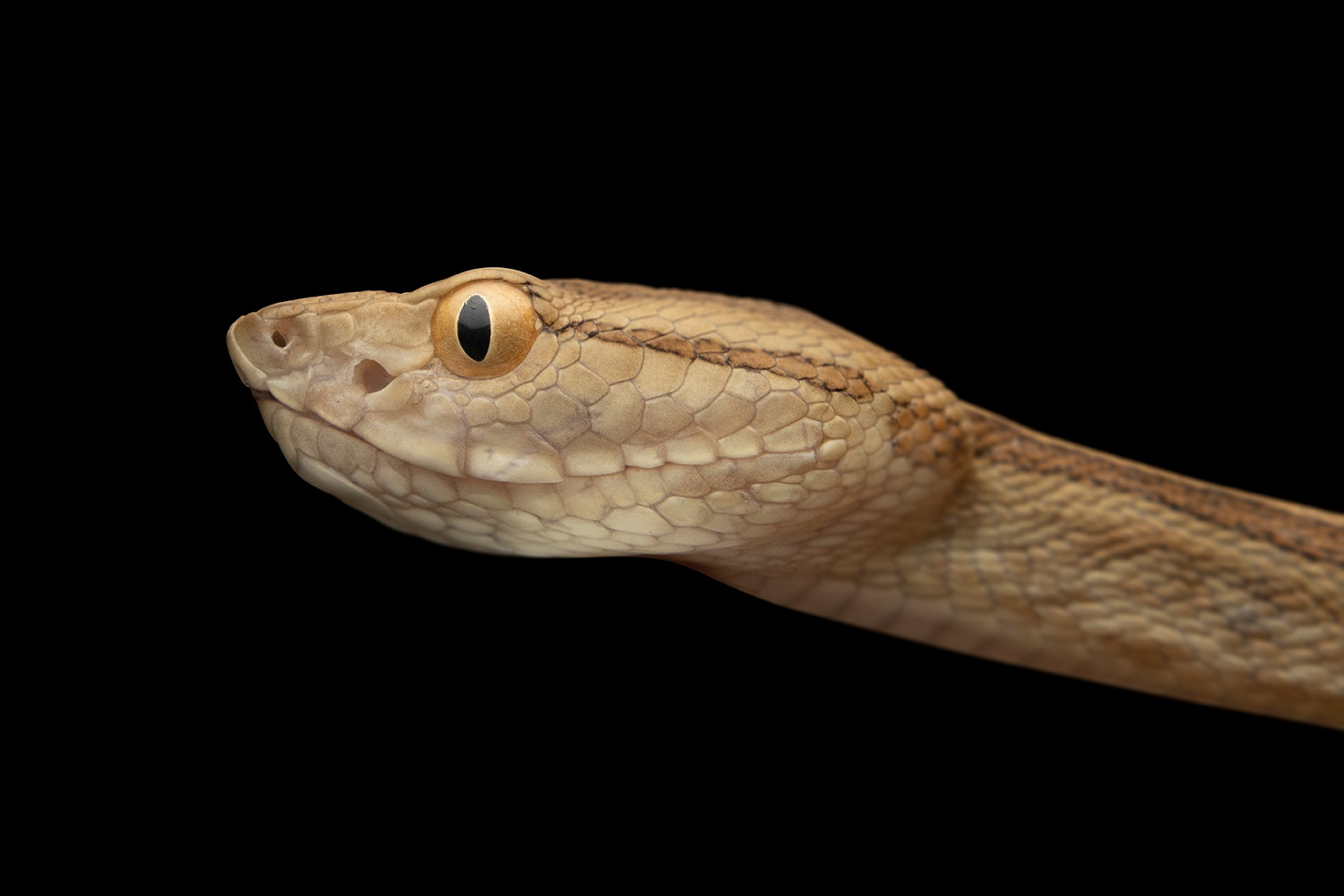
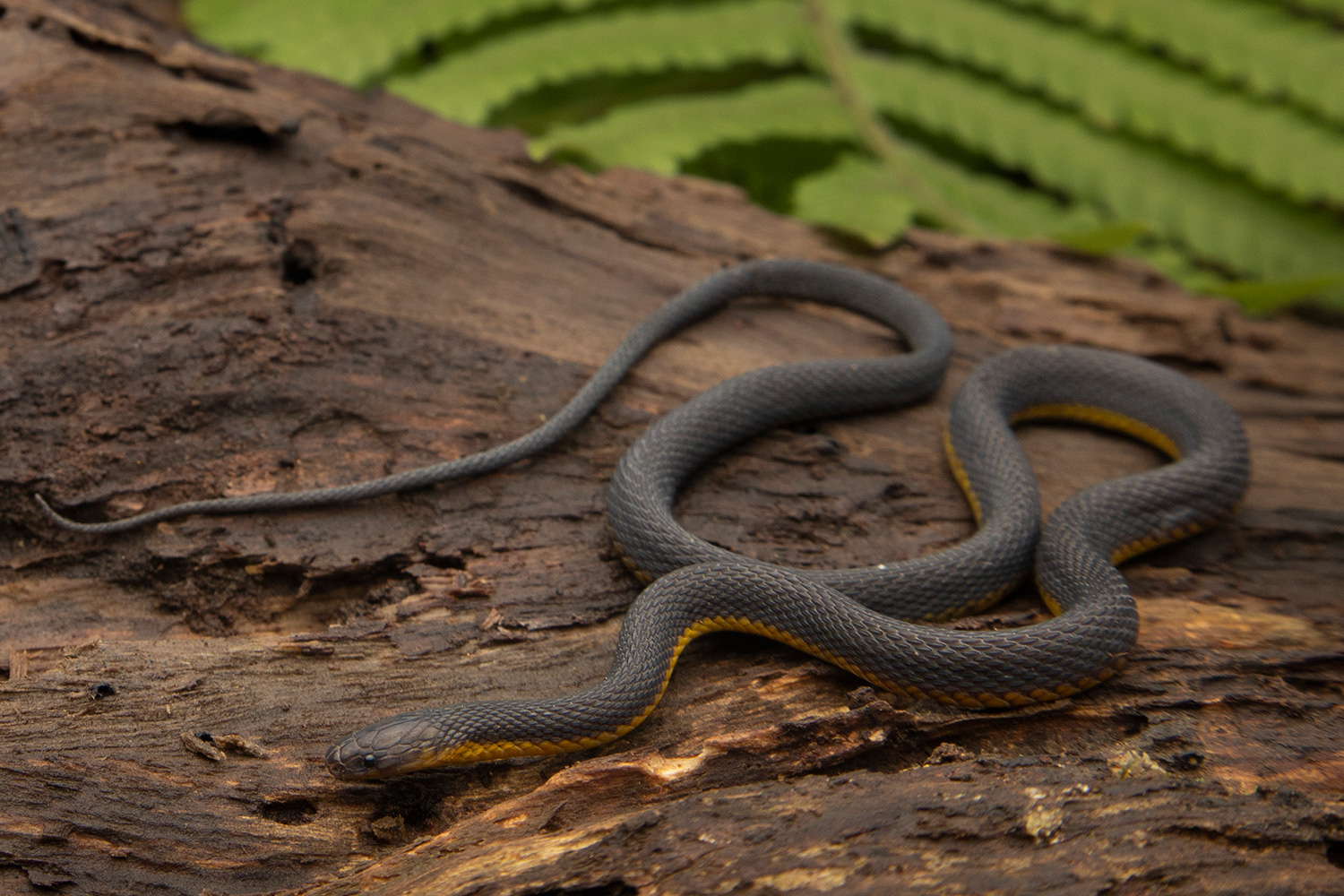
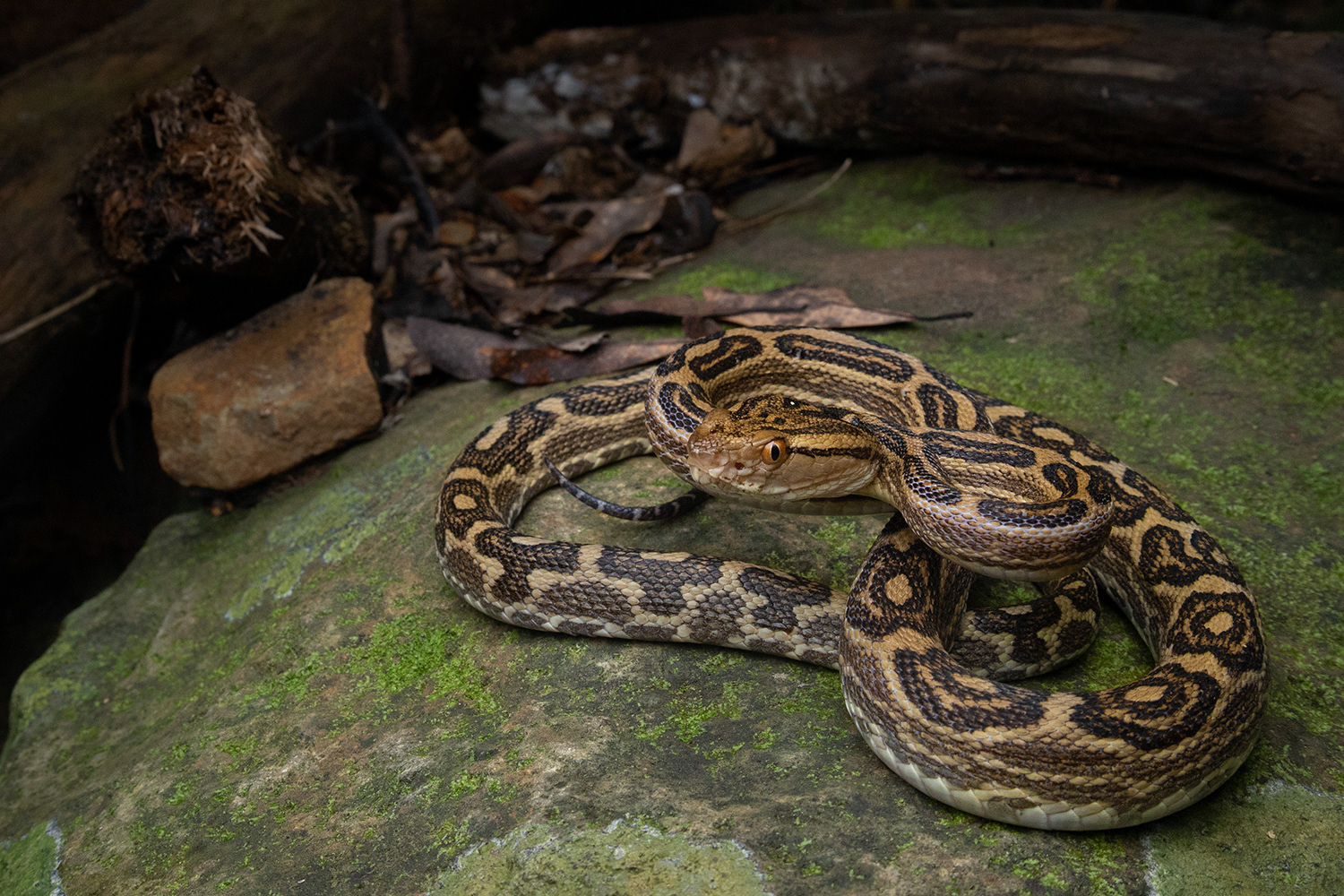
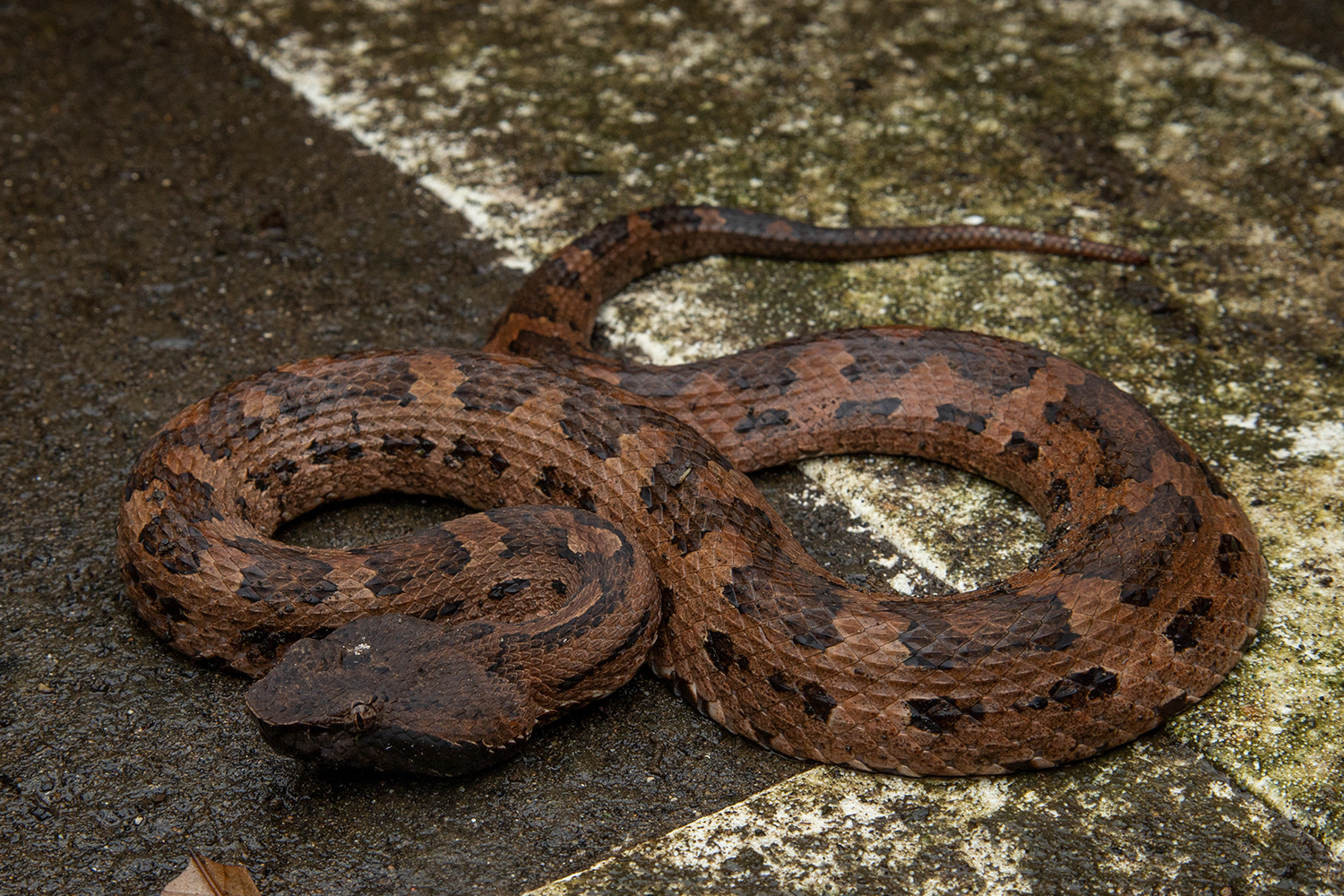
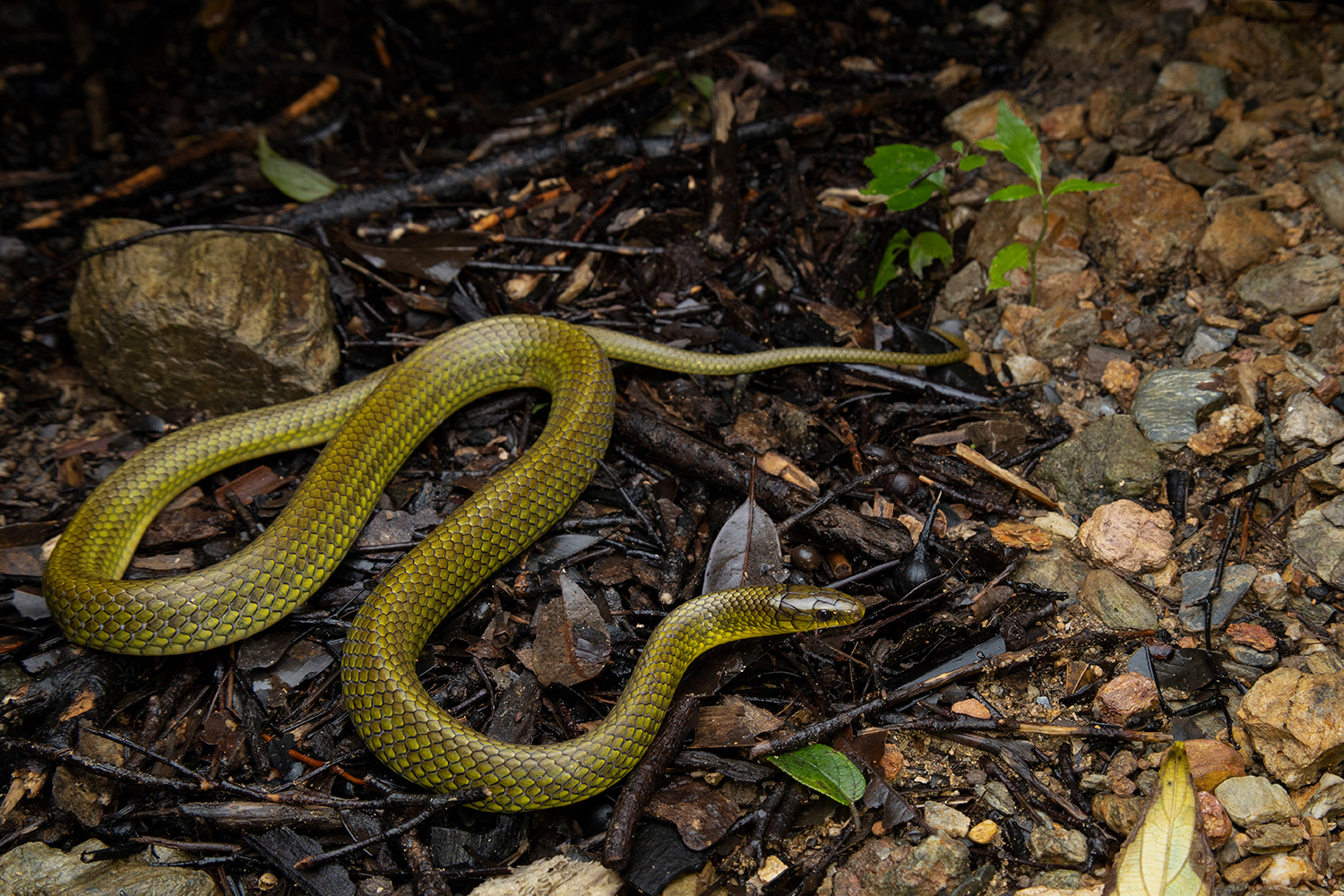
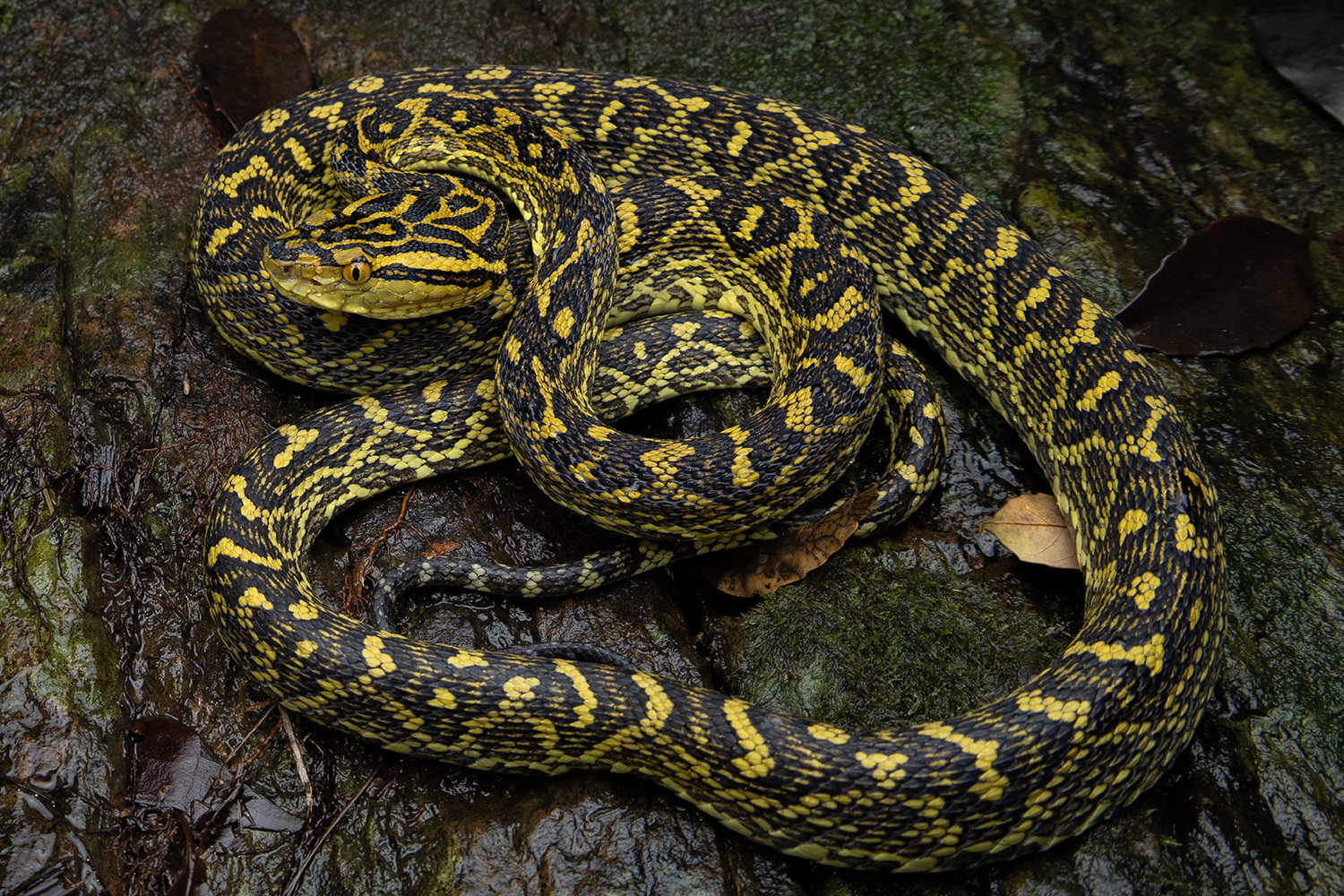
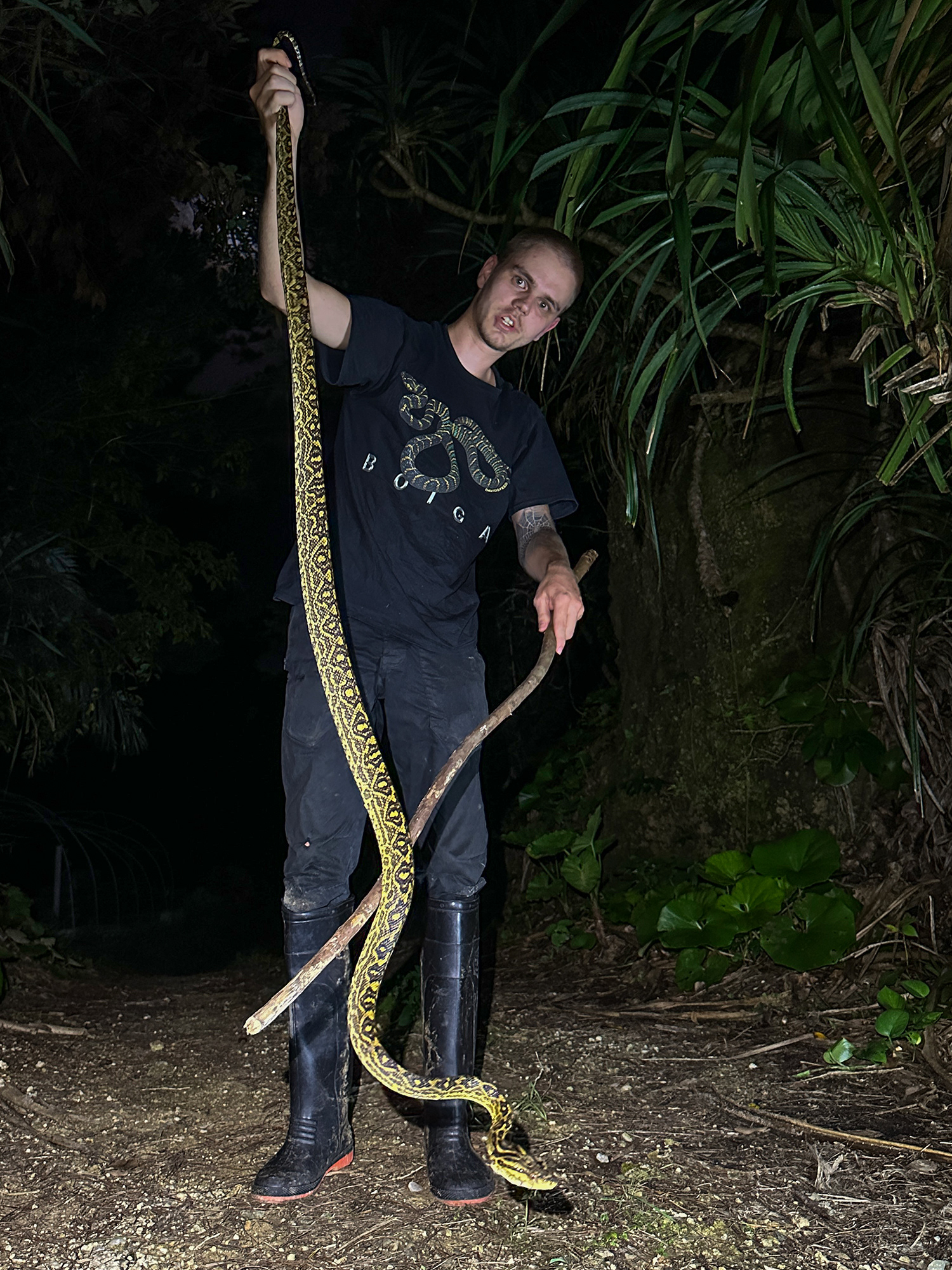
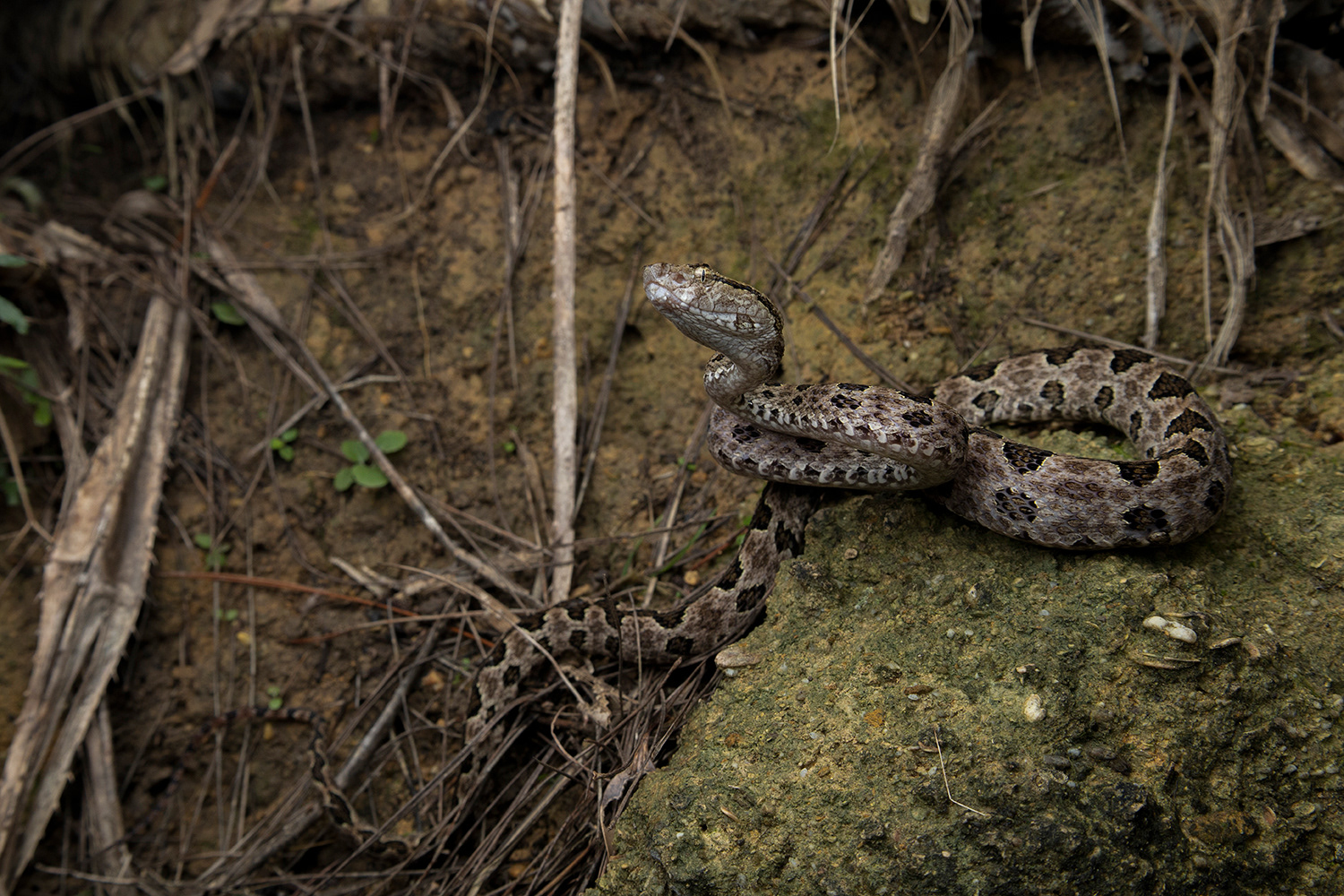
With a population of around 70, this secluded island is rarely visited by outsiders. Covered in pristine forests and beautiful rocky shorelines, there is an astonishing abundance of wildlife. The highlight is of course the Tokara habu (Protobothrops tokarensis), a highly polymorphic pit viper which is common in all habitats on the island. Our goal will be to find every morph possible of this pit viper, as well as finding them inside caves and other unique microhabitat on the island. The only other terrestrial snakes present are the Ryukyu green ratsnake (Ptyas semicarinata) and the introduced flowerpot snake (Indotyphlops bhraminus). The local population of Ptyas semicarinata is smaller and very different in appearance to their counterparts elsewhere, making them a valuable target.
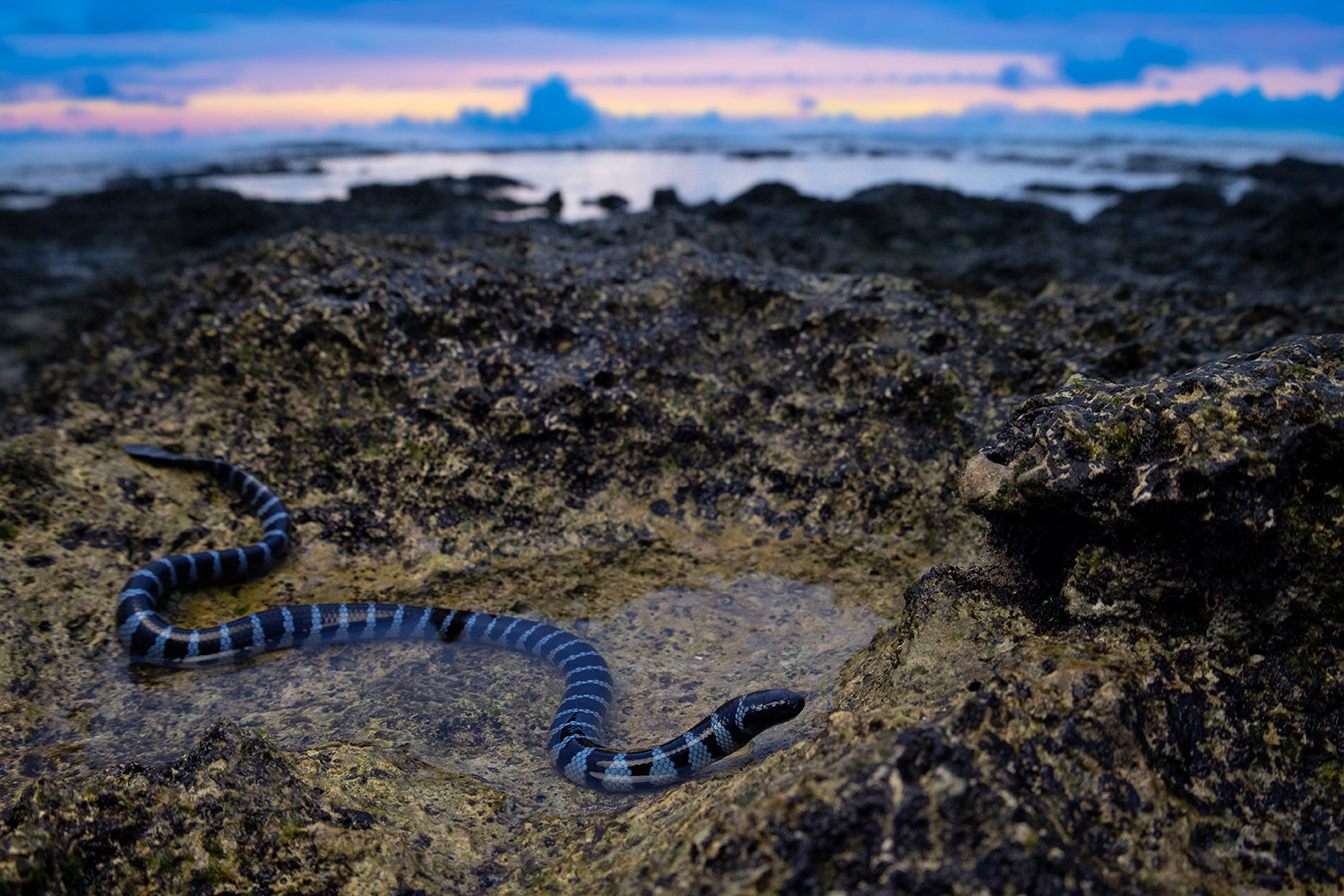
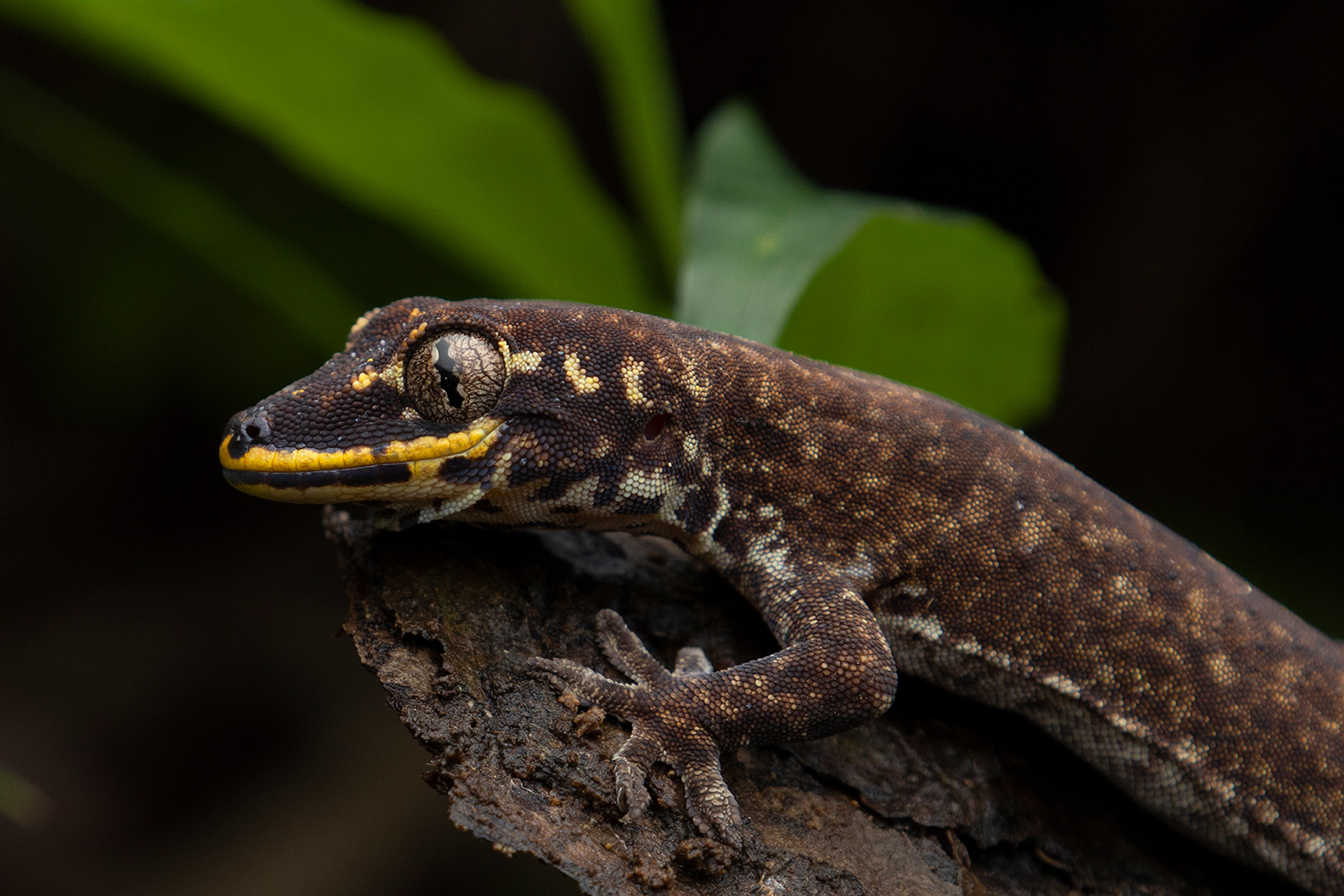
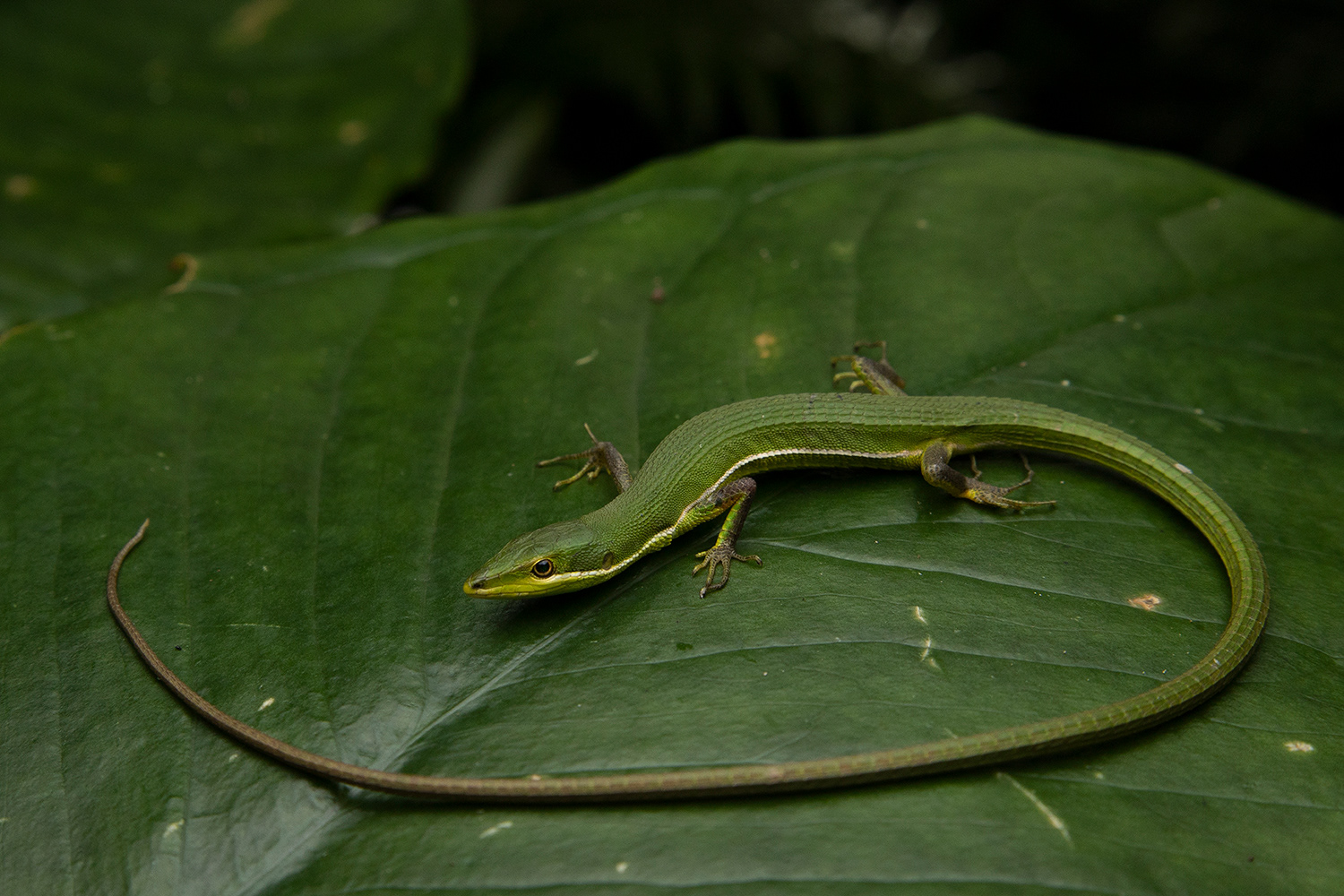
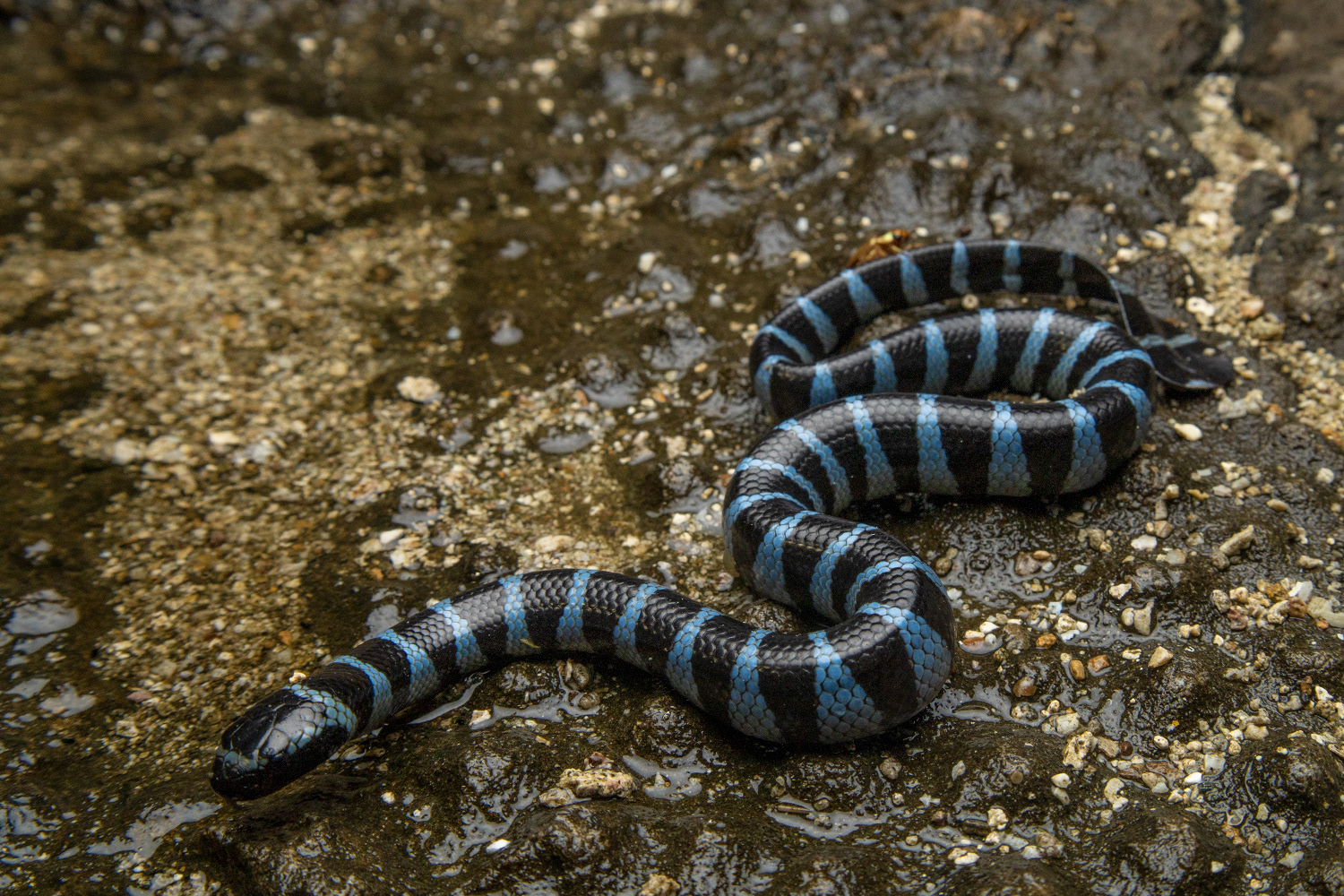
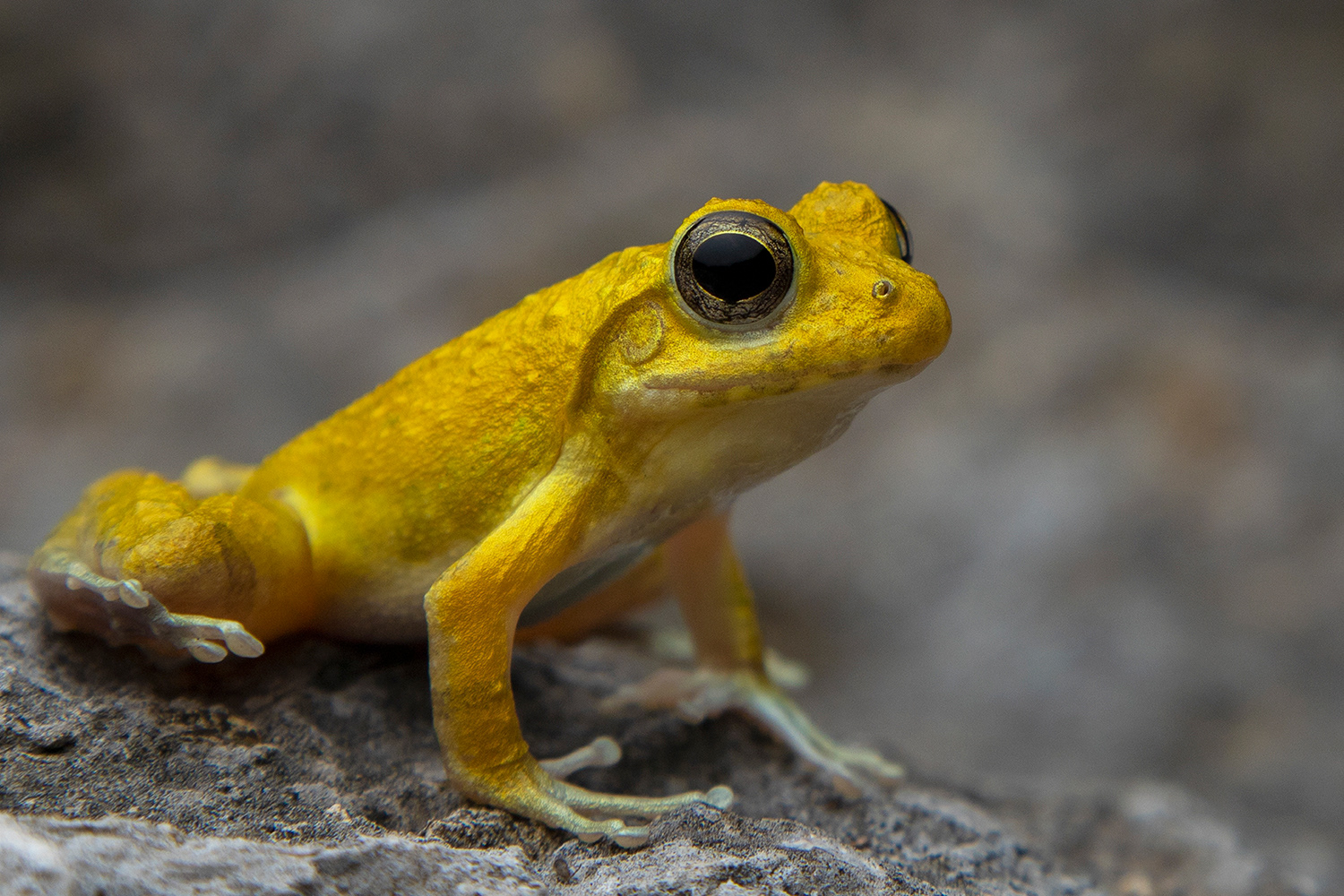
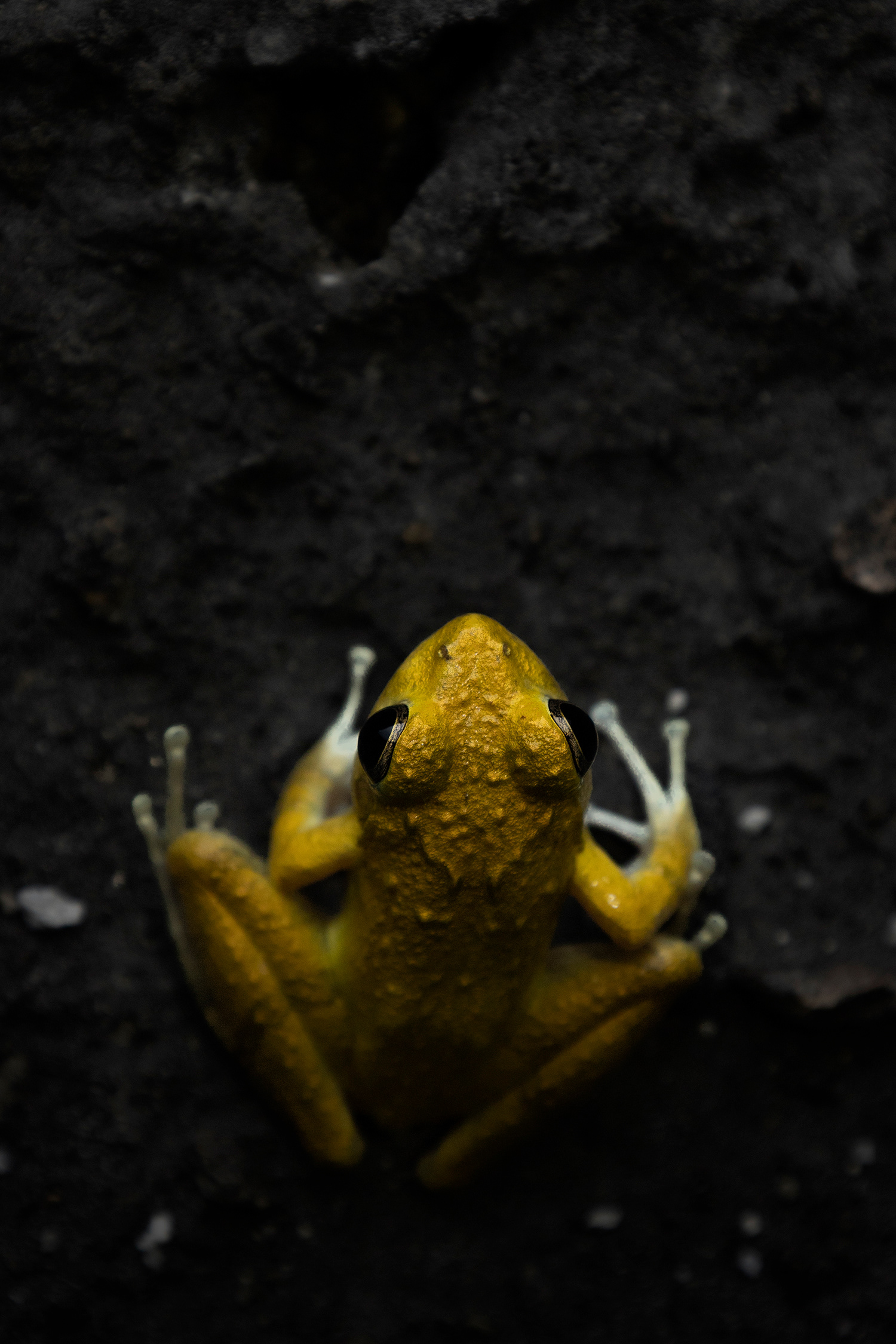
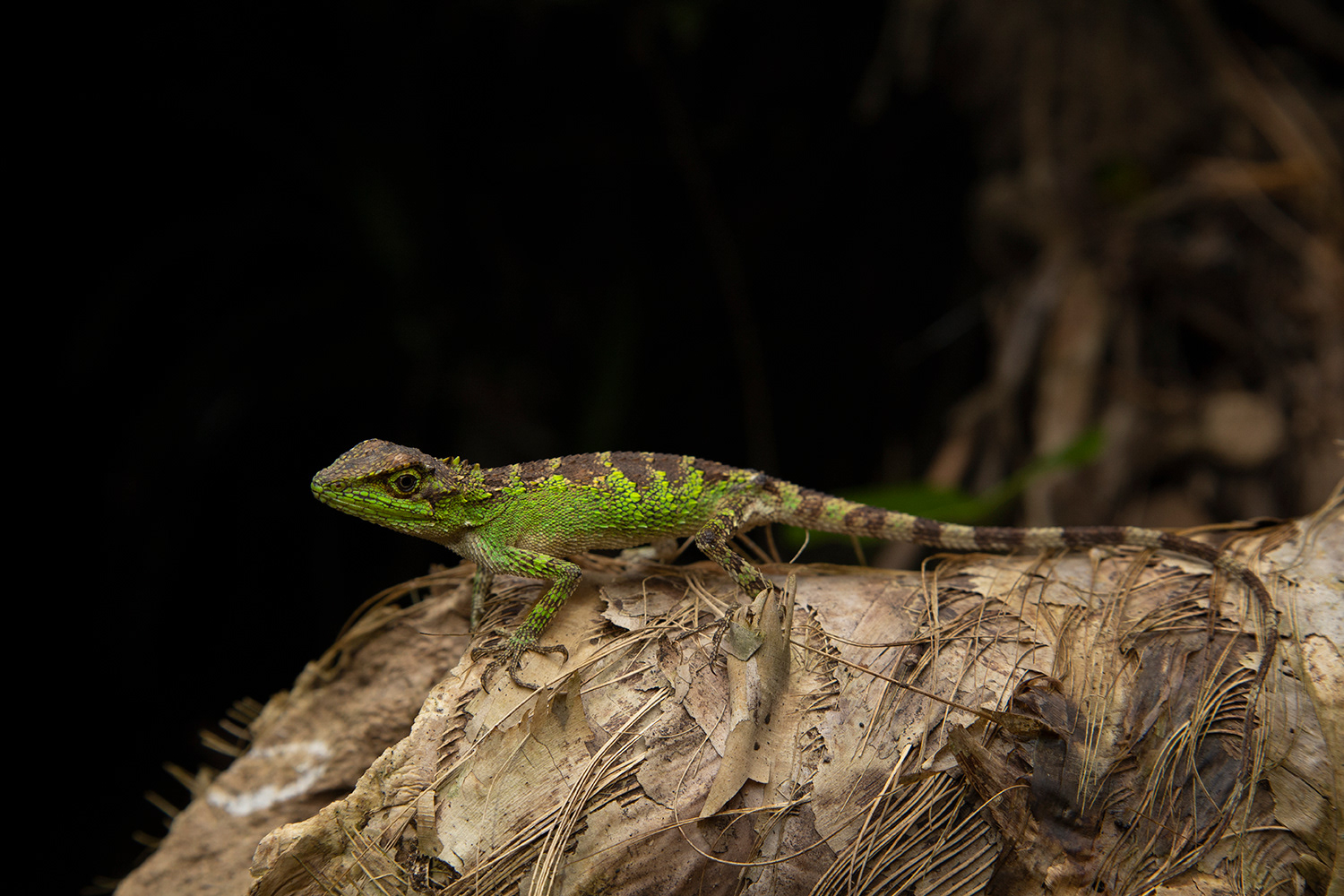
The waters surrounding the island are home to a number of sea snakes and sea kraits, which can be found close to shore and in rock pools at night. Some of our non-snake targets include the island endemic Takarajima gecko (Gekko shibatai) which is potentially the most range-restricted gecko species on earth, as well as a few other herps such as the emerald grass lizard (Takydromus smaragdinus) and the bright yellow morph of the kajika frog (Buegeria japonica), which is common on the island even inhabiting seaside tidal pools.
As the herping will mainly take place at night, daytimes can be spent relaxing on the beach, snorkeling, paddle-boarding, or exploring the island on foot. The surrounding waters and tide pools are teeming with life and a great diversity of moray eels, fishes, crabs, and shells can be observed right at our doorstep in our own little cove. We will also have multiple opportunities to visit the Guan Yin Cave, which is where Captain Kidd allegedly hid his treasure. Accommodation on this remote and seldom visited island is almost non-existent, so we will hire a seaside house and sleep on mattresses and sleeping bags on the floor in a shared space.
Amamioshima:
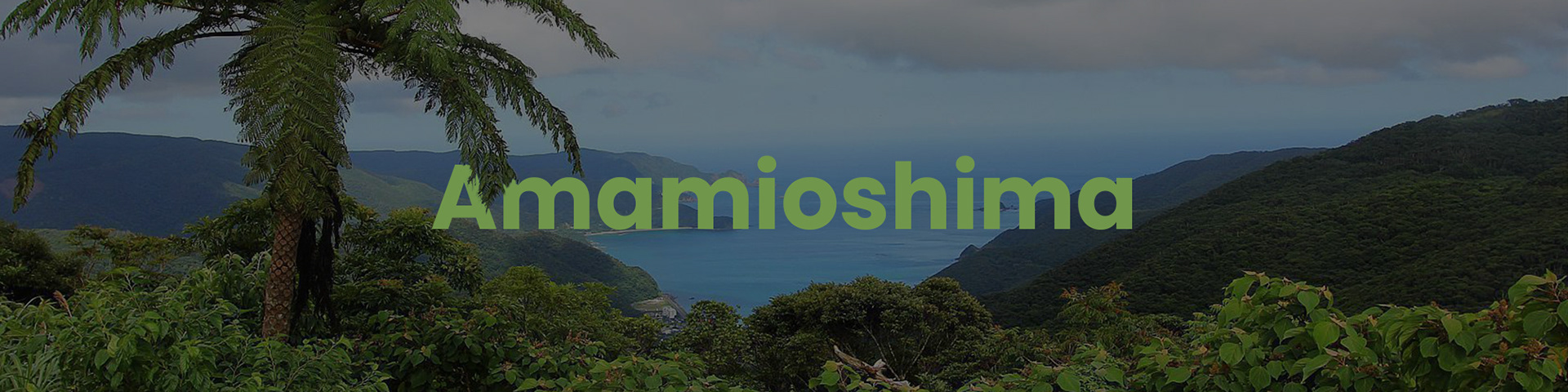
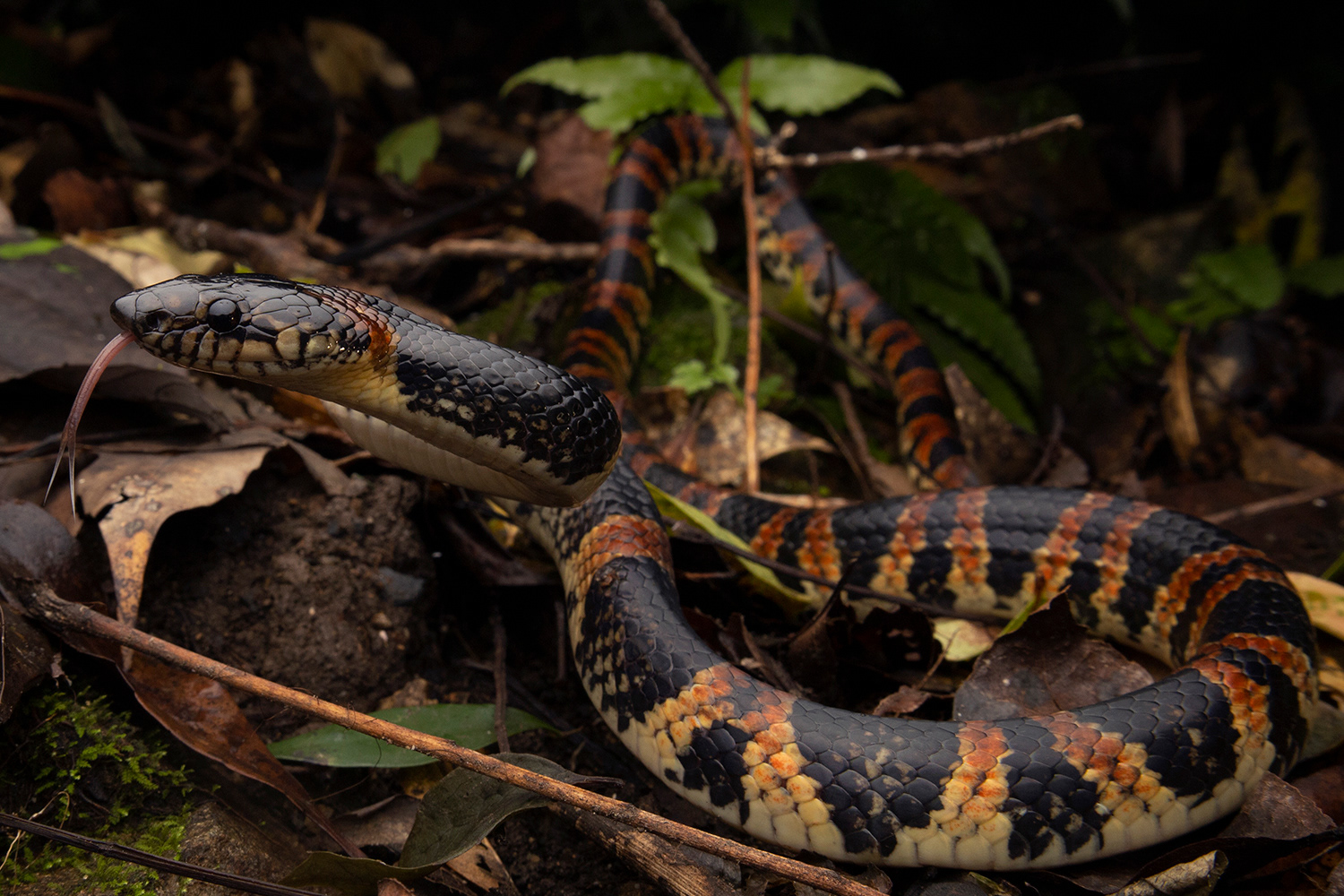
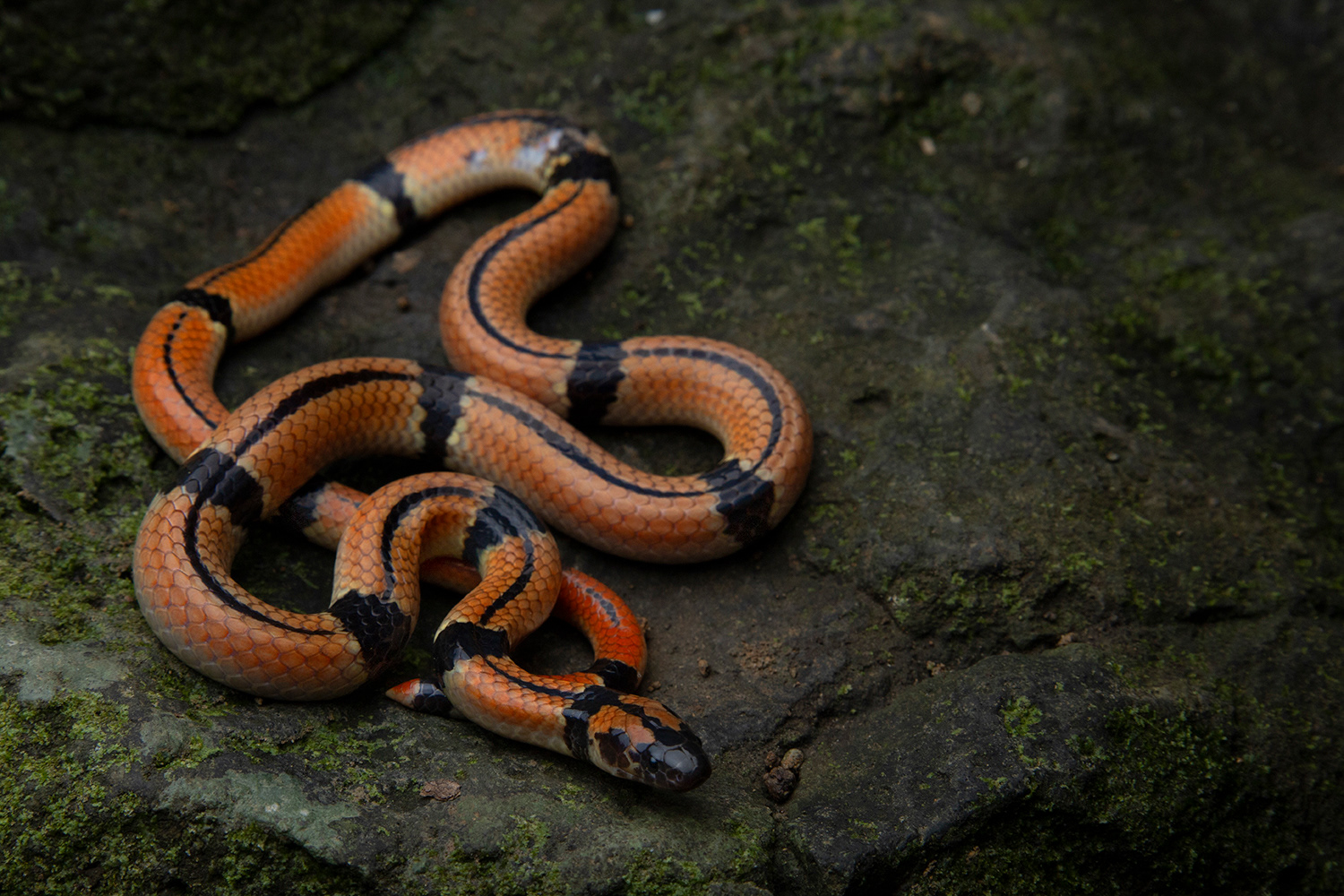
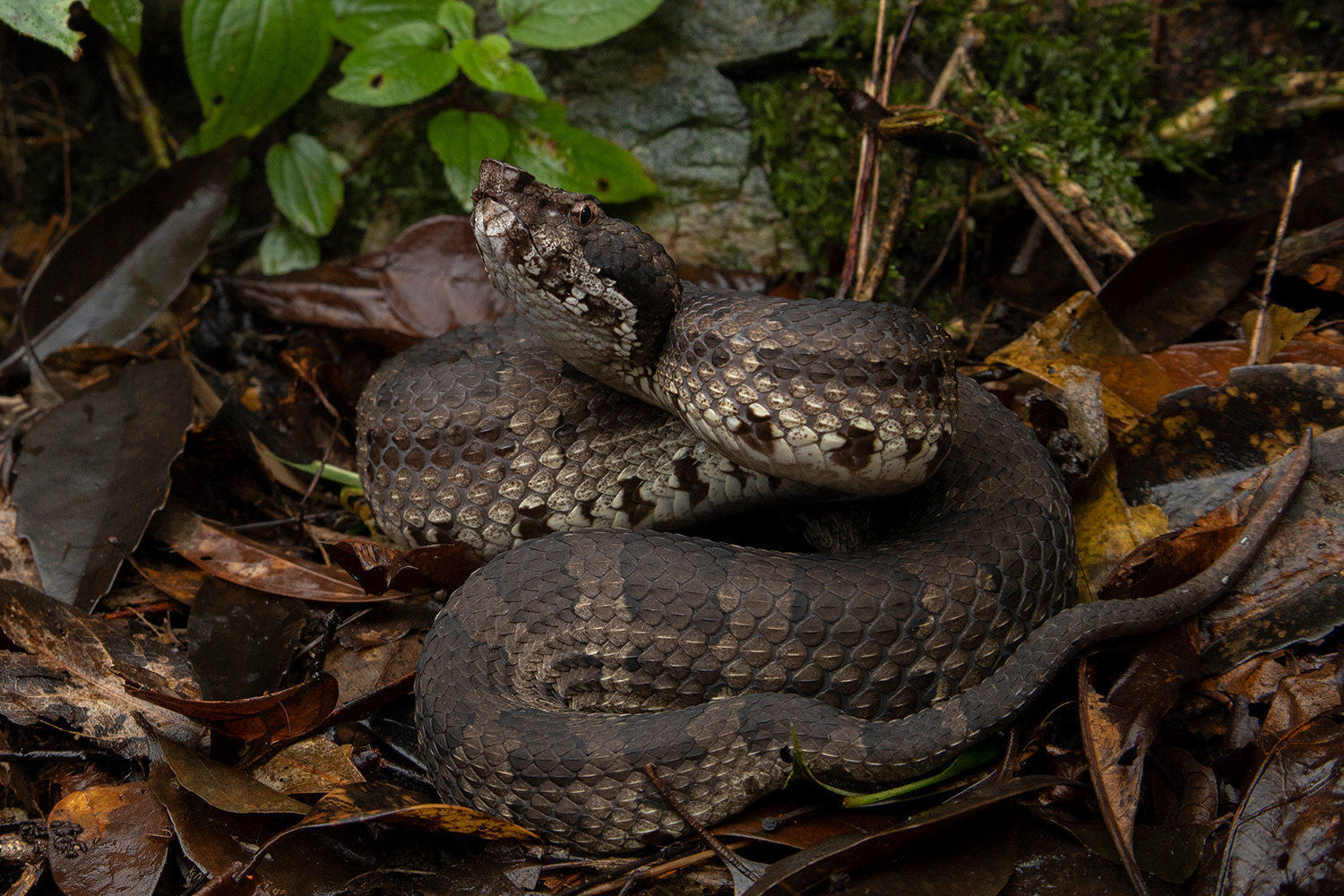
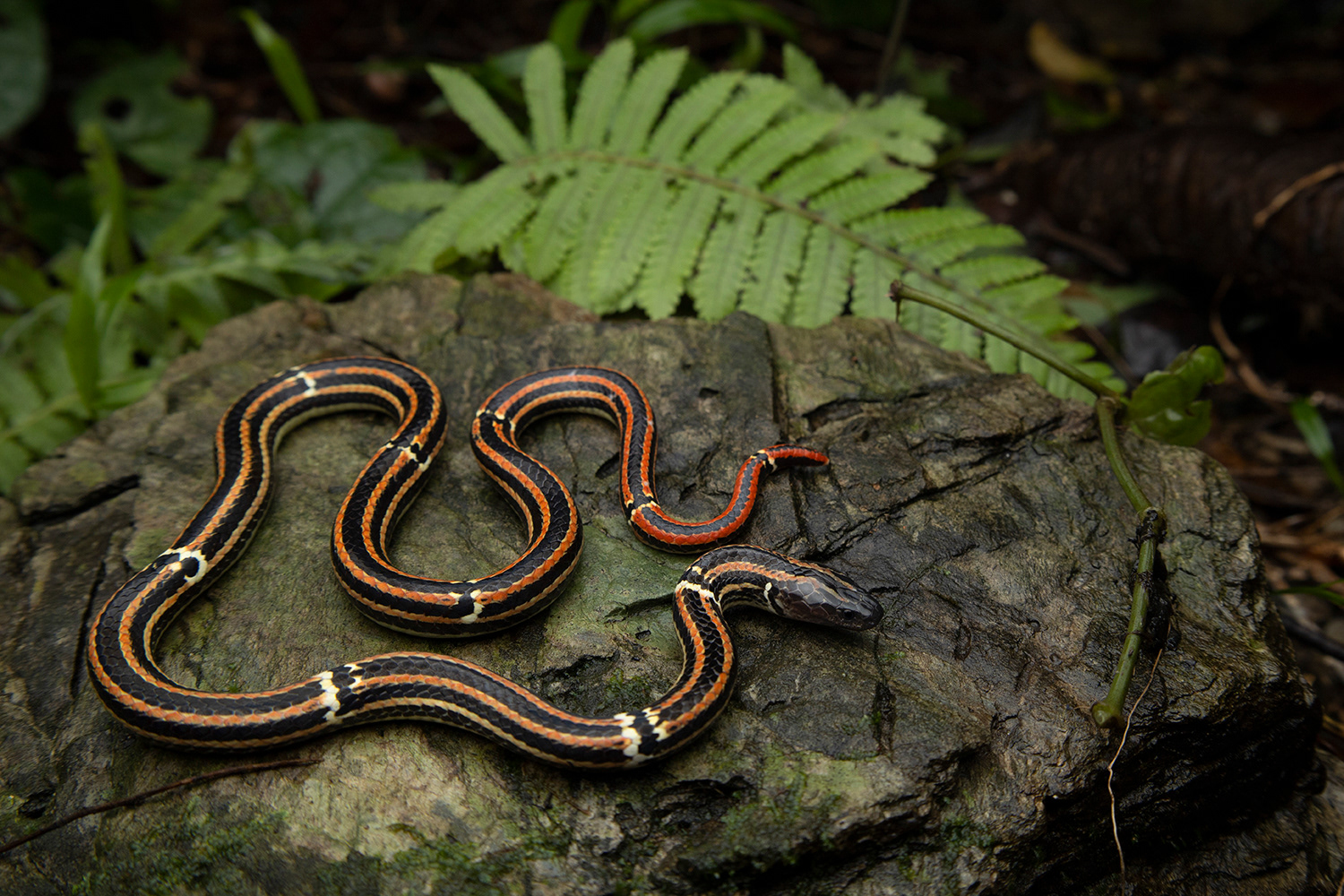
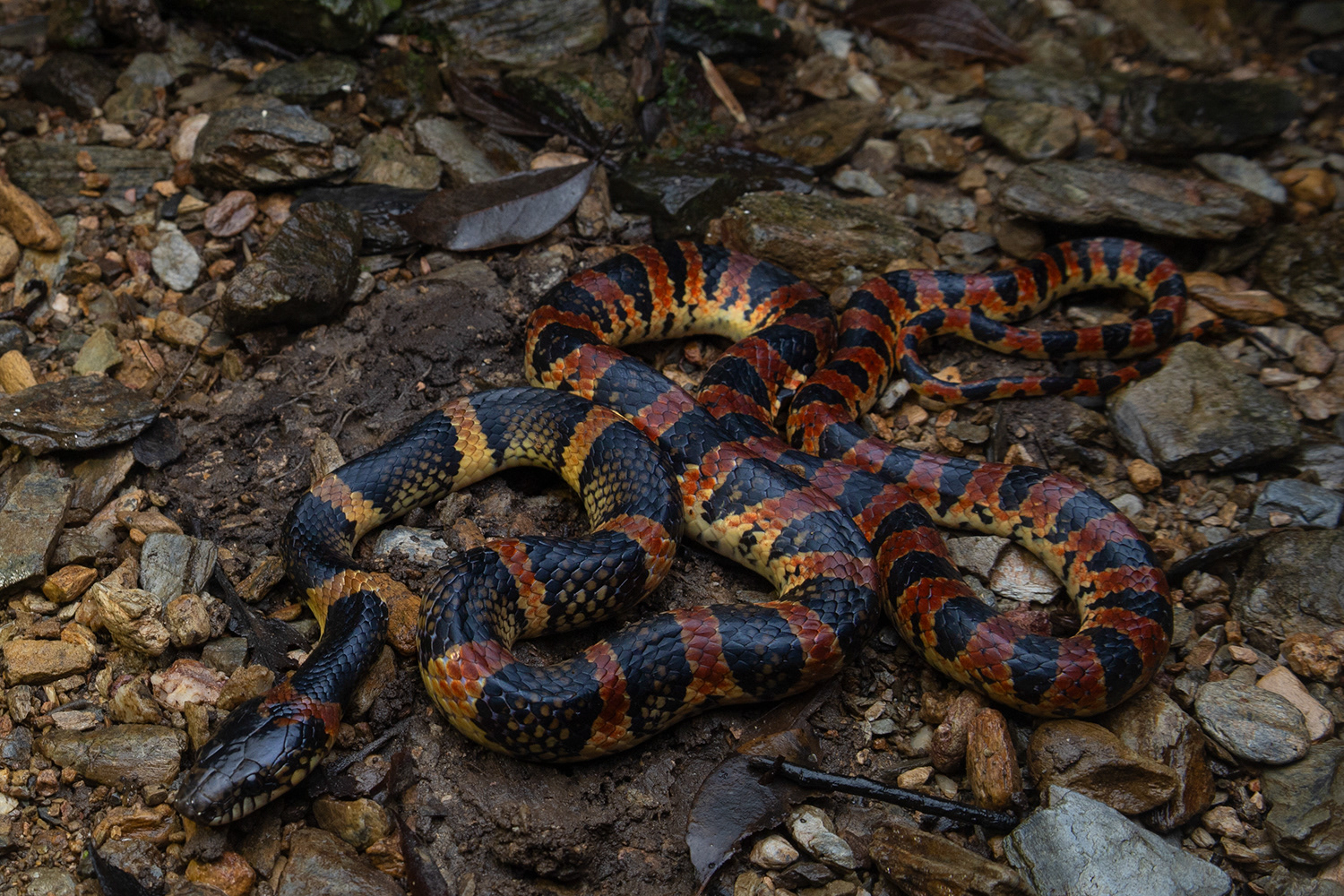
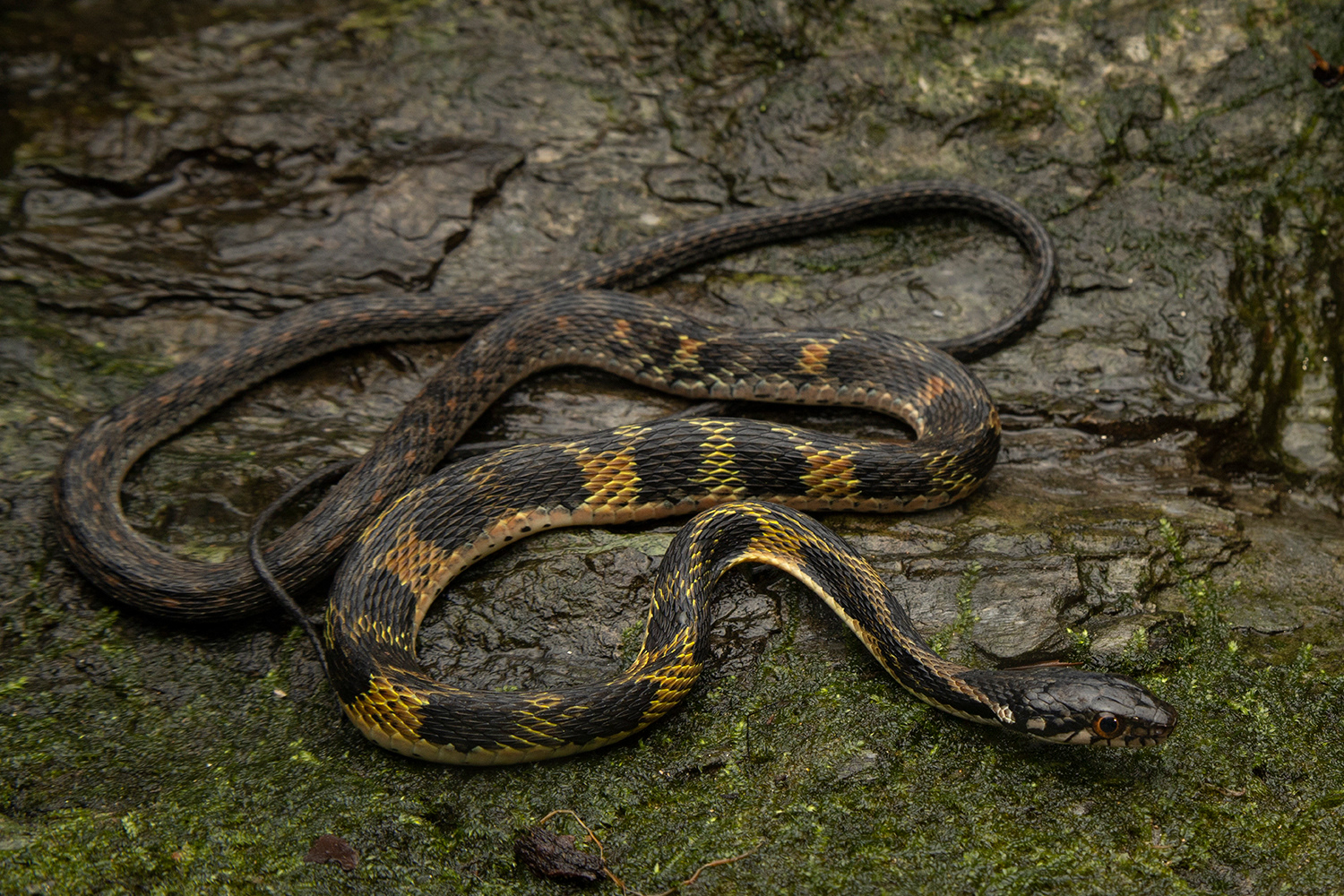
Another key stop on our first Japan expedition is Amami Island. This island has countless areas with high quality habitat for us to explore, and a much larger diversity of reptiles and amphibians than Takara. The primary snake target here is the 'Amami habu' (Protobothrops cf. flavoviridis) - very different to the form occurring on Okinawa. We will also target the island's only terrestrial elapid, the Amami coral snake (Sinomicrurus japonicus japonicus). This will also be our first opportunity to find the princess Habu (Ovophis okinavensis), Pryer's keelback (Hebius pryeri), and the Ryukyu odd-toothed snake (Lycodon semicarinatus), among several others.
Aside from snakes, there are also various stunning lizards and amphibians to be found such as the giant otton frog (Babina subaspera), sword-tailed newt (Cynops ensicauda popei), or Okinawan tree lizard (Japarula polygonata). For our nightly herping endeavours, we will have the opportunity to explore various small waterfalls and nature trails, however road walking (and cruising) is most productive for some of our targets. We also have a great chance to encounter the bizarre and fascinating Amami rabbit. We will stay in a comfortable local hotel throughout our time on Amamioshima.
Okinawa:
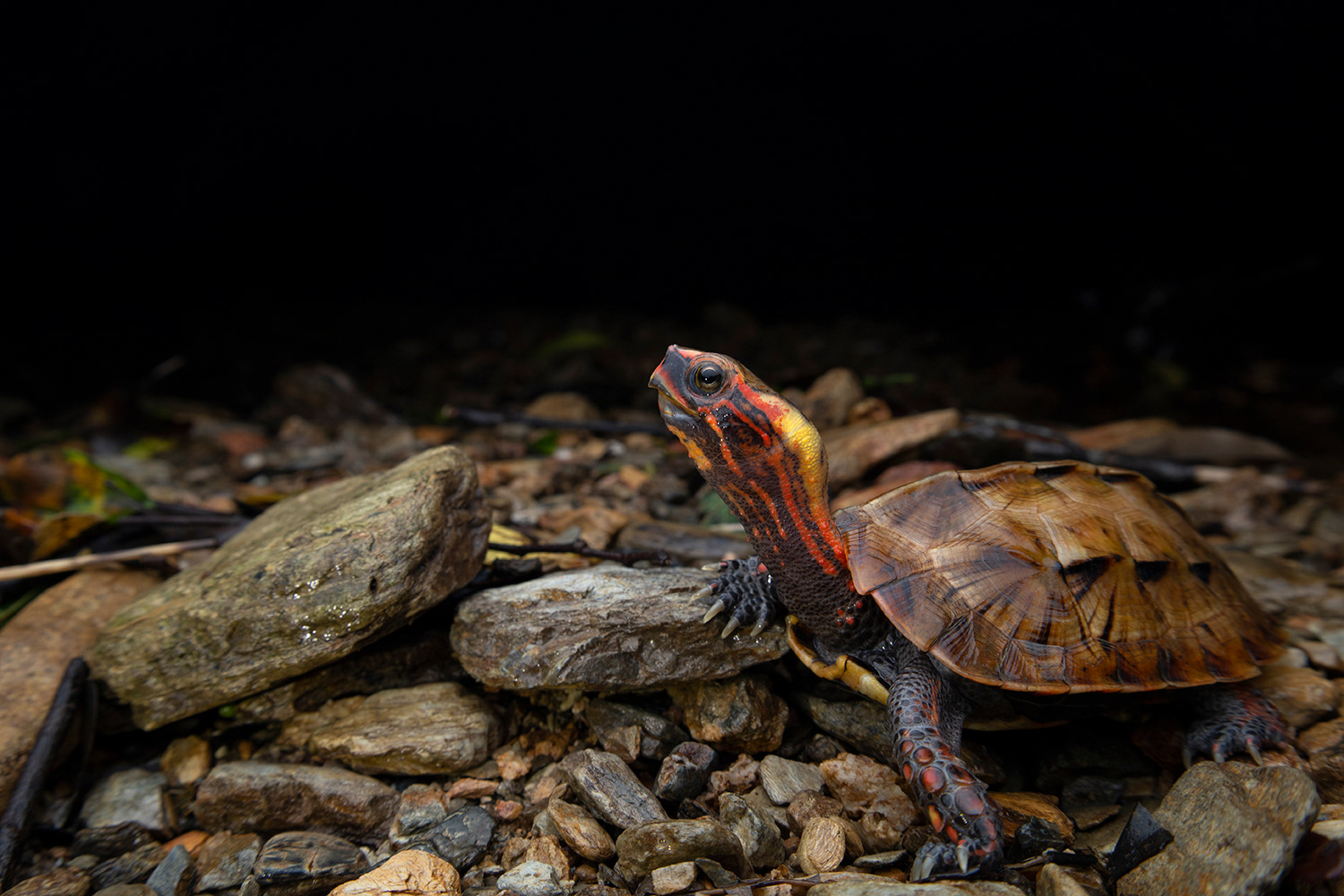
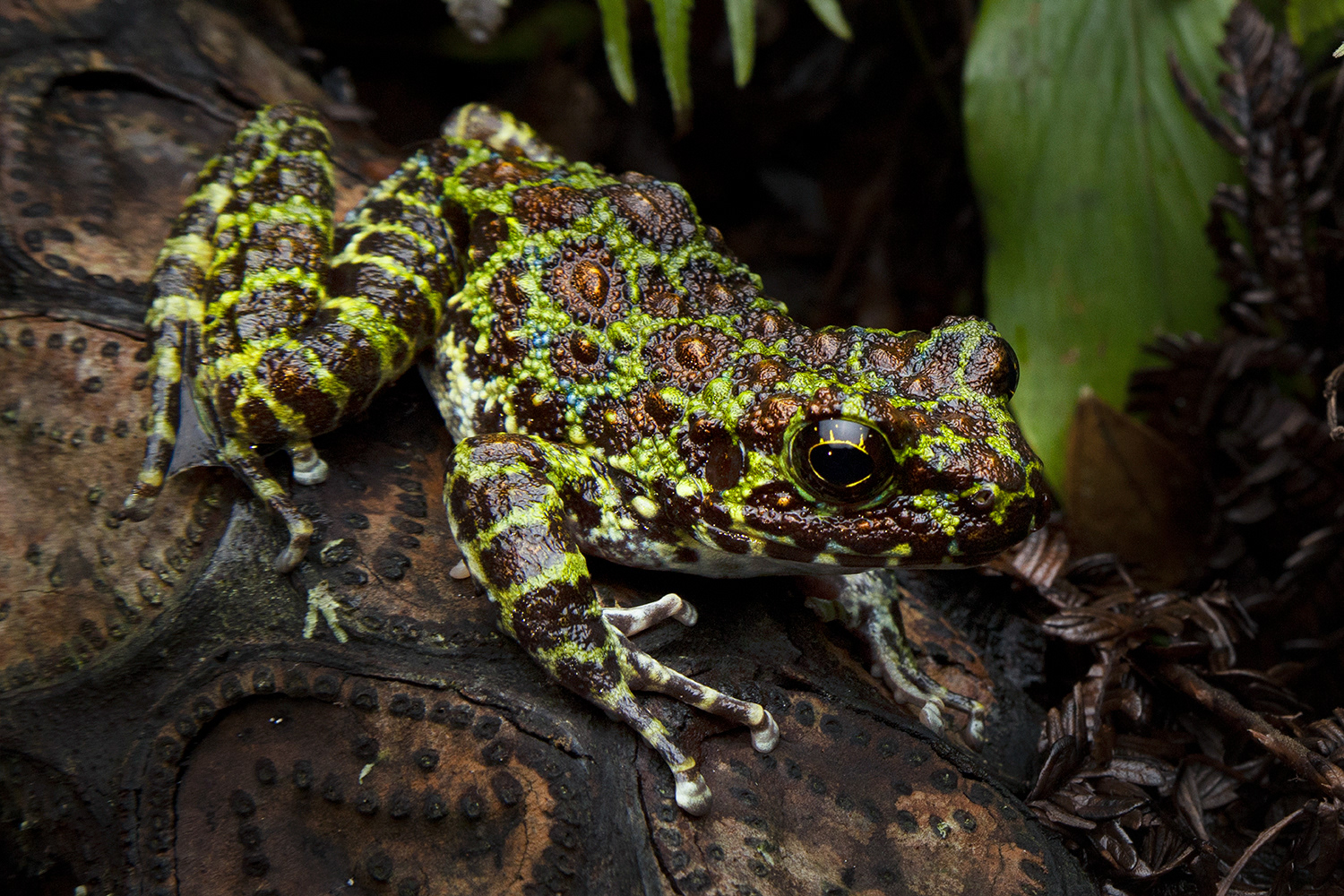
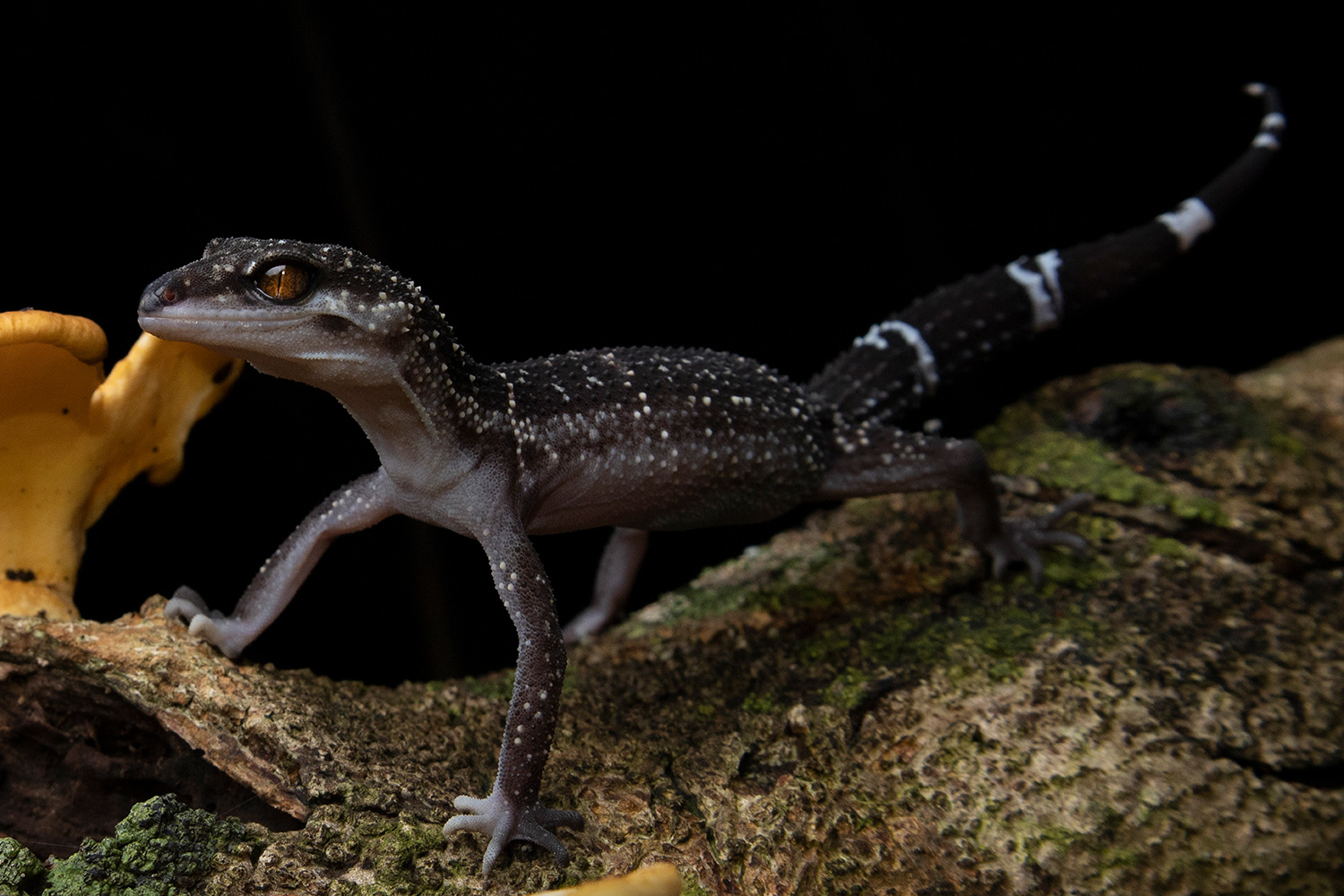
Lastly, we will spend several nights on the larger island of Okinawa, truly a naturalist's paradise. We will start by exploring the vast expanses of Yanbaru National Park in search of the golden habu (Protobothrops flavoviridis) - one of the largest and most impressive pit-vipers on the planet. Later we will move on to the central regions targeting the other two vipers: Princess habu (Ovophis okinavensis) and the invasive Brown-spotted lance-headed pit viper (Protobothrops mucrosquamatus). The Okinawa coral snake (Sinomicrurus japonicus boettgeri) is our top elapid target for the island. There are also a number of interesting amphibians around, most notably the Ishikawa frog (Ororrana ishikawae), which is typically mossy green but there is also a bright blue morph; but also the Anderson's Crocodile Newt (Echinotriton andersoni). In all places we will search in Okinawa, we can find the Tokashiki gecko (Goniurosaurus kuroiwae) and Kwangsi gecko (Gekko hokouensis). We may also find the Black-breasted leaf turtle (Geomyda japonica).
Okinawa has a vast network of small roads running through its forests which we will utilize heavily during our search efforts, while there are many forest trails and streams where we can find endemic turtles and all the above-mentioned snakes. Moreover, we can also try snorkelling at night for various species of sea snake (Hydrophis sp.) which inhabit the shallow waters. This island is endless fun, so the final days of the trip are guaranteed to be fantastic. We will stay in a comfortable hotel throughout our stay here.
Accommodation:
Our accommodation will range from city hotels and nature resorts to basic beach houses. Room sharing will be necessary on Takarajima, where we will sleep on basic padded mats in a shared space. On Amami and Okinawa the standard package will be a shared room with one other person, but there is an option to upgrade to a private room for all other locations.
Food & drink:
We will have the opportunity to try a variety of traditional Japanese food at restaurants, but due to limited restaurant operating hours and accessibility, a lot of our meals will be ready cooked warm meals, sandwiches and other snacks from the (extremely modern) local supermarkets. Vegetarian options will be available throughout the tour for those who wish.
Environmental conditions & fitness:
The temperature will be around 18-30 °C and humid. Aside from exploring tidal pools, all of our walks will be relatively easy on well maintained paths or roads, but will include some steep hills. The ability to hike continuously for 5-6 hours per night is required. We expect sporadic periods of heavy rain at all locations.
Travel information:
All guests must arrive at our designated meeting location in Amamioshima by 14:00 (2pm) on the 3rd July 2026, as this will give us time to book our boat, load our vehicle on the boat and wake up early in the morning on the 4th July to board the boat to Takara. If the boat is not for 1-3 more days, we will extend our hotel stay and spend several nights on Amami. The tour ends at or near Naha Airport, Okinawa Island, by 12:00pm (midday) on the 14th July.
It is the guests responsibility to meet all entry requirements needed to enter Japan, including visa procedures. Explore Herpetology can help advise entry requirements upon request. Make sure to check the entry requirements for your country before booking.
If you would like to browse a detailed trip report of our previous tours, click here.