
Start: 25th January 2027 | End: 2nd February 2027 | Meeting location: Kota Kinabalu | Spaces available: 3
Included in the tour:
- Expert herpetologist guides.
- Accommodation.
- Transport.
- Food & drinks.
- National park entry/ranger/guide fees.
- Permits.
Introduction:
Since launching our Borneo expeditions almost 4 years ago, Explore Herpetology has totally changed the landscape of herping in this region, pioneering the vast majority of methods used to target the high status targets. For example, Malcolm's pit viper (Trimeresurus malcolmi) had long been a mercurial and elusive species, until we developed a successful searching methodology which resulted in us not missing this species on a single expedition for more than 2 years (12+ consecutive trips). Likewise, figuring out the best roads and activity-windows for Chasen's mountain pit viper (Garthius chaseni) led to a much higher rate of encounters with this species, similar to how finding specific root systems and sections of trail allowed the Borneo leaf-nosed pit viper (Craspedocephalus borneensis) to be found more frequently. Furthermore, our extensive history of running multiple large-scale expeditions per year gives our guides a more detailed understanding of the area than any other tour operator - reflected in the immaculate consistency of our results. Even to this day, we are evolving our methodology and adding new strategies to ensure our guests have the highest chance to see the key targets. This is why Explore Herpetology continues to be the most popular choice for those hoping to see Borneo's incredible diversity of herpetofauna.
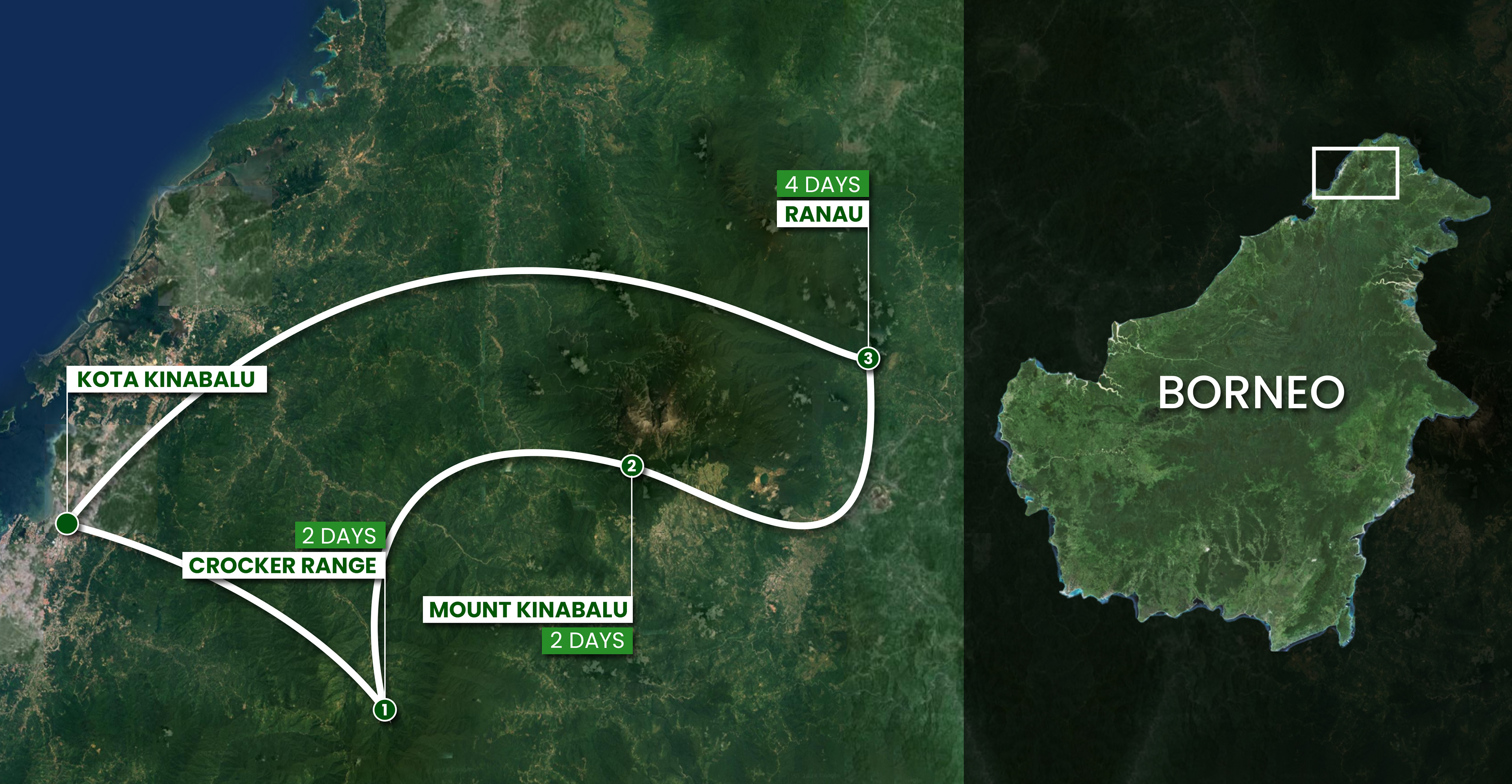
For our first official flagship expedition of 2027, we start with 4 nights in the highlands of Sabah, covering two unique locations, ensuring enough time to see the incredible Malcolm's pit viper (Trimeresurus malcolmi). We will end the trip with 4 further nights of herping in primary lowland rainforest, home to an simply unbelievable number of incredible herpetofauna species. We will venture out during the daytime for short hikes and road cruising, but the majority of our effort will be focused at night - when the forest is most alive with activity. The following itinerary will describe each location and what key species we will search for at each site:
Nights 1 & 2: Crocker Range
We begin the expedition in Kota Kinabalu, staying on the edge of the city and driving up to the mountains in the late afternoon to begin herping at nightfall. At this site, we can hike to 2,000 meters above sea level, which gives us an opportunity to focus on the upper-submontane and montane forest specialist species. Our foremost target will be the incredible Malcolm's pit viper (Trimeresurus malcolmi), which hides amongst dense vegetation in the mossy forest. The Balu flying frog (Rhacophorus baluensis) is frequently sighted there, while very rare elsewhere in its range. This is also the best location to find the scarce fire-lipped keelback (Rhabdophis murudensis)
On dry nights, we have a higher chance of encountering the black-striped coral snake (Calliophis nigrotaeniatus) and the smaller montane reed snakes which it feeds on, as well as the Sabah pit viper (Trimeresurus sabahi). The trails and roadsides we walk are always dotted with montane litter frogs (Leptobrachium montanum) and Kinabalu horned frogs (Pelobatrachus baluensis), while the fascinating little shrub frogs (Philautus sp.) will be calling all around us. We can also search for herpetofauna at slightly lower submontane elevations, where our team have found Chasen's mountain pit viper (Garthius chaseni) in the past. During the daytime, we will go herping in the lowland secondary forests around Kota Kinabalu, where we can search waterfalls for the Borneo-endemic white-fronted keelback (Hebius flavifrons) and other diurnal snakes.
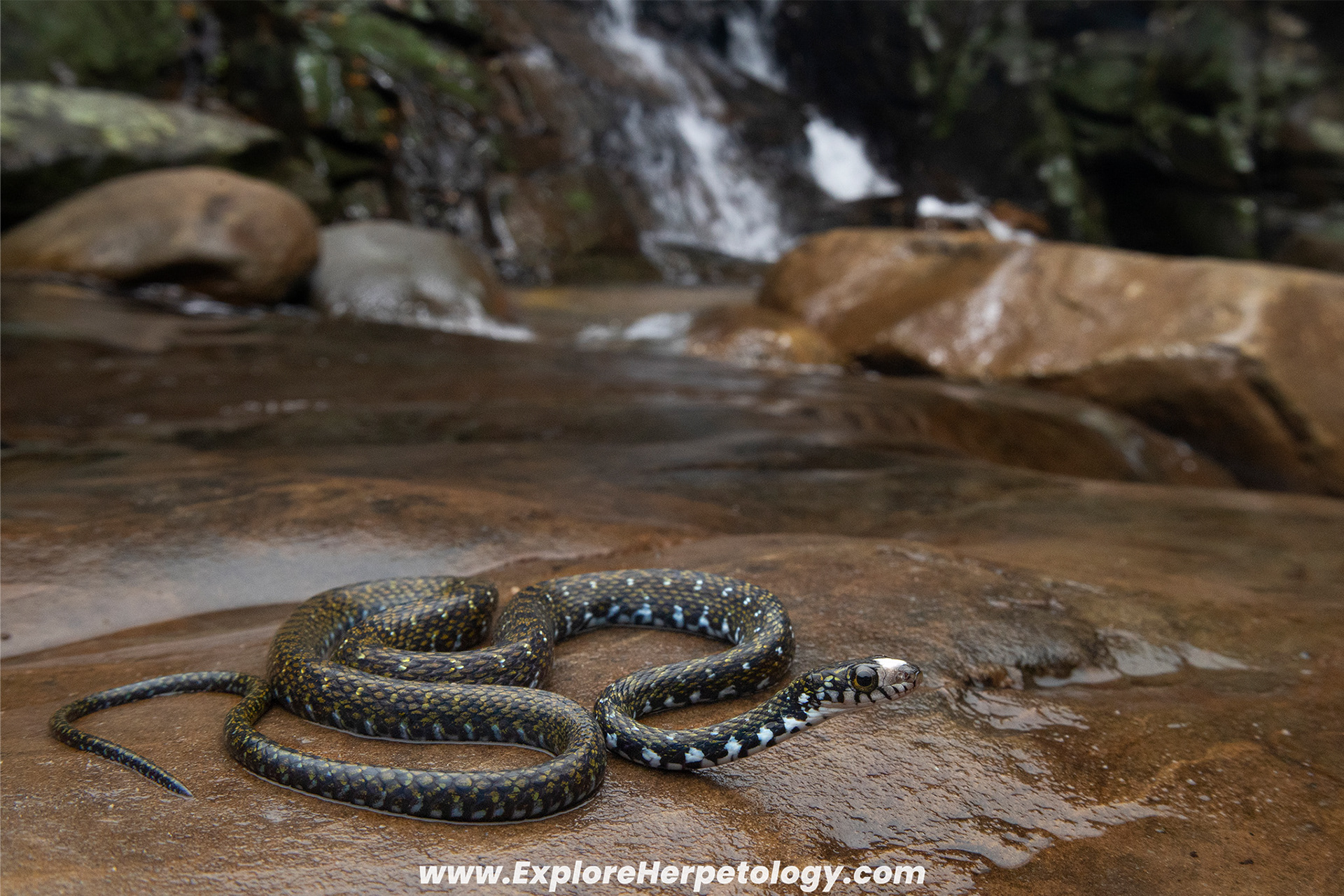
White-fronted keelback (Hebius flavifrons).
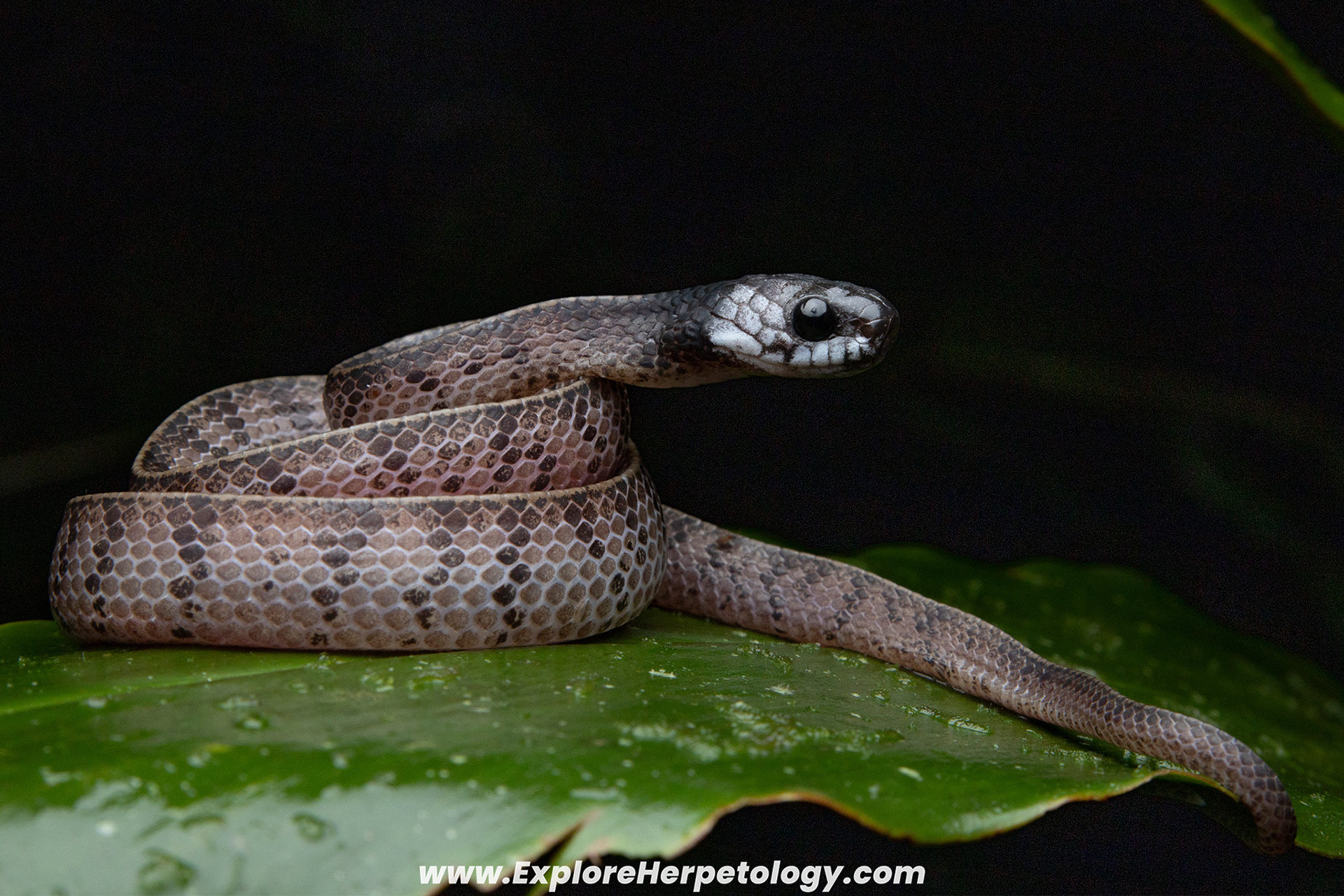
Inger's slug snake (Asthenodipsas ingeri).
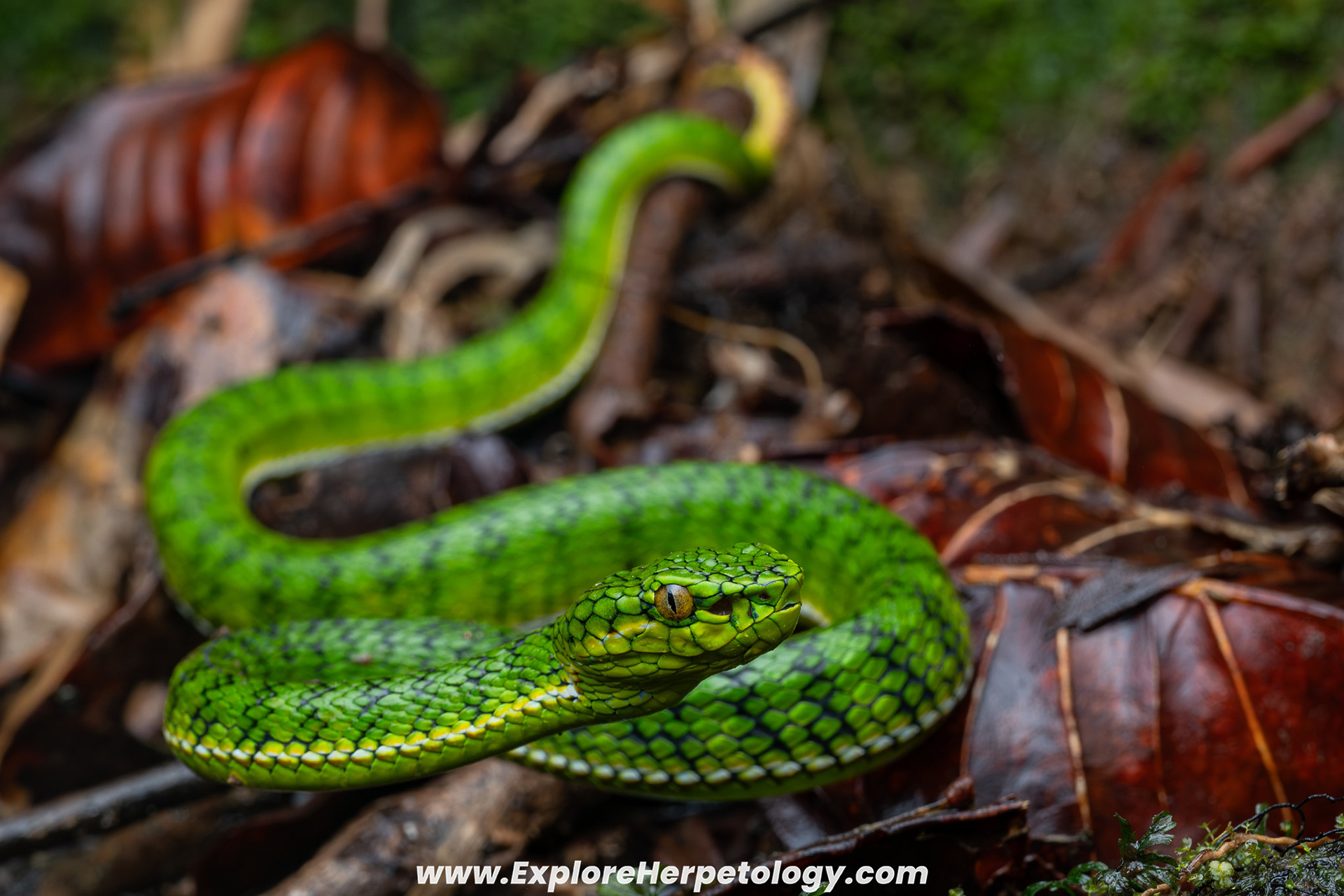
Malcolm's pit viper (Trimeresurus malcolmi).
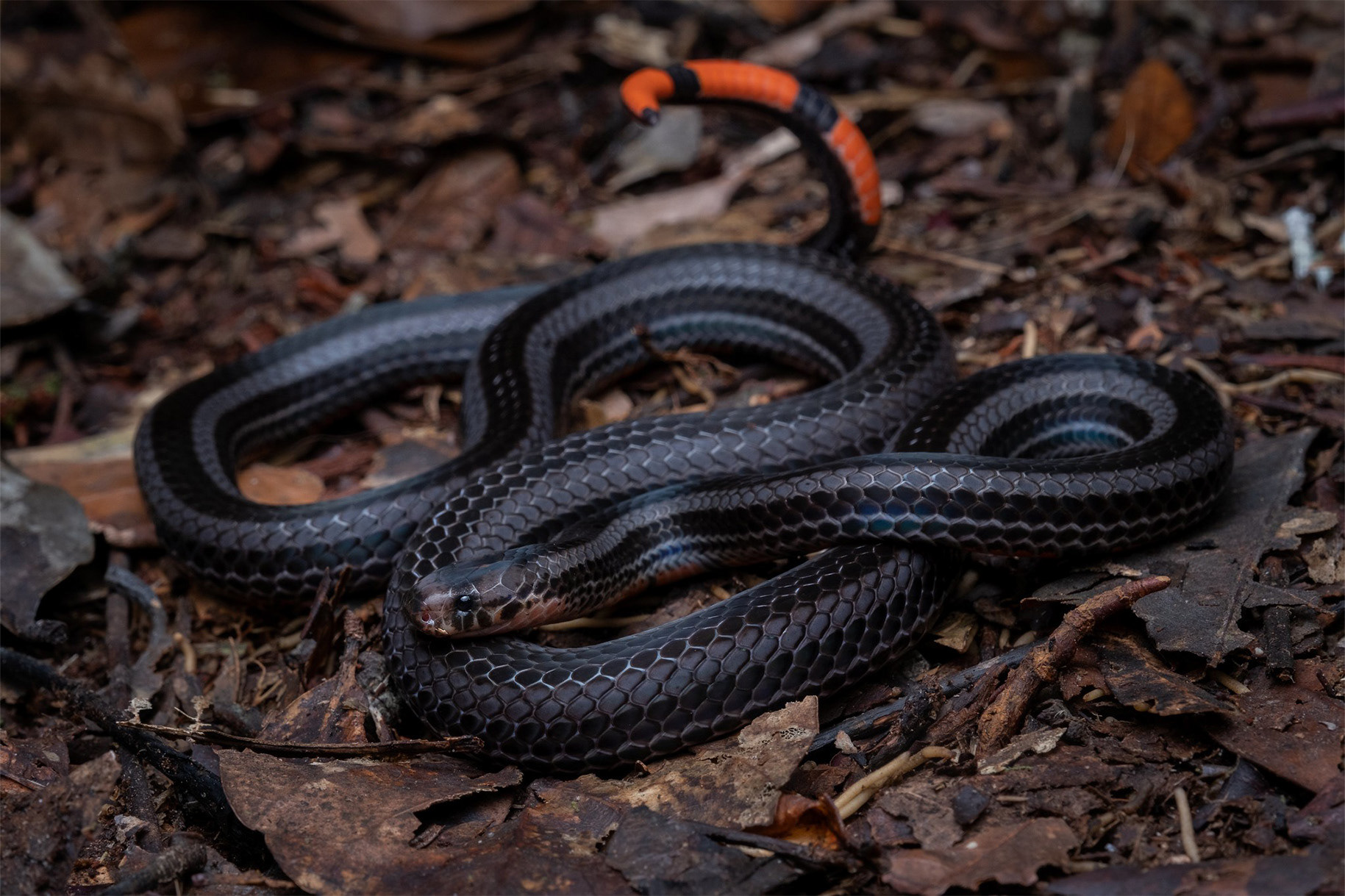
Black-striped coral snake (Calliophis nigrotaeniatus).
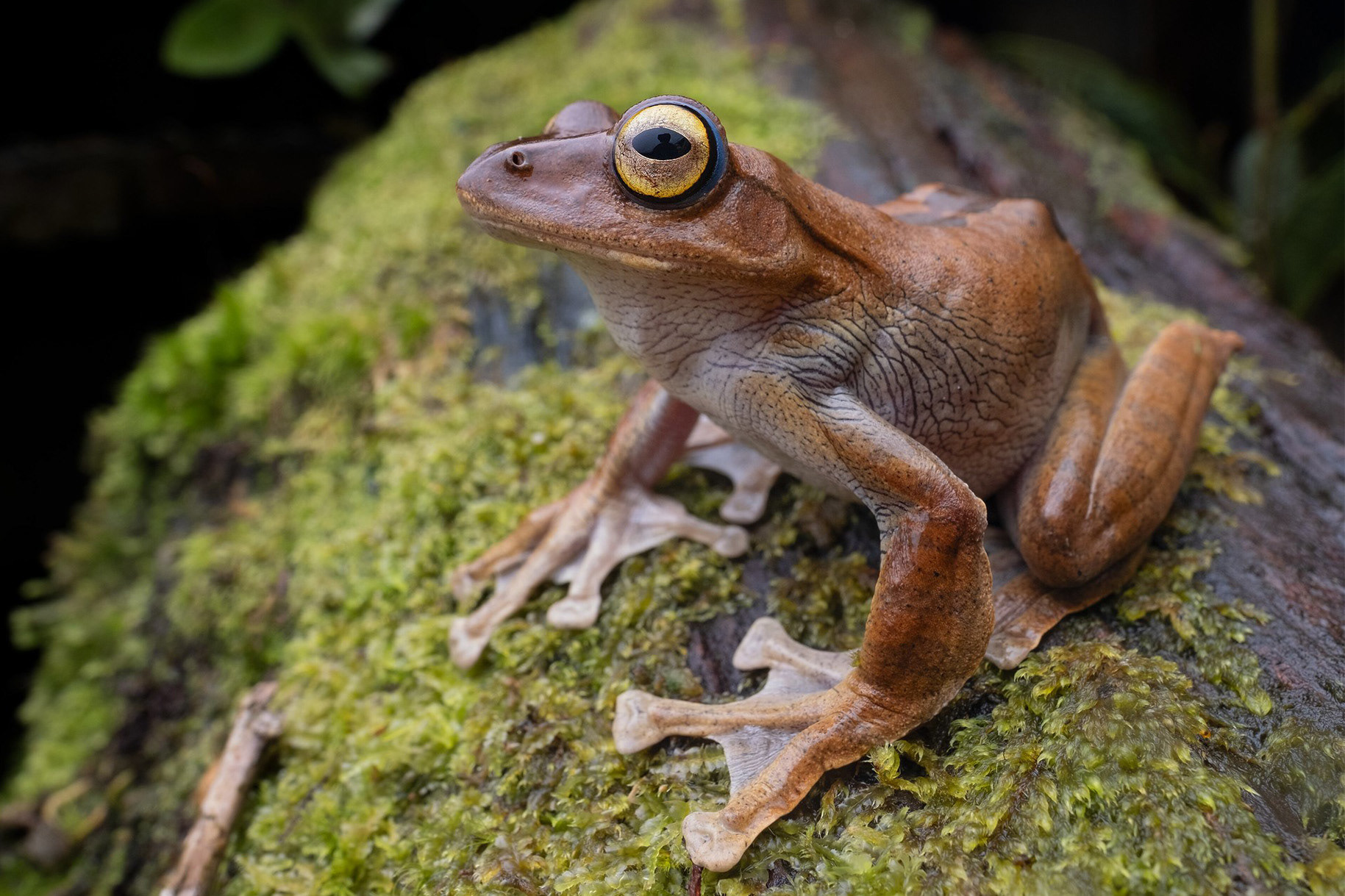
Balu flying frog (Rhacophorus baluensis).
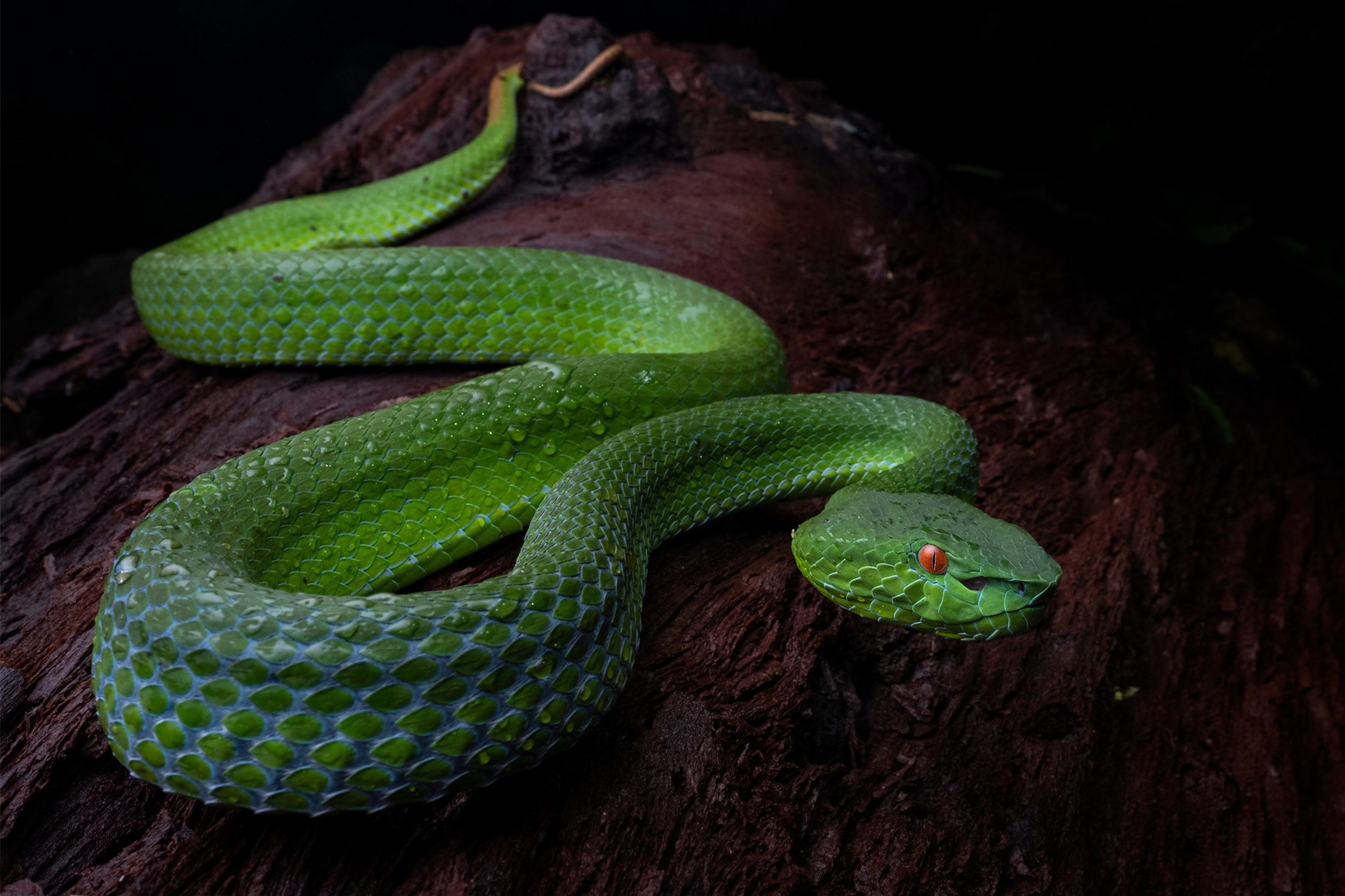
Sabah pit viper (Trimeresurus sabahi).
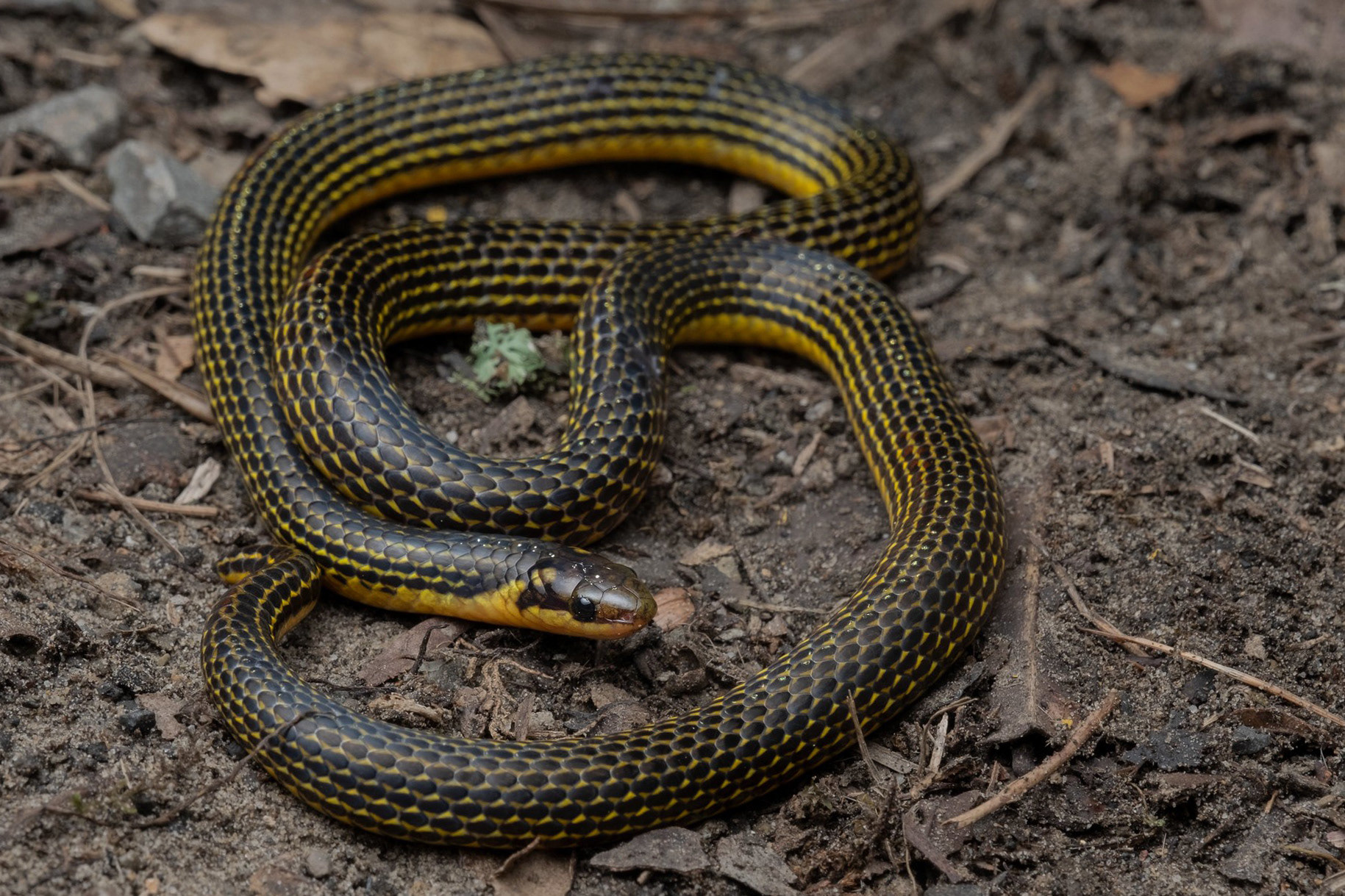
Griswold's reed snake (Calamaria griswoldi).
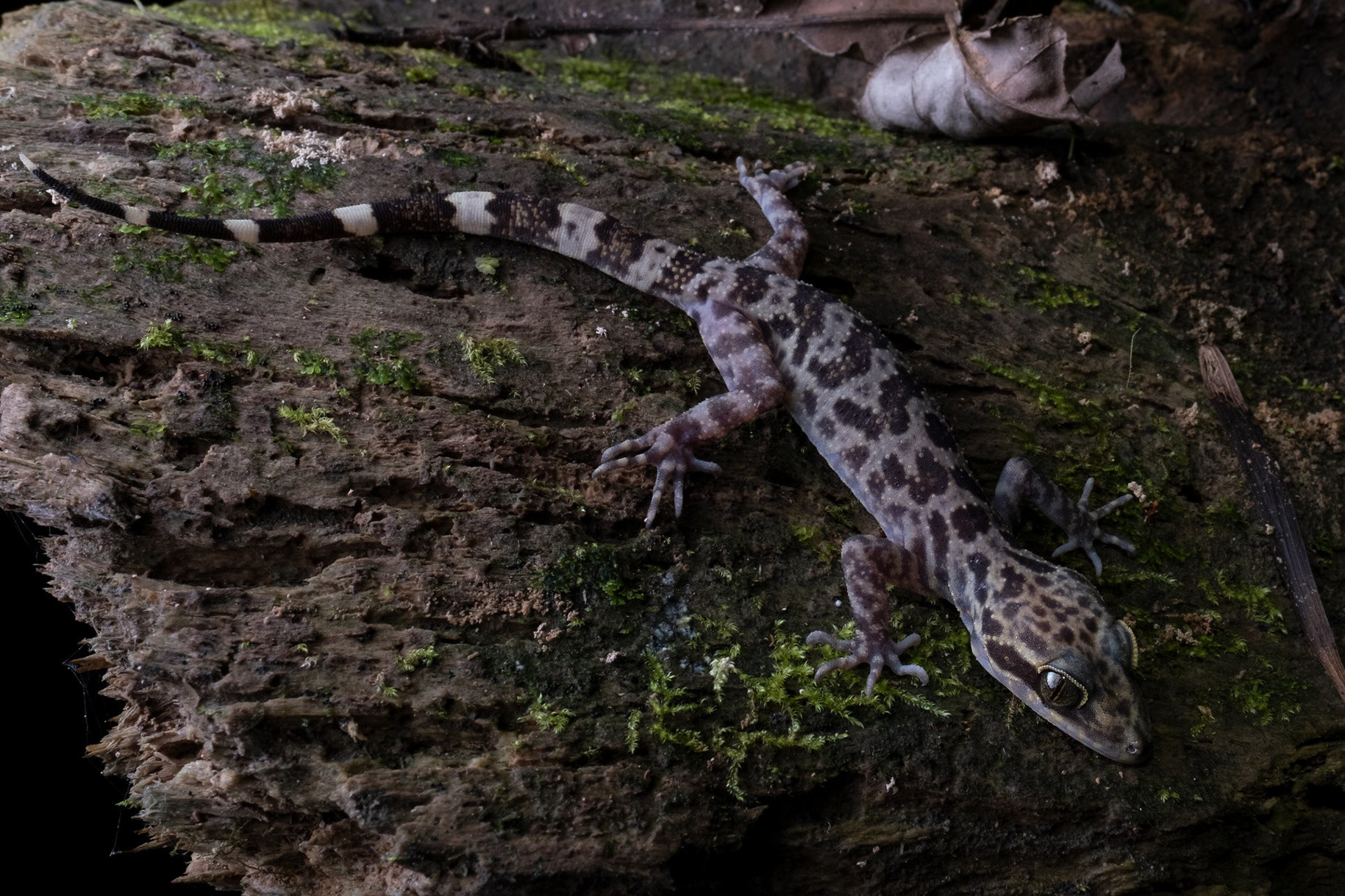
Kinabalu bent-toed gecko (Cyrtodactylus baluensis).
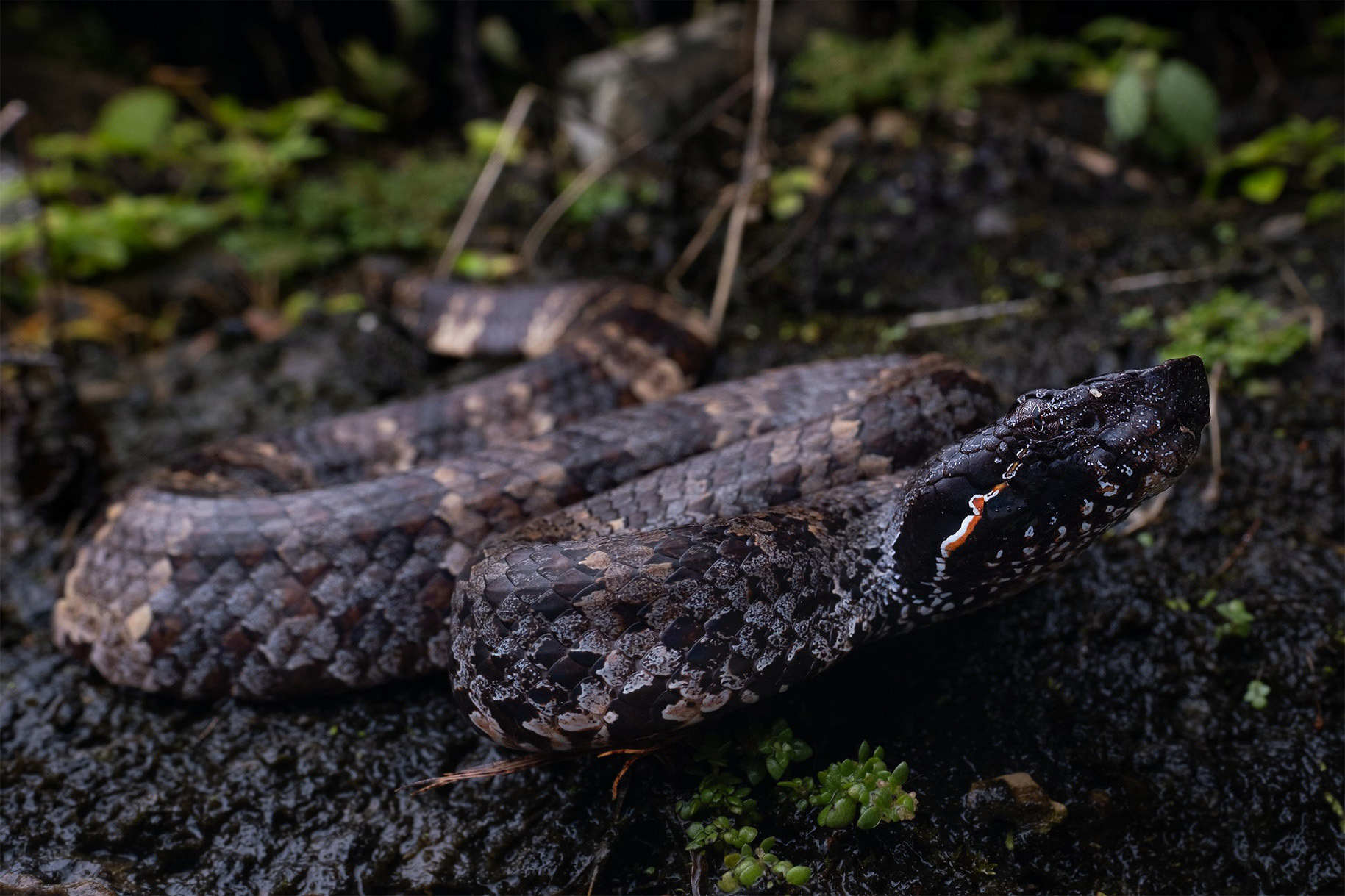
Chasen's mountain pit viper (Garthius chaseni).
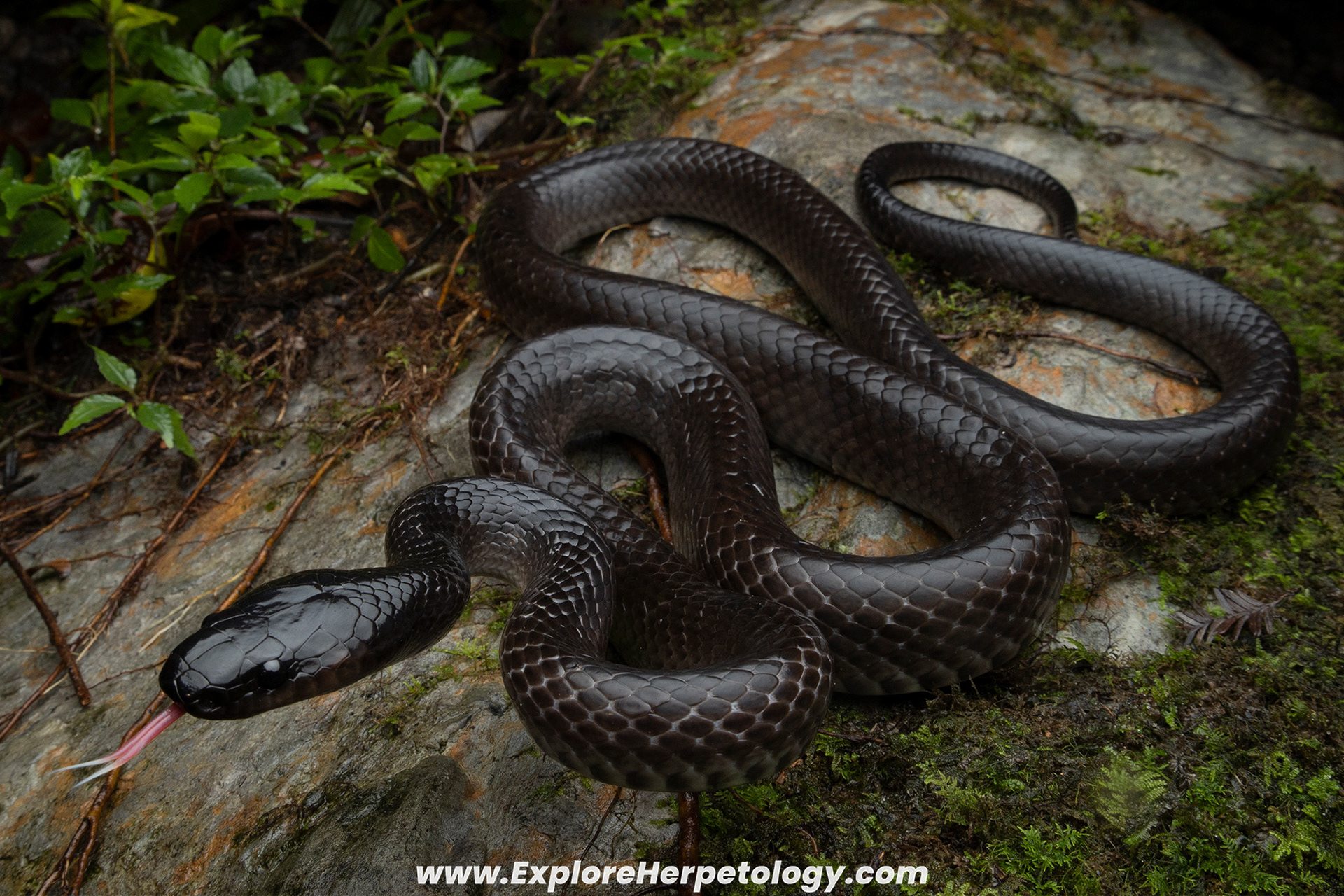
Kinabalu black snake (Stegonotus caligocephalus).
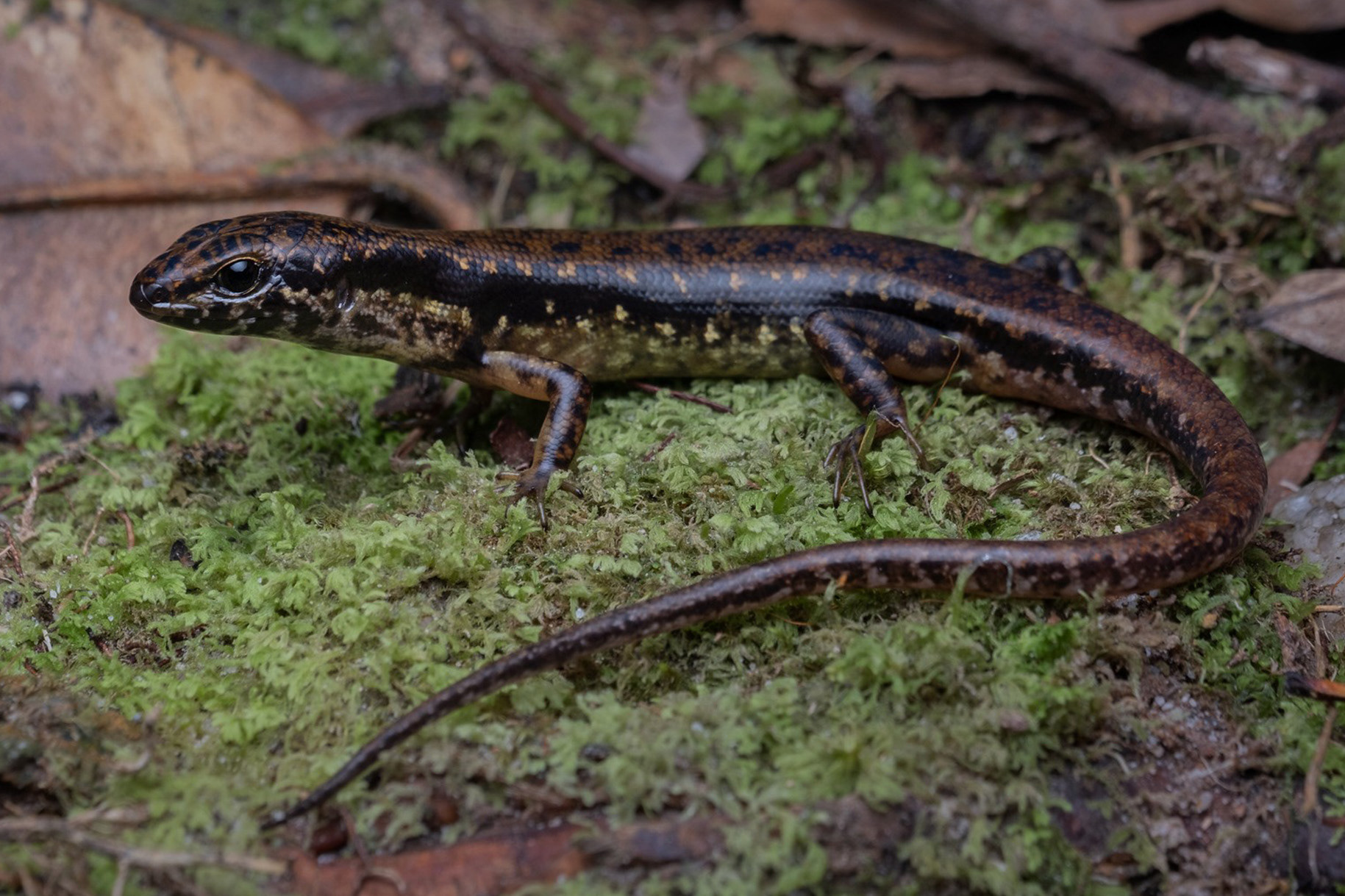
Kinabalu littler skink (Sphenomorphus kinabaluensis).
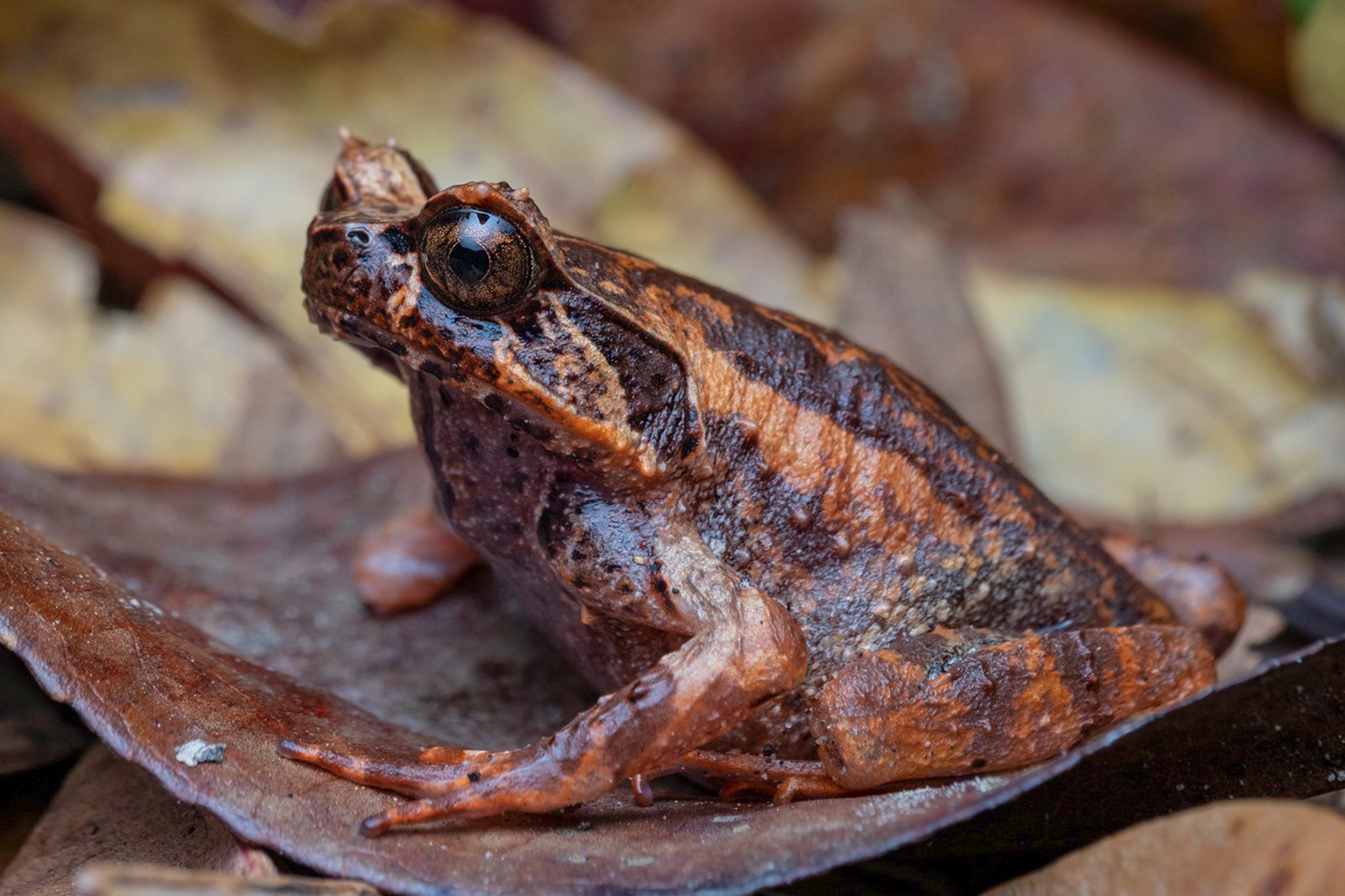
Kinabalu horned frog (Pelobatrachus baluensis).
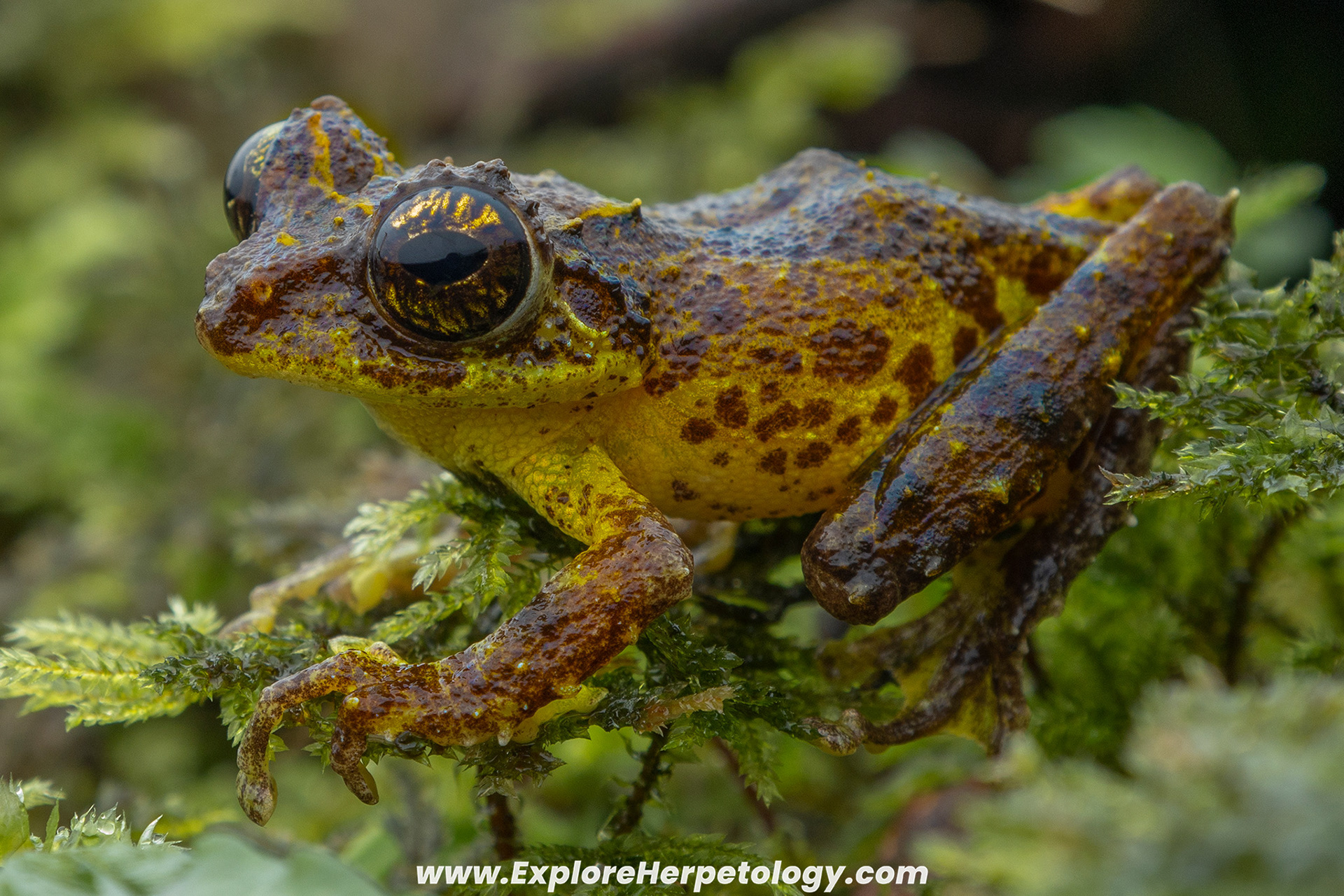
Mossy shrub frog (Philautus macroscelis).
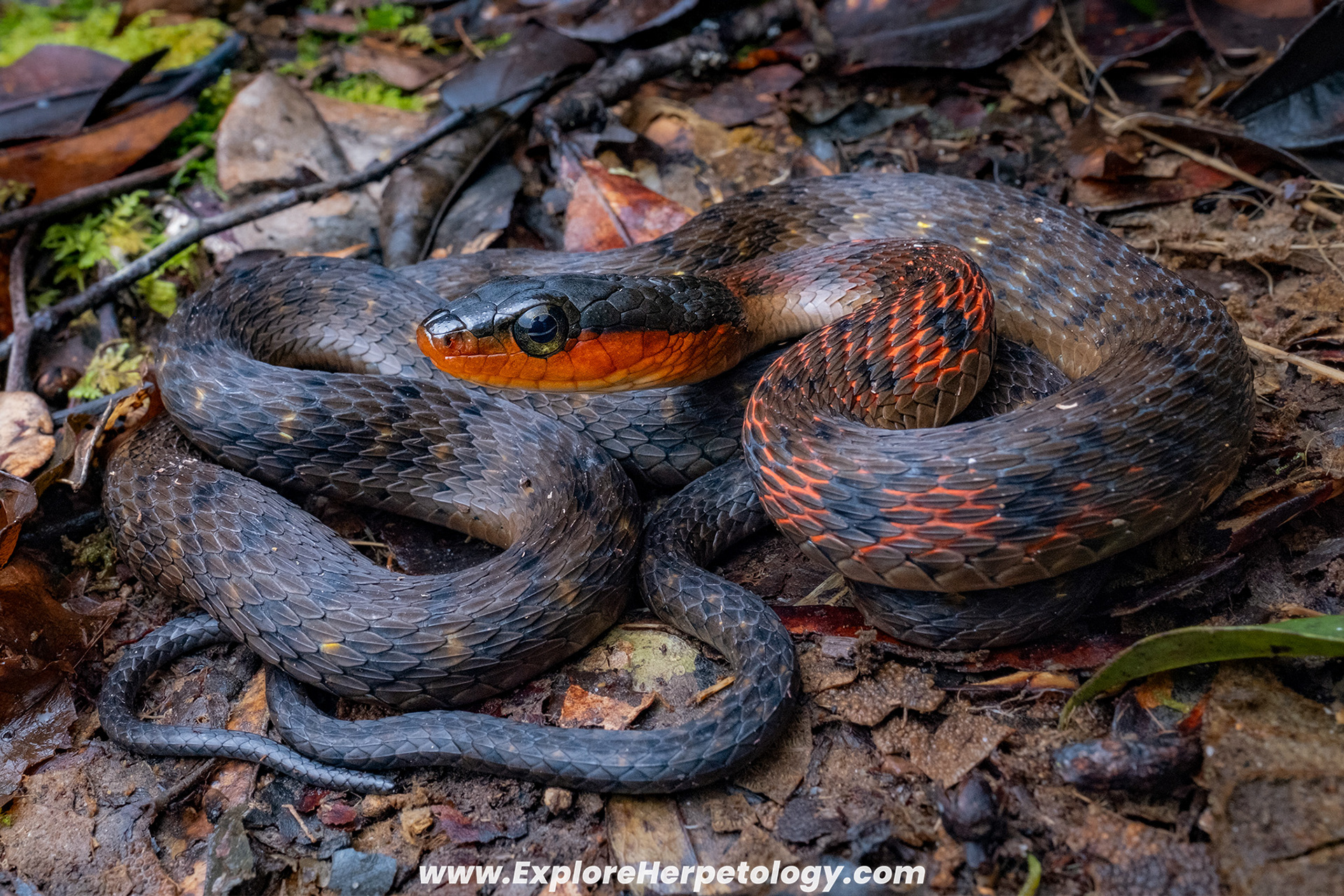
Fire-lipped keelback (Rhabdophis murudensis).
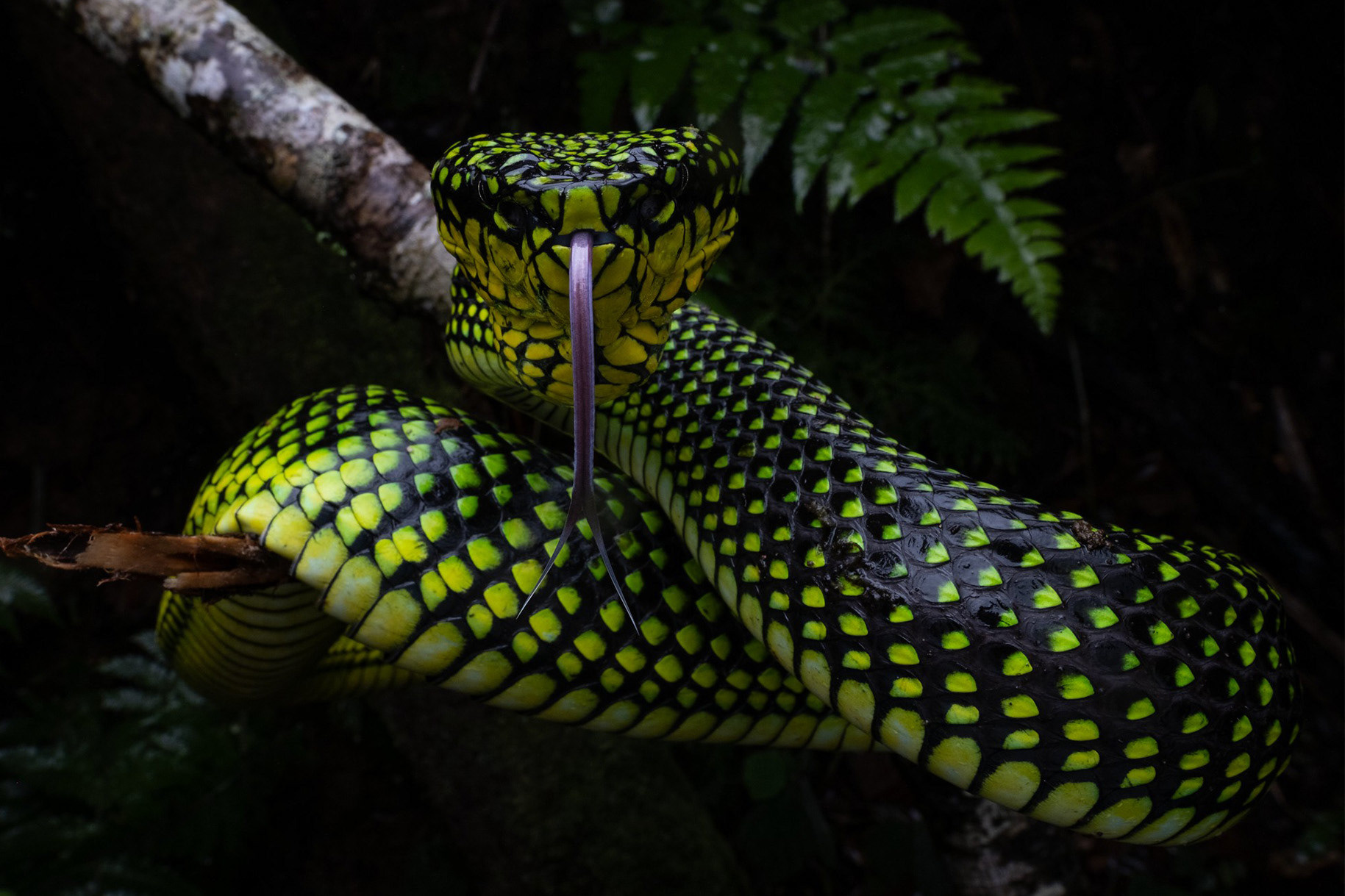
Malcolm's pit viper (Trimeresurus malcolmi).

Nights 3 & 4: Mount Kinabalu
After our first 2 nights, we move to the legendary slopes of Mount Kinabalu. The habitat and temperature is similar to our first location, but there are many species common at Mount Kinabalu which are challenging to find at Crocker Range. For example, Kobyashi's horned frog (Pelobatrachus kobyashii) can be regularly uncovered along the trails and roads, while Chasen's mountain pit viper (Garthius chaseni) is also easier to find in this area (if we get heavy rain). Stuebing's slug snake (Asthenodipsas stuebingi) and Jamil's slug snake (Asthenodipsas jamilnaisi) are both possible near the national park, while Stoliczka's stream snake (Paraxenodermus) - sometimes known as the 'montane dragon snake' - has also been found here twice by our team, albeit still extremely rare.
During sunny daytime hikes, the Sarawak keelback (Hebius sarawacense) can be found actively hunting near streams and roadsides, while the legendary Kinabalu crested lizard (Hypsicalotes kinabaluensis) may make an appearence. The wooden huts which are dotted around the national park provide fantastic microhabitat for the Kinabalu gliding gecko (Gekko rhacophorus), which can change its colour to adapt to different textures and backgrounds within minutes. This is also the only location in Borneo where black-throated agamid (Complicitus nigrigularis) has been found. There have been three documented sightings of live individuals, the second was by our group during a herping tour in 2024.
We will stay in a local guesthouse surrounded by forest, where saffron-bellied frog (Chaperina fusca), Sabah pit viper (Trimeresurus sabahi) and even Chasen's mountain pit viper (Garthius chaseni) can be found in the garden. There are both local and western catering restaurants close to our accommodation, along with day and night access to the trails of Mount Kinabalu National Park. The temperatures regularly drop to 15C or lower at night, so make sure you bring warm clothing.
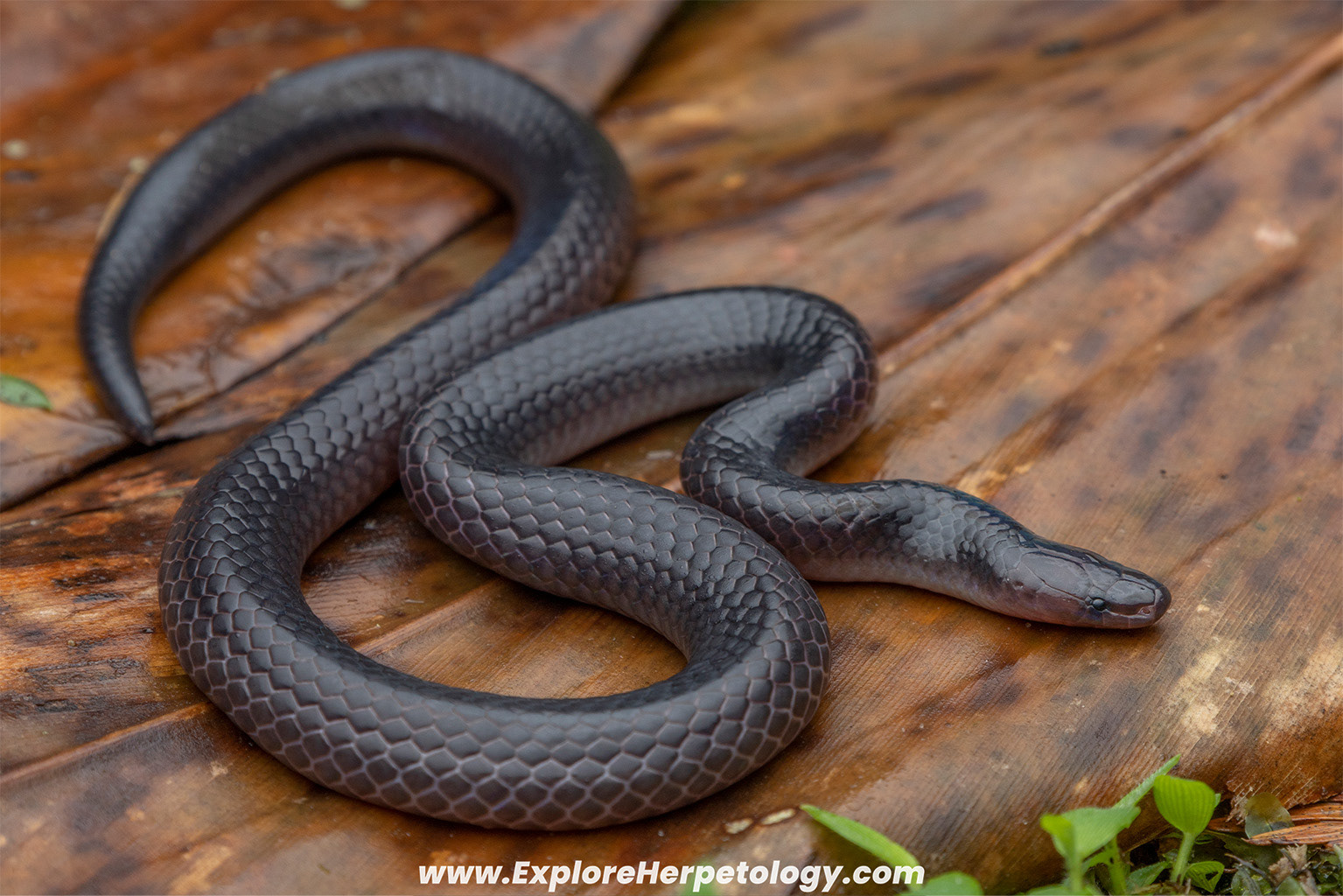
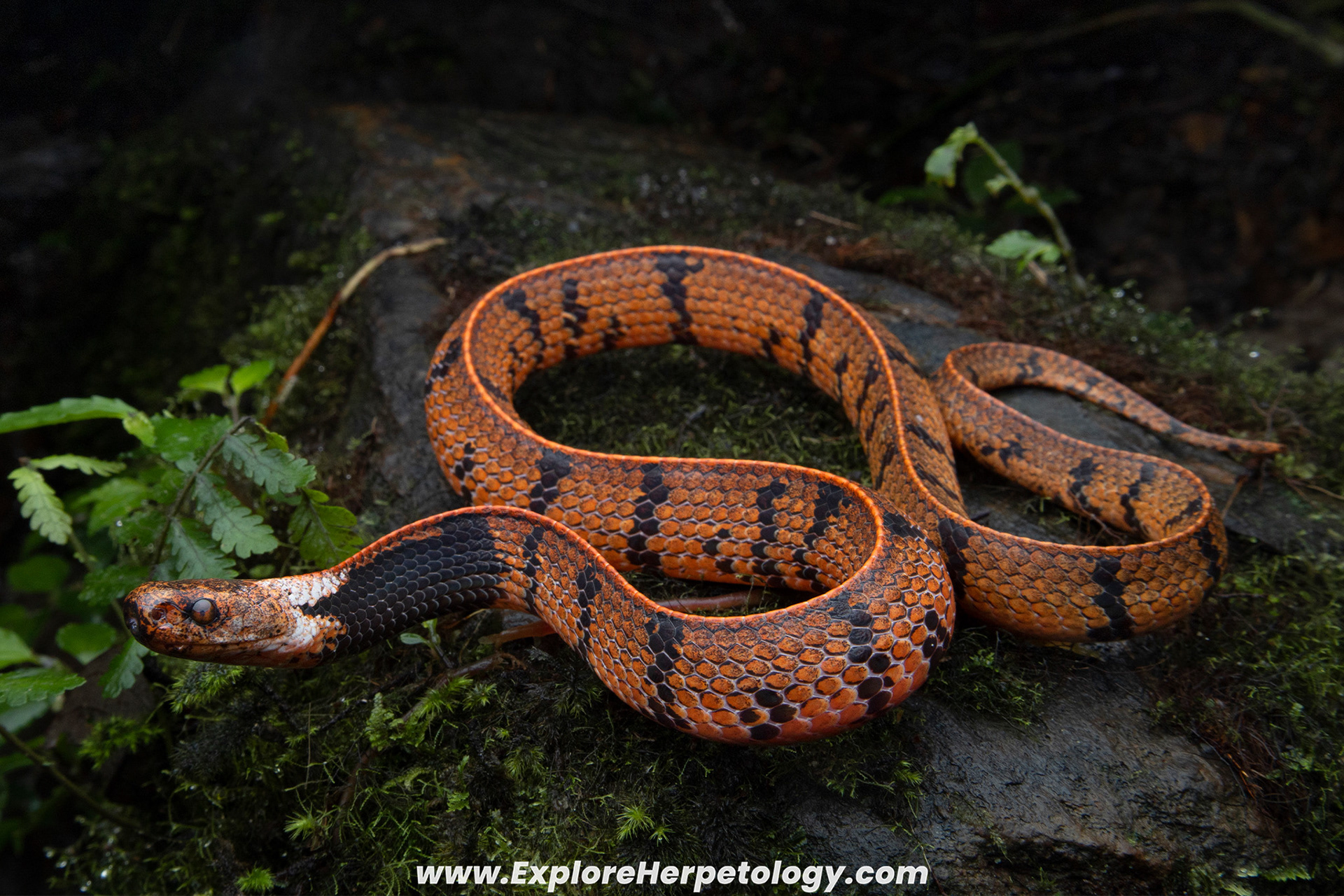
Stuebing's slug snake (Asthenodipsas stuebingi).
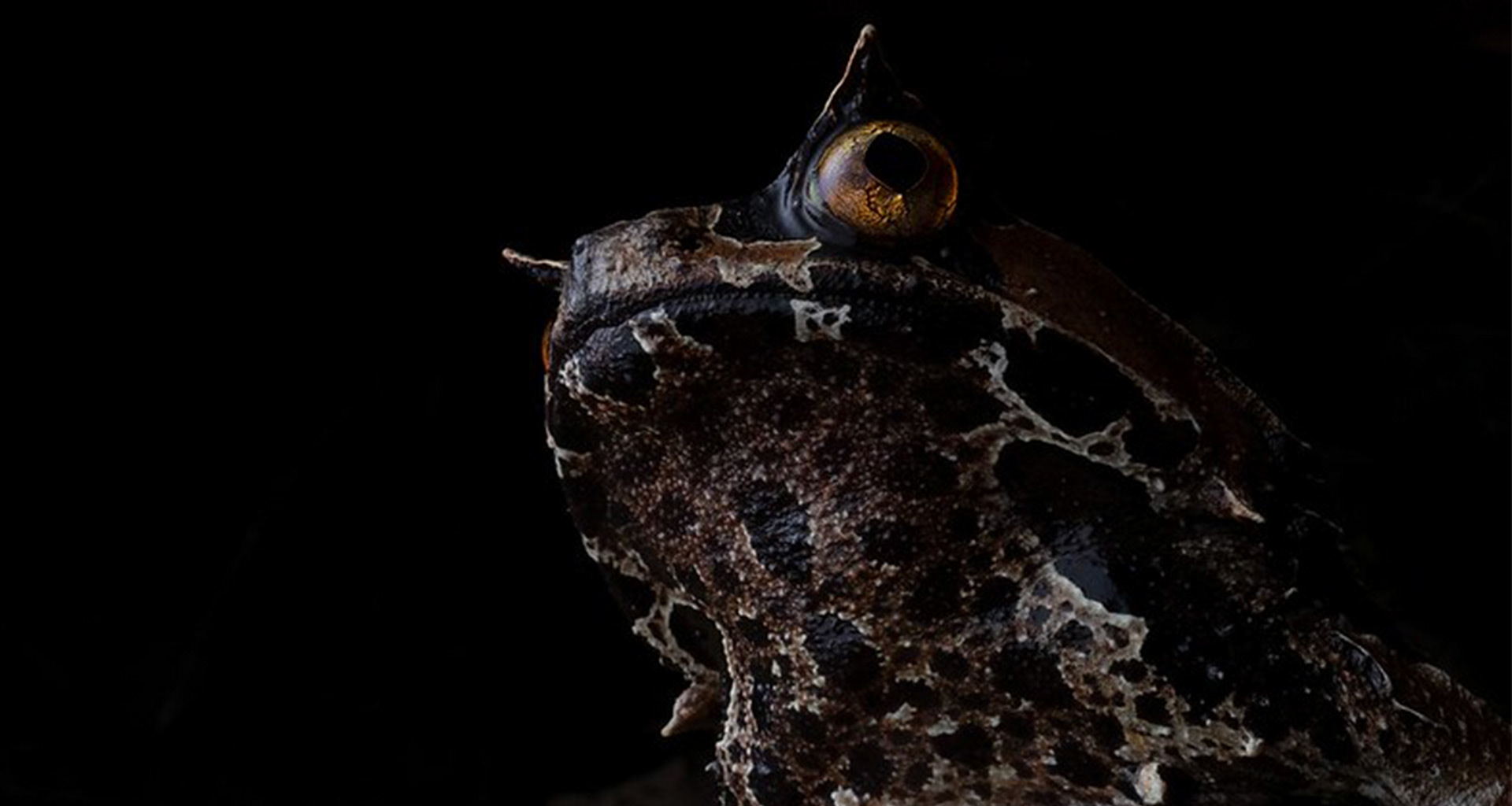
Kobyashi's horned frog (Pelobatrachus kobyashii).
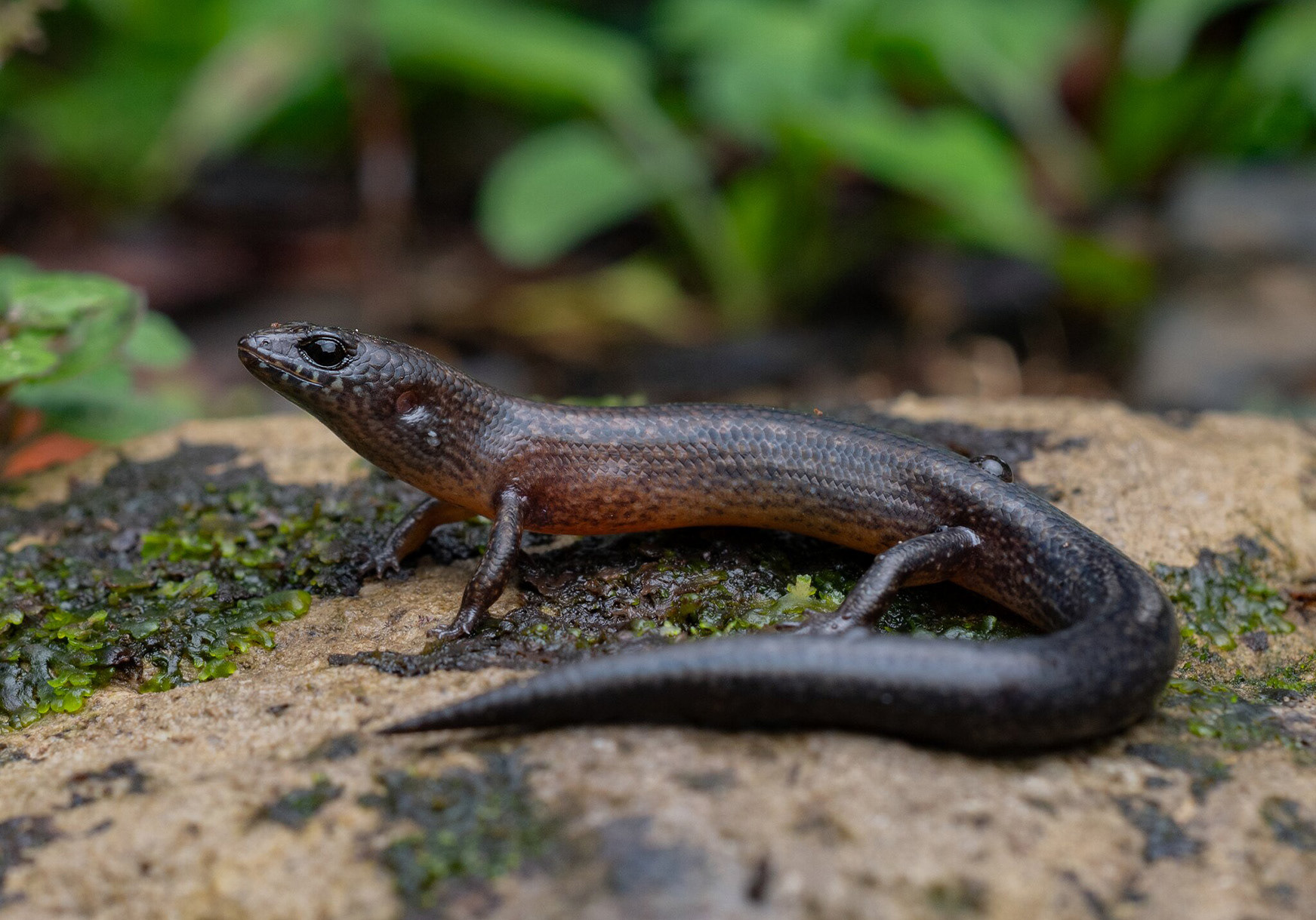
Oak forest skink (Tytthoscincus aesculeticola)
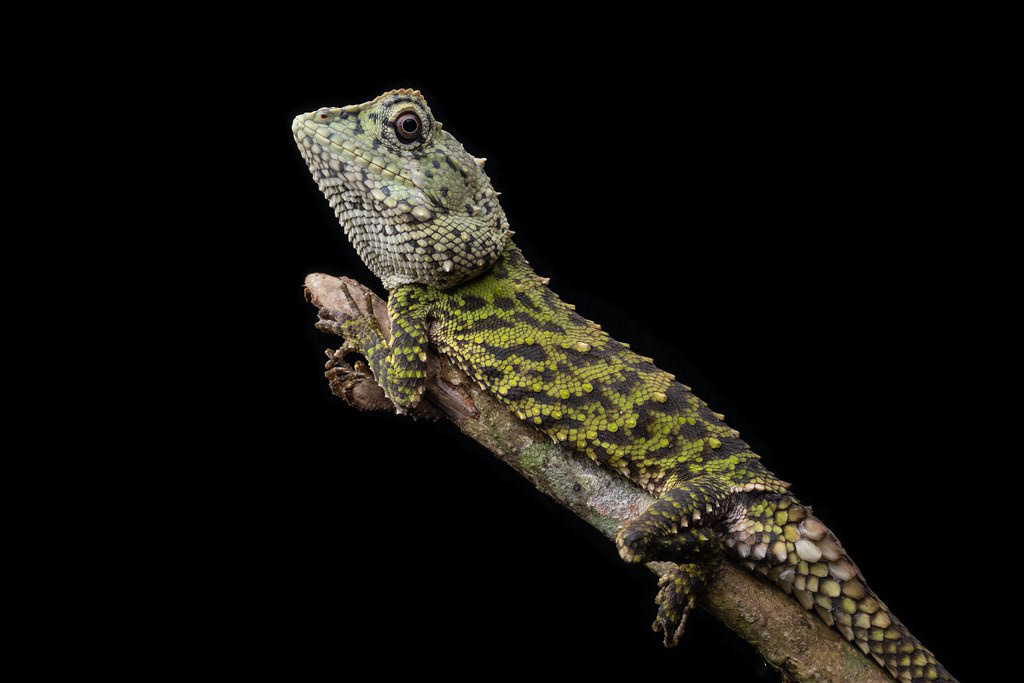
Moquard's eyebrow lizard (Pelturagonia cephalum)
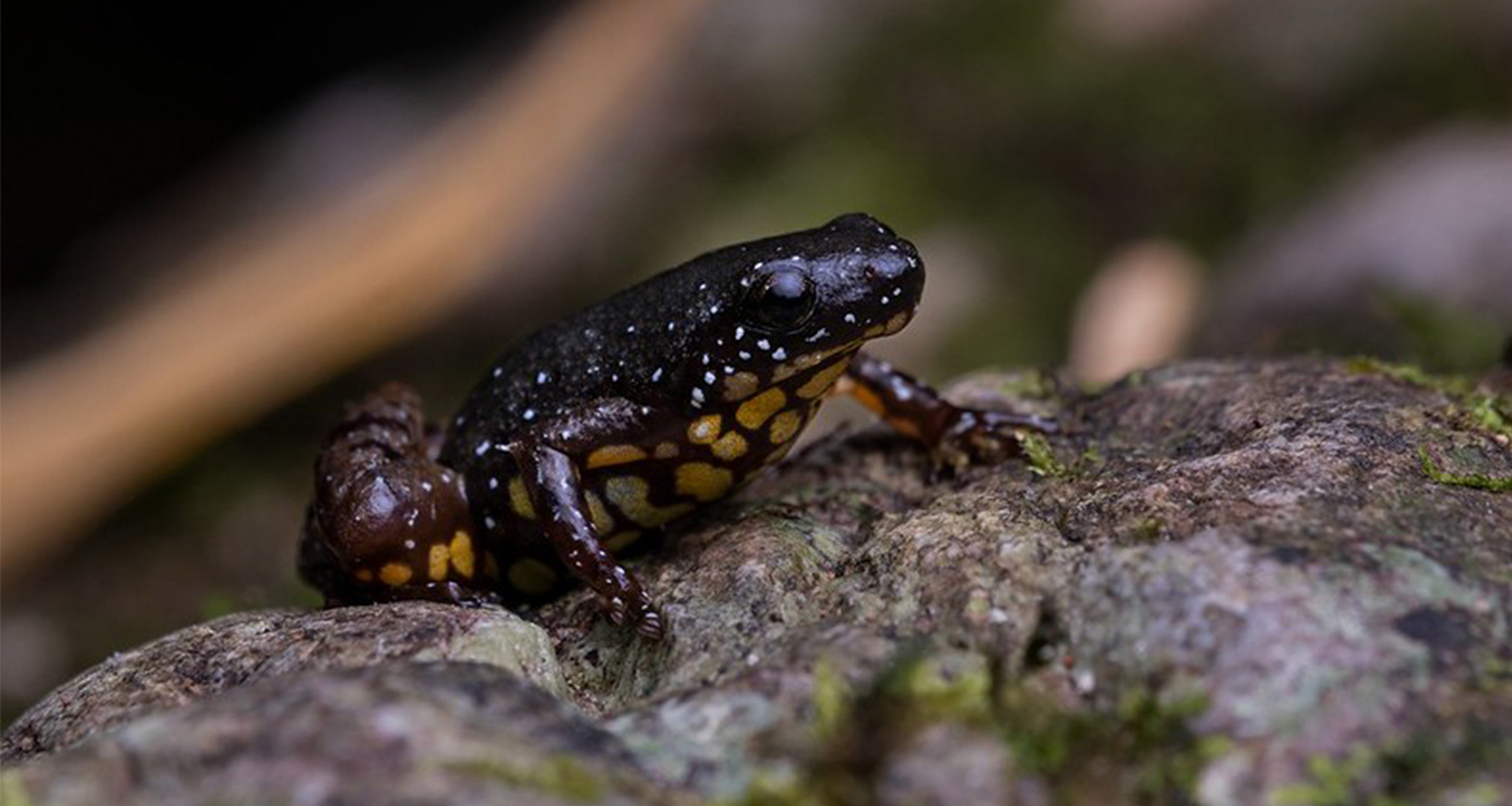
Saffron-bellied frog (Chaperina fusca)
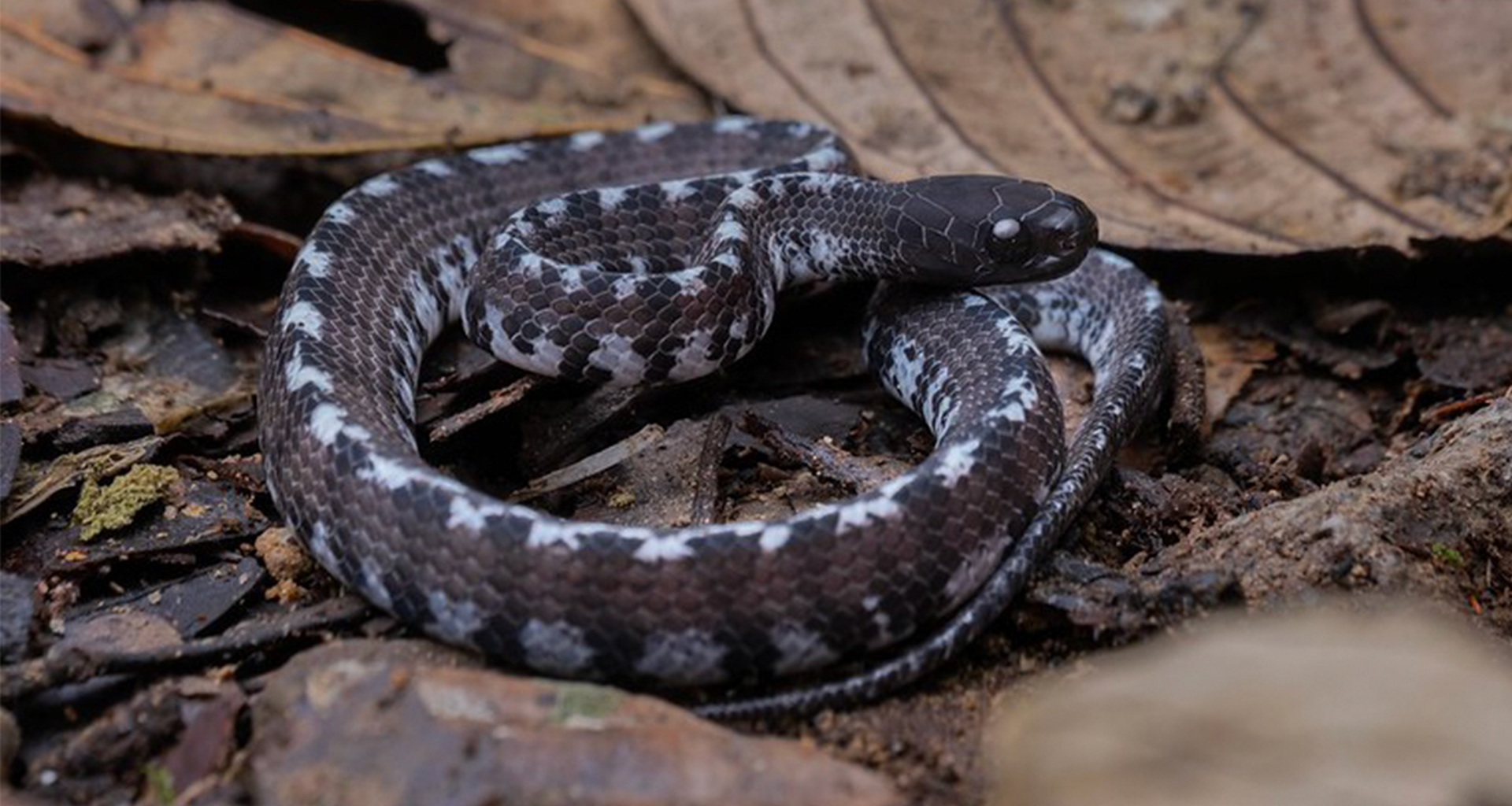
Jamil's slug snake (Asthenodipsas jamilnaisi)
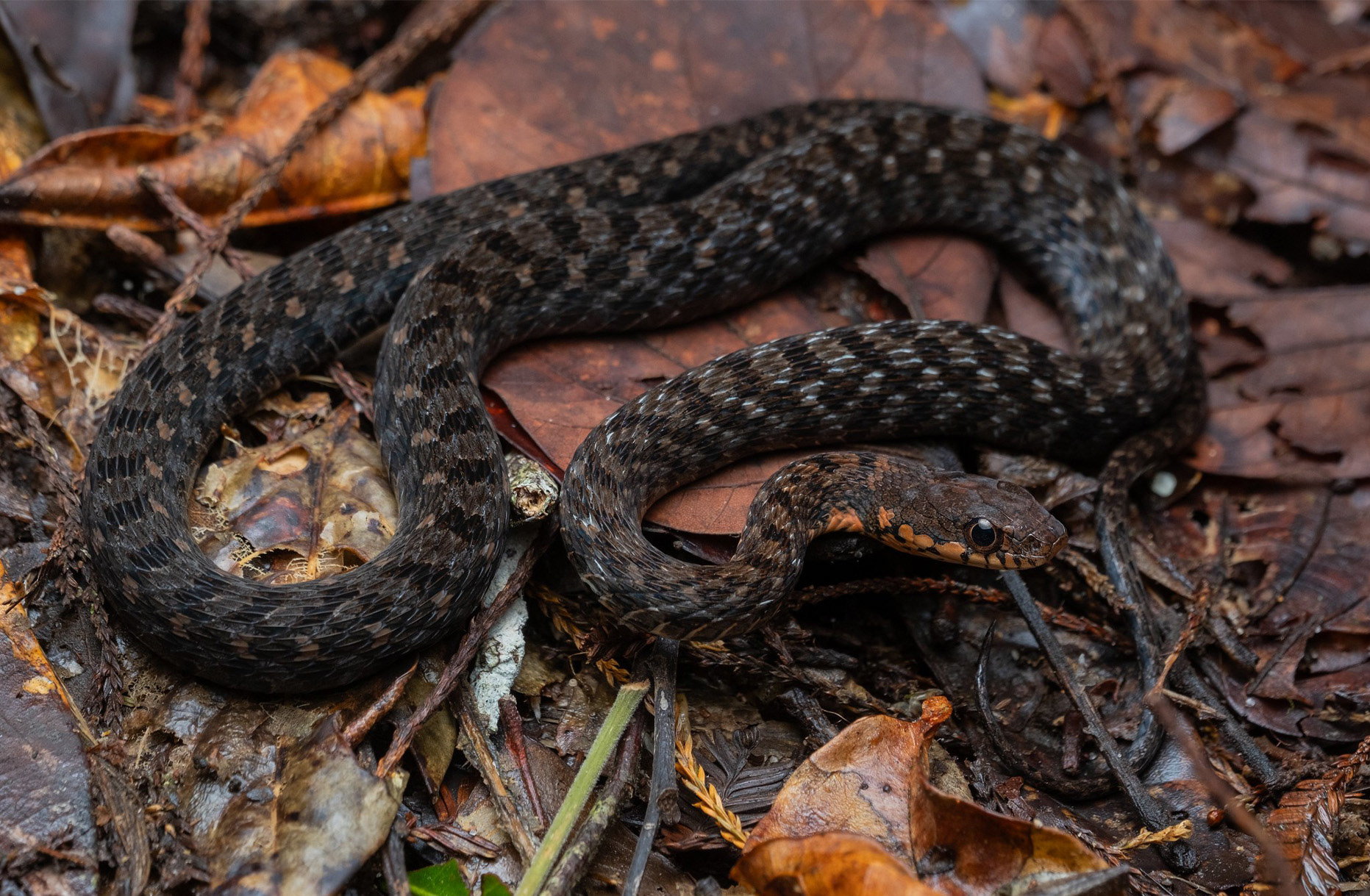
Sarawak keelback (Hebius sarawacense)
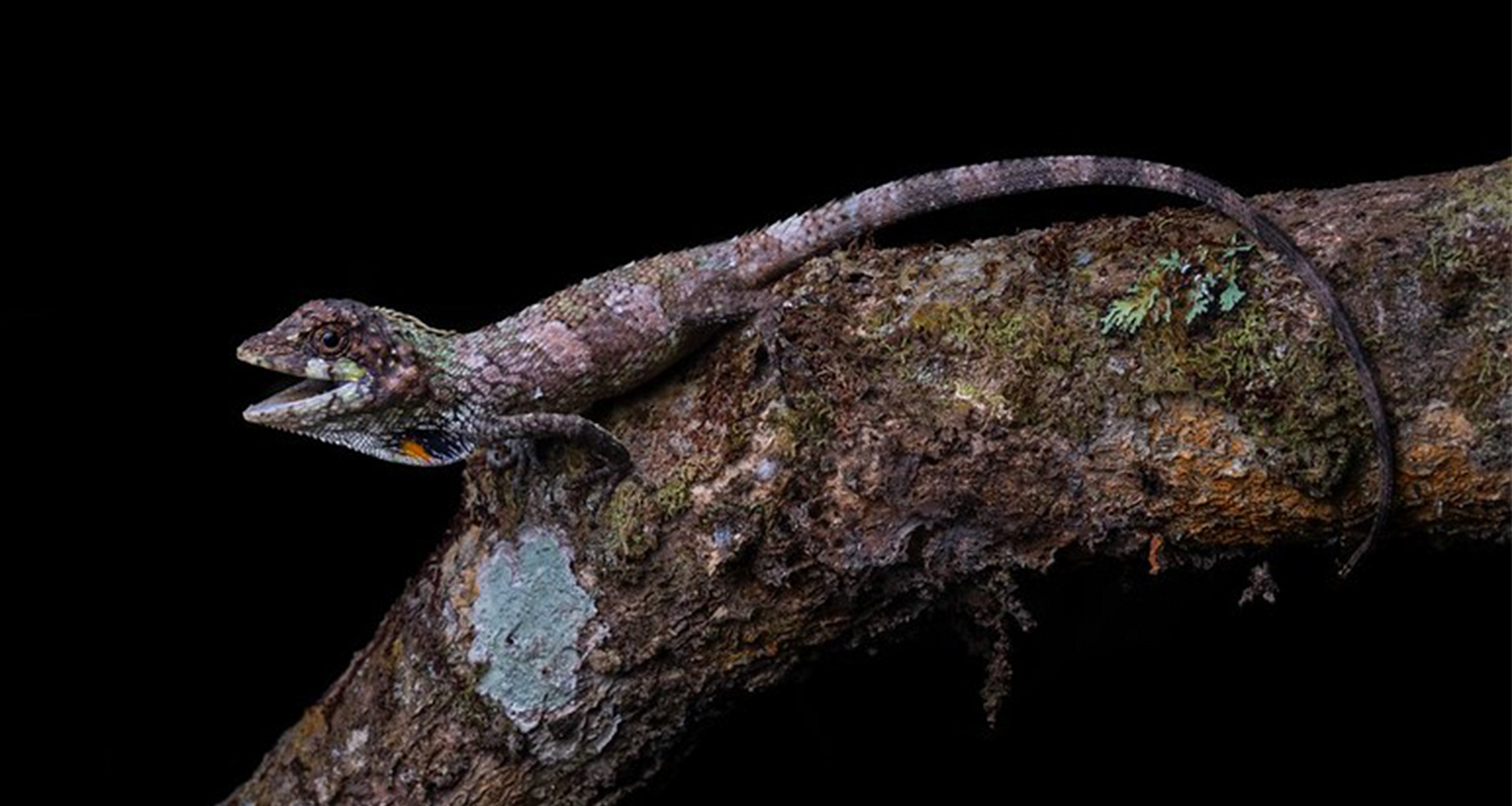
Extremely rare black-throated agamid (Complicitus nigrigularis)
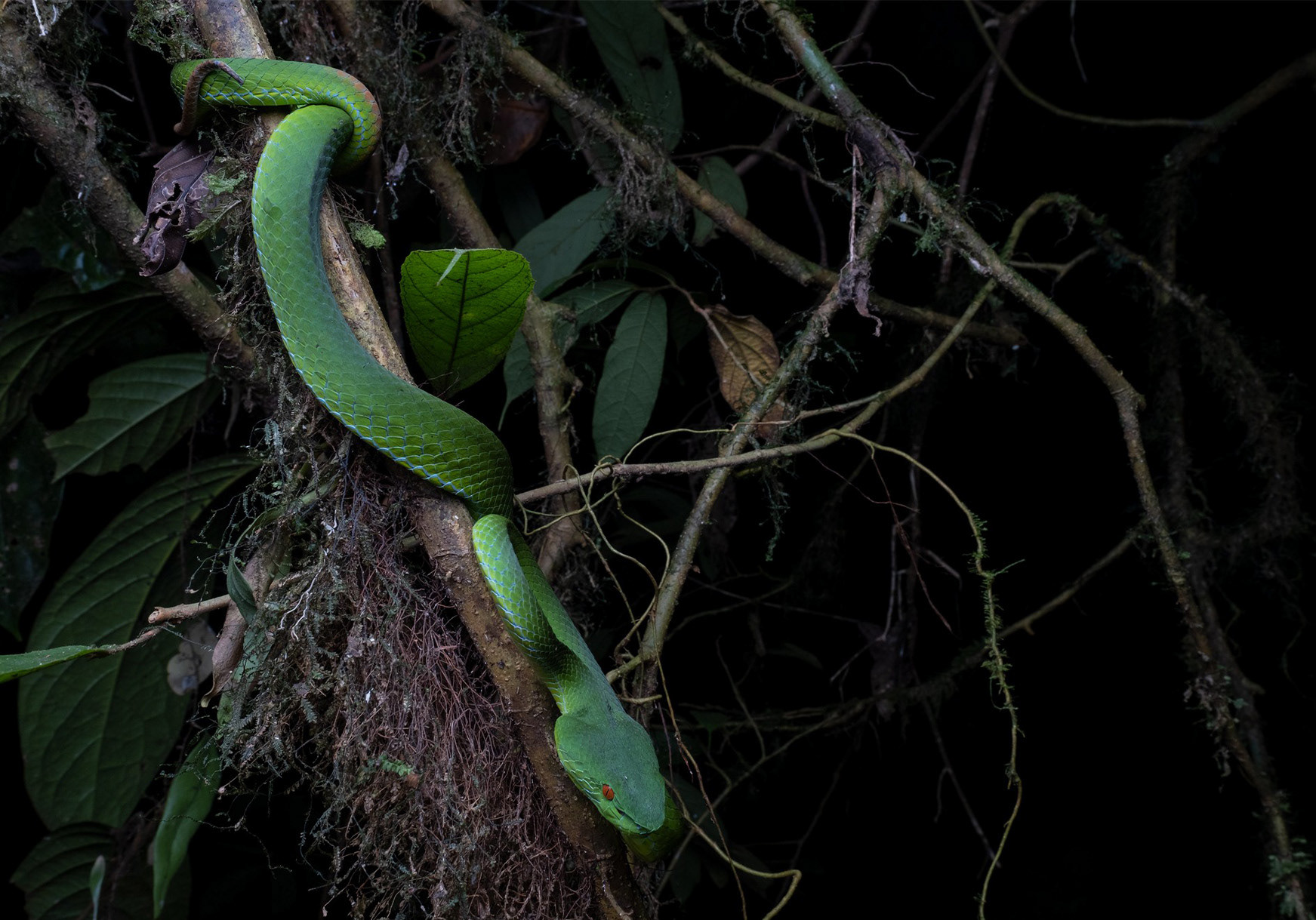
Sabah pit viper (Trimeresurus sabahi)
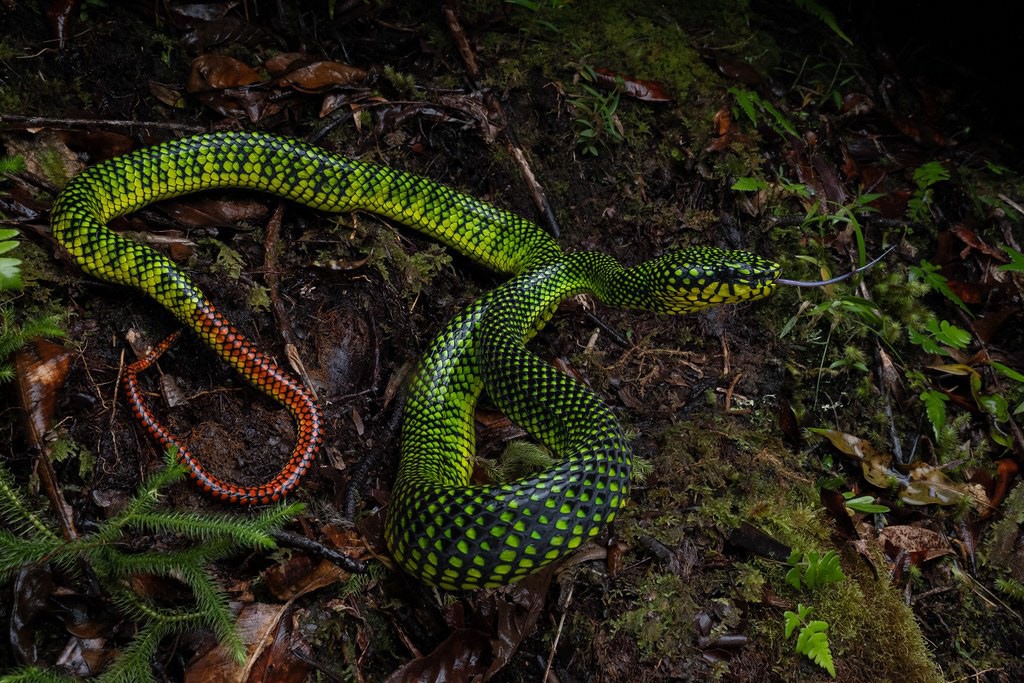
Malcolm's pit viper (Trimeresurus malcolmi)
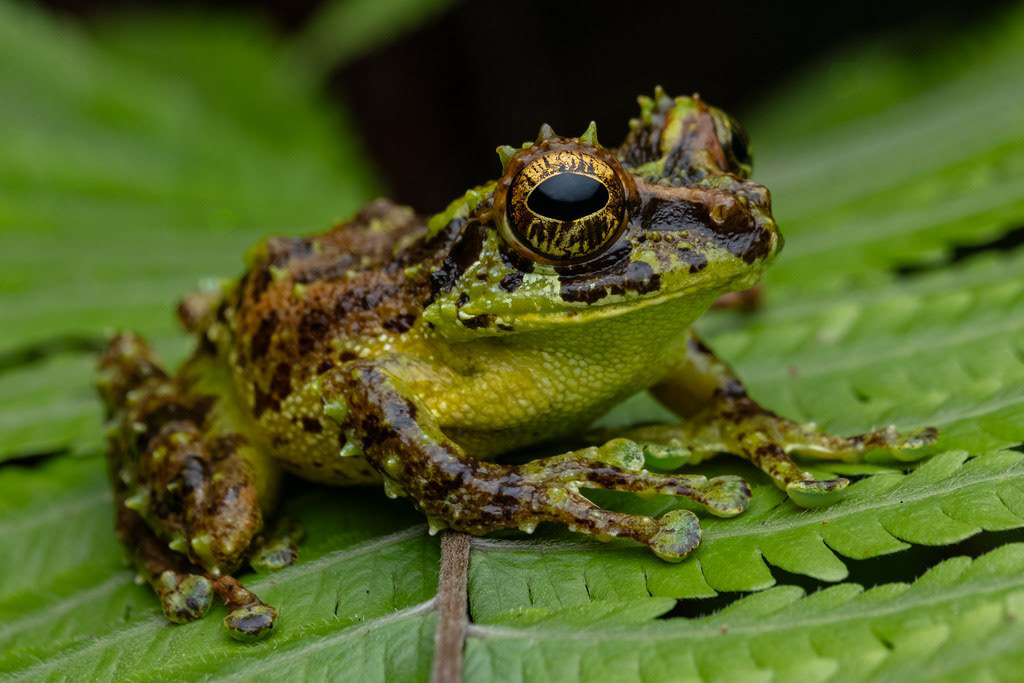
Mossy shrub frog (Philautus macroscelis)
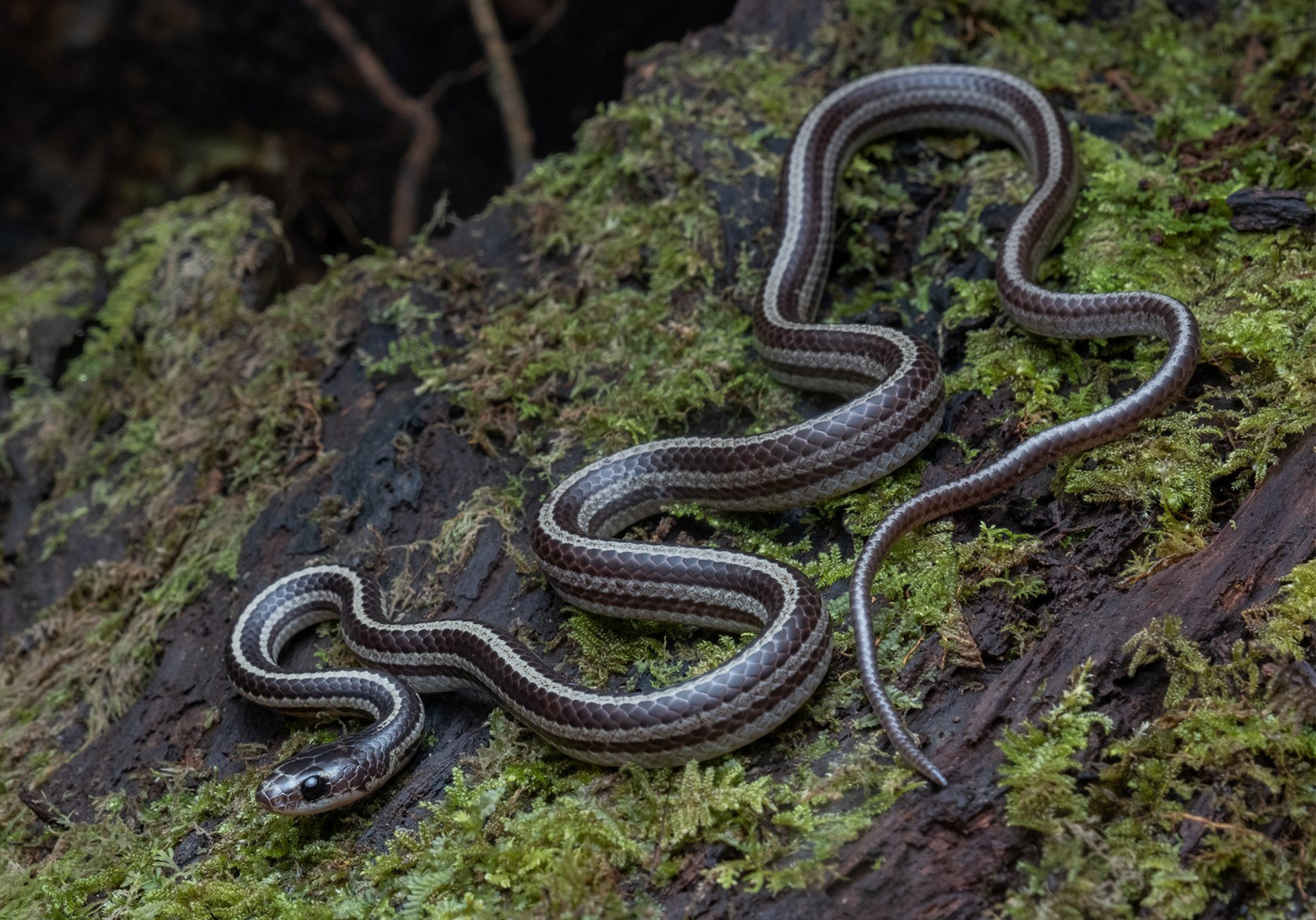
Three-striped bridle snake (Dryocalamus tristrigatus)
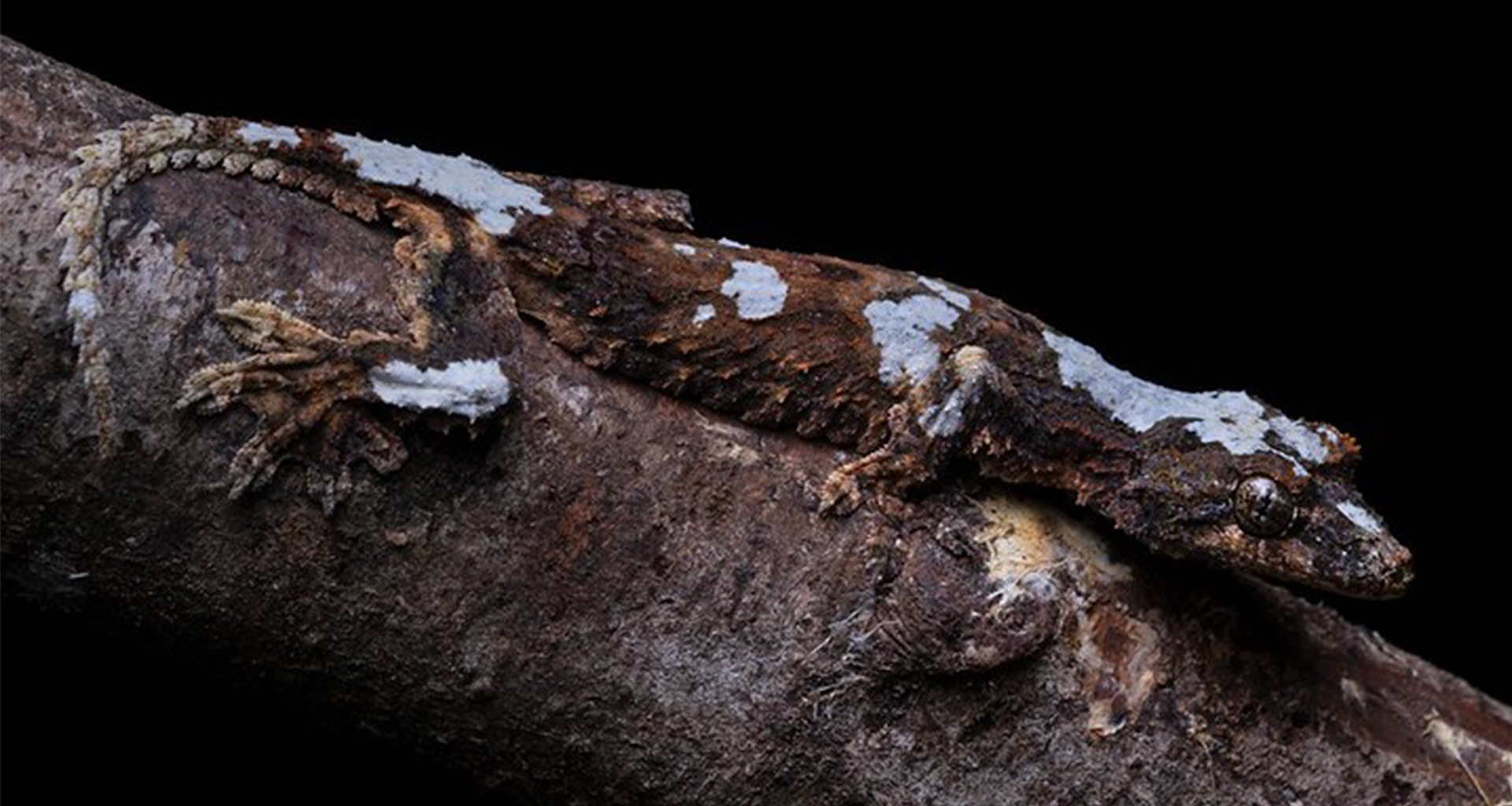
Kinabalu gliding gecko (Gekko rhacophorus)
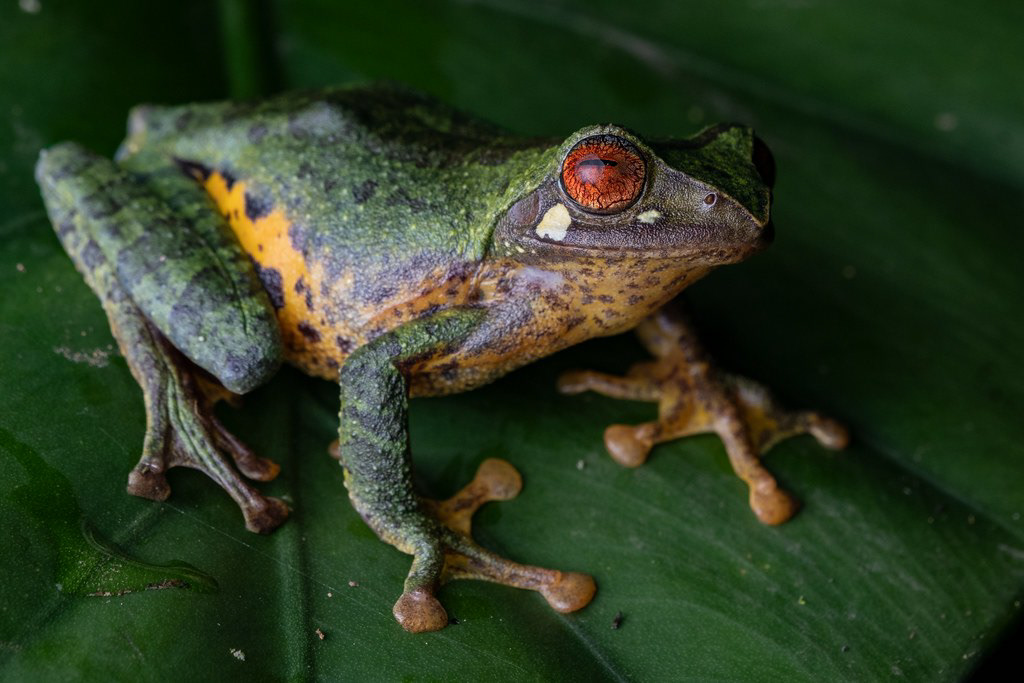
Sharp-nosed tree frog (Leptomantis angulirostris).
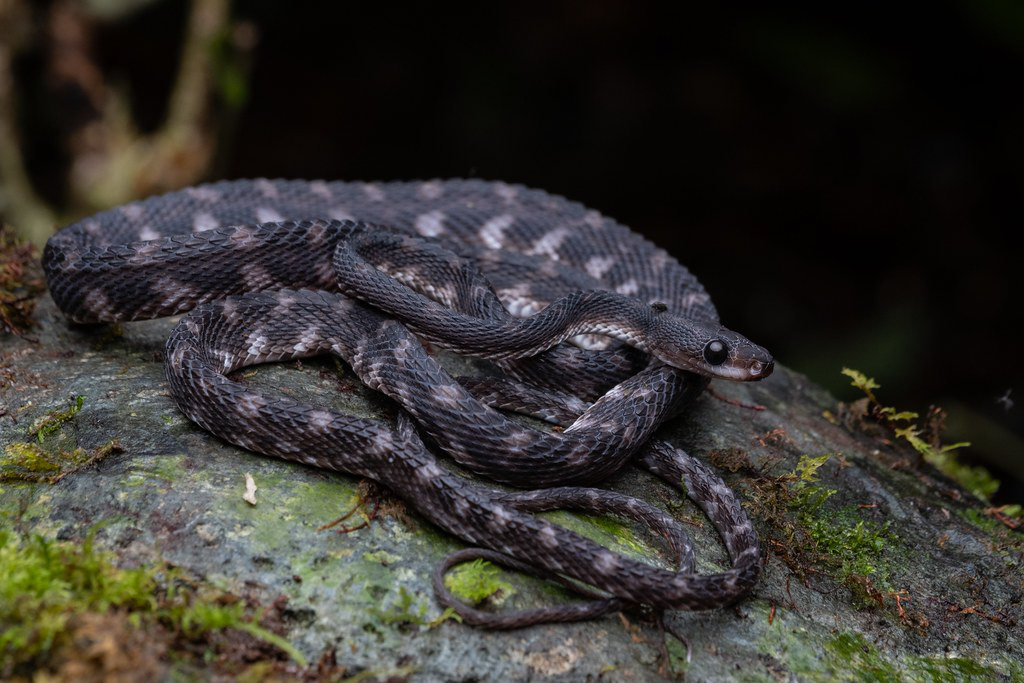
Stoliczka's stream snake (Paraxenodermus boreensis)
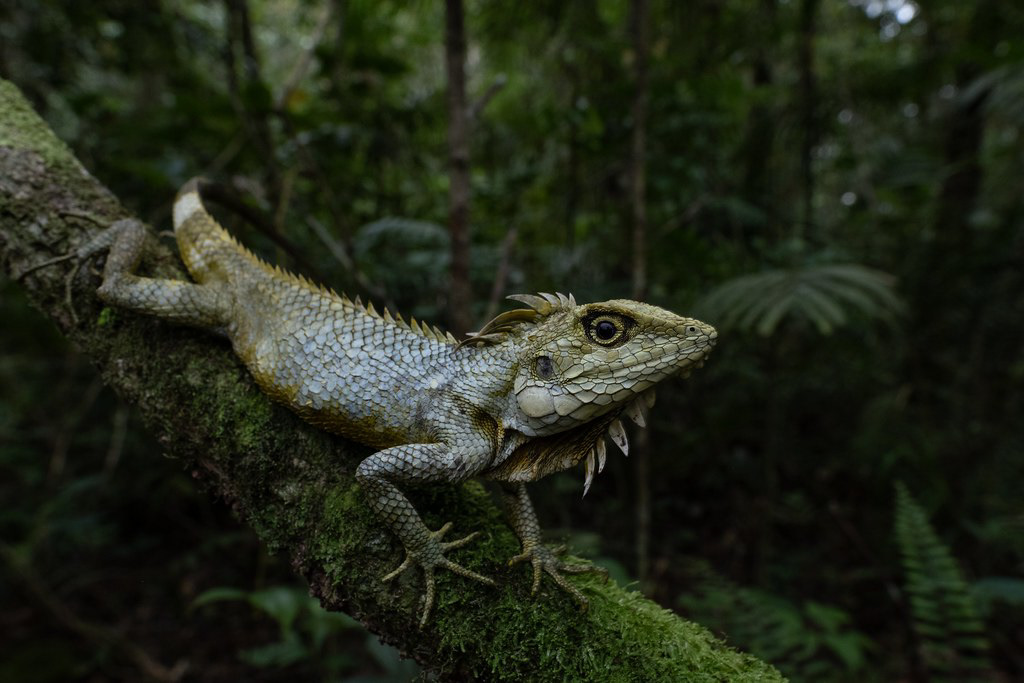
Kinabalu crested lizard (Hypsicalotes kinabaluensis)
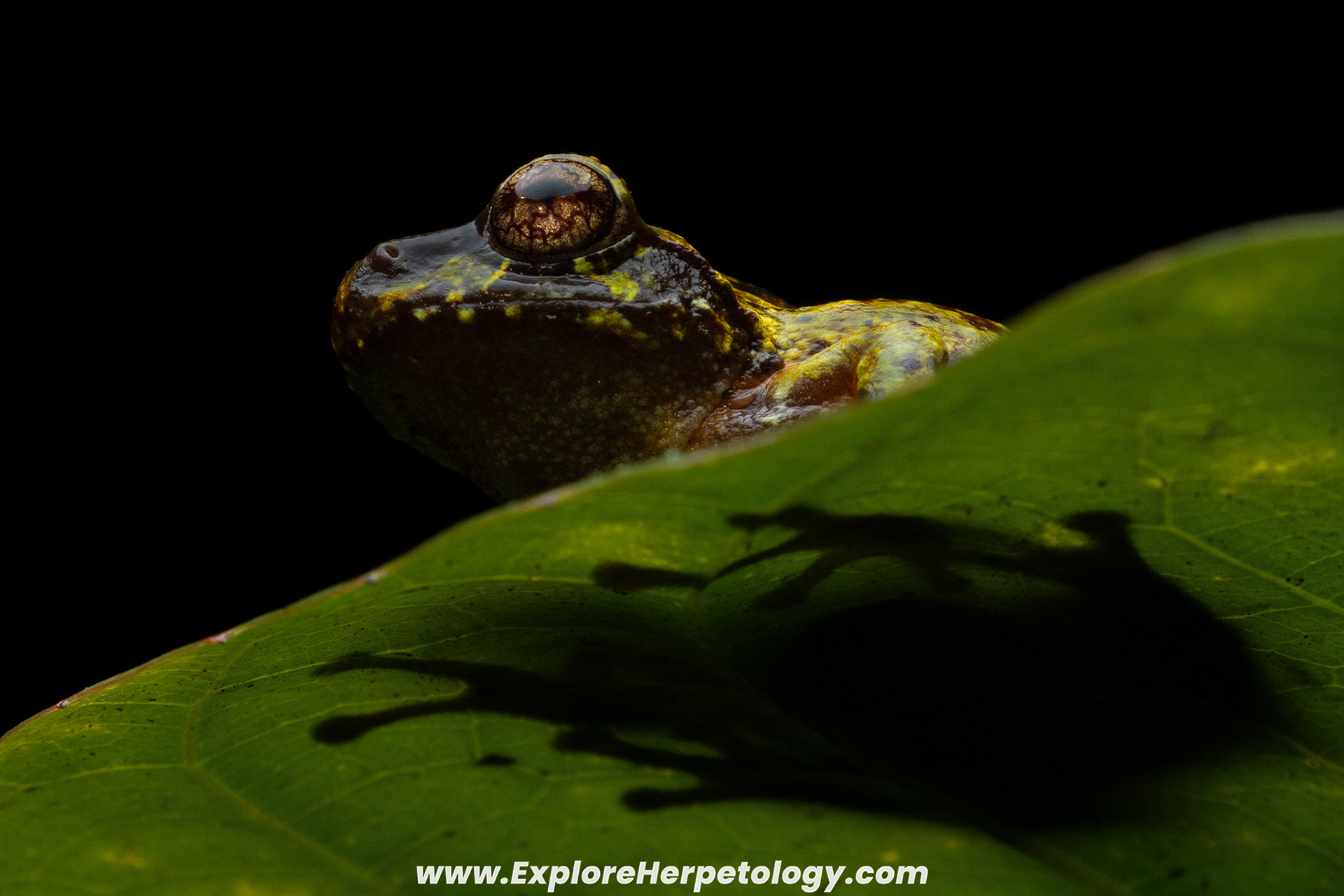
Green bush frog (Philautus bunitus).
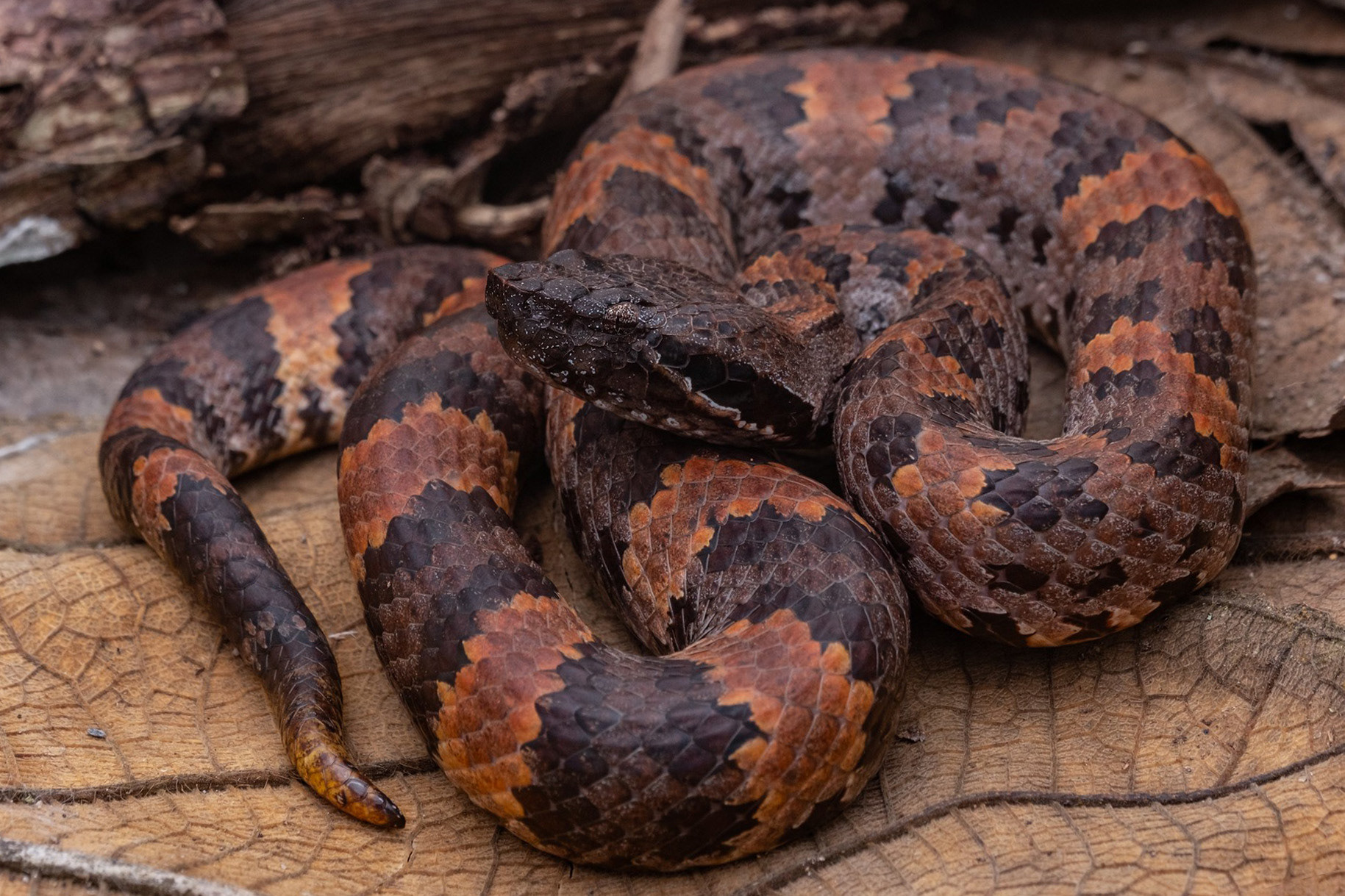
Chasen's mountain pit viper (Garthius chaseni)
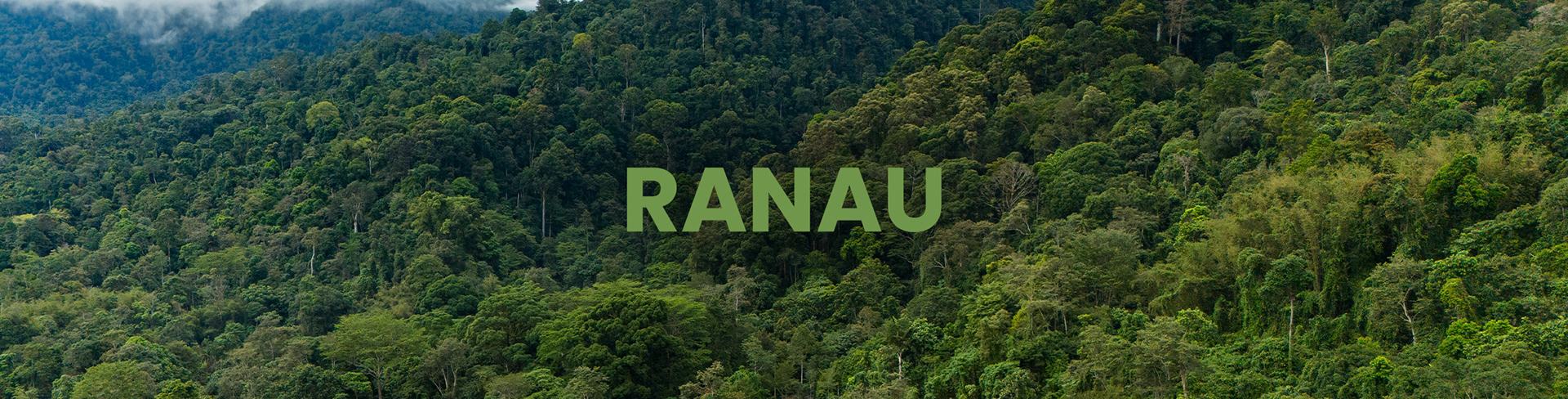
Nights 5-8: Ranau
The final 4 nights of the expedition will be spent in Ranau district, focusing on primary dipterocarp rainforest valleys and secondary forest edges. We will target the three lowland species of pit viper. The Sumatran pit viper (Trimeresurus sumatranus) is restricted to primary rainforest, while the Bornean leaf-nosed pit viper (Craspdocephalus borneensis) hides in dead vegetation and root systems in this same biotope. The Bornean keeled pit viper (Tropidolaemus subannulatus) can be found alongside these two vipers, but is more common in secondary forest near man-made structures. The incredible Kinabalu krait (Bungarus baluensis) and north-west Sabah-endemic 'yellow phase' of the red-tailed racer (Gonyosoma oxycephalum) are two of the best non-viper targets in the lowlands, along with the Bornean short-tailed python (Python breitensteini) and Bornean blue coral snake (Calliophis bivirgata tetrataenia). The number of colubrids and other snakes occurring here is seemingly endless, and we can expect multiple new species of snake every single night.
There are several impressive Gonocephalus sp. lizards occurring in the lowlands, most notably the Bornean angle-headed lizard (Gonocephalus borneensis) - adult males boasting an unreal crest of horns. The cat gecko (Aeluroscalabotes felinus) and Malayan bent-toed gecko (Cyrtodactylus malayanus) are two fantastic gecko species which are both common here too. We can search for the incredible Everett’s tree toad (Rentapia everetti) here, while heavy rain can bring out the iconic Wallace’s flying frog (Rhacophorus nigropalmatus) and endemic charming tree frog (Feihyla kajau). The long-nosed horned frog (Pelobatrachus nasuta) is also very common here.
While in this area, we will stay at an accommodation surrounded by green agricultural lands, within walking distance of forest edges and rainforest trails. We have found eight-striped kukri snake (Oligodon octolineatus), Hillenius's reed snake (Calamaria hilleniusi) and other interest snakes in the garden of the vacation lodge. We can eat in Ranau city or in the local village, depending on our plans, and the friendly lodge owners often make us snacks in the daytime.
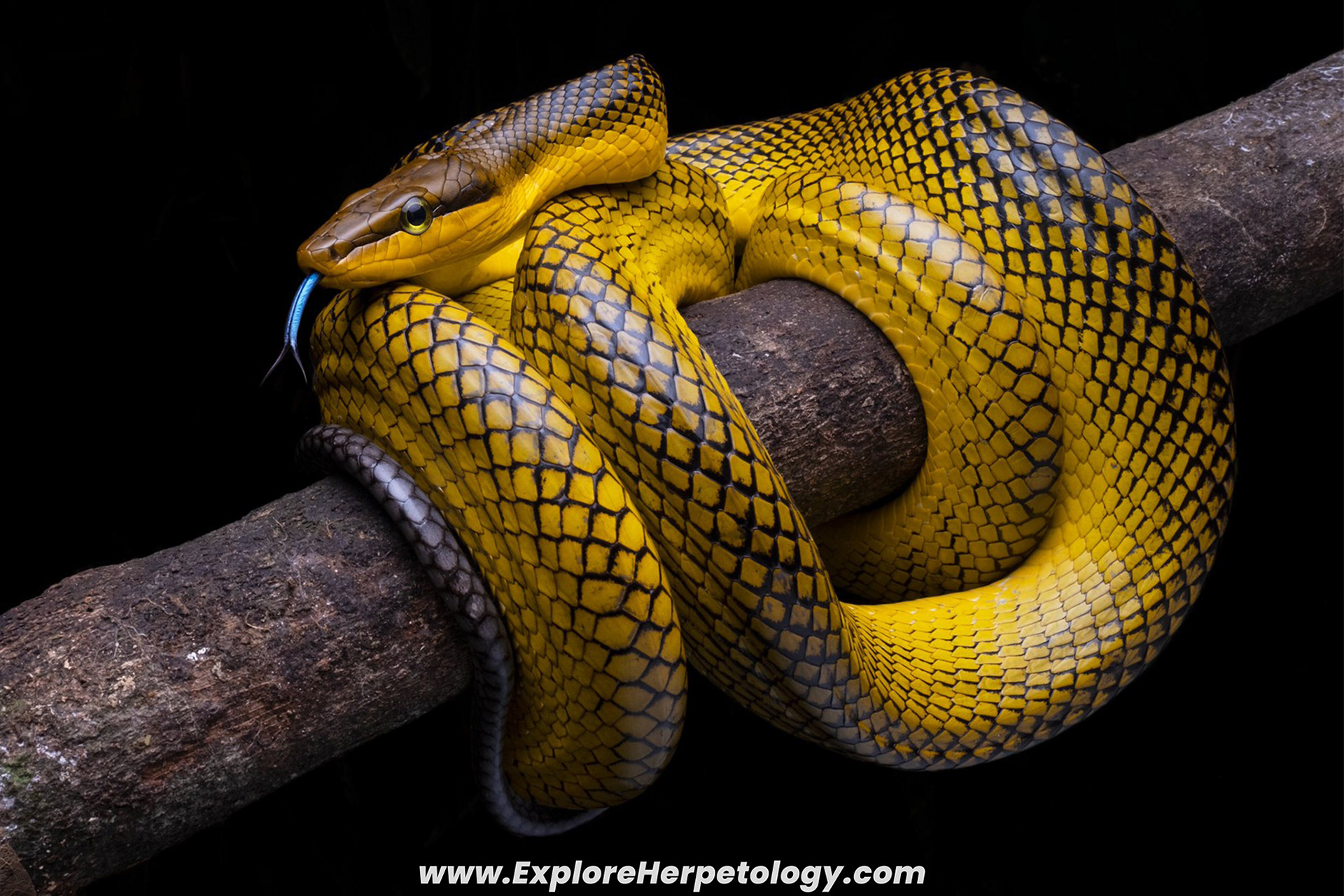
Red-tailed ratsnake (Gonyosoma oxycephalum).
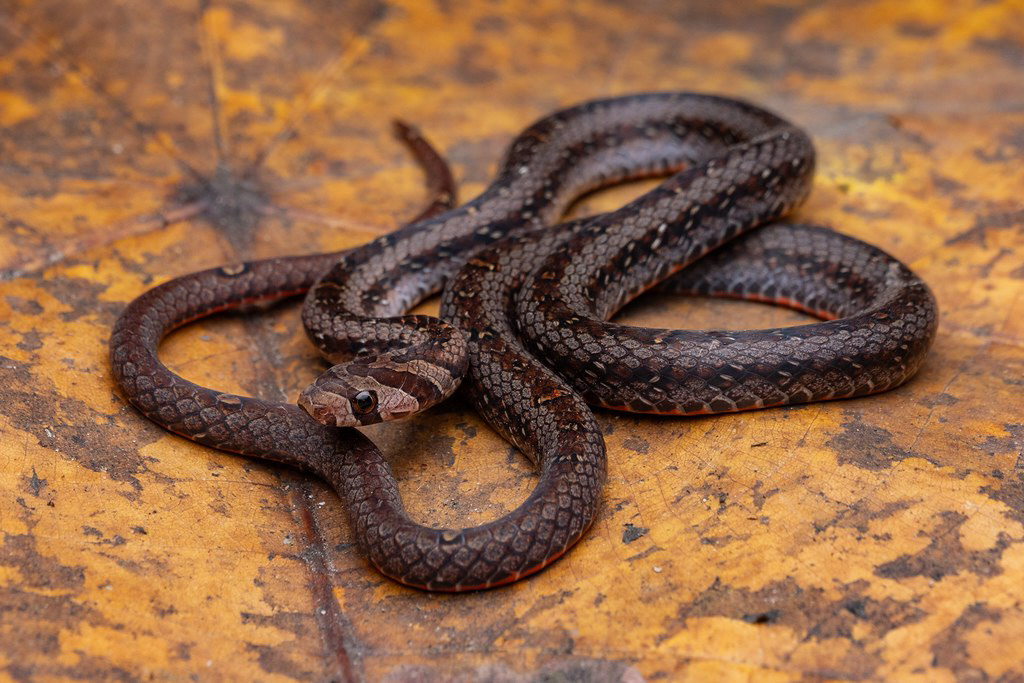
Everett's kukri snake (Oligodon everetti)
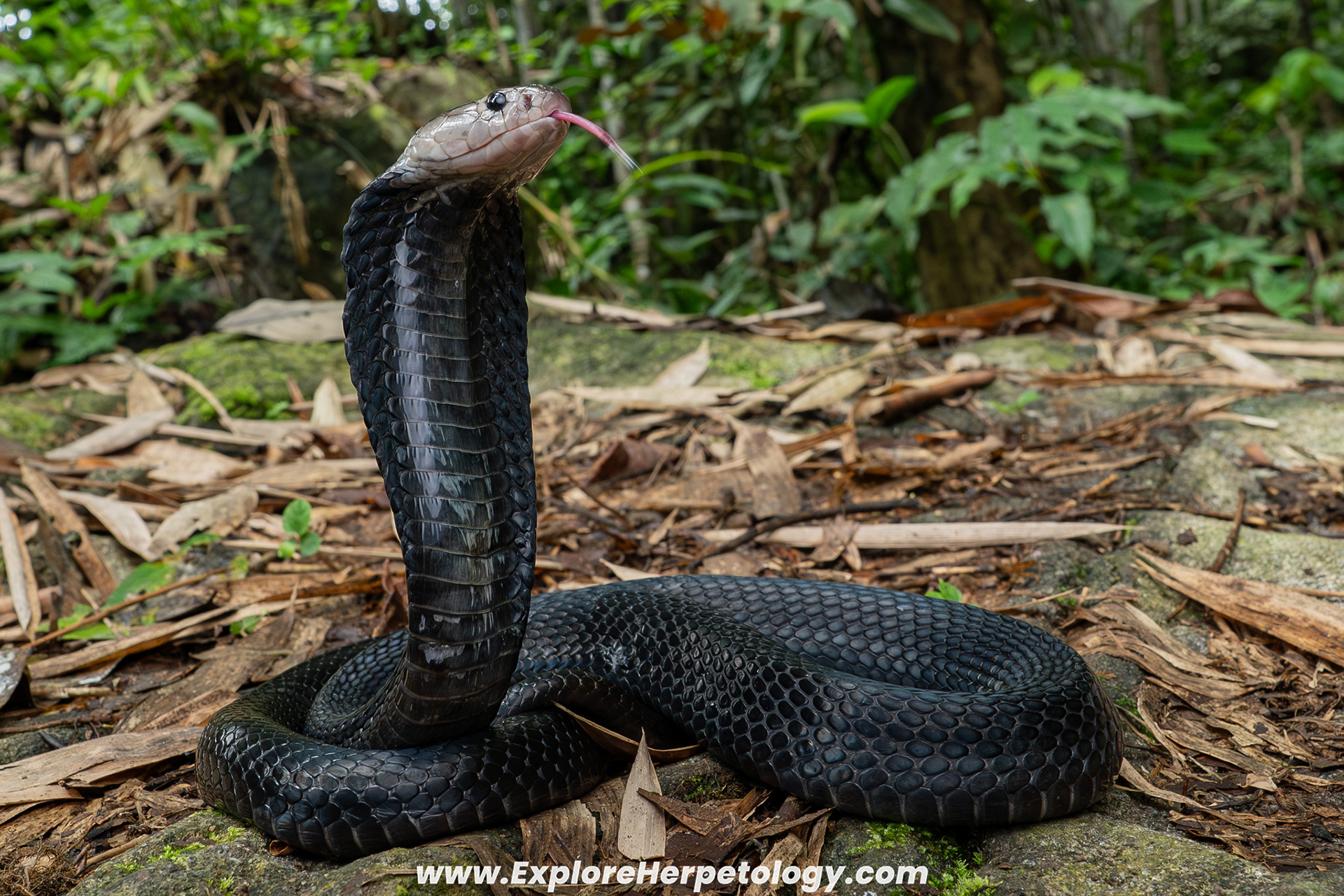
Sumatran cobra (Naja sumatrana).
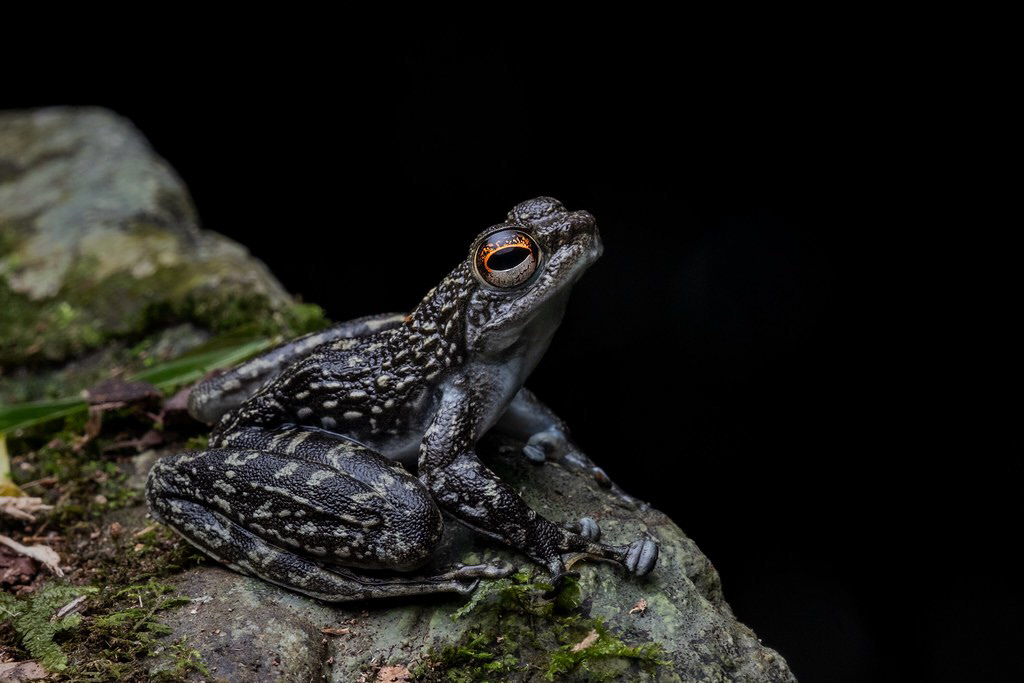
Black rock skipper (Staurois latopalmatus)
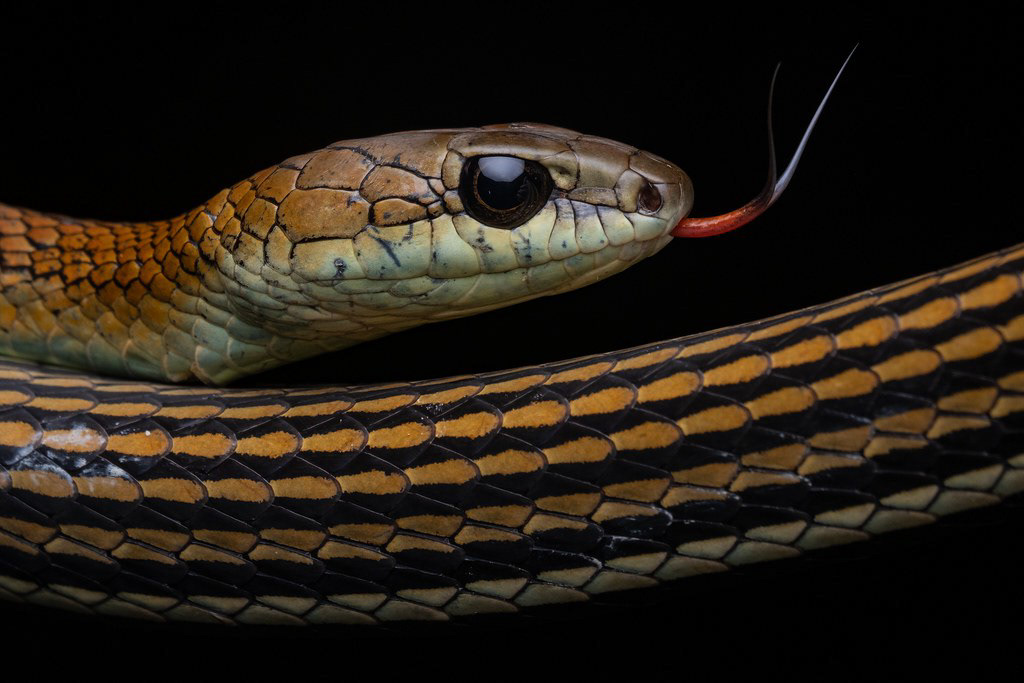
Striped bronzeback (Dendrelaphis caudolineatus)
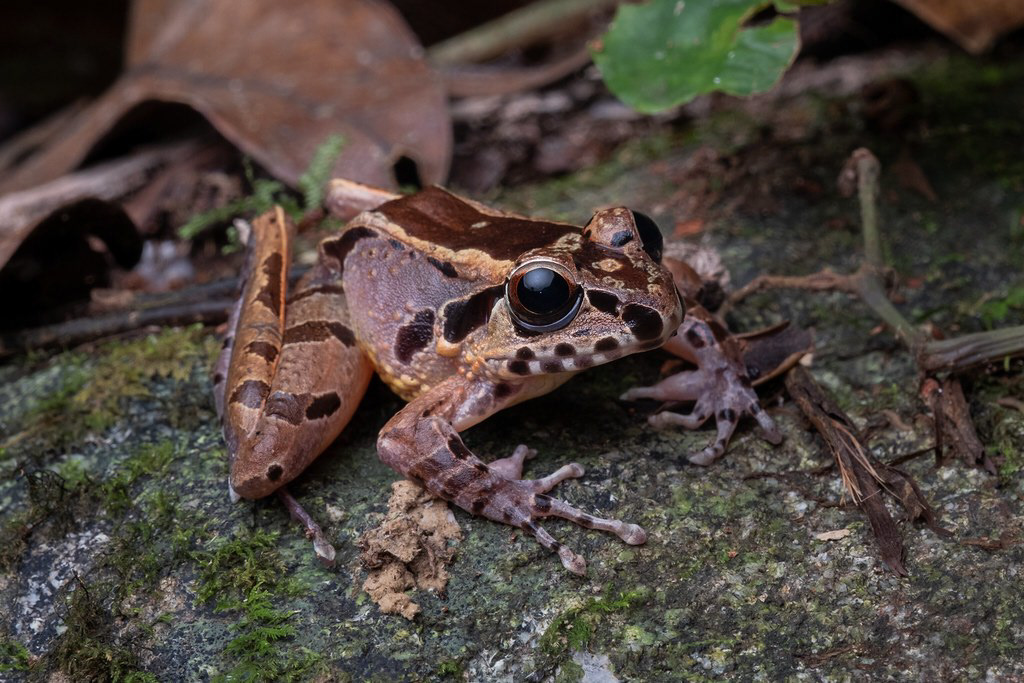
Hole-in-the-head frog (Huia cavitympanum)
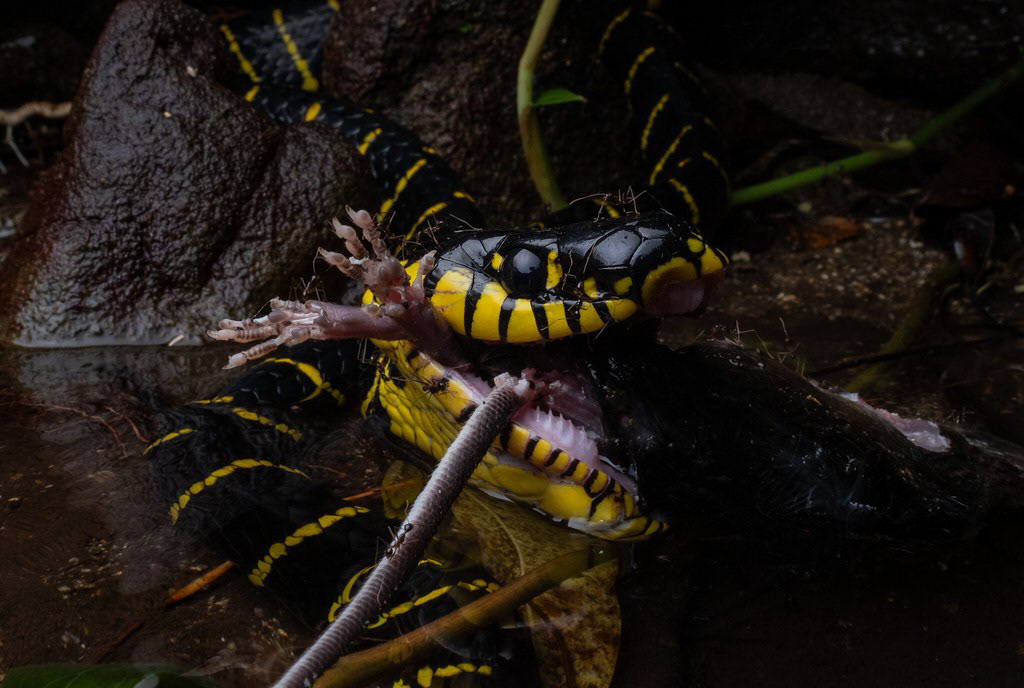
Mangrove cat snake (Boiga dendrophila annectens)
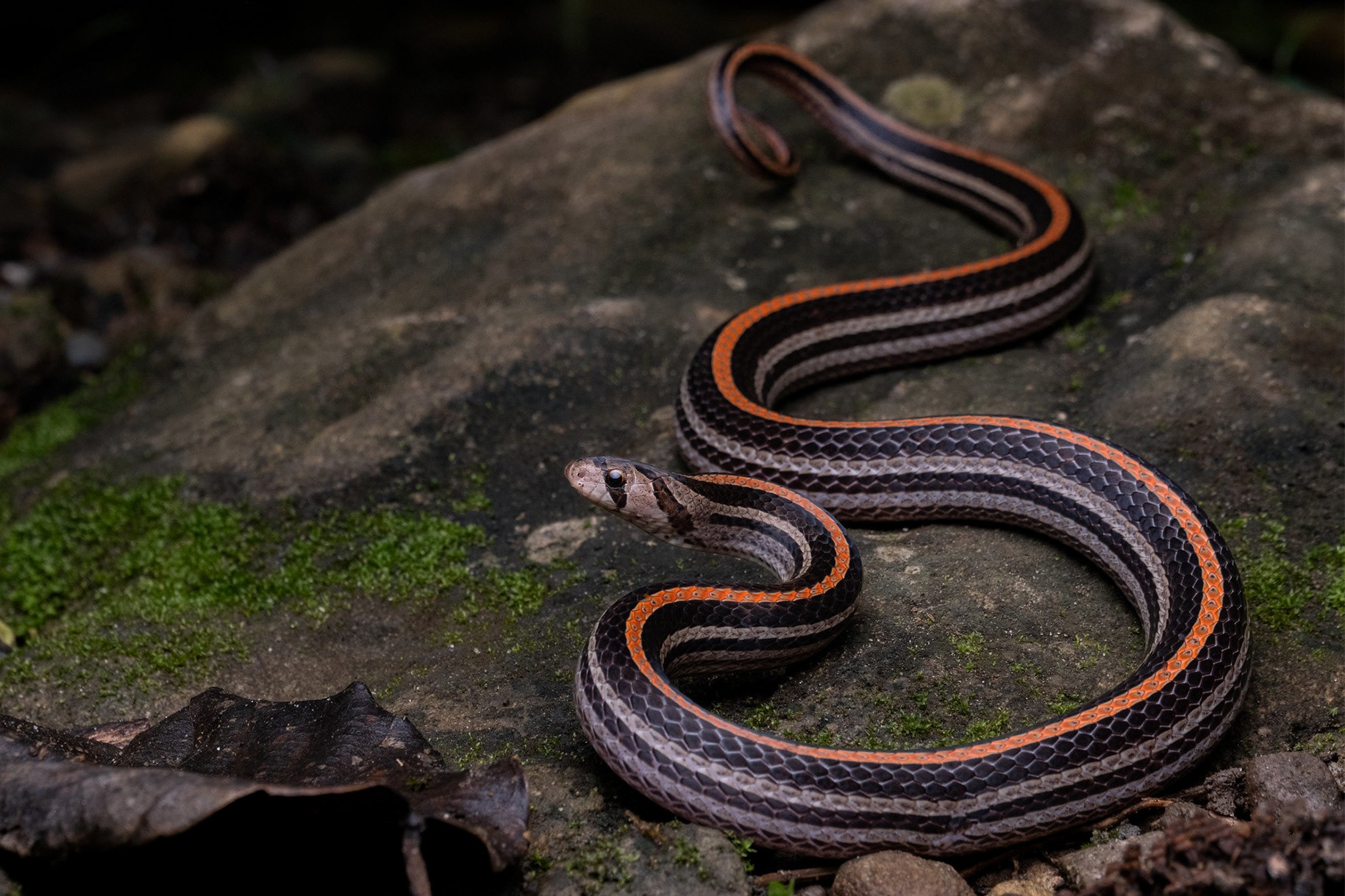
Eight-striped kukri snake (Oligodon octolineatus)
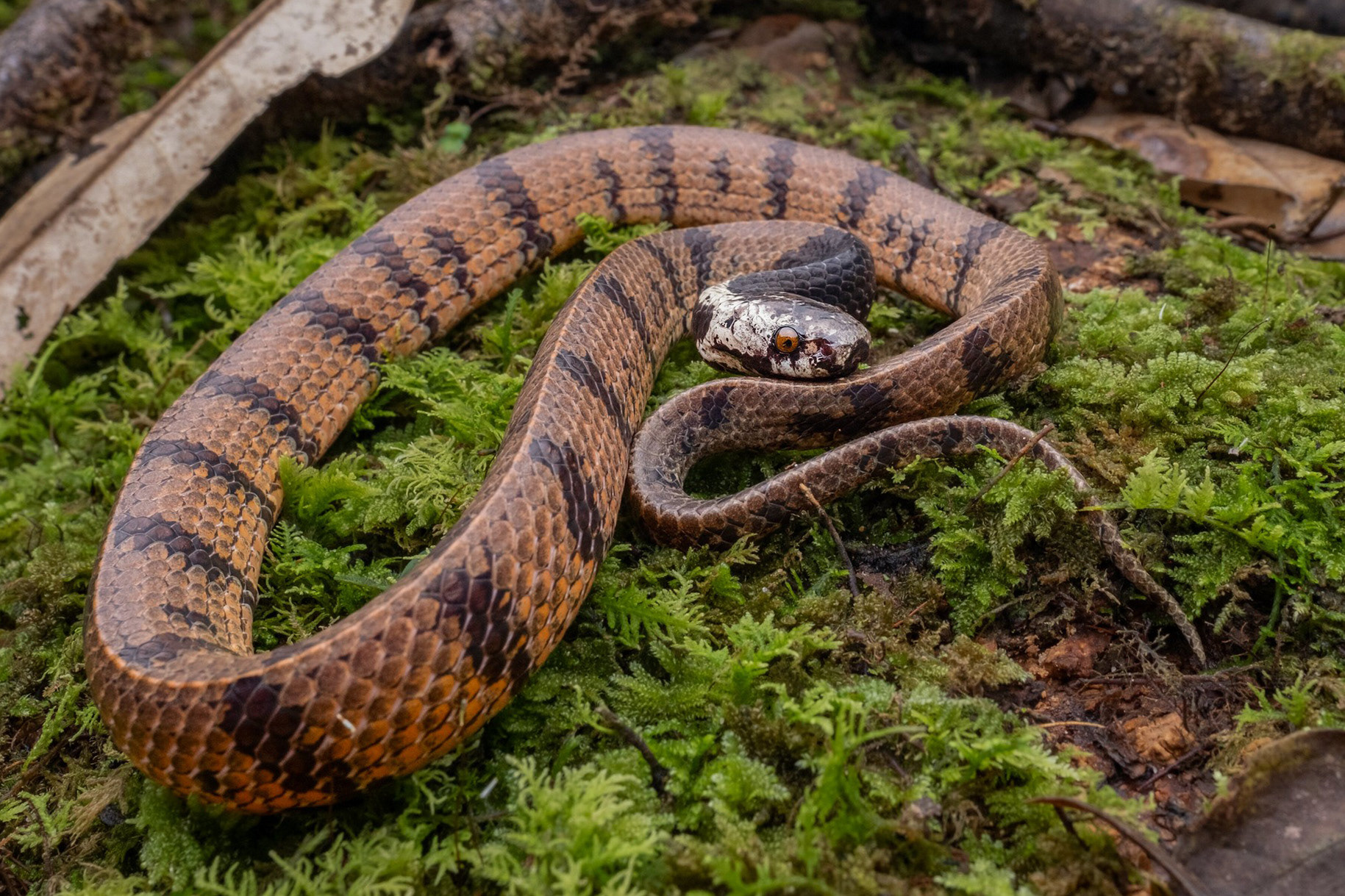
Bornean dark-necked slug snake (Asthenodipsas borneensis).
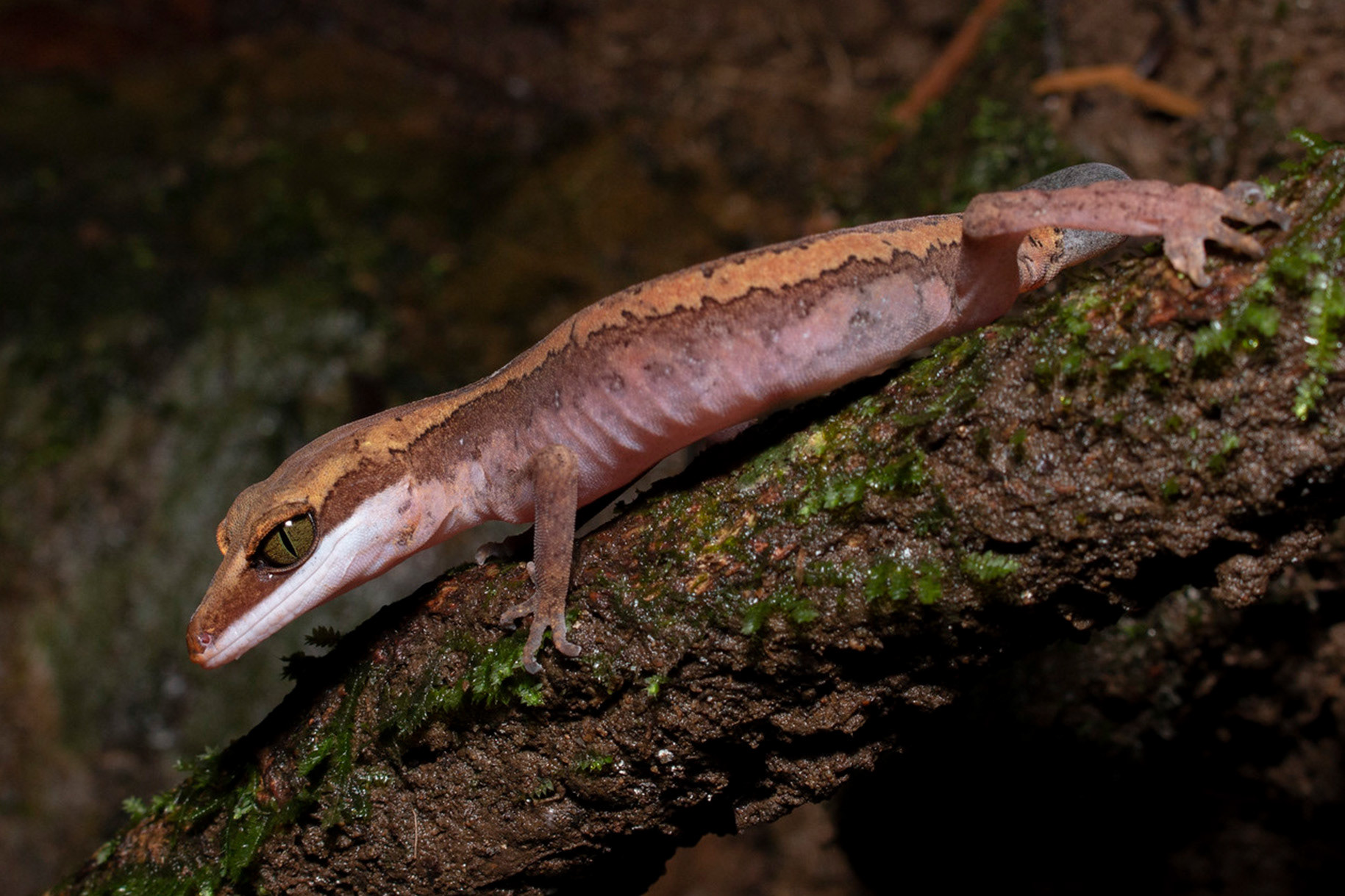
Cat gecko (Aleuroscalabotes felinus).
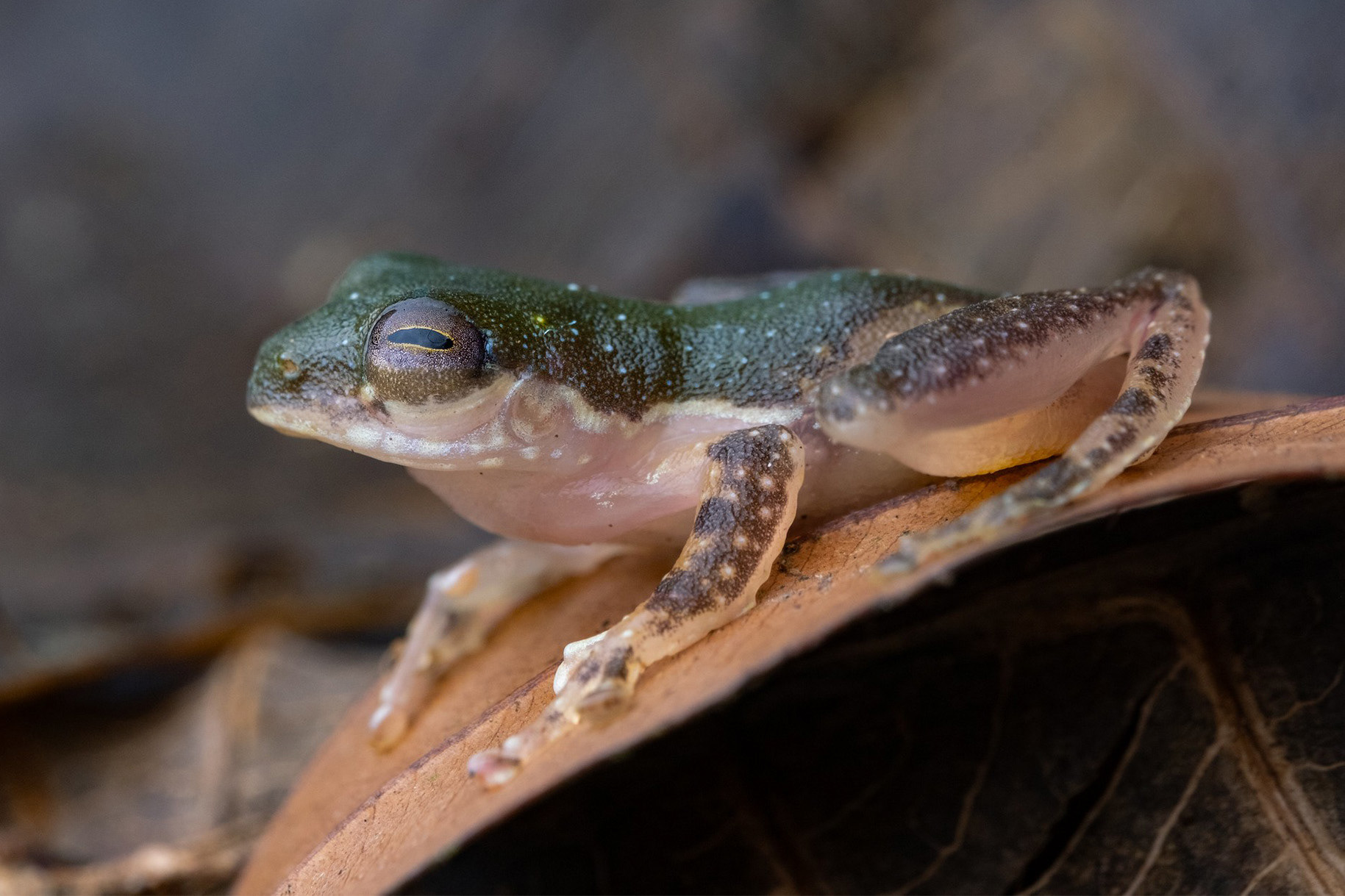
Charming tree frog (Feihyla kajau)
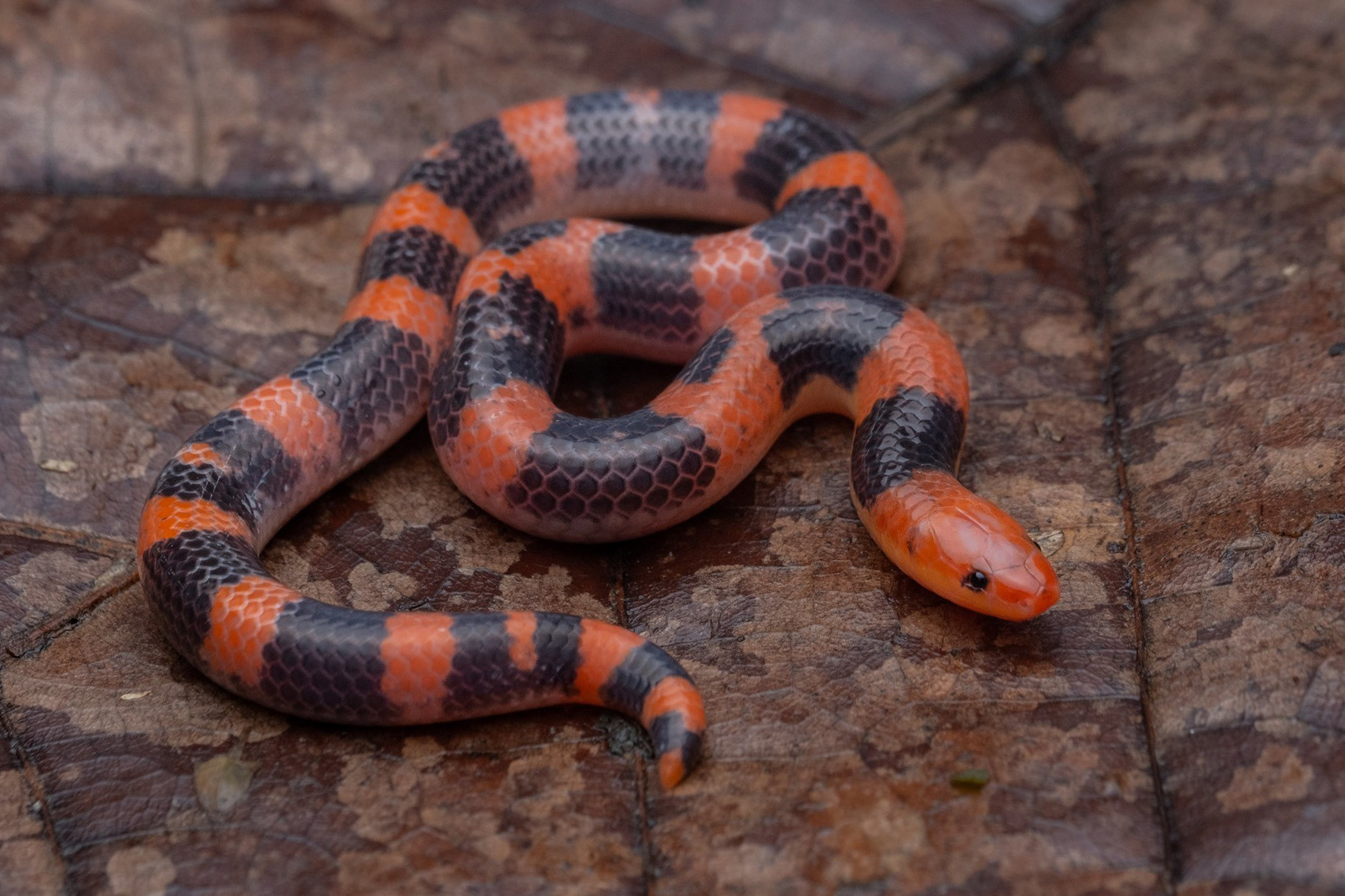
Hillenius's reed snake (Calamaria hilleniusi)
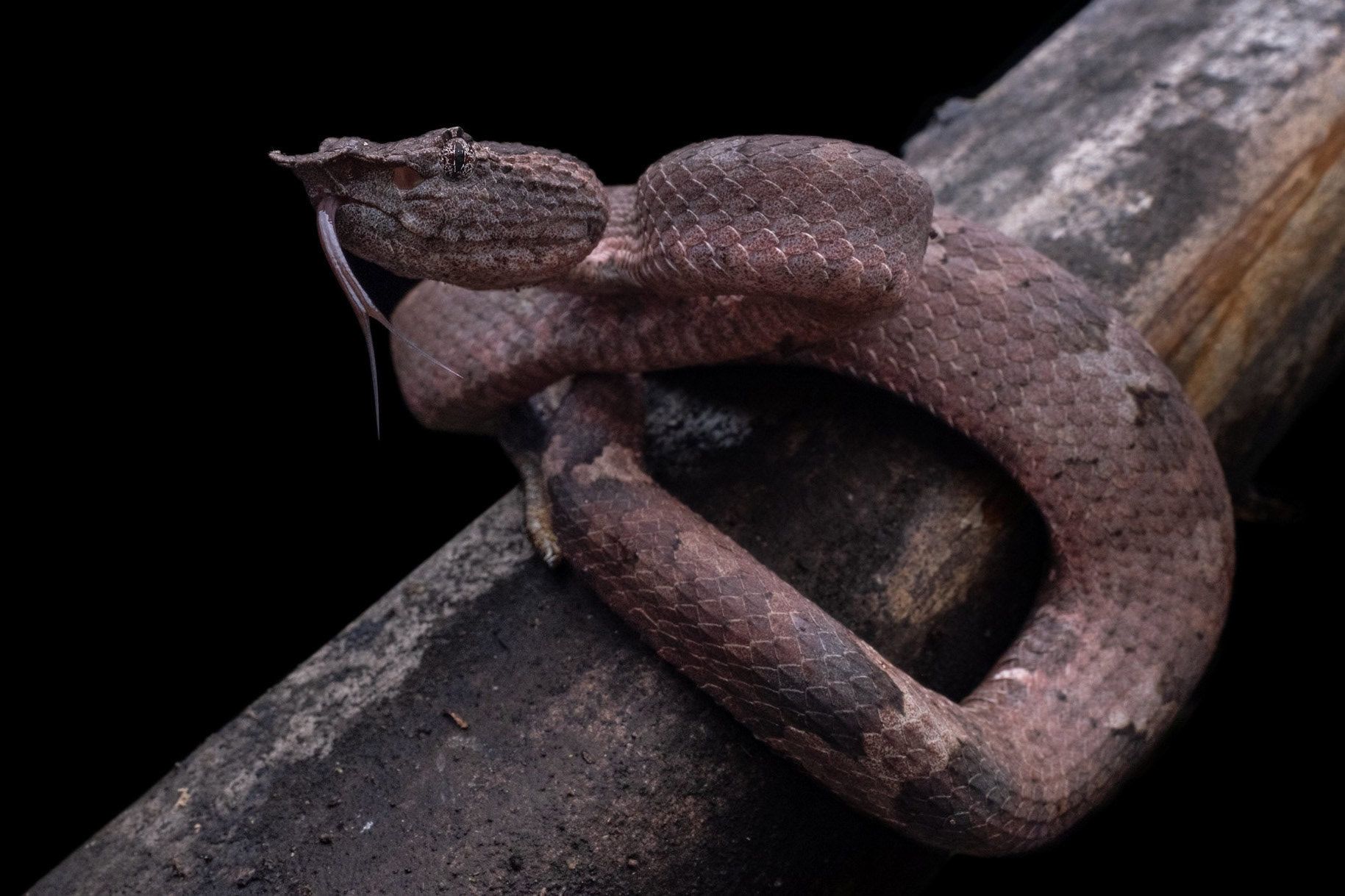
Bornean leaf-nosed pit viper (Craspedocephalus borneensis).
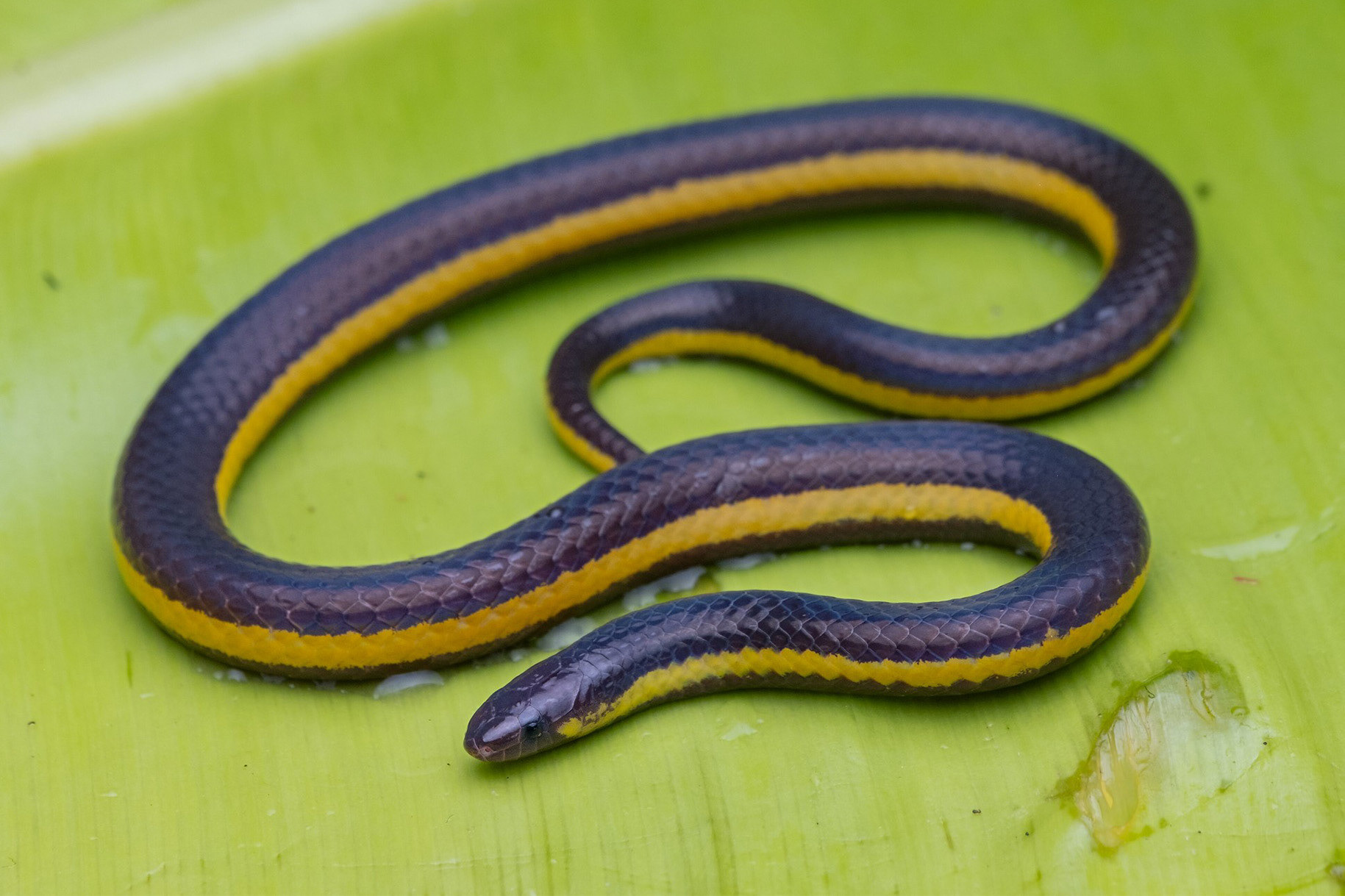
White-sided reed snake (Calamaria lateralis).
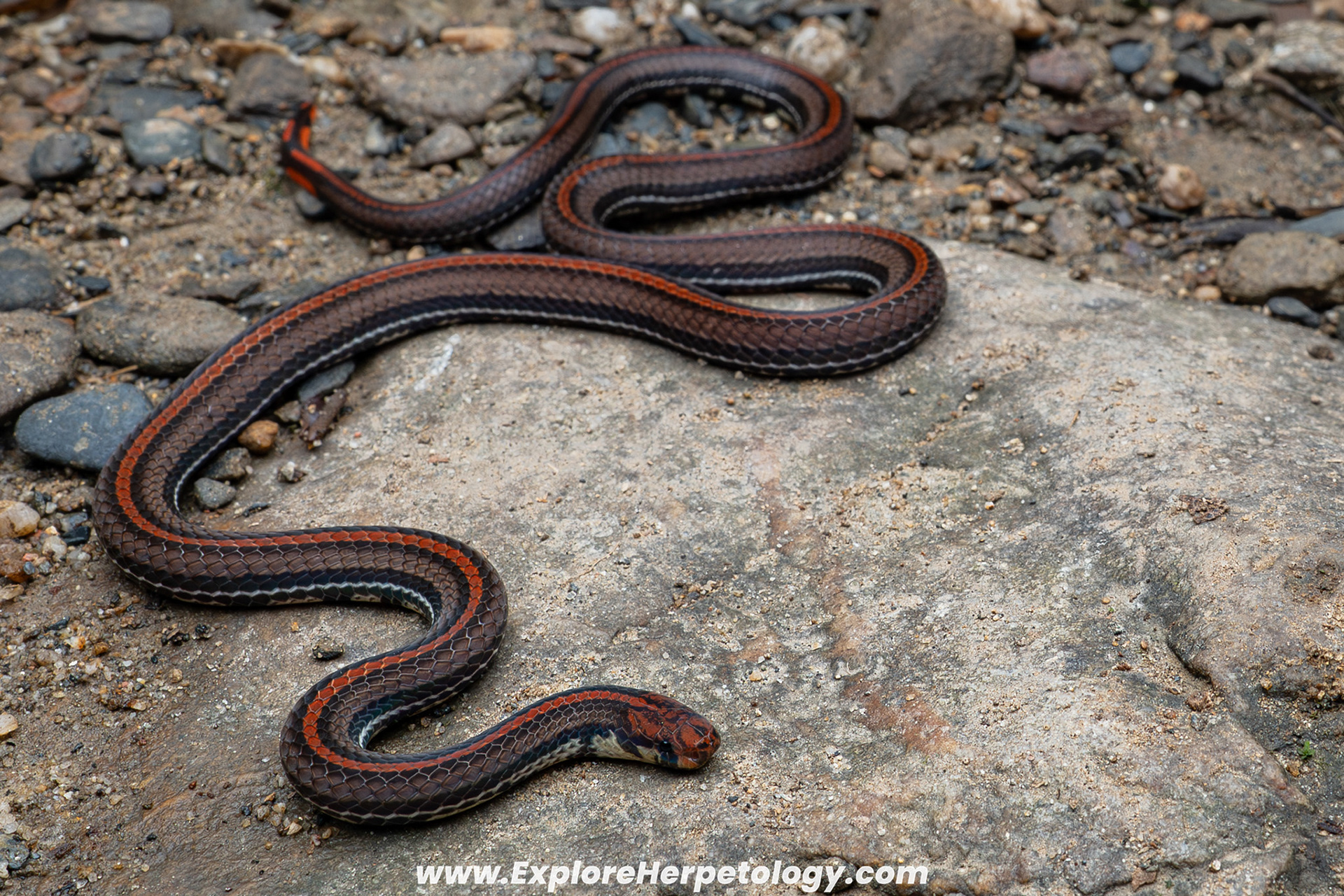
Malayan banded coral snake (Calliophis intestinalis).
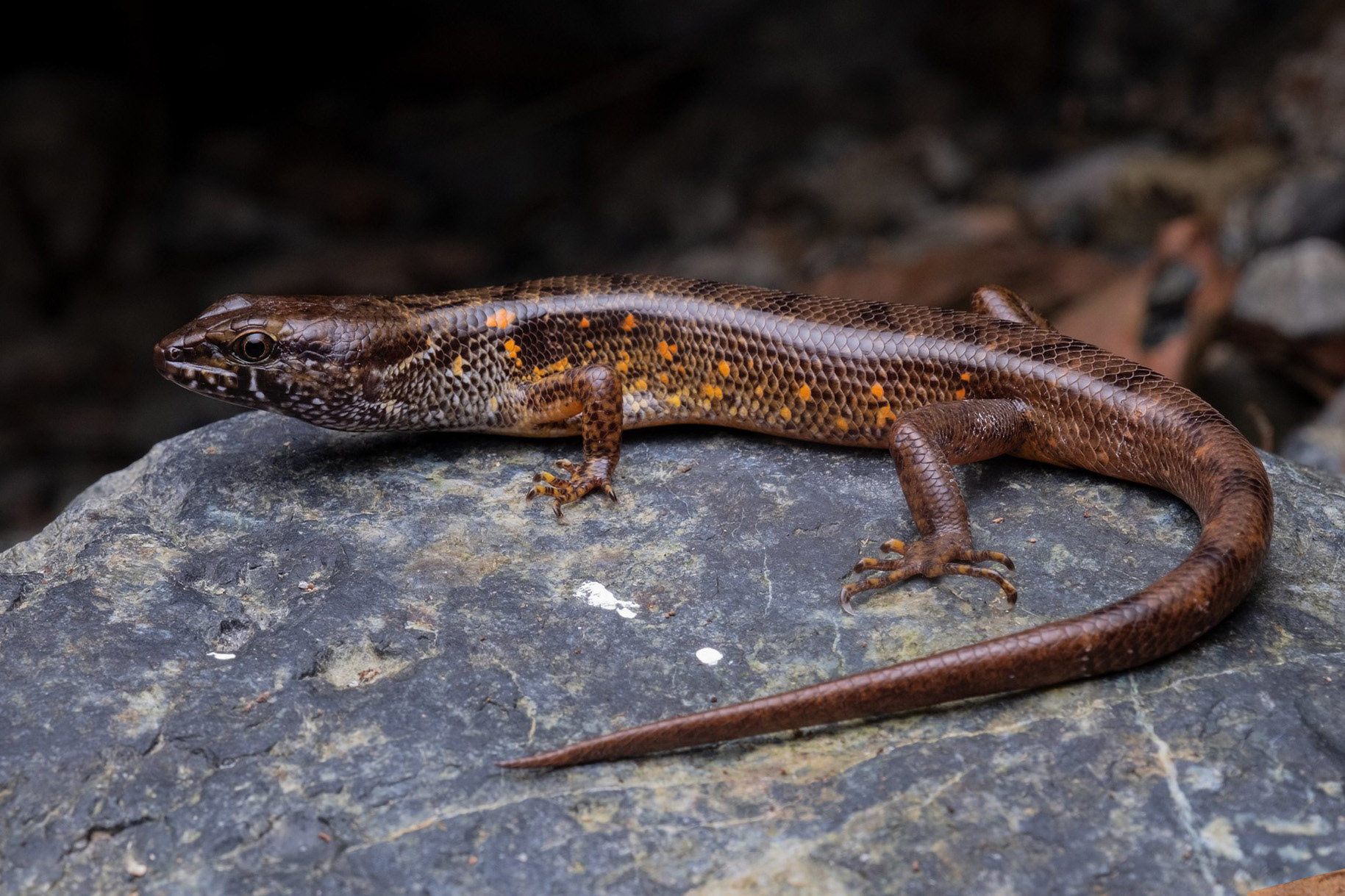
Mocquard's stream skink (Tropidophorus mocquardii)
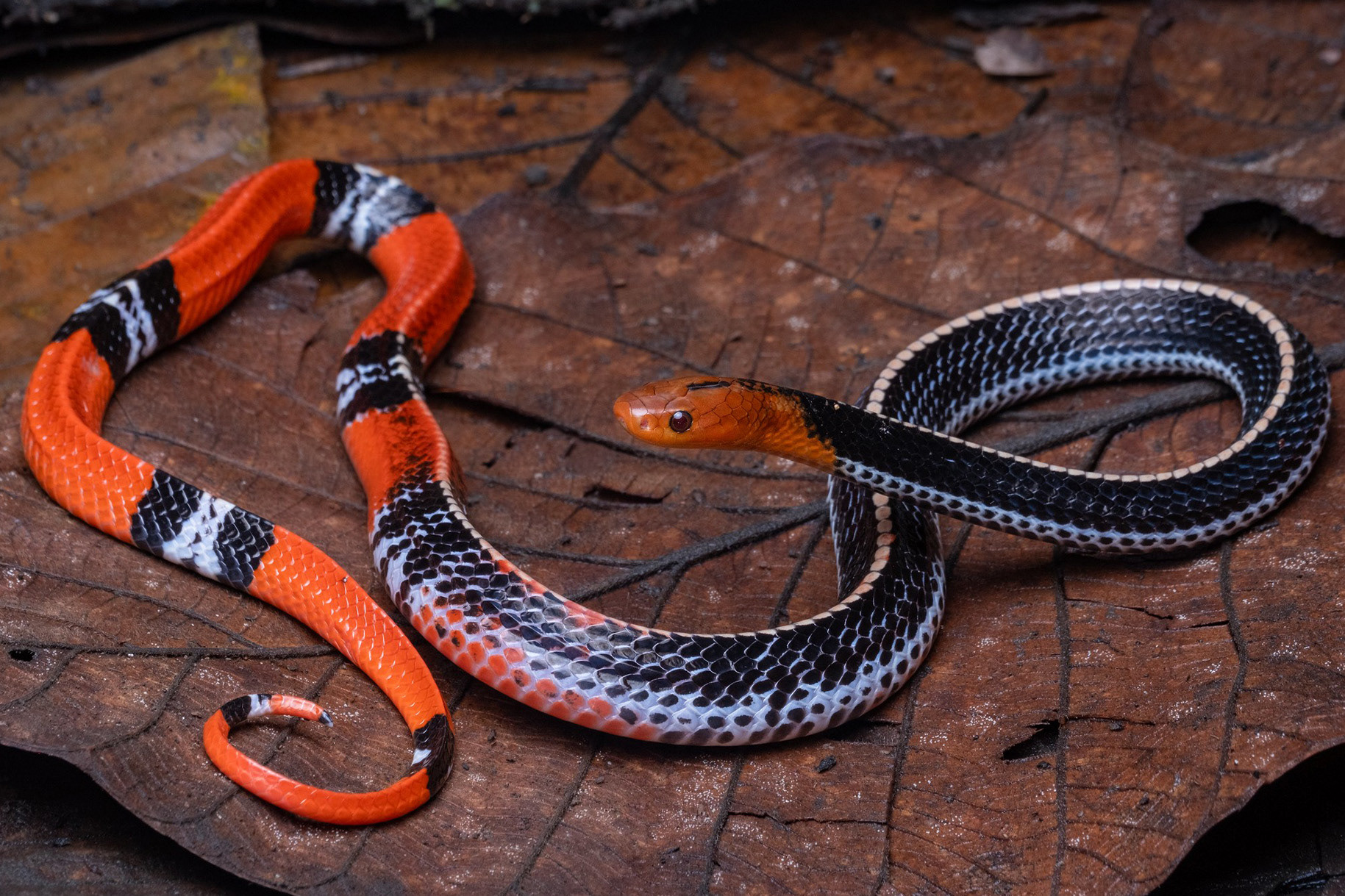
Kinabalu krait (Bungarus f. baluensis).
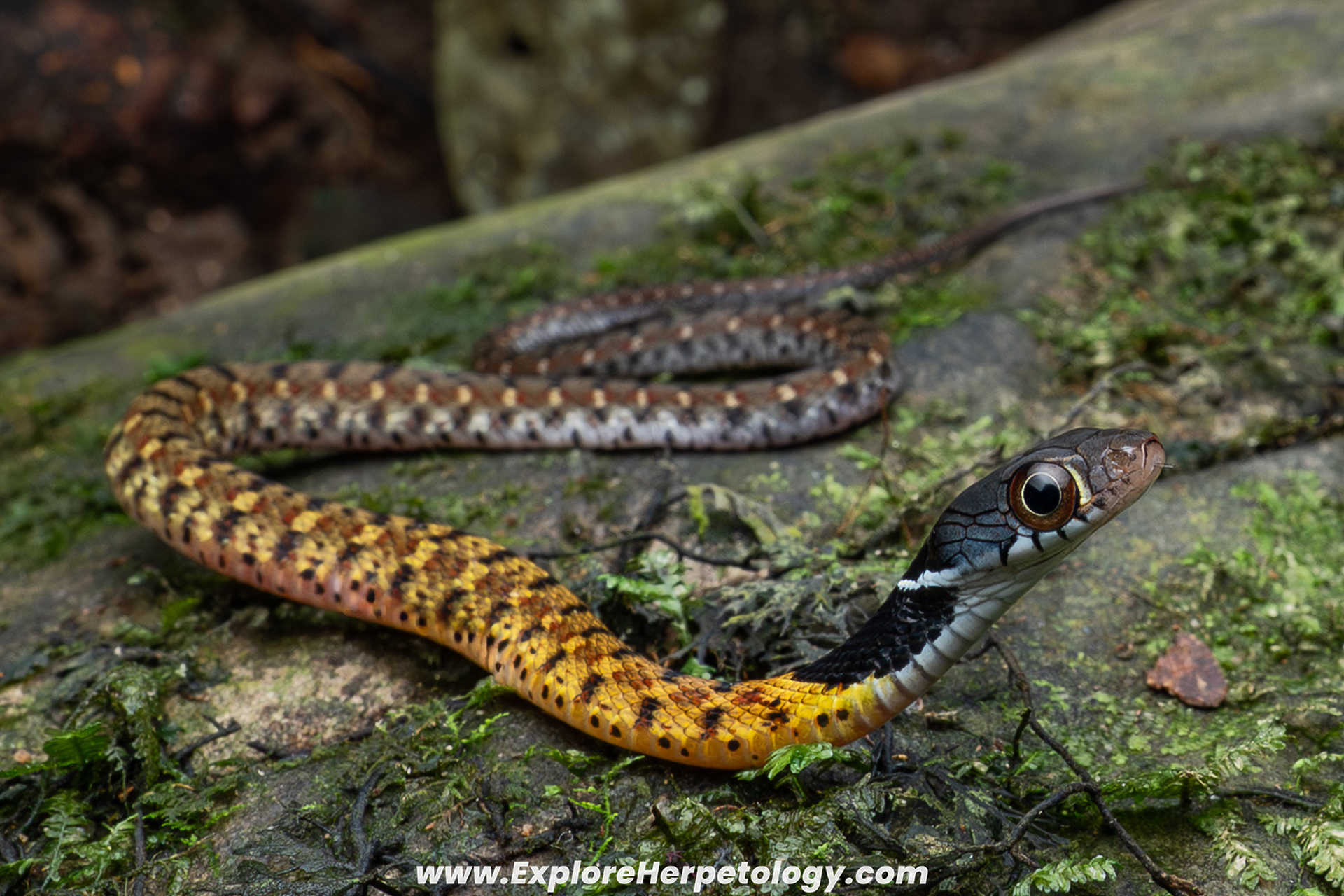
Speckle-bellied keelback (Rhabdophis chrysargos).
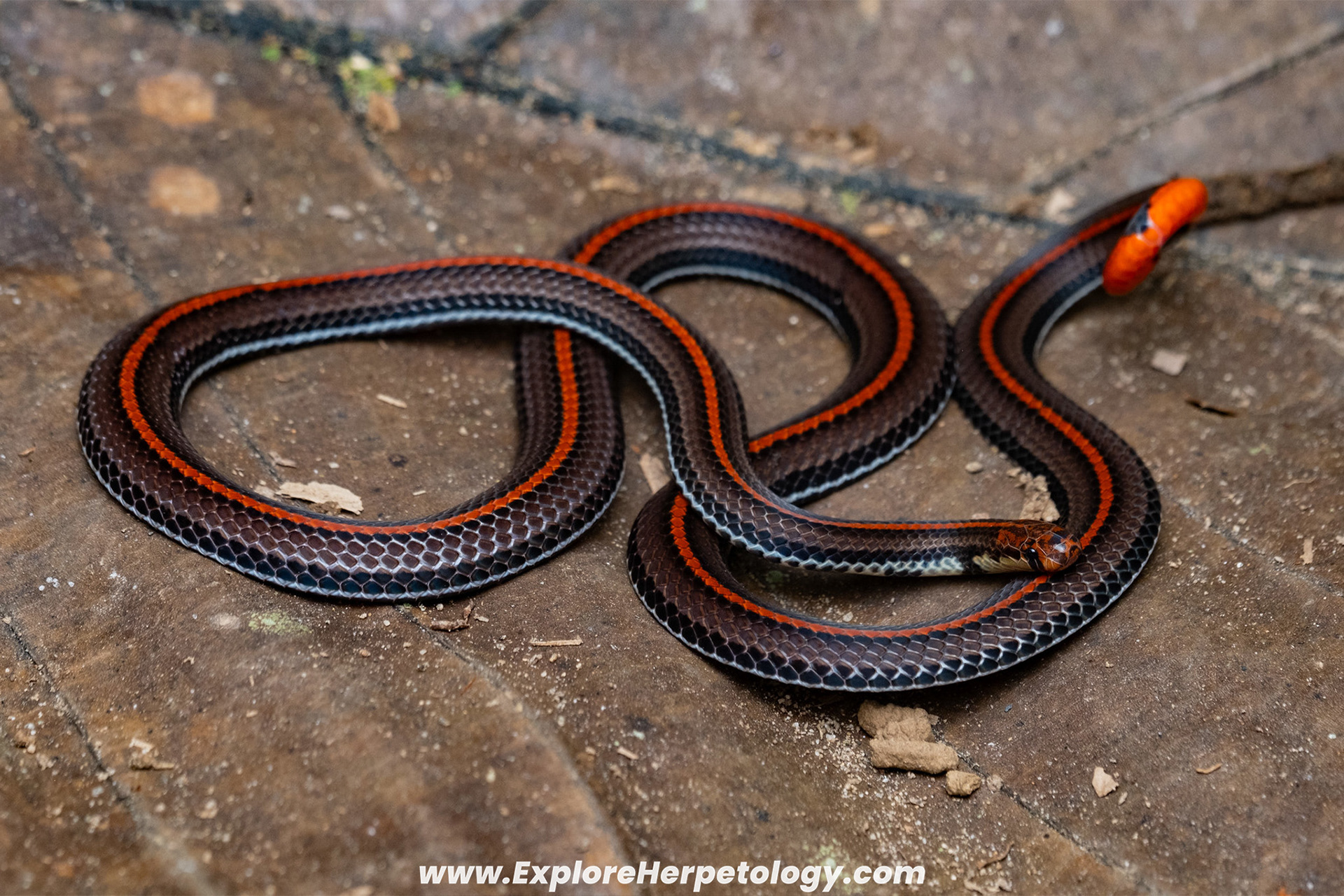
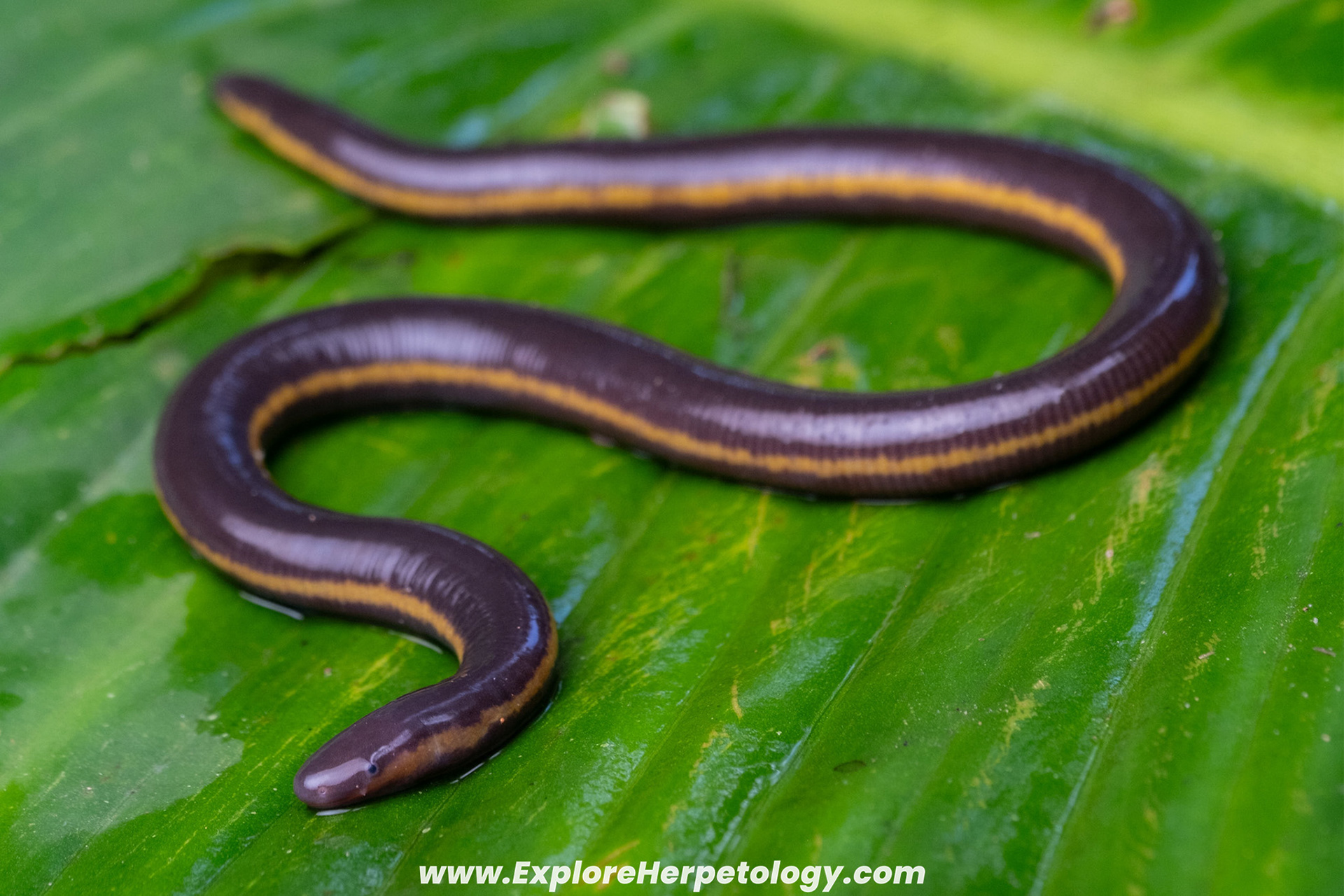
Caecilian (Ichthyophis sp.)
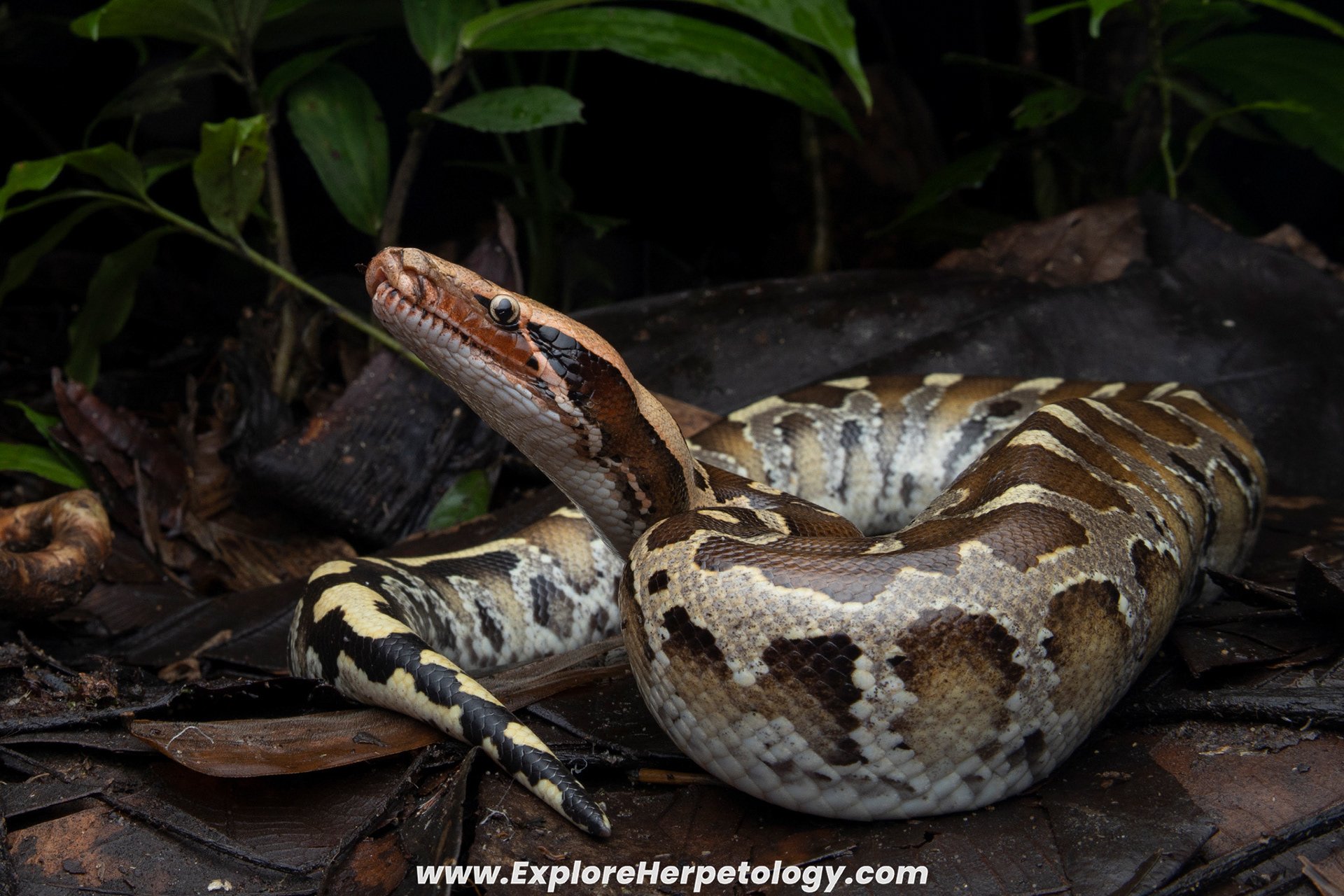
Bornean short python (Python breitensteini);.
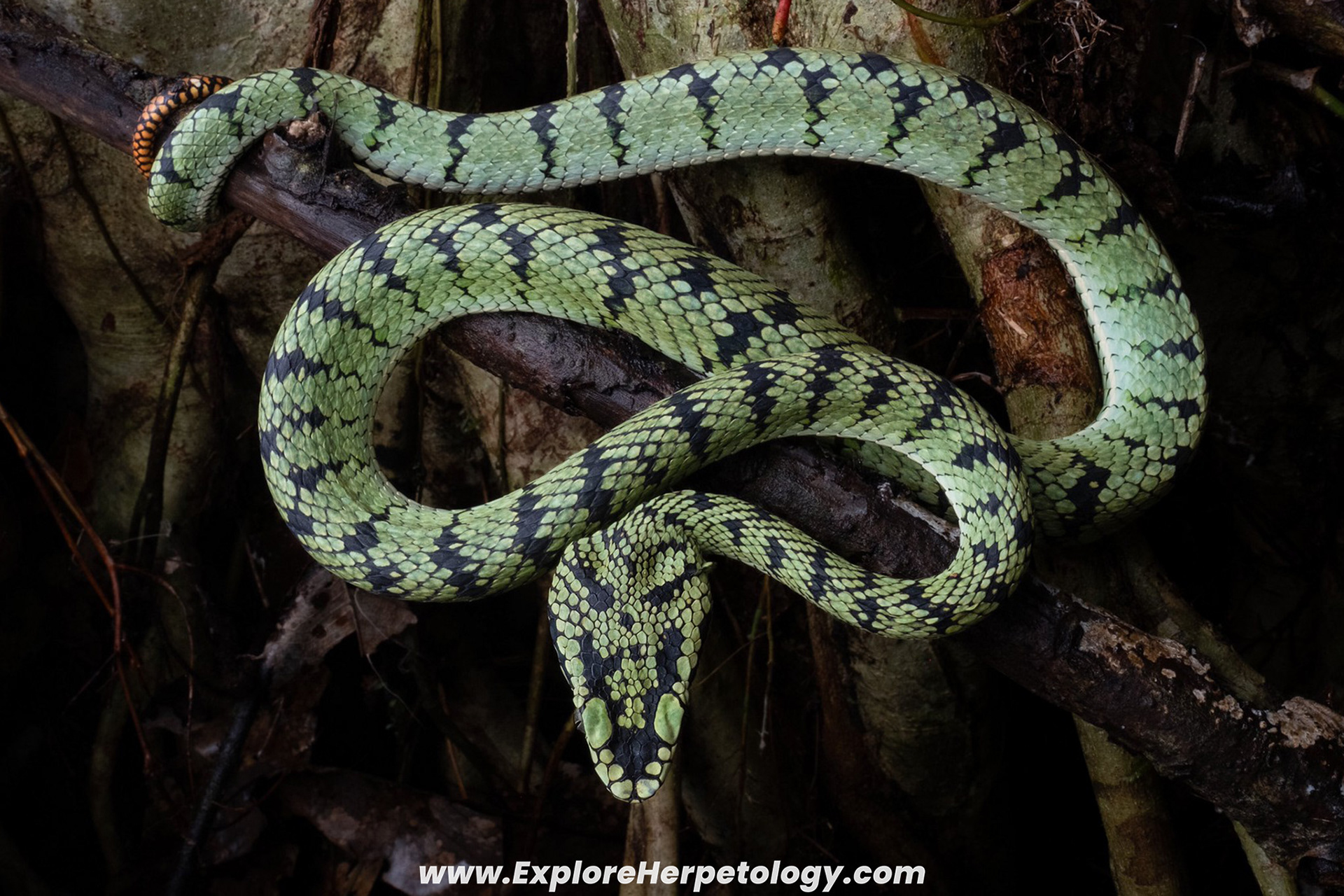
Sumatran pit viper (Trimeresurus sumatranus).
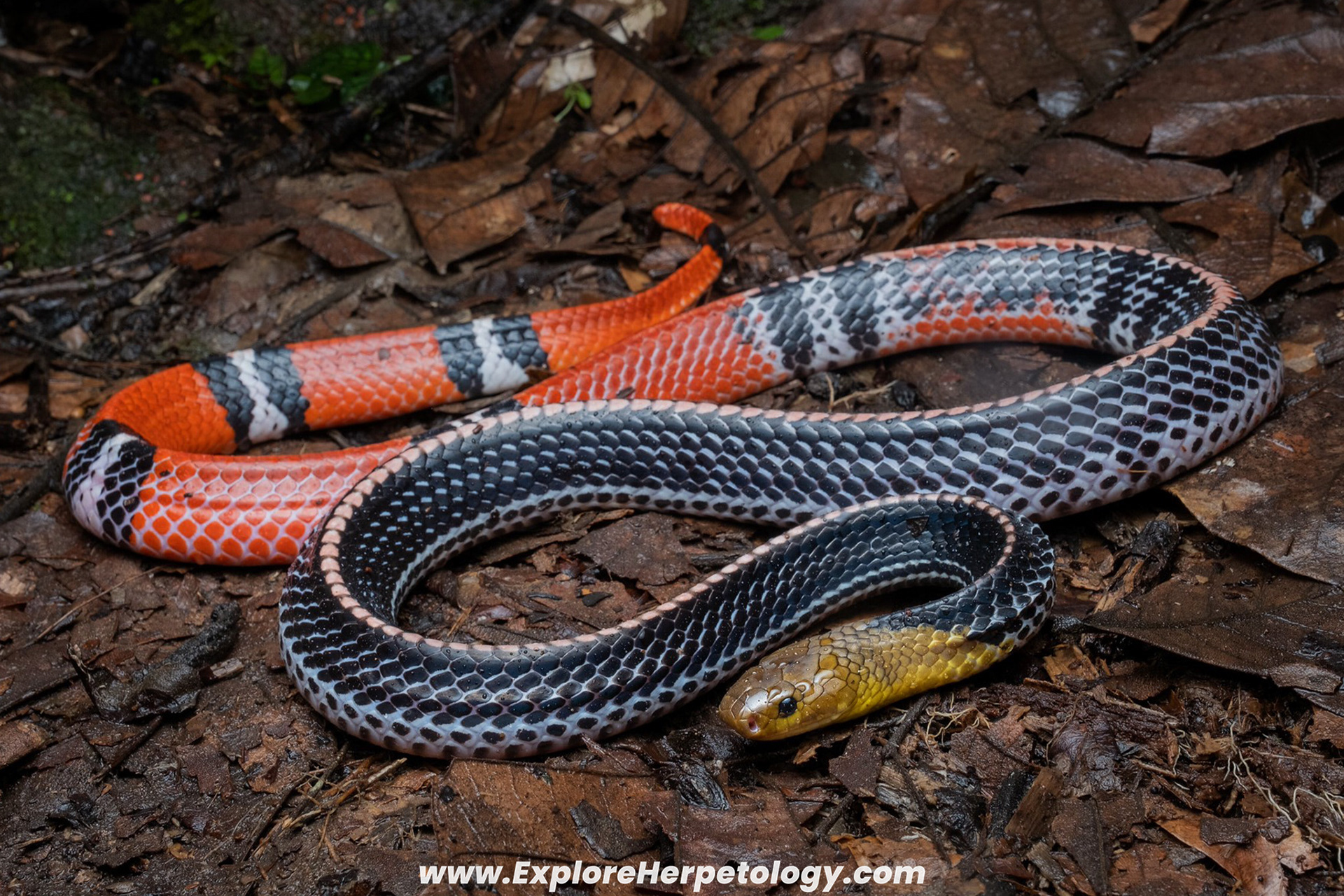
Kinabalu krait (Bungarus baluensis).
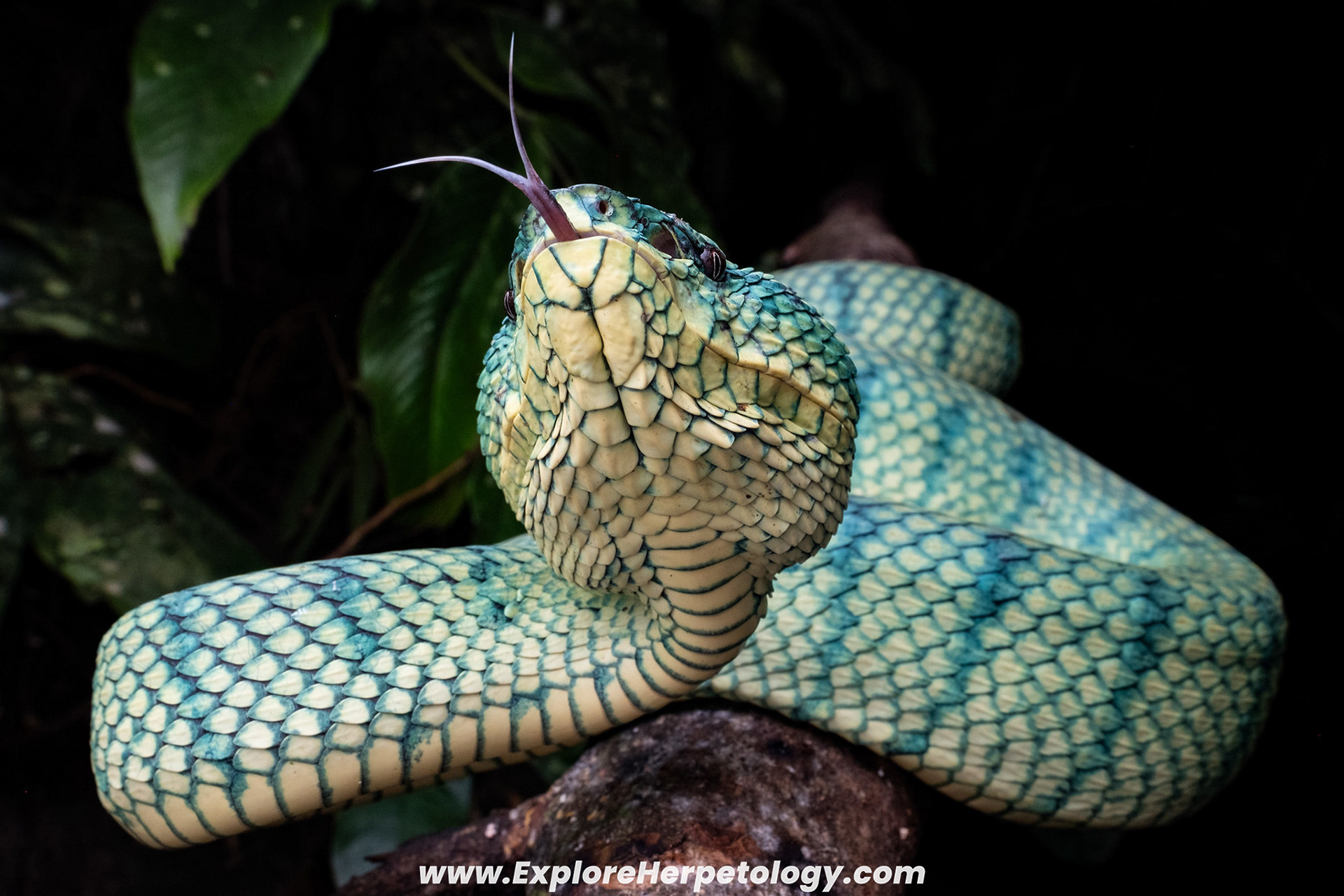
Borneo keeled pit viper (Tropidolaemus subannulatus).
Accommodation:
We will stay at comfortable hotels at each location, both within walking distance from high-quality rainforests at Mount Kinabalu and Ranau. The standard package is two people per room, although we have the option to upgrade to a private room at each location. There is mobile service (4G) at all locations where we will be staying during this tour, as well as wifi in some areas of each hotel.
Food:
Our meals are usually split quite evenly between restaurants serving western food and local food. Every location will have access to convenience stores where one can stock up on snacks and drinks for the night of herping. All meals, drinks with meals and drinking water are included in the price, while personal drinks and snacks are not.
Environmental conditions & fitness:
The weather at our highland herping locations is very temperate, rarely exceeding 25 degrees during the day and dropping as low as 14 degrees at night. It can feel very cold when it rains. We highly recommend packing at least one sweater. At Ranau and Kota Kinabalu city, it is extremely hot and humid during the day. This trip is scheduled during the late rainy season, so we should expect almost daily rain at both locations. Waterproof clothing and rubber boots are an absolute necessity, but hiking boots are also recommended for our walks at in the highlands.
During this expedition, we will not be scaling any mountains but a minimum level of fitness must be met. We advise an ability to walk 10 kilometres on hilly terrain per day. Mosquitos, leeches and other biting/stinging animals are part of jungle life, so long trousers/pants, long sleeved shirts and long socks are strongly advised.
Travel information:
All participants must arrive at the designated meeting point in Kota Kinabalu city by 13:00 on the 25th January 2027. We advise all guests to arrive the night before and get a good night's sleep before the expedition begins. Daily flights to/from Kota Kinabalu Airport are available every day from multiple airports in the region. We will return to Kota Kinabalu city by 3pm on the 2nd February 2027.
It is the guests’ responsibility to meet all entry requirements needed to enter Malaysia, including visa procedures. Explore Herpetology can help advise entry requirements. Guests travelling from most countries do not require a visa to visit Malaysia for less than 90 days. Make sure to check the entry requirements for your country before booking. You must fill out the MDAC (Malaysian Digital Arrival Card) form within 3 days of your arrival in Malaysia. This a completely free so do not use any third party site which requires a fee.