
Start: 23rd March 2027 | End: 1st April 2027 | Meeting location: Kuala Namu, Medan | Spaces available: 6
Included in the tour:
- Expert herpetologist guides.
- Transport.
- Private room.
- Meals & drinks.
- National Park/Permit fees.
Introduction:
Sumatra is one of the staple locations on our expedition calendar, thanks to its year-round herpetofauna activity and diverse itinerary. Our mission is to find the maximum number of herpetofauna species possible, while focusing on ensuring we find the key endemics accessible to us in North Sumatra province - especially pit vipers. 7 different species of pit viper are possible encounters during this expedition, and we have yet to miss any of them on a single Expedition Sumatra to date. This kind of consistency is indicative of the quality you get with Explore Herpetology, with our guides going above and beyond to achieve new heights on every trip, utilising their in-depth knowledge of the best sites and species ecology to track down key targets.
We meet on the 23rd of September at Kuala Namu Airport near Medan City, spending our first night in the coastal mangroves. After this fun introductory day, we will pack up our vehicles and spend three nights exploring the highlands near Berastagi. Berastagi has unlimited different areas to explore, and is sure to be full of surprises and incredible animals. Next, we drive around five hours Aceh province, where we will spend four nights in pristine primary rainforest habitat. Wild orangutang and other mammals are present here, along with an enormous diversity of reptiles and amphibians. We return to Berastagi for one final night of herping on the 31st March, before ending the tour at Kuala Namu Airport at 3pm on the 1st April.
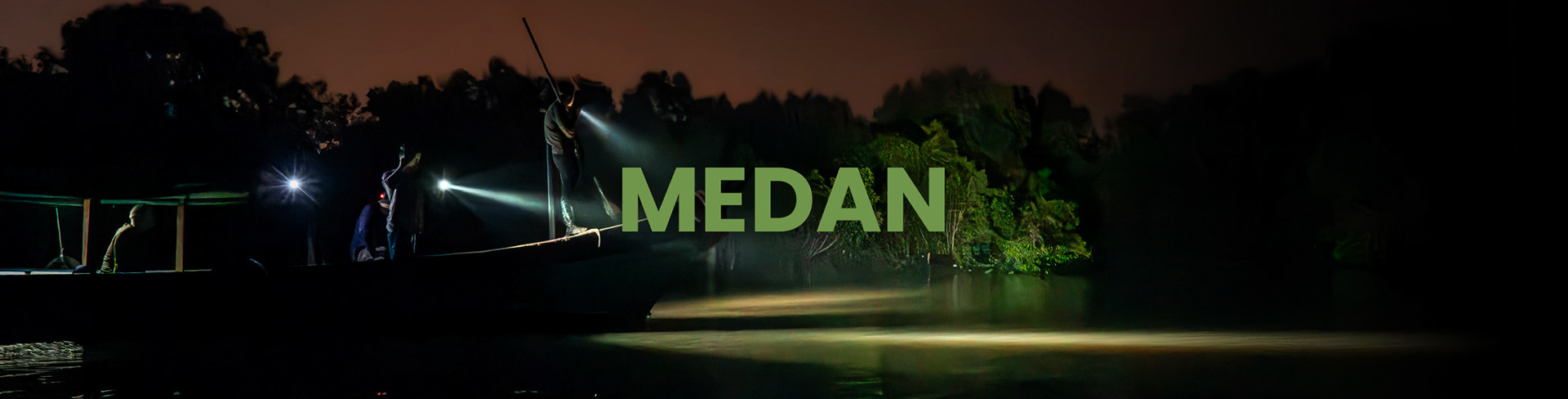
Night 1: MEDAN
We begin the expedition in Medan and drive straight to the city's mangrove estuaries, where we will take a long-tail boat deep into the mangroves to search for the unique Sumatran mangrove pit viper (Trimeresurus purpureomaculatus). This clade is polymorphic, so unlike the typical dark grey or black individuals found elsewhere, the most common phenotypes here are green, orange and yellow. Finding this species requires detailed knowledge of the precise areas to leave the boat and walk in the mud, but our established areas have delivered every time for us. While searching for this pit viper, we can also encounter dog-faced water snake (Cerberus schneideri), crab-eating mangrove snake (Fordonia leucobalia) and marine file snake (Acrochordus granulatus). Our accommodation will be a city hotel near the airport, and we will eat our first dinner nearby.
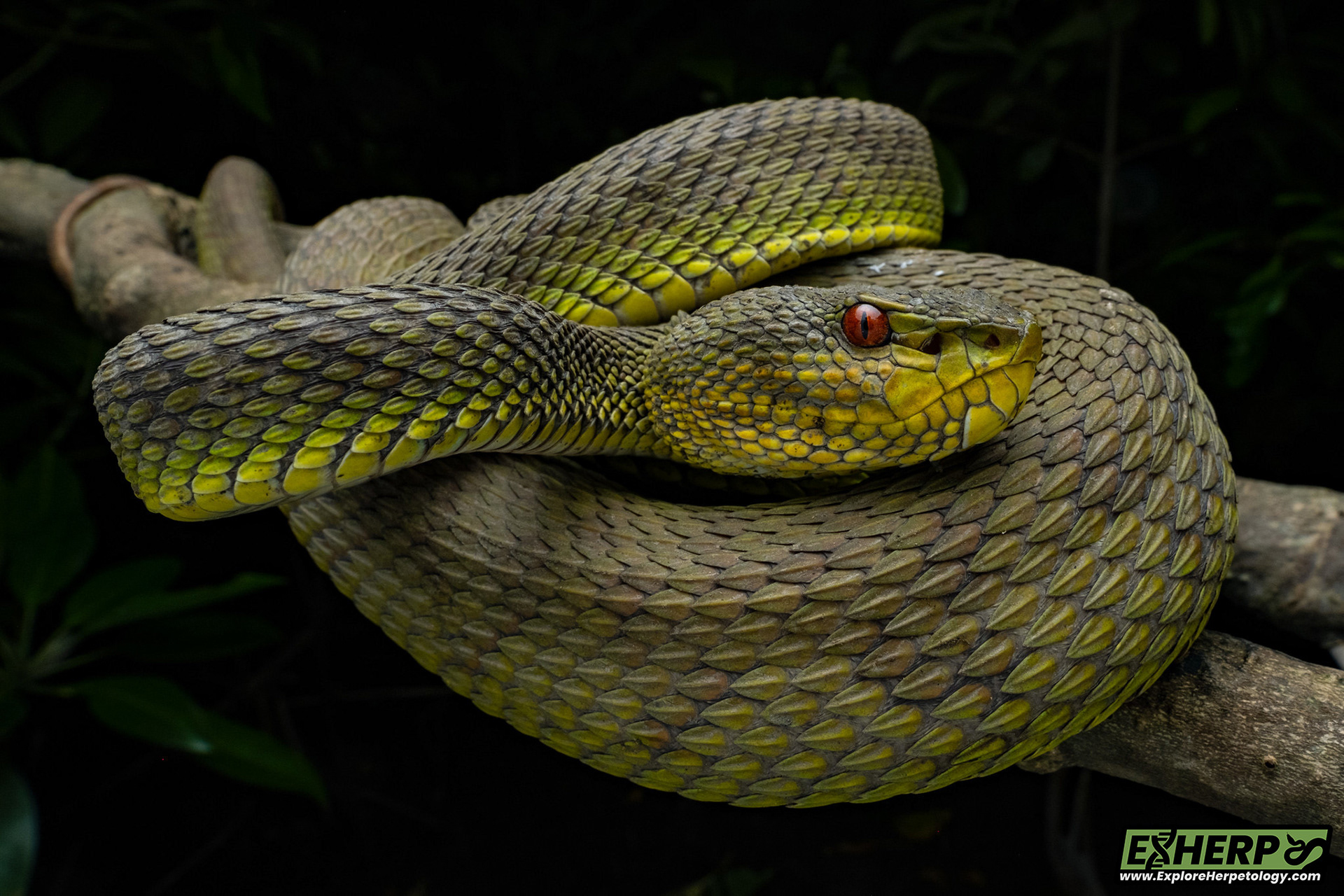
A yellowish-green mangrove pit viper (Trimeresurus purpureomaculatus).
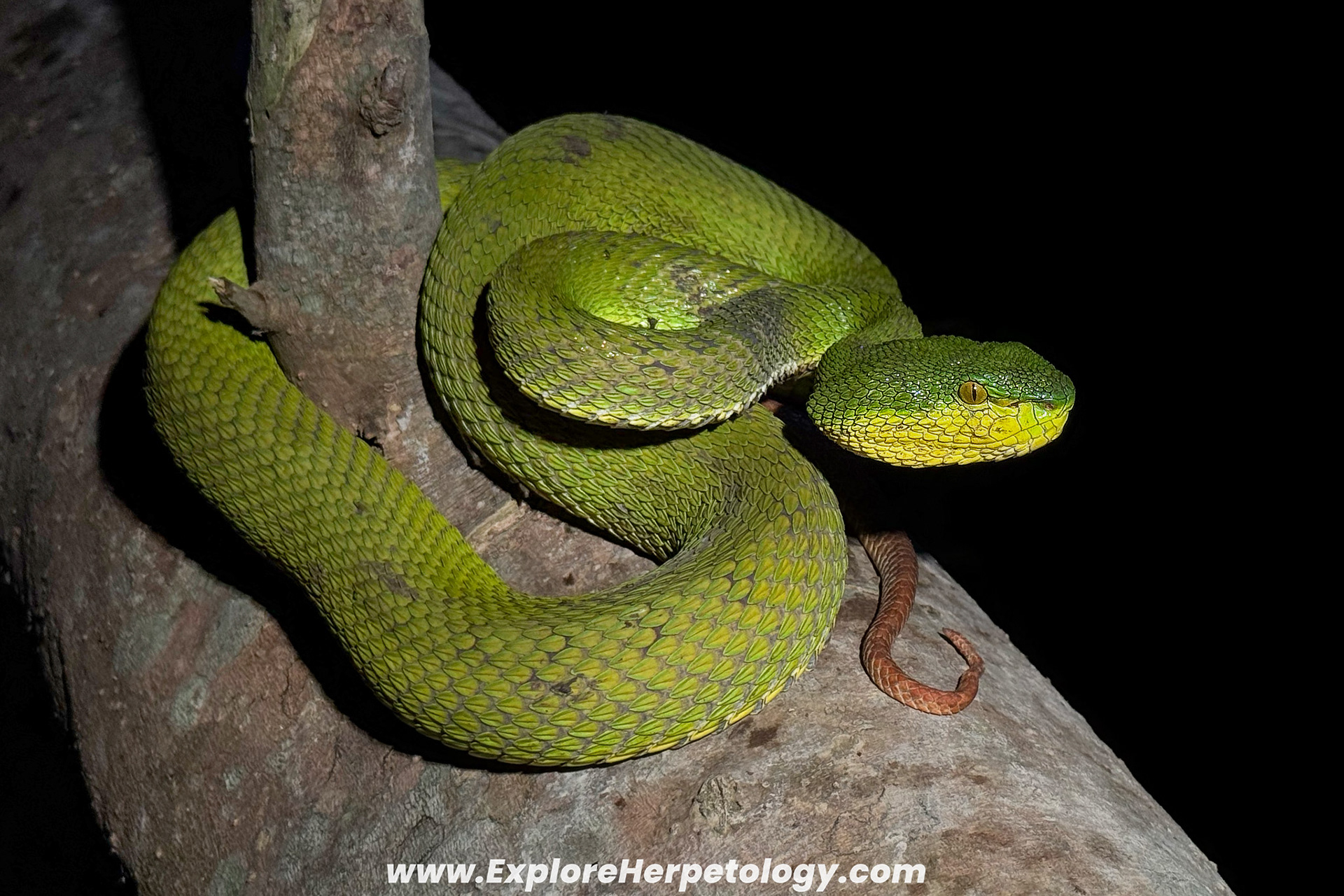
A pure green mangrove pit viper (Trimeresurus purpureomaculatus).
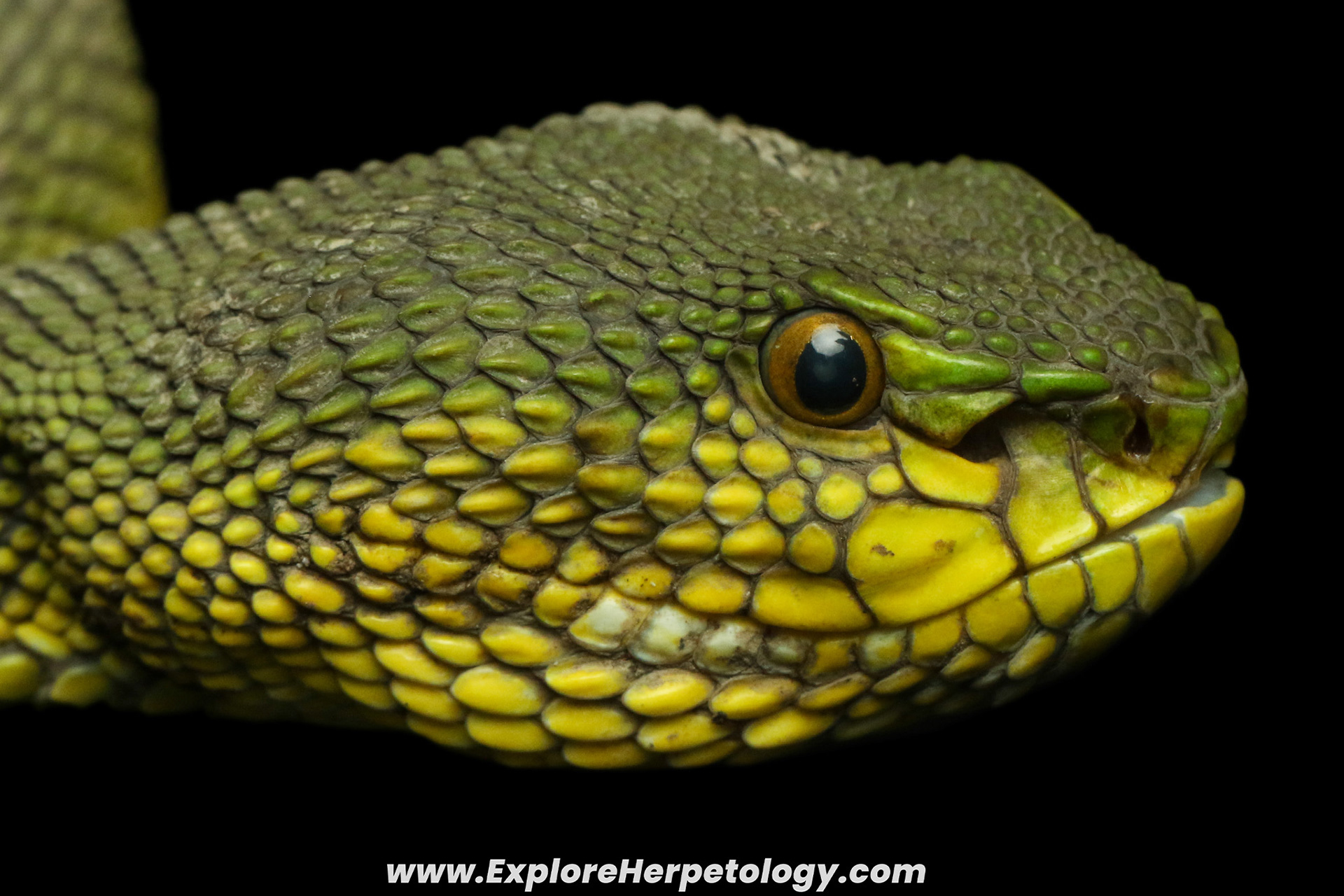
A pure green mangrove pit viper (Trimeresurus purpureomaculatus).
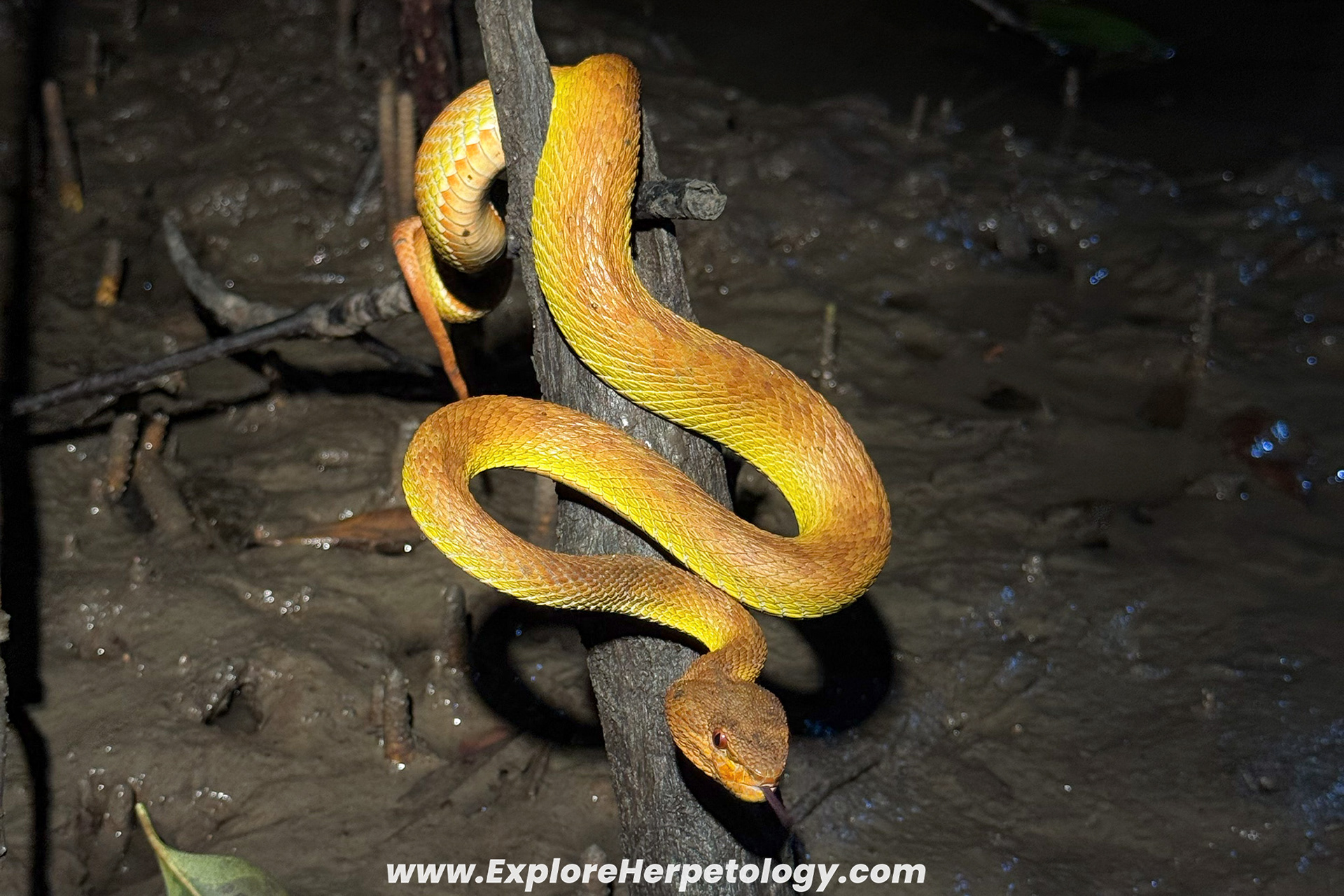
Yellow-orange morph mangrove pit viper (Trimeresurus purpureomaculatus).
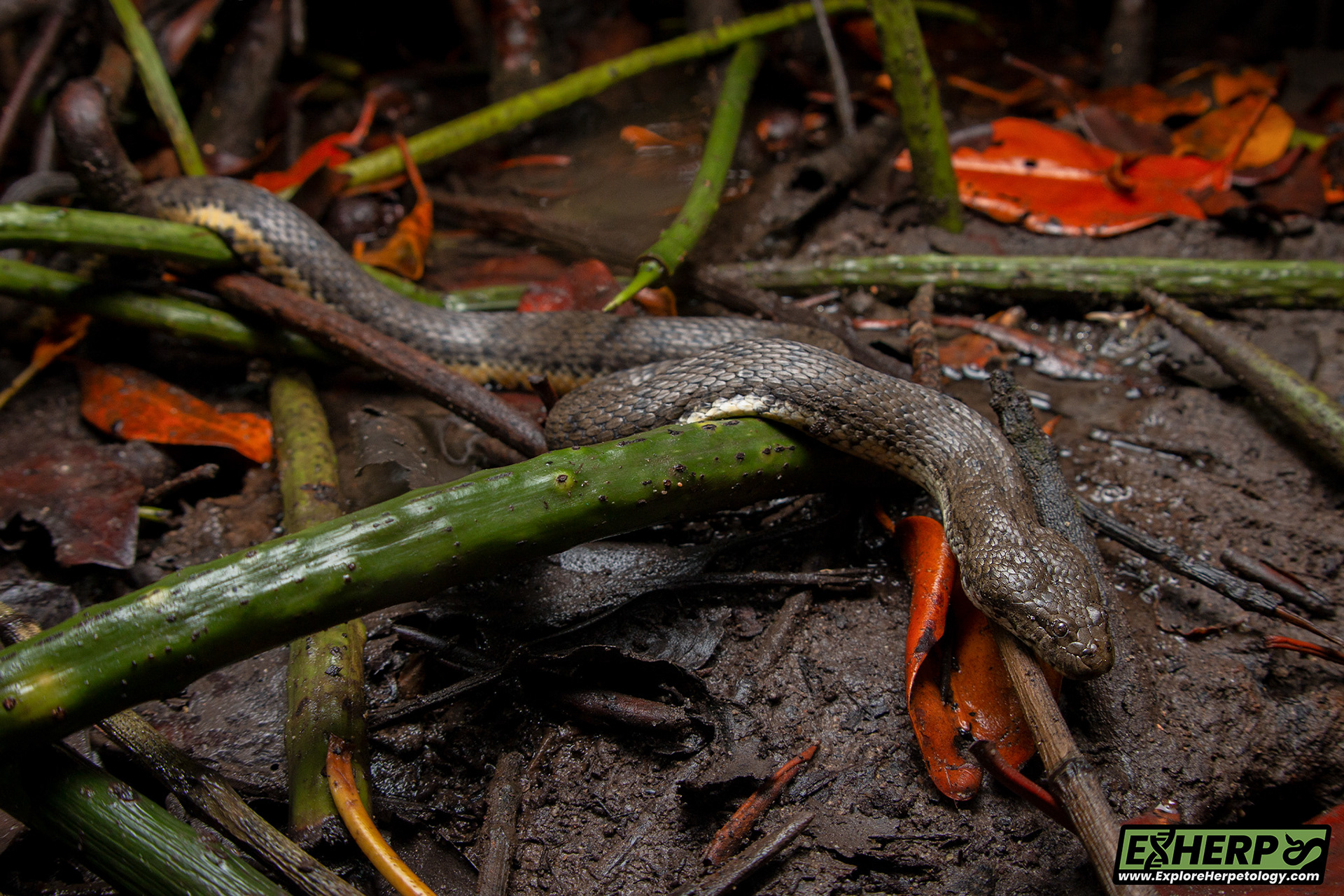
Dog-faced water snake (Cerberus schneiderii).
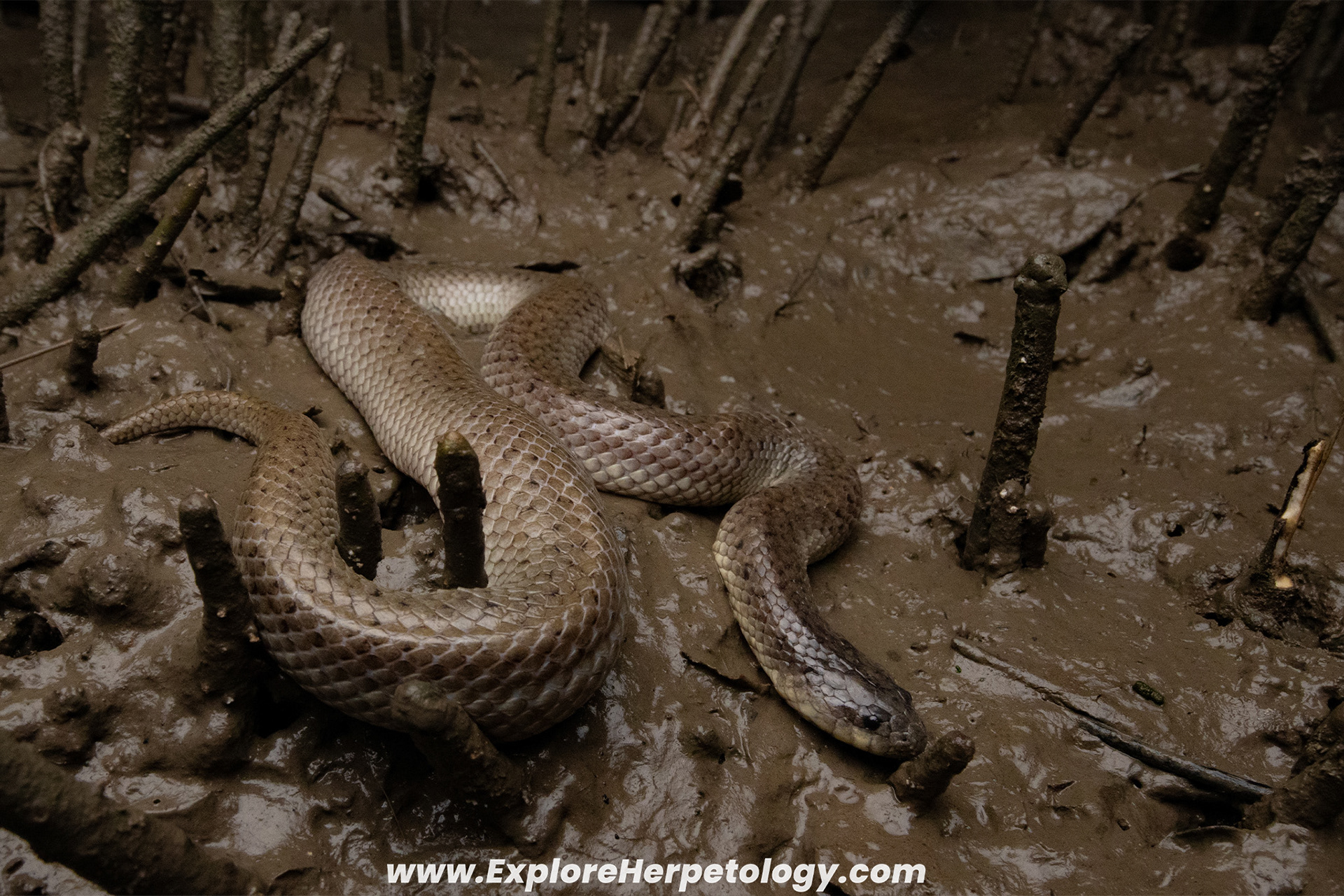
Crab-eating mangrove snake (Fordonia leucobalia).
Nights 2, 3, 4 & 9: BERASTAGI
Our next stop is the highlands of North Sumatra, where we will explore elevations from 800 to 1,800 metres above sea level. At the highest elevations, we will target two Sumatran-endemic vipers, Gunalen's pit viper (Trimeresurus gunaleni) and the Sumatran leaf-nosed pit viper (Craspedocephalus andalasensis). We can also find the Sumatran slug snake (Asthenodipsas tropidonotus) here - probably the largest Pareatid in South-East Asia. The rarest 'showstopper' species of snake in the area is the broad-banded red bamboo ratsnake (Oreocryptophis porphyracea laticinctus), which sometimes comes out on warm, dry nights. This is the only location where we can see the black-striped coral snake (Calliophis nigrotaeniatus) on this tour. There are not many diurnal species in this highland area, but we have found Grabowsky's beauty ratsnake (Elaphe taeniura grabowskyi) crossing roads during the morning and late afternoon, while flipping logs and other ground debris can be very productive for finding reptiles during dry conditions. This search method regularly uncovers the Sumatran supple skink (Larutia sumatrensis), Padang reed snake (Calamaria abstrusa), and sometimes even the Sumatran leaf-nosed pit viper (Craspedocephalus andalasensis).
The sub-montane forests of Berastagi are also home to one of the rarest and most impressive lizards in the region, Modigliani's horned lizard (Harpesaurus modigliani), which we have a chance to encounter on any daytime or nighttime walk in the right areas. Manthey's mountain dragon (Gonocephalus lacunosus) is another magnificent endemic lizard, not common but significantly easier to encounter. The two endemic Dendragama species, as well as the endemic Sumatran green-crested lizard (Bronchocela hayeki), are much more common. There are also several endemic frogs present, which become very abundant when it rains.
The mid-elevation forests (800 - 1,200 meters) near Berastagi are also a must-see. Here, we can find the endemic Lake Toba pit viper (Trimeresurus sabahi toba) in good numbers. Males of Trimeresurus sabahi toba can be very beautiful, with blue interstitial skin, pink ventrolateral stripes and bright red eyes. There is a much higher species diversity where lowland and highland species overlap, and we have observed red-headed krait (Bungarus flaviceps) here multiple times, along with Malayan banded coral snake (Calliophis intestinalis), and Hagen's pit viper (Trimeresurus hageni). We also have a secret area with a population of axanthic poisonous rock frogs (Odorrana hosii). Axanthic (blue) frog populations in Asia are extremely rare, so it's very special to be guaranteed to observe multiple blue individuals if we spend enough time searching.
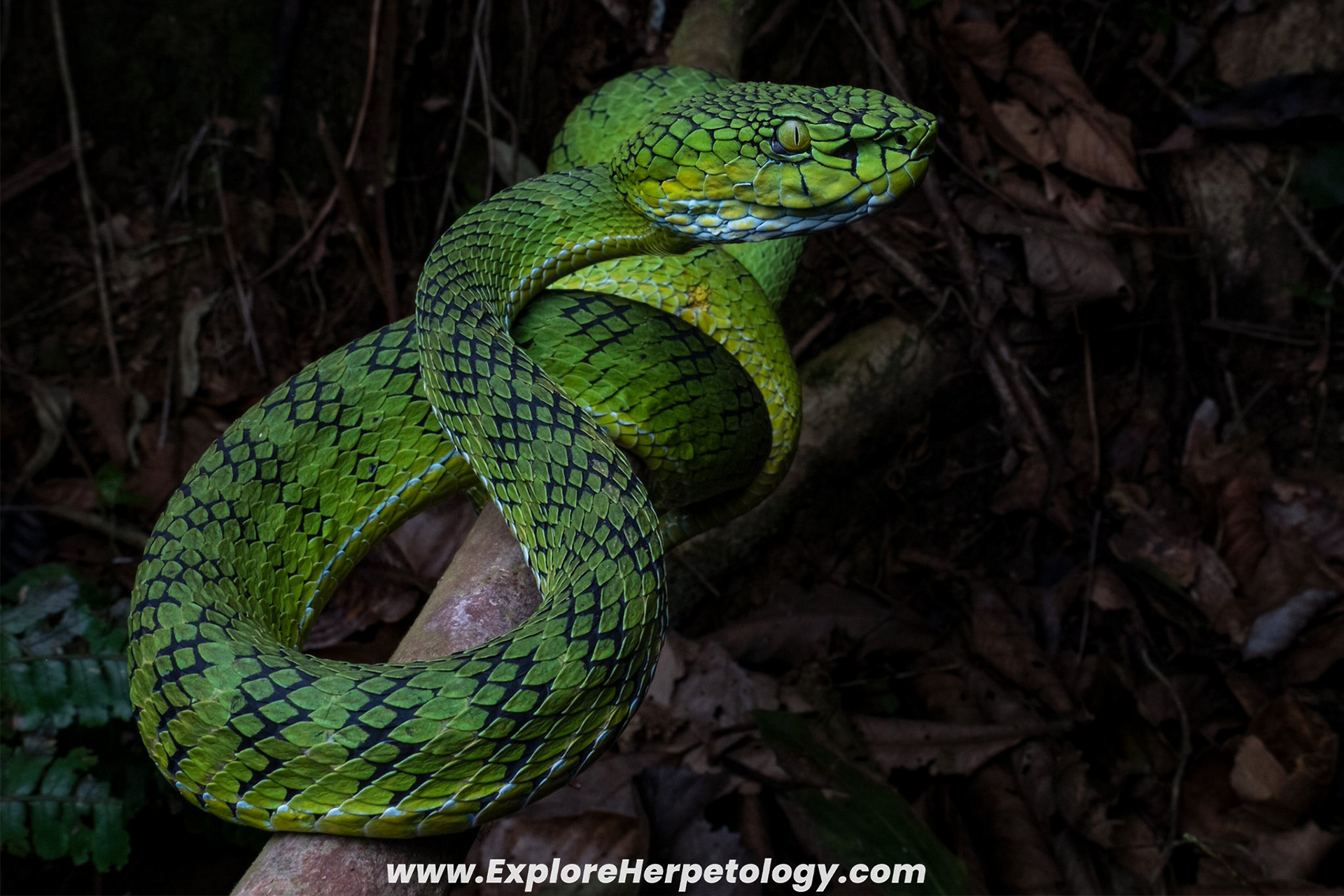
Gunalen's pit viper (Trimeresurus gunaleni).
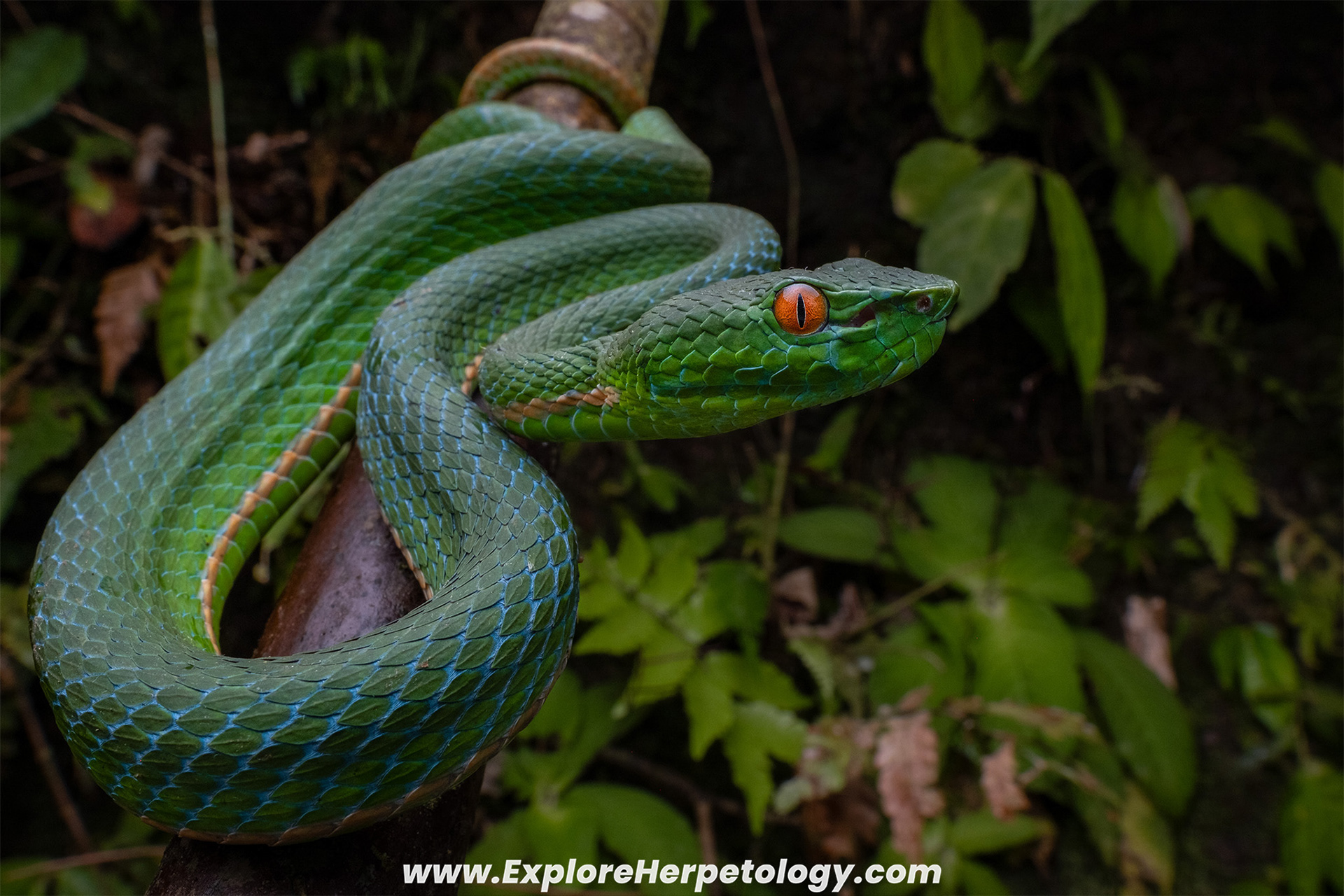
Lake Toba pit viper (Trimeresurus sabahi toba).
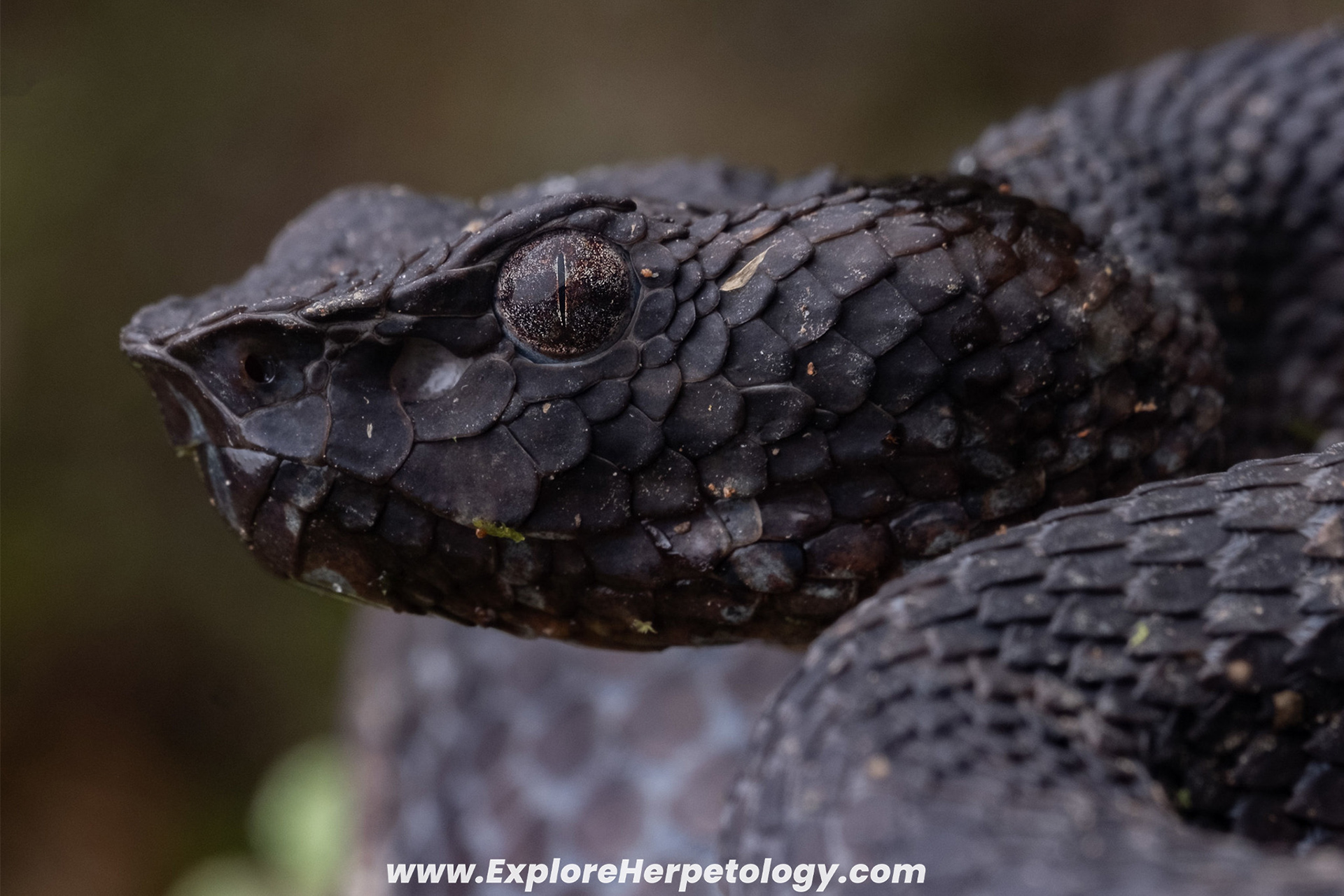
Sumatran leaf-nosed pit viper (Craspedocephalus andalasensis).
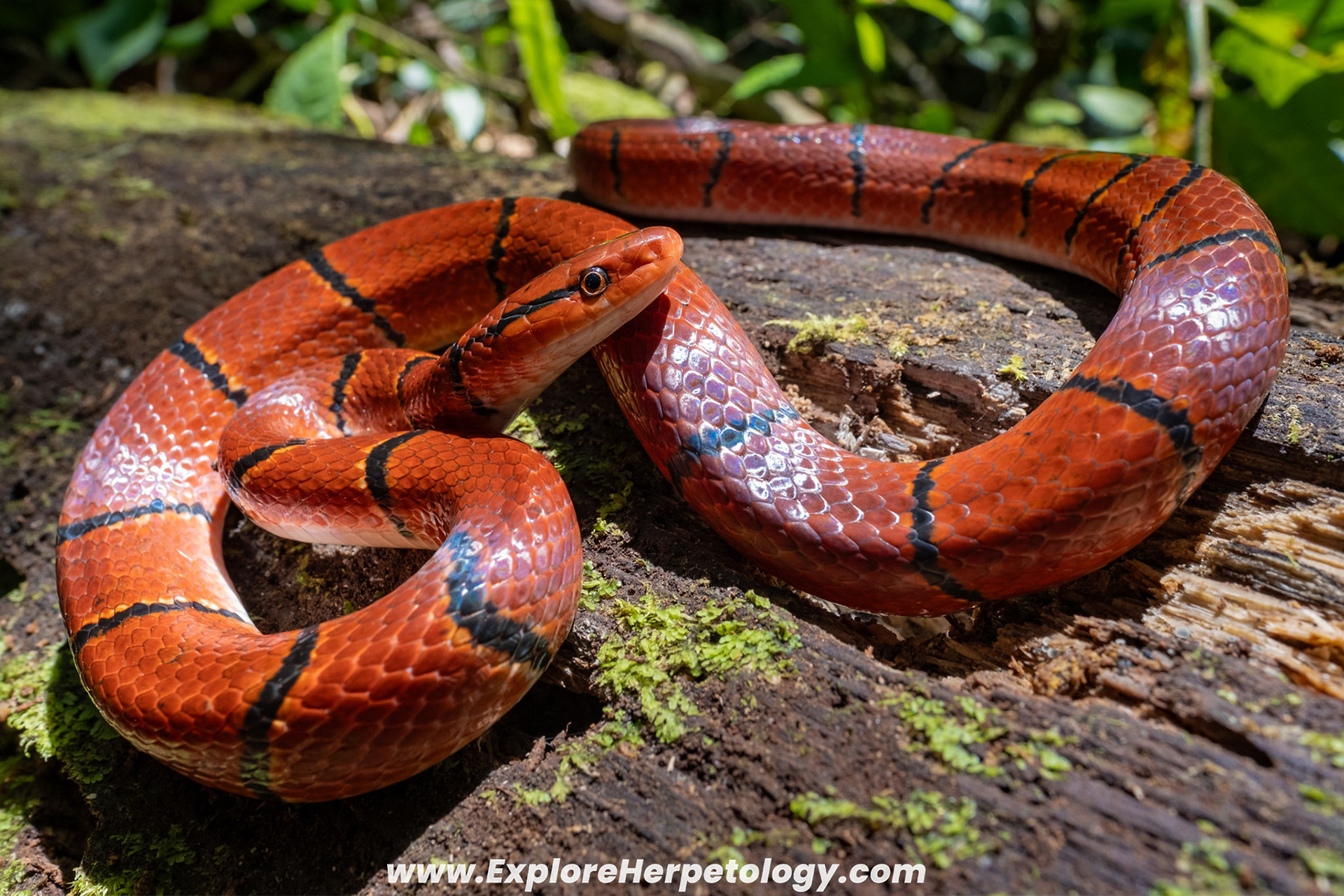
Red bamboo ratsnake (Oreocryptophis porphyracea laticinctus).
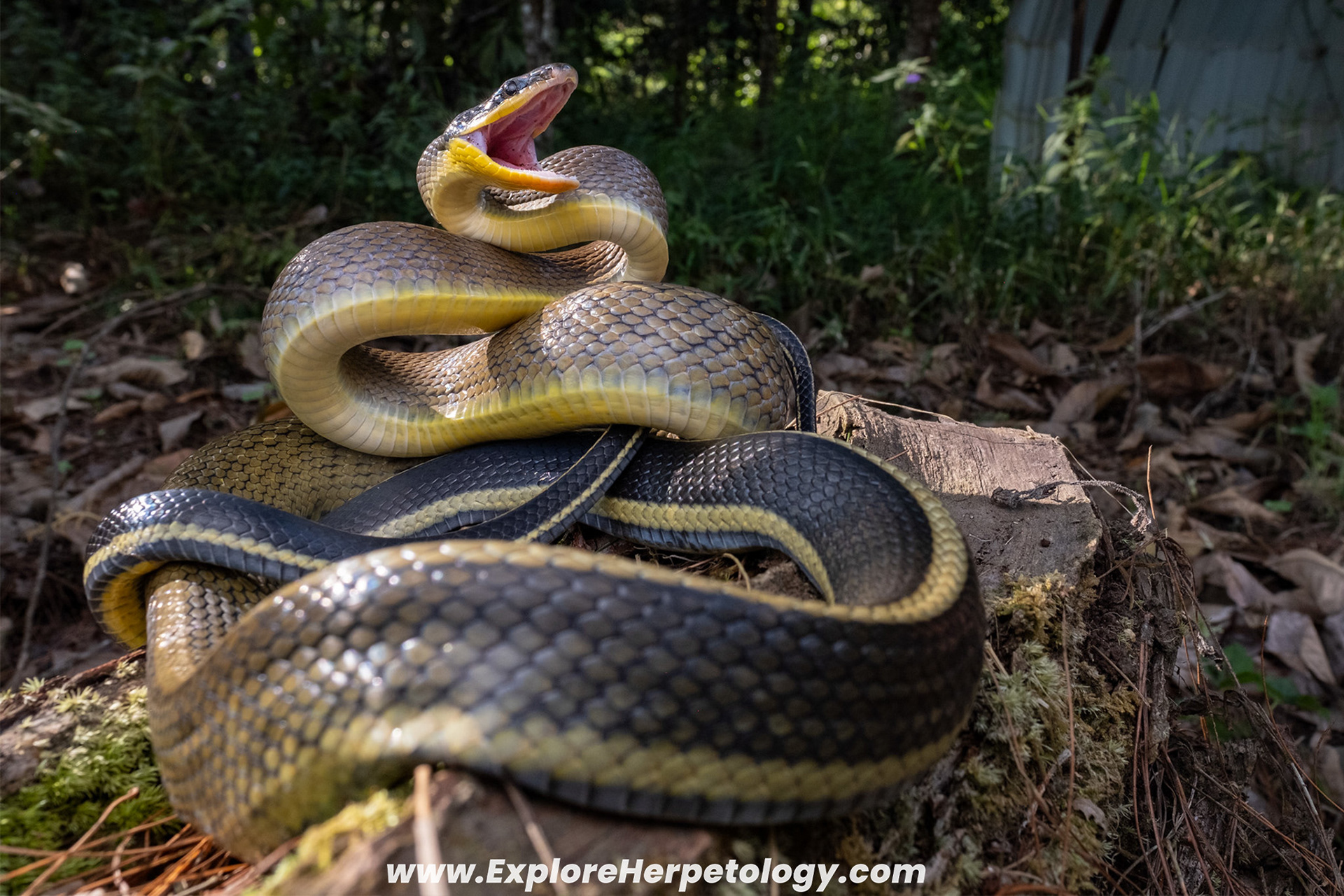
Sumatran beauty ratsnake (Elaphe taeniura grabowskyi).
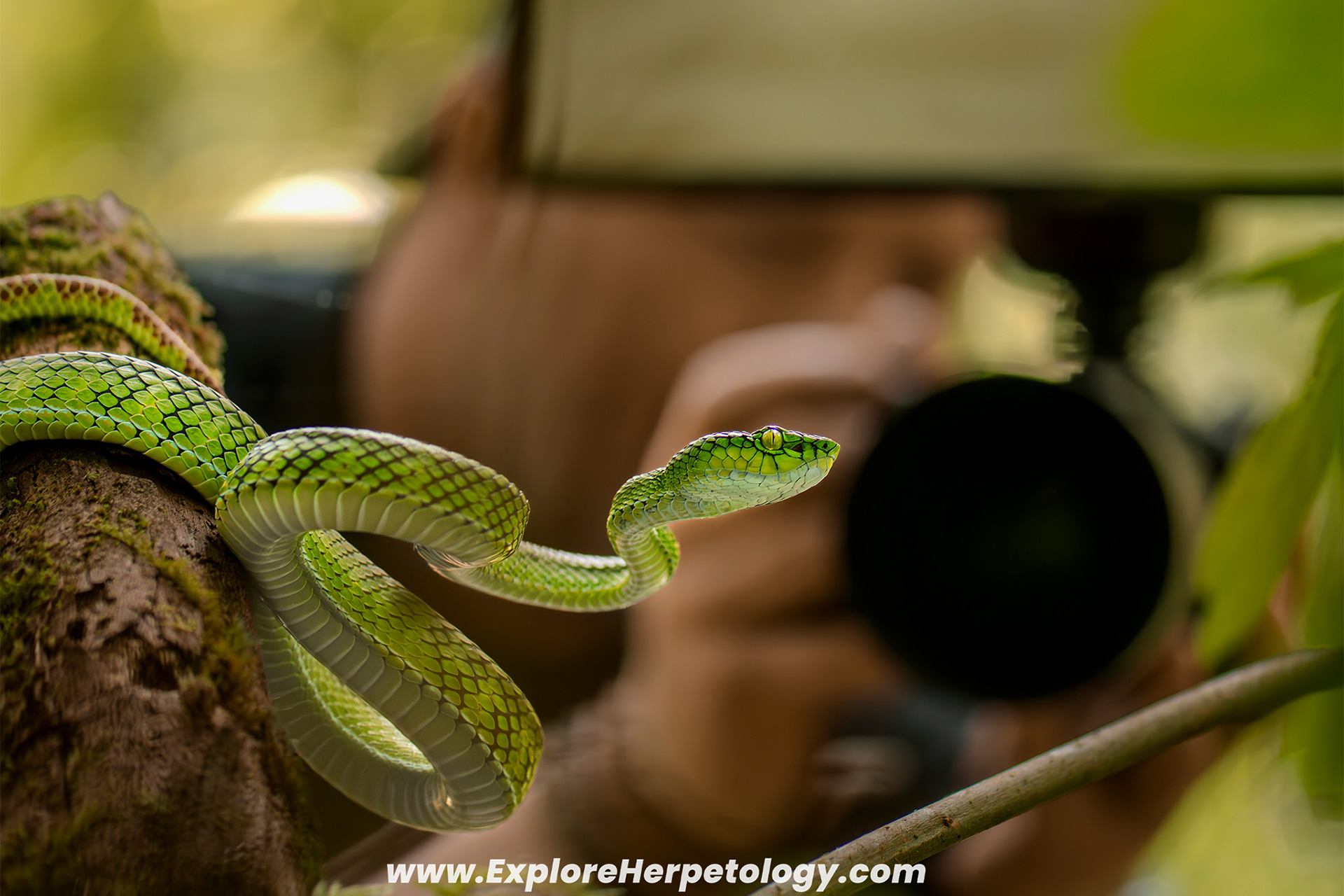
Gunalen's pit viper (Trimeresurus gunaleni).
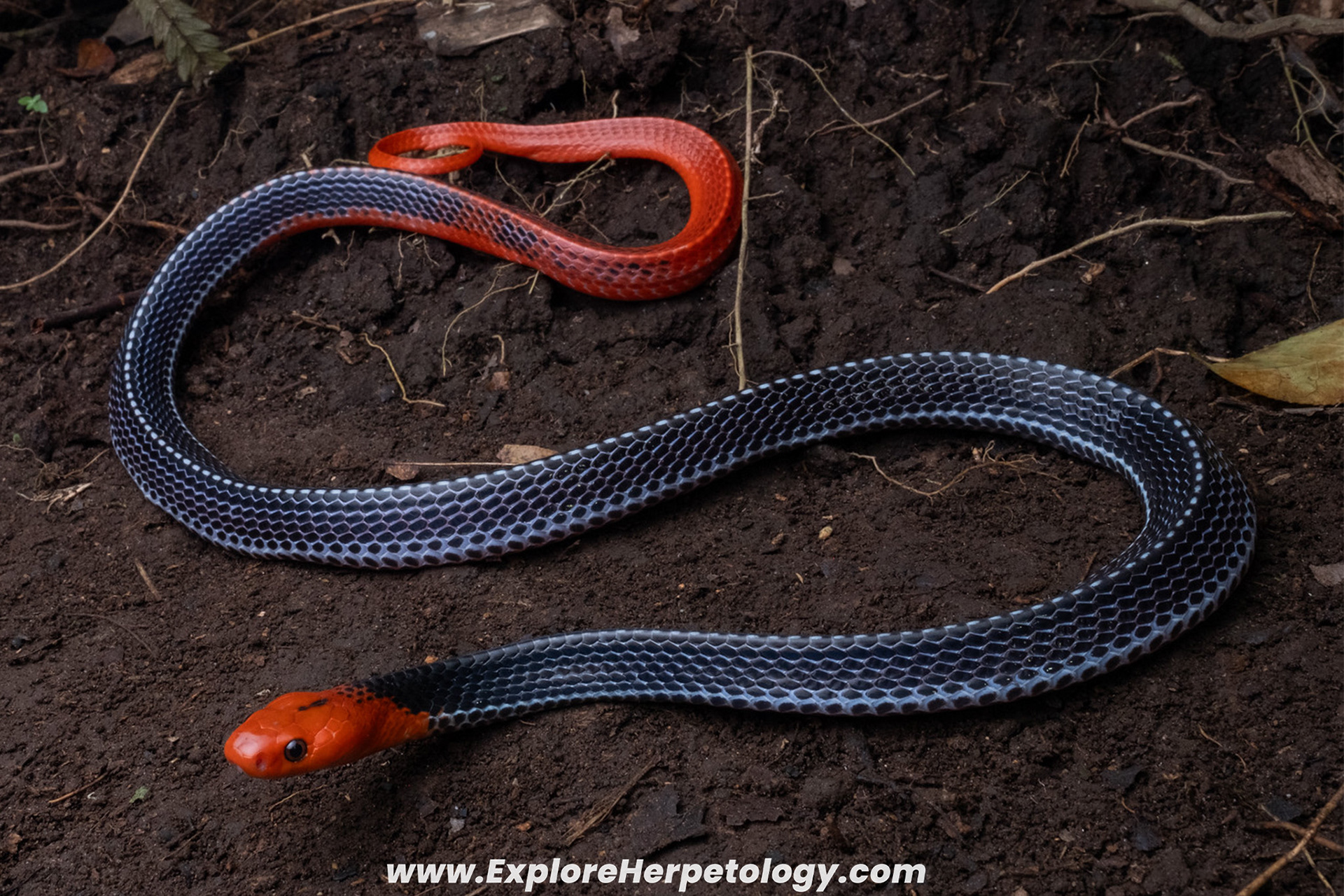
Red-headed krait (Bungarus flaviceps).
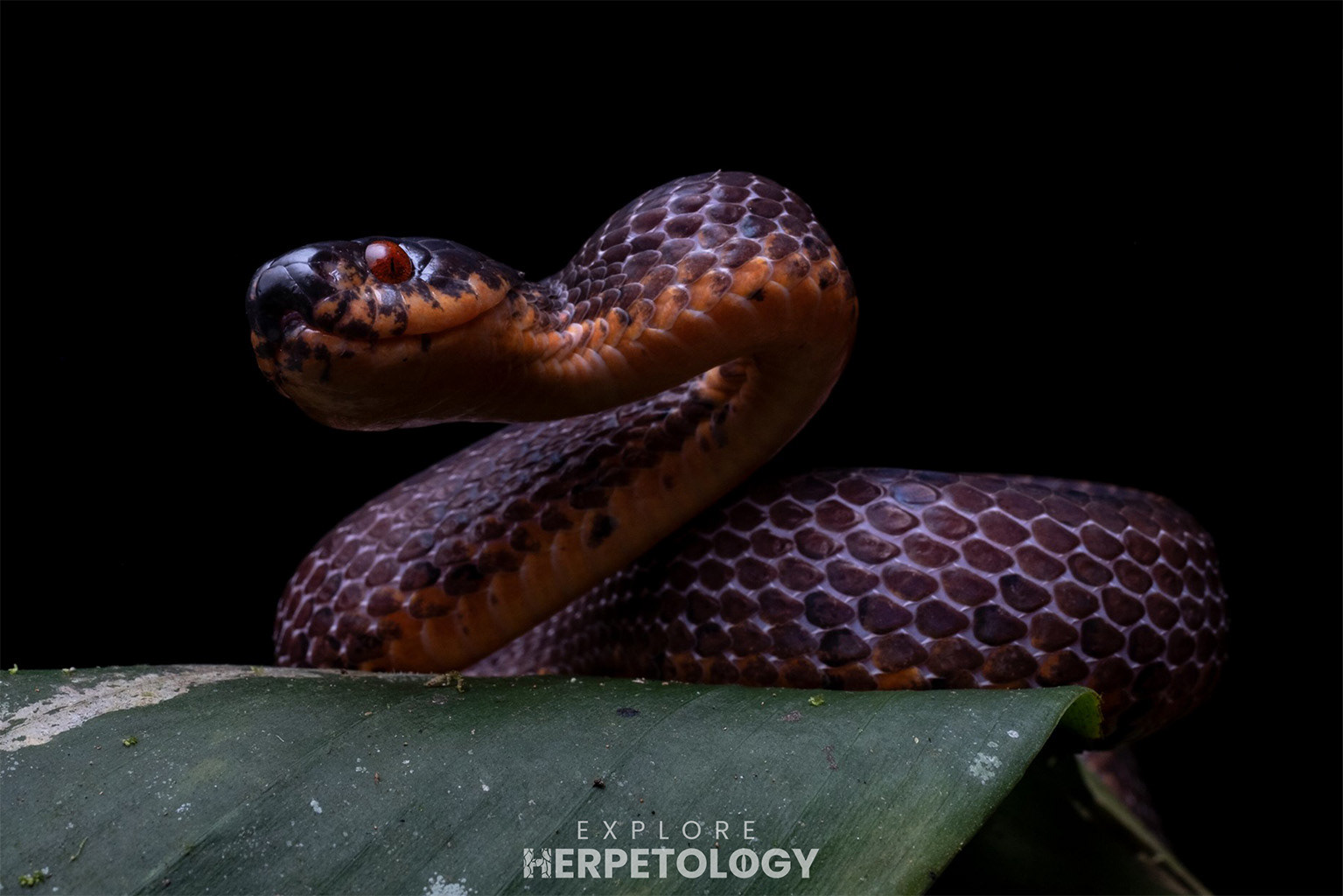
Sumatran slug snake (Asthenodipsas tropidonotus)
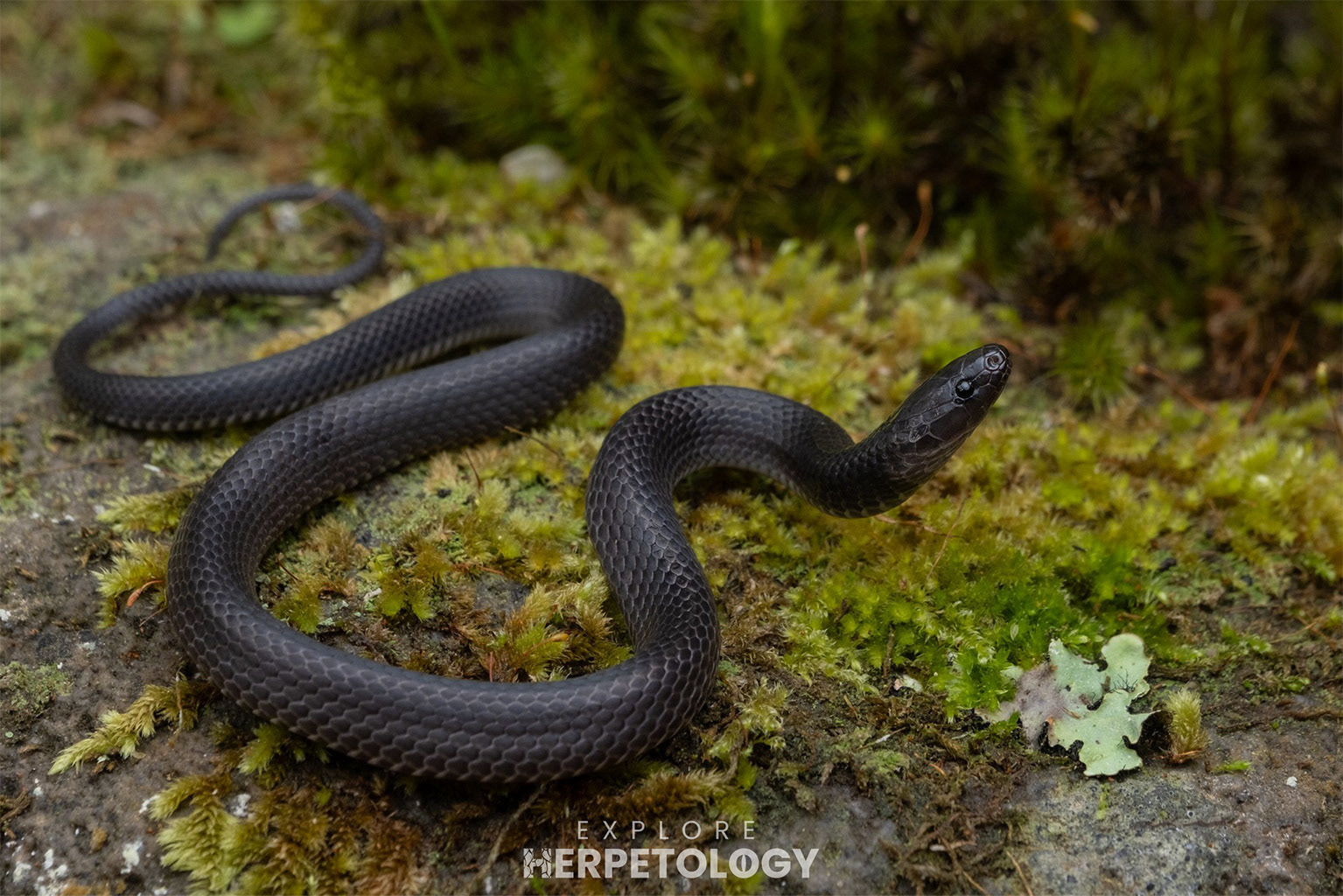
Sumatran mountain snake (Elapoidis sumatrana)
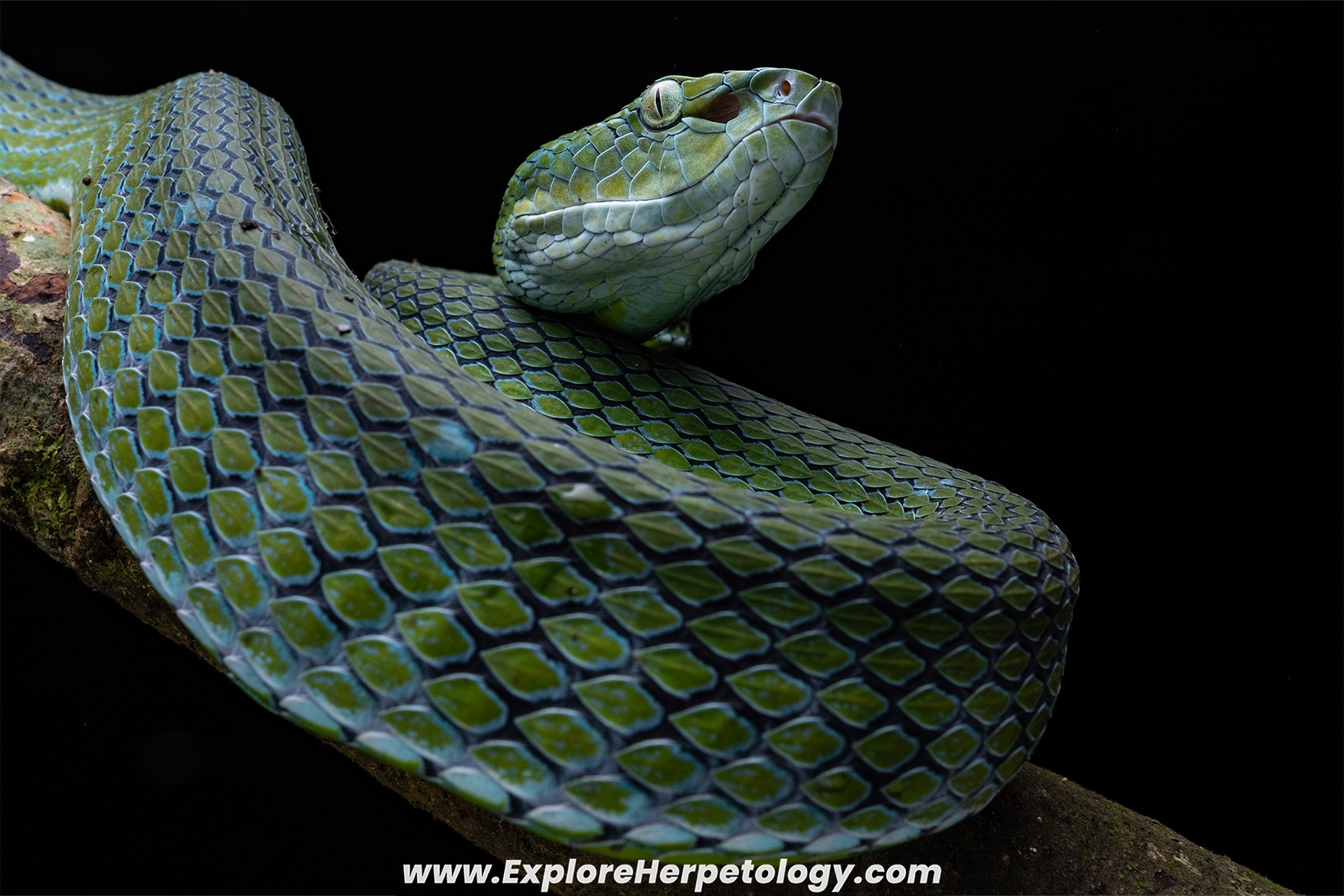
Hagen's pit viper (Trimeresurus hageni).
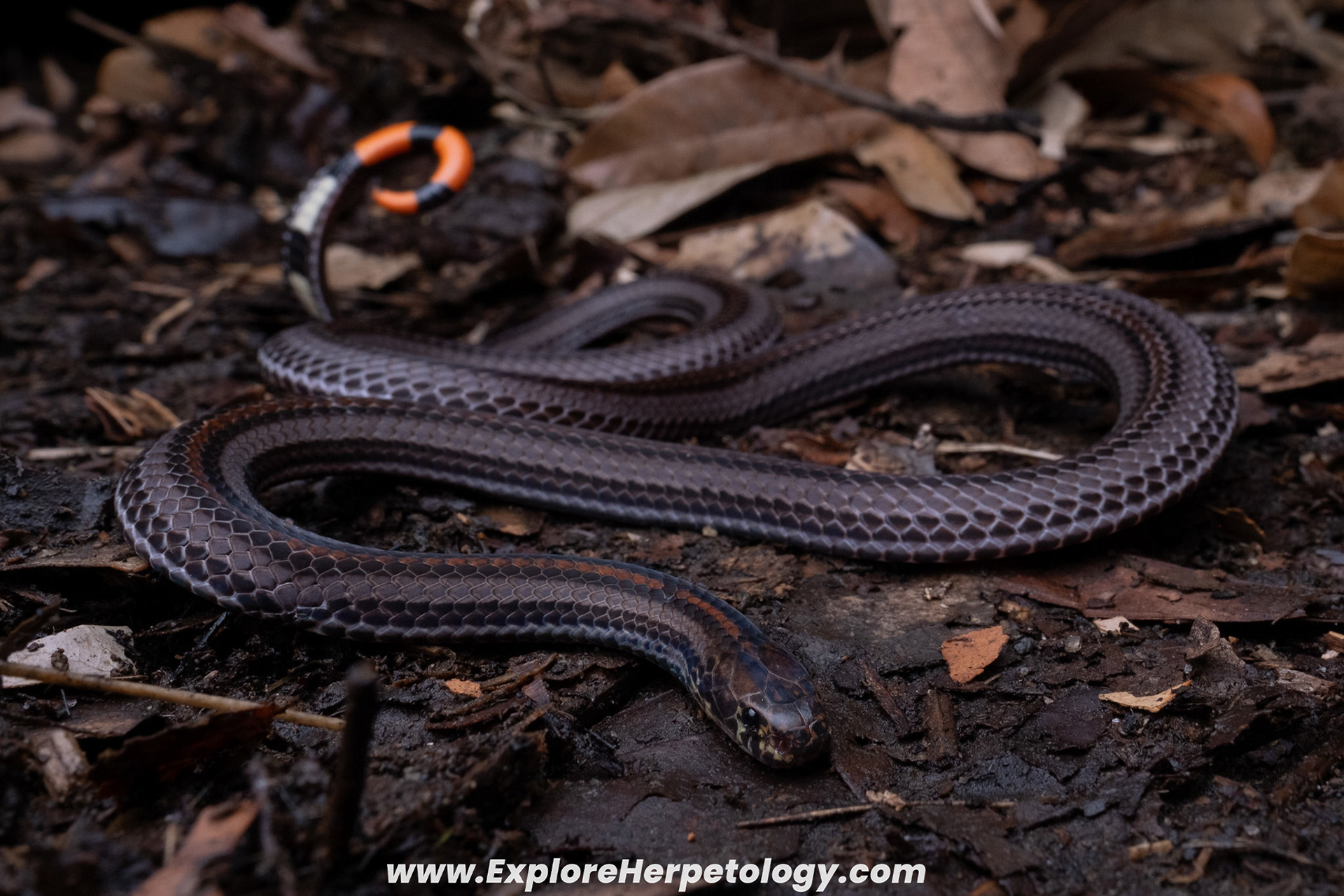
Malayan banded coral snake (Calliophis intestinalis).
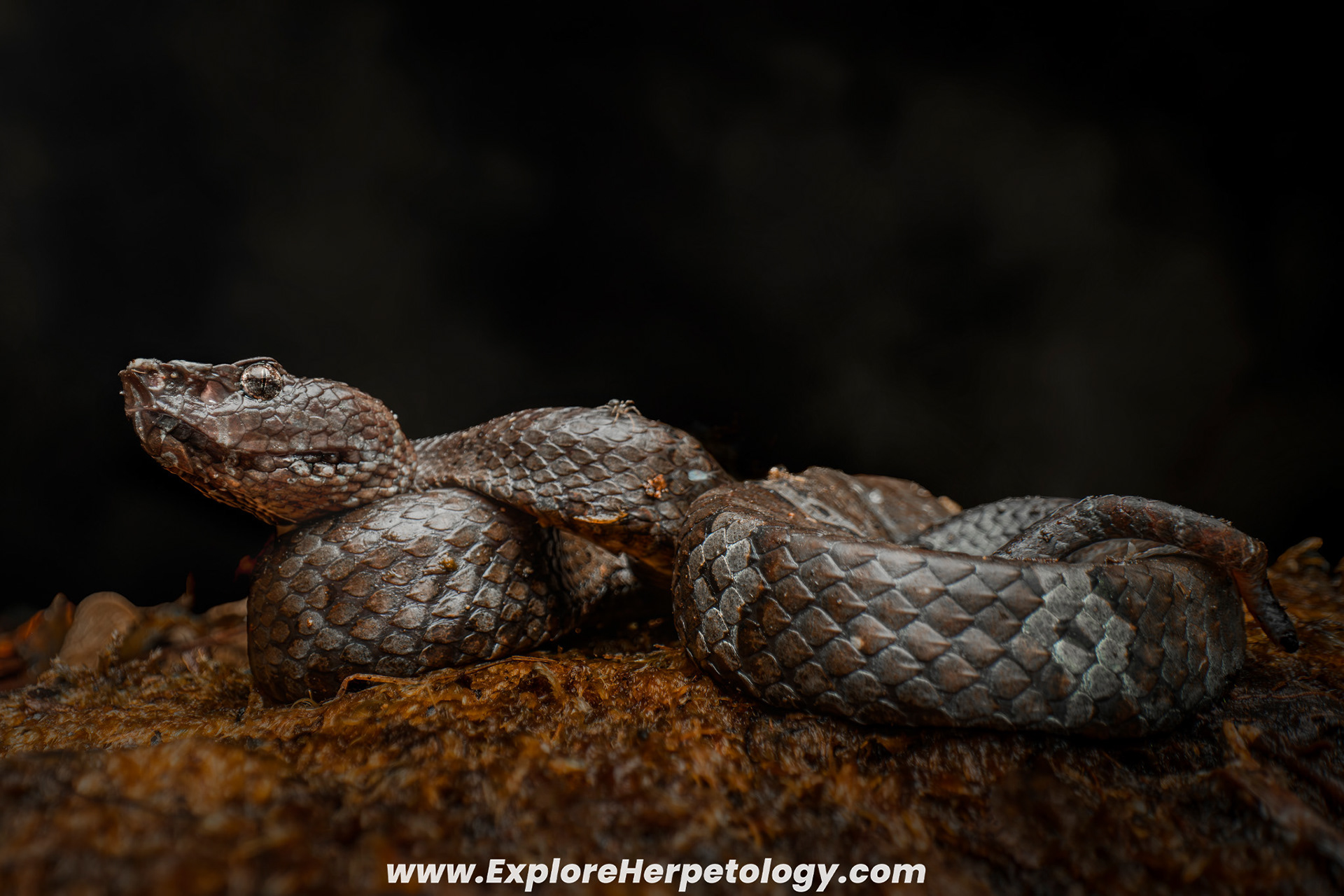
Sumatran leaf-nosed pit viper (Craspedocephalus andalasensis).
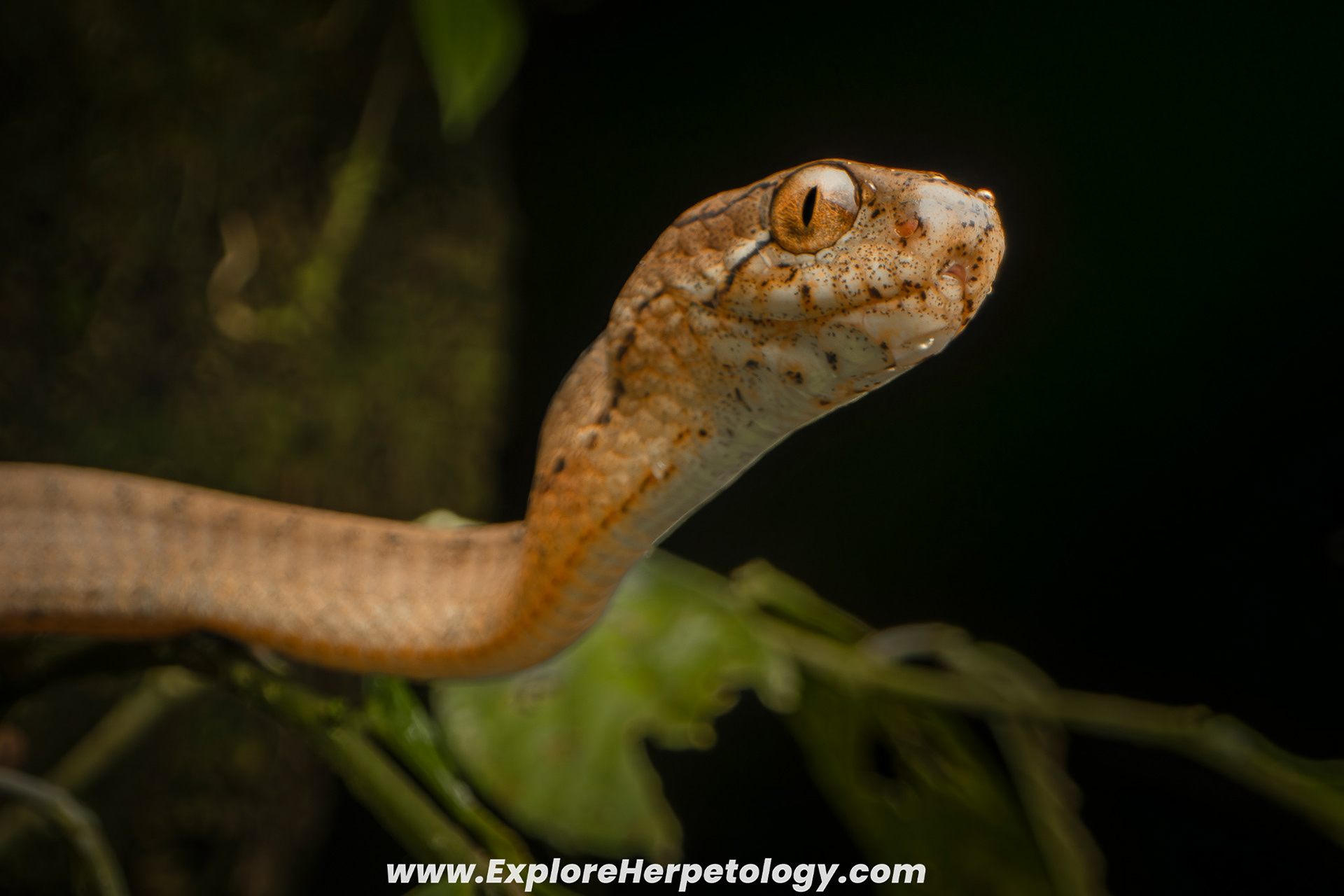
Keeled slug snake (Pareas carinatus).
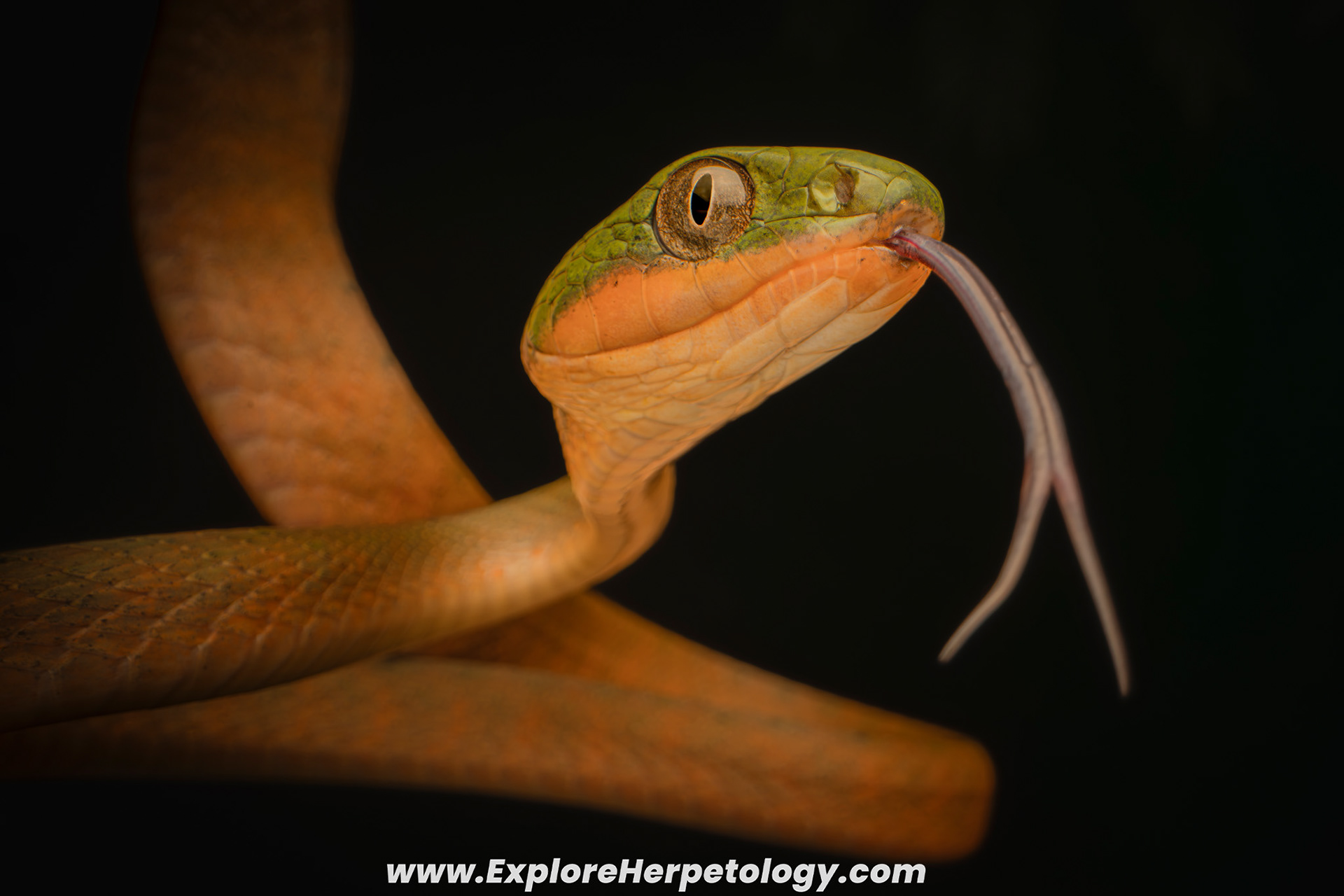
Dark-headed cat snake (Boiga nigriceps).
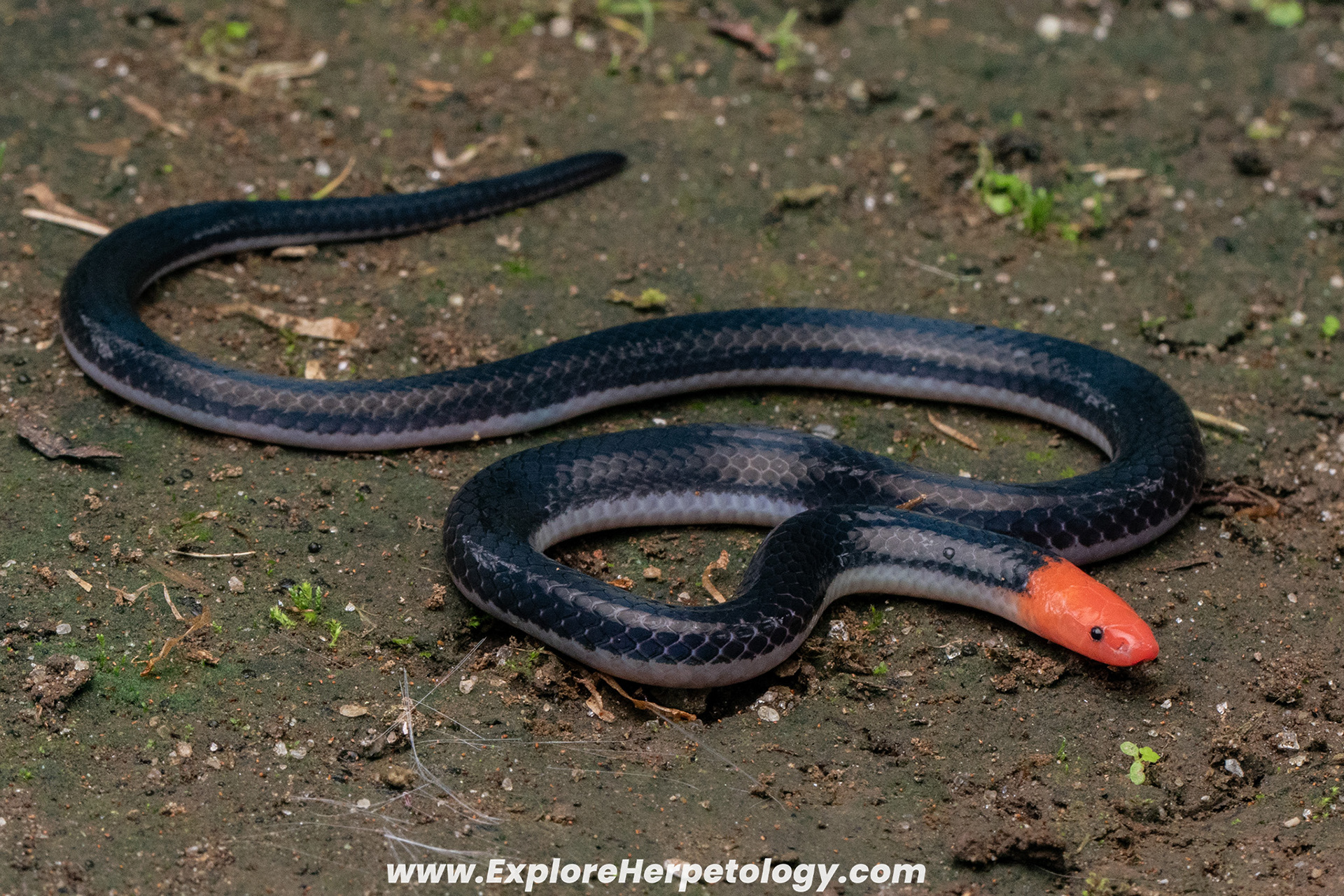
Pink-headed reed snake (Calamaria schlegeli).
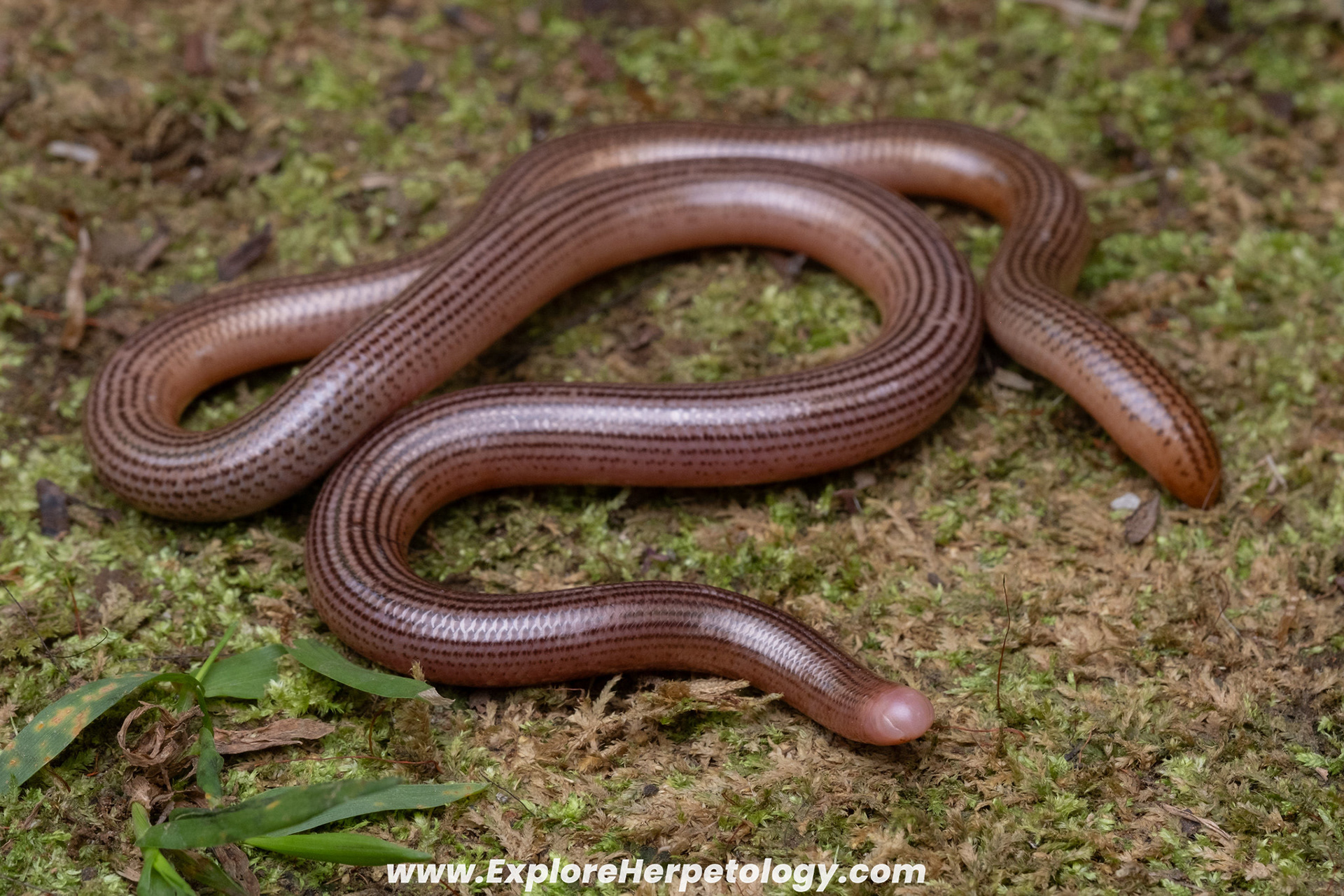
Lined blind snake (Ramphotyphlops lineatus).
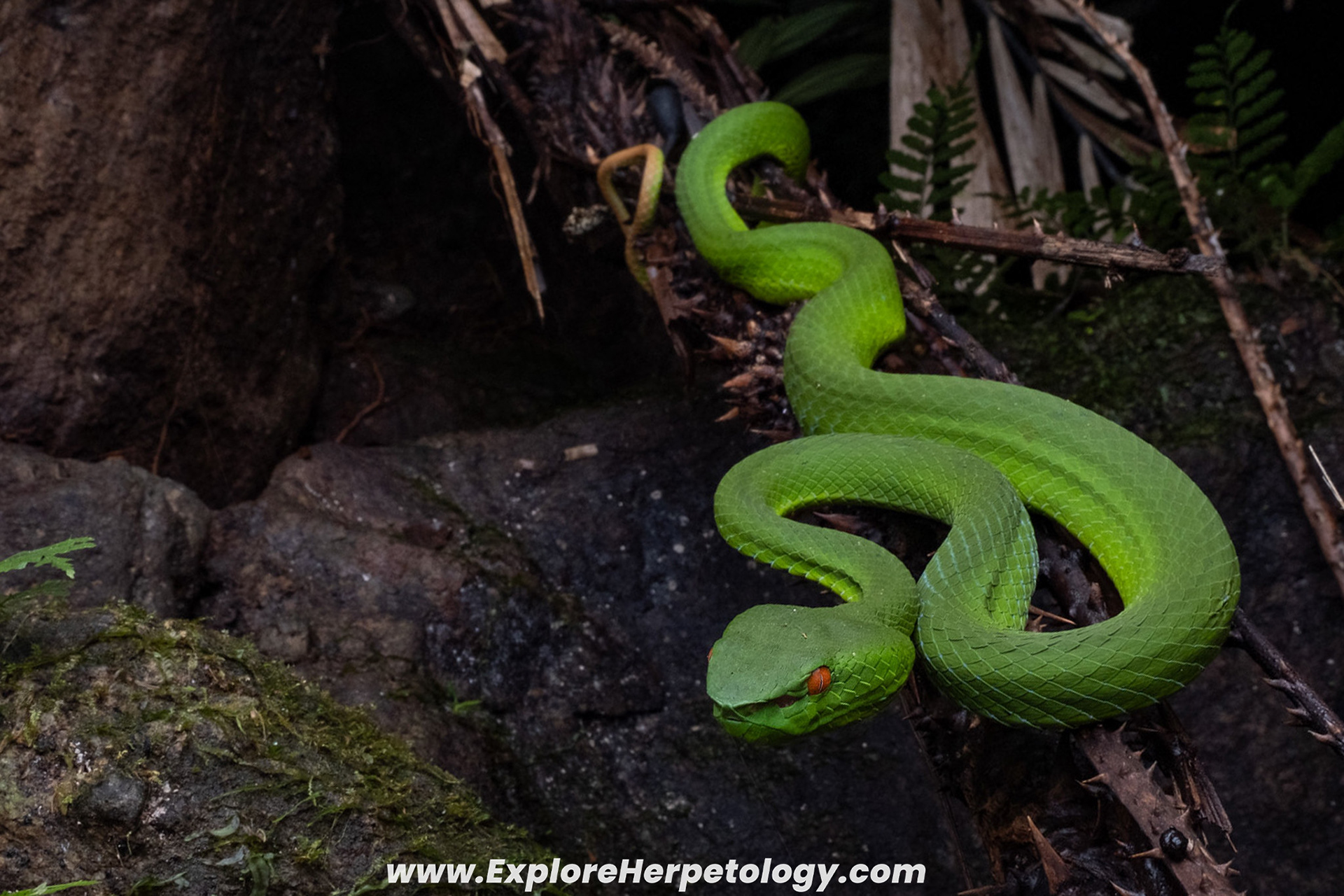
Female Lake Toba pit viper (Trimeresurus sabahi toba).
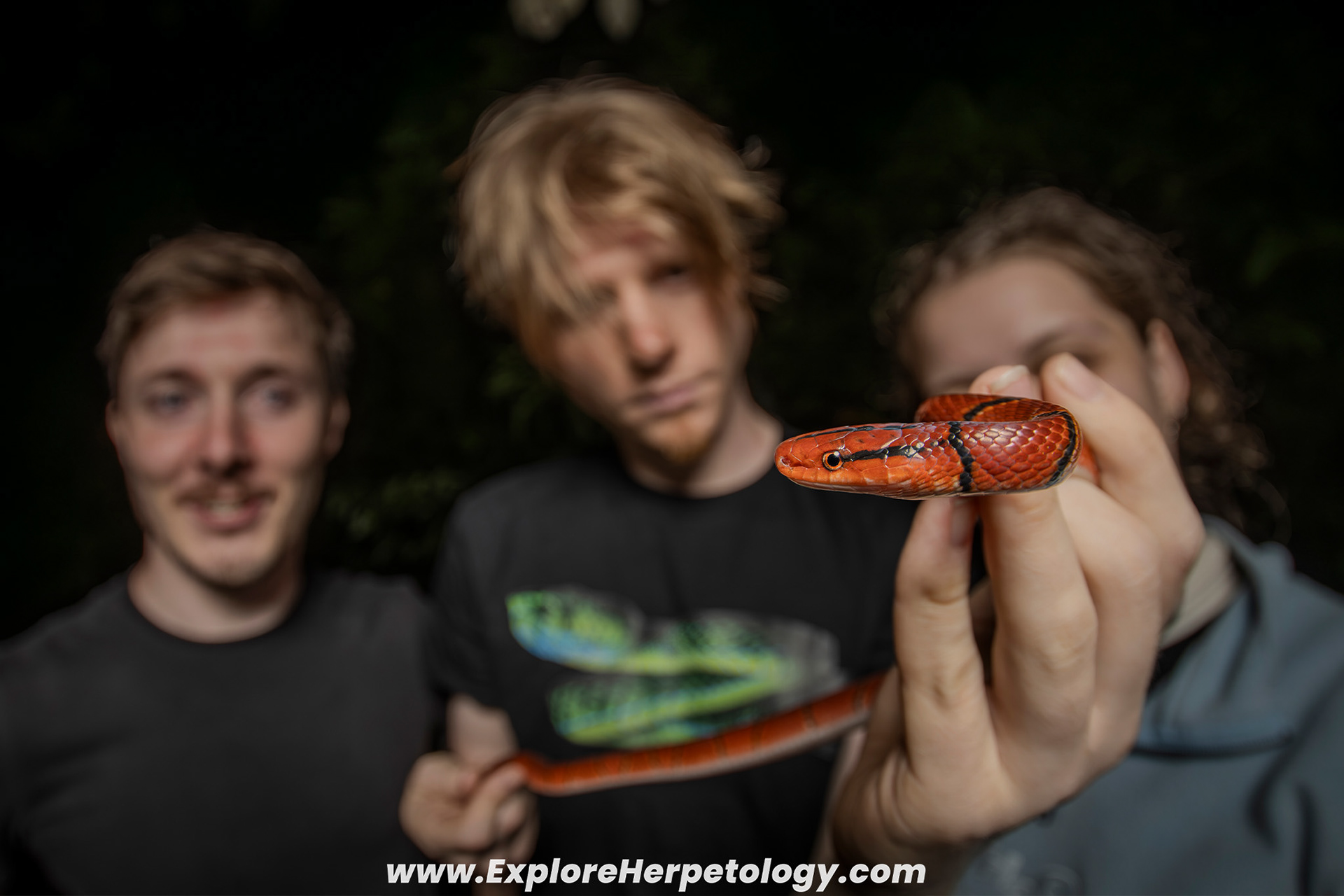
Red bamboo ratsnake (Oreocryptophis porphyracea laticinctus).
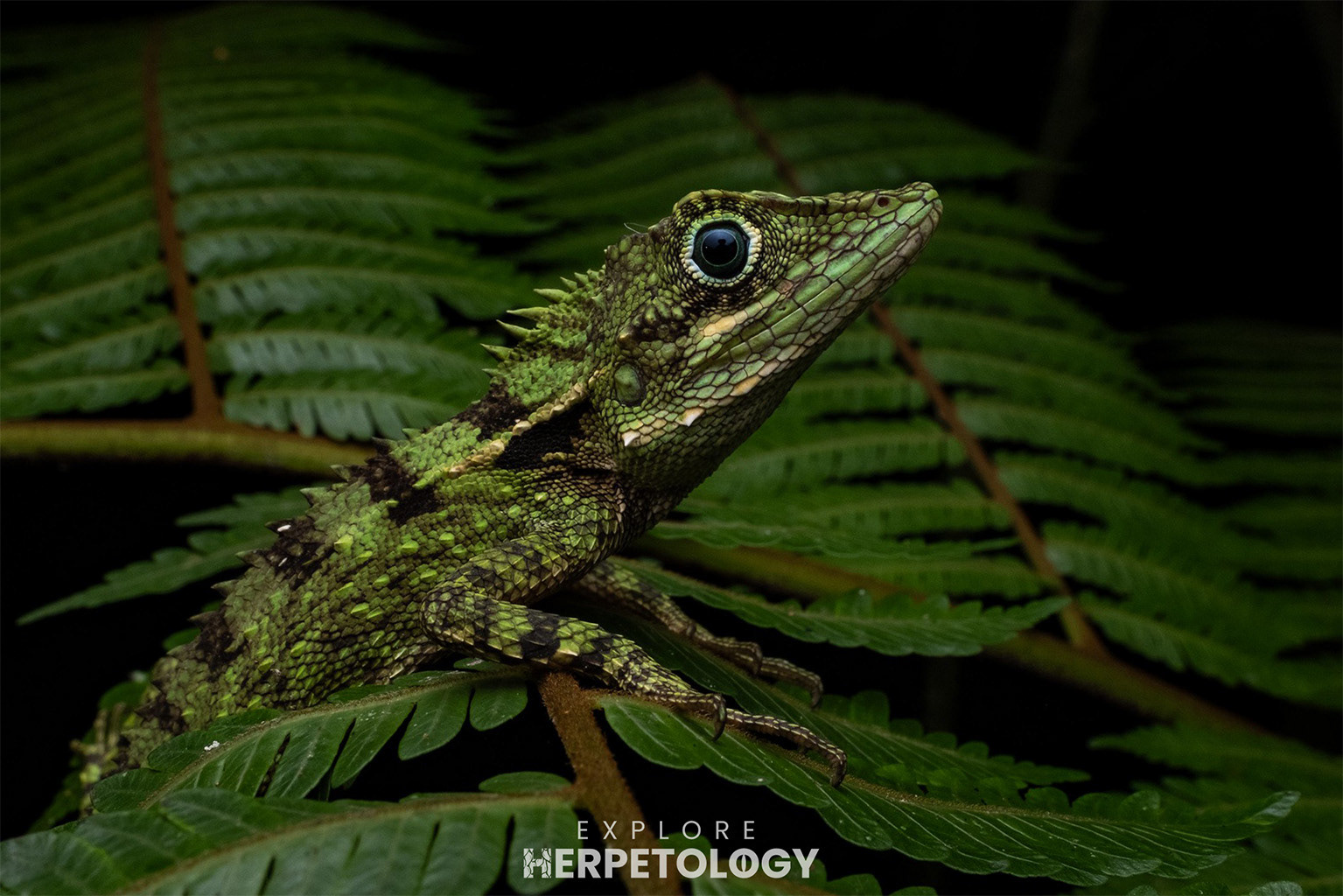
Schneider's mountain agama (Dendragama schneideri)
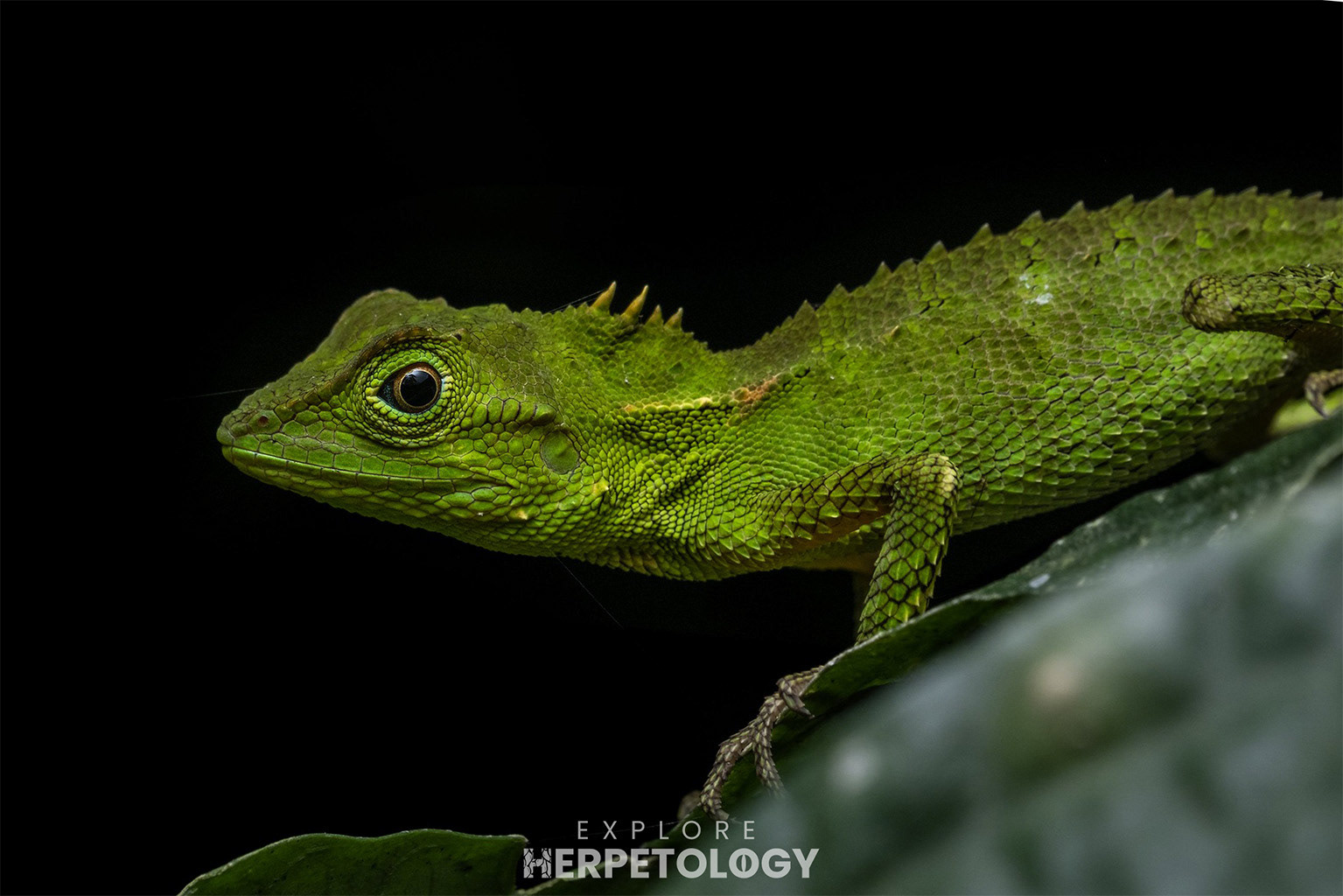
Sumatran mountain agama (Dendragama boulengeri)
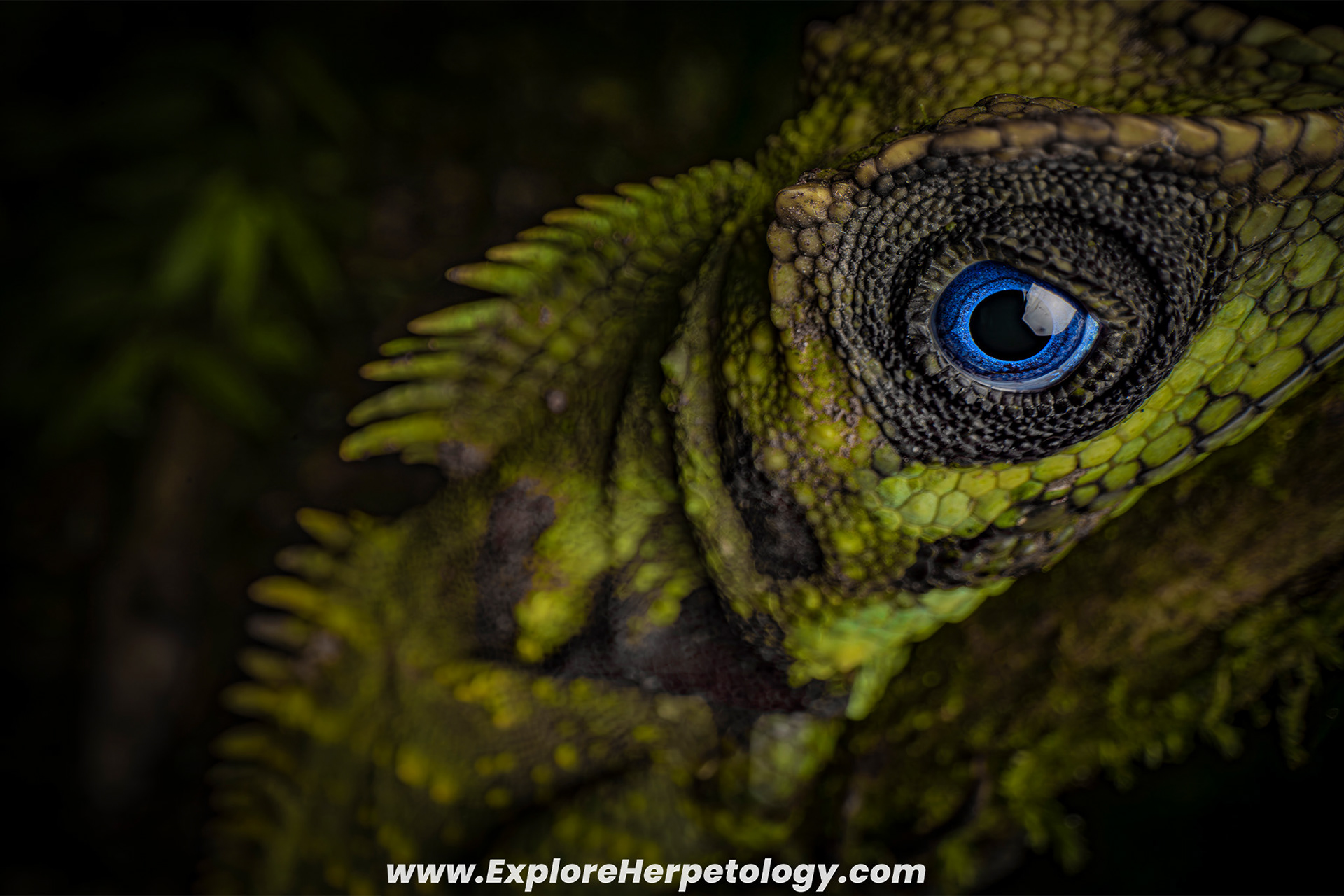
Manthey's mountain lizard (Gonocephalus lacunosus).
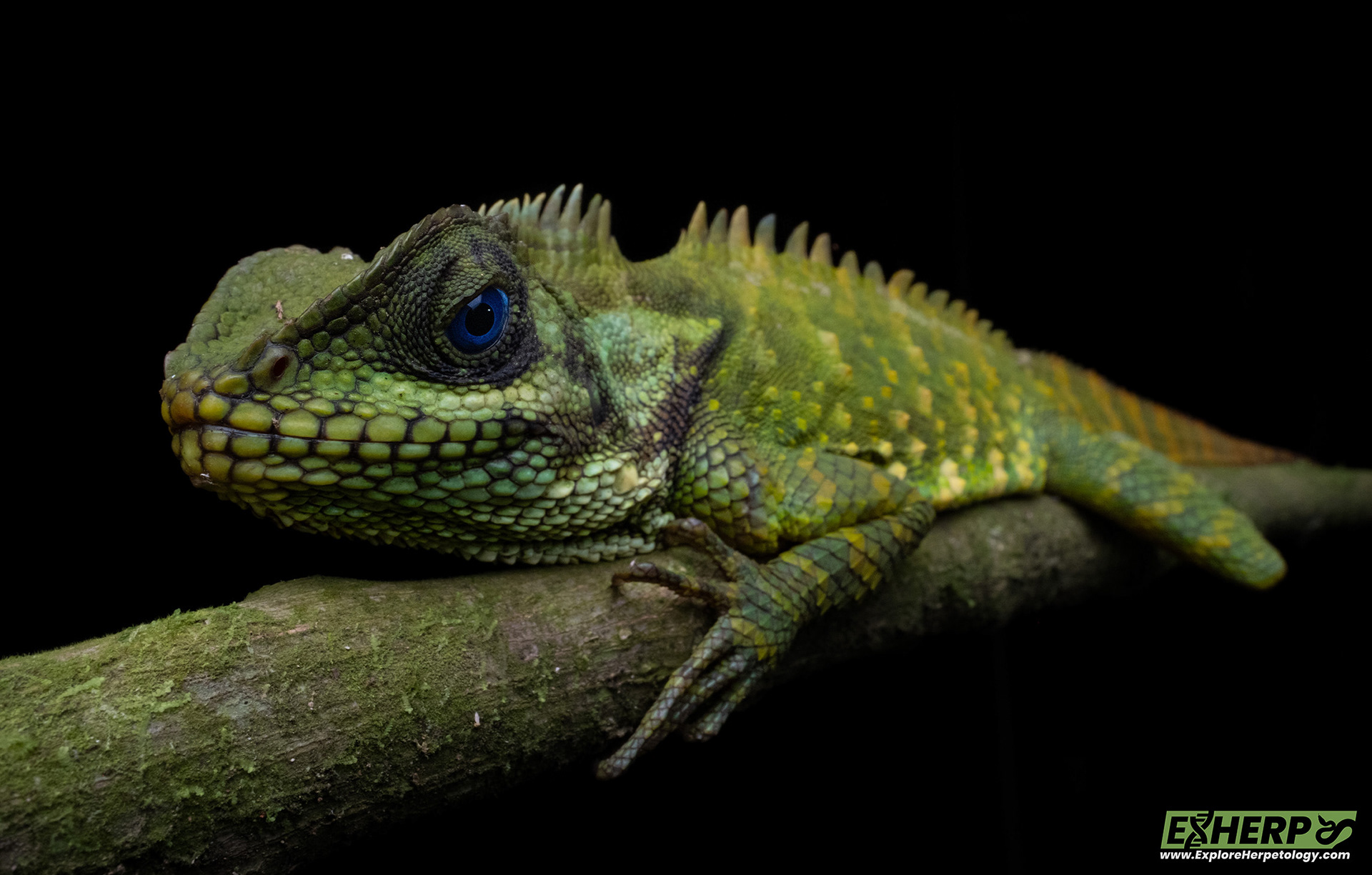
Manthey's mountain lizard (Gonocephalus lacunosus).
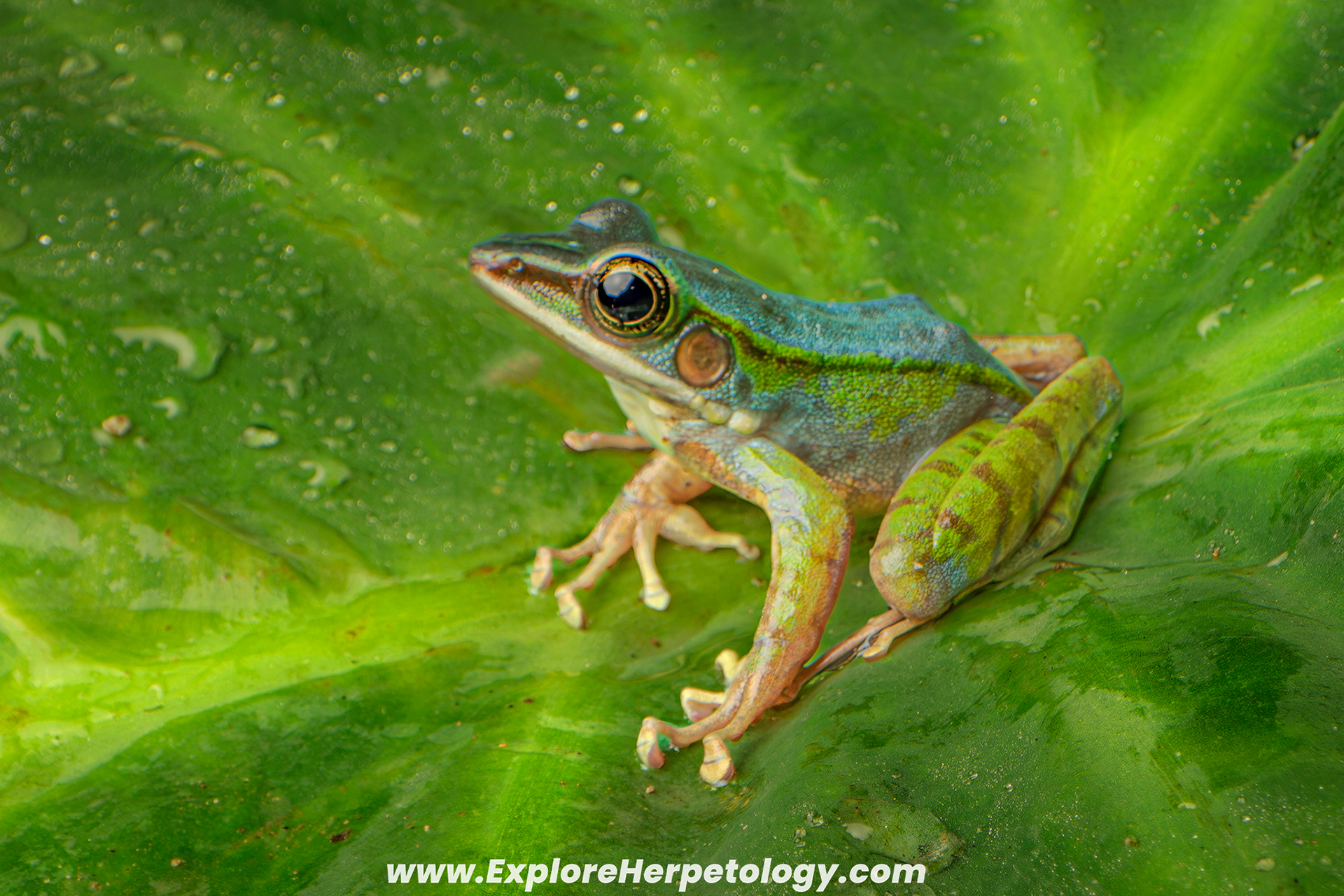
Blue poisonous rock frog (Odorrana hosii)
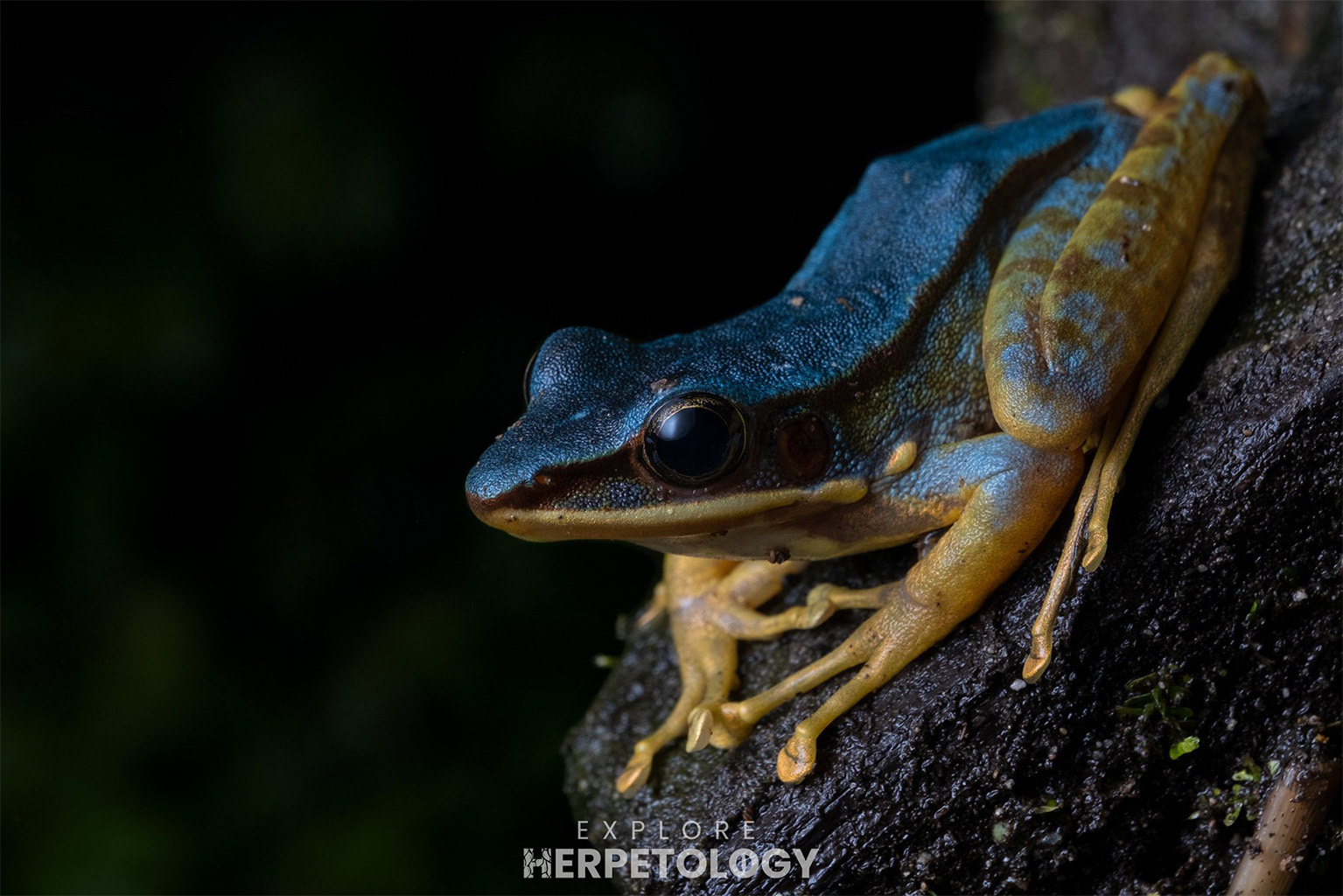
Blue poisonous rock frog (Odorrana hosii)
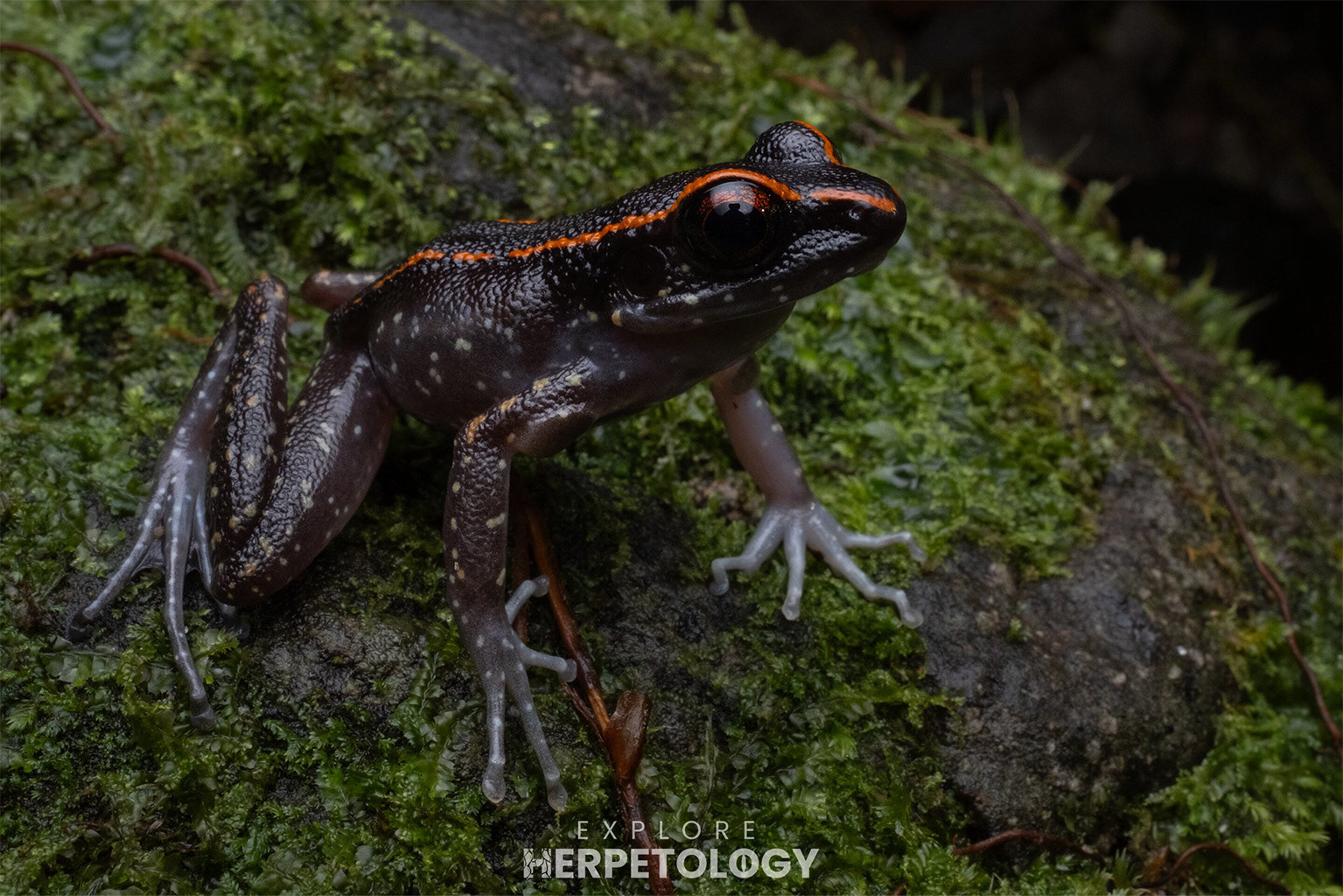
Splendid stream frog (Pulchrana fantastica)
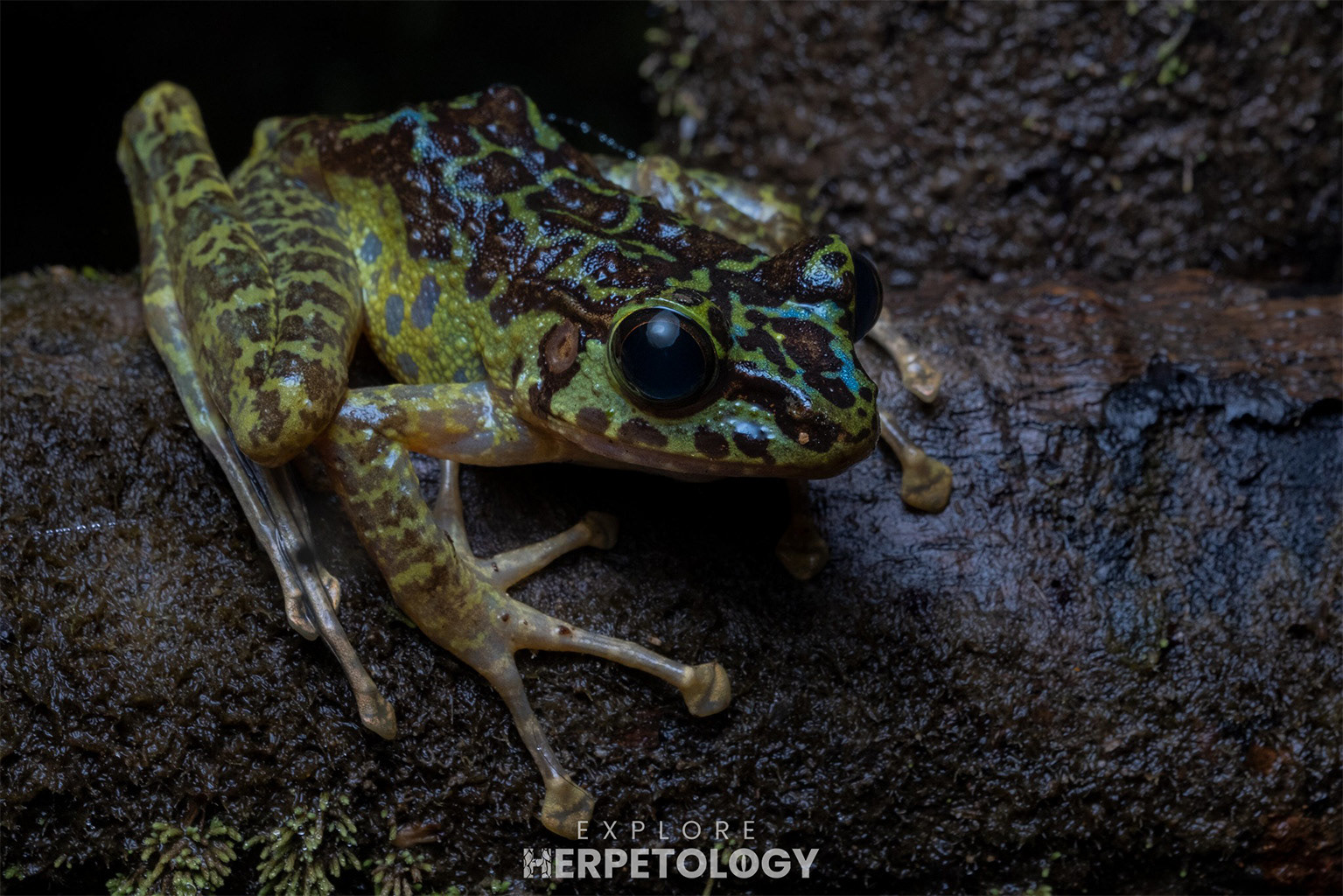
Kerinci cascade frog (Sumaterana crassiovis)
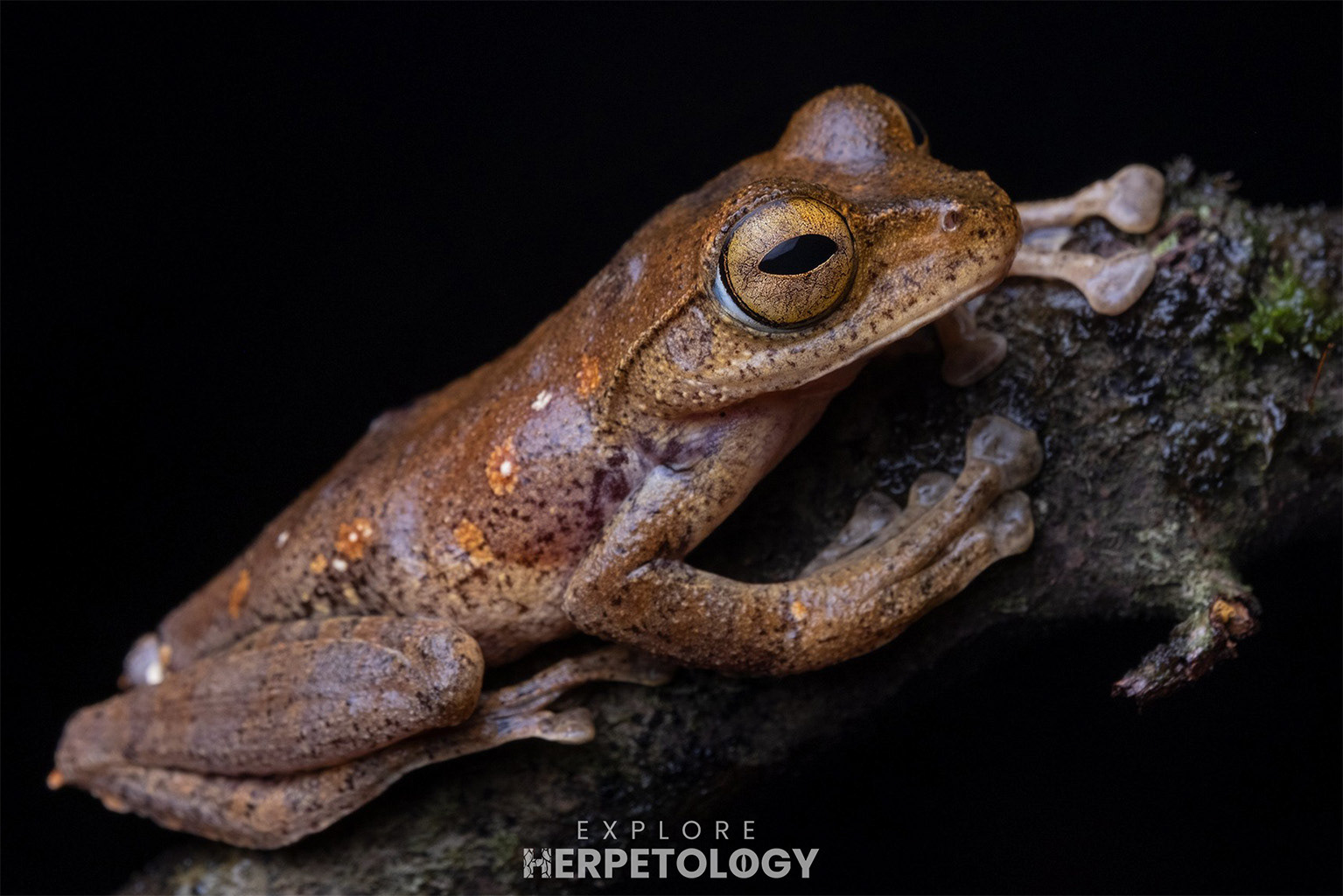
Barasan's flying frog (Rhacophorus barisani)
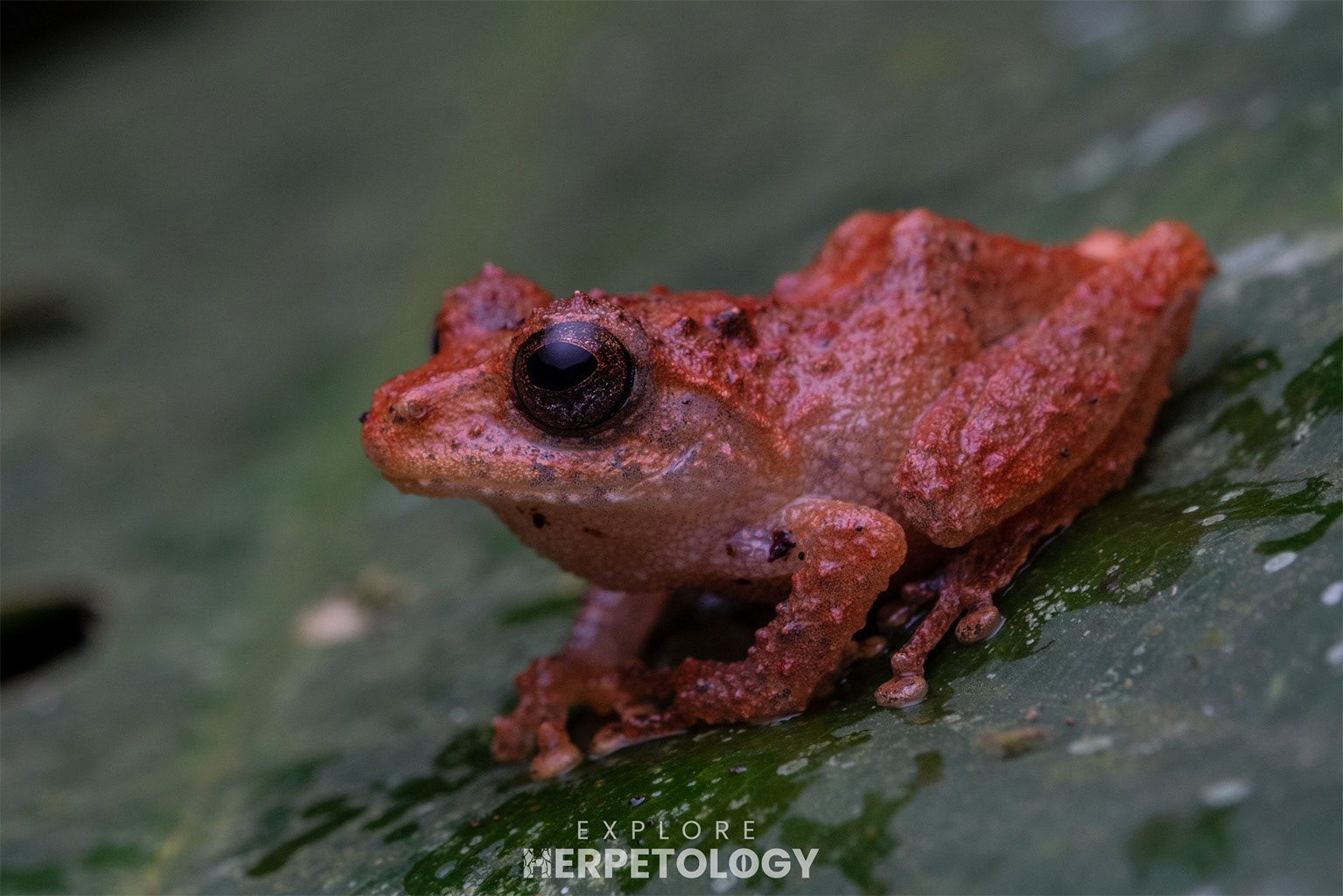
Peter's shrug frog (Philautus pertersi)
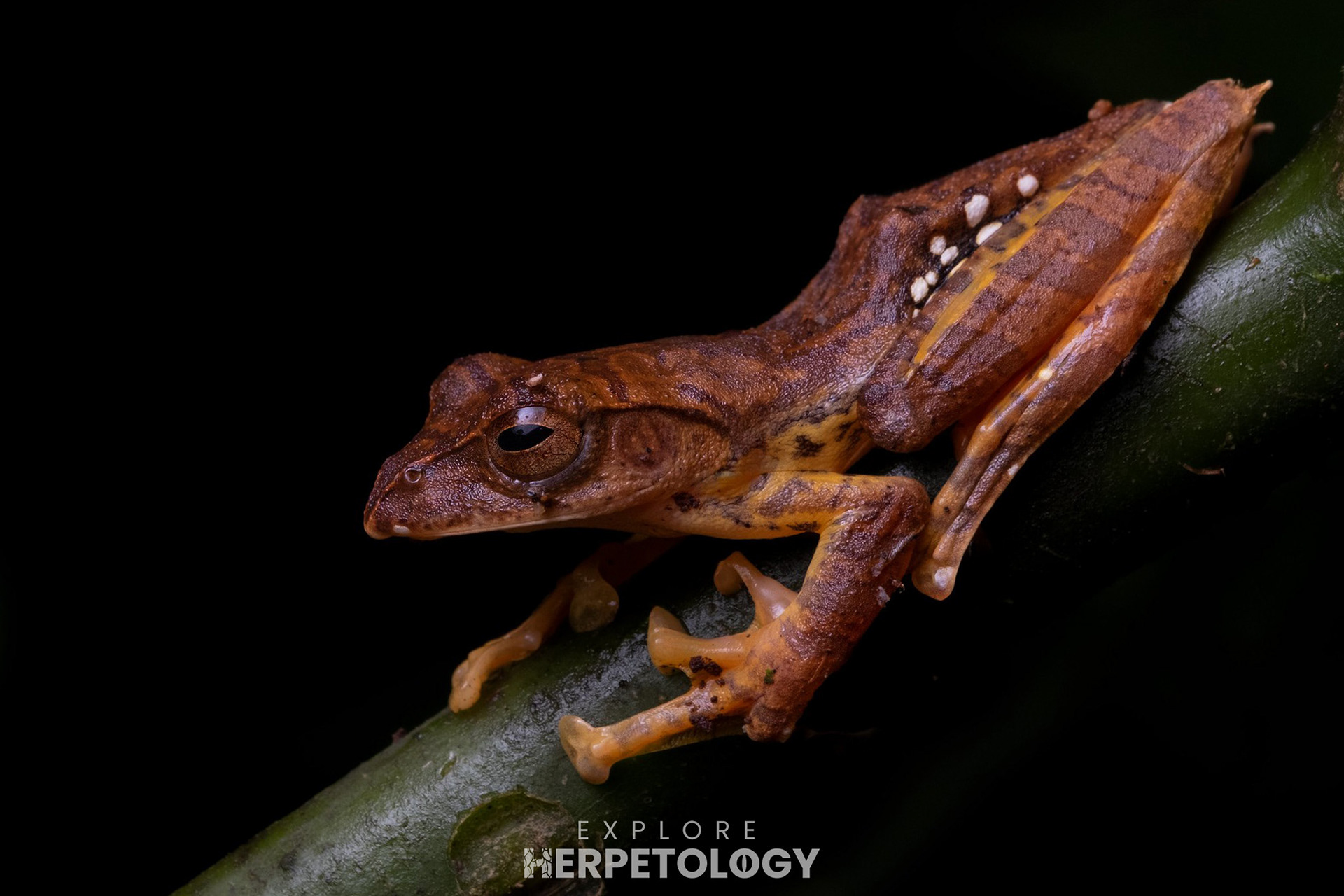
Sumatran sharp-nosed tree frog (Leptomantis pseudacutirostris)
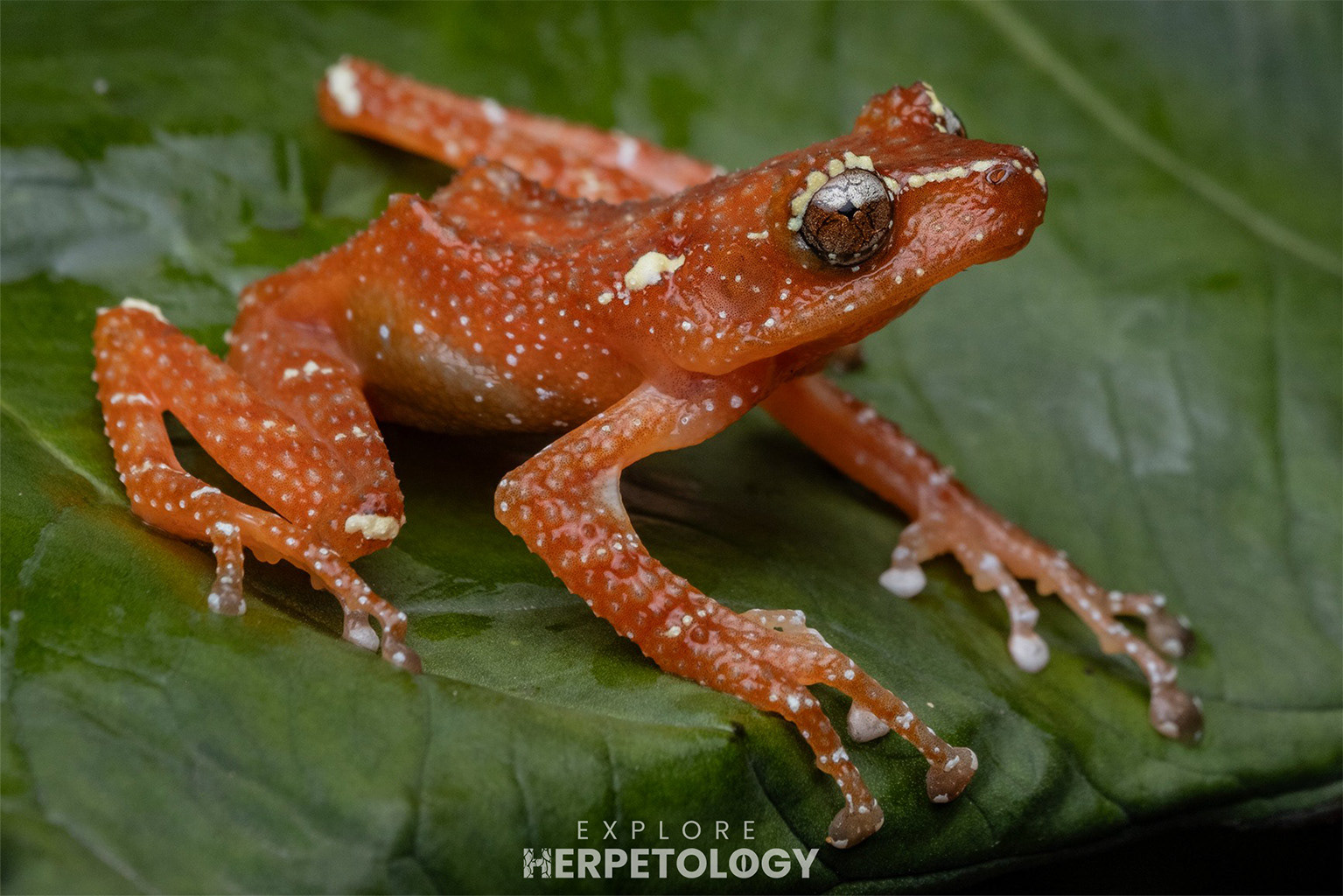
Cinnamon frog (Nyctixalus pictus)
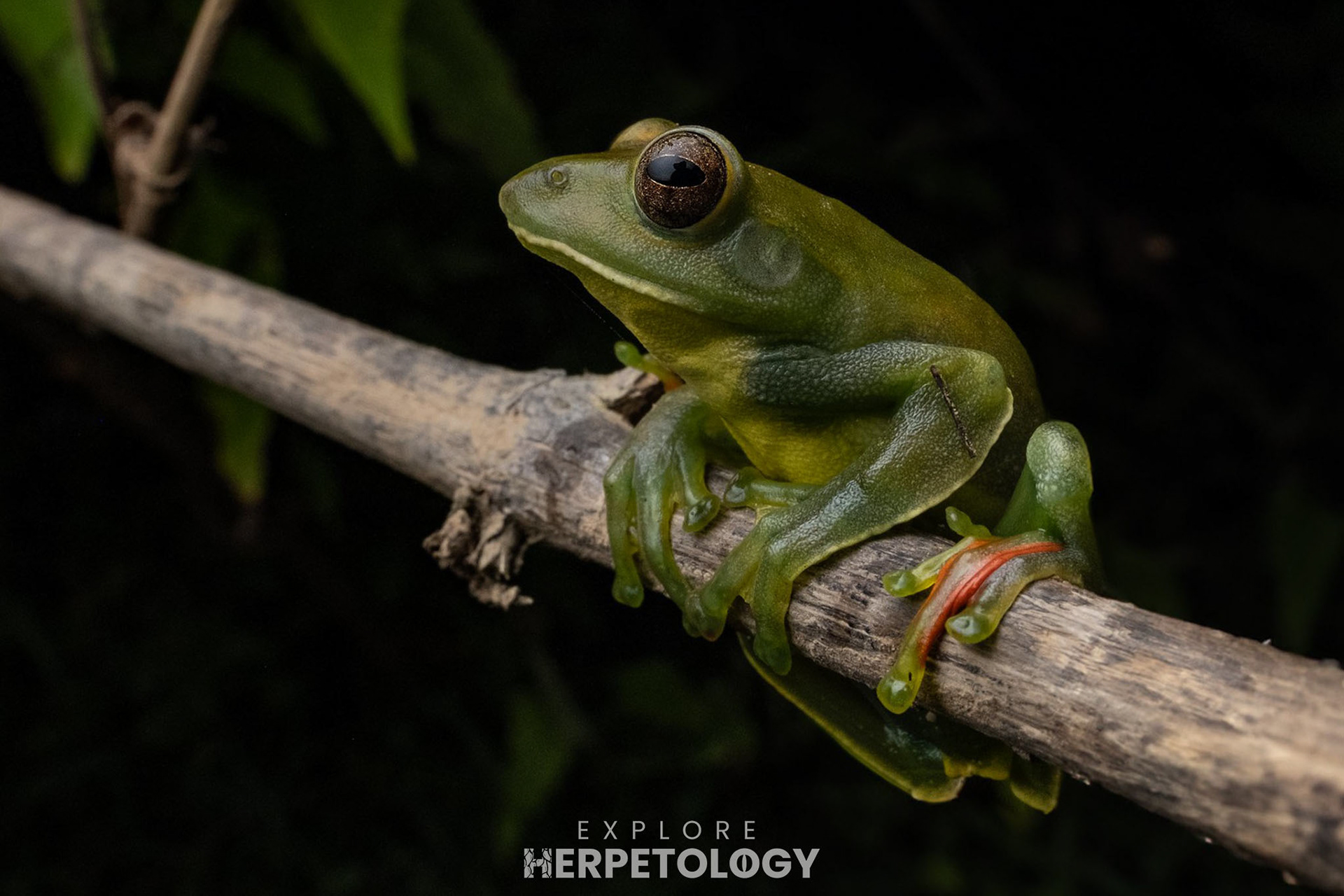
Thorny flying frog (Zhangixalus achantharrhena)
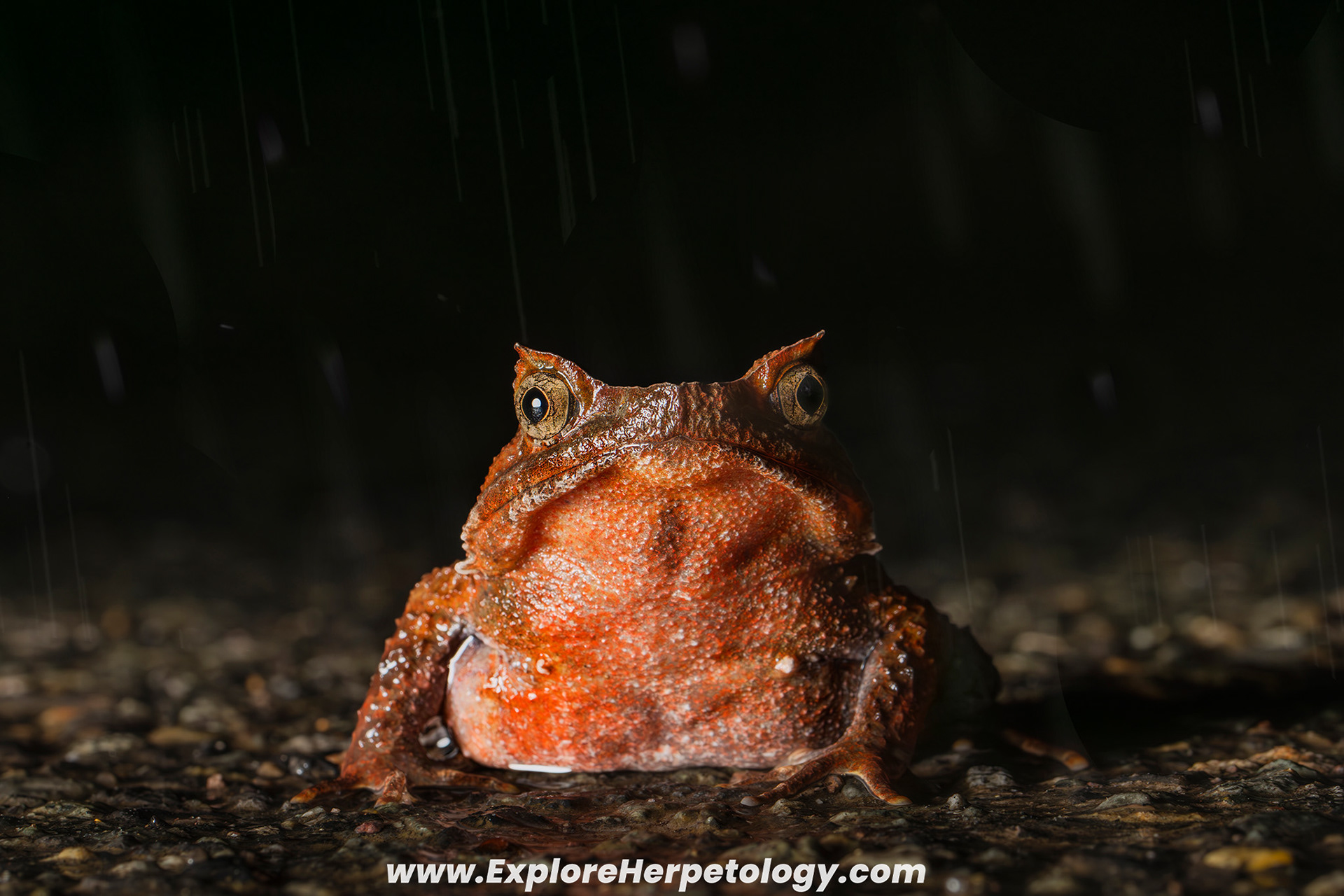
Sumatran horned frog (Megophrys parallela)
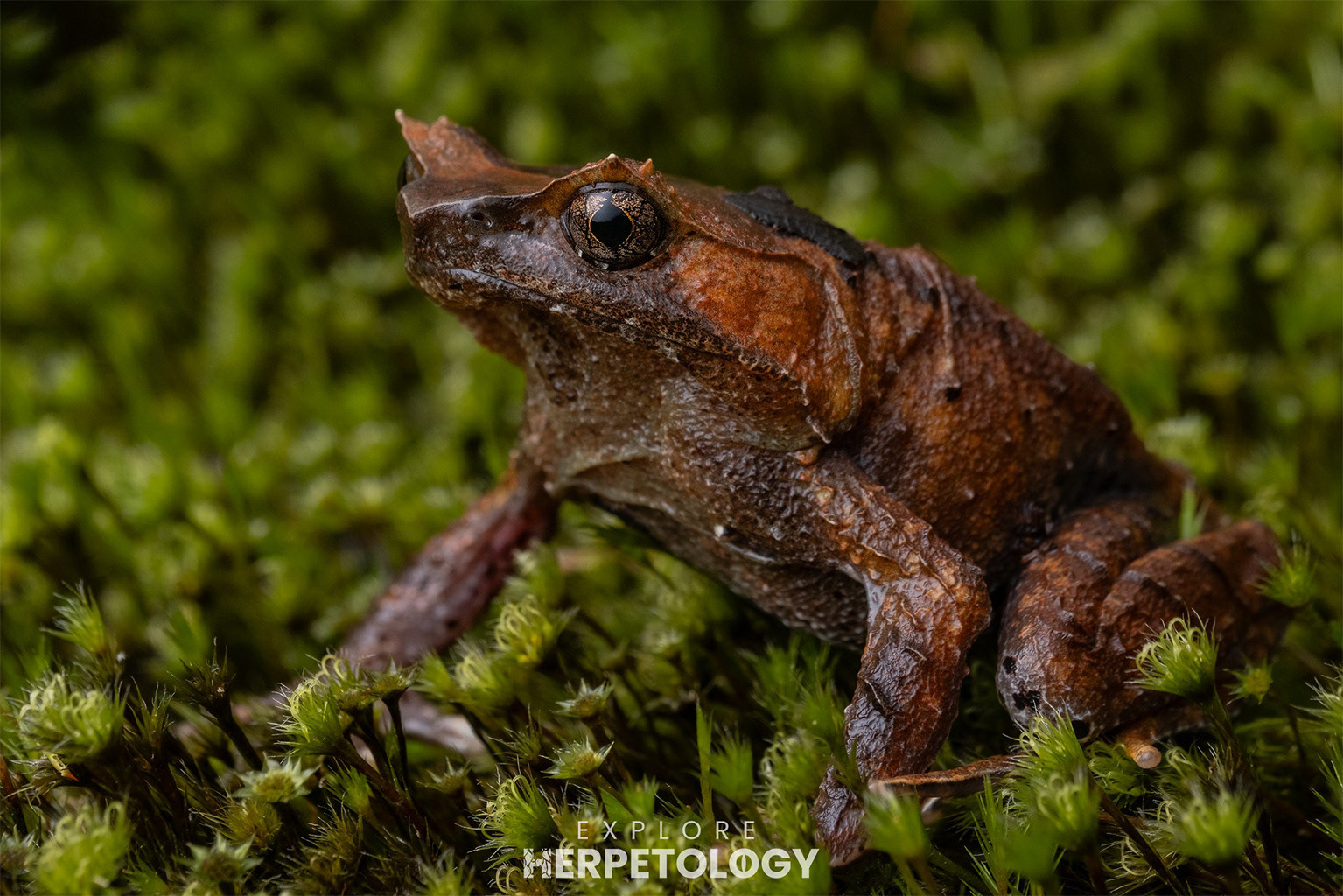
Sumatran horned frog (Megophrys parallela)
Nights 5, 6, 7 & 8: Ketambe
Our next destination is four consecutive nights in the lowlands of Aceh. The elevation here varies from around 400 - 600 meters above sea level, perfect for a seemingly endless diversity of lowland-dwelling species. We will stay in remote rainforest chalets surrounded by primary rainforest, with all the best species right at our doorstep. We mean this literally; in the past, we have found blue coral snake (Calliophis bivirgata ssp.), red-headed krait (Bungarus flaviceps), Wagler's pit viper (Tropidolaemus wagleri), dragon snake (Xenodermus javanicus) and a six metre reticulated python all in the vicinity of our chalets. There is an abandoned swimming pool in the garden which regularly has breeding flying frogs (Rhacophorus/Zhangixalus sp.), while the impressive Chameleon angle-headed lizard (Gonocephalus cf. chameleotinus), Kuhl's gliding gecko (Gekko kuhli) and Sumatran earless agama (Aphaniotis acutirostris) are also regular sightings around the lodge. Moreover, we have also sighted orangutans, sun bears, and other mammals in the grounds
The primary rainforests of Aceh are the best place to find the lowland leaf-nosed pit viper (Craspedocephalus cf. borneensis), which has pronounced ridges above the eye and an extremely elongated snout. We can observe this species ambushing around dead logs and large trees or moving after heavy rain, and it will be one of our biggest targets during our stay. This area is fantastic for large Hagen's pit vipers (Trimeresurus hageni), many of which have strong banding at this locality. Ketambe is the best location to continuously add new species to our trip list, and we will enjoy exploring the myriad of primary rainforest trails on a daily basis in order to maximise our encounters.
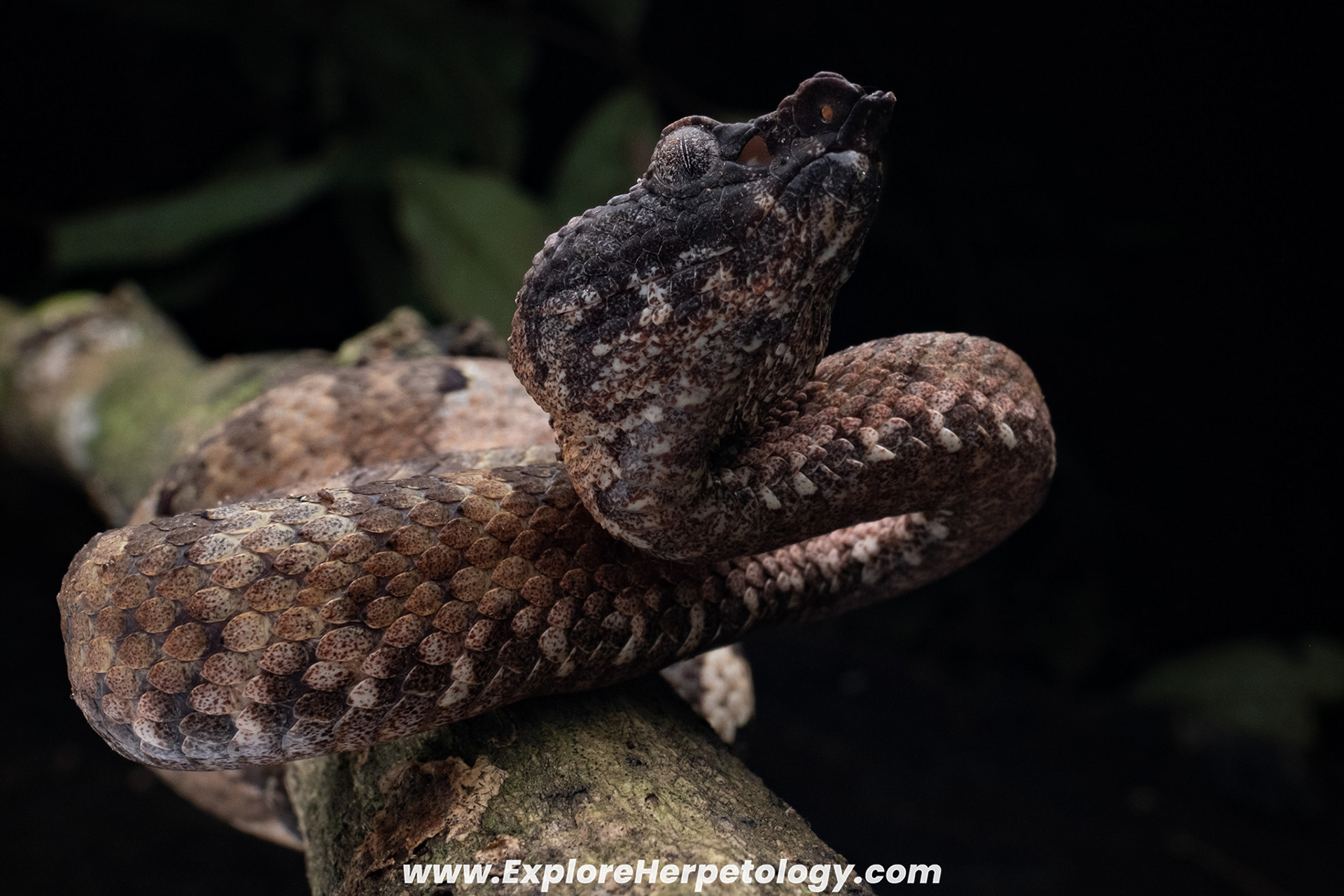
Lowland leaf-nosed pit viper (Craspedocephalus cf. borneensis).
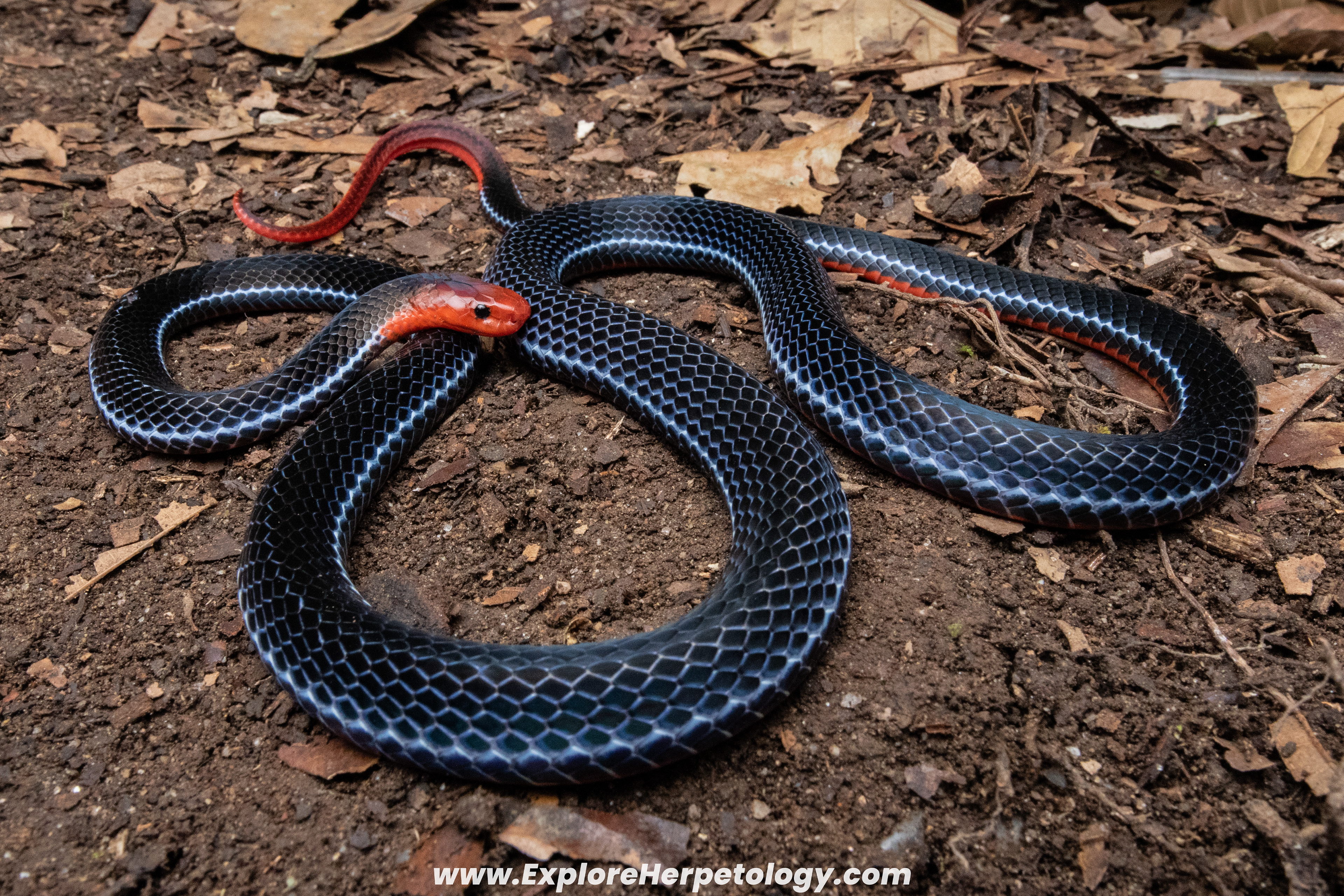
Blue coral snake (Calliophis bivirgata).
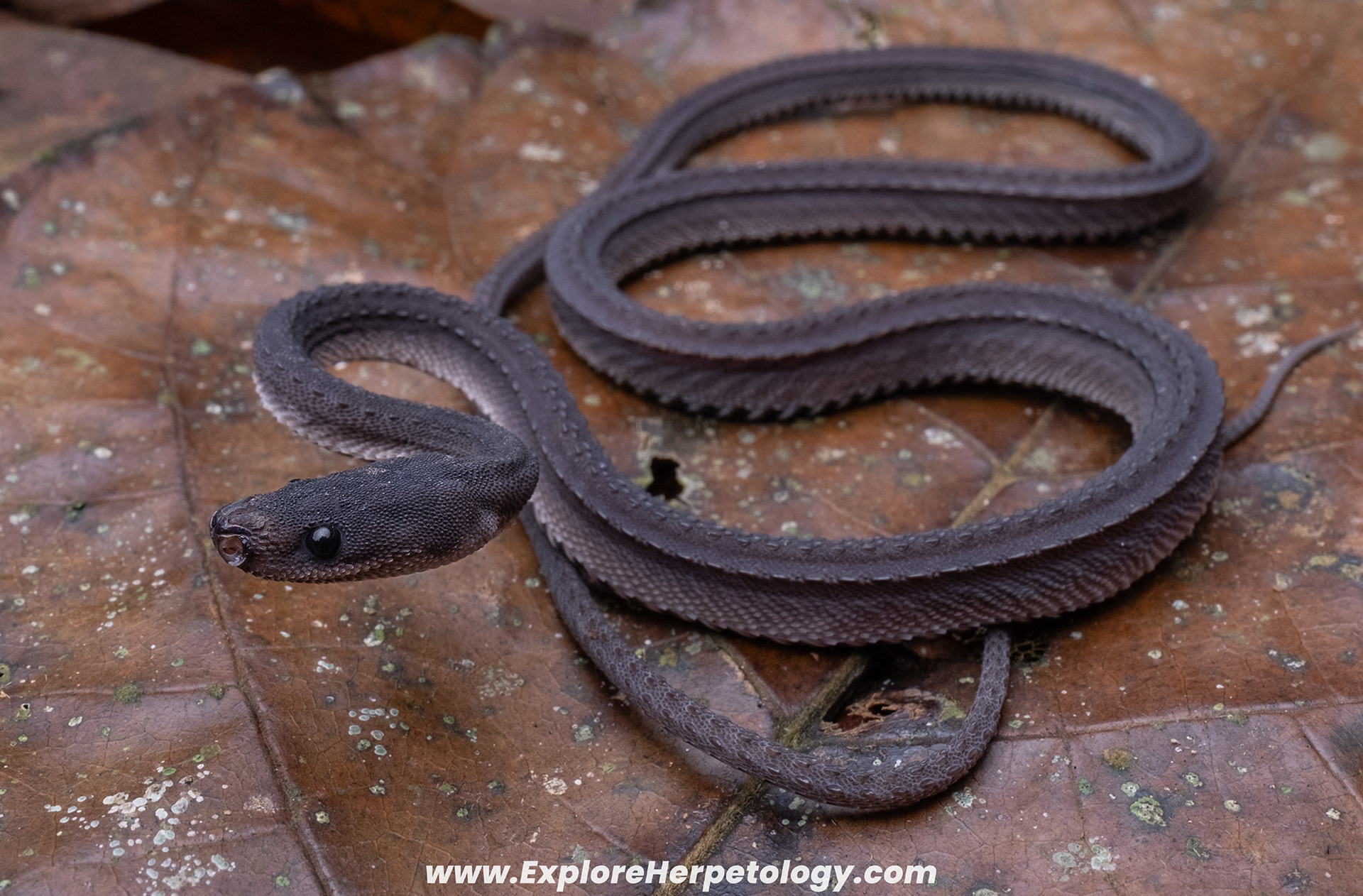
Dragon snake (Xenodermus javanicus).
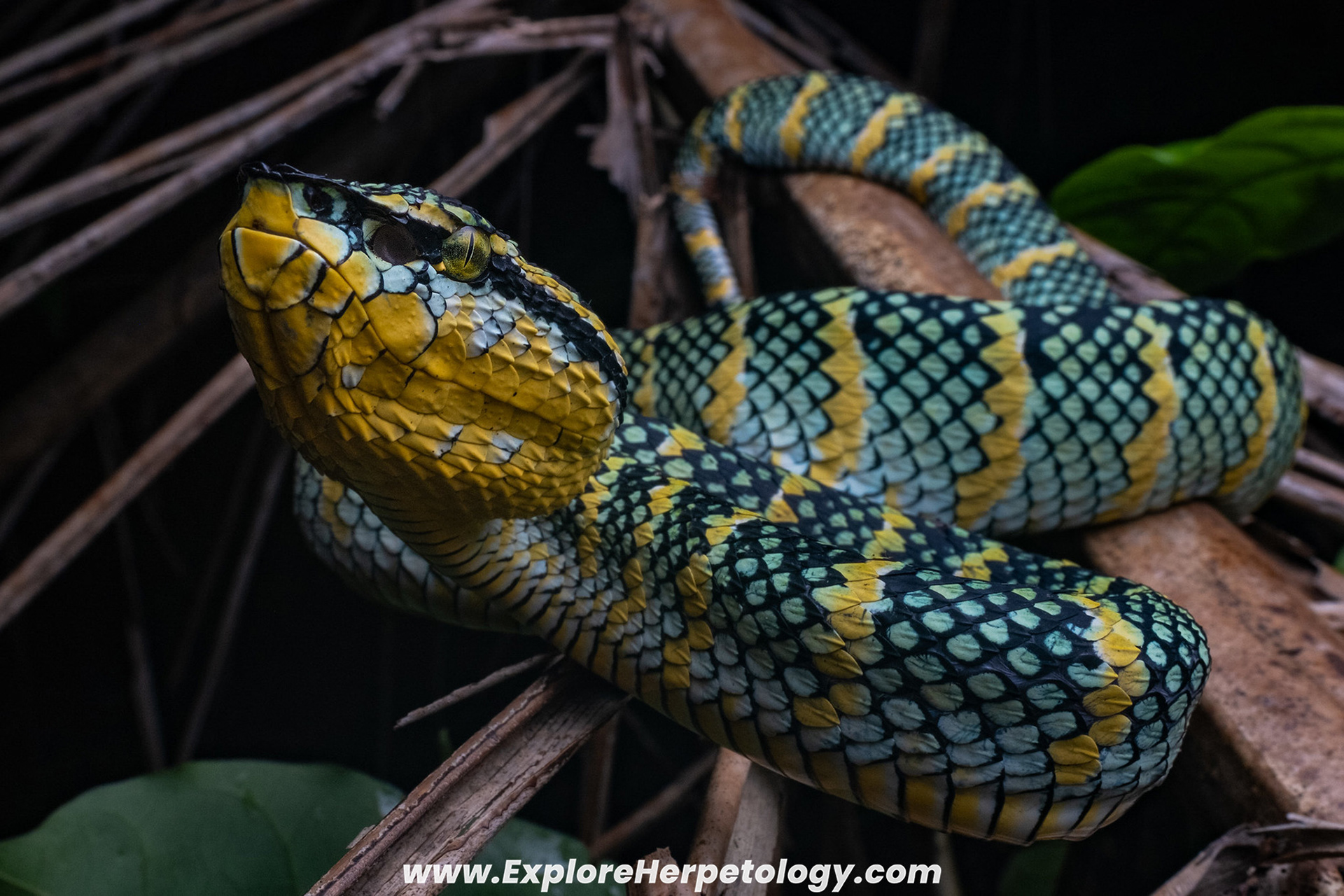
Wagler's pit viper (Tropidolaemus wagleri).
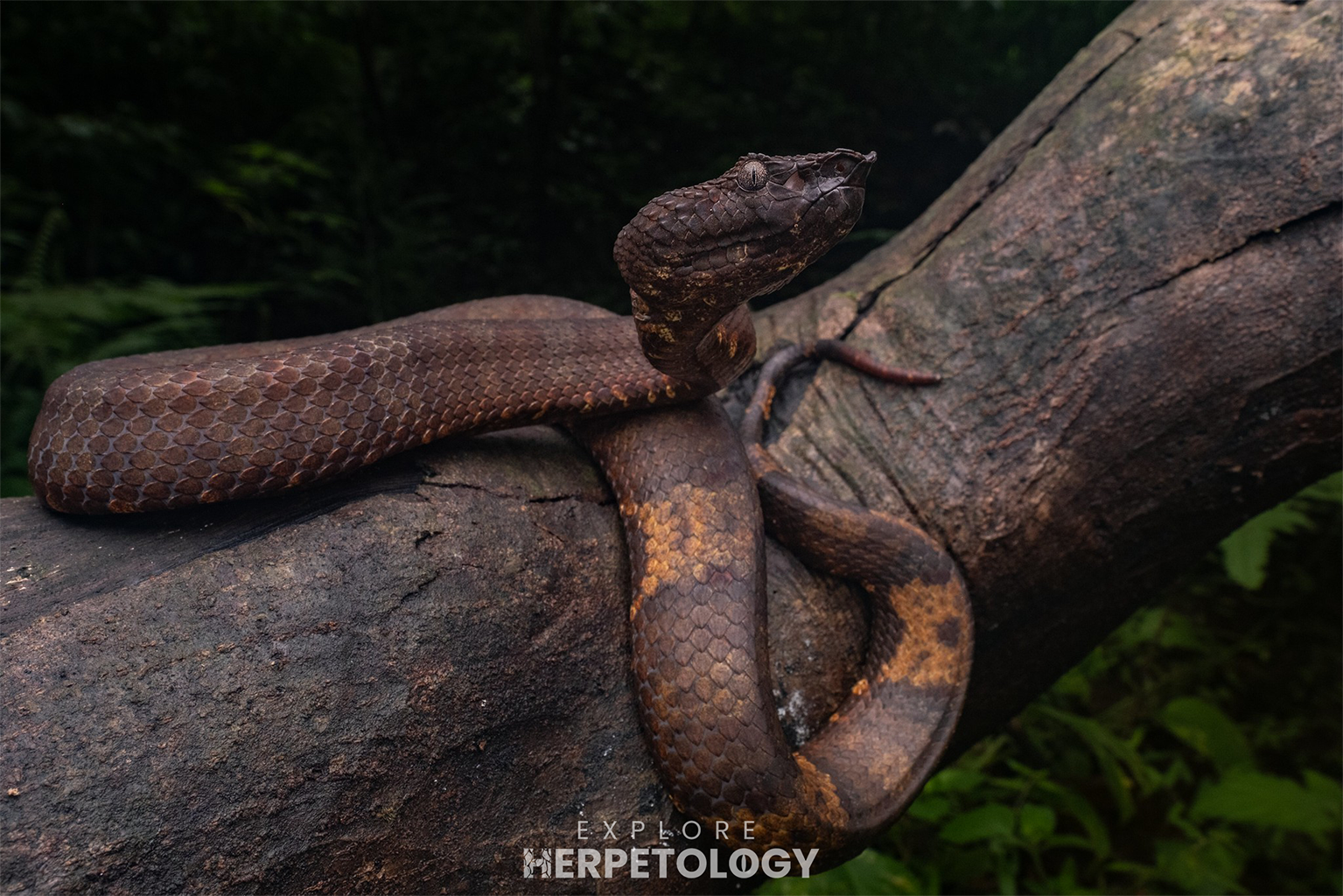
Female leaf-nosed pit viper (Craspedocephalus sp.)
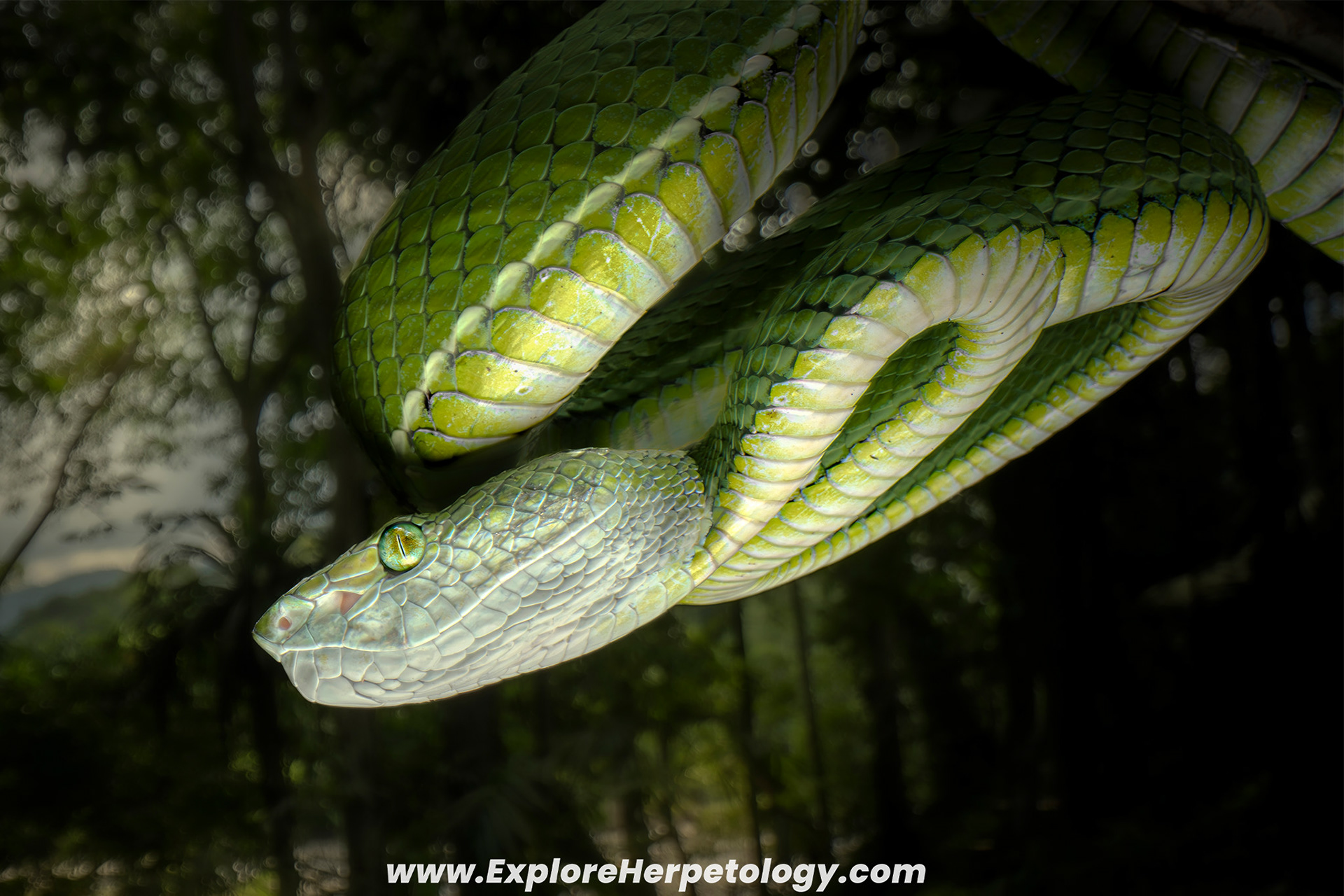
Hagen's pit viper (Trimeresurus hageni).
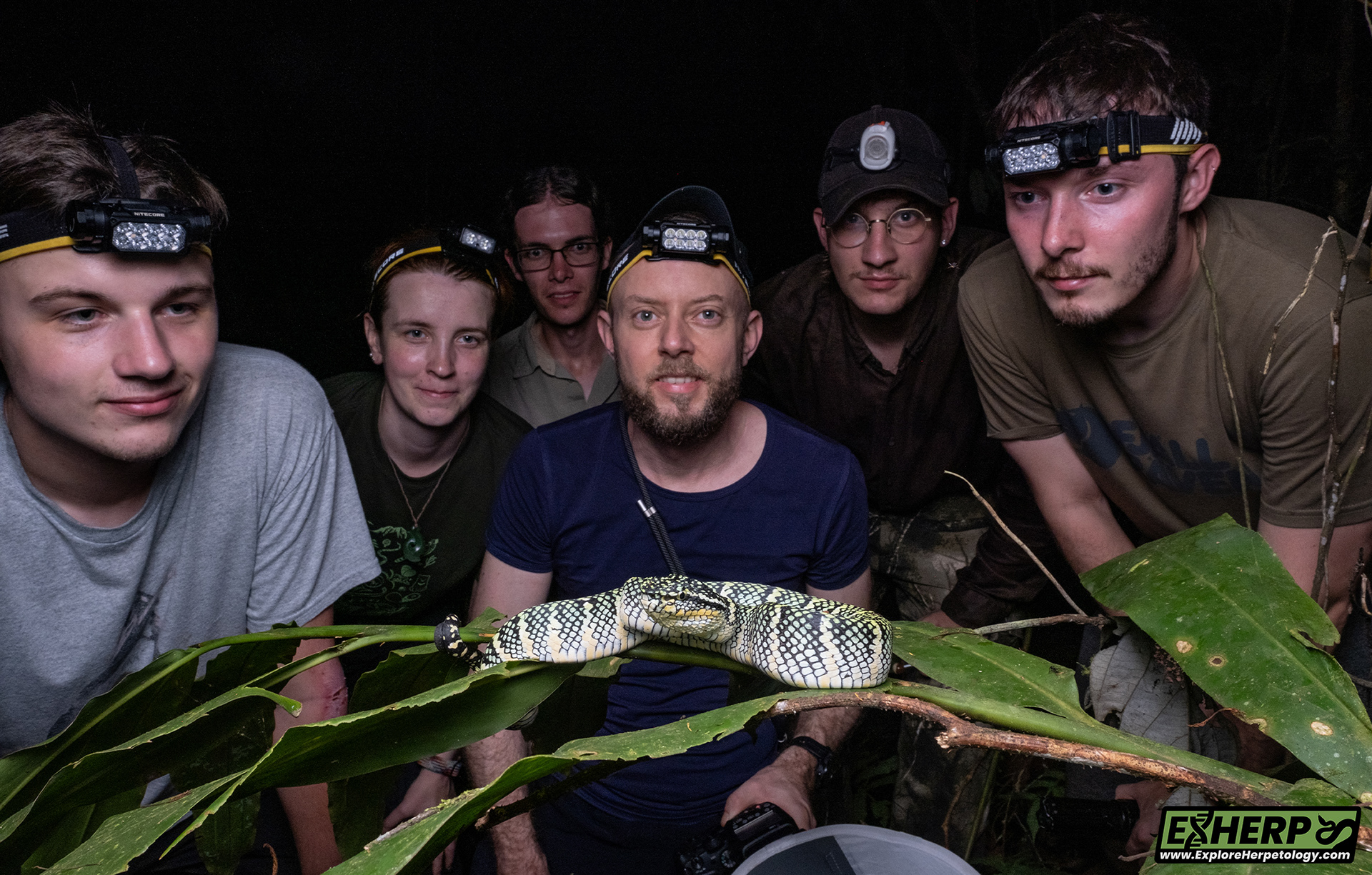
Wagler's pit viper (Tropidolaemus wagleri).
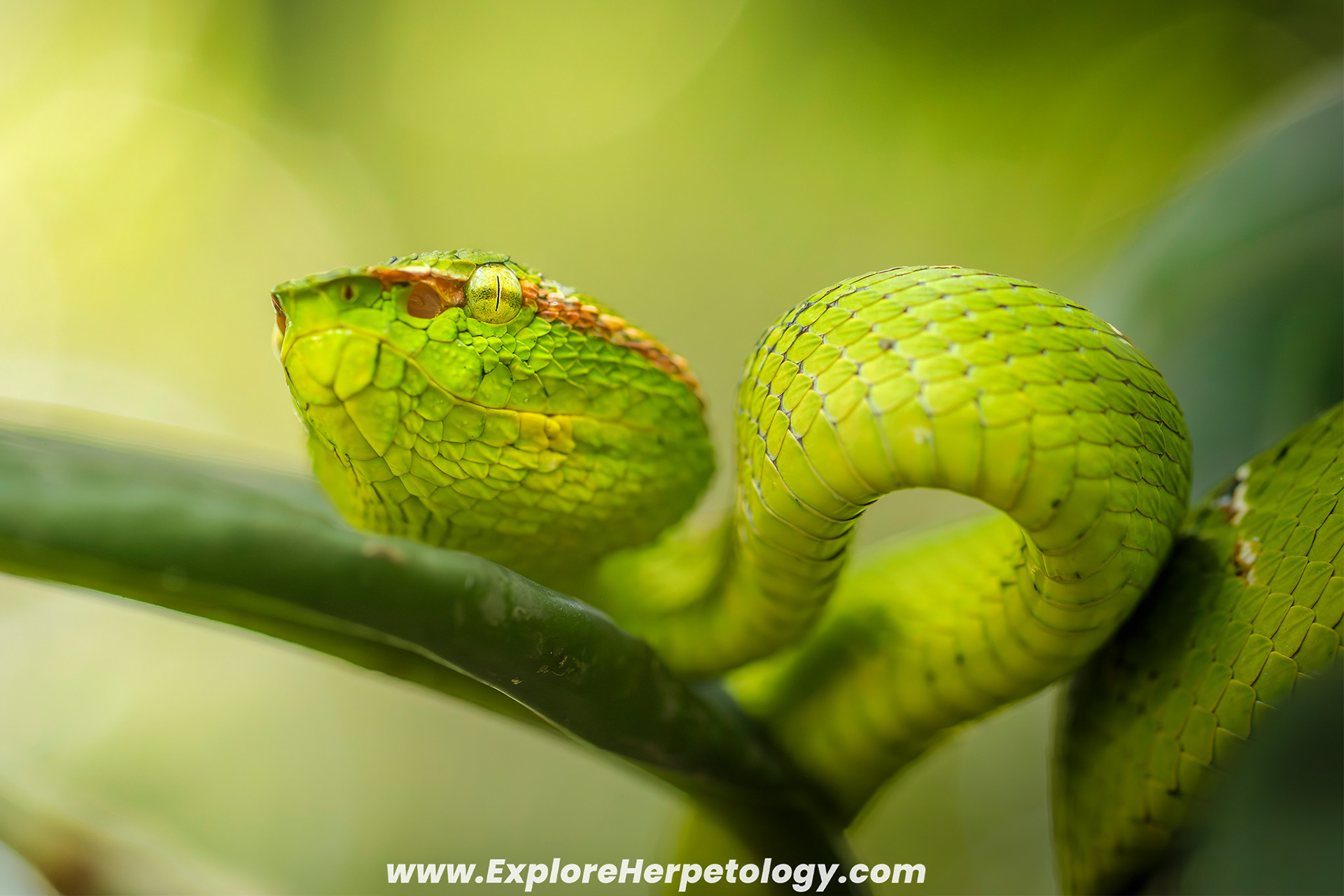
Wagler's pit viper (Tropidolaemus wagleri).
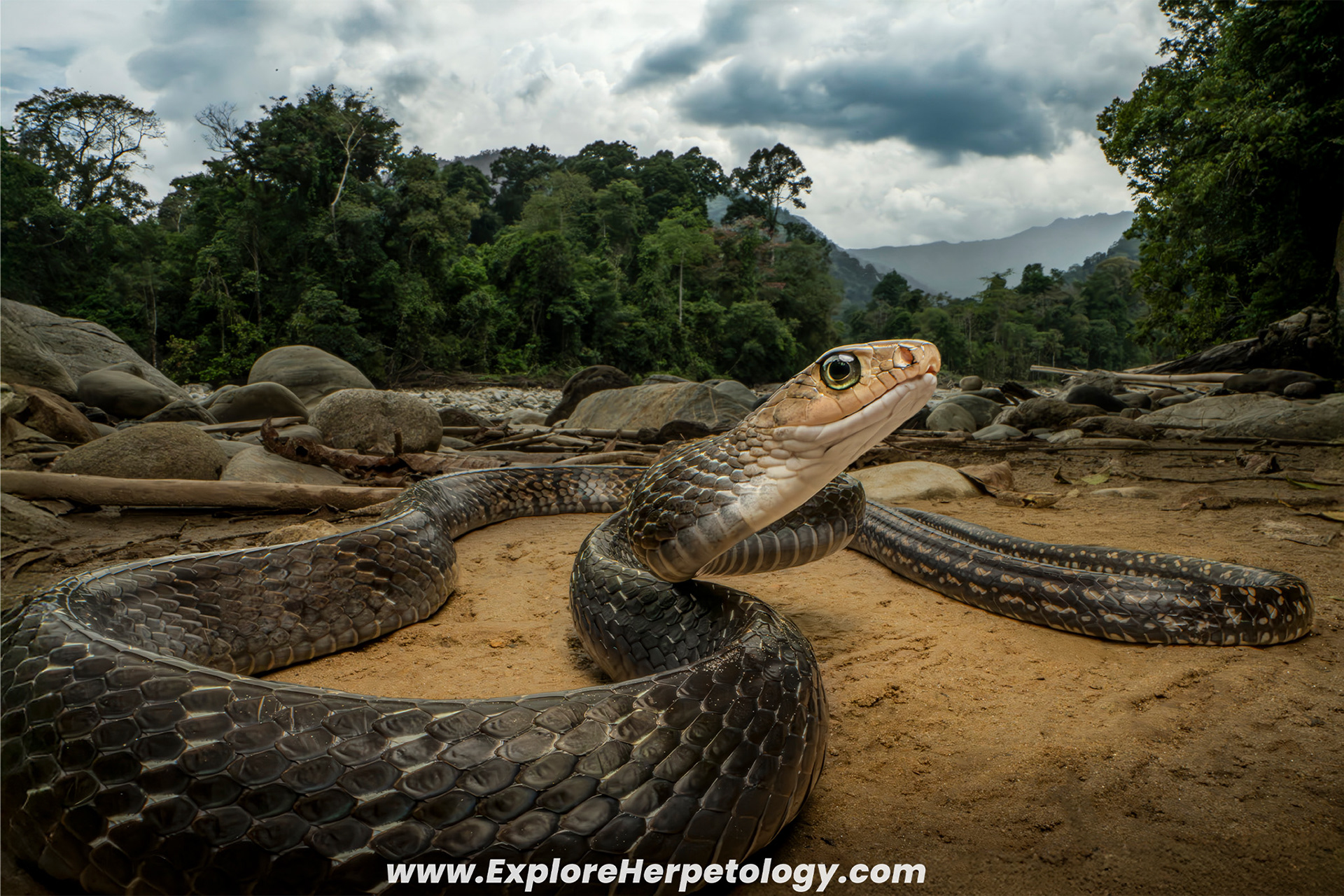
Keeled ratsnake (Ptyas carinata).
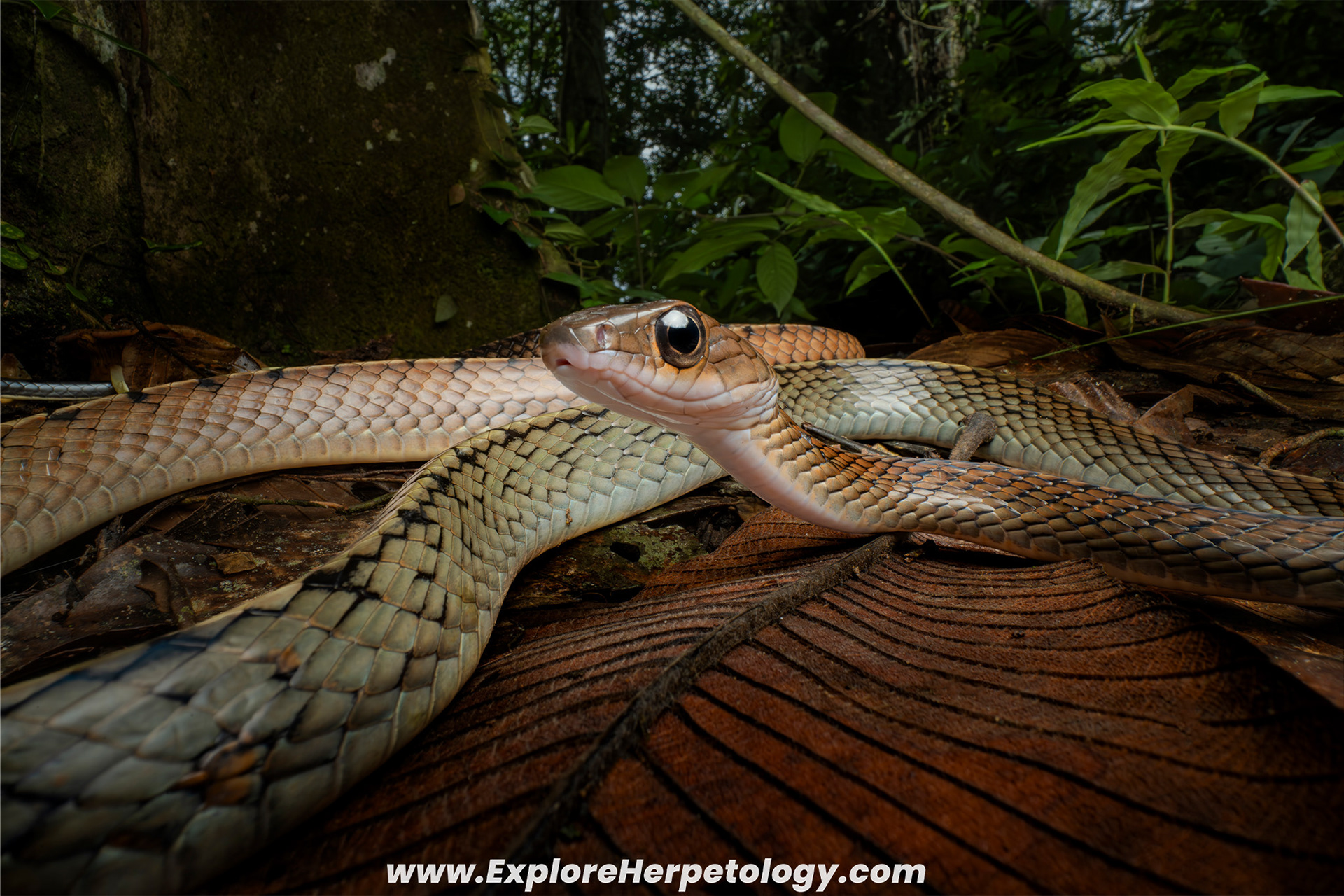
White-bellied ratsnake (Ptyas fusca).
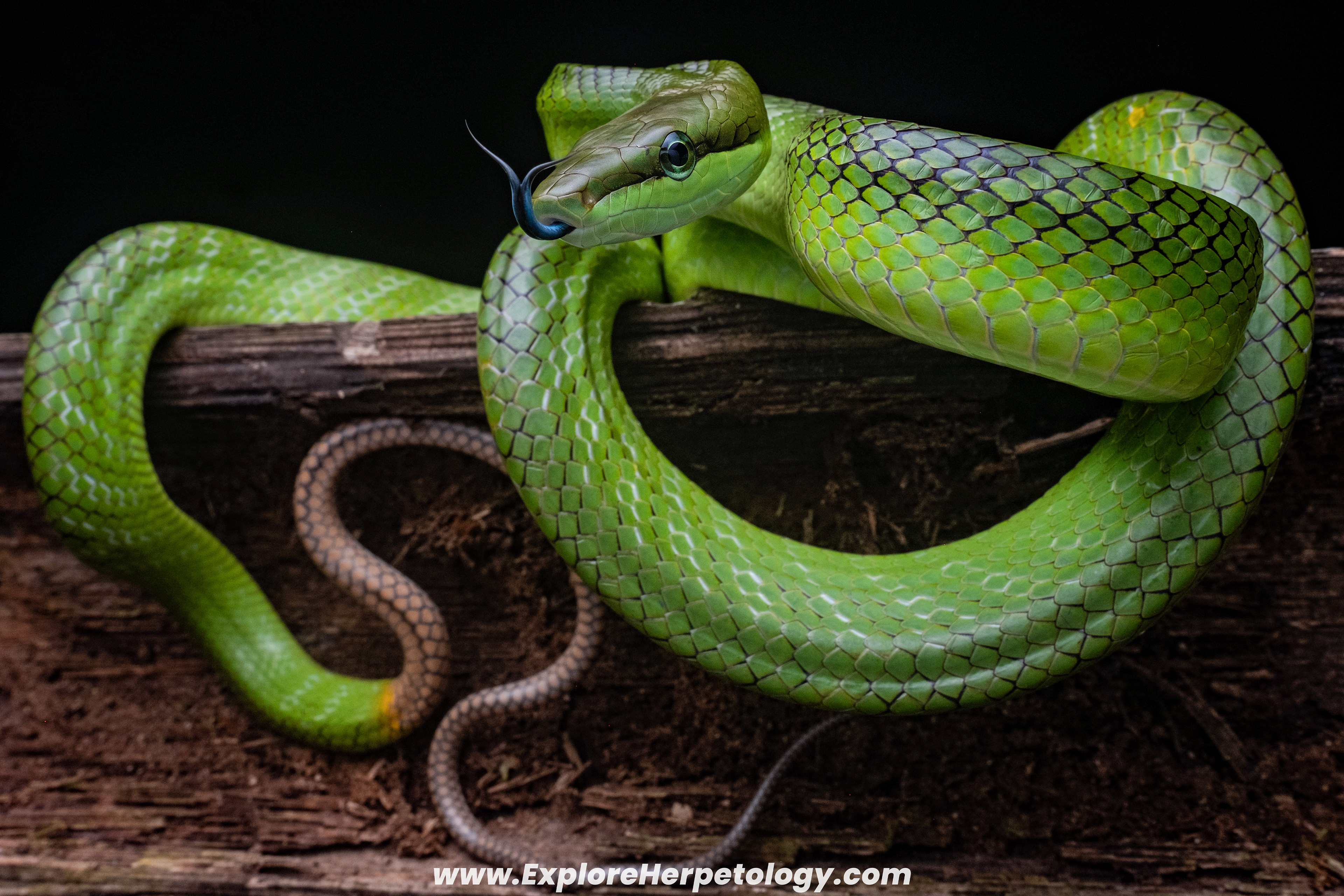
Red-tailed ratsnake (Gonyosoma oxycephalum).
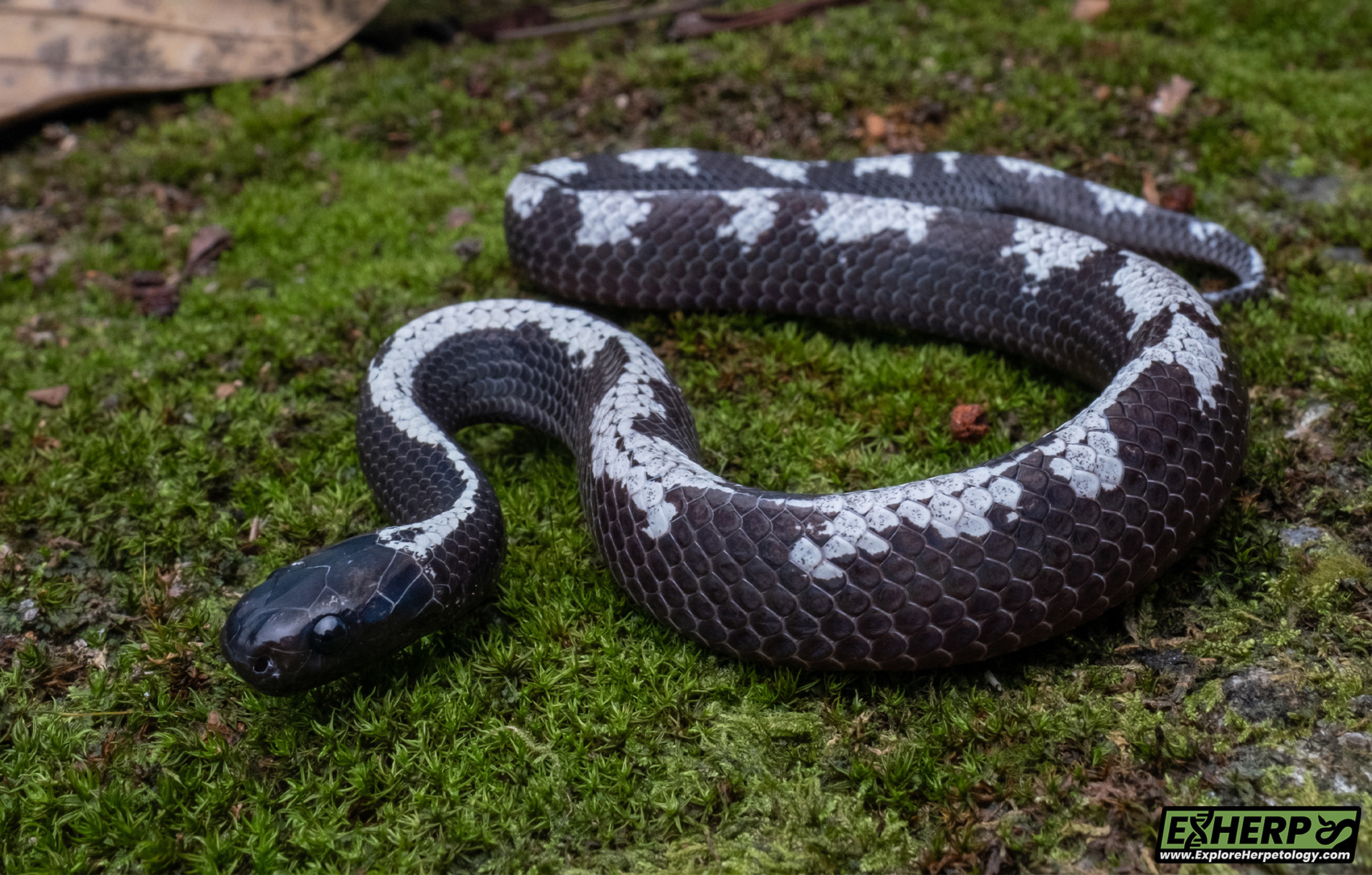
Malaccan slug snake (Asthenodipsas cf. malaccanus).
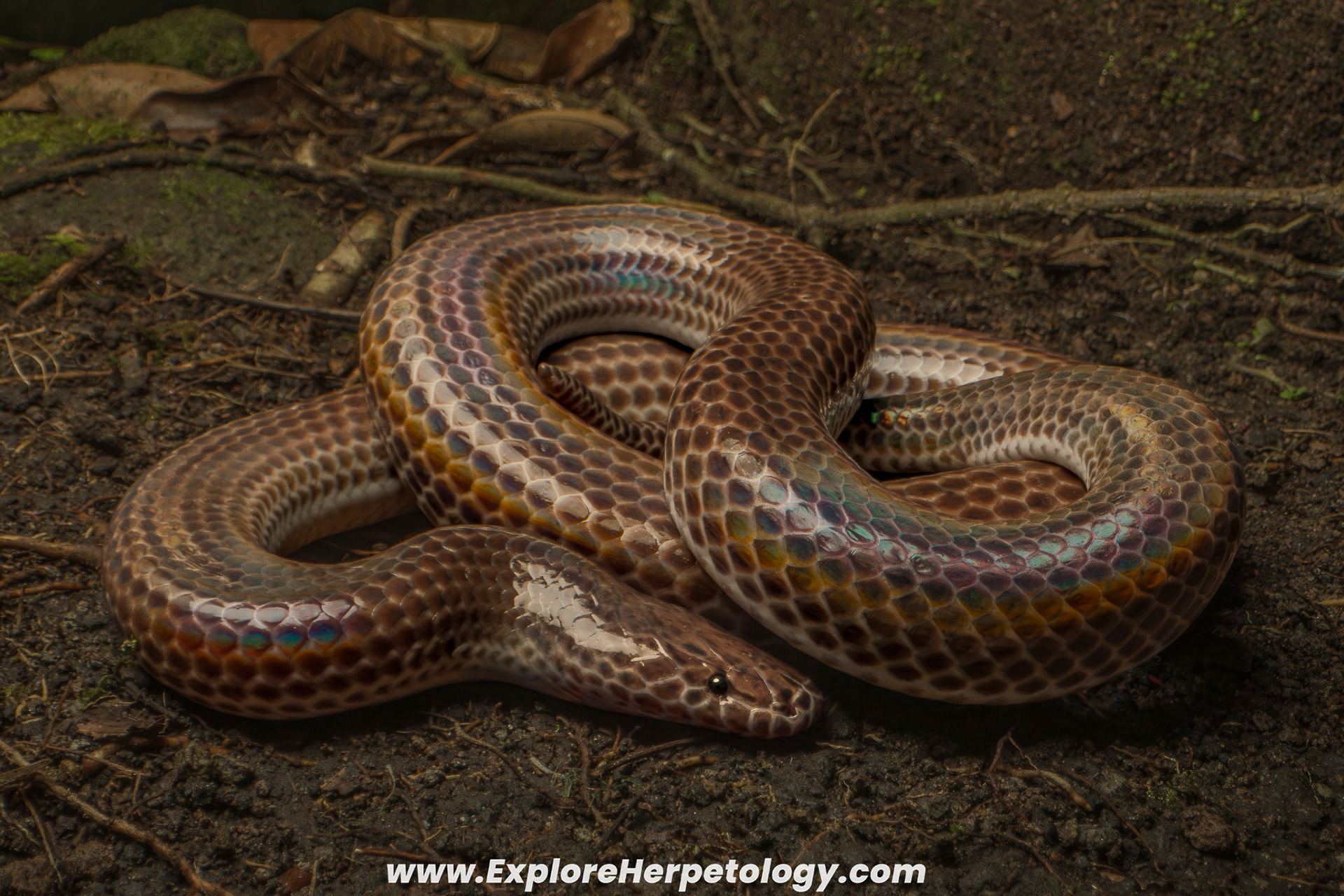
Sunbeam snake (Xenopeltis unicolor).
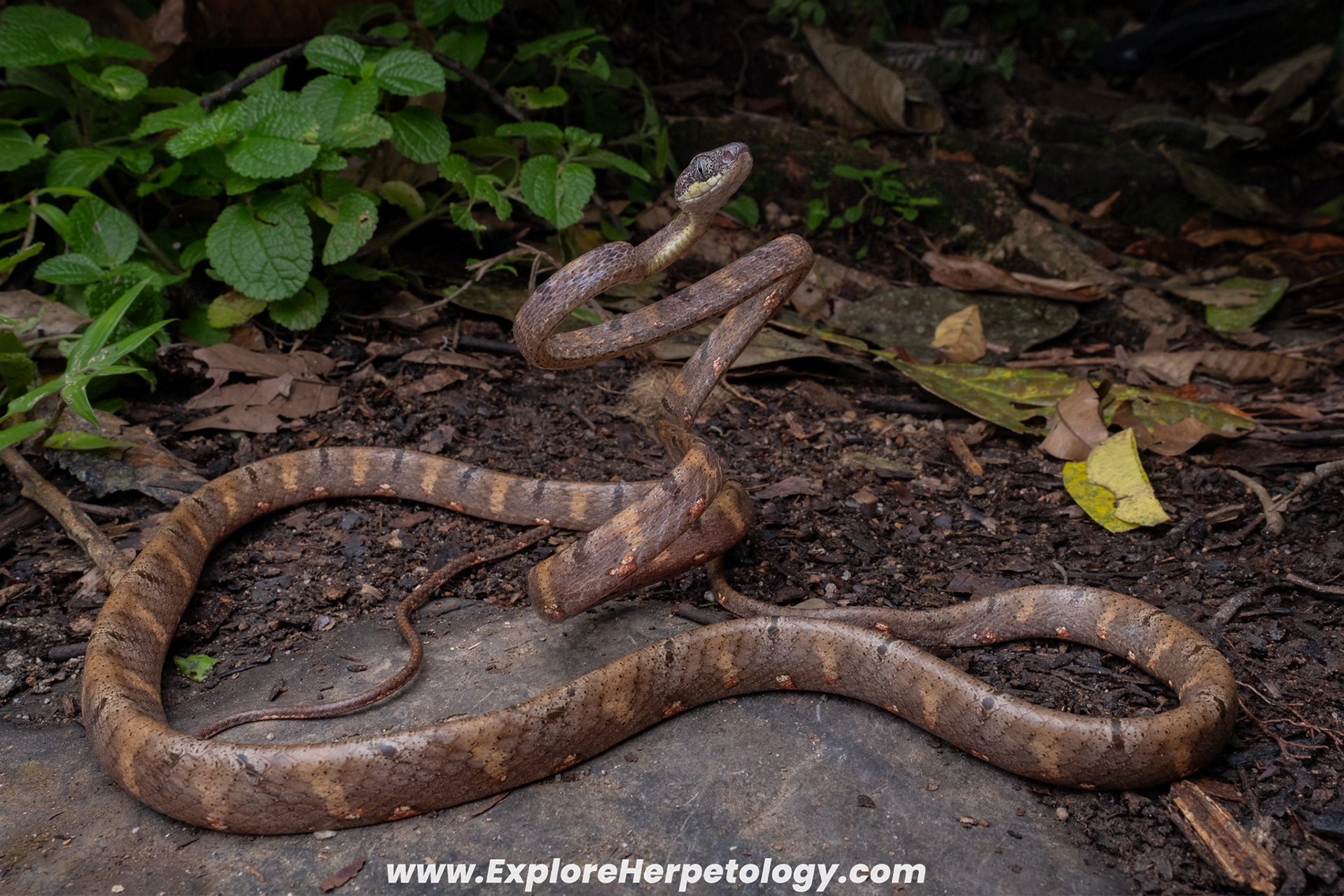
White-spotted cat snake (Boiga drapiezii).
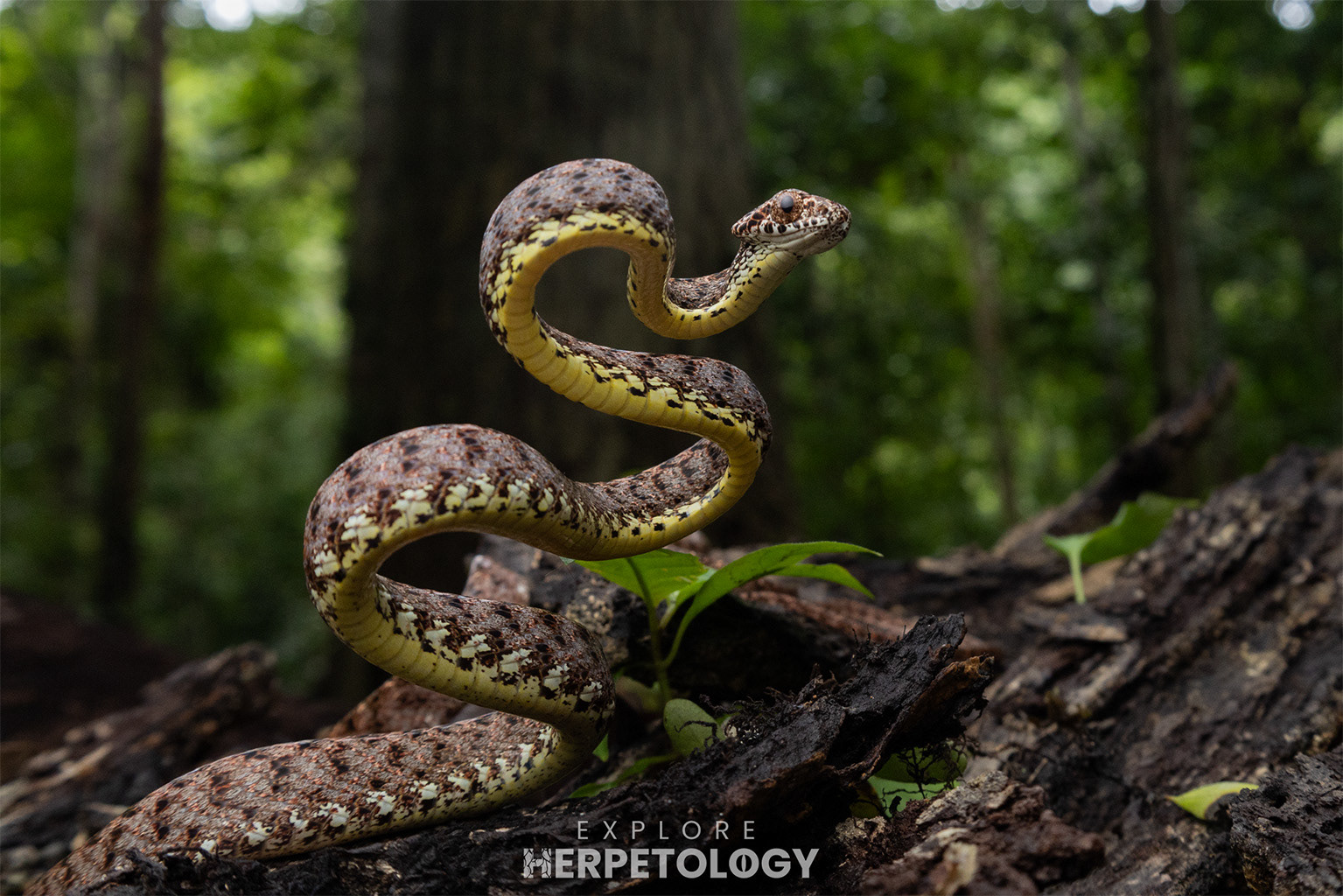
Jasper cat snake (Boiga jaspidea)
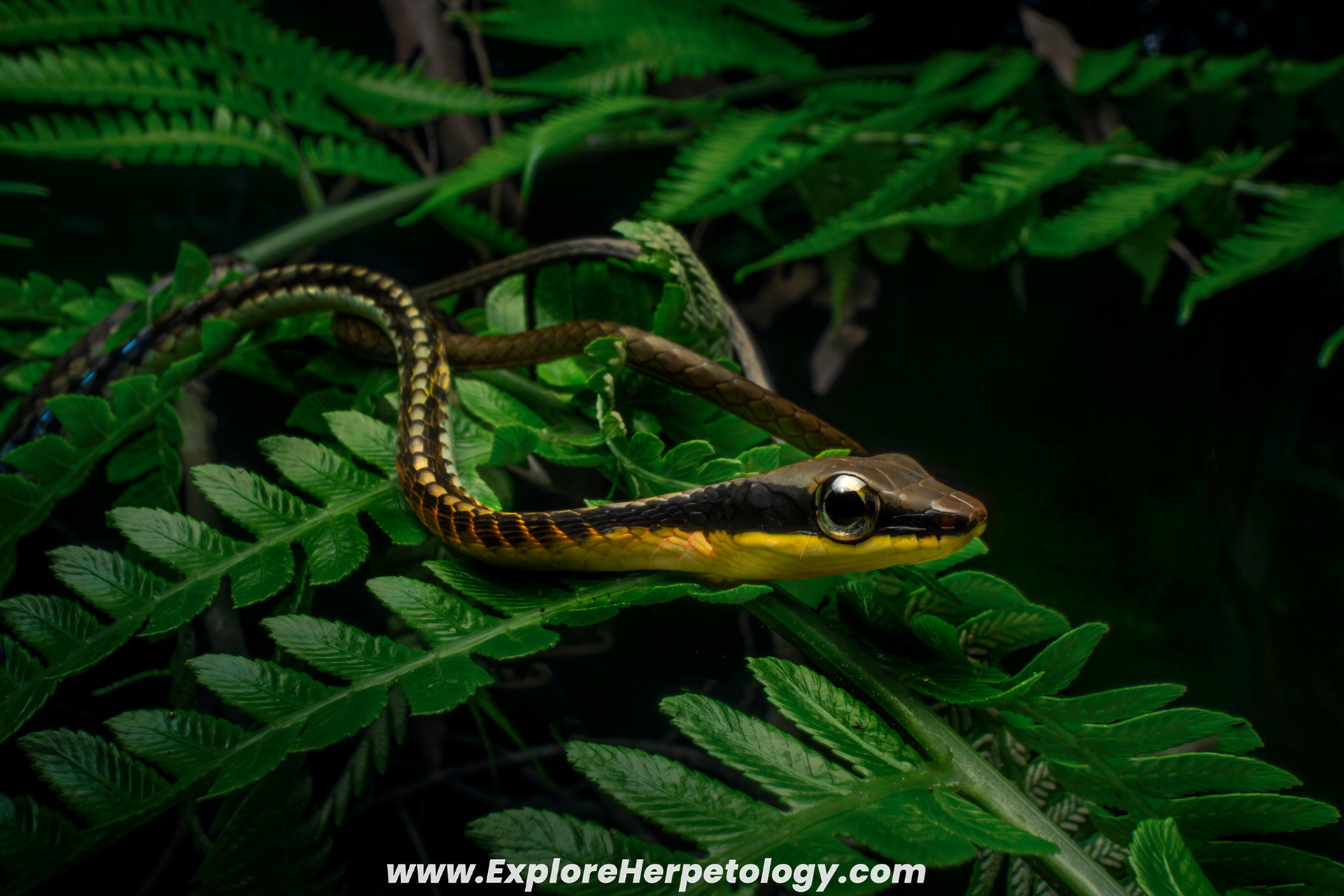
Striated bronzeback (Dendrelaphis striatus).
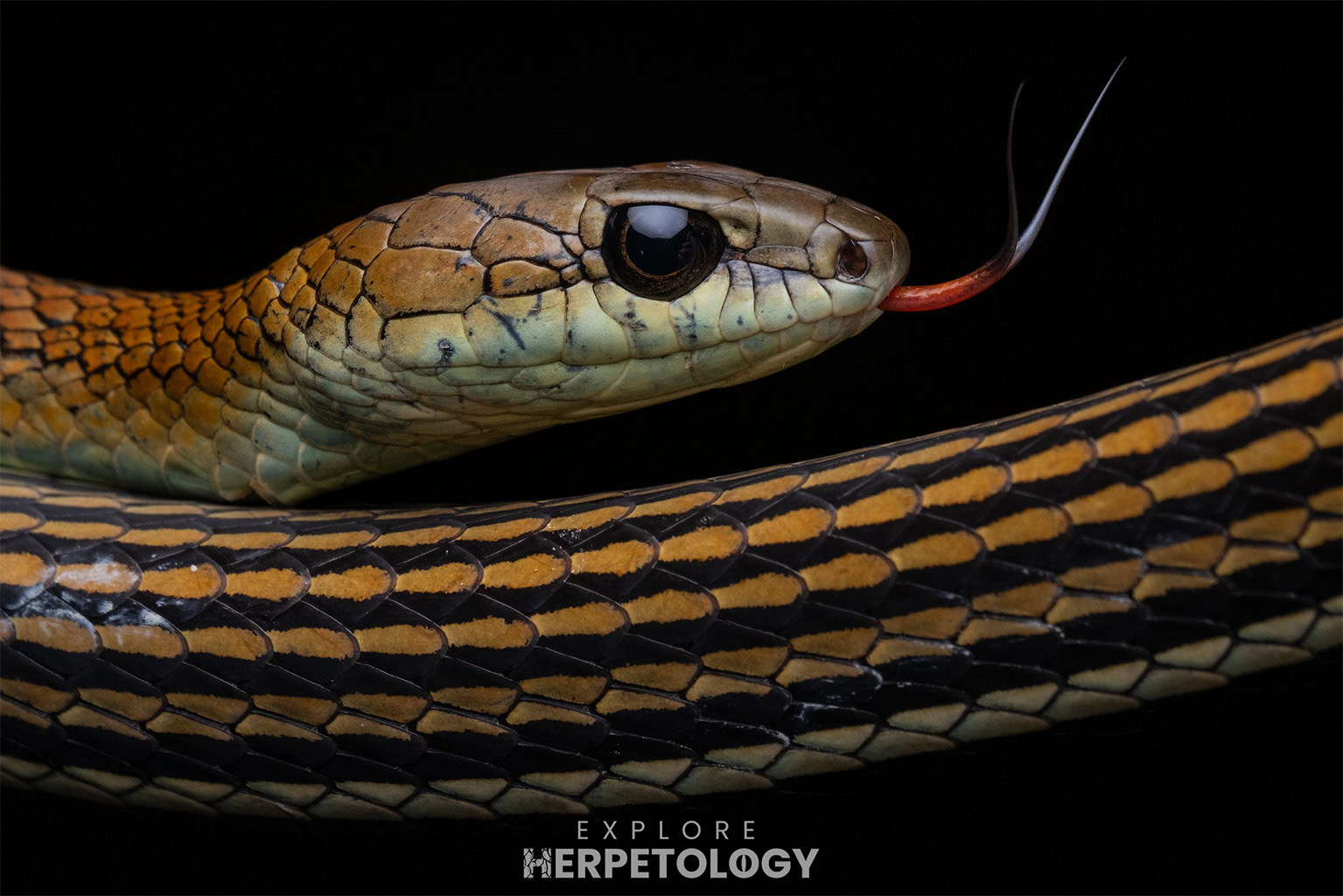
Striped bronzeback (Dendrelaphis caudolineatus)
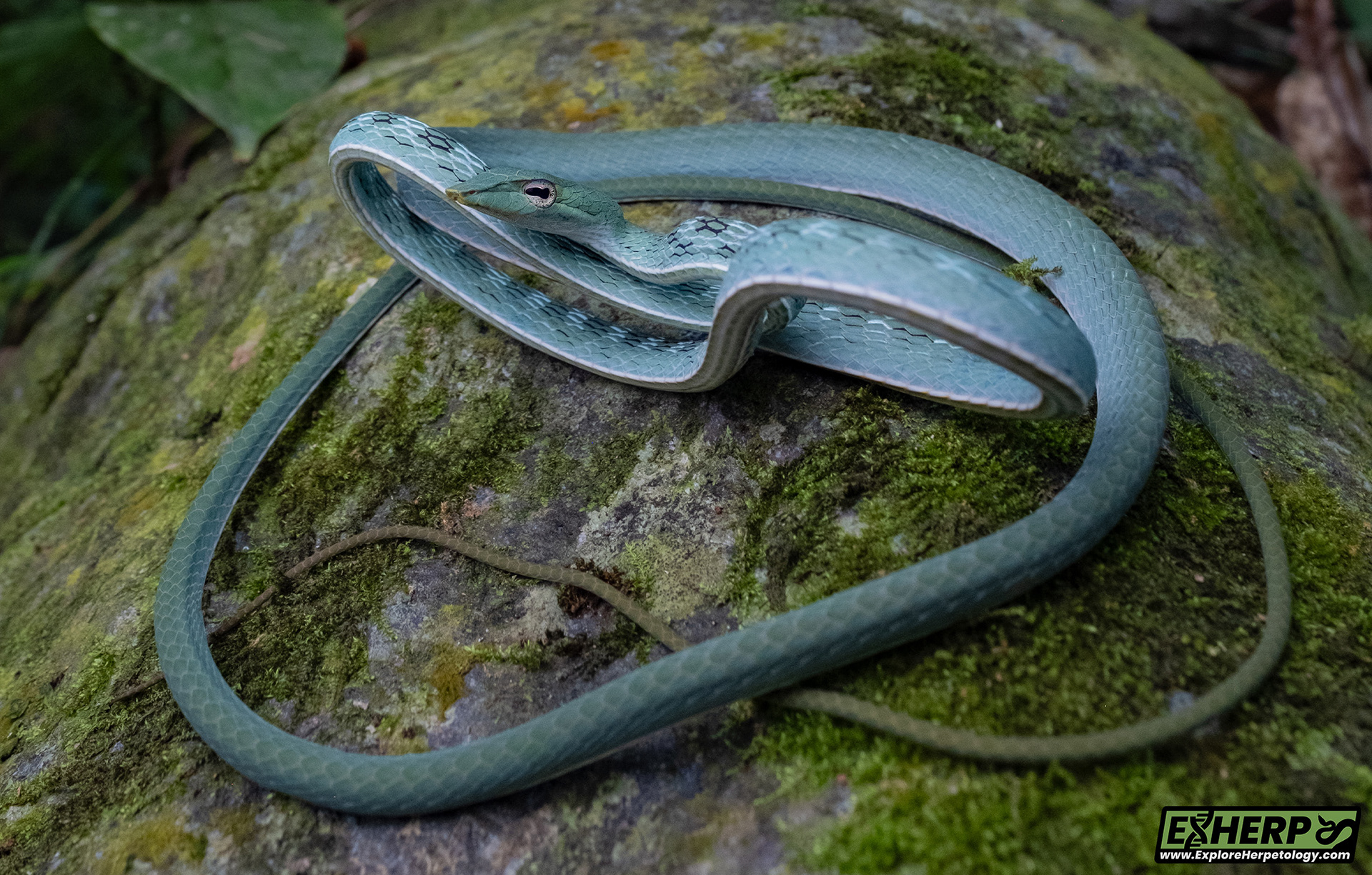
Speckle-headed vine snake (Ahaetulla fasciolata).
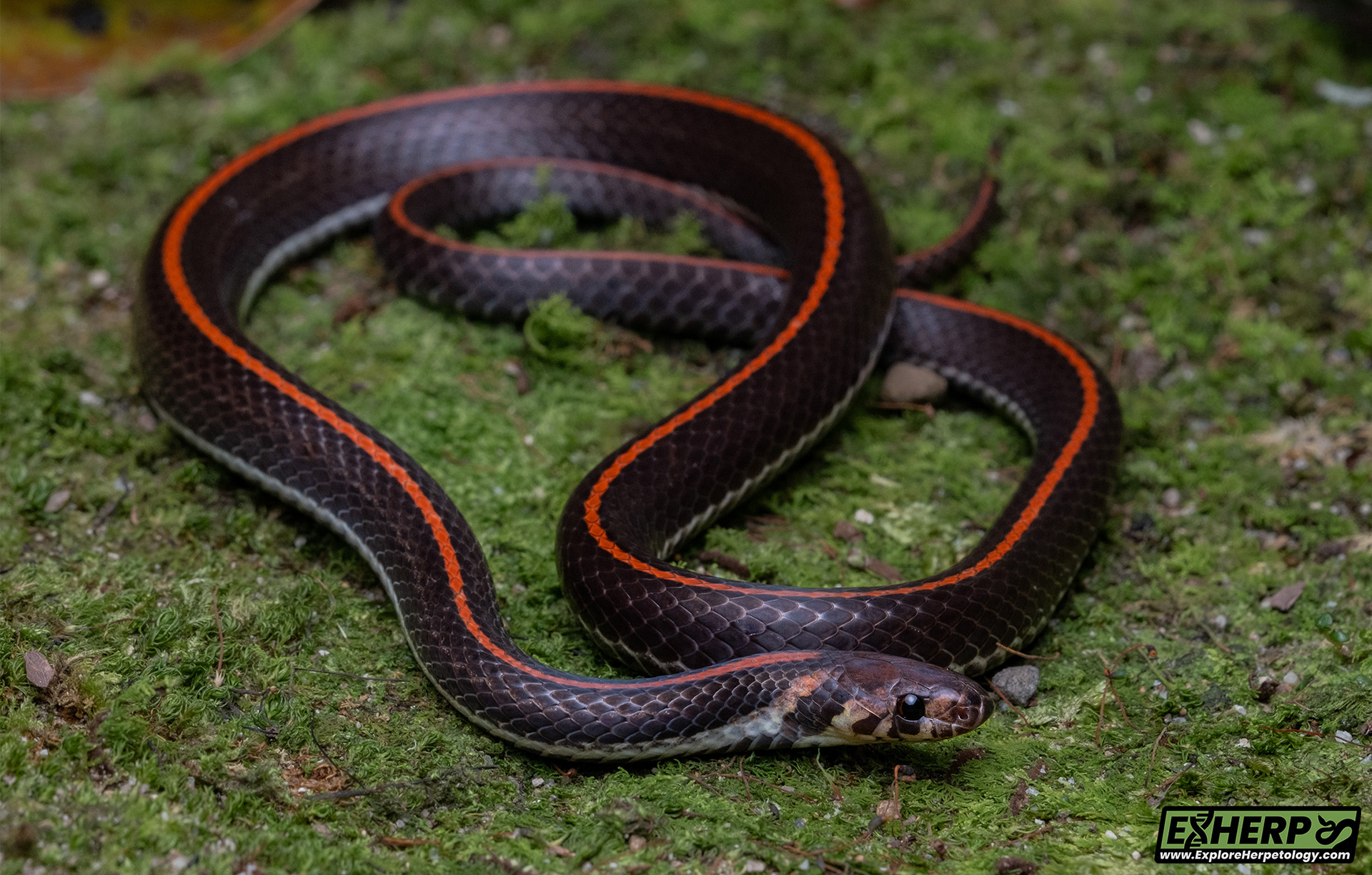
Three-lined kukri snake (Oligodon trilineatus).
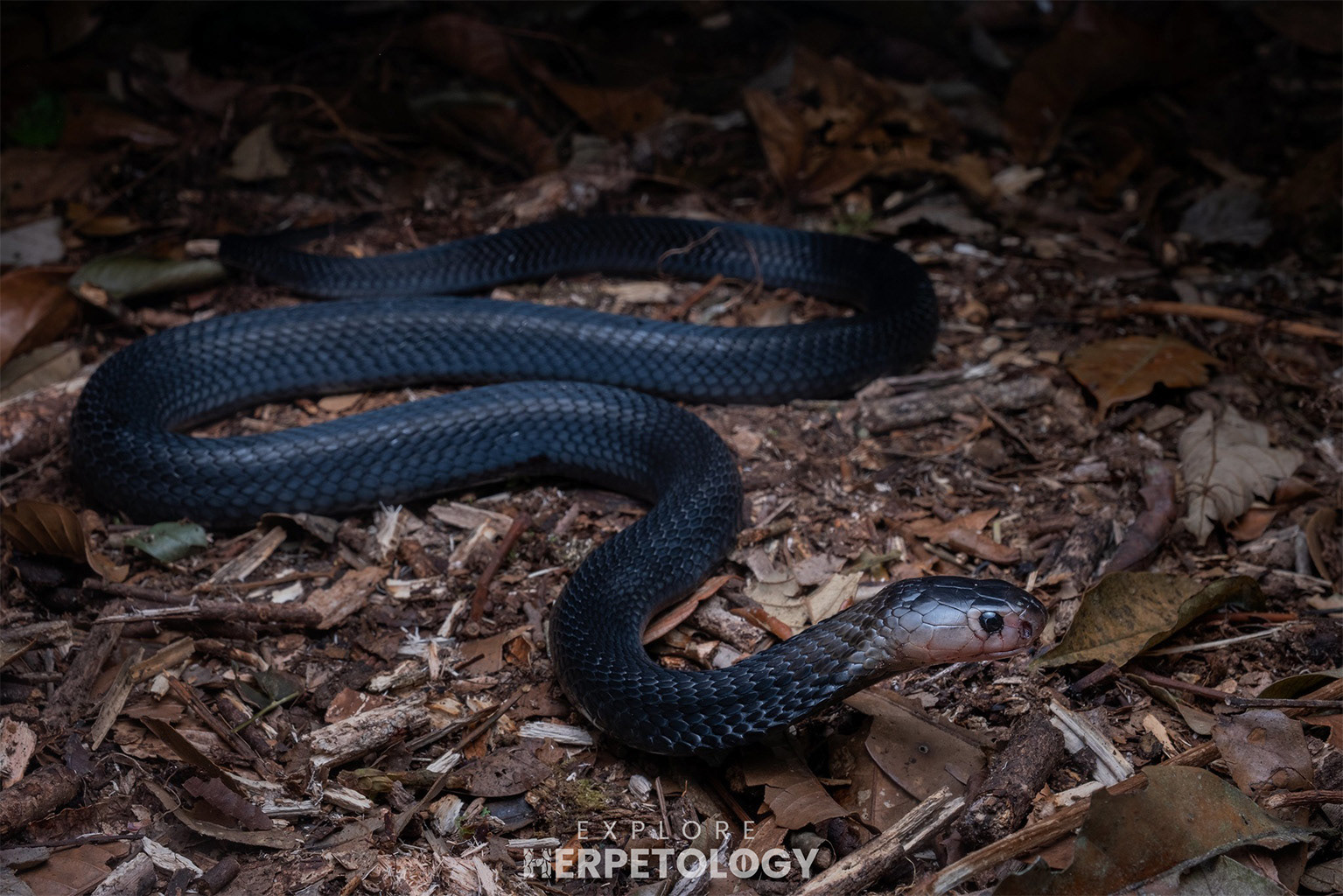
Sumatran cobra (Naja sumatrana)
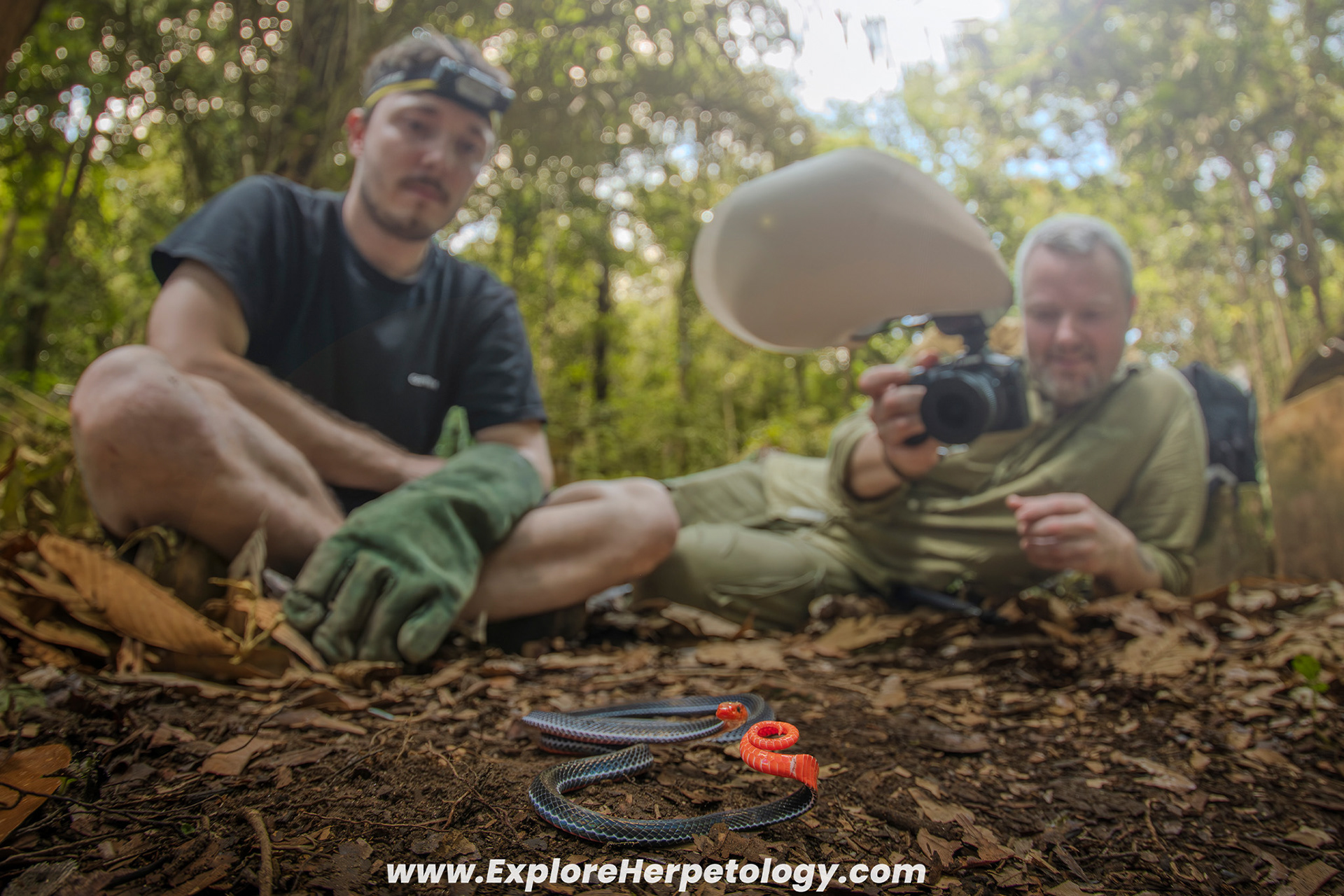
Photographing a blue coral snake (Calliophis bivirgata).
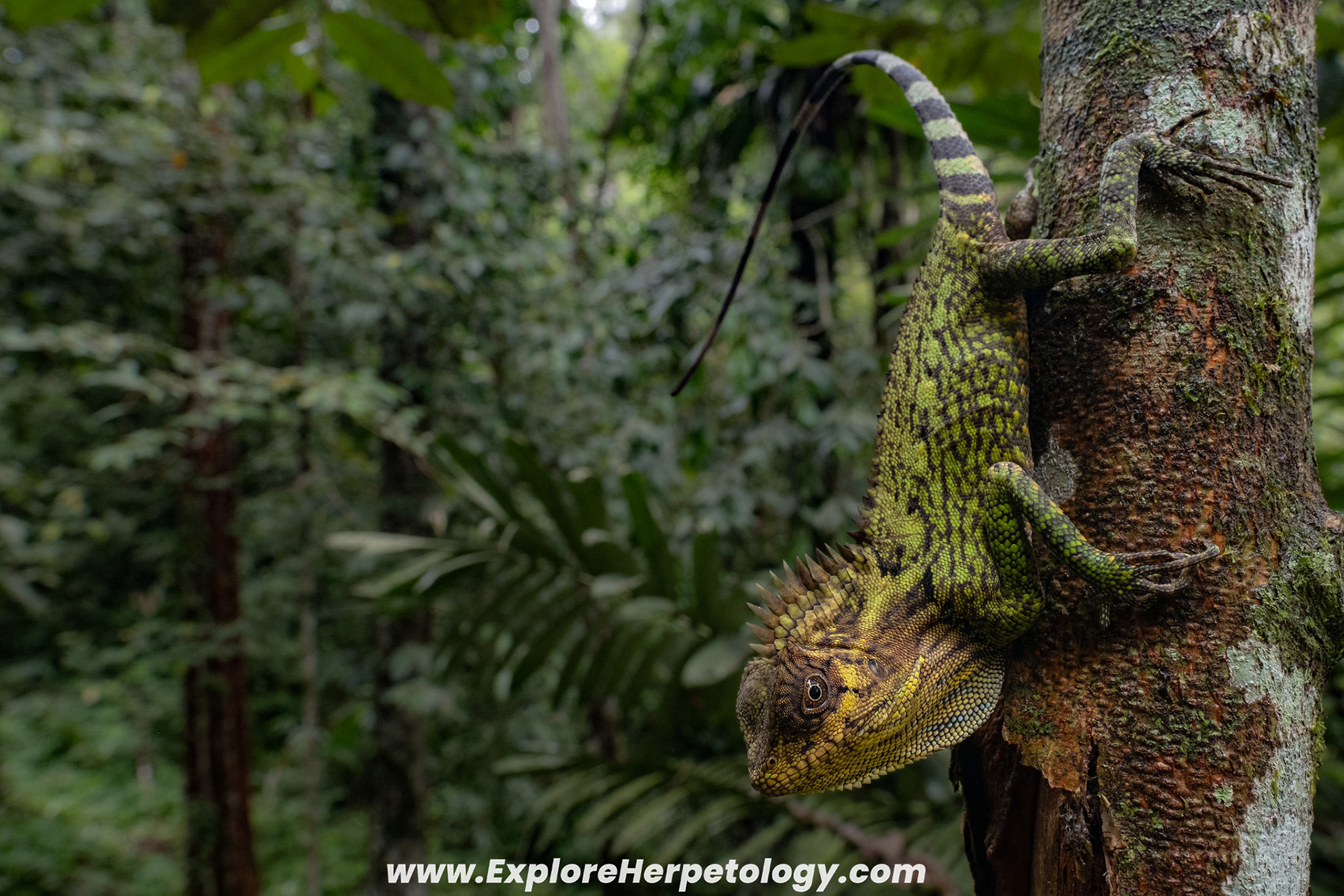
Chameleon angle-headed lizard (Gonocephalus chameleotinus).
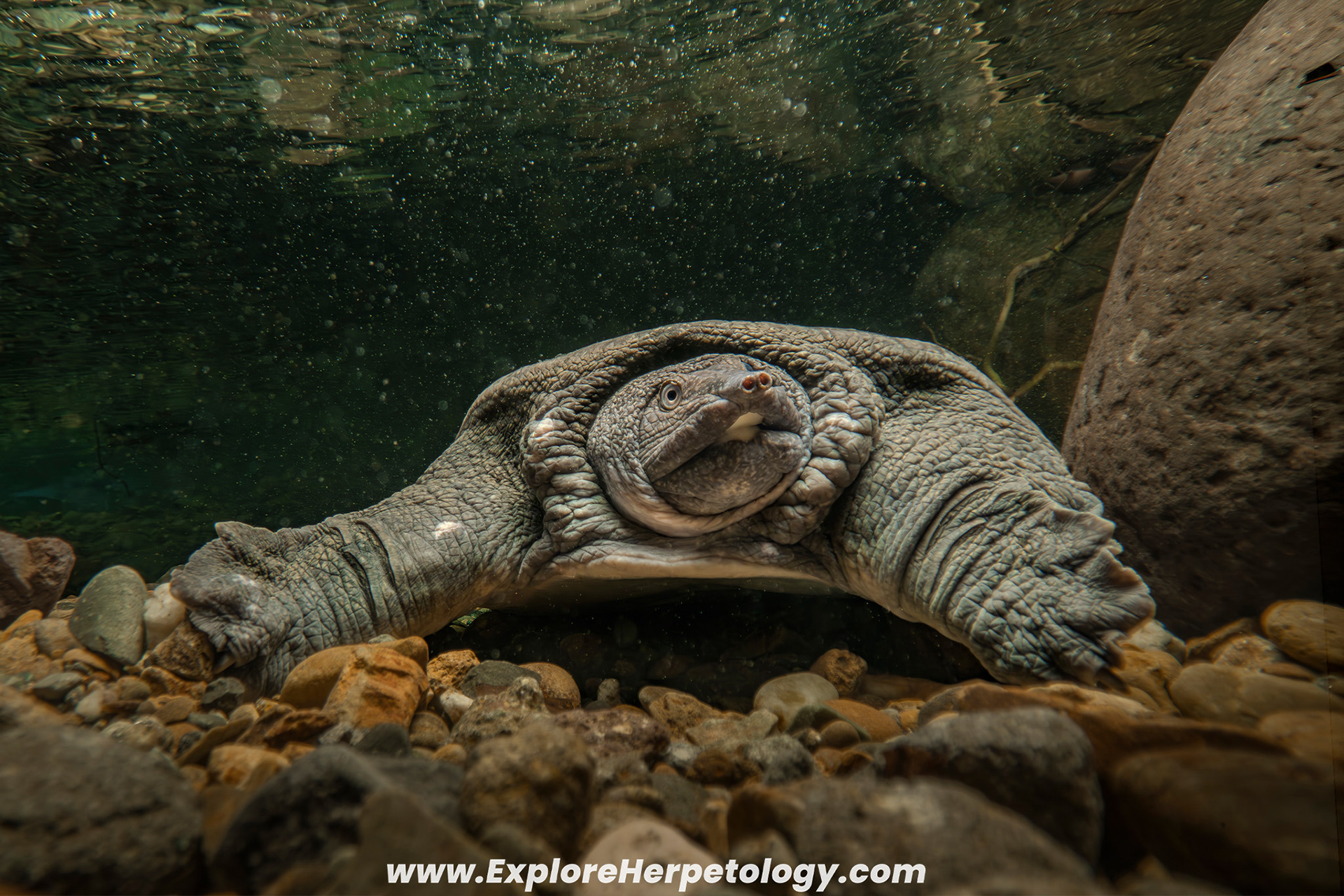
Malayan soft-shelled turtle (Dogania subplana).
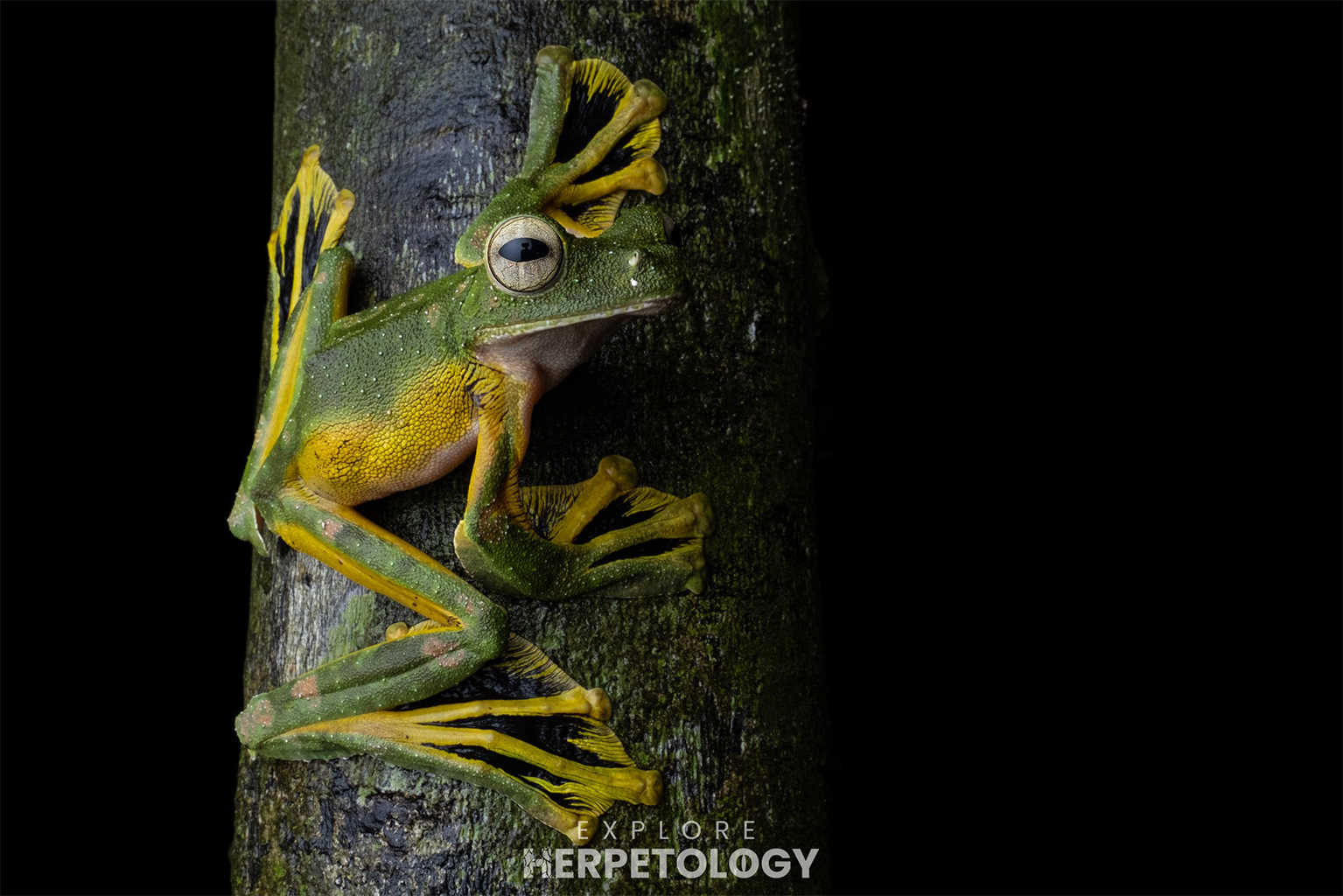
Wallace's flying frog (Rhacophorus nigropalmatus)
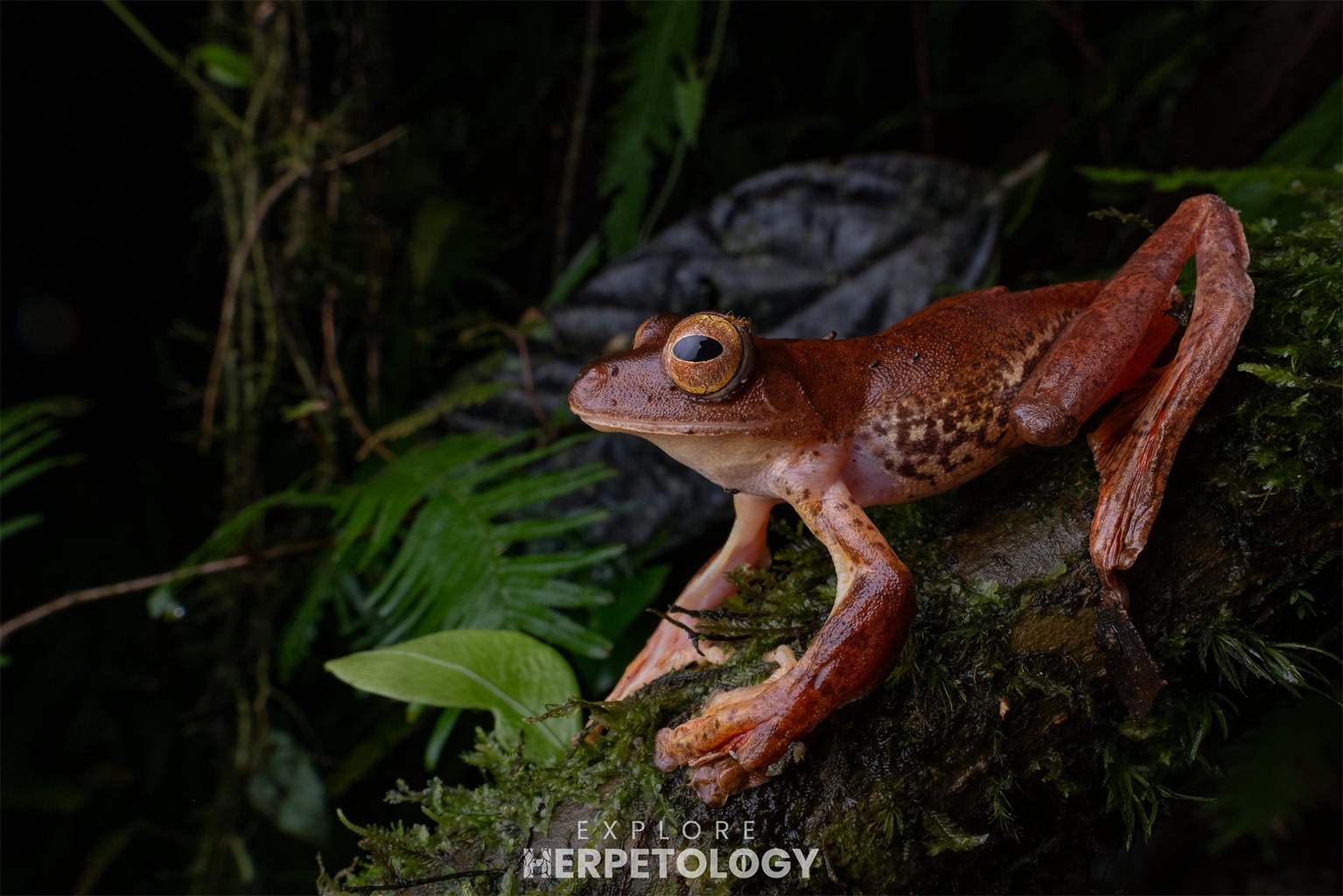
Harlequin flying frog (Rhacophorus pardalis)
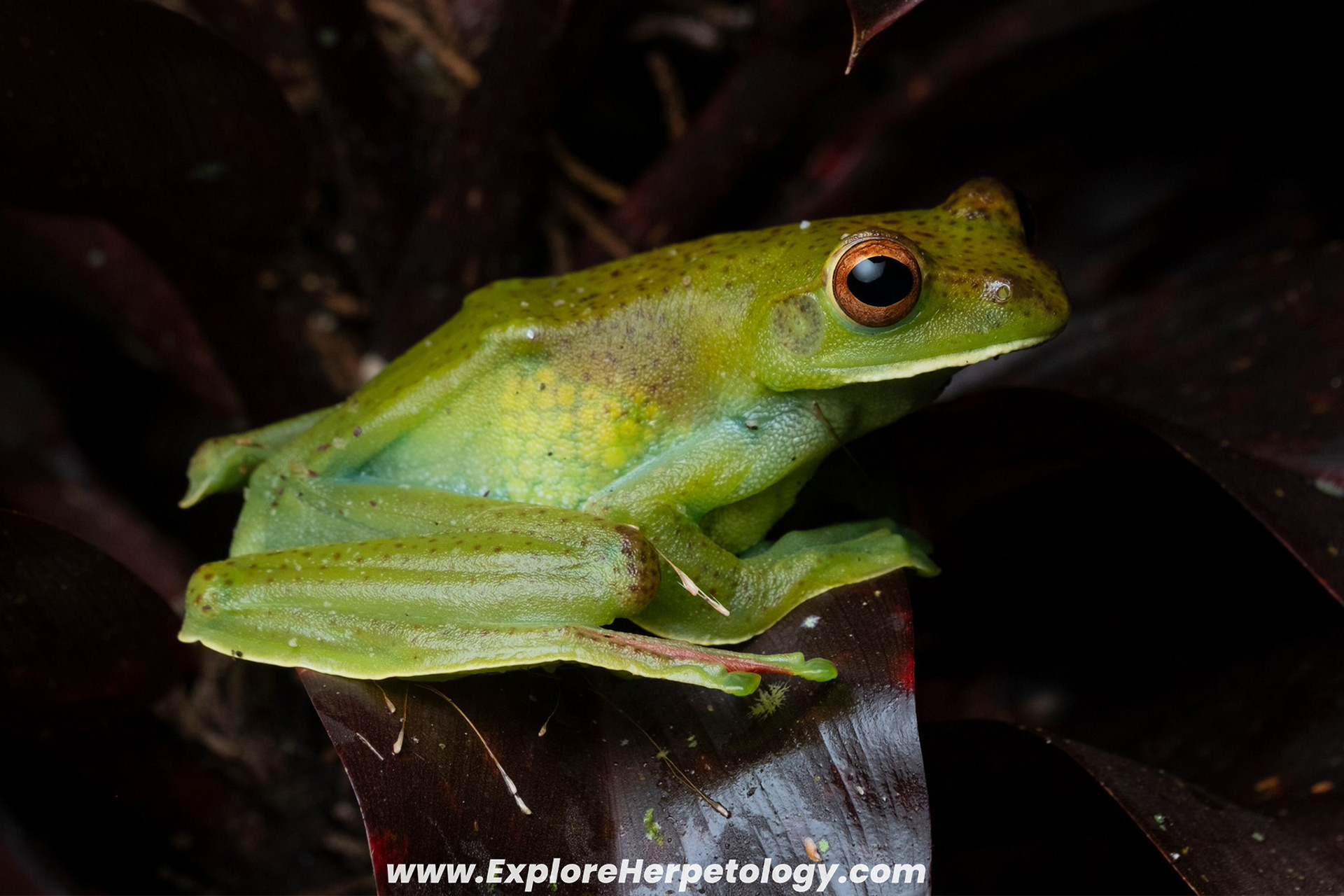
Jade flying frog (Zhangixalus prominanus).
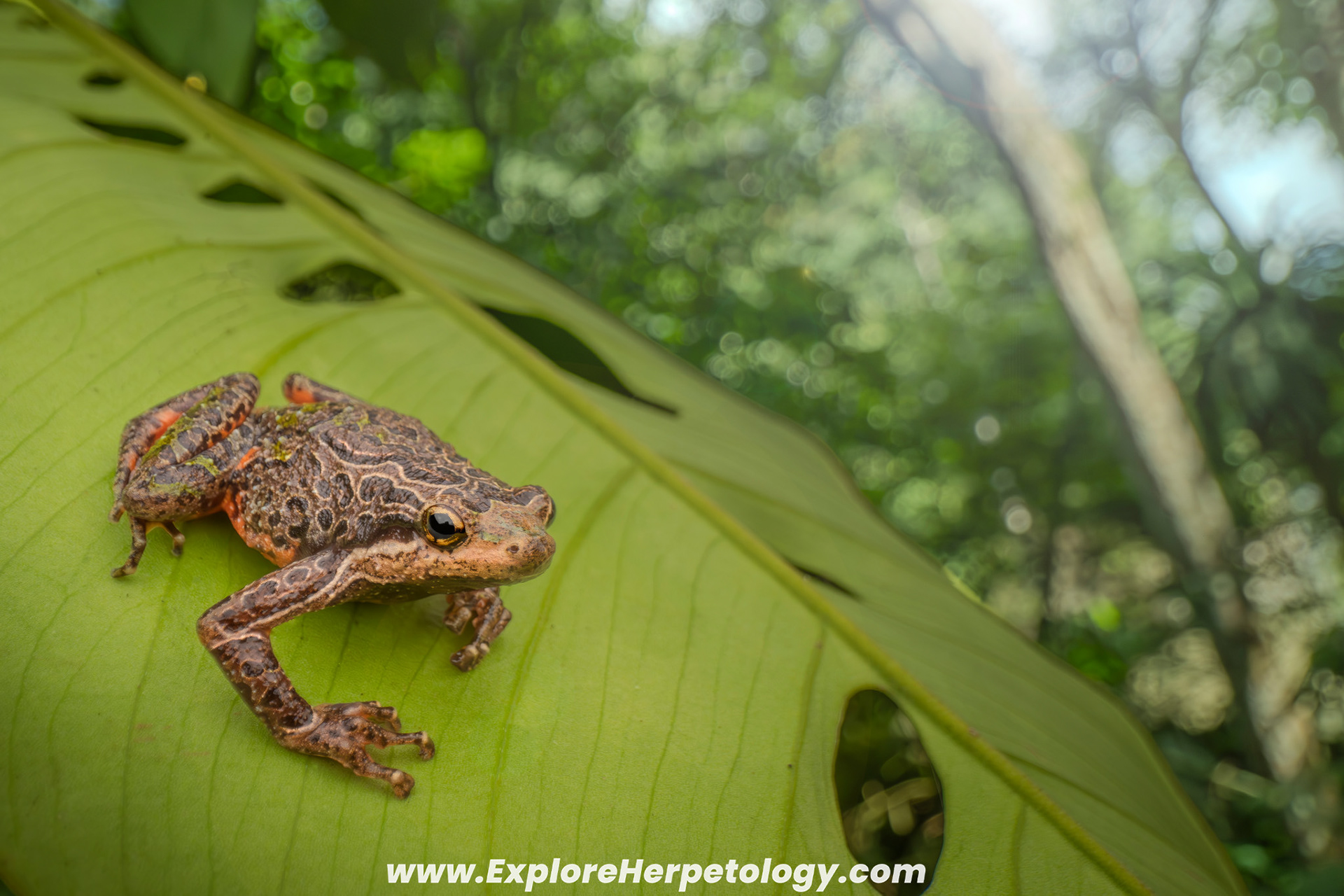
Red-bellied frog (Phrynella pulchra).
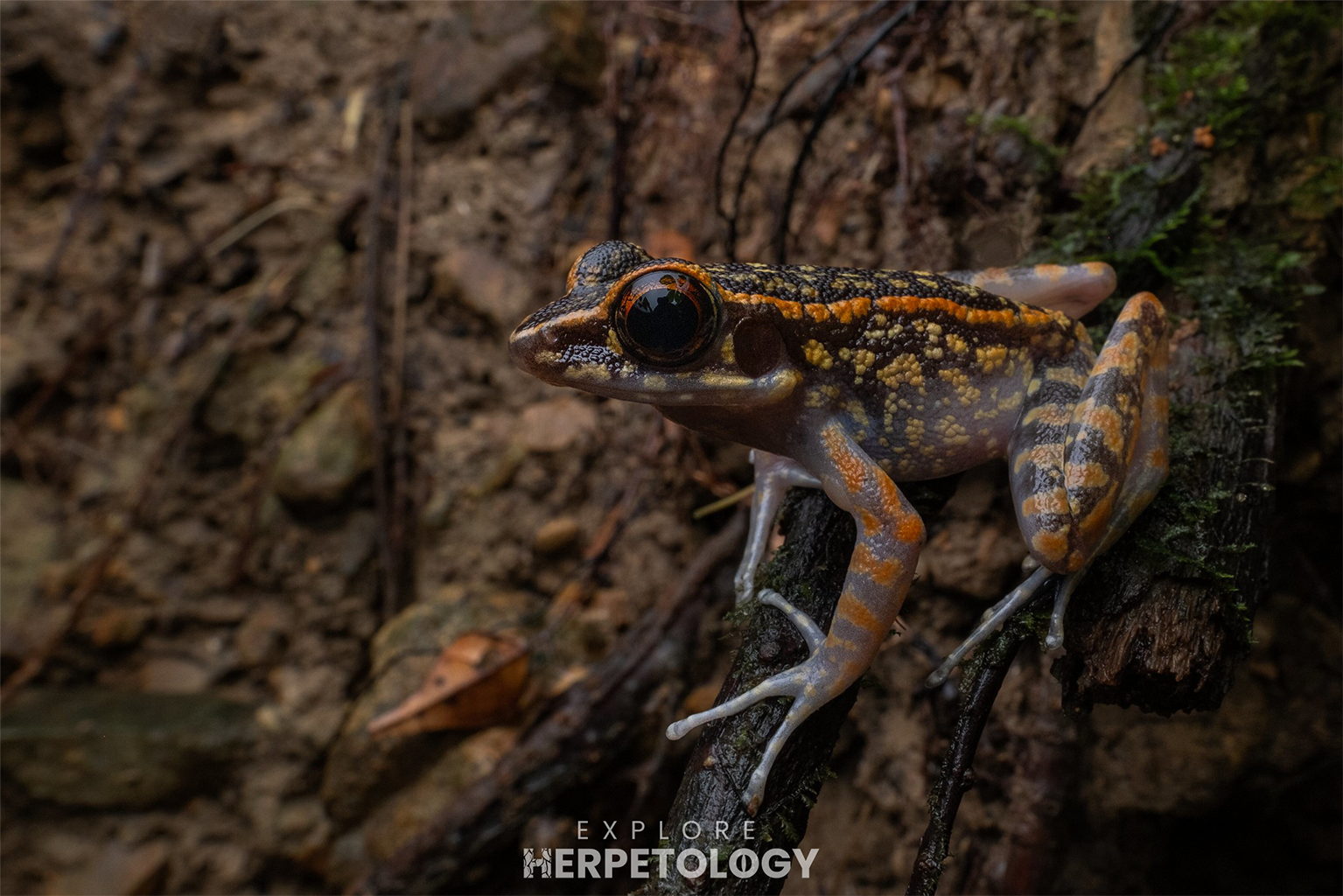
Matang beautiful frog (Pulchrana signata)
Accommodation & washing:
Our accommodation will be a comfortable city hotel in Medan, a small jungle-adjacent hotel with a private garden in the highlands of Berastagi, and simple jungle bungalows setup while in Ketambe. You will always have access to electricity (assuming no power outage) and a western bathroom as a minimum. Berastagi and Ketambe do not get hot enough to warrant air conditioning. There are hot showers in Medan and Berastagi. You must ensure you get a TELKOMSEL sim card if you want to have 4g/5g signal throughout the expedition. There will be an opportunity to wash dirty clothes at a laundrette on day 4 of the expedition.
Food:
The food options during the tour are highly varied, with both western and Asian cuisine available for every meal in Medan and Berastagi, while our food in Ketambe is locally sourced, such as chicken curry, fried and grilled chicken with rice, vegetables and other side dishes. Breakfast is usually pancakes or omelettes.
Environmental conditions & fitness:
As we are in the tropics, the conditions are generally hot and humid. However, in Berastagi, the temperature can drop as low as 14c at night, so ensure you pack some warmer clothing for our night hikes at higher elevation. We can expect heavy rain throughout the expedition. We will have options for our guests to hike both easier and more challenging trails during this expedition. No walk is mandatory, but we expect guests to be able to hike a minimum of 10 kilometres per day on uneven terrain.
Travel information:
All participants must be at Kuala Namu Airport before 15:00pm on the 23rd March 2027 at the latest, but we advise you to arrive the day before and get a good night's sleep before we begin. We will return to Kuala Namu airport on the 1st April 2027 at around 3pm. We recommend booking your flight out of Kuala Namu at 5pm at the earliest.
It is the guests’ responsibility to meet all entry requirements needed to enter Indonesia, including visa procedures. Guests travelling from most countries can get a Visa On Arrival upon arrival at Kuala Namu airport. Make sure to check the entry requirements for your country before booking. Do not use third party websites to get a visa, use the official government website or pay on arrival at the airport.