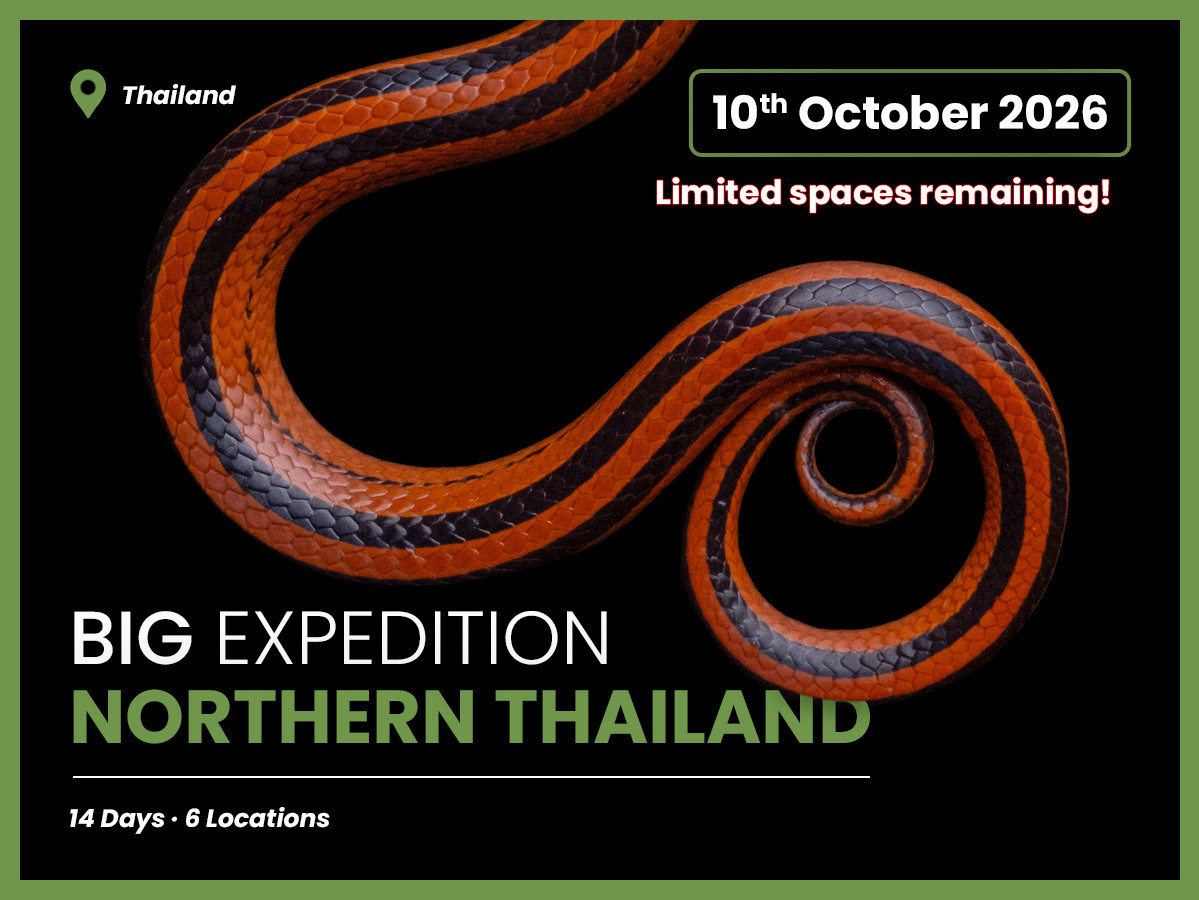

Start: 1st March 2027 | End: 9th March 2027 | Meeting location: Puerto Princesa, Palawan | Spaces available: 6
Included in the tour:
- Highly experienced herpetologist guides.
- Accommodation (private or shared room).
- Transportation (includes domestic flights).
- Meals & drinks.
- Permit/National Park fees.

INTRODUCTION
The Philippines archipelago is made up of thousands of islands, separated from mainland Southeast Asia for millions of years. Multiple larger 'island groups' formed distinct faunal regions, with more isolated islands forming their own sub-faunal regions. This, combined with a tropical climate, limestone karst systems and drastic elevation gradients, makes the Philippines one of the world's most important hotspots of reptile endemism. Through this eight night herping expedition, we will visit three different faunal regions, starting in the rich lowland rainforests of Palawan, then flying to north-central Luzon island, then visiting the northernmost point in the country, Batanes, before returning to Manila (Luzon), where the tour ends. Our key targets for this tour are the three endemic pit vipers present on each island, but we will work as hard as possible to find the maximum number of herpetofauna possible during this unique Explore Herpetology exclusive expedition.
Nights 1 - 3: PALAWAN
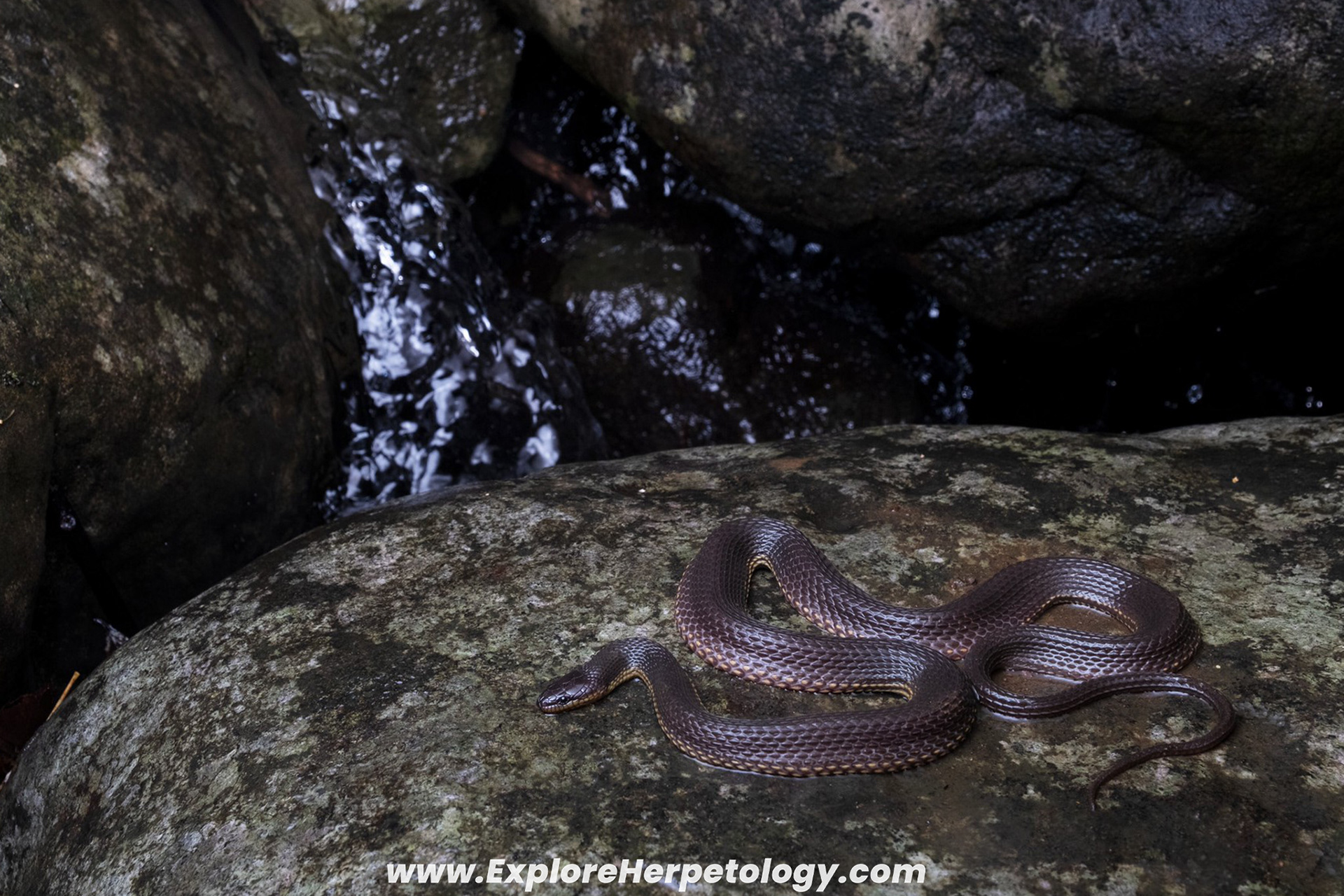
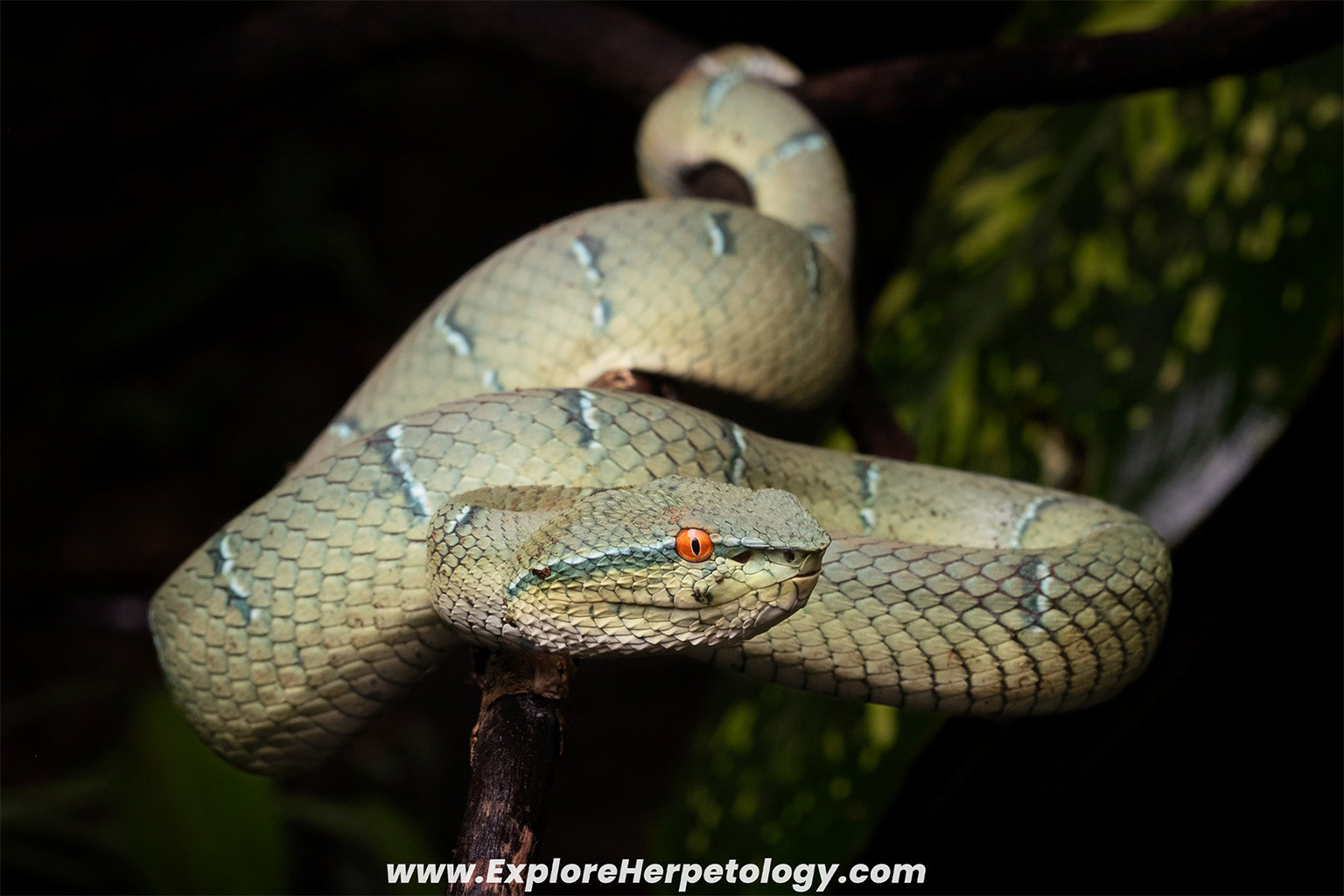
The expedition begins at Puerto Princesa City, Palawan, where our number one target will be the incredible Schultze's pit viper (Trimeresurus schultzei). To find this species, we will need to drive out to remote lowland rainforest streams, where we will hike trails and rocky streams in search of this mature rainforest specialist. Our team has had exceptional success targeting this spectacular species across our many herping trips and short-tours we have operated to this region, but we will be hoping for a rare encounter with a truly massive adult female Trimeresurus schultzei - which can grow to 140 centimetres/4.6 feet!
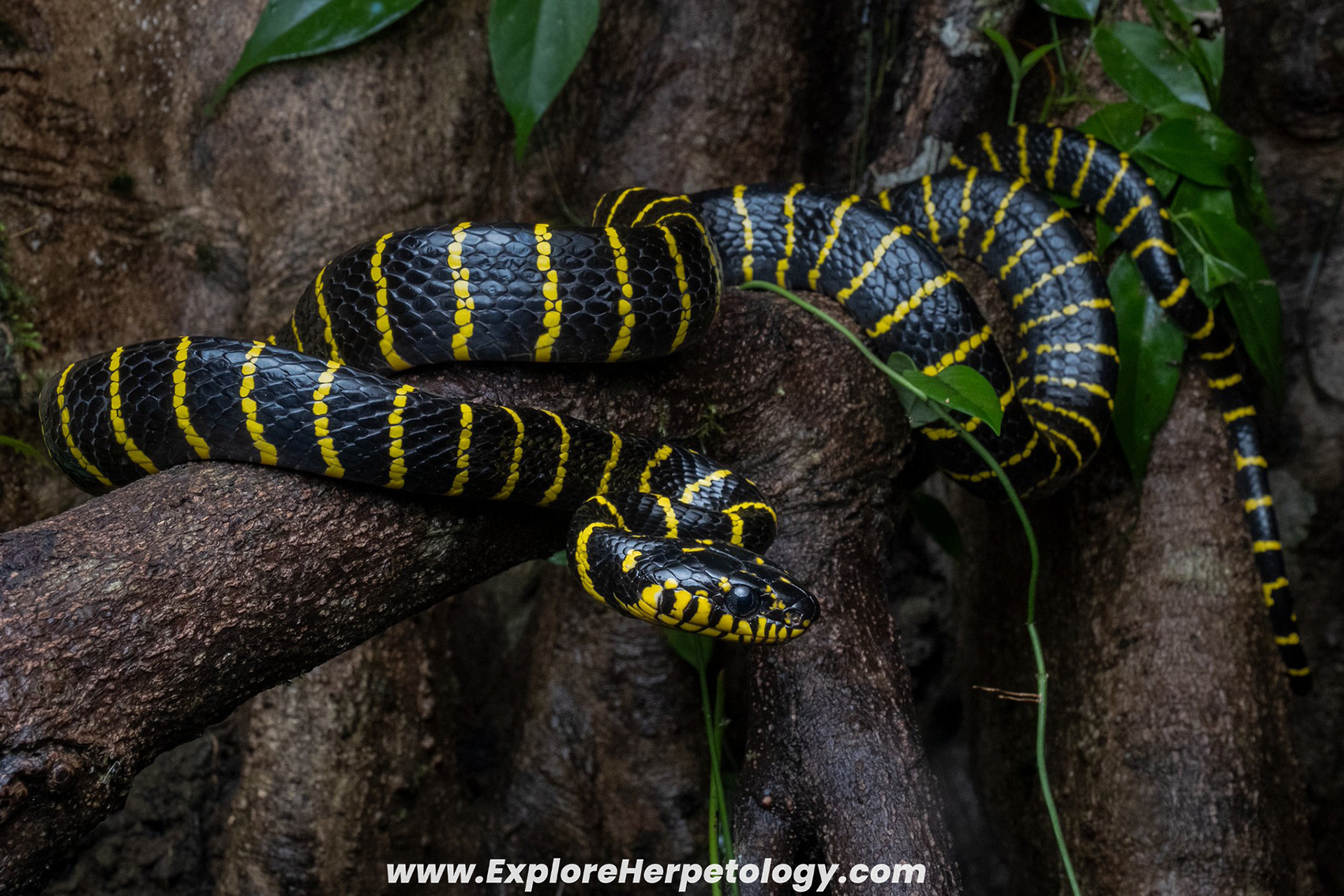
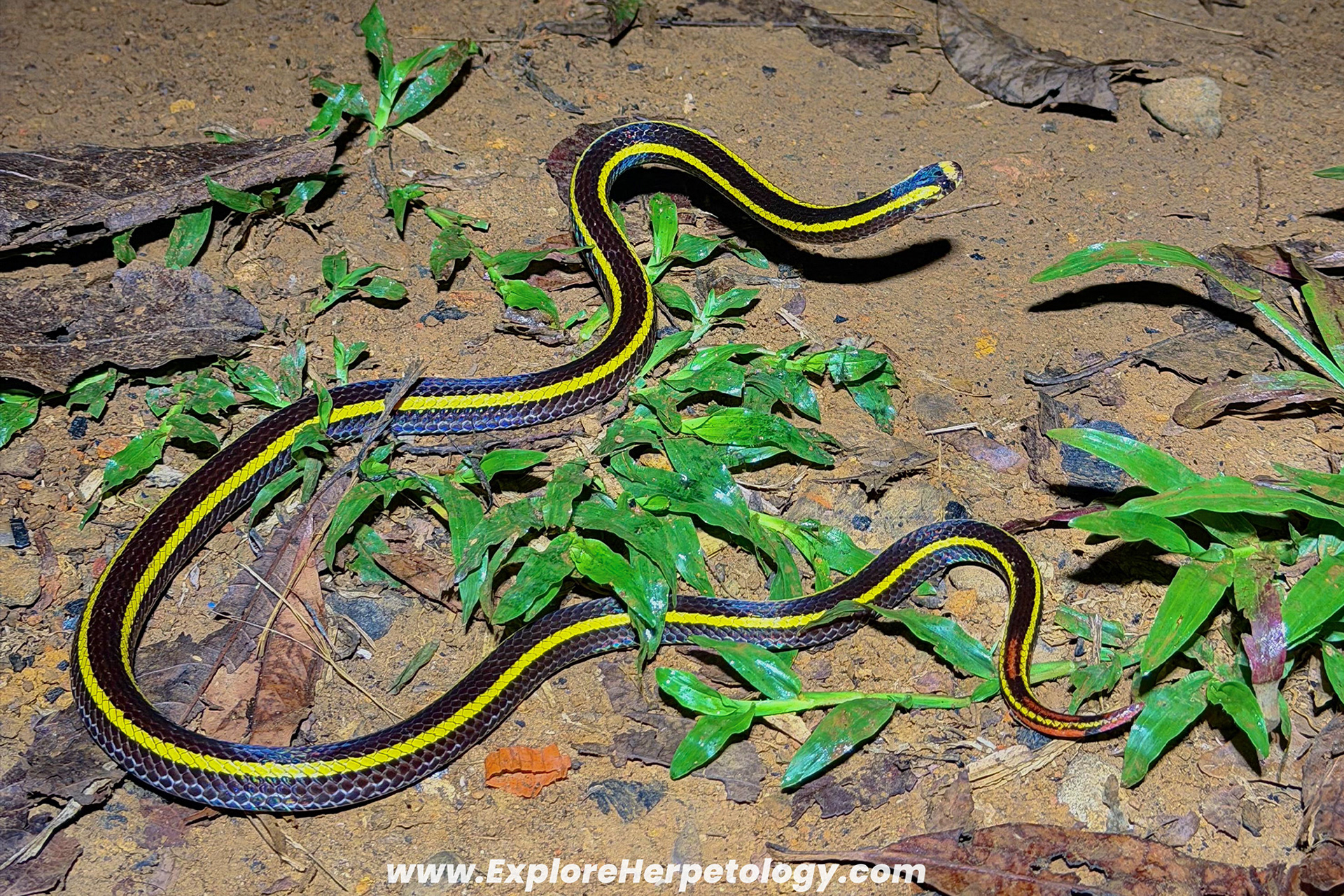
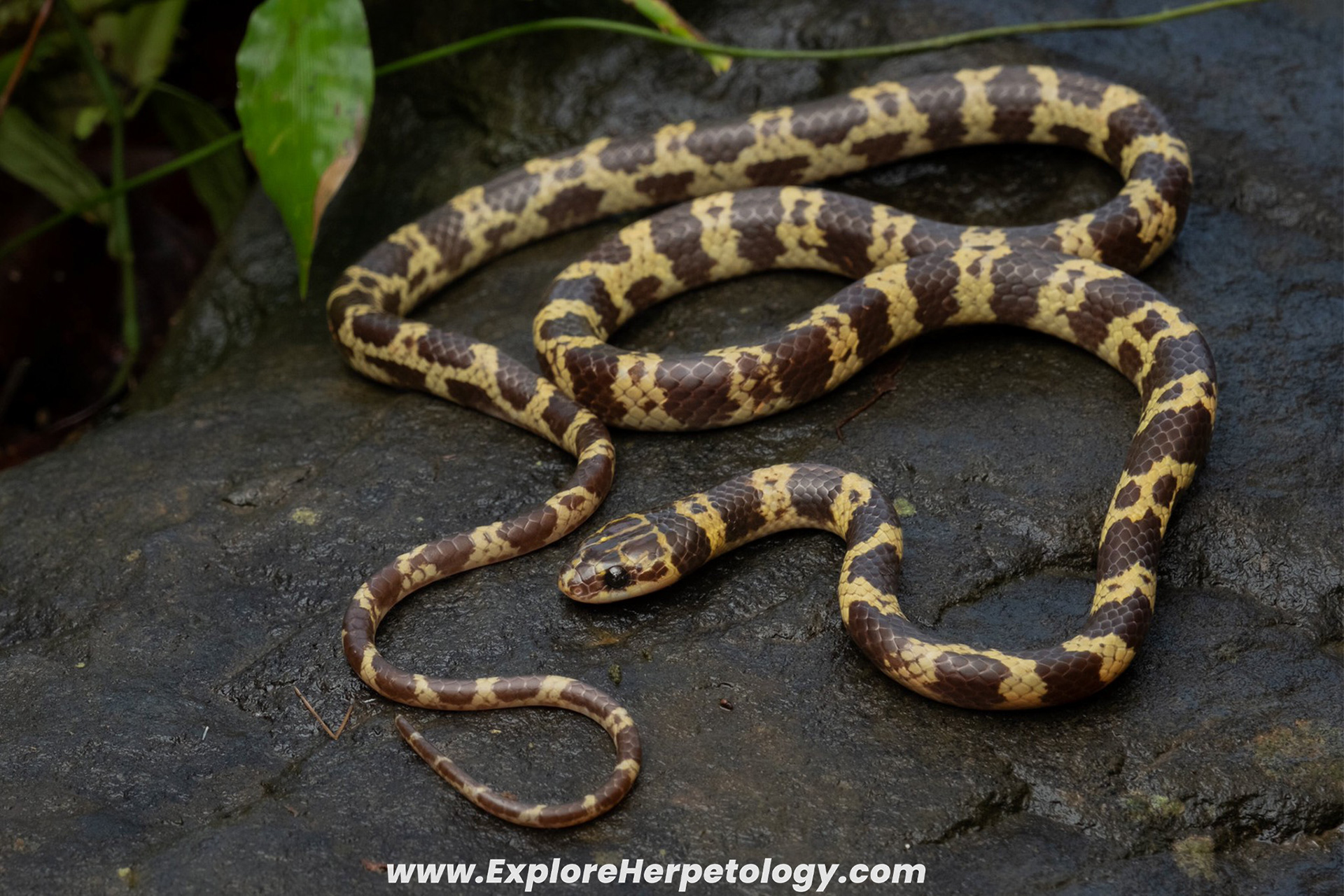
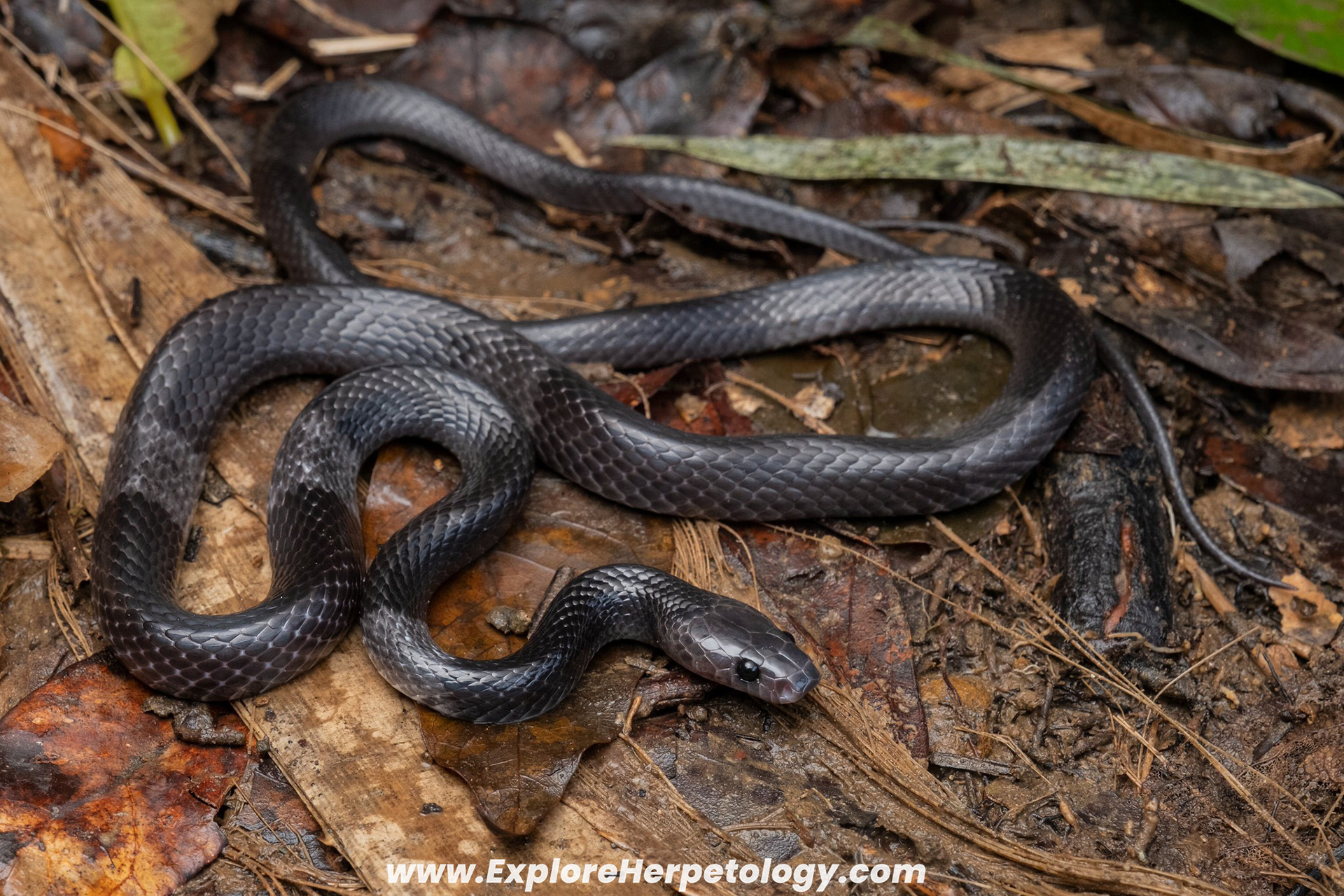
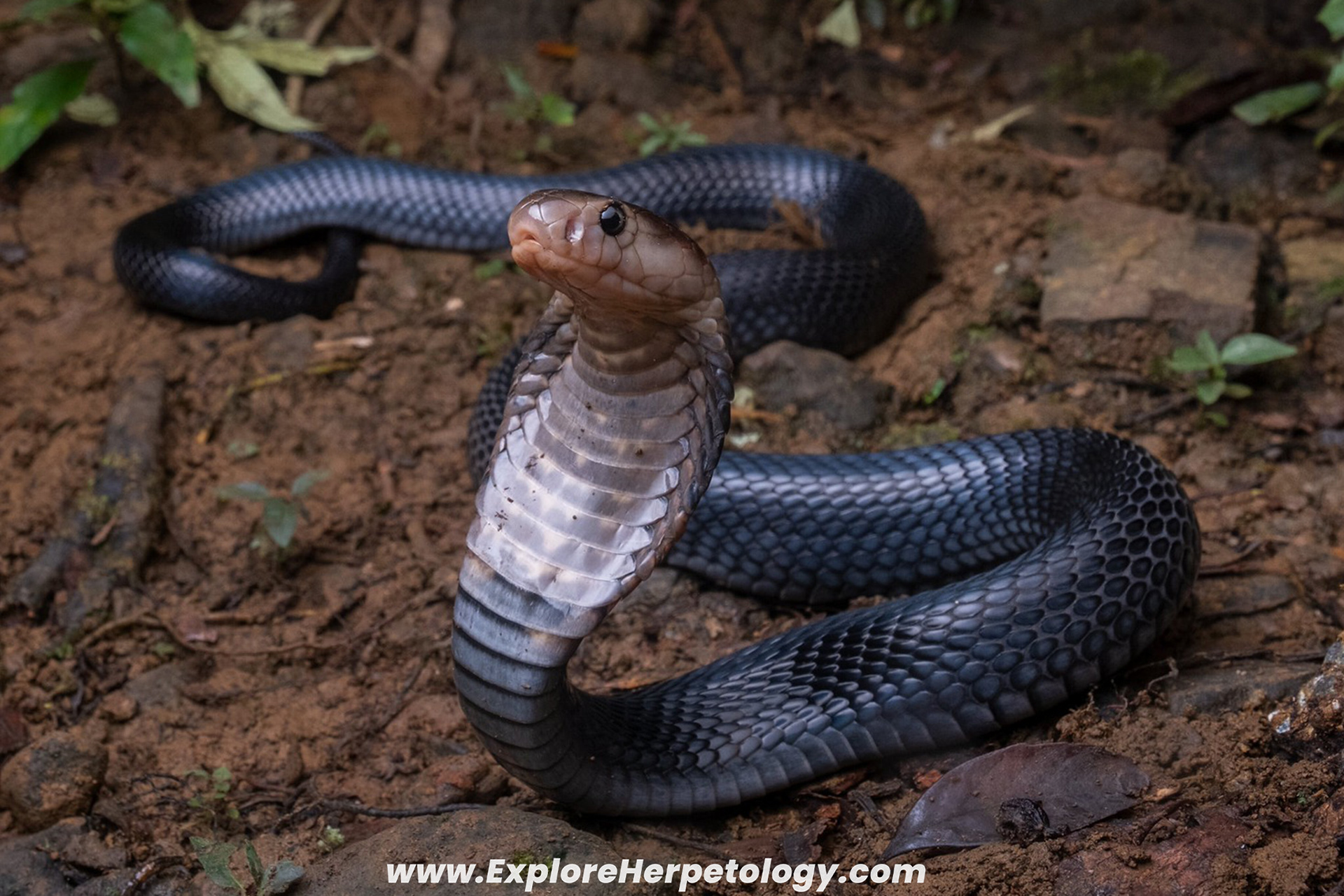
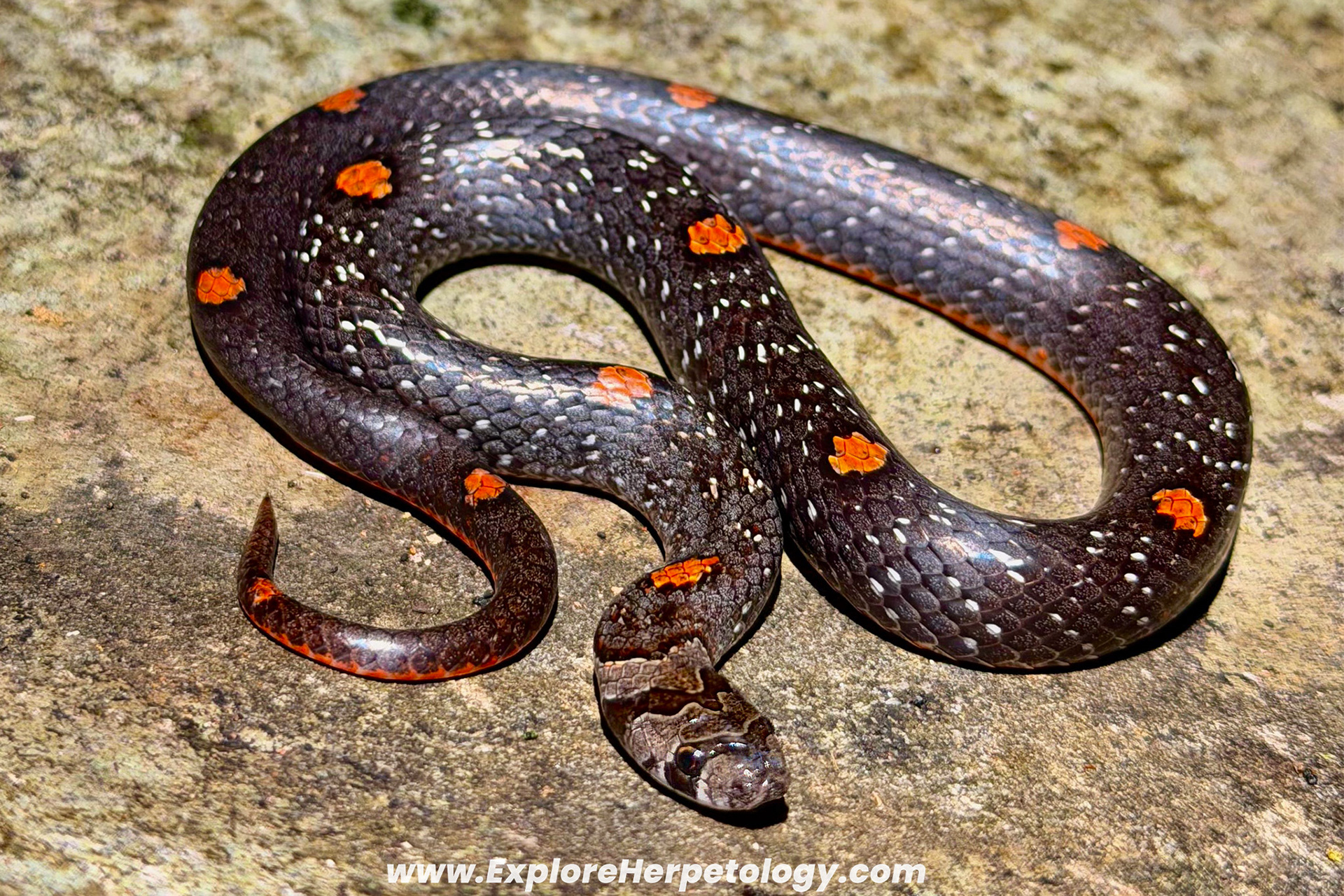
As we have three nights of non-stop herping on this beautiful forested island, we expect encounters with many other herpetofauna species, especially during our night hikes and road cruising. The Palawan clade of the North Philippine temple viper (Tropidolaemus cf. subannulatus) is common here, while the Sumatran spitting cobra (Naja sumatrana miolepis), two-striped coral snake (Calliophis bilineatus), and Palawan kukri snake (Oligodon notospilus) are three of our favourite encounters. The Palawan mangrove cat snake (Boiga dendrophila multicinctus) and very rare Schultze's cat snake (Boiga schultzei) also occur in our survey area. Finding a king cobra is extremely rare in The Philippines, but there is always an outside chance at a lucky encounter with Ophiophagus bungarus while herping in Palawan.
We will stay at a mid-range hotel on the edge of Puerto Princesa City, close to restaurants and other amenities but reasonable driving distance from our key sites in Palawan's central mountain range. Our three-night stay at this location will give us a very good shot at getting multiple individuals of Schultze's pit viper (Trimeresurus schultzei), as well as multiple other endemics to the Palawan faunal region.
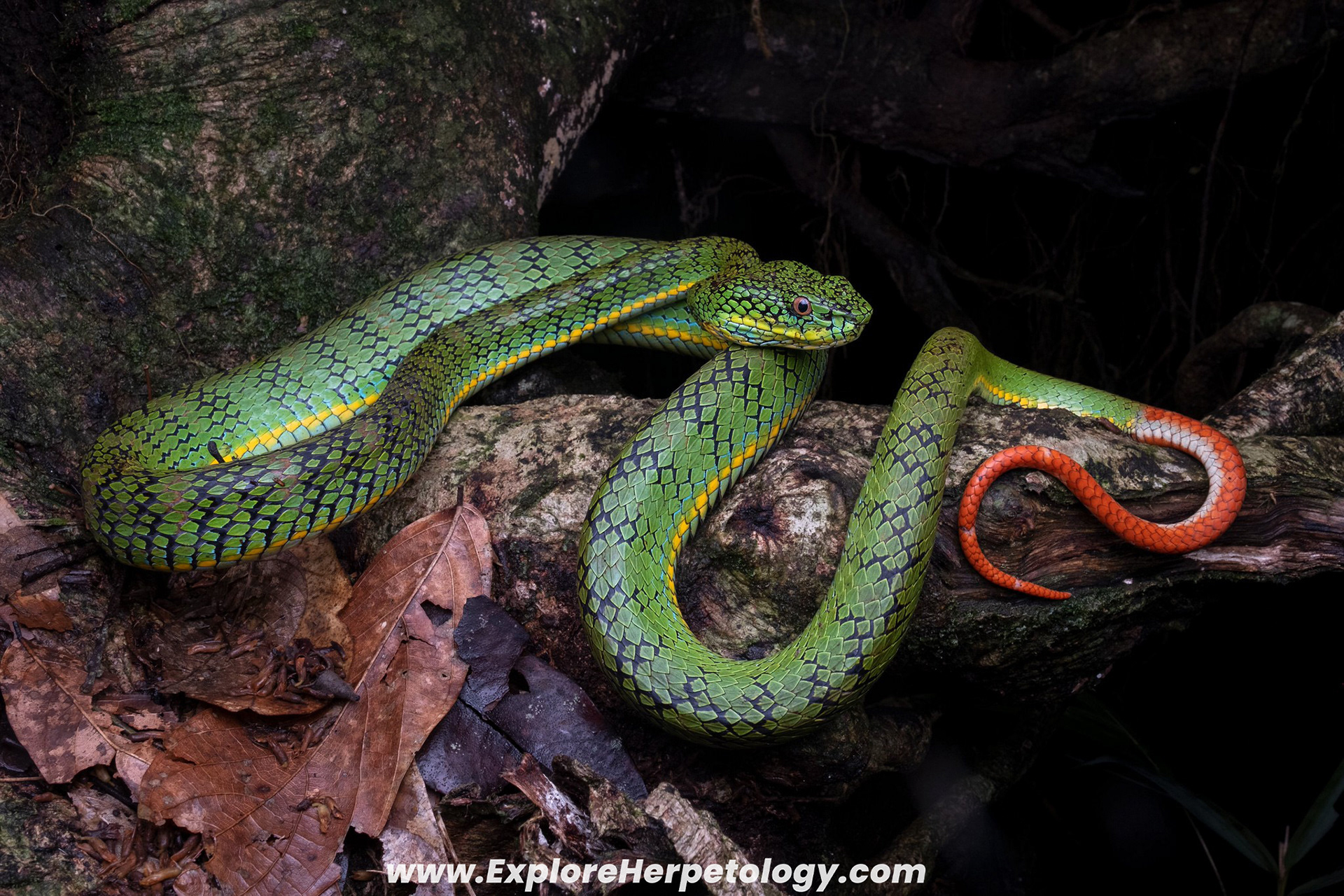
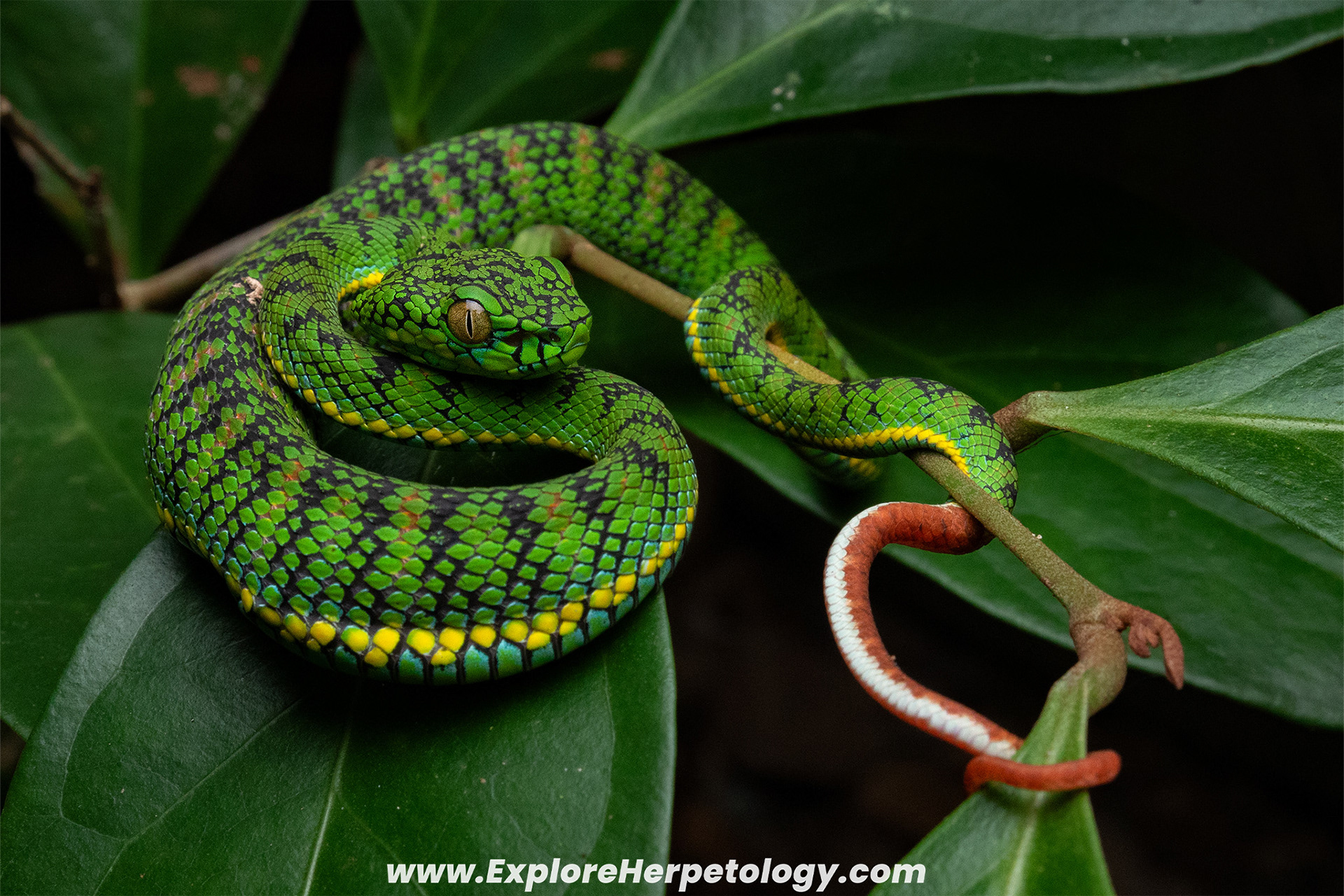
Adult female Schultze's pit viper (Trimeresurus schultzei).
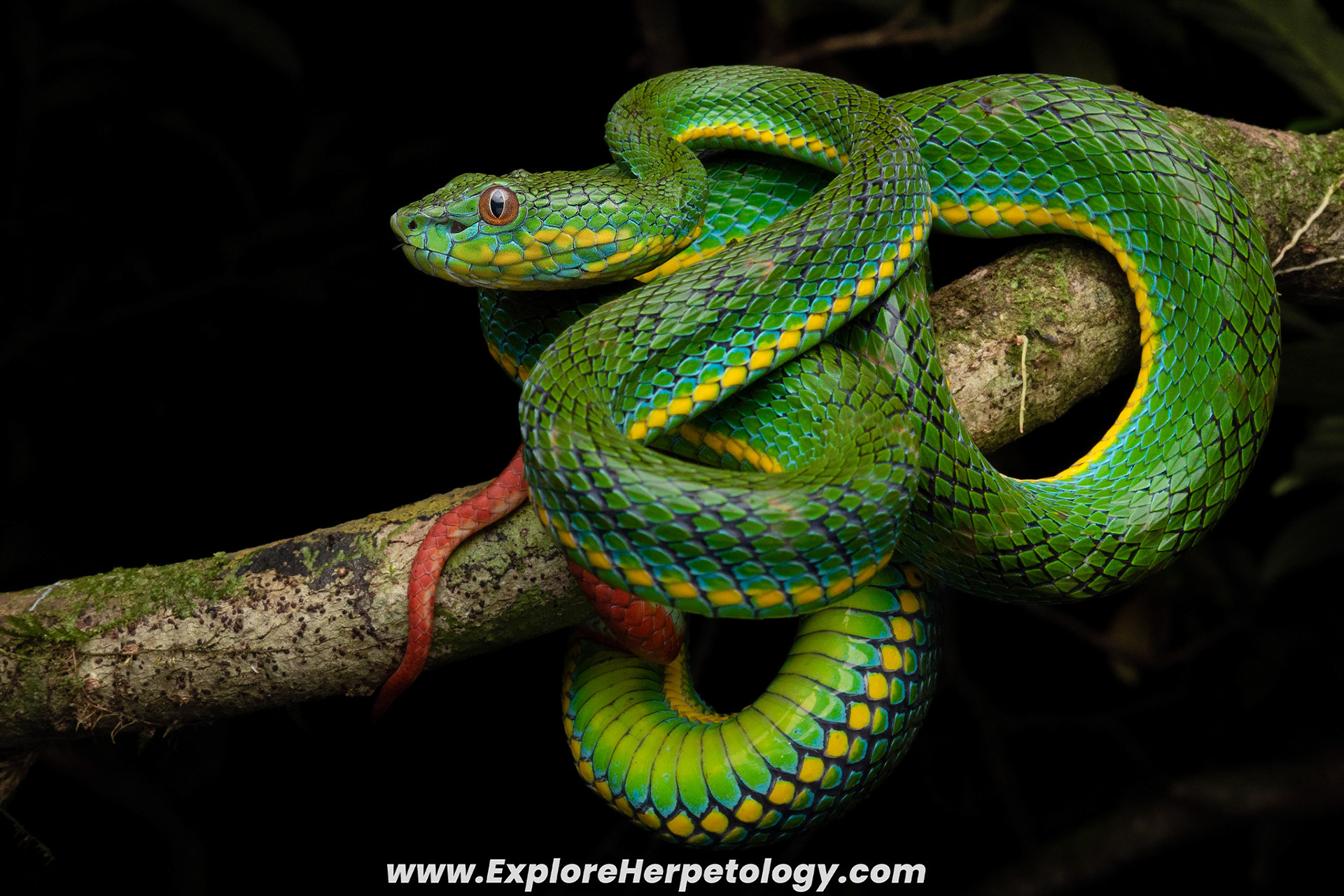
Juvenile Schultze's pit viper (Trimeresurus schultzei).
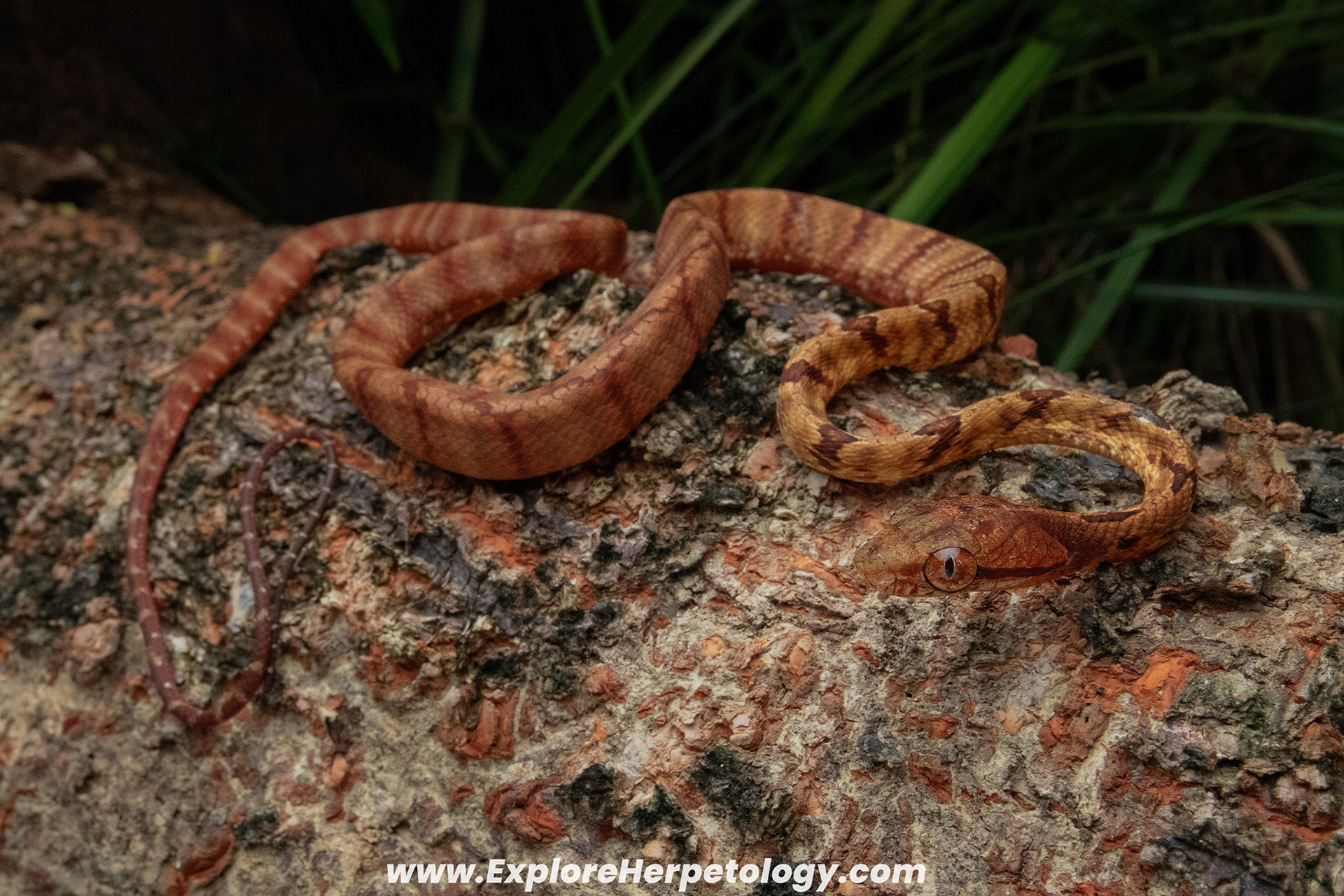
Adult male Schultze's pit viper (Trimeresurus schultzei).
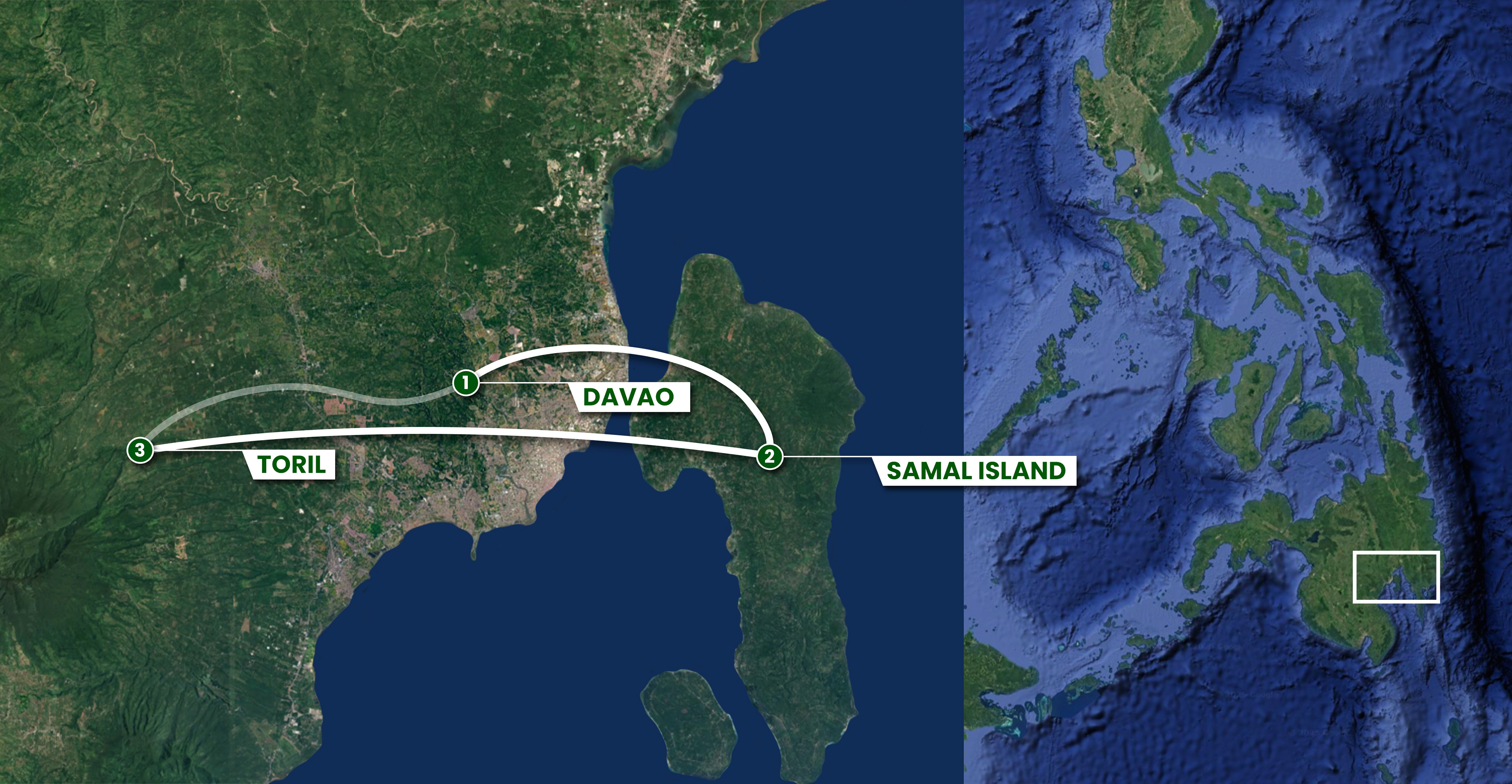
Nights 5 & 6: SAMAL ISLAND
After our 4 nights exploring Davao City, we will take a ferry from the nearby pier to Samal Island, a very short journey. Here, we will relax for the daytime next to the beautiful clearwater sea and get a rest after an intense first 4 days. In the evening, we will venture into the interior of the island to hike around streams for the beautiful Mindanao mangrove cat snake (Boiga dendrophila latifasciata). This species does not occur on the mainland near Davao City, so this island is our only chance to see this impressive snake.
In the mountainous valleys on the east of Samal Island, we will search for the Philippine ground snake (Stegonotus muelleri), sometimes known as Mueller's wolf snake. This strange snake can reach almost 2 meters in length and is often found inside caves or hunting around rocks. It is rare on the mainland, but locals have reported several sightings from Samal island. We will likely encounter several other snakes on this island, which can include the Philippine bronzeback (Dendrelaphis philippensis), Philippine paradise flying snake (Chrysopelea p. variabilis), more individuals of the North-Philippine temple viper (Tropidolaemus subannulatus) and even king cobra (Ophiophagus sp.). At the end of our nights, we can also head down to the beaches to search for sea kraits (Laticauda sp.) which are common around small islands in The Philippines.
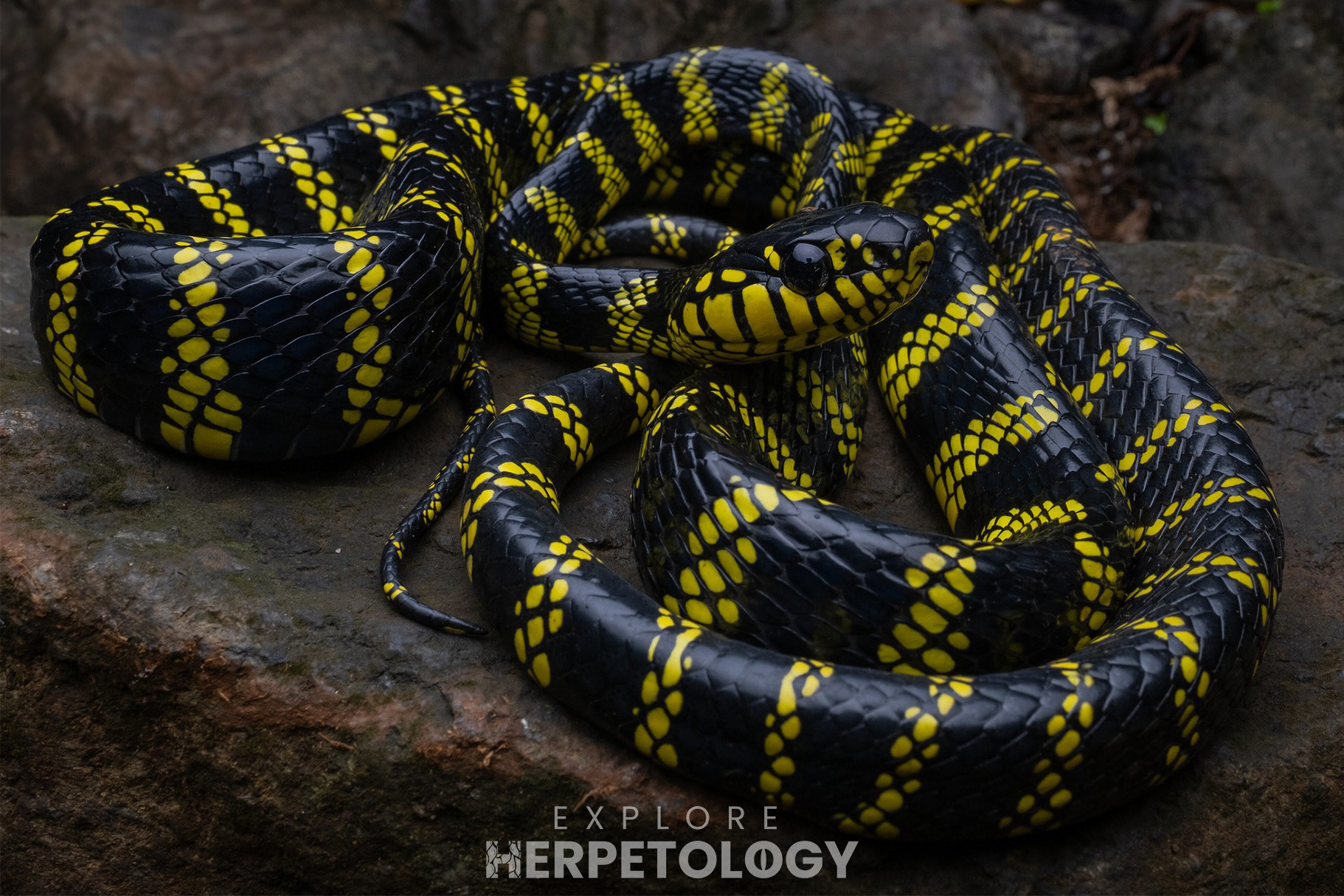
Mindanao mangrove cat snake (Boiga dendrophila latifasciata).
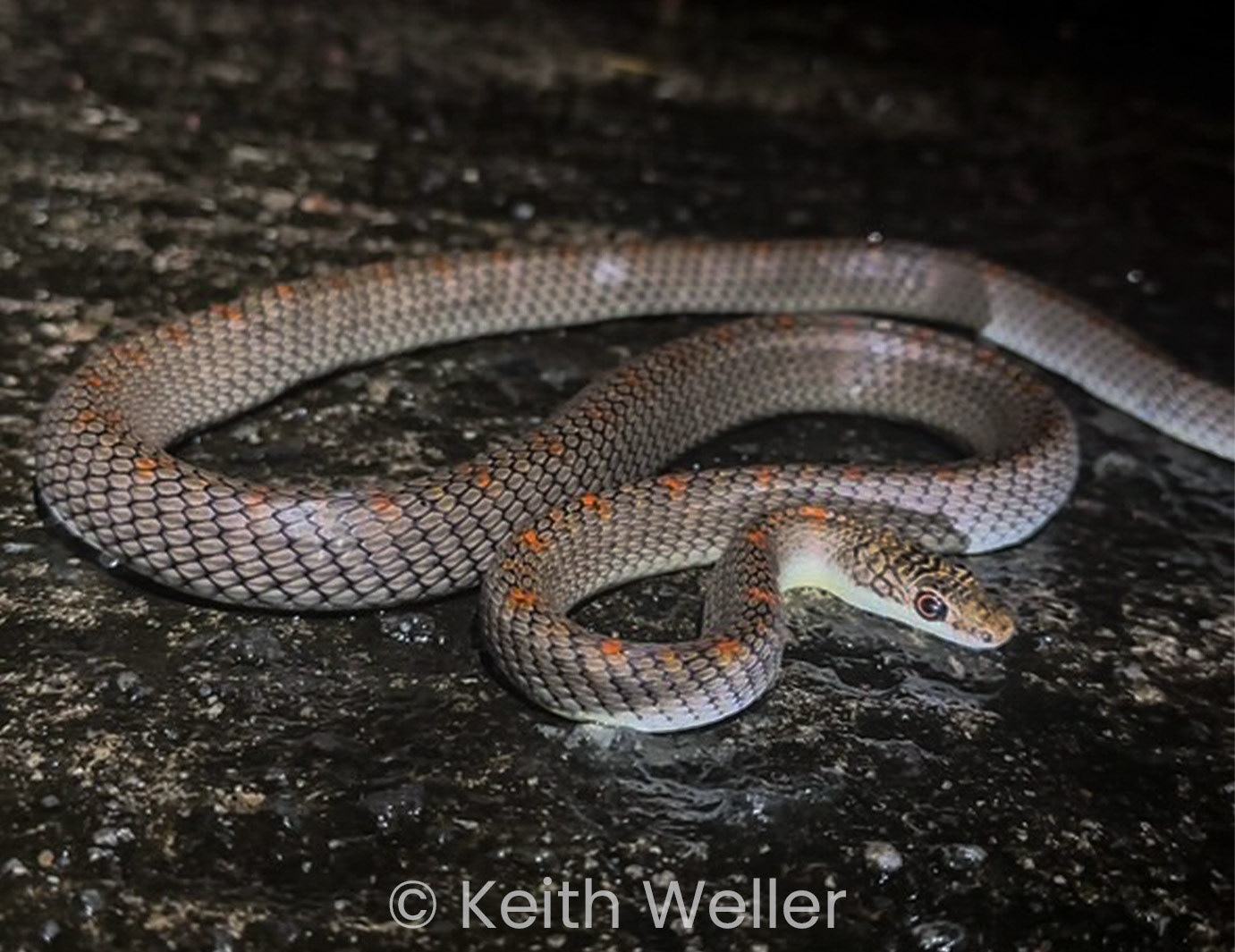
Philippine paradise flying snake (Chrysopelea p. variabilis).
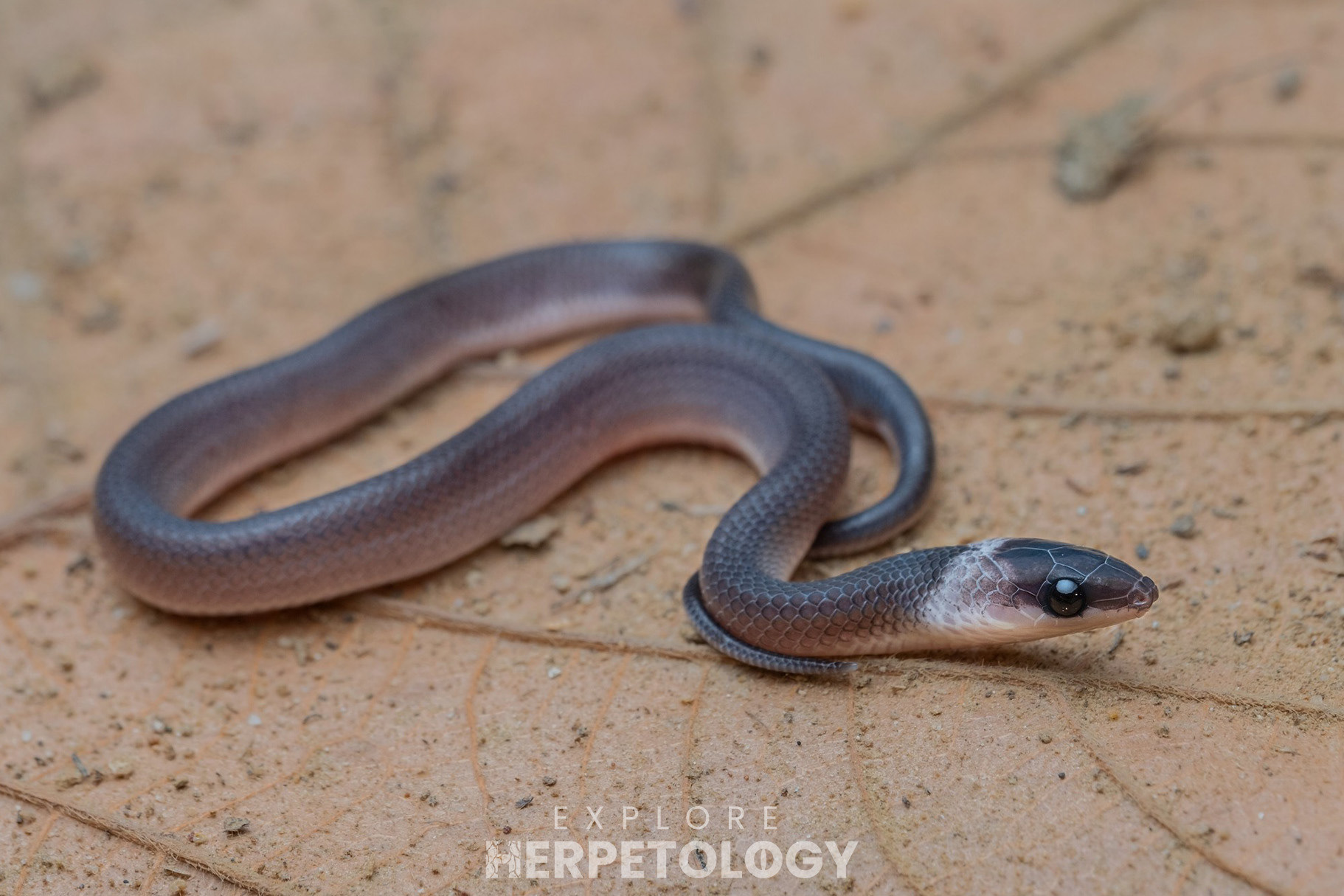
Juvenile Philippine shrub snake (Oxyrabdium modestum).
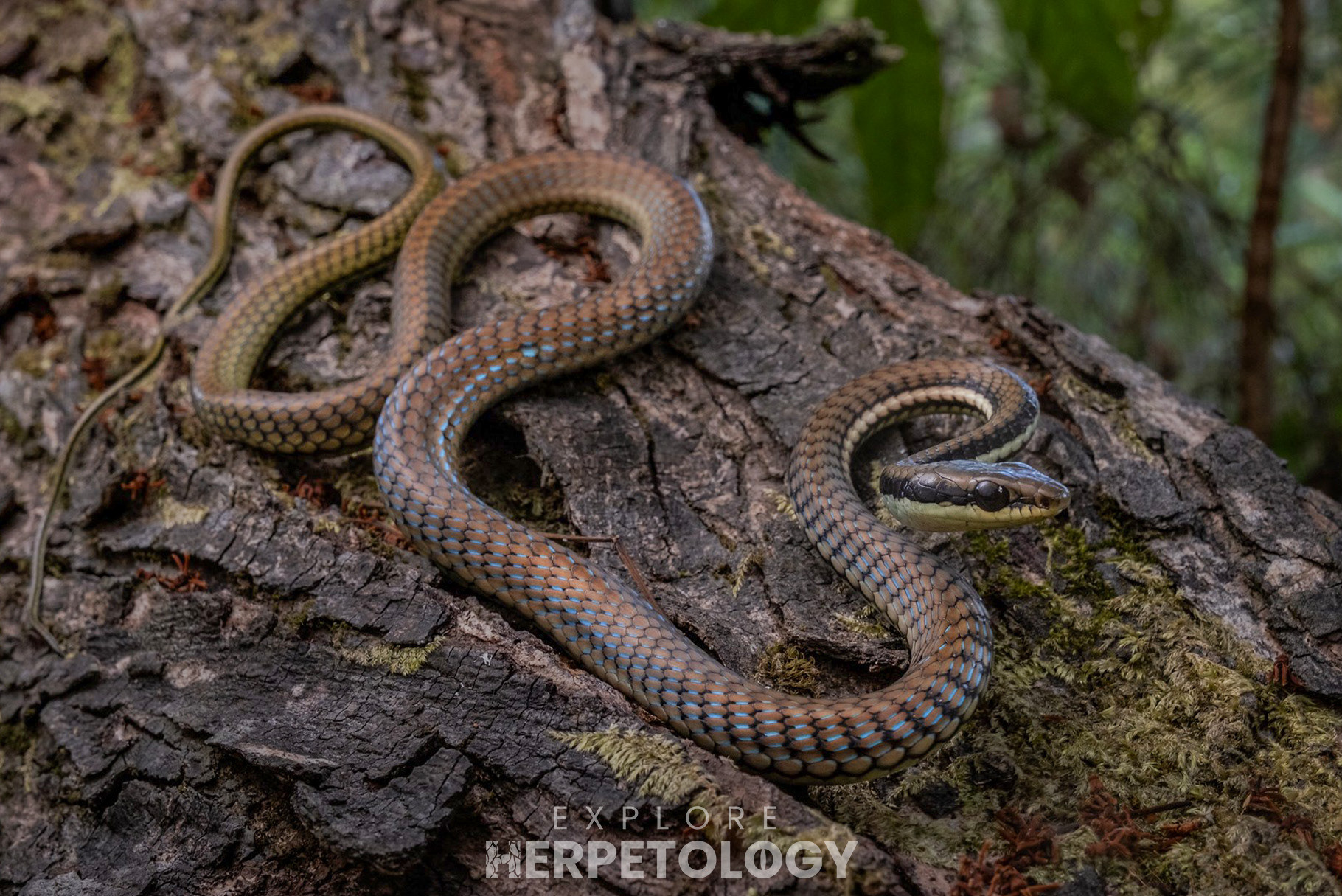
Philippine bronzeback (Dendrelaphis philippensis).
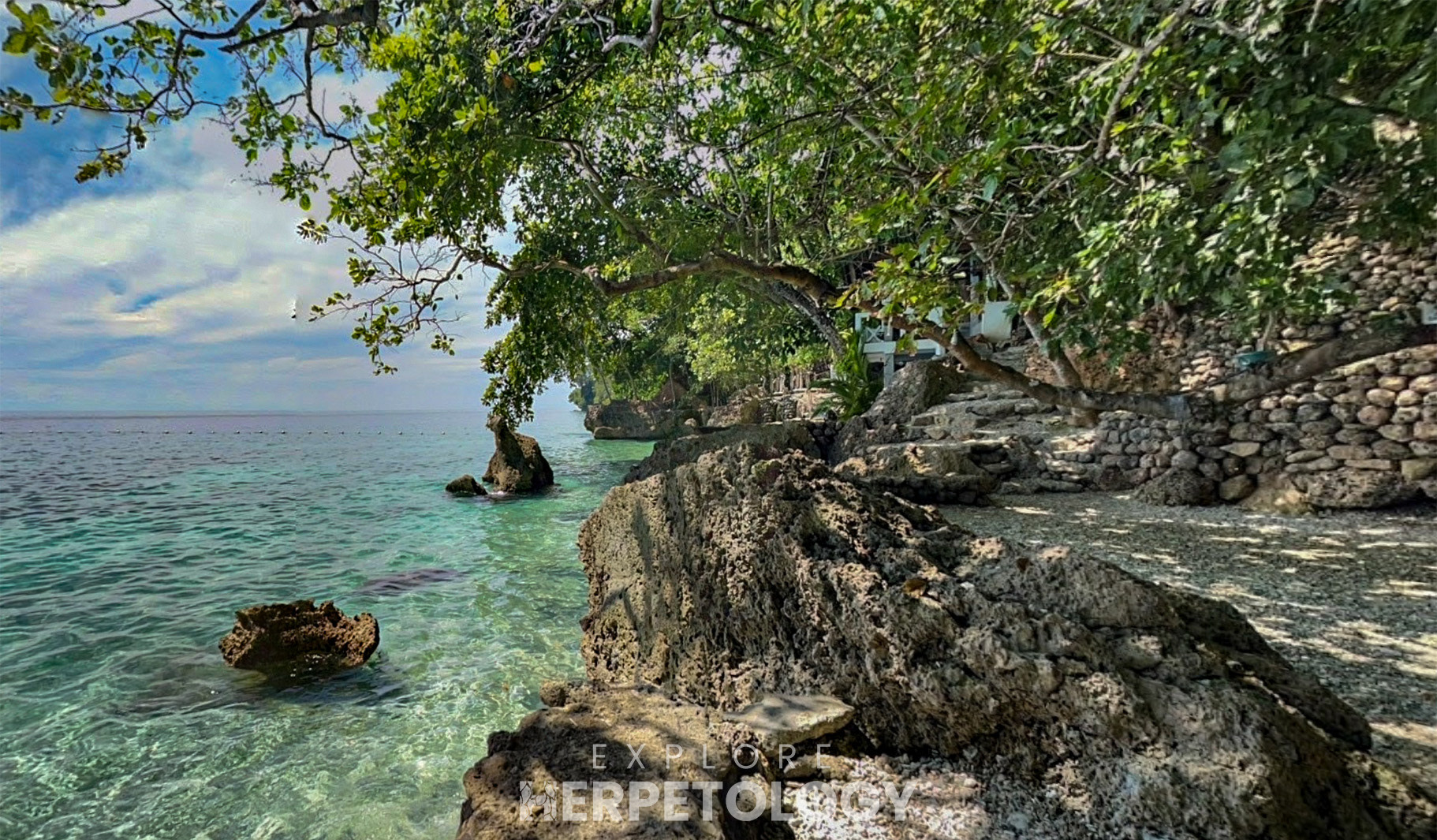
Rocky coastal area.
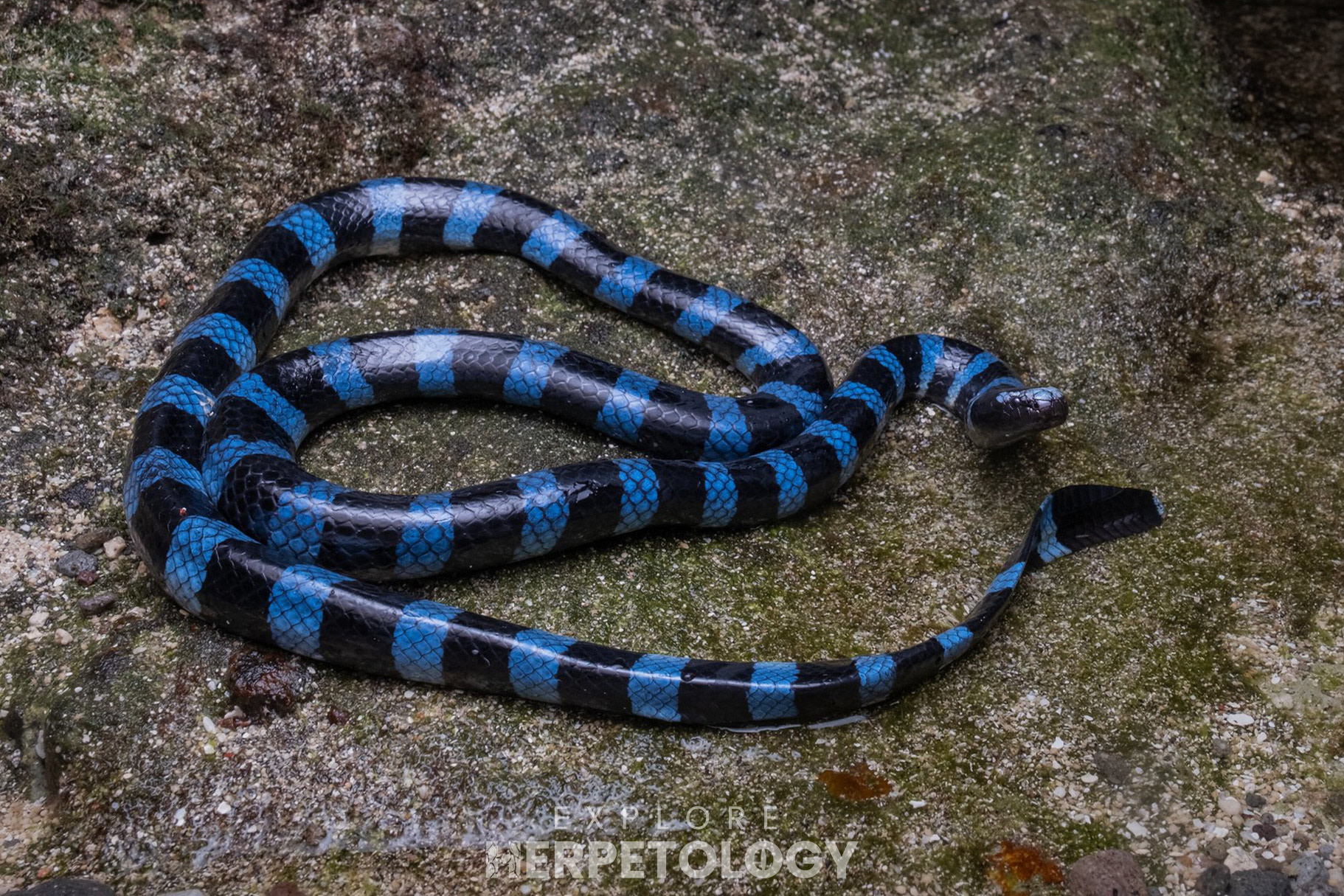
Blue-lipped sea krait (Laticauda laticaudata).
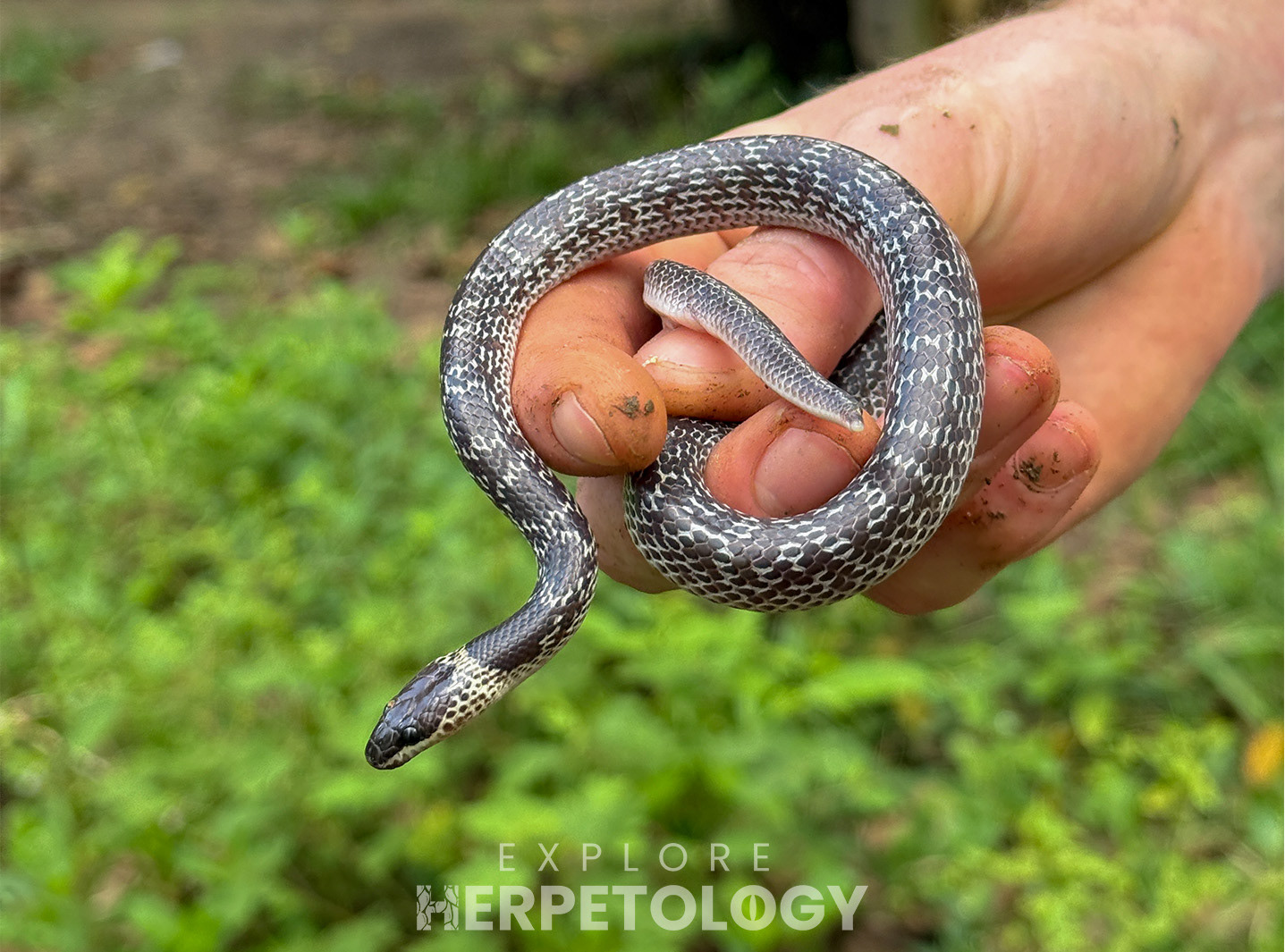
Common wolf snake (Lycodon capucinus).
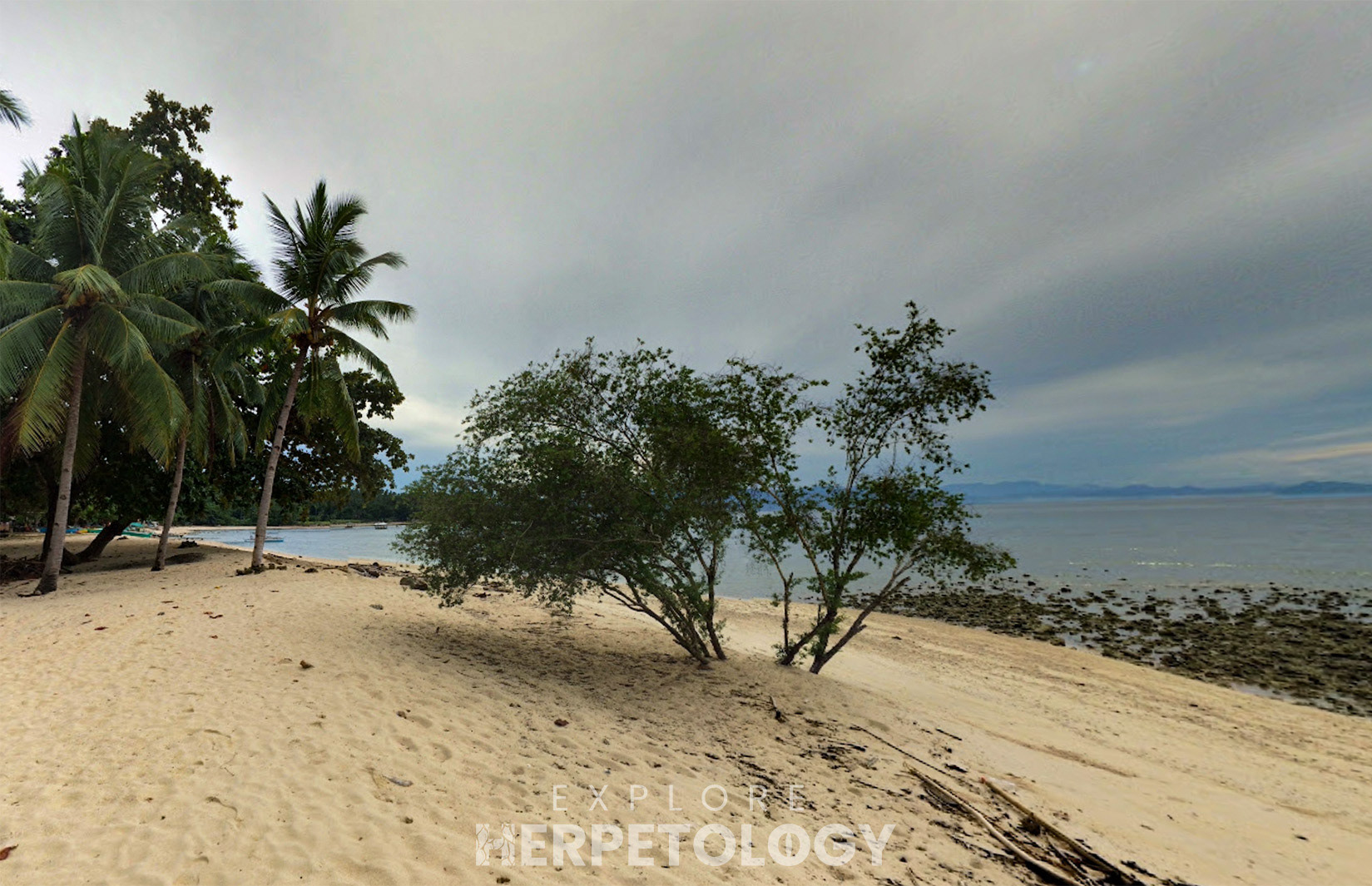
Quiet sandy beaches.
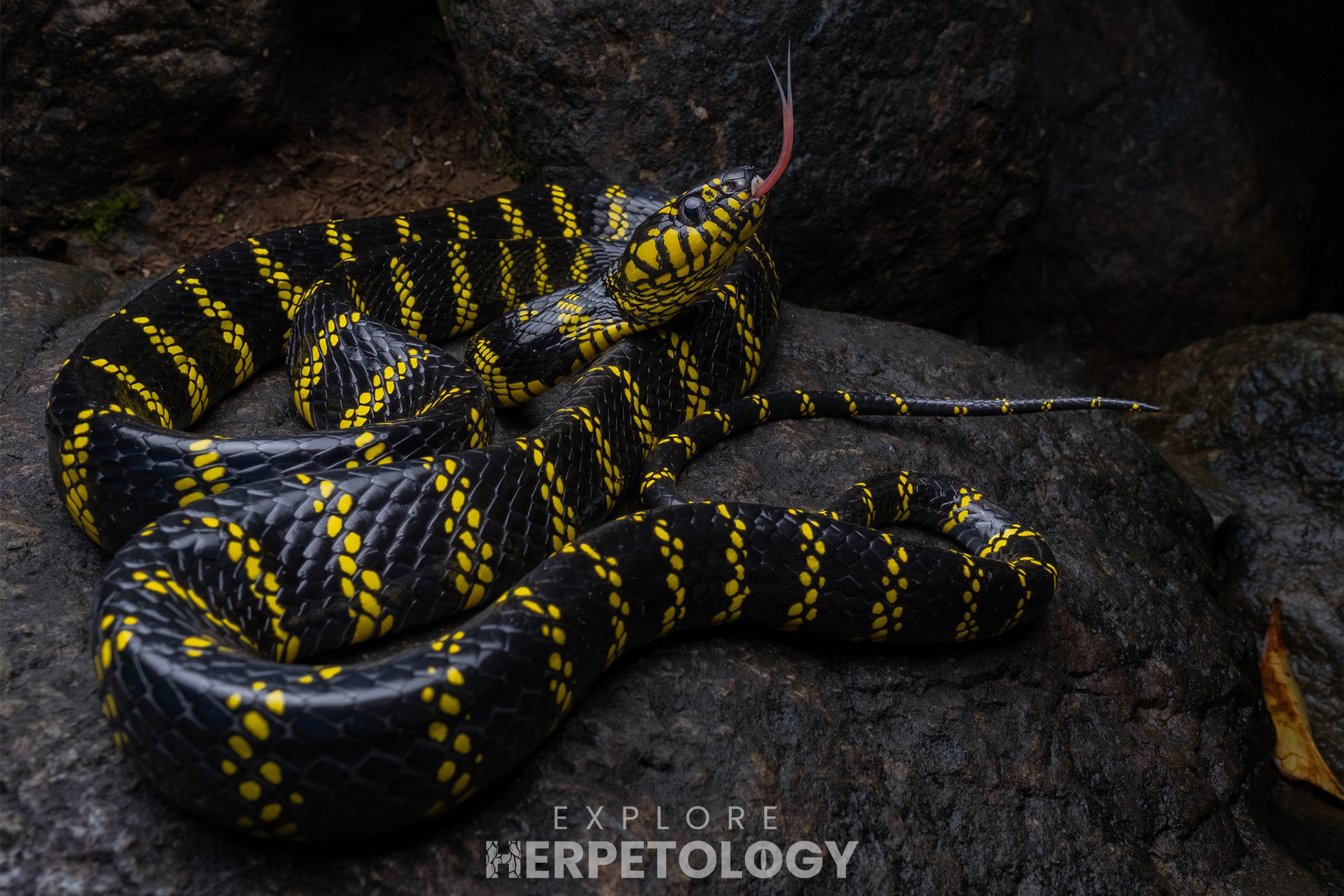
Mindanao mangrove cat snake (Boiga dendrophila latifasciata).
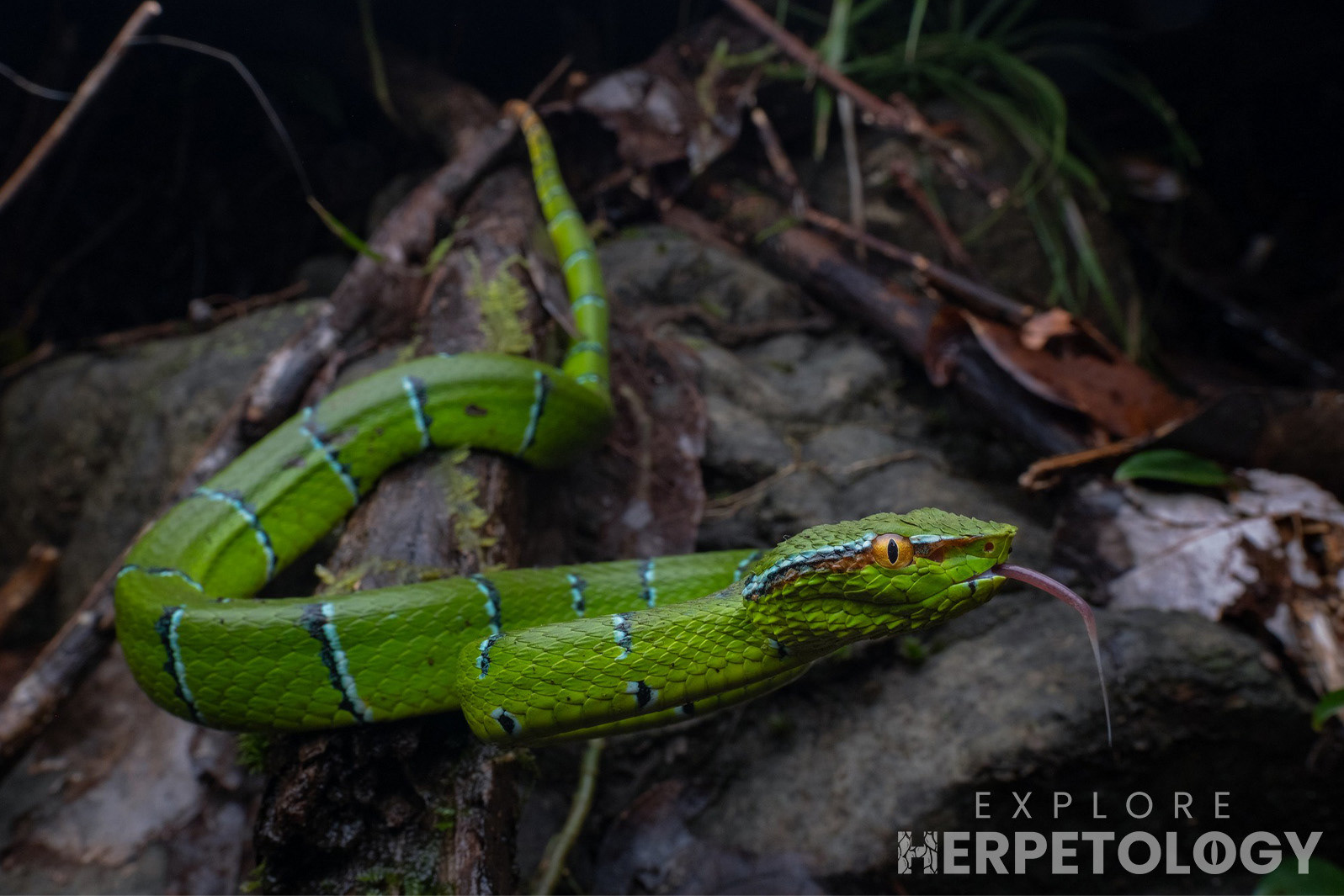
North-Philippine temple viper (Tropidolaemus subannulatus).
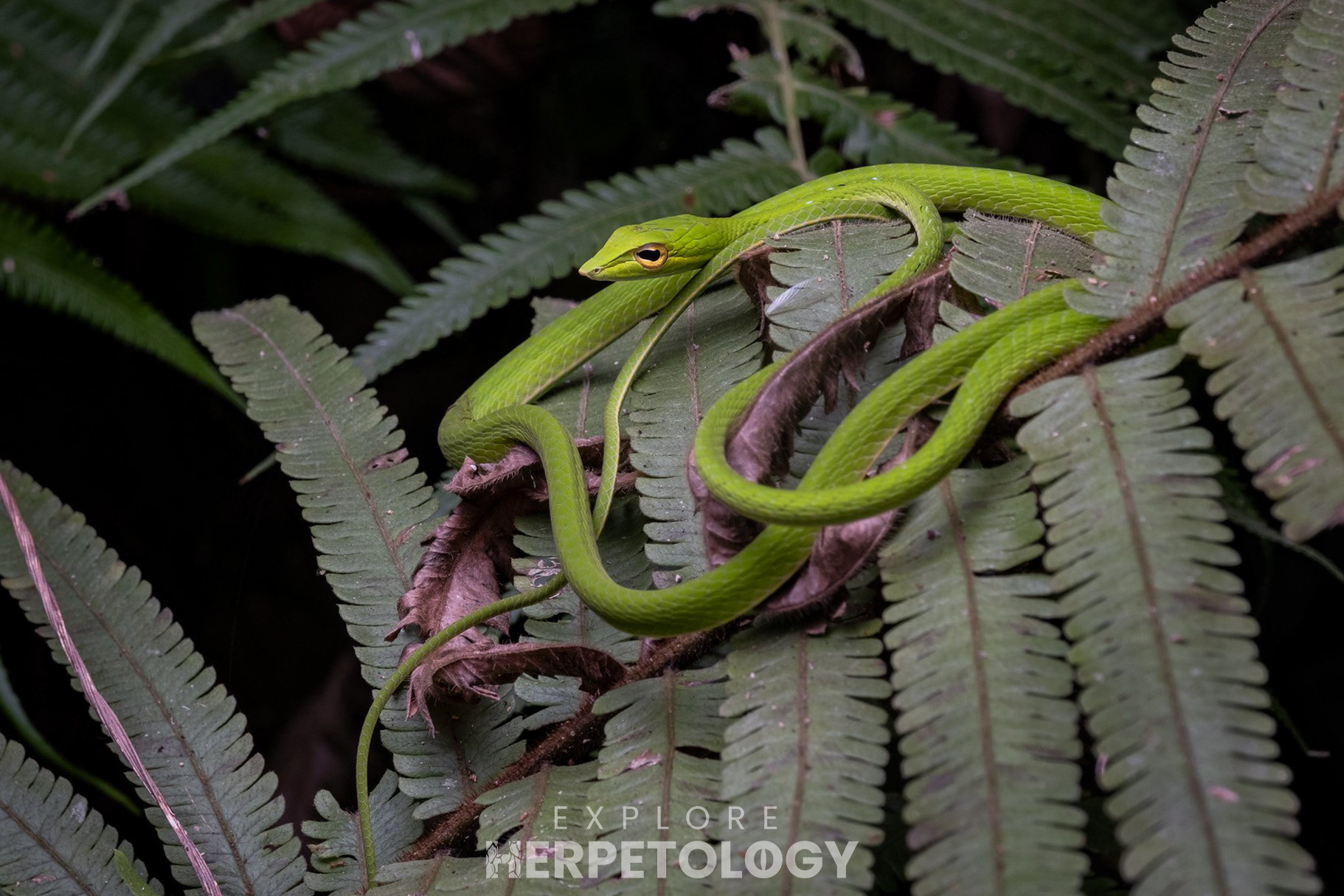
Philippine vine snake (Ahaetulla p. preocularis).
Nights 7 - 9: TORIL
We return to the mainland early on day 7, and drive from Davao City to Toril, a district west of the city comprising mostly of highlands up to 1,200 meters. These highlands will be the focus of our first 2 days in the area, as this is home to the Mindanao clade of the Philippine pit viper (Trimeresurus cf. flavomaculatus), often referred to as Trimeresurus schadenbergi. This distinctive morph is much rarer than the typical Trimeresurus flavomaculatus found across the more northern islands in The Philippines, so we will make sure we maximise our search effort here to find at least one individual. Males of this clade have broad red bands which encircle the body, but we have only seen females here in the past. This expedition, the goal is to find an adult male.
While in the highlands, we will get out for several daytime herping sessions where we can target diurnal species not possible at other locations on this expedition, such as the rare highland-endemic spotted water snake (Tropidonotus dendrophiops) and the slightly more common white-lined keelback (Rhabdophis auriculatus). At night, several other Mindanao-endemic snakes can be found here. The zig-zag lined keelback (Rhabdophis lineatus) is definitely the most common, but we will keep out eyes peeled for the Mindanao kukri snake (Oligodon maculatus) and Dumeril's wolf snake (Lycodon dumerilii) - both extremely uncommon species. Other snakes such as the mock viper (Psammodynastes cf. pulverulentus), Gervais' reed snake (Calamaria gervaisii) and blunt-headed slug snake (Aplopeltura boa) occur in the area. It is also possible to find king cobra (Ophiophagus sp.) in the highlands.
Unlike the previous two locations, the damp forests of Toril are also good for frogs. Our team have seen the Mindanao horned frog (Pelobatrachus stejnegeri), Mindanao sticky frog (Kalophrynus sinensis), local clade of Saffron-bellied frog (Chaperina cf. fusca), Asiatic tree frog (Leptomantis bimaculatus) and smooth-skinned shurb frog (Philautus worcesteri) to name a few. The best lizard in the area is the banded supple skink (Sphenomorphus fasciatus), a big target for this expedition.
On our final day, we will visit a river near Toril where there is a remnant population of Philippine sailfin dragon (Hydrosaurus pustulatus). We will try to spot these basking during the daytime. If we are unsuccessful, we can return at night and search for them sleeping. This area has a lot of snakes, especially North-Philippine temple viper (Tropidolaemus philippensis) and Philippine shrub snake (Oxyrabdium modestum). The following day, we will drive back to Davao city where the expedition will end.
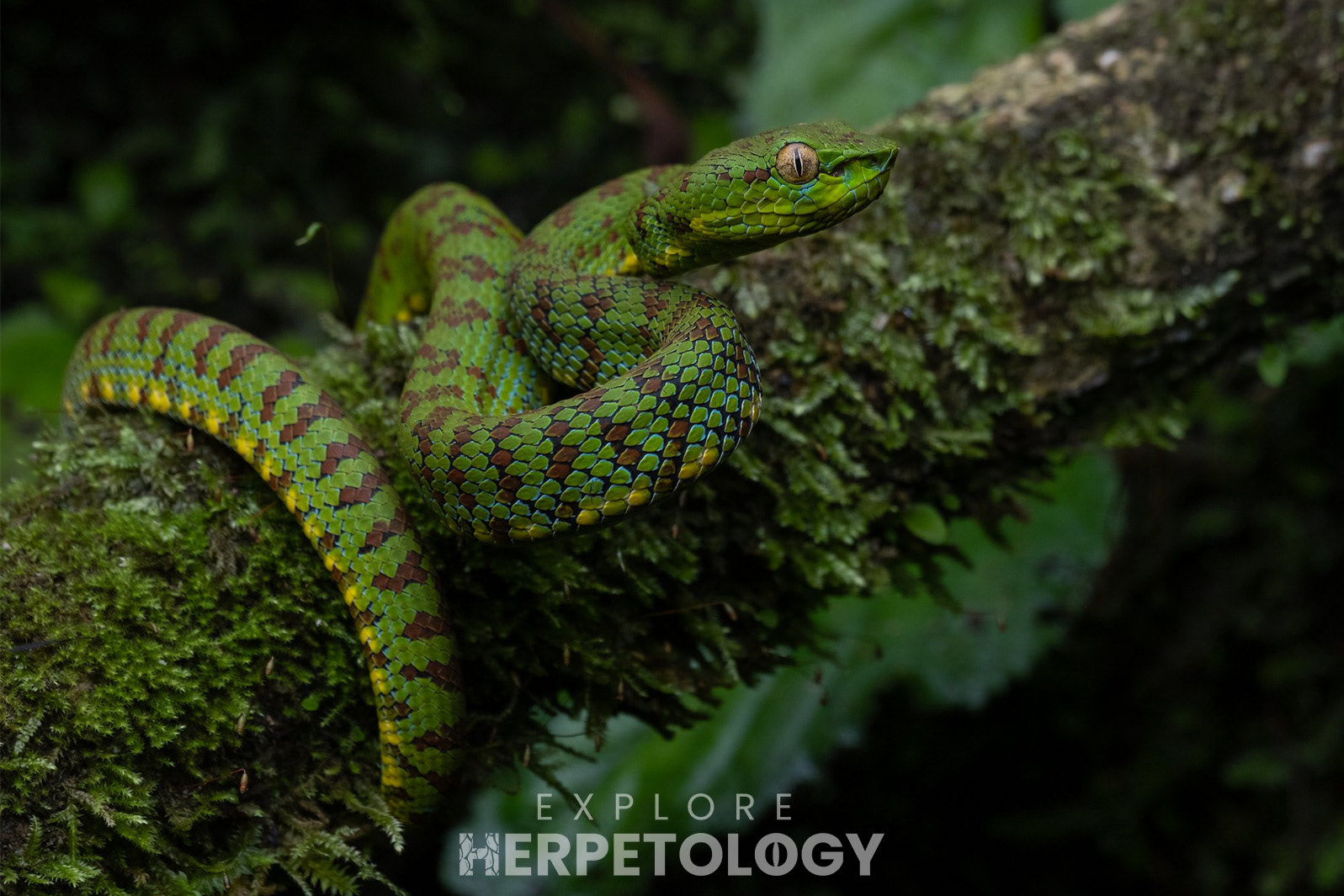
Mindanao/Philippine pit viper (Trimeresurus cf. flavomaculatus).
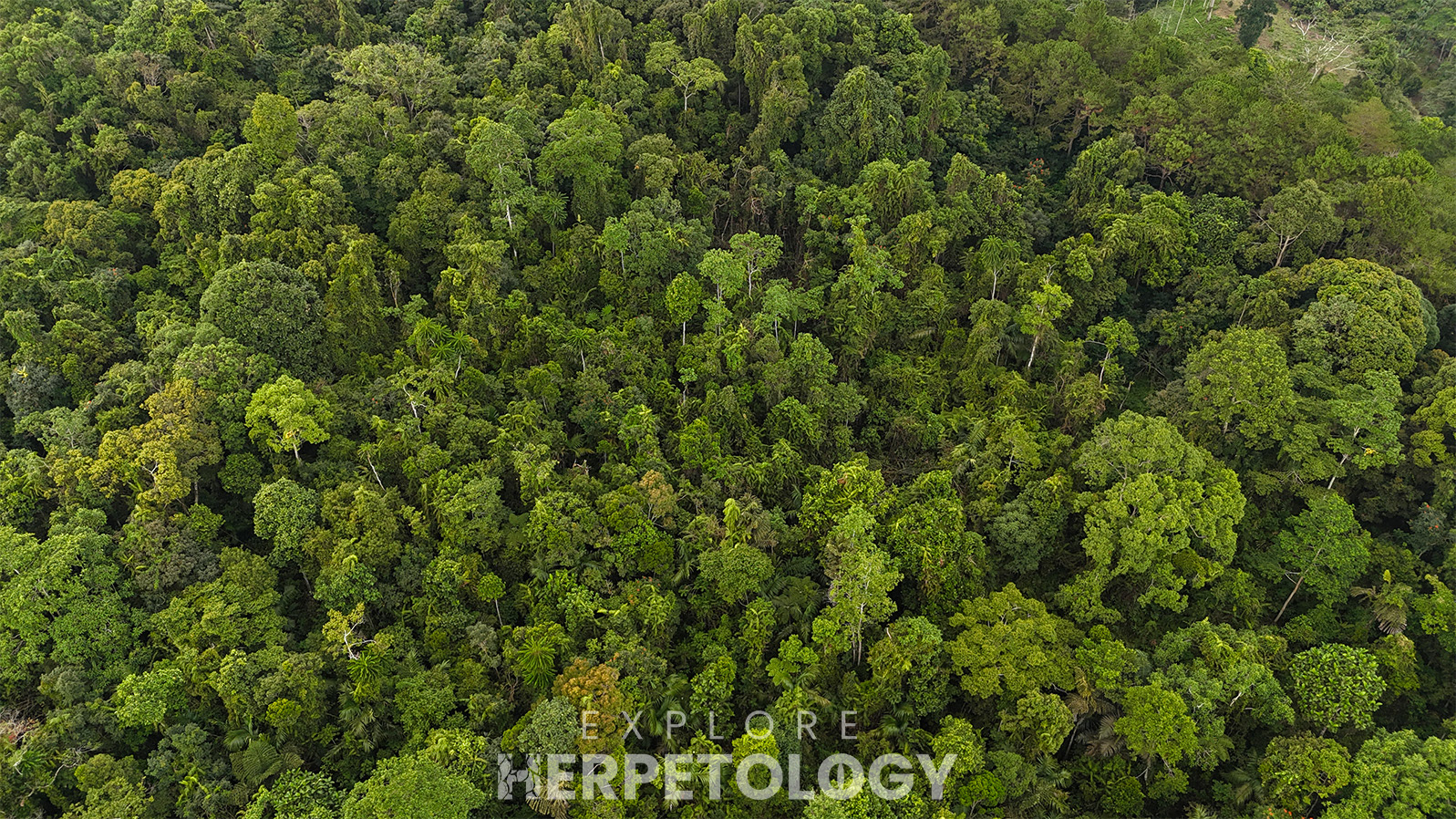
Lush highland rainforest in Toril.
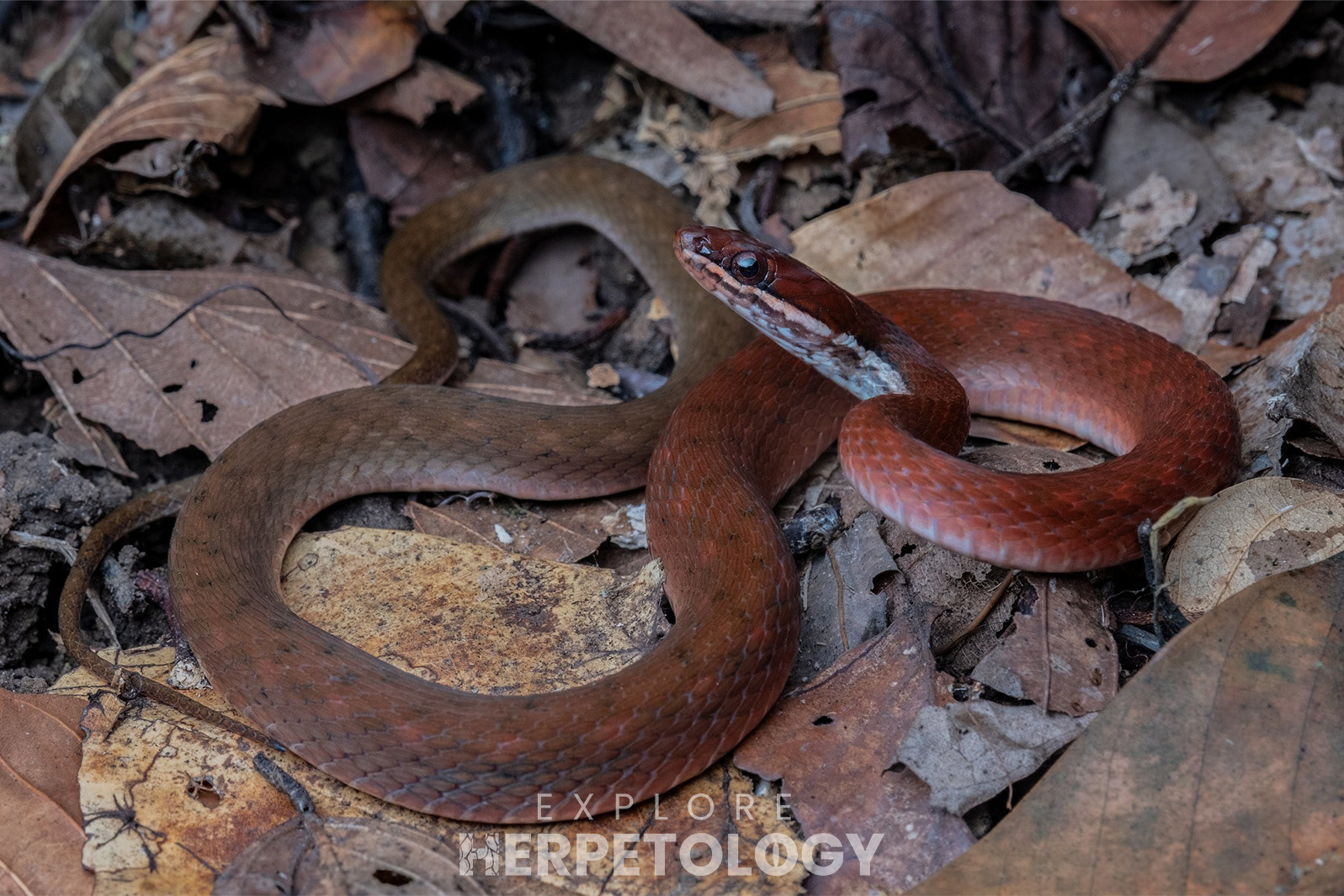
Zig-zag lined keelback (Rhabdophis lineatus).
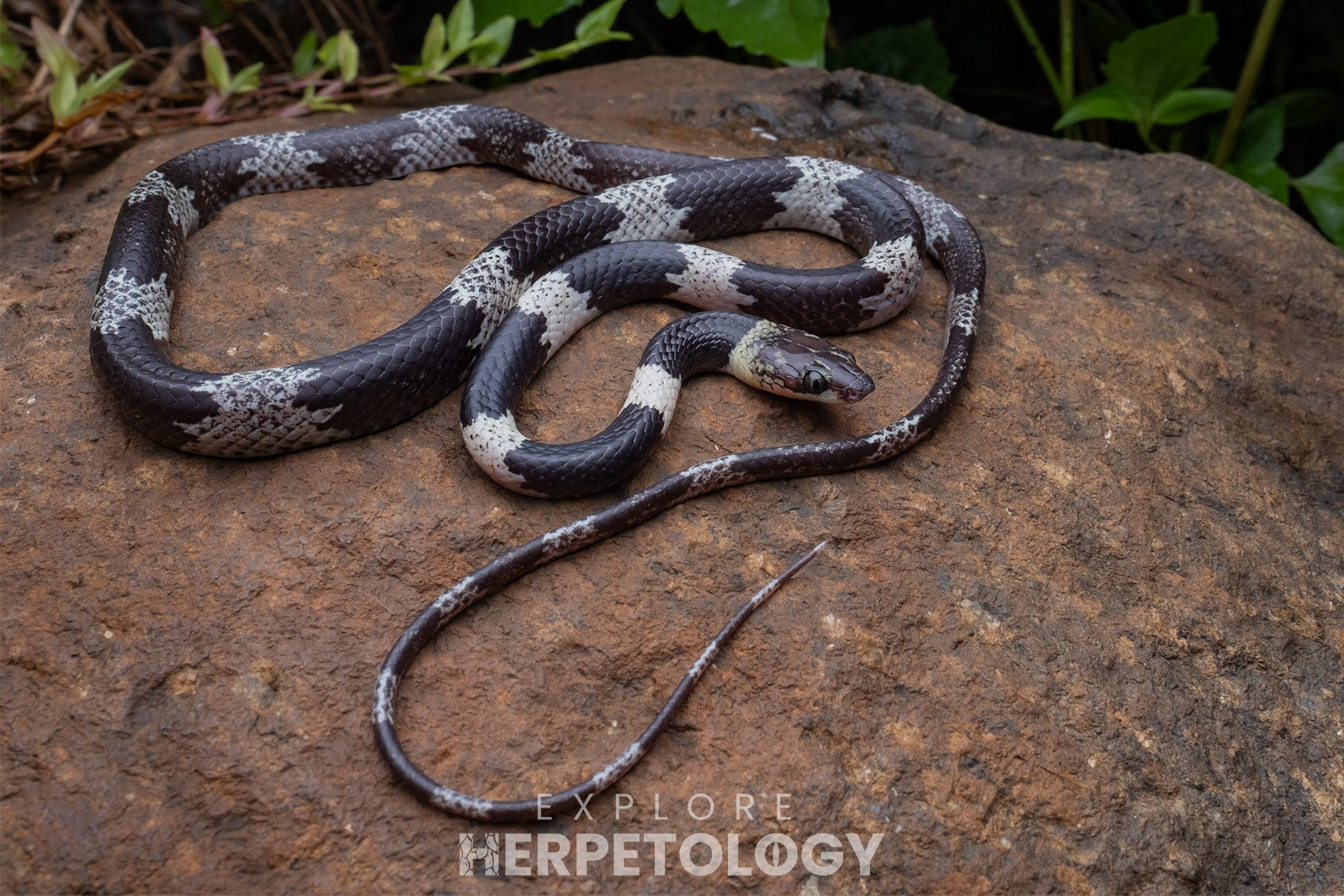
Dumeril's wolf snake (Lycodon dumerilii).
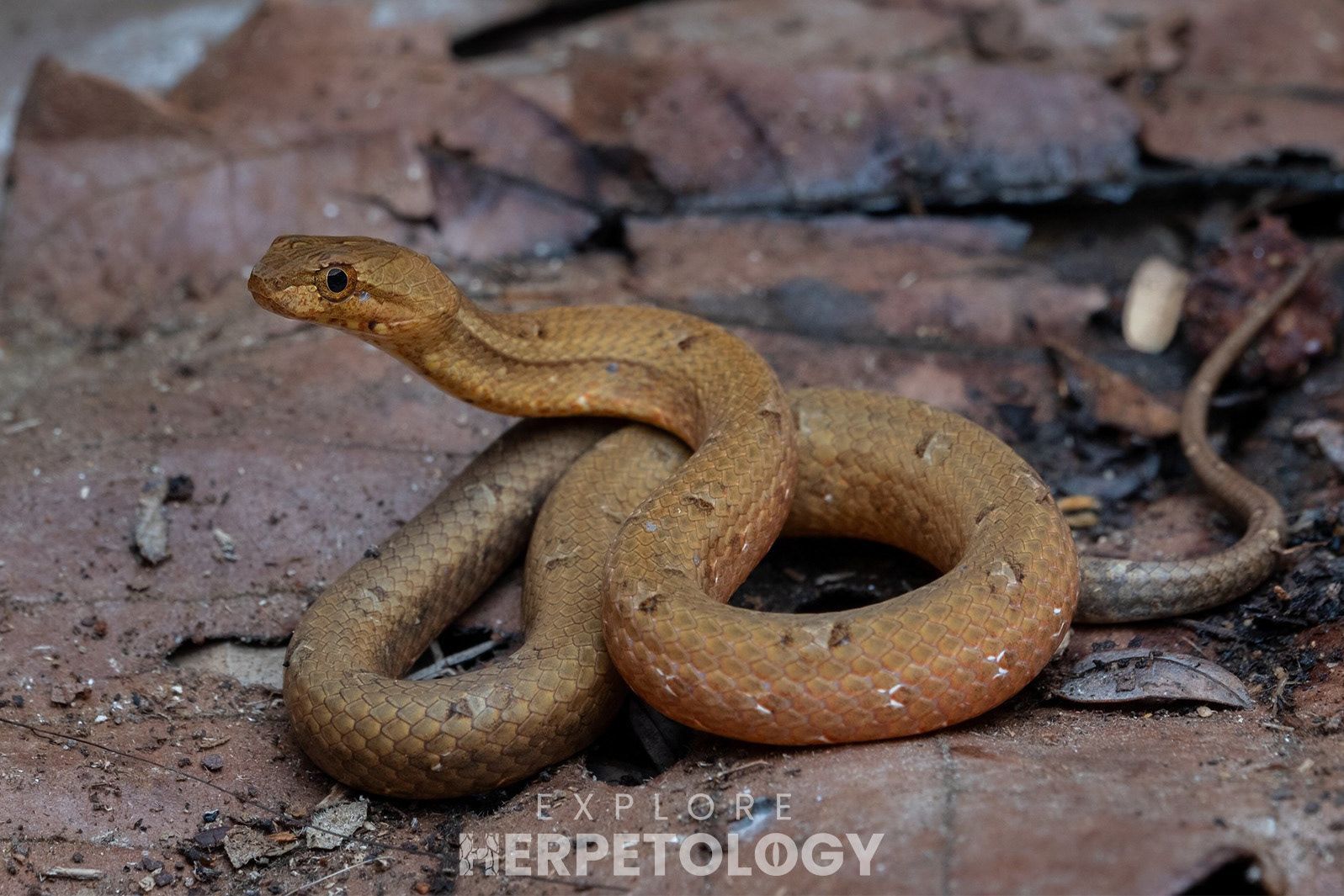
Mock viper (Psammodynastes cf. pulverulentus).
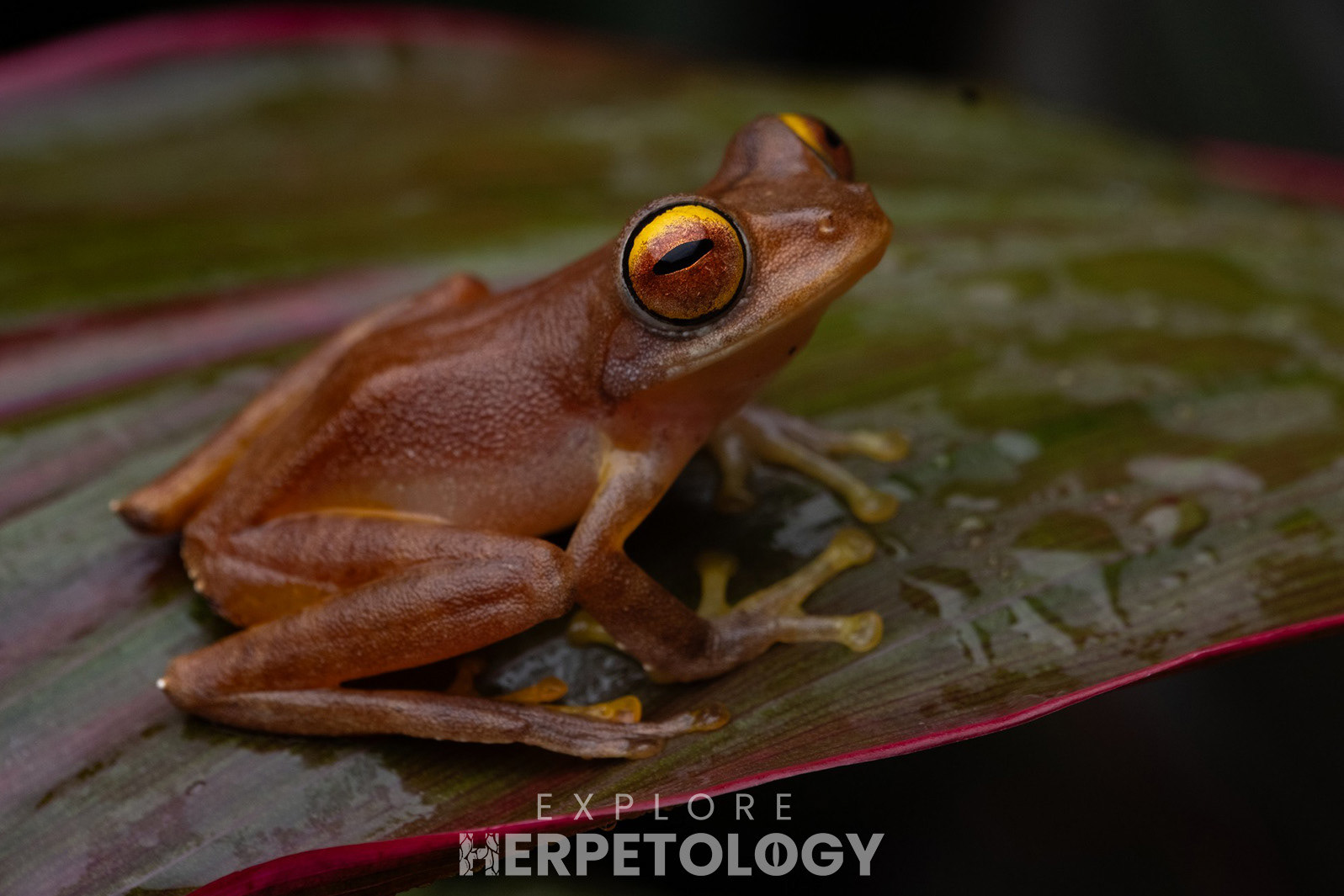
Asiatic tree frog (Leptomantis bimaculatus).
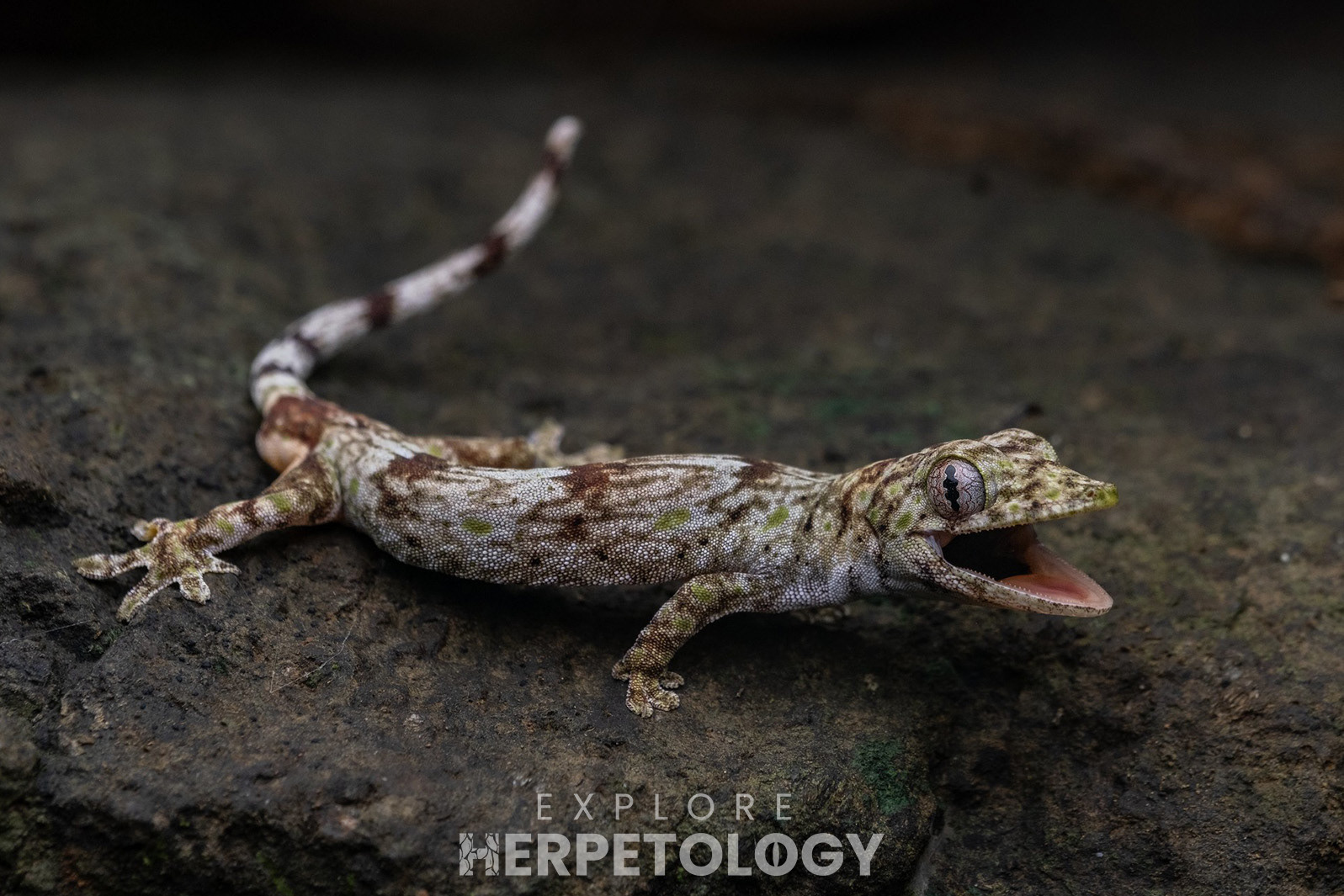
False gecko (Pseudogekko sp.)
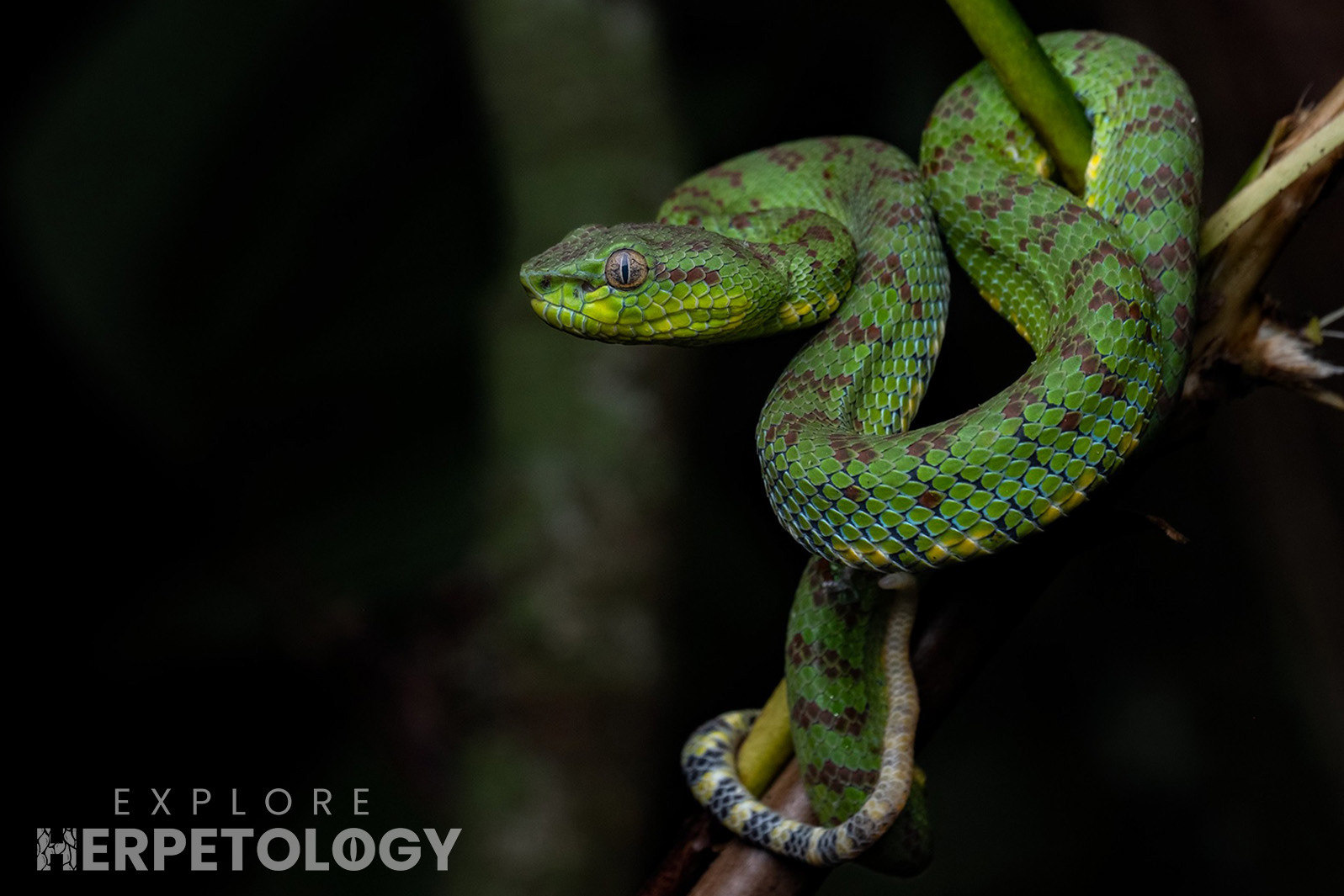
Mindanao/Philippine pit viper (Trimeresurus cf. flavomaculatus).
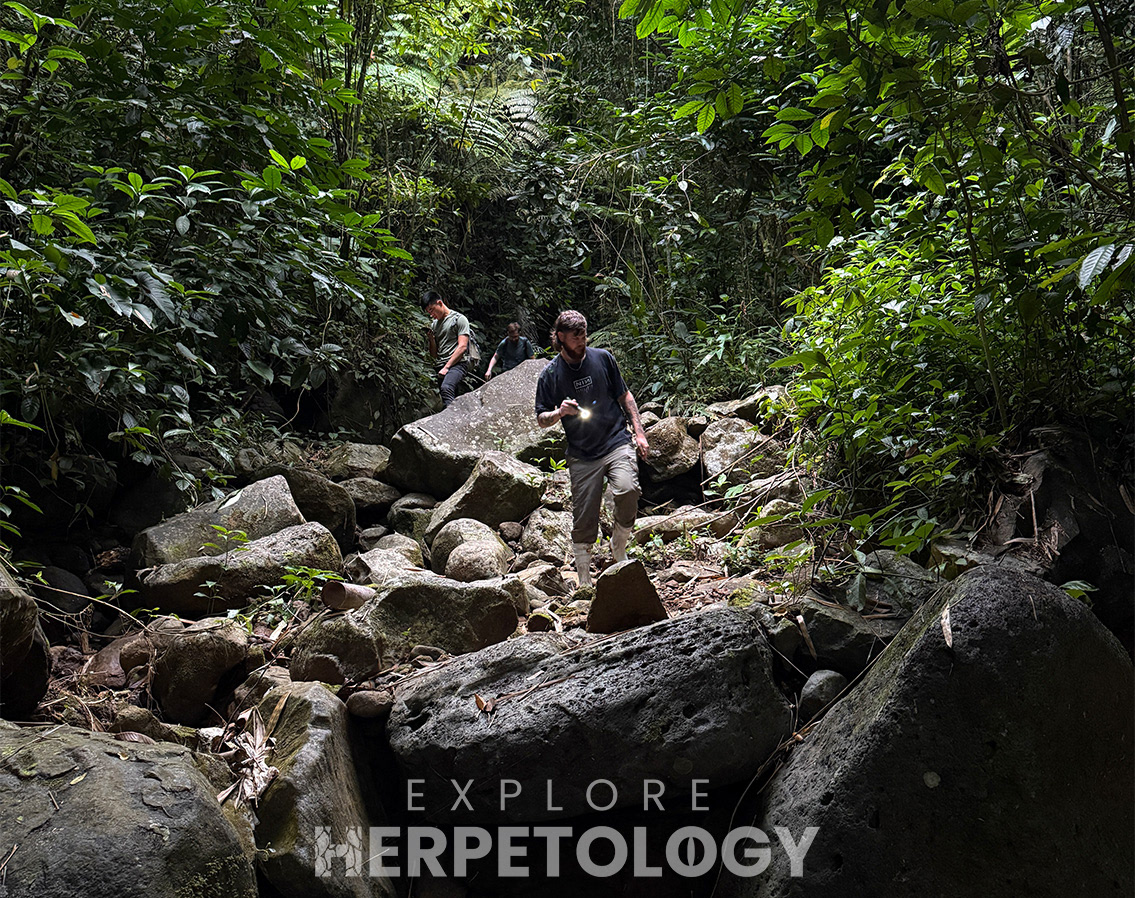
Highland valley hiking.
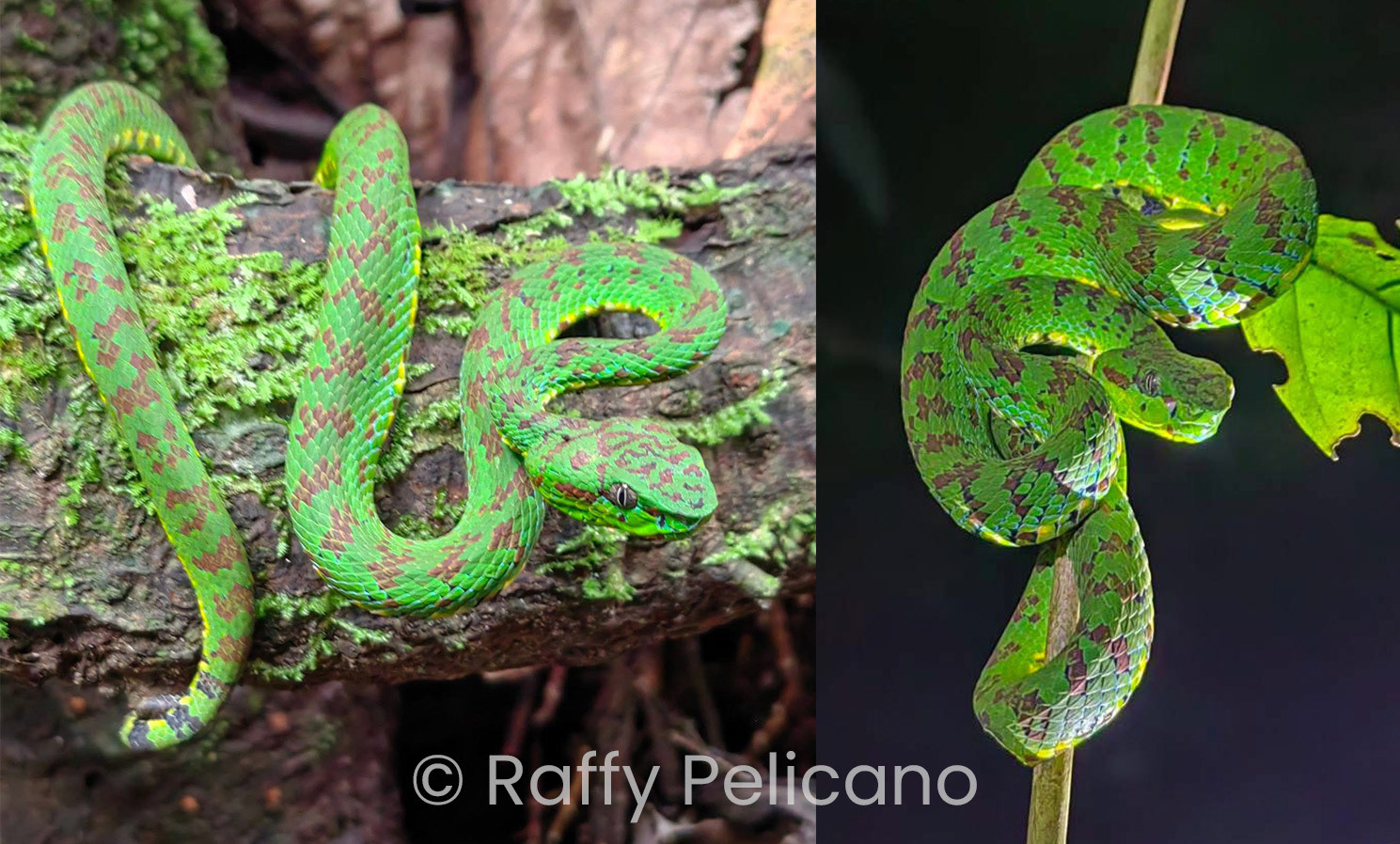
Mindanao/Philippine pit viper (Trimeresurus cf. flavomaculatus).
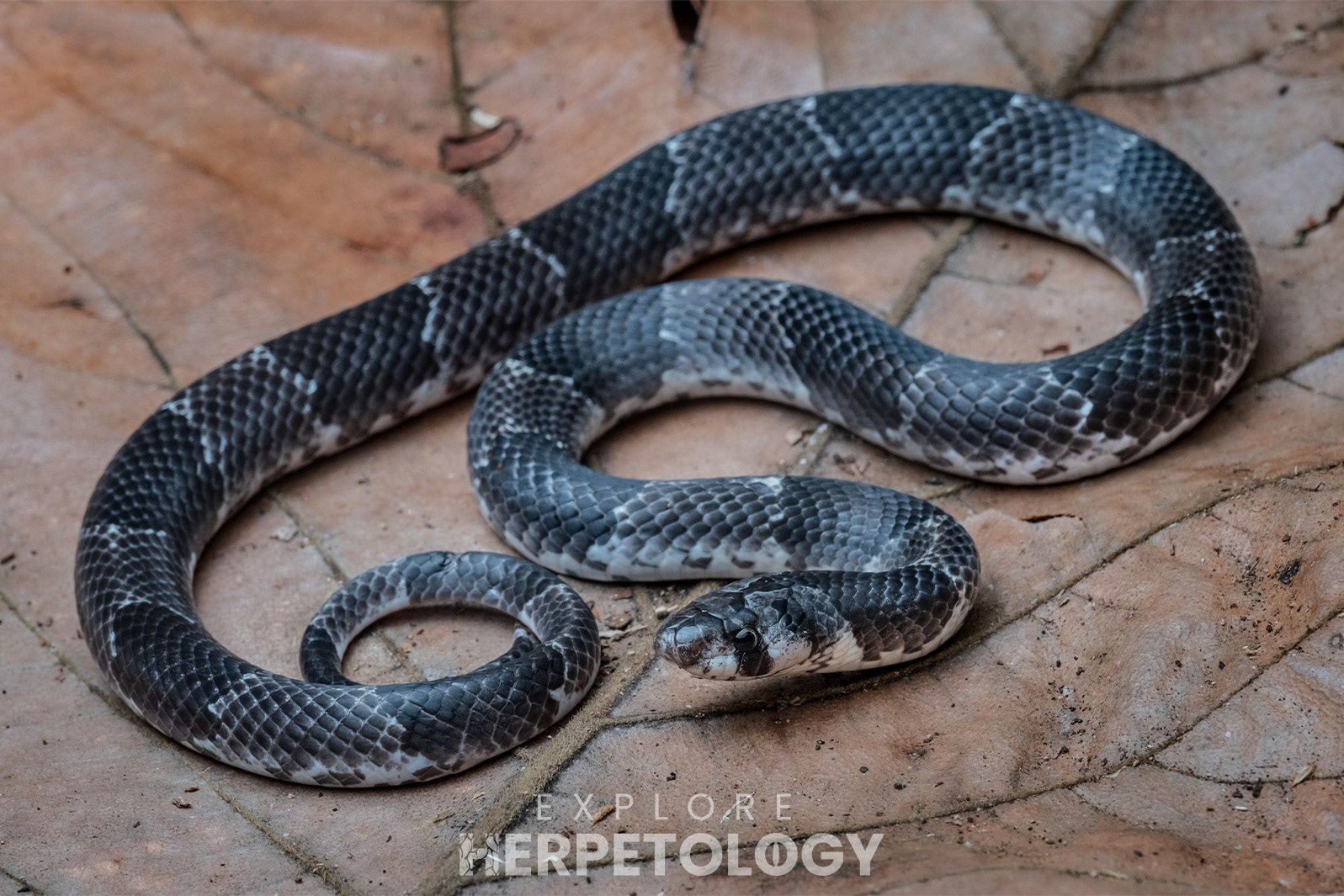
Mindanao kukri snake (Oligodon maculatus).
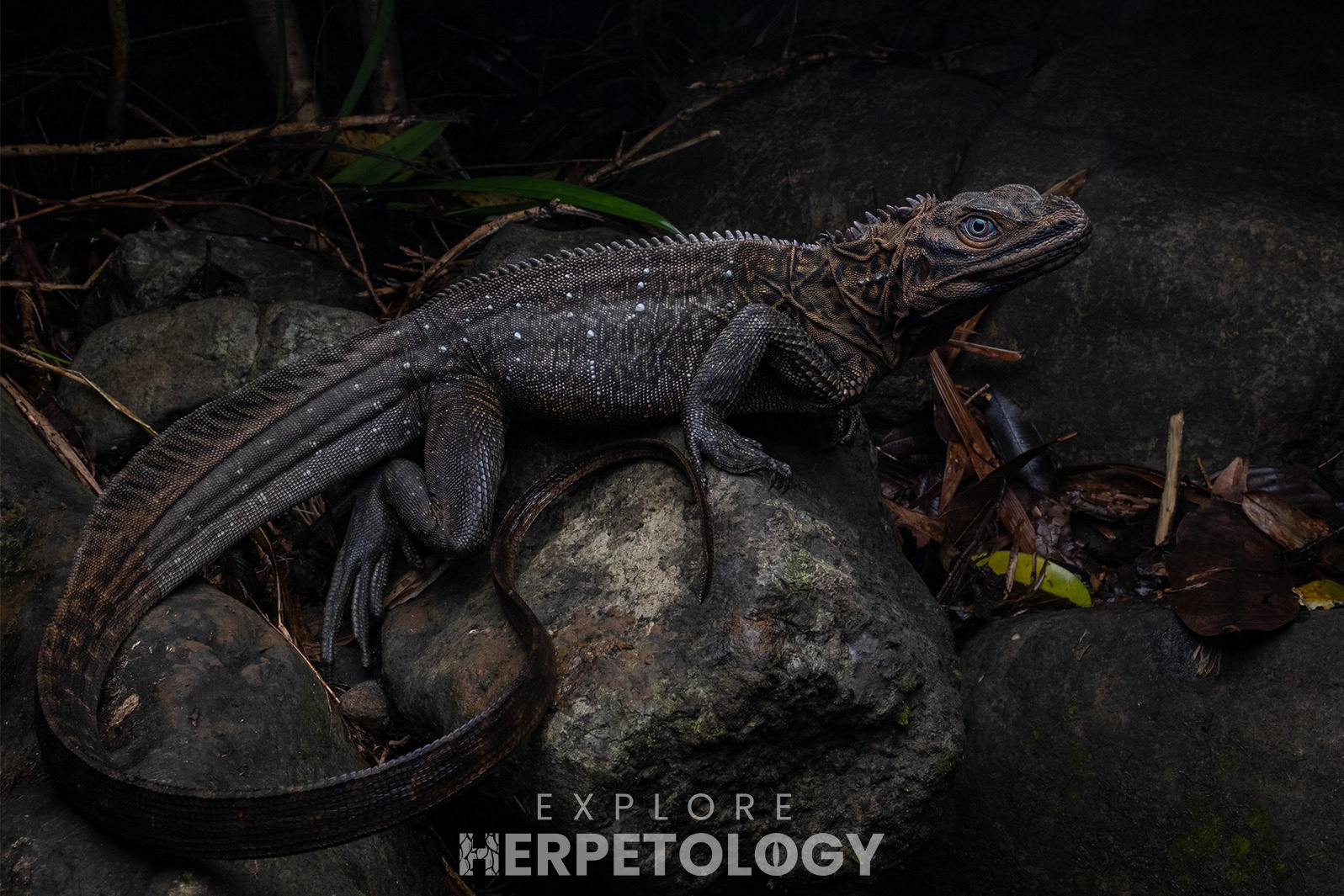
Philippine sailfin dragon (Hydrosaurus pustulatus).
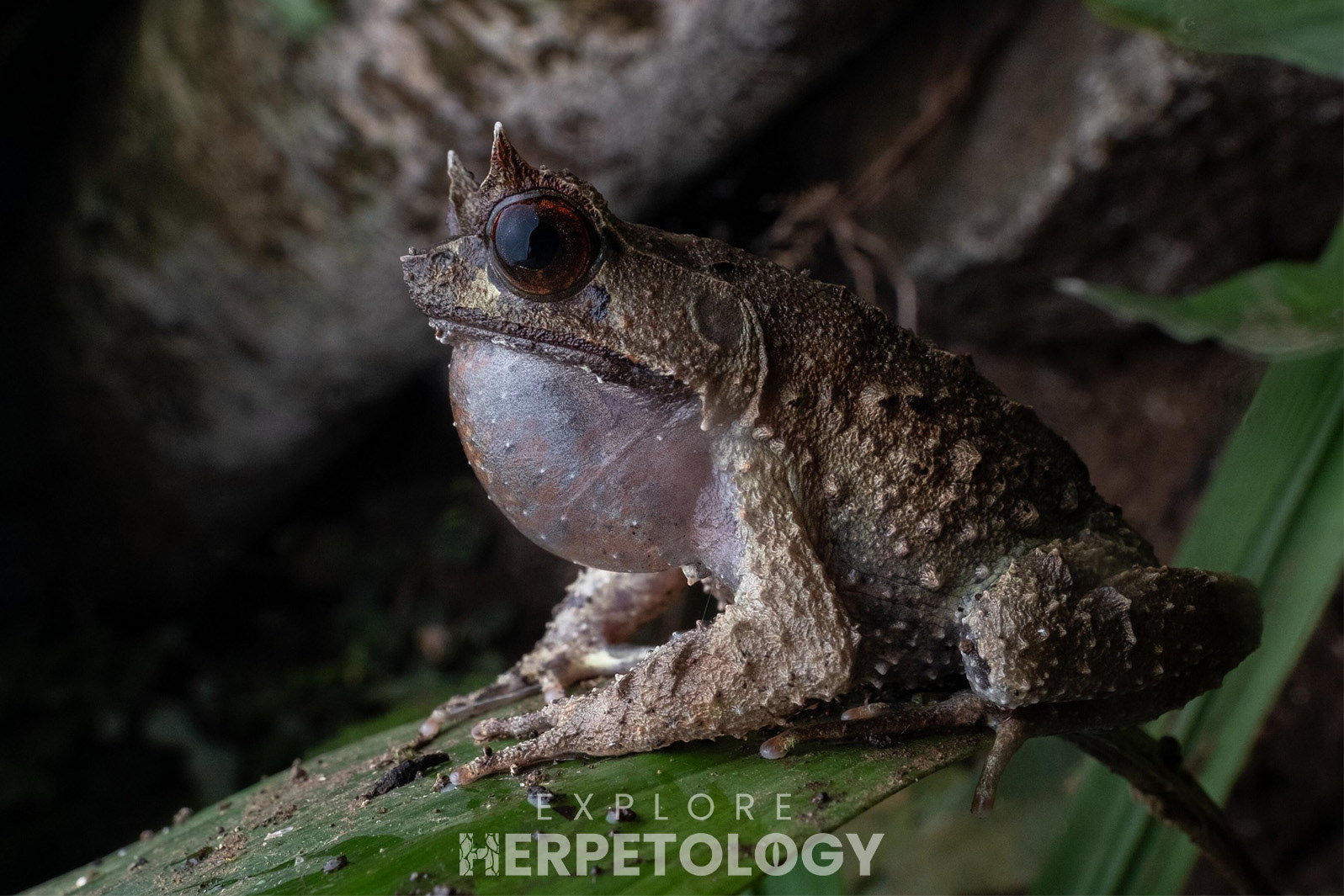
Mindanao horned frog (Pelobatrachus stejnegeri).
Accommodation:
The accommodation on this expedition is good quality hotels, with a comfortable bed air conditioning at each location. You will always have access to electricity and a western bathroom, as well as air-conditioning/fan. We will have an opportunity for laundry on day 4 of the expedition.
Food:
We will mainly eat at good quality western-catered restaurants during this trip, but will also eat some fast food and local food when we are low on time or in more remote areas.
Environmental conditions & fitness:
This expedition involves very high amounts of of hiking during the daytime and at night, so you must self-assess yourself to ensure you are capable of this endeavour. The terrain in the valleys can be steep and slippery, so chances of falling over or getting wet are high. Of course, not every hike is mandatory, but you will certainly be hiking in the field a lot during this trip. The temperatures will often exceed 30 degrees celsius in the daytime, and even the highlands can be very hot if there is no rain. As January is the end of the rainy season, we expect multiple rain showers during the expedition.
Travel information:
All participants must arrive in Davao City at the designated meeting location by 14:00 (2pm) on the 16th January 2026. The exact meeting location will be communicated in private around 1 month before the start of the expedition. The best means to access Davao is by plane, either via Manila or Singapore. We will return to Davao City by at 14:00pm (2pm) on the 25th January 2026, where the expedition will officially end.
It is the guests’ responsibility to meet all entry requirements needed to enter The Philippines, including visa procedures. Most countries are visa-free when entering The Philippines, but make sure to check the entry requirements for your country before booking.