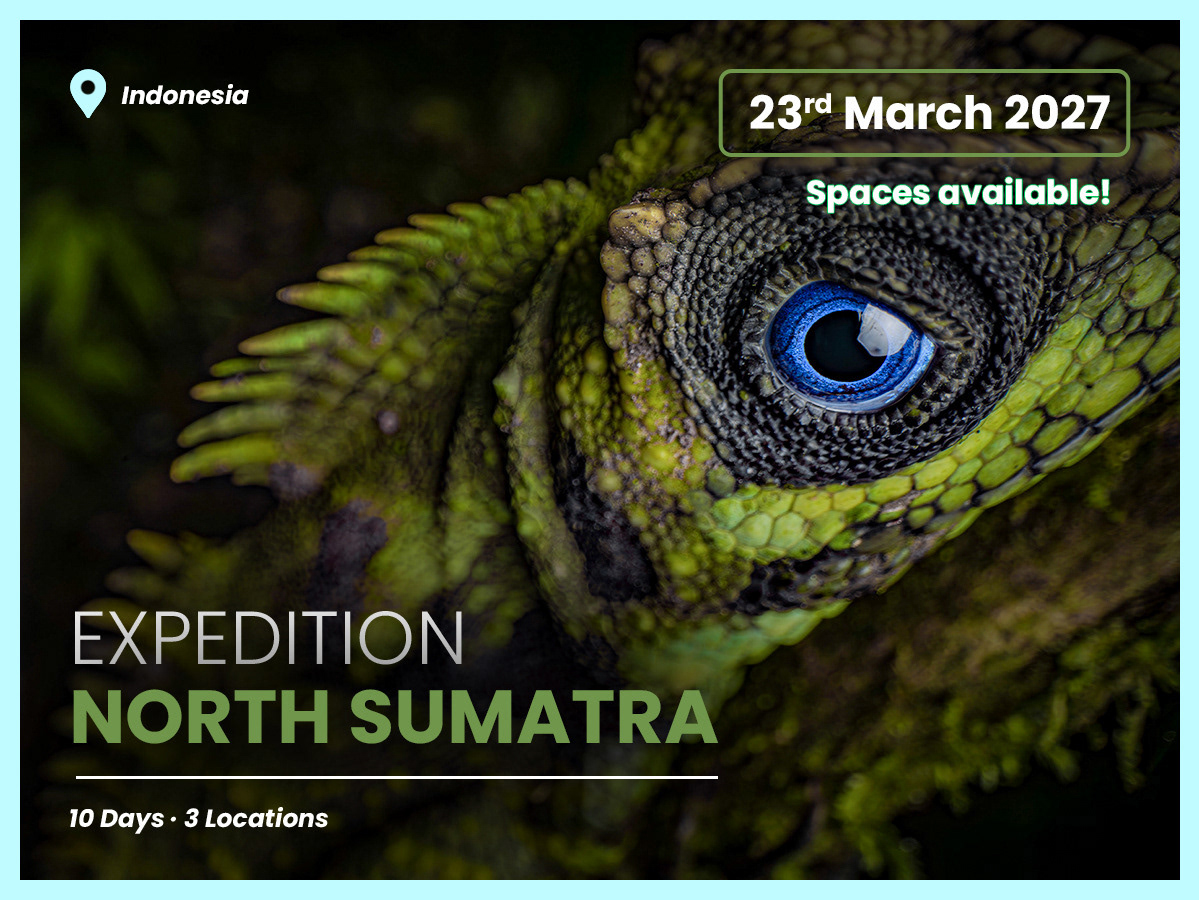

Start: 23rd July 2027 | End: 4th August 2027 | Meeting location: Kualanamu, Medan | Spaces available: 6
Included in the tour:
- Expert herpetologist guides.
- Transport/Domestic flights.
- Accommodation.
- Meals & accompanying drinks.
- Permits.
Introduction:
One of our most adventurous expeditions to date, Expedition Mentawai is curated around seeing the key endemic pit vipers found on Siberut, Nias and Simeulue islands. Like much of Sumatra, these remote islands have not been heavily surveyed in modern times, and are far enough from the mainland to have evolved high levels of endemism. This expedition offers a very high chance to find undescribed species of herpetofauna, new records for the islands, and species which have never been photographed before. Any publications from this trip will include all guests in the "acknowledgements" section at the bare minimum.
The itinerary is complex, with six domestic flights and two ferry rides required to reach all the destinations in a timely manner. Domestic flights are frequently delayed, but we have ensured that we leave enough time for a backup flight in case delays mean we miss a connection. We do not expect any flight cancellations, but we have backup plans to continue providing exciting herping opportunities no matter what.
Itinerary overview:
Medan (1 night): Meet on the evening of the 23rd and stay close to the airport.
Simeulue Island (3 nights): Fly from Medan to a surf resort base, with vehicle access into the rainforest for herping.
Medan (1 night): Fly back for a night herping in the mangroves.
Padang (1 night): Fly to West Sumatra and herp the nearby rainforest.
Siberut Island (2 nights): Ferry over to stay in a tribal village inside the rainforest.
Padang (1 night): Return for one more night herping close to the city.
Nias Island (3 nights): Fly out for a coastal resort base, driving to the forest for herping.
Fly back to Medan on August 4th, where the trip ends.
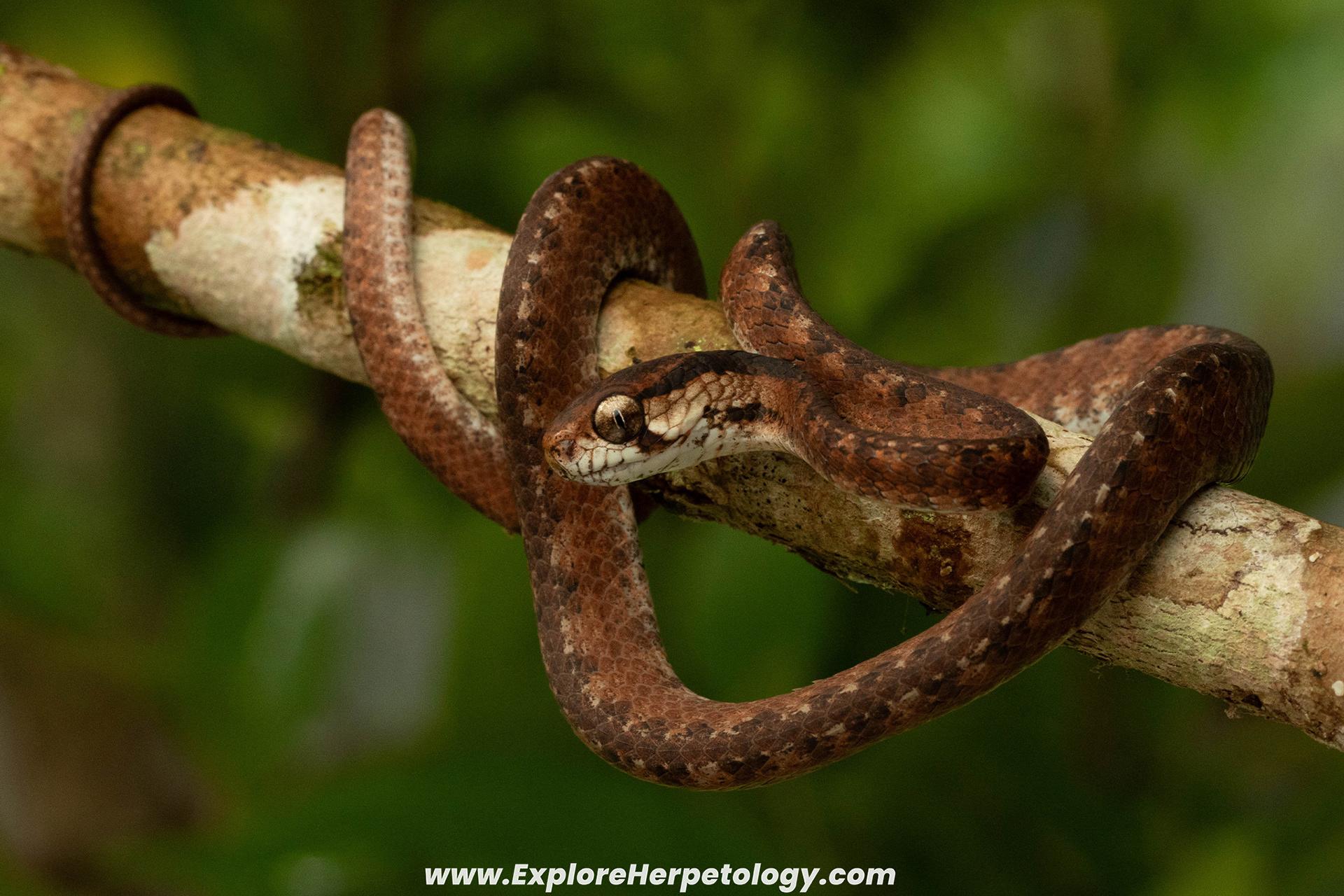
Undescribed Pareas species.
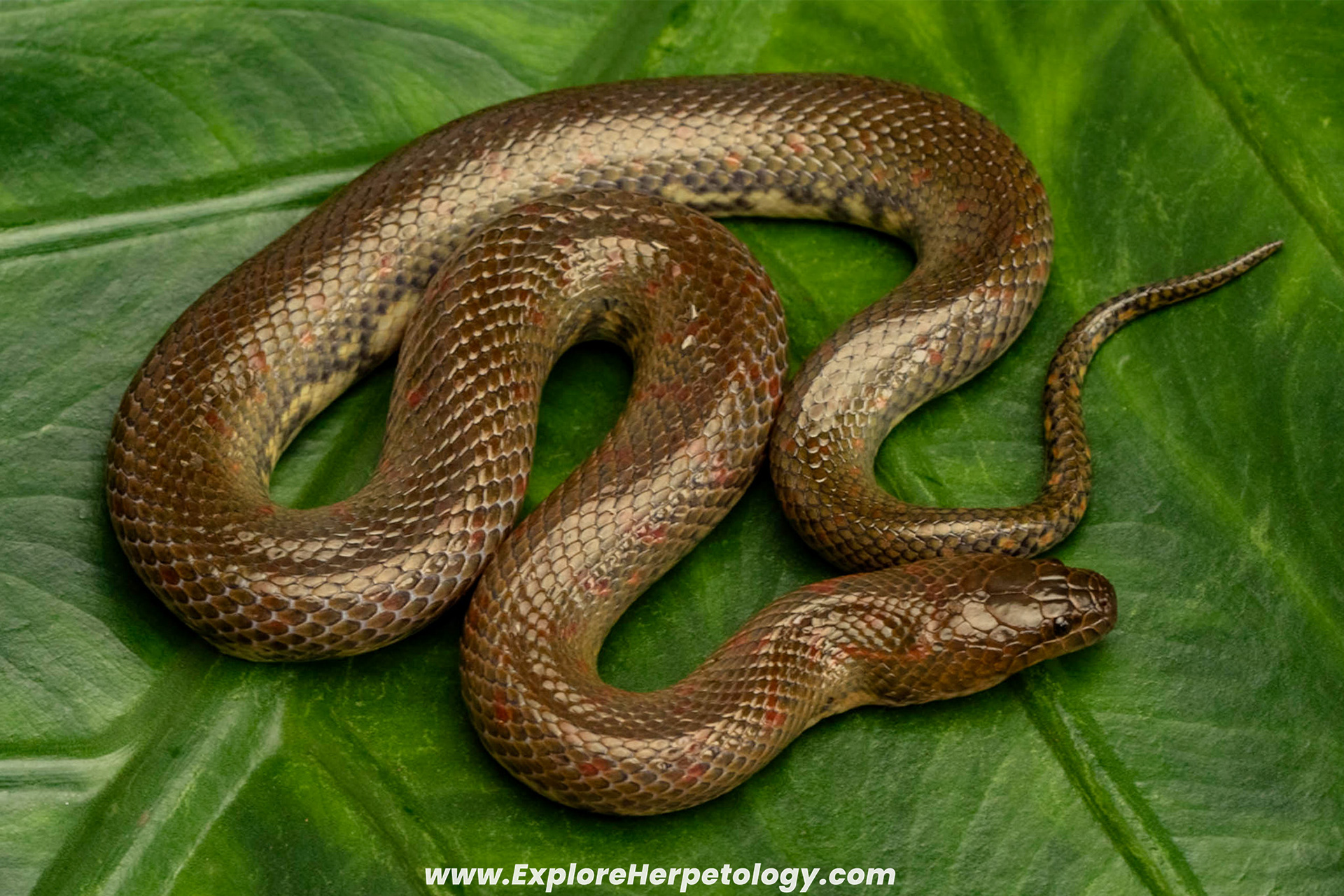
Red-spotted mud snake (Sumatranus albomaculatus).
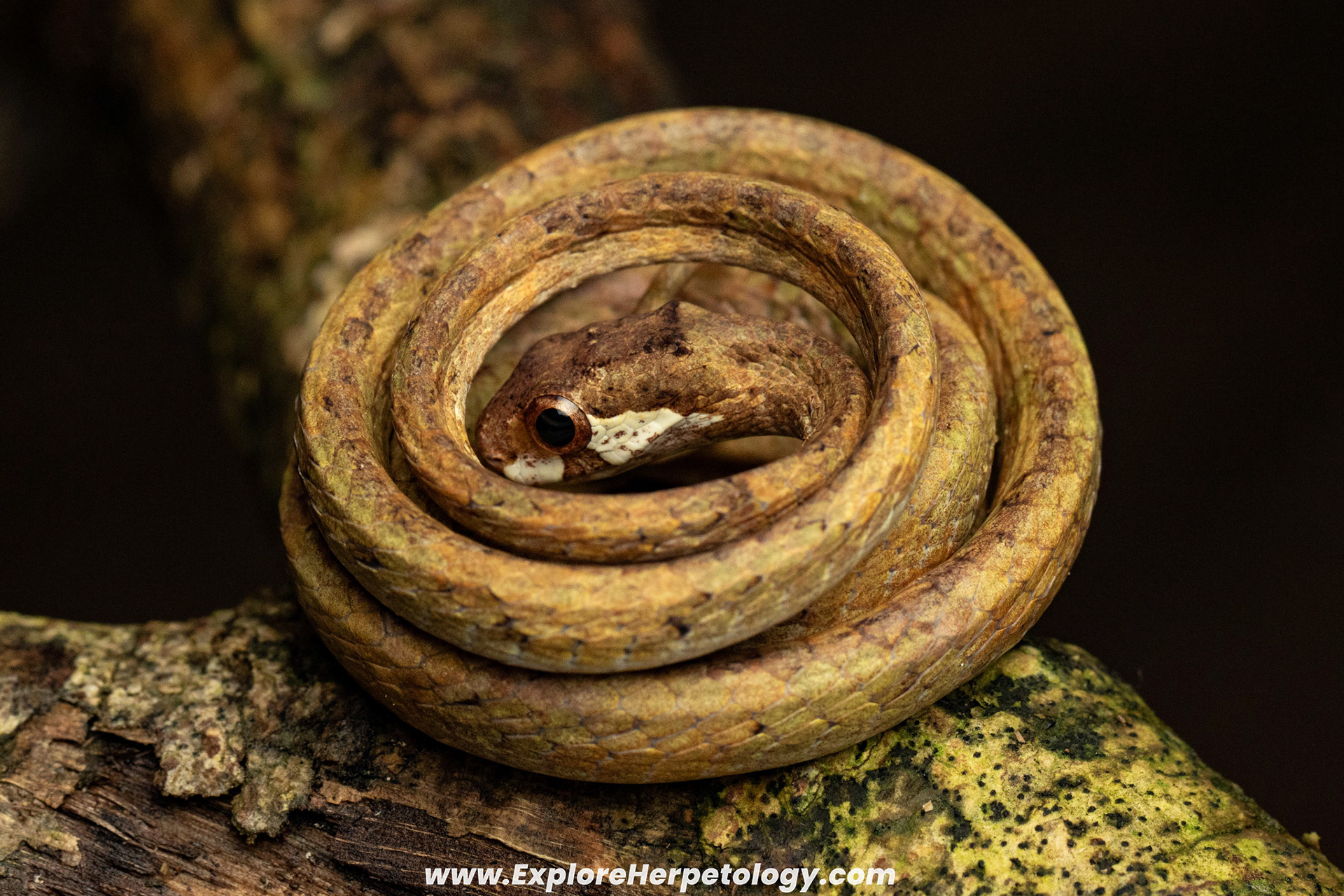
Blunt-headed slug snake (Aplopeltura boa).
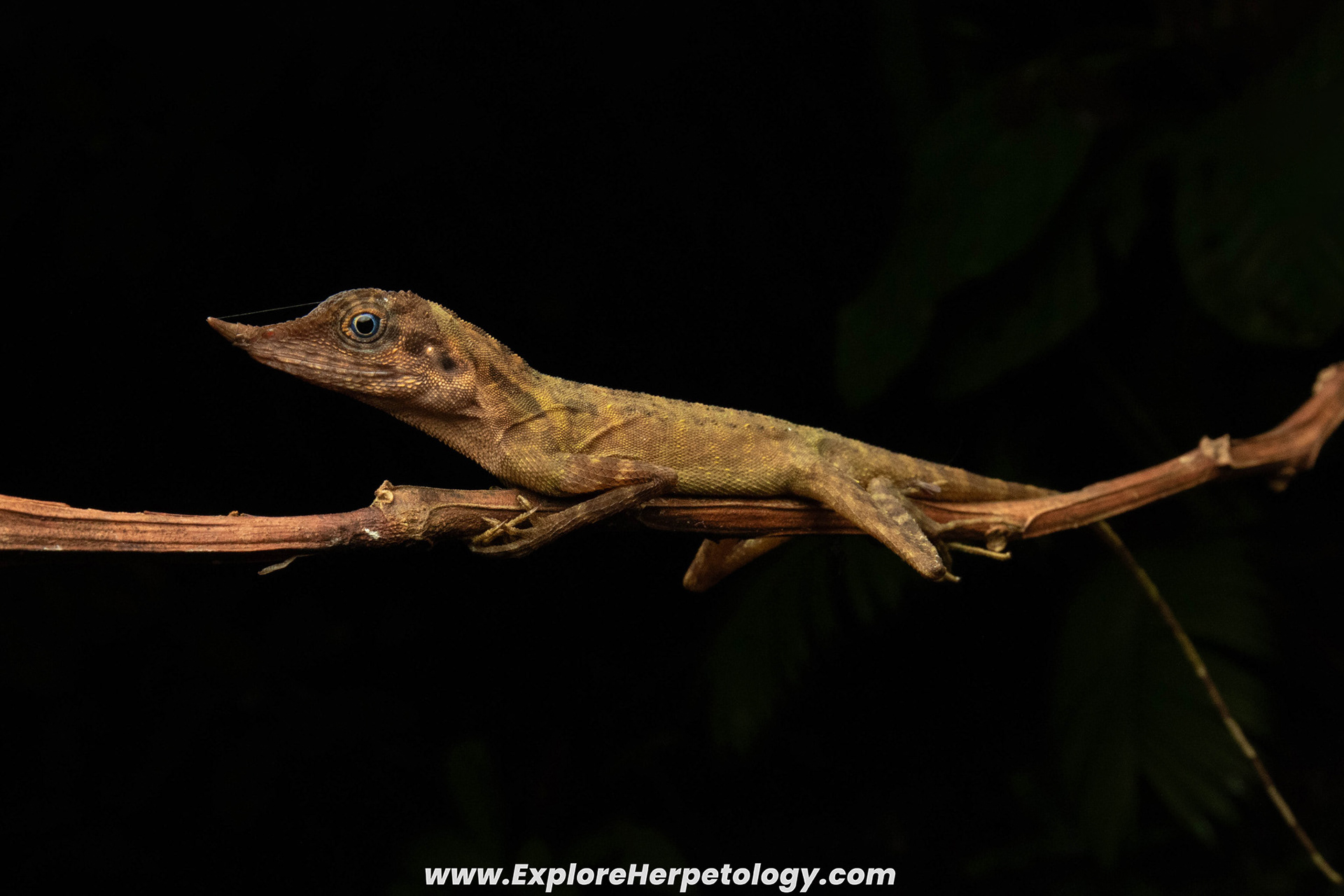
Undescribed Harpesaurus species.
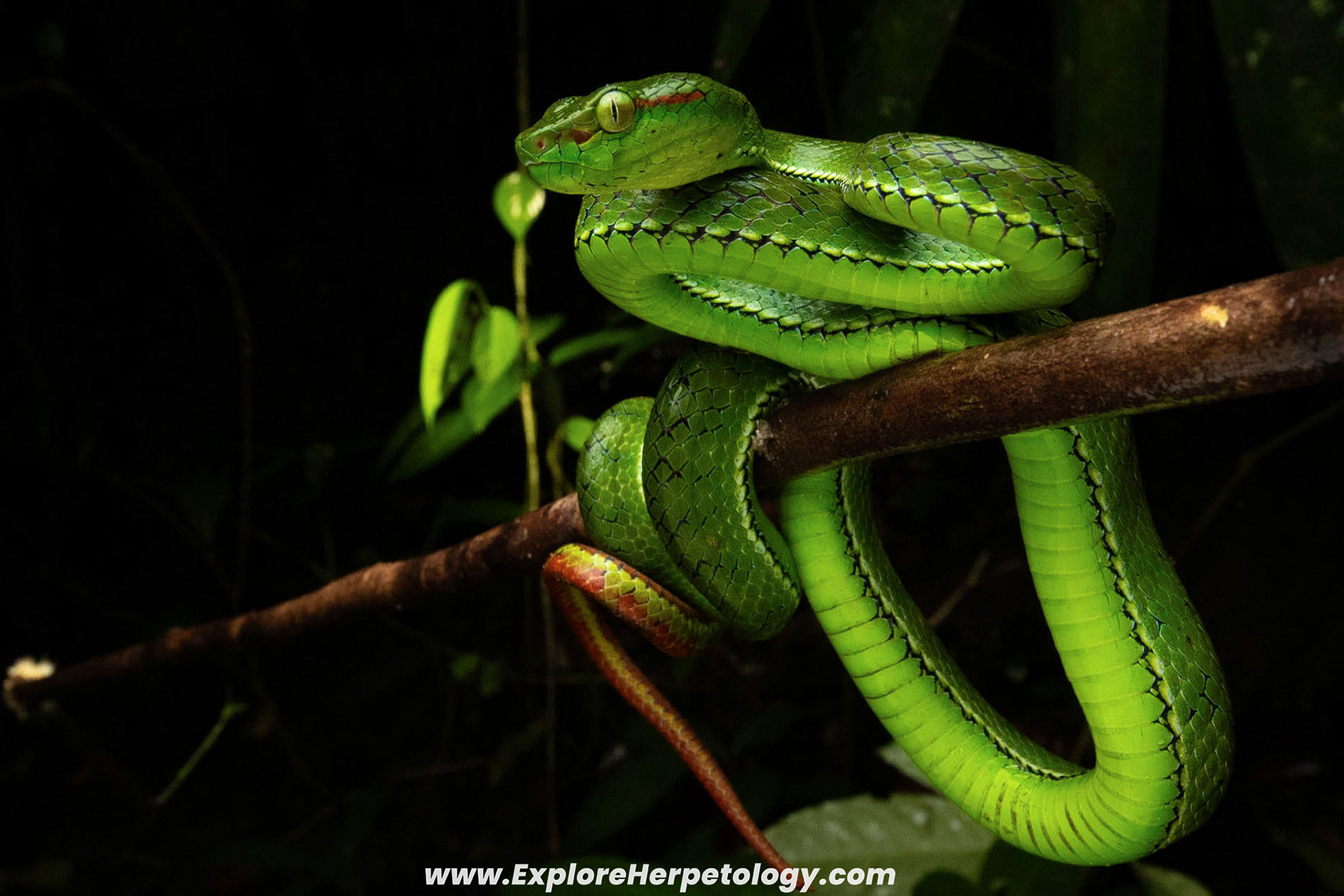
Male Kirschey's pit viper (Trimeresurus kirscheyi).
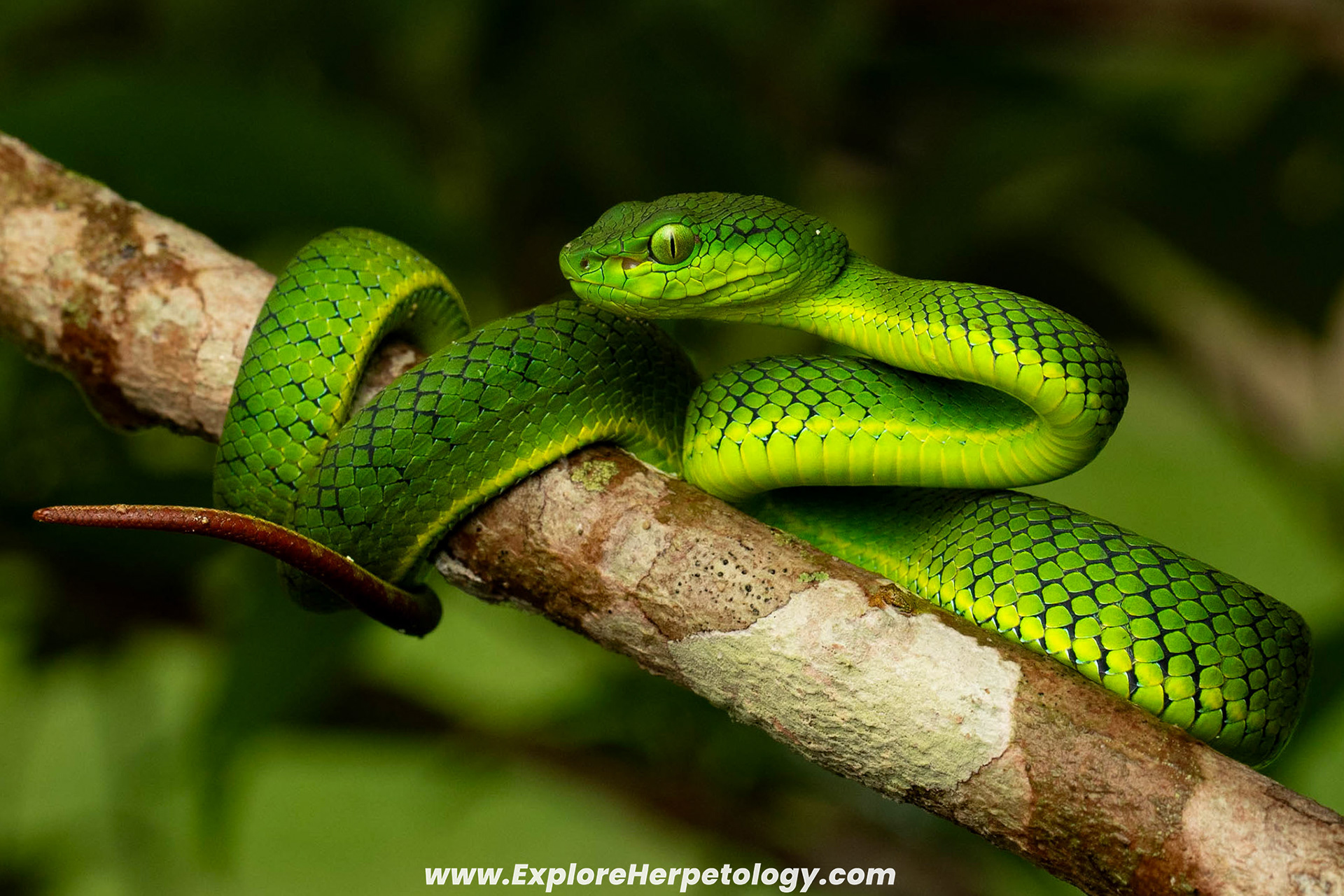
Young female Kirschey's pit viper (Trimeresurus kirscheyi).
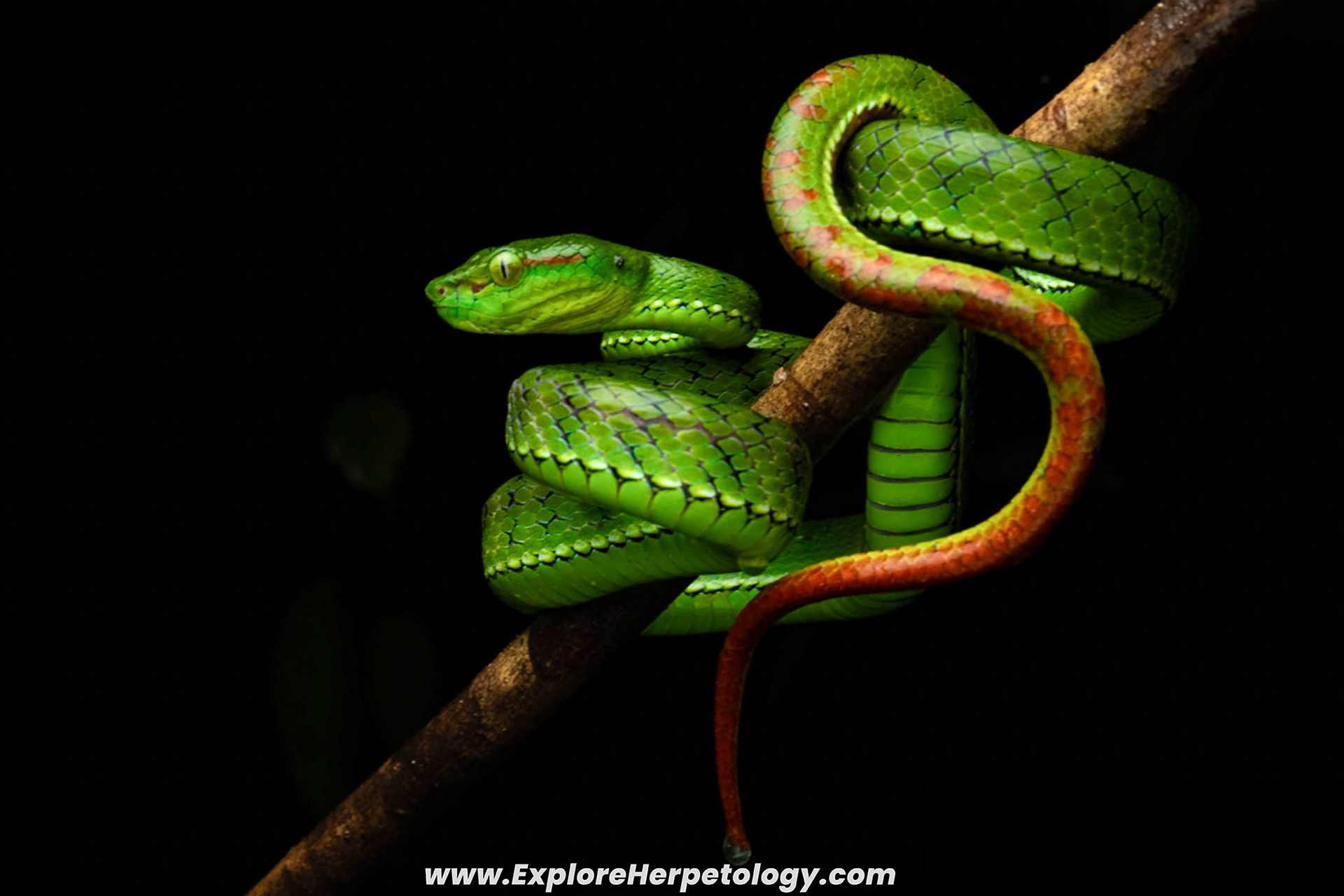
Male Kirschey's pit viper (Trimeresurus kirscheyi).
Nights 2 - 4: Simeulue Island
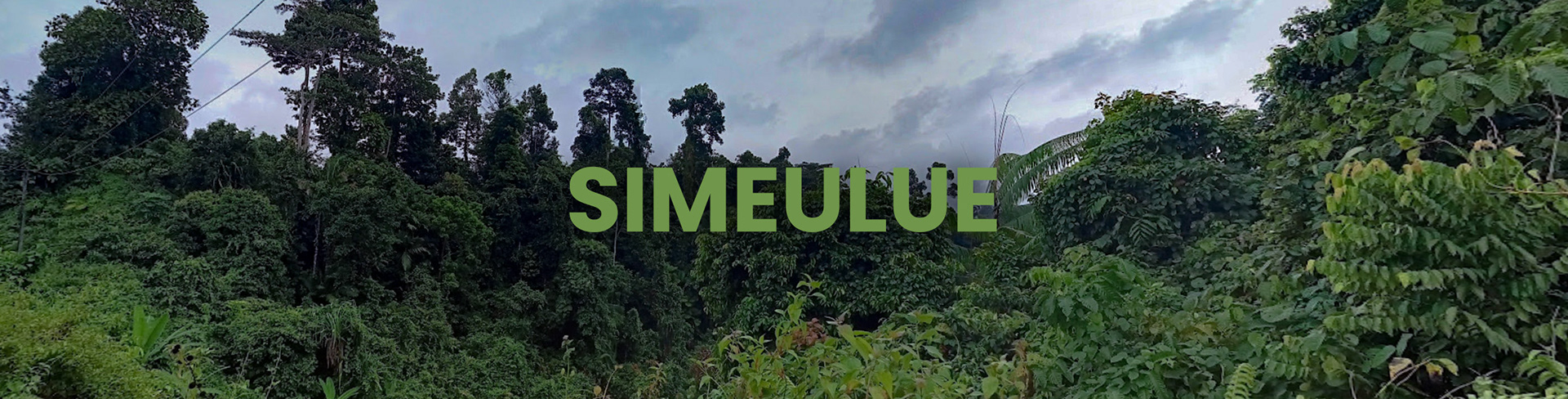
We fly to Simeulue Island on the first morning of the expedition, and will spend the following three nights searching for herpetofauna on the least-explored of all the islands we are visiting on this expedition. The main target will be the endemic Kirschey's pit viper (Trimeresurus kirscheyi), which had not been photographed in the wild until our team visited the island in November 2025. However, we were only able to see adult males and juvenile females during this trip, so our biggest goal this time will be to find an adult female Trimeresurus kirscheyi. Brongersma's leaf-nosed pit viper (Craspedocephalus brongersmai) has also been recorded from this island, but may be an undescribed species, so an encounter with this secretive viper would also be incredible.
On our first scouting trip to the island, we were also able to collect the first photographs of the red-spotted mud snake (Sumatranus albomaculatus), a likely undescribed species of slug snake within the Pareas carinatus group, and a horned agama which we call Harpesaurus cf. eniscauda for now, but it is also likely to be a totally new species. The potential for more discoveries like this is very high, as these islands are home to all kinds of micro-endemic species - many of which may not have been found yet.
On our first scouting trip to the island, we were also able to collect the first photographs of the red-spotted mud snake (Sumatranus albomaculatus), a likely undescribed species of slug snake within the Pareas carinatus group, and a horned agama which we call Harpesaurus cf. eniscauda for now, but it is also likely to be a totally new species. The potential for more discoveries like this is very high, as these islands are home to all kinds of micro-endemic species - many of which may not have been found yet.
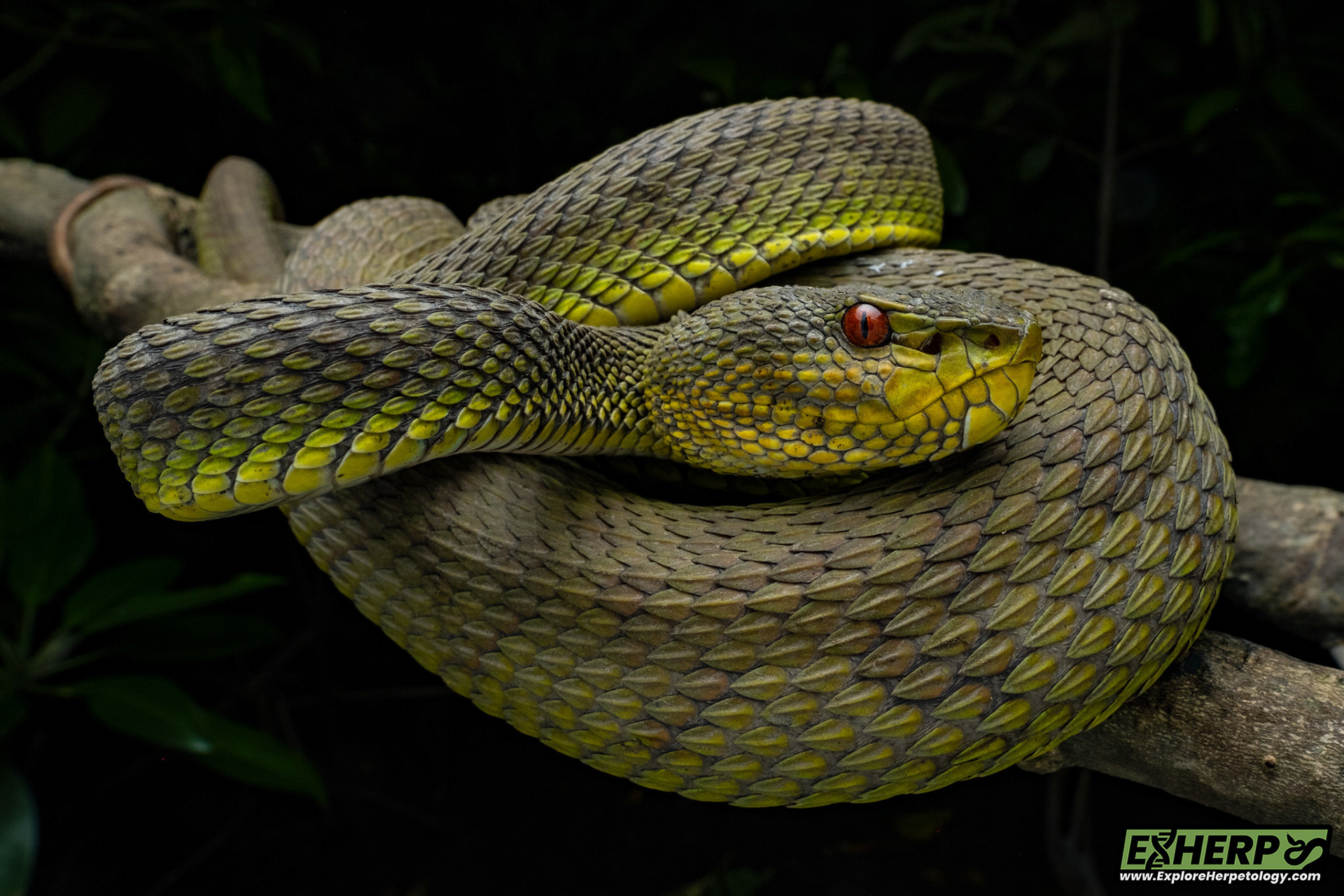
Mangrove pit viper (Trimeresurus purpureomaculatus).
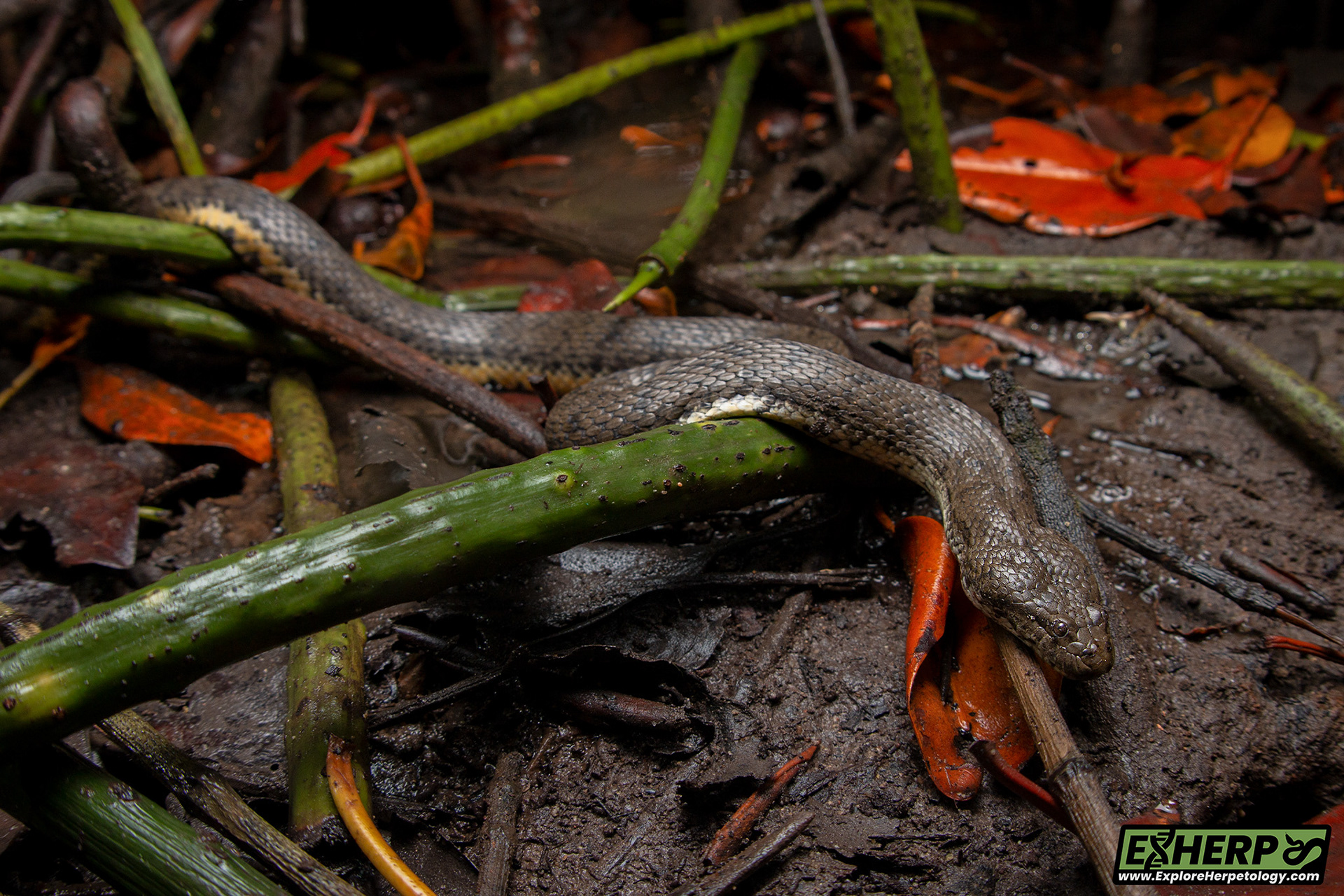
Dog-faced water snake (Cerberus schneiderii).
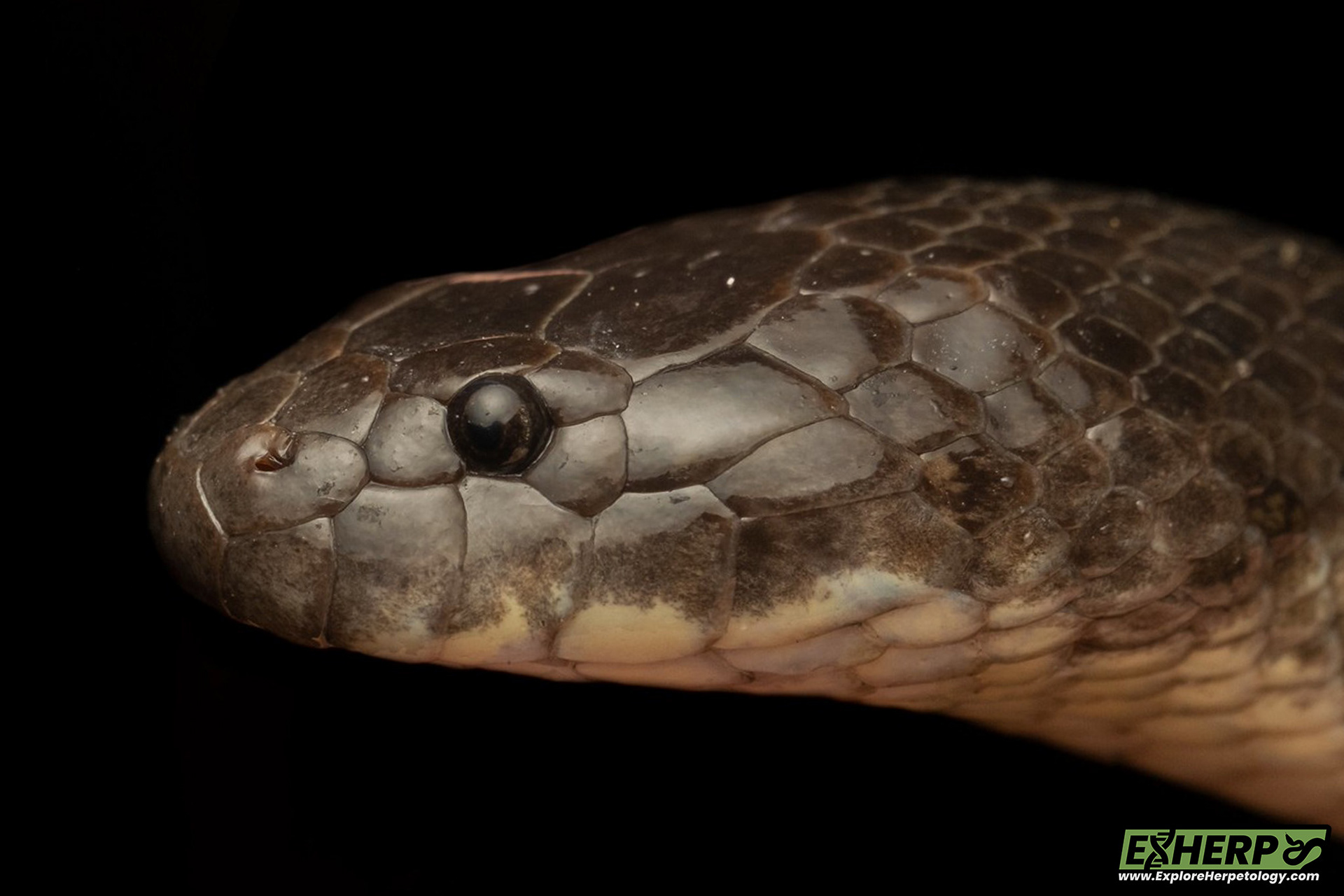
Crab-eating mangrove snake (Fordonia leucobalia).
Nights 1 & 5: Medan City
To avoid confusion, our first night of the trip will be in Medan City on the evening of the 23rd July, when we will get the group together and prepare for our flight the following morning. There will be no herping on night one of the trip.
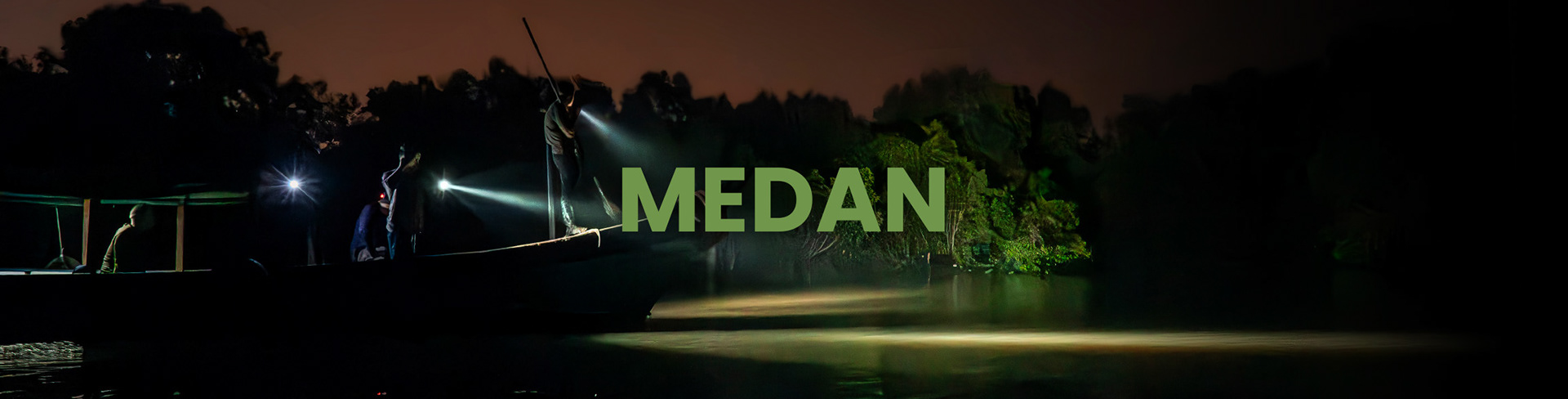
We return to Medan City for a layover night after our three nights on Simeulue. In the evening, we will take a long-tail boat deep into the mangroves to search for the very special Sumatran clade of the mangrove pit viper (Trimeresurus purpureomaculatus). At this location, the species is polymorphic, with common colour mutations being green, orange and yellow - instead of the usual dark grey or black (although these forms are also possible here). Finding this clade requires specific knowledge of the right areas to search, but we have some very reliable sites which have delivered every time for us. We have also seen dog-faced water snake (Cerberus schneideri), crab-eating mangrove snake (Fordonia leucobalia) and marine file snake (Acrochordus granulatus) here. We will stay in a pleasant hotel near the airport, ready to catch our flight the following day.
We return to Medan City for a layover night after our three nights on Simeulue. In the evening, we will take a long-tail boat deep into the mangroves to search for the very special Sumatran clade of the mangrove pit viper (Trimeresurus purpureomaculatus). At this location, the species is polymorphic, with common colour mutations being green, orange and yellow - instead of the usual dark grey or black (although these forms are also possible here). Finding this clade requires specific knowledge of the right areas to search, but we have some very reliable sites which have delivered every time for us. We have also seen dog-faced water snake (Cerberus schneideri), crab-eating mangrove snake (Fordonia leucobalia) and marine file snake (Acrochordus granulatus) here. We will stay in a pleasant hotel near the airport, ready to catch our flight the following day.
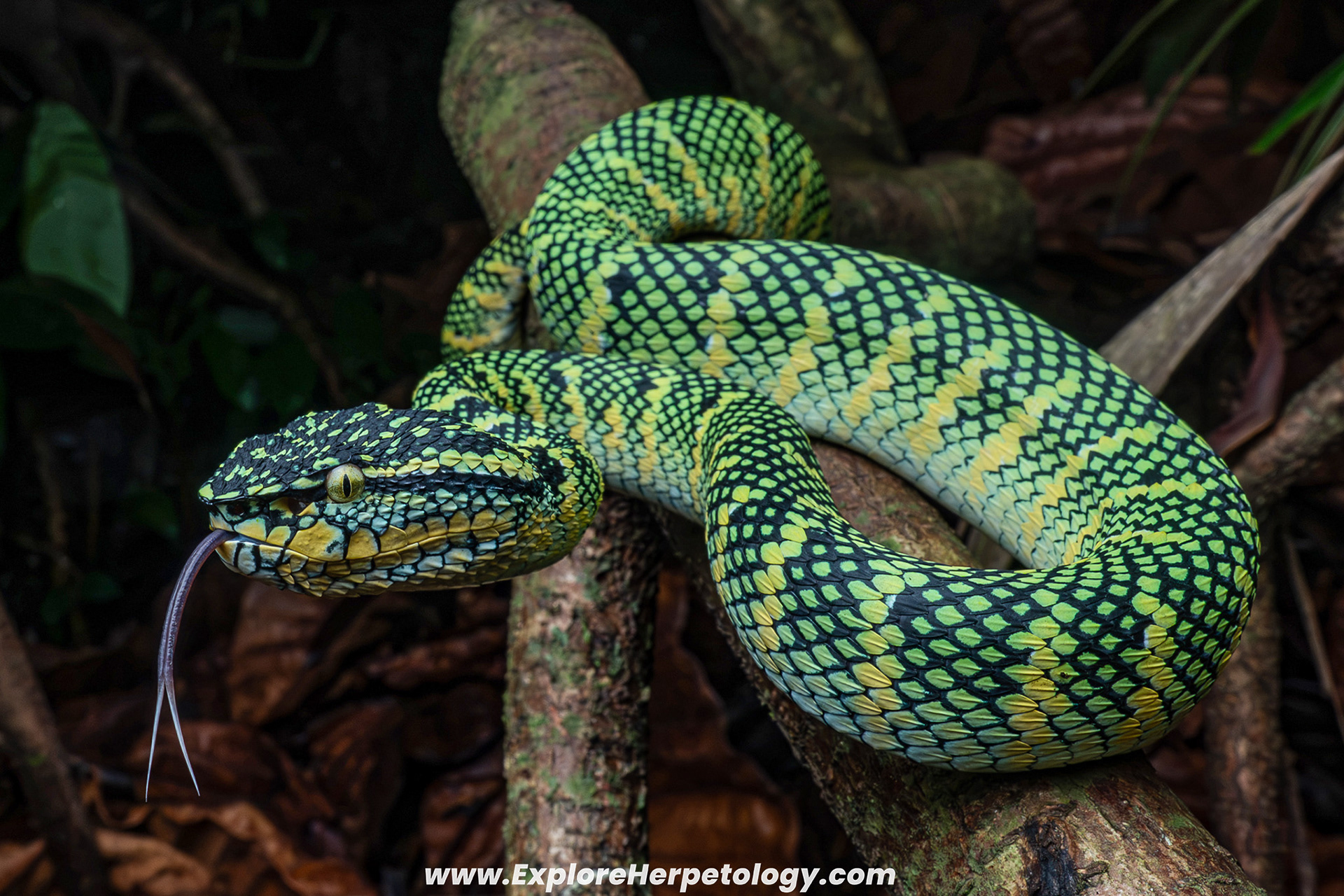
Wagler's pit viper (Tropidolaemus wagleri).
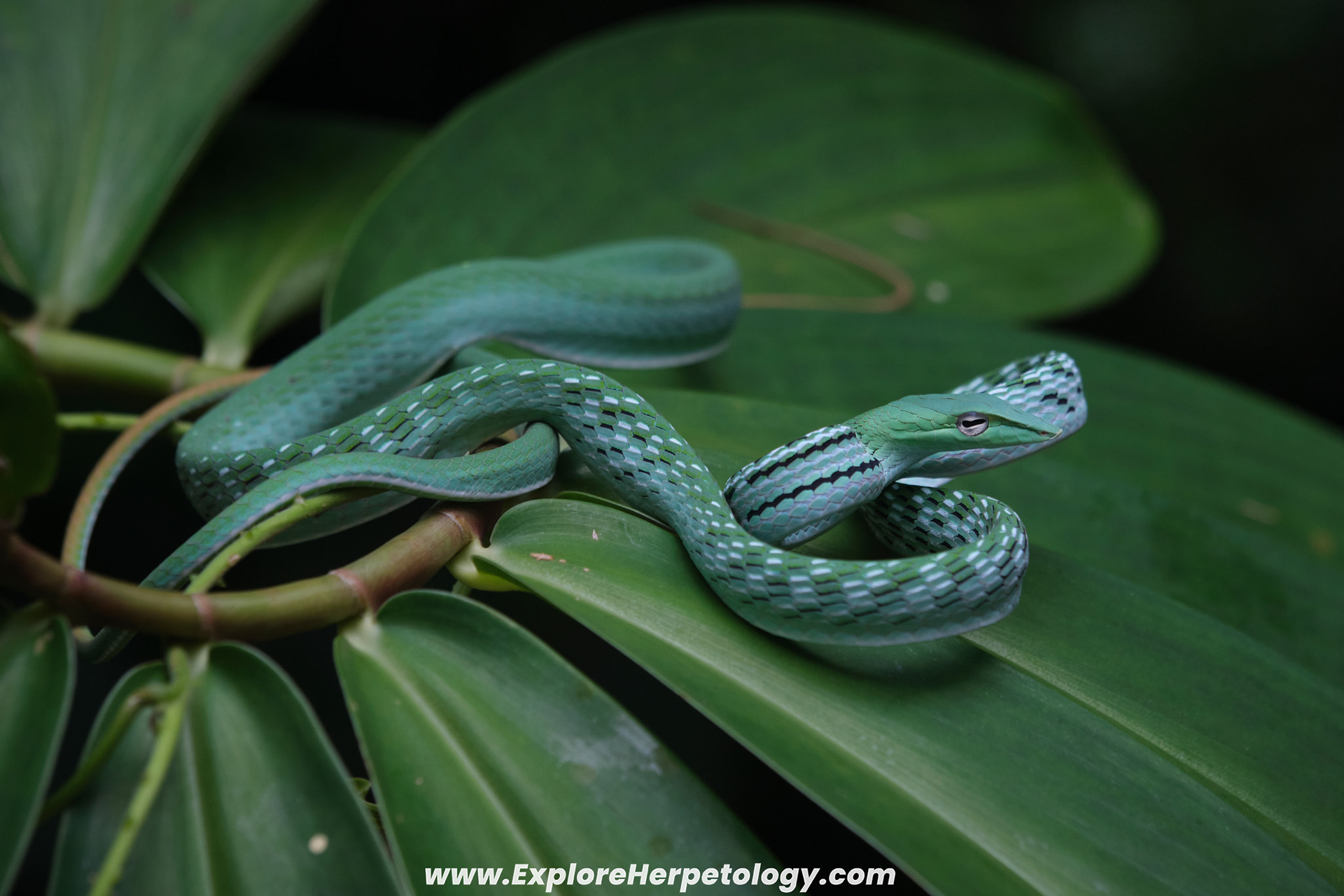
Oriental vine snake (Ahaetulla prasina).
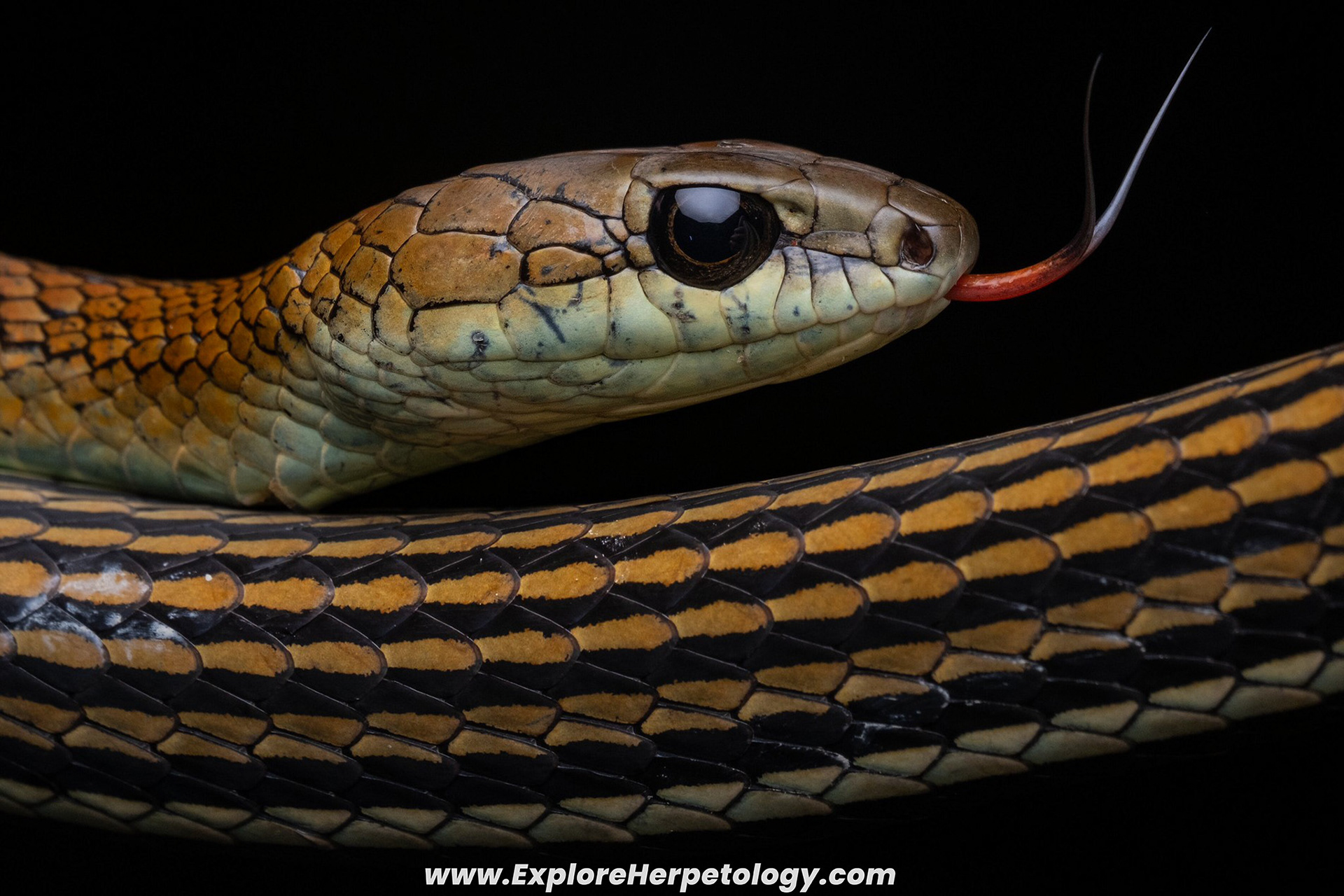
Striped bronzeback (Dendrelaphis caudolineatus).
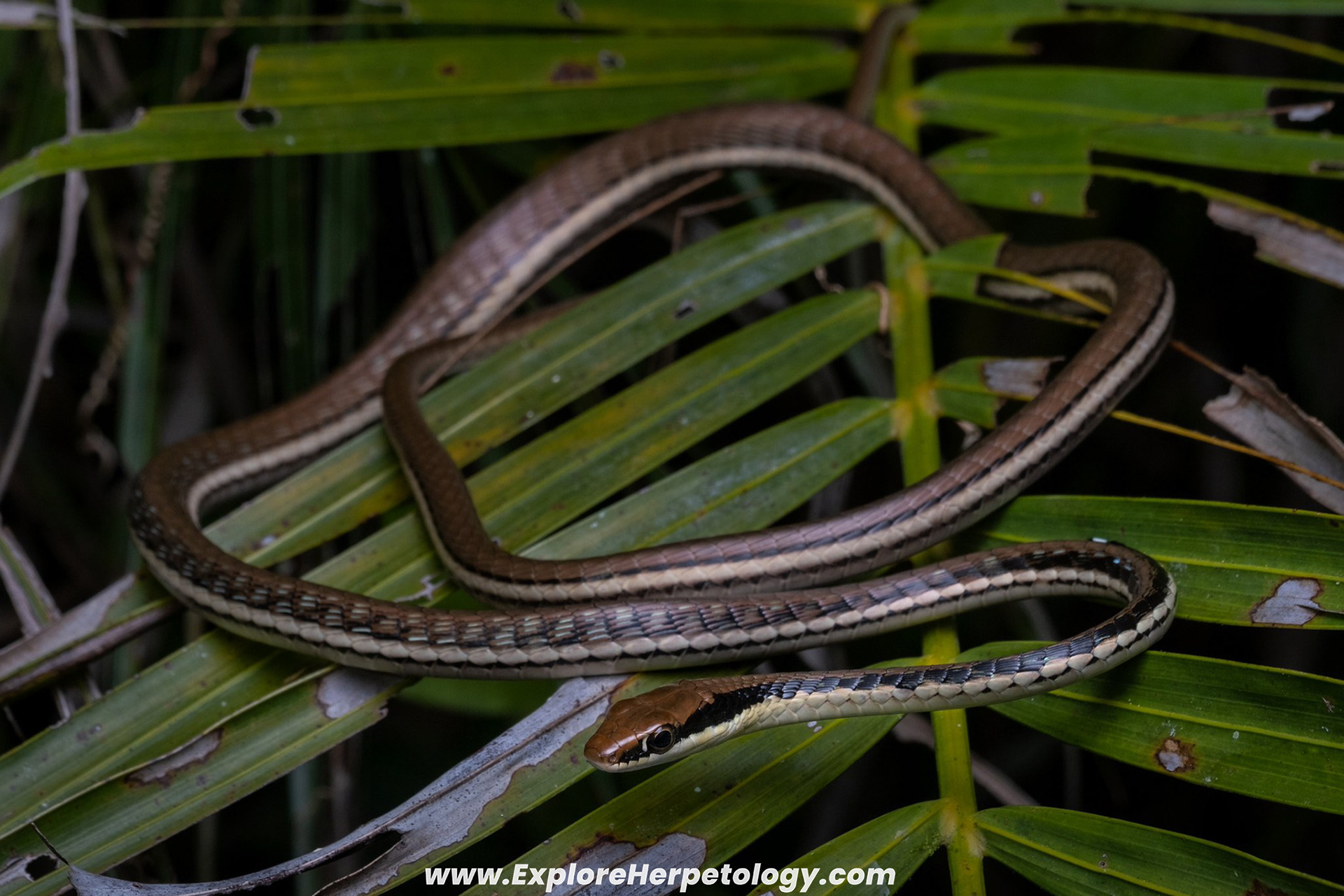
Painted bronzeback (Dendrelaphis pictus).
Nights 6 & 9: Padang
We have two layover nights in Padang. One is the night before taking the ferry to Siberut Island, and the other is when we return to the mainland from Siberut Island. On the very first layover, we will enjoy a short night walk at a site very close to the pier. This hill has an incredibly high density of snakes, with multiple large female Wagler's pit vipers (Tropidolaemus wagleri) almost guaranteed. Oriental vine snake (Ahaetulla prasina), striped bronzeback (Dendrelaphis caudolineatus) and painted bronzeback (Dendrelaphis pictus) are all also ridiculously common here.
On our second layover in Padang, we do not need to wake up so early the following morning, so we have the option to check out a different area further outside the city. There are areas near Padang which have Hagen's pit viper (Trimeresurus hageni), Malayan banded coral snake (Calliophis intestinalis), blue coral snake (Calliophis bivirgata) and much more. We will stay in a comfortable hotel near pier, inside Padang City.
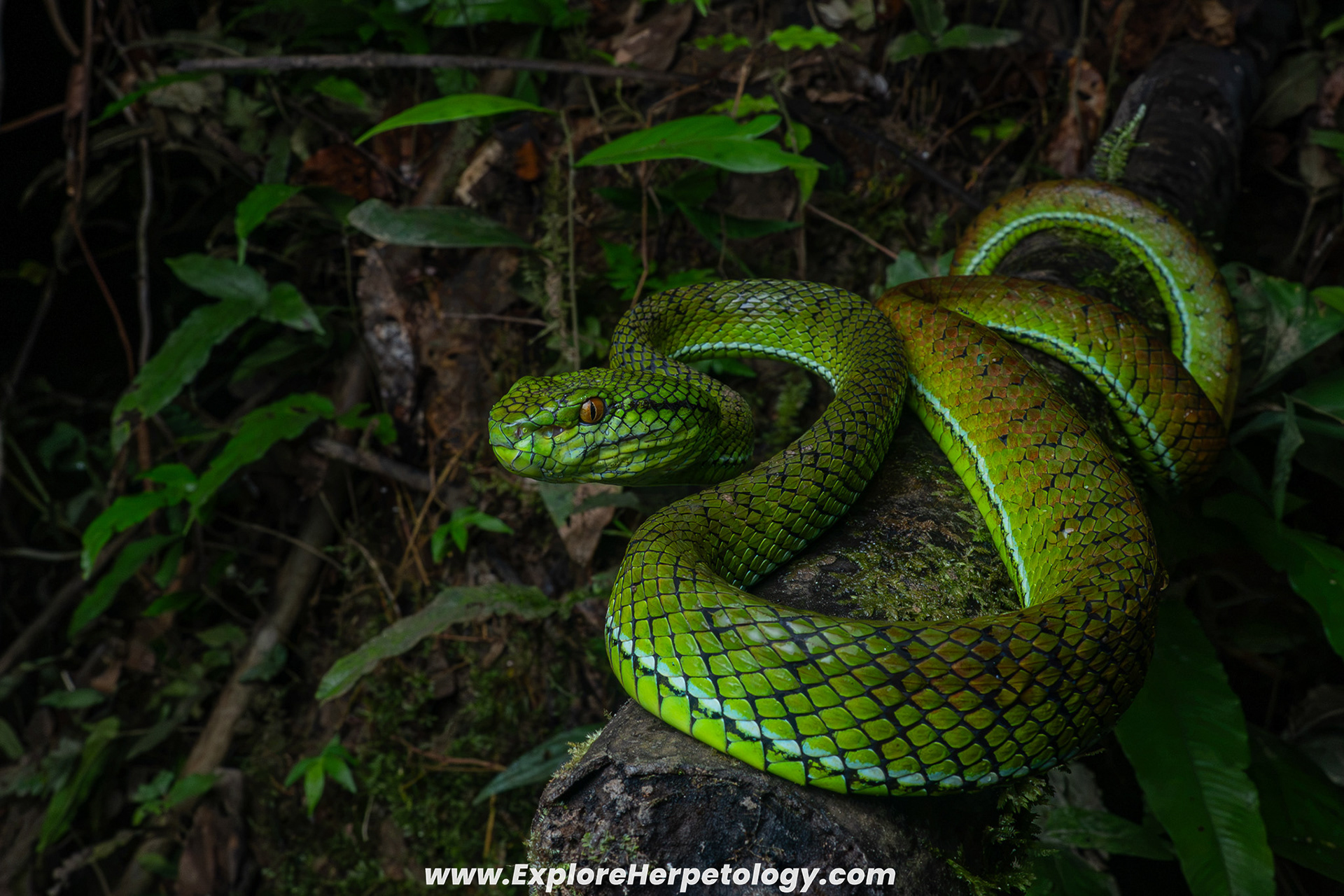
Adult female Siberut pit viper (Trimeresurus whitteni).
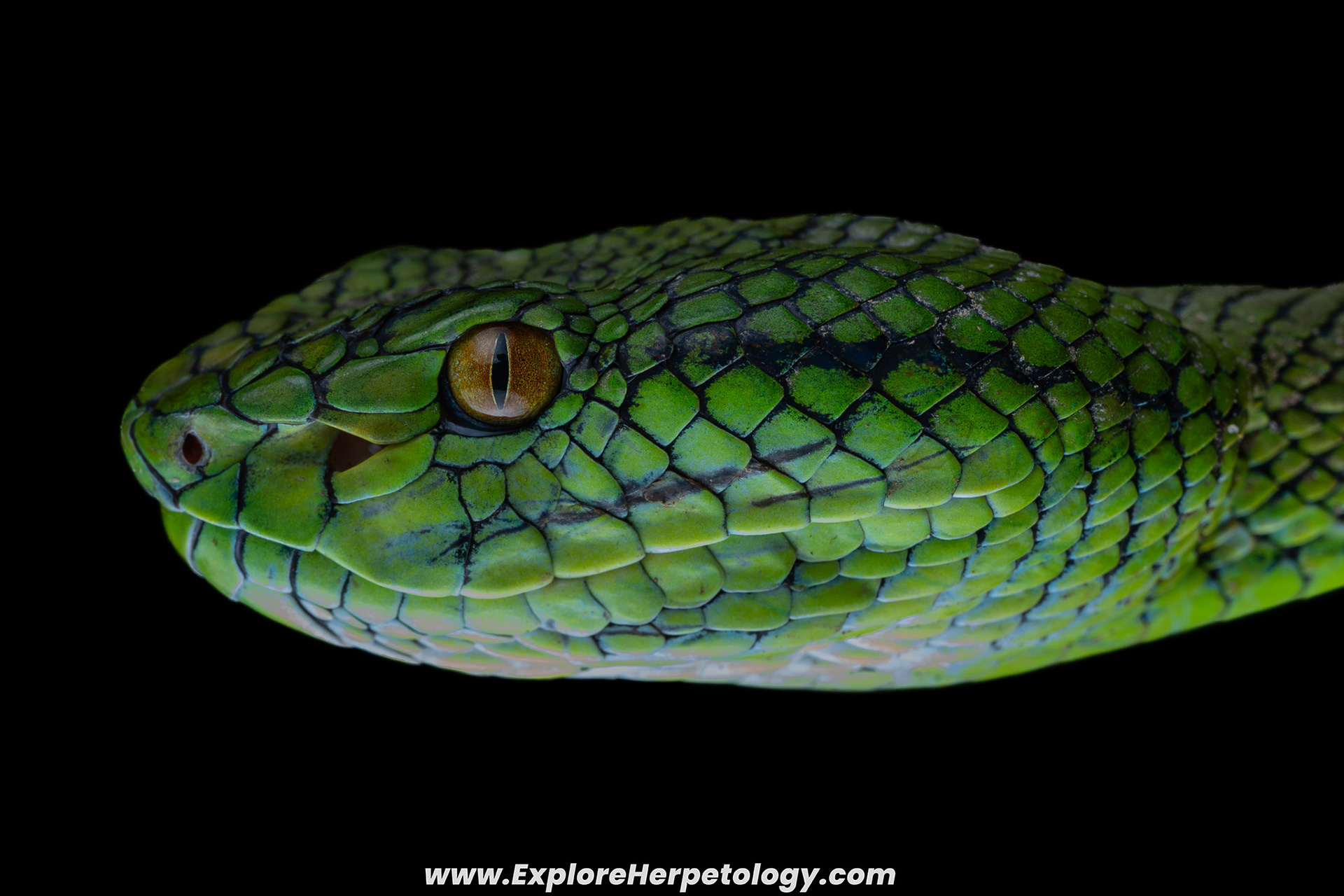
Adult female Siberut pit viper (Trimeresurus whitteni).
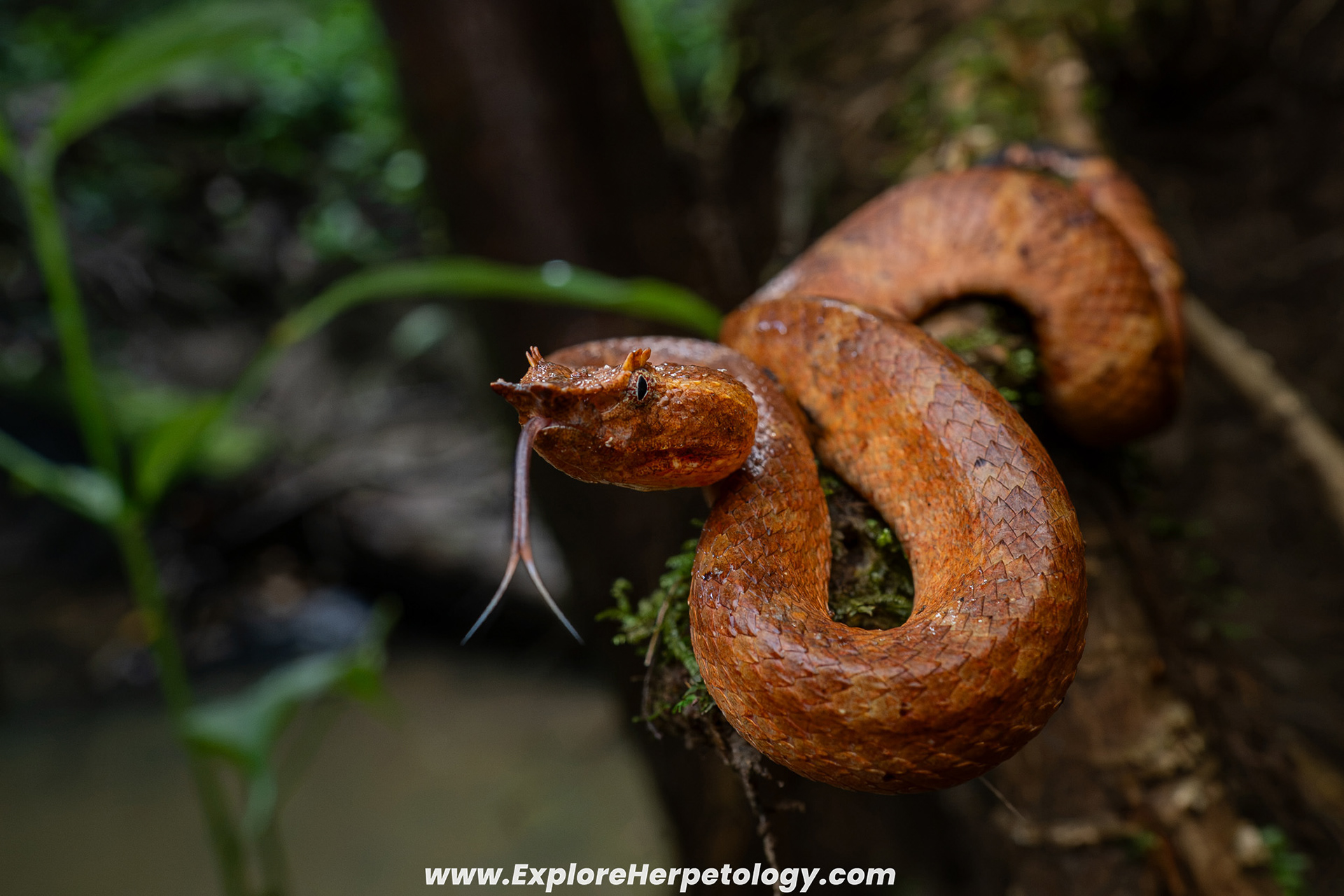
Brongersma's leaf-nosed pit viper (Craspedocephalus brongersmai).
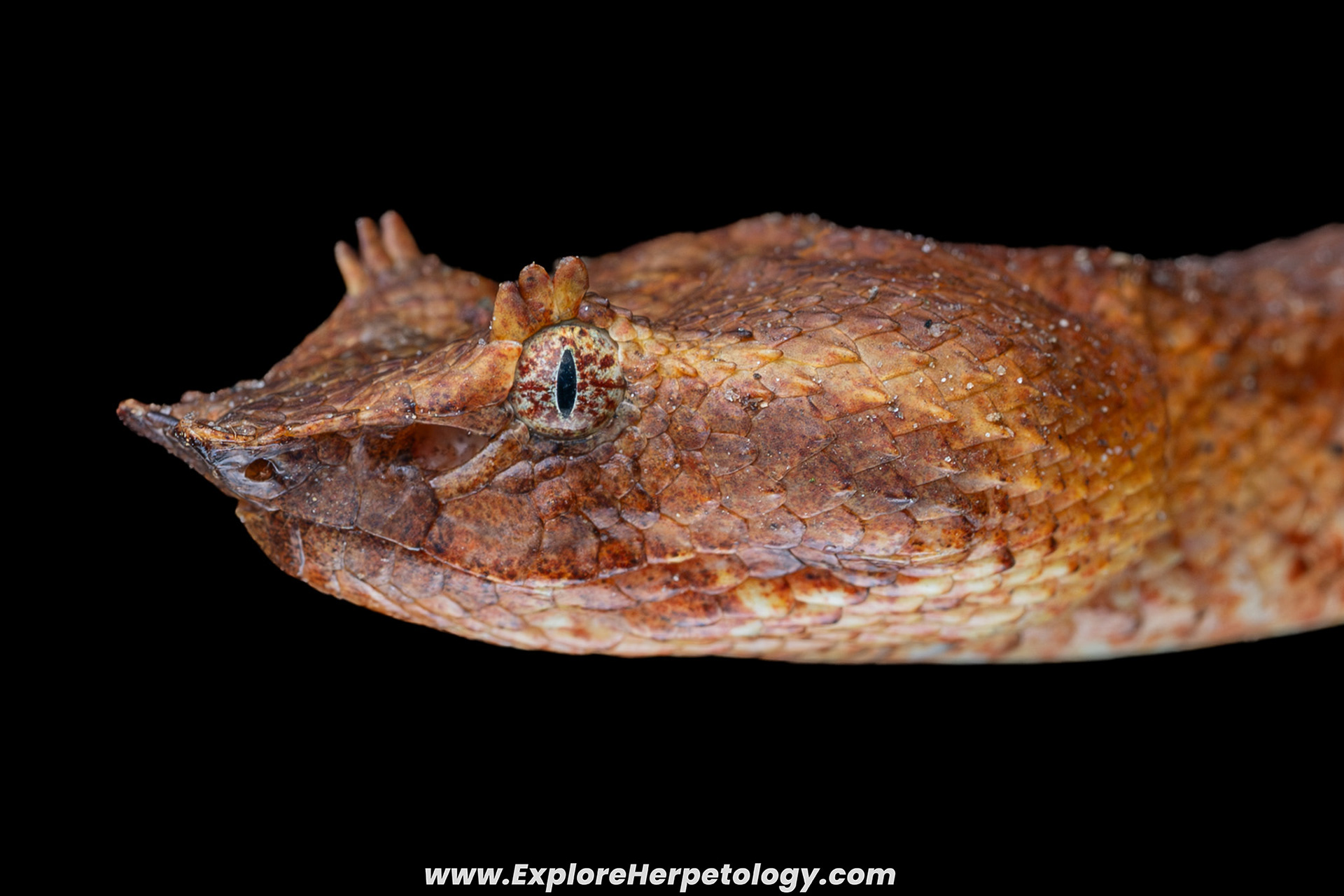
Brongersma's leaf-nosed pit viper (Craspedocephalus brongersmai).
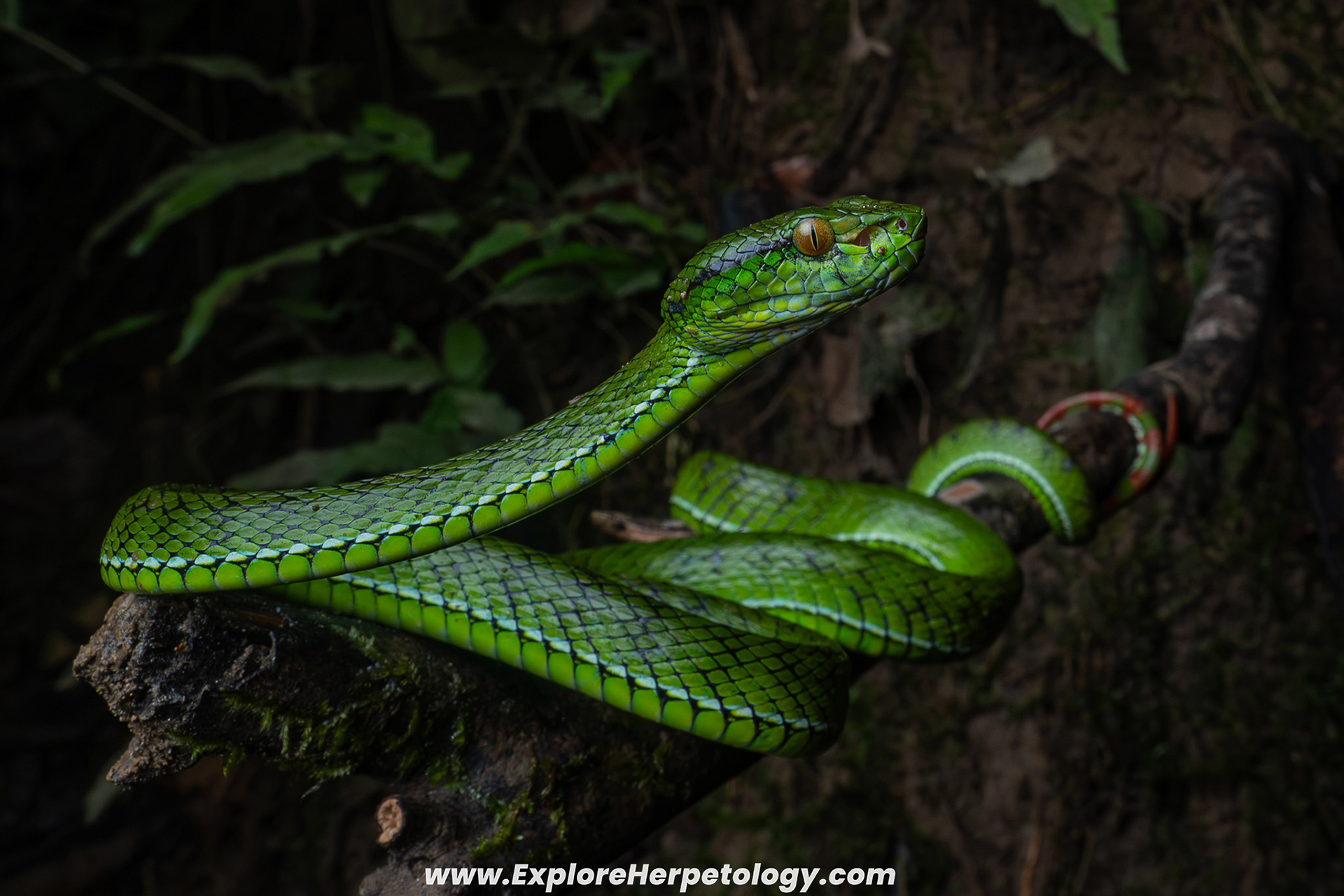
Adult male Siberut pit viper (Trimeresurus whitteni).
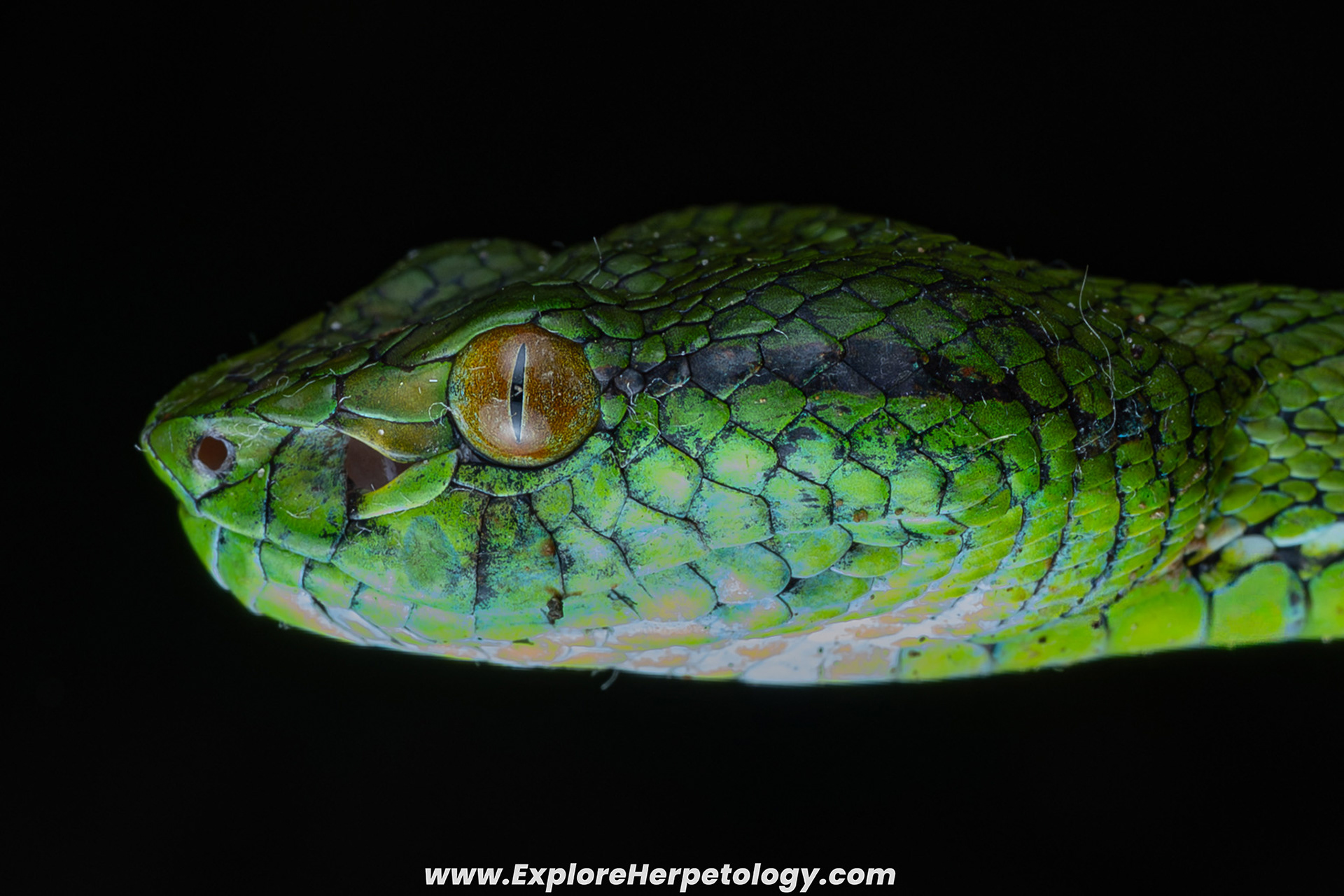
Adult male Siberut pit viper (Trimeresurus whitteni).
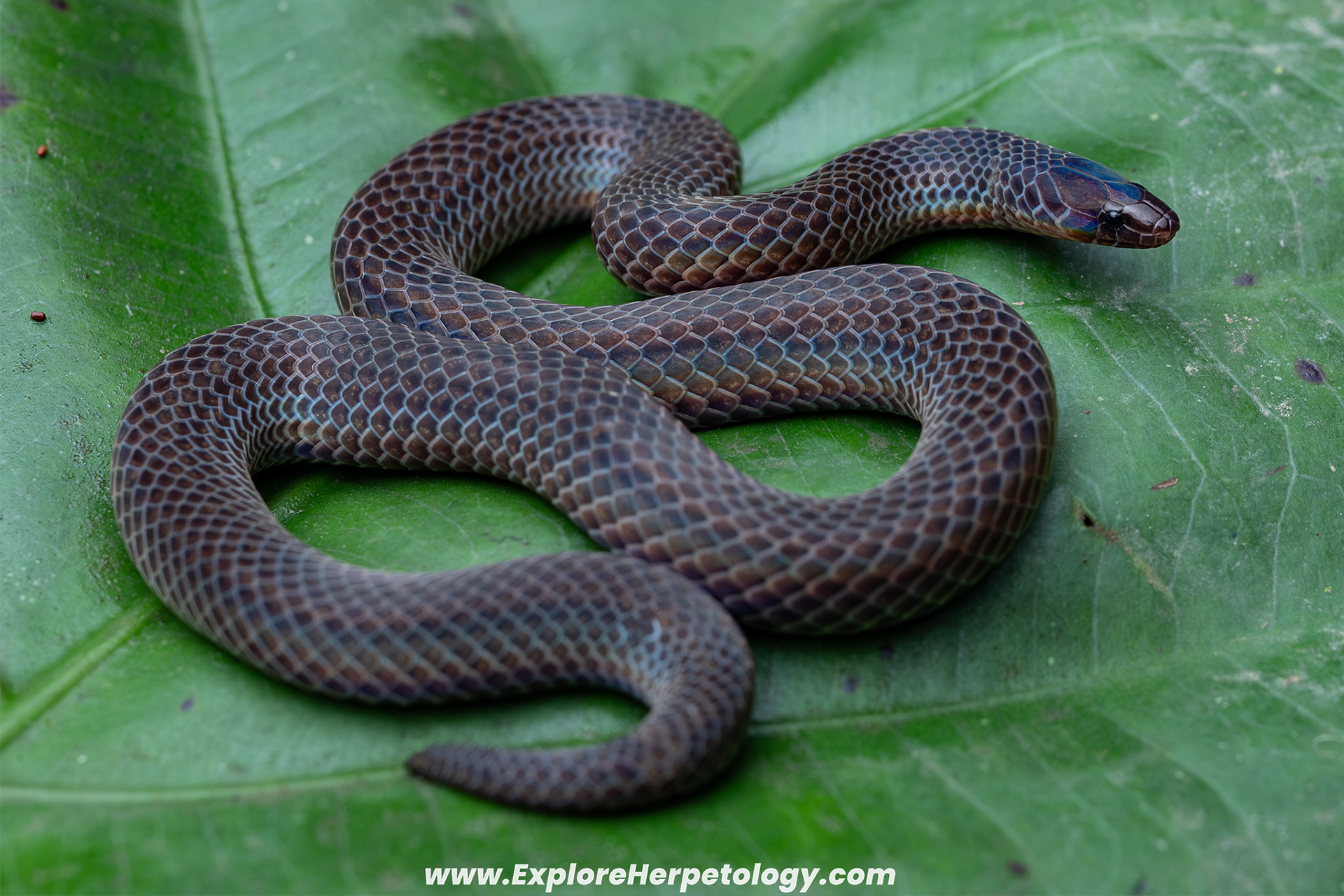
Eiselt's dwarf reed snake (Pseudorabdion eiselti).
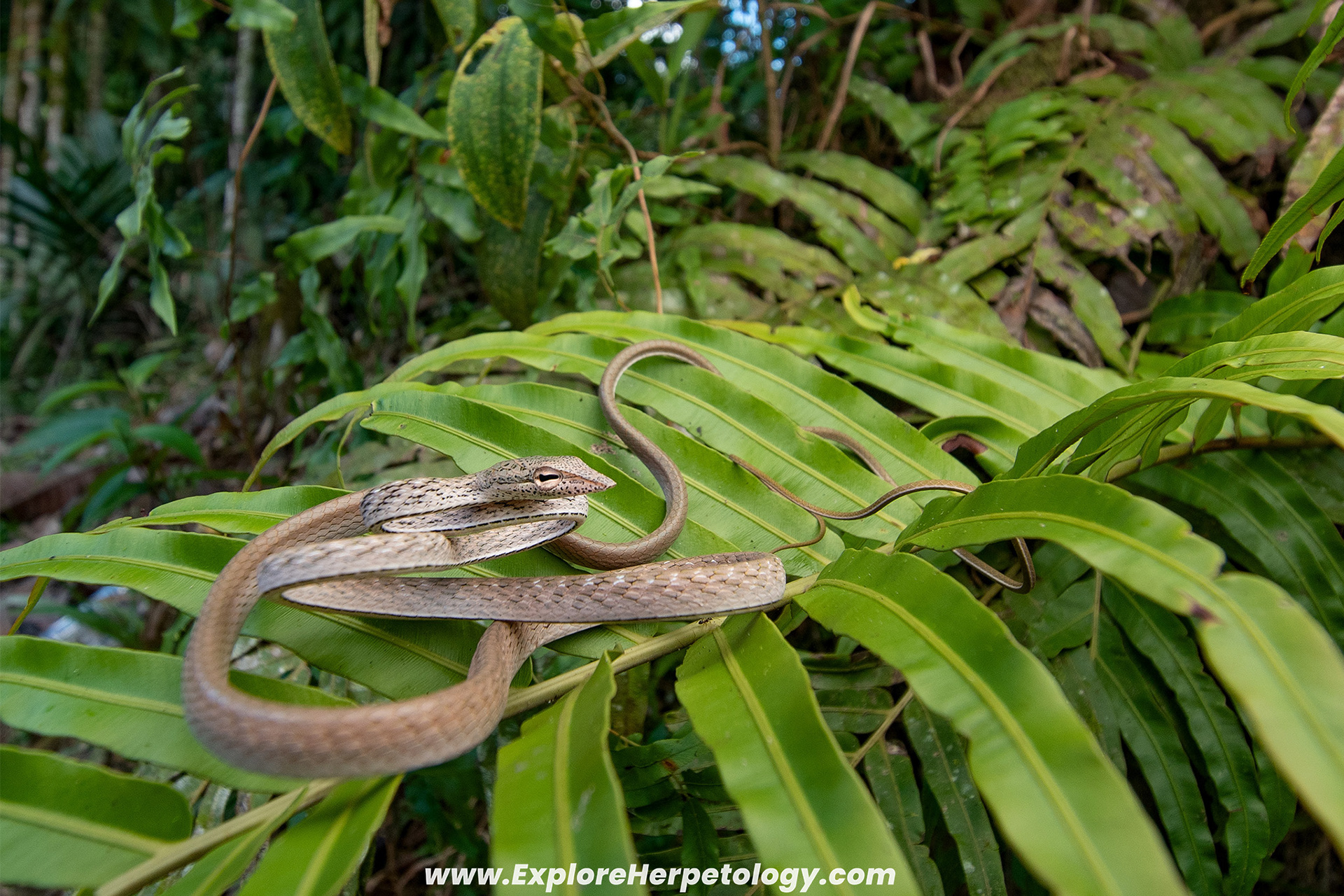
Speckle-headed vine snake (Ahaetulla fasciolata).
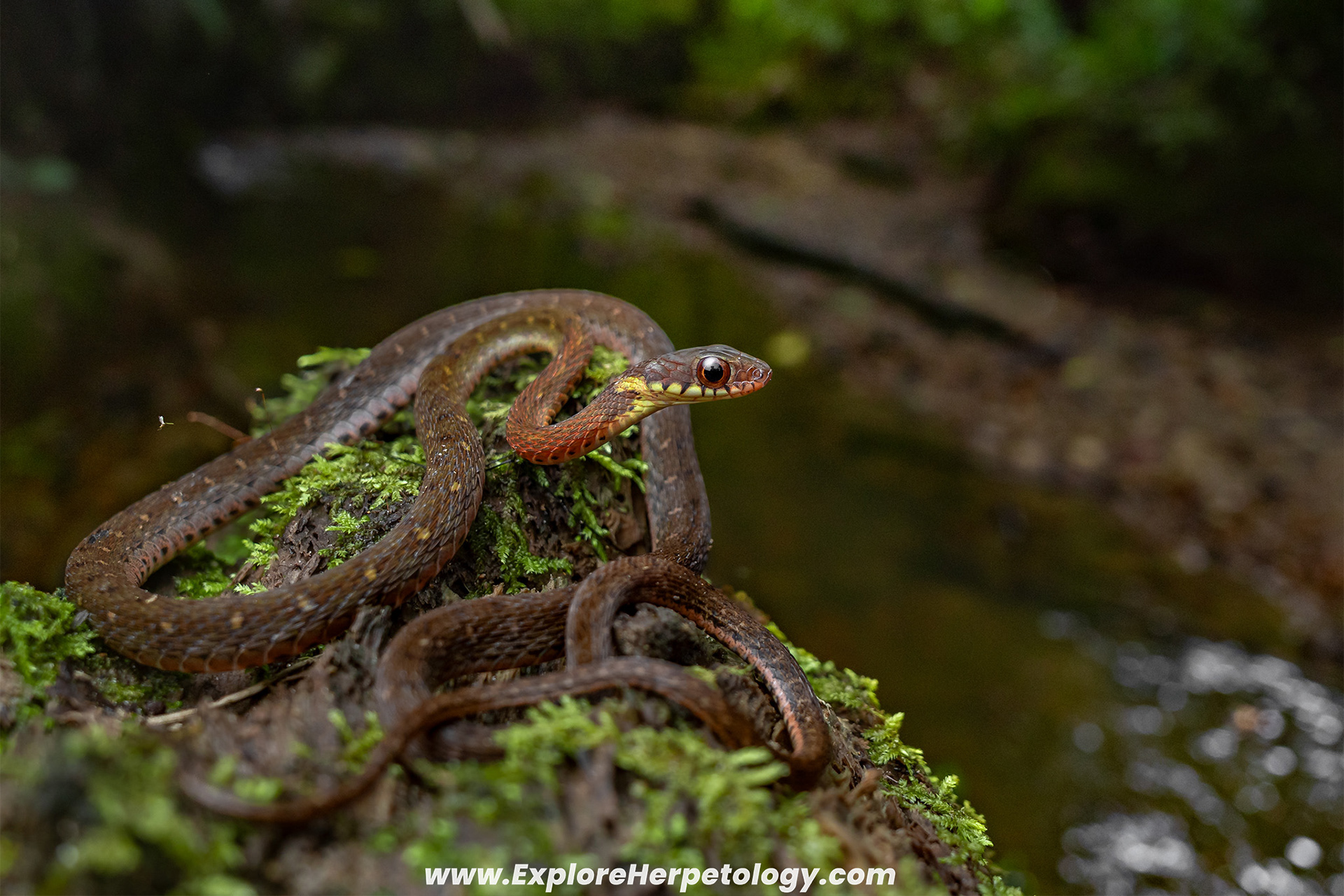
Speckle-bellied keelback (Rhabdophis chrysargos).
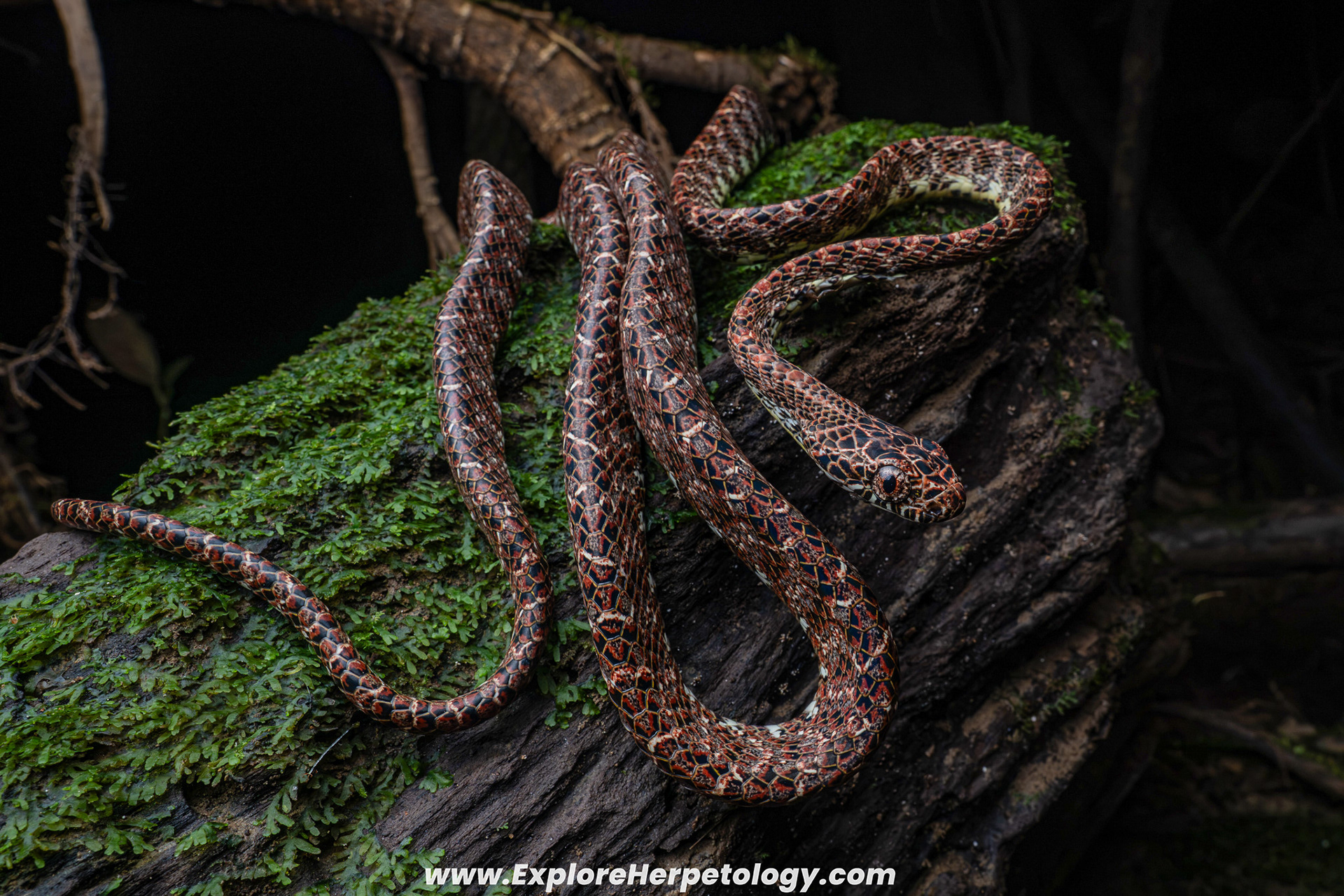
Jasper cat snake (Boiga jaspidea).
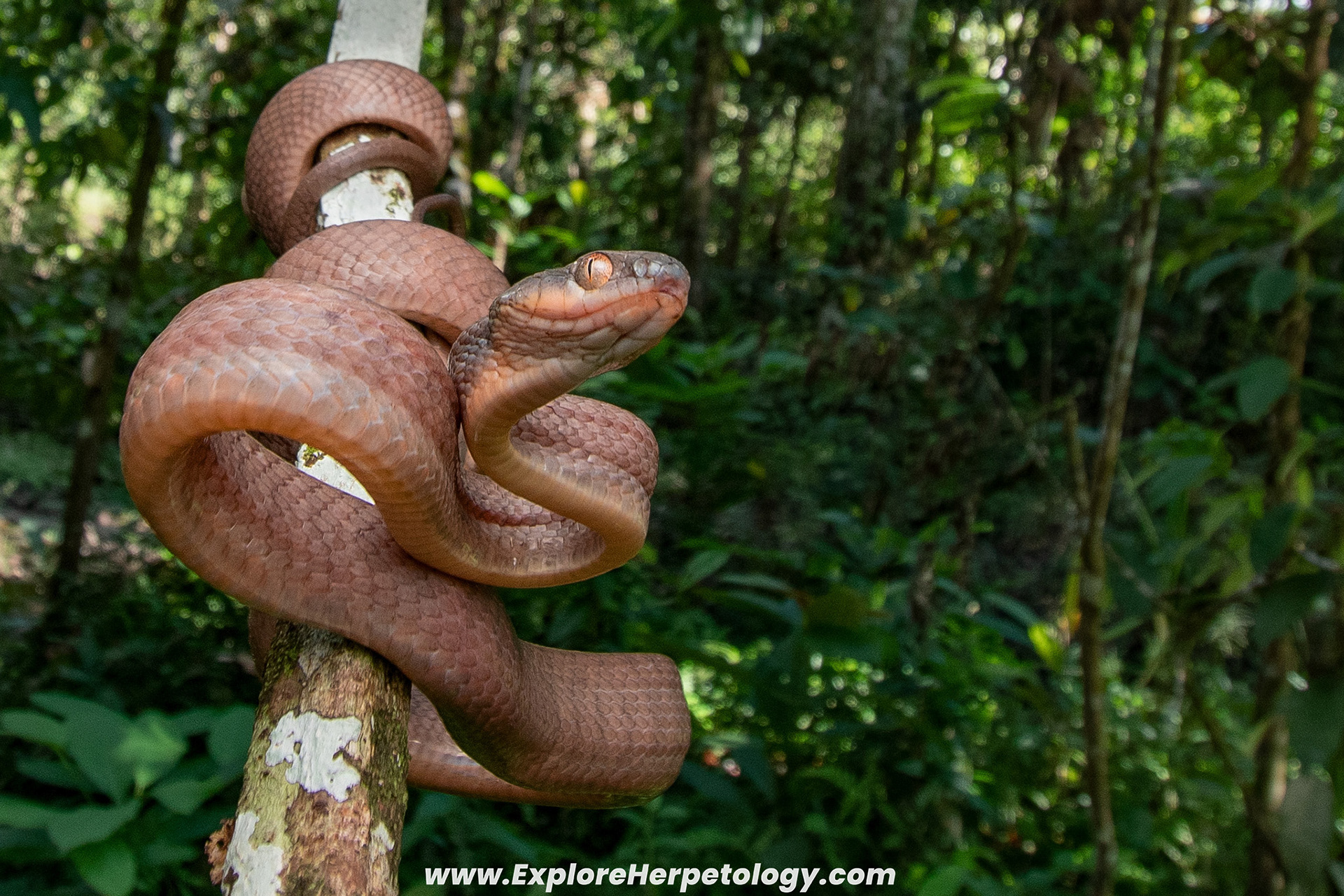
Dark-headed cat snake (Boiga nigriceps).
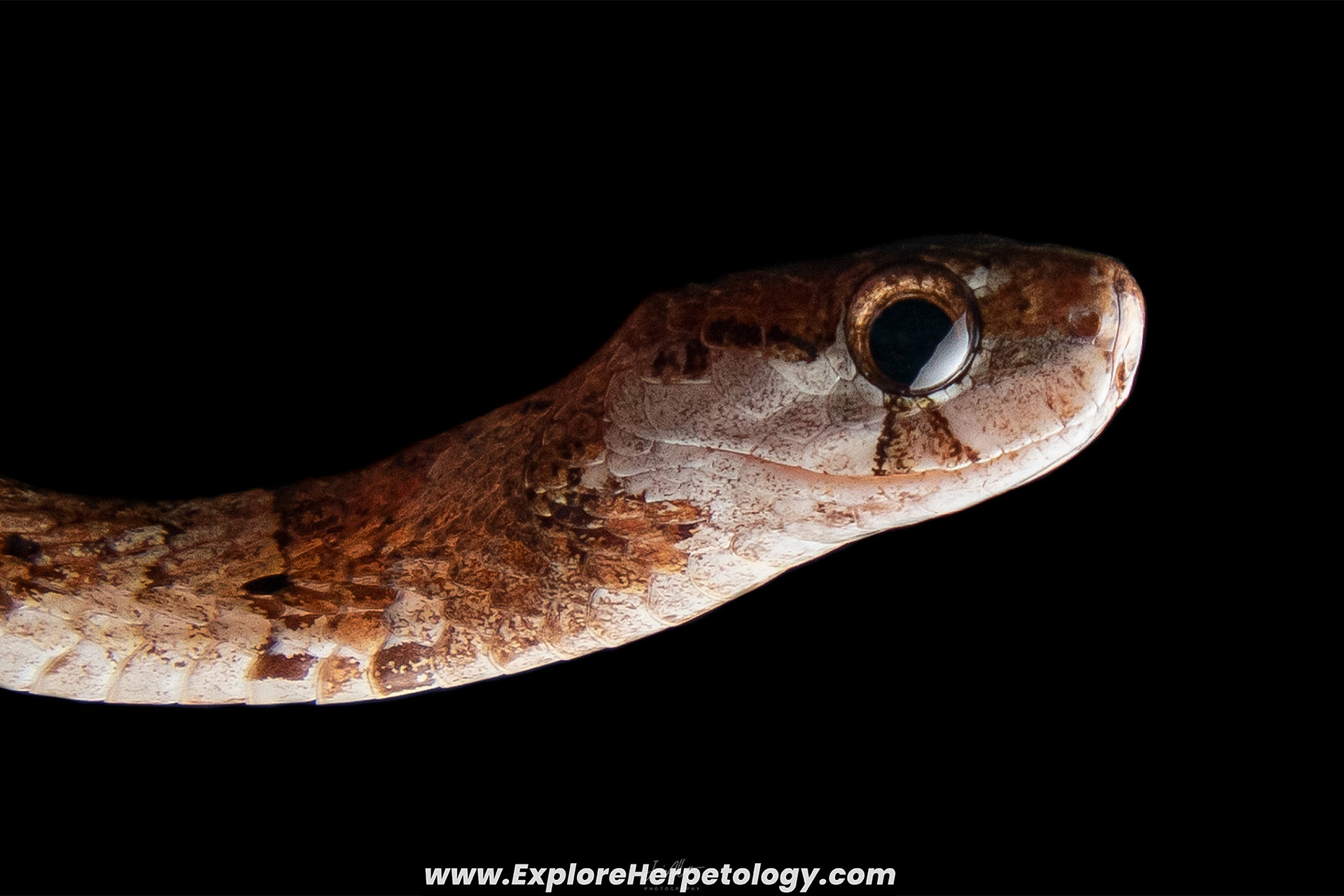
Blunt-headed slug snake (Aplopeltura boa).
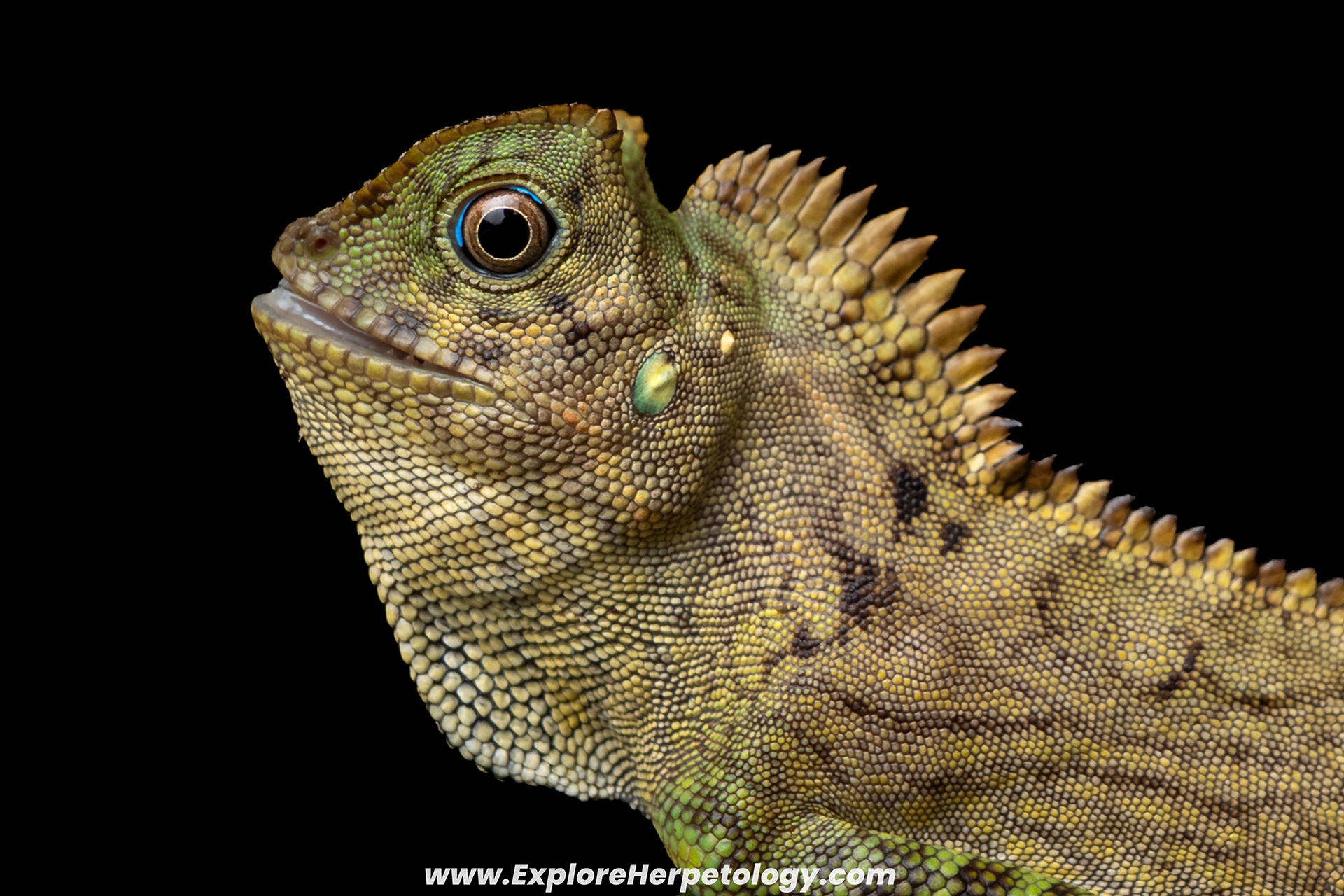
Chameleon angle-headed lizard (Gonocephalus chameleotinus).
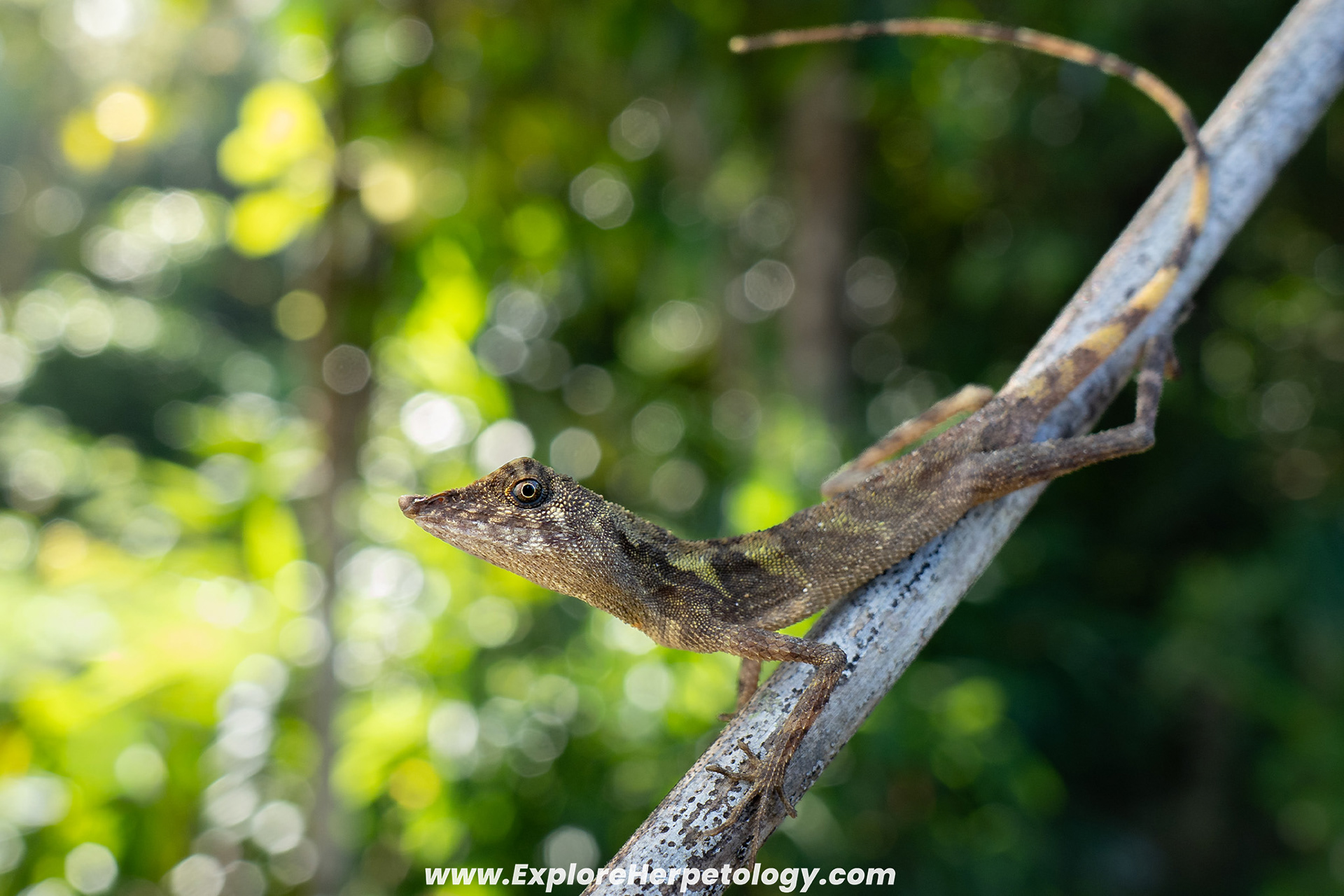
Sumatran earless agama (Aphaniotis acutirostris).
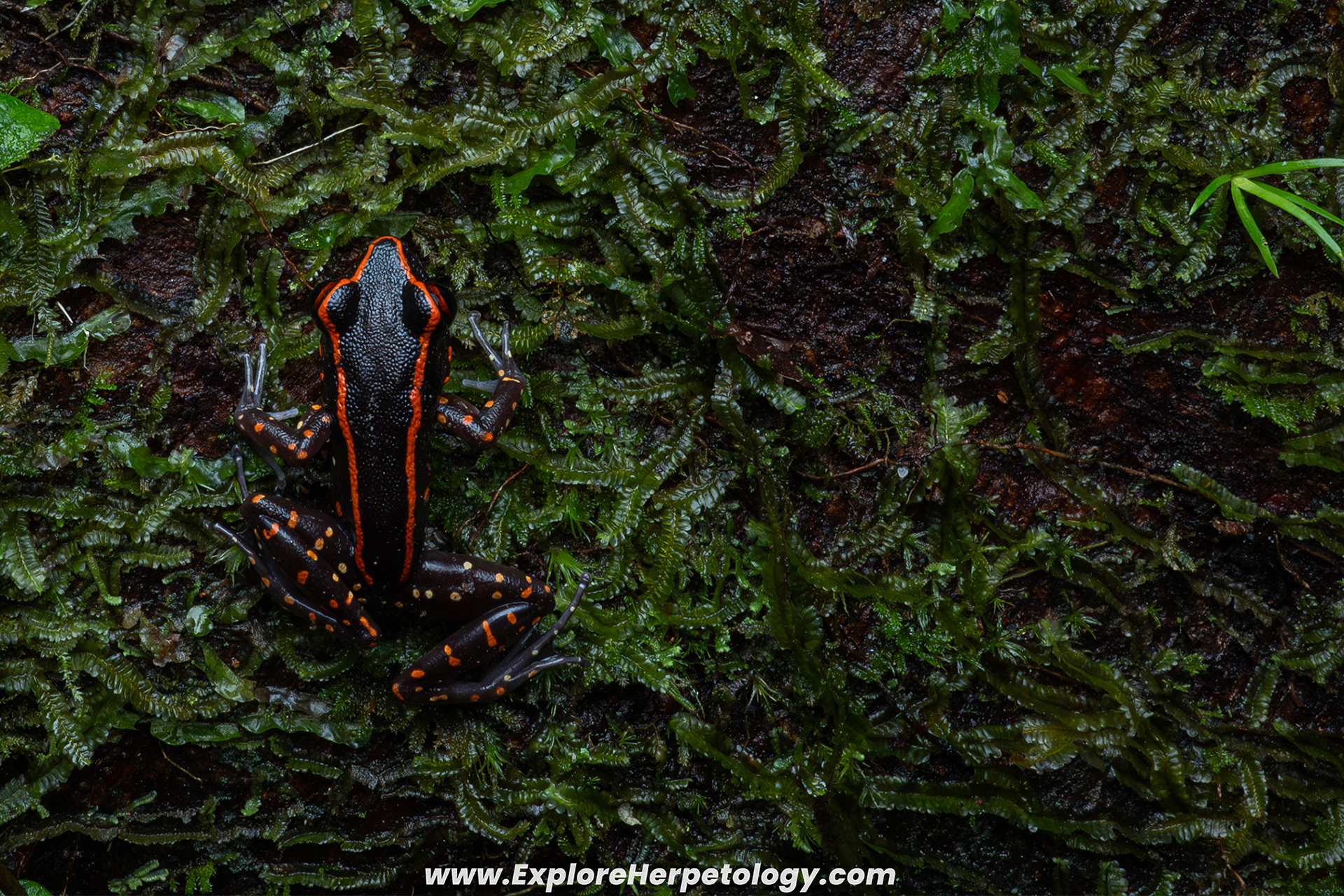
Siberut stream frog (Hylarana siberu).
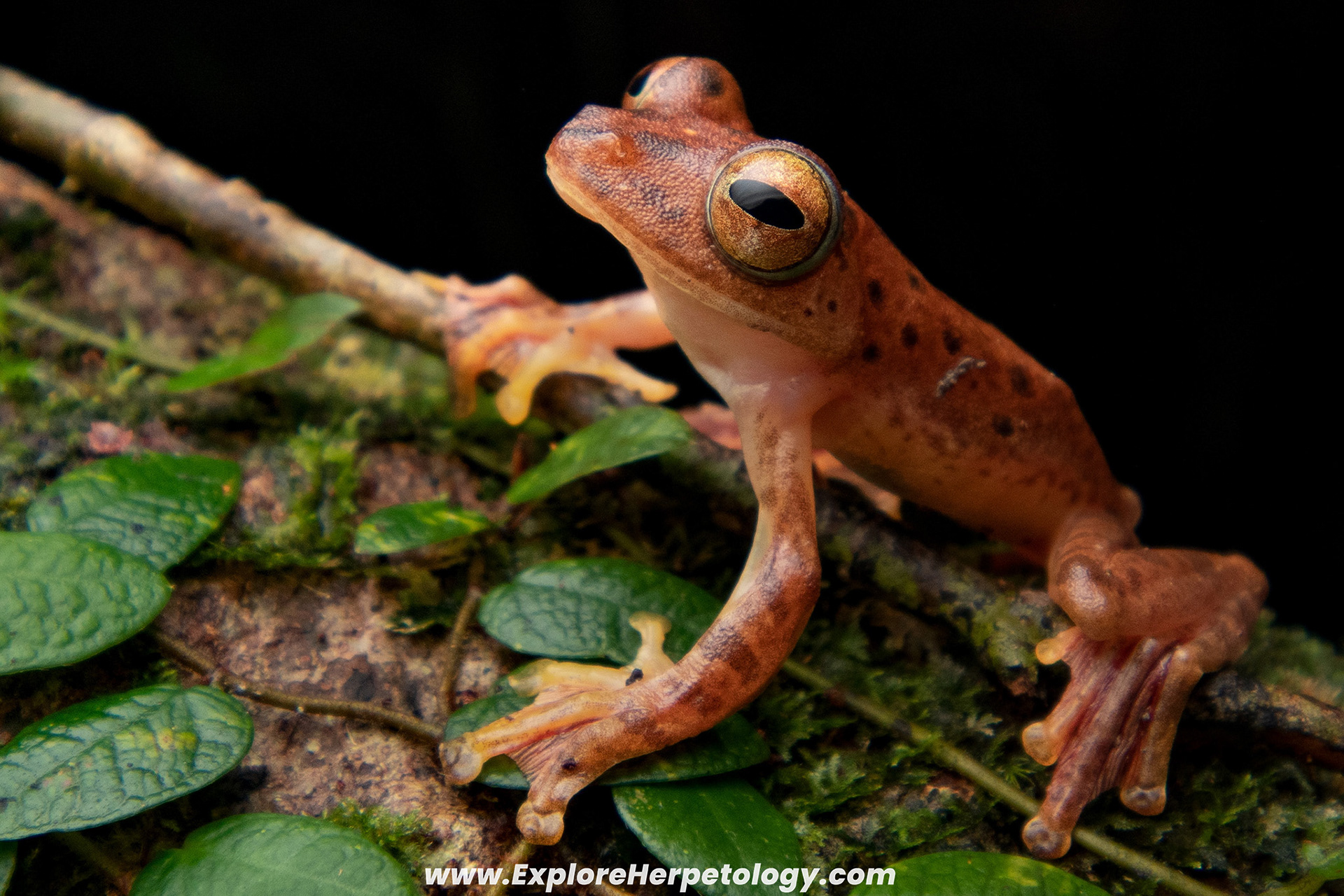
Harlequin flying frog (Rhacophorus pardalis).
Nights 6 - 7: Siberut
After our layover in Padang, we take an early morning ferry to Siberut Island. Once we arrive, we are loaded onto a smaller boat which will take us through a slow-flowing rainforest river to a tribal village homestay. On the boat ride to the homestay, we can see sleeping reticulated python (Malayopython reticulatus) and dark-headed cat snake (Boiga nigriceps) - on top of other species. While the accommodation and food at the tribal village is basic, staying here gives us impeccable forest access possible nowhere else on the island, with the highest chance to see our two biggest targets for Siberut: the endemic Whitten's pit viper (Trimeresurus whitteni) and Brongersma's leaf-nosed pit viper (Craspedocephalus brongersmai). The former is quite common in the high quality rainforest, while the latter is a lot rarer and defined by its remarkable crest of horns above each eye.
When our team scouted the island, we took the first photographs of Eiselt's reed snake (Pseudorabdion eiselti), and found many other snakes and herpetofauna species in the process. It is possible to see high-profile bycatch such as blue coral snake (Calliophis bivirgatus) and Sumatran short-tailed python (Python curtus) on Siberut, while there is an undescribed kukri snake (Oligodon sp.) endemic to this island which is yet to be photographed. Staying with the village tribe is a fun and immersive experience, with our local guide showing us all kinds of interesting tribal techniques, lifestyles and other entertaining features while there.
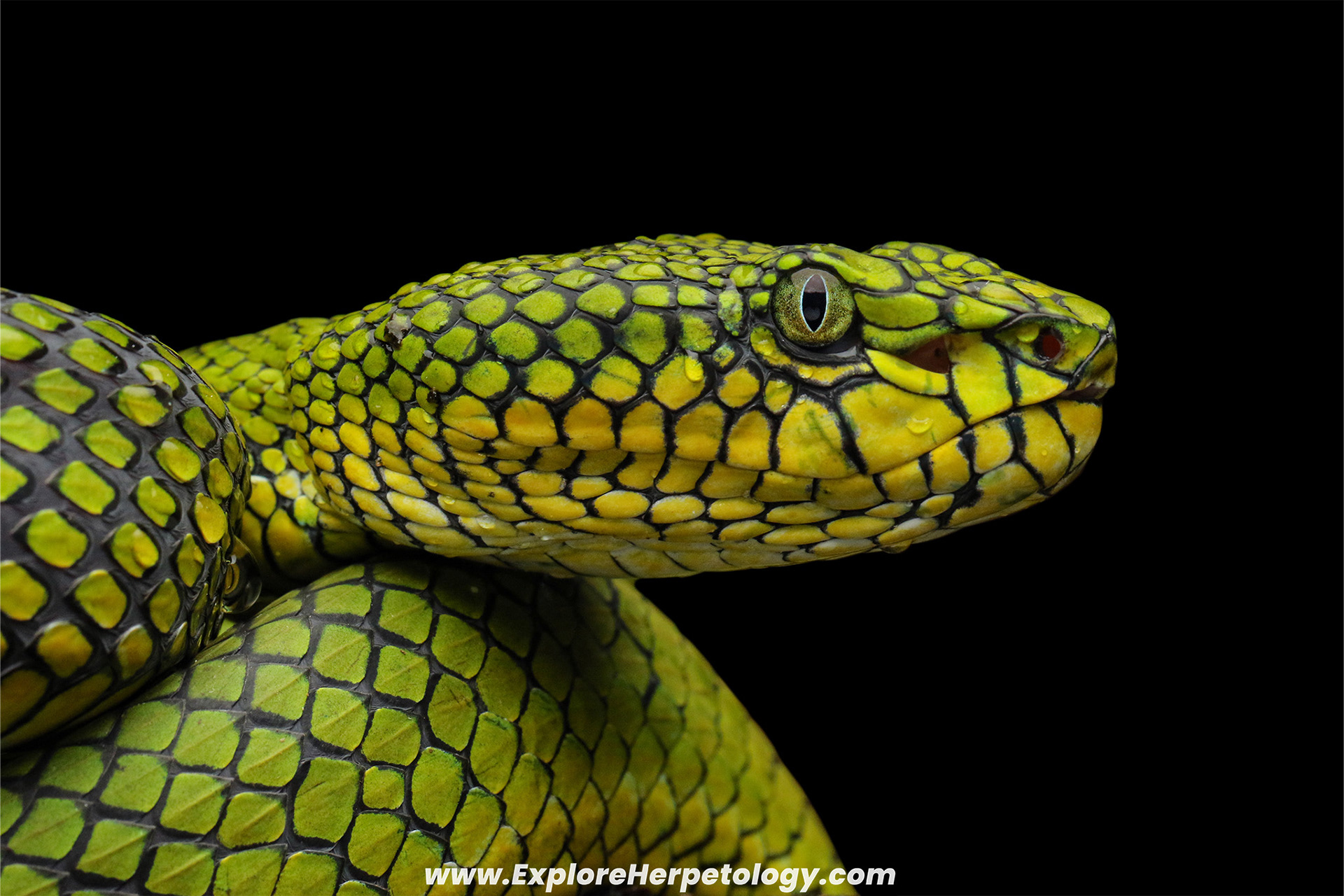
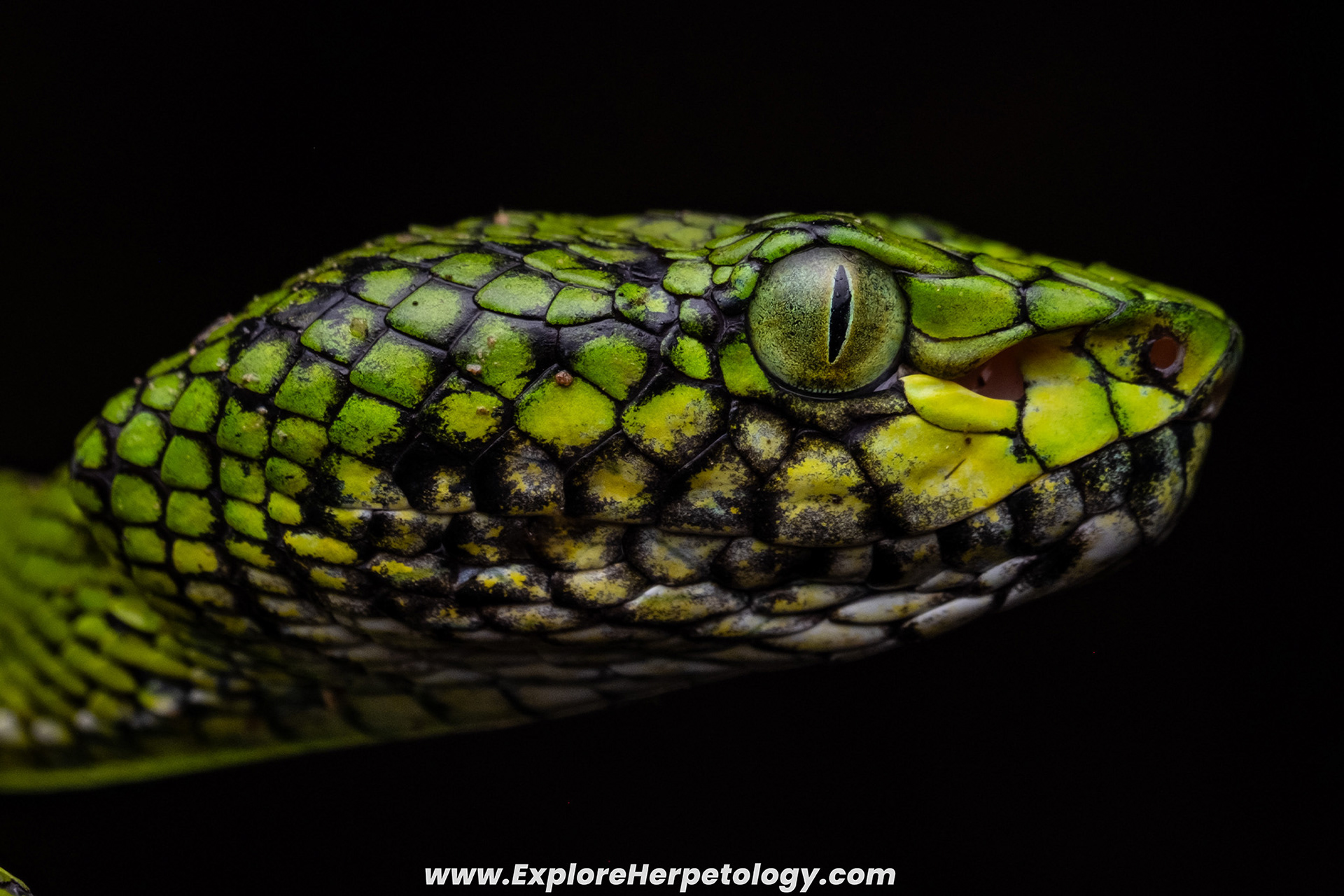
Adult female Nias pit viper (Trimeresurus calamitas).
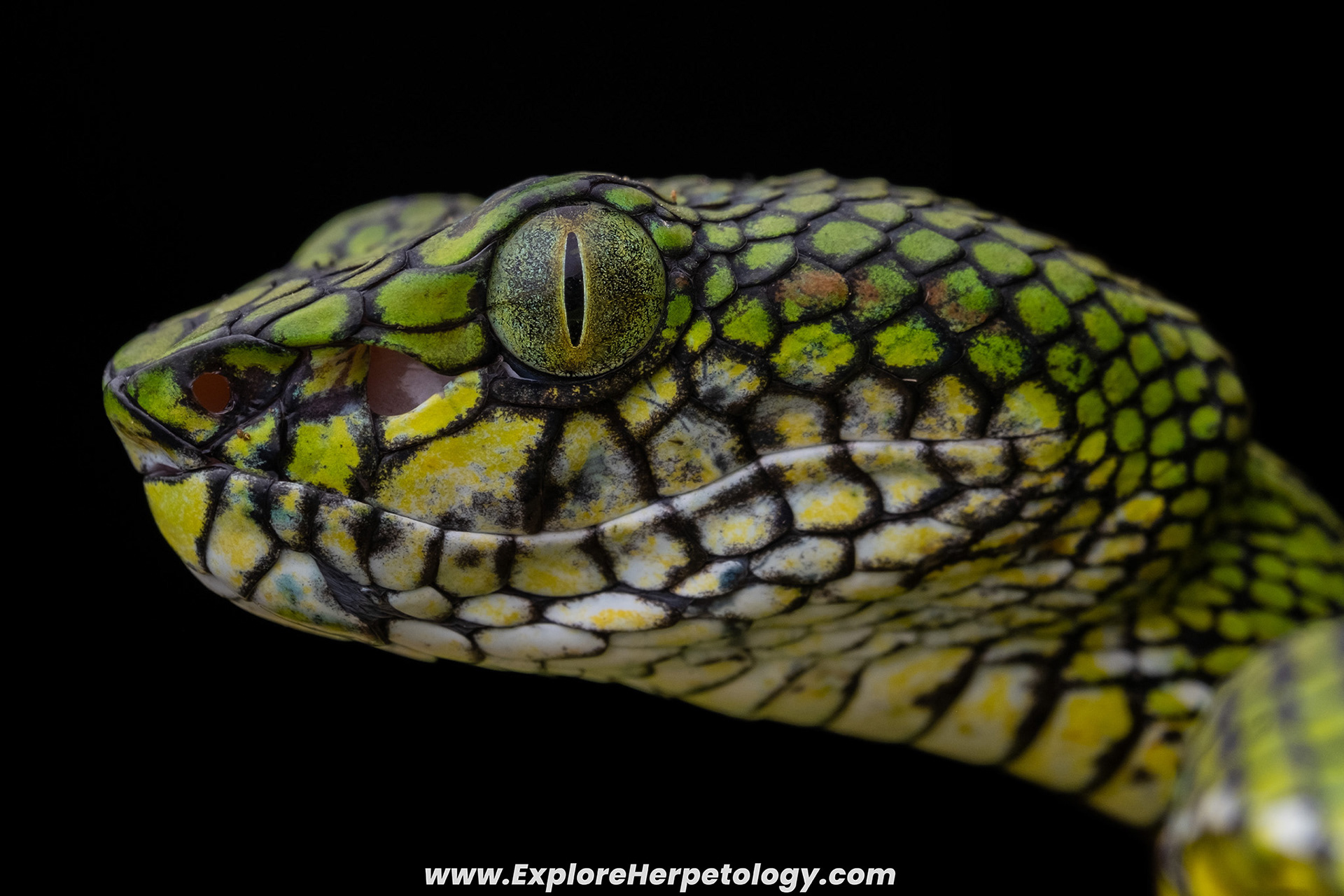
Young female Nias pit viper (Trimeresurus calamitas).
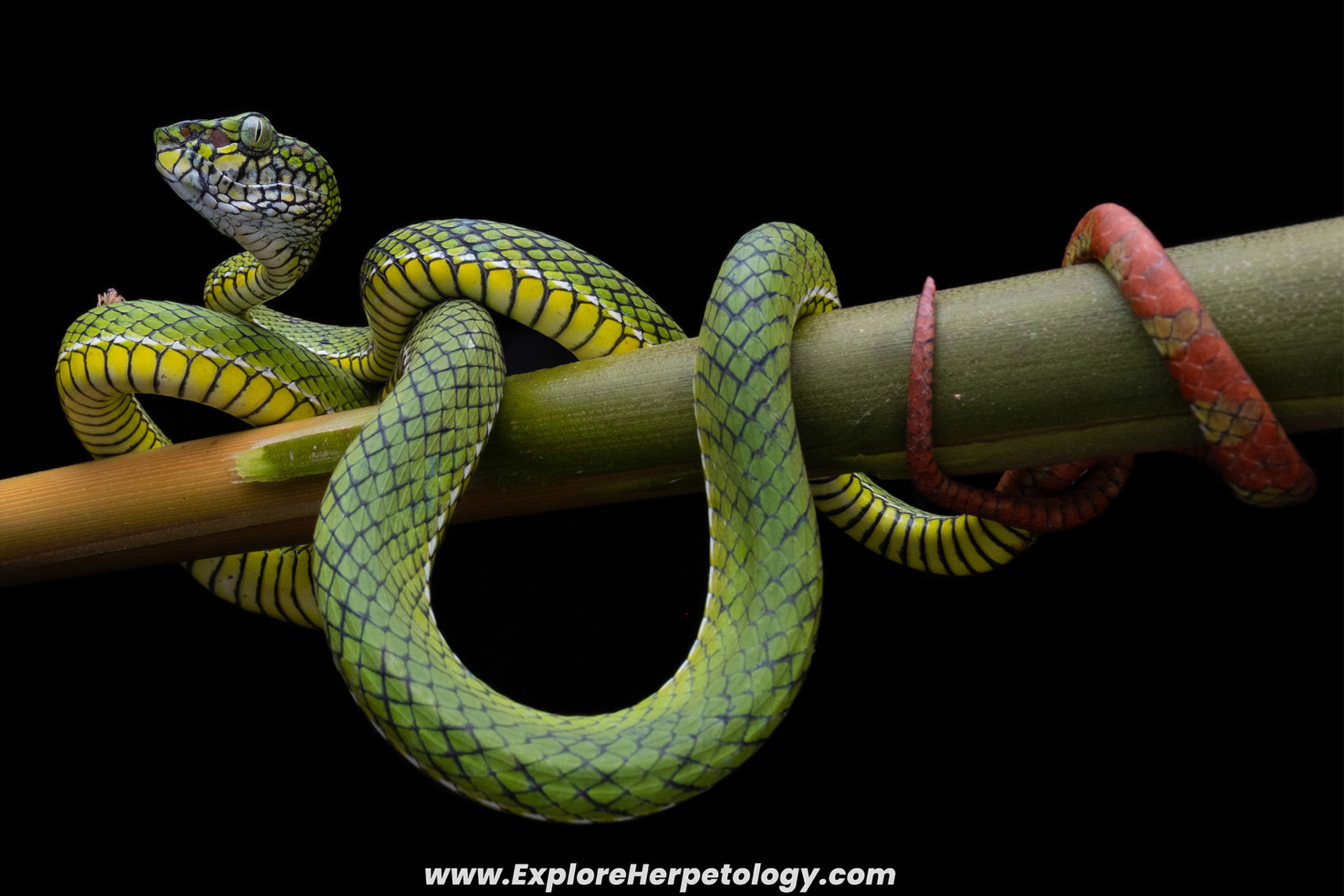
Adult male Nias pit viper (Trimeresurus calamitas).
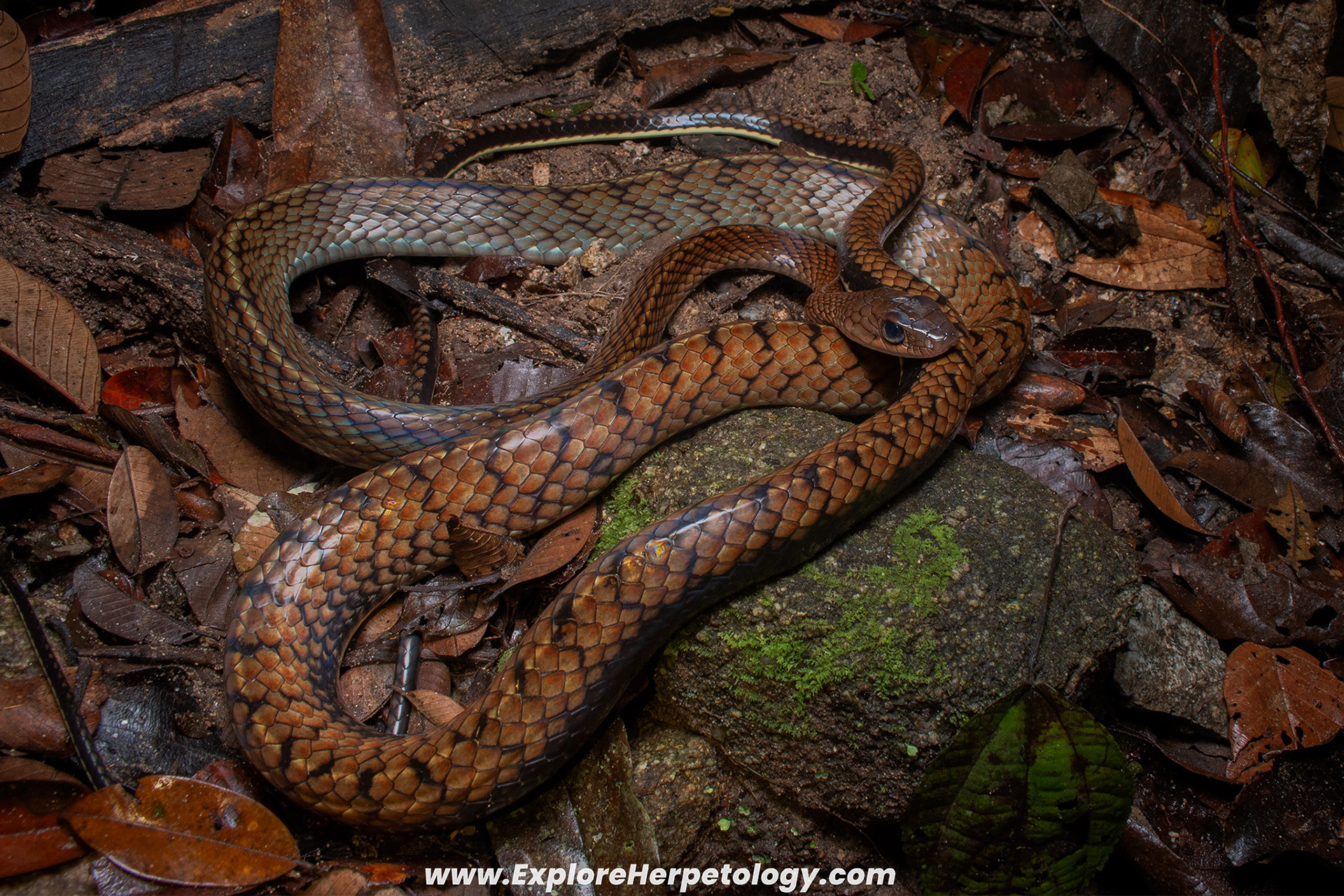
Adult male Nias pit viper (Trimeresurus calamitas).
White-bellied ratsnake (Ptyas fusca).
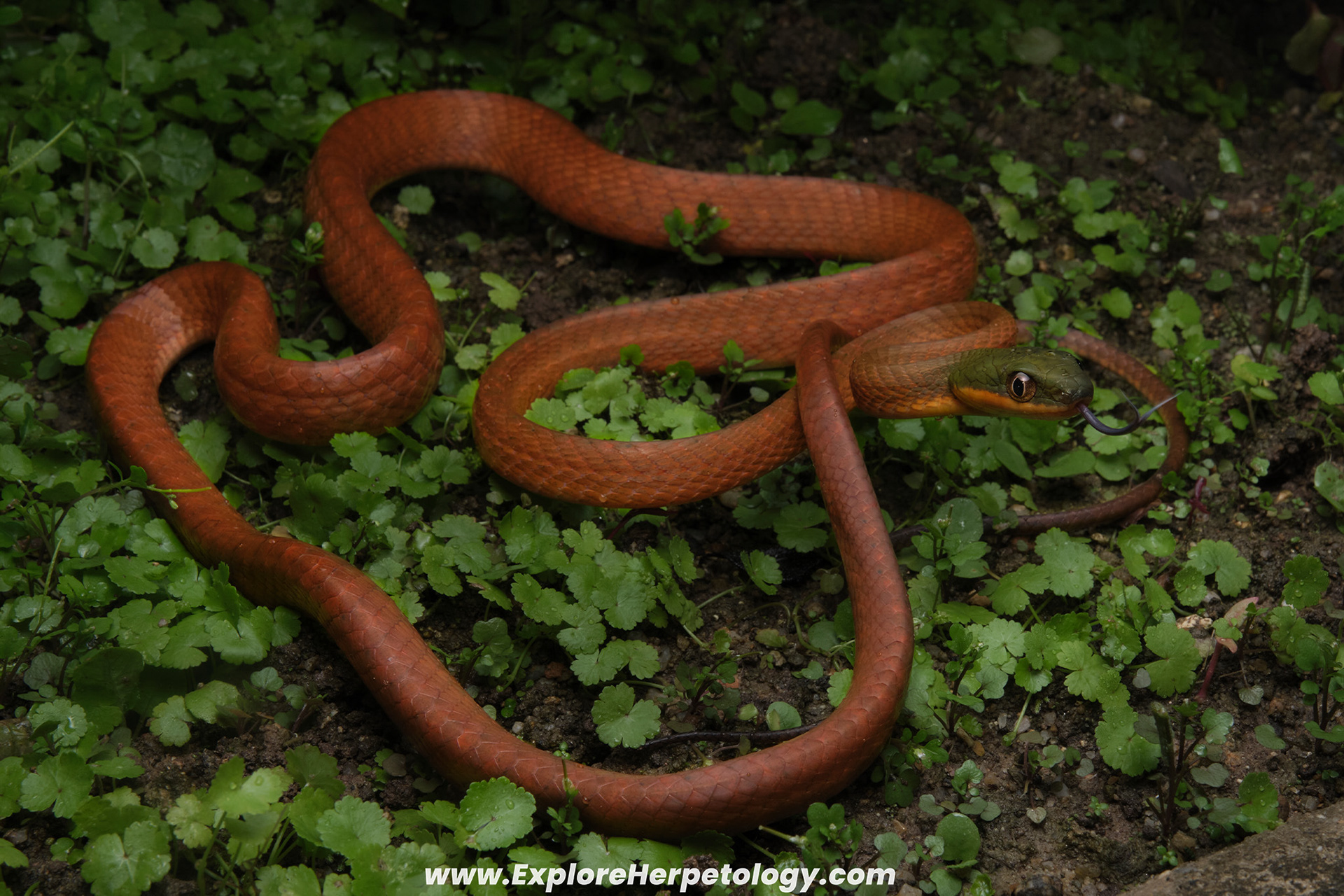
Dark-headed cat snake (Boiga nigriceps).
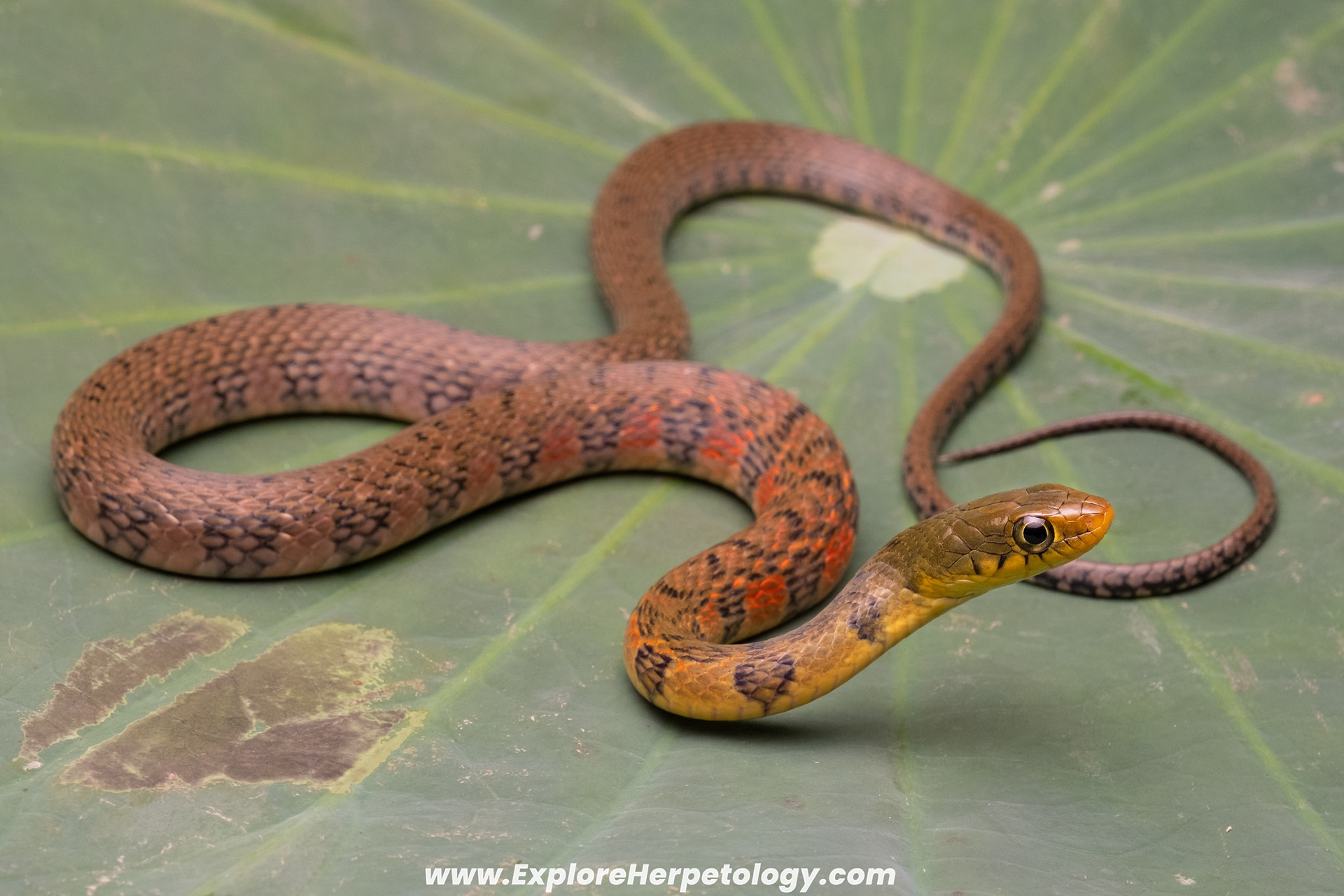
Triangle keelback (Xenochrophis trianguligerus).
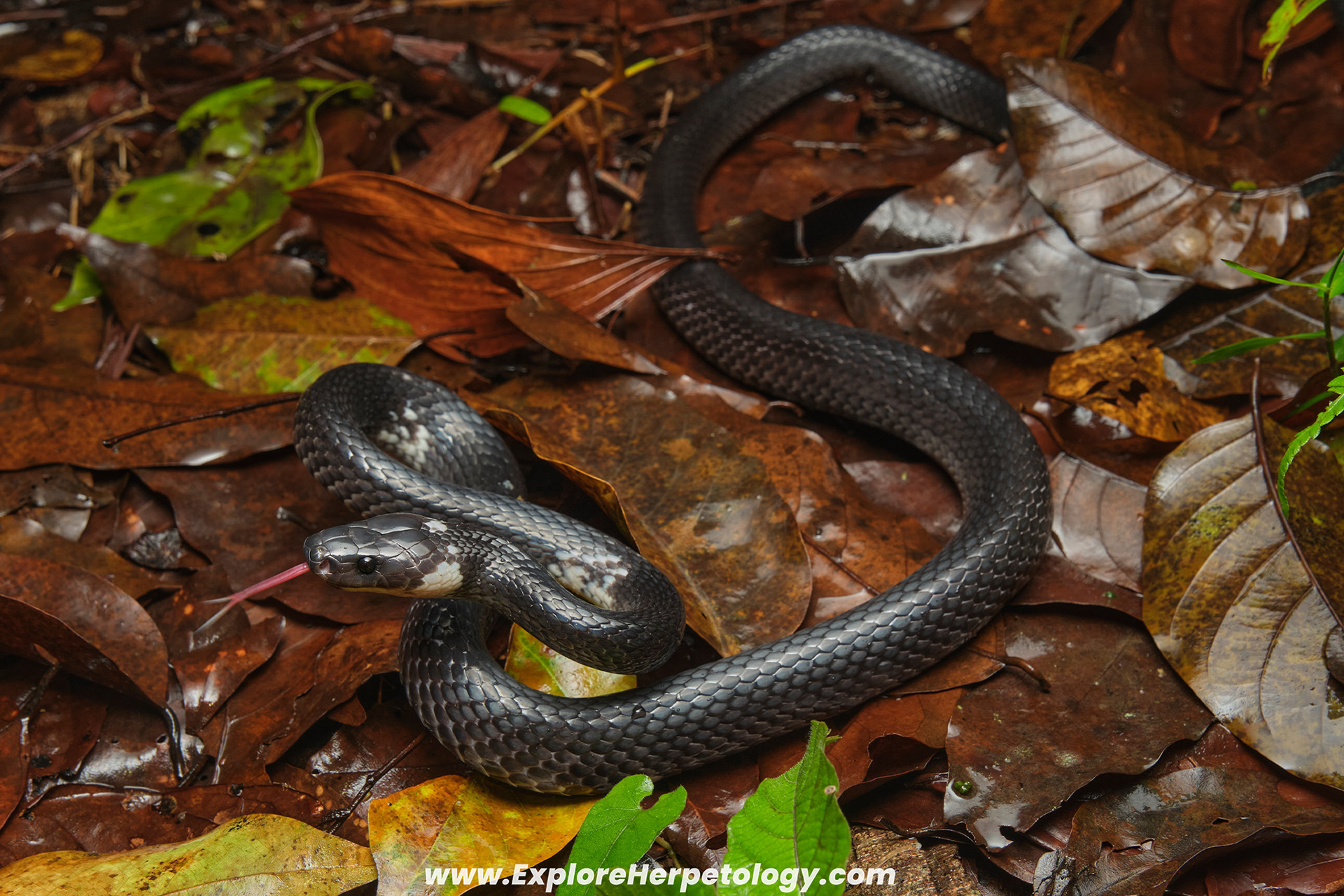
Malayan banded wolf snake (Lycodon subcinctus).
Nights 10 - 12: Nias
The final herping location of the trip is Pulau Nias, the most accessible of the three western islands we visit. Despite this, it is still very rarely visited by naturalists, with much of the island's herpetofauna species never being photographed. Our key target will be the Nias pit viper (Trimeresurus calamitas), which can be found within a short distance of Gunungsitoli town. Large females of this species are probably the most impressive of all the island-endemic vipers we can encounter of this trip, so we will put in maximum effort to find one. Adult males are more colourful, with charcoal-black scale edgings contrasting with yellow, white, green and red on the face.
Nias is home to several endemic and extremely rare species, most notably the Deli reed snake (Calamaria forcarti), Nias kukri snake (Oligodon wagneri), Nias worm lizard (Dibamus dezwaani), Nias horned agama (Harpesaurus eniscauda) and Nias rock gecko (Cnemaspis dezwaani). An encounter with a single one of these Nias endemics would be an incredibly special observation. We will stay near Gunungsitoli where we have pleasant accommodation and food, driving to our key herping destinations at night. Three nights will give us an opportunity to visit our consistent sites for the Nias pit viper (Trimeresurus calamitas), while also giving us a day or two to explore some new areas too.
Accommodation:
The accommodation on this expedition varies from comfortable resorts to tribal homestays. Aside from the tribal homestay on Siberut, all locations will have hot showers, western bathroom, and air conditioning. There is phone service at all locations during the expedition, but you must ensure you get a TELKOMSEL sim card if you want to have consistent 4g/5g signal.
Food:
The food options during the tour are highly varied, with both western and Asian cuisine available at most locations. At the tribal village on Siberut, we will eat high quality chicken, eggs, rice and noodles, with locally grown vegetables.
Environmental conditions & fitness:
As we are in the tropics, the conditions are hot and humid. While this trip is scheduled during the dry season, we can expect rain on multiple occasions throughout the trip - so at least one rain-jacket is necessary. We will have options for our guests to hike both easier and more challenging trails during this expedition. No walk is mandatory, but we expect guests to be able to hike an absolute minimum of 10 kilometres per day on uneven terrain.
Travel information:
All participants must be at Kualanamu Airport before 9pm (21:00) on the 23rd of July 2027 at the absolute latest. We will not be herping on the 23rd, but have a 9am flight the following morning. We return to Kualanamu airport at 4pm on the 4th August 2027, where the tour officially ends. We recommend booking your flight out of Kualanamu for the late evening or following morning, as delays are common with domestic flights in Sumatra.
It is the guests’ responsibility to meet all entry requirements needed to enter Indonesia, including visa procedures. Guests travelling from most countries can get a Visa On Arrival upon arrival at Kualanamu airport. Make sure to check the entry requirements for your country before booking. Do not use third party websites to get a visa, use the official government website or pay on arrival at the airport.