

Introduction
Expedition Malaysia 2026 marked our third running of this trip since 2024, and by far our biggest. A record number of bookings meant we brought in additional guiding staff, and the itinerary itself was overhauled from previous years, extending into new territory with five nights in Kelantan, along with the usual stops in the Cameron Highlands and Fraser's Hill. With our strongest team on the ground and a refined route, the potential for this trip was massive, and the results certainly lived up to expectations.
To book Expedition Malaysia in December 2026, click here!
Nights 1-2: Cameron Highlands
After meeting with the group in Kuala Lumpur, we immediately drove three hours to the Cameron Highlands. This cool-weather climate is home to a unique and fascinating array of highland-restricted species, where we were aiming to find as many of the area's endemics as possible.
Unfortunately, we were subjected to intermittent rains for the entirety of our first night in the field, which often limits herpetofauna activity in this area. However, we still found several Cameron Highlands micro-endemic reed snake (Macrocalamus) species moving around on the dry embankments, as well as the highland-endemic Gunung Inas keelback (Hebius inas) and Mirkwood forest slug snake (Asthenodipsas lasgalenensis).
Unfortunately, we were subjected to intermittent rains for the entirety of our first night in the field, which often limits herpetofauna activity in this area. However, we still found several Cameron Highlands micro-endemic reed snake (Macrocalamus) species moving around on the dry embankments, as well as the highland-endemic Gunung Inas keelback (Hebius inas) and Mirkwood forest slug snake (Asthenodipsas lasgalenensis).
While the rains make it hard to find the rare targets such as the red bamboo ratsnake (Oreocryptophis porphyraceus), these conditions are optimal for finding vipers, and our group turned up a big female Cameron Highlands pit viper (Trimeresurus nebularis). These used to be very common in the Cameron Highlands, but we have noted distinct declines throughout our herping sites - so this is a very welcome find on the first night.
Even better, when the previously intermittent rain progressed into an endless downpour, we switched our focus to road cruising. This produced an incredible adult female Malayan mountain pit viper (Ovophis convictus). While these are encountered semi-frequently in places like Fraser's Hill, the Cameron Highlands population is significantly rarer - making this one of our better encounters of the expedition.
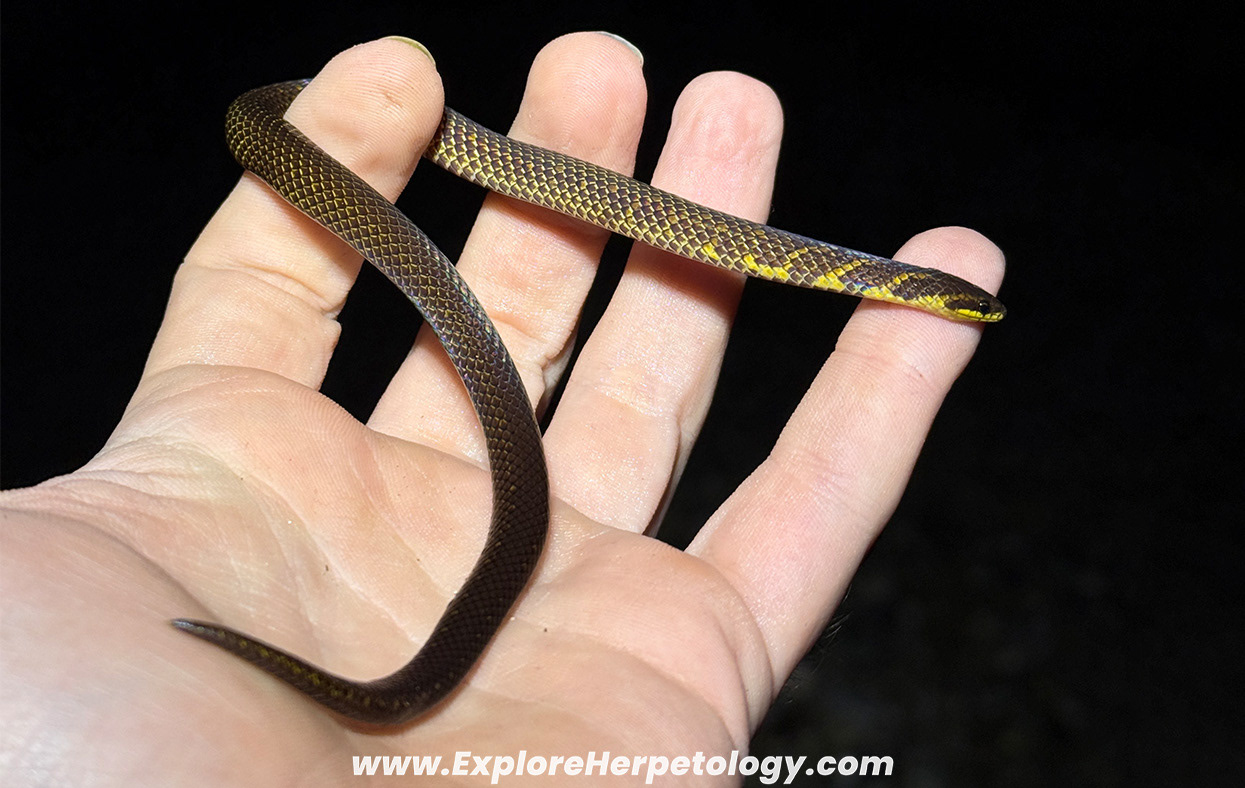
Schulz's reed snake (Macrocalamus schulzi).
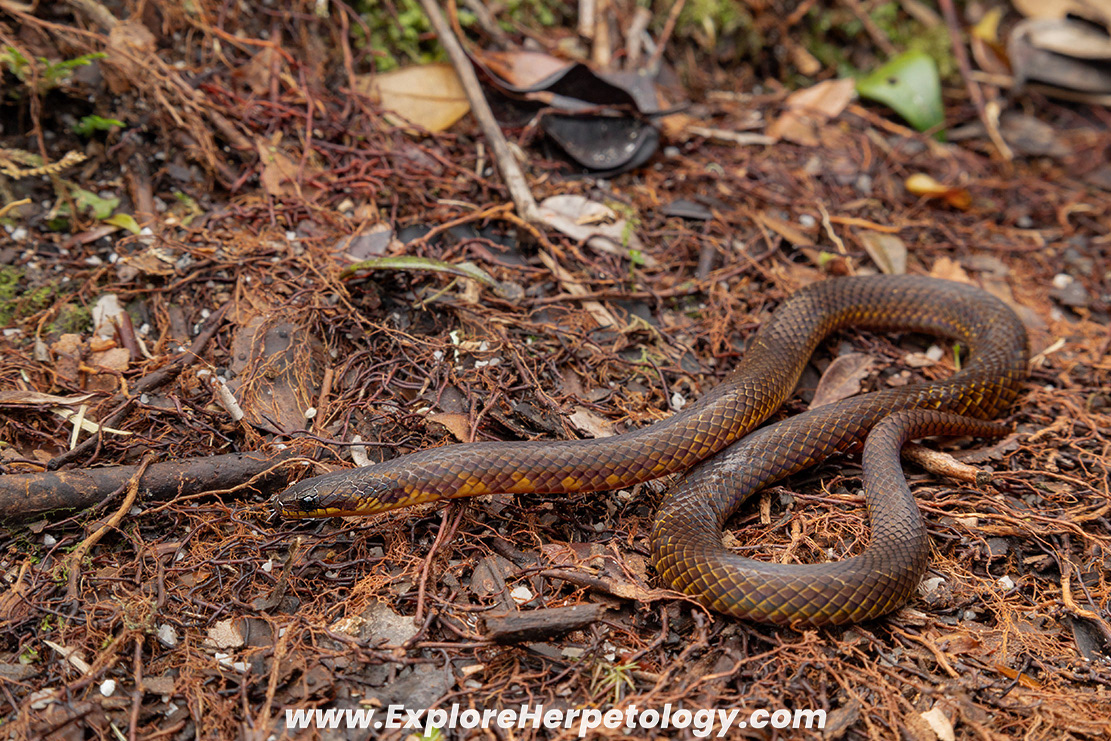
Schulz's reed snake (Macrocalamus schulzi).
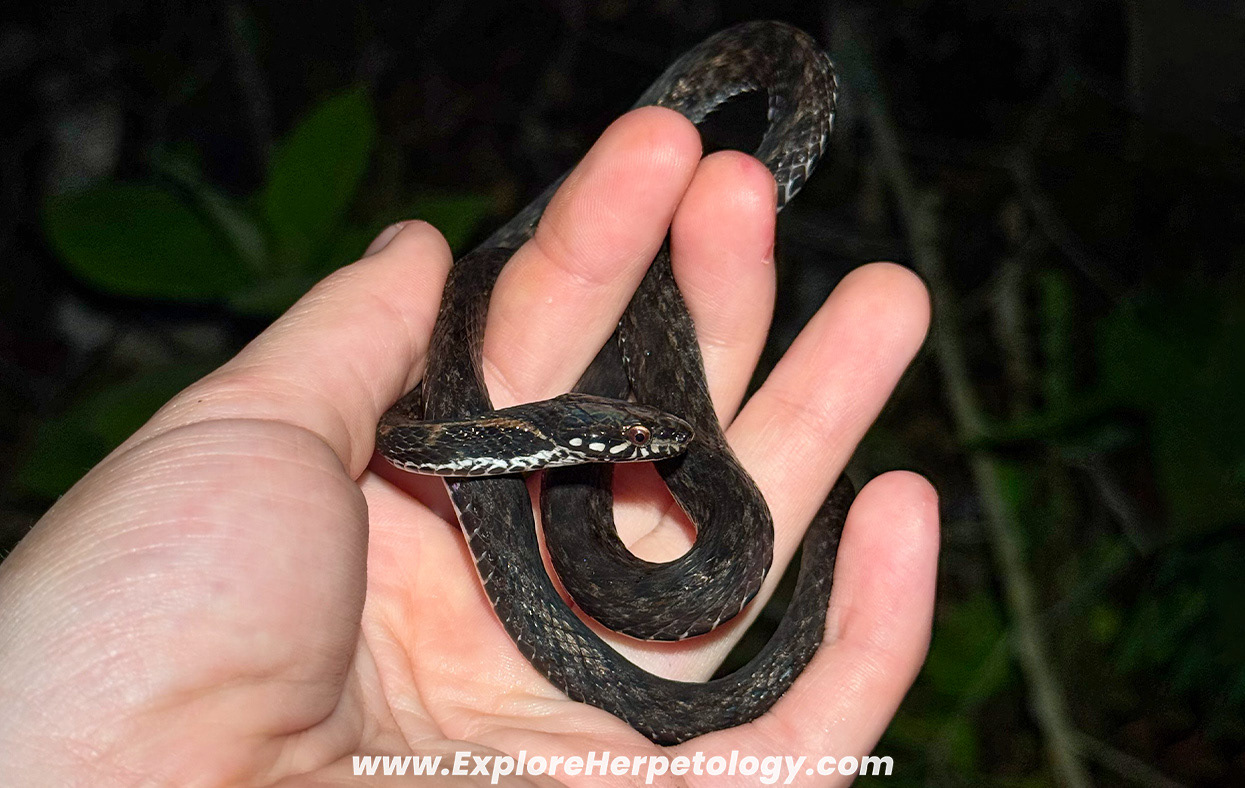
Gunung Inas keelback (Hebius inas).
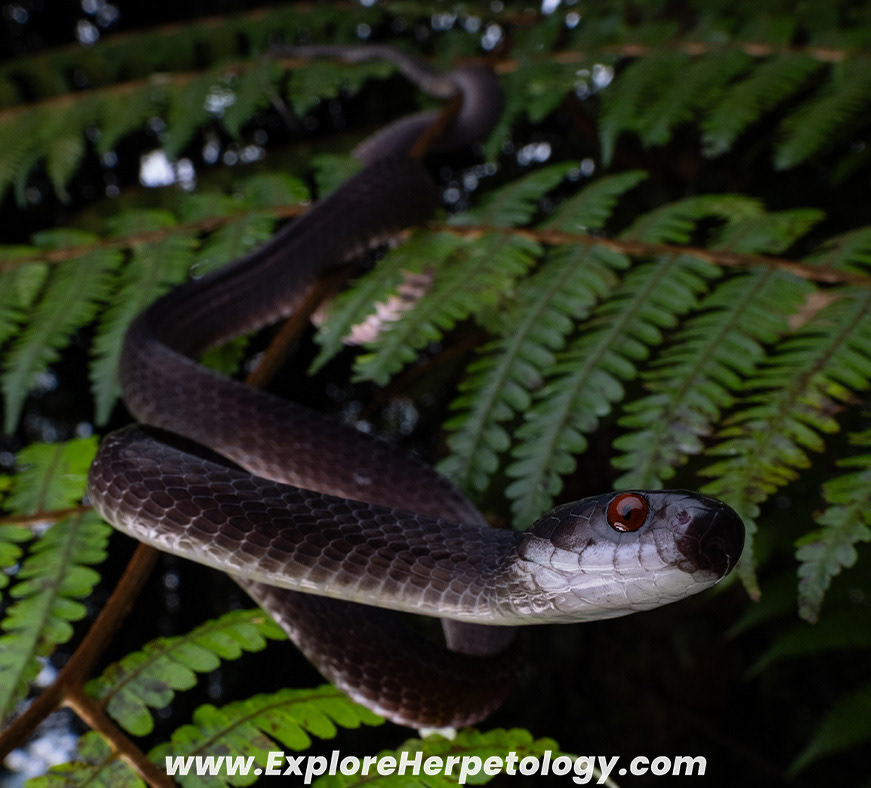
Mirkwood forest slug snake (Asthenodipsas lasgalenensis).
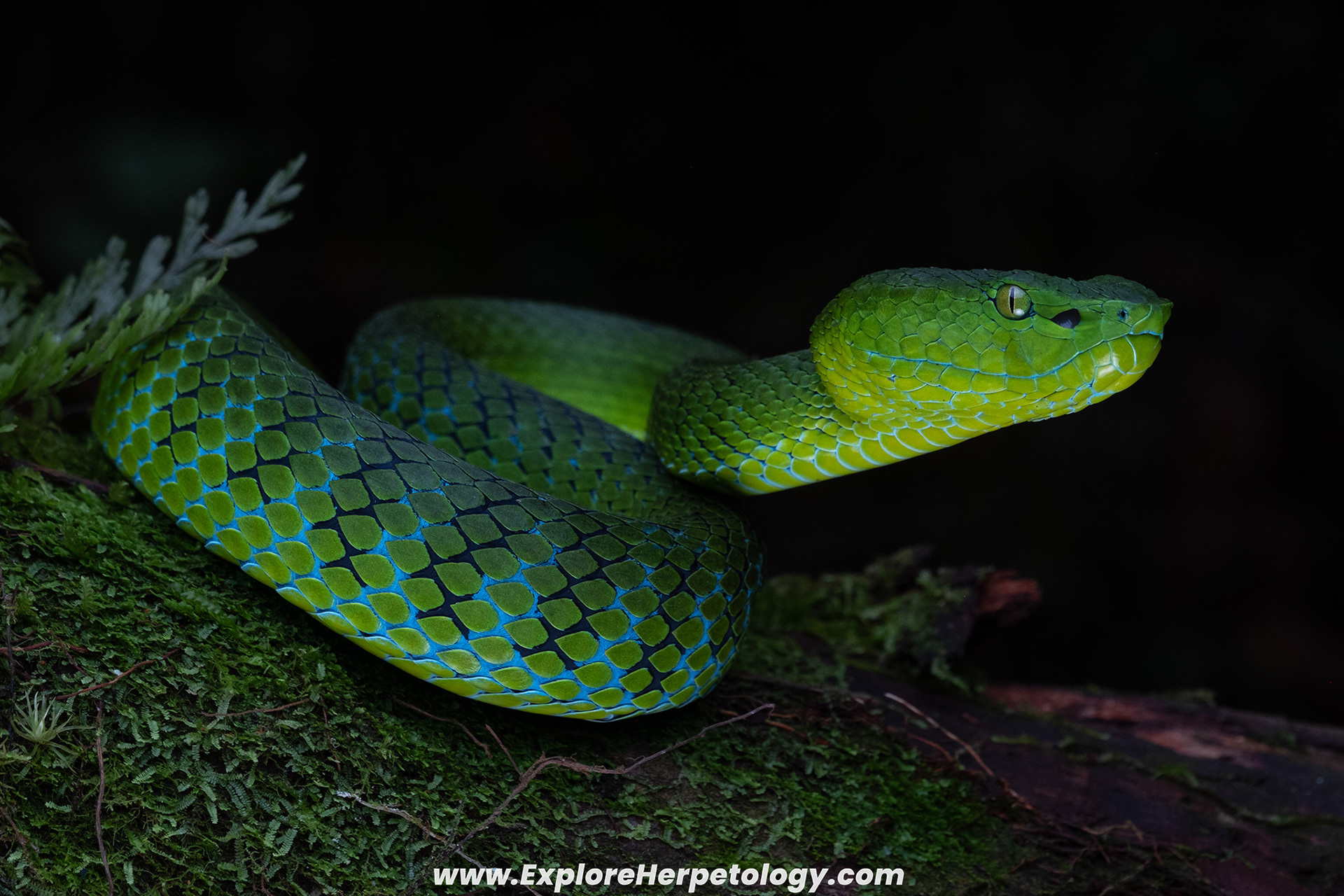
Cameron Highlands pit viper (Trimeresurus nebularis).
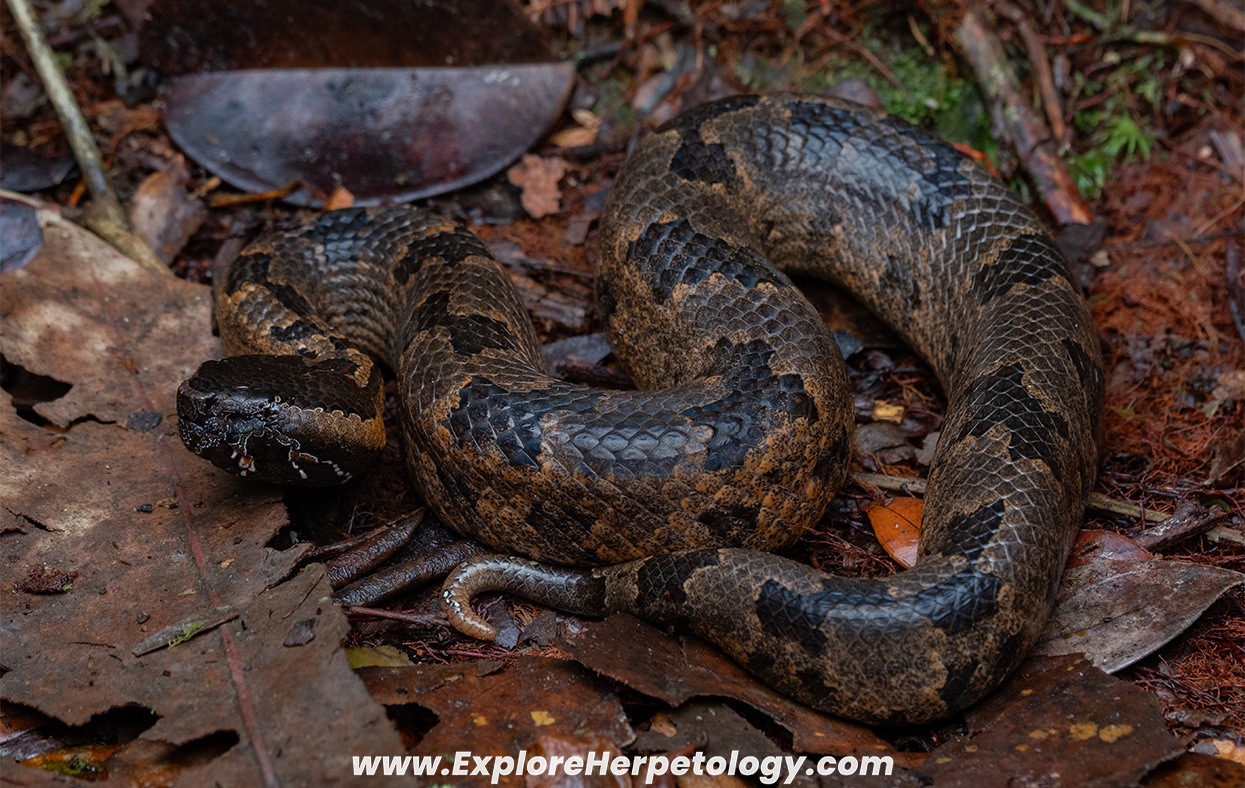
Malayan mountain pit viper (Ovophis convictus).
The following day, we tried to do some daytime searching, but more rain rolled in and cut our attempts short. After dinner, the rain had stopped but left us with a very wet and cold night - more sub-optimal conditions. This led to many of the same encounters as yesterday, albeit with the addition of a Butler's mountain wolf snake (Lycodon butleri) and an unexpected brown kukri snake (Oligodon purpurascens). While a repeat species, we were also very happy with an even bigger Cameron Highlands pit viper (Trimeresurus nebularis) from almost 2,000 metres above sea level.
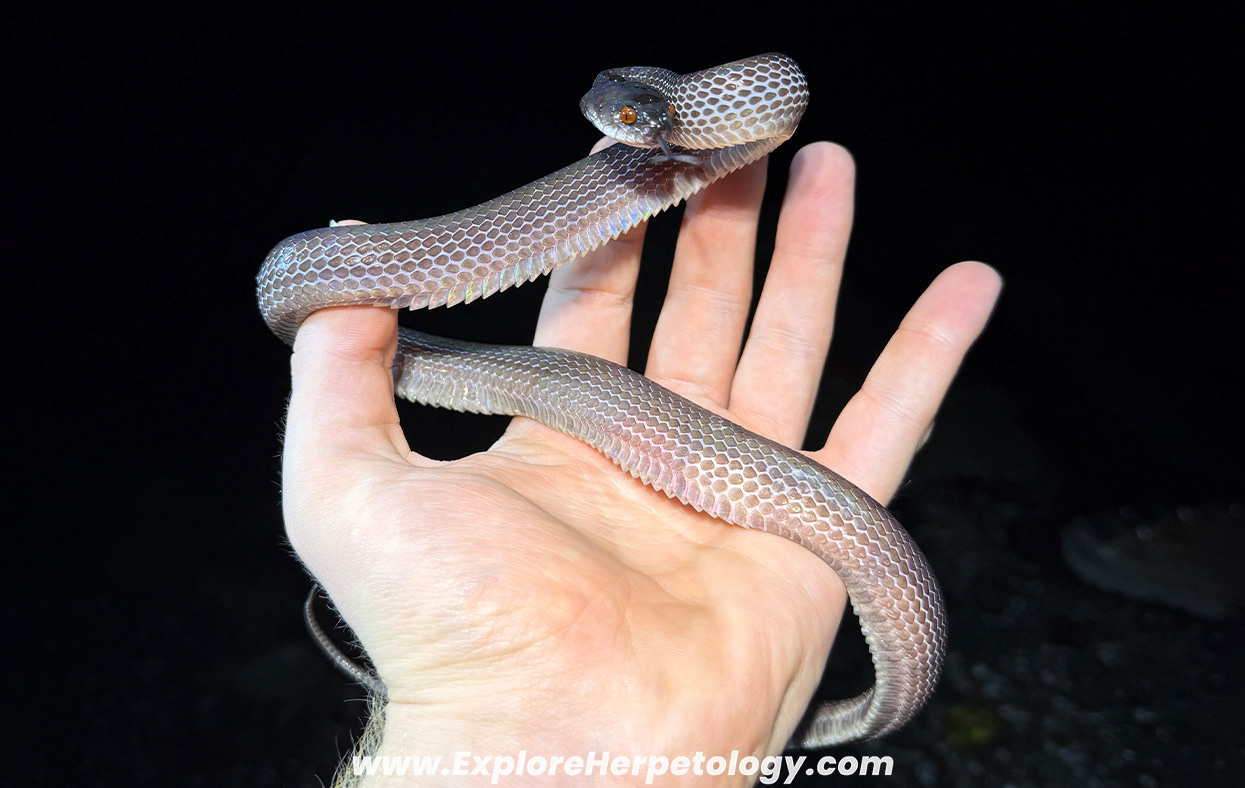
Mirkwood forest slug snake (Asthenodipsas lasgalenensis).
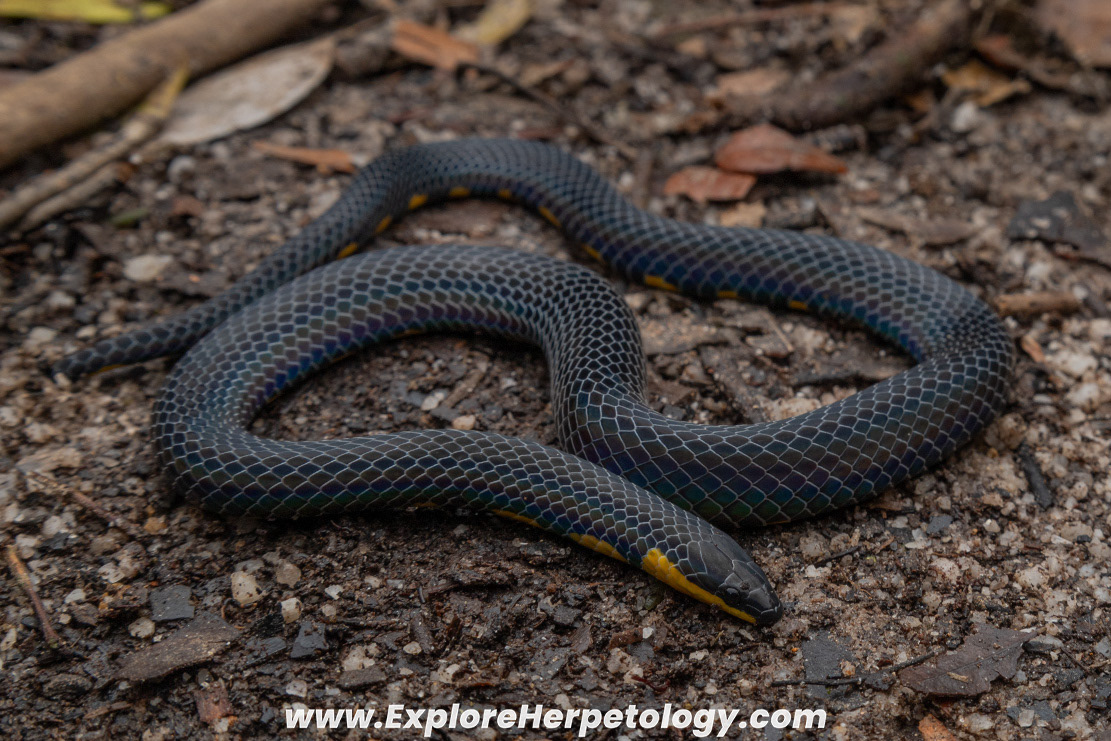
Tweedie's reed snake (Macrocalamus tweediei).
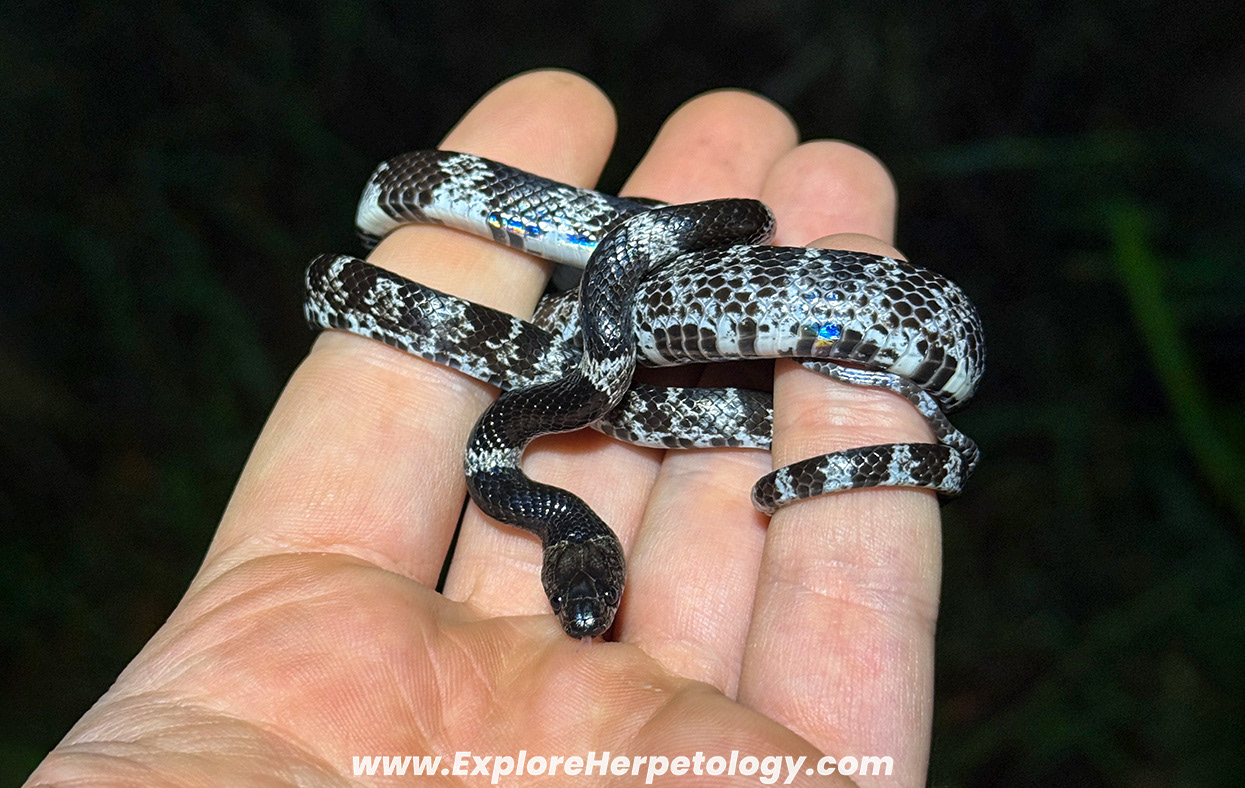
Butler's mountain wolf snake (Lycodon butleri).
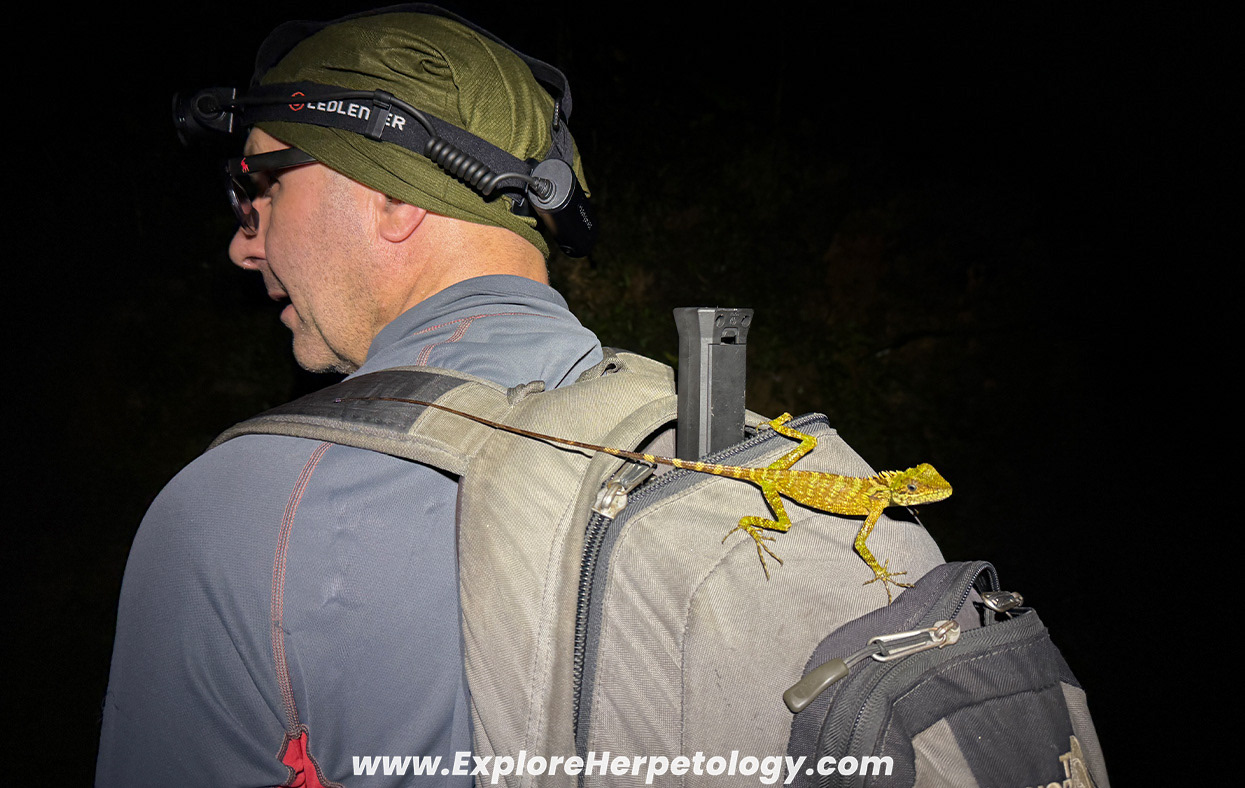
Malaysian mountain dragon (Malayodracon robinsonii).
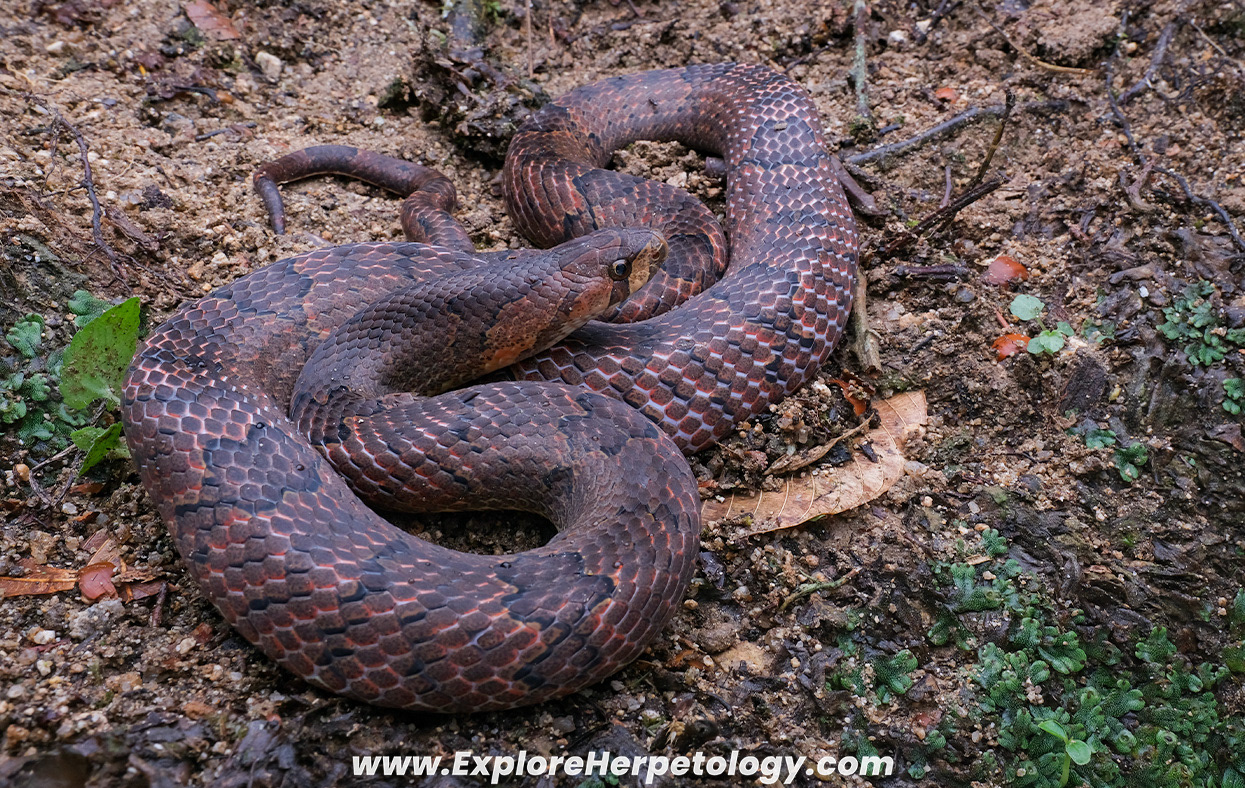
Purple kukri snake (Oligodon purpurascens).
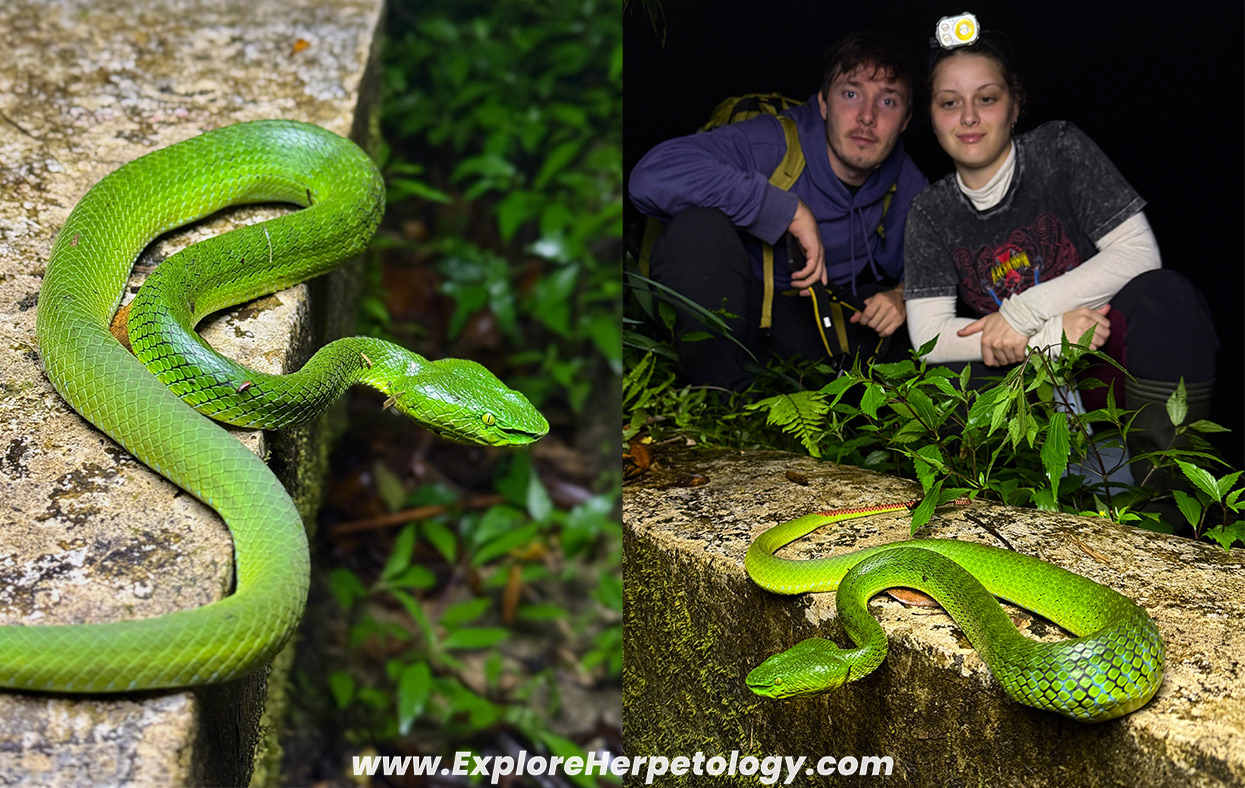
Cameron Highlands pit viper (Trimeresurus nebularis).
Nights 3 - 7: Kelantan
The next morning, we began the drive to Kelantan, encountering the endemic shen long crested lizard (Bronchocela shenlong) crossing the road before we left the Cameron Highlands. Once we had sorted out all the guests' rooms, unloaded our gear, and had dinner, it was time to get out for herping.
The night started with a white-spotted cat snake (Boiga drapiezii) crossing the road near our accommodation. Once out on the trails, we were immediately greeted by a stunning adult female Wagler's pit viper (Tropidolaemus wagleri) - several of the guests' biggest target for the trip. Further down the trail, we found an elegant bronzeback (Dendrelaphis formosus), and even further still, a stunning juvenile Sumatran pit viper (Trimeresurus sumatranus). The sumatran pit viper is one of the rarest pit vipers in mainland Southeast Asia, having seen massive declines due to degradation of its primary rainforest habitat. This is one of the few remaining localities with a known population, but the population is dwindling fast, so finding a living juvenile here is a great sign.
Further finds included mating oriental vine snakes (Ahaetulla prasina) very high in a tree, a keeled slug snake (Pareas carinatus) and two Malayan kraits (Bungarus candidus) - our first elapid species of the trip.
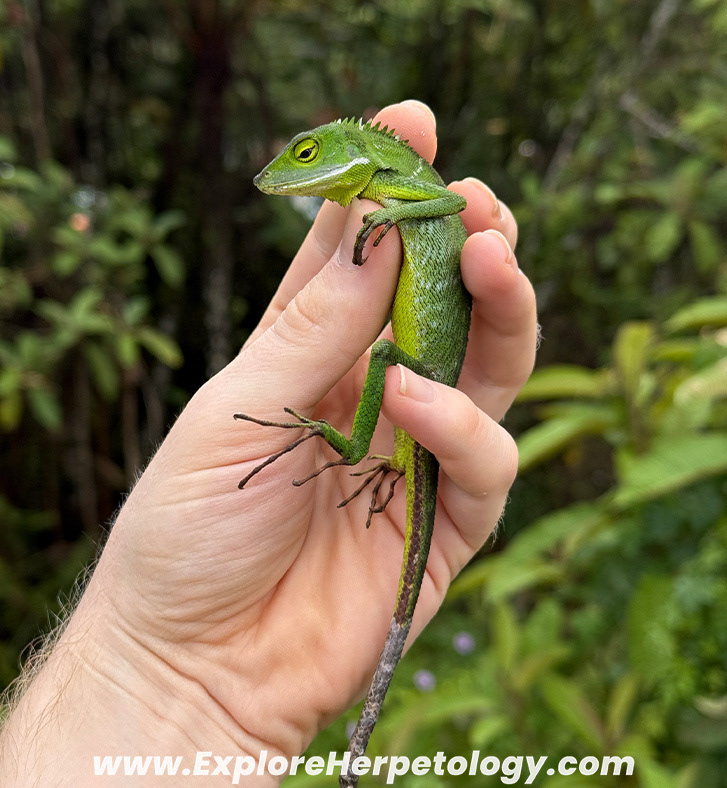
Shenlong crested lizard (Bronchocela shenlong).
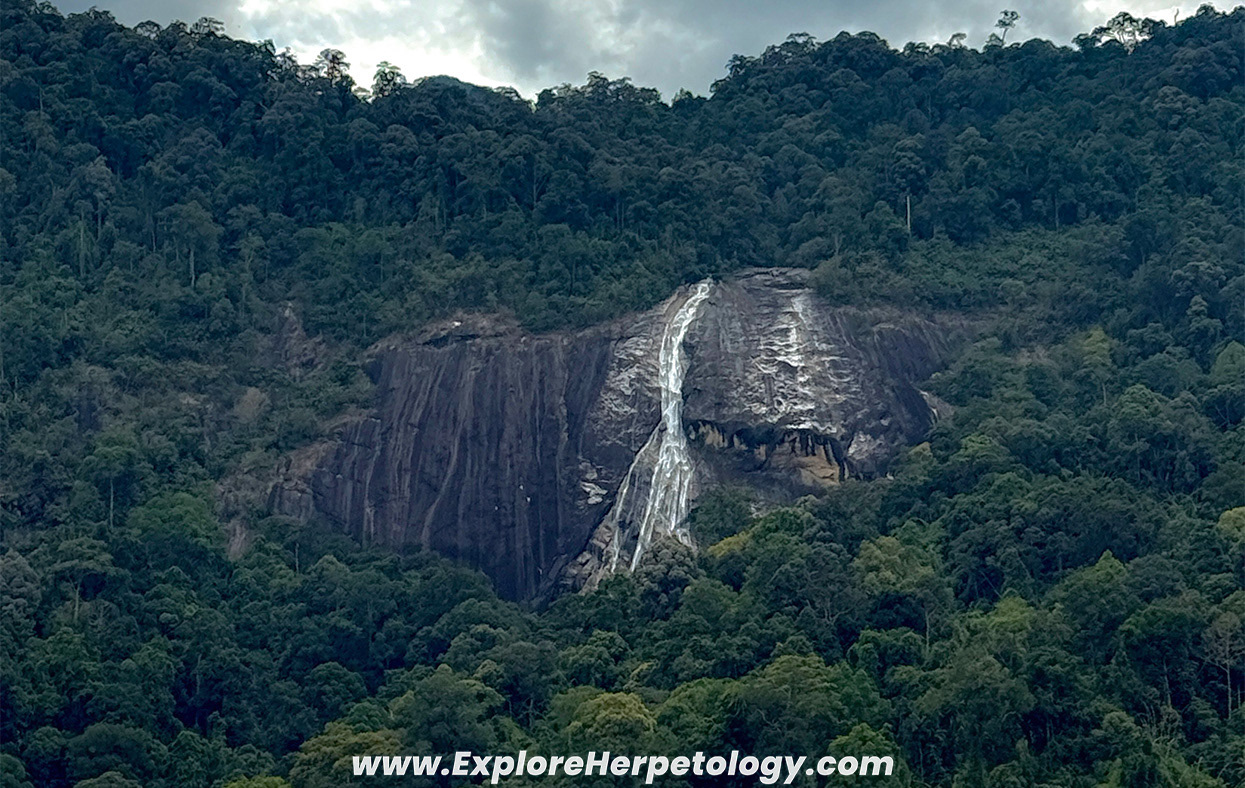
Kelantan.
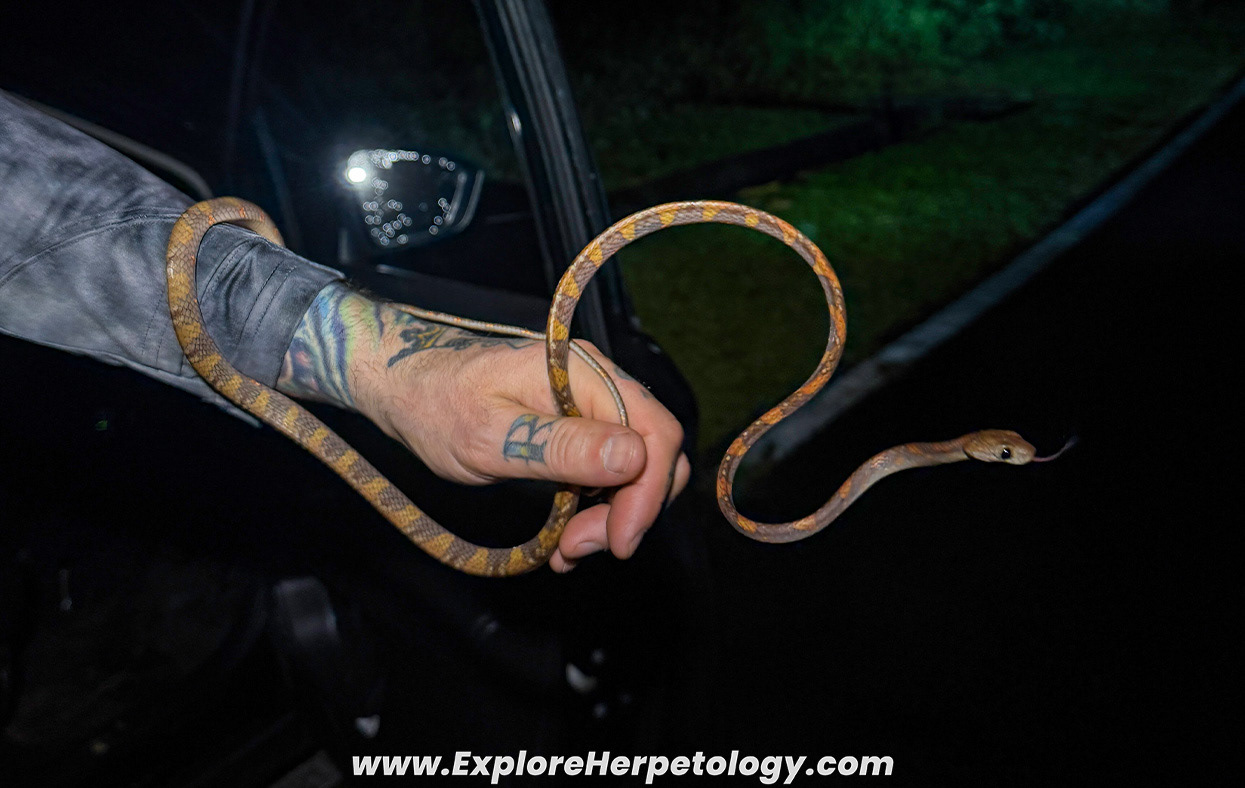
White-spotted cat snake (Boiga drapiezii).
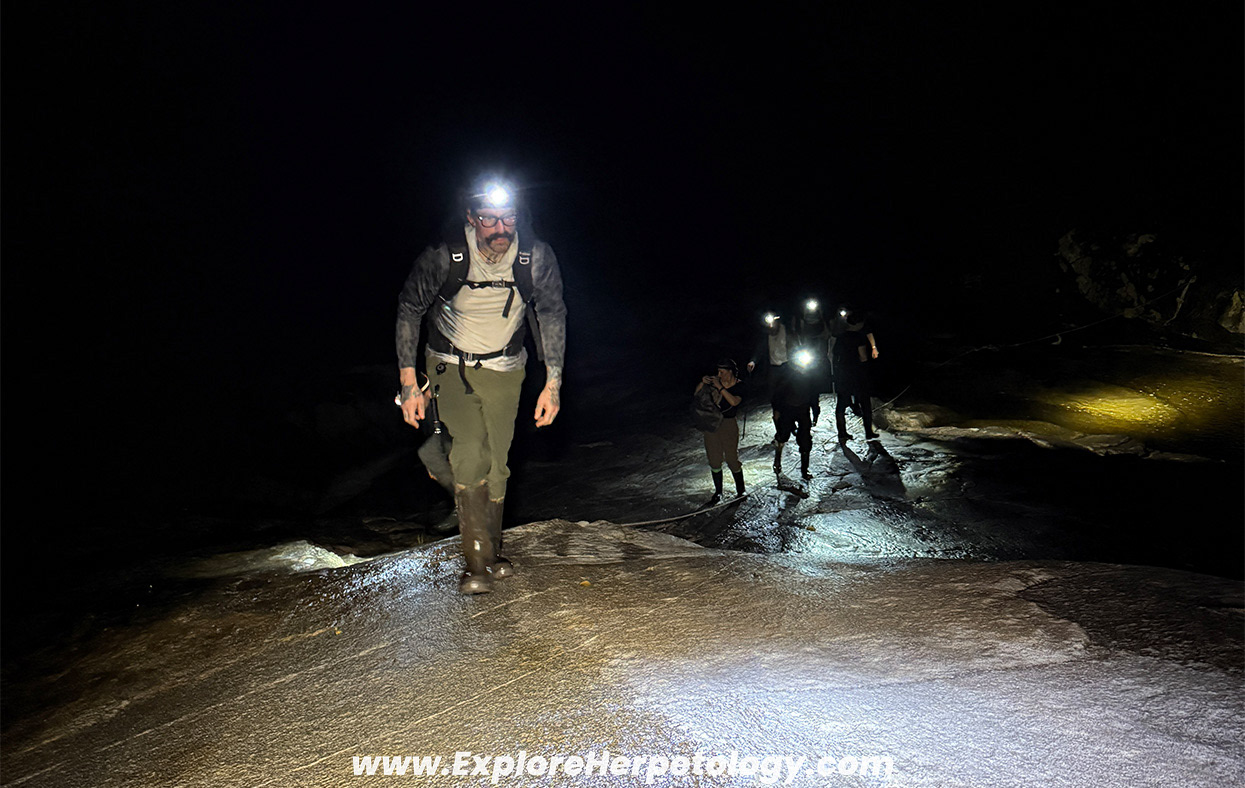
Hiking in Kelantan.
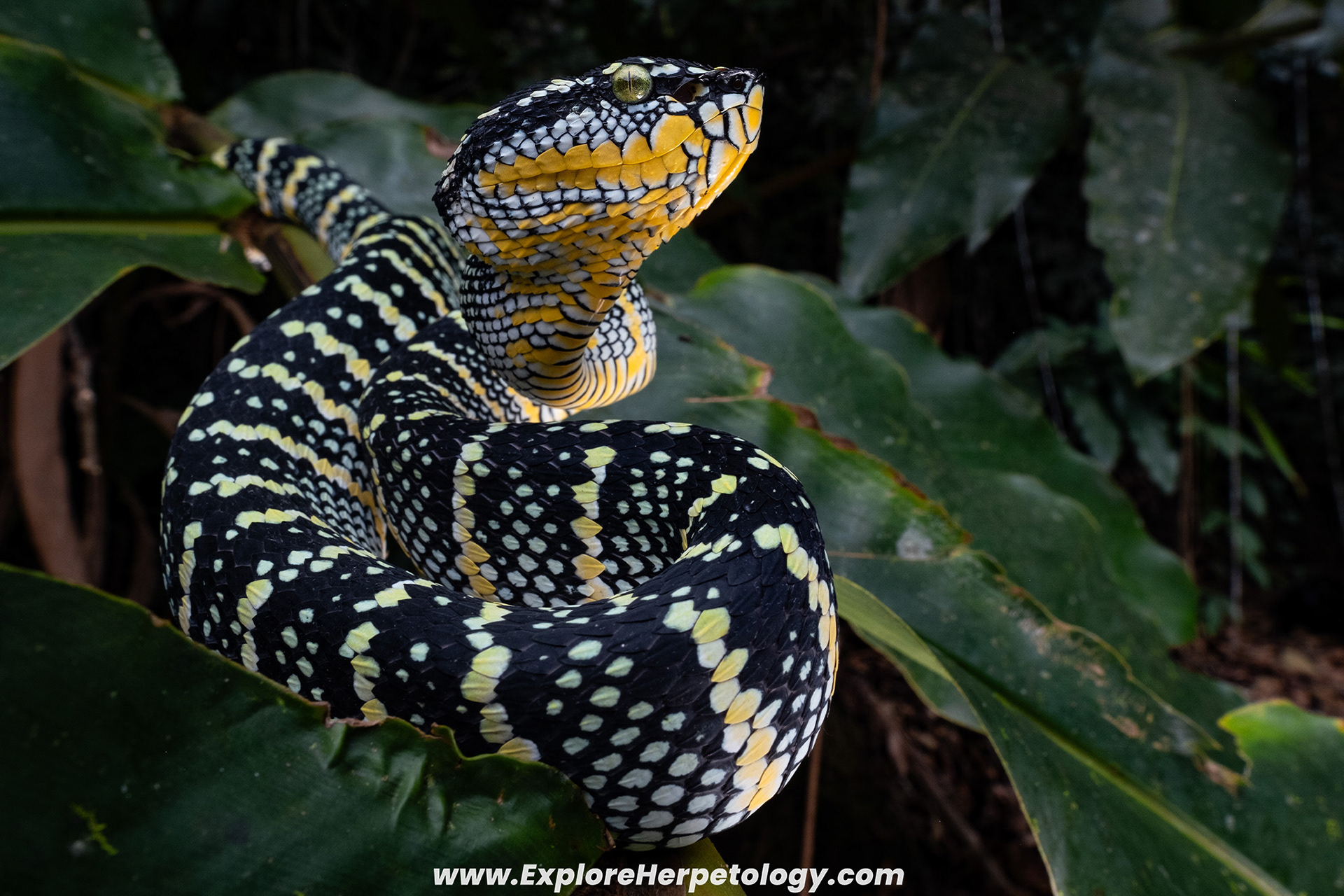
Wagler's pit viper (Tropidolaemus wagleri).
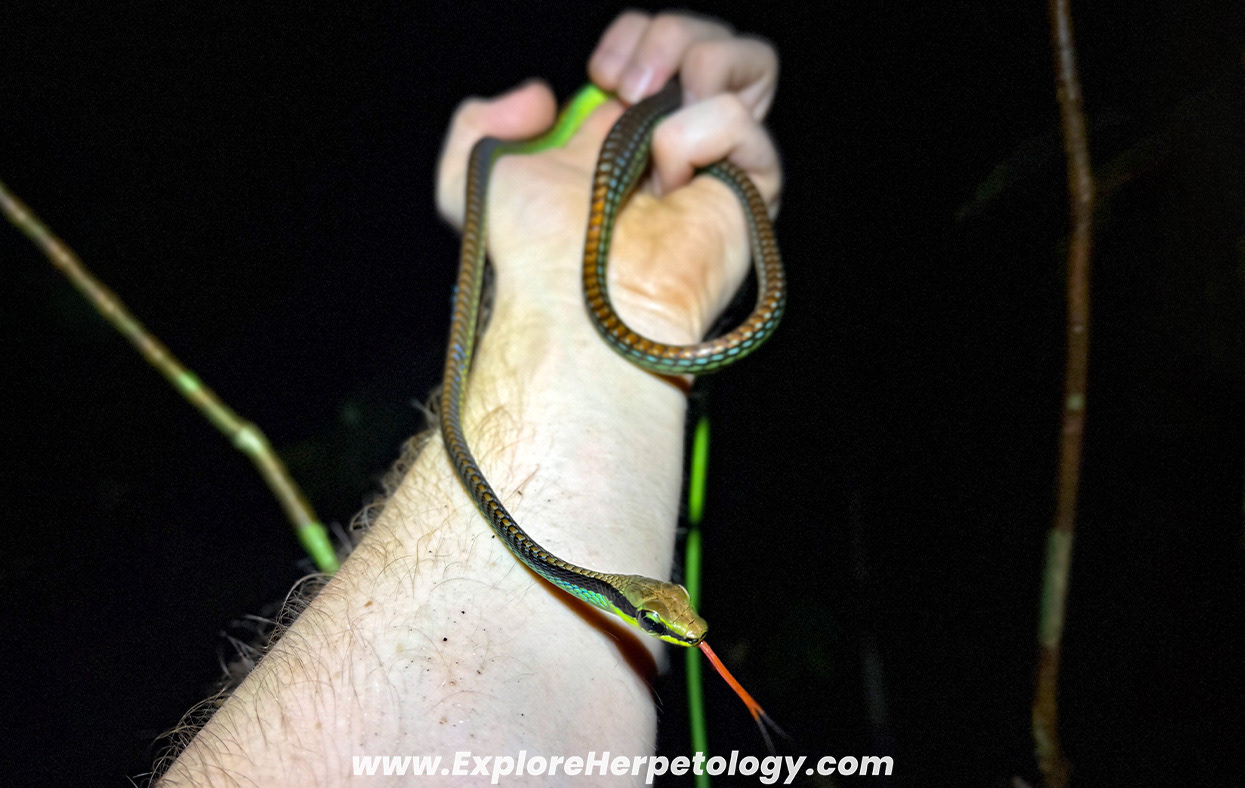
Elegant bronzeback (Dendrelaphis formosus).
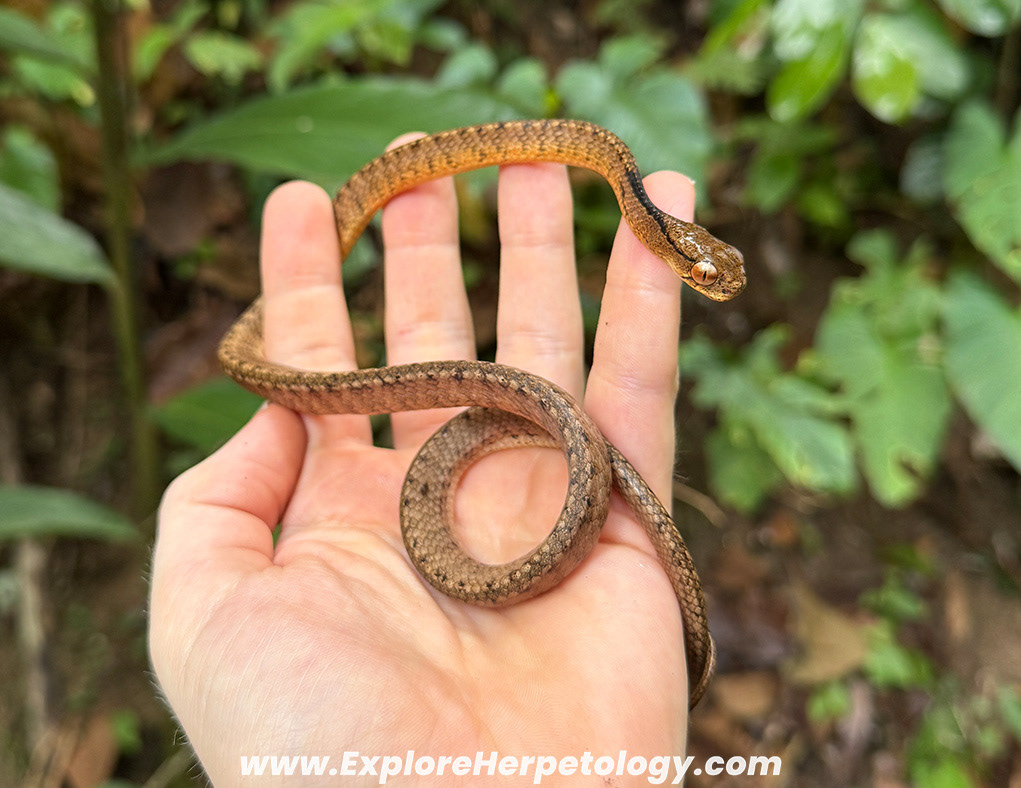
Keeled slug snake (Pareas carinatus).
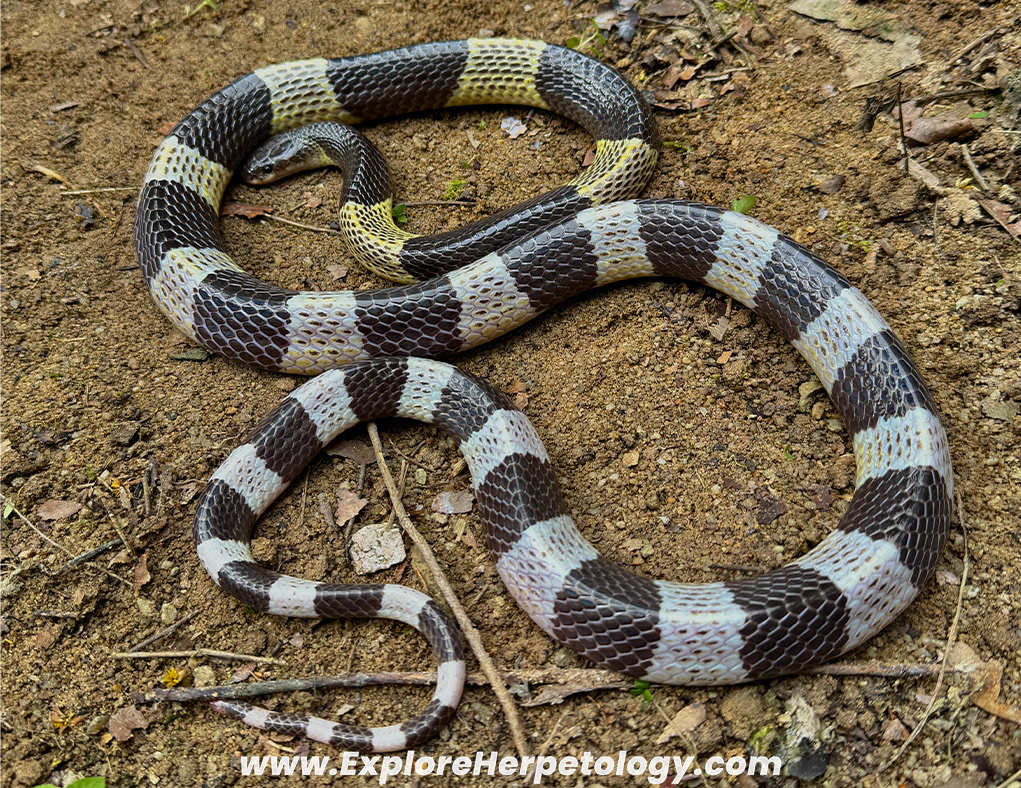
Malayan krait (Bungarus candidus).
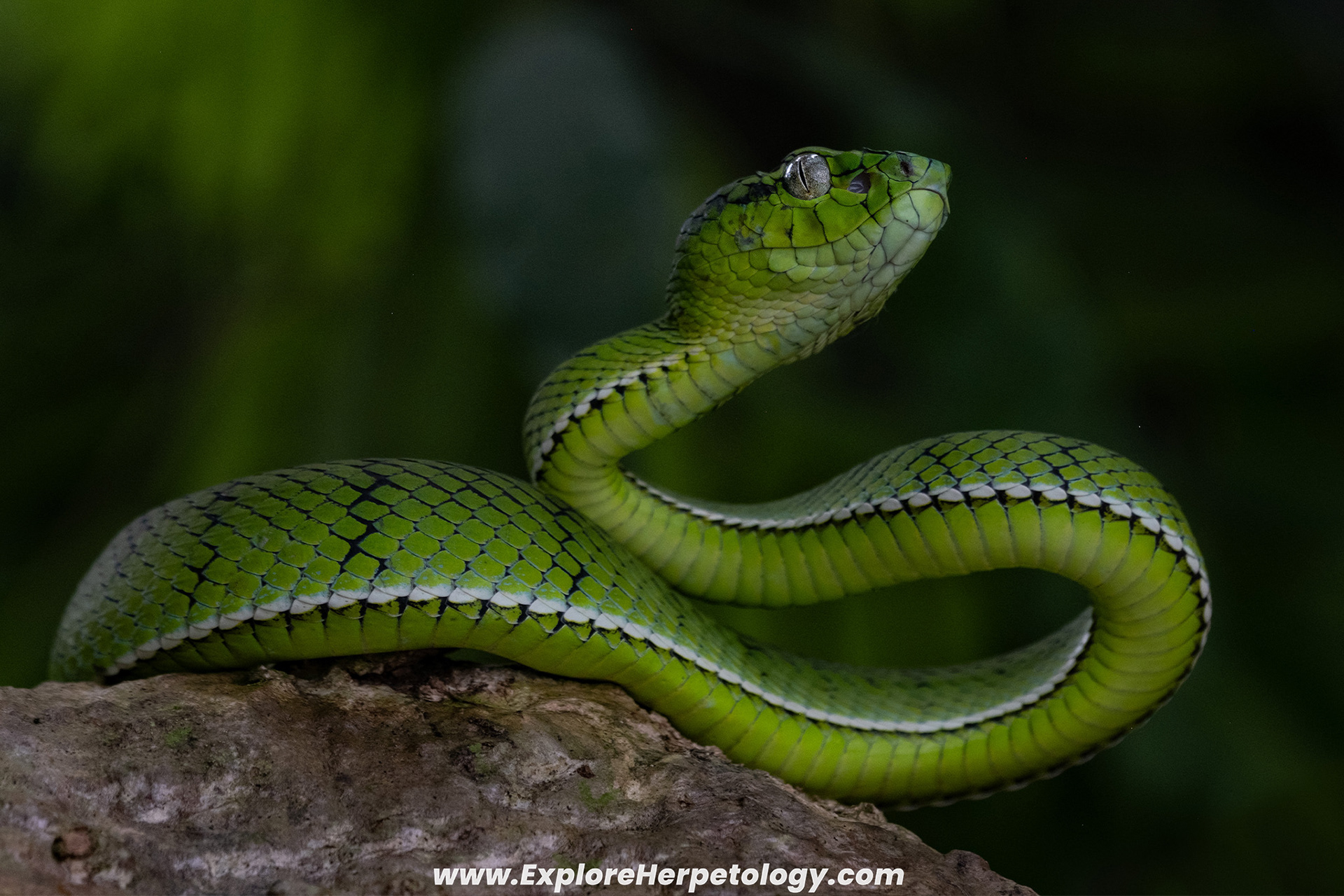
Sumatran pit viper (Trimeresurus sumatranus).
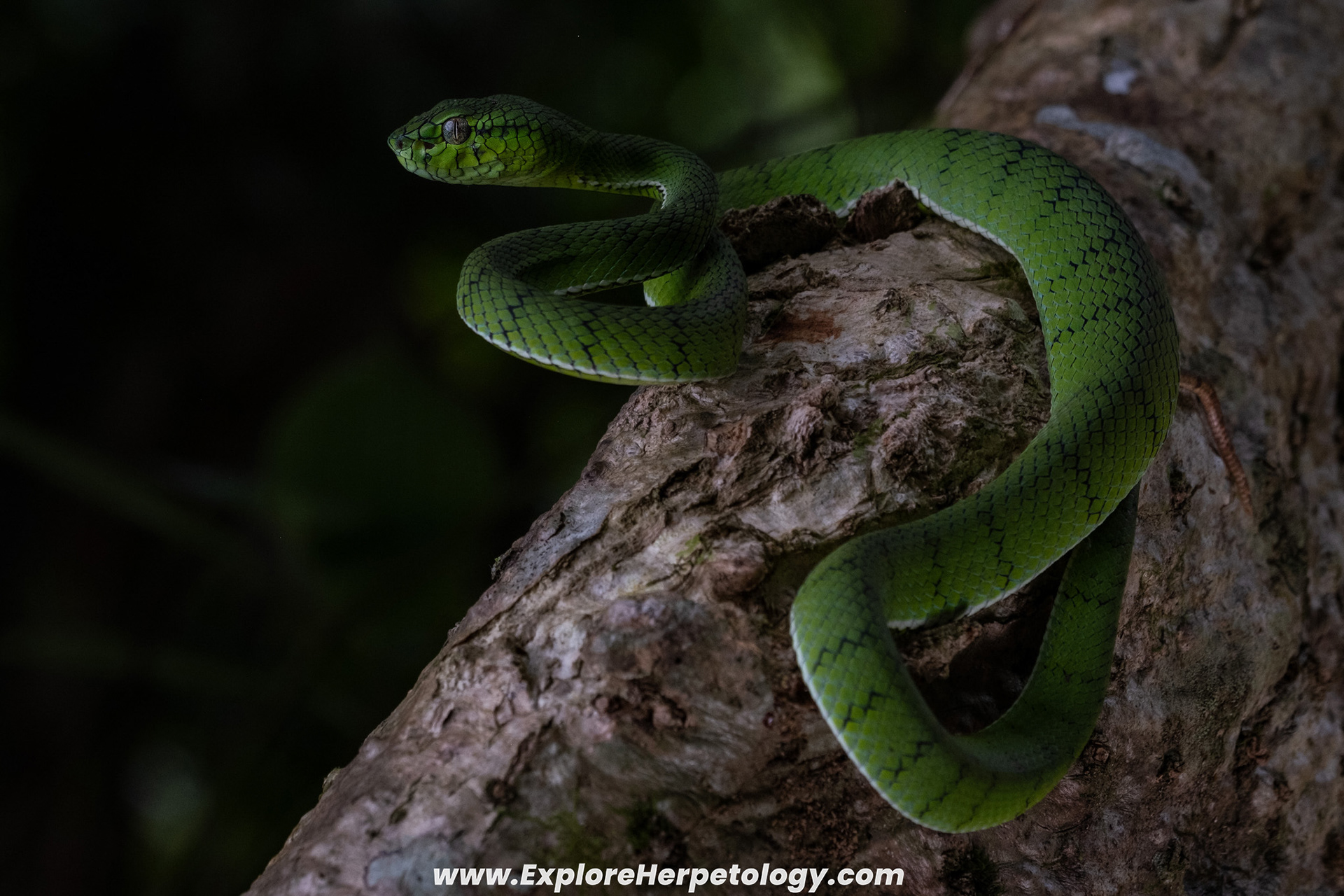
Sumatran pit viper (Trimeresurus sumatranus).
The second day in Kelantan was very hot and dry, which made hiking in the primary rainforest nowhere near as productive as the previous evening. However, we were still able to find a second juvenile Sumatran pit viper (Trimeresurus sumatranus) deep in the valleys, as well as a smooth-skinned bug-eyed frog (Theloderma licin).
The teams which went road cruising had much better success, producing a myriad of snakes. The best find was undoubtedly an adult Sumatran spitting cobra (Naja sumatrana) of what we call the "hybrid morph", showing traits of both the dark Malaysian form and the brightly coloured Thai phenotype. Another great encounter was a very large Malaysian blue coral snake (Calliophis bivirgata flaviceps). Other encounters included a speckle-bellied keelback (Rhabdophis chrysargos), scarce wolf snake (Lycodon effraenis), dark-headed cat snake (Boiga nigriceps), sunbeam snake (Xenopeltis unicolor), white-spotted slug snake (Pareas margaritophorus) and dusky wolf snake (Lycodon albofuscus).
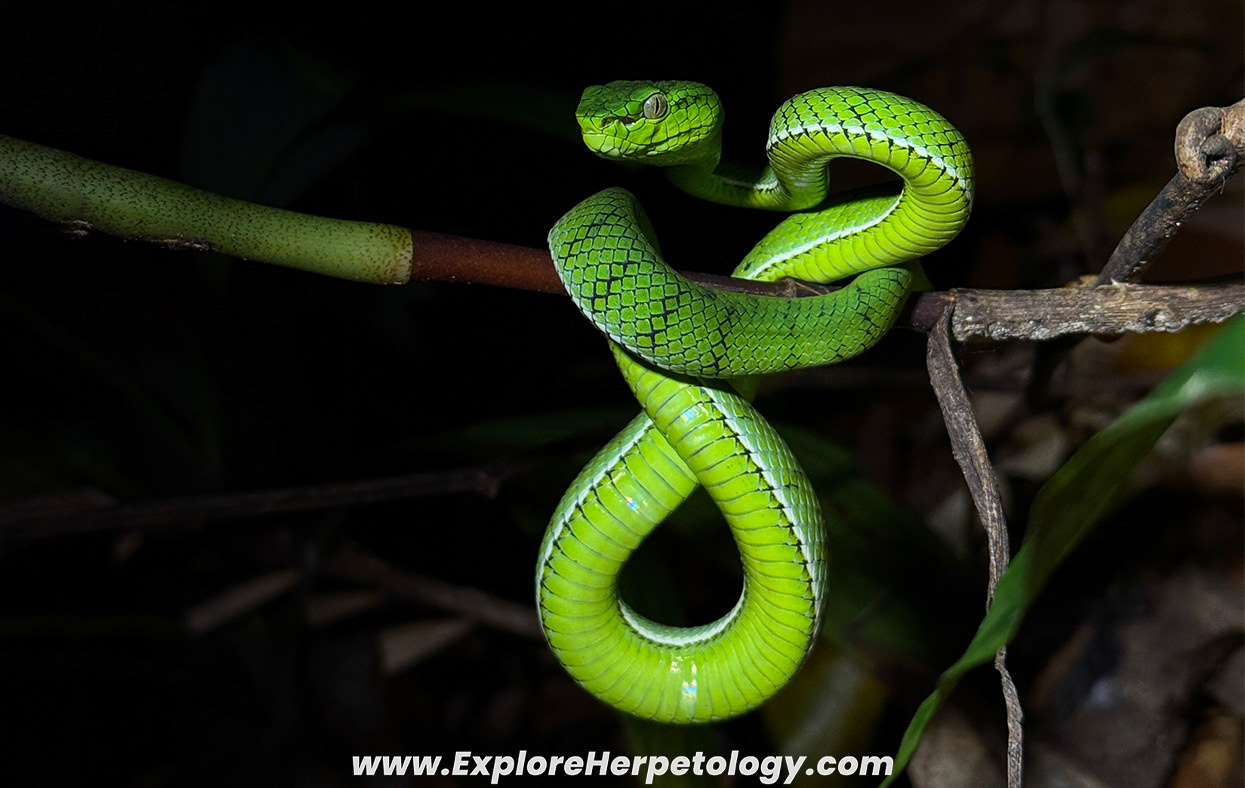
Sumatran pit viper (Trimeresurus sumatranus).
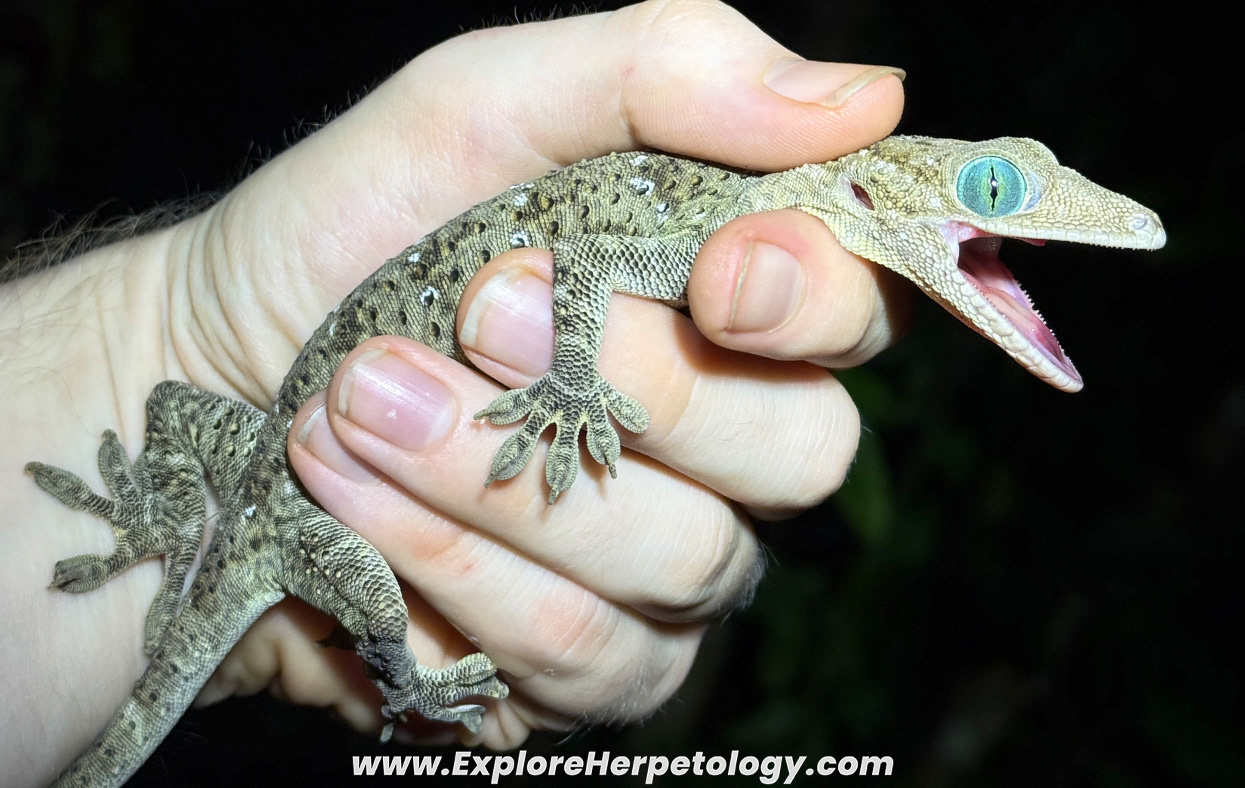
Giant green-eyed gecko (Gekko hulk).
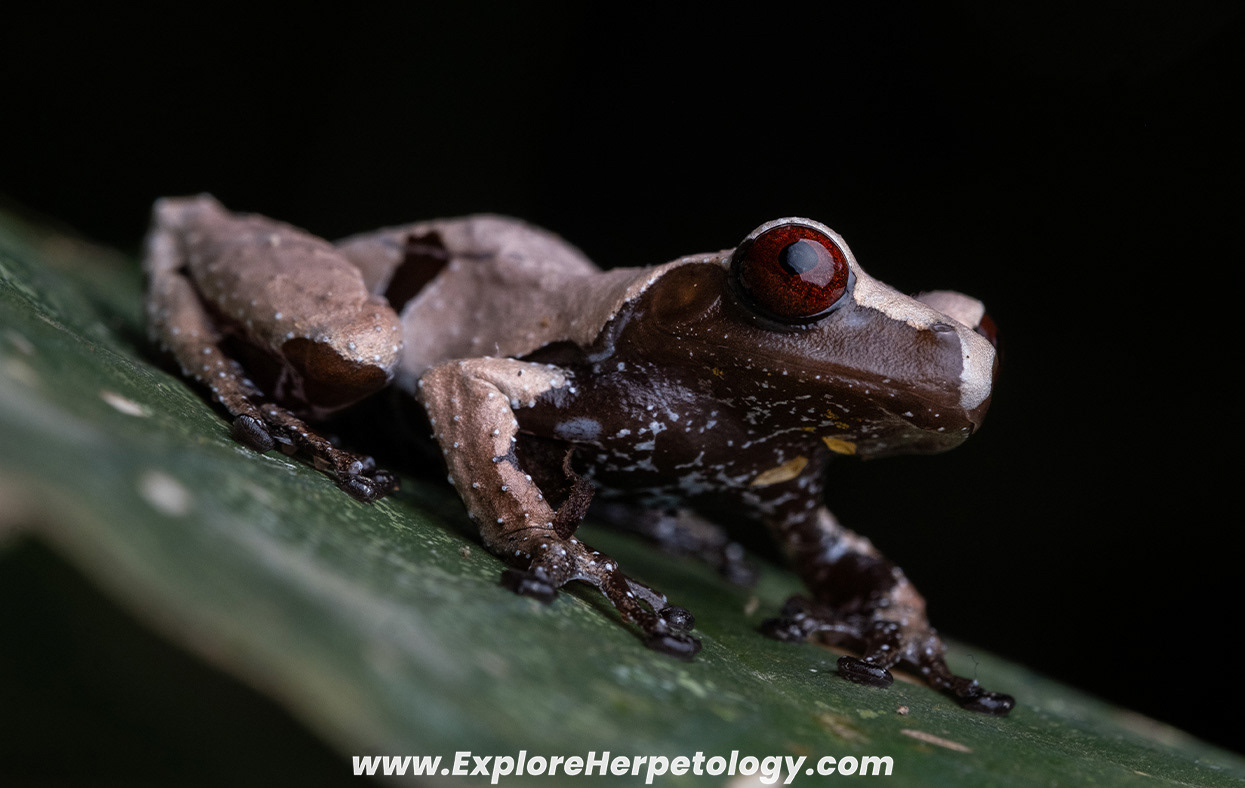
Smooth-skinned bug-eyed frog (Theloderma licin).
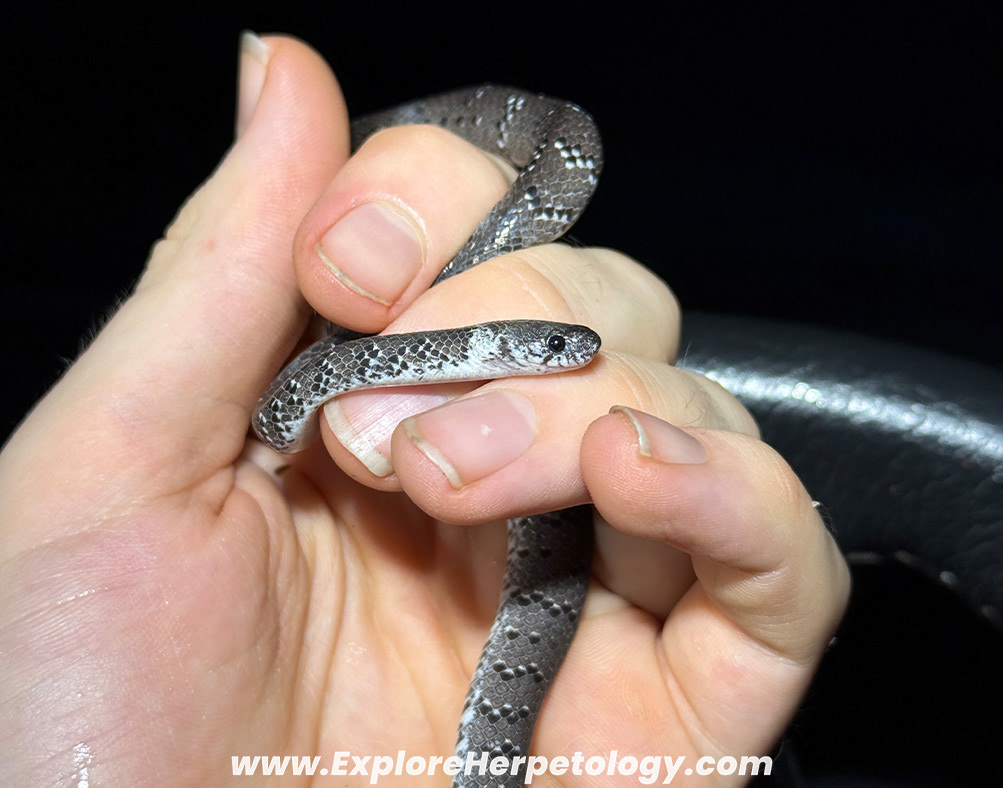
White-spotted slug snake (Pareas margaritophorus).
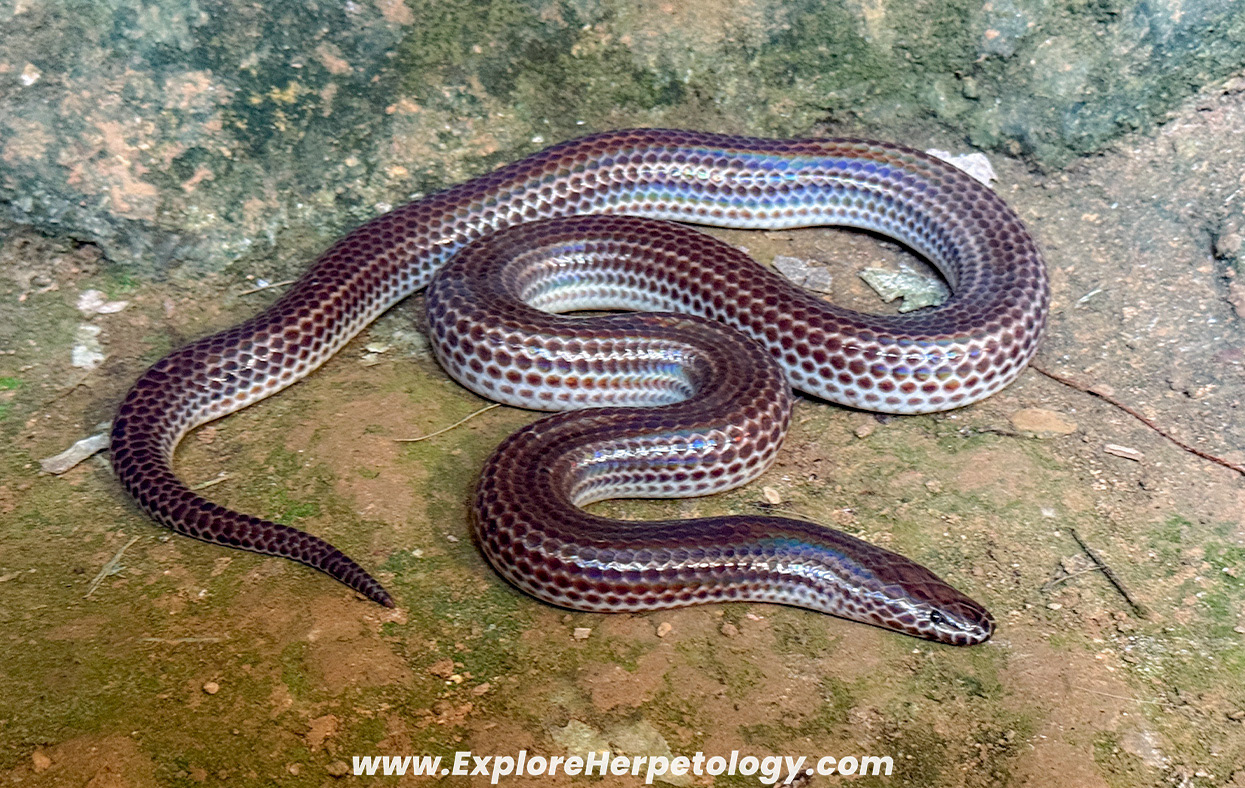
Sunbeam snake (Xenopeltis unicolor).
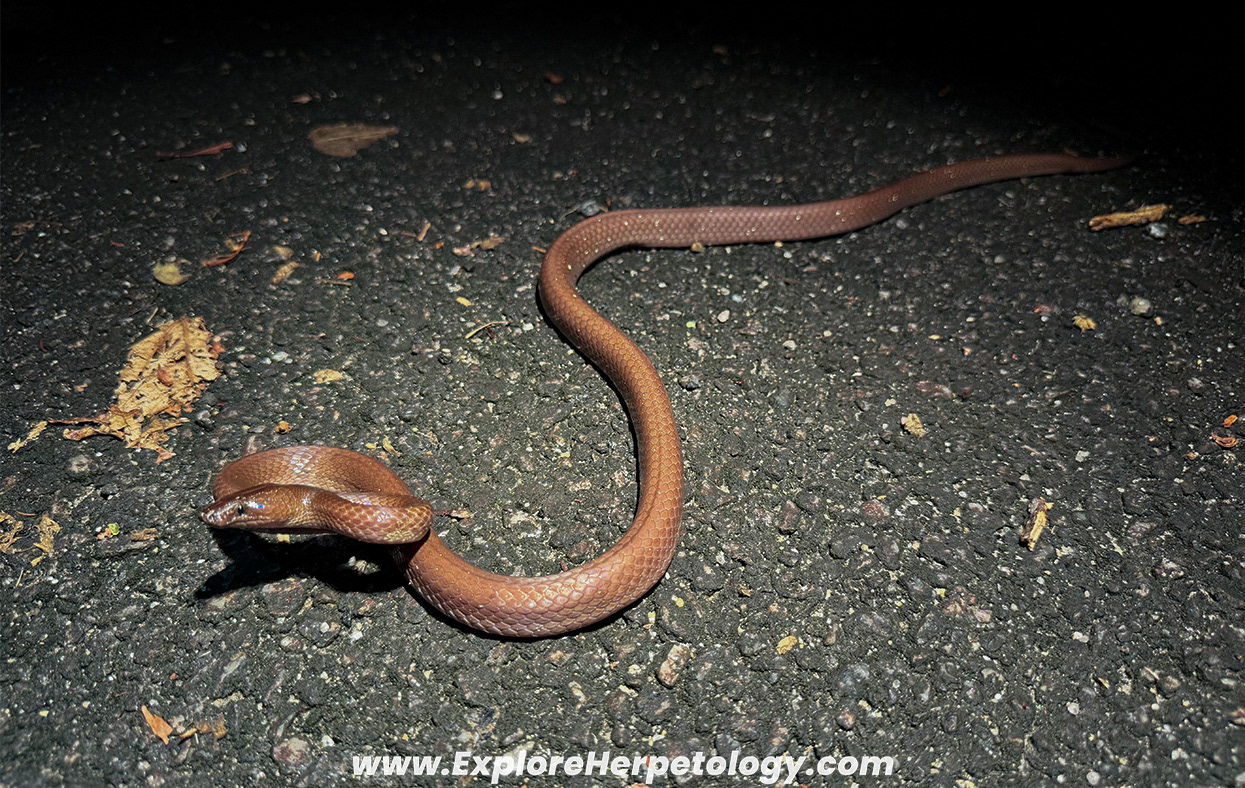
Scarce wolf snake (Lycodon effraenis).
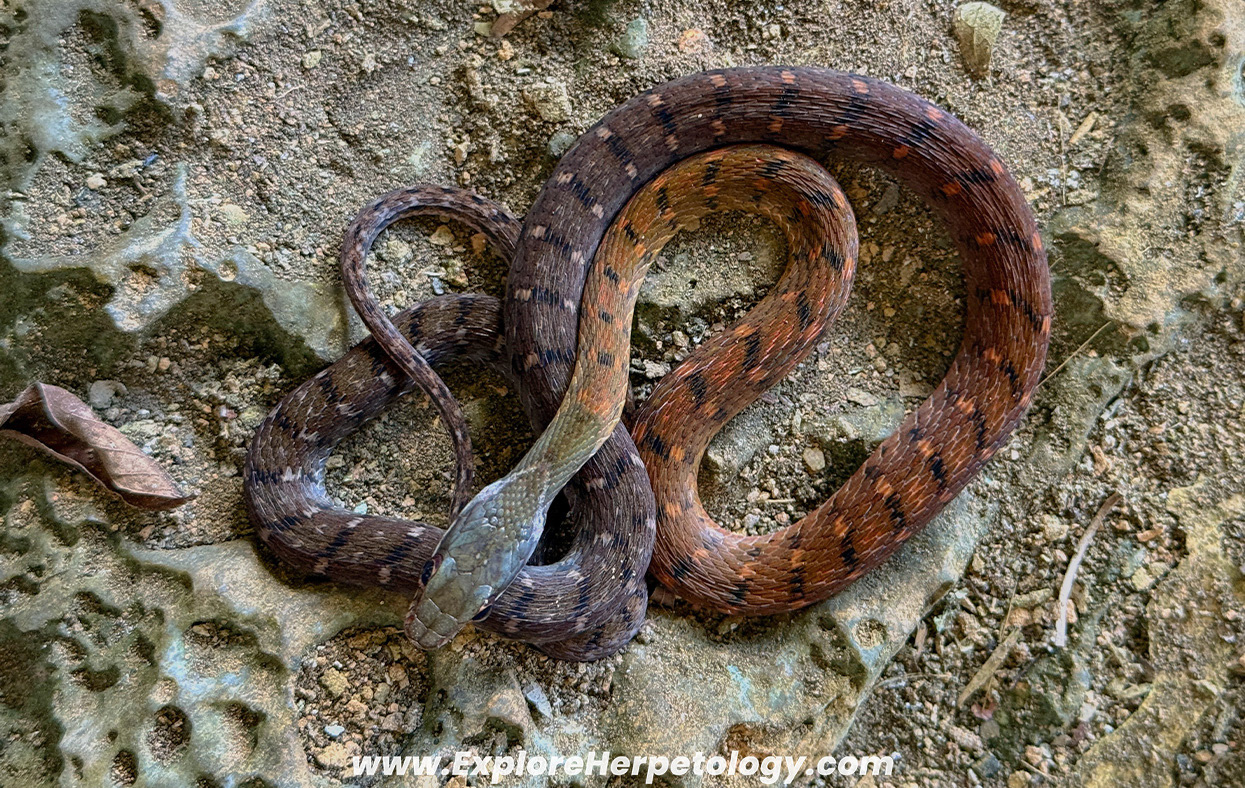
Speckle-bellied keelback (Rhabdophis chrysargos).
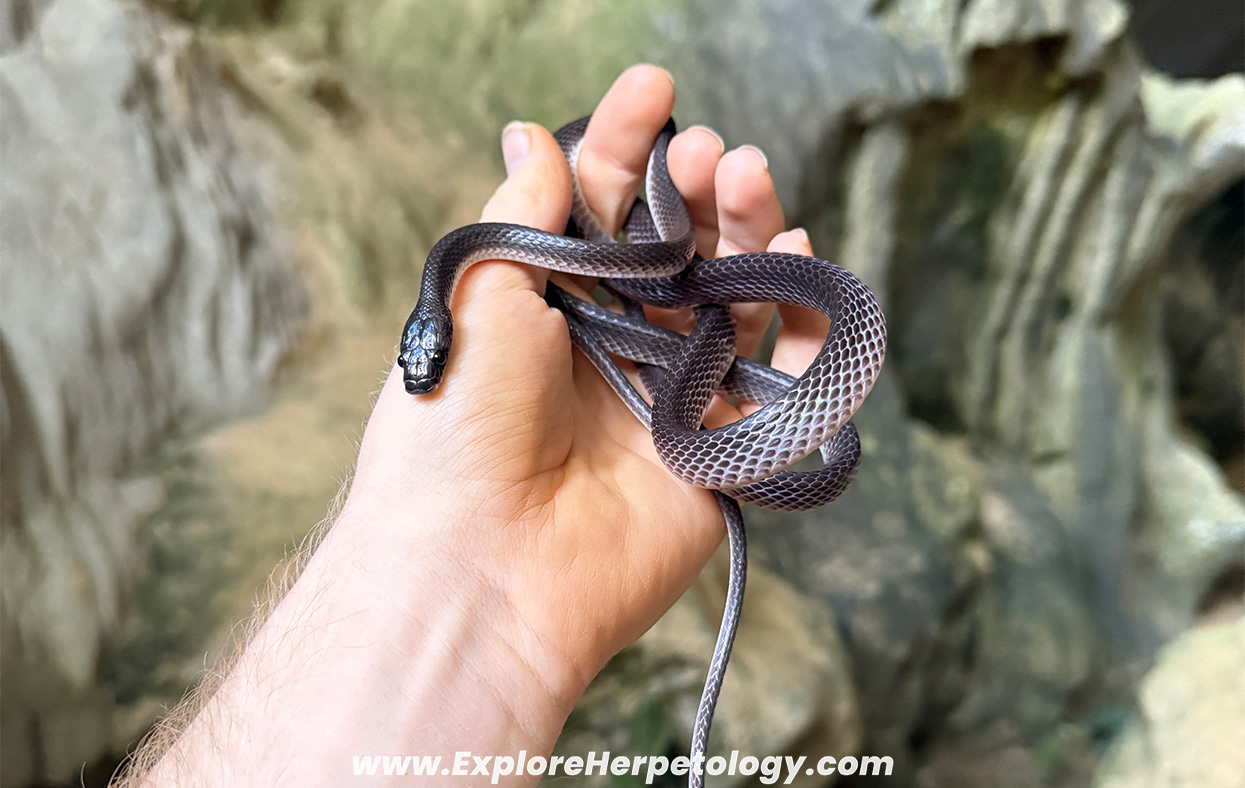
Dusky wolf snake (Lycodon albofuscus).
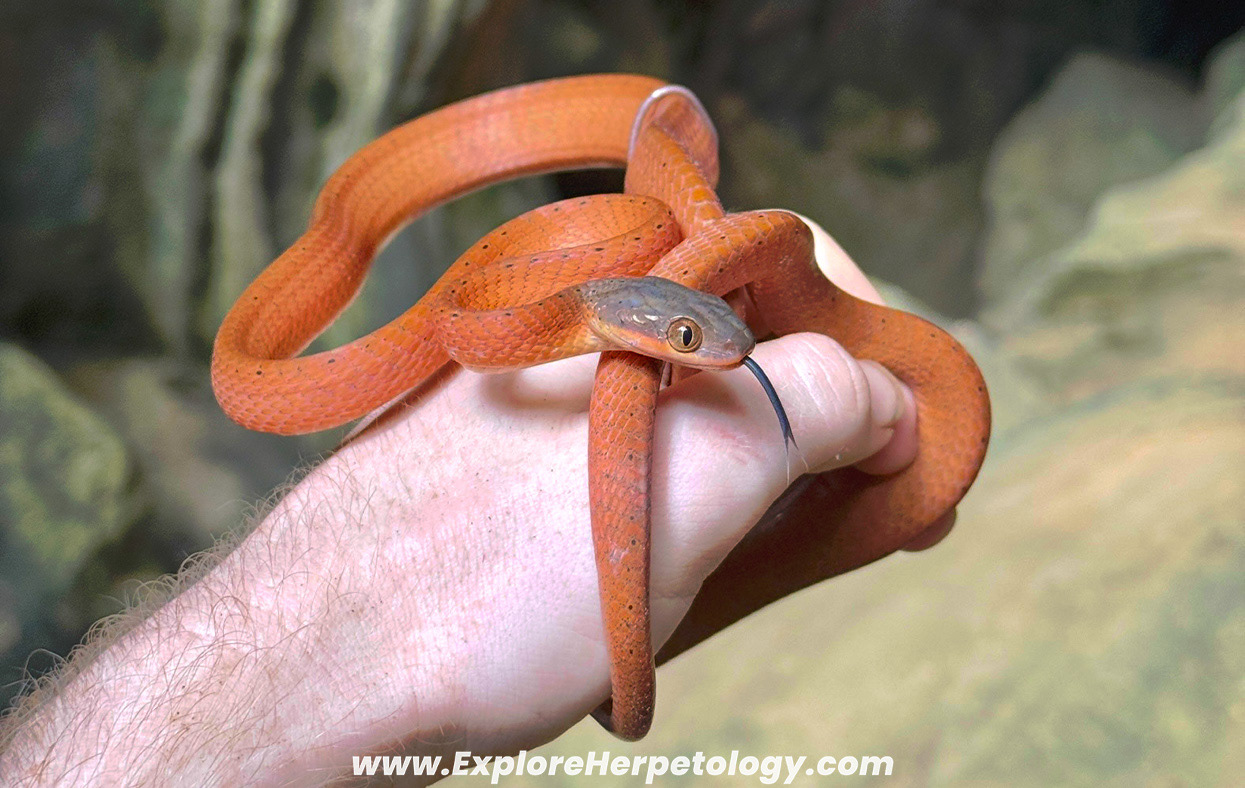
Dark-headed cat snake (Boiga nigriceps).
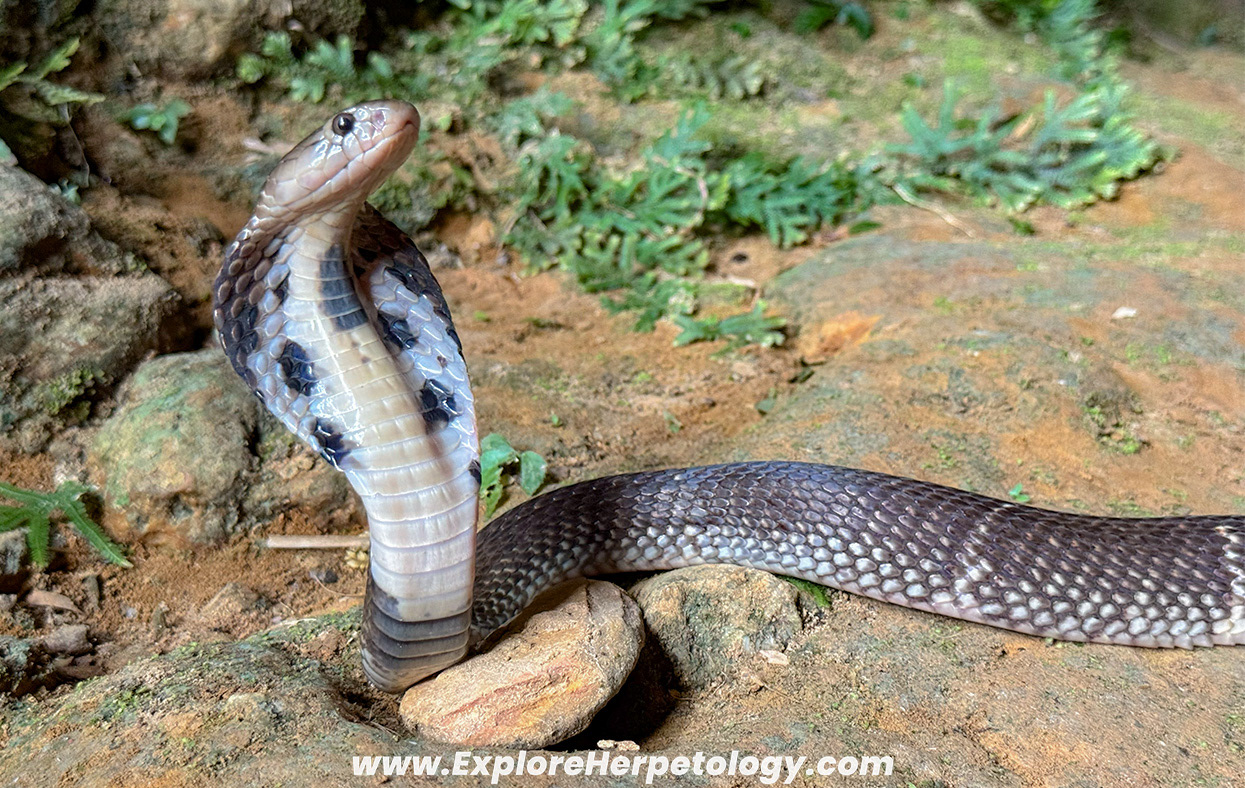
Sumatran spitting cobra (Naja sumatrana).
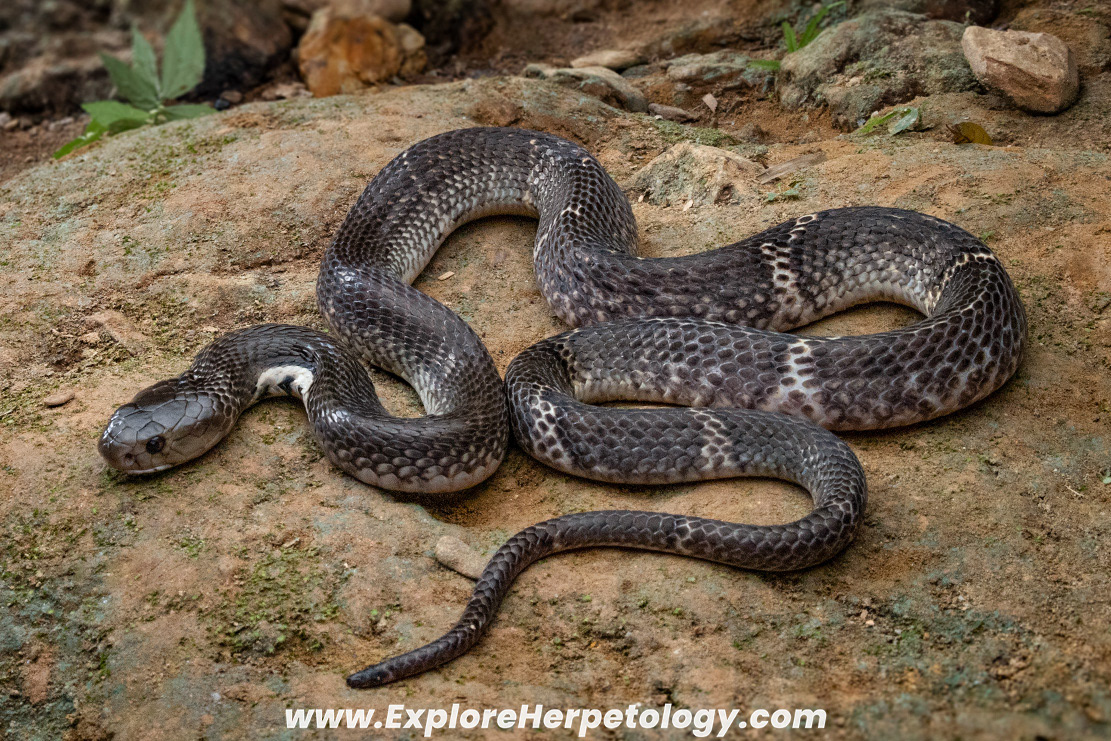
Sumatran spitting cobra (Naja sumatrana).
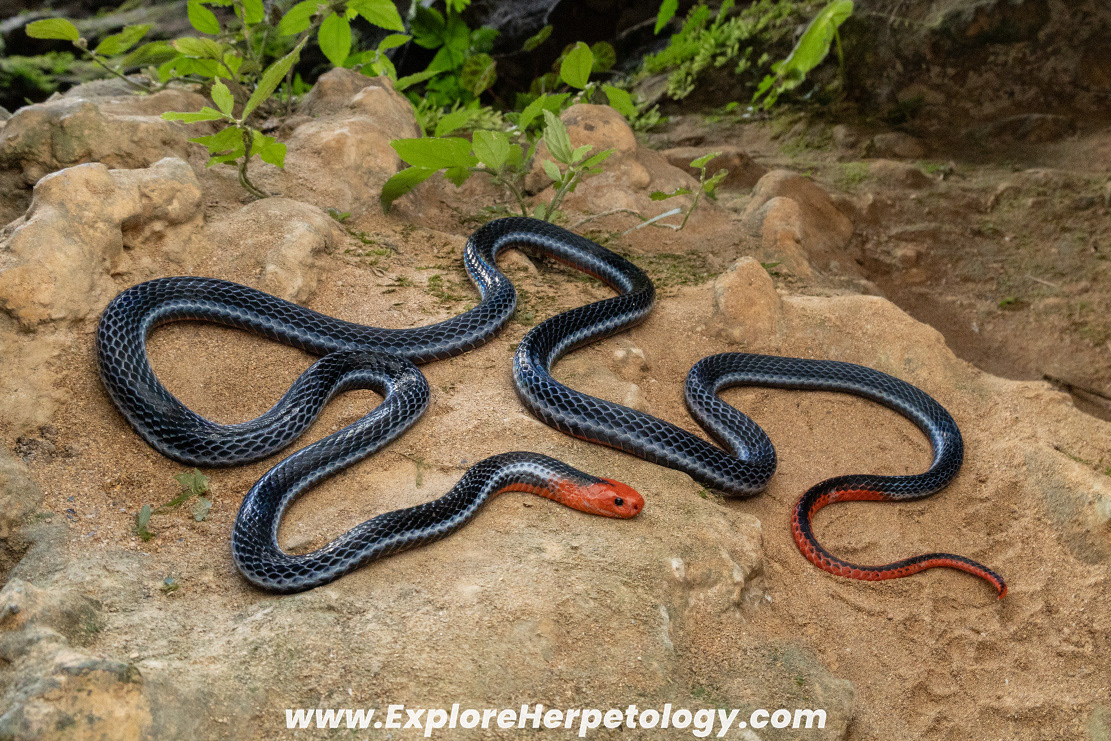
Blue coral snake (Calliophis bivirgata).
On our third day in Kelantan, a "brightly coloured snake" was spotted twice in our resort garden, once by one of our guests and then a second time by the resort staff, but escaped captured on both attempts - remaining a mystery. It was very hot and dry all day, so we collectively decided to focus entirely on road cruising, which had been very productive the night before.
We got off to a good start when a Malayan racer (Coelognathus flavolineatus) was caught on the road around sunset, followed by a brown kukri snake (Oligodon purpurascens), two mangrove cat snakes (Boiga melanota) and two huge dog-toothed cat snakes (Boiga cynodon). The cat snake party continued with a neonate Bengkulu cat snake (Boiga bengkuluensis) and a slightly large dark-headed cat snake (Boiga nigriceps). We also added another elapid snake for the trip, in the shape of a Malayan banded coral snake (Calliophis intestinalis).
We got off to a good start when a Malayan racer (Coelognathus flavolineatus) was caught on the road around sunset, followed by a brown kukri snake (Oligodon purpurascens), two mangrove cat snakes (Boiga melanota) and two huge dog-toothed cat snakes (Boiga cynodon). The cat snake party continued with a neonate Bengkulu cat snake (Boiga bengkuluensis) and a slightly large dark-headed cat snake (Boiga nigriceps). We also added another elapid snake for the trip, in the shape of a Malayan banded coral snake (Calliophis intestinalis).
Remarkably, during a brief walk along the edge of the road, we found a tiny juvenile Sumatran pit viper (Trimeresurus sumatranus) - the first time we had found one at this particular locality despite having visited on five previous scouting trips. Another surprise encounter during road cruising was a cute cat gecko (Aleuroscalabotes felinus), an uncommon species we are always very happy to see on our group tours. A late walk around our accommodation produced our first in-hand oriental vine snake (Ahaetulla prasina) and a long-nosed horned frog (Pelobatrachus nasuta).
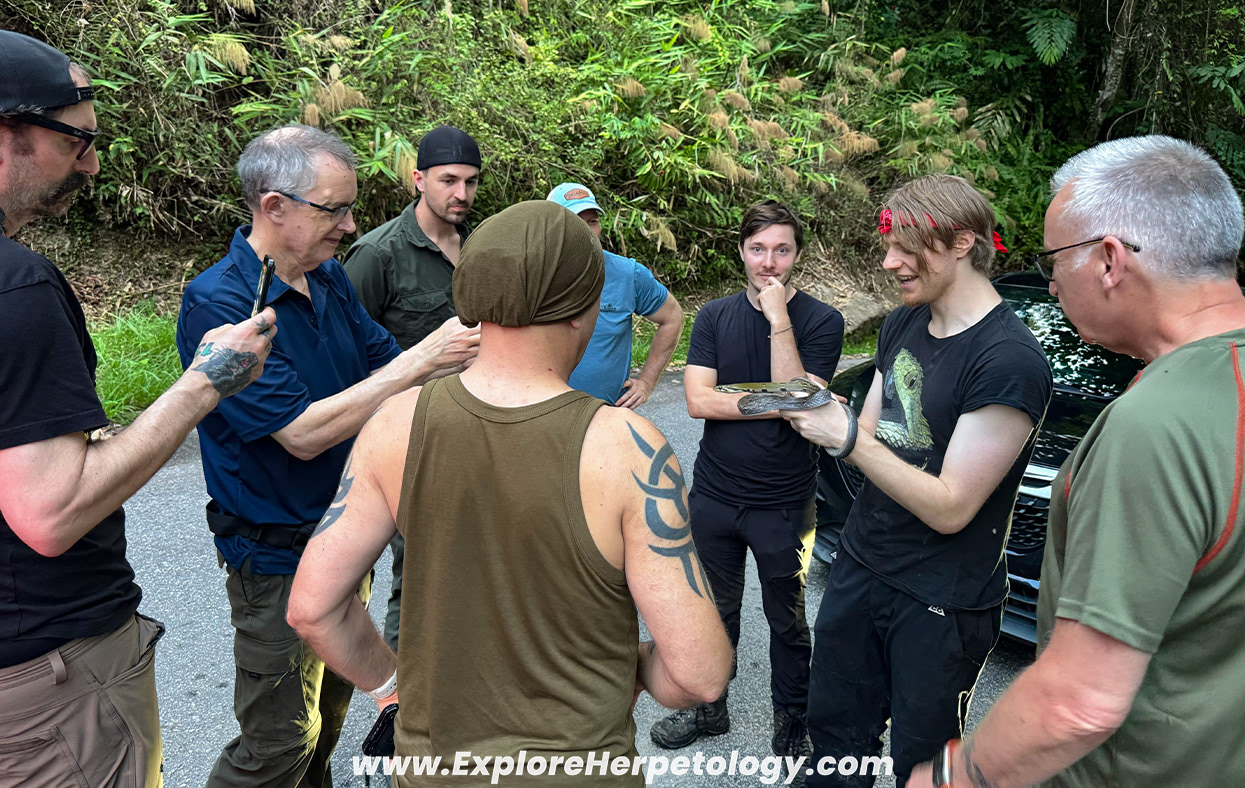
Malayan racer (Coelognathus flavolineatus).
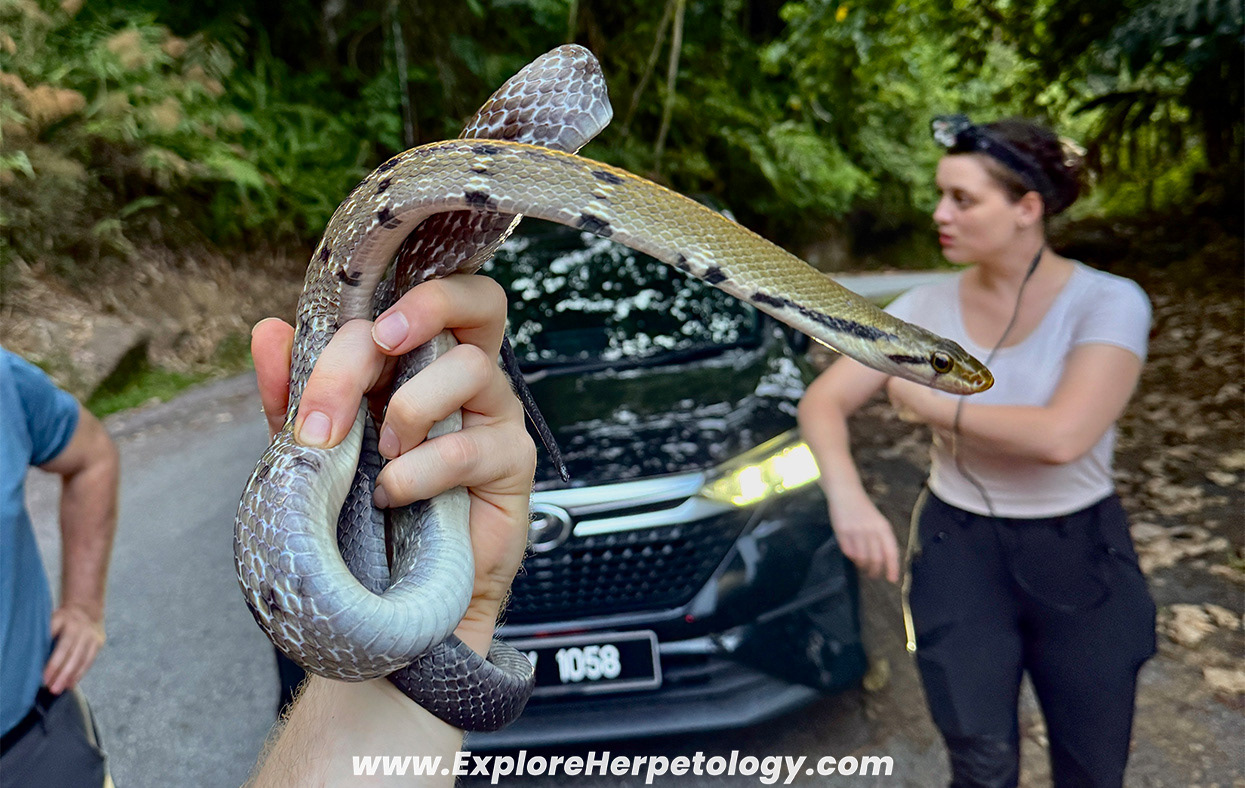
Malayan racer (Coelognathus flavolineatus).
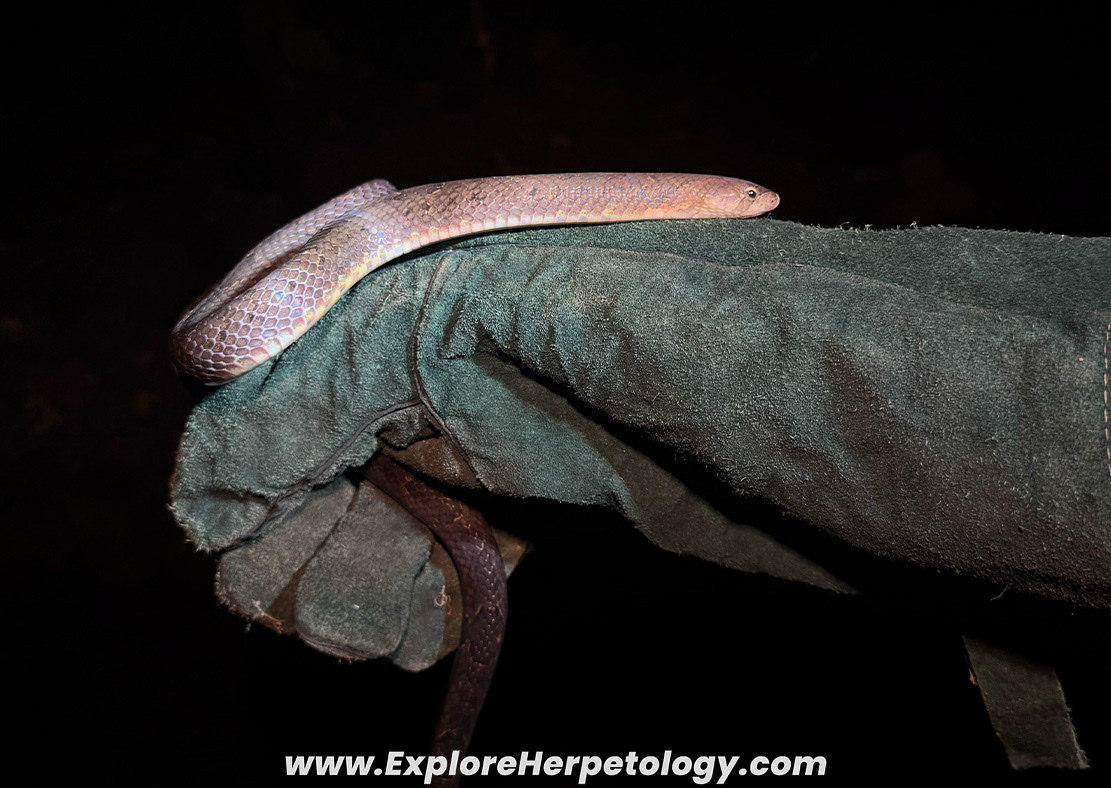
Brown kukri snake (Oligodon purpurascens).
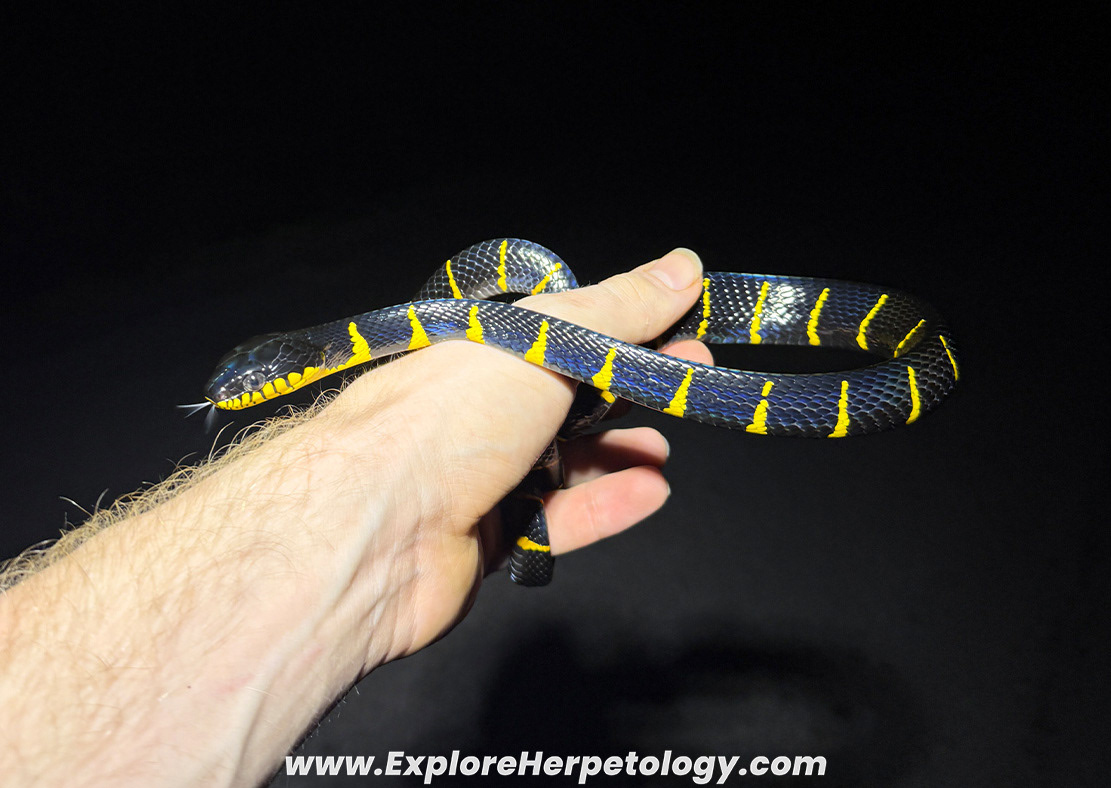
Mangrove cat snake (Boiga melanota).
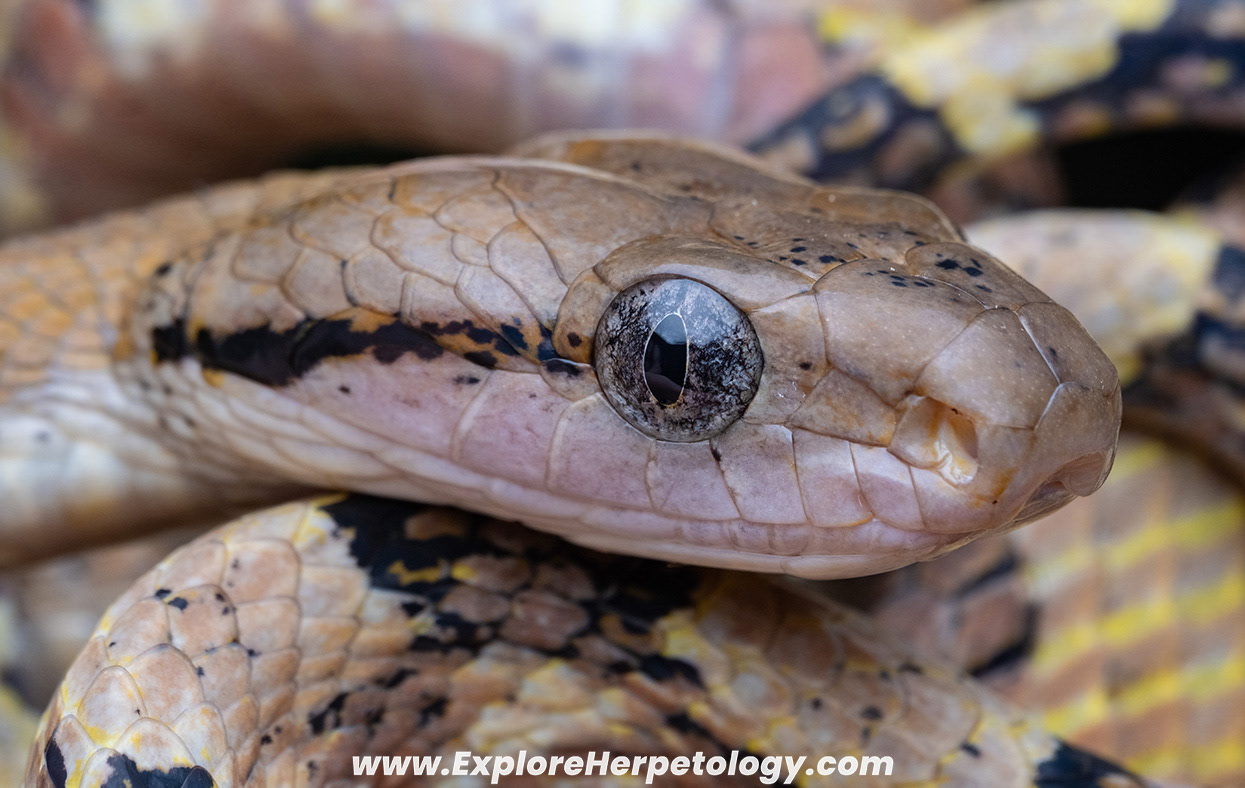
Dog-toothed cat snake (Boiga cynodon).
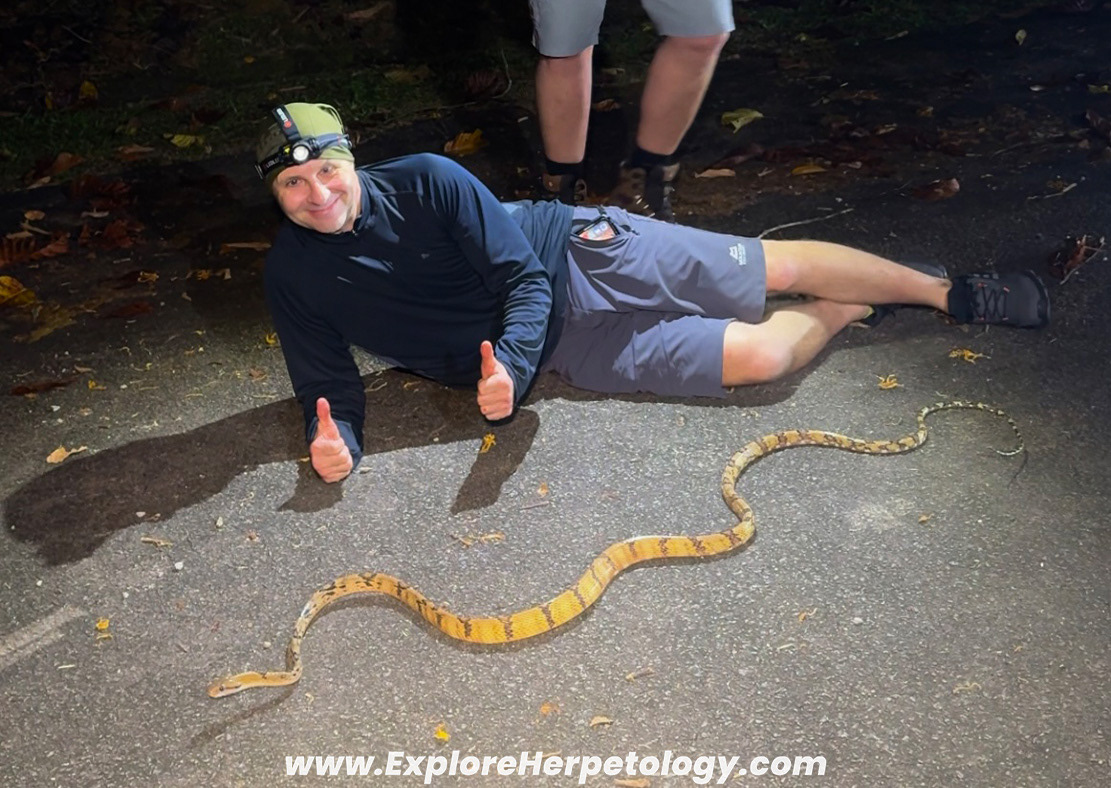
Dog-toothed cat snake (Boiga cynodon).
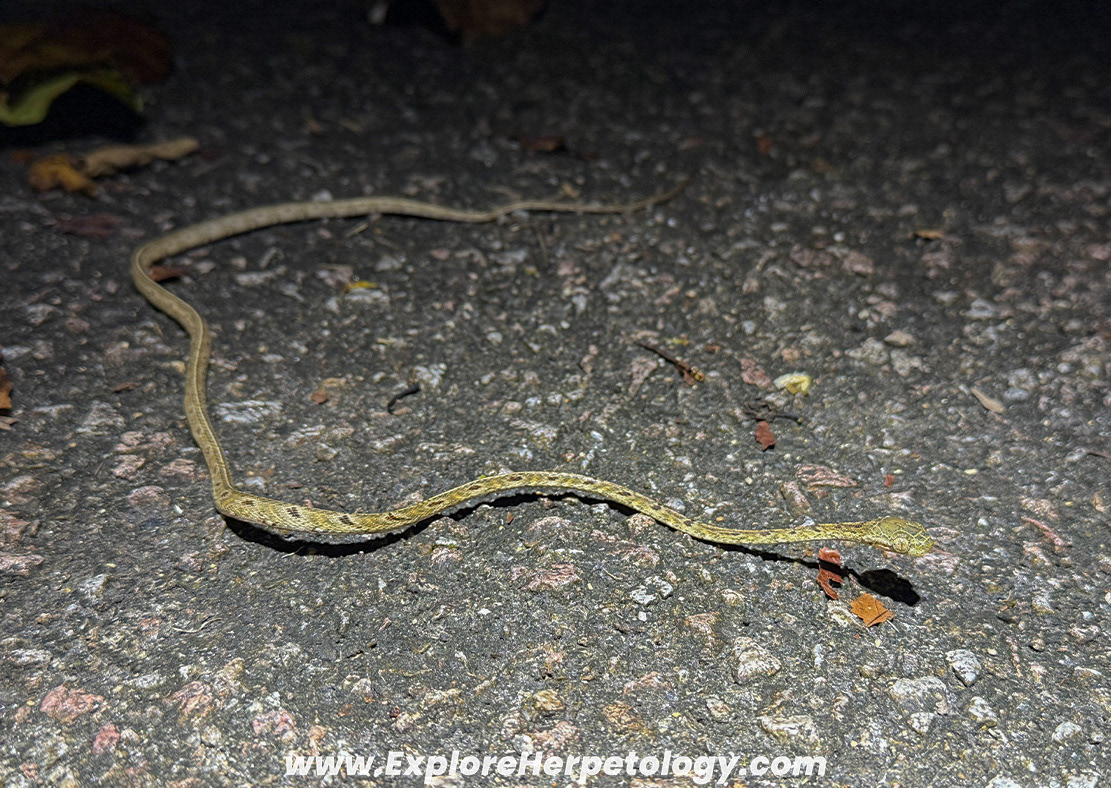
Bengkulu cat snake (Boiga bengkuluensis).
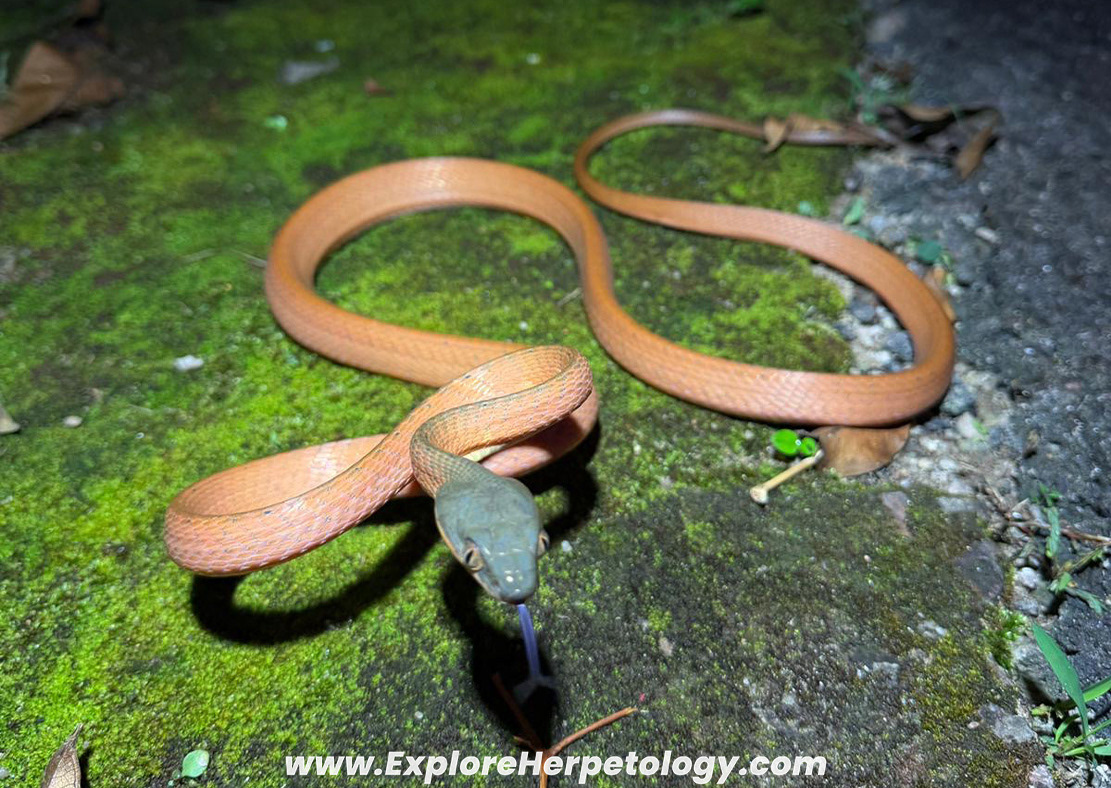
Dark-headed cat snake (Boiga nigriceps).
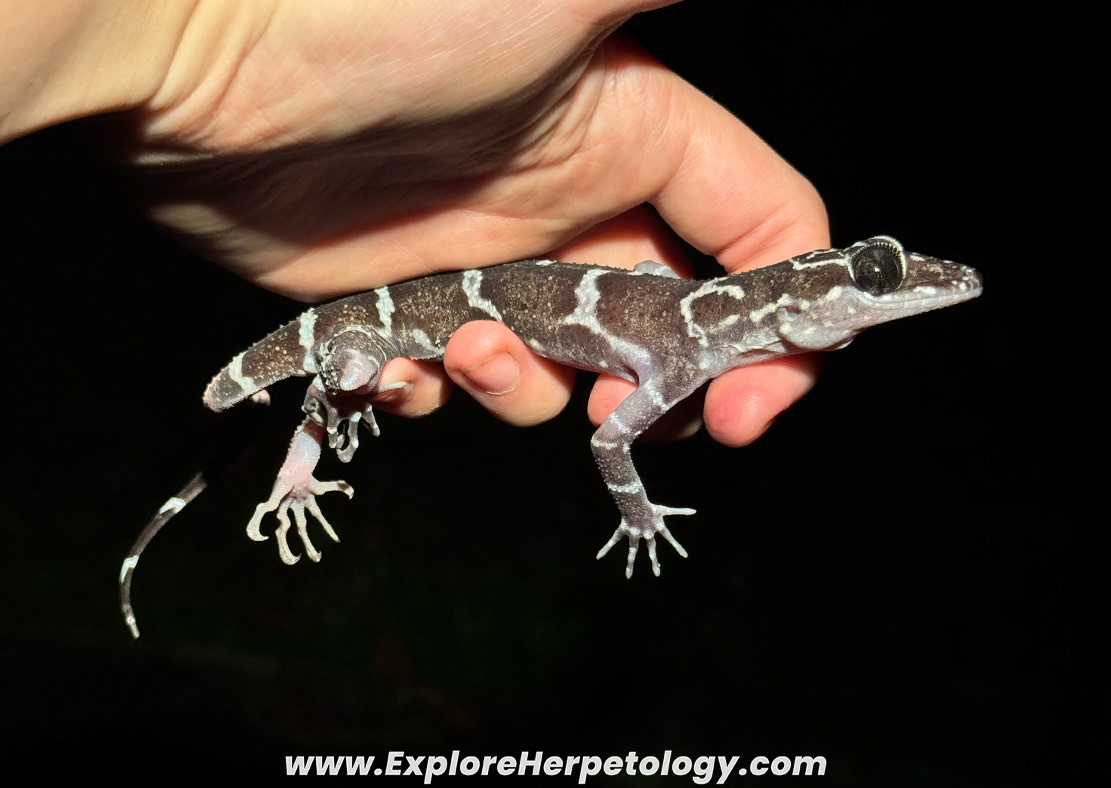
Peninsula bent-toed gecko (Cyrtodactylus peninsularis).
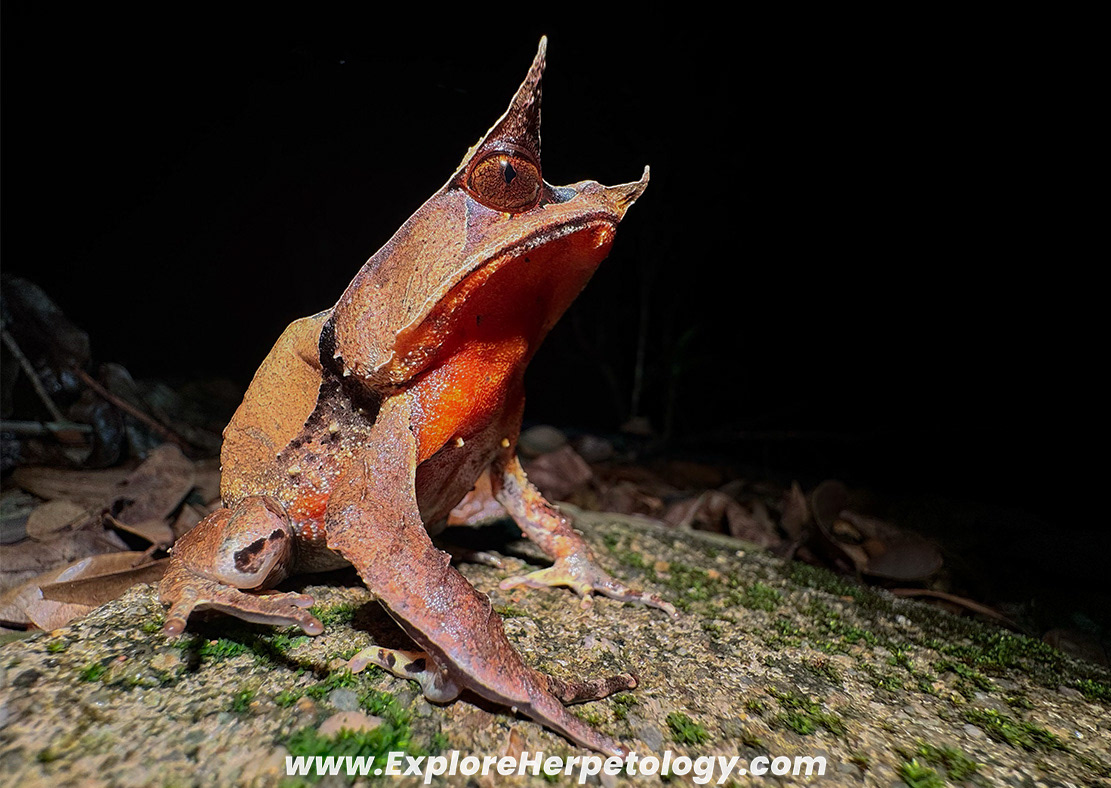
Long-nosed horned frog (Pelobatrachus nasuta).
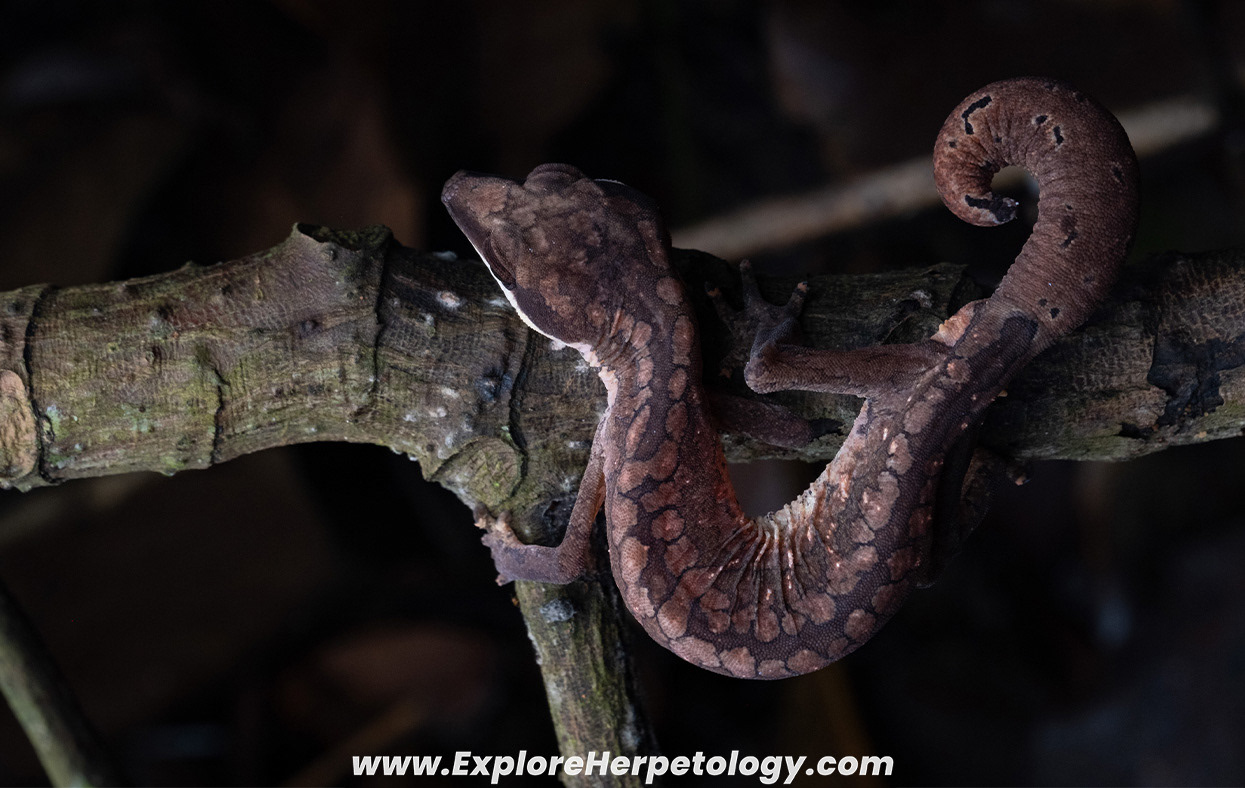
Cat gecko (Aleuroscalabotes felinus).
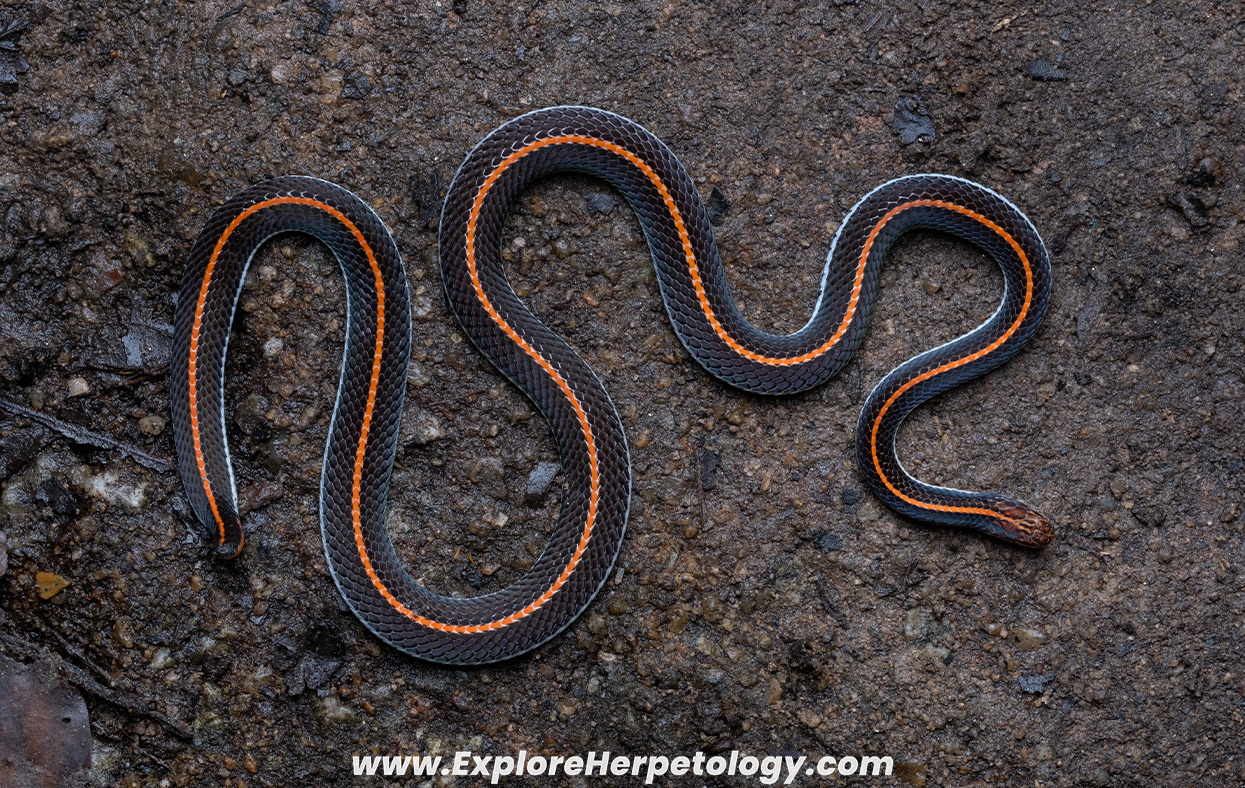
Malayan banded coral snake (Calliophis intestinalis).
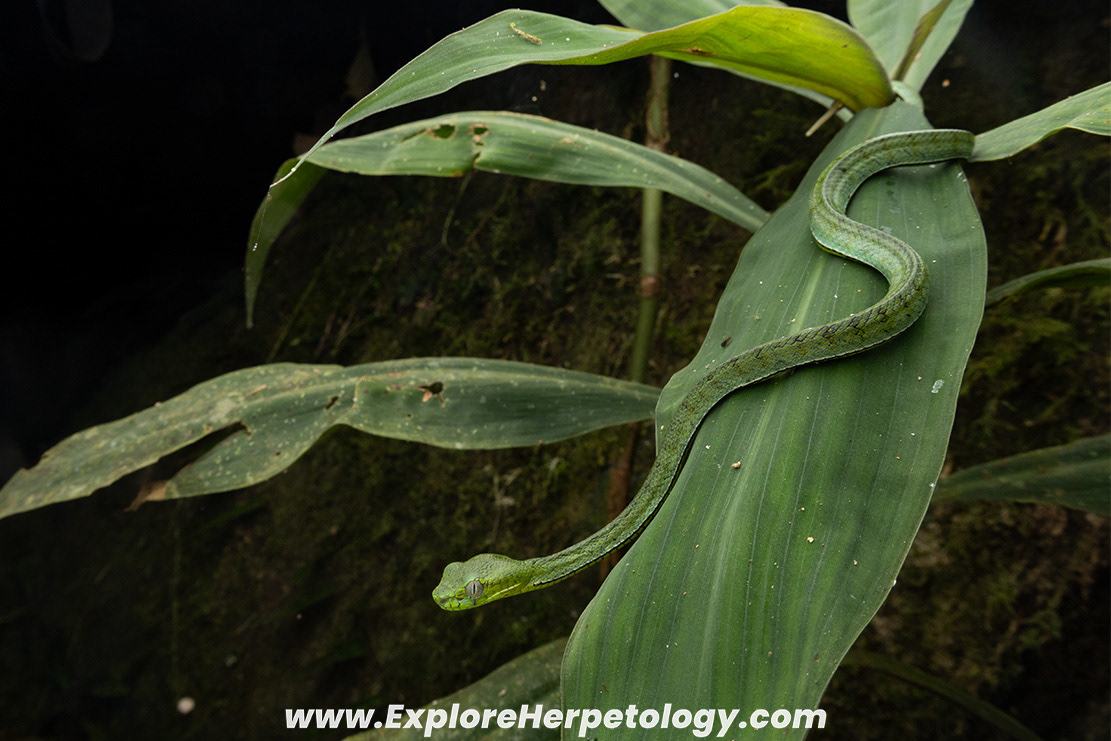
Sumatran pit viper (Trimeresurus sumatranus).
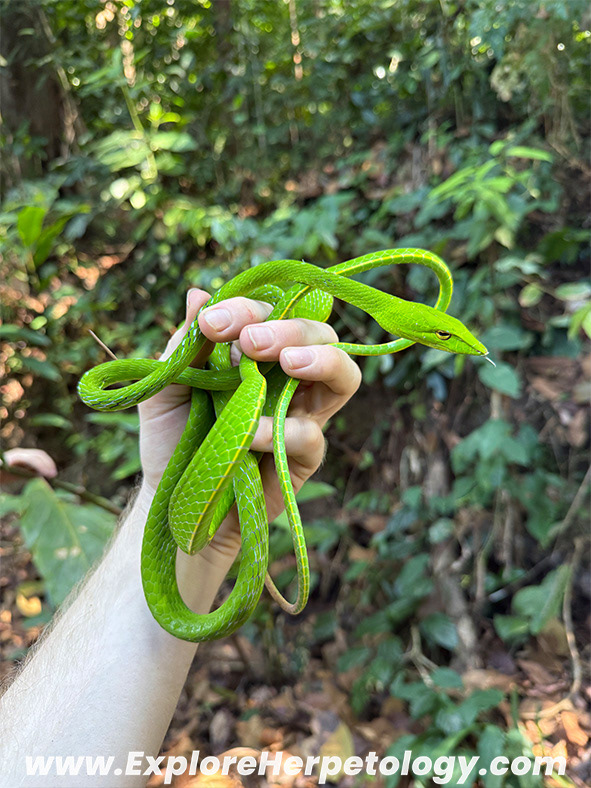
Oriental vine snake (Ahaetulla prasina).
The first two hot and dry days had been exceptional for boosting snake activity - especially on the road, but the sustained scorching hot weather with no rain substantially reduced activity levels for our final two days in Kelantan. On day four, one of our guests saw the colourful mystery snake entering the restaurant of our resort, but once again it escaped capture and identification.
However, on day five, we received a call from the restaurant staff that there was a snake hiding inside an electrical box on the wall. We sprinted down and, at long last, were able to get there in time to end this three-day long game of cat and mouse. The "colourful mystery snake" actually turned out to be two snakes, a presumed male and female of the twin-barred flying snake (Chrysopelea pelias). This beautiful species is quite rare throughout Malaysia, so we were all very happy with this.
We did see a good number of snakes on each of the two final nights in Kelantan, albeit mostly repeat species. The new additions were a rusty-barred kukri snake (Oligodon signatus) - which we did not photograph due to a severe injury we hoped it could heal, two Thai-peninsula pit vipers (Trimeresurus sabahi fucatus) and a Malayan vine snake (Ahaetulla mycterizans). One notable repeat species was the largest dog-toothed cat snake (Boiga cynodon) we have ever seen on our herping tours, along with a juvenile scarce wolf snake (Lycodon effraenis). We also encountered two Malayan softshell turtles (Dogania subplana).
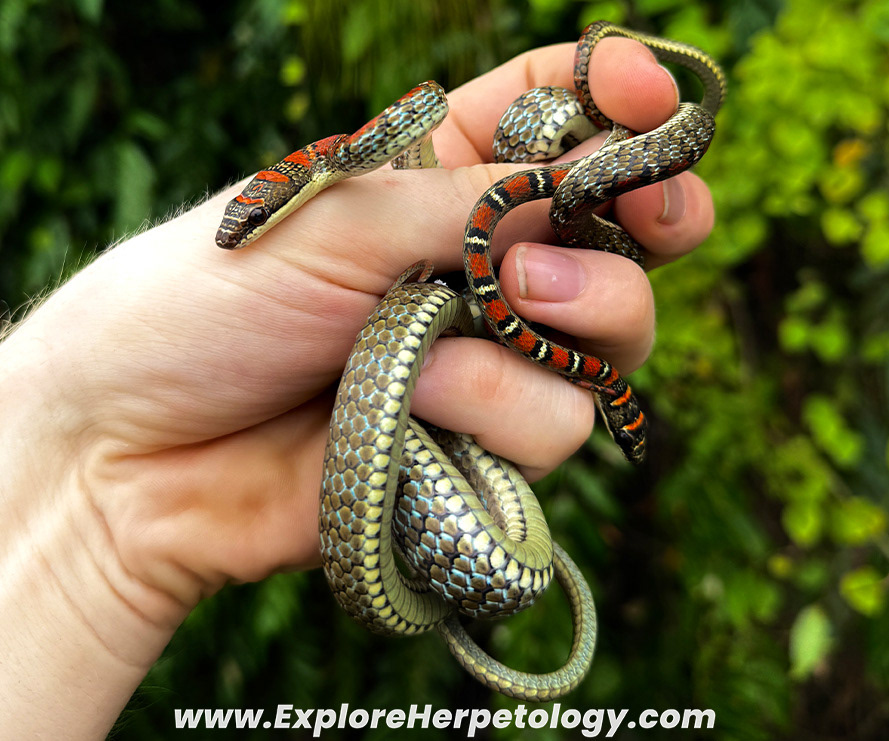
Twin-barred flying snakes (Chrysopelea pelias).
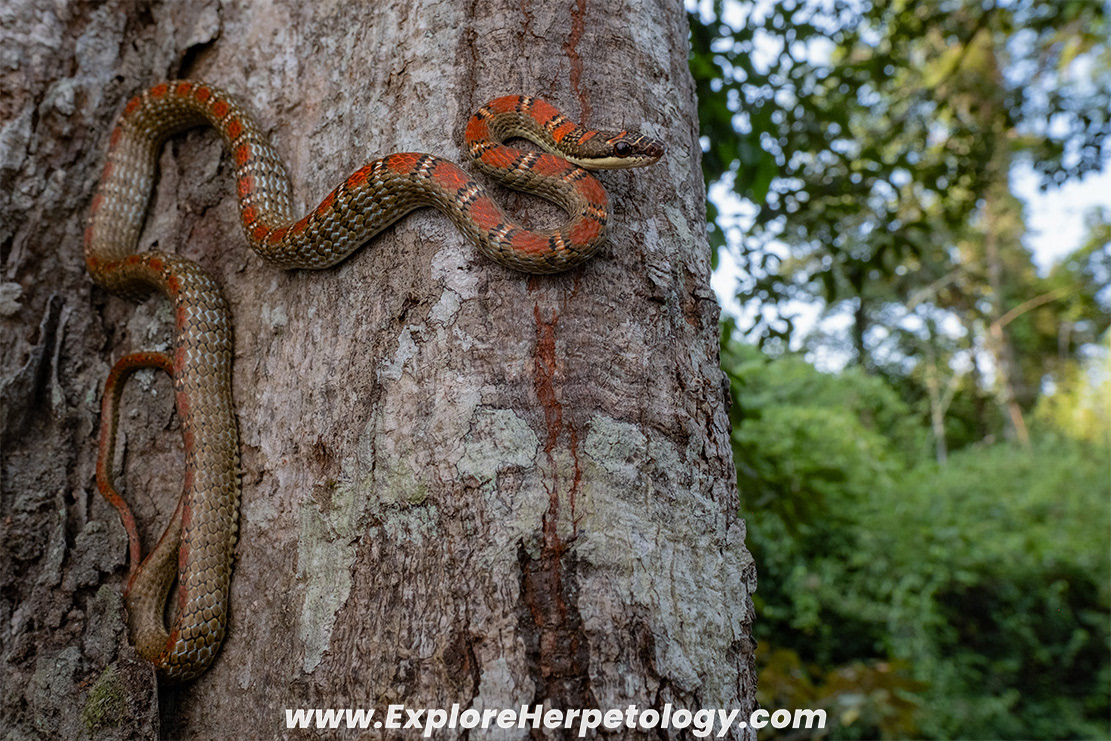
Twin-barred flying snake (Chrysopelea pelias).
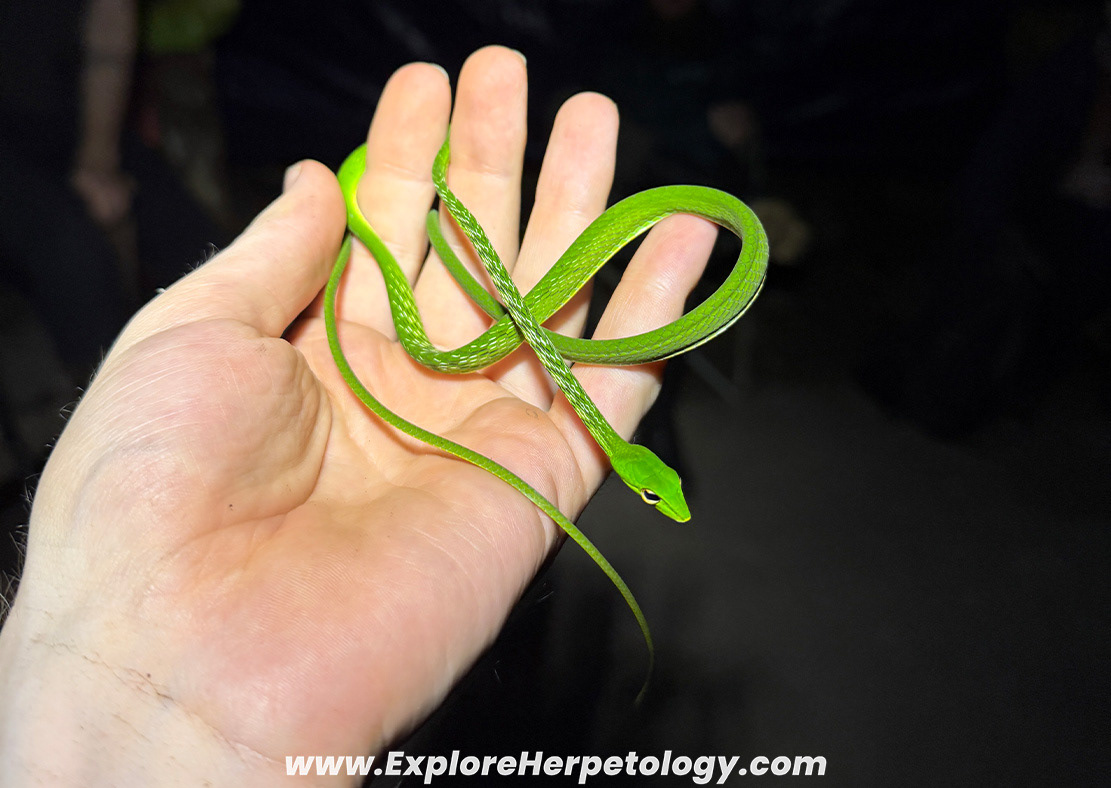
Malayan vine snake (Ahaetulla mycterizans).
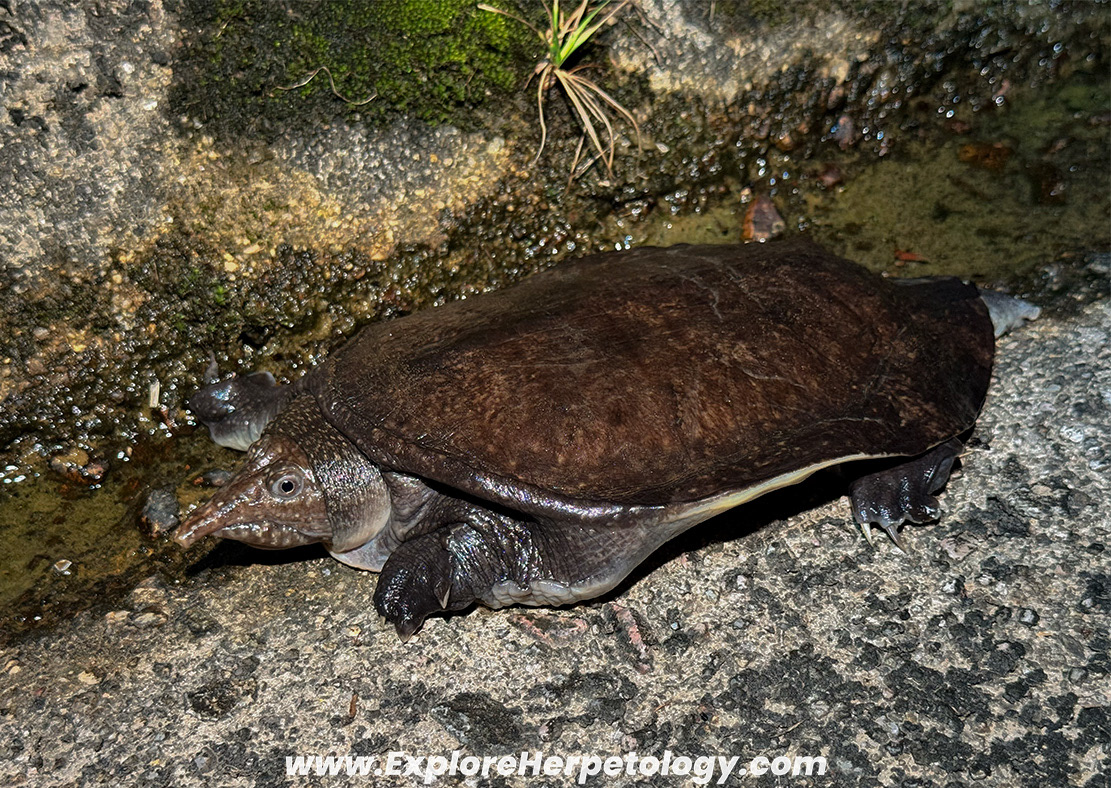
Malayan softshell turtle (Dogania subplana).
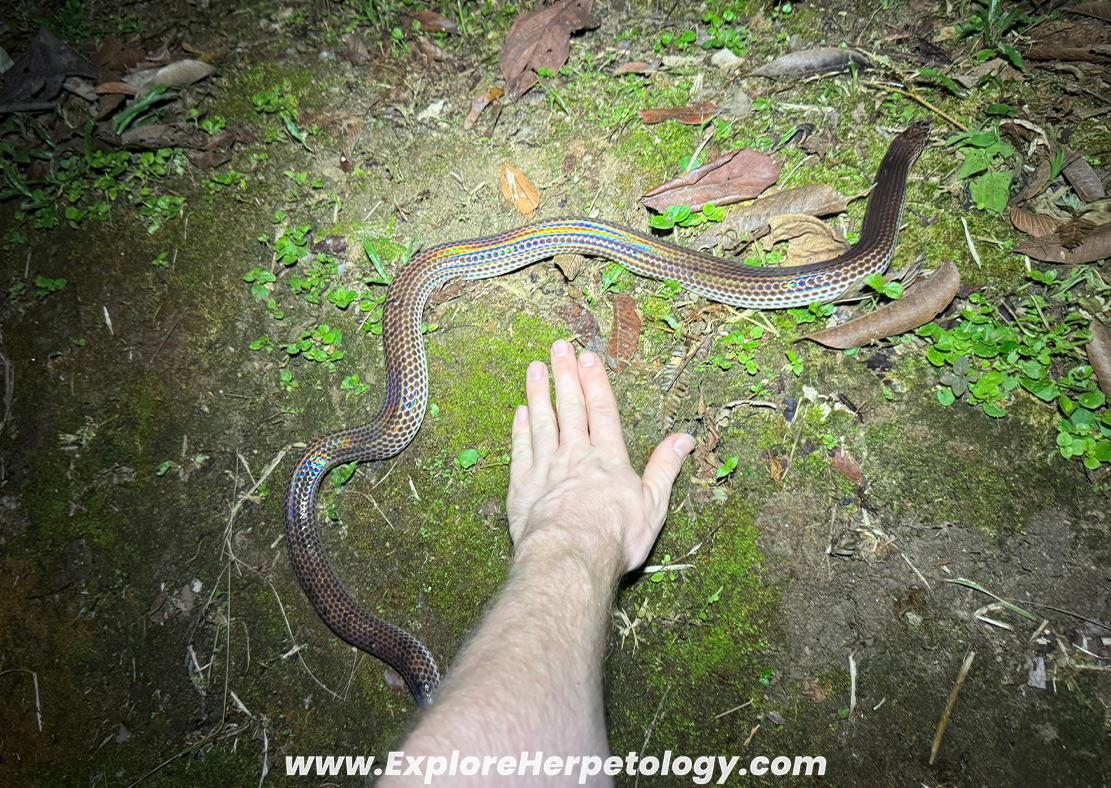
Sunbeam snake (Xenopeltis unicolor).
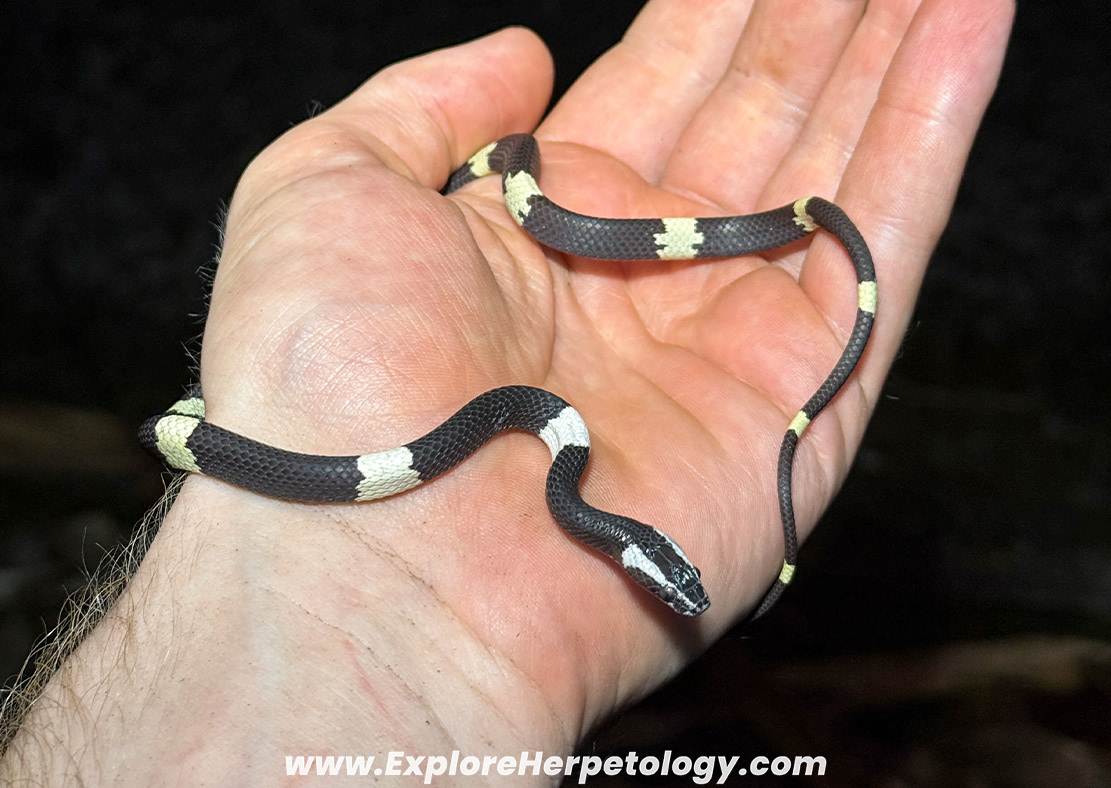
Scarce wolf snake (Lycodon effraenis).
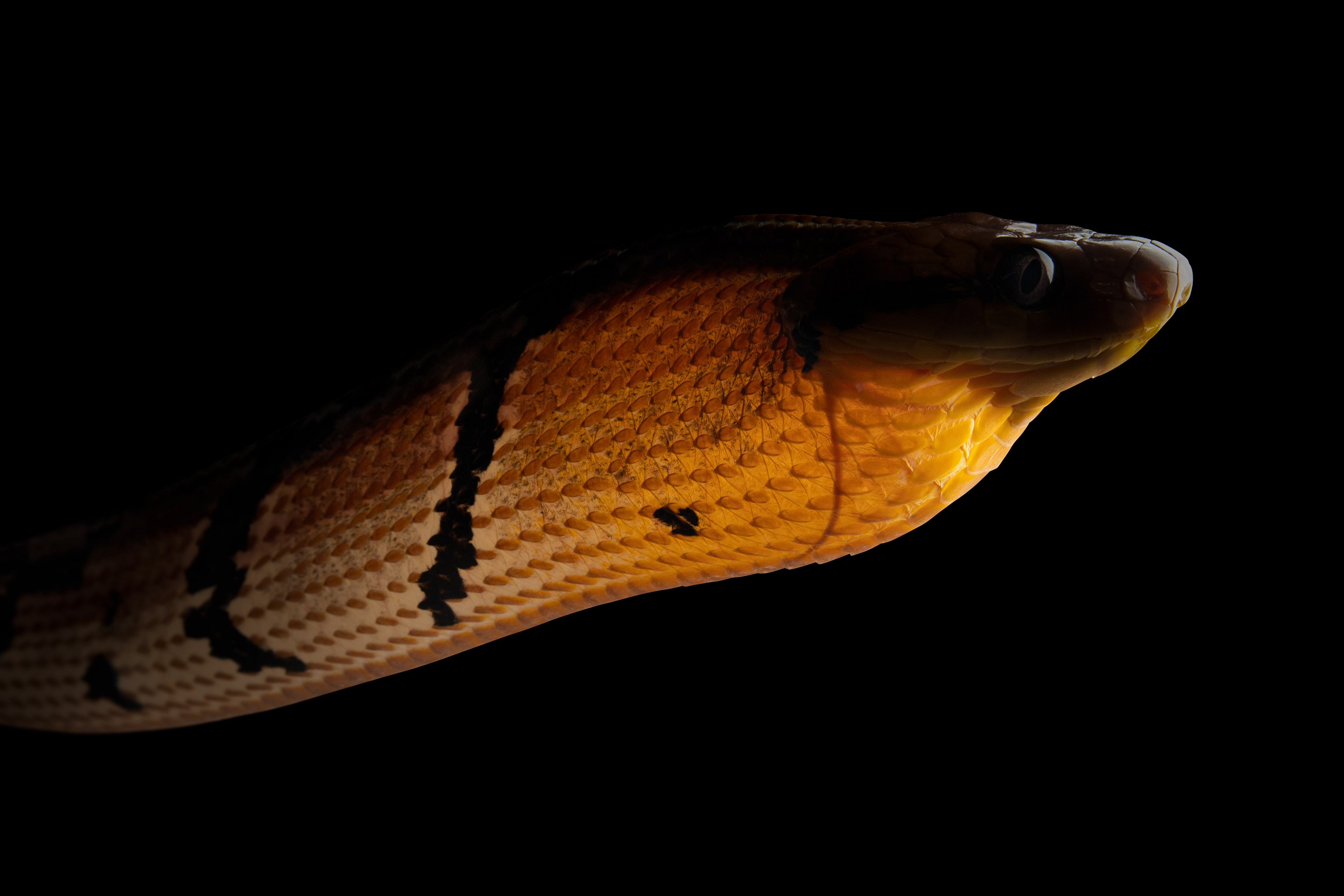
Dog-toothed cat snake (Boiga cynodon).
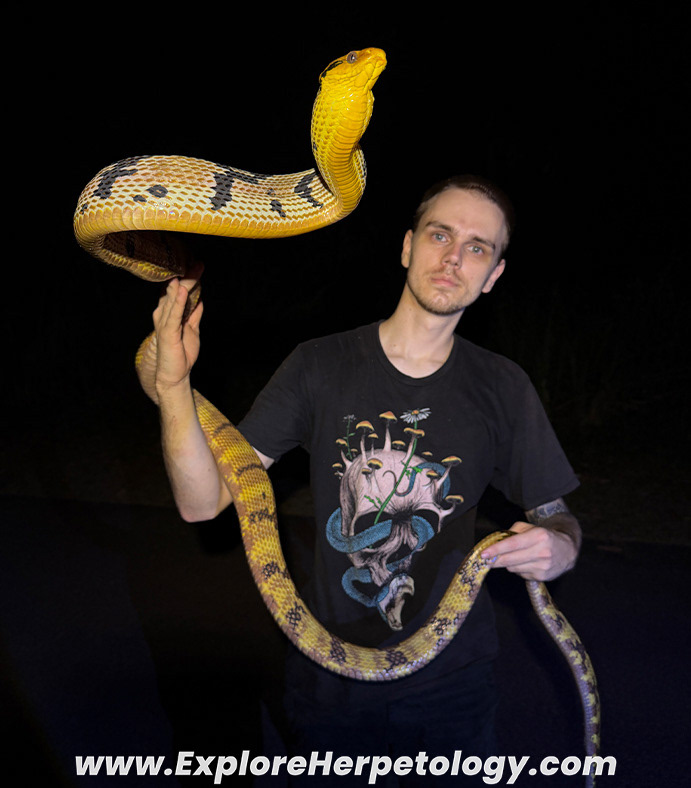
Dog-toothed cat snake (Boiga cynodon).
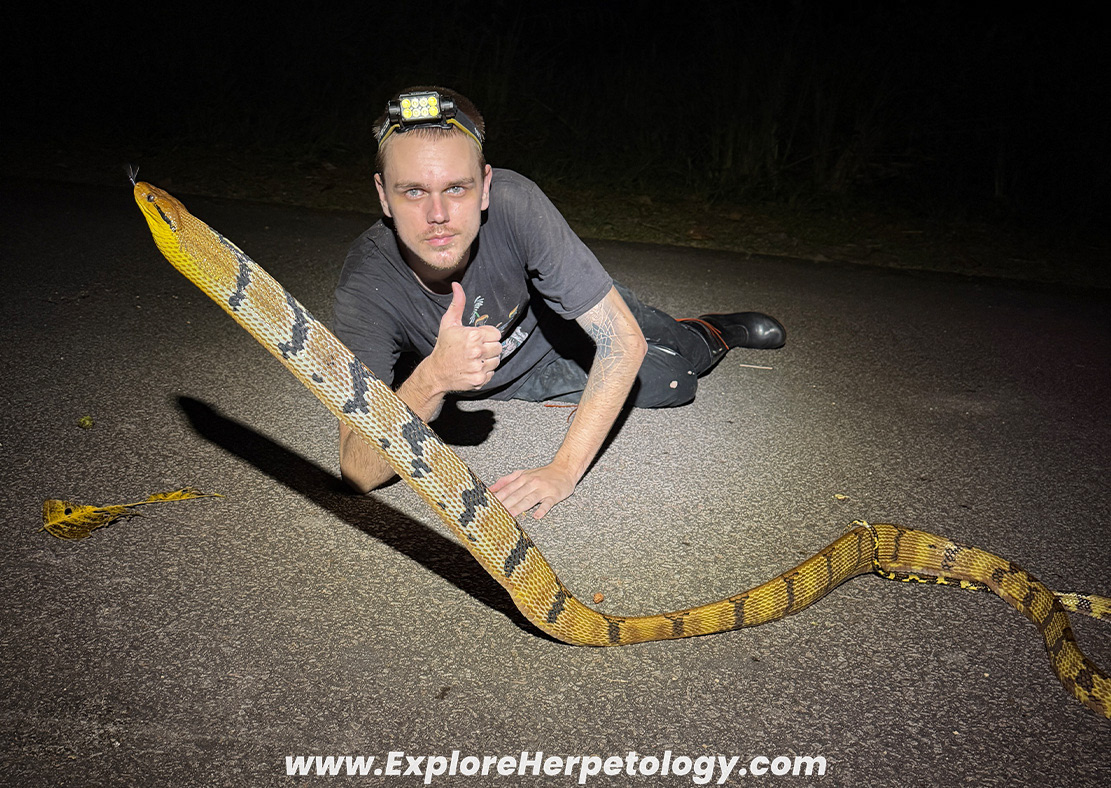
Dog-toothed cat snake (Boiga cynodon).
Nights 8 - 10: BUKIT FRASER
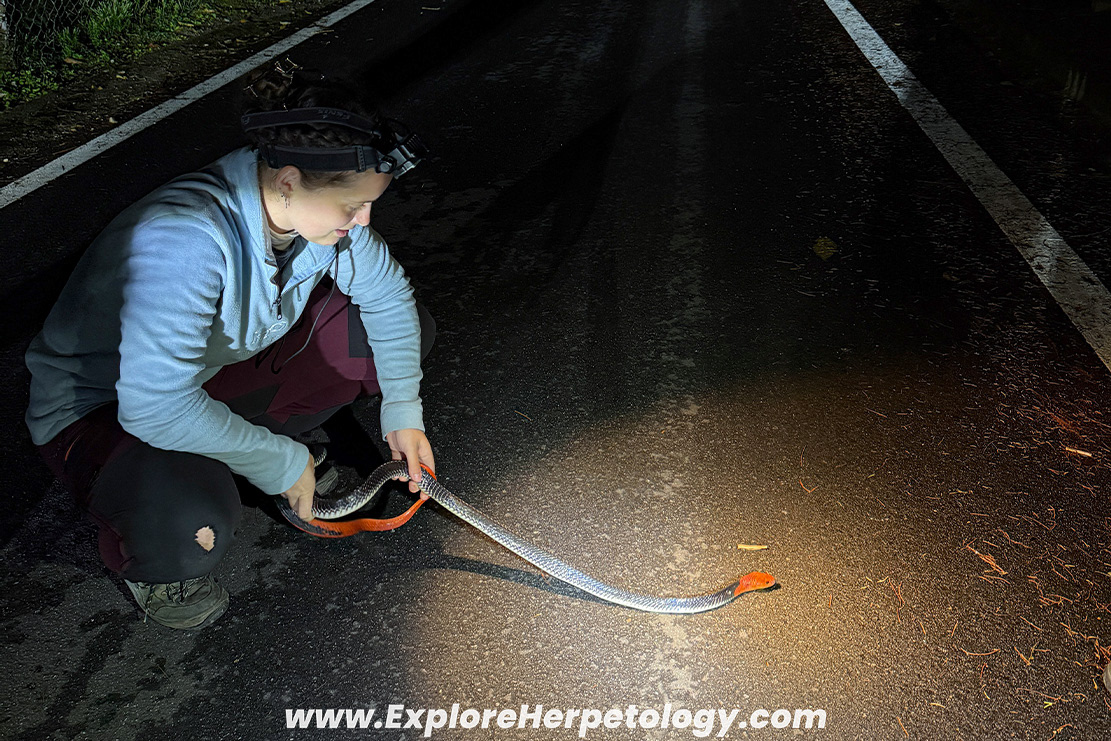
Our five nights of herping in Kelantan had been tiring, so ending the trip with three relaxed nights at Bukit Fraser was exactly what we needed. Nice restaurants, easy walking, cool temperatures and a huge diversity of herpetofauna is what makes Bukit Fraser so fun to explore, and we could not wait to get started. Our remaining key targets for the trip were the red-headed krait (Bungarus flaviceps) and Hagen's pit viper (Trimeresurus hageni). We had hoped that a red-headed krait would show up for us in Kelantan, but Bukit Fraser had been a very productive location for this species so far in 2026, so we were still in for a shot if we worked hard for three nights.
As things transpired, we would not have to work very hard at all, as a big adult red-headed krait (Bungarus flaviceps) crossed the road before we had even left the hill station and arrived at our hiking spot - the very first snake of the night! Having immediately checked off our first key target, we decided to visit the lowlands and look for Hagen's pit viper (Trimeresurus hageni) in the same night. This hike was long and only produced one single snake, which luckily turned out to be a truly stunning adult male Hagen's pit viper. This species is not common at this location, so encountering this as the solitary snake of the walk compounded a truly remarkable night of herping.
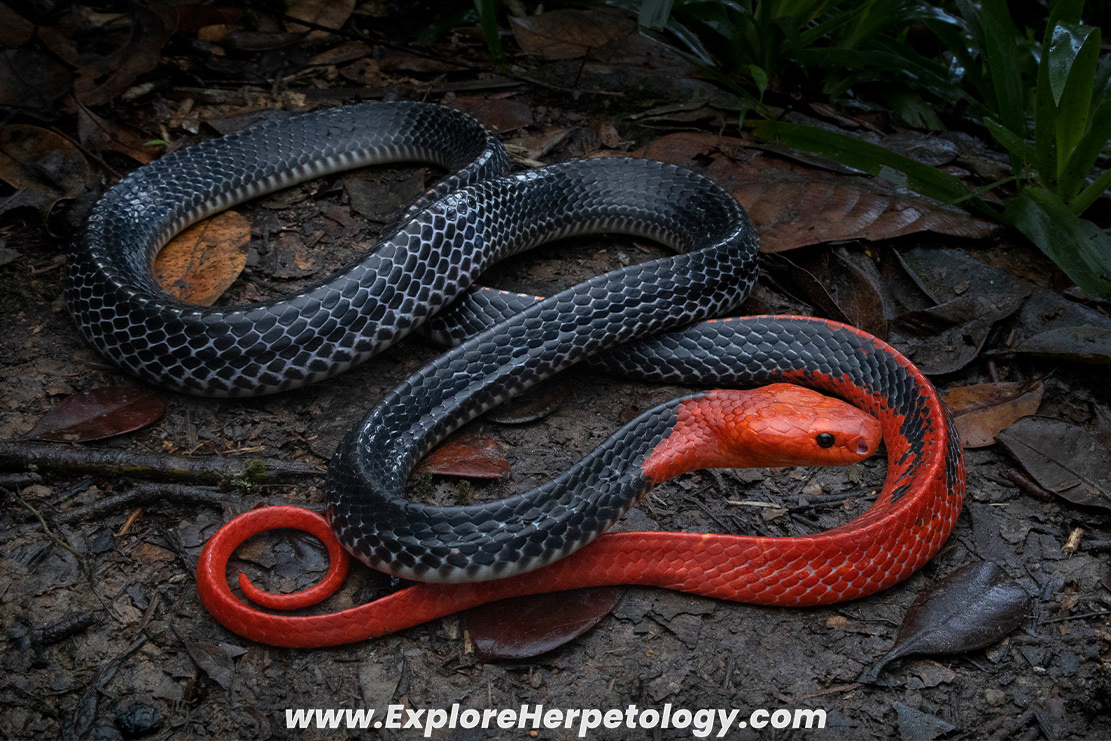
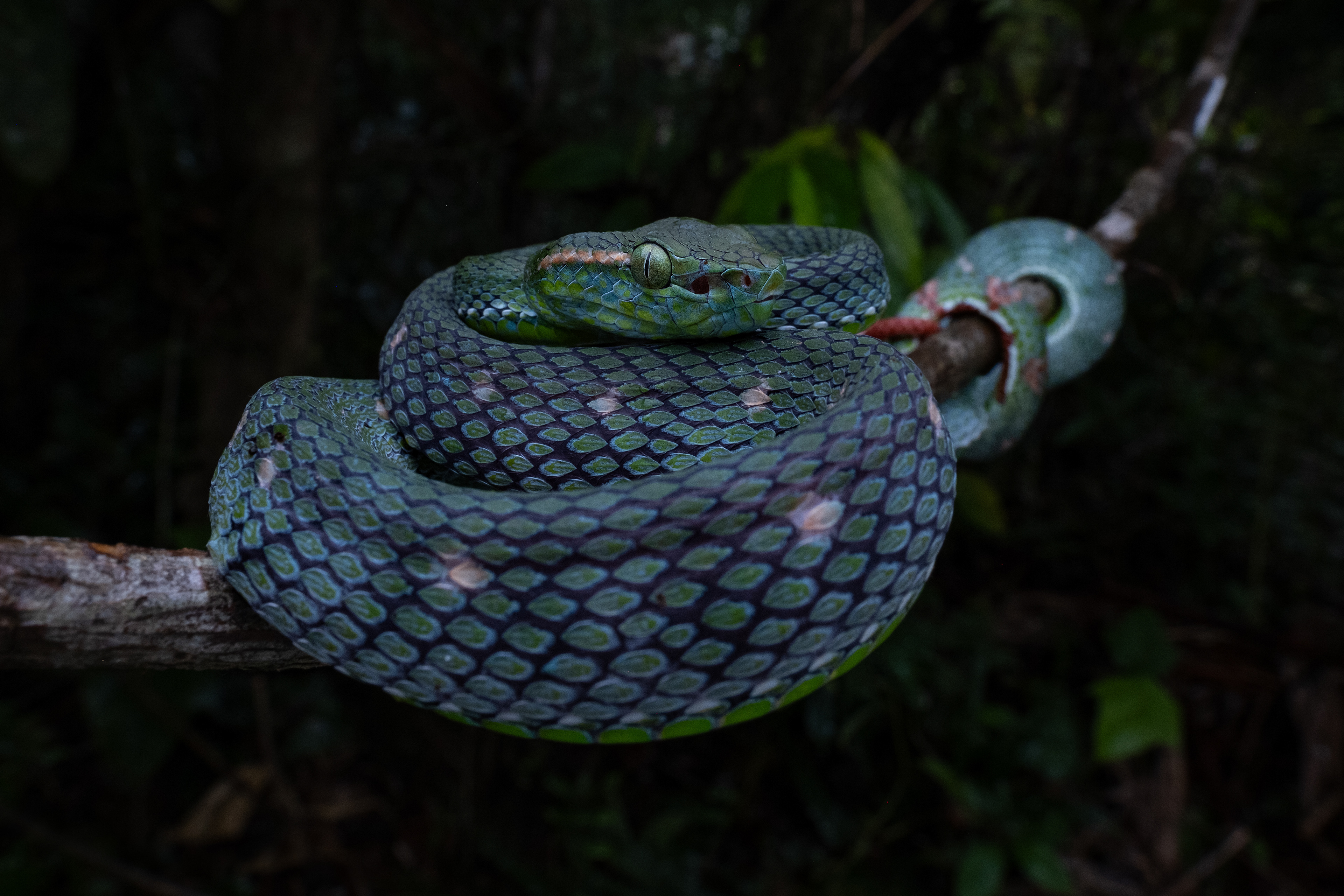
The lower submontane and upper mid-hill rainforests of Bukit Fraser have very dense populations of snakes, especially along particular roadsides, so we encountered several further species across our first two nights in the area. The best repeat species found at this location were a healthy rusty-barred kukri snake (Oligodon signatus), as well as a young Malaysian blue coral snake (Calliophis bivirgata flaviceps).
The new additions to our species count included a couple Malayan banded wolf snakes (Lycodon subcinctus), several vertebral slug snakes (Asthenodipsas vertebralis, a smooth slug snake (Asthenodipsas laevis), and, yet another Pareatid, this time a juvenile blunt-headed slug snake (Aplopeltura boa). We also saw Schlegel's reed snakes (Calamaria schlegeli) by the dozens, a few dwarf reed snakes (Pseudorabdion longiceps), and a single mock viper (Psammodynastes).
The new additions to our species count included a couple Malayan banded wolf snakes (Lycodon subcinctus), several vertebral slug snakes (Asthenodipsas vertebralis, a smooth slug snake (Asthenodipsas laevis), and, yet another Pareatid, this time a juvenile blunt-headed slug snake (Aplopeltura boa). We also saw Schlegel's reed snakes (Calamaria schlegeli) by the dozens, a few dwarf reed snakes (Pseudorabdion longiceps), and a single mock viper (Psammodynastes).
This brought us to 42 species of snake with just one night of the trip remaining, tantalisingly close to our target of 45. Three more species on the final night was definitely attainable, but would certainly involve some luck. Conditions had not been ideal throughout our stay at Bukit Fraser, with intermittent rains suppressing activity each day and night, and we had checked off the majority of the "common" species. All we could do is try our best and hope for the right species to show up.
Things started off very well when a blue bronzeback (Dendrelaphis cyanochloris) showed up early on. After a handful of repeat species, we also found a Chan-ard's reed snake (Macrocalamus chanardi) - the last truly "common" species which had evaded us thus far. A little while later, we encountered a juvenile Malayan bridle snake (Dryocalamus subannulatus) crawling on the wall of a drainage ditch. This was the luck we needed to reach our goal of 45 snake species for the trip.
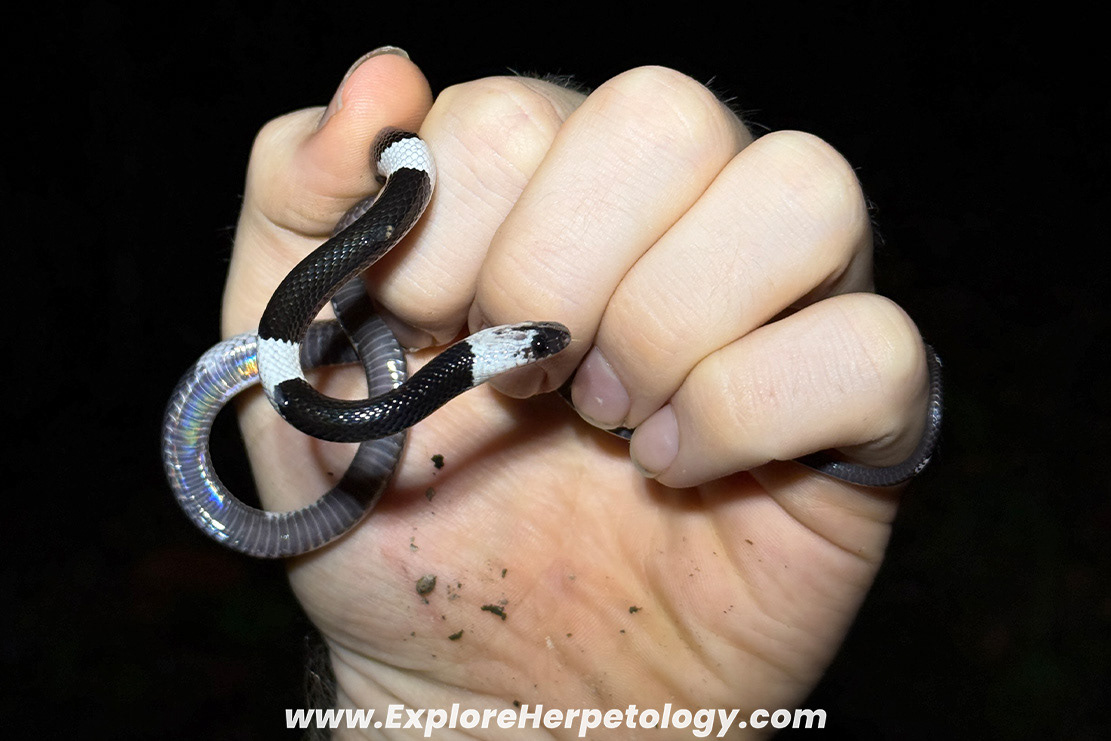
Malayan banded wolf snake (Lycodon subcinctus).
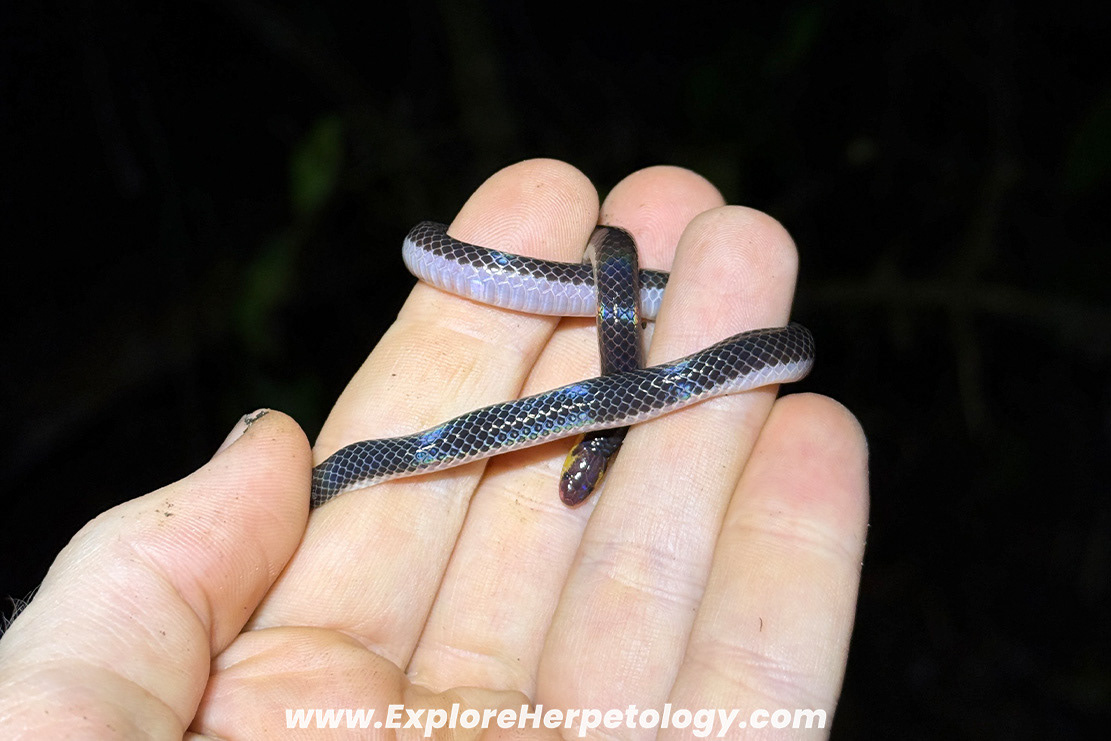
Schlegel's reed snake (Calamaria schlegeli).
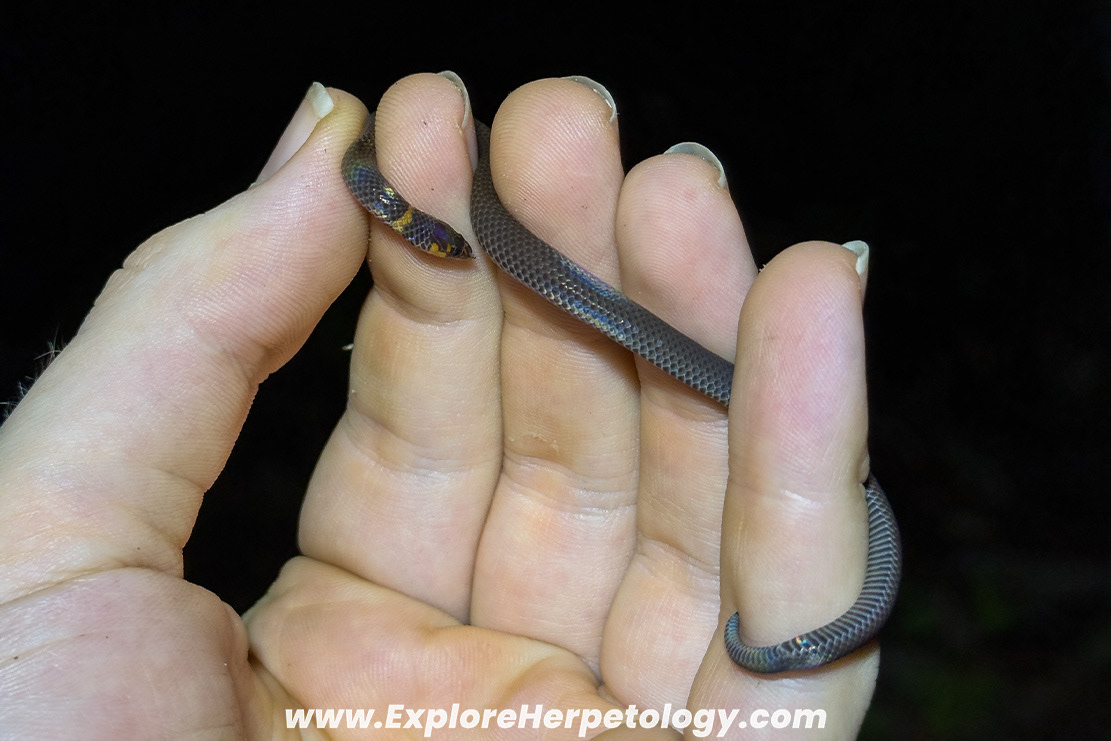
Dwarf reed snake (Pseudorabdion longiceps).
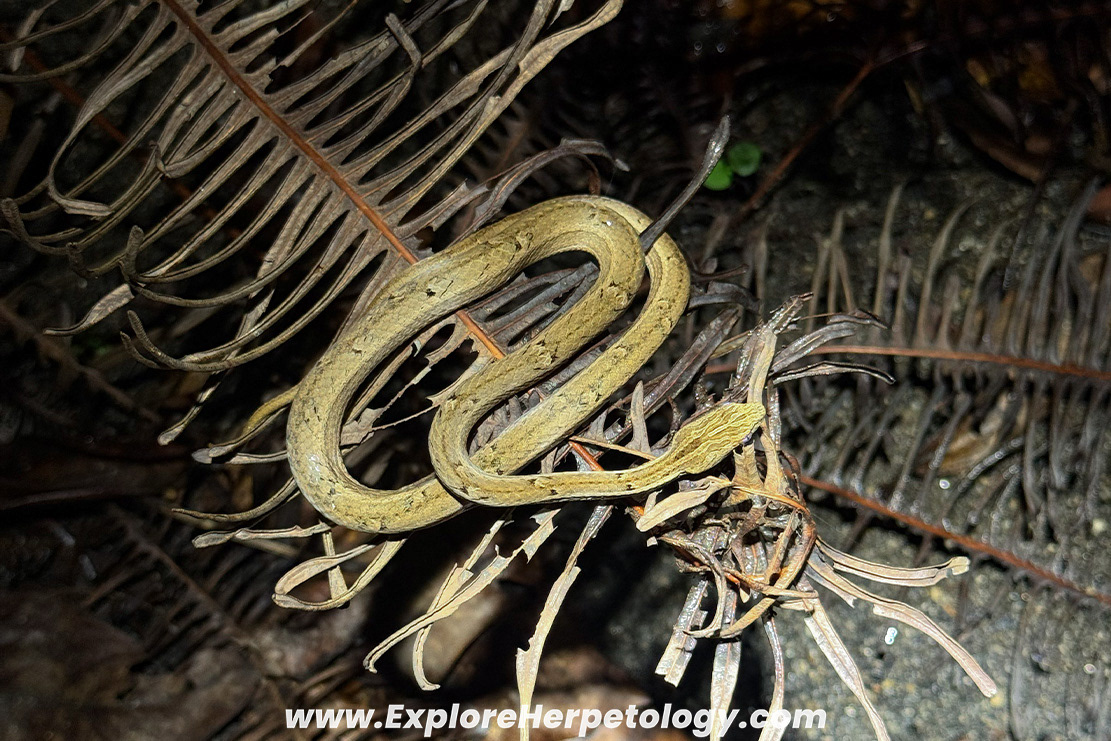
Mock viper (Psammodynastes pulverulentus).
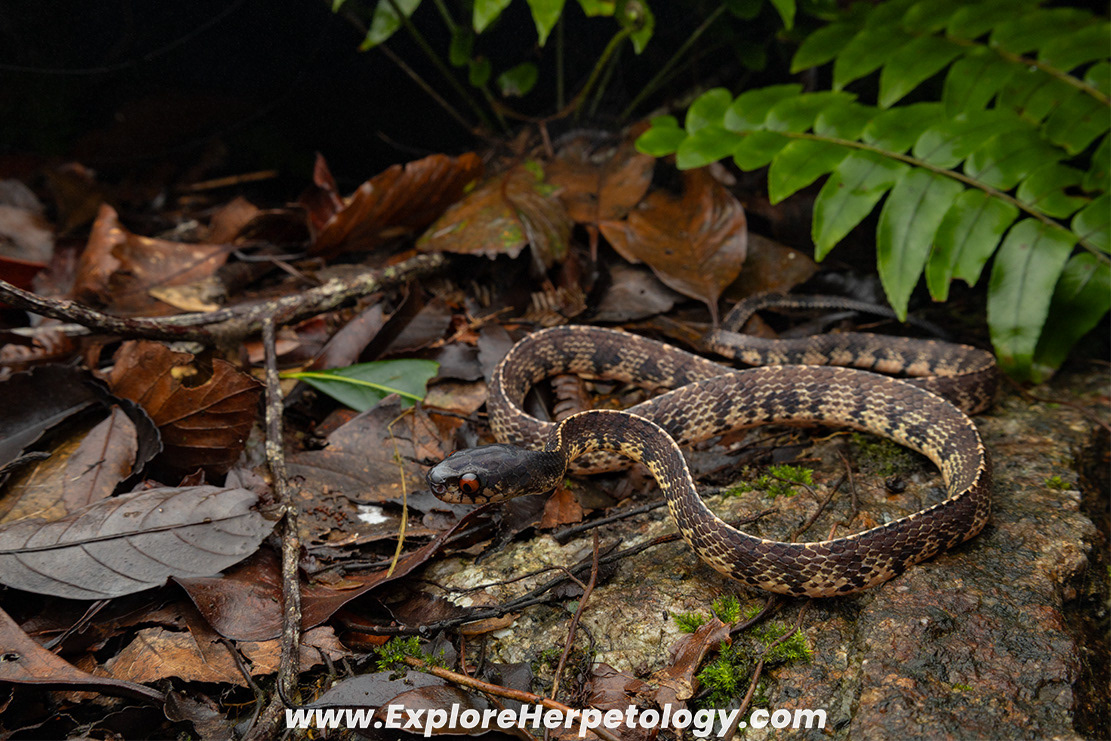
Vertebral slug snake (Asthenodipsas vertebralis).
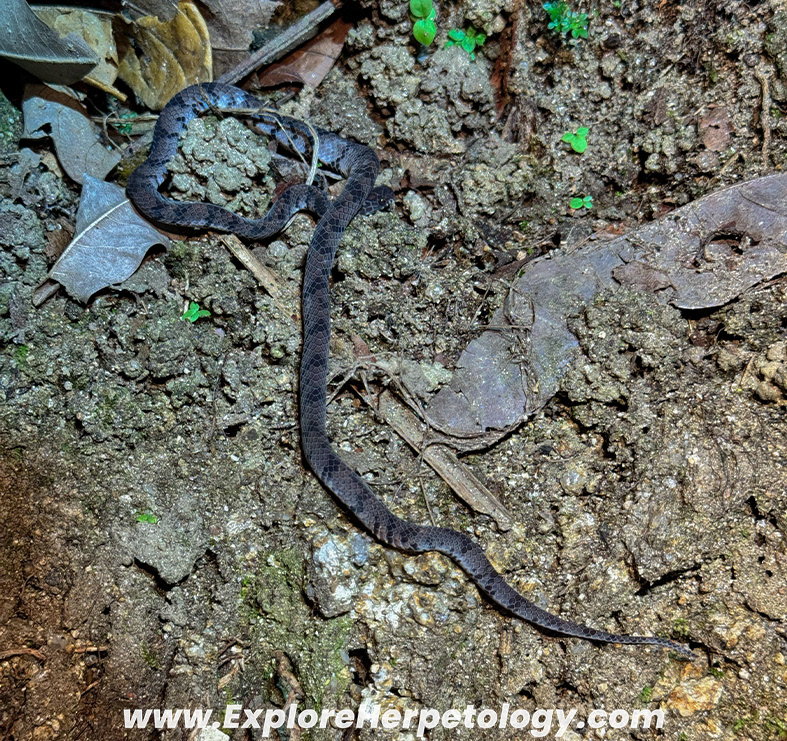
Smooth slug snake (Asthenodipsas laevis).
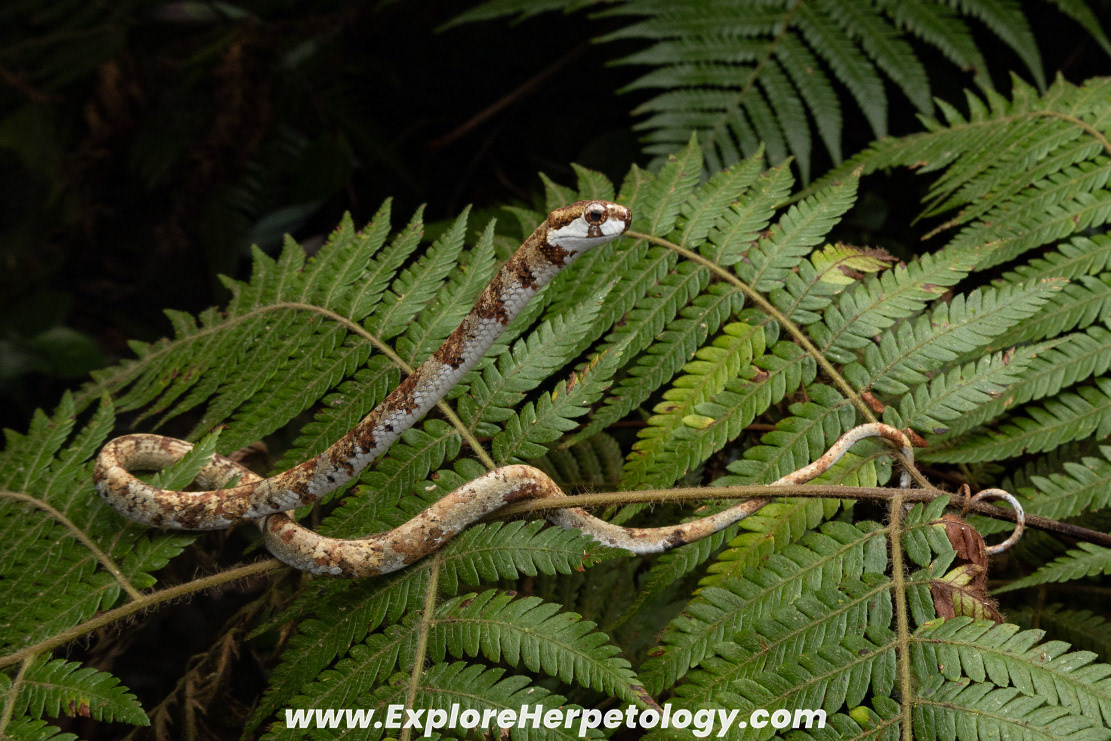
Blunt-headed slug snake (Aplopeltura boa).
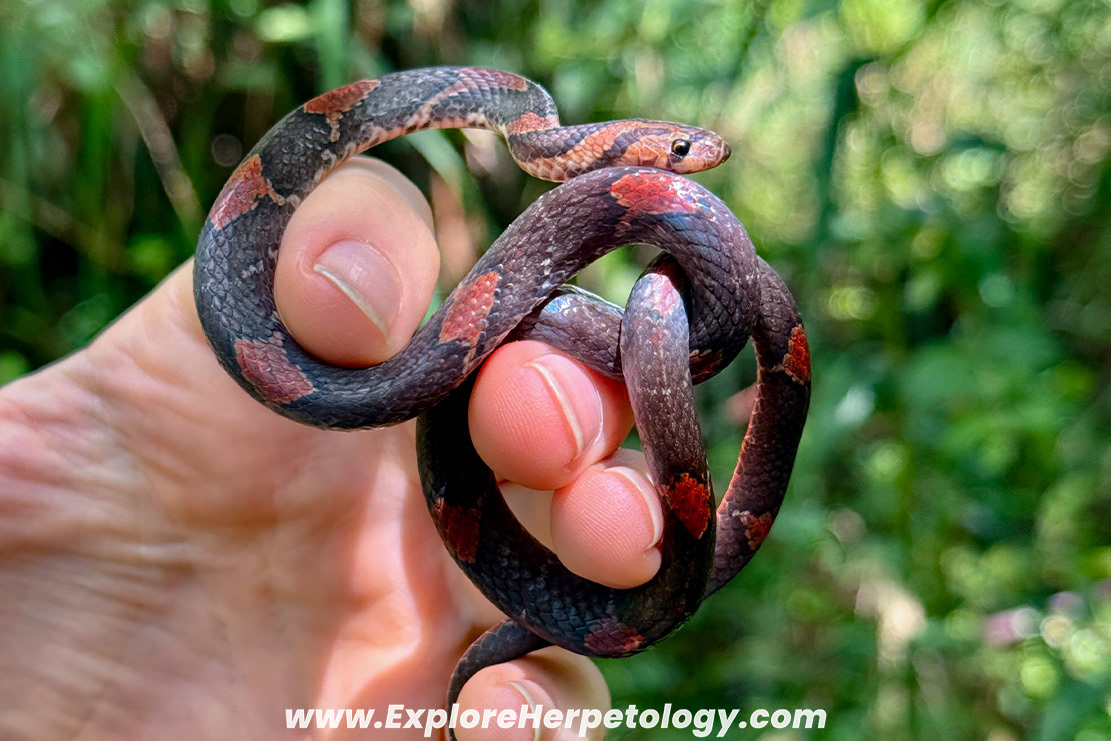
Rusty-barred kukri snake
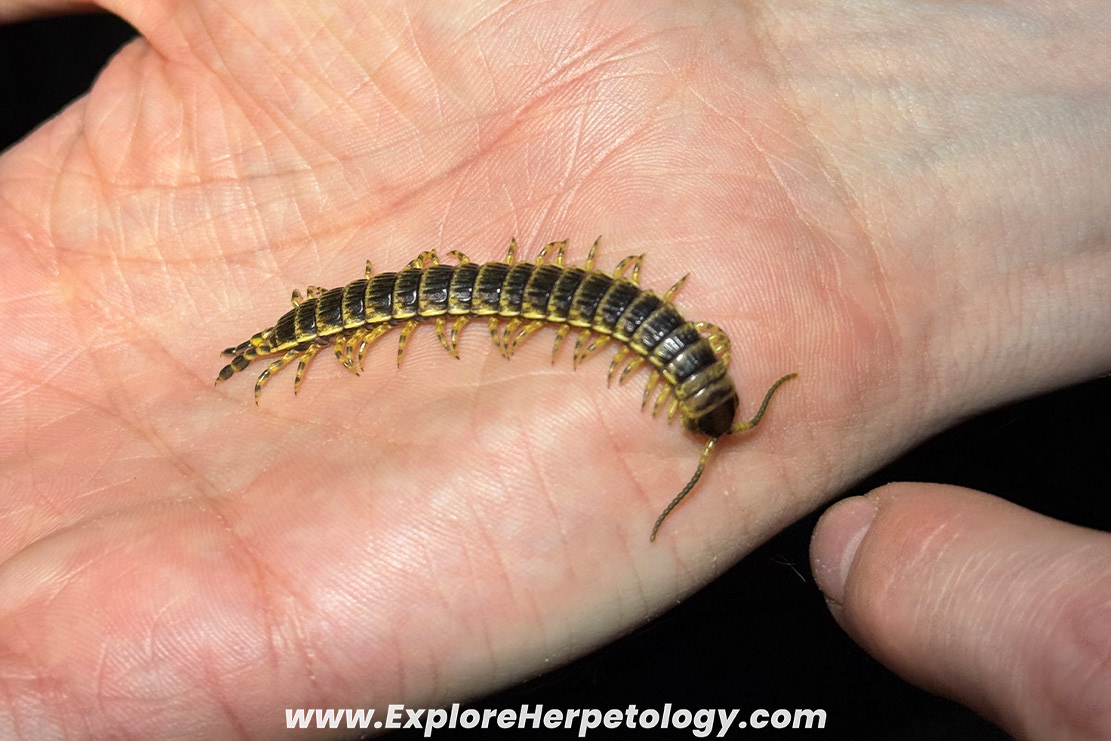
Millipede eating centipede (Edentistoma sp.)
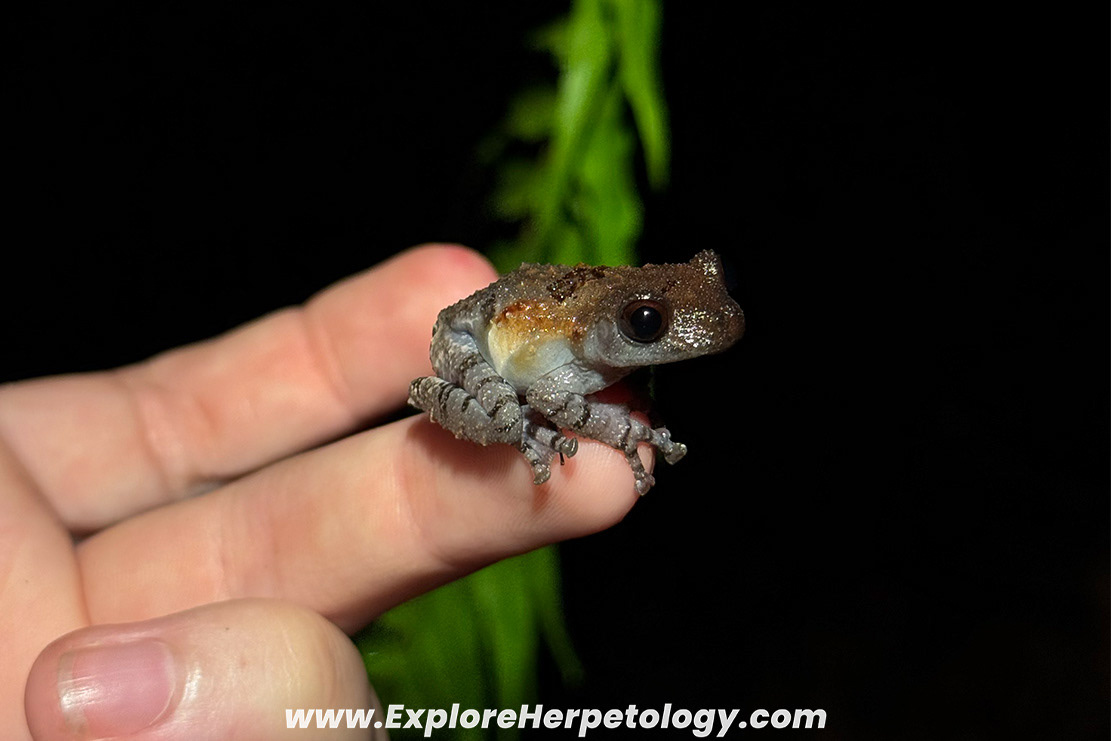
Pied bug-eyed frog (Theloderma asperum).
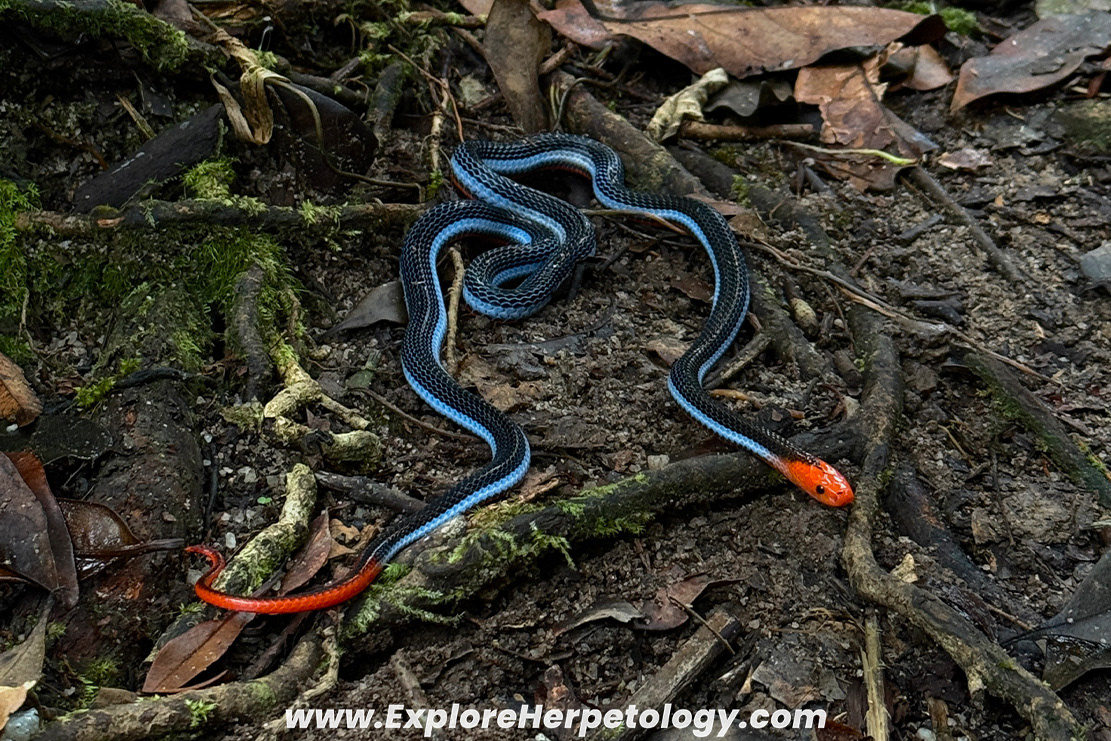
Malaysian blue coral snake (Calliophis bivirgata flaviceps).
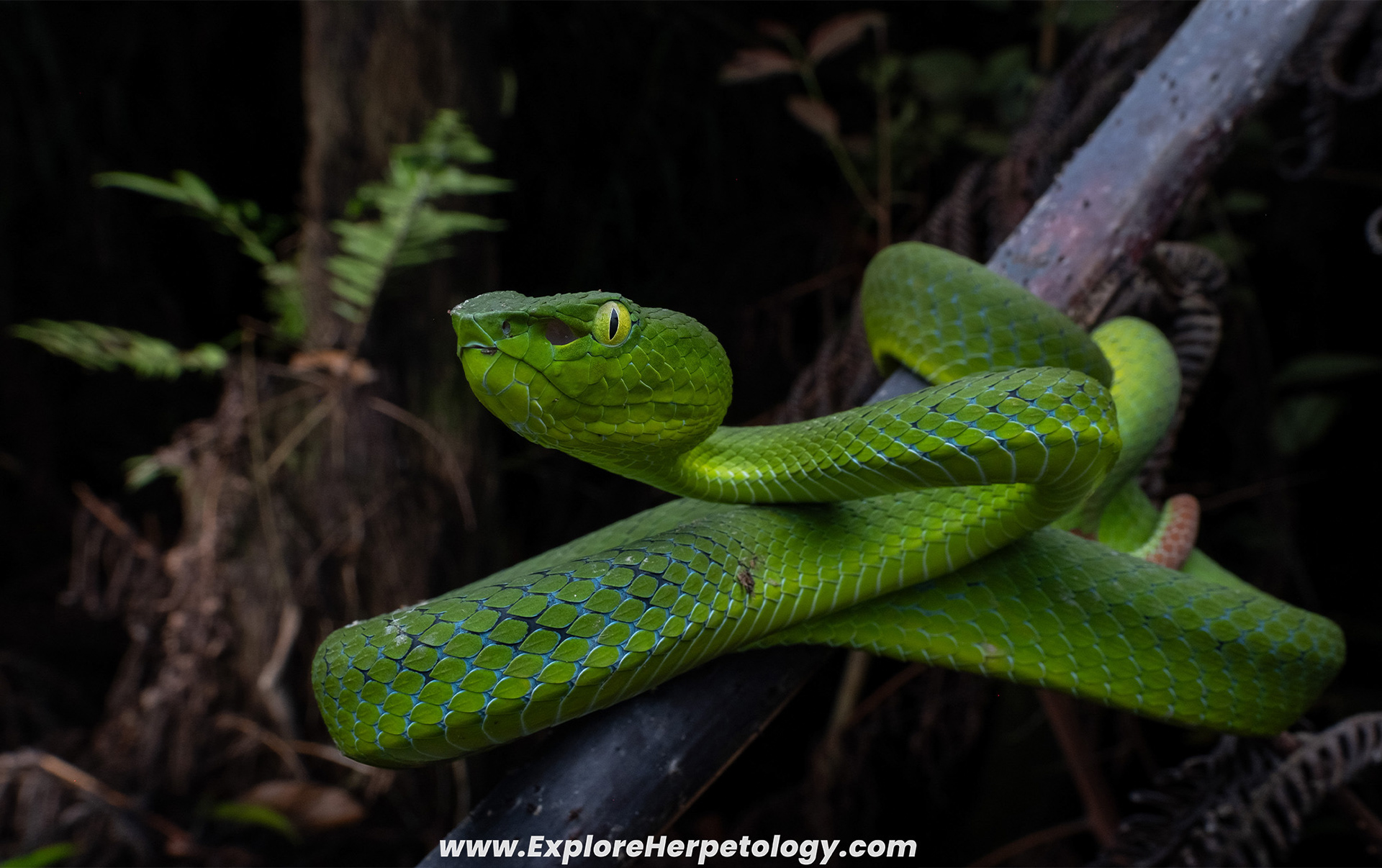
Thai-peninsula pit viper (Trimeresurus sabahi fucatus).
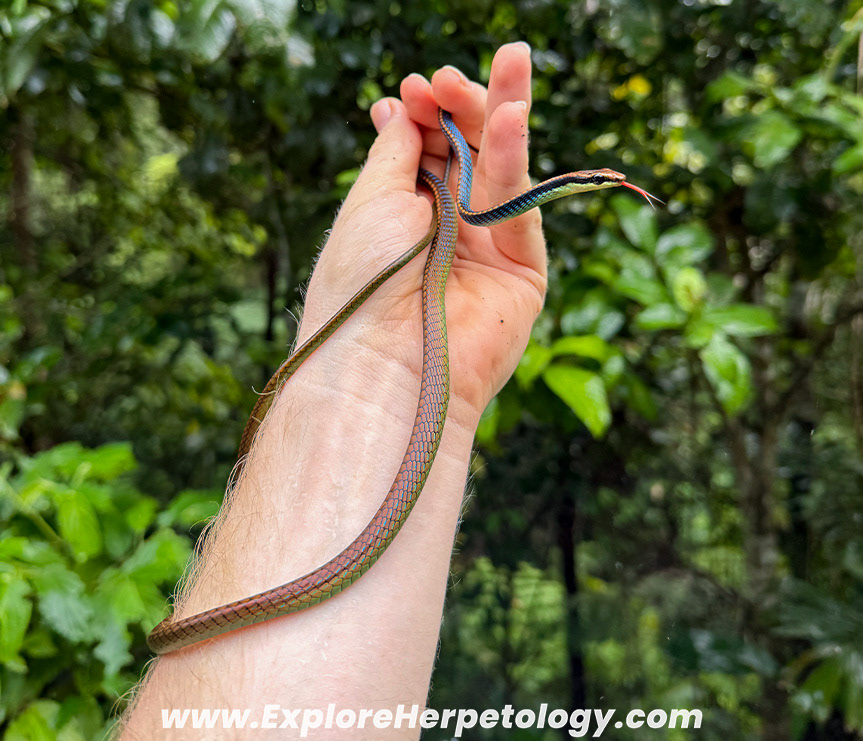
Blue bronzeback (Dendrelaphis cyanochloris).
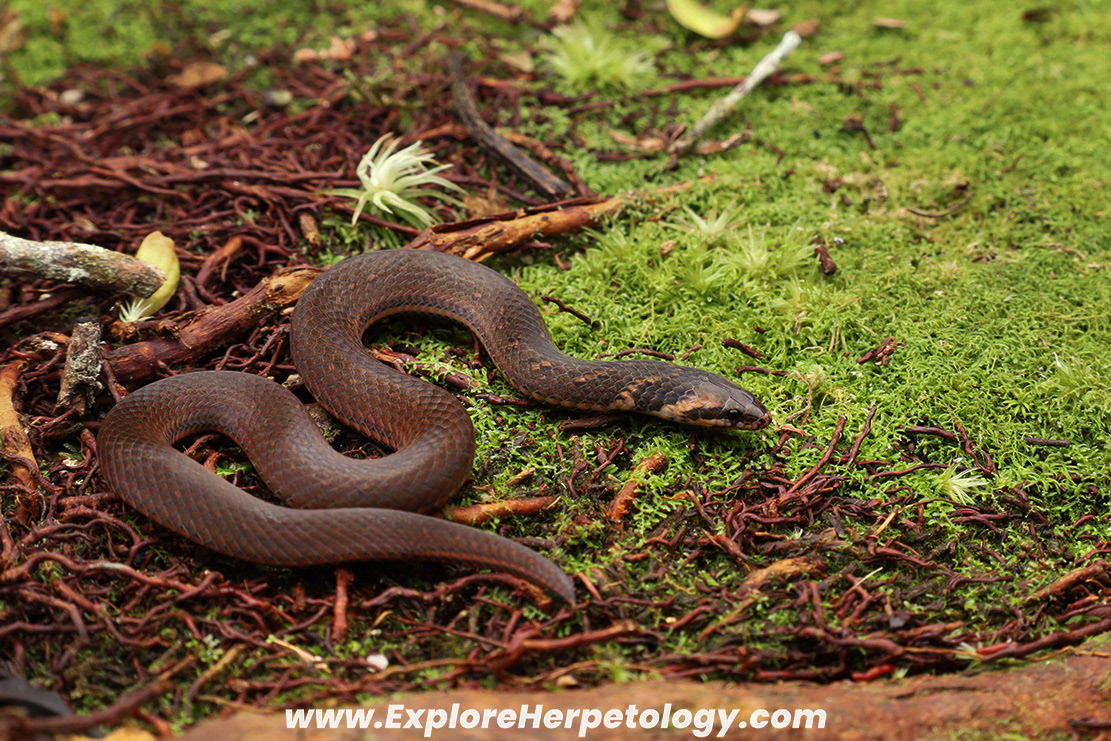
Chan-ard's reed snake (Macrocalamus chanardi).
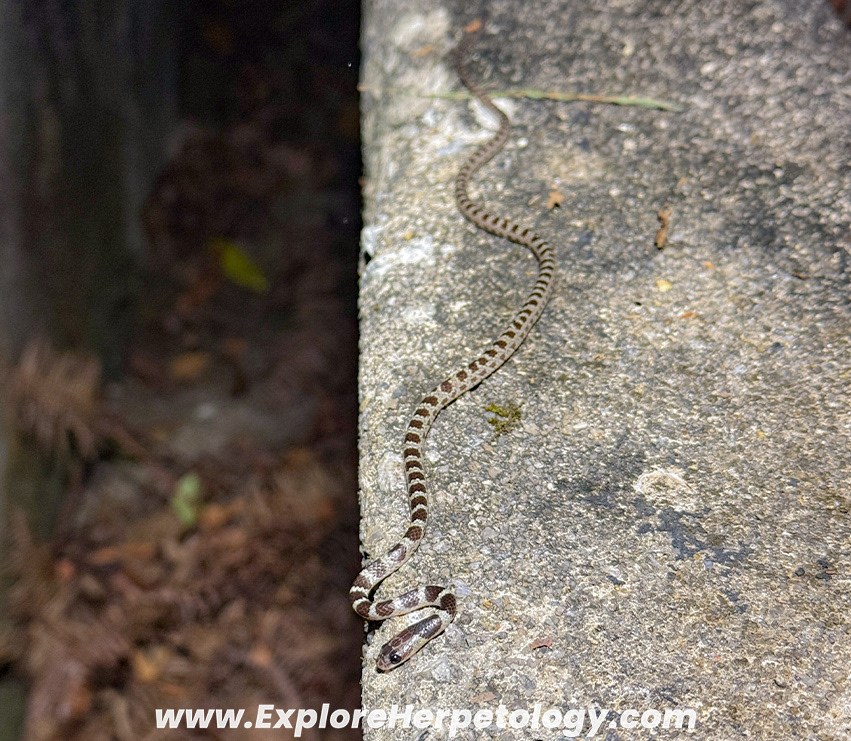
Malayan bridle snake (Dryocalamus subannulatus).
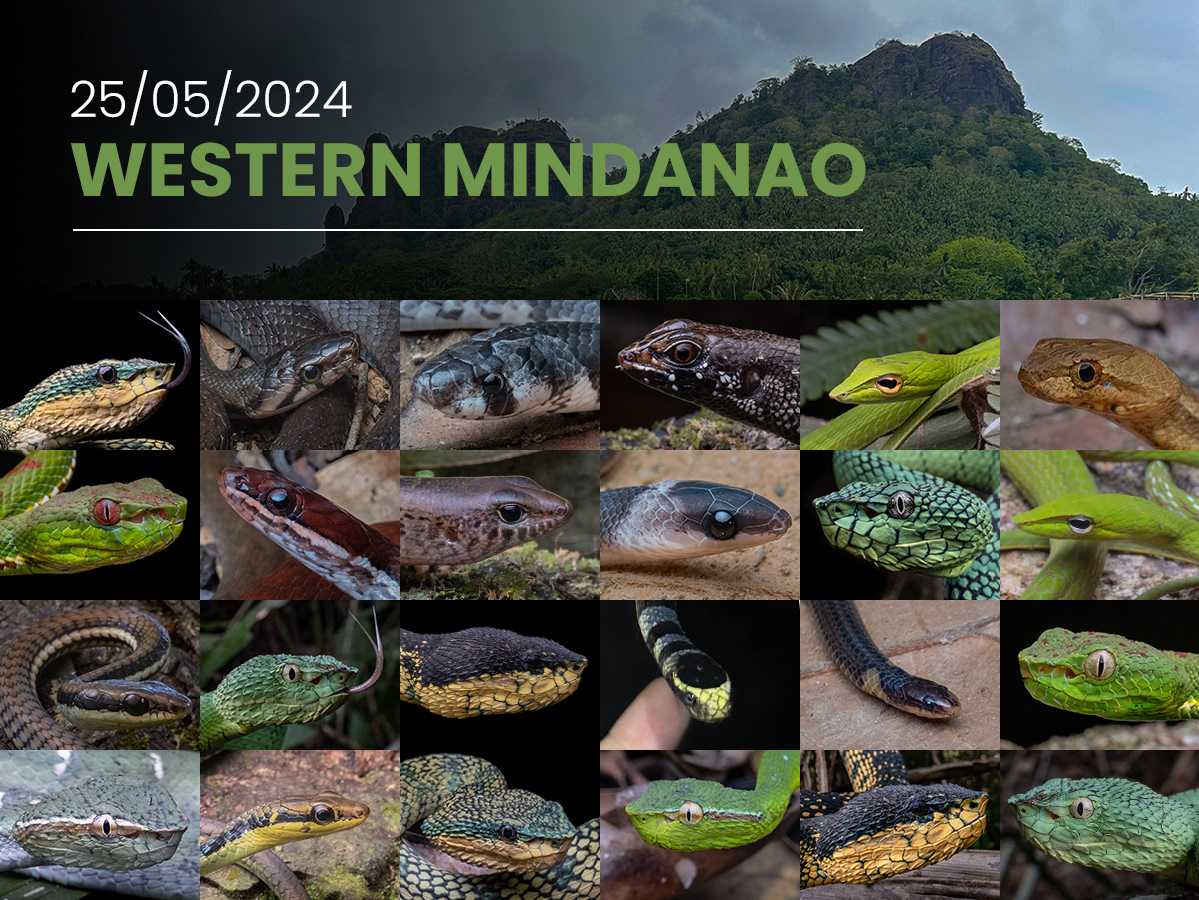
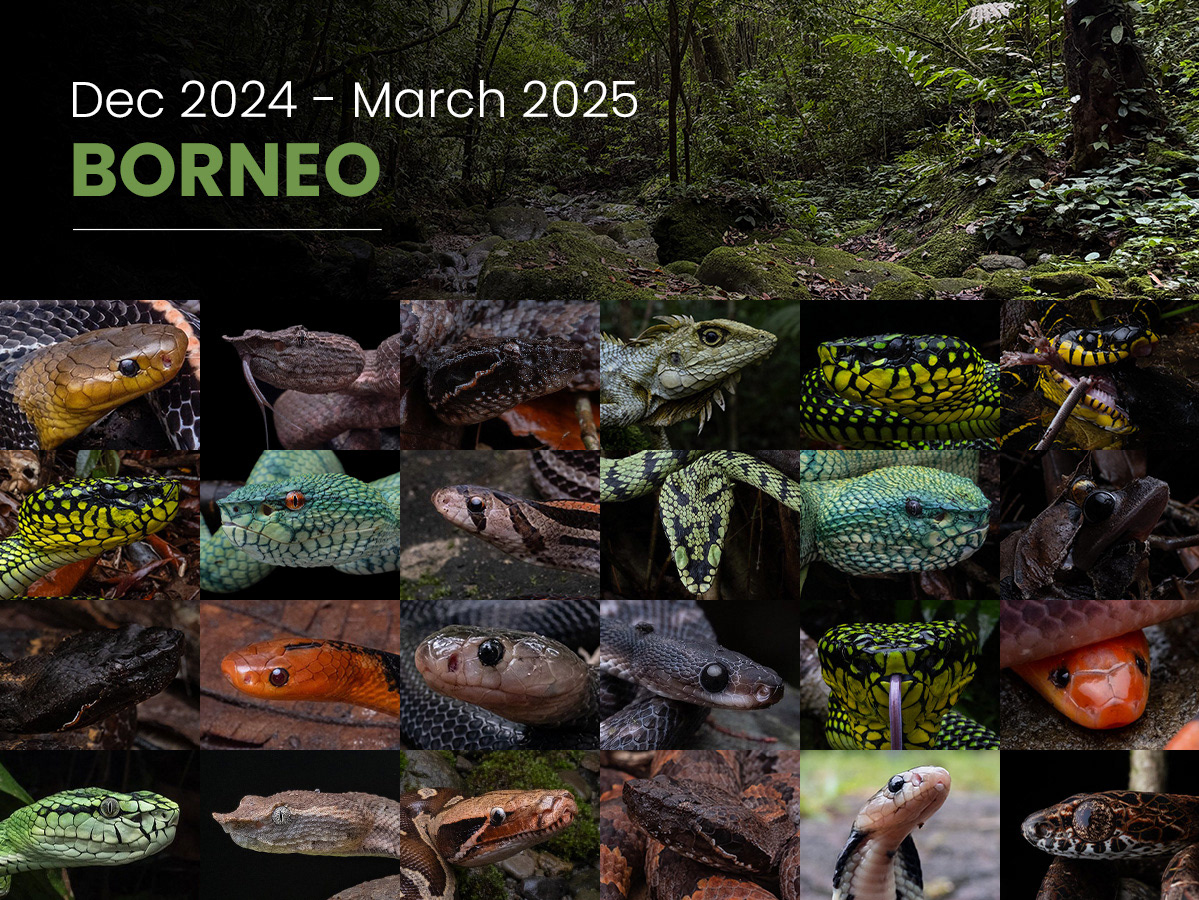
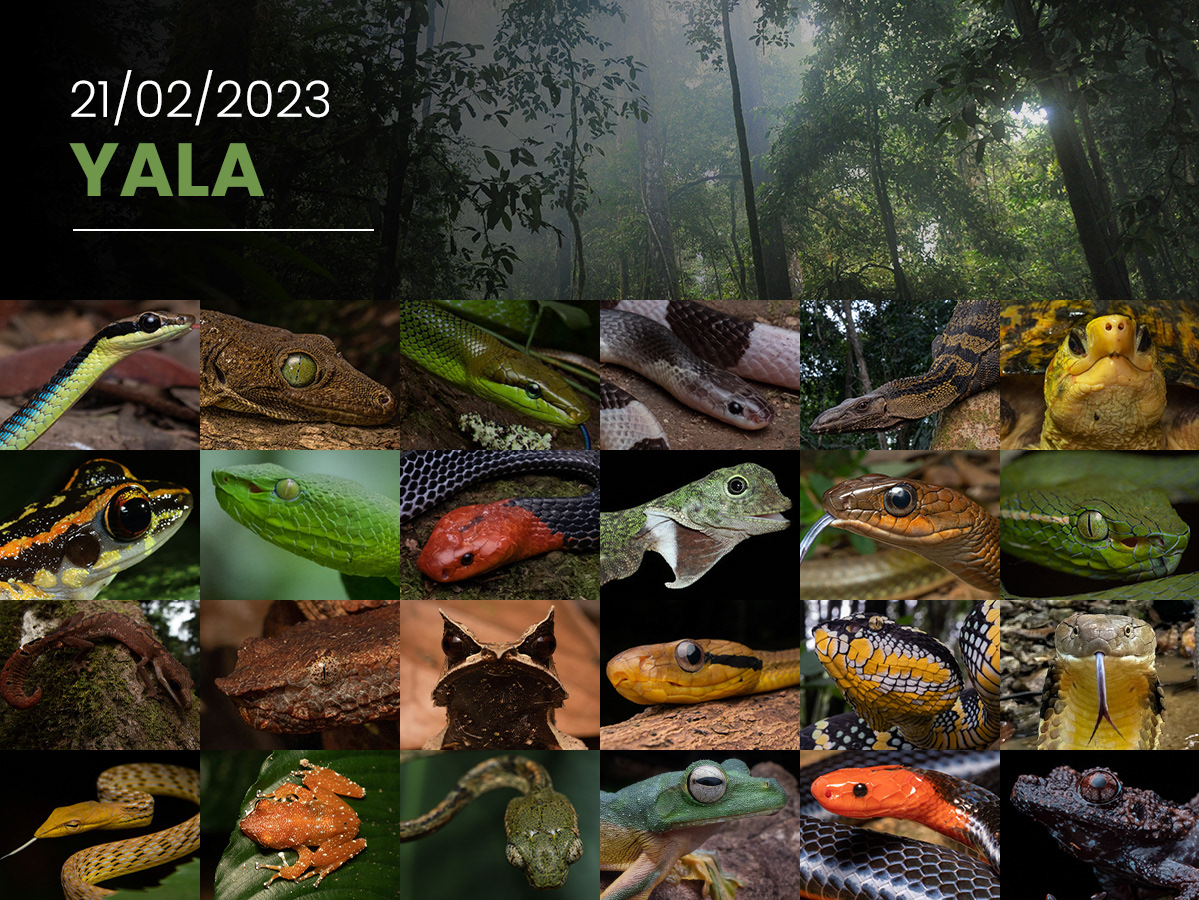
That concludes our trip report for this Peninsula Malaysia flagship expedition. While we have certainly experienced much better weather conditions and activity levels at these sites in the past, the quality of our staff shone through and we were still able to smash our species counts from the previous two expeditions. Moreover, we found our goal of six viper species (all the species we had a realistic shot at finding on this trip), and five elapid species - the most on one expedition since our legendary six-elapid Yala tour in February 2023.
To join our next Expedition Malaysia (10th - 20th December 2026), click here!
Pictures by Rikke, Rupert, David and Marcus.
FULL SNAKES SPECIES LIST:
Pareatidae:
1. Aplopeltura boa
2. Asthenodipsas laevis
3. Asthenodipsas lasgalenensis
4. Asthenodipsas vertebralis
5. Pareas carinatus
6. Pareas margaritophorus
1. Aplopeltura boa
2. Asthenodipsas laevis
3. Asthenodipsas lasgalenensis
4. Asthenodipsas vertebralis
5. Pareas carinatus
6. Pareas margaritophorus
Colubridae:
1. Ahaetulla mycterizans
2. Ahaetulla prasina
3. Boiga bengkuluensis
4. Boiga cynodon
5. Boiga drapiezii
6. Boiga melanota
7. Boiga nigriceps
8. Calamaria schlegeli
9. Chrysopelea pelias
10. Coelognathus flavolineatus
11. Dendrelaphis cyanochloris
12. Dendrelaphis formosus
13. Dryocalamus subannulatus
14. Hebius inas
15. Lycodon albofuscus
16. Lycodon butleri
17. Lycodon effraenis
18. Lycodon subcinctus
19. Macrocalamus chanardi
20. Macrocalamus emas
21. Macrocalamus schulzi
22. Macrocalamus tweediei
23. Oligodon purpurascens
24. Oligodon signatus
25. Pseudorabdion longiceps
26. Rhabdophis chrysargos
1. Ahaetulla mycterizans
2. Ahaetulla prasina
3. Boiga bengkuluensis
4. Boiga cynodon
5. Boiga drapiezii
6. Boiga melanota
7. Boiga nigriceps
8. Calamaria schlegeli
9. Chrysopelea pelias
10. Coelognathus flavolineatus
11. Dendrelaphis cyanochloris
12. Dendrelaphis formosus
13. Dryocalamus subannulatus
14. Hebius inas
15. Lycodon albofuscus
16. Lycodon butleri
17. Lycodon effraenis
18. Lycodon subcinctus
19. Macrocalamus chanardi
20. Macrocalamus emas
21. Macrocalamus schulzi
22. Macrocalamus tweediei
23. Oligodon purpurascens
24. Oligodon signatus
25. Pseudorabdion longiceps
26. Rhabdophis chrysargos
Elapidae:
1. Bungarus candidus
2. Bungarus flaviceps
3. Calliophis bivirgata
4. Calliophis intestinalis
5. Naja sumatrana
1. Bungarus candidus
2. Bungarus flaviceps
3. Calliophis bivirgata
4. Calliophis intestinalis
5. Naja sumatrana
Psammodynastidae:
1. Psammodynastes pulverulentus
1. Psammodynastes pulverulentus
Viperidae:
1. Ovophis convictus
2. Trimeresurus hageni
3. Trimeresurus nebularis
4. Trimeresurus sabahi fucatus
5. Trimeresurus sumatranus
6. Tropidolaemus wagleri
1. Ovophis convictus
2. Trimeresurus hageni
3. Trimeresurus nebularis
4. Trimeresurus sabahi fucatus
5. Trimeresurus sumatranus
6. Tropidolaemus wagleri
Xenopeltidae:
1. Xenopeltis unicolor
1. Xenopeltis unicolor
Total species: 45