
Date: Contact us *maximum 1 month* prior to book this tour.
Difficulty: Accessible for those of all ages and abilities.
Participants: 1-10
Maximum days: 3
What is it?
The Singapore Herping Tour is a dynamic wildlife watching tour with a huge variety of available experiences.
One can book both daytime and night walks to search for snakes, amphibians, invertebrates, birds and mammals across all habitats.
Reserve anywhere from one to three days of exhilerating herping with local experts, and encounter mesmeric reptiles and so much more!
This tour is suitable for experienced herpers, families, beginners and other inquisitive naturalists.
What can we find?
With over 60 species of snake recorded from the island, the potential finds each walk are almost limitless. One of the most significant species which we commonly encounter on night hikes is the iconic Wagler’s pit viper (Tropidolaemus wagleri), while Mangrove cat snake (Boiga melanota), Kopstein’s bronzeback (Dendrelaphis kopsteini) and oriental vine snake (Ahaetulla prasina) are also frequently encountered in the Singapore's forested areas.
Across our 2 years of operations in Singapore, our guides have garnered a reputation for being able to regularly find the world-famous Malaysian blue coral snake (Calliophis bivirgata), as well as Sumatran spitting cobra (Naja sumatrana) during daytime hikes.
Away from the evergreen rainforests, one can also visit coastal mangrove systems where another unique diversity of snakes occur. Mangrove pit vipers (Trimeresurus purpureomaculatus) are common, while unique species such as Cantor’s mangrove snake (Cantoria violacea) and the marine file snake (Acrochordus granulatus) can also be found.
The mangroves are also home to saltwater crocodiles (Crocodylus porosus) and Sunda king cobra (Ophiophagus bungarus), both active during the daytime.
The cinnamon frog (Nictyxalus pictus) and black-eyed litter frog (Leptobrachium nigrops) are two remarkable amphibians we see frequently, while both water monitor (Varanus salvator) and clouded monitor (Varanus nebulosus) are common.
Mammals such as the Sunda pangolin (Manis javanica), leopard cat (Prionailurus javanensis) and slow loris (Nycticebus coucang) also appear during our night and daytime walks, while daytime hikes can also be highly productive for colourful tropical birds.
How does it work?
Contact us within one month prior to inquire about availability and we will arrange the dates for the tour.
Our guides will contact you at most one week before and send you a specific meeting location which is easily accessible by car or public transport.
We will meet at an agreed time. For daytime walks, the meeting time is usually around 9am. For night walks, the meeting time is 8pm.
After a brief introductory talk and safety briefing, we will venture into the forest. Night walks typically finish around midnight, but can finish earlier at your request. Once the trip is finished, we will part ways from the location and you will make your own way ‘home’.
How much does it cost?
The price for the Singapore Herping Tour is $180 Singapore Dollars for one person, increasing by only $30SGD for each additional person.
If you wish to reserve both a daytime and night walk for one day, the price is $280SGD for one person ($30SGD for additional guests still applies).
Where is it?
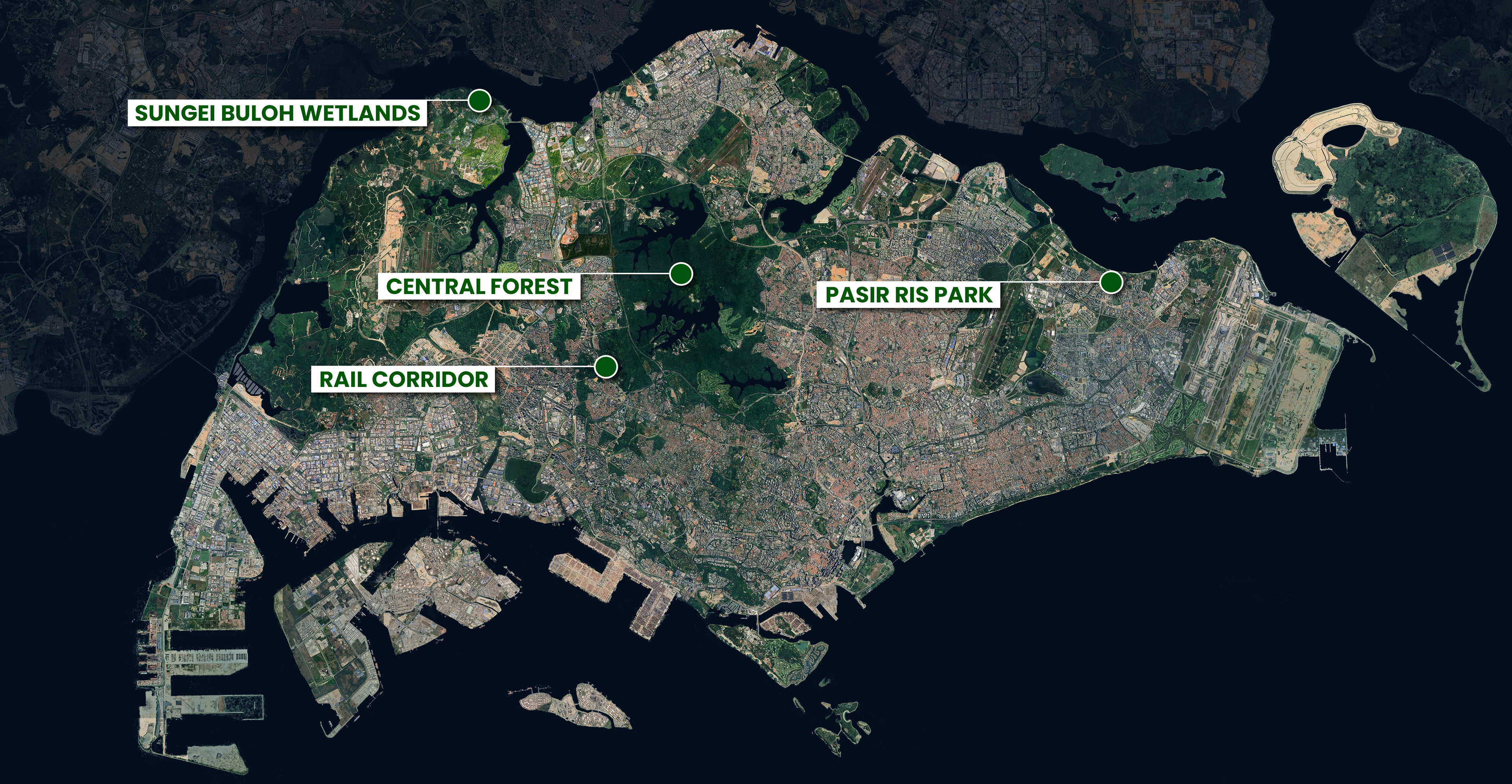
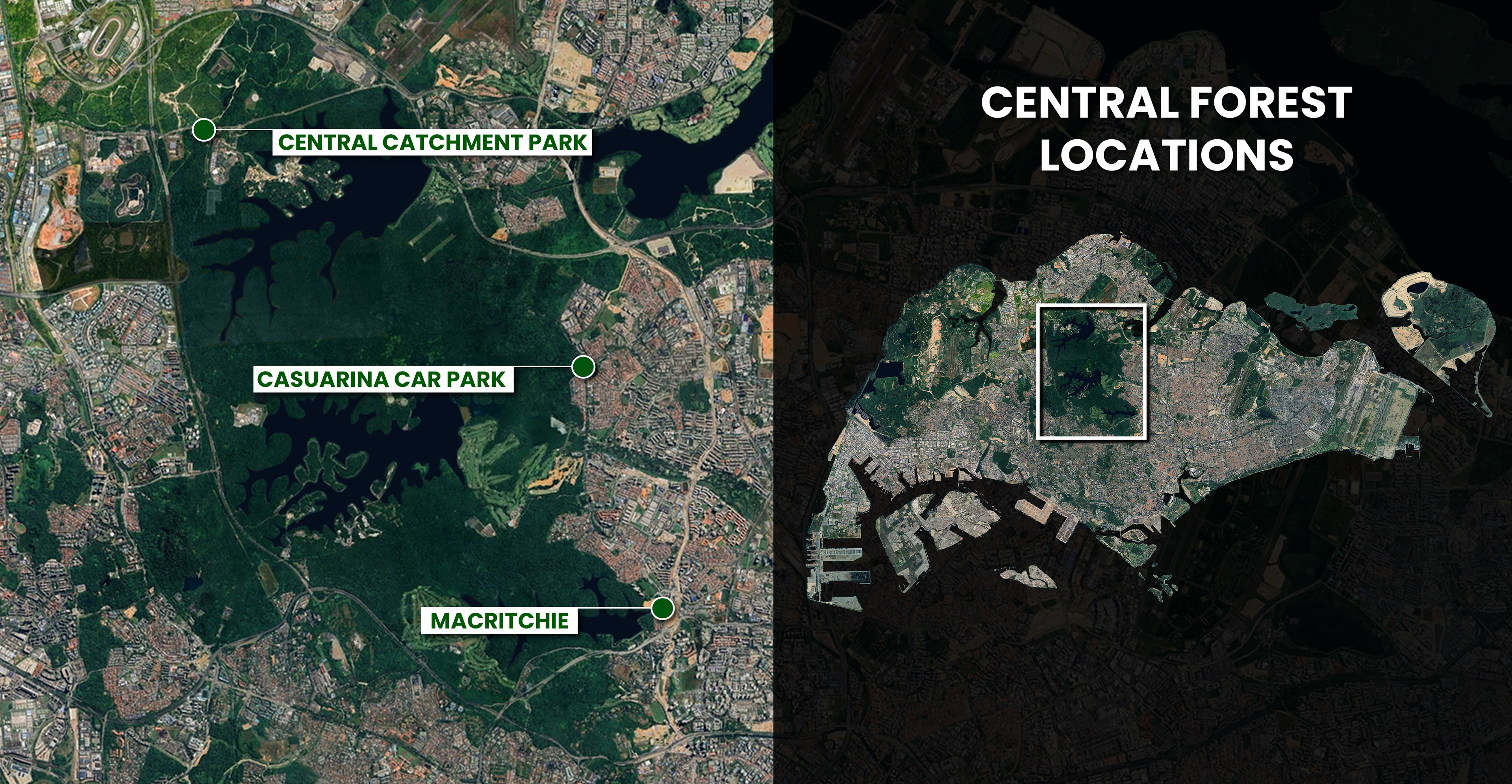
- Central Catchment Reserve: daytime and night walks for tropical forest-dwelling wildlife.
- Pasir Ris Park: Nighttime walks for mangrove dwelling species.
- Rail Corridor: Night & daytime walks in tropical rainforest edge habitat.
- Sungai Buloh Reserve: Daytime walks in brackish mangrove habitat.
Contact us for booking.
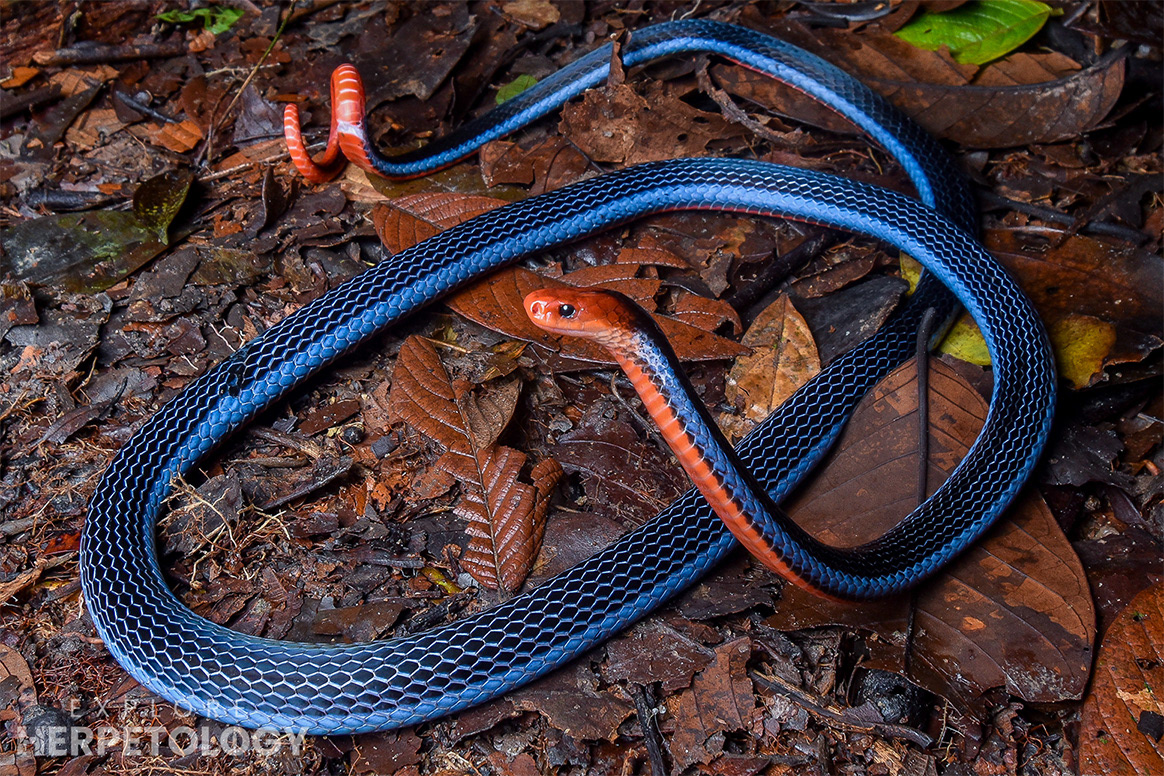
Blue coral snake (Calliophis bivirgata flaviceps).
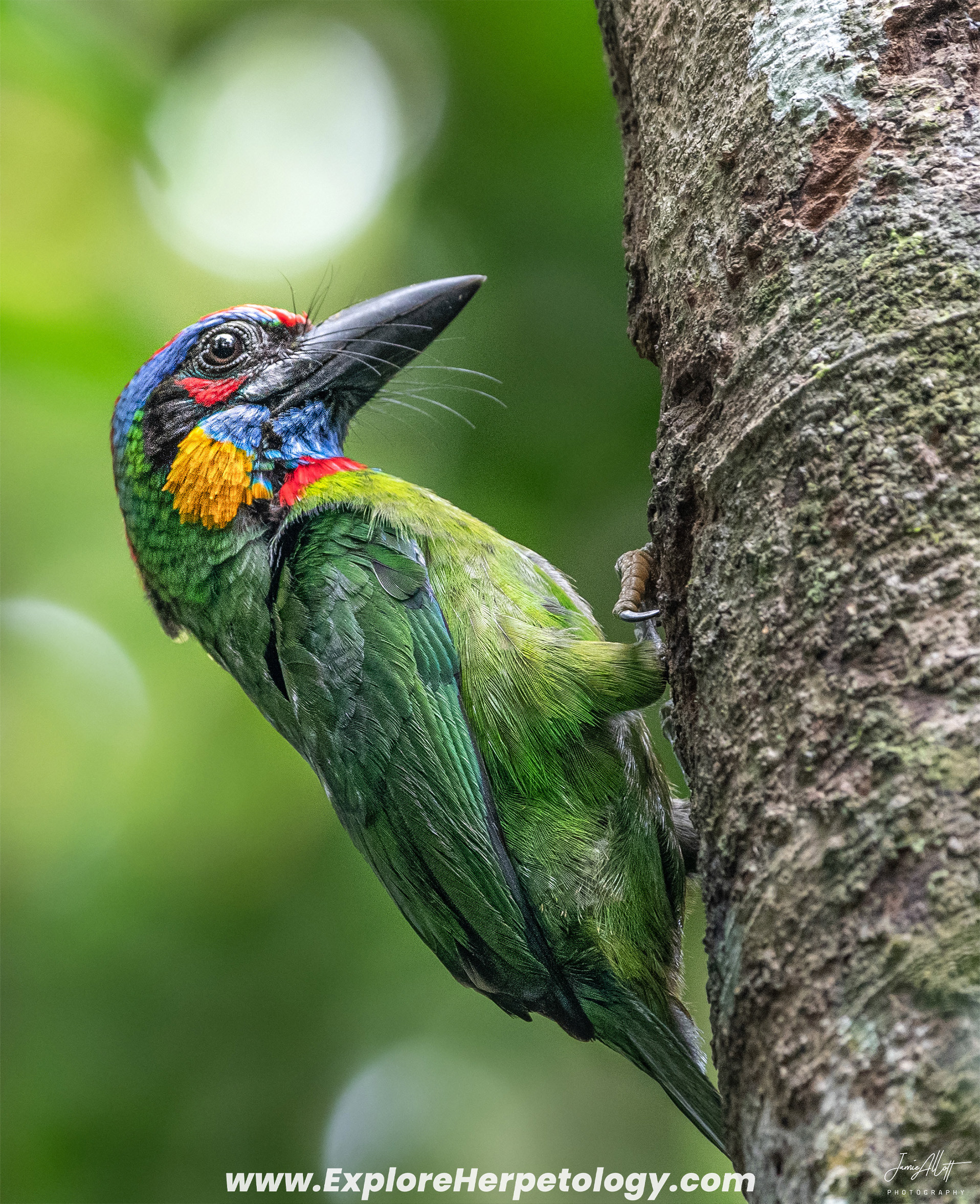
Red-crowned barbet.
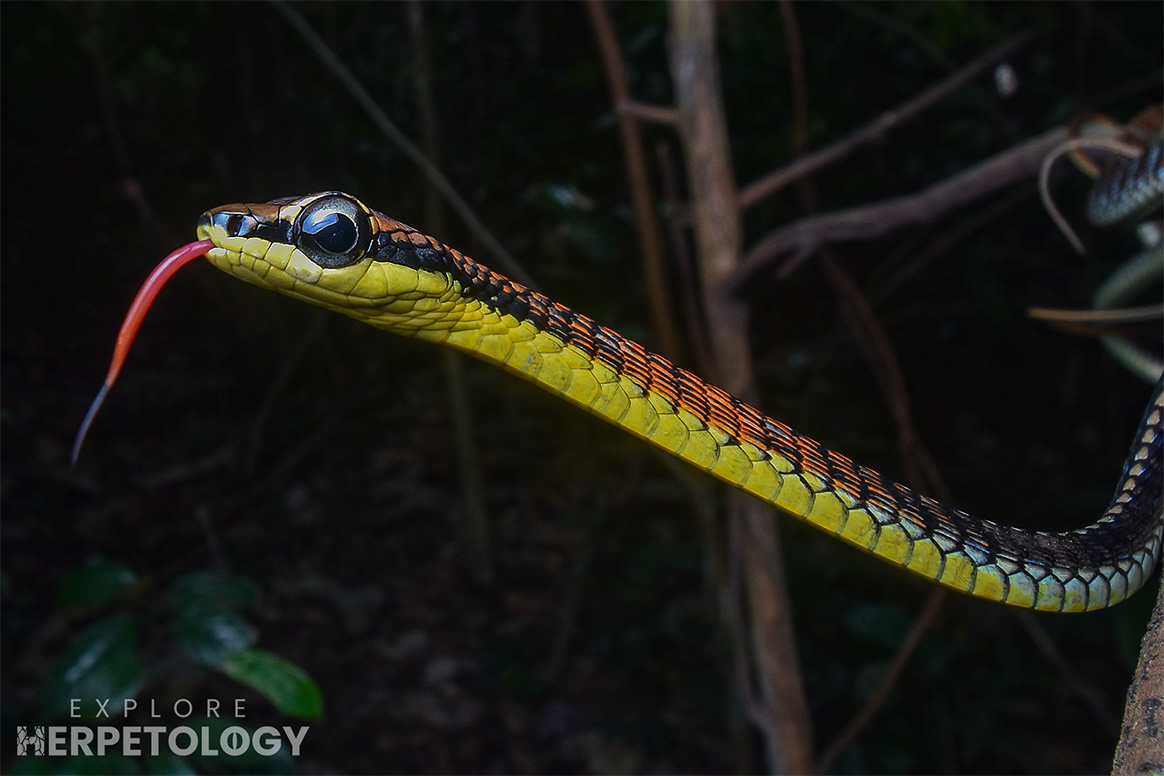
Kopstein's bronzeback (Dendrelaphis kopsteini).
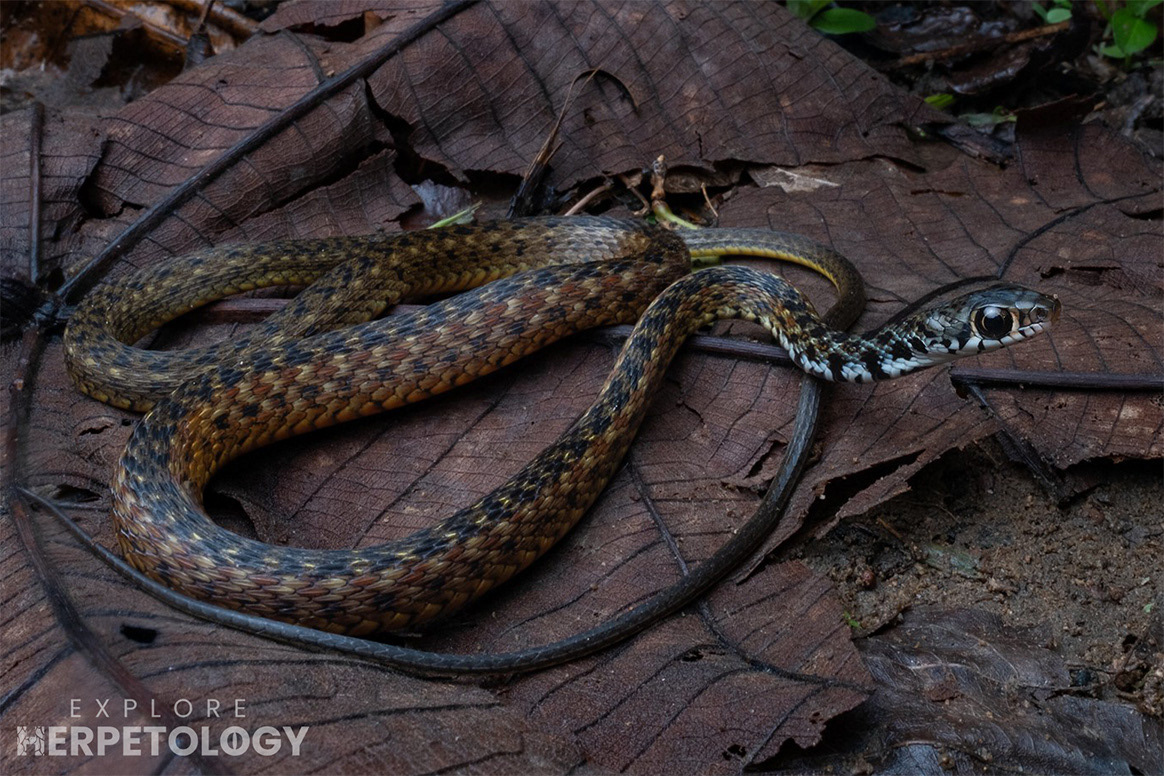
Malayan spotted keelback (Xenochrophis maculatus).
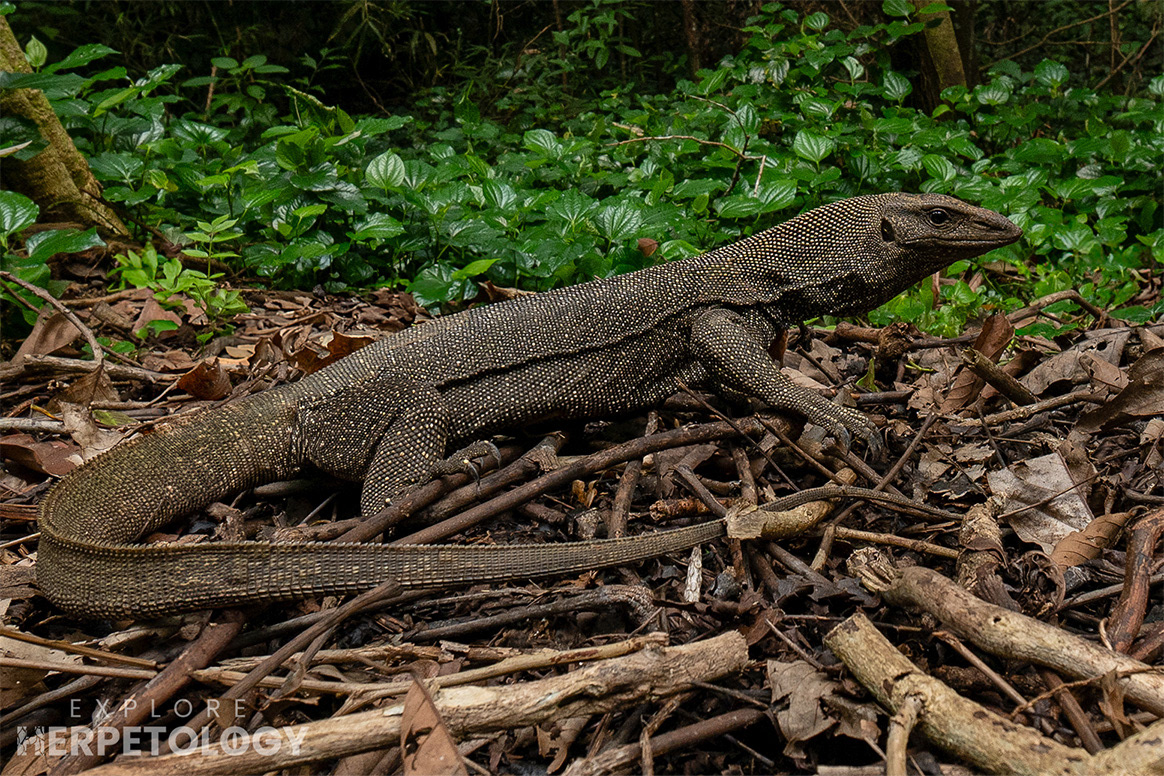
Bengal monitor (Varanus bengalensis).
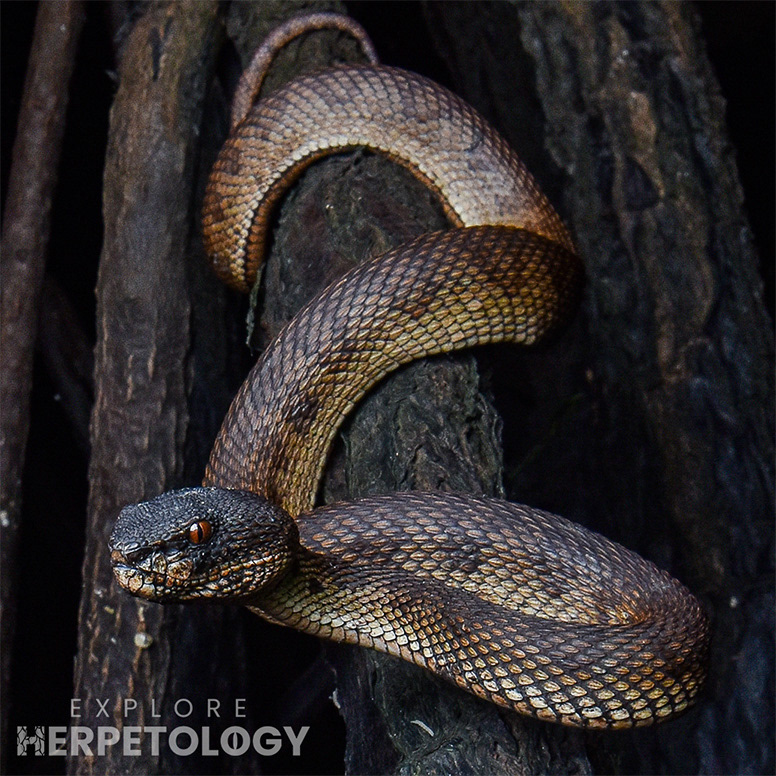
Mangrove pit viper (Trimeresurus purpureomaculatus).
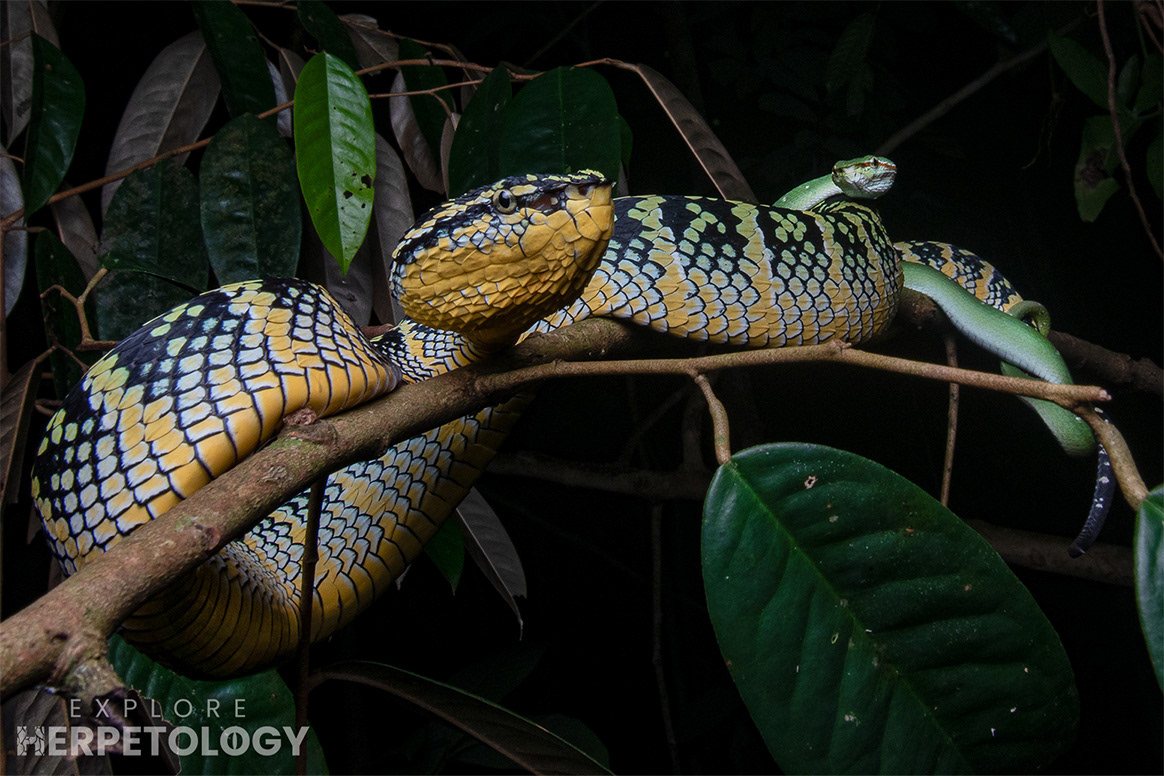
Wagler's pit vipers (Tropidolaemus wagleri).
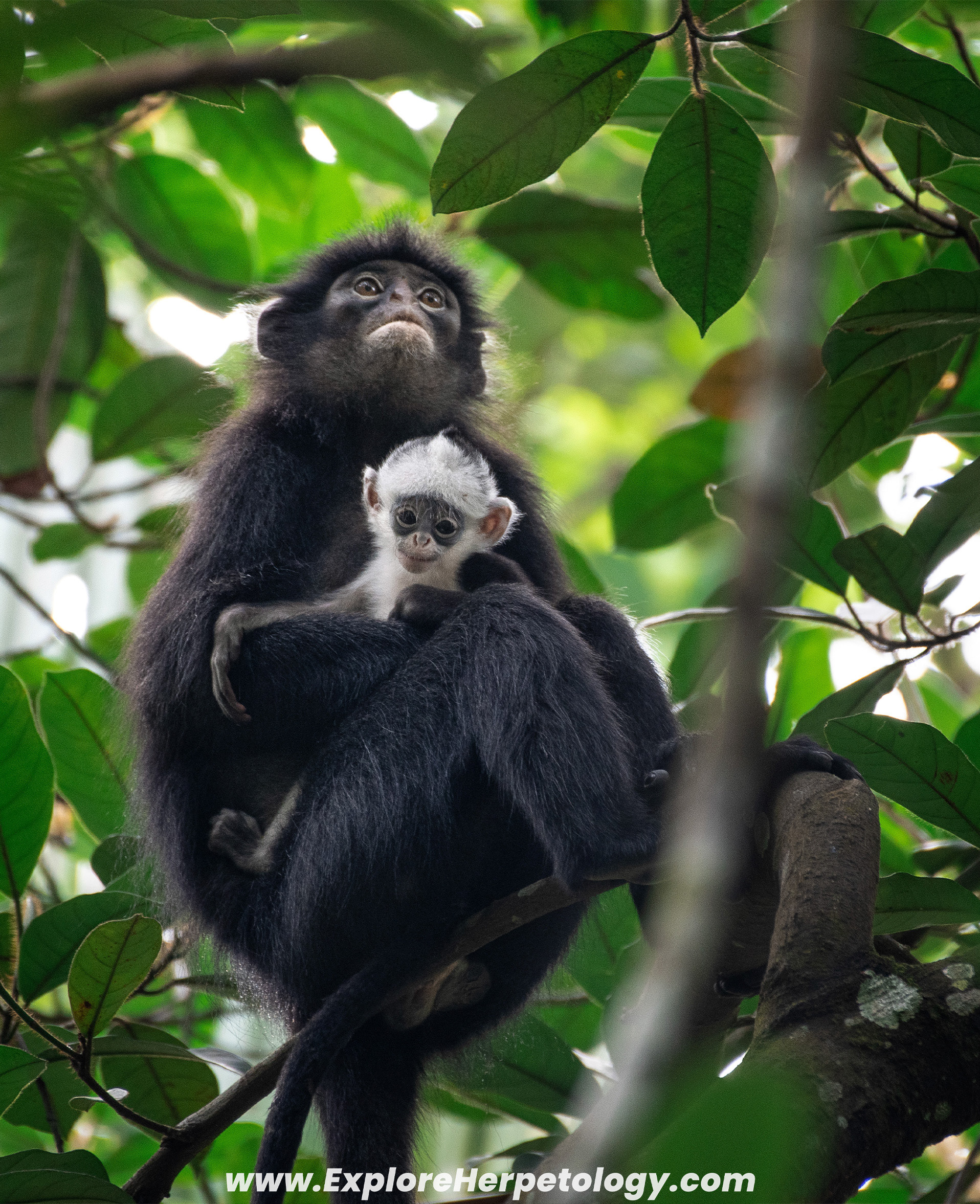
Raffles banded langur.
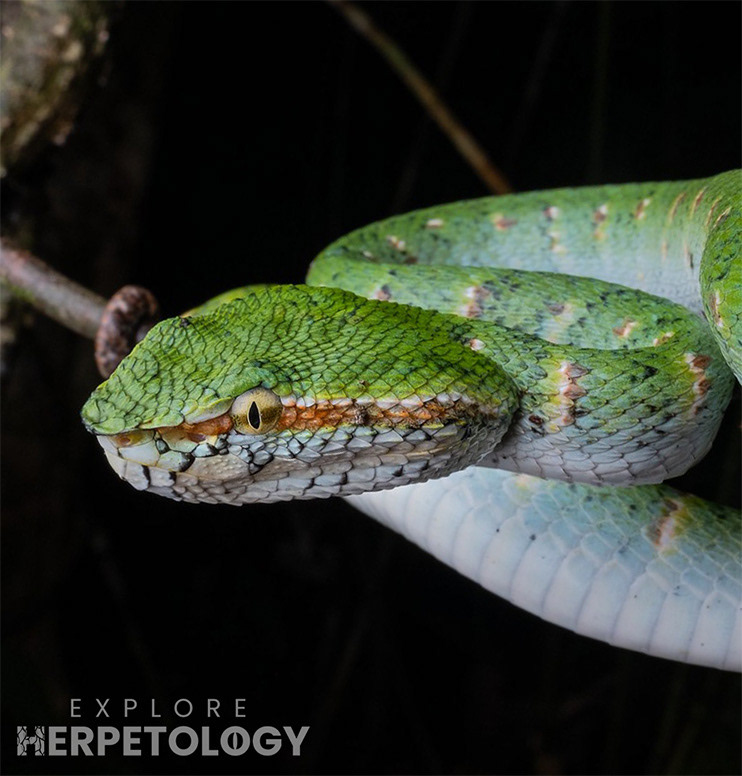
Wagler's pit viper (Tropidolaemus wagleri).
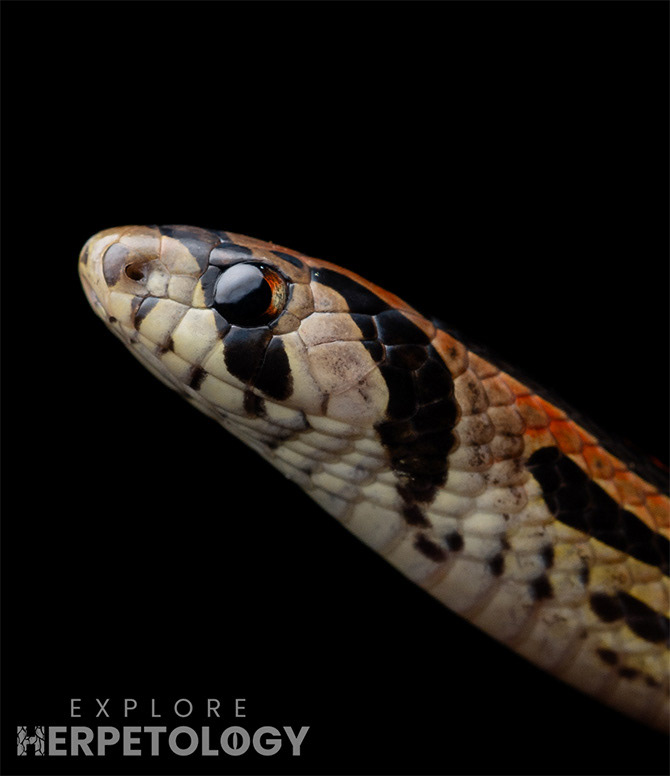
Eight-lined kukri snake (Oligodon octolineatus).
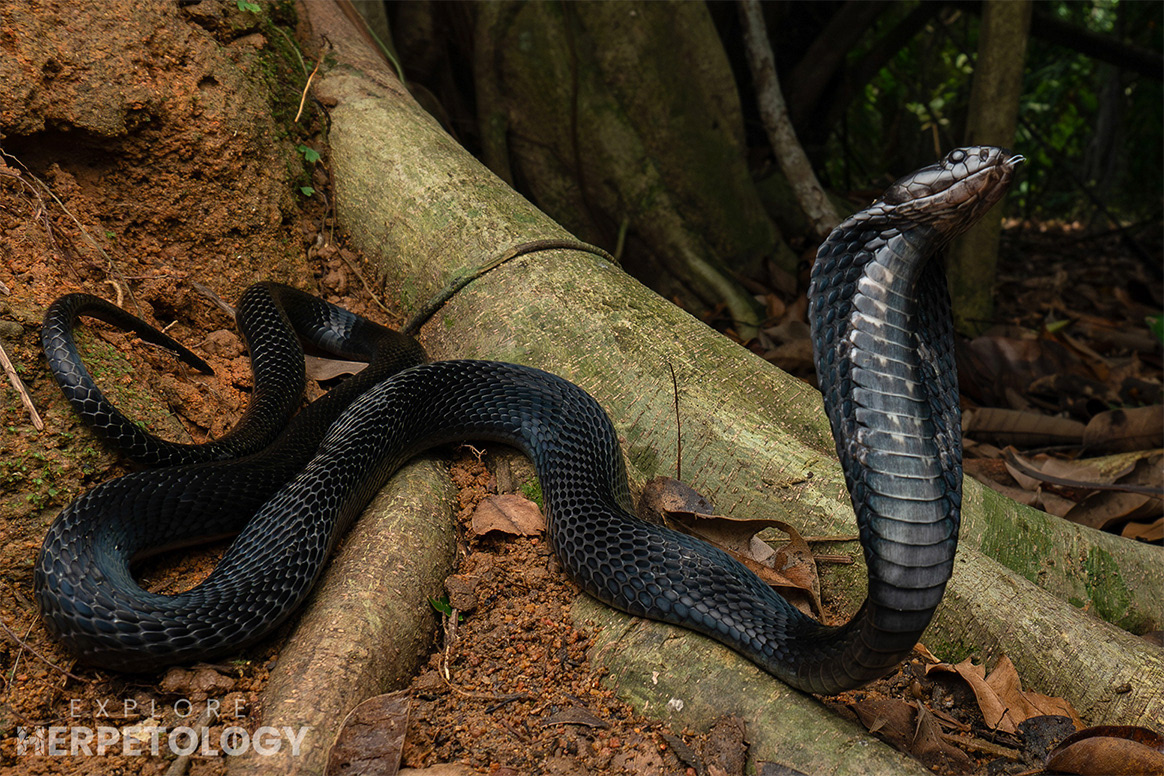
Sumatran spitting cobra (Naja sumatrana).
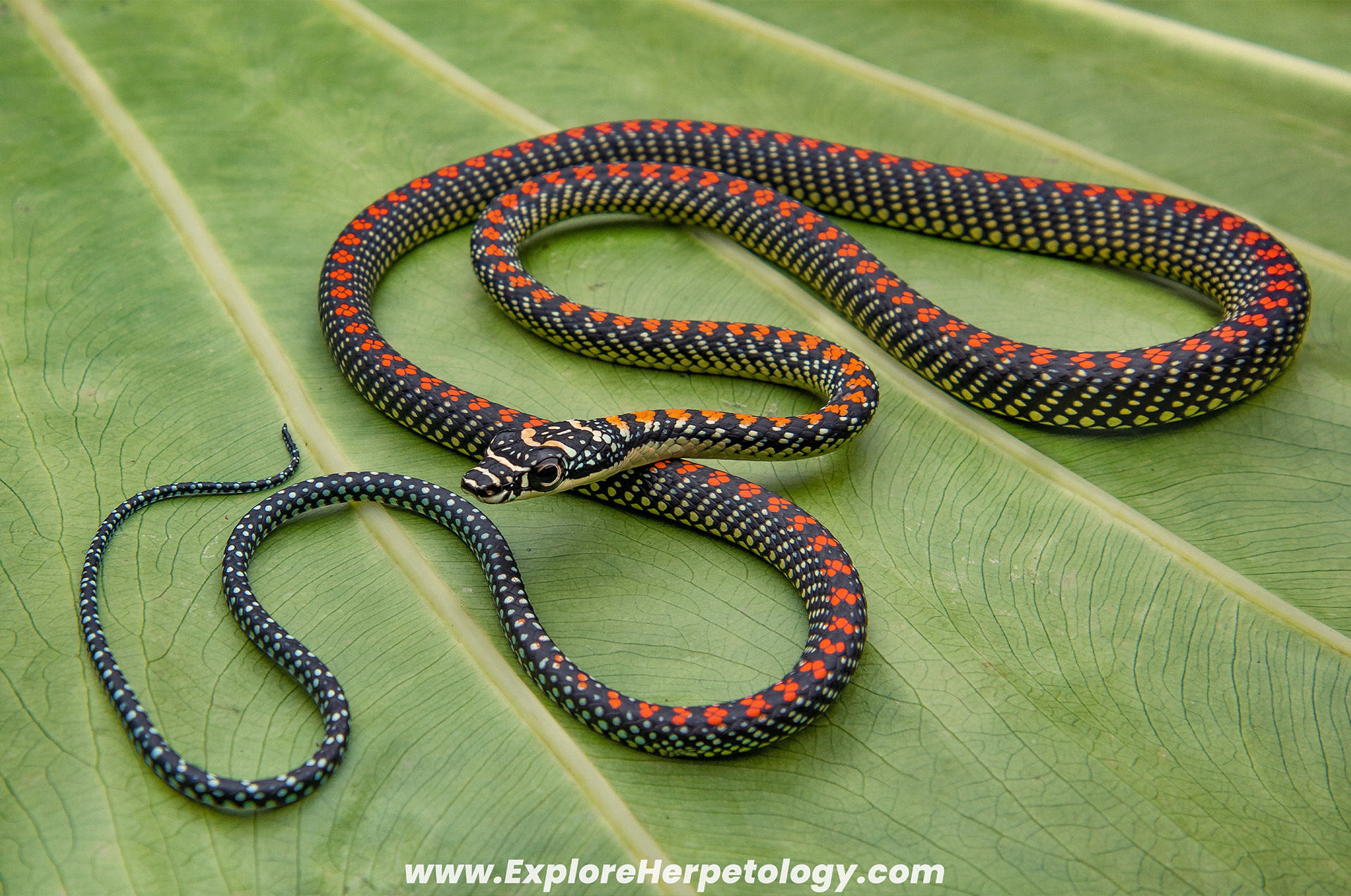
Paradise flying snake (Chrysopelea paradisi).
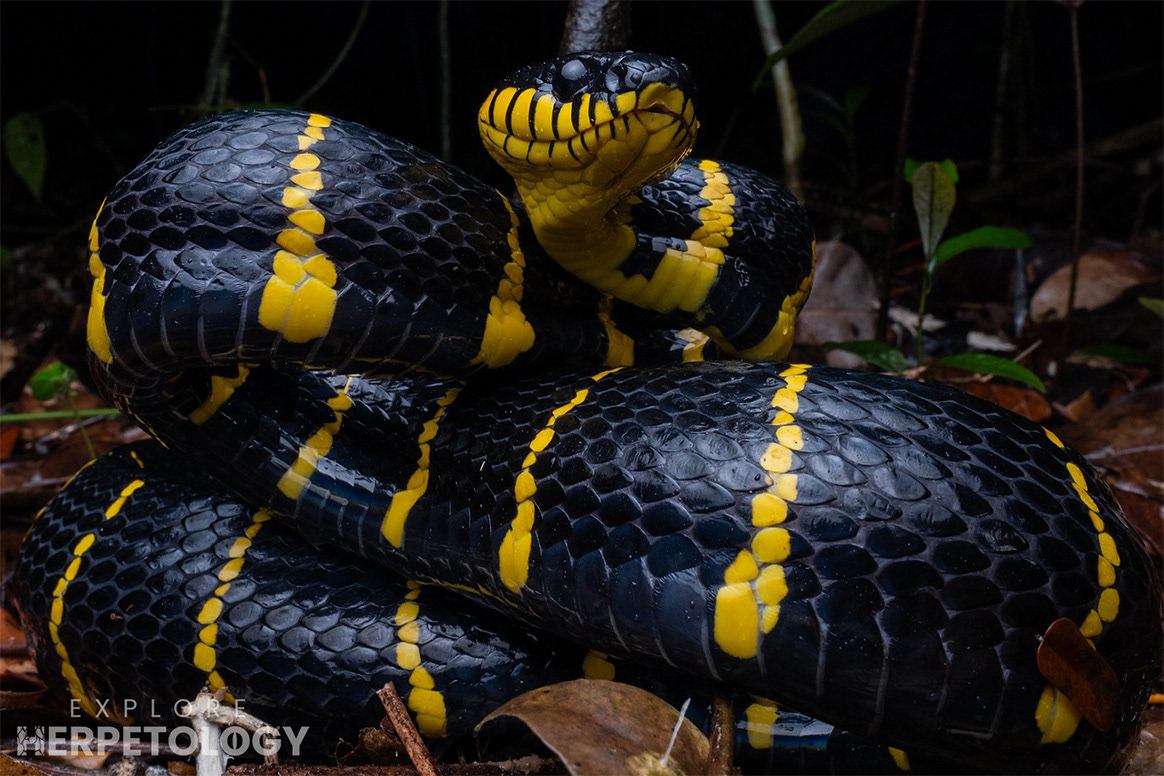
Mangrove cat snake (Boiga dendrophila melanota).
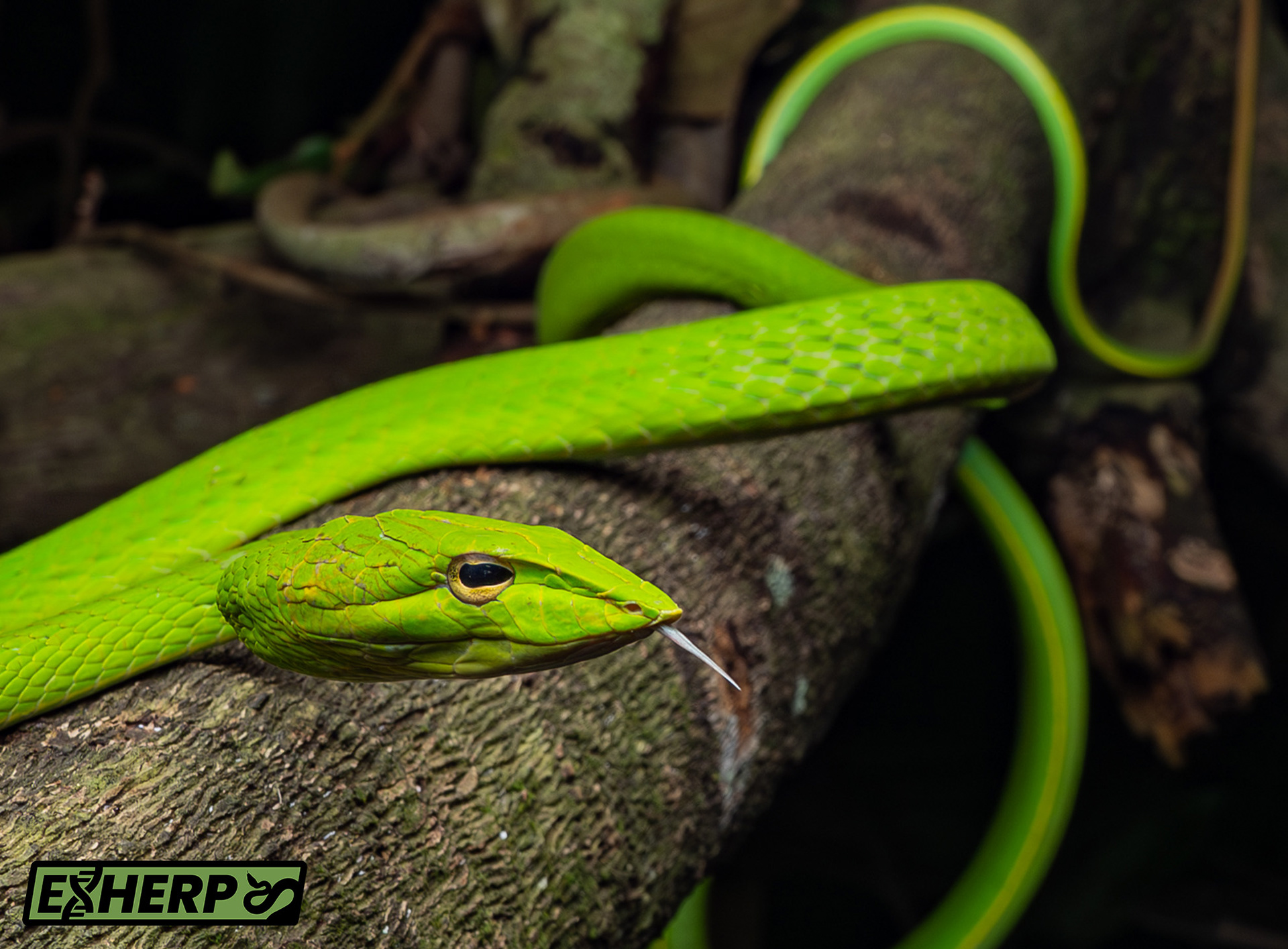
Oriental vine snake (Ahaetulla prasina).
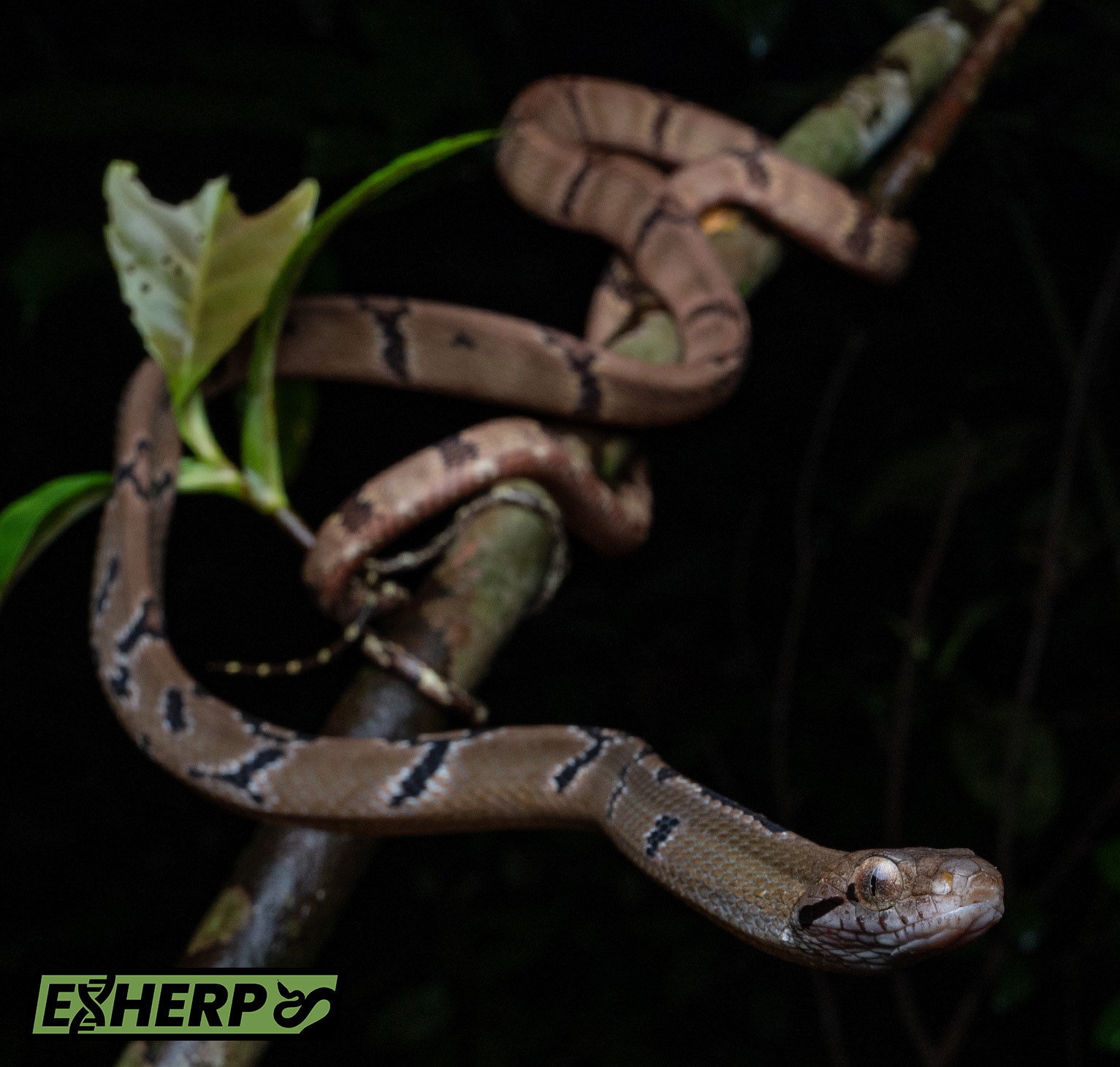
Dog-toothed cat snake (Boiga cynodon).
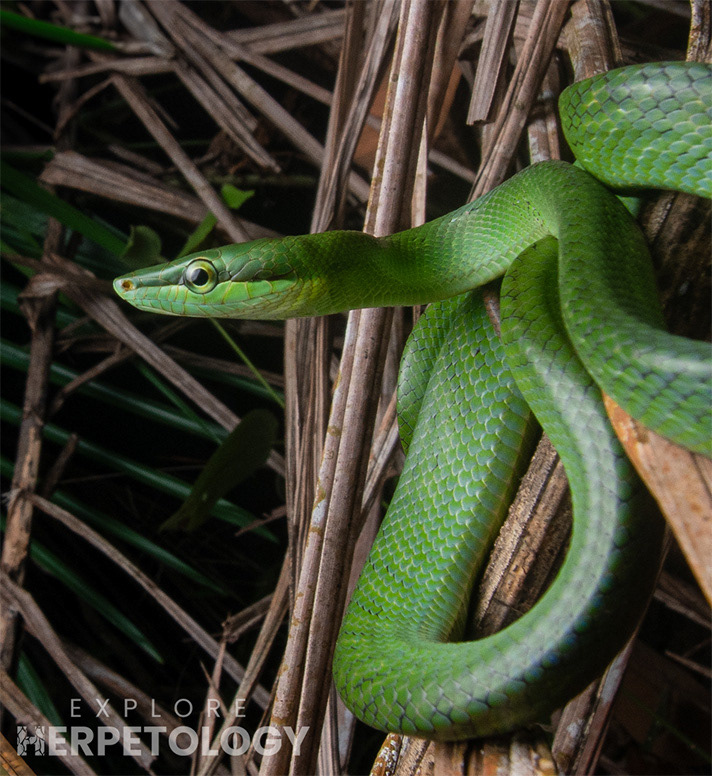
Red-tailed ratsnake (Gonyosoma oxycephalum).
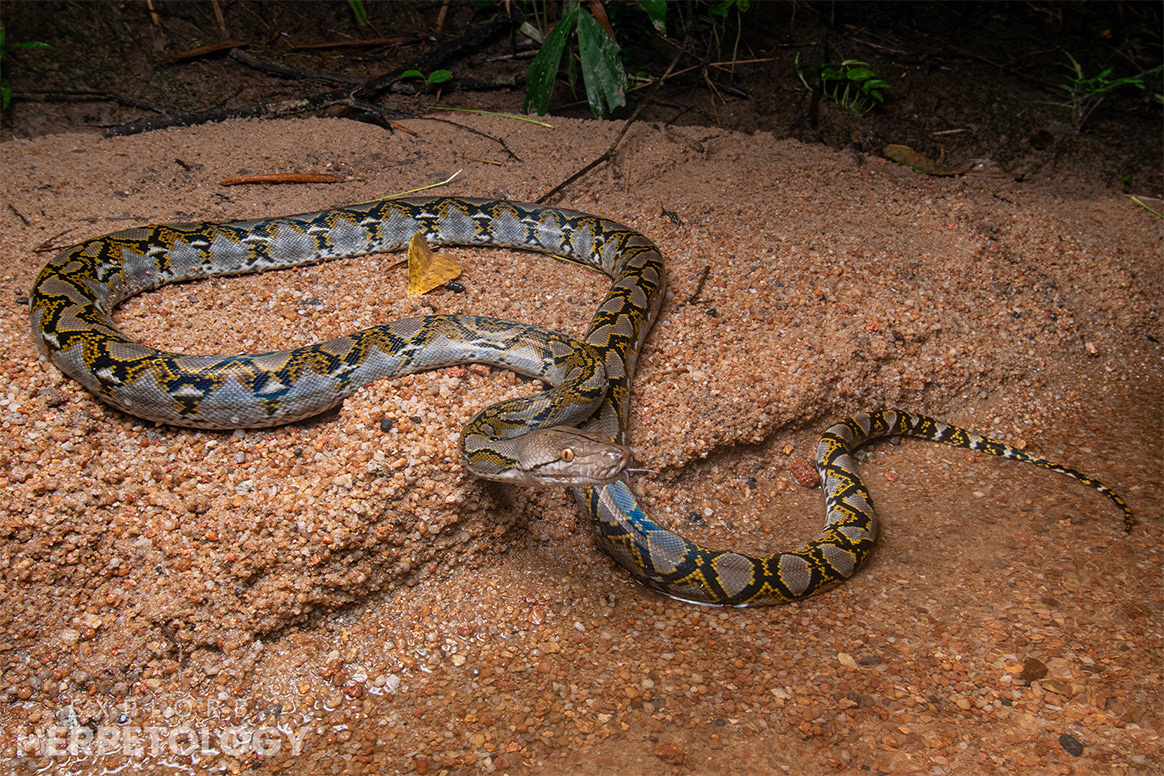
Reticulated python (Malayopython reticulatus).
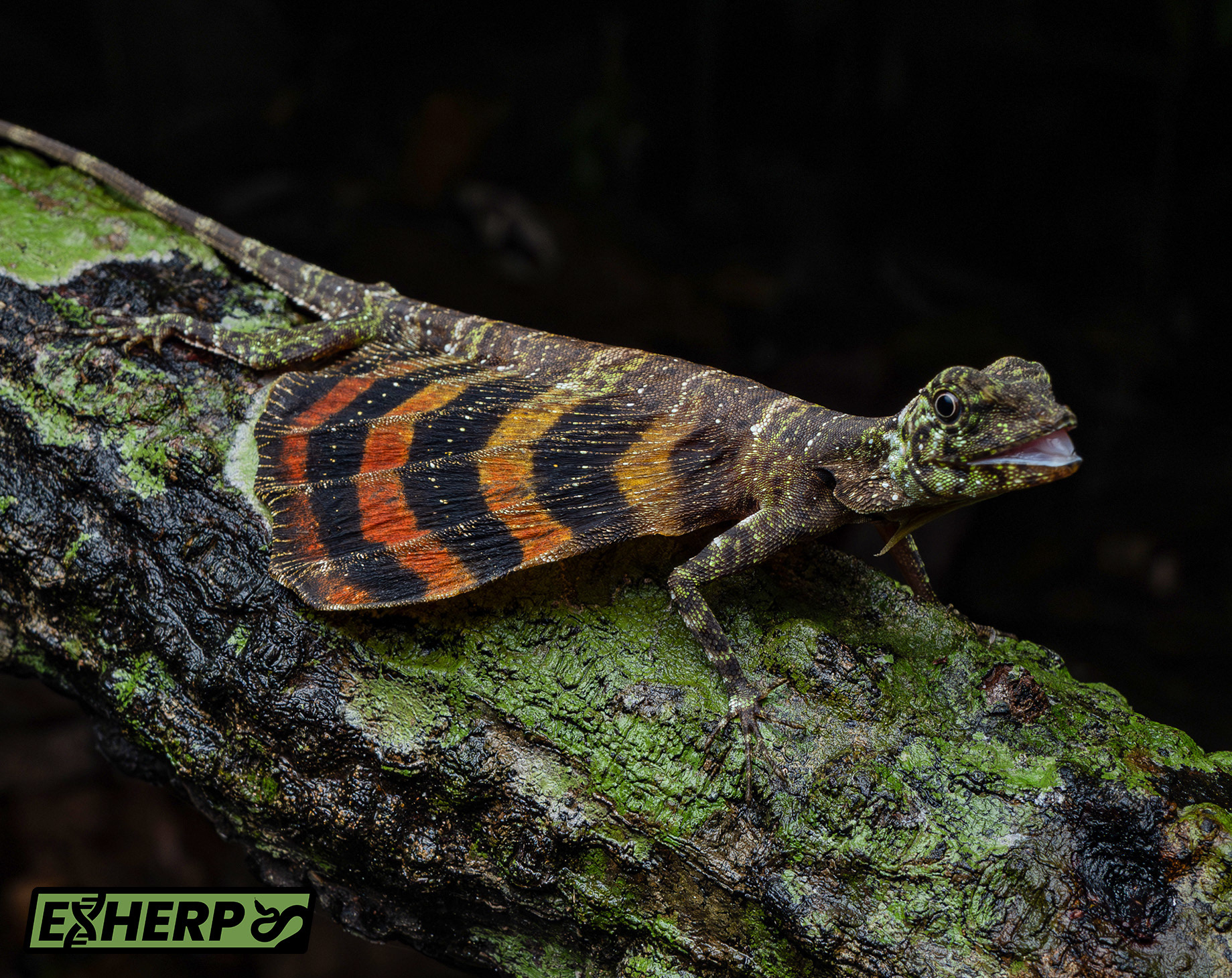
Five-banded gliding lizard (Draco quinquefasciata).
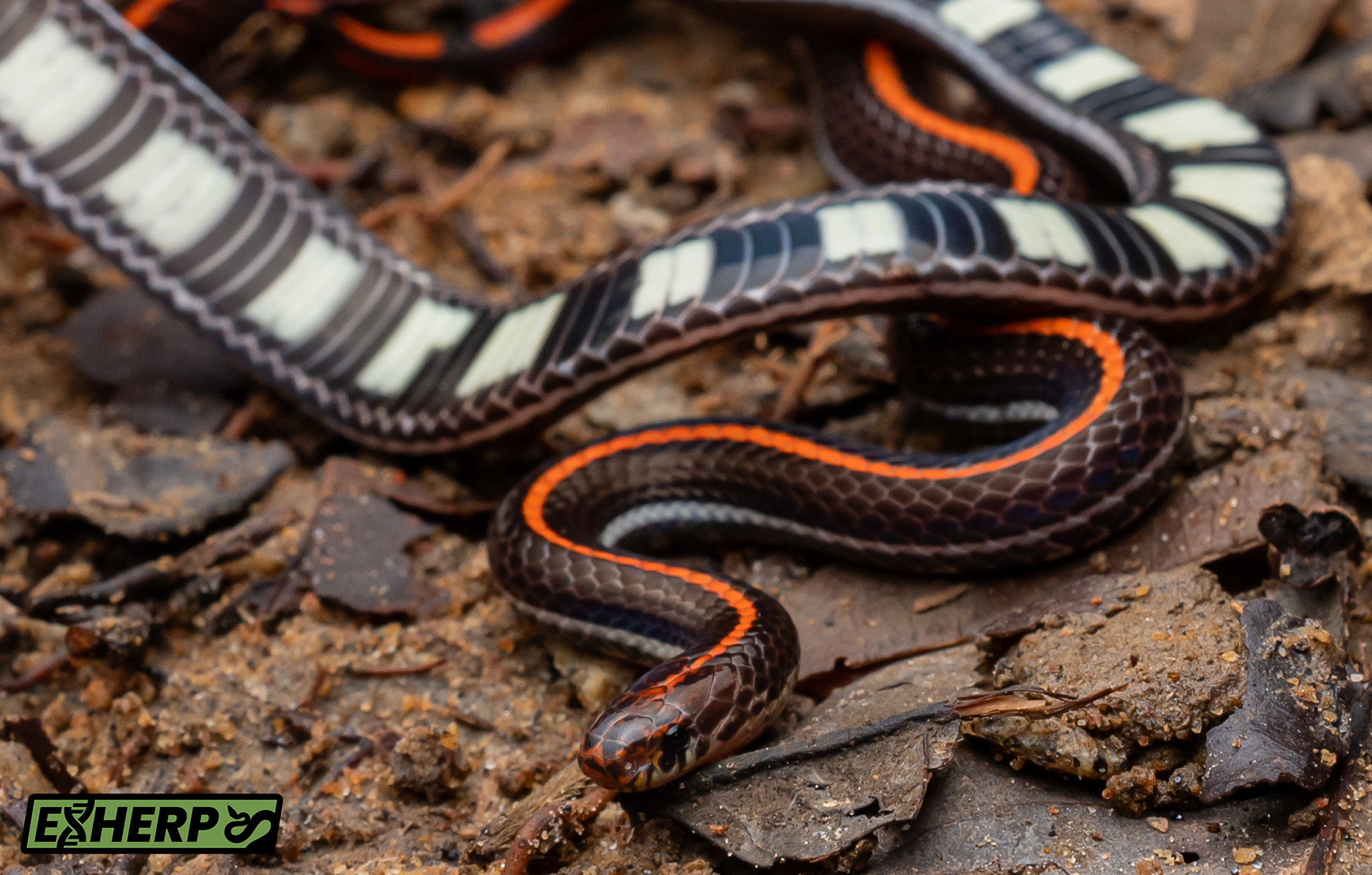
Malayan banded coral snake (Calliophis intestinalis).
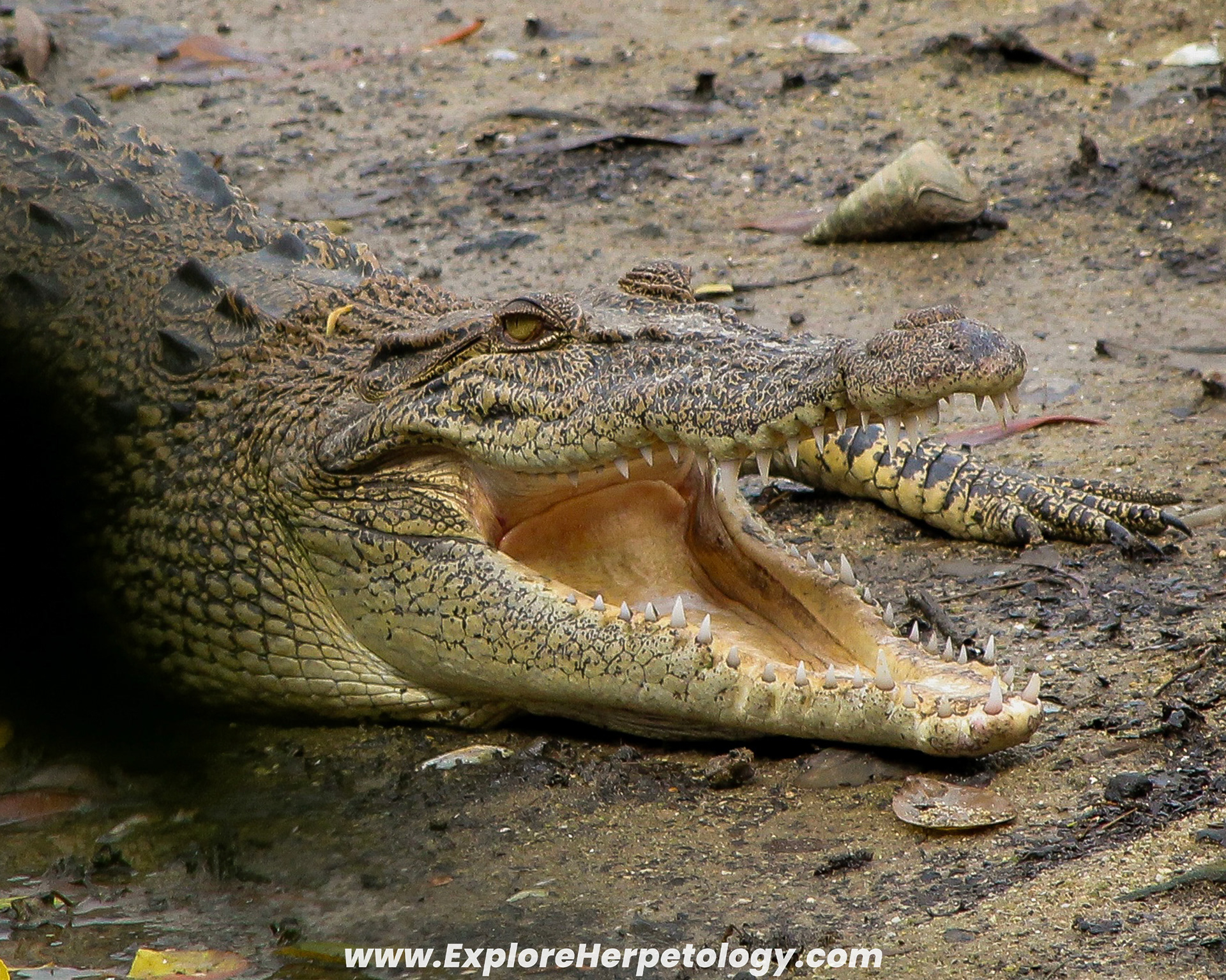
Saltwater crocodile (Crocodylus porosus).
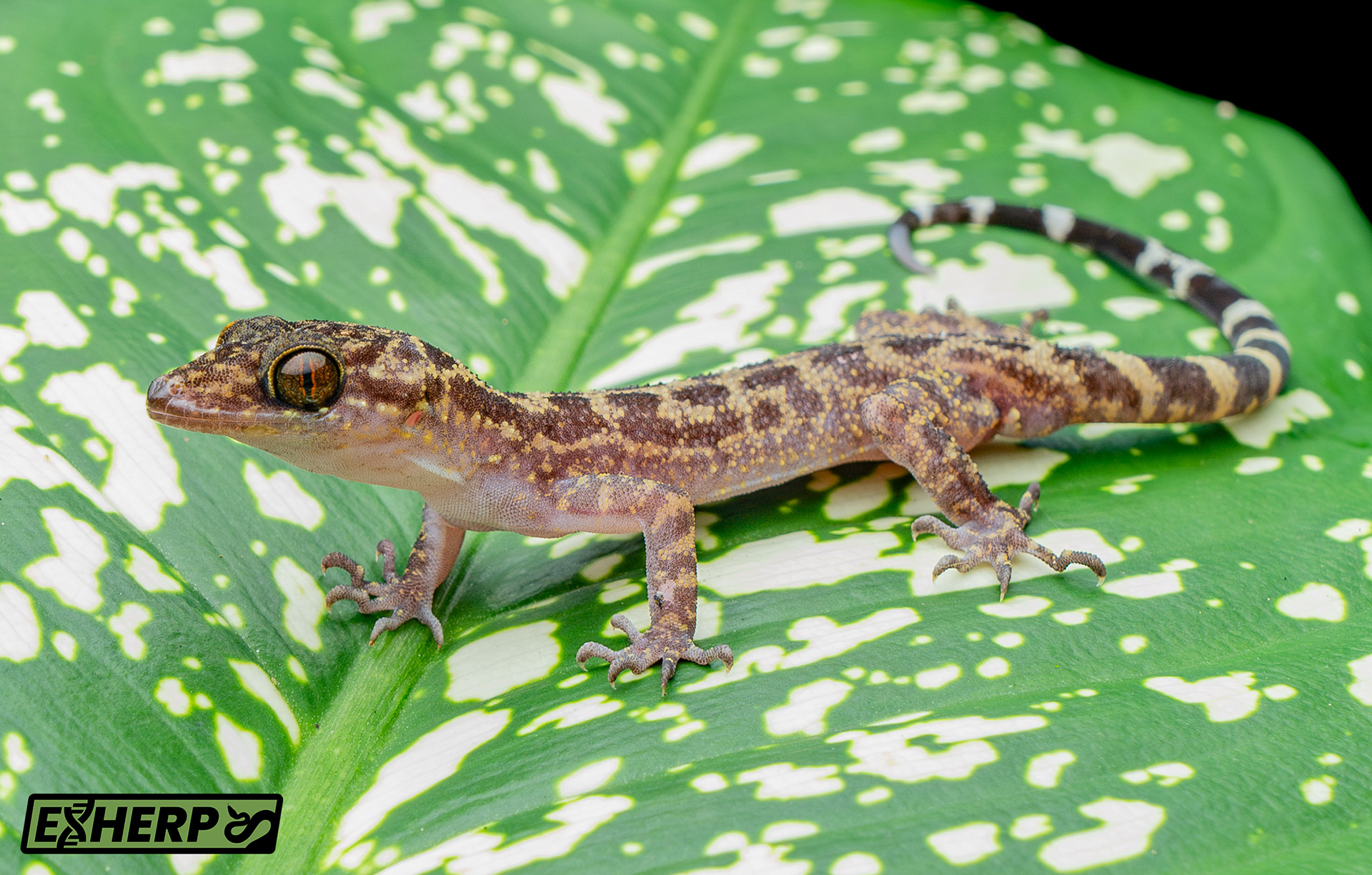
Singapore bent-toed gecko (Cyrtodactylus majulah)
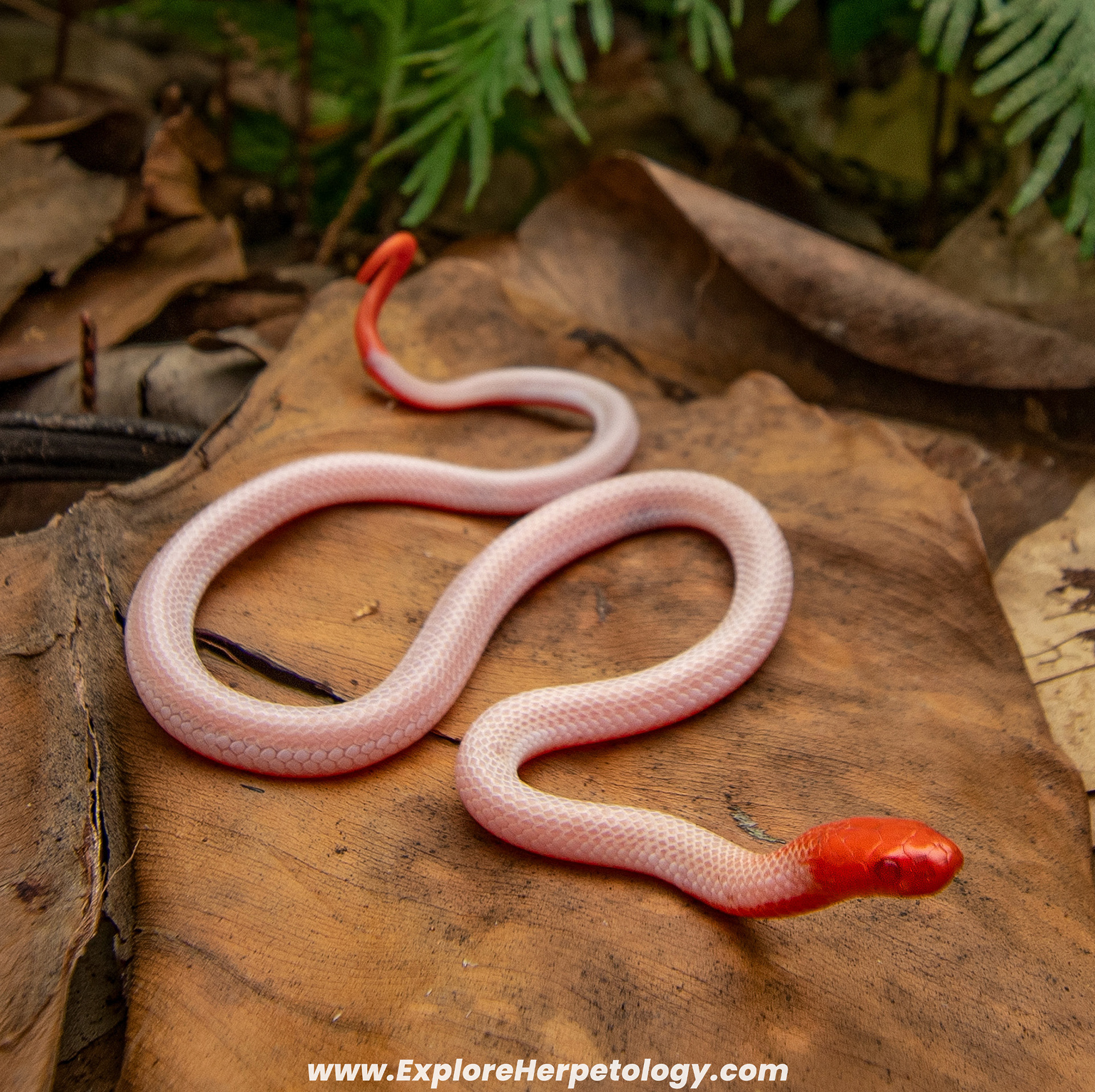
Albino blue coral snake (Calliophis bivirgata).
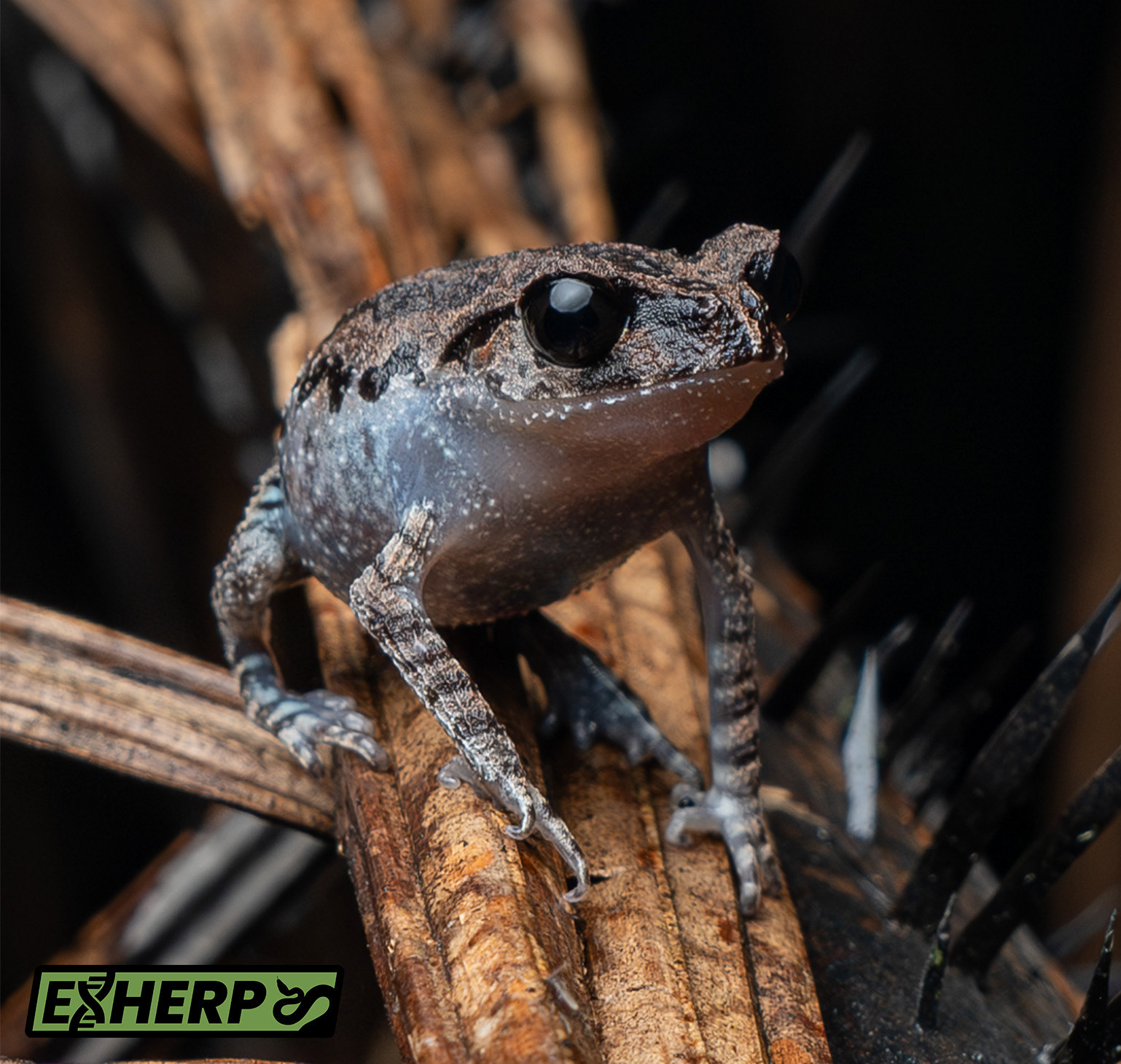
Black-eyed litter frog (Leptobrachium nigrops).
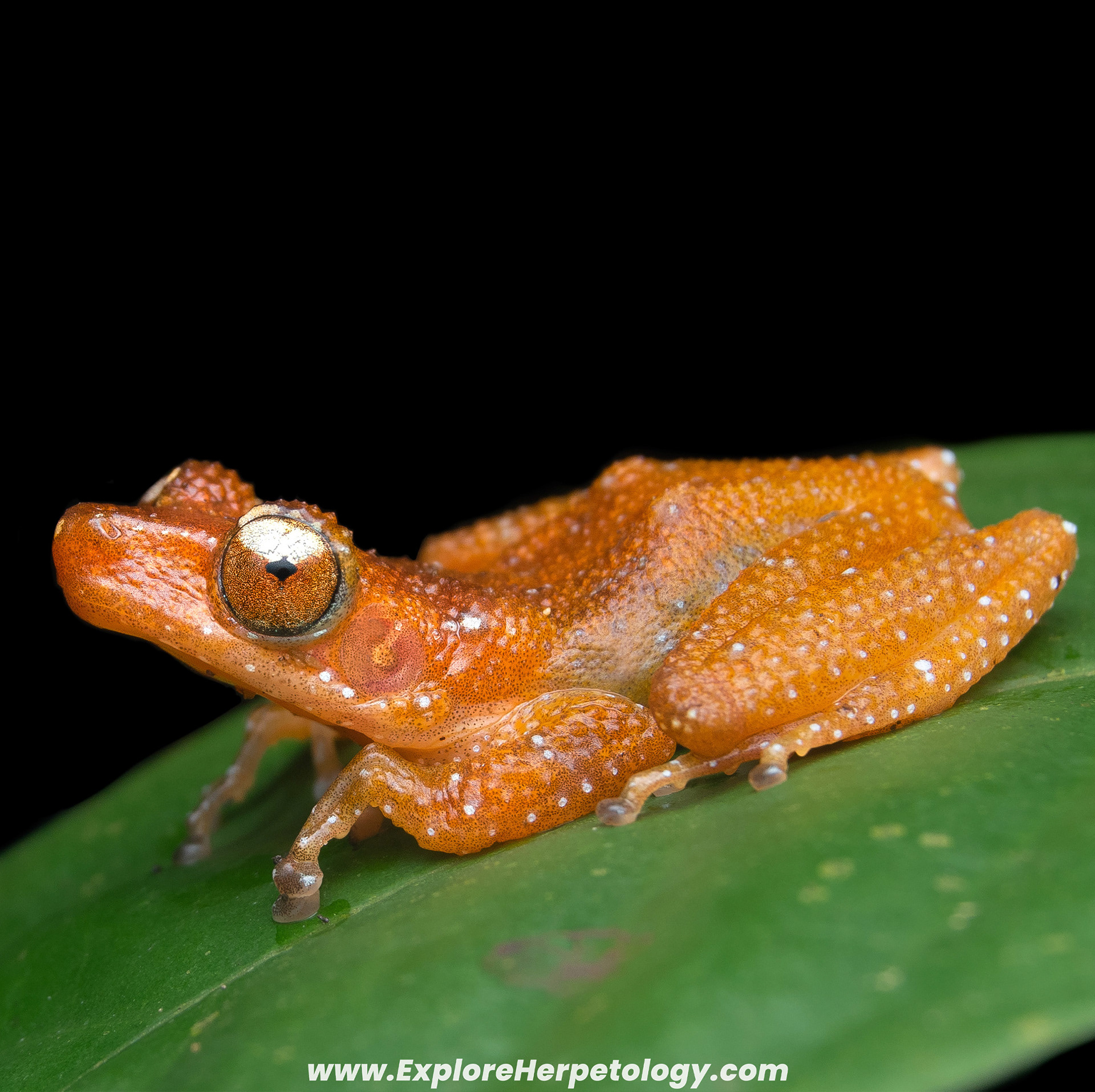
Cinnamon frog (Nyctixalus pictus).
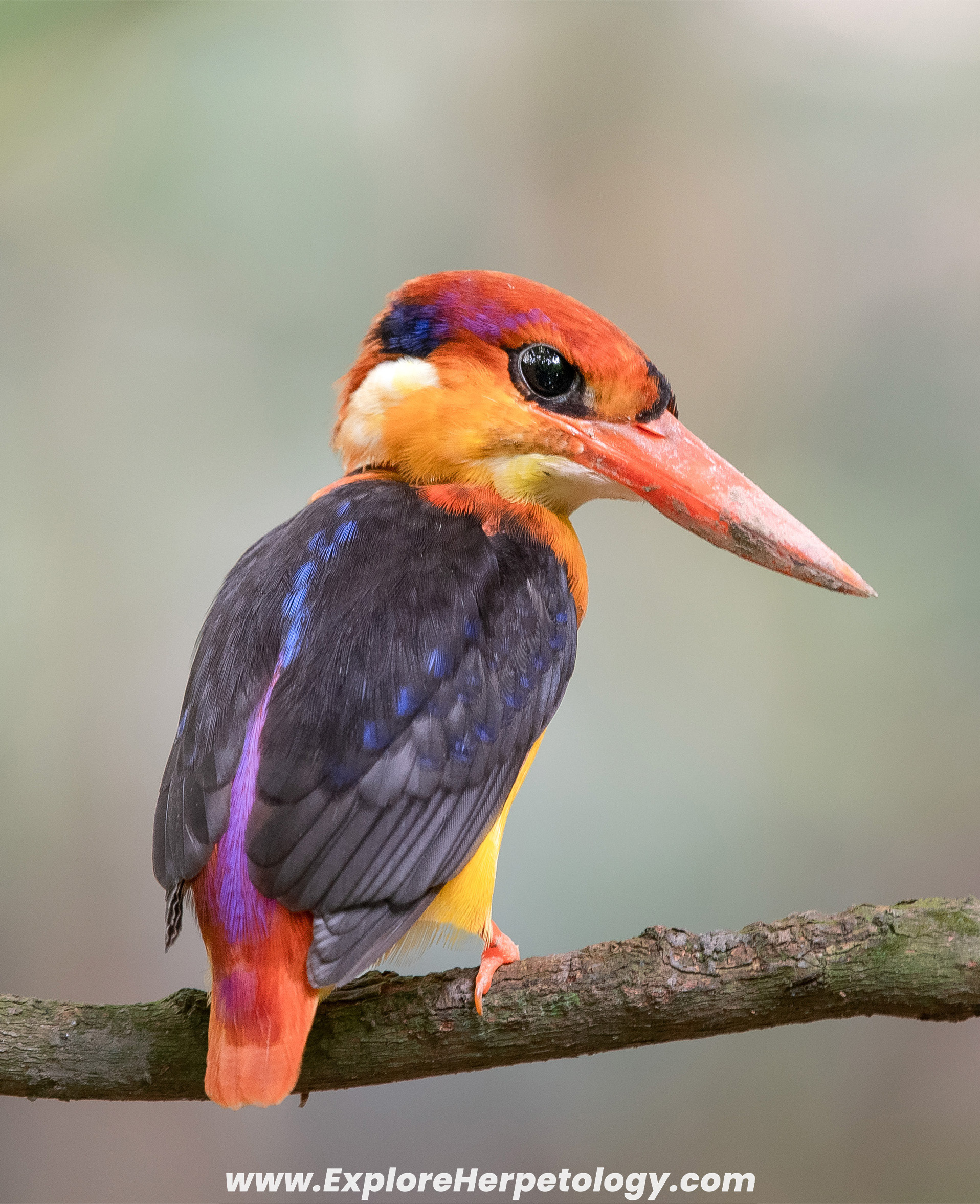
Black-backed dwarf kingfisher.
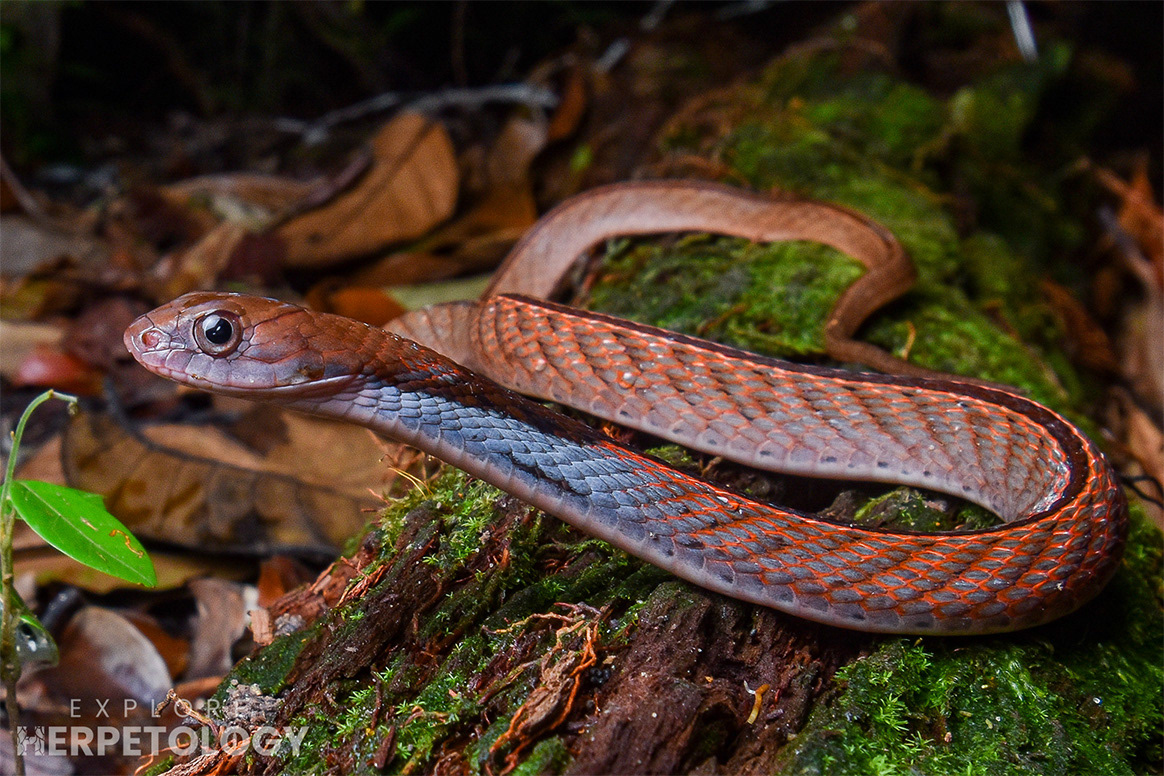
Blue-necked keelback (Rhabdophis rhodomelas).
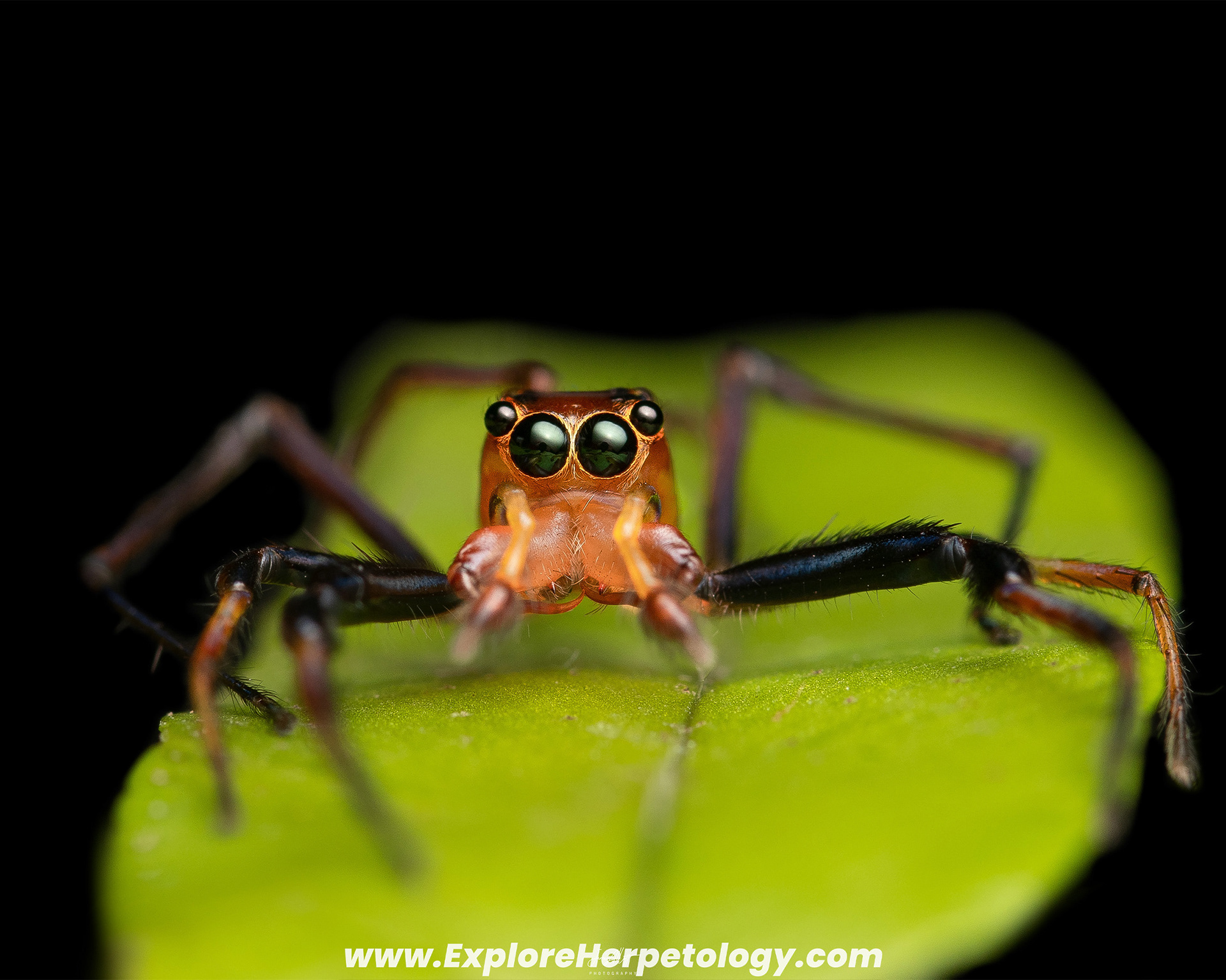
Wide-jawed jumping spider.
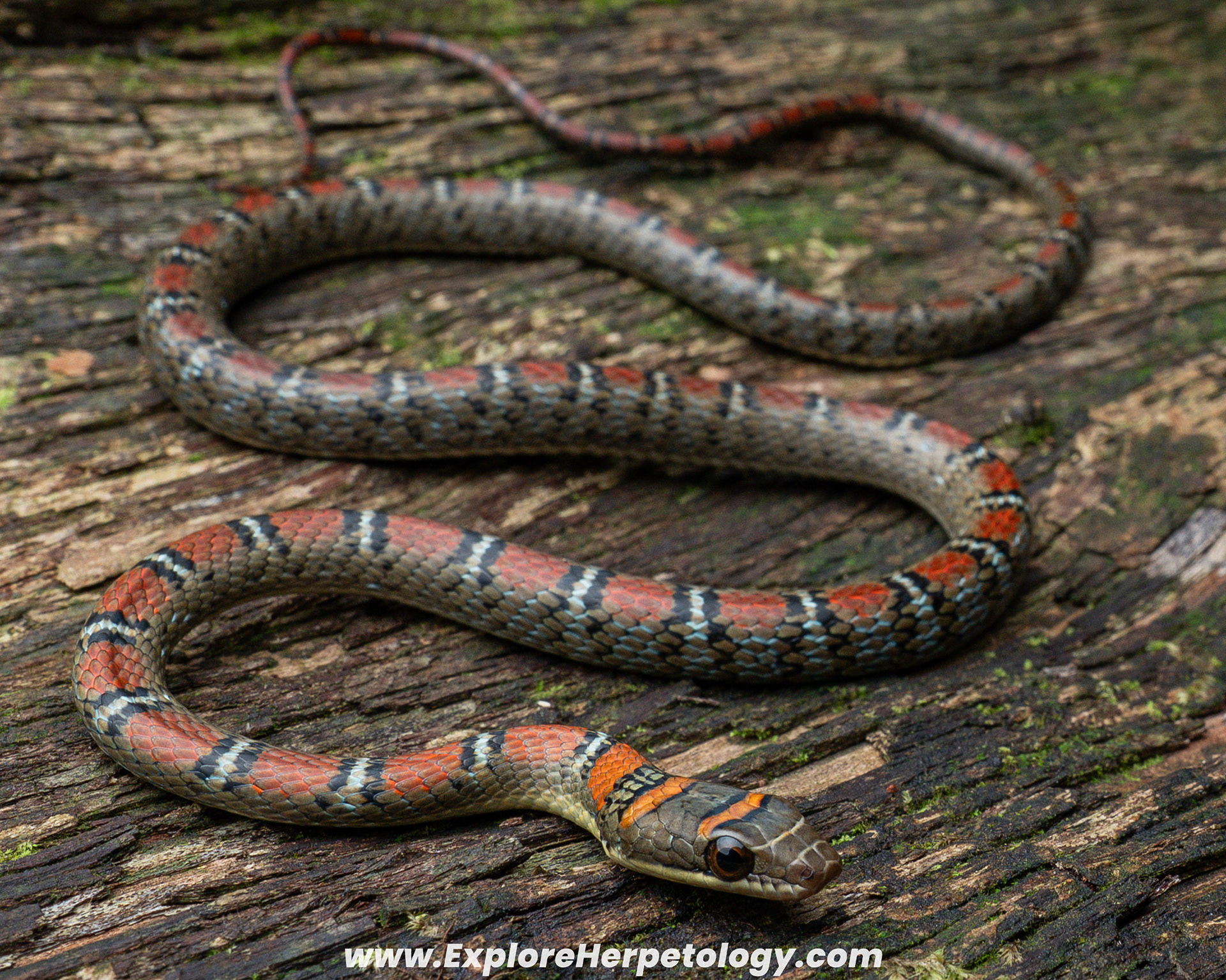
Twin-barred flying snake (Chrysopelea pelias).
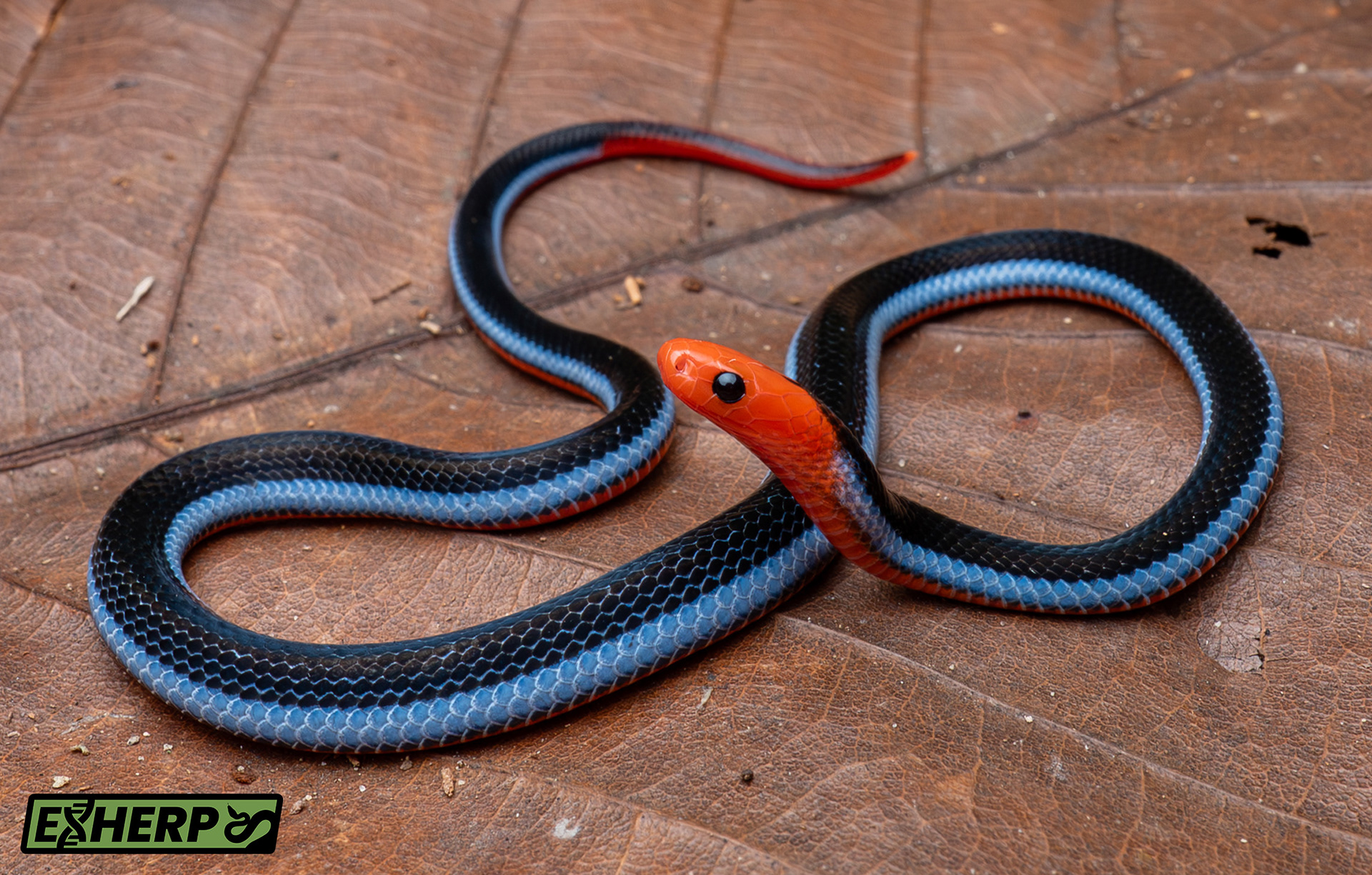
Juvenile blue coral snake (Calliophis bivirgata flaviceps).
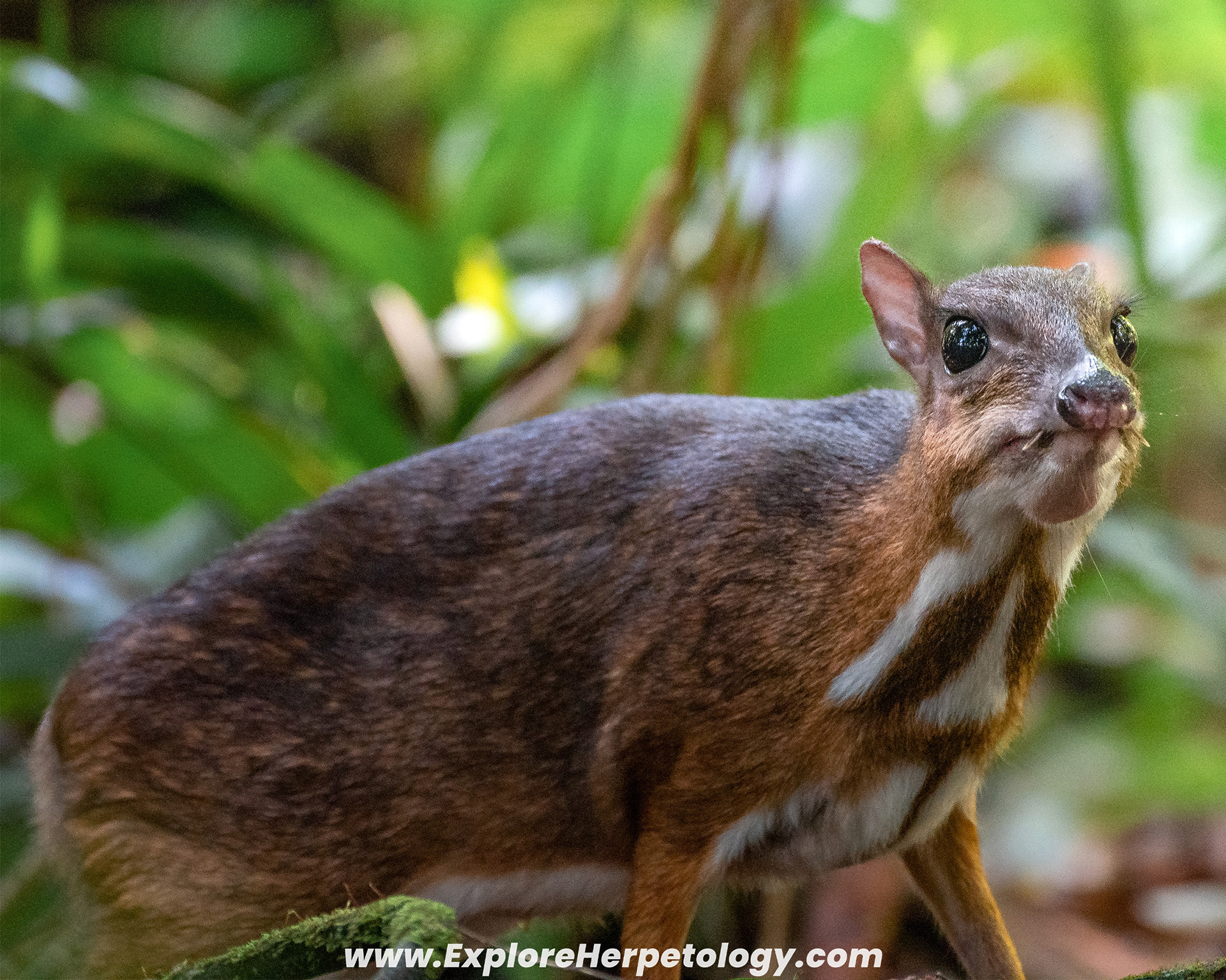
Lesser mouse deer.
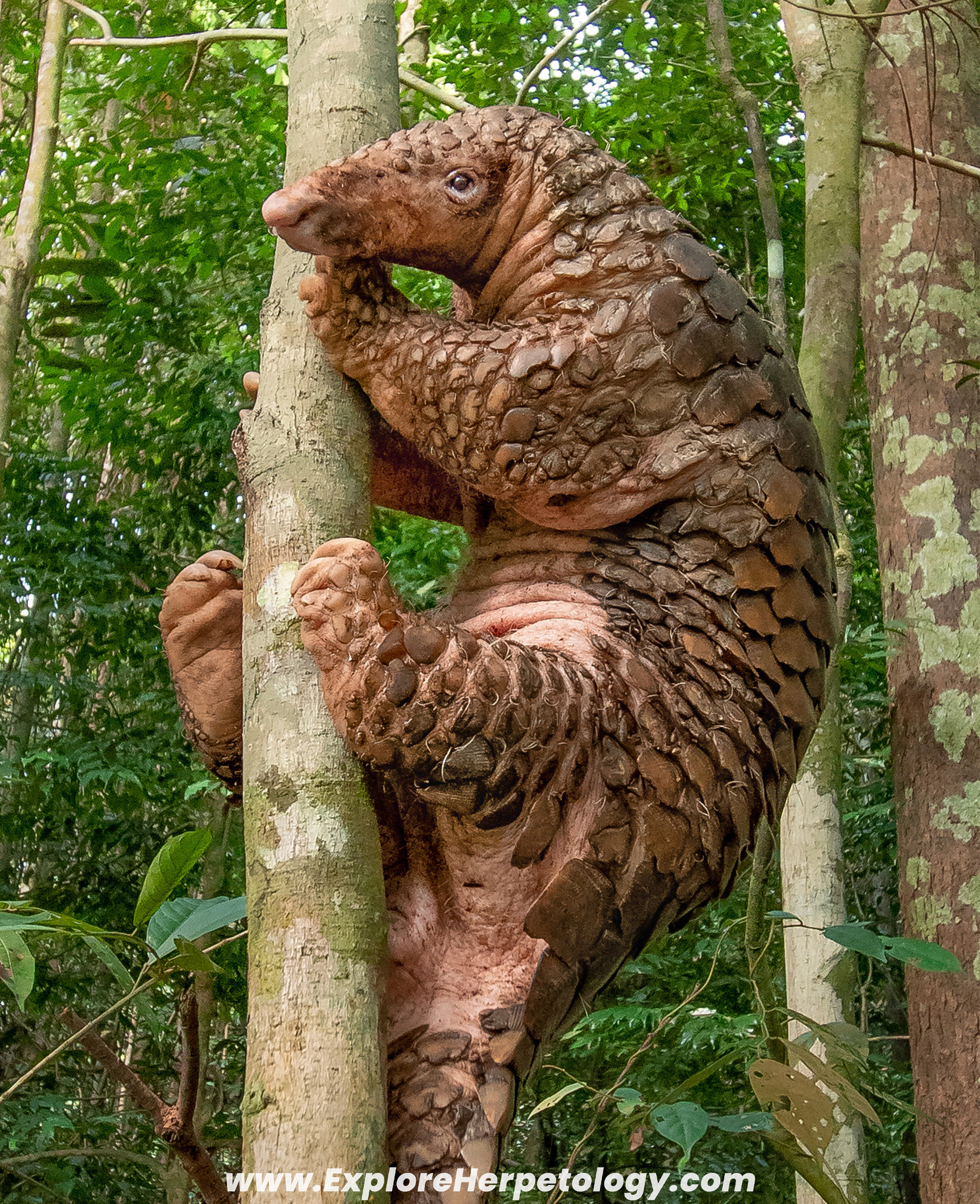
Sunda pangolin (Manis javanica).
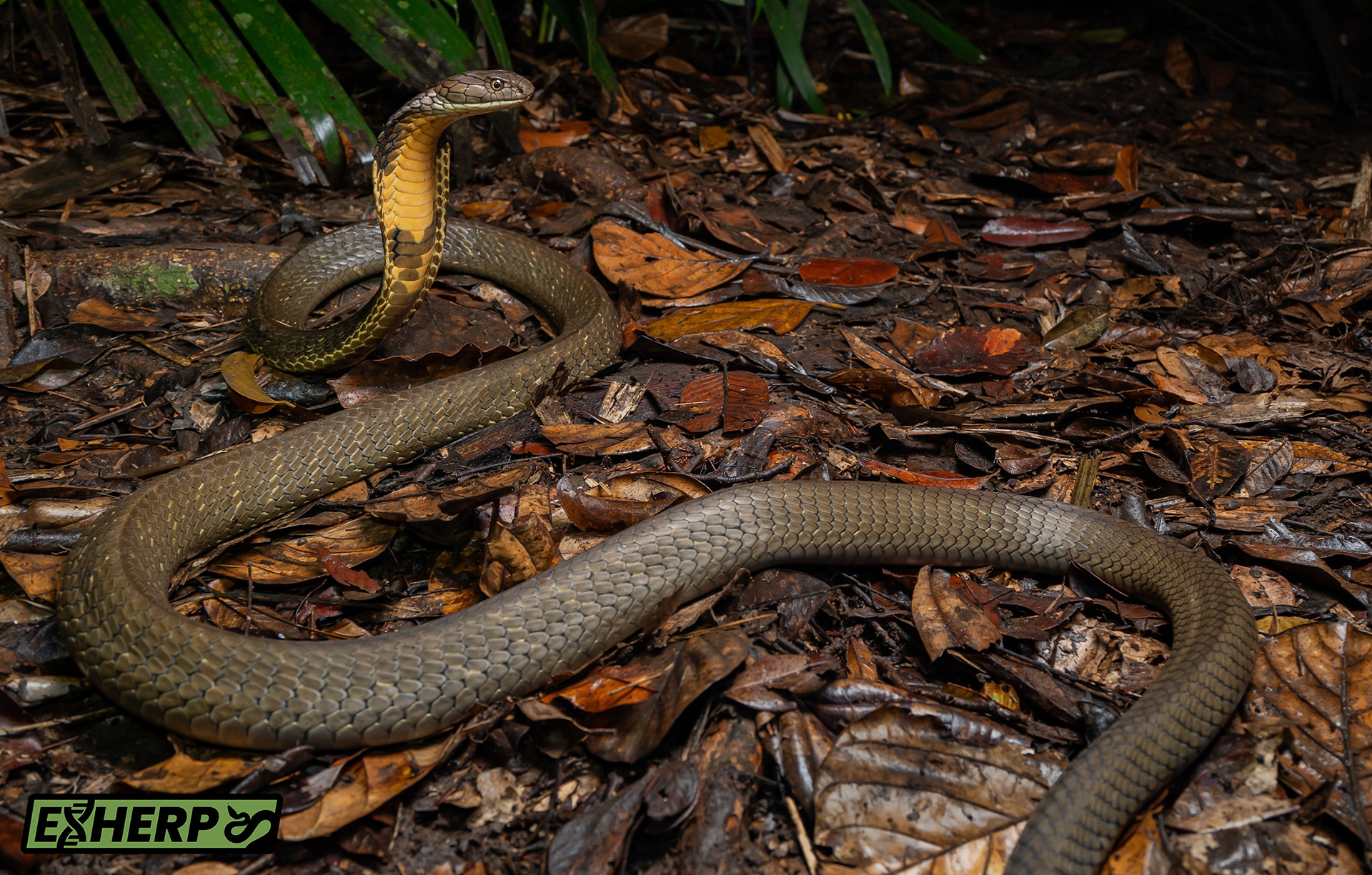
Sunda king cobra (Ophiophagus bungarus).